

What do you think?

Killing Stella
Claustrophobic and shattering, this is the story of one ordinary woman unable to save a teenager in her care. It is the story of Stella...
Stella is a friend's nineteen-year-old daughter who has come to live with Anna and her family. Unloved and neglected, Stella's presence disturbs the already tense and tumultuous household. She lodges uncomfortably in their lives, whilst Anna struggles to bring warmth and welcome to the home. Her son continues to be gloomy and her daughter oblivious. Meanwhile Richard, Anna's adulterous husband, pretends not to notice Stella at all…
Marlen Haushofer, author of The Wall, is the undisputed mistress of sustained dread and this gripping short novel deserves to be rediscovered.
TRANSLATED BY SHAUN WHITESIDE
'This potent 1958 novella from Austrian writer Haushofer takes the form of a mother’s agitated confession... This one hits hard' Publisher's Weekly
'Chillingly unillusioned... A fable about the habitual moral inertia of educated people' London Review of Books
‘Haushofer is a rather terrifying writer… Killing Stella limns a world of guilty secrets and repressions’ New Yorker
Stella is a friend's nineteen-year-old daughter who has come to live with Anna and her family. Unloved and neglected, Stella's presence disturbs the already tense and tumultuous household. She lodges uncomfortably in their lives, whilst Anna struggles to bring warmth and welcome to the home. Her son continues to be gloomy and her daughter oblivious. Meanwhile Richard, Anna's adulterous husband, pretends not to notice Stella at all…
Marlen Haushofer, author of The Wall, is the undisputed mistress of sustained dread and this gripping short novel deserves to be rediscovered.
TRANSLATED BY SHAUN WHITESIDE
'This potent 1958 novella from Austrian writer Haushofer takes the form of a mother’s agitated confession... This one hits hard' Publisher's Weekly
'Chillingly unillusioned... A fable about the habitual moral inertia of educated people' London Review of Books
‘Haushofer is a rather terrifying writer… Killing Stella limns a world of guilty secrets and repressions’ New Yorker
86 pages, Kindle Edition
First published January 1, 1958
About the author
Marlen Haushofer
38 books411 followersMarlen Haushofer was born in Frauenstein, Molln, Austria on April the 11th, 1920. She went to a Catholic gymnasium that was turned in a public school under the Nazi regime. She started her studies on German Language and Literature, in 1940 in Vienna and later on in Graz. She married the dentist Manfred Haushofer in 1941, they divorced in 1950 but reunited in 1957. They had a son together, in addition to the one son she had brought to their “second” marriage.
Although Marlen Haushofer won prizes for her work and gained critics laud, she was an almost forgotten author until the Women's Movement rediscovered her, with special attention of the role of women in the male-dominated society themes in her work.
Die Wand (The Wall) can be seen as her main-work. It was published 1963, and it's a novel about a woman cut off from society that made her living on her own in the woods. Not only because of the open ending, the novel allows a big variety of interpretations.
Marlen Haushofer came down with bone cancer and died on March the 21st 1970, she was only 49 years old.
Although Marlen Haushofer won prizes for her work and gained critics laud, she was an almost forgotten author until the Women's Movement rediscovered her, with special attention of the role of women in the male-dominated society themes in her work.
Die Wand (The Wall) can be seen as her main-work. It was published 1963, and it's a novel about a woman cut off from society that made her living on her own in the woods. Not only because of the open ending, the novel allows a big variety of interpretations.
Marlen Haushofer came down with bone cancer and died on March the 21st 1970, she was only 49 years old.
Ratings & Reviews
Friends & Following
Create a free account to discover what your friends think of this book!
Community Reviews
Displaying 1 - 30 of 553 reviews

August 26, 2016
Killing Stella
Many of us are acquainted with the human flaws known as the seven cardinal sins, a classification of vices of Christian origin, encompassing pride, lust, greed, envy, wrath, sloth and gluttony. In Flanders, a popular weekly has been using the sins as an interview format for years, and the Vatican gave a modern twirl to them in 2008, by listing new sins such as causing environmental blight, genetic modification and causing poverty.
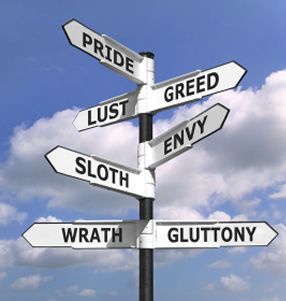
In 1958 the Austrian writer Marlen Haushofer (1920-1970) published a disconcerting tale on the – in this case not only cardinal but also deadly - sin of sloth, as a mind-state of unresponsiveness, a passive inert or sluggish mentation, the disregard of the seven gifts of grace (wisdom, understanding, counsel, knowledge, piety, fortitude, fear of the Lord), leading to the neglect of one’s duties of charity towards its fellow creatures – a failure to do things that one should do.
Frailty, thy name is woman
Anna, a 40 year old Austrian housewife, reflects on the death of Stella, the 19 year old daughter of a friend who has lived temporarily with Anna and her family. Alone in the house for the weekend while her husband and two children are away, she ruthlessly dissects her own emotions and behaviour which have furthered Stella’s death. At first an nondescript, even mouselike girl, Anna encourages Stella to reveal her ‘underlying beauty’ by dressing her up in more flattering clothes. As a result, Richard, Anna’s adulterous husband, seduces Stella, exploiting her ingenuousness, dropping her after a few weeks, after which Stella dies in a traffic accident. Anna concedes to have stood by motionlessly letting her husband annihilate Stella’s life. She did nothing to help, protect or warn the young girl, turning a blind eye to Stella’s misery, evading mercilessly every contact with ill and unhappy people, like her husband does.
Without intervening, she observes Stella’s downfall like she is watching the dying of a little bird which has fallen out of the nest from her window, wishing half-heartedly to turn back time and restore the harm done to both creatures epitomizing weakness and frailty, but without taking action.

Submissively enduring the humiliation of adultery Anna discloses her weak spot, her desire to safeguard the Freudian realm of bliss she has created with her son. As Anna is a mere object to her husband, something he possesses, just like the house and the children, she looks for a surrogate to love in her son Wolfgang, debouching in a semi-perverse attachment to the war child he is. She never confronts her husband with his untrue behaviour and favours the apparent calm and peace above addressing the truth, burying her head in the sand of indifference.
Torn apart by her pusillanimous complicity , Anna bitterly considers herself culpable in relation to Stella’s death, having preferred to uphold the spurious household harmony in her family, however suffocating to its members, including herself.
The omission of good is no less reprehensible than the commission of evil.
(Plutarch)
Barbarism begins at home. Where is Anna on the thin line between victim and perpetrator? Her motives and state of mind are repulsive and fascinating at the same time. Are there any extenuating circumstances exonerating this crime of sloth? Even if the suffocating patriarchal bourgeois family structure could be blamed for Anna’s paralysis to a certain extent, Haushofer does not let any member of the nuclear family raise undamaged for the wreckage of cowardice and neglect. Could one simply sigh and quote Joyce, ‘Frailty, thy name is marriage’, as Anne deliberately cages herself in the marital institution? As there is no virtue in suffering in itself, I presume Haushofer wouldn’t agree. 'It is not only what we do, but also what we do not do, for which we are accountable.'(Molière). Haushofer’s brilliant story on guilty silence is proverbial in recalling the hushing up of the Holocaust in the stagnating denazification process of Austria in the fifties even as it is troubling the present day reader’s conscience with disturbing moral questions.
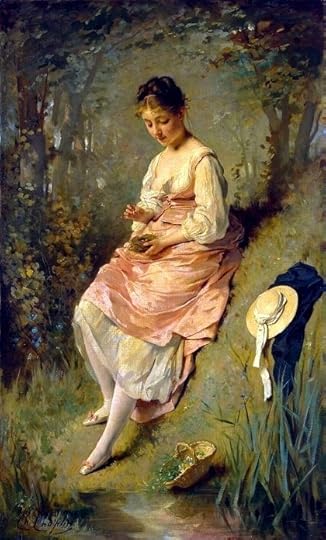
Charles Joshua Chaplin, Fallen Bird's Nest
Wir töten Stella (We murder Stella/Killing Stella) is a highly suggestive, atmospheric and chillingly dark novella about guilt by omission, the failure and refusal to act when a person is in need, by omitting one’s responsibilities, and its unsettling consequences.
An Austrian film adaptation of the novella by Julian Pölsler came out in 2017. As We Murder Stella is reputed to be Marlen Haushofer’s first fully achieved piece of writing and a 'prequel' to her more known The Wall (also a film by Pölsler), I look forward to read that as well.
I heartily thank M. Sarki for bringing this intriguing author to my attention.
Many of us are acquainted with the human flaws known as the seven cardinal sins, a classification of vices of Christian origin, encompassing pride, lust, greed, envy, wrath, sloth and gluttony. In Flanders, a popular weekly has been using the sins as an interview format for years, and the Vatican gave a modern twirl to them in 2008, by listing new sins such as causing environmental blight, genetic modification and causing poverty.
In 1958 the Austrian writer Marlen Haushofer (1920-1970) published a disconcerting tale on the – in this case not only cardinal but also deadly - sin of sloth, as a mind-state of unresponsiveness, a passive inert or sluggish mentation, the disregard of the seven gifts of grace (wisdom, understanding, counsel, knowledge, piety, fortitude, fear of the Lord), leading to the neglect of one’s duties of charity towards its fellow creatures – a failure to do things that one should do.
Frailty, thy name is woman
Anna, a 40 year old Austrian housewife, reflects on the death of Stella, the 19 year old daughter of a friend who has lived temporarily with Anna and her family. Alone in the house for the weekend while her husband and two children are away, she ruthlessly dissects her own emotions and behaviour which have furthered Stella’s death. At first an nondescript, even mouselike girl, Anna encourages Stella to reveal her ‘underlying beauty’ by dressing her up in more flattering clothes. As a result, Richard, Anna’s adulterous husband, seduces Stella, exploiting her ingenuousness, dropping her after a few weeks, after which Stella dies in a traffic accident. Anna concedes to have stood by motionlessly letting her husband annihilate Stella’s life. She did nothing to help, protect or warn the young girl, turning a blind eye to Stella’s misery, evading mercilessly every contact with ill and unhappy people, like her husband does.
Without intervening, she observes Stella’s downfall like she is watching the dying of a little bird which has fallen out of the nest from her window, wishing half-heartedly to turn back time and restore the harm done to both creatures epitomizing weakness and frailty, but without taking action.
Submissively enduring the humiliation of adultery Anna discloses her weak spot, her desire to safeguard the Freudian realm of bliss she has created with her son. As Anna is a mere object to her husband, something he possesses, just like the house and the children, she looks for a surrogate to love in her son Wolfgang, debouching in a semi-perverse attachment to the war child he is. She never confronts her husband with his untrue behaviour and favours the apparent calm and peace above addressing the truth, burying her head in the sand of indifference.
Torn apart by her pusillanimous complicity , Anna bitterly considers herself culpable in relation to Stella’s death, having preferred to uphold the spurious household harmony in her family, however suffocating to its members, including herself.
The omission of good is no less reprehensible than the commission of evil.
(Plutarch)
Barbarism begins at home. Where is Anna on the thin line between victim and perpetrator? Her motives and state of mind are repulsive and fascinating at the same time. Are there any extenuating circumstances exonerating this crime of sloth? Even if the suffocating patriarchal bourgeois family structure could be blamed for Anna’s paralysis to a certain extent, Haushofer does not let any member of the nuclear family raise undamaged for the wreckage of cowardice and neglect. Could one simply sigh and quote Joyce, ‘Frailty, thy name is marriage’, as Anne deliberately cages herself in the marital institution? As there is no virtue in suffering in itself, I presume Haushofer wouldn’t agree. 'It is not only what we do, but also what we do not do, for which we are accountable.'(Molière). Haushofer’s brilliant story on guilty silence is proverbial in recalling the hushing up of the Holocaust in the stagnating denazification process of Austria in the fifties even as it is troubling the present day reader’s conscience with disturbing moral questions.
Charles Joshua Chaplin, Fallen Bird's Nest
Wir töten Stella (We murder Stella/Killing Stella) is a highly suggestive, atmospheric and chillingly dark novella about guilt by omission, the failure and refusal to act when a person is in need, by omitting one’s responsibilities, and its unsettling consequences.
An Austrian film adaptation of the novella by Julian Pölsler came out in 2017. As We Murder Stella is reputed to be Marlen Haushofer’s first fully achieved piece of writing and a 'prequel' to her more known The Wall (also a film by Pölsler), I look forward to read that as well.
I heartily thank M. Sarki for bringing this intriguing author to my attention.

September 6, 2025
A chilling, gothic novella, which illustrates the power of inaction, but far more than that.
Anna takes in the teenage daughter of a "frenemy", a woman who she cannot stand, to live with her unhappy family for ten months. From the outset, this young woman is clearly represented by the crying baby bird outside Anna's window, crying for a mother who is never going to come. We know, from the title, that the young woman is doomed.
Killing Stella (originally published in German in 1958, but only now available in English translation) is Anna's account of Stella's time with the family. I'm reminded of The Good Soldier, because we are only privy to the narrator's thoughts and point of view. This point of view is masterfully misleading. Initially, it appears as though Anna is crushed, crushed by the horrific recent events, and also crushed by life. Her husband Richard is a predatory lawyer, who has constant affairs, and who considers her a possession. Her daughter Annette, she describes as gentle and as vulnerable as a young tiger (much like Richard). It's only Wolfgang, her teenage son, who she delights in, and with whom she covets time and connection.
So when Stella arrives, she creates a disruption in the strange and sick balance of Anna's life. Stella, a homely and quiet creature, largely unloved. Why does she meet her sudden and violent end?
It's only as we journey through Anna's narrative that it becomes clearer and clearer who is the tiger, and who is the tiger's keeper. There is powerful inaction that takes place, but, more importantly, there is definitely an orchestration, a preparation of the prey for the one on the top of the food chain.
I'm looking forward to reading The Wall by this author. Her writing holds a dark, meticulously controlled intelligence, and I want more.
Anna takes in the teenage daughter of a "frenemy", a woman who she cannot stand, to live with her unhappy family for ten months. From the outset, this young woman is clearly represented by the crying baby bird outside Anna's window, crying for a mother who is never going to come. We know, from the title, that the young woman is doomed.
Killing Stella (originally published in German in 1958, but only now available in English translation) is Anna's account of Stella's time with the family. I'm reminded of The Good Soldier, because we are only privy to the narrator's thoughts and point of view. This point of view is masterfully misleading. Initially, it appears as though Anna is crushed, crushed by the horrific recent events, and also crushed by life. Her husband Richard is a predatory lawyer, who has constant affairs, and who considers her a possession. Her daughter Annette, she describes as gentle and as vulnerable as a young tiger (much like Richard). It's only Wolfgang, her teenage son, who she delights in, and with whom she covets time and connection.
So when Stella arrives, she creates a disruption in the strange and sick balance of Anna's life. Stella, a homely and quiet creature, largely unloved. Why does she meet her sudden and violent end?
It's only as we journey through Anna's narrative that it becomes clearer and clearer who is the tiger, and who is the tiger's keeper. There is powerful inaction that takes place, but, more importantly, there is definitely an orchestration, a preparation of the prey for the one on the top of the food chain.
I'm looking forward to reading The Wall by this author. Her writing holds a dark, meticulously controlled intelligence, and I want more.
January 11, 2026
An older, wiser friend once said, “If we all threw our problems on the sidewalk, we’d pick up our own.” In a way, Killing Stella is an admission of that; of the lengths we’d go to—both in action and resistance—to maintain the status quo of our lives, however painful. Playing with the psychological ooze that comes from the twist and squeeze of a woman’s domestic life in 1958, Haushofer’s tale reminded me of Patricia Highsmith, or Daphne du Maurier’s shorts. Despite the refined language and structure, however, these barely 5” x 4,” 87 pages of text didn’t linger for me the way Highsmith and du Maurier do.
All comes from the mind of a single narrator; here are some quotes for a feel:
“It’s true, a human being can endure a lot, not only out of habit, but because a faint spark glimmers within them, which they secretly hope will one day allow them to break the habit. The fact that they usually can’t, out of weakness and cowardice, does not speak against it.”
“Thinking people must always give up living, and living people do not need to think.”
“I am Richard’s wife entirely, and since I can no longer bear that, I am condemned to a life of solitude.”
All comes from the mind of a single narrator; here are some quotes for a feel:
“It’s true, a human being can endure a lot, not only out of habit, but because a faint spark glimmers within them, which they secretly hope will one day allow them to break the habit. The fact that they usually can’t, out of weakness and cowardice, does not speak against it.”
“Thinking people must always give up living, and living people do not need to think.”
“I am Richard’s wife entirely, and since I can no longer bear that, I am condemned to a life of solitude.”

December 12, 2018
Als Teenager habe ich alles verschlungen, was ich von Marlen Haushofer in die Finger kriegen konnte. Schon damals faszinierte mich nicht nur was ich las, sondern warum mich diese Protagonistinnen so ansprachen. Das sind keine sympathischen Frauen, völlig erstarrt in ihren wenig glücklichen Ehen, dabei alles genau sehend, durchschauend. Frauen, die ganz offensichtlich psychisch beschädigt sind, nur dass ich mich frage, welche Art von Diagnose würde man ihnen denn ausstellen können. Und ich meine das ganz ernst: Wer diese Novelle gelesen hat und eine Idee hat, wie man den Zustand Annas beschreiben kann, ich wüsste es gerne…
In dieser meisterhaft erzählten Geschichte wird eine nach außen perfekt anmutende Familie beschrieben. Ein Ehepaar, zwei Kinder, wohlhabend, ein Haus, eine Bedienerin. Nach innen ist das Ganze verrottet, der Mann ist machtfixiert und hat zahlreiche Affären, die Frau ignoriert dies und flüchtet sich in eine kompensierende enge Beziehung zum Sohn. Unausgesprochene Regeln, Macht und Ohnmacht, sorgen dafür, dass die Ruhe aufrechterhalten wird. Doch dann nimmt die Familie für mehrere Monate die Tochter einer Bekannten auf und die Ordnung gerät ins Wanken…
Ich war bei der erneuten Lektüre nach Jahren noch begeisterter als damals. Das ist wirklich wunderbar geschrieben. Man schwankt beim Lesen zwischen Empathie, Verachtung und Verzweiflung. Ich muss auf jeden Fall auch andere Bücher von Haushofer erneut lesen.
In dieser meisterhaft erzählten Geschichte wird eine nach außen perfekt anmutende Familie beschrieben. Ein Ehepaar, zwei Kinder, wohlhabend, ein Haus, eine Bedienerin. Nach innen ist das Ganze verrottet, der Mann ist machtfixiert und hat zahlreiche Affären, die Frau ignoriert dies und flüchtet sich in eine kompensierende enge Beziehung zum Sohn. Unausgesprochene Regeln, Macht und Ohnmacht, sorgen dafür, dass die Ruhe aufrechterhalten wird. Doch dann nimmt die Familie für mehrere Monate die Tochter einer Bekannten auf und die Ordnung gerät ins Wanken…
Ich war bei der erneuten Lektüre nach Jahren noch begeisterter als damals. Das ist wirklich wunderbar geschrieben. Man schwankt beim Lesen zwischen Empathie, Verachtung und Verzweiflung. Ich muss auf jeden Fall auch andere Bücher von Haushofer erneut lesen.

November 4, 2025
I don’t expect mail – I never expect letters. The only person that could write me an important letter is me, so it will never be written.
Depois de ter lido três obras de Marlen Haushofer, só consigo pensar que as protagonistas de “Killing Stella”, “A Parede” e “A Mansarda” são três versões da mesma pessoa: uma mulher de meia-idade com um casamento infeliz ou divorciada, com dois filhos, isolada por paredes, físicas ou não, a fazer um relato na primeira pessoa, tendo um diário como confessor, com uma existência rotineira em confronto com uma vida interior efervescente.
Something had happened to me years ago that left me in a diminished state, an automaton that just gets on with its work, barely suffers, and is only turned back for seconds at a time into the living young woman that it once was. The touching curve of Wolfgang’s neck, the roses in the white vase, a draught billowing the curtains and all of the sudden I’m aware that I’m still alive. Then there’s the other thing, which fills me with fear, with horror, with the feeling that something’s going to jump out at me at any moment a break down the invisible wall.
Pergunto-me até que ponto todas elas não são a própria autora, igualmente casada, divorciada e novamente casada com a mesma pessoa, também com dois filhos, a escrever até que morreu de cancro, com apenas 50 anos. Na última carta que redigiu, uma semana antes do fim, é possível perceber que a resignação perante a vida é precisamente a das suas personagens femininas:
“Do not worry. You have seen too much and too little, just like everyone before you. You have cried too much, maybe too little, just like everyone before you. Maybe you have loved and hated too much – but not for long – twenty years or so. What are twenty years anyway? After that, part of you died, just like it did for all people who can no longer love nor hate […] Do not worry. Everything will have been in vain, just like it has always been. A completely normal story.”
Anna, casada com um mulherengo inveterado e mãe de dois filhos, Wolfgang e Annette, vê a sua vida pacata e estática, passada sobretudo a olhar da janela para o seu jardim, perturbada pelo pedido de uma velha “amiga”: receber durante um ano em sua casa a filha, Stella, uma jovem saída de um convento, agora a fazer um curso para poder futuramente gerir a farmácia que o pai lhe deixou em herança.
The linden tree knows about my betrayal, and the dying bird knows it too. They don’t want me any longer. I read it in the eyes of the children, I sense it when I stroke strange dogs and cats, and when I feed the hyacinth on my little table, it freezes in fear and self-defense. Traitors aren’t forgiven, its shining flowers tell me, and its fragrance reminds me of the sticky smell that rose from Stella’s coffin.
Como revela o título, Stella está agora morta, e o que este desabafo da protagonista desvenda aos poucos são as circunstâncias dessa morte, a culpa que ela sente pelo seu papel nessa tragédia e as suas consequências na dinâmica familiar. Pode ser-se cúmplice pela passividade e pelo receio de perturbar uma paz podre? Marlen Haushofer é, mais uma vez, brilhante e incómoda na introspeção de uma mulher a um gesto de perder o juízo.
Stella was dead, and I felt a great sense of relief. Never again would I have to rack my brains for something to say to her, never again would I see her pale, shattered face. Stella was dead, and I could return to my old life with Wolfgang, the garden, and the good order of everyday life. The relief was so great that I started laughing softly.
Depois de ter lido três obras de Marlen Haushofer, só consigo pensar que as protagonistas de “Killing Stella”, “A Parede” e “A Mansarda” são três versões da mesma pessoa: uma mulher de meia-idade com um casamento infeliz ou divorciada, com dois filhos, isolada por paredes, físicas ou não, a fazer um relato na primeira pessoa, tendo um diário como confessor, com uma existência rotineira em confronto com uma vida interior efervescente.
Something had happened to me years ago that left me in a diminished state, an automaton that just gets on with its work, barely suffers, and is only turned back for seconds at a time into the living young woman that it once was. The touching curve of Wolfgang’s neck, the roses in the white vase, a draught billowing the curtains and all of the sudden I’m aware that I’m still alive. Then there’s the other thing, which fills me with fear, with horror, with the feeling that something’s going to jump out at me at any moment a break down the invisible wall.
Pergunto-me até que ponto todas elas não são a própria autora, igualmente casada, divorciada e novamente casada com a mesma pessoa, também com dois filhos, a escrever até que morreu de cancro, com apenas 50 anos. Na última carta que redigiu, uma semana antes do fim, é possível perceber que a resignação perante a vida é precisamente a das suas personagens femininas:
“Do not worry. You have seen too much and too little, just like everyone before you. You have cried too much, maybe too little, just like everyone before you. Maybe you have loved and hated too much – but not for long – twenty years or so. What are twenty years anyway? After that, part of you died, just like it did for all people who can no longer love nor hate […] Do not worry. Everything will have been in vain, just like it has always been. A completely normal story.”
Anna, casada com um mulherengo inveterado e mãe de dois filhos, Wolfgang e Annette, vê a sua vida pacata e estática, passada sobretudo a olhar da janela para o seu jardim, perturbada pelo pedido de uma velha “amiga”: receber durante um ano em sua casa a filha, Stella, uma jovem saída de um convento, agora a fazer um curso para poder futuramente gerir a farmácia que o pai lhe deixou em herança.
The linden tree knows about my betrayal, and the dying bird knows it too. They don’t want me any longer. I read it in the eyes of the children, I sense it when I stroke strange dogs and cats, and when I feed the hyacinth on my little table, it freezes in fear and self-defense. Traitors aren’t forgiven, its shining flowers tell me, and its fragrance reminds me of the sticky smell that rose from Stella’s coffin.
Como revela o título, Stella está agora morta, e o que este desabafo da protagonista desvenda aos poucos são as circunstâncias dessa morte, a culpa que ela sente pelo seu papel nessa tragédia e as suas consequências na dinâmica familiar. Pode ser-se cúmplice pela passividade e pelo receio de perturbar uma paz podre? Marlen Haushofer é, mais uma vez, brilhante e incómoda na introspeção de uma mulher a um gesto de perder o juízo.
Stella was dead, and I felt a great sense of relief. Never again would I have to rack my brains for something to say to her, never again would I see her pale, shattered face. Stella was dead, and I could return to my old life with Wolfgang, the garden, and the good order of everyday life. The relief was so great that I started laughing softly.

July 29, 2025
This is a very short book but it is packed with emotion. Our narrator is a housewife who is home alone for a weekend and reflecting on the recent death of Stella, a friend’s daughter who had been staying with their family. The narrator is at times frustratingly unsympathetic, but that makes it a far more interesting story. Seeing the world through her flawed gaze adds dimension to the story of how Stella died. I recommend this one, and I suggest going in mostly blind, as I did.

November 30, 2025
Giving me vibes of Rosamund Pike complaining about the inconvenience of an acquaintance killing herself in Saltburn, this short novel contemplates inaction in relation to guilt
I read somewhere that you can get used to anything, and habit is the strongest force in our lives.
Featuring Anna, the 40 year old narrator home alone, contemplating an abandoned bird. Richard, her adulterous lawyer husband and Wolfgang, her teenage son plus Anette, a younger daughter. And 19 year old tortured Stella, who dies in a car crash that might have been far from accidental, as the title of the book suggests.
The writing is stellar and cutting and there is a tension in how far comfort and routine trumps morality and consequences, as Richard is a renowned and merciless divorce lawyer. But even inaction can corrosively lead oneself to turn into something unrecognisable: Every minute, every second transforms us further from ourselves.
There is a lot of internalised misogyny in the narrator’s voice and her attempts to make-over plain, cloistered Stella into something worldly, implicitly mirroring how she probably met and fell under the spell of Richard, backfires spectacularly.
An interesting work from 1958 which makes me curious to pick up The Wall!
Quotes:
And even if I walked in front of a car, it wouldn’t be bad, I mean, not really bad.
I don’t have any illusions either, but I live as if I did.
Sometimes I find myself thinking that it’s my inability to believe that attracts calamity.
Stella had been pale in the last weeks too, but she was nineteen, and suffering refined her face, making it more adult and charming. A woman over thirty needs to be able to stop suffering, it doesn’t do anything good to her appearance by then.
She was a bit too healthy and strong for modern tastes.
He simply doesn’t understand that there are some people you despise and still cannot escape.
Both of them, Annette and her father, are born decoys, traps tgat God, or whoever, has set for other people, the heavy, loyal, imaginative, and emotional ones. Perhaps Annette is also too healthy and happy to be truly loved. This child will always achieve what she wishes for, and will never wish for anything unattainable. She is just as weak and helpless as a young tiger or a carnivorous plant. Richard is proud of this daughter, but he knows exactly who she is: a good-natured companion as long as he indulges all of her moods.
But since he has never loved anything as much as himself, he must also love this little image of himself.
Whose fault is it that I can’t just accept things as they are?
There was a void in her breast, and it would draw the world toward it.
No one is a stricter guardian of morality than the secret lawbreaker, for it is clear to them that humanity would crumble and perish if everyone lived as they did.
I read somewhere that you can get used to anything, and habit is the strongest force in our lives.
Featuring Anna, the 40 year old narrator home alone, contemplating an abandoned bird. Richard, her adulterous lawyer husband and Wolfgang, her teenage son plus Anette, a younger daughter. And 19 year old tortured Stella, who dies in a car crash that might have been far from accidental, as the title of the book suggests.
The writing is stellar and cutting and there is a tension in how far comfort and routine trumps morality and consequences, as Richard is a renowned and merciless divorce lawyer. But even inaction can corrosively lead oneself to turn into something unrecognisable: Every minute, every second transforms us further from ourselves.
There is a lot of internalised misogyny in the narrator’s voice and her attempts to make-over plain, cloistered Stella into something worldly, implicitly mirroring how she probably met and fell under the spell of Richard, backfires spectacularly.
An interesting work from 1958 which makes me curious to pick up The Wall!
Quotes:
And even if I walked in front of a car, it wouldn’t be bad, I mean, not really bad.
I don’t have any illusions either, but I live as if I did.
Sometimes I find myself thinking that it’s my inability to believe that attracts calamity.
Stella had been pale in the last weeks too, but she was nineteen, and suffering refined her face, making it more adult and charming. A woman over thirty needs to be able to stop suffering, it doesn’t do anything good to her appearance by then.
She was a bit too healthy and strong for modern tastes.
He simply doesn’t understand that there are some people you despise and still cannot escape.
Both of them, Annette and her father, are born decoys, traps tgat God, or whoever, has set for other people, the heavy, loyal, imaginative, and emotional ones. Perhaps Annette is also too healthy and happy to be truly loved. This child will always achieve what she wishes for, and will never wish for anything unattainable. She is just as weak and helpless as a young tiger or a carnivorous plant. Richard is proud of this daughter, but he knows exactly who she is: a good-natured companion as long as he indulges all of her moods.
But since he has never loved anything as much as himself, he must also love this little image of himself.
Whose fault is it that I can’t just accept things as they are?
There was a void in her breast, and it would draw the world toward it.
No one is a stricter guardian of morality than the secret lawbreaker, for it is clear to them that humanity would crumble and perish if everyone lived as they did.

November 10, 2025
Killing Stella is a subtle Domestic Horror story, originally published in the late-1950s, which has recently been translated into English for the 1st-time.
I was intrigued by the premise and always enjoy exploring more Classic Horror stories. This is a novella, coming in at around 88-pages, and was very easy to get through.
The story is written in a sort of confessional-style, with our protagonist, Anna, relaying the tragic events that befell her family after she and her husband, Richard, took in an acquaintance's teenage daughter, Stella.
I found this interesting and easily readable, though I wish it would have delved even deeper into the events that surrounded Stella staying with Richard and Anna.
It is very stream of consciousness, as again, you are reading this as a bit of a confessional from Anna. In fact, at the very end, she comments how she had been writing for 2-hours. It was like she needed to purge the events, and the subsequent guilt, from her body.
While I appreciated the topics explored by Haushofer, and I'm sure this was a bit risque at the time it was written because of those topics, I'm not sure how well it holds up in the modern Domestic Horror landscape.

I think this will be enjoyed most by Readers who enjoy the Classics, and also who enjoy more psychologically-focused, quietly-told, Horror stories.
At the end of the day, I'm glad I picked this up. I'm happy it was translated and that I got to experience it. I think it's important to explore and appreciate the roots of Horror, my favorite genre.
I was intrigued by the premise and always enjoy exploring more Classic Horror stories. This is a novella, coming in at around 88-pages, and was very easy to get through.
The story is written in a sort of confessional-style, with our protagonist, Anna, relaying the tragic events that befell her family after she and her husband, Richard, took in an acquaintance's teenage daughter, Stella.
I found this interesting and easily readable, though I wish it would have delved even deeper into the events that surrounded Stella staying with Richard and Anna.
It is very stream of consciousness, as again, you are reading this as a bit of a confessional from Anna. In fact, at the very end, she comments how she had been writing for 2-hours. It was like she needed to purge the events, and the subsequent guilt, from her body.
While I appreciated the topics explored by Haushofer, and I'm sure this was a bit risque at the time it was written because of those topics, I'm not sure how well it holds up in the modern Domestic Horror landscape.
I think this will be enjoyed most by Readers who enjoy the Classics, and also who enjoy more psychologically-focused, quietly-told, Horror stories.
At the end of the day, I'm glad I picked this up. I'm happy it was translated and that I got to experience it. I think it's important to explore and appreciate the roots of Horror, my favorite genre.

July 28, 2025
killing stella is a housewife’s account of bringing her friend’s teenage daughter into her home, and the subsequent destruction (both emotionally and literally) of the daughter while our narrator does nothing to intervene. cold, dark, and bleak, but written in a way that pulls you into the narrator’s spiral as she tries to untangle the disaster that she let happen within her home.
so glad i picked this up along with a copy of haushofer’s other book, the wall. decided to dive into this one first since i love a tiny book, and it delivered the sort of sharp, focused prose i love in a story this short. almost reminiscent of the dry heart by natalia ginzburg in that aspect, as well as the darker themes. 4.5 ⭐️
so glad i picked this up along with a copy of haushofer’s other book, the wall. decided to dive into this one first since i love a tiny book, and it delivered the sort of sharp, focused prose i love in a story this short. almost reminiscent of the dry heart by natalia ginzburg in that aspect, as well as the darker themes. 4.5 ⭐️

August 4, 2025
kinda of wanted a bit more out of this idkk

August 18, 2025
Tergend langzaam bouwt de spierspanning zich op en sluit die vuist zich.
De beeldtaal van de kaft is minstens zo sterk als de inhoud van deze -verstikkende- novelle. Wat een schrijfster was ze toch!
De beeldtaal van de kaft is minstens zo sterk als de inhoud van deze -verstikkende- novelle. Wat een schrijfster was ze toch!
'Jaren geleden moet er iets met mij zijn gebeurd, sindsdien denk ik het niet te kunnen verdragen dat, ongrijpbaar voor mijn verstand en mijn hart, goed en kwaad één zijn.'
'Natuurlijk zou ik ook aan de toekomst kunnen denken, maar dat doe ik nooit. Die zal er helemaal zonder mijn toedoen komen en zal op een griezelige manier van ons degene maken die we nooit hebben willen zijn. Elke minuut, elke seconde brengt ons verder af van onszelf.'

September 5, 2025
3.5, rounded up.
I came to this in rather a round-about way - I had seen Julian Pölsler's bizarre and intriguing film adaptation of Haushofer's best-known work, The Wall, and discovered the director had ALSO filmed this short novella, which he claimed as a 'prequel' to the other work. In fact, the two written works are completely separate, but Pölsler made a rather spurious connection by casting Martina Gedeck as the female lead in both.
Due to that link - and because this work is much shorter, I decided to read this first to sample the author's writing. It's a quick and sly work that can be read in a little over an hour, and reminded me of the short stories of Shirley Jackson, or perhaps Daphne du Maurier.
It concerns Anna, a wife and mother who has made her peace with a somewhat fractious family unit, which becomes upset further upon the arrival of the titular Stella, the teenage daughter of a family friend, who comes to live with them for a year while her own mother takes an extended vacation. What happens unravels slowly and the reader must often read between the lines, until the harrowing last sentence reveals all.
For those interested, here are the trailers to the two film adaptations:
https://www.youtube.com/watch?v=PFfwx...
https://www.youtube.com/watch?v=5Qa-L...
The entirety of The Wall is also on YouTube:
https://www.youtube.com/watch?v=Jnh20...
I came to this in rather a round-about way - I had seen Julian Pölsler's bizarre and intriguing film adaptation of Haushofer's best-known work, The Wall, and discovered the director had ALSO filmed this short novella, which he claimed as a 'prequel' to the other work. In fact, the two written works are completely separate, but Pölsler made a rather spurious connection by casting Martina Gedeck as the female lead in both.
Due to that link - and because this work is much shorter, I decided to read this first to sample the author's writing. It's a quick and sly work that can be read in a little over an hour, and reminded me of the short stories of Shirley Jackson, or perhaps Daphne du Maurier.
It concerns Anna, a wife and mother who has made her peace with a somewhat fractious family unit, which becomes upset further upon the arrival of the titular Stella, the teenage daughter of a family friend, who comes to live with them for a year while her own mother takes an extended vacation. What happens unravels slowly and the reader must often read between the lines, until the harrowing last sentence reveals all.
For those interested, here are the trailers to the two film adaptations:
https://www.youtube.com/watch?v=PFfwx...
https://www.youtube.com/watch?v=5Qa-L...
The entirety of The Wall is also on YouTube:
https://www.youtube.com/watch?v=Jnh20...

April 22, 2020
Aj! Att läsa denna korta roman är som att bli krossad under en mur som rasar över en. Eller varför inte en vägg? En riktigt mörk och kraftfull rysare detta. ”Väggen” nämns faktiskt två gånger som en genomskinlig barriär som innesluter protagonisten i sin bubbla. Haushofer har seglat upp i toppen på min lista över favoritförfattare. Jag älskar hennes allvarsamma stil och filosofiska inpass.
”De tänkande måste alltid avstå från att leva, och de levande behöver inte tänka.”
Fem svaga stjärnor.
”De tänkande måste alltid avstå från att leva, och de levande behöver inte tänka.”
Fem svaga stjärnor.

July 23, 2026
This novel was quite unsettling. Marlen Haushofer strips away dramatic confrontations and instead exposes the silence, compromises & emotional distance that can exist within seemingly ordinary lives. Every page carries an underlying tension, making the inevitable feel both subtle and devastating.
What I admired most was Haushofer’s ability to say so much through what remains unsaid. The characters are trapped not only by their circumstances but also by their own passivity, making the novel feel like a study of quiet guilt and self-deception.
Killing Stella is haunting in the most understated way. It doesn’t rely on twists or melodrama; instead, it lingers because of its psychological depth and emotional honesty. It’s the kind of book that grows heavier the more you think about it, proving that sometimes silence can be the loudest form of tragedy.
(I loved this more than “The Wall”)
What I admired most was Haushofer’s ability to say so much through what remains unsaid. The characters are trapped not only by their circumstances but also by their own passivity, making the novel feel like a study of quiet guilt and self-deception.
Killing Stella is haunting in the most understated way. It doesn’t rely on twists or melodrama; instead, it lingers because of its psychological depth and emotional honesty. It’s the kind of book that grows heavier the more you think about it, proving that sometimes silence can be the loudest form of tragedy.
(I loved this more than “The Wall”)

February 8, 2026
A baby bird sits crying in a linden tree waiting for its mother, which the narrator, Anna, does not believe will come back for it. So starts this strange and unnerving novella by Marlen Haushofer, a 20th century Austrian writer who has had a small resurgence in the English-speaking world as her work is being retranslated and reissued. Her most famous novel, The Wall (1963) has had a buzz in the reviewing world recently, though it was first translated in 1990. Despite its popularity, I thought very little of it. I try not to write off (pardon the pun) writers after one bad experience, so I thought I'd give this unassuming little novella a go. It is more compelling than The Wall, though I am prepared to admit that might be because of its size. Once again, the style is incredibly cold and detached, but at least in this case, it serves a purpose. This is a novel about burying guilt and responsibility. Stella, a young girl, has been killed. The title spoils that much, and slowly Haushofer's narrator peels back the recent past so we may see how it happened. There is much left unsaid, but it is easy enough to see what has happened between the lines. In 1958, when this was first published, I imagine it being quite a shocking read considering the contents. Now it is unnerving at best, but will without a doubt be almost entirely forgettable. Not a bad way to kill an hour or two, though. Good enough.

September 7, 2025
if you're an anxious-avoidant kind of person (like me) this book is going to kick you upside the head. a fascinating character study on the banality of evil and the cruelty of inaction wrapped up in a nice little domestic gothic novella.
sadly i do have to note that my copy had many grammatical errors and a few typos; seems like the proofreading was not done well and it took me out of the story every time :(
sadly i do have to note that my copy had many grammatical errors and a few typos; seems like the proofreading was not done well and it took me out of the story every time :(

July 29, 2025
Marlen Haushofer writes these small, delightfully creepy books! I am here for it.

October 14, 2024
“La mia legge era l’inviolabilità della vita, e ho oltrepassato il mio, di limite, permettendo con tranquillità e noncuranza che la vita di Stella venisse annientata davanti ai miei occhi. […] ho condotto l’esistenza della signora agiata, mi sono affacciata alla finestra e ho respirato il profumo delle stagioni, mentre intorno a me si uccideva e feriva”.
Romanzo breve e lancinante, come forse è stata la vita stessa di Marlen Haushofer, scrittrice austriaca che ha vissuto ai margini del palcoscenico letterario ed è stata per decenni ingiustamente dimenticata.
Haushofer racconta di solitudine femminile, di una società patriarcale asfittica e cancerogena, di ipocrisia borghese che cela nelle belle apparenze il suo nido di serpi.
In questa storia viene proprio messa in scena la classica famiglia borghese anni Cinquanta. Austriaca, che è senza dubbio un’aggravante (vedi Thomas Bernhard).
Anna, la voce narrante, descrive con un’angoscia così asciutta da sfiorare l’indifferenza la storia di Stella, timida diciottenne appena uscita dal collegio che viene ospitata a casa sua per frequentare un corso post diploma.
Anna vuole liberarsi dal peso grave della sua morte, apparentemente incidentale, ma conseguenza, in realtà, del comportamento spregiudicato di suo marito Richard, impenitente seduttore, emblema del maschio vincente, dominante, intrinsecamente feroce.
E tuttavia: Noi abbiamo ucciso Stella, come recita il titolo originale del racconto, perché colpevoli sono tutti: in primo luogo il maschio alfa Richard, ma anche la stessa Anna, così sottomessa al marito, aggrappata alle abitudini quotidiane e soprattutto incapace di creare una relazione con la ragazza sua ospite. E lo stesso dicasi per i figli: l’adolescente incupito Wolfgang e l’allegra bambina Annette.
Alla narratrice non resta che appartarsi in cucina durante un weekend solitario e scrivere questa amara confessione, sperando di potersi liberare del ricordo di una giovane vita spezzata e tornare alla banalità borghese di sempre.
Ma dalla finestra aperta Anna sente arrivare il pigolio sempre più flebile di un uccellino abbandonato dalla madre e il cui destino è perciò segnato. Come quello di Stella. E come il proprio stesso destino.
Marlen Haushofer: una penna affilata, una scrittura essenziale, lucida e implacabile. Mi auguro che tutti i suoi libri vengano presto ripubblicati.
Romanzo breve e lancinante, come forse è stata la vita stessa di Marlen Haushofer, scrittrice austriaca che ha vissuto ai margini del palcoscenico letterario ed è stata per decenni ingiustamente dimenticata.
Haushofer racconta di solitudine femminile, di una società patriarcale asfittica e cancerogena, di ipocrisia borghese che cela nelle belle apparenze il suo nido di serpi.
In questa storia viene proprio messa in scena la classica famiglia borghese anni Cinquanta. Austriaca, che è senza dubbio un’aggravante (vedi Thomas Bernhard).
Anna, la voce narrante, descrive con un’angoscia così asciutta da sfiorare l’indifferenza la storia di Stella, timida diciottenne appena uscita dal collegio che viene ospitata a casa sua per frequentare un corso post diploma.
Anna vuole liberarsi dal peso grave della sua morte, apparentemente incidentale, ma conseguenza, in realtà, del comportamento spregiudicato di suo marito Richard, impenitente seduttore, emblema del maschio vincente, dominante, intrinsecamente feroce.
E tuttavia: Noi abbiamo ucciso Stella, come recita il titolo originale del racconto, perché colpevoli sono tutti: in primo luogo il maschio alfa Richard, ma anche la stessa Anna, così sottomessa al marito, aggrappata alle abitudini quotidiane e soprattutto incapace di creare una relazione con la ragazza sua ospite. E lo stesso dicasi per i figli: l’adolescente incupito Wolfgang e l’allegra bambina Annette.
Alla narratrice non resta che appartarsi in cucina durante un weekend solitario e scrivere questa amara confessione, sperando di potersi liberare del ricordo di una giovane vita spezzata e tornare alla banalità borghese di sempre.
Ma dalla finestra aperta Anna sente arrivare il pigolio sempre più flebile di un uccellino abbandonato dalla madre e il cui destino è perciò segnato. Come quello di Stella. E come il proprio stesso destino.
Marlen Haushofer: una penna affilata, una scrittura essenziale, lucida e implacabile. Mi auguro che tutti i suoi libri vengano presto ripubblicati.

August 6, 2024
3,5/4 stelle per una novella agghiacciante, che calza perfettamente con quello che risulta essere l'esperienza umana: ipocrisia, indifferenza e tantissima violenza, un gioco di complicità e vittimismo che vi porterà ad odiare chiunque, soprattutto dopo aver preso consapevolezza delle terrificanti allusioni che l'autrice nasconde in modo subdolo fra le righe

August 26, 2025
Cold. Dark. Dismal. You spiral along with the narrator.
August 26, 2026
Wir töten Stella von Marlen Haushofer
⭐️⭐️⭐️⭐️ (4*)
„Stella liebte Rot und Gelb, und sie lief in dem roten Kleid, das ich ihr geschenkt hatte, in einen gelblackierten Lastwagen. Dieser strahlend gelbe Tod, der wie eine Sonne auf sie zustürzte, ich glaube, er war schön und schrecklich, wie wir ihn aus den Sagen der Alten kennen.“
Das Buch ist ein kurzer, verstörend intensiver Roman über patriarchale Strukturen und das kollektive Wegschauen. Alle wissen Bescheid und niemand handelt. Genau darin liegt die Wucht dieses Buches: nicht in einer einzelnen Tat, sondern im Schweigen ringsum.
„Wir töten Stella – ein Geständnis, niedergeschrieben in der Einsamkeit eines Wochenendes: Anna ist allein, ihr Mann Richard und die Kinder sind bei seiner Mutter. Endlich ist wieder Ruhe eingekehrt. Doch Stella ist tot. Das Mädchen vom Land, das ein Schuljahr bei ihnen leben sollte und vor ihren Augen von einer Jugendlichen zu einer jungen Frau wurde. Einer Frau, die ihr Mann bemerkte, der ein notorischer Fremdgänger ist. Anna wusste es immer, und schwieg. Sie sah tatenlos zu, wie Stella ins Unglück stürzte. Haushofer beschwört auf lebendige Weise Annas Scham, Furcht, Gefühllosigkeit, Reue und Zorn und offenbart die Tiefen beklemmenden Unglücks in ihrem Zuhause. Eine Erzählung, die eine Wiederentdeckung verdient – als verstörendes Zeugnis einer Frau, die sich gegen die Moral und für eine heile Oberfläche entscheidet.“
Im Zentrum steht, unter anderem, der Ehemann, der sich Stella nimmt und dabei jede Grenze überschreitet. Beim Lesen hat mich eine Frage nicht mehr losgelassen: War das überhaupt ein Verhältnis oder müsste man es viel eher als Vergewaltigung bezeichnen? Haushofer lässt die Antwort bewusst offen und macht sie damit umso quälender. Für den Mann selbst bleibt alles folgenlos. Kein Widerstand von Anna, kein Eingreifen aus dem Umfeld, kein Preis, den er zahlen müsste.
Stella hat mir zutiefst leidgetan und es hat mich wütend gemacht, dass niemand einschreitet. Diese Wut hat mich vermutlich deshalb so getroffen, weil ich mir eingestehen musste, dass ich in mancher Situation wohl auch nichts getan hätte. Genau dieses unangenehme Selbstgespräch löst das Buch aus und darin liegt seine Grösse.
Die Schilderung von Stellas Tod ist stellenweise brutal und ziemlich grafisch. Selbstzweck ist das aber nie. Die rohe Gewalt dieser Szene bringt auf den Punkt, was vorher unter höflicher Oberfläche verborgen lag und passt so hervorragend zum Ton des Romans.
Anna, die das Ganze aus der Rückschau erzählt, ist kein “toller” Charakter. Sie triggert mich, wahrscheinlich eben deshalb, weil ich selbst manchmal den Dingen ihren Lauf lasse. Zusätzlich flüchtet sie sich in eine ungesund enge Beziehung zu ihrem Sohn, was ihre Verstrickung nur noch problematischer macht.
Der Schreibstil ist schlichtweg fantastisch. Eine wunderbare, klare Prosa, die man kaum weglegen kann, weil man dem Ganzen unbedingt auf den Grund gehen will. Erinnert an Shirley Jackson oder Daphne du Maurier: leise, präzise und unter der Oberfläche brodelnd. Für mich klare 4 Sterne.
📖 Wenn du andere Rezensionen von mir sehen willst oder nach anderen buchbezogenen Inhalten suchst, schau auf meinem Blog vorbei: https://sachareads.com
📝 Wenn du nach meinen eigenen Kurzgeschichten, Gedichten und Texten suchst, schau dir meinen Substack an: https://substack.com/@fragmentsandthe...
⭐️⭐️⭐️⭐️ (4*)
„Stella liebte Rot und Gelb, und sie lief in dem roten Kleid, das ich ihr geschenkt hatte, in einen gelblackierten Lastwagen. Dieser strahlend gelbe Tod, der wie eine Sonne auf sie zustürzte, ich glaube, er war schön und schrecklich, wie wir ihn aus den Sagen der Alten kennen.“
Das Buch ist ein kurzer, verstörend intensiver Roman über patriarchale Strukturen und das kollektive Wegschauen. Alle wissen Bescheid und niemand handelt. Genau darin liegt die Wucht dieses Buches: nicht in einer einzelnen Tat, sondern im Schweigen ringsum.
„Wir töten Stella – ein Geständnis, niedergeschrieben in der Einsamkeit eines Wochenendes: Anna ist allein, ihr Mann Richard und die Kinder sind bei seiner Mutter. Endlich ist wieder Ruhe eingekehrt. Doch Stella ist tot. Das Mädchen vom Land, das ein Schuljahr bei ihnen leben sollte und vor ihren Augen von einer Jugendlichen zu einer jungen Frau wurde. Einer Frau, die ihr Mann bemerkte, der ein notorischer Fremdgänger ist. Anna wusste es immer, und schwieg. Sie sah tatenlos zu, wie Stella ins Unglück stürzte. Haushofer beschwört auf lebendige Weise Annas Scham, Furcht, Gefühllosigkeit, Reue und Zorn und offenbart die Tiefen beklemmenden Unglücks in ihrem Zuhause. Eine Erzählung, die eine Wiederentdeckung verdient – als verstörendes Zeugnis einer Frau, die sich gegen die Moral und für eine heile Oberfläche entscheidet.“
Im Zentrum steht, unter anderem, der Ehemann, der sich Stella nimmt und dabei jede Grenze überschreitet. Beim Lesen hat mich eine Frage nicht mehr losgelassen: War das überhaupt ein Verhältnis oder müsste man es viel eher als Vergewaltigung bezeichnen? Haushofer lässt die Antwort bewusst offen und macht sie damit umso quälender. Für den Mann selbst bleibt alles folgenlos. Kein Widerstand von Anna, kein Eingreifen aus dem Umfeld, kein Preis, den er zahlen müsste.
Stella hat mir zutiefst leidgetan und es hat mich wütend gemacht, dass niemand einschreitet. Diese Wut hat mich vermutlich deshalb so getroffen, weil ich mir eingestehen musste, dass ich in mancher Situation wohl auch nichts getan hätte. Genau dieses unangenehme Selbstgespräch löst das Buch aus und darin liegt seine Grösse.
Die Schilderung von Stellas Tod ist stellenweise brutal und ziemlich grafisch. Selbstzweck ist das aber nie. Die rohe Gewalt dieser Szene bringt auf den Punkt, was vorher unter höflicher Oberfläche verborgen lag und passt so hervorragend zum Ton des Romans.
Anna, die das Ganze aus der Rückschau erzählt, ist kein “toller” Charakter. Sie triggert mich, wahrscheinlich eben deshalb, weil ich selbst manchmal den Dingen ihren Lauf lasse. Zusätzlich flüchtet sie sich in eine ungesund enge Beziehung zu ihrem Sohn, was ihre Verstrickung nur noch problematischer macht.
Der Schreibstil ist schlichtweg fantastisch. Eine wunderbare, klare Prosa, die man kaum weglegen kann, weil man dem Ganzen unbedingt auf den Grund gehen will. Erinnert an Shirley Jackson oder Daphne du Maurier: leise, präzise und unter der Oberfläche brodelnd. Für mich klare 4 Sterne.
📖 Wenn du andere Rezensionen von mir sehen willst oder nach anderen buchbezogenen Inhalten suchst, schau auf meinem Blog vorbei: https://sachareads.com
📝 Wenn du nach meinen eigenen Kurzgeschichten, Gedichten und Texten suchst, schau dir meinen Substack an: https://substack.com/@fragmentsandthe...

September 28, 2025
Scary little book!!! “The Price of Inaction: a novella” is what I would rename this if I had to. I don’t think I’ve read anything that captures the domestic horror and claustrophobia of being trapped in a relationship like this book does, which I’m sure is thanks to the 1950s writing of it all. The prose is to the point and even dry, but it just serves to make you feel all of Anna’s fear, anger, regret and shame as she starts to witness Stella’s misery at the hands of husband. She’s narrating this reading him to FILTH (“No one is a stricter guardian of morality than the secret lawbreaker, for it is clear to them that humanity would crumble and perish if everyone lived as they did”) but she would never take action that would upset the delicate balance of her own happiness. Overall 10/10 and a strong addition to my 2025 anti-husband agenda reads.

September 3, 2026
Albeit short, this book still left me speechless.
I read this being very overstimulated at the clinic, and I think the atmosphere and setting of me reading it at the time was apt to the situation and the whole book.
Wir töten Stella - the original title for it and translated literally as We Kill Stella.
I feel that the German title was very apt to the story. In the guilt by omission, the bystander, the one person who felt the need to voice out what had happened in her home that had happened to an innocent girl.
And through it all, its the depth of patriarchy and how the guilt of something that the narrator did not directly imply to the victim, but the main perpetuator can live their lives with ease.
At the end, who do we blame?
The narrator? Whom took in a girl to house in, but tried her hardest to act oblivious to the horrors that happens to the girl, in the name of survival?
Or the husband who seemingly was the most obvious villain but felt absolutely no remorse of what had happened?
Or the victim? Being that her only crime was to try to live and be free?
I will write more when my thoughts aren't as foggy, but this book had left me thinking about it from time to time. Because, at the end, in the horrors of being stuck in a domestic household where you have no power, who do we blame? And why does the blame and guilt and remorse only felt by those who was not directly involved?
And since this is seemingly the prequel to its famous counterpart The Wall, I love that the book mentioned a lot of invisible walls that the narrator, Anna, constructed and her version of the wall that she built equates with freedom - especially Freedom of the mind. In some ways, this book really reminded me of The Yellow Wallpaper and Other Stories and the horrors implicated in which the narrator diassociates to let herself and her mind be free from the wretches of what's happening in her current realities.
Definitely, a read that I will implore everyone to read.
4.75🌟
I read this being very overstimulated at the clinic, and I think the atmosphere and setting of me reading it at the time was apt to the situation and the whole book.
Wir töten Stella - the original title for it and translated literally as We Kill Stella.
I feel that the German title was very apt to the story. In the guilt by omission, the bystander, the one person who felt the need to voice out what had happened in her home that had happened to an innocent girl.
And through it all, its the depth of patriarchy and how the guilt of something that the narrator did not directly imply to the victim, but the main perpetuator can live their lives with ease.
At the end, who do we blame?
The narrator? Whom took in a girl to house in, but tried her hardest to act oblivious to the horrors that happens to the girl, in the name of survival?
Or the husband who seemingly was the most obvious villain but felt absolutely no remorse of what had happened?
Or the victim? Being that her only crime was to try to live and be free?
I will write more when my thoughts aren't as foggy, but this book had left me thinking about it from time to time. Because, at the end, in the horrors of being stuck in a domestic household where you have no power, who do we blame? And why does the blame and guilt and remorse only felt by those who was not directly involved?
And since this is seemingly the prequel to its famous counterpart The Wall, I love that the book mentioned a lot of invisible walls that the narrator, Anna, constructed and her version of the wall that she built equates with freedom - especially Freedom of the mind. In some ways, this book really reminded me of The Yellow Wallpaper and Other Stories and the horrors implicated in which the narrator diassociates to let herself and her mind be free from the wretches of what's happening in her current realities.
Definitely, a read that I will implore everyone to read.
4.75🌟

August 15, 2025
A quiet, contemplative novella with a dark undertone, about a housewife reflecting on the sudden death of a young woman she knew was sleeping with her husband.
Despite not fully connecting with this piece, I feel such a kinship for Marlen Haushofer, this Austrian woman from 70 years ago who survived World War Two only to become stuck in claustrophobic heteronormative expectations. After The Wall, I will read anything I can from her.
Despite not fully connecting with this piece, I feel such a kinship for Marlen Haushofer, this Austrian woman from 70 years ago who survived World War Two only to become stuck in claustrophobic heteronormative expectations. After The Wall, I will read anything I can from her.

July 30, 2021
Grijpt je, net zoals ‘De wand’, naar de keel

February 7, 2026
Families are weird. That’s the short of it. All families are weird in some way. If you are lucky, they are just simply weird, but in some cases that weird is toxic.
That’s the family in Killing Stella.
This short novel details the events leading up to the death of a young woman whose choice of lover was not wise. But it is also one of those books that gives you a totally suss narrator.
It’s no surprise that Stella is dead. But there are so many unanswered questions. Well, not really. Our narrator is guilt ridden, it’s true, but she is also upset about her son Wolfgang – who didn’t kill Stella so it’s not that.
The book is a look at how predators treat women. It isn’t that Robert does anything illegal; it’s that Robert does something that is morally wrong. And out narrator does not step in too do anything for a variety of reasons. Our narrator is in a birdcage, one that she somewhat recognizes – the theme of a bird chirping for its mother is repeated over the course of the book – but cannot or will not do anything about. Her relationship with her son gives her something, a release perhaps, but that too shifts over the course of the book.
In many ways, the book is about how men wield power. The narrator is a housewife – and this book is not recent - so her ability- or her perceived ability – to survive without her husband’s income plays a part. She is defined by those men around her, and while she does try to help Stella, it is seems that it is more about making Stella visible to men. Our narrator sees herself as tied to her son and husband, not so much her daughter. Haushofer paints a portrait of a woman who is not happy, but who can’t admit that to herself.
That’s the family in Killing Stella.
This short novel details the events leading up to the death of a young woman whose choice of lover was not wise. But it is also one of those books that gives you a totally suss narrator.
It’s no surprise that Stella is dead. But there are so many unanswered questions. Well, not really. Our narrator is guilt ridden, it’s true, but she is also upset about her son Wolfgang – who didn’t kill Stella so it’s not that.
The book is a look at how predators treat women. It isn’t that Robert does anything illegal; it’s that Robert does something that is morally wrong. And out narrator does not step in too do anything for a variety of reasons. Our narrator is in a birdcage, one that she somewhat recognizes – the theme of a bird chirping for its mother is repeated over the course of the book – but cannot or will not do anything about. Her relationship with her son gives her something, a release perhaps, but that too shifts over the course of the book.
In many ways, the book is about how men wield power. The narrator is a housewife – and this book is not recent - so her ability- or her perceived ability – to survive without her husband’s income plays a part. She is defined by those men around her, and while she does try to help Stella, it is seems that it is more about making Stella visible to men. Our narrator sees herself as tied to her son and husband, not so much her daughter. Haushofer paints a portrait of a woman who is not happy, but who can’t admit that to herself.

September 18, 2025
5/5
This is a short, brutal novella that I enjoyed even more than Haushofer’s brilliant, “The Wall”.
I hope to see more of her work translated to English as what I’ve read thus far has been quite moving, impactful, and distinctly ahead of its time.
This is a short, brutal novella that I enjoyed even more than Haushofer’s brilliant, “The Wall”.
I hope to see more of her work translated to English as what I’ve read thus far has been quite moving, impactful, and distinctly ahead of its time.

September 26, 2025
Wie der Titel, so der Text. Berichtend, kaum mitfühlend erzählt die Protagonistin von Stella, einem Mädchen, das sie und ihr Mann aufgenommen haben. Sie selbst betrachtet die junge Frau mit Argwohn, ihr Mann misbraucht sie. Am Ende lebt Stella nicht mehr.
Sehr bedrückend.
Sehr bedrückend.
May 16, 2026
This is a lot like The Wall! A middle aged woman is presented with an extreme difficulty and she chooses indifference. The wall in this book happens to be metaphorical and not actual. But it’s there all the same.

January 18, 2026
Well-written but ultimately forgettable :)
Displaying 1 - 30 of 553 reviews