What do you think?
Rate this book


Audible Audio
First published October 7, 2025

Wind speed doesn't increase a wave's power proportionately but does so exponentially, with wave heights increasing as a function of wind speed squared. Thus, if the wind speed doubles, wave heights increase by a factor of five. And, that doesn't even factor in "rogue waves" that are asymmetrical & therefore far more perilous. In short, the Great Lakes can be far more hazardous than the oceans.The reader is told that the captain of an ore-vessel is "like a pitcher on a baseball team and the engineer is like the catcher", with the author explaining that "the pitcher sees the catcher & the batter but the catcher sees the whole field." A good engineer sees everything on the ship and can make the captain's life easy or miserable.
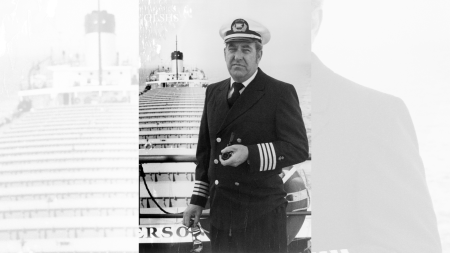
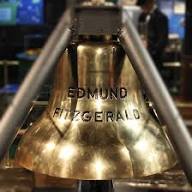
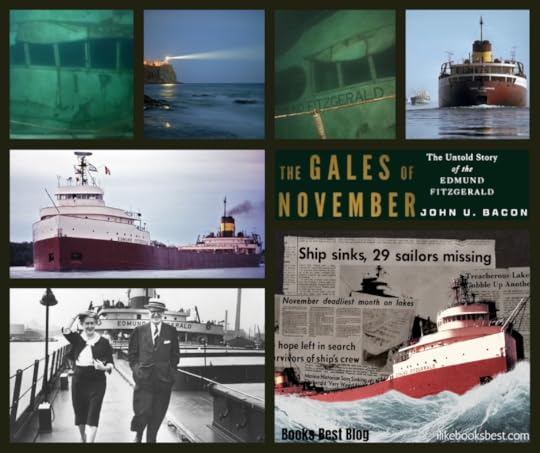
Everybody on board had their own story of how they got there. A ship, even a good one like the Fitz, is sort of like the "Island of Misfit Toys". Some were going toward something they always wanted to do. Others had troubles they were running away from. Maybe some were both.
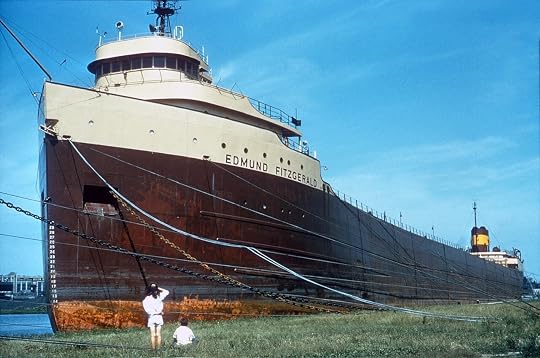
On the Great Lakes, a ship that long can impale its bow in one wave, which can lift it up 30 feet or more, while the ship's stern can be simultaneously stuck in the wave coming right behind it, raising the ship's back end in the air another 30 feet, leaving its midsection, which could be loaded with 58 million tons of iron ore suspended between the two waves, with nothing supporting it. That creates a phenomenon called "sagging", exerting a tremendous strain on the hull, even a reinforced hull.The firm that built the ship seemed exceedingly callous in dealing with her demise, particularly so with regard to the loved ones left behind. Their company loss was a financial one, covered by insurance, while they failed to properly respond to the loss of the mariners on board the ore boat, nor to those ashore who mourned their own life-altering loss.