

What do you think?
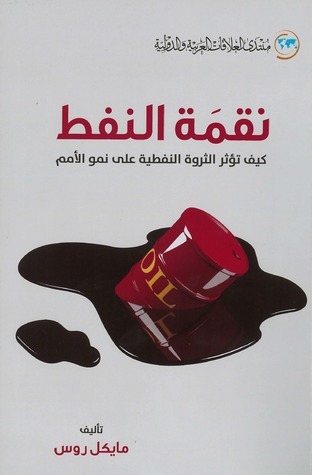
نقمة النفط
في هذا الكتاب جمع المؤلف قواعد بيانات عن الطاقة (النفط والغاز) من مائة وسبعين بلدًا، فحللها في كتاب يعد بحق مرجعاً ممتازاً لصناع القرار، والباحثين، والمهتمين بشؤون الطاقة وشؤون المنطقة على حد سواء.
ويخلص روس إلى نتيجة مفادها أن "نقمة النفط" - التي تعيق حالياً مسار الديمقراطية، وتديم أطر المجتمع الأبوي/البطركي، وتضهم حقوق المرأة في البلدان المصدرة للنفط- ليست في نهاية المطاف حتمية، بل يمكن تجاوزها عبر مجموعة من بدائل وعلاجات ناجعة، ويطرح تصوراته عنها.
ويخلص روس إلى نتيجة مفادها أن "نقمة النفط" - التي تعيق حالياً مسار الديمقراطية، وتديم أطر المجتمع الأبوي/البطركي، وتضهم حقوق المرأة في البلدان المصدرة للنفط- ليست في نهاية المطاف حتمية، بل يمكن تجاوزها عبر مجموعة من بدائل وعلاجات ناجعة، ويطرح تصوراته عنها.
430 pages, Paperback
First published January 1, 2012
About the author
Michael L. Ross
10 books17 followersMichael Ross received his Ph.D. in Politics from Princeton University in 1996. From 1996 to 2001 he was an Assistant Professor in the Political Science Department at the University of Michigan, Ann Arbor. He also spent the 2000 calendar year as a Visiting Scholar at the World Bank in Washington, D.C., and Jakarta, Indonesia. He is now Professor of Political Science, and Director of the UCLA Center for Southeast Asian Studies.
His research deals with political economy, democratization, natural resources, and poverty in the developing world - particularly (but not exclusively) in Southeast Asia. His main project is a book on the "resource curse" that explains why countries with lots of natural resource wealth tend to do worse than countries with with resource wealth.
His 2008 article, "Oil, Islam, and Women," received the Heinz Eulau Award from the American Political Science Association, for the best article published in the American Political Science Review.
Chair of UCLA International Development Studies Interdepartmental Program 2004-2008. Director, UCLA Center for Southeast Asian Studies, 2007-present.
His research deals with political economy, democratization, natural resources, and poverty in the developing world - particularly (but not exclusively) in Southeast Asia. His main project is a book on the "resource curse" that explains why countries with lots of natural resource wealth tend to do worse than countries with with resource wealth.
His 2008 article, "Oil, Islam, and Women," received the Heinz Eulau Award from the American Political Science Association, for the best article published in the American Political Science Review.
Chair of UCLA International Development Studies Interdepartmental Program 2004-2008. Director, UCLA Center for Southeast Asian Studies, 2007-present.
Ratings & Reviews
Friends & Following
Create a free account to discover what your friends think of this book!
Community Reviews
Displaying 1 - 30 of 33 reviews

October 19, 2015
الكتاب مميّز ومهم لمعرفة الاقتصاد السياسي للكثير من البلدان العربية النفطية، يحكي الكاتب أن النفط ليس نقمة بذاته، إنما طريقة إدارته هي التي تحدد ما إذا كان نقمةً على البلدان المصدرة أم لا. هنالك نموذج للدول التي تجنّبت نقمته كالنرويج والولايات المتحدة وكندا، أمّا الدول التي جعلت من النفط نقمة فقد أضحت دول أقل ديمقراطية وكسبت الكثير من التوتر ومن الحروب الأهلية وكان نموها الاقتصادي أكثر تقلباً بسبب تقلب عائدات النفط التي تعتمد عليها، وكذلك توفّر فرص عمل أقل للنساء.
كتاب مميّز وأعتقد أنه سد ثغرة معرفية مهمة.
كتاب مميّز وأعتقد أنه سد ثغرة معرفية مهمة.

June 19, 2015
الكتاب جيد، رغم تكراره في بعض الفصول، الفصل الأخير يمثل مختصر لكل ما ذكره الكاتب، والجميل انه أورد جميع المعلومات وجعلها متوفرة عبر موقعه على الانترنت، ينقص الكاتب المام بطبيعة المجتمعات واختلافاتها وأثر ذلك على التعامل مع النفط ... كتاب ممتاز وانصح بقراءته

January 17, 2016
هذا الكتاب، حفظ شيئاً وغابت عنه أشياءُ

February 7, 2022
I was really kidding myself thinking I would get through this

February 12, 2016
ملخص كتاب نقمة النفط ... نفط أكثر طياح سعد أكثر ...خصوصا إذا كان النفط موجود في بعض الدول وطبعا ليبيا من هالدول ..الكاتب مايكل روس وضح كيف يمكن يتحول النفط في بعض البلدان من نعمة إلي لعنة بحيث أن..
نفط أكثر .. يعني ديمقراطية أقل واستبداد أكثر
نفط أكثر ...يعني اهتمام وفلوس اقل لتعليم والبحث العلمي والزراعة والصناعة
نفط أكثر...يعني حقوق أقل للمرأة خصوصا في سوق العمل والمناصب السياسية المهمة
نفط أكثر ... يعني ضرائب اقل و اعتماد كامل على إيرادات النفط الخاضعة لسيطرة الشخص أو الحزب الحاكم بالتالي لا وجود لآلية شفافة لصرف هالايرادات اللي أغلبها تكون مسخرة لبقاء النظام الحاكم لأطول مدة في الحكم وهذا يعني فساد أكثر و لا حسيب ولا رقيب
نفط أكثر.... يعني طمع وشجع أكثر بمعني النفط موجود في أرضي أنا نأخذ أكثر أو نأخذه كله وتصبح الدولة المركزية مش عاطيتني حقي وبنفصل وإندير دولة على حالي
نفط أكثر ... يعني احتمالية حدوث حروب أهلية أكثر
كتاب ممتاز ويستحق القراءة خصوصا للناس اللي عندها اعتقاد أن وجود النفط يعتبرسبب كافي لقيام دولة مستقرة والعيش في بحبوحة
نفط أكثر .. يعني ديمقراطية أقل واستبداد أكثر
نفط أكثر ...يعني اهتمام وفلوس اقل لتعليم والبحث العلمي والزراعة والصناعة
نفط أكثر...يعني حقوق أقل للمرأة خصوصا في سوق العمل والمناصب السياسية المهمة
نفط أكثر ... يعني ضرائب اقل و اعتماد كامل على إيرادات النفط الخاضعة لسيطرة الشخص أو الحزب الحاكم بالتالي لا وجود لآلية شفافة لصرف هالايرادات اللي أغلبها تكون مسخرة لبقاء النظام الحاكم لأطول مدة في الحكم وهذا يعني فساد أكثر و لا حسيب ولا رقيب
نفط أكثر.... يعني طمع وشجع أكثر بمعني النفط موجود في أرضي أنا نأخذ أكثر أو نأخذه كله وتصبح الدولة المركزية مش عاطيتني حقي وبنفصل وإندير دولة على حالي
نفط أكثر ... يعني احتمالية حدوث حروب أهلية أكثر
كتاب ممتاز ويستحق القراءة خصوصا للناس اللي عندها اعتقاد أن وجود النفط يعتبرسبب كافي لقيام دولة مستقرة والعيش في بحبوحة

March 19, 2025
the cherry picking of cases was lowkey hard for me to get past, the theory is great tho! best part of this book is the new method of measuring oil income of a country! micheal ross was also the sweetiest sweetie pie

February 7, 2023
I am doing an independent study with Michael Ross right now and he is incredible!!! This book was a great way to begin understanding how oil has affected the development of diff countries

February 8, 2014
I found this book in the section of published books in the magazine Foreign Affairs. I really enjoyed reading The Oil Curse because the author did a lot of research for writing this book. He spent almost ten years doing the research on the oil systems and economies. For Ross, Oil is a curse indeed. But not simply for the environment impact that produces, mostly due for the political and social changes that causes.
The author clearly explains that oil countries (countries that extracts and produces their oil) are more propense and vulnerable to major political destabilization and changes. One of the many reasons of this, is that the government depends too much on oil revenues and to little on taxes. Since oil revenues are strictly secret, this becomes a favorable strategy to the government to function as autocracy or dictatorship in order to perpetuate their mandate, regardless of the general opinion of their people. Another example that Ross explains is that, oil business is very sexist. Women have little or no role in the oil business, since these companies prefers to employ men before women.
In my opinion, this book is well written and the analysis are excellent. The author used an extensive research and investigations to sustain the arguments and explains in details the data obtain through the research. I highly recommend this book to anyone interested in how oil business works and how it changes a country.
The author clearly explains that oil countries (countries that extracts and produces their oil) are more propense and vulnerable to major political destabilization and changes. One of the many reasons of this, is that the government depends too much on oil revenues and to little on taxes. Since oil revenues are strictly secret, this becomes a favorable strategy to the government to function as autocracy or dictatorship in order to perpetuate their mandate, regardless of the general opinion of their people. Another example that Ross explains is that, oil business is very sexist. Women have little or no role in the oil business, since these companies prefers to employ men before women.
In my opinion, this book is well written and the analysis are excellent. The author used an extensive research and investigations to sustain the arguments and explains in details the data obtain through the research. I highly recommend this book to anyone interested in how oil business works and how it changes a country.

August 2, 2023
يطيب للناس أن يتعاملوا مع اكتشاف الموارد الطبيعية، كالنفط وأشياء أخرى عديدة، على طريقة الفوز باليانصيب وبداية عصر الأحلام، غير أن الأمر يحتوي على مضاعفات وسيناريوهات بقدرتها أن تُحول الكنز الجديد إلى فخ متقن، حتى السياسيون لم ينجوا من هذا الفخ، بل سيطرت عليهم حالة من التفاؤل في بداية سبعينيات القرن الماضي إزاء التدفقات الضخمة التي توافدت إلى البلدان النفطية، لكن ما الذي حدث ثم جعل تلك البلاد لا تحقق معدلات النمو التي كانت مرسومة لها، يبدو أن تلك الكنوز لم تكن نتائجها صافية كما بدى للمراقبين، وكانت تستدعي بعض الحذر والشك في التعامل مع إيراداتها بدلًا من الجشع والنهم التي قُوبلت به، فماذا حدث لتلك البلدان ولماذا؟

March 19, 2014
sigh... i really wanted to like this book. because, come on - i love me some facts and statistics, right? but the book was SO weighed down with numbers it was just DRY. the narrative parts, where he talks about the history of the countries that struggled with their government and society post-petroleum discovery were great, but then he launched into the numbers and charts and, zzzzzzz.... i want and expect some of that to prove the point, but you need more balance with narrative to keep it from being a textbook.

January 2, 2017
يقدم الكتاب مشكلة لعنة الموارد والنفط خصوصا ً بشكل مرتب وبتسلسل منطقي، لولا بعض التكرارالممل من باب التأكيد ربما.
الترجمة جيدة ومترابطة، الأمثلة التي ساقها أغلبها واضحة وخاصة التي تتحدث عن إفريقيا والحروب التي دارت بها.
وقائمة المصادر في آخر الكتاب أيضاً كانت قيمة!
كتاب جيد
الترجمة جيدة ومترابطة، الأمثلة التي ساقها أغلبها واضحة وخاصة التي تتحدث عن إفريقيا والحروب التي دارت بها.
وقائمة المصادر في آخر الكتاب أيضاً كانت قيمة!
كتاب جيد

April 18, 2014
More of a thesis than a book... lots and lots of technical details...

July 4, 2024
Michael L. Ross's commentary on oil, focusing on the negative aspects he highlights in "The Oil Curse":
Ross argues that oil wealth allows governments to rely less on taxes from citizens, reducing the pressure to be accountable. This can lead to authoritarian regimes that prioritize control over public participation. Oil revenue can create a disincentive to develop other sectors of the economy. Countries might neglect agriculture, manufacturing, or infrastructure investment, leading to a reliance on a single volatile resource.
The windfall of oil money can exacerbate existing tensions within a country. Unequal distribution of wealth or competition for control of resources can lead to civil wars or instability. A phenomenon where a booming resource sector like oil causes the value of a country's currency to rise. This makes exports from other sectors less competitive, hindering overall economic diversification. Oil wealth often creates jobs in resource extraction, which tend to be male-dominated. This can widen the gender gap in employment opportunities and economic participation.
Ross acknowledges that oil can be a blessing if managed effectively. However, he argues that the challenges mentioned above are significant and require proactive measures to mitigate.
Here are some additional points to consider:
The "Oil Curse" is not inevitable: Some countries, like Norway, have managed their oil wealth by investing it in a sovereign wealth fund to fuel long-term development. The curse can vary depending on factors like the quality of governance and the initial level of development.
There's a growing debate on the future of oil: As concerns about climate change and the transition to renewable energy rise, the long-term value of oil reserves becomes uncertain. This adds another layer of complexity to the "Oil Curse" discussion. By understanding the potential pitfalls of oil wealth, as outlined by Ross, countries can develop strategies to maximize its benefits and minimize the downsides.
Ross argues that oil wealth allows governments to rely less on taxes from citizens, reducing the pressure to be accountable. This can lead to authoritarian regimes that prioritize control over public participation. Oil revenue can create a disincentive to develop other sectors of the economy. Countries might neglect agriculture, manufacturing, or infrastructure investment, leading to a reliance on a single volatile resource.
The windfall of oil money can exacerbate existing tensions within a country. Unequal distribution of wealth or competition for control of resources can lead to civil wars or instability. A phenomenon where a booming resource sector like oil causes the value of a country's currency to rise. This makes exports from other sectors less competitive, hindering overall economic diversification. Oil wealth often creates jobs in resource extraction, which tend to be male-dominated. This can widen the gender gap in employment opportunities and economic participation.
Ross acknowledges that oil can be a blessing if managed effectively. However, he argues that the challenges mentioned above are significant and require proactive measures to mitigate.
Here are some additional points to consider:
The "Oil Curse" is not inevitable: Some countries, like Norway, have managed their oil wealth by investing it in a sovereign wealth fund to fuel long-term development. The curse can vary depending on factors like the quality of governance and the initial level of development.
There's a growing debate on the future of oil: As concerns about climate change and the transition to renewable energy rise, the long-term value of oil reserves becomes uncertain. This adds another layer of complexity to the "Oil Curse" discussion. By understanding the potential pitfalls of oil wealth, as outlined by Ross, countries can develop strategies to maximize its benefits and minimize the downsides.

December 10, 2017
تلقي هذه الدراسة نظرة شاملة على العواقب السياسية والاقتصادية للثروة النفطية، خاصة في البلدان النامية في الشرق الأوسط، شمال أفريقيا، امريكا اللاتينيه، ودول الإتحاد السوفيتي. يلقي بعض المراقبين باللائمة على القوى الأجنبية التي تتدخل في البلدان الغنية بالنفط في حين يلوم مراقبون آخرون شركات النفط العالمية التي تستغل الموارد لتحقيق أرباح غير عادية، وكلاهما على حق. كما أن الحكومات النفطية لم تكن بريئة فقد عملت على إخفاء إيرادات النفط عن شعوبها وأبقت هذه الإيرادات سرية لمصلحتها ونفقتها الخاصة سواء كانت حكومات استبدادية أو ديمقراطية بنسب متراوحة لذلك يشجع مايكل روس على الشفافية لمكافحة الفساد.
يتطرق الباحث إلى العوامل التي تقلل من إحتمال تحول الحكومات الإستبدادية إلى حكومات ديمقراطية كدخل الفرد وإيرادات الحكومة النفطية. كما يتطرق إلى العوائق السياسية والإقتصادية التي تحول دون عمل المرأة وتعرقل مسيرة تكافئ فرص العمل؛ نظراً للنظام الأبوي القائم وتأخر مناداة المرأة لحقوقها في الدول الغنية بالثروة النفطية، مثل: السعودية. بخلاف النساء في دول التي تختلف ثقافياً، مثل: الترويج. أو التي لا تمتلك نفط أساساً، مثل: تونس والمغرب.
يتناول الكتاب أسباب نشوء الحروب الأهلية وعواقبها، والعوامل المؤدية إلى اندلاع الحروب ويستدل على ذلك بعدة نماذج من كولومبيا، آتشية، غابون، الكانغو، وجنوب السودان. يقدم عدة إصلاحات مقترحة لدول النفط متوسطة/مرتفعة الدخل ومنخفضة الدخل. في نهاية القراءة تسأل نفسك: هل النفط فعلاً نقمة؟ أم الظروف والمناطق التي وجد فيها؟
• تعليق:
- حاول المؤلف الإلتفات إلى دور الثقافة في تثبيط عمل المرأة بجانب الدور الإقتصادي، لكنه لم يوفق. فهو لا يميز بين الثقافة الإسلامية والثقافة العربية التي تتراوح من منطقة لأخرى لذلك قلل من تأثيره على دور المرأة. الثقافة التونسية على سبيل المثال هي نفس الثقافة السعودية عنده بحكم انهم جميعاً مسلمين، والثقافة السورية هي نفسها الثقافة اليمنية بحكم أنهم جميعاً عرب.
يتطرق الباحث إلى العوامل التي تقلل من إحتمال تحول الحكومات الإستبدادية إلى حكومات ديمقراطية كدخل الفرد وإيرادات الحكومة النفطية. كما يتطرق إلى العوائق السياسية والإقتصادية التي تحول دون عمل المرأة وتعرقل مسيرة تكافئ فرص العمل؛ نظراً للنظام الأبوي القائم وتأخر مناداة المرأة لحقوقها في الدول الغنية بالثروة النفطية، مثل: السعودية. بخلاف النساء في دول التي تختلف ثقافياً، مثل: الترويج. أو التي لا تمتلك نفط أساساً، مثل: تونس والمغرب.
يتناول الكتاب أسباب نشوء الحروب الأهلية وعواقبها، والعوامل المؤدية إلى اندلاع الحروب ويستدل على ذلك بعدة نماذج من كولومبيا، آتشية، غابون، الكانغو، وجنوب السودان. يقدم عدة إصلاحات مقترحة لدول النفط متوسطة/مرتفعة الدخل ومنخفضة الدخل. في نهاية القراءة تسأل نفسك: هل النفط فعلاً نقمة؟ أم الظروف والمناطق التي وجد فيها؟
• تعليق:
- حاول المؤلف الإلتفات إلى دور الثقافة في تثبيط عمل المرأة بجانب الدور الإقتصادي، لكنه لم يوفق. فهو لا يميز بين الثقافة الإسلامية والثقافة العربية التي تتراوح من منطقة لأخرى لذلك قلل من تأثيره على دور المرأة. الثقافة التونسية على سبيل المثال هي نفس الثقافة السعودية عنده بحكم انهم جميعاً مسلمين، والثقافة السورية هي نفسها الثقافة اليمنية بحكم أنهم جميعاً عرب.

February 7, 2026
This book is a reading for the class on Middle East Political Economy, and is well suited for building a basic framework for understanding the resource curse and rentier state theory. I first encountered the argument that “oil revenues reduce reliance on taxation and thereby make democratization more difficult” in an introductory Middle East course during my first year. This book extends that discussion through extensive regression analyses linking per capita oil income to a wide range of political indicators, exploring the broader consequences of oil dependence: expanded government revenues and state size, suppression of other sectors, constraints on female employment, heightened incentives for civil war, and economic development outcomes that fall short of expectations.
The author is careful to note that there are cases of democratic transition among oil-producing countries, such as Nigeria and Indonesia, and that high-income countries are largely immune to the resource curse. In this view, oil itself is not inherently detrimental, but rather fails to generate broad-based benefits in countries that were already poor.
Personally, I find the core logic of the oil resource curse persuasive, but not as a form of one-way determinism. It must be considered alongside pre-extraction institutional conditions, concrete political processes (not merely regime type), and the diversification efforts of wealthy Gulf states. The author emphasizes that the resource curse emerged primarily after the nationalization of oil industries in the 1970s, which contrasts with Mitchell’s focus on exploitation by Western oil companies. While Mitchell’s critique is compelling, it ultimately does not fully overturn the underlying logic of the resource curse.
The author is careful to note that there are cases of democratic transition among oil-producing countries, such as Nigeria and Indonesia, and that high-income countries are largely immune to the resource curse. In this view, oil itself is not inherently detrimental, but rather fails to generate broad-based benefits in countries that were already poor.
Personally, I find the core logic of the oil resource curse persuasive, but not as a form of one-way determinism. It must be considered alongside pre-extraction institutional conditions, concrete political processes (not merely regime type), and the diversification efforts of wealthy Gulf states. The author emphasizes that the resource curse emerged primarily after the nationalization of oil industries in the 1970s, which contrasts with Mitchell’s focus on exploitation by Western oil companies. While Mitchell’s critique is compelling, it ultimately does not fully overturn the underlying logic of the resource curse.

February 27, 2026
يُقدّم مايكل روس في كتابه "نقمة النفط" حججاً واضحة حول الآثار السياسية والاقتصادية والاجتماعية الضارة للنفط.
ويُجادل بأنّ بعض خصائص عائدات النفط بضخامتها وكونها غير خاضعة للضرائب وتقلباتها وسريتها تُسهم في ظل ظروفٍ مُعينة في تعزيز الاستبداد والفساد وقمع المرأة وتعزيز النظام الذكوري الأبوي والصراعات الأهلية والنمو الاقتصادي المُتقلب نتجية تذبذب أسعار النفط.
ويدعم الكاتب حجته بشكلٍ أساسي بالأدلة والبراهين الإحصائية، مع تضمينه بعض دراسات الحالة الموجزة. كما يُقدّم في الفصل الختامي عددًا من التوصيات السياسية الهامة للتغلب على "نقمة النفط".
ويُجادل بأنّ بعض خصائص عائدات النفط بضخامتها وكونها غير خاضعة للضرائب وتقلباتها وسريتها تُسهم في ظل ظروفٍ مُعينة في تعزيز الاستبداد والفساد وقمع المرأة وتعزيز النظام الذكوري الأبوي والصراعات الأهلية والنمو الاقتصادي المُتقلب نتجية تذبذب أسعار النفط.
ويدعم الكاتب حجته بشكلٍ أساسي بالأدلة والبراهين الإحصائية، مع تضمينه بعض دراسات الحالة الموجزة. كما يُقدّم في الفصل الختامي عددًا من التوصيات السياسية الهامة للتغلب على "نقمة النفط".

October 24, 2018
Undoubtedly one of the most influential books on my understanding of oil, energy, democracy, Africa and the Middle East. By chance I later met the author in Baku while studying for a certificate in energy studies from the Azerbaijan Diplomatic Academy -- one of the best instructors in the program. The author argues from examples and the book is full of insights on everything from Indonesia (where I first began reading the book) to the collapse of the Soviet Union.

November 8, 2022
interesting stuff

March 30, 2023
A superb book about the effects of oil on a countries development and the economic consequences. It is impressive how the author can turn relatively dry material into an easy to read and interesting story.

October 29, 2013
This is a very well written and researched book about the comparative political economy of oil-exporting countries. Books on this topic in the last two decades are few and far between and mostly of inferior quality. This one fills a major gap in the literature by tackling a number of important issues. The first is the question of the “Dutch disease” or resource curse. According to the literature on the resource curse, oil export revenues tend to hinder rather than promote economic growth. Confirming empirical evidence for the resource curse came mainly from data collected between 1970 and 1990. With a new and longer data series, the author shows that economic growth in oil exporting countries is not statistically different from that in other countries but instead that the volatility of growth is greater. Oil exporting states were less likely than others to make a successful transition to democracy or to improve the status of women. They were more likely to experience civil wars and to conceal crucial information about the economy. In short, there is still something of a curse but not the one originally posited. This study is likely to be a starting point for all subsequent research on the subject.

July 12, 2020
O livro é interessante, mas não tanto quanto pode sugerir o título. Ele basicamente sustenta que um país produtor de petróleo tem mais dificuldade em gerir seu orçamento, pelas variações do valor do petróleo e grandes volumes envolvidos; diminuem a diversificação da economia, favorecem o aparecimento de conflitos pela posse das instalações e reservas, o fortalecimento de líderes pouco democráticos e governos corruptos, etc...quase todas as ideias são baseadas na experiência de países da África e Oriente Médio e ele exclui sempre que possível países ricos e produtores (como EUA e Noruega) da análise para que as conclusões façam sentido e faz um esforço gigantesco para não considerar os efeitos da religião islâmica na região. É um livro um tanto quanto repetitivo também.
July 29, 2020
Este livro é muito bom, mas indigesto. Ele se parece com O Capital do Século 21 (Piketty), muitos gráficos, análises, dados e etc. O raciocínio que ele faz sobre como o Estado, uma vez descolado da renda de sua população pela exploração de recursos naturais, se torna inchado e fora da realidade é uma "cautionary talle" sobre o Brasil.


Want to Read
September 18, 2016I learned about this book in an old copy of The New York Review of Books. I am interested to learn more about the costs of an oil economy that are never really counted. From the description, these will be included in this book.

May 17, 2013
Good background on the oil "curse", fairly accessible.
Read
April 4, 2014338.90091 R8253 2012

January 11, 2015
It is an informative book to explain the correlation between oil and curse.
This entire review has been hidden because of spoilers.

May 29, 2016
في زمن التحولات و الخصخصة الاقتصادية يبقى الكتاب مهم جدا لفهم دور النفط في المجتمعات

September 19, 2016
Insightful but depressing.
December 9, 2016
This is a very well written and researched book with a deep research with loads of data about the political economy on oil-exporting countries.
This is a must read book! 5 stars...
This is a must read book! 5 stars...
Displaying 1 - 30 of 33 reviews