What do you think?
Rate this book


530 pages, Paperback
First published May 19, 2015
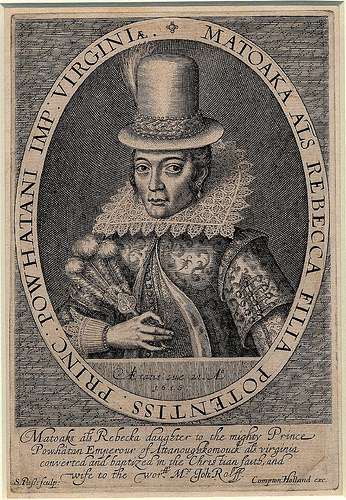
"The men of Jamestown were weary, but they did not hunger. As their stores depleted, Pocahantas came again, bearing her gifts and greetings from her father, and the most precious gift of all she gave to John Smith alone: knowledge of her people's language, of their customs and ways."
There was no clear story here, no moral message, not even a single character whose tale she could follow. It was nothing more than a parade of riches, crude in its ostentation.
There are ten similes in a seventeen-page chapter. (For the sake of brevity, I didn't include the metaphors.) It's clear that similes are Hawker's preferred descriptors, but, to use language that Hawker would appreciate, reading all the "like"s is like listening to a gaggle of middle schoolers talk about meeting Harry Styles.
1. It cling to Pocahontas like a shroud. (p. 475)
2. Patches of thin grass reached like an old, worn buckskin fringe between the cracks of paving stones. (p. 476)
3. It smelled wan and thin as an overused cloth. (same paragraph, p. 476)
4. A small dog with a coat like moth-eaten wool trotted down the lane... (p. 477)
5. ... a blushing, quiet girl named Abigail with hair as fine and pale as corn silk. (p. 479)
6. ... the secret of the tassantassas clutched in her hand like a shining fish in an osprey's talons. (p. 484)
7. ... she could not help feeling the weight of London pressing all around her like a bodice laced far too tight. (p. 488)
8. But it smelled like certainty -- like a future. (p. 489)
9. It was as if the majesty he carried in the temples of Tsenacomoco had been wretched from him like an arrowhead ripped from wounded flesh. (p. 492)
10. In the stark light of London, the powerful young priest looked as broken as an old pot discarded by the river. (same paragraph, p. 492)