

What do you think?

Ward No. 6 and Other Stories
Ward No. 6 and Other Stories, by Anton Chekhov, is part of the Barnes & Noble Classics (1899), as well as several lesser-known works, no less masterful in their composition. David Plante is a Professor of Writing at Columbia University. He is the author of many novels, including The Ghost of Henry James, The Family (nominated for the National Book Award), and The Woods. He has been a contributor to The New Yorker, Esquire, and Vogue, and a reviewer and features writer for the New York Times Book Review.
The cook's wedding --
The witch --
A dead body --
Easter Eve --
On the road --
The dependents --
Grisha --
The kiss --
Typhus --
The pipe --
The princess --
Neighbours --
The grasshopper --
In exile --
Ward No. 6 --
Rothschild's fiddle --
The student --
The darling --
A doctor's visit --
Gooseberries --
The Lady with the dog --
In the ravine --
The bishop.
The cook's wedding --
The witch --
A dead body --
Easter Eve --
On the road --
The dependents --
Grisha --
The kiss --
Typhus --
The pipe --
The princess --
Neighbours --
The grasshopper --
In exile --
Ward No. 6 --
Rothschild's fiddle --
The student --
The darling --
A doctor's visit --
Gooseberries --
The Lady with the dog --
In the ravine --
The bishop.
400 pages, Paperback
First published November 1, 1892
About the author
Anton Chekhov
5,921 books10.2k followers
Antón Chéjov
(Spanish)
Dramas, such as The Seagull (1896, revised 1898), and including "A Dreary Story" (1889) of Russian writer Anton Pavlovich Chekhov, also Chekov, concern the inability of humans to communicate.
Born ( Антон Павлович Чехов ) in the small southern seaport of Taganrog, the son of a grocer. His grandfather, a serf, bought his own freedom and that of his three sons in 1841. He also taught to read. A cloth merchant fathered Yevgenia Morozova, his mother.
"When I think back on my childhood," Chekhov recalled, "it all seems quite gloomy to me." Tyranny of his father, religious fanaticism, and long nights in the store, open from five in the morning till midnight, shadowed his early years. He attended a school for Greek boys in Taganrog from 1867 to 1868 and then Taganrog grammar school. Bankruptcy of his father compelled the family to move to Moscow. At the age of 16 years in 1876, independent Chekhov for some time alone in his native town supported through private tutoring.
In 1879, Chekhov left grammar school and entered the university medical school at Moscow. In the school, he began to publish hundreds of short comics to support his mother, sisters and brothers. Nicholas Leikin published him at this period and owned Oskolki (splinters), the journal of Saint Petersburg. His subjected silly social situations, marital problems, and farcical encounters among husbands, wives, mistresses, and lust; even after his marriage, Chekhov, the shy author, knew not much of whims of young women.
Nenunzhaya pobeda , first novel of Chekhov, set in 1882 in Hungary, parodied the novels of the popular Mór Jókai. People also mocked ideological optimism of Jókai as a politician.
Chekhov graduated in 1884 and practiced medicine. He worked from 1885 in Peterburskaia gazeta.
In 1886, Chekhov met H.S. Suvorin, who invited him, a regular contributor, to work for Novoe vremya, the daily paper of Saint Petersburg. He gained a wide fame before 1886. He authored The Shooting Party , his second full-length novel, later translated into English. Agatha Christie used its characters and atmosphere in later her mystery novel The Murder of Roger Ackroyd . First book of Chekhov in 1886 succeeded, and he gradually committed full time. The refusal of the author to join the ranks of social critics arose the wrath of liberal and radical intelligentsia, who criticized him for dealing with serious social and moral questions but avoiding giving answers. Such leaders as Leo Tolstoy and Nikolai Leskov, however, defended him. "I'm not a liberal, or a conservative, or a gradualist, or a monk, or an indifferentist. I should like to be a free artist and that's all..." Chekhov said in 1888.
The failure of The Wood Demon , play in 1889, and problems with novel made Chekhov to withdraw from literature for a period. In 1890, he traveled across Siberia to Sakhalin, remote prison island. He conducted a detailed census of ten thousand convicts and settlers, condemned to live on that harsh island. Chekhov expected to use the results of his research for his doctoral dissertation. Hard conditions on the island probably also weakened his own physical condition. From this journey came his famous travel book.
Chekhov practiced medicine until 1892. During these years, Chechov developed his concept of the dispassionate, non-judgmental author. He outlined his program in a letter to his brother Aleksandr: "1. Absence of lengthy verbiage of political-social-economic nature; 2. total objectivity; 3. truthful descriptions of persons and objects; 4. extreme brevity; 5. audacity and originality; flee the stereotype; 6. compassion." Because he objected that the paper conducted against [a:Alfred Dreyfu
Dramas, such as The Seagull (1896, revised 1898), and including "A Dreary Story" (1889) of Russian writer Anton Pavlovich Chekhov, also Chekov, concern the inability of humans to communicate.
Born ( Антон Павлович Чехов ) in the small southern seaport of Taganrog, the son of a grocer. His grandfather, a serf, bought his own freedom and that of his three sons in 1841. He also taught to read. A cloth merchant fathered Yevgenia Morozova, his mother.
"When I think back on my childhood," Chekhov recalled, "it all seems quite gloomy to me." Tyranny of his father, religious fanaticism, and long nights in the store, open from five in the morning till midnight, shadowed his early years. He attended a school for Greek boys in Taganrog from 1867 to 1868 and then Taganrog grammar school. Bankruptcy of his father compelled the family to move to Moscow. At the age of 16 years in 1876, independent Chekhov for some time alone in his native town supported through private tutoring.
In 1879, Chekhov left grammar school and entered the university medical school at Moscow. In the school, he began to publish hundreds of short comics to support his mother, sisters and brothers. Nicholas Leikin published him at this period and owned Oskolki (splinters), the journal of Saint Petersburg. His subjected silly social situations, marital problems, and farcical encounters among husbands, wives, mistresses, and lust; even after his marriage, Chekhov, the shy author, knew not much of whims of young women.
Nenunzhaya pobeda , first novel of Chekhov, set in 1882 in Hungary, parodied the novels of the popular Mór Jókai. People also mocked ideological optimism of Jókai as a politician.
Chekhov graduated in 1884 and practiced medicine. He worked from 1885 in Peterburskaia gazeta.
In 1886, Chekhov met H.S. Suvorin, who invited him, a regular contributor, to work for Novoe vremya, the daily paper of Saint Petersburg. He gained a wide fame before 1886. He authored The Shooting Party , his second full-length novel, later translated into English. Agatha Christie used its characters and atmosphere in later her mystery novel The Murder of Roger Ackroyd . First book of Chekhov in 1886 succeeded, and he gradually committed full time. The refusal of the author to join the ranks of social critics arose the wrath of liberal and radical intelligentsia, who criticized him for dealing with serious social and moral questions but avoiding giving answers. Such leaders as Leo Tolstoy and Nikolai Leskov, however, defended him. "I'm not a liberal, or a conservative, or a gradualist, or a monk, or an indifferentist. I should like to be a free artist and that's all..." Chekhov said in 1888.
The failure of The Wood Demon , play in 1889, and problems with novel made Chekhov to withdraw from literature for a period. In 1890, he traveled across Siberia to Sakhalin, remote prison island. He conducted a detailed census of ten thousand convicts and settlers, condemned to live on that harsh island. Chekhov expected to use the results of his research for his doctoral dissertation. Hard conditions on the island probably also weakened his own physical condition. From this journey came his famous travel book.
Chekhov practiced medicine until 1892. During these years, Chechov developed his concept of the dispassionate, non-judgmental author. He outlined his program in a letter to his brother Aleksandr: "1. Absence of lengthy verbiage of political-social-economic nature; 2. total objectivity; 3. truthful descriptions of persons and objects; 4. extreme brevity; 5. audacity and originality; flee the stereotype; 6. compassion." Because he objected that the paper conducted against [a:Alfred Dreyfu
Ratings & Reviews
Friends & Following
Create a free account to discover what your friends think of this book!
Community Reviews
Displaying 1 - 30 of 264 reviews

March 9, 2015
Due to Anton Chekhov’s unique mastery a great many short story writers later literally followed in his footsteps.
There is a town… In the town there is a hospital… In the hospital there is a doctor… And there also is a very special ward…
Ward No. 6 seems to be one of the most merciless and dark story by Anton Chekhov. With his sharp eye he could see any psychological quirks and weaknesses in human nature and showed them to others with an implacable precision and at that he always managed to remain sympathetic towards a little man.
To be different is a disease… On the grey background you must be grey otherwise they will see you and you will be eaten.
There is a town… In the town there is a hospital… In the hospital there is a doctor… And there also is a very special ward…
And of all the inhabitants of Ward No. 6, he is the only one who is allowed to go out of the lodge, and even out of the yard into the street. He has enjoyed this privilege for years, probably because he is an old inhabitant of the hospital – a quiet, harmless imbecile, the buffoon of the town, where people are used to seeing him surrounded by boys and dogs.
Ward No. 6 seems to be one of the most merciless and dark story by Anton Chekhov. With his sharp eye he could see any psychological quirks and weaknesses in human nature and showed them to others with an implacable precision and at that he always managed to remain sympathetic towards a little man.
My only illness is that in twenty years I’ve found only one intelligent man in the whole town, and he’s mad. There is no illness at all, I simply got into a magic circle that I can’t get out of. It makes no difference to me, I’m ready for everything.
To be different is a disease… On the grey background you must be grey otherwise they will see you and you will be eaten.
June 30, 2018
"I was going along not meddling with anyone, and all at once such an affliction."
Every story in this collection is a towering achievement, every one makes the case for Chekhov as the greatest short-story writer ever. All stories tie together to convey that human misery is a never-ending WHY. Why, even in the time of great rejoicing, a man cannot forget his sorrows? Why sit in comfort doing nothing? Why the nightingales don't sing tonight? Why does the heart grieve and refuse to listen to reason? Why does one want to weep bitterly? Why joke? Why lie? Why love? Why silence? Why misery?
A kaleidoscopic vision of the world as a suffering ward that turns people into cold-hearted lunatics crying, leaping, mumbling, screaming, lying simply to forget some miseries and remember some others.
Every story in this collection is a towering achievement, every one makes the case for Chekhov as the greatest short-story writer ever. All stories tie together to convey that human misery is a never-ending WHY. Why, even in the time of great rejoicing, a man cannot forget his sorrows? Why sit in comfort doing nothing? Why the nightingales don't sing tonight? Why does the heart grieve and refuse to listen to reason? Why does one want to weep bitterly? Why joke? Why lie? Why love? Why silence? Why misery?
A kaleidoscopic vision of the world as a suffering ward that turns people into cold-hearted lunatics crying, leaping, mumbling, screaming, lying simply to forget some miseries and remember some others.
Read
July 28, 2011"El pabellón número 6"
Parece ser que Dostoyevski decía, de manera pragmática e irónica, que sólo sabía que no estaba loco porque no estaba encerrado en un manicomio. Chejov, en este extraordinario relato, nos sumerge en el inquietante carácter ubicuo de la locura al que la sociedad intenta hacer frente mediante el levantamiento de barreras que delimitan lo normal, lo racional, lo moralmente aceptable frente a lo Otro de la locura, una fuerza oscura aún no configurada por los mecanismos de poder social y por lo tanto peligrosa en tanto que factor perturbador del orden establecido potencialmente subversivo. El carácter discrecional del límite se pone de manifiesto en el personaje del médico, que pasa de ser la figura de autoridad en el pabellón a convertirse en un paciente más sometido al trato vejatorio del guardián. La señal de advertencia es clara: quien se atreva a indagar en las razones de la locura, quien socave los fundamentos de nuestra tranquilidad de conciencia perderá los privilegios de los normales y será encerrado con el estigma de loco.
La narración se abre a la manera clásica chejoviana, mediante sutiles pinceladas que muestran los conflictos morales (o su ausencia) en el interior de los personajes y plantean los claroscuros y las contradicciones de la realidad social. En las conversaciones entre el loco ilustrado y el médico (dos personajes quijotescos infectados por la enfermedad de la lectura) se desarrolla una vibrante lucha (¿de clases?) entre una actitud contemplativa hacia la vida y otra de transformación a través de la actividad política. Chejov es de una claridad absoluta a la hora de sacar a la luz lo que P. Bourdieu define como las condiciones de posibilidad social de la mirada contemplativa: el teórico puede mirar a la realidad de manera no comprometida porque “nunca ha sufrido; no ha hecho otra cosa que nutrirse de los sufrimientos ajenos, como una sanguijuela” y lo hace para defender sus intereses de clase porque esta “filosofía es la que más conviene a un haragán ruso”. Pero estamos a finales del siglo XIX y la conciencia de la clase oprimida empieza a despertarse y sin complejo de inferioridad afirma el encerrado que se considera “superior y más competente que usted [el médico] en todos los sentidos. No puede usted darme lecciones”. Y va aún más lejos afirmando, de forma visionaria y exaltada, que “resplandecerá la aurora de una nueva vida, la verdad triunfará y también nosotros tendremos motivos de celebración”. Entendemos por qué este relato impresionara en su tiempo al joven Lenin...
Pero lo más fascinante está por llegar porque en el desenlace de la narración el autor parece perder el control de sí mismo. Ese orden, ese equilibrio tan chejoviano en el que todo más que mostrarse se insinúa en su justa medida, se derrumba arrastrado por el torrente angustioso de la narración y el relato se transforma en una pesadilla misteriosa y escalofriante. Chejov convertido en Poe. El médico, engañado, es conducido al pabellón y allí se le encierra. Se entiende, el límite entre lo normal y lo otro es tan arbitrario e injusto que necesita de la astucia y del engaño para ejercerse. Pero el pabellón ya no es sólo el lugar del encierro en vida sino también la antesala de la muerte inminente. El médico desespera, intenta mostrar resistencia (me recuerda a esos relatos de Poe en los que se interesa por el intersticio entre la vida y la muerte, los últimos movimientos del cuerpo ya fallecido que se descubren al exhumar los cadáveres), pero ya está del otro lado, es un loco y casi un muerto, y no obtiene más que los golpes del guardián (el mismo guardián…) como respuesta. Entonces su compañero le hace comprender y al mismo tiempo le sentencia: “lo más ofensivo es que la vida no termina con una recompensa por los sufrimientos padecidos ni con una apoteosis, como en la ópera, sino con la muerte; vendrán los celadores, cogerán el cadáver por los pies y por las manos y lo llevarán al sótano”. Chejov otra vez Chejov, sobrio, concluye. “Llegaron unos celadores, lo cogieron por los brazos y por las piernas y se lo llevaron a la capilla”.
Parece ser que Dostoyevski decía, de manera pragmática e irónica, que sólo sabía que no estaba loco porque no estaba encerrado en un manicomio. Chejov, en este extraordinario relato, nos sumerge en el inquietante carácter ubicuo de la locura al que la sociedad intenta hacer frente mediante el levantamiento de barreras que delimitan lo normal, lo racional, lo moralmente aceptable frente a lo Otro de la locura, una fuerza oscura aún no configurada por los mecanismos de poder social y por lo tanto peligrosa en tanto que factor perturbador del orden establecido potencialmente subversivo. El carácter discrecional del límite se pone de manifiesto en el personaje del médico, que pasa de ser la figura de autoridad en el pabellón a convertirse en un paciente más sometido al trato vejatorio del guardián. La señal de advertencia es clara: quien se atreva a indagar en las razones de la locura, quien socave los fundamentos de nuestra tranquilidad de conciencia perderá los privilegios de los normales y será encerrado con el estigma de loco.
La narración se abre a la manera clásica chejoviana, mediante sutiles pinceladas que muestran los conflictos morales (o su ausencia) en el interior de los personajes y plantean los claroscuros y las contradicciones de la realidad social. En las conversaciones entre el loco ilustrado y el médico (dos personajes quijotescos infectados por la enfermedad de la lectura) se desarrolla una vibrante lucha (¿de clases?) entre una actitud contemplativa hacia la vida y otra de transformación a través de la actividad política. Chejov es de una claridad absoluta a la hora de sacar a la luz lo que P. Bourdieu define como las condiciones de posibilidad social de la mirada contemplativa: el teórico puede mirar a la realidad de manera no comprometida porque “nunca ha sufrido; no ha hecho otra cosa que nutrirse de los sufrimientos ajenos, como una sanguijuela” y lo hace para defender sus intereses de clase porque esta “filosofía es la que más conviene a un haragán ruso”. Pero estamos a finales del siglo XIX y la conciencia de la clase oprimida empieza a despertarse y sin complejo de inferioridad afirma el encerrado que se considera “superior y más competente que usted [el médico] en todos los sentidos. No puede usted darme lecciones”. Y va aún más lejos afirmando, de forma visionaria y exaltada, que “resplandecerá la aurora de una nueva vida, la verdad triunfará y también nosotros tendremos motivos de celebración”. Entendemos por qué este relato impresionara en su tiempo al joven Lenin...
Pero lo más fascinante está por llegar porque en el desenlace de la narración el autor parece perder el control de sí mismo. Ese orden, ese equilibrio tan chejoviano en el que todo más que mostrarse se insinúa en su justa medida, se derrumba arrastrado por el torrente angustioso de la narración y el relato se transforma en una pesadilla misteriosa y escalofriante. Chejov convertido en Poe. El médico, engañado, es conducido al pabellón y allí se le encierra. Se entiende, el límite entre lo normal y lo otro es tan arbitrario e injusto que necesita de la astucia y del engaño para ejercerse. Pero el pabellón ya no es sólo el lugar del encierro en vida sino también la antesala de la muerte inminente. El médico desespera, intenta mostrar resistencia (me recuerda a esos relatos de Poe en los que se interesa por el intersticio entre la vida y la muerte, los últimos movimientos del cuerpo ya fallecido que se descubren al exhumar los cadáveres), pero ya está del otro lado, es un loco y casi un muerto, y no obtiene más que los golpes del guardián (el mismo guardián…) como respuesta. Entonces su compañero le hace comprender y al mismo tiempo le sentencia: “lo más ofensivo es que la vida no termina con una recompensa por los sufrimientos padecidos ni con una apoteosis, como en la ópera, sino con la muerte; vendrán los celadores, cogerán el cadáver por los pies y por las manos y lo llevarán al sótano”. Chejov otra vez Chejov, sobrio, concluye. “Llegaron unos celadores, lo cogieron por los brazos y por las piernas y se lo llevaron a la capilla”.
January 24, 2012
Serious Book Club, my selection *5 out of 5 stars
Still have 3 stories to finish -
I have always hated short stories and Chekhov has cured me. From the first "The Cook's Wedding" and on I am mesmerized. The author can take any universal theme and work magic in a few pages while I have been reading books doing the same thing sometines badly in over 800 pages. Granted with most authors you are happy to read that many pages but with Chekhov it it satisfying that he addressed adultery or poverty in 30 pages openly and left you with a clear understanding of humanity. I almost feel as if I'm reading a dignified reality show of old Russia, almsot everything is touched on and one sees into the lives of all classes in facinating ways.
Chekhov's style was not to judge his characters of fiction, he did not wish to impose his will on anyone, but reading each story one cannot help forming an oppinion of the events laid out so expertly by the author.
When I finish I will give you my favorite's.
Still have 3 stories to finish -
I have always hated short stories and Chekhov has cured me. From the first "The Cook's Wedding" and on I am mesmerized. The author can take any universal theme and work magic in a few pages while I have been reading books doing the same thing sometines badly in over 800 pages. Granted with most authors you are happy to read that many pages but with Chekhov it it satisfying that he addressed adultery or poverty in 30 pages openly and left you with a clear understanding of humanity. I almost feel as if I'm reading a dignified reality show of old Russia, almsot everything is touched on and one sees into the lives of all classes in facinating ways.
Chekhov's style was not to judge his characters of fiction, he did not wish to impose his will on anyone, but reading each story one cannot help forming an oppinion of the events laid out so expertly by the author.
When I finish I will give you my favorite's.
June 24, 2025
Anton,
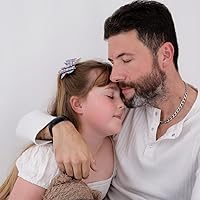
I received your picture; Hina is comfortable in the crook of your arm. A week ago there was a small blizzard in the hills. You would have found it spectacular, dragging Hina through three-foot snow drifts.
It has taken months to read your stories. I could blame my eyesight but that would be a lie. I have a tendency to pause, collect my thoughts, look out the window -- one evening I saw a pudgy pigeon -- and fall asleep. Dreams would follow, carrying your stories with them.
Some of my thoughts are on the verge of insightful: others nonsensical.
Take them as they are, regardless of their lack of ingenuity. I stand by my ignorance dressed in mediocre, yet --
You and Hina look happy.
Have curious days,
Mr. James
--------------------------------------------
The Cook's Wedding: Within six pages Chekhov depicts authentic characters and dialogue wrapped in a memorable story. It's a precise rendering of women's oppression in the late 19th century.
The Witch: The imagery gives you goosebumps: blustery wind, snow on a flushed face, and the warmth of a fire. Bitterness and cold are represented in the “witch," who must endure psychological abuse from an insecure husband. Only at the onset of losing her does he realize what he’s done.
A Dead Body: Two peasants keep vigil over a dead body for three days. In four and a half pages Chekhov's message is clear: death does not discriminate and neither does corruption.
Easter Eve: A man crosses the Goltva river to attend an Easter Eve festival. The monk steering the ferry laments the death of his friend and mentor -- he can’t attend the festival since he operates the ferry. At the festival, the narrator notices the crowd is ignoring the fireworks, a spectacle the monk would adore. Chekhov shows how loss and grief attack an innocent heart. He also plays with light and dark: the night sky ablaze with fireworks, then as the rising sun approaches, the mystique of the night disappears.
On the Road: Descriptive native: if done poorly, the pictures clutter, leaving little “imagination oxygen” -- as I like to say. The story is set at a tavern; the characters are in the travelers’ room. Chekov eloquently sets the stage with characters trapped inside as a snowstorm rages -- it feels like a one-act play. Chekhov’s descriptions are paintings penned with words -- the visualization was natural: not forced.
I was sitting in the back corner of the tavern, hidden from lamp light, cloaked in shadows, drinking a pint; the play was stunning. This was achieved in two and a half pages. Chekov proves that teleportation is possible. It’s a reminder: we lie to ourselves in order to survive.
The Dependents: The cast: one mangy dog, one decrepit horse, and one embittered old man -- now marry the three. The man is filled with physical and psychological pain. The hardships of poverty have broken him; feeding his animals is a nightmarish burden. His dependents are a diseased dog and starving horse: neglect illustrates character.
Grisha: Grisha is a two and a half year old toddler. His universe grows from a nursery to the expanding -- and seemingly endless --landscape. “Out there” there are several "mammas" and "nurses" and everything is ready to be taken; when little Grisha waddles home, a tragic comedy is showcased. The world outside is ugly, but occasionally… adorable.
The Kiss: A war weary brigade looks for respite in a local town. They have traveled across a war infested land. The local Letinutent General offers the soldiers a night of food and comradery at his home.
The men are received by the General's family. The home is opulent, a stark contrast to the unit's disheveled appearance. It's filled with visitors, all of which convey annoyance at the brigade's intrusion. However, tensions relax: food and wine are severed; all engage in a night of merriment. All, except one.
The lone soldier, the outsider, the socially awkward warrior, stands aside, and takes the narrative. He quietly observes his hosts and comrades. He explores the house, enters a darkened room, and is kissed by a woman he can't see. She withdraws, knowing from touch this man was not the one she expected.
Typus: Lieutenant Klimov travels to Moscow by train; his agitation towards people attest to his prejudices. His intolerance stems from the suggestive story title: disease and sickness alter one's nature. I've never had typus; yet the story convinced me otherwise. It has an impactful and unexpected conclusion.
The Pipe: "Back in my day,” is a lovely idiom: it's gratifying when it’s your turn to use it. Nevertheless, A man who wants the past will ruin the present, and undoubtable handicap the future. "He still wanted to think of something which had not yet been touched by death."
The Princess: A delusional Princess conceals her true "self" through status and privilege -- she creates a fictional "me" to survive. When the metaphorically fog clears the Princess doesn't like the view. What would one do in this circumstance? -- probably return to the mist.
Neighbors: Let’s tell a story about loss. A man is driven to find his estranged sister: resentment and fear are his playmates. Ask yourself, is he angry about his sister leaving? or bitter because he didn't do it first?
Grasshopper: "Mr. Chekhov, you have a marvelous sense of humor," I say, while shaking your hand so vigorously your spectacles fall off.
Artists have inflated egos and delusions of grandeur. Checov says, “Back off bro.”
The story is hysterical and dark. A woman artist marries a "simple" doctor; her artist friends wonder, Why marry beneath you? A simple credo: artistic creation exceeds medical advancement. Chekov is reminding us to stay humble. Subjective truth: Value is where we place it.
In Exile It serves as a warning: beware of want.
Ward No 6: I've been wanting to read this since 2004, says the faded receipt tucked between the last page and back cover.
This novella addresses the conditions of mental institutions without flinching. It opens with an absorbing second person POV, which has you walking towards Ward No. 6, a dilapidated lodge on the grounds of an insane asylum.
It’s about the growing relationship between a doctor and a sophisticated patient. Fyodor Dostoevsky is summoned; and his philosophy comes into play: suffering heightens life, those that lack it don't live. In other words: the privileged who have never suffered a day in their life, can't understand what it means to live. How can you know joy without pain?
*It's also a commentary on how individuals with intelligence are neglected, ignored, and abused if they don't meet social expectations.
--------------------------------------------
*"The smartest man I knew dropped out of middle school and was a self made carpenter; the dumbest had a doctorate - a scholar that lived in a castle made of jade," Mr. James says to an audience that's left the theater.
Rothschild's Fiddle: What did you lose? Is it in a cardboard box labeled: Lost & Found? What was it? Did you look under your bed? "Sorry, just dirty dishes. Forgot about that peanut butter sandwich." Are you sure you lost something? Perhaps a phone: Pinterest lock screen? "No." [...] I understand now. The loss is out there: somewhere; between the new synagogue and the old cemetery.
The Student: realizes words from 1912, scribbled in a loose leaf notebook, resemble a text message from 2054.
The Darling: The theater; that's where you belong. You can play any part... Yes, costumes get musty. How about the timber trade? Calculations! And making pieces fit! I know, dry rot is unforgiving. Animals then... you could be a veterinarian. You have the touch. True, arthritis. My dear, what then. What do you want? Oh... I see... OK. But first tell me why.
A Doctor's Visit: The doctor walks through the tenant buildings, touching the top button of his morning coat every eleventh step, and stops just outside the factory; smoke billows from the farthest stack. He whispers, "All of these improvements," he thumbs the button on his coat, "all of these improvements... are nothing but incurable diseases."
Gooseberries: A man wears a heavy overcoat on a hot day; his undershirt is soaked with sweat. With his left hand he reaches into his right pocket, pulls out a handful of gooseberries and shoves them into his mouth. His face pukers and he spits them out -- his palm is stained red. He steps back as a peasant woman passes, kneels, and picks up the berries. Once she is gone he licks his palm.
The Lady with the Dog: The beast pulls southwest, on a leash made from braided rope; your father's Derby shoes are broken. He pisses on flag poles and shits on Ms. Sheber's tomatoes, taking breaks to scratch his mange and turn to growl. Die, you think: an Eldorado passes, backfires, startles -- the rope falls from your hand. The beast sprints down Tender St.; the clicks on tarmac fade and disappear.
In the Ravine: You're looking scruff... stand straight... that forearm hangs loose: stand still. (SNAP!) Don't grimace; it's unbecoming. That ankle needs fixing; time is small -- later perhaps; you're pretty. Take this plate of caviar and feed it to your husband. The caviar, not the plate. When he smiles, nod. You'll be stuck in the ravine, but when he comes to your chamber, he'll realize, so is he.
The Bishop: Bret had been an altar boy for two weeks. Two hours before mass he went into Sacristy and opened a cardboard box filled with bags of unconsecrated hosts. Bret stuffed several into his backpack, opened one and ate ravenously; when he stood Father Cliff appeared, holding a bottle of wine. With slurred speech he said, "This," he paused, taping the bottle, "is mine."
---------------------------------
“You are right in demanding that an artist should take an intelligent attitude to his work, but you confuse two things: solving a problem and stating a problem correctly. It is only the second that is obligatory for the artist.”― Anton Chekhov
I received your picture; Hina is comfortable in the crook of your arm. A week ago there was a small blizzard in the hills. You would have found it spectacular, dragging Hina through three-foot snow drifts.
It has taken months to read your stories. I could blame my eyesight but that would be a lie. I have a tendency to pause, collect my thoughts, look out the window -- one evening I saw a pudgy pigeon -- and fall asleep. Dreams would follow, carrying your stories with them.
Some of my thoughts are on the verge of insightful: others nonsensical.
Take them as they are, regardless of their lack of ingenuity. I stand by my ignorance dressed in mediocre, yet --
You and Hina look happy.
Have curious days,
Mr. James
--------------------------------------------
The Cook's Wedding: Within six pages Chekhov depicts authentic characters and dialogue wrapped in a memorable story. It's a precise rendering of women's oppression in the late 19th century.
The Witch: The imagery gives you goosebumps: blustery wind, snow on a flushed face, and the warmth of a fire. Bitterness and cold are represented in the “witch," who must endure psychological abuse from an insecure husband. Only at the onset of losing her does he realize what he’s done.
A Dead Body: Two peasants keep vigil over a dead body for three days. In four and a half pages Chekhov's message is clear: death does not discriminate and neither does corruption.
Easter Eve: A man crosses the Goltva river to attend an Easter Eve festival. The monk steering the ferry laments the death of his friend and mentor -- he can’t attend the festival since he operates the ferry. At the festival, the narrator notices the crowd is ignoring the fireworks, a spectacle the monk would adore. Chekhov shows how loss and grief attack an innocent heart. He also plays with light and dark: the night sky ablaze with fireworks, then as the rising sun approaches, the mystique of the night disappears.
On the Road: Descriptive native: if done poorly, the pictures clutter, leaving little “imagination oxygen” -- as I like to say. The story is set at a tavern; the characters are in the travelers’ room. Chekov eloquently sets the stage with characters trapped inside as a snowstorm rages -- it feels like a one-act play. Chekhov’s descriptions are paintings penned with words -- the visualization was natural: not forced.
I was sitting in the back corner of the tavern, hidden from lamp light, cloaked in shadows, drinking a pint; the play was stunning. This was achieved in two and a half pages. Chekov proves that teleportation is possible. It’s a reminder: we lie to ourselves in order to survive.
The Dependents: The cast: one mangy dog, one decrepit horse, and one embittered old man -- now marry the three. The man is filled with physical and psychological pain. The hardships of poverty have broken him; feeding his animals is a nightmarish burden. His dependents are a diseased dog and starving horse: neglect illustrates character.
Grisha: Grisha is a two and a half year old toddler. His universe grows from a nursery to the expanding -- and seemingly endless --landscape. “Out there” there are several "mammas" and "nurses" and everything is ready to be taken; when little Grisha waddles home, a tragic comedy is showcased. The world outside is ugly, but occasionally… adorable.
The Kiss: A war weary brigade looks for respite in a local town. They have traveled across a war infested land. The local Letinutent General offers the soldiers a night of food and comradery at his home.
The men are received by the General's family. The home is opulent, a stark contrast to the unit's disheveled appearance. It's filled with visitors, all of which convey annoyance at the brigade's intrusion. However, tensions relax: food and wine are severed; all engage in a night of merriment. All, except one.
The lone soldier, the outsider, the socially awkward warrior, stands aside, and takes the narrative. He quietly observes his hosts and comrades. He explores the house, enters a darkened room, and is kissed by a woman he can't see. She withdraws, knowing from touch this man was not the one she expected.
Typus: Lieutenant Klimov travels to Moscow by train; his agitation towards people attest to his prejudices. His intolerance stems from the suggestive story title: disease and sickness alter one's nature. I've never had typus; yet the story convinced me otherwise. It has an impactful and unexpected conclusion.
The Pipe: "Back in my day,” is a lovely idiom: it's gratifying when it’s your turn to use it. Nevertheless, A man who wants the past will ruin the present, and undoubtable handicap the future. "He still wanted to think of something which had not yet been touched by death."
The Princess: A delusional Princess conceals her true "self" through status and privilege -- she creates a fictional "me" to survive. When the metaphorically fog clears the Princess doesn't like the view. What would one do in this circumstance? -- probably return to the mist.
Neighbors: Let’s tell a story about loss. A man is driven to find his estranged sister: resentment and fear are his playmates. Ask yourself, is he angry about his sister leaving? or bitter because he didn't do it first?
Grasshopper: "Mr. Chekhov, you have a marvelous sense of humor," I say, while shaking your hand so vigorously your spectacles fall off.
Artists have inflated egos and delusions of grandeur. Checov says, “Back off bro.”
The story is hysterical and dark. A woman artist marries a "simple" doctor; her artist friends wonder, Why marry beneath you? A simple credo: artistic creation exceeds medical advancement. Chekov is reminding us to stay humble. Subjective truth: Value is where we place it.
In Exile It serves as a warning: beware of want.
Ward No 6: I've been wanting to read this since 2004, says the faded receipt tucked between the last page and back cover.
This novella addresses the conditions of mental institutions without flinching. It opens with an absorbing second person POV, which has you walking towards Ward No. 6, a dilapidated lodge on the grounds of an insane asylum.
It’s about the growing relationship between a doctor and a sophisticated patient. Fyodor Dostoevsky is summoned; and his philosophy comes into play: suffering heightens life, those that lack it don't live. In other words: the privileged who have never suffered a day in their life, can't understand what it means to live. How can you know joy without pain?
*It's also a commentary on how individuals with intelligence are neglected, ignored, and abused if they don't meet social expectations.
--------------------------------------------
*"The smartest man I knew dropped out of middle school and was a self made carpenter; the dumbest had a doctorate - a scholar that lived in a castle made of jade," Mr. James says to an audience that's left the theater.
Rothschild's Fiddle: What did you lose? Is it in a cardboard box labeled: Lost & Found? What was it? Did you look under your bed? "Sorry, just dirty dishes. Forgot about that peanut butter sandwich." Are you sure you lost something? Perhaps a phone: Pinterest lock screen? "No." [...] I understand now. The loss is out there: somewhere; between the new synagogue and the old cemetery.
The Student: realizes words from 1912, scribbled in a loose leaf notebook, resemble a text message from 2054.
The Darling: The theater; that's where you belong. You can play any part... Yes, costumes get musty. How about the timber trade? Calculations! And making pieces fit! I know, dry rot is unforgiving. Animals then... you could be a veterinarian. You have the touch. True, arthritis. My dear, what then. What do you want? Oh... I see... OK. But first tell me why.
A Doctor's Visit: The doctor walks through the tenant buildings, touching the top button of his morning coat every eleventh step, and stops just outside the factory; smoke billows from the farthest stack. He whispers, "All of these improvements," he thumbs the button on his coat, "all of these improvements... are nothing but incurable diseases."
Gooseberries: A man wears a heavy overcoat on a hot day; his undershirt is soaked with sweat. With his left hand he reaches into his right pocket, pulls out a handful of gooseberries and shoves them into his mouth. His face pukers and he spits them out -- his palm is stained red. He steps back as a peasant woman passes, kneels, and picks up the berries. Once she is gone he licks his palm.
The Lady with the Dog: The beast pulls southwest, on a leash made from braided rope; your father's Derby shoes are broken. He pisses on flag poles and shits on Ms. Sheber's tomatoes, taking breaks to scratch his mange and turn to growl. Die, you think: an Eldorado passes, backfires, startles -- the rope falls from your hand. The beast sprints down Tender St.; the clicks on tarmac fade and disappear.
In the Ravine: You're looking scruff... stand straight... that forearm hangs loose: stand still. (SNAP!) Don't grimace; it's unbecoming. That ankle needs fixing; time is small -- later perhaps; you're pretty. Take this plate of caviar and feed it to your husband. The caviar, not the plate. When he smiles, nod. You'll be stuck in the ravine, but when he comes to your chamber, he'll realize, so is he.
The Bishop: Bret had been an altar boy for two weeks. Two hours before mass he went into Sacristy and opened a cardboard box filled with bags of unconsecrated hosts. Bret stuffed several into his backpack, opened one and ate ravenously; when he stood Father Cliff appeared, holding a bottle of wine. With slurred speech he said, "This," he paused, taping the bottle, "is mine."
---------------------------------
“You are right in demanding that an artist should take an intelligent attitude to his work, but you confuse two things: solving a problem and stating a problem correctly. It is only the second that is obligatory for the artist.”― Anton Chekhov
January 27, 2015
Brushing up on my Chekhov.
I've seen the plays and have fond memories of watching Charles Dance play Vershinin in Three Sisters at the Birmingham Rep. So I'm starting with this volume, the first of three published in the Penguin Classics series.
The title story is my favourite, a compelling look at what goes in a run-down hospital, which also twits the Tolstoyan ideal of 'non-resistance to evil' at the same time.
Nice to see Chekhov showing off his versatility in the fantastical tale 'The Black Monk' too - a corrective to the notion he only wrote about inert losers whose crowning achievement was moving to the drawing room and back.
I like his masterful use of third person subjective. Chekhov does not preach; his sympathy never curdles into sentimentality. That has outraged some, who prefer propaganda constructs to full-blooded characters.
Recommended.
I've seen the plays and have fond memories of watching Charles Dance play Vershinin in Three Sisters at the Birmingham Rep. So I'm starting with this volume, the first of three published in the Penguin Classics series.
The title story is my favourite, a compelling look at what goes in a run-down hospital, which also twits the Tolstoyan ideal of 'non-resistance to evil' at the same time.
Nice to see Chekhov showing off his versatility in the fantastical tale 'The Black Monk' too - a corrective to the notion he only wrote about inert losers whose crowning achievement was moving to the drawing room and back.
I like his masterful use of third person subjective. Chekhov does not preach; his sympathy never curdles into sentimentality. That has outraged some, who prefer propaganda constructs to full-blooded characters.
Recommended.

April 2, 2021
Chekhov at his best, dissecting humanity and laying out its flaws in all their diversity

February 15, 2025
This took me a long time to read and when I finished Tim said “Now it’s something you can finally Chekhov your list.”
January 7, 2025
It's not at all surprising to me that these stories continue to be studied and taught, or how beloved they remain. So many of them are masterpieces in the most literal use of the word. There are deep insights into the human condition captured in these 100+ year old stories that still feel entirely relevant to my modern life. If you've never read anything by Chekhov I highly recommend 'In the Ravine' and 'Ward No. 6' as kick off points.

October 7, 2023
chekhov is chekhov

September 7, 2013
After reading practically all of Chekhovs short stories, I have met the true genius of Chekhov in "Ward #6". One of the most magnificent literature pieces which in my humble opinion can be considered a philosophical tractatus. Chekhov is using stream of consciousness technic with a moral finality of traditional Russian short story structure. Writing about ward #6 mental patients as lost intellectuals of this world. Metaphorically stressing that we live in world of mentally ill people, with a wrong concept of what is right and what is wrong. What stroke me the most is 19c concerns can be applied to today without any amendments. Once said "medicine is my lawful wife and literature is my mistress" Chekhov drowned is in this quote!

January 1, 2015
Chekhov's writings are a blind of philosophy, documentation and contemplation. Ward no. 6 and the other short stories vividly proves that statement.
That being said, I'd like to note that I have really enjoyed reading some of Chekhov\s works. If my memory doesn't betray me, it's my first visitation to Chekhov's worlds. Let's wait for what the days give.
That being said, I'd like to note that I have really enjoyed reading some of Chekhov\s works. If my memory doesn't betray me, it's my first visitation to Chekhov's worlds. Let's wait for what the days give.

January 5, 2023
DNF - i was really expecting to devour these but just meh. disappointing.
December 11, 2022
holy crap

May 11, 2014
عنبر رقم 6..الجميع يملك ضرباً من الجنون ولكن القليل وفقط القليل من يوضعون في مصحات القوى العلقية ..رواية جيدة ذات طابع سلس وبسيط غنية بالمعاني.. عرض الكاتب فكرته بأسلوب المناقشه ما بين الشىء والنقيد والذي مثله في شخصيتين أحدهم ذاق طعم الحياه بآلآمها وجحودها والآخر مترف لم تعطيه سوى وجهها الناعم مخفيه عنه الوجه الآخر للعملة .. الإيمان بفكره أن لا شىء يجلب الإندهاش إلي الإنسان إذا ما كان زاهداً في الحياة وأن جنته وسكونه تقبع في داخله بغض النظر عن المكان او المؤثرات الخارجية التى تقع علي كاهله هذا منظور من لم تصيبه الحياه بأذي ولكن لم رأى وجوهها الكثيرة وجرب تقلبها عرف أن الإنسان لا مفر له من الألم من ملاحقة الحرية والظفور بأنفاسها ومن فقد الشىء فقط وحده يستطيع أن يحكم علي ذاته بأن جنته ورضاه في داخله مهما كانت الظروف أما خلاف ذلك فإنها النفس البشرية لابد لها أن تستجيب لجميع المؤثرات الخارجيه ورأيي الخاص أن الإنسان لا يستطيع تعميم أي وجهه نظر تخصه ولكن كما يقال لكل شىء أحكامه وفلسفته فأنا أري أن لا بئس بأن يلوذ الإنسان ببعض العزلة وأن يجد فيها رضاه واستمتاعه حتي لو كان يقطن سجنا ما ولكن لا يمكن السير علي هذا النهج طوال الحياة فالإنسان روح تمل وتفتر وتبغى الكثير من التجديد والتغيير وهكذا هي الحياة لا يمكن أن نحكم عليها إلا عندما نتذوق حلوها المر ..

December 31, 2012
ward No.6 is amazing ...Its so interesting that a useless doctor is going to end up in the same lunatic hospital with his only mad friend Ivan that he used to treat him and even he is going to meet his final fate there i.e beaten to death by his own assistant ..
Doctor :
"What a wilderness fate has carried us to, though, really! What's most vexatious of all is to have to die here. Ech! . ."Scene 12-p.62
Mihail :
"I must own I doubt it too. And yet I have a feeling as though I should never die. Oh, I think to myself: 'Old fogey, it is time you were dead!' But there is a little voice in my soul says: 'Don't believe it; you won't die.'scene 2-p.14
.
Doctor :
"What a wilderness fate has carried us to, though, really! What's most vexatious of all is to have to die here. Ech! . ."Scene 12-p.62
Mihail :
"I must own I doubt it too. And yet I have a feeling as though I should never die. Oh, I think to myself: 'Old fogey, it is time you were dead!' But there is a little voice in my soul says: 'Don't believe it; you won't die.'scene 2-p.14
.

October 29, 2018
قصصه تشبه الواقع في كل زمن.

August 1, 2019
A great collection of beautifully written short stories. Chekhov wrote finely detailed and descriptive stories that are fully fleshed out and featured well developed characters with distinctive personalities. My only complaint is that some of the stories ended very suddenly without really coming to a satisfying conclusion, but this is actually a very common shortcoming that many short story collections have.

April 24, 2011
أعظم كتابات تشيخوف على الإطلاق..
لا تعليق...
لا تعليق...
July 31, 2017
a wonderful story about madness and society

October 15, 2018
"My illness is only that in twenty years I have only found one intelligent man in the whole town, and he is mad." -- “Ward No. 6″

August 29, 2024
I’ve surprised myself giving this 5 stars. It’s hard to describe what is so enticing about the short stories in this book. They describe day to day and life long scenarios of people and those around them, influencing each others lives, and holding themselves to varying moral standards. In the afterword it is said how many have tried to interpret Chekov’s work and he’s adamantly denied all interpretations. What is said is that he expects a good performance from readers to yield a great reward from his stories, and no interpretation is necessarily right or wrong. So what was mine? I can’t say. All I know was that it plucked strings in me…that’s the best way I can describe it. The open ended nature of his stories don’t feel so loose or beyond comprehension. Rather I feel the finality of the stories inside me, inside my own head, living in infinity there, but I don’t wonder what’s next, I’m at peace with it….risking pretentiousness here but that’s just how it is in this case!

July 24, 2024
Reading this made me realize that nobody recognizes the world they live in until they’ve read Chekhov. An undisputed master of his craft, Chekhov explores how humans grapple with unique yet fundamentally mundane circumstances. He crawls up and down the entire continuum of our emotions, conveying the essence of the human condition in sharp, beautiful, and unsparing detail. He was simply a writer whose gift for producing mesmerizing short stories permits no room for rivalry.
Chekhov’s mastery as an adept chronicler of universal psychological experiences is precisely that: utterly consummate and inimitable in its ferocious simplicity and resounding resonance.
Chekhov’s mastery as an adept chronicler of universal psychological experiences is precisely that: utterly consummate and inimitable in its ferocious simplicity and resounding resonance.
June 11, 2025
“Each grain of insight, each transcendental moment has to be earned at great cost, and the author unceasingly and mercilessly reminds us of its ephemeral nature. At the end of the day, there is a hard-hearted kindness in his work that refuses easy answers and comforting half-truths. To read his works with the insight they demand, and to learn to see the world with the courage with which he depicts it, is one of the most rewarding journeys literature has to offer”
This is a quote from the introduction that stuck with me from the moment I read it. I loved this collection and the introduction and publishing history with it. I really have nothing further to add. That quote does it beautifully
This is a quote from the introduction that stuck with me from the moment I read it. I loved this collection and the introduction and publishing history with it. I really have nothing further to add. That quote does it beautifully

December 23, 2022
Another interesting collection of Chekhov stories, this time using longer stories. I was most impressed by "In Exile" and "In the Ravine," which look at crime and punishment in Tsarist Russia.
As someone who has studied Russian history, Chekhov's stories are fascinating, a "social history" that takes the read away from the ministries in St. Petersburg and out into the countryside, revealing scores of vital, interesting people.
As someone who has studied Russian history, Chekhov's stories are fascinating, a "social history" that takes the read away from the ministries in St. Petersburg and out into the countryside, revealing scores of vital, interesting people.

September 26, 2017
It is clear that over time, Chekhov's style became more mature and understandable. I really enjoyed the second half of the book while some stories in the first half were not as good. Some of the stories can be considered as good examples of the "show not tell" rule in storytelling.

May 21, 2019
I love short stories. These are 23 gems. Snapshots of Russian life around the turn of the 20th century, mostly sad. Chekhov would slip in a sentence or two that, when you are unsuspecting, will punch you in the gut.

January 8, 2018
,,Да му груди прсну, па да је излију, цео свет би поплавила, па опет се не би могла видети ни догледати. Умела је тако да се смести у ништавну љуску да се ни на белом дану не би могла сагледати. ''
September 24, 2019
These were...fine. I liked his descriptions of people and landscape. I continue to find most short stories mystifying. I don't usually understand what I'm supposed to get out of them. I assume it's supposed to be a small, well-developed exploration of one idea or emotion. But a lot of these end abruptly in a very different place than most of the build-up. So whatever.
It's still nice to get a slice of Russian life as envisioned by Chekhov.
It's still nice to get a slice of Russian life as envisioned by Chekhov.

November 21, 2019
Kun 6.avdeling.
Displaying 1 - 30 of 264 reviews