

What do you think?

Vintage Anima A Wild Pastoral.
In Anima, Kapka Kassabova introduces us to the “pastiri” people―the shepherds struggling to hold on to an ancient way of life in which humans and animals exist in profound interdependence. Following her three previous books set in the Balkans, and with an increasinging interest in the degraded state of our planet and culture, Kassabova reaches further into the spirit of place than she ever has before. In this extraordinary portrayal of pastoral life, she investigates the heroic efforts to sustain the oldest surviving breeds of our domesticated animals, and she shows us the epic, orchestrated activity of transhumance―the seasonal movement, on foot, of a vast herd of sheep, working in tandem with dogs. She also becomes more and more attuned to the isolation and sacrifices inherent in the lives shaped by this work.
Weaving together lyrical writing about place with a sweeping sense of the traumatic histories that have shaped this mountainous region of Bulgaria, Kassabova shows how environmental change and industrial capitalism are endangering older, sustainable ways of living, and by extension she reveals the limited nature of so much of modern life. But shining through Kassabova’s passionate, intimate response to the monoculture that is “Anthropos” is her indelible portrait of a circulating interdependence of people and animals that might point to a healthier way to live.
Weaving together lyrical writing about place with a sweeping sense of the traumatic histories that have shaped this mountainous region of Bulgaria, Kassabova shows how environmental change and industrial capitalism are endangering older, sustainable ways of living, and by extension she reveals the limited nature of so much of modern life. But shining through Kassabova’s passionate, intimate response to the monoculture that is “Anthropos” is her indelible portrait of a circulating interdependence of people and animals that might point to a healthier way to live.
384 pages, Paperback
Published June 12, 2025
About the author
Kapka Kassabova
30 books429 followersKapka Kassabova was born and raised in Sofia, Bulgaria in the 1970s and 1980s. Her family emigrated to New Zealand just after the fall of the Berlin Wall, and she spent her late teens and twenties in New Zealand where she studied French Literature, and published two poetry collections and the Commonwealth-Writers Prize-winner for debut fiction in Asia-Pacific, Reconnaissance.
In 2004, Kapka moved to Scotland and published Street Without a Name (Portobello, 2008). It is a story of the last Communist childhood and a journey across post-communist Bulgaria. It was short-listed for the Dolman Travel Book Award.
The music memoir Twelve Minutes of Love (Portobello 2011), a tale of Argentine tango, obsession and the search for home, was short-listed for the Scottish Mortgage Investment Trust Book Awards.
Villa Pacifica (Alma Books 2011), a novel with an equatorial setting, came out at the same time.
Border: a journey to the edge of Europe (2017 Granta/ Greywolf) is an exploration of Europe's remotest border region.
Her essays and articles have appeared in The Guardian, The Times Literary Supplement, Vogue, The Sunday Times, The Scottish Review of Books, The NZ Listener, The New Statesman, and 1843 Magazine.
In 2004, Kapka moved to Scotland and published Street Without a Name (Portobello, 2008). It is a story of the last Communist childhood and a journey across post-communist Bulgaria. It was short-listed for the Dolman Travel Book Award.
The music memoir Twelve Minutes of Love (Portobello 2011), a tale of Argentine tango, obsession and the search for home, was short-listed for the Scottish Mortgage Investment Trust Book Awards.
Villa Pacifica (Alma Books 2011), a novel with an equatorial setting, came out at the same time.
Border: a journey to the edge of Europe (2017 Granta/ Greywolf) is an exploration of Europe's remotest border region.
Her essays and articles have appeared in The Guardian, The Times Literary Supplement, Vogue, The Sunday Times, The Scottish Review of Books, The NZ Listener, The New Statesman, and 1843 Magazine.
Ratings & Reviews
Friends & Following
Create a free account to discover what your friends think of this book!
Community Reviews
Displaying 1 - 30 of 68 reviews

November 8, 2025
Bulgarian review first, followed by the English translation below
Това, което някога е било, може повече да не го бъде. Някои загуби са отначало неусетни, но всъщност са непоправими.
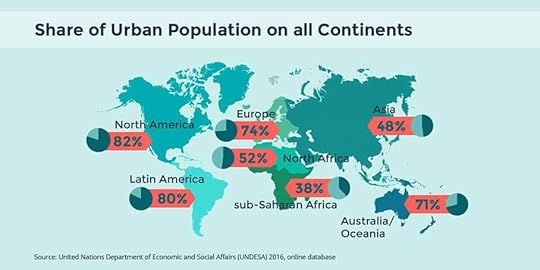
През 2030 година се очаква 61% от населението на земята да живее в градовете. В България понастоящем делът на градското население е 74%.
Индустриализацията, националните граници, комунистическото изземване и мафиотското безвремие на 90-те вече са видели сметката на много занаяти и поминъци, както и на много местни породи животни и сортове растения, които са били основни в миналото. И заради загубата им се тъпчем с вредни храни, дишаме вреден въздух и вредим на телата и умовете си. Не че животът в миналото е бил продължителен, още по-малко пък лесен. Но новите предимства на урбанизацията са дошли за сметка и на също тъй нови урбанистични проблеми, които един ден могат да ни оставят без живителните вода и въздух…
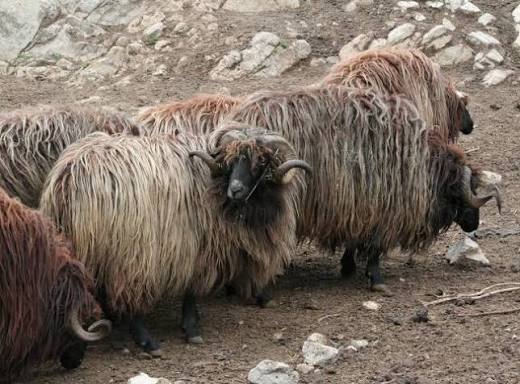
каракачанска овца (с нрав на планинска коза)
Един от основните герои в книгата на Капка Касабова - каракачанската овца (истинска древна планинска фурия, доста далеч от образа на мудната и глупавичка овца) - е поминък на пастирите каракачани през цялата история на тези наши земи, от дълбока древност до 50-те години, когато е отнета от държавата и в резултат на безхаберието и безотговорността - почти изтребена. Каракачаните насилствено напускат високите склонове на Пирин, за да изчезнат в дълбоките като гроб мини на колективизираната социалистическа икономика, и да се простят завинаги с волния си полуномадски си начин на живот. Огромна трагедия, която е необратима.
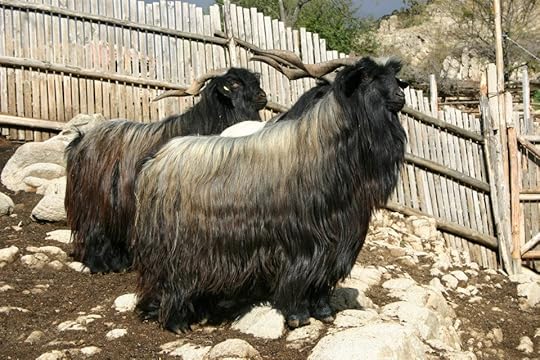
калоферска коза, всъщност козел-супермодел
Неколцината ентусиасти, вложили докрай души и спестявания в спасяването на породи като каракачанска овца и калоферска коза (ето от какво се правели най-качествените кукерски костюми)- древни и автохонни - са успели да пресекат за миг тенденцията за пълно изчезване (донякъде с помощта и на европейски субсидии). Дано обърнат и течението на историята, защото имаме нужда от тези животни - и то не просто от много по-чистото им мляко в сравнение със стационарните ферми и бъркоча, продаван в големите вериги с етикет “мляко”. (Това с млякото е просто пример…). Те са онази частица от нас и мирозданието, която ако изчезне, ще ни остави много по-пусти и празни. Ще ни остави пълни сираци сред бетона и шума.
Душата на тази книга се усеща много по-силно, по-тъжно и по-истински от предходните балкански книги на писателката. Обща душа делят планината и населяващите я все по-малко хора и животни. Тя не е точно по Юнг, но повлича и читателя, защото Капка Касабова - за миг - си е позволила да се въвлече, и - вече през цялото време - да бъде тихо съпричастна. Което е толкова далеч от мъдростта, че всъщност е единственото мъдро нещо, което всеки може да направи, когато се срещне със смисъла на живота или просто казано - с кауза. Въвличането винаги е тежко, мъчително, изтощаващо, опасно. Но благодатно за душата - за собствената и за чуждата…
Хората из страниците се справят всеки по свой - немъдър, болезнен - начин с цената на мъничкото си парченце съдба, свобода и чистота. Те са често завлечени под мътните вълни на вражди, зависимости, предразсъдъци, егоизъм, умора и безпомощност. Но крепят последните древни, мощни и спасителни въглени на изчезнало знание, на живот. И нямат авариен изход.
Тъжно ми беше, докато четох. Защото България - дарена с богата природа и интересни хора - унищожава безгрижно и двете, и пречупва упорстващите. Затова дано последните напук да станат повече - само това може да обърне колелото.
4,5⭐️
П.П. От безсловесните, добри, мили и умни създания кобилата Мими е една от най-прекрасните души, обитаващи един труден и изчезващ свят. Хората не ги споменавам съвсем умишлено - да ги описвам, би било светотатство и намеса…

What once was may never be again. Some losses steal away quietly at first, only to leave a void that can never be filled.
By 2030, 61% of the earth's soul will be confined to cities. In Bulgaria, that concrete embrace already holds 74% of us.
Industrialization, artificial borders, communist land-grabs, and the lawless drift of the '90s have broken the spine of ancient crafts and livelihoods. Along with them, we have lost the native breeds and heirloom crops that once anchored our existence. In their absence, we nourish ourselves with poison, breathe heavy air, and slowly wither in body and mind. It isn’t that the old days promised longevity, let alone ease. But the comforts of the modern city have been bought at the cost of new, urban afflictions—ones that may someday leave us stranded, reaching for a breath of clean air or a drop of living water…
The Karakachan sheep (possessing the wild spirit of a mountain goat)
One of the true heartbeats of Kapka Kassabova’s book is the Karakachan sheep—a fierce, ancient creature of the peaks, lightyears away from the sluggish, docile thing of common myth. For centuries, it was the very lifeblood of the nomadic Karakachan shepherds, enduring until the 1950s when the state tore the flocks away. Through sheer bureaucratic blindness, the breed was brought to the brink of extinction. The shepherds themselves were exiled from the high ridges of Pirin, buried alive in the deep, dark mines of a collectivized economy, forced to bid a final farewell to their untamed, semi-nomadic freedom. A quiet, colossal tragedy with no road back.
The Kalofer goat—essentially a supermodel of the peaks
A rare few dreamers, pouring their entire souls and life savings into the wilderness, have managed to catch these ancient, indigenous breeds just as they were slipping into the abyss. With the fragile aid of European subsidies, they have paused the erasure of the Karakachan sheep and the Kalofer goat (the very source of the finest, most majestic Kukeri costumes). May they somehow turn the tide of history, for we need these creatures. And not simply for their milk—pure and untainted compared to the stagnant chemistry of factory farms and the white water sold on supermarket shelves. (The milk is but a symptom). They represent a fragment of ourselves and the wider cosmos; if they vanish, they leave us hollowed out. We will be left as absolute orphans, marooned amidst concrete and noise.
The soul of this book breathes with a far more piercing, melancholic truth than the author’s previous Balkan journeys. A solitary, shared spirit connects the mountain to the fading remnants of its people and animals. It isn't strictly Jungian; it is a current that sweeps the reader away because Kassabova allowed herself, for a crucial moment, to become entangled, and from then on, to bear a quiet, unending witness. This is so far past detached wisdom that it becomes the only truly wise thing a person can do when standing before a purpose, or simply, a cause. To allow oneself to care is always a heavy, bruising, exhausting thing. But it is a blessing for the soul—both one's own and the world's.
The figures drifting through these pages survive each in their own fractured, painful way, bearing the cost of their small allotment of destiny, freedom, and light. They are frequently pulled under by the dark undercurrents of old feuds, dependencies, prejudice, and exhaustion. Yet, they are the ones sheltering the last deep, saving embers of a forgotten knowledge, of life itself. And they have no emergency exit.
A profound sadness stayed with me as I read. Bulgaria, blessed with such rich landscapes and extraordinary souls, thoughtlessly undoes them both, breaking those who dare to endure. May the stubborn few somehow multiply against all odds—it is the only thing left that might turn the wheel.
4.5⭐️
P.S. Among all the silent, gentle, and knowing creatures, Mimi the mare emerges as one of the most beautiful souls inhabiting this fragile, vanishing world. I intentionally leave the human beings unwritten here—to map them out would feel like an intrusion upon sacred ground…
Това, което някога е било, може повече да не го бъде. Някои загуби са отначало неусетни, но всъщност са непоправими.
През 2030 година се очаква 61% от населението на земята да живее в градовете. В България понастоящем делът на градското население е 74%.
Индустриализацията, националните граници, комунистическото изземване и мафиотското безвремие на 90-те вече са видели сметката на много занаяти и поминъци, както и на много местни породи животни и сортове растения, които са били основни в миналото. И заради загубата им се тъпчем с вредни храни, дишаме вреден въздух и вредим на телата и умовете си. Не че животът в миналото е бил продължителен, още по-малко пък лесен. Но новите предимства на урбанизацията са дошли за сметка и на също тъй нови урбанистични проблеми, които един ден могат да ни оставят без живителните вода и въздух…
каракачанска овца (с нрав на планинска коза)
Един от основните герои в книгата на Капка Касабова - каракачанската овца (истинска древна планинска фурия, доста далеч от образа на мудната и глупавичка овца) - е поминък на пастирите каракачани през цялата история на тези наши земи, от дълбока древност до 50-те години, когато е отнета от държавата и в резултат на безхаберието и безотговорността - почти изтребена. Каракачаните насилствено напускат високите склонове на Пирин, за да изчезнат в дълбоките като гроб мини на колективизираната социалистическа икономика, и да се простят завинаги с волния си полуномадски си начин на живот. Огромна трагедия, която е необратима.
калоферска коза, всъщност козел-супермодел
Неколцината ентусиасти, вложили докрай души и спестявания в спасяването на породи като каракачанска овца и калоферска коза (ето от какво се правели най-качествените кукерски костюми)- древни и автохонни - са успели да пресекат за миг тенденцията за пълно изчезване (донякъде с помощта и на европейски субсидии). Дано обърнат и течението на историята, защото имаме нужда от тези животни - и то не просто от много по-чистото им мляко в сравнение със стационарните ферми и бъркоча, продаван в големите вериги с етикет “мляко”. (Това с млякото е просто пример…). Те са онази частица от нас и мирозданието, която ако изчезне, ще ни остави много по-пусти и празни. Ще ни остави пълни сираци сред бетона и шума.
Душата на тази книга се усеща много по-силно, по-тъжно и по-истински от предходните балкански книги на писателката. Обща душа делят планината и населяващите я все по-малко хора и животни. Тя не е точно по Юнг, но повлича и читателя, защото Капка Касабова - за миг - си е позволила да се въвлече, и - вече през цялото време - да бъде тихо съпричастна. Което е толкова далеч от мъдростта, че всъщност е единственото мъдро нещо, което всеки може да направи, когато се срещне със смисъла на живота или просто казано - с кауза. Въвличането винаги е тежко, мъчително, изтощаващо, опасно. Но благодатно за душата - за собствената и за чуждата…
Хората из страниците се справят всеки по свой - немъдър, болезнен - начин с цената на мъничкото си парченце съдба, свобода и чистота. Те са често завлечени под мътните вълни на вражди, зависимости, предразсъдъци, егоизъм, умора и безпомощност. Но крепят последните древни, мощни и спасителни въглени на изчезнало знание, на живот. И нямат авариен изход.
Тъжно ми беше, докато четох. Защото България - дарена с богата природа и интересни хора - унищожава безгрижно и двете, и пречупва упорстващите. Затова дано последните напук да станат повече - само това може да обърне колелото.
4,5⭐️
П.П. От безсловесните, добри, мили и умни създания кобилата Мими е една от най-прекрасните души, обитаващи един труден и изчезващ свят. Хората не ги споменавам съвсем умишлено - да ги описвам, би било светотатство и намеса…
What once was may never be again. Some losses steal away quietly at first, only to leave a void that can never be filled.
By 2030, 61% of the earth's soul will be confined to cities. In Bulgaria, that concrete embrace already holds 74% of us.
Industrialization, artificial borders, communist land-grabs, and the lawless drift of the '90s have broken the spine of ancient crafts and livelihoods. Along with them, we have lost the native breeds and heirloom crops that once anchored our existence. In their absence, we nourish ourselves with poison, breathe heavy air, and slowly wither in body and mind. It isn’t that the old days promised longevity, let alone ease. But the comforts of the modern city have been bought at the cost of new, urban afflictions—ones that may someday leave us stranded, reaching for a breath of clean air or a drop of living water…
The Karakachan sheep (possessing the wild spirit of a mountain goat)
One of the true heartbeats of Kapka Kassabova’s book is the Karakachan sheep—a fierce, ancient creature of the peaks, lightyears away from the sluggish, docile thing of common myth. For centuries, it was the very lifeblood of the nomadic Karakachan shepherds, enduring until the 1950s when the state tore the flocks away. Through sheer bureaucratic blindness, the breed was brought to the brink of extinction. The shepherds themselves were exiled from the high ridges of Pirin, buried alive in the deep, dark mines of a collectivized economy, forced to bid a final farewell to their untamed, semi-nomadic freedom. A quiet, colossal tragedy with no road back.
The Kalofer goat—essentially a supermodel of the peaks
A rare few dreamers, pouring their entire souls and life savings into the wilderness, have managed to catch these ancient, indigenous breeds just as they were slipping into the abyss. With the fragile aid of European subsidies, they have paused the erasure of the Karakachan sheep and the Kalofer goat (the very source of the finest, most majestic Kukeri costumes). May they somehow turn the tide of history, for we need these creatures. And not simply for their milk—pure and untainted compared to the stagnant chemistry of factory farms and the white water sold on supermarket shelves. (The milk is but a symptom). They represent a fragment of ourselves and the wider cosmos; if they vanish, they leave us hollowed out. We will be left as absolute orphans, marooned amidst concrete and noise.
The soul of this book breathes with a far more piercing, melancholic truth than the author’s previous Balkan journeys. A solitary, shared spirit connects the mountain to the fading remnants of its people and animals. It isn't strictly Jungian; it is a current that sweeps the reader away because Kassabova allowed herself, for a crucial moment, to become entangled, and from then on, to bear a quiet, unending witness. This is so far past detached wisdom that it becomes the only truly wise thing a person can do when standing before a purpose, or simply, a cause. To allow oneself to care is always a heavy, bruising, exhausting thing. But it is a blessing for the soul—both one's own and the world's.
The figures drifting through these pages survive each in their own fractured, painful way, bearing the cost of their small allotment of destiny, freedom, and light. They are frequently pulled under by the dark undercurrents of old feuds, dependencies, prejudice, and exhaustion. Yet, they are the ones sheltering the last deep, saving embers of a forgotten knowledge, of life itself. And they have no emergency exit.
A profound sadness stayed with me as I read. Bulgaria, blessed with such rich landscapes and extraordinary souls, thoughtlessly undoes them both, breaking those who dare to endure. May the stubborn few somehow multiply against all odds—it is the only thing left that might turn the wheel.
4.5⭐️
P.S. Among all the silent, gentle, and knowing creatures, Mimi the mare emerges as one of the most beautiful souls inhabiting this fragile, vanishing world. I intentionally leave the human beings unwritten here—to map them out would feel like an intrusion upon sacred ground…

September 1, 2025
„Анима“ – пътуване нагоре в планината и навътре към себе си: https://knigolandia.info/anima/
Започвам да пиша за балканската четирилогия на Капка Касабова от последната – „Анима“, със спокойната увереност, че след това пречистващо преживяване неминуемо ще прочета и предишните три. Защото едва сред страниците на тази книга открих забравена част от самия себе си – онази част, която дори не знаем, че сме изгубили и само бегло догаждаме, когато се окажем по планинските пътеки. „Анима означава душа на латински. В много европейски езици думата за животно идва от този корен – същество с дух, душа и дъх. Каракачаните я наричат психе. На тях им се явява като дихание, мъгла и вятър“ – така започва този поетично-непоетичен разказ за един пастирски сезон „по западните склонове на Пирин“, където „кучетата, само те, са ми истински приятели в тая долина на бързи залези“.
ICU Publishing
https://knigolandia.info/anima/
Започвам да пиша за балканската четирилогия на Капка Касабова от последната – „Анима“, със спокойната увереност, че след това пречистващо преживяване неминуемо ще прочета и предишните три. Защото едва сред страниците на тази книга открих забравена част от самия себе си – онази част, която дори не знаем, че сме изгубили и само бегло догаждаме, когато се окажем по планинските пътеки. „Анима означава душа на латински. В много европейски езици думата за животно идва от този корен – същество с дух, душа и дъх. Каракачаните я наричат психе. На тях им се явява като дихание, мъгла и вятър“ – така започва този поетично-непоетичен разказ за един пастирски сезон „по западните склонове на Пирин“, където „кучетата, само те, са ми истински приятели в тая долина на бързи залези“.
ICU Publishing
https://knigolandia.info/anima/
May 21, 2026
Yazarin “Sinir” kitabini okumuştum, simdi gene Kassabova okuyunca bir baktım, kadincagiz ayni biraktigim yerde kalmış - save edilmis bilgisayar oyununda kalan yerden devam etmek gibi… Gene ayni üslup ile yazmaya devam ediyor bizimki.
Bence bu yazarin başında bir lanet var: Kapka, post-endustriyel bir toplumda yaşıyor olmanın etkisi ile, Dogu Avrupa ülkelerinin zaman makinasında bir 50, belki 100 sene geriden(?) geliyor olduklarının farkına varmis, ayni zamanda bu ülkelerin arayi hızla kapattiklarina da uyanmış. Bu donusume sahip olan son jenerasyon oldugumuzu sezmiş olmali. Ve dehset icinde fark etmiş ki, Allah’in Trakya’sinda bir nesilde gerceklesen bu dönüşümü belgeleyen, kaleme alan pek kimse de yok. Etrafta doga yazarı niyetine gecinen ne kadar entel dantel varsa, siril siril akan nehirlerden, karlı zirvelerden falan bahsediyorlar. Onlar anca “ay doga ne guzel” der dururlar. Sutunu içtiğimiz ineği guden çobanın “yurusene amina kodumunun hayvani!!!” diye honkurdugunu duyan, çobanin hayatına ses olacak cok az insan vardir. Iste, ne yaparsınız, Kapka da kendisinden baskasının Bulgar kırsalı ile ilgili boyle bir kitap yazmayacagini anlamış, lanet ede ede, çobanların, koyunların, kucuk üreticinin pesinden yayla yayla geziyor.
Kendi adıma, ornegin Ingiltere’de “koy”lere gittim zaman, Turkiye’deki koylerde aldigim tadi asla alamıyorum: etrafta ne manda boku kokuyor, ne traktör gezer, ne de etrafta dolasanlar köylüye benziyorlar. Her ne kadar kent ve taşra arasında dünya görüşü anlamında farklar olsa da, Turkiye’deki gibi “koylu olma”, “ekerek, ya da guderek hayatini kazanma” falan pek yok, ya da hayat tarzı olarak sehirlilere daha yakin buraların köylüleri.
Fakat bizim bölgemiz de hızla değişiyor, etraftaki tum ulkeler daha fazla endustriyellesiyorlar, çoban bulmak artık cok zor. Bir-iki jenerasyon sonra bu işleri iyice kaybolmuş olacaklar.
Biz yaşlanırken arkamızdan gelen yeni jenerasyona aktaramayacagimiz boyle bir kultur olması, dogrusu kotu bir his. Yazarin da benzer bir hisle bu kitabi kaleme aldigini dusunuyorum.
Kitabi okuduktan sonra, artık her insanin bir kez bir hayvanin kesilmesine şahit olması gerektiğini dusunuyorum.
Bir de, Turkiye’nin dogasinin ne kadar müthiş oldugunu hatırlatan bir detay daha… Akan cesmeler, ve bunların soğuk suları…
- Oralek’i bir de eski yıllarda görseniz: domuzlar, eşekler, ve insanlar vardi
- Mandira ve inat, ortak kelimelerimiz.
- Merino yunu nedeniyle koyunların soyu değiştirildi
- The annihilation of the last Shepard nation in Europe delivered a clear message: Modernity had never place for free moving people and animals
- Most locals worked as builders in West Europe, and returned home to be barbarian again (hunting)
- Iskocya’da son kurt, 1750’lerde oldurulmus.
- Culling: Killing in industrial farming.
- Copper sulphate ile kendini tedavi edenler..
- “I am not patient. I rush towards the next moment. It’s a neorological condition called a Westerner. Patience is a forgotten art, like sheparding”
- “Horny” kelimesi hayvanların çiftleşme mevsimi ile alakalı herhalde!
- Transhumance : konar-gocer. UNESCO soyut kultur listesindeymiş.
- “When your time comes, it comes”… I saw the expectation, even hope, of a short life.
- “Look, two Talibans!”: that’s what Shepards call distant hikers.
- TIR şoförlüğü: transhumance on wheels.
- Bir antropolojisi şöyle demistir: En temel insan ihtiyacı, aksam eve gelmediğinde merak edecek biri.
- Constantin’in kucuk metni (I am a stupid Shepard…)
- En cok et tüketenler, hayvanlardan en cok uzak olanlar olmuşlardır.
Bu kitap bazen sikici bir hal de aldi, ama zaten konusu bu. Okuduğuma, ve yazarin bu konularda yazmaya devam etmesine cok memnunum.
+ Selcen Kucukustel'in Dukhalar ile ilgili kitabi, bu kitabi beğenenlerin ilgisini çekebilir..
Son olarak: Bulgaristan nefis bir ulke.
Bence bu yazarin başında bir lanet var: Kapka, post-endustriyel bir toplumda yaşıyor olmanın etkisi ile, Dogu Avrupa ülkelerinin zaman makinasında bir 50, belki 100 sene geriden(?) geliyor olduklarının farkına varmis, ayni zamanda bu ülkelerin arayi hızla kapattiklarina da uyanmış. Bu donusume sahip olan son jenerasyon oldugumuzu sezmiş olmali. Ve dehset icinde fark etmiş ki, Allah’in Trakya’sinda bir nesilde gerceklesen bu dönüşümü belgeleyen, kaleme alan pek kimse de yok. Etrafta doga yazarı niyetine gecinen ne kadar entel dantel varsa, siril siril akan nehirlerden, karlı zirvelerden falan bahsediyorlar. Onlar anca “ay doga ne guzel” der dururlar. Sutunu içtiğimiz ineği guden çobanın “yurusene amina kodumunun hayvani!!!” diye honkurdugunu duyan, çobanin hayatına ses olacak cok az insan vardir. Iste, ne yaparsınız, Kapka da kendisinden baskasının Bulgar kırsalı ile ilgili boyle bir kitap yazmayacagini anlamış, lanet ede ede, çobanların, koyunların, kucuk üreticinin pesinden yayla yayla geziyor.
Kendi adıma, ornegin Ingiltere’de “koy”lere gittim zaman, Turkiye’deki koylerde aldigim tadi asla alamıyorum: etrafta ne manda boku kokuyor, ne traktör gezer, ne de etrafta dolasanlar köylüye benziyorlar. Her ne kadar kent ve taşra arasında dünya görüşü anlamında farklar olsa da, Turkiye’deki gibi “koylu olma”, “ekerek, ya da guderek hayatini kazanma” falan pek yok, ya da hayat tarzı olarak sehirlilere daha yakin buraların köylüleri.
Fakat bizim bölgemiz de hızla değişiyor, etraftaki tum ulkeler daha fazla endustriyellesiyorlar, çoban bulmak artık cok zor. Bir-iki jenerasyon sonra bu işleri iyice kaybolmuş olacaklar.
Biz yaşlanırken arkamızdan gelen yeni jenerasyona aktaramayacagimiz boyle bir kultur olması, dogrusu kotu bir his. Yazarin da benzer bir hisle bu kitabi kaleme aldigini dusunuyorum.
Kitabi okuduktan sonra, artık her insanin bir kez bir hayvanin kesilmesine şahit olması gerektiğini dusunuyorum.
Bir de, Turkiye’nin dogasinin ne kadar müthiş oldugunu hatırlatan bir detay daha… Akan cesmeler, ve bunların soğuk suları…
- Oralek’i bir de eski yıllarda görseniz: domuzlar, eşekler, ve insanlar vardi
- Mandira ve inat, ortak kelimelerimiz.
- Merino yunu nedeniyle koyunların soyu değiştirildi
- The annihilation of the last Shepard nation in Europe delivered a clear message: Modernity had never place for free moving people and animals
- Most locals worked as builders in West Europe, and returned home to be barbarian again (hunting)
- Iskocya’da son kurt, 1750’lerde oldurulmus.
- Culling: Killing in industrial farming.
- Copper sulphate ile kendini tedavi edenler..
- “I am not patient. I rush towards the next moment. It’s a neorological condition called a Westerner. Patience is a forgotten art, like sheparding”
- “Horny” kelimesi hayvanların çiftleşme mevsimi ile alakalı herhalde!
- Transhumance : konar-gocer. UNESCO soyut kultur listesindeymiş.
- “When your time comes, it comes”… I saw the expectation, even hope, of a short life.
- “Look, two Talibans!”: that’s what Shepards call distant hikers.
- TIR şoförlüğü: transhumance on wheels.
- Bir antropolojisi şöyle demistir: En temel insan ihtiyacı, aksam eve gelmediğinde merak edecek biri.
- Constantin’in kucuk metni (I am a stupid Shepard…)
- En cok et tüketenler, hayvanlardan en cok uzak olanlar olmuşlardır.
Bu kitap bazen sikici bir hal de aldi, ama zaten konusu bu. Okuduğuma, ve yazarin bu konularda yazmaya devam etmesine cok memnunum.
+ Selcen Kucukustel'in Dukhalar ile ilgili kitabi, bu kitabi beğenenlerin ilgisini çekebilir..
Son olarak: Bulgaristan nefis bir ulke.

August 21, 2024
(3.5)
I saw this book on NetGalley and knew I had to read it. My grandfather was a Polish Highlander (góral), whose culture was greatly influenced by the Vlachs/Wallachians, and I immediately saw a connection in the summary of Anima. What I didn't know was that the shepherds of this book (the Karakachans/also known as Sarakatsani) are a different people from the Vlachs, and that this is the fourth installment of a Balkan cycle. Nevertheless, it was very interesting to learn about my grandpa's fellow mountain siblings and their struggle to keep alive some of their transhumance traditions amidst all of the current challenges (damn the National Parks system!).
Content warnings:
- Roma slur, and racism against the Roma people
- suicidal ideation/threats
- ableism
- substance addiction
Kassabova has made a thorough investigation of this people's nomadic routes (and roots) across the mountains of Greece and Bulgaria, with special attention paid to cheesemaking, the breeding of the Karakachan dogs, goatherding, and sheepherding. She most definitely romanticizes her subjects and their way of life (even as she doesn't shy away from the sometimes gross and oftentimes miserable details). Going in, I was worried about how much of a pastoral fantasy/"wild pastoral" this would be, since this is something I truly dislike, a concept rooted in settler colonialism and the extermination of indigenous peoples. There were definitely many elements of this, but the author mostly spoke about how nomadic lifestyles (that are disappearing fast) are healthier for the land and the animals and that, even though they don't turn out a huge profit, they are worth turning to again for cultural reasons, ecological reasons, for health, and the preservation of ancient animal breeds (and I'm probably accidentally leaving out more reasons).
Her message, however, gets a bit lost in the romantic subplot between her and the main shepherd, Sásho. Not that it wasn't interesting to read—I was extremely invested! But at some point around the middle I remember thinking, what about the sheep? What about the dogs?
I also have a few more critiques, mostly with the sweeping claims she makes in the beginning. More than once, she mentions the Sarakatsani people as being the last nomads, but that's obviously not true, as there are peoples still practicing their nomadic way of life today (she does this a lot: "the nomad hearth [in the Balkans]"; "the last nomads [of the Balkans] were the Karakachans"). The first section bothered me greatly, the way it almost fetishized these people and their struggle compared to the "pampered people." She also tended to compare these people to marginalized groups, as if to try to bring home Just How Terrible Their Plight Was. Once she got past this section, the author improved by leaps and bounds. (Unfortunately, some of the others featured in the book were extremely racist when it came to the Roma people, and the author never commented out loud or in her notes about how these views were, well, not true. She did have a brief outline of the Roma's history in extremely general terms, but it didn't feel like it was enough.)
What I love most about this book, though, was how she brought to readers the conflict between these modern nomads and bureaucracy. The old Karakachan grazing routes crossed what are now the borders of a few different countries, which obviously makes things difficult today. Also, legalizing pastoralism "brought some terrible side-effects. One was the amount of paperwork it now involved. This made it prohibitive to people with low literary skills and made room for entrepreneurs who couldn't care less about grazing animals but were good at paperwork — and pocketing subsidies." Then there were the national parks, which let shepherds graze their sheep for a price and fined them whenever they could.
The meat of the book is about how shepherds are at risk of extinction, and that they are the biggest problem when it comes to restoring nomadic traditions. They live in extreme isolation for half the year, and often turn to alcohol to get through the loneliness. The main shepherd we follow through the book, unfortunately, embodies these problems (even if he is also very lovable).
It's difficult for me to give an overall impression of the book as a whole. Some of it made me so mad that I was sure I couldn't continue. Other parts were extremely engrossing and fascinating. And others felt like I was connecting with distant relatives somehow. It's interesting how traditions bleed over.
One more note, to whomever formatted this book to be read on NetGalley: the format was almost unreadable. The text was so tiny! Even turning my phone sideways wasn't enough. I also couldn't highlight or make any notes. Downloading the book for the Kindle saved it for me, though! Many thanks to NetGalley and Graywolf Press for letting me read a copy of this in exchange for an honest review.
I saw this book on NetGalley and knew I had to read it. My grandfather was a Polish Highlander (góral), whose culture was greatly influenced by the Vlachs/Wallachians, and I immediately saw a connection in the summary of Anima. What I didn't know was that the shepherds of this book (the Karakachans/also known as Sarakatsani) are a different people from the Vlachs, and that this is the fourth installment of a Balkan cycle. Nevertheless, it was very interesting to learn about my grandpa's fellow mountain siblings and their struggle to keep alive some of their transhumance traditions amidst all of the current challenges (damn the National Parks system!).
Content warnings:
- Roma slur, and racism against the Roma people
- suicidal ideation/threats
- ableism
- substance addiction
Kassabova has made a thorough investigation of this people's nomadic routes (and roots) across the mountains of Greece and Bulgaria, with special attention paid to cheesemaking, the breeding of the Karakachan dogs, goatherding, and sheepherding. She most definitely romanticizes her subjects and their way of life (even as she doesn't shy away from the sometimes gross and oftentimes miserable details). Going in, I was worried about how much of a pastoral fantasy/"wild pastoral" this would be, since this is something I truly dislike, a concept rooted in settler colonialism and the extermination of indigenous peoples. There were definitely many elements of this, but the author mostly spoke about how nomadic lifestyles (that are disappearing fast) are healthier for the land and the animals and that, even though they don't turn out a huge profit, they are worth turning to again for cultural reasons, ecological reasons, for health, and the preservation of ancient animal breeds (and I'm probably accidentally leaving out more reasons).
Her message, however, gets a bit lost in the romantic subplot between her and the main shepherd, Sásho. Not that it wasn't interesting to read—I was extremely invested! But at some point around the middle I remember thinking, what about the sheep? What about the dogs?
I also have a few more critiques, mostly with the sweeping claims she makes in the beginning. More than once, she mentions the Sarakatsani people as being the last nomads, but that's obviously not true, as there are peoples still practicing their nomadic way of life today (she does this a lot: "the nomad hearth [in the Balkans]"; "the last nomads [of the Balkans] were the Karakachans"). The first section bothered me greatly, the way it almost fetishized these people and their struggle compared to the "pampered people." She also tended to compare these people to marginalized groups, as if to try to bring home Just How Terrible Their Plight Was. Once she got past this section, the author improved by leaps and bounds. (Unfortunately, some of the others featured in the book were extremely racist when it came to the Roma people, and the author never commented out loud or in her notes about how these views were, well, not true. She did have a brief outline of the Roma's history in extremely general terms, but it didn't feel like it was enough.)
What I love most about this book, though, was how she brought to readers the conflict between these modern nomads and bureaucracy. The old Karakachan grazing routes crossed what are now the borders of a few different countries, which obviously makes things difficult today. Also, legalizing pastoralism "brought some terrible side-effects. One was the amount of paperwork it now involved. This made it prohibitive to people with low literary skills and made room for entrepreneurs who couldn't care less about grazing animals but were good at paperwork — and pocketing subsidies." Then there were the national parks, which let shepherds graze their sheep for a price and fined them whenever they could.
The meat of the book is about how shepherds are at risk of extinction, and that they are the biggest problem when it comes to restoring nomadic traditions. They live in extreme isolation for half the year, and often turn to alcohol to get through the loneliness. The main shepherd we follow through the book, unfortunately, embodies these problems (even if he is also very lovable).
It's difficult for me to give an overall impression of the book as a whole. Some of it made me so mad that I was sure I couldn't continue. Other parts were extremely engrossing and fascinating. And others felt like I was connecting with distant relatives somehow. It's interesting how traditions bleed over.
One more note, to whomever formatted this book to be read on NetGalley: the format was almost unreadable. The text was so tiny! Even turning my phone sideways wasn't enough. I also couldn't highlight or make any notes. Downloading the book for the Kindle saved it for me, though! Many thanks to NetGalley and Graywolf Press for letting me read a copy of this in exchange for an honest review.

September 4, 2024
A master class! So well researched. A whole world that I didn't know existed and may not exist much longer. I wish for this author to become a best seller and write many more books as it incites a passion for the people and nomadic lifestyle. A good read.

June 16, 2025
There is a running joke in my family where my wife takes pleasure in telling other people what boring books I like, the prime example being "that one with pianos in Siberia" (the wonderfully poetic The Lost Pianos of Siberia, if you're wondering). This is all in the best of spirits, as she always assures me she actually finds this interest of mine in obscure topics rather cool, and I am admittedly a snob, who gets validation by enjoying obscure things because I am so much better than other people :) Leaning into this, during a recent slow evening at my in-laws, our one year-old already asleep, my wife a bit bored and vocal about it, after my mother-in-law suggested to find a book for my wife, I offered "A nice book about shepherds in south Bulgaria", which has been the new "Siberian pianos" even since. My favourite bit came later, when I had to actually produce a physical copy to make both of them believe that I didn't make it up on the spot.
Now, then, what is Anima really about? The final part of Kapka Kassabova's quartet of travel-historical works, this one appears the most personal. Be it due to her being exposed to harsher conditions than in the other three, the narrative being focused on a vary small handful of individuals and/or a bit more focus on what was happening rather than how the events were set into a wider context of traditional shepherding, Anima felt a bit different from the other three books. I don't know whether better or worse, just different, the interpretation really depending on your state of mind. The poetry of the previous parts is slightly diminished, replaced by everyday realities of living on a mountain. One could argue that it's been somehow squeezed into the books subtitle, A Wild Pastoral, an expression that gives me a feeling of vast expanse, like that part of Goran Bregovic's song "Death" where the choir takes over and it's just so very special. It's not all gone, the narrative is just a bit more real - alcohol, people being nasty to each other, eastern-european weltschmerz, all that. A work of beauty.
The thing that annoyed me here, but also in the previous books, is the author making the books accessible to the western audience by translating the place names into English, making it tricky to track them back into real places (even though she provides the back translation in the appendices). Local names might have been more poetic.
Read Anima and keep hoping that, even though this is the last part, more will come in the future.
Now, then, what is Anima really about? The final part of Kapka Kassabova's quartet of travel-historical works, this one appears the most personal. Be it due to her being exposed to harsher conditions than in the other three, the narrative being focused on a vary small handful of individuals and/or a bit more focus on what was happening rather than how the events were set into a wider context of traditional shepherding, Anima felt a bit different from the other three books. I don't know whether better or worse, just different, the interpretation really depending on your state of mind. The poetry of the previous parts is slightly diminished, replaced by everyday realities of living on a mountain. One could argue that it's been somehow squeezed into the books subtitle, A Wild Pastoral, an expression that gives me a feeling of vast expanse, like that part of Goran Bregovic's song "Death" where the choir takes over and it's just so very special. It's not all gone, the narrative is just a bit more real - alcohol, people being nasty to each other, eastern-european weltschmerz, all that. A work of beauty.
The thing that annoyed me here, but also in the previous books, is the author making the books accessible to the western audience by translating the place names into English, making it tricky to track them back into real places (even though she provides the back translation in the appendices). Local names might have been more poetic.
Read Anima and keep hoping that, even though this is the last part, more will come in the future.

January 19, 2025
A greatly written book that talks about ways of life and values on the edge of extinction.
As someone who has a father in law shepard and lives in neighbouring country, I could see the soul of this piece, the spirit through the pages, understand the life that stays up there and also the importance of rakija.
I can't help but think that the book was a mush of encyclopaedia and storytelling, which threw me often off what I found interesting just to tell another fact, or jump to another story.
As someone who has a father in law shepard and lives in neighbouring country, I could see the soul of this piece, the spirit through the pages, understand the life that stays up there and also the importance of rakija.
I can't help but think that the book was a mush of encyclopaedia and storytelling, which threw me often off what I found interesting just to tell another fact, or jump to another story.

November 5, 2025
Nakon knjige "Prema jezeru", u kojoj je obilazila okolicu Ohridskog i Prespanskog jezera i upoznavala ljude iz tog kraja, Kapka Kassabova nastavlja svoja istraživanja života na Balkanu. Ovaj put mjesto radnje je gorje Pirin na jugozapadu Bugarske, gdje je provela više mjeseci s tamošnjim pastirima i njihovim životinjama - ovcama, kozama i psima (ima ondje i govedara, ali goveda nisu u fokusu ove knjige). Piše o tradiciji nomadskog života, transhumantnom stočarstvu, oživljavanju drevnih sojeva ovaca i pasa (tzv. karakačanski pas). U zabačenom selu Oreleku, do kojeg ne vodi ni normalna cesta, druži se sa šačicom entuzijasta koji su sav svoj život, osobni, obiteljski i profesionalni, podredili planini i životinjama. Tu je osebujan i nekomunikativan uzgajivač ovaca Kamen i njegov pastir Sašo, s kojim će autorica provesti više tjedana u planini, u predjelu Crna voda, i dijeliti sva iskušenja koja takav život nosi. A njih nije malo, život u brdu bez imalo komoditeta nije lak, a najveće iskušenje kod pastira je - alkoholizam. O njemu Kapka Kassabova piše otvoreno i bez uljepšavanja. Ni pastirski život ne idealizira, naprotiv, vrlo je realna i sagledava ga onakvim kakav jest. I sama u više situacija priznaje da ne može to izdržati.
Knjiga je pisana lijepo, nepretenciozno i realno, s puno topline prema ljudskim, a još više životinjskim likovima.
Knjiga je pisana lijepo, nepretenciozno i realno, s puno topline prema ljudskim, a još više životinjskim likovima.

Read
November 7, 2025Не успях да се накарам да я прочета. Може би по-нататък.

Read
October 10, 2025Книгата ми хареса, въпреки че беше твърде дълга, а темата ми беше чужда.
Капка Касабова за пореден път успява да зададе актуални въпроси, за които читателят може би дори никога не се е замислял. Именно в това се крие и силата на цялостното й творчество.
Освен това в "Анима" читателят най-силно успява да се приближи до авторката. Като че ли там я намираме най-близка, най-открита и най-ранима. Дистанцията се скъсява и със сигурност се е изисквала много смелост за описването на някои преживени случки.
Интересно ми е по какви теми ще пише в бъдеще.
Капка Касабова за пореден път успява да зададе актуални въпроси, за които читателят може би дори никога не се е замислял. Именно в това се крие и силата на цялостното й творчество.
Освен това в "Анима" читателят най-силно успява да се приближи до авторката. Като че ли там я намираме най-близка, най-открита и най-ранима. Дистанцията се скъсява и със сигурност се е изисквала много смелост за описването на някои преживени случки.
Интересно ми е по какви теми ще пише в бъдеще.

Read
September 11, 2025Отне ми около три четвърти от дължината книгата да разбера, че това не е пътепис.
Касабова дълбоко се идентифицира с номадите и техния начин на живот, тъй като съдбата й я подхвърля по различни краища на света още от дете. Разкъсана между дома си в Шотландия и някои диви краища на България, които тя изследва с любов и дълбочина, авторката създава нишката на разказа от срещите си с местните.
Този път тя разказва за последните подвижни пастири, опазващи каракачанските породи в Пирин. Книгата успява да опише контрастните усещания на авторката и именно онова чувство за притегляне и отблъскване - както към мястото, така и към неговите обитатели. Гравитацията, която я придърпва здраво към Орелек съдържа невъзможността й да води този начин на живот и да бъде част от затворения кръг на Камен, Стамен, Сашо и останалите.
Касабова създава фрагментирано и нелинейно повествование, което прилича повече на импресионистични картини, примесени с документалистика и исторически справки. Майсторството на авторката се изразява в постоянното изграждане на паралели между крехкия, жесток, непостоянен живот в планината и нейния собствен вътрешен свят, който сякаш е разпънат от същите противоречия.
Любовната нишка не превзема сюжета, въпреки че е изненадваща и трогателна. Дълбочината на проучването, което Касабова е направила й позволява да води разказа в много различни посоки, с което средство тя си служи умело и с мярка. Характерните за нейната творческа вселена усещания за унес и едно разместване на пластовете на реалността присъстват във всяка дума от този разказ.
"Анима" е книга за крайностите и за невъзможността да спасиш останалите. Книга-медитация и опит за спасение от житейските парадокси.
Касабова дълбоко се идентифицира с номадите и техния начин на живот, тъй като съдбата й я подхвърля по различни краища на света още от дете. Разкъсана между дома си в Шотландия и някои диви краища на България, които тя изследва с любов и дълбочина, авторката създава нишката на разказа от срещите си с местните.
Този път тя разказва за последните подвижни пастири, опазващи каракачанските породи в Пирин. Книгата успява да опише контрастните усещания на авторката и именно онова чувство за притегляне и отблъскване - както към мястото, така и към неговите обитатели. Гравитацията, която я придърпва здраво към Орелек съдържа невъзможността й да води този начин на живот и да бъде част от затворения кръг на Камен, Стамен, Сашо и останалите.
Касабова създава фрагментирано и нелинейно повествование, което прилича повече на импресионистични картини, примесени с документалистика и исторически справки. Майсторството на авторката се изразява в постоянното изграждане на паралели между крехкия, жесток, непостоянен живот в планината и нейния собствен вътрешен свят, който сякаш е разпънат от същите противоречия.
Любовната нишка не превзема сюжета, въпреки че е изненадваща и трогателна. Дълбочината на проучването, което Касабова е направила й позволява да води разказа в много различни посоки, с което средство тя си служи умело и с мярка. Характерните за нейната творческа вселена усещания за унес и едно разместване на пластовете на реалността присъстват във всяка дума от този разказ.
"Анима" е книга за крайностите и за невъзможността да спасиш останалите. Книга-медитация и опит за спасение от житейските парадокси.

August 7, 2025
An unexpectedly great love story
February 16, 2026
ᨒ↟ 𖠰𖥧˚ "Анима", Капка Касабова
ᨒ↟ 𖠰𖥧˚ Една прелестна книга, за която колкото и да ви разкажа, ще бъде малко. Книга, която трябва да се прочете, да се вдиша от чистия ѝ въздух, книга, на която можем само да се оставим да ни излекува от това, от което не сме знаели, че боледуваме.
ᨒ↟ 𖠰𖥧˚ В четвъртата книга от балканската си поредица Капка Касабова ни отвежда в Западен Пирин и ни потапя в битието на каракачаните, последните пастири, водещи номадски начин на живот.
ᨒ↟ 𖠰𖥧˚ Авторката тук е в позиция и на повествователен глас, но и на персонаж - споделящ дните си с овчарите планинци, потопен напълно в живота, белязан от тежък труд, но и душевна лекота, породена от хармоничното общуване с природата.
ᨒ↟ 𖠰𖥧˚ Свидетелският аспект на книгата и вложеното педатнично проучване личат недвусмислено - без да има чувството, че е наведен над учебник, читателят ще се запознае с радостите и мъките на пастирския живот, с маршрутите в търсене на паша, с грижите за болните животни, с произхода и историята на тези две породи, борещи се за оцеляване - каракачанската овца и каракачанския овчар.
ᨒ↟ 𖠰𖥧˚ В този смисъл "Анима" е книга именно за оцеляването - за вкопчването в хармонията на природния живот, било то и на инат, било то и обречено на скорошен свършек.
ᨒ↟ 𖠰𖥧˚ "Анима" не е банална пасторална идилия, която ще ни обясни как трябва да извършим "детокс", да се върнем "към корена", да си спомним за "българщината". Това е силно философски общочовешки роман, на който липсват маркерите на строго националното или етно-шовинистичния заряд на едни така модерни сега четива.
ᨒ↟ 𖠰𖥧˚ Това е книга, която ще се опита да ни напомни, че не сме господари на природата, а сме просто част от нейната всехармонична тъкан - нейни деца, както всички останали живи твари, бродещи по земята.
ᨒ↟ 𖠰𖥧˚ Това е книга, която (без да си прави илюзиите, че той подлежи на окончателно загърбване) ще ни накара да прогледнем за абсурдността на света, който сме си построили - сив, изпълнен с ръбове и конфликти, сякаш умишлено неудобен, за да забравим хармонията, в която е изконното ни място.
ᨒ↟ 𖠰𖥧˚ Амбициите и консумеризмът, бързането и трафикът, безумието на вечното съревнование - всички тези аспекти на "долния свят", както пастирите наричат пространството на нашето ежедневие, са осмислени като противоприродни, несъвместими с повелите на душата на света, тази Анима, която ни свързва с всеки шепот на вятъра, с всяко дихание на останалите създания на земята.
ᨒ↟ 𖠰𖥧˚ В този смисъл "долният свят" досущ заприличва на "долната земя", която помним от детските приказки - черна и демонична, обитавана от злонамерени същества, обладани от отчуждение, егоизъм и душевна тъмнина... Всъщност не звучи твърде далеч от истината.
ᨒ↟ 𖠰𖥧˚ В контраст с тази цивилизация, приличаща повече на антиутопична реалност от нескончаеми емисии лоши новини, стои светът на каракачаните - "Колкото по-нагоре се качваш, колкото по-трудно става физическото оцеляване, толкова по-равни са всички. Дивата природа изравнява. Личността изчезва, същността нараства. В живота има само една същност. Анима."
ᨒ↟ 𖠰𖥧˚ Там, в обятията на природата, всяко земно терзание, всеки стремеж за кариерно издигане или материален успех съвършено изгубва своя смисъл. Там човекът осъзнава, че не е никакъв повелител, а е просто поредната нишка от тъканта на Анима.
ᨒ↟ 𖠰𖥧˚ Дори и в тази идилия обаче човешките отношения си остават човешки, а човекът винаги е елемент, внасящ ентропия. Острите ръбове на характерите, склонността към завист и конфликти, саморазрушението и зависимостите, непожеланите, но упорити искрици на любовта - всичко това вирее и горе в планината. Вирее навсякъде, където стъпва човешки крак.
ᨒ↟ 𖠰𖥧˚ И въпреки това, най-лошото от света на човека е смекчено от най-доброто от света на природата - "Единствено моето лице не е там, нямам лице, нито тяло, когато лежа така, в безграничното легло на хълмовете, нямам нищо. Аз съм съсъд, през който минава дъхът на света."
ᨒ↟ 𖠰𖥧˚ Философска и смислена, човеколюбива и интелигентна - книга, която ще ни накара да дишаме по-дълбоко, да бързаме по-бавно, да консумираме по-малко и да обичаме повече. Книга, необятна като планините, за които сладкодумно разказва. Прекрасна. ♡
ᨒ↟ 𖠰𖥧˚ Една прелестна книга, за която колкото и да ви разкажа, ще бъде малко. Книга, която трябва да се прочете, да се вдиша от чистия ѝ въздух, книга, на която можем само да се оставим да ни излекува от това, от което не сме знаели, че боледуваме.
ᨒ↟ 𖠰𖥧˚ В четвъртата книга от балканската си поредица Капка Касабова ни отвежда в Западен Пирин и ни потапя в битието на каракачаните, последните пастири, водещи номадски начин на живот.
ᨒ↟ 𖠰𖥧˚ Авторката тук е в позиция и на повествователен глас, но и на персонаж - споделящ дните си с овчарите планинци, потопен напълно в живота, белязан от тежък труд, но и душевна лекота, породена от хармоничното общуване с природата.
ᨒ↟ 𖠰𖥧˚ Свидетелският аспект на книгата и вложеното педатнично проучване личат недвусмислено - без да има чувството, че е наведен над учебник, читателят ще се запознае с радостите и мъките на пастирския живот, с маршрутите в търсене на паша, с грижите за болните животни, с произхода и историята на тези две породи, борещи се за оцеляване - каракачанската овца и каракачанския овчар.
ᨒ↟ 𖠰𖥧˚ В този смисъл "Анима" е книга именно за оцеляването - за вкопчването в хармонията на природния живот, било то и на инат, било то и обречено на скорошен свършек.
ᨒ↟ 𖠰𖥧˚ "Анима" не е банална пасторална идилия, която ще ни обясни как трябва да извършим "детокс", да се върнем "към корена", да си спомним за "българщината". Това е силно философски общочовешки роман, на който липсват маркерите на строго националното или етно-шовинистичния заряд на едни така модерни сега четива.
ᨒ↟ 𖠰𖥧˚ Това е книга, която ще се опита да ни напомни, че не сме господари на природата, а сме просто част от нейната всехармонична тъкан - нейни деца, както всички останали живи твари, бродещи по земята.
ᨒ↟ 𖠰𖥧˚ Това е книга, която (без да си прави илюзиите, че той подлежи на окончателно загърбване) ще ни накара да прогледнем за абсурдността на света, който сме си построили - сив, изпълнен с ръбове и конфликти, сякаш умишлено неудобен, за да забравим хармонията, в която е изконното ни място.
ᨒ↟ 𖠰𖥧˚ Амбициите и консумеризмът, бързането и трафикът, безумието на вечното съревнование - всички тези аспекти на "долния свят", както пастирите наричат пространството на нашето ежедневие, са осмислени като противоприродни, несъвместими с повелите на душата на света, тази Анима, която ни свързва с всеки шепот на вятъра, с всяко дихание на останалите създания на земята.
ᨒ↟ 𖠰𖥧˚ В този смисъл "долният свят" досущ заприличва на "долната земя", която помним от детските приказки - черна и демонична, обитавана от злонамерени същества, обладани от отчуждение, егоизъм и душевна тъмнина... Всъщност не звучи твърде далеч от истината.
ᨒ↟ 𖠰𖥧˚ В контраст с тази цивилизация, приличаща повече на антиутопична реалност от нескончаеми емисии лоши новини, стои светът на каракачаните - "Колкото по-нагоре се качваш, колкото по-трудно става физическото оцеляване, толкова по-равни са всички. Дивата природа изравнява. Личността изчезва, същността нараства. В живота има само една същност. Анима."
ᨒ↟ 𖠰𖥧˚ Там, в обятията на природата, всяко земно терзание, всеки стремеж за кариерно издигане или материален успех съвършено изгубва своя смисъл. Там човекът осъзнава, че не е никакъв повелител, а е просто поредната нишка от тъканта на Анима.
ᨒ↟ 𖠰𖥧˚ Дори и в тази идилия обаче човешките отношения си остават човешки, а човекът винаги е елемент, внасящ ентропия. Острите ръбове на характерите, склонността към завист и конфликти, саморазрушението и зависимостите, непожеланите, но упорити искрици на любовта - всичко това вирее и горе в планината. Вирее навсякъде, където стъпва човешки крак.
ᨒ↟ 𖠰𖥧˚ И въпреки това, най-лошото от света на човека е смекчено от най-доброто от света на природата - "Единствено моето лице не е там, нямам лице, нито тяло, когато лежа така, в безграничното легло на хълмовете, нямам нищо. Аз съм съсъд, през който минава дъхът на света."
ᨒ↟ 𖠰𖥧˚ Философска и смислена, човеколюбива и интелигентна - книга, която ще ни накара да дишаме по-дълбоко, да бързаме по-бавно, да консумираме по-малко и да обичаме повече. Книга, необятна като планините, за които сладкодумно разказва. Прекрасна. ♡
May 12, 2025
Thanks to NetGalley and the publisher for an advanced copy in exchange for an honest review.
I loved this so much, it was right up my alley! If you like to read memoirs, outdoor adventures, or stories about specific cultures/regions, then this would be interesting to you too.
This nonfiction book is overall about the dying lifestyle of nomadic shepherds in the mountains of Bulgaria (and Greece, Macedonia, etc. before borders). It is also about the unique animals and a connection with the landscape that is dying with them as our world becomes increasingly closed off and we become more and more disconnected from the natural world.
The author, herself Bulgarian, travels to a nearly abandoned village in the mountains of southern Bulgaria and becomes fully enmeshed in the lives of a small group of people who are giving everything to keep an ancient breed of livestock guardian dog, the Karakachan, alive. Of course, a guardian dog needs a flock to guard, and the flock needs a shepherd and pasture. This ecosystem of connected roles is what the author seeks to document as the number of shepherds and flocks dwindles each year in this region.
This book is told in a slightly disorganized memoir style, which some readers might find hard to follow but which I found gave the book a dreamy quality. We follow the author as she travels with a shepherd, the troubled yet infinitely kind Sásho, to the Blackwater pastures high in the mountains, where they live in simple cabins and their entire day revolves, almost dreamlike, around the flock- the cycle of taking them out and back in, feeding the guardian dogs, watching for bears, treating injuries, etc. The author also describes the hard winters in the mountains and life in the village as opposed to the towns near the highway. I felt utterly absorbed in the environment she describes.
This is as much a work about people as it is about animals. In addition to getting to know the flock of ancient Karakachan sheep, you come to intimately know the very small community still living (or trying their best to) a nomadic pastoral life in this region. From serious feuds to romantic drama, to the ever-present specter of alcoholism, she describes not only the bliss of feeling interconnected with your environment, but the dark underbelly of living like this in a world not built for it anymore. She paints a full picture of this region within the broader context of historical conflicts, the influence of multiple ethnic groups, and modern capitalism and poverty.
The wildness and sense of place here reminded me a lot of Outlandish: Walking Europe’s Unlikely Landscapes by Nick Hunt, which I also adored, but the fact that the author is from this area and lived as part of the community she writes about gave this book an extra layer of depth for me.
I am so happy to have discovered this author, and will gladly pick up her other books and anything she writes in the future!
I loved this so much, it was right up my alley! If you like to read memoirs, outdoor adventures, or stories about specific cultures/regions, then this would be interesting to you too.
This nonfiction book is overall about the dying lifestyle of nomadic shepherds in the mountains of Bulgaria (and Greece, Macedonia, etc. before borders). It is also about the unique animals and a connection with the landscape that is dying with them as our world becomes increasingly closed off and we become more and more disconnected from the natural world.
The author, herself Bulgarian, travels to a nearly abandoned village in the mountains of southern Bulgaria and becomes fully enmeshed in the lives of a small group of people who are giving everything to keep an ancient breed of livestock guardian dog, the Karakachan, alive. Of course, a guardian dog needs a flock to guard, and the flock needs a shepherd and pasture. This ecosystem of connected roles is what the author seeks to document as the number of shepherds and flocks dwindles each year in this region.
This book is told in a slightly disorganized memoir style, which some readers might find hard to follow but which I found gave the book a dreamy quality. We follow the author as she travels with a shepherd, the troubled yet infinitely kind Sásho, to the Blackwater pastures high in the mountains, where they live in simple cabins and their entire day revolves, almost dreamlike, around the flock- the cycle of taking them out and back in, feeding the guardian dogs, watching for bears, treating injuries, etc. The author also describes the hard winters in the mountains and life in the village as opposed to the towns near the highway. I felt utterly absorbed in the environment she describes.
This is as much a work about people as it is about animals. In addition to getting to know the flock of ancient Karakachan sheep, you come to intimately know the very small community still living (or trying their best to) a nomadic pastoral life in this region. From serious feuds to romantic drama, to the ever-present specter of alcoholism, she describes not only the bliss of feeling interconnected with your environment, but the dark underbelly of living like this in a world not built for it anymore. She paints a full picture of this region within the broader context of historical conflicts, the influence of multiple ethnic groups, and modern capitalism and poverty.
The wildness and sense of place here reminded me a lot of Outlandish: Walking Europe’s Unlikely Landscapes by Nick Hunt, which I also adored, but the fact that the author is from this area and lived as part of the community she writes about gave this book an extra layer of depth for me.
I am so happy to have discovered this author, and will gladly pick up her other books and anything she writes in the future!

October 3, 2025
Second work I’ve read of Kassabova was just as if not more impressive and magical than the first.
“Some old memory was unlocked, of some old life when I was always on the move across oceans and mountains, with armies, caravans, shepherds, itinerant plant buyers, pilgrims, bards, dervishes, zealots and troublemakers. The memory was in my cells: how to walk with ease across the pages of the book of wild men and animals. My cells remembered being on four legs and galloping with the wind in my mane or having no legs and crossing a pond, breathing with my powerful gills.”
“Some old memory was unlocked, of some old life when I was always on the move across oceans and mountains, with armies, caravans, shepherds, itinerant plant buyers, pilgrims, bards, dervishes, zealots and troublemakers. The memory was in my cells: how to walk with ease across the pages of the book of wild men and animals. My cells remembered being on four legs and galloping with the wind in my mane or having no legs and crossing a pond, breathing with my powerful gills.”

August 26, 2025
récit de voyage/essai historique, sociologique et scientifique/témoignage du mode de vie des derniers bergers nomades de Bulgarie. très bien écrit et passionnant

March 1, 2026
Beautifully surreal and brutally realistic.

September 4, 2026
Четвъртата книга от Балканската тетралогия на Капка Касабова ни отвежда по стръмните склонове на Кресненското дефиле, сред пасторални пътеки непознати за туристите, за да ни покаже отблизо реалността от живота на последните планински подвижни пастири, грижещи се за редките автохтонни породи като калоферската коза, каракачанските кучета, планинската каракачанска овца (от които останали има едва няколкостотин), всичките пригодени за тежкия живот сред Пиринските чукари.
Ежедневието на пастирите, посветени на отглеждането на тези видове, изисква изкачвания по екстремни каменисти пътеки сред суров терен, за да се достигнат високопланински ливади и да се осъществи паша. Колко хора биха посветили живота си на нещо такова?
Както разбираме от книгата, една шепа са много. Овчарите нощуват на враждебни места, сред вълци, мечки, бушуващи реки, непредсказуемо време и без лукса на повечето хижи, съвсем сами в планински колиби.
Представете си една силно казано постройка, чиято основа е изградена от камък, с дървени огради и покриви. Именно на такова място Капка Касабова прекарва три месеца заедно с няколко овчари, за да ни отвори очите по въпроси като - защо е останал такъв нищожен процент от каракачанските видове по наши земи (предвид че през първата половина на 20. век са наброявали между 50000 и един милион)?
Какво се е случило със самите каракачани - подвижните пастири, чиято традиция и начин на живот е изцяло потъпкана? Какво изисква животът на такова сурово място? Защо в България сред животновъдите най-често срещаме кравари? Защо все по-рядко имаме възможност да си купим автентично козе, овче и биловско българско сирене?
Отговорите няма да ви харесат, това е ясно. Пътеписите на Капка Касабова не са просто документални записки на един биолог, с причина са романи и в тях има изключитена красота и чувственост, която, поне в мен, винаги погъделичква дивото и ме кара да искам да захвърля живота си и да го посветя на кауза която има смисъл. Но на думи, както става ясно и в книгата, е най-лесно. Прочетете я, дори само тази едничка книга да сте прочели в целия си живот, ще ви стигне.
Ежедневието на пастирите, посветени на отглеждането на тези видове, изисква изкачвания по екстремни каменисти пътеки сред суров терен, за да се достигнат високопланински ливади и да се осъществи паша. Колко хора биха посветили живота си на нещо такова?
Както разбираме от книгата, една шепа са много. Овчарите нощуват на враждебни места, сред вълци, мечки, бушуващи реки, непредсказуемо време и без лукса на повечето хижи, съвсем сами в планински колиби.
Представете си една силно казано постройка, чиято основа е изградена от камък, с дървени огради и покриви. Именно на такова място Капка Касабова прекарва три месеца заедно с няколко овчари, за да ни отвори очите по въпроси като - защо е останал такъв нищожен процент от каракачанските видове по наши земи (предвид че през първата половина на 20. век са наброявали между 50000 и един милион)?
Какво се е случило със самите каракачани - подвижните пастири, чиято традиция и начин на живот е изцяло потъпкана? Какво изисква животът на такова сурово място? Защо в България сред животновъдите най-често срещаме кравари? Защо все по-рядко имаме възможност да си купим автентично козе, овче и биловско българско сирене?
Отговорите няма да ви харесат, това е ясно. Пътеписите на Капка Касабова не са просто документални записки на един биолог, с причина са романи и в тях има изключитена красота и чувственост, която, поне в мен, винаги погъделичква дивото и ме кара да искам да захвърля живота си и да го посветя на кауза която има смисъл. Но на думи, както става ясно и в книгата, е най-лесно. Прочетете я, дори само тази едничка книга да сте прочели в целия си живот, ще ви стигне.

June 28, 2025
„Анима“ е като тих шепот на вятъра сред планинска тишина – съвременна ода, която възпява връзката между човека и природата. Без конкретен сюжет и особена динамичност, но с лирична дълбочина и философско настроение, текстът изгражда свят, в който всичко живо диша заедно – хора, дървета, реки, птици.
Зад поетичните образи стои и разказ, макар и фрагментарен, за едно пътуване в планините, за среща с последните пастири и с техния забравен, но хармоничен ритъм на живот. Героите присъстват като част от пейзажа, сякаш самата планина ги е създала. Този „сюжет без действие“ всъщност е вътрешен път към разбиране, към слушане на тишината.
Природата тук не е фон, тя е душа, движена от вътрешен ритъм. Човекът не я завладява, а съществува в синхрон с нея. Именно тази хармония превръща „Анима“ в съвременна пасторална одисея, в която фокусът е непрестанното движение и съществуването с живата природа. Не тази, която наблюдаваме отдалече от комфорта на уютните си домове.
И все пак има моменти, в които авторката като че ли се отдръпва. Когато описва живота на пастирите, звучи почти документално – сякаш е наблюдател, а не участник. Има дистанция, макар и съзерцателна.
Така „Анима“ се движи между възвишеното и наблюдаваното – между душата и сянката ѝ. За мен, именно в тази двойственост е нейната сила.
Зад поетичните образи стои и разказ, макар и фрагментарен, за едно пътуване в планините, за среща с последните пастири и с техния забравен, но хармоничен ритъм на живот. Героите присъстват като част от пейзажа, сякаш самата планина ги е създала. Този „сюжет без действие“ всъщност е вътрешен път към разбиране, към слушане на тишината.
Природата тук не е фон, тя е душа, движена от вътрешен ритъм. Човекът не я завладява, а съществува в синхрон с нея. Именно тази хармония превръща „Анима“ в съвременна пасторална одисея, в която фокусът е непрестанното движение и съществуването с живата природа. Не тази, която наблюдаваме отдалече от комфорта на уютните си домове.
И все пак има моменти, в които авторката като че ли се отдръпва. Когато описва живота на пастирите, звучи почти документално – сякаш е наблюдател, а не участник. Има дистанция, макар и съзерцателна.
Така „Анима“ се движи между възвишеното и наблюдаваното – между душата и сянката ѝ. За мен, именно в тази двойственост е нейната сила.
July 29, 2026
Сър Дейвид Атънбъро казва, че децата трябва да опознаят природата, за да могат да я разберат и да я разберат, за да я опазят. Трите са неразривно свързани - не можеш да се грижиш за нещо и да го обичаш, без да го познаваш. Това е и една от централните теми в “Анима”, една от най-смислените, плътни и лирични книги, които съм чела напоследък.
Все по-живо се интересувам да науча повече за естествения свят около нас, от който и ние самите сме неразделна част - дори и да сме го забравили. И тук, както в много други книги на тази тематика, се утвърждава един от най-важните, но и най-забравените уроци за вида ни - че от природата трябва да взимаш само колкото ти е необходимо, за да има равновесие. Че човек трябва да се нагласи по околния свят, за да живее в хармония с него, а не да трупа, взима, складира и къта в ненужни количества. Че само ако отново живеем по тези стари закони, може би първите, които човечеството изобщо е научило, можем донякъде да възстановим унищоженото от нас.
Капка Касабова умело съчетава задълбочените си проучвания за историята на каракачаните с очерка на собствените си преживявания в планината заедно с всичките застрашени видове, които среща - хората животни и животните хора. С много разбиране и приемане говори за героите в книгата си - без да ги поставя на пиедестал или идеализира, но и без да ги осъжда.
Не мисля, че цитатът на сър Дейвид важи само за децата. И ние, порасналите, трябва да се запознаем с природата на мястото, на което живеем. Да научим за изобилието и изумителните факти за уж познатото ни - като например, че Кресненското дефиле съдържа по-голямо биоразнообразие от целия Национален парк “Пирин”. Затова най-впечатляващото в книгата за мен е безстрашието на авторката да се впусне в този забравен начин на живот и да му се отдаде изцяло. Така ни припомня най-важното - че не стига само да четеш за природата, трябва и да я видиш, за да си напомниш, че си част от нея. Трябва да я преживееш.
Все по-живо се интересувам да науча повече за естествения свят около нас, от който и ние самите сме неразделна част - дори и да сме го забравили. И тук, както в много други книги на тази тематика, се утвърждава един от най-важните, но и най-забравените уроци за вида ни - че от природата трябва да взимаш само колкото ти е необходимо, за да има равновесие. Че човек трябва да се нагласи по околния свят, за да живее в хармония с него, а не да трупа, взима, складира и къта в ненужни количества. Че само ако отново живеем по тези стари закони, може би първите, които човечеството изобщо е научило, можем донякъде да възстановим унищоженото от нас.
Капка Касабова умело съчетава задълбочените си проучвания за историята на каракачаните с очерка на собствените си преживявания в планината заедно с всичките застрашени видове, които среща - хората животни и животните хора. С много разбиране и приемане говори за героите в книгата си - без да ги поставя на пиедестал или идеализира, но и без да ги осъжда.
Не мисля, че цитатът на сър Дейвид важи само за децата. И ние, порасналите, трябва да се запознаем с природата на мястото, на което живеем. Да научим за изобилието и изумителните факти за уж познатото ни - като например, че Кресненското дефиле съдържа по-голямо биоразнообразие от целия Национален парк “Пирин”. Затова най-впечатляващото в книгата за мен е безстрашието на авторката да се впусне в този забравен начин на живот и да му се отдаде изцяло. Така ни припомня най-важното - че не стига само да четеш за природата, трябва и да я видиш, за да си напомниш, че си част от нея. Трябва да я преживееш.

April 14, 2026
Really great book about the last pastoral lives in the Balkan area. Lots of sheep, dogs and musing about this way of living and it's history vs. the modern live. Intertwined with her personal travel story that ends in a sad romantic entanglement.
Not the first time I've heard about shepherding as an Anti-dote for Burnout and modern living.
Not the first time I've heard about shepherding as an Anti-dote for Burnout and modern living.

May 26, 2026
След тази книга постоянните ми заплахи, че ще си купя овце и повече никой няма да ме види, започват да изглеждат много реални. За мен е първа, но определено няма да е последна среща с Капка Касабова.
August 12, 2026
Прочетох тази книга на един дъх. Бях напълно обсебена от нея и прекарах всяка свободна минута в четене. Отдавна не ми се беше случвало книга да ме погълне толкова силно.
Това е една от най-пъстрите, многопластови и въздействащи книги, които съм чела. Остави ме с безброй въпроси и теми за размисъл, за които знам, че ще се връщам още дълго. Размисли за трансхуманизма, за автохтонните общности, за връзката между човека и природата, за животните и за онова дълбоко усещане за единство между всички живи същества.
Това не е просто книга, която се прочита. Това е книга, която остава с теб. И мисля, че още много време ще продължа да мисля за нея.
Това е една от най-пъстрите, многопластови и въздействащи книги, които съм чела. Остави ме с безброй въпроси и теми за размисъл, за които знам, че ще се връщам още дълго. Размисли за трансхуманизма, за автохтонните общности, за връзката между човека и природата, за животните и за онова дълбоко усещане за единство между всички живи същества.
Това не е просто книга, която се прочита. Това е книга, която остава с теб. И мисля, че още много време ще продължа да мисля за нея.
January 23, 2026
Å lese Kassabova har blitt et lite januarritual. Hvert av de siste tre årene har startet ved at jeg åpner en bok av henne på vei tilbake til Oslo, og lesingen blir en rød tråd i måneden. Jeg sitter rundt diverse steder i Oslo by, ser på snøen, drikker kaffe, leser, og fullfører, et nytt verk av Kapka Kassabova.
Som de tidligere innslagene handler denne siste boken i hennes balkanske kvartett om det samtidig hyperlokale og globalt relevante. Gjennom et lappeteppe av rykter, mytologi, samtaler og historie skisser hun et bilde av en livsstil dens utøvere umulig kan leve uten, og samfunnsstrukturene gjør umulig å leve med.
Spennende, vakker og tankevekkende. Jeg gleder meg til å se hva mer hun skriver etter dette. Om jeg er heldig kanskje neste januar.
Som de tidligere innslagene handler denne siste boken i hennes balkanske kvartett om det samtidig hyperlokale og globalt relevante. Gjennom et lappeteppe av rykter, mytologi, samtaler og historie skisser hun et bilde av en livsstil dens utøvere umulig kan leve uten, og samfunnsstrukturene gjør umulig å leve med.
Spennende, vakker og tankevekkende. Jeg gleder meg til å se hva mer hun skriver etter dette. Om jeg er heldig kanskje neste januar.
November 20, 2025
Anima didn’t quite work for me. I can feel how deeply Kassabova experienced that region, its people, and the whole emotional landscape around what they’re trying to do with the animals — and it’s obvious she fell in love with it all. But somehow, that intensity never fully reaches the page. Each time I start to connect with the moment, she slips into over-the-top descriptions and unnecessary embellishments that break the flow. The result is a book that feels a bit “overcooked” and ultimately fails to deliver the experience she clearly had herself.
July 1, 2024
Не знам какво да правя – с всичко, което научих за себе си и за човечеството през „Анима“. Толкова лично ме удари, в същото време чувствам връзка с онова вселенското, с вятъра и звездите, чувствам се миниатюрна прашинка в цялото Всичко, точно там, където трябва да съм.
За мен магията на тази книга е именно в този крехък баланс между двете. От едната страна е едно толкова лично лято в Пирин, през което се разгръща светът на Капка - лято, което вади демони, страсти, радости, полети, крайности и връща до фабрични настройки, дарява дни, пулсиращи от живот, живи, всичко онова полузабравено и автентично, което може да се преживее през срещите с онези човеци, сякаш съхранили се въпреки днешния свят. И в същото време под тези техни – ваши, наши – ежедневия, минало, травми, драми, безсъния, свади, пиянства, покаяния и всичко останало, се заплита голямата мрежа на живота, в който всички сме свързани, хора, животни и природа, заболее ли единият, чезне другият, времето не е хронологично, вятърът е живо същество, звездите и скалите имат лица, Планетата тупти. Удивително и неописуемо е това. Това е Анима.
Първоначално, докато четях, си мислех, че има несъвместимо противопоставяне между вертикалния и хоризонталния свят, онова Горе, където животът кипи и където минало-настояще-бъдеще съществуват едновременно, и онова Долу, което сме превърнали в калейдоскоп от бясно сменящи се картини, цветове, трескавост, крясъци и претрупаности. До непоносимост. Ако я чета през тази призма, попадам в една своеобразна „Вълшебна планина“ - „ние горе“ срещу онези „долу в равнината“. После обаче се опровергавам, не е точно така, май прибързах със заключенията, протиповоставяне няма – няма как да ни влече вертикалното, ако не сме живели хоризонтално. Обаче нали търпението е забравено изкуство, та и аз така с главата напред – иска ми се наведнъж да осмисля нещо, което Капка с години преживява, усеща и описва.
Едно от ключовите послания на „Анима“, според мен, се крие в изречението, че сме построили плосък, скучен свят върху първоначалния, в който Човекът е бил само бурмичка в една постоянно движеща се мрежа. Антропоцентричният свят е плосък и еготичен, ограбващ и уронващ. Затова се чувстваме зле ние, които живеем в менгеметата на градовете, забравили, че някъде там, извън нас, има пулсиращ от живот живот (последното звучи глупаво, но по-точен израз не мога да намеря). Съществата ни вият от болка и копнеят за цялост, каквато не могат да имат, търсят да запълнят дупка, която не подлежи на запълване. И да, инстинктът е нагоре. И нагоре не непременно е посока.
Сега, вече успокоена, докато чета книгата за втори път, се наслаждавам на всяка дума, вече без бързане, знам какво ме очаква и успявам да отворя по-спокойно сетивата си, нямам онзи първоначален порив да препускам по страниците.
Капка Касабова е смела и дръзка писателка, тя не пише от топлия уют на кабинета. Тук пропастите и мечките са истински, бурите убиват. Но всъщност най-страшното не са мечките, пропастите и бурите, а пустотата – наоколо и вътре в нас. Докато съществуваме в градското си битие, ще сме само наблюдатели. Понякога, само понякога, когато се случи да поживеем с вятъра и стихиите - случи ми се тези дни - има проблясък за другото. Стига да си позволим да го уловим.
Благодарна съм на Капка, че ми позволи да се почувствам част от колективната душа, да усетя анимус и анима в себе си. Да се насладя на усещането за съществуването на някой... нещо с противоположна и допълваща ме енергия.
Това е книга за живота и смъртта. Анима е отвътре и отвън.
За мен магията на тази книга е именно в този крехък баланс между двете. От едната страна е едно толкова лично лято в Пирин, през което се разгръща светът на Капка - лято, което вади демони, страсти, радости, полети, крайности и връща до фабрични настройки, дарява дни, пулсиращи от живот, живи, всичко онова полузабравено и автентично, което може да се преживее през срещите с онези човеци, сякаш съхранили се въпреки днешния свят. И в същото време под тези техни – ваши, наши – ежедневия, минало, травми, драми, безсъния, свади, пиянства, покаяния и всичко останало, се заплита голямата мрежа на живота, в който всички сме свързани, хора, животни и природа, заболее ли единият, чезне другият, времето не е хронологично, вятърът е живо същество, звездите и скалите имат лица, Планетата тупти. Удивително и неописуемо е това. Това е Анима.
Първоначално, докато четях, си мислех, че има несъвместимо противопоставяне между вертикалния и хоризонталния свят, онова Горе, където животът кипи и където минало-настояще-бъдеще съществуват едновременно, и онова Долу, което сме превърнали в калейдоскоп от бясно сменящи се картини, цветове, трескавост, крясъци и претрупаности. До непоносимост. Ако я чета през тази призма, попадам в една своеобразна „Вълшебна планина“ - „ние горе“ срещу онези „долу в равнината“. После обаче се опровергавам, не е точно така, май прибързах със заключенията, протиповоставяне няма – няма как да ни влече вертикалното, ако не сме живели хоризонтално. Обаче нали търпението е забравено изкуство, та и аз така с главата напред – иска ми се наведнъж да осмисля нещо, което Капка с години преживява, усеща и описва.
Едно от ключовите послания на „Анима“, според мен, се крие в изречението, че сме построили плосък, скучен свят върху първоначалния, в който Човекът е бил само бурмичка в една постоянно движеща се мрежа. Антропоцентричният свят е плосък и еготичен, ограбващ и уронващ. Затова се чувстваме зле ние, които живеем в менгеметата на градовете, забравили, че някъде там, извън нас, има пулсиращ от живот живот (последното звучи глупаво, но по-точен израз не мога да намеря). Съществата ни вият от болка и копнеят за цялост, каквато не могат да имат, търсят да запълнят дупка, която не подлежи на запълване. И да, инстинктът е нагоре. И нагоре не непременно е посока.
Сега, вече успокоена, докато чета книгата за втори път, се наслаждавам на всяка дума, вече без бързане, знам какво ме очаква и успявам да отворя по-спокойно сетивата си, нямам онзи първоначален порив да препускам по страниците.
Капка Касабова е смела и дръзка писателка, тя не пише от топлия уют на кабинета. Тук пропастите и мечките са истински, бурите убиват. Но всъщност най-страшното не са мечките, пропастите и бурите, а пустотата – наоколо и вътре в нас. Докато съществуваме в градското си битие, ще сме само наблюдатели. Понякога, само понякога, когато се случи да поживеем с вятъра и стихиите - случи ми се тези дни - има проблясък за другото. Стига да си позволим да го уловим.
Благодарна съм на Капка, че ми позволи да се почувствам част от колективната душа, да усетя анимус и анима в себе си. Да се насладя на усещането за съществуването на някой... нещо с противоположна и допълваща ме енергия.
Това е книга за живота и смъртта. Анима е отвътре и отвън.

September 4, 2025
Всички сме номади по душа, вечно търсещи
Капка Касабова заживява с последните диваци-идеалисти в Пирин, но отвъд географски изминава хилядите километри по прашните пътеки на различните номадски общности съществували до неотдавна. Пътеките са живите артерии на планината, които все още помнят заглъхващото сърце на стадото.
„Анима“ е последната книга от четирилогията ѝ, посветена на Балканите и граничните райони в България. В областта между Кресненското дефиле и връх Вихрен едни хора отглеждат последните големи стада от каракачански овце и кози - автохтонни породи. Това е тежък, къртовски труд - безсъние, болка и постоянна борба.
Какво е времето? Може би вятър вестоносец, тръгнал от далечни земи, който помни очите на кучетата, звъненето на чановете и песента на планината. Чуваме химн, в който:
„...стадото е религия, пасищата са храм, сезонното движение е светата книга, а лаещите кучета пригласящ хор.“
С „Анима“ Капка Касабова ни води в един вече изгубен свят, в които живите същества живеят свободни. Пътуваме с нея в този първичен и суров свят. Пътят е древен, бавен, земен и жив.
Пътуваме за да се завърнем.
В него всичко е свързано и взаимопроникващо - стадата, кучетата, конете, хищниците, пасищата, а човекът само съпътства. Общ организъм. Както пише Капка Касабова - ние хората сме само част от тази мозайка, и то най-маловажната.
Четох книгата така както сплитам косата си. Със затворени очи и разчитах само на усещането, на паметта на пръстите. Черпех от паметта за прабаба ми, която тихо сядаше до чешмата на двора, под асмата, сгънала крака под себе си и на още мократа коса чевръсто сплиташе дългата си плитка.
Тази книга е изпитание. Тук времето тече различно, сякаш сме извън него. Следваме темпото на стадото, което от далечна перспектива изглежда като шарен килим от животни и хора, движещи се нанякъде. Звучи музика, долавяме думи - овцете си говорят и кучетата и те говорят.. Опитомено от човека стадото от каракачански овце е сложно организирано единство, едно животно, едно тяло – диво и волно. В миналото контакта им с човешкия свят е бил минимален, за разлика от този с природата. Всички са били пригодени един към друг.
В планината при животните злото не съществува, защото те не знаят как да не са добри. И душата си почива сред тази добрина. Пастирството е изкуство – да чакаш, да бъдеш сам съм себе си, да чуеш собствените си мисли, да служиш на животните, за да могат те да ти служат. Задвижен цикъл от вечен кръговрат. Живееш спрямо законите и принципите на дивата природа или живееш в хармония. Чувстваш се свързан. Част от тревата, от камъните, дъждът вали и тропа по ламарините на покрива в ритъма на сърцето ти. Пастирството като философия - поглед към света, в който човек не владее, а служи.
Човекът носи отговорност, но няма контрол.
Това означава да се подчини. Сезонното излизане на високо със стадото е сакрален момент. Влизане в пасторалния пейзаж, предел между долния и горния свят и след това планината поглъща. Това физическо и психическо отдаване е мисията на пастира. Пастирството - стратегия и териториална игра, за осъзнаване на собствената незначителност.
Тази книга пее. Песента на живота. С гласът на душата.
“Анима” е могъща дива и свободна книга, която носи корените на небето в себе си, синьото на планините, очите на кучетата, молитвите за дъжд, пожарите на нашето минало, човешкото, животинското… В паметта на клетката ни е кодиран този полудив живот. Аз не, но някои мои далечни предци са имали тази връзка с природата. Капка Касабова ни напомня това.
Капка Касабова заживява с последните диваци-идеалисти в Пирин, но отвъд географски изминава хилядите километри по прашните пътеки на различните номадски общности съществували до неотдавна. Пътеките са живите артерии на планината, които все още помнят заглъхващото сърце на стадото.
„Анима“ е последната книга от четирилогията ѝ, посветена на Балканите и граничните райони в България. В областта между Кресненското дефиле и връх Вихрен едни хора отглеждат последните големи стада от каракачански овце и кози - автохтонни породи. Това е тежък, къртовски труд - безсъние, болка и постоянна борба.
Какво е времето? Може би вятър вестоносец, тръгнал от далечни земи, който помни очите на кучетата, звъненето на чановете и песента на планината. Чуваме химн, в който:
„...стадото е религия, пасищата са храм, сезонното движение е светата книга, а лаещите кучета пригласящ хор.“
С „Анима“ Капка Касабова ни води в един вече изгубен свят, в които живите същества живеят свободни. Пътуваме с нея в този първичен и суров свят. Пътят е древен, бавен, земен и жив.
Пътуваме за да се завърнем.
В него всичко е свързано и взаимопроникващо - стадата, кучетата, конете, хищниците, пасищата, а човекът само съпътства. Общ организъм. Както пише Капка Касабова - ние хората сме само част от тази мозайка, и то най-маловажната.
Четох книгата така както сплитам косата си. Със затворени очи и разчитах само на усещането, на паметта на пръстите. Черпех от паметта за прабаба ми, която тихо сядаше до чешмата на двора, под асмата, сгънала крака под себе си и на още мократа коса чевръсто сплиташе дългата си плитка.
Тази книга е изпитание. Тук времето тече различно, сякаш сме извън него. Следваме темпото на стадото, което от далечна перспектива изглежда като шарен килим от животни и хора, движещи се нанякъде. Звучи музика, долавяме думи - овцете си говорят и кучетата и те говорят.. Опитомено от човека стадото от каракачански овце е сложно организирано единство, едно животно, едно тяло – диво и волно. В миналото контакта им с човешкия свят е бил минимален, за разлика от този с природата. Всички са били пригодени един към друг.
В планината при животните злото не съществува, защото те не знаят как да не са добри. И душата си почива сред тази добрина. Пастирството е изкуство – да чакаш, да бъдеш сам съм себе си, да чуеш собствените си мисли, да служиш на животните, за да могат те да ти служат. Задвижен цикъл от вечен кръговрат. Живееш спрямо законите и принципите на дивата природа или живееш в хармония. Чувстваш се свързан. Част от тревата, от камъните, дъждът вали и тропа по ламарините на покрива в ритъма на сърцето ти. Пастирството като философия - поглед към света, в който човек не владее, а служи.
Човекът носи отговорност, но няма контрол.
Това означава да се подчини. Сезонното излизане на високо със стадото е сакрален момент. Влизане в пасторалния пейзаж, предел между долния и горния свят и след това планината поглъща. Това физическо и психическо отдаване е мисията на пастира. Пастирството - стратегия и териториална игра, за осъзнаване на собствената незначителност.
Тази книга пее. Песента на живота. С гласът на душата.
“Анима” е могъща дива и свободна книга, която носи корените на небето в себе си, синьото на планините, очите на кучетата, молитвите за дъжд, пожарите на нашето минало, човешкото, животинското… В паметта на клетката ни е кодиран този полудив живот. Аз не, но някои мои далечни предци са имали тази връзка с природата. Капка Касабова ни напомня това.

November 17, 2025
Kassabova lived the pastoral life for some months, through all the wonder and hardship, which she relates in such wonderful often poetic always nitty-gritty detail, I almost envied her the experience. Almost. I have seen the film, Grass, a number of times so I know how hard and dangerous that way of life is. Cuchi nomads in Afghanistan are among the poorest people in the world and the womens' lives the hardest. Kassabova's journey was not quite like that. She traveled with a shepherd, and a herd of indigenous Karakachan sheep owned by a tough environmentalist/savior of the breed who now and then brought them supplies. So they did not suffer hunger as nomads have in the past and still do, but the hardships were real -- the sheep that are far from docile, the Karakachan dogs that are Ur dog as can be and valuable in their character and loyalty but cause problems too, the bears and wolves, the fierce, wild weather and hazardous craggy land. Yet K conveys well how intoxicating it can all be, how her worldview changed so much after this mostly outdoor sojourn among animals, ruled by them, she suffered a bit of culture shock descending into the 'civilized' flat, tame world. But she even makes the best of that. Waiting below for her shepherd companion (whom she has left because his drinking bouts traumatize her) she learns about the indigenous goats, goes walking with their herder, helps with the milking and cheese-making. One finishes her book feeling sad that it's over, and the Balkan pastoral way of life coming to an end, ruined by our modern, greedy, indiscriminately consuming world. One wonders if she will see her beloved shepherd companion again, if he will survive his own wildness to live a comfortable old age. He probably will not. There does not seem to be a self-preserving bone in his body, and is little indication that he wants his life to end comfortably because he, though certainly a poet and romantic, is very like the animals he lives among and loves.

August 13, 2025
"Anima", l'âme en latin, est l'origine de tout de ce qui existe, c'est la racine du mot animal. Dans ce roman, Kapka Kassabova est partie vivre dans les Balkans avec des descendants de karakachan, peuple d'éleveurs adeptes du pastoralisme, c'est à dire le déplacement régulier des troupeaux pour trouver de nouveaux pâturages.
On suit ses périples sur plusieurs mois, dans un monde au rythme de vie bien différent du nôtre, chaque détail d'une histoire globale est une occasion pour développer l'histoire particulière d'à peu près tout, des pratiques ancestrales aux pratiques modernes et comment elles sont impactées par exemple par l'Union européenne, de la vie des pâtres au quotidien, leurs joies et leurs problèmes, la vie des moutons qui n'est pas celle des chèvres qui n'est pas celle des chevaux ou des chiens, l'histoire d'amour de l'autrice avec un berger, les relations entre bergers de différents troupeaux, avec leurs femmes qu'ils laissent derrière eux, des relations avec le monde extérieur...
Forcément, le livre est l'occasion de faire sa propre introspection sur son rapport à la nature à la vie en même temps que l'autrice fait le sien au cours de ces pages.
Si au début, en tant que novice, le vocabulaire si particulier peut sembler exigeant, mais tout ce lexique propre à ce mode de vie est répété suffisamment pour qu'on puisse l'intégrer simplement.
C'est le premier livre de Kapka Kassabova que je lis, très certainement pas le dernier, d'autant plus que l'autrice a déjà publié plusieurs livres se passant dans les Balkans, j'imagine dans le même style.
En résumé il s'agit d'un riche documentaire sur ce mode de vie, bien écrit et intéressant pour s'interroger sur un mode de vie peu connu et forcément, remettre en question son propre mode de vie.
Merci à Netgalley et aux éditions Marchialy pour l'envoi d'une édition numérique 🙏
On suit ses périples sur plusieurs mois, dans un monde au rythme de vie bien différent du nôtre, chaque détail d'une histoire globale est une occasion pour développer l'histoire particulière d'à peu près tout, des pratiques ancestrales aux pratiques modernes et comment elles sont impactées par exemple par l'Union européenne, de la vie des pâtres au quotidien, leurs joies et leurs problèmes, la vie des moutons qui n'est pas celle des chèvres qui n'est pas celle des chevaux ou des chiens, l'histoire d'amour de l'autrice avec un berger, les relations entre bergers de différents troupeaux, avec leurs femmes qu'ils laissent derrière eux, des relations avec le monde extérieur...
Forcément, le livre est l'occasion de faire sa propre introspection sur son rapport à la nature à la vie en même temps que l'autrice fait le sien au cours de ces pages.
Si au début, en tant que novice, le vocabulaire si particulier peut sembler exigeant, mais tout ce lexique propre à ce mode de vie est répété suffisamment pour qu'on puisse l'intégrer simplement.
C'est le premier livre de Kapka Kassabova que je lis, très certainement pas le dernier, d'autant plus que l'autrice a déjà publié plusieurs livres se passant dans les Balkans, j'imagine dans le même style.
En résumé il s'agit d'un riche documentaire sur ce mode de vie, bien écrit et intéressant pour s'interroger sur un mode de vie peu connu et forcément, remettre en question son propre mode de vie.
Merci à Netgalley et aux éditions Marchialy pour l'envoi d'une édition numérique 🙏
October 31, 2025
Преди да започна трябва да призная, че обожавам Пирин. Там се чувствам най-свободна и одухотворена. Т.е. хич не съм безкористна, когато става дума за описания на любимата ми планина.
-—
“Аниме“ е книга за древния начин да поддържаме крехкия баланс между ресурсите, които природата щедро ни дарява, и нашите човешки нужди. Това е книга за симбиозата между хората и животните, за алчността, но и за добротата, за съпричастието и онази безумна упоритост на някои нечовеци, благодарение на която се запазват каракачанските автохтонни породи кучета и овце.
Това е книга и за пасторалното време – онова, което не тече хоризонтално, а вертикално:
„Вчера и утре са един и същи ден, но горе и долу не са едно и също място.“
Историята на овчаря Сашо е в сърцето на книгата. Отритнат от майка си, той преминава през морето, панаирите, Софийската централна гара, докато стигне до селата по границата с Македония и Гърция. Там, сред овцете, намира уважение и търпение, които не е получил от хората.
„Кучетата дойдоха и го близнаха по дланите.
— Стой по-близо до мен. Те сега ще те отъркат о теб и ще те покрият с миризмата си.“
В този свят на тишина и повторяемост се ражда утехата:
„Тук е така. Манастир. Упойваща монотонност, балсам за неспокойни души. Имаш цел, следваш посока.“
Писателят ни въвежда в „календара на хълмовете“, където времето има своя геометрия – спирали и линии, сезони и ритуали, танци и тъкане.
„От спиралата на вълната се дърпа нишка, като стрела, увива се на вретеното.
Навътре и навън, от спирала на стрела, и пак спирала – движението продължава.“
Това е книга за ритъма на живота, в който смъртта е просто още един кръг от спиралата:
„Да видиш китките изкъм корените.“
„Аниме“ е дъхът на планината, на онова изгубено знание как да живеем в съгласие със света около нас. Тя е пасторална поема в проза – съзерцателна, истинска, земна и дълбока.
-—
“Аниме“ е книга за древния начин да поддържаме крехкия баланс между ресурсите, които природата щедро ни дарява, и нашите човешки нужди. Това е книга за симбиозата между хората и животните, за алчността, но и за добротата, за съпричастието и онази безумна упоритост на някои нечовеци, благодарение на която се запазват каракачанските автохтонни породи кучета и овце.
Това е книга и за пасторалното време – онова, което не тече хоризонтално, а вертикално:
„Вчера и утре са един и същи ден, но горе и долу не са едно и също място.“
Историята на овчаря Сашо е в сърцето на книгата. Отритнат от майка си, той преминава през морето, панаирите, Софийската централна гара, докато стигне до селата по границата с Македония и Гърция. Там, сред овцете, намира уважение и търпение, които не е получил от хората.
„Кучетата дойдоха и го близнаха по дланите.
— Стой по-близо до мен. Те сега ще те отъркат о теб и ще те покрият с миризмата си.“
В този свят на тишина и повторяемост се ражда утехата:
„Тук е така. Манастир. Упойваща монотонност, балсам за неспокойни души. Имаш цел, следваш посока.“
Писателят ни въвежда в „календара на хълмовете“, където времето има своя геометрия – спирали и линии, сезони и ритуали, танци и тъкане.
„От спиралата на вълната се дърпа нишка, като стрела, увива се на вретеното.
Навътре и навън, от спирала на стрела, и пак спирала – движението продължава.“
Това е книга за ритъма на живота, в който смъртта е просто още един кръг от спиралата:
„Да видиш китките изкъм корените.“
„Аниме“ е дъхът на планината, на онова изгубено знание как да живеем в съгласие със света около нас. Тя е пасторална поема в проза – съзерцателна, истинска, земна и дълбока.
Displaying 1 - 30 of 68 reviews