Jump to ratings and reviews
Rate this book

White Moss

Not yet published
Expected 7 Apr 26
Rate this book
A poetic and fiercely moving Russian novel of tradition, change, and thwarted desire by an internationally celebrated writer from the Indigenous Nenets community of northern Siberia

Perfect for readers of Ceremony by Leslie Marmon Silko, the work of Louise Erdrich, and other emotionally powerful, lyrical narratives of global Indigenous communities


Providing rare, direct insight into the beauties and struggles of the Indigenous reindeer-herding Nenets community of the Russian north, White Moss tells a piercingly moving coming-of-age story of the conflict between individual dreams and collective life.

On the eve of his wedding, young Alyoshka pines for an earlier love. Ilne chose to leave the nomadic Nenets community behind 7 years before, moving to the city and taking his heart with her. As the seasons have passed and his mother has grown older, Alyoshka has been under increasing pressure to marry and fully embrace the Nenets’ age-old customs of home and family. Unwilling to give up his hope for another life, the young man struggles against everything he has been taught to accept, while other painful transitions shake the stability of the small camp and minor human tragedies play out against the cold expanse of the tundra.

With bursts of lyricism and a Chekhovian eye for human frailty, Anna Nerkagi crafts a multi-voiced drama of tradition and change within her Indigenous community.

Kindle Edition

First published January 1, 1996

23 people are currently reading
371 people want to read

About the author

Anna Nerkagi

3 books8 followers
Anna Nerkagi is a Nenets writer, novelist, and social activist of the Nenets people in Siberia, writing in Russian language.

Ratings & Reviews

What do you think?
Rate this book

Friends & Following

Create a free account to discover what your friends think of this book!

Community Reviews

5 stars
35 (22%)
4 stars
61 (39%)
3 stars
46 (30%)
2 stars
9 (5%)
1 star
2 (1%)
Displaying 1 - 30 of 34 reviews
Profile Image for Angela M .
1,462 reviews2,112 followers
January 15, 2026
I enjoy novels that present something new to learn about and that’s what led me to read this book about the Nenets, an indigenous people of Siberia, who are nomad reindeer herders. It’s described as a coming of age novel , but it was the struggle of the aging character that I found to be the most moving part of the story. Reflections on the culture, the roles of women and men, and the desire to keep the way of life continuing was front and center. A way of life remote from any conveniences and a struggle to survive . A young man, heartsick since the girl he loved left and never returned grapples with the old ways of his people and finding his own way. I didn’t connect with him in a way that made me interested in his finally becoming a man. Perhaps something missing for me in the translation. An old man struggles with finding his place when he no longer has women in his family to keep his tent and a table for him. I felt for him. While interesting , I found it very slow moving. Beautiful cover.


I received a copy of this book from Pushkin Press through Edelweiss.
Profile Image for 〽️onicae.
77 reviews6 followers
March 26, 2025
Fuoco ancestrale

E quando mi ricapiterà di addentrarmi nel bianco della tundra in pieno inverno... di trovare riparo nel Čum - tipica tenda dei nenec, nomadi siberiani - di bere tè bollente con i vicini, di osservare le donne ravvivare il fuoco, di ascoltarle mentre implorano il fuoco di proteggere i loro figli, di stupirmi nel percepire la risposta del fuoco. Quando mai mi ricapiterà di osservare, nascosta tra gli alberi, gli uomini nenec cacciare la volpe argentata, viaggiare a bordo di slitte trainate dalla squadra di renne che hanno allevato negli anni e rispettato come figlie.

Gli eventi in questo romanzo sono ridotti all'osso; eppure, quando ho chiuso il libro, mi è sembrato di essere rientrata da un lungo viaggio ai confini del mondo conosciuto. Un viaggio ancestrale, alla ricerca delle radici più remote, dove il rispetto della natura, degli animali e delle tradizioni nenec è motivo di sopravvivenza per quel piccolo e isolato microcosmo nomade.

È un libro sulla solidarietà all'interno della comunità ma anche sulla solitudine. La solitudine del giovane Aleska, combattuto tra l'adesione alle tradizioni che costituiscono il suo nucleo più profondo, e il desiderio, naturale e legittimo, di andare oltre i confini della tundra, di raggiungere l'amata Ilne che ha invece fatto una scelta di rottura con il popolo nenec.
Ma è anche la solitudine del vecchio Petko, padre di Ilne, che, rimasto solo, non trova più ragione di essere all'interno della comunità; dovrà rinnovare se stesso e il patto con la vita per trovare un nuovo centro:

"A un tratto si sentì triste e chissà perché desiderò essere un albero, non un albero giovane, spensierato, ma uno dal tronco possente, piegato dai venti del nord, con rami-braccia e radici-ricordi nascoste nelle profondità della terra. Nel cuore della notte, con l'anima sofferente, avrebbe frusciato dolcemente per non inquietare gli altri con il suo triste canto e nessuno si sarebbe accorto che non era un albero, ma un vecchio solitario>>.

Sono due solitudini, quella del giovane che ha perso l'amata e quella del vecchio che ha perso la figlia, che non comunicano, che si perdono nel bianco lattiginoso della neve; troveranno una soluzione ciascuno contemplando se stesso e i segnali della natura circostante.

E poi c'è la forza della madre del giovane che deve tenere vivo ad ogni costo il focolare e che quindi costringe il figlio a sposare una donna che lui non ama. È l'ennesima solitudine narrata: quella della ragazza non vista dal marito, costretta a un matrimonio umiliante.

Può sembrere tutto molto triste; eppure ognuno dei personaggi evolverà e sarà pronto ad accogliere la nuova primavera in arrivo.

Anna Nerkagi, autrice che non conoscevo, è una nenec; racconta del suo popolo che porta nel cuore e al quale ha fatto ritorno da adulta, dopo che l'autorità sovietica la allontanava dalla famiglia quando era ancora piccola. La sua scrittura è poetica, lirica. I temi trattati ancestrali, eterni. È la donna, secondo la cultura nenec, la responsabile del fuoco necessario alla sopravvivenza.

Non vedo grandi differenze con le nostre tradizioni, dove la nostra cultura, che chiamiamo patriarcale, è custodita e si mantiene viva con il fattivo, e non sempre consapevole, contributo delle donne.
Profile Image for Cortnie.
104 reviews6 followers
Read
January 6, 2026
Thank you to NetGalley and Pushkin for the e-arc of White Moss.

Just as people trample on the earth's flowers, not noticing broken stems and crumpled petals, so do they fail to notice that they themselves murder love. One moment of cowardice, a measure of self-deceit- and love is dead.


Translated from Russian and labeled as a coming of age story, this lyrical, parabolical story is reminiscent to the reading experience of The Alchemist by Paulo Coehlo. We are taken into the Siberian Tundra to experience the lives and culture of the nomadic Nenets, indigenous reindeer herders, who are deeply connected to the land and animals around them. They are a microcosm of a way of life, long gone for the rest of the world.

This is more than a coming of age story though, this is a reflection on aging, community, tradition, cultural identity. It examines the human condition regarding our own identity at the end of life and the complexity of family ties. Disappointment, grief, love, failure are central themes throughout these vignettes of the characters, and at times moved me to near tears in their beauty and depth. I highlighted so many quotes throughout this short book.

At times the story telling felt a bit clunky, which may or may not be translation related. I honestly found the "main character" who the synopsis mentions to be insufferable, and his narrative was the least engaging to me. The elders in the community were much more rich and fully fleshed than Alyoshka, it was hard not to be entranced by them.

All in all this was a beautifully written story, that didn't quite stick the landing for me, but I would highly recommend for the journey alone, and the stunning prose.
Profile Image for Clarissa.
706 reviews21 followers
April 3, 2023
Die Sprache ist unglaublich zart und poetisch, genau wie die verhandelten Themen. Es geht um Menschen in einer Gemeinschaft, die Traditionen hinterfragen oder mit Veränderungen umgehen lernen müssen, während ihre Umwelt eine ständige Herausforderung ist und sie eigentlich auf ihren Zusammenhalt angewiesen sind. Einiges an der beschriebenen Hierarchie hat mir nicht so gut gefallen, aber das macht es nicht weniger wahr, also habe ich lieber ein ungeschöntes Bild. Es geht auch um die Schwierigkeiten, die indigenen und nomadischen Völkern begegnen mit zunehmendem Eingriff von außen, zum Beispiel dem Versuch, die Kinder im Bildungssystem Russlands unterzubringen, wodurch sie aber 10-11 Monate im Jahr von ihrer Familie getrennt sind und sich von der Lebensweise entfremden. Dieses Buch ist wieder ein Beweis dafür, dass Geschichten von indigenen Stimmen wichtig und bereichernd sind.
Profile Image for Translator Monkey.
756 reviews23 followers
October 14, 2025
Not much to offer regarding this book other than it is beautifully written and masterfully translated. Anna Nerkagi had my heart in her hands so many times, I'm certain her fingerprints are there for good. And Irina Sadovina is now among my ten favorite translators. Really nice work.

Dear Pushkin Press: Feel free to add the translator's names to the covers of your publications. Given the nature of your publishing house, one would think this shouldn't need to be stressed.

I'll try to convince the Goodreads staff to put the translator's name on this book's page. They only provide the details given to them by the publisher, so I get it.

If you'd like to read excerpts from 'White Moss,' visit Sadovina's website, irinasadovinacom.

Thanks to Edelweiss, Pushkin Press, and Anna Nerkagi for allowing me the opportunity to read a pre-pub digital ARC in exchange for this review.
Profile Image for Alice.
25 reviews
June 30, 2021
Wunderschöne, poetische Naturbeschreibungen treffen auf Tragik. Ein neuer Blick auf das Zusammenleben. Mensch und Mensch. Mensch und Natur. Natur und Natur.
Profile Image for Lodovica.
25 reviews22 followers
October 5, 2025
Leggere questo libro é stato come vedere The Revenant, a rallentatore, due volte di seguito.
Profile Image for Maria.
444 reviews18 followers
January 17, 2026
This is an interesting and slow paced story about a small Nenets community. As mentioned in the description, Alyoshka faces a conflict between what he wants as an individual and the tradition of community in his culture.

I felt it was difficult to focus on the beginning of the book. There were a lot of things that I didn't understand at first and the POV jumps around a bit. Things become more clear the more you read. Around the halfway mark I started to get really invested and didn't want to put it down,

Something I found really unique about White Moss was the feeling of isolation the book gave me. It felt almost like I was watching a play and someone is just offstage but I can't quite see beyond the curtain. The book's scope feels narrow, in a good way. It emphasizes the loneliness felt by many characters, in my opinion. I am glad I read this and would love to read more by this author if more is translated.
Profile Image for Monair.
110 reviews9 followers
September 15, 2025
Reseña de Musgo blanco (Leído en esta edición: https://www.goodreads.com/book/show/5...) :

“La vida es una lucha callada por uno mismo y contra uno mismo.” (Pág. 204)


En primer lugar, no considero que sea una mala novela, pero en definitiva no fue para mí y acabó siendo una lectura frustrante. Se trata de una historia que se mantiene en la misma línea que Aniko del clan nogo, pero esta vez enfocada en temas como el amor adolescente, la transición a la adultez y los últimos años de la vejez. Y, a pesar de que estos dos últimos son temas muy llamativos y relevantes, la novela se me hizo tediosa por ese punto de vista tan machista que es parte del estilo de vida nenezo y que pensé que toleraría mejor. Igualmente, todo el tema del “amor” adolescente (entre comillas porque, aunque en la novela el amor se aborda de diferentes maneras, en mi opinión, encapricharse o enamorarse por primera vez no es amor en sí: debería tener otro nombre y no ese) de uno de los protagonistas abarcó más tiempo del necesario, tornándose fastidioso y entorpeciendo mi lectura.

- Aunque se supone que es una especie de secuela de Aniko del clan nogo, tras haber leído ambas novelas me atrevería a decir que no es del todo cierto; me refiero a que podrían leerse perfectamente de manera independiente pues, aunque sí comparten un protagonista que se llama igual (Alioshka), dicho personaje no parece tener la misma actitud entre ambos libros y de hecho su pasado (en específico sus años de adolescencia) no tiene nada que ver con lo mencionado en Aniko del clan nogo: es que ni siquiera el personaje de Aniko es mencionado en Musgo blanco. El Alioshka de esta última podría tener otro nombre y según yo no se notaría la diferencia, y ya que el final de la primera es un poco abrupto, pensé que en esta aparente secuela se profundizaría en lo que quedó pendiente. Pero no. No fue así.

Ahora bien, el tema de los roles de género fue demasiado molesto para mí, y reconozco que es una cuestión subjetiva: no porque lo justifique, sino porque pensé que asimilaría mejor el contexto en el que se desarrolla dicho tema. Sin embargo, me chirriaron muchas cosas y no logré empatizar tanto con los personajes. A modo de ejemplo:

“[...] Ella se acostó sobre su estómago y se cubrió la cabeza con las manos [...] [Su esposo] agitó la correa haciéndola vibrar en el aire. La mujer gimió, pero no intentó abandonar la cama. Los dos primeros golpes rompieron el vestido, y la piel debajo de la cintura ardió como el fuego. [...] él jamás le había aplicado el castigo tradicional recomendado por la corte cruel presidida por la diosa Yamina.” (Pág. 231)


¿¿?? Quiero decir, entiendo que todo se desenvuelve dentro de un contexto muy diferente al que yo conozco, pero que una esposa se haya emborrachado a modo de protesta por una decisión de su marido al acoger a un amigo anciano que se quedó solo, y que por dicho acto de rebeldía su esposo haya sido deshonrado, ¿ya es razón suficiente para darle correazos a su mujer como si se tratara de un niño pequeño?... El choque cultural es evidente, pero a mí me descolocó y no conseguí asimilarlo, por así decirlo.

NOTA. Yamina (Я'Миня) es la madre fundadora del mundo para los nenezos.

- Y durante toda la novela no dejan de recalcarse aquellas cosas, decisiones y actividades que solo realizan los hombres y no las mujeres, y viceversa. El cómo una mujer no puede entender bien la mente de su esposo, y viceversa. El cómo una mujer debe aspirar a ser una buena ama de casa, que atiende a su marido cazador cuando este llega de su labor, que mantiene avivado el fuego del hogar, y que se encarga de tener descendencia. Todo esto es entendible, pero admito que fue demasiado para mí, y no estaba en el mejor estado de ánimo para leer acerca de un estilo de vida “[...] tal y como manda la ancestral tradición neneza” (Pág. 302) como aparece textualmente en la novela.

NOTA. Honestamente esta situación me cansó y la lectura se me hizo cuesta arriba en varios momentos. E insisto: es una cuestión personal.

- De todos modos, hay varias reflexiones muy destacables, sobre todo en relación a la vejez y el fin de la vida. Por ejemplo:

“La cría de reno no se levanta enseguida sobre sus patas tras haber nacido, y el hombre tarda años en entrar en razón.” (Pág. 247)


“A veces es más fácil arrastrar piedras pesadas que decir una palabra.” (Pág. 270)

NOTA. Sin embargo, algunas reflexiones en relación al primer “amor” o al hecho de que un hombre no debería exteriorizar las penas y pesares sufridos en su vida, están rodeados de cierta ambigüedad; ambigüedad que al final de la novela no termina de resolverse del todo a mi parecer. O bueno, sí se habla de afrontar la vejez y apoyarse en tus amigos en momentos difíciles y sí se habla de afrontar la vida aunque no se ajuste a lo que realmente querríamos, pero no sé... Hay cosas en torno a esos temas con las que a veces percibí ambigüedad en el texto, aunque admito que quizá es culpa mía y no supe interpretar el momento o contexto en el que se mencionaban, pues es probable que no siempre fueran lo que realmente quería exponer la autora, sino lo que pensaba un personaje en particular en una situación en particular.

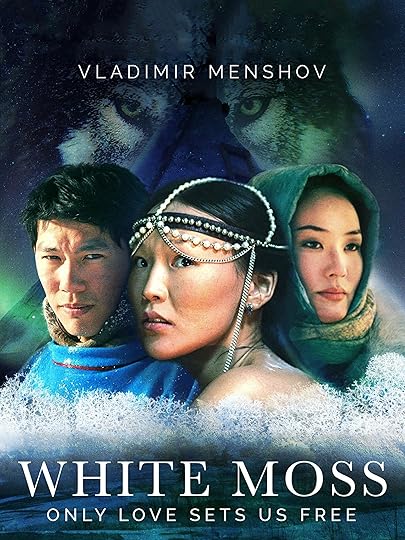
NOTA #2. Como dato adicional, la novela cuenta con una adaptación al cine (White moss [Белый ягель], 2014) que quizá me anime a ver en algún momento.


En conclusión, no fue una novela para mí. A pesar de que cuente con reflexiones interesantes, terminó siendo una lectura tediosa y frustrante, sobre todo por estar tan centrada en roles de género tan marcados, con comportamientos y actitudes molestos y reprobables en mi opinión, aun considerando el claro choque cultural. Recomiendo más su “novela previa”, es decir, Aniko del clan nogo.
Profile Image for _libriamici_.
54 reviews5 followers
November 13, 2024
Il racconto è ambientato nella Tundra, dove un giovane, rimasto a vivere con la famiglia, si trova diviso tra l’attesa del ritorno della ragazza che ama, partita per la città, e il proseguire la sua vita sapendo che nessun'altra potrà mai prendere il suo posto nel suo cuore.

La scrittura dell’autrice è estremamente poetica e in certi punti quasi astratta, tanto che la forma prende il sopravvento sulla trama. Si percepisce un forte legame con la cultura delle popolazioni della Tundra, e i temi del legame familiare e dell’amore sono centrali. L’autenticità del racconto è evidente, grazie alla conoscenza diretta dell’autrice dei luoghi e delle tradizioni. Tuttavia, proprio per questo, mi sono trovata immersa in una cultura che non viene spiegata del tutto, con l'uso di parole in lingua locale che restano un po' misteriose per chi legge.

È stata una lettura interessante, anche se non ha del tutto rispecchiato le mie aspettative. Resta il fatto che *Utopia Edizioni* ha un catalogo che sicuramente terrò d’occhio, ricco di titoli intriganti!
Profile Image for letturalmente.
42 reviews6 followers
March 2, 2024
"Muschio bianco" - Anna Nerkagi
⭐️⭐️⭐️⭐️

Se di "Aniko" mi sono infatuata, di "Muschio bianco" mi sono innamorata.

Il libro affronta con maestria il tema delle scelte fondamentali della vita: restare o andare, accogliere o respingere, tradizione o modernità, amare o idealizzare l'amore, vivere nel presente o rimanere ancorati al passato, perdonarsi o punirsi. Attraverso il viaggio dei personaggi, raccontato con uno stile immaginifico e poetico, ricco in aforismi, l'autrice esplora i dilemmi universali della nostra esistenza, dall'amore alla morte, mostrando quanto possa essere condivisa l'esperienza umana nei suoi momenti di smarrimento e riflessione. "Muschio bianco" è un romanzo coinvolgente che lascia un'impronta profonda, perché non importa dove sorge il sole se, alla fine, ognuno di noi può sentirsi perso per poi riscoprirsi e ritrovarsi.
Profile Image for Marcello.
7 reviews
July 20, 2024
Tempo di lettura del libro
4 ore o poco più

Cosa ho trovato in “Muschio bianco”
L'inquietudine di essere lasciati indietro, il precario legame tra generazioni, amore e pietà, il peso delle aspettative degli altri, fare delle scelte e diventare adulti. Vivendo nella tundra siberiana.

Il libro comincia così
Le nozze del giovane vicino erano state per Petko come un granello di sale su una ferita aperta. Il matrimonio è una tappa importante, essenziale della vita, e nessun dolore, neppure il più atroce, dovrebbe impedire all’esistenza di scorrere, proprio come un masso, scagliato in un fiume, non può invertirne il corso. L’acqua lo aggirerà e di nuovo riprenderà a fluire com’è stabilito che sia.


L'autrice
Anna Nerkagi (1952) appartiene alla comunità dei nenec, nomadi della Siberia. Le autorità sovietiche la separarono dalla famiglia, costringendola a vivere in collegio. In quel periodo apprese il russo, lingua in cui scrive tuttora. Nel 1980 dopo il suo esordio letterario è tornata a vivere nella tundra. Qui ha fondato una scuola per dedicarsi all’educazione dei giovani nenec. Si batte da decenni per la salvaguardia e la valorizzazione della cultura delle minoranze in Russia.

"Muschio bianco" e "Aniko"
Utopia Editore ha anche tradotto in italiano un altro romanzo di Nerkagi, Aniko, ambientato sempre nella tundra sovietica e con protagonisti nenec. "Aniko" è l’esordio letterario di Nerkagi nel 1977 mentre "Muschio bianco" è di vent’anni dopo. Anche se c’è sicuramente un legame forte tra questi due libri, con temi simili, si possono leggere indipendentemente. Io ad esempio ho letto prima "Muschio bianco", poi "Aniko" (che si concentra di più sulla quotidianità dei nenec), e infine ho riletto "Muschio bianco".

Cose che ho approfondito dopo aver letto “Muschio bianco”
I due libri di Nerkagi sono ambientati durante il periodo sovietico, nella seconda metà del novecento. Già nei libri si percepiva l'incombere di trasformazioni irreversibili nella quotidianità dei nenec; volevo conoscere l'evolversi di questi cambiamenti.

Secondo un documentario di una decina di anni fa della BBC all'epoca nella tundra siberiana vivevano ancora circa 10000 pastori nomadi con 300000 renne.
Le renne sono utilizzate come cibo, per la pelliccia, per fabbricare utensili ma anche come mezzo di trasporto durante le migrazioni stagionali per trovare “pascoli” di licheni, che le renne mangiano dopo aver scavato sotto agli strati di ghiaccio che ricoprono il terreno. Le renne sono anche vendute ai grandi macelli della zona, che distribuiscono sul mercato internazionale la carne come ingrediente gourmet e le pellicce. Vedendo nel documentario le centinaia di renne ammassate e pronte ad andare al macello mi è tornato subito in mente il personaggio di Chasava in "Muschio bianco", il dolore e la colpa che prova nei confronti delle sue renne.
I macelli e gli impianti di estrazione di gas naturale rappresentano le principali occupazioni alternative al fare i pastori.

Anche oggi, come nei libri di Nerkagi, a certo punto della sua esistenza un nenec deve decidere se rimanere un nomade della tundra oppure se sistemarsi in città. C’è però un’importante differenza rispetto ai tempi raccontati nei due romanzi di Nerkagi, “Muschio bianco” e “Aniko”. Se nei libri la vita cittadina è una tentazione, pregustata negli anni della giovinezza quando i nenec vivono in collegi lontani dalla famiglia, oggi ormai questa scelta è quasi obbligata dal ridursi degli spazi di migrazione dei nenec a causa dei nuovi impianti di estrazione di gas naturale e le morie delle renne, rese molto più frequenti dal cambiamento climatico (prima succedeva solo una volta per generazione) e che mandano ogni volta sul lastrico decine di famiglie. Oltre agli impianti stessi, pure l’ampliarsi della rete di collegamenti ferroviari necessari al trasporto del gas naturale ha complicato sempre più lo spostamento delle renne attraverso la tundra.
Lo sfruttamento del suolo era cominciato negli anni ‘70 e ‘80 sotto al governo sovietico. Difatti già in “Aniko” si ritrovano dei riferimenti ai primi sviluppi dell’industria estrattiva in Siberia, con geologi mandati in giro per la tundra in cerca di giacimenti. La stessa Nerkagi è laureata in geologia.

Anche se negli ultimi anni c’è stata una maggiore sensibilizzazione sul tema, l’educazione scolastica, oggi come ieri, è sia fonte di emancipazione che di perdita delle radici per i nenec: sono state aperte delle scuole nomadiche ma è sempre in vigore il sistema nato a metà del secolo scorso che prevede l’allontanamento dei bambini dalle famiglie per lunghi periodi e la sistemazione in collegi. Nel documentario della BBC, una delle protagoniste, Natasha, racconta come lei sia sì soddisfatta della sua vita attuale di nomade della tundra ma che da giovane avrebbe voluto continuare a studiare per diventare medico se sua madre non si fosse opposta. E probabilmente stiamo parlando di fine anni '90 / inizi anni 2000 dato che nel documentario Natasha avrà circa una trentina di anni.

"Muschio bianco" si apre con la celebrazione di un matrimonio combinato. Anche il matrimonio di Natasha è stato combinato dai suoi genitori. Alla domanda della documentarista della BBC se anche lei in futuro avrebbe deciso per il matrimonio dei suoi figli Natasha risponde che dipende, se i suoi figli torneranno a vivere nella tundra oppure se sceglieranno di vivere in città.
In “Muschio bianco” il protagonista Alëška, ormai ventiseienne, cede alle richieste insistenti della madre per farlo sposare ma poi una volta sposato si rifiuta di accettare la moglie come tale perché lui ama un’altra, la figlia di Pekto che però non vive più lì e che non è mai tornata.
Lui si sposava senza amore e Petko non aveva più rivisto la figlia, l’unica che avrebbe potuto riscaldare d’affetto la sua vita, nei giorni che ancora gli restavano.
Profile Image for Fran .
809 reviews942 followers
January 1, 2026
“Without the reindeer, a Nenets becomes a land-bound rock.”

“There is no heavier woe, then to become in your life a person without a table.”

Alyoshka’s mother knew the Great Life contained the truth: to live and to work, honestly. “She needed to communicate her decision to the soul of the tent…(she) lovingly stroked the three thick, mighty poles…They were sacred…They carried the weight of the past…silently guarding the shadows and souls of the departed…Where there are children, there is no death…When buying a woman, a man buys life.” The elders traveled through the tundra to find a woman for Aloyshka “whose hands would be not lazy but quick and deft.” He needed to be married. A woman would give life to the fire and the tent. Aloyshka felt that his mother was preparing to trap him into such a marriage.

For seven years, Aloyshka pined for Ilne, Petko’s daughter; however, she never returned home after residential boarding school. She lived far away and spoke words in a new language. As in “centuries past, people still needed to survive on their own, but today’s children got lost in this life like in a thick unfamiliar forest.” Take Aloyshka who shunned adult responsibilities including hunting. Now he must be responsible for everything, his words would be law in his tent. His woman would be the mistress of the hearth. She would sit by his knee, becoming a part of him. This was the truth of life.

Petko’s daughter Ilne chose not to return home to her reindeer herding family. Since Petko’s wife had died, there was no one to set the family tea table in the morning or to start a fire. He left his tent-poles and reindeer hides on a sledge in a Nenets ancestral site and now occupied the empty side of Vanu’s tent.

Vanu wanted to give back what was borrowed. “Everyone sees debt differently: in one person’s eyes it can be as small as a sniff of tobacco, while another may spend their entire life tormented by not being able to give back what was taken.” “Every man had a reindeer team which was his pride, his joy…Vanu would sometimes think that the reindeer understood each other no worse than humans.”

Khasawa traveled from camp to camp, like an orphan. His tent-poles were cracked, his reindeer hides patched. One day, his children returned wearing heavy fur coats over Russian clothes.
Khasawa spoke-sang a yarabts ( his life story). “Reindeer were not money, but brothers in this life.” If he were to become reindeerless, he could not migrate. The children claimed it was Khasawa’s duty to turn his reindeer into money. “They forgot the law of their land: Children feed fathers and mothers once they stand on their own two feet…” Khasawa walked among his reindeer and wept.

Given that today’s youth dream of the world at large, this read highlights the need to maintain the Nenets language and reindeer migration patterns. Author Anna Nerkagi returned to the nomadic way of life in the 1980s. She started the Tundra School for Nenets Children embracing both traditional and modern education. A highly recommended read.

Thank you Pushkin Press and Net Galley for the ARC in exchange for an honest review.


Profile Image for Jo’s Haunted Library.
36 reviews3 followers
January 4, 2026
My first read of 2026 and it was a great one. I am always trying to learn more about other cultures
and before reading White Moss I did not know anything about the Indigenous Nenets nomadic community.

White Moss is set in the background of the Siberian tundra, an environment that is as cold and beautiful as it is unforgiving. This is a book about survival, loss, grief and love, about the sacrifices of the unnamed women who keep the tent fires burning and about the strength of a community that tries to keep Nenets culture whilst fighting the greed of the modern Soviet men. It is also a book that centers the importance of Indigenous tradition and how essential reindeer are to Nenets survival.

When I stated reading it I knew it would be a slow read but one that would stay with me. The translation is beautifully done and the writing is poetic and emotionally charged. At times I felt the despair of the individuals whose lives we become familiar with: young Aloyshka, old man Petko, Vanu and Khasawa. 

Aloyshka has been waiting seven years for the woman he loves to come back to the camp. However, he is now a man being pressured into marriage by his mother. 
Old man Petko suffers in his grief of losing family and his daughter who does not come back to camp anymore. He battles with feelings of belonging in the community and old age.
Vanu, who wants to help his old friends and loved ones and to give back what he can. 
Khasawa, a broken man who despairs in overwhelming guilt of losing his family and his reindeer.

A heartfelt read that gives us a glimpse of the Nenets’ Word and Great Life and the weight it carries.

The author herself, Anna Nerkagi, belongs to the Indigenous Nenets nomadic community and returned to the Yamal Peninsula in 1980 after having being taken by the Soviet authorities from her family as a child, and sent to a boarding school where Indigenous identity was banned. I definitely want to read her other works.

This was a 5 🌟 read for me, and will keep thinking about it for a long time.

Thank you Puskin Press for sending me an early copy
217 reviews14 followers
December 24, 2025
Thank you @Netgalley and the publisher for this ARC.

I initially had no plans to add this to my already unending TBR but the description was too good to ignore. I also have a special attachment to novels set in Russia or its whereabouts (the cold mysterious world has captivated me since childhood. I am not romanticising the government and my immense fascination is with the country itself).


This book is first of its kind and I didn’t know anything about the indigenous Nenets community before diving in this incredibly poetic and beautiful book!

The prose flows like magic and even though at times I felt nothing is happening or the story became slow-paced, a few pages later and it hit like a thunderstorm with stories of grief, of loneliness, of old-age, of cruelty and despair.

It is also about courage, hope, friendships and standing together in the worst of times, of deep-rooted culture and traditions and whole different way of life.

It is about Alyoshka, a young man waiting and longing for the true love of his life while being married to another, it is about Old Man Petko who is grieving after his wife passed away and has to deal with the loneliness that comes with old age. It is about Vanu, who is suffering from old age and the problems being faced by his friends and his loved ones. Khasawa’s story teared me up for real. The whole ordeal with his reindeers was too much to handle.

It is also about the quiet strength and resilience of the women who may be unnamed throughout the novels but their strength and courage is unmatched and absolutely admirable. The way they keep things in their tents up and running despite the circumstances and to uphold the Word in their lives has a special charm.

All in all, it was a beautiful book with beautiful reminisces about life and everything it offers.
Profile Image for Letho.
310 reviews3 followers
Review of advance copy received from Netgalley
December 24, 2025
Thank you Netgalley and the publisher for the ARC.

White Moss is a cold and quiet novel centered around the lives of the Nenet people living in a camp. It delves into their inner lives and how they view life should be lived. There are characters dealing with aging, grief, familial obligation and heartbreak.

The book gives you an interesting pov of the daily life of these indigenous people and them trying to maintain a sense of tradition and culture whilst the world outside of them continues to move further and further away from their beliefs and values. You learn a lot about their culture through the folk tales told throughout the novel.

This novel was slow for me at time and I found it hard to pay attention at the some times meandering plot. However I recommend this as an enjoyable winter read.
Profile Image for Andrea Magagnato.
109 reviews2 followers
June 15, 2024
I grandi temi dell'esistenza sembrano ancora più complessi quando si vive di sottrazione, nella tundra siberiana. E quanto è preziosa la penna di chi scrive da quelle comunità, se letta da queste parti?
Tra un aforisma e una metafora anche lo stereotipo del "chi ha meno è più libero" viene a cadere: l'essere umano si tiene stretto ovunque i suoi schemi mentali, norme sociali, legami e valori (spesso tossici) trinceati dietro al concetto di tradizione. Anche nel contesto estremo della comunità indigena dei nenec scrollarsi di dosso il peso di queste rappresentazioni è tutt'altro che semplice. È il percorso di accettazione ad essere assai diverso. Poter osservare questi meccanismi da qui, grazie a queste letture, è davvero prezioso. Grazie a editori come Utopia.
Profile Image for Chili Poof.
2 reviews
December 21, 2025
Told from a variety of perspectives in the third person omniscient, White Moss is a story about survival, love, and coming to terms with old age. The prose has a poetic voice, filled with an abundance of thought-provoking questions and figurative language, which creates a nice, slow pace. It has a character-driven and atmospheric narrative, letting the reader into the environment and its people. How they feel when they’re reaching the end of their days, how love overwhelms the heart. Among the characters, Alyoshka is a young man troubled by this love, Vanu is an old man troubled by his age, and Khasawa is a man troubled by his guilt.

This ARC was provided by the publisher via Netgalley in exchange for an honest review.
Profile Image for Sofia.
1,352 reviews296 followers
January 14, 2026
I enjoyed Nerkagi's writing. Her words flow over the ice, through the cold, next to the fire ................

She writes about the nomadic Nenets who live on the Siberian tundra and follows their rhythm. To survive is such a hostile environment they follow the path of their ancestors with their set rhythms and patterns, words and practices where weather, reindeer and humans are intertwined in a dance of survival.

Through these we see that the humans are still humans, with their needs, dreams, wishes, emotions, decisions and perseverance.

Beautifully told.


An ARC kindly provided by author/publisher via Netgalley.
Profile Image for Kate Connell.
358 reviews10 followers
December 9, 2025
3.5/5

Told from multiple points of view within the Indigenous reindeer-herding Nenets community of the Russian north, this novel is beautifully written.

It is past time for Alyoshka to be married, but his first love, Ilne left the nomadic Nenets seven years ago to move to the city, and the draw of his love is not enough to bring her back. With his mother getting older, the pressure to marry has increased, and the community has arranged a wedding and wife for him. While Alyoshka attempts to assert his independence within the camp as its size dwindles, the reader gets to peek into his mind and the mind of the elders around him.

Thank you to NetGalley for an eARC of this novel.
Profile Image for Laura-Tuesday.
356 reviews11 followers
December 15, 2025
White Moss by Anna Nerkagi is beautifully written but very much a slow burn. The prose is quiet and lyrical, almost meditative, and you can really feel the landscape and atmosphere seeping into every page. That said, the pacing is extremely slow, and I found myself drifting at times, waiting for something to shift. It’s more about mood and inner life than plot, which will work for some readers more than others. I appreciated the language and cultural depth, but overall it didn’t fully hold me. Worth reading if you enjoy reflective, nature-driven storytelling and don’t mind taking it slow.

#WhiteMoss #NetGalley
Profile Image for Megan.
411 reviews11 followers
January 9, 2026
Short and bittersweet. Really beautiful, memorable, thought-provoking. Slow but meditative. Took me a bit to work into, as it drops you right into the Nenets community and people and manner of speaking, and the writing was unique to me. Once I was in, I loved it. Nature and purpose, community and loneliness, growth and decay. Before reading this, I knew nothing about the Nenets. I'm glad I got to read this to learn more about the Nenets people and their way of life. Khasawa's story was especially memorable - extremely emotional. Recommended!

Thank you Steerforth & Pushkin for providing this book for review via NetGalley. All opinions are my own.
Profile Image for Michelle Lafleur-Richey.
73 reviews
January 2, 2026
I really enjoy books that let me learn something new while still telling a compelling story, and White Moss did that for me. Reading about the Nenet Indigenous people and their real-life struggles was eye-opening and meaningful, and it added a lot of depth to the story.

At times, the writing felt a little choppy, which I suspect may be due to translation, but it didn’t take away from what the book was trying to do. Overall, I found it engaging and appreciated the history, culture, and emotion woven throughout.
28 reviews
October 8, 2024
È una storia di amore intrecciata con una storia sul passare del tempo. Però in Siberia, in una cultura affascinante e che si scopre pagina dopo pagina con i suoi credi e rituali. Mi è piaciuto molto immergermi in questo angolo di mondo, isolandosi in mezzo alla neve, ritrovando comunque gli stessi potenti sentimenti umani, universali.
Profile Image for mrsbookburnee Niamh Burnett.
1,096 reviews22 followers
January 3, 2026
This was such a thought provoking read, although it’s a quick read, there was so much to think about and learn from it.

It was interesting to learn about the Nenet people and how they lived and their views around ‘life’ their traditions and culture. The characters were all different and we saw different personalities/troubles they faced.

My favourite parts were the folk tales.
867 reviews8 followers
January 15, 2026
Written in beautiful, sparse prose White Moss is a fascinating insight into the gentle culture of the dwindling nomadic Nenets community in northern Siberia of which the author is a part. A melancholic, soulful, calm and unhurried story about lost love, old age, memories and grieving. A gorgeous book, seamlessly translated from Russian by Irina Sadovina.
Profile Image for Manuela Mongiardino.
86 reviews4 followers
March 5, 2024
Il secondo libro dei Anna Nerkagi pubblicato da Utopia.
Non possiamo considerarlo il seguito di Aniko, perché solo un personaggio è presente in entrambi i testi; tuttavia è sicuramente una narrazione interessante per continuare ad approfondire la vita nella tundra siberiana.
Profile Image for Connie Valentini.
62 reviews
August 30, 2024
Essere o non essere? L’eterna domanda di Amleto trova risposta tra le righe di questo libro.
Profile Image for heidola.
213 reviews10 followers
October 14, 2024
Il freddo e la difficile vita nella tundra russa non “congelano” i sentimenti ed i valori degli uomini. Tra tradizioni e usanze nemec due generazioni convivono provando a comunicare tra loro.
Displaying 1 - 30 of 34 reviews

Can't find what you're looking for?

Get help and learn more about the design.