

What do you think?
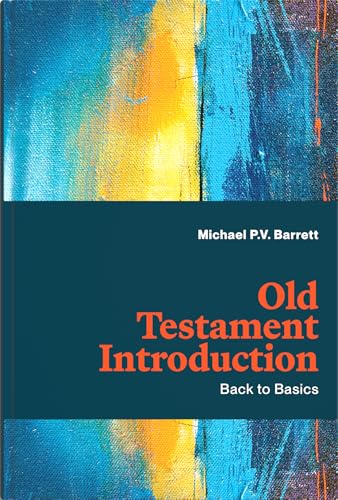
Old Testament Introduction: Back to Basics
Interpret with clarity and preach with conviction. Dr. Michael Barrett blends scholarly rigor with practical applications, calling his approach “a new book from an old-school perspective.” His Old Testament Introduction will become an essential tool for students, pastors, and Bible teachers who seek exegetical precision and impactful insights. Forged by a seasoned evangelical scholar with decades in the classroom and the pulpit, Dr. Barrett’s work stands on this bedrock Scripture is God’s inspired Word. From that foundation, readers are equipped to tackle critical theories while understanding the timeless relevance of the Old Testament for Christians today.
Contents
List of Tables
Acknowledgements
Introduction
General Introduction
1. The Books of the Bible
Excursus 1: Higher Criticism Relating to the Bible’s Origin
2. The Words of the Bible
3. The Time of the Bible
4. Archaeology and the Bible
Special Introduction
Introduction to the Pentateuch
5. Genesis
Excursus 2: The Old Testament versus Ancient Near East Texts
6. Exodus
Excursus 3: Miracles
Excursus 4: Yahweh, The Divine Name
7. Leviticus
8. Numbers
9. Deuteronomy
Introduction to the Historical Books
10. Joshua
Excursus 5: Who Are the Hebrews?
11. Judges and Ruth
12. Samuel
13. Kings
Excursus 6: Baal
14. Postexilic Histories
Introduction to Poetic and Wisdom Books
15. Job
Excursus 7: Old Testament Theology of Life after Death
16. Psalms
Excursus 8: Identification of Messianic Psalms
17. Proverbs
18. Ecclesiastes
19. Song of Solomon
Introduction to the Prophets
20. Obadiah
Excursus 9: The Day of the Lord
21. Joel
22. Jonah
23. Amos
24. Hosea
25. Micah
26. Isaiah
27. Nahum
28. Zephaniah
29. Habakkuk
30. Jeremiah and Lamentations
31. Ezekiel
32. Daniel
Excursus 10: Daniel 11, Before and After
33. Haggai
34. Zechariah
Excursus 11: Zechariah’s Visions
35. Malachi
Personal Reflections
Glossary of Terms and Expressions
Works Cited
Scripture Index
Subject Index
Credits and Permissions
Contents
List of Tables
Acknowledgements
Introduction
General Introduction
1. The Books of the Bible
Excursus 1: Higher Criticism Relating to the Bible’s Origin
2. The Words of the Bible
3. The Time of the Bible
4. Archaeology and the Bible
Special Introduction
Introduction to the Pentateuch
5. Genesis
Excursus 2: The Old Testament versus Ancient Near East Texts
6. Exodus
Excursus 3: Miracles
Excursus 4: Yahweh, The Divine Name
7. Leviticus
8. Numbers
9. Deuteronomy
Introduction to the Historical Books
10. Joshua
Excursus 5: Who Are the Hebrews?
11. Judges and Ruth
12. Samuel
13. Kings
Excursus 6: Baal
14. Postexilic Histories
Introduction to Poetic and Wisdom Books
15. Job
Excursus 7: Old Testament Theology of Life after Death
16. Psalms
Excursus 8: Identification of Messianic Psalms
17. Proverbs
18. Ecclesiastes
19. Song of Solomon
Introduction to the Prophets
20. Obadiah
Excursus 9: The Day of the Lord
21. Joel
22. Jonah
23. Amos
24. Hosea
25. Micah
26. Isaiah
27. Nahum
28. Zephaniah
29. Habakkuk
30. Jeremiah and Lamentations
31. Ezekiel
32. Daniel
Excursus 10: Daniel 11, Before and After
33. Haggai
34. Zechariah
Excursus 11: Zechariah’s Visions
35. Malachi
Personal Reflections
Glossary of Terms and Expressions
Works Cited
Scripture Index
Subject Index
Credits and Permissions
- GenresTheology
672 pages, Hardcover
Published September 17, 2025
About the author
Michael P.V. Barrett
24 books8 followersDr. Michael P. V. Barrett is the Vice President for Academic Affairs of the Whitefield College of the Bible, the Theological Seminary of the Free Presbyterian Church of North America. For almost thirty years, he was a professor of Ancient Languages and Old Testament Theology and Interpretation at Bob Jones University Seminary. His other works include "Complete in Him: A Guide to Understanding and Enjoying the Gospel."
Ratings & Reviews
Friends & Following
Create a free account to discover what your friends think of this book!
Community Reviews
Displaying 1 - 1 of 1 review
July 22, 2026
One of the most edifying books I have read in a while. Dr. Barrett’s robust, covenant-centered interpretation of the OT shines throughout the book. He has a special love for wisdom literature, which also shines through. His chapters of Leviticus and Ecclesiastes will hopefully be yearly reading for me.
I also enjoyed the continuous engagement with Bible “scholars”(critics). He spent a few pages refuting what Bible critics will spend hundreds of pages asserting and his response would always be essentially the same thing: belief in the God of the Bible and Scriptures makes this a non-issue. One example is Isaiah. Bible critics do not believe the prophecies, which are stunning in their specificity, could have possibly been issued hundreds of years before the events that occurred (ie. King Cyrus). The reason this is so difficult for them is because they don’t believe in the inspiration of Scripture. Just believe the Bible is authored by the One True God and the problem is solved!
He makes no apologies for his simple reasoning and dependence on the Scriptures, nor should he. It is what gives the book its power.
He concludes by making the point that all of these biblical criticisms come and go. There is some new hobby horse, some new criticism, every few decades. He has lived long enough to see this cycle himself. But while critiques come and go, God’s word remains constant - unchanged and unaffected by the arguments of unbelief. Amen.
I also enjoyed the continuous engagement with Bible “scholars”(critics). He spent a few pages refuting what Bible critics will spend hundreds of pages asserting and his response would always be essentially the same thing: belief in the God of the Bible and Scriptures makes this a non-issue. One example is Isaiah. Bible critics do not believe the prophecies, which are stunning in their specificity, could have possibly been issued hundreds of years before the events that occurred (ie. King Cyrus). The reason this is so difficult for them is because they don’t believe in the inspiration of Scripture. Just believe the Bible is authored by the One True God and the problem is solved!
He makes no apologies for his simple reasoning and dependence on the Scriptures, nor should he. It is what gives the book its power.
He concludes by making the point that all of these biblical criticisms come and go. There is some new hobby horse, some new criticism, every few decades. He has lived long enough to see this cycle himself. But while critiques come and go, God’s word remains constant - unchanged and unaffected by the arguments of unbelief. Amen.
Displaying 1 - 1 of 1 review