

What do you think?

Vera
Winner of the 2000 Pulitzer Prize for biography and hailed by critics as both "monumental" (The Boston Globe) and "utterly romantic" (New York magazine), Stacy Schiff's Véra (Mrs. Vladimir Nabokov) brings to shimmering life one of the greatest literary love stories of our time. Vladimir Nabokov--the émigré author of Lolita; Pale Fire; and Speak, Memory--wrote his books first for himself, second for his wife, Véra, and third for no one at all.
"Without my wife," he once noted, "I wouldn't have written a single novel." Set in prewar Europe and postwar America, spanning much of the century, the story of the Nabokovs' fifty-two-year marriage reads as vividly as a novel. Véra, both beautiful and brilliant, is its outsized heroine--a woman who loves as deeply and intelligently as did the great romantic heroines of Austen and Tolstoy. Stacy Schiff's Véra is a triumph of the biographical form.
"Without my wife," he once noted, "I wouldn't have written a single novel." Set in prewar Europe and postwar America, spanning much of the century, the story of the Nabokovs' fifty-two-year marriage reads as vividly as a novel. Véra, both beautiful and brilliant, is its outsized heroine--a woman who loves as deeply and intelligently as did the great romantic heroines of Austen and Tolstoy. Stacy Schiff's Véra is a triumph of the biographical form.
480 pages, Paperback
First published January 1, 1999
About the author
Stacy Schiff
15 books2,086 followersStacy Schiff is the author of Véra (Mrs. Vladimir Nabokov), winner of the Pulitzer Prize; Saint-Exupéry, a Pulitzer Prize finalist; and A Great Improvisation: Franklin, France, and the Birth of America, winner of the George Washington Book Prize, the Ambassador Award in American Studies, and the Gilbert Chinard Prize of the Institut Français d'Amérique. All three were New York Times Notable Books; the Los Angeles Times Book Review, the Chicago Tribune, and The Economist also named A Great Improvisation a Best Book of the Year. The biographies have been published in a host of foreign editions.
Schiff has received fellowships from the Guggenheim Foundation and the National Endowment for the Humanities and was a Director’s Fellow at the Cullman Center for Scholars and Writers at the New York Public Library. She was awarded a 2006 Academy Award in Literature from the American Academy of Arts and Letters. Schiff has written for The New Yorker, the New York Times, the Washington Post, the Los Angeles Times, and the Boston Globe, among other publications. She lives in New York City.
Schiff has received fellowships from the Guggenheim Foundation and the National Endowment for the Humanities and was a Director’s Fellow at the Cullman Center for Scholars and Writers at the New York Public Library. She was awarded a 2006 Academy Award in Literature from the American Academy of Arts and Letters. Schiff has written for The New Yorker, the New York Times, the Washington Post, the Los Angeles Times, and the Boston Globe, among other publications. She lives in New York City.
Ratings & Reviews
Friends & Following
Create a free account to discover what your friends think of this book!
Community Reviews
Displaying 1 - 30 of 186 reviews

October 12, 2013
For you are the only person I can talk to--about the hue of a cloud, about the singing of a thought, and about the fact that when I went out to work today and looked each sunflower in the face, they all smiled back at me with their seeds.
This is how Vladimir Nabokov wrote to his wife, Véra. She was a lover of the arts and literature; a woman who spoke four languages and taught and translated modern langauages. She was also the integral half of Vladimir Nabokov, the man who was a great writer but a “helpless” individual; a socially awkward professor who even after years at a university, still got lost on his way to class; a man who didn't know how to rent an apartment or keep a bank account; a playboy and flirt.
She was radiant, regal, elegance personified, a head-turner. She was "mnemogenic"--subtly endowed with the gift of being remembered.
This is a biography that is as much about Vladimir as it is about Vera because according to people who knew them, they were one, indeed:
Inseparable, self-sufficient, they form a multitude of two.
Lectures on Literature beseeches me from my bedside table each night. I loved Spring in Fialta and for a while now, I’ve anticipated reading Speak, Memory. Though I didn’t care for the story of Lolita or its emotionally disturbed main character, Humbert and his idée fixe, I admired the prose. So when I ran across Véra, I was intrigued. Who was she and just how much did she influence literature?
This is elegant prose, dissected into an engrossing read, with meticulousness that avoids laboriousness. Stacy Schiff's subtle use of Nabokov's lyricism (in his letters to his wife) is as exquisite as the scholarship that is this book.
The eastern side of my every minute is already colored by the light of our impending meeting.
This is not a cheap look at Vladimir through his wife. No. What makes the style and structure of this biography appealing is the legitimacy of this premise: there was no Vera without Vladimir. No Vladimir without Vera.
Without my wife, I wouldn’t have written a single novel.
If only more writers would marry intellectual partners who speak several languages, translate their work, edit and type their manuscripts, act as their agent and assistant, their teaching substitute, their muse, accountant, and abiding support. Who knows how many more manuscripts would be completed and submitted to numerous publishing platforms until someday a “yes” shall resound?
They were "genteel poverty, proud poverty, golden poverty, dire poverty," and she wasn't afraid to work as a translator during the days it was deemed uncouth for women to be taking male jobs. Yet her life's work was her husband's. While Vladimir wrote, Vera typed, edited, and submitted. She also translated his work--or at least ensured that the translation was done properly: “It was her job to make sure that the pink clouds described by her husband as flamingoes did not mutate into Flemish-painted ones as they did in French rendering.” By "her job," Schiff means, Véra made it her job. Every editor or publisher knew that to touch Nabokov's work meant to commit one's self to perfection or else. Deal with Véra.
Sometimes I read biographies to get the human experience. Sometimes I read them to disappear from my life, by entering another's. So as I sat there on my sick bed, battling a form of neuralgia and trying to escape the pain, I was baffled to learn that Véra also struggled with some form of neuralgia and that despite the difference in time and place, she and I also had very similar childhoods (the calm before the storm) and immigrant experiences. So sometimes you go to escape but instead, you find kindredness.
This is a book that has a love affair with books and the process of writing them. Vera liked Fitzgerald's Crack-up and Great Gatsby (bless her heart, my two favorites of his) and Evelyn Waugh's works (which I need to tackle soon). Most important, she liked to discuss and debate authors like Gogol and Grant and Kafka and Dostoevsky with her husband. She was extremely well-read and such a meticulous reader, writer, and editor that for years it was rumored that she wrote parts of his work. As if that wasn't enough, she knew every line of her husband's verse by heart ('from 1921 forward").
Without that air that comes from you I can neither think nor write nor do anything else.(Nabokov to his wife)

July 28, 2019
A biography written after its subject has died must necessarily be an approximation. This is never more true than in a case like this, where the subject wanted to be unknowable, even while alive ("I am always there. But well-hidden."). It is this book's greatest strength that Schiff manages to paint a vivid picture of Vera in all her wonderful contradictions regardless.
I knew nothing about Vera Nabokov when I started this book and I left it feeling like I had known her personally. The picture Schiff paints is endlessly fascinating: of a woman who was proud of her own opinions and quick to judge others who nonetheless thought her life's work was to assist her genius husband while at the same time denying being part of his creative process in any shape or form (even if there are countless instances of her handwriting in his manuscript), of a genius polyglot who corrected translations of her husband's works even in languages she didn't properly speak who still felt like her English wasn't good enough after dealing with legal affairs for decades, of a woman who well into her 80s absolutely loathed communism in an obsessive way, or a woman who obviously deeply loved her husband but seemed slightly cold towards her son with him.
The first half of the book was near perfect and incredibly well-researched, the ideal combination of literature critique and historical narrative (I learned things about the Russian emigré community in Berlin between the first and second world war that I didn't even know I could learn about), and Vera was just the perfect combination of awful and brilliant - I do love unlikable women characters, apparently not only in fiction. I thought the second half (after Nabokov found lasting success with Lolita) was not quite as strong and started to feel repetitive. Her refusal to admit her importance for her husband's work is fascinating - but I also got it the first three times Schiff made that point. I did, however, absolutely adore the last chapter and found the way in which Vera did not change her approach after her husband's death incredibly interesting.
Content warning: Infidelity, Familial Death, anti-semitism (Vera was Jewish in early 20th century Europe...)
I knew nothing about Vera Nabokov when I started this book and I left it feeling like I had known her personally. The picture Schiff paints is endlessly fascinating: of a woman who was proud of her own opinions and quick to judge others who nonetheless thought her life's work was to assist her genius husband while at the same time denying being part of his creative process in any shape or form (even if there are countless instances of her handwriting in his manuscript), of a genius polyglot who corrected translations of her husband's works even in languages she didn't properly speak who still felt like her English wasn't good enough after dealing with legal affairs for decades, of a woman who well into her 80s absolutely loathed communism in an obsessive way, or a woman who obviously deeply loved her husband but seemed slightly cold towards her son with him.
The first half of the book was near perfect and incredibly well-researched, the ideal combination of literature critique and historical narrative (I learned things about the Russian emigré community in Berlin between the first and second world war that I didn't even know I could learn about), and Vera was just the perfect combination of awful and brilliant - I do love unlikable women characters, apparently not only in fiction. I thought the second half (after Nabokov found lasting success with Lolita) was not quite as strong and started to feel repetitive. Her refusal to admit her importance for her husband's work is fascinating - but I also got it the first three times Schiff made that point. I did, however, absolutely adore the last chapter and found the way in which Vera did not change her approach after her husband's death incredibly interesting.
Content warning: Infidelity, Familial Death, anti-semitism (Vera was Jewish in early 20th century Europe...)

January 3, 2026
“She knew well that scandal sold books.”
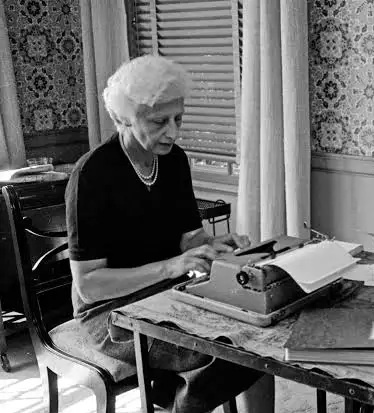
The biography for which the incomparable Stacy Schiff won a Pulitzer in 2000 is about Vera Nabokov, wife of the Russian-American author Vladimir, most famous for penning Lolita. Though Vera took care to largely make herself unknowable, through her prim insistence on privacy and outright denial of anything put out there about herself that she didn’t like (even if such things were true), Schiff allows us to get a sense of her here as more than just a literary Miranda Priestly (as her reputation suggested during the height of her husband’s fame), primarily in the way she collaborated with Vladimir over the years.
They loved each other deeply, and the phrase “the woman behind the man” never applied more than in their case. She was his muse, his business manager, his sounding board, his cheerleader, his wrangler, his mirror, his reputational bodyguard, his creative compass, his closest confidant, his number one foil. She was a tiger mom, but for her husband. If not for her, his body of work could not have come to fruition. Even Vladimir said as much. To him, Vera was “the inspirer of my best thoughts,” and no one thought him more a genius than she.
Though this biography is named for Vera, this is functionally a dual biography of both Nabokovs. That doesn’t come as a surprise if you already knew that their lives and work were inextricably intertwined, but I wish the title had more clearly nodded at that fact. As I was reading, I couldn’t help but be reminded of Franklin and Eleanor: An Extraordinary Marriage, a history of the former president and first lady and their marriage, and that’s made clear to the reader immediately since it’s right there in the title.
I also found myself wishing I had read some (or any, I’m ashamed to admit) of Nabokov’s works before taking this biography on. There were probably a million and one allusions that went straight over my head; I came in knowing a bit about the author as a man, but it would have benefited me to know something about his books.
Beyond those small issues, I thought this was brilliant. Infinitely worth reading.
The biography for which the incomparable Stacy Schiff won a Pulitzer in 2000 is about Vera Nabokov, wife of the Russian-American author Vladimir, most famous for penning Lolita. Though Vera took care to largely make herself unknowable, through her prim insistence on privacy and outright denial of anything put out there about herself that she didn’t like (even if such things were true), Schiff allows us to get a sense of her here as more than just a literary Miranda Priestly (as her reputation suggested during the height of her husband’s fame), primarily in the way she collaborated with Vladimir over the years.
They loved each other deeply, and the phrase “the woman behind the man” never applied more than in their case. She was his muse, his business manager, his sounding board, his cheerleader, his wrangler, his mirror, his reputational bodyguard, his creative compass, his closest confidant, his number one foil. She was a tiger mom, but for her husband. If not for her, his body of work could not have come to fruition. Even Vladimir said as much. To him, Vera was “the inspirer of my best thoughts,” and no one thought him more a genius than she.
Though this biography is named for Vera, this is functionally a dual biography of both Nabokovs. That doesn’t come as a surprise if you already knew that their lives and work were inextricably intertwined, but I wish the title had more clearly nodded at that fact. As I was reading, I couldn’t help but be reminded of Franklin and Eleanor: An Extraordinary Marriage, a history of the former president and first lady and their marriage, and that’s made clear to the reader immediately since it’s right there in the title.
I also found myself wishing I had read some (or any, I’m ashamed to admit) of Nabokov’s works before taking this biography on. There were probably a million and one allusions that went straight over my head; I came in knowing a bit about the author as a man, but it would have benefited me to know something about his books.
Beyond those small issues, I thought this was brilliant. Infinitely worth reading.

April 29, 2012
This is an interesting book, well worth reading and I recommend it. It is about both Vladimir Nabokov AND his wife, Véra. It is about a strong, wonderful marriage, despite the fact that Vladimir had several mistresses. It was a love match. What the book does best is open up to the reader their relationship, their understanding for each other and their shared interests, be it butterfly catching, their son Dimitri or and most importantly Vladimir’s writing. Véra saw the greatness of Vladimir’s writing. Her most profound mission in life was to see that her husband’s writing received the acclaim which it deserved. Without her help I seriously doubt he would have achieved what he did. That achieved was a shared accomplishment. This book explains this in full detail. I am glad the title of the book is given toVéra. She needs the recognition that has before only gone to Vladimir. In addition, you understand Vladimir through her.
Who did the writing? Whose ideas are expressed? THIS is a central theme of the book and it is fascinating. These two were continually on the same wave length, so is there any real difference?
Many pages are devoted to how each and all of his works came to be published. I found this a bit boring at times. There are references made to the content of numerous books, both Vladimir’s and other contemporary writers. To understand what the author is implying you need to have read the books and I have not read all of them. I have only read these three by Vladimir:
Lolita
Speak, Memory
Pnin
I loved the first two and thought the third was just OK. My boredom and inability to understand some of the inferences were due to the fact that I have not read all the books mentioned, but I do wish Schiff had been a little clearer in in her comparisons. The reader must stop and think to figure out what is being inferred. The narrator, Anna Fields reads clearly, but rather quickly. I wish she had paused after those sentences that demanded further consideration.
Vladimir, Véra and their son Dimitri were all synesthetic. I wish there had been more written about synesthesia; there are only a few paragraphs.
Although there is much about how the books came to be translated and published, there is little about why Vladimir wrote each book. What urged him to write Lolita? (He was not a pedophile.) That remains a mystery to me, and I consider this a weakness of the book. By the way, Vladimir wanted to write about Siamese twins, but Véra said: “No!” That I could have understood, given the couple’s unique relationship.
What is clear is that how an author tells his story was of prime importance to both Véra and Vladimir. “Nabokovian” writing sparkles. Schiff’s doesn’t, but the book’s content is darn interesting.
Who did the writing? Whose ideas are expressed? THIS is a central theme of the book and it is fascinating. These two were continually on the same wave length, so is there any real difference?
Many pages are devoted to how each and all of his works came to be published. I found this a bit boring at times. There are references made to the content of numerous books, both Vladimir’s and other contemporary writers. To understand what the author is implying you need to have read the books and I have not read all of them. I have only read these three by Vladimir:
Lolita
Speak, Memory
Pnin
I loved the first two and thought the third was just OK. My boredom and inability to understand some of the inferences were due to the fact that I have not read all the books mentioned, but I do wish Schiff had been a little clearer in in her comparisons. The reader must stop and think to figure out what is being inferred. The narrator, Anna Fields reads clearly, but rather quickly. I wish she had paused after those sentences that demanded further consideration.
Vladimir, Véra and their son Dimitri were all synesthetic. I wish there had been more written about synesthesia; there are only a few paragraphs.
Although there is much about how the books came to be translated and published, there is little about why Vladimir wrote each book. What urged him to write Lolita? (He was not a pedophile.) That remains a mystery to me, and I consider this a weakness of the book. By the way, Vladimir wanted to write about Siamese twins, but Véra said: “No!” That I could have understood, given the couple’s unique relationship.
What is clear is that how an author tells his story was of prime importance to both Véra and Vladimir. “Nabokovian” writing sparkles. Schiff’s doesn’t, but the book’s content is darn interesting.

October 1, 2017
Intervistatore: “Può dirci quanto è stata importante la collaborazione di sua moglie per lei?”
Nabokov: “No, non posso”
(The Listener, 23 ottobre 1969)
Questo splendido libro (riletto e portato da quattro a cinque stelle che merita tutte), scritto da Stacy Schiff grazie a una borsa di studio della Fondazione Guggenheim, ha vinto il Pulitzer nel 2000 per la categoria biografia. Ma non è una biografia, ammesso che la categoria biografia possa esistere. È la storia di due vite, memorabili, osservate con una speciale brillantezza, da tutti i punti di vista. È stato pubblicato da noi nel 2003, per la Fandango libri a cura di Luca Scarlini, (illustrazione dell’incantevole copertina di Gianluigi Toccafondo) ed è introvabile, sia in cartaceo che in ebook. Si può reperire in biblioteca, ma non nella mia, che ultimamente sta allestendo l’opera omnia di classici come Fabio Volo, tralasciando l’acquisto dei testi di autori emergenti quali Goethe e Nabokov.
A proposito di Goethe, sapete cosa pensava Véra del Faust?
“Io considero il Faust la pièce più vuota che sia mai stata scritta”.
Stacy Schiff, scrive che Véra Slonim e Vladimir Nabokov avevano la stessa «idiosincratica passione per l’espressione diretta», spesso affiorante in giudizi sconvenienti. Entrambi giudicavano Dostoevskij, un autore dalla prosa appena sufficiente, di Tolstoj amavano incondizionatamente Anna Karenina, ma non subivano nessun fascino da Guerra e Pace, amavano Puskin e Gogol’ dal quale avevano appreso la lezione secondo cui nel ricostruire una vita e nel creare un’opera vanno lasciate fuori solo le parti cruciali.
E Véra ci riesce alla perfezione, non si saprà mai quanto abbia contribuito all’opera di suo marito, di certo ha scritto insieme a lui le lezioni che entrambi tenevano negli anni Cinquanta alla Cornell University. Nabokov era un uomo che aveva bisogno di preparare quasi a memoria le lezioni, e sua moglie che lo assisteva in prima fila era la sua memoria visiva, il suo conforto, il suo suggeritore, nel momento in cui egli fosse andato nel panico. Lo accompagnava in auto, Nabokov non riuscì mai a imparare come si guida un’auto: «non si fidava delle automobili, cosa non sorprendente in un uomo che proclamava di essere intimidito dai temperamatite elettrici, ma comunque strano per l’autore del più originale ‘road novel’ mai scritto». Véra risponderà alle lettere. Assumerà il matrimonio come una professione. “Elevò ad arte il ruolo di moglie”. Lasciò che tutte le sue velleità sfumassero per dedicarsi a suo marito con un vero e proprio culto della cancellazione. Quando Nabokov cercò di incendiare il manoscritto di Lolita gettandolo in un cassonetto, Véra andò a recuperarlo e lo salvò. Era una donna esile e molto bella, a trent’anni aveva quasi tutti i capelli bianchi.
A Berlino, mentre nella stessa città Kafka vive i suoi ultimi giorni con Dora, si incontravano per la prima volta Vladimir Nabokov e Véra Slonim. Lei ha 21 anni e Nabokov 24. Véra lascia intendere di non aver avuto altre storie, Nabokov confessa di aver avuto già “16 infatuazioni serie e 18 superficiali”. Si conobbero nel maggio del 1923. Egli confonde le acque ai biografi, come sempre, raccontando la storia che si sono incontrati a un ricevimento mondano l’8 maggio e hanno ballato assieme; questa è la biografia fittizia che Nabokov ricostruisce dal momento in cui ha stabilito che il loro primo incontro sia avvenuto l’8 maggio. In realtà Véra aveva notato Nabokov in diverse letture pubbliche, e in un giorno imprecisato di maggio lo aveva fermato per strada, abbigliata con una mascherina, per non farsi riconoscere e impostare il loro primo incontro principalmente sulle parole.
L’anno prima il padre di Nabokov era stato ucciso in un agguato pubblico, in un raduno politico. Per proteggere un amico, al quale era diretto il proiettile, morirà lui. Afflitto Nabokov si fidanzerà con una donna molto bella che amerà, ma lei non sembrerà corrispondere come vorrebbe. Quando si lasceranno l’anno successivo Nabokov farà la conoscenza di Véra. È confuso, scrive lettere d’amore ampollose, non sa se rivolte alla sua ex o a Véra Slonim. Il contrasto tra la lucidità di Véra che risponde facendo spallucce e il traboccare romantico di Nabokov è significativo. Véra sarà davvero tutto per lui, fino alla sua morte nel 1977.
Erano entrambi cromestesici, «per entrambi le lettere sulla pagina, le parole a mezz’aria, erano in technicolor. Due cromestesici possono avere conversazioni spinose, parlando del colore del lunedì, del sapore di un mi bemolle».
Dopo 12 anni di matrimonio, nel 1937, Nabokov ebbe una sbandata tremenda per una certa Irina Guadanini, una sua acuta lettrice. Furono mesi turbolenti e dolorosi.
«Stava scoprendo di persona quello che Emma Bovary gli aveva insegnato: l’adulterio era un modo perfettamente convenzionale di elevarsi dal convenzionale».
Nabokov: “No, non posso”
(The Listener, 23 ottobre 1969)
Questo splendido libro (riletto e portato da quattro a cinque stelle che merita tutte), scritto da Stacy Schiff grazie a una borsa di studio della Fondazione Guggenheim, ha vinto il Pulitzer nel 2000 per la categoria biografia. Ma non è una biografia, ammesso che la categoria biografia possa esistere. È la storia di due vite, memorabili, osservate con una speciale brillantezza, da tutti i punti di vista. È stato pubblicato da noi nel 2003, per la Fandango libri a cura di Luca Scarlini, (illustrazione dell’incantevole copertina di Gianluigi Toccafondo) ed è introvabile, sia in cartaceo che in ebook. Si può reperire in biblioteca, ma non nella mia, che ultimamente sta allestendo l’opera omnia di classici come Fabio Volo, tralasciando l’acquisto dei testi di autori emergenti quali Goethe e Nabokov.
A proposito di Goethe, sapete cosa pensava Véra del Faust?
“Io considero il Faust la pièce più vuota che sia mai stata scritta”.
Stacy Schiff, scrive che Véra Slonim e Vladimir Nabokov avevano la stessa «idiosincratica passione per l’espressione diretta», spesso affiorante in giudizi sconvenienti. Entrambi giudicavano Dostoevskij, un autore dalla prosa appena sufficiente, di Tolstoj amavano incondizionatamente Anna Karenina, ma non subivano nessun fascino da Guerra e Pace, amavano Puskin e Gogol’ dal quale avevano appreso la lezione secondo cui nel ricostruire una vita e nel creare un’opera vanno lasciate fuori solo le parti cruciali.
E Véra ci riesce alla perfezione, non si saprà mai quanto abbia contribuito all’opera di suo marito, di certo ha scritto insieme a lui le lezioni che entrambi tenevano negli anni Cinquanta alla Cornell University. Nabokov era un uomo che aveva bisogno di preparare quasi a memoria le lezioni, e sua moglie che lo assisteva in prima fila era la sua memoria visiva, il suo conforto, il suo suggeritore, nel momento in cui egli fosse andato nel panico. Lo accompagnava in auto, Nabokov non riuscì mai a imparare come si guida un’auto: «non si fidava delle automobili, cosa non sorprendente in un uomo che proclamava di essere intimidito dai temperamatite elettrici, ma comunque strano per l’autore del più originale ‘road novel’ mai scritto». Véra risponderà alle lettere. Assumerà il matrimonio come una professione. “Elevò ad arte il ruolo di moglie”. Lasciò che tutte le sue velleità sfumassero per dedicarsi a suo marito con un vero e proprio culto della cancellazione. Quando Nabokov cercò di incendiare il manoscritto di Lolita gettandolo in un cassonetto, Véra andò a recuperarlo e lo salvò. Era una donna esile e molto bella, a trent’anni aveva quasi tutti i capelli bianchi.
A Berlino, mentre nella stessa città Kafka vive i suoi ultimi giorni con Dora, si incontravano per la prima volta Vladimir Nabokov e Véra Slonim. Lei ha 21 anni e Nabokov 24. Véra lascia intendere di non aver avuto altre storie, Nabokov confessa di aver avuto già “16 infatuazioni serie e 18 superficiali”. Si conobbero nel maggio del 1923. Egli confonde le acque ai biografi, come sempre, raccontando la storia che si sono incontrati a un ricevimento mondano l’8 maggio e hanno ballato assieme; questa è la biografia fittizia che Nabokov ricostruisce dal momento in cui ha stabilito che il loro primo incontro sia avvenuto l’8 maggio. In realtà Véra aveva notato Nabokov in diverse letture pubbliche, e in un giorno imprecisato di maggio lo aveva fermato per strada, abbigliata con una mascherina, per non farsi riconoscere e impostare il loro primo incontro principalmente sulle parole.
L’anno prima il padre di Nabokov era stato ucciso in un agguato pubblico, in un raduno politico. Per proteggere un amico, al quale era diretto il proiettile, morirà lui. Afflitto Nabokov si fidanzerà con una donna molto bella che amerà, ma lei non sembrerà corrispondere come vorrebbe. Quando si lasceranno l’anno successivo Nabokov farà la conoscenza di Véra. È confuso, scrive lettere d’amore ampollose, non sa se rivolte alla sua ex o a Véra Slonim. Il contrasto tra la lucidità di Véra che risponde facendo spallucce e il traboccare romantico di Nabokov è significativo. Véra sarà davvero tutto per lui, fino alla sua morte nel 1977.
Erano entrambi cromestesici, «per entrambi le lettere sulla pagina, le parole a mezz’aria, erano in technicolor. Due cromestesici possono avere conversazioni spinose, parlando del colore del lunedì, del sapore di un mi bemolle».
Dopo 12 anni di matrimonio, nel 1937, Nabokov ebbe una sbandata tremenda per una certa Irina Guadanini, una sua acuta lettrice. Furono mesi turbolenti e dolorosi.
«Stava scoprendo di persona quello che Emma Bovary gli aveva insegnato: l’adulterio era un modo perfettamente convenzionale di elevarsi dal convenzionale».

March 21, 2011
With this book I conclude my review of Gertrude Stein's "The Autobiography of Alice B. Toklas."
Gertrude Stein and Alice B. Toklas; Vladimir Nabokov and Vera Evseevna Slonim-Nabokov. Their lives and stories run along parallel lines.
Alice B. Toklas and Vera Nabokov both survived their famous partners. They both died at age 89. In "The Autobiography of Alice B. Toklas", where Gertrude Stein appropriated the voice of her partner Alice, the latter called Gertrude Stein a "genius". Vera Nabokov similarly considered Vladimir Nabokov a genius and a class on his own. Both Alice and Vera were fiercely loyal to their respective partners and their memory. Vladimir Nabokov shot to fame with his "Lolita" which was dedicated to Vera. Gertrude Stein became famous through her "The Autobiography of Alice B. Toklas" which, of course, carried Alice's name. Both Alice and Vera were capable intellectual partners to Nabokov and Stein, respectively. They each both acted as the latter two's typist, secretary, critic, business representative, negotiator, translator, etc. all rolled into one. They were both fluent in several languages and shared the same passions as their partner. Both of them were attending to their respective partners' concerns (publication, translation concerns, etc.), reading, answering correspondences, writing up to the very end, stopping only when their eyesight started to fail them due to old age.
Take a look at the cover of this book: Vladimir and Vera playing chess. Vera, legs crossed, in a relaxed stance, about to make her move, her fingers poised to pick up her queen. They were in a veranda, with some mountains in the backdrop. Vladimir looks tense, hunched over, legs apart as if he's about to take a sprint, staring apprehensively at the board. That, in miniature, is the story of their life together. How many wives have you seen who can really share their husbands' love for sports (chess) and butterflies (in Vladimir's case, the real ones)? Who are intellectual equals to their husbands but will step back and let them flourish with them in the background? Here, I learned the word "uxorious" which means "greatly or excessively fond of one's wife." That was Vladimir (to some extent, that was Gertrude Stein also). I do not know if there is a counterpart word for one who is greatly or excessively fond of one's husband, and it would be nice if there is, because that would have been Vera (and Alice).
This, however, is more than just a great love story. Like "The Autobiography of Alice B. Toklas" there are also interesting trivia and gossips here. Like Vladimir being obssessed with collecting butterflies (his great passion after writing/reading), chess (he played the game, composed chess problems and had written a novel about a chess genius) and scrabble--all of which Vera shared; what they thought of other authors and books (Heller's "Catch-22," for example, Vladimir called "a torrent of trash, the automatic produce of a prolix typewriter...a dialogical diarrhea"); that his early works were largely unnoticed, practically only Vera believing they were great, that even "Lolita" had difficulty getting published, critics panning it after its initial publication outside the U.S. but then it got a big boost when Graham Greene, then already a famous writer, praised it; that in the bestsellers' list afterwards "Lolita" was locked in a mortal combat with Pasternak's "Doctor Zhivago" which Vera considered "second-rate" and which Vladimir described as a "sorry thing, clumsy and melodramatic, with stock situations, rambling robbers and trite coincidences"; and--most interesting to a chessplayer like me--that Vladimir had 214 possible RECORDED chess games, with one Henry Lanz, not one of which I have seen (I wonder where are they now?). Let me quote (the Nabokovs were then residing in Palo Alto, California, the year is 1941):
"They (Vladimir and Vera) attended a great number of parties, which she found 'very formal' (and genteel)'. Many evenings were spent in the company of Henry Lanz--the Finn who had offered Aldanov, and Nabokov, the Stanford (University) position--and his chessboard. In the course of the summer the two managed to play 214 games. 'He kept score, being a pedant,' added Vladimir, who could not help but note that the presumed nonpedant had prevailed 205 times." (footnote: "This was not everyone's recollection. Cyril Bryner, Emeritus Professor of Slavonic Studies and a young teacher in the department in 1941, remembered that 'Nabokov lost as many as he won, and was not a happy loser.").
Excellent biographer, this Stacy Schiff. Her other biography, of Saint-Exupery, is now in my hunt list.
Gertrude Stein and Alice B. Toklas; Vladimir Nabokov and Vera Evseevna Slonim-Nabokov. Their lives and stories run along parallel lines.
Alice B. Toklas and Vera Nabokov both survived their famous partners. They both died at age 89. In "The Autobiography of Alice B. Toklas", where Gertrude Stein appropriated the voice of her partner Alice, the latter called Gertrude Stein a "genius". Vera Nabokov similarly considered Vladimir Nabokov a genius and a class on his own. Both Alice and Vera were fiercely loyal to their respective partners and their memory. Vladimir Nabokov shot to fame with his "Lolita" which was dedicated to Vera. Gertrude Stein became famous through her "The Autobiography of Alice B. Toklas" which, of course, carried Alice's name. Both Alice and Vera were capable intellectual partners to Nabokov and Stein, respectively. They each both acted as the latter two's typist, secretary, critic, business representative, negotiator, translator, etc. all rolled into one. They were both fluent in several languages and shared the same passions as their partner. Both of them were attending to their respective partners' concerns (publication, translation concerns, etc.), reading, answering correspondences, writing up to the very end, stopping only when their eyesight started to fail them due to old age.
Take a look at the cover of this book: Vladimir and Vera playing chess. Vera, legs crossed, in a relaxed stance, about to make her move, her fingers poised to pick up her queen. They were in a veranda, with some mountains in the backdrop. Vladimir looks tense, hunched over, legs apart as if he's about to take a sprint, staring apprehensively at the board. That, in miniature, is the story of their life together. How many wives have you seen who can really share their husbands' love for sports (chess) and butterflies (in Vladimir's case, the real ones)? Who are intellectual equals to their husbands but will step back and let them flourish with them in the background? Here, I learned the word "uxorious" which means "greatly or excessively fond of one's wife." That was Vladimir (to some extent, that was Gertrude Stein also). I do not know if there is a counterpart word for one who is greatly or excessively fond of one's husband, and it would be nice if there is, because that would have been Vera (and Alice).
This, however, is more than just a great love story. Like "The Autobiography of Alice B. Toklas" there are also interesting trivia and gossips here. Like Vladimir being obssessed with collecting butterflies (his great passion after writing/reading), chess (he played the game, composed chess problems and had written a novel about a chess genius) and scrabble--all of which Vera shared; what they thought of other authors and books (Heller's "Catch-22," for example, Vladimir called "a torrent of trash, the automatic produce of a prolix typewriter...a dialogical diarrhea"); that his early works were largely unnoticed, practically only Vera believing they were great, that even "Lolita" had difficulty getting published, critics panning it after its initial publication outside the U.S. but then it got a big boost when Graham Greene, then already a famous writer, praised it; that in the bestsellers' list afterwards "Lolita" was locked in a mortal combat with Pasternak's "Doctor Zhivago" which Vera considered "second-rate" and which Vladimir described as a "sorry thing, clumsy and melodramatic, with stock situations, rambling robbers and trite coincidences"; and--most interesting to a chessplayer like me--that Vladimir had 214 possible RECORDED chess games, with one Henry Lanz, not one of which I have seen (I wonder where are they now?). Let me quote (the Nabokovs were then residing in Palo Alto, California, the year is 1941):
"They (Vladimir and Vera) attended a great number of parties, which she found 'very formal' (and genteel)'. Many evenings were spent in the company of Henry Lanz--the Finn who had offered Aldanov, and Nabokov, the Stanford (University) position--and his chessboard. In the course of the summer the two managed to play 214 games. 'He kept score, being a pedant,' added Vladimir, who could not help but note that the presumed nonpedant had prevailed 205 times." (footnote: "This was not everyone's recollection. Cyril Bryner, Emeritus Professor of Slavonic Studies and a young teacher in the department in 1941, remembered that 'Nabokov lost as many as he won, and was not a happy loser.").
Excellent biographer, this Stacy Schiff. Her other biography, of Saint-Exupery, is now in my hunt list.

December 12, 2021

This is a beautiful book, but I find it a little tricky to review because it's difficult to get the nuance right. The Russian Jew, Vera (née Slonim) Nabokov was something of a contradiction - an extremely proud, intelligent, well-read, mutlilingual scholar of a sort, who proudly made herself humbled to her husband's work, as invisible as possible, except when this was impossible. She took care of every aspect of the Nabokov private and professional life, including typing up and editing and critiquing all his manuscripts, teaching his classes when he was sick, negotiating all their business activities with publishers, all the communication with colleagues, publishers, friends and family, even his family. She was everywhere in his life, and tried to make herself nowhere, even destroying all the letters she wrote him. She exists through his literature in variety of ways - physically, emotionally, intellectually, inspirationally, and has essentially nothing to say about any of it, other than to deny it, as did her husband. She is and is not Zina in The Gift, or Ada in that novel, or the missing V in The Real Life of Sebastian Knight. Much of what made Nabokov's work beautiful can be linked to her in some way, at least imaginatively.
A biography of Vera must, maybe of course, become a biography of her husband, because he was her life, her ferocious purpose. And, to find her, who never had close friends she could or would open up to, you have look at what he wrote. So much of their intentionally obscured life is in that literature, pretty much all of it publicly denied.
I have had a mixed relationship with Stacy Schiff. Her slow, 500-page, biography of Benjamin Franklin in Paris (A Great Improvisation) is quietly something of a masterpiece, opening up a very a tricky and oddly effective American ambassador at the most fragile point of American existence. Her book on Cleopatra was average, and I found her book on the Salem witch trials unreadable. But here, with so much source material - books, letters, interviews throughout the decades, and the option to interview, herself, many of the key people, she is in her element, picking out a hidden character, one somewhat mythical in the literary world. Vera, as a book, is slow and immersive, long but beautifully done. The 56 pages of notes hide my true pace, which was typically about 5 minutes a page, flipping back and forth between main text and notes, which I found added to the biography greatly.
It's hard to recommend 30 hours of reading to anyone, but this one rewards the curious. If you don't want to read Nabokov, but do want to read about him, this might be your book.
-----------------------------------------------
60. Véra : Mrs Vladimir Nabokov by Stacy Schiff
published: 1999
format: 437-page Modern Library Paperback from 2000
acquired: June 2020
read: Nov 14 – Dec 9
time reading: 28:57, 4.0 mpp
rating: 4 ½
locations: St. Petersburg, Berlin, the French Riveira, Paris, Boston, Ithica New York, some American road trips, the Swiss Alps, to name a few.
about the author: born in Adams, MA, 1961

May 16, 2020
An extensive biography of a very elusive figure. The woman without whom Nabokov's art couldn't have existed as it did. The love and intimacy of the Nabokovs was great to read, as well as their collaborative efforts through the years. I wish this audiobook was better though, the narrator's attempts to mimic an elderly person's voice or a male voice as well as the French accents here and there were annoying and distracted from the work.

January 17, 2020
I'm not sure why anyone would read an author's biography without already being familiar with the author's works; I'm even less certain why anyone would read a biography of an author's spouse without knowing anything much about the author. But I just did.
Unfortunately Schiff did not successfully make a case that Vera Nabokov is interesting in her own right, and after reading this, I don't even want to know more about her husband or his work. Maybe if I had read some Nabokov, I'd have liked this better.
Unfortunately Schiff did not successfully make a case that Vera Nabokov is interesting in her own right, and after reading this, I don't even want to know more about her husband or his work. Maybe if I had read some Nabokov, I'd have liked this better.

March 13, 2017
Vera is a nonentity. This book is really about Vladimir and how his life was enriched by his wife of 50+ years.
The narrative started strong, but once the family moved to the USA it became quite uninteresting. I'm going to hang in and finish, but honestly i don't care anymore. This is definitely not Cleopatra.
2.5 stars unless one is looking for a testament to a happy marriage
2017 Lenten Buddy Reading Challenge book #23
The narrative started strong, but once the family moved to the USA it became quite uninteresting. I'm going to hang in and finish, but honestly i don't care anymore. This is definitely not Cleopatra.
2.5 stars unless one is looking for a testament to a happy marriage
2017 Lenten Buddy Reading Challenge book #23

January 6, 2010
I cried when I finished this book. And not because Vera Nabokov dies, just as VN does, but because Schiff does such an excellent job of writing about this amazing woman and an amazing love story, without trying too hard to solve Vera's mysteries (which would simply be impossible). Although perhaps Vera wouldn't have liked the book, I think VN would have approved of Schiff's writing, to at least some degree. Her language is fluid, and while my one complaint is perhaps too much Nabokov and not enough Vera, by the end I realized that Vera apparently made sure that the only way to reach her was through her husband, and Schiff had no other choice. But that's not to say that Vera was in any way a submissive puppet; read the book! And now I'm even more happy that my Russian name is/was Vera ("faith" or "belief"), perhaps a happy coincidence, perhaps not.

June 10, 2024
Another great biography by Stacy Schiff, and I enjoyed this at least as much as her biography of St Exupery. This a story of a remarkable marriage, of two people who were perfect for each other. Vera was as literary a person as Vladimir, so she was his first and best reader, and gentle critic. I will have more to say as time permits.

January 31, 2018
She was smart as a whip. She spoke four languages. She was hard-working and meticulous. She was his first reader, his editor and his muse. She loved literature and she loved him... Oh Nabokov, you were one lucky man!
Beautiful biography with juicy details about a six-decade long marriage. Not to miss.
''Blind passion was one thing, all-knowing intimacy a rarer commodity.''
Beautiful biography with juicy details about a six-decade long marriage. Not to miss.
''Blind passion was one thing, all-knowing intimacy a rarer commodity.''

February 23, 2009
Stacy Schiff is a gifted writer and biographer. I enjoyed the intimate, comprehensive view into the life of Vladimir and Vera Nabokov. Theirs was a complicated, deep, nuanced love, and I'm so glad that I never had to challenge them in a game of Scrabble. It would have been bloody (in their favor).

June 15, 2012
I don't understand how she forgave him, but I've also never felt anything like the connection between the Nabokovs--instantaneous and entire. Two aptly chosen words on the back of this book that concisely describe Schiff's greatest gift: "succint insight". Also, balance. The way Schiff writes and interacts with people reminds me of something dainty toeing confidently on a fragile surface. You marvel at her understanding of where the ice is thin and where it's not. Véra with her "crystalline laugh" and Schiff with her crystalline prose. As I read, it was immediately clear that her life was meant to be recorded this way; it was so special. I'm grateful to Schiff for giving Véra her credit. I'm not so sure Véra wanted it, and I'm certain parts of this book would have made her furious. But in the end, it is a beautiful portrait of a beautiful woman and one of the best true love stories I have ever read.
One of my favorite sentences: "Véra explained that she had acquired the pistol so as to protect Vladimir from rattlers when he was collecting butterflies, an image that, at both ends of the zoological spectrum, fairly summed up the relationship to many".
One of my favorite sentences: "Véra explained that she had acquired the pistol so as to protect Vladimir from rattlers when he was collecting butterflies, an image that, at both ends of the zoological spectrum, fairly summed up the relationship to many".

November 14, 2014
Thank God that's over.
I've realized that I come from the school of thought that would much rather let an artist's work speak for itself. Particularly when I admire a product, such as the exquisite Lolita, I find that looking into the way it was made rarely serves to make me appreciate it more. Such with Vladimir and, here, Véra Nabokov, who I am sure found much joy in their codependence but who strike me as being incredibly tedious, self-absorbed people. Stacy Schiff does her best to give an even-handed view of the couple's life, but there's no obfuscating the fact that the Nabokovs were incredibly tiresome. Perhaps fun to be around if you met their meticulous standards, but such snobs otherwise. Ms Schiff has done exhaustive research here, which is the only reason I've given it three stars. Pity her subject isn't worth, in my opinion, her talent.
I've realized that I come from the school of thought that would much rather let an artist's work speak for itself. Particularly when I admire a product, such as the exquisite Lolita, I find that looking into the way it was made rarely serves to make me appreciate it more. Such with Vladimir and, here, Véra Nabokov, who I am sure found much joy in their codependence but who strike me as being incredibly tedious, self-absorbed people. Stacy Schiff does her best to give an even-handed view of the couple's life, but there's no obfuscating the fact that the Nabokovs were incredibly tiresome. Perhaps fun to be around if you met their meticulous standards, but such snobs otherwise. Ms Schiff has done exhaustive research here, which is the only reason I've given it three stars. Pity her subject isn't worth, in my opinion, her talent.

September 21, 2026
As I completed Vera: Mrs. Vladimir Nabokov by Stacy Schiff, winner of the Pulitzer Prize for Biography, I am humbled by one of the greatest literary love stories of our Vladimir Nabokov, an emigre author and his beloved wife, Vera. This is a love story as well as a portrait of a marriage as it explores a remarkable literary partnership—that of a woman devoting her life to her husband’s art and a man who dedicated his works to his wife. Open any volume of Nabokov’s and there is Vera on the dedication page.
This book is set in prewar Europe and postwar America, spanning much of the twentieth century and the story of their fifty-two year marriage. Schiff follows Vera Nabokov from her affluent childhood in St. Petersburg childhood, through their dramatic escape from Bolshevik Russia. When they meet, Vera is a gifted but struggling writer of Russian verse. It is such a romantic portrait of one of literature’s most unique partnerships. Stacy Schiff draws on a wealth of unpublished materials, including Vladimir’s diaries and his letters to Vera, family archives, and grocery lists to paint a vivid picture of prewar European exile and postwar American academic life as she explores the complexities of their relationship. Vladimir Nabokov was a professor both at Cornell University in Ithaca, New York and at Harvard University in Massachusetts. At Cornell, Vera attended every one of her husband’s lectures, replacing him when he was sick. Vera transcribed her memories of their son’s early days for his memoir, Speak, Listen. She was at all times his first-reader, his memory, his foil, his muse.
With all of his books, it was Lolita that finally gave them financial security, first published in France after being turned down several times in the United States publishing industry. Interestingly, it was Graham Greene naming Lolita among the three best books in 1955. But around the world, Lolita would be written off as a shocking and obscene book.
This is at once a love story and a portrait of a marriage that I found a compelling narrative. I will end with a few quotations that illustrate the relationship between Vera and Vladimir Nabokov:
This book is set in prewar Europe and postwar America, spanning much of the twentieth century and the story of their fifty-two year marriage. Schiff follows Vera Nabokov from her affluent childhood in St. Petersburg childhood, through their dramatic escape from Bolshevik Russia. When they meet, Vera is a gifted but struggling writer of Russian verse. It is such a romantic portrait of one of literature’s most unique partnerships. Stacy Schiff draws on a wealth of unpublished materials, including Vladimir’s diaries and his letters to Vera, family archives, and grocery lists to paint a vivid picture of prewar European exile and postwar American academic life as she explores the complexities of their relationship. Vladimir Nabokov was a professor both at Cornell University in Ithaca, New York and at Harvard University in Massachusetts. At Cornell, Vera attended every one of her husband’s lectures, replacing him when he was sick. Vera transcribed her memories of their son’s early days for his memoir, Speak, Listen. She was at all times his first-reader, his memory, his foil, his muse.
With all of his books, it was Lolita that finally gave them financial security, first published in France after being turned down several times in the United States publishing industry. Interestingly, it was Graham Greene naming Lolita among the three best books in 1955. But around the world, Lolita would be written off as a shocking and obscene book.
“Lolita was Nabokov’s twelfth novel, and its success struck with particular poignancy. From the publishers’ points of view, the situation was almost too delicious; it is not often that a bestselling author steps up to the plate with a neglected, largely untranslated backlist of small masterpieces.”
This is at once a love story and a portrait of a marriage that I found a compelling narrative. I will end with a few quotations that illustrate the relationship between Vera and Vladimir Nabokov:
“He who had been so much buffeted about by history—who having lost his country, his father, his fiancee, had every reason to believe, as he did, that Fate was ill-inclined toward him—preferred to see coincidence as a marvelous artist. Fate holds a place of honor in Russian literature and Nabokov did nothing to dethrone her; her combinational moves are to be seen in every one of his novels, a body of work often said to be distinctly un-Russian.”
“Did Vera appear in the work, each Nabokov was asked at different times? ‘Most of my works have been dedicated to my wife and her picture has often been reproduced by some mysterious means of reflected color in the inner mirrors of my books,’ declared Vladimir.”
“The Nabakovs very quickly took the measure of America, ‘a cultured country of endless variety,’ as Vladimir initially described it. America would be longer in taking theirs.”

July 30, 2021
Well, the biography did win a Pulitzer, yet the reviewers complained that that it didn’t sufficiently cover Mr. Nabokov's oeuvre, that it didn’t say enough about him. I congratulate Stacy Schiff on sticking to her subject: Mrs. Vladimir Nabokov, the name Vera chose.
Vera’s was the life of a binary star system: two stars, orbiting one another so closely to appear as one. She was the dimmer one, but still a star in her own right with the energy of her own sun. She chose to funnel her energy to make Vladimir's star even brighter, to make it pulse with energy and light.
The conundrum for Schiff was how to temporarily split apart this binary star system and show one star without taking away from the other but Schiff manages to shine such a penetrating light on this woman of such extraordinary intellect, perceptiveness, and literary range, without taking anything away from her husband. On the other hand, Schiff obviously read Nabokov’s Lectures on Literature. She certainly adhered to his two dictums of writing: first of all that a book has to be a good story and secondly, that a book is to be read with your spine: if it doesn't tingle, there's something wrong. Not only did my spine tingle, but in many cases my feet clapped!
The thing that keeps the book going is all the drama. Vera’s family only narrowly escaped the Jewish persecution of the revolution on a harrowing trip through Crimea to the Black Sea to Istanbul then to Germany. Her life with Vladimir in Berlin, living from crust to crust on a secretary’s wages, under the rise of Nazism. Her escape from Berlin to Paris after Hitler put the man who assassinated Vladimir's father there in charge of the Russian emigre community. Their escape from France only days before the Germans marched into Paris. Their life in the US before Lolita was published was filled with the drama of poverty. At at every juncture you feel they are going to go bust before they make it. Mr and Mrs Nabokov gave birth to 7 novels before they became famous. This is a beautiful story of the sacrifices they made, the poverty they experienced, and how they scraped by from book to book, contract to contract, but mostly how Vera during this period allowed Vladimir to focus his total self only on his writing.
Vera Nabokov was a woman of extraordinary intellect and perception. They met for the first time at a costume ball in Berlin, on a bridge on the grounds of the venue. It is said that in that first meeting she recited his verse to him by heart. Vera was shown to exhibit perfect recall many times in her history, but one gets the sense that this meeting was engineered by Vera. And she certainly knew a surefire way of turning a writer’s head. This was 30 years before Lolita--before anyone recognised his star. She saw his potential 30 years before anyone else did. She set out to make him a star in the top echelon of Russian writers. It took her 30 years, but they did it. Or he did it, but you decide. And don't worry, there are plenty of fireworks along the way to keep you amused.
Vera’s was the life of a binary star system: two stars, orbiting one another so closely to appear as one. She was the dimmer one, but still a star in her own right with the energy of her own sun. She chose to funnel her energy to make Vladimir's star even brighter, to make it pulse with energy and light.
The conundrum for Schiff was how to temporarily split apart this binary star system and show one star without taking away from the other but Schiff manages to shine such a penetrating light on this woman of such extraordinary intellect, perceptiveness, and literary range, without taking anything away from her husband. On the other hand, Schiff obviously read Nabokov’s Lectures on Literature. She certainly adhered to his two dictums of writing: first of all that a book has to be a good story and secondly, that a book is to be read with your spine: if it doesn't tingle, there's something wrong. Not only did my spine tingle, but in many cases my feet clapped!
The thing that keeps the book going is all the drama. Vera’s family only narrowly escaped the Jewish persecution of the revolution on a harrowing trip through Crimea to the Black Sea to Istanbul then to Germany. Her life with Vladimir in Berlin, living from crust to crust on a secretary’s wages, under the rise of Nazism. Her escape from Berlin to Paris after Hitler put the man who assassinated Vladimir's father there in charge of the Russian emigre community. Their escape from France only days before the Germans marched into Paris. Their life in the US before Lolita was published was filled with the drama of poverty. At at every juncture you feel they are going to go bust before they make it. Mr and Mrs Nabokov gave birth to 7 novels before they became famous. This is a beautiful story of the sacrifices they made, the poverty they experienced, and how they scraped by from book to book, contract to contract, but mostly how Vera during this period allowed Vladimir to focus his total self only on his writing.
Vera Nabokov was a woman of extraordinary intellect and perception. They met for the first time at a costume ball in Berlin, on a bridge on the grounds of the venue. It is said that in that first meeting she recited his verse to him by heart. Vera was shown to exhibit perfect recall many times in her history, but one gets the sense that this meeting was engineered by Vera. And she certainly knew a surefire way of turning a writer’s head. This was 30 years before Lolita--before anyone recognised his star. She saw his potential 30 years before anyone else did. She set out to make him a star in the top echelon of Russian writers. It took her 30 years, but they did it. Or he did it, but you decide. And don't worry, there are plenty of fireworks along the way to keep you amused.

June 3, 2011
Vladmir Nabokov was a giant in the world of literature, celebrated for works like “Lolita”, and “King, Queen Knave” and his wife, Vera Nabokov was the ultimate woman behind the great man. Vera Nabokov was not only devoted to her husband’s literary career; she was crucial to it. Through 52 years of marriage and for 14 years after her spouse’s demise, she saw the sole meaning of her life as nourishing Nabokov and safeguarding his works and image for posterity. During the lean Berlin years, Vera provided most of the family’s income through her work as a translator. While Nabokov masqueraded as a literature professor at Wellesley and Cornell, his wife conducted research for his lectures, which she typed and occasionally even delivered in his stead. After the success of Lolita catapulted her husband to celebrity in the 1950s, Mrs. Nabokov served as his unique liaison with publishers, lawyers, and the media. She didn’t leave her husband’s side throughout his numerous infidelities, many of which she knew about. She was a living paradox. . To some, she was uptight, self-righteous, and snooty, to others, charming and friendly. She forbade her son to read Mark Twain for moral reasons, but unhesitatingly endorsed Lolita. Purposefully skirting the limelight, she was at her husband’s side at all interviews and receptions. Throughout two decades spent in the United States, Vera never stopped ridiculing American provincialism and lack of taste. After the Nabokovs settled in Switzerland, however, she became an ardent advocate of the country she had so eagerly deserted, even justifying the Vietnam War.
Véra Nabokov has been described as Vladimir Nabokov’s “disciple, bodyguard, secretary-protector, handmaiden, buffer, quotation-finder, groupie, advance man, nursemaid and courtier In addition to transcribing, typing and smoothing Valdimir’s prose while it was still “warm and wet,” Véra cut book pages, played chauffeur, translated, negotiated contracts and did the many practical things her famous husband disdained. She even made sure that the butterflies he collected died with the least amount of suffering. Stacy Schiff is remarkable in that she is able to get behind the artfully constructed public face of two of the most brilliant and private people ever to enter the public eye.
As a fan of Nabokov the book is very interesting; as Nabokov utilizes mirrors in his books to highlight other characters, Schiff uses Vera as a mirror to examine Nabokov. Despite how clearly detailed and brilliant Schiff’s book is, I was ultimately disappointed. Schiff recently wrote the biography of Cleopatra that I loved and I assumed that I would love “Vera” just as much. However, maybe because of the length or maybe because I read it during finals, I had to force myself through this book.
Véra Nabokov has been described as Vladimir Nabokov’s “disciple, bodyguard, secretary-protector, handmaiden, buffer, quotation-finder, groupie, advance man, nursemaid and courtier In addition to transcribing, typing and smoothing Valdimir’s prose while it was still “warm and wet,” Véra cut book pages, played chauffeur, translated, negotiated contracts and did the many practical things her famous husband disdained. She even made sure that the butterflies he collected died with the least amount of suffering. Stacy Schiff is remarkable in that she is able to get behind the artfully constructed public face of two of the most brilliant and private people ever to enter the public eye.
As a fan of Nabokov the book is very interesting; as Nabokov utilizes mirrors in his books to highlight other characters, Schiff uses Vera as a mirror to examine Nabokov. Despite how clearly detailed and brilliant Schiff’s book is, I was ultimately disappointed. Schiff recently wrote the biography of Cleopatra that I loved and I assumed that I would love “Vera” just as much. However, maybe because of the length or maybe because I read it during finals, I had to force myself through this book.

February 21, 2013
1. I utterly identified with Véra.
2. My God, was she a loathsome woman.
2. My God, was she a loathsome woman.
September 10, 2026
Having read none of Vladimir Nabokov’s novels, I wasn’t sure what I was getting with this book, which won the Pulitzer Prize for Biography in 2000. What I got was an honest portrait of an exceptional marriage, brief but sharp analyses of Vladimir’s work, and an attempt to lift the mask Vera spent her life maintaining.
Vera (Mrs. Vladimir Nabokov) tried to stay behind the scenes, in her husband’s shadow. Schiff shows she was instrumental in his success. Without her, he would simply have been forgotten.
Their marriage was an interesting blend of old school vs. modern day roles. She supported the family for years while he wrote (modern). She stayed with him and perpetually denied any of Vladimir's affairs (old school). She drove the car, negotiated contracts on Vladimir's behalf, and traveled around the world alone (modern). She refused help with handling their letters and mounting international correspondence, all in service of her husband (old school).
Schiff handles her subject very well, considering Vera spent her lifetime deciding what posterity would see. I recommend it if you love biographies or are familiar with any of Nabokov's work.
Vera (Mrs. Vladimir Nabokov) tried to stay behind the scenes, in her husband’s shadow. Schiff shows she was instrumental in his success. Without her, he would simply have been forgotten.
Their marriage was an interesting blend of old school vs. modern day roles. She supported the family for years while he wrote (modern). She stayed with him and perpetually denied any of Vladimir's affairs (old school). She drove the car, negotiated contracts on Vladimir's behalf, and traveled around the world alone (modern). She refused help with handling their letters and mounting international correspondence, all in service of her husband (old school).
Schiff handles her subject very well, considering Vera spent her lifetime deciding what posterity would see. I recommend it if you love biographies or are familiar with any of Nabokov's work.
January 23, 2025
So I think that the Nabokovs sound exhausting. Like, brilliant and fascinating, but people who couldn't not suck up all the air in the room.
They sound like a true meeting of minds. They shared a lot of their tastes and ideas and then life experiences once together. And they both thought he was a genius. Schiff makes a good case for how Vera devoted herself to making art in the best way she could find: to support him, to turn herself into his support staff and then try to erase herself from the frame. She's got the evidence for this: so much of Vera's official correspondence demonstrates her desire to push him forward "My husband asks..." or "Please delete this comment that suggests I was involved" even while interviews and the preponderance of evidence suggest that all the while she was deeply involved in his work (typing manuscripts, offering suggestions, serving as the anecdotal material for some characters), his professional life (organizing all the publishing and translating details, sending letters for financial support and jobs, writing his teaching lectures, grading blue books, serving as his "assistant"), and his private life (managing private correspondence, renting the houses, dealing with the day to day details of life). She cleared the field so he could BE the genius, get the works out.
They sound inflexible and intolerant of those who don't share their views (that Nabokov is a genius first and foremost but also anti-communism, which I understand given their backgrounds but they don't examine this AT ALL). They sound like shitty renters and complainers about all kinds of drudgery we all face. They sound like bad teachers--I get that Nabokov's lectures particularly at Cornell were well-attended and popular, but from what Schiff portrays of them it was because he said outlandish things and made a complete spectacle of himself. (Although the quotation from Ruth Bader Ginsberg about how he taught her and her husband to enjoy reading certainly suggests more than I'm giving him here.) I had a teacher like that in undergrad: we wrote down all the crazy things he said as asides during lecture (I found the list we made a few years back and also my lecture notes with the comments in the margins), but I wouldn't say I learned a lot from him about European history. The lectures were published, so there was some merit/interest, and I might be being harsh, but it's not fair for him to be good at everything, so I focus on this.
I have loved Lolita for a long time, despite its problems. I think that book came along at a time in my life (migrating to California for grad school at 22) when I was just starting to see what words could do, was seeing a bit more of the country, and was thinking about who I wanted to be and how I would justify that. So I think, despite the fact that I had BEEN a twelve-year-old girl, I was more interested in becoming an erudite adult man who reveled in his superiority over others, did what he wanted, and explained away any harm he caused. This isn't great, I get that. But I also can't deny that it took me a REALLY long time to see the real tragedy of the book. And the reception of it is also a work of art: people flocked to acclaim the book's writing and author in spite of its subject matter--which is exactly what Humbert Humbert (and Nabokov) wanted people to do. Not universally, of course. Schiff points out the controversies even among their friends, not to mention the complexity of obscenity laws. But I guess what I'm trying to say is that the book throws a lot of words at justifying rape and the world also focused on the beauty of that justification rather than on the (fictional) girl at the heart of it all. But Vera saw: I'd read the quotation of her analysis of Lolita before, how it's remarkable how "normal" she turned out given all that had been done to her and that she actually made choices when she could. I think I hoped for more from her point of view, but the rest of the Lolita section is mostly how she scrambled to help him get it published in difficult circumstances (published in France, smuggled to lots of other places, causing uproar as it went, getting traction/creating buzz) and then push forward into an enormous success that cemented his reputation and allowed him to stop teaching. So I guess I'm glad that Lolita is fiction (although probably had some real-life inspirations, Schiff doesn't really get into it), but it made me think (again) about how much we let geniuses get away with because we appreciate their art.
And the whole book has that undercurrent. The assertion of his genius and the constant promotion of it is what stood out to me from Schiff's book as well. Their love is beautiful and complicated and they lived through a lot of ups and downs (I think one of my favorite themes is all the moving, housekeeping, financial difficulties while they tried to make a life for themselves--it felt very relatable). I'm glad for them. But I don't know that I would be friends with them (and I doubt they'd want to be friends with me, so fine).
As for the writing: Schiff is clever and a good writer, and not just when copying his style for effect. But one thing that kept rubbing me the wrong way is to tell an early story and then take a detail from LATER and say "This was just like the time when he wrote X" and then when that X moment comes up in its proper chronology, to say it AGAIN. I did not always love the wraparound comments out of order or the redundancy.
They sound like a true meeting of minds. They shared a lot of their tastes and ideas and then life experiences once together. And they both thought he was a genius. Schiff makes a good case for how Vera devoted herself to making art in the best way she could find: to support him, to turn herself into his support staff and then try to erase herself from the frame. She's got the evidence for this: so much of Vera's official correspondence demonstrates her desire to push him forward "My husband asks..." or "Please delete this comment that suggests I was involved" even while interviews and the preponderance of evidence suggest that all the while she was deeply involved in his work (typing manuscripts, offering suggestions, serving as the anecdotal material for some characters), his professional life (organizing all the publishing and translating details, sending letters for financial support and jobs, writing his teaching lectures, grading blue books, serving as his "assistant"), and his private life (managing private correspondence, renting the houses, dealing with the day to day details of life). She cleared the field so he could BE the genius, get the works out.
They sound inflexible and intolerant of those who don't share their views (that Nabokov is a genius first and foremost but also anti-communism, which I understand given their backgrounds but they don't examine this AT ALL). They sound like shitty renters and complainers about all kinds of drudgery we all face. They sound like bad teachers--I get that Nabokov's lectures particularly at Cornell were well-attended and popular, but from what Schiff portrays of them it was because he said outlandish things and made a complete spectacle of himself. (Although the quotation from Ruth Bader Ginsberg about how he taught her and her husband to enjoy reading certainly suggests more than I'm giving him here.) I had a teacher like that in undergrad: we wrote down all the crazy things he said as asides during lecture (I found the list we made a few years back and also my lecture notes with the comments in the margins), but I wouldn't say I learned a lot from him about European history. The lectures were published, so there was some merit/interest, and I might be being harsh, but it's not fair for him to be good at everything, so I focus on this.
I have loved Lolita for a long time, despite its problems. I think that book came along at a time in my life (migrating to California for grad school at 22) when I was just starting to see what words could do, was seeing a bit more of the country, and was thinking about who I wanted to be and how I would justify that. So I think, despite the fact that I had BEEN a twelve-year-old girl, I was more interested in becoming an erudite adult man who reveled in his superiority over others, did what he wanted, and explained away any harm he caused. This isn't great, I get that. But I also can't deny that it took me a REALLY long time to see the real tragedy of the book. And the reception of it is also a work of art: people flocked to acclaim the book's writing and author in spite of its subject matter--which is exactly what Humbert Humbert (and Nabokov) wanted people to do. Not universally, of course. Schiff points out the controversies even among their friends, not to mention the complexity of obscenity laws. But I guess what I'm trying to say is that the book throws a lot of words at justifying rape and the world also focused on the beauty of that justification rather than on the (fictional) girl at the heart of it all. But Vera saw: I'd read the quotation of her analysis of Lolita before, how it's remarkable how "normal" she turned out given all that had been done to her and that she actually made choices when she could. I think I hoped for more from her point of view, but the rest of the Lolita section is mostly how she scrambled to help him get it published in difficult circumstances (published in France, smuggled to lots of other places, causing uproar as it went, getting traction/creating buzz) and then push forward into an enormous success that cemented his reputation and allowed him to stop teaching. So I guess I'm glad that Lolita is fiction (although probably had some real-life inspirations, Schiff doesn't really get into it), but it made me think (again) about how much we let geniuses get away with because we appreciate their art.
And the whole book has that undercurrent. The assertion of his genius and the constant promotion of it is what stood out to me from Schiff's book as well. Their love is beautiful and complicated and they lived through a lot of ups and downs (I think one of my favorite themes is all the moving, housekeeping, financial difficulties while they tried to make a life for themselves--it felt very relatable). I'm glad for them. But I don't know that I would be friends with them (and I doubt they'd want to be friends with me, so fine).
As for the writing: Schiff is clever and a good writer, and not just when copying his style for effect. But one thing that kept rubbing me the wrong way is to tell an early story and then take a detail from LATER and say "This was just like the time when he wrote X" and then when that X moment comes up in its proper chronology, to say it AGAIN. I did not always love the wraparound comments out of order or the redundancy.

March 6, 2020
While I enjoyed Schiff's writing style and found Véra to be an interesting character, I think this book was probably twice as long as it needed to be. It's the story of the woman behind the man, the woman who made Vladimir Nabokov's long literary career possible. Without her, I'm not convinced he would have been able to stay as focused and get as much done. She's interesting, though her life was so intertwined with her husband's that I felt I learned more about VN than I expected.

January 10, 2020
The cover of the copy of this book that I read had a photograph of Mrs. N gazing at her husband. The look on her face makes it clear that, when he was in the room, no one else mattered. It seems every love sonnet ever written is held in that gaze. And what comes to my mind most clearly is as if she is living Ben Johnson's "Song to Celia":
Drink to me only with thine eyes
And I will pledge with mine;
Or leave a kiss but in the cup,
And I'll not look for wine.
The thirst that from the soul doth rise
Doth ask a drink divine:
But might I of Jove's nectar sup
I would not change for thine.
I sent thee late a rosy wreath,
Not so much honouring thee
As giving it a hope that there
It could not withered be
But thou thereon didst only breathe
And sent'st it back to me:
Since, when it grows and smells, I swear,
Not of itself but thee.
Yet, she was no doting wife. As intellectually gifted as he, though denying it to others, she truly was his second half. If his health were suffering, she could, without a skip, assume his teaching duties at University. She was the chauffeur because he could not manage to understand driving. She was the typist because he was incompetent to use the horrid machine. She handled phone calls because he could not tolerate the thing. She became his co-translator on works he was translating but insisted her role was minor. She became his agent because no one else could really do as good a job negotiating successfully as she. Yet she claims she was no good at it. Her only complaints were about the amount of work she had to do to keep all the correspondence in hand. People corresponding with Nabokov never knew if "VN" was Vladimir or Véra because she could precisely imitate his writing style. And those who were most successful were those who approached contact assuming VN was Mrs. N. Extended family were highly insulted when they realized she was their contact and Nabokov was not. He was too busy writing to bother with such mundane details, she would explain. And throughout, she sought anonymity, belittling her intelligence, her skill, her role, her invaluable presence within the universe that was Vladimir Nabokov.
It was a role she savored, feeling privileged, when others would have divorced the .... A truly amazing woman.
Drink to me only with thine eyes
And I will pledge with mine;
Or leave a kiss but in the cup,
And I'll not look for wine.
The thirst that from the soul doth rise
Doth ask a drink divine:
But might I of Jove's nectar sup
I would not change for thine.
I sent thee late a rosy wreath,
Not so much honouring thee
As giving it a hope that there
It could not withered be
But thou thereon didst only breathe
And sent'st it back to me:
Since, when it grows and smells, I swear,
Not of itself but thee.
Yet, she was no doting wife. As intellectually gifted as he, though denying it to others, she truly was his second half. If his health were suffering, she could, without a skip, assume his teaching duties at University. She was the chauffeur because he could not manage to understand driving. She was the typist because he was incompetent to use the horrid machine. She handled phone calls because he could not tolerate the thing. She became his co-translator on works he was translating but insisted her role was minor. She became his agent because no one else could really do as good a job negotiating successfully as she. Yet she claims she was no good at it. Her only complaints were about the amount of work she had to do to keep all the correspondence in hand. People corresponding with Nabokov never knew if "VN" was Vladimir or Véra because she could precisely imitate his writing style. And those who were most successful were those who approached contact assuming VN was Mrs. N. Extended family were highly insulted when they realized she was their contact and Nabokov was not. He was too busy writing to bother with such mundane details, she would explain. And throughout, she sought anonymity, belittling her intelligence, her skill, her role, her invaluable presence within the universe that was Vladimir Nabokov.
It was a role she savored, feeling privileged, when others would have divorced the .... A truly amazing woman.

April 3, 2020
Parts of this book are absolutely riveting, and others parts a slog. Interesting subject of a writer and his wife.
May 17, 2012
The book traces Vladimir and Véra Nabokov from their time as Russian émigrés in Berlin until their deaths.
Véra Nabokov was enormously intelligent, hard working, and ambitious—not for herself, but for her husband. She recognized his talent and devoted her prodigious energies to advancing his career. This involved serving as his secretary, editor-contributor, translator, business manager, literary agent, graduate assistant in his university classes, chauffeur, archivist, and liaison to legal and tax advisors, for many years while also providing all or the bulk of the couple’s financial support. Though she did not attend university, she was fluent in four languages, was a discerning reader, and possessed a powerful memory. She effected the couple’s (later, family’s) frequent moves to accommodate Vladimir’s positions at academic institutions and their extended travels. Despite her abilities she preferred to stay in the background, divulging so little about herself that friends were astonished when she delivered her son, Dmitri. She disclaimed any special knowledge, skill, or talent of her own that influenced her husband’s writing, though that didn’t fool many people. Vladimir appreciated her understanding of literature and business acumen as much as she appreciated his writing, and (despite an affair of Vladimir’s) they stayed a loving couple from their marriage in 1925 to his death in 1977. Véra continued to manage Vladimir’s estate and to translate his work into her 80s. She died in 1991.
It was fortunate that they found each other and fulfilled each other so fully. They had few close friends and, between Vladimir’s teaching methods and Véra’s strong personality, were sometimes resented. He introduced her to his passion for butterfly collecting and their vacations often centered around searching for some specimen or other.
My two-star rating reflects my lack of enjoyment, not the quality of Schiff's writing or scholarship. Someone familiar with Nabokov’s writing would appreciate this book more than I did. Not seeing how events in their life got woven into his work, I found the repetition of their disputes with publishers and constant moves a bit tiresome. Nor was I interested enough to keep their friends and colleagues straight, from institution to institution and country to country. I admit to skimming and even skipping pages here and there. Still, I’m glad to have had an overview of the couple, their times, and their contribution to modern literature--just not 400 pages of it.
Véra Nabokov was enormously intelligent, hard working, and ambitious—not for herself, but for her husband. She recognized his talent and devoted her prodigious energies to advancing his career. This involved serving as his secretary, editor-contributor, translator, business manager, literary agent, graduate assistant in his university classes, chauffeur, archivist, and liaison to legal and tax advisors, for many years while also providing all or the bulk of the couple’s financial support. Though she did not attend university, she was fluent in four languages, was a discerning reader, and possessed a powerful memory. She effected the couple’s (later, family’s) frequent moves to accommodate Vladimir’s positions at academic institutions and their extended travels. Despite her abilities she preferred to stay in the background, divulging so little about herself that friends were astonished when she delivered her son, Dmitri. She disclaimed any special knowledge, skill, or talent of her own that influenced her husband’s writing, though that didn’t fool many people. Vladimir appreciated her understanding of literature and business acumen as much as she appreciated his writing, and (despite an affair of Vladimir’s) they stayed a loving couple from their marriage in 1925 to his death in 1977. Véra continued to manage Vladimir’s estate and to translate his work into her 80s. She died in 1991.
It was fortunate that they found each other and fulfilled each other so fully. They had few close friends and, between Vladimir’s teaching methods and Véra’s strong personality, were sometimes resented. He introduced her to his passion for butterfly collecting and their vacations often centered around searching for some specimen or other.
My two-star rating reflects my lack of enjoyment, not the quality of Schiff's writing or scholarship. Someone familiar with Nabokov’s writing would appreciate this book more than I did. Not seeing how events in their life got woven into his work, I found the repetition of their disputes with publishers and constant moves a bit tiresome. Nor was I interested enough to keep their friends and colleagues straight, from institution to institution and country to country. I admit to skimming and even skipping pages here and there. Still, I’m glad to have had an overview of the couple, their times, and their contribution to modern literature--just not 400 pages of it.

May 1, 2024
English III Example Review.
This book was a fantastic biography describing the long romance and business of Mr. and Mrs. Vladimir Nabokov. This book reminds me of the relationship between Joan Didion and her husband John Gregory Dunne as they were also a literary power couple. The two also remind me of Mr. and Mrs. Edward Hopper, as Mrs. Hopper made it her life work to help her husband become a world-renowned artist. When I read about the Nabokov’s early marriage, I wondered how the Great Depression and World Wars affected them, this was not touched on much. I would recommend this book to people who enjoy real life love stories and history because this biography is quite romantic but is full of literary commentary and a fascinating collection of behind-the-scenes details of this famous writer’s work.
The story is set firstly in Berlin, Germany, then the United States and all throughout Europe and Vera and Vladimir Nabokov face the challenge of being an immigrant couple trying to make a big break in the literary world. At the beginning of the story Schiff sets up the early romance between the Nabokov’s and gives a brief history of the characters early lives and family. The story is about Vera and Vladimir Nabokov who were a couple married over fifty-two years paving their way to stardom together. They decide to live a semi-nomadic lifestyle in pursuit of writing, romance, and inspiration.
One part that I liked was the frequently discussed affinity for butterflies the Nabokov’s had because it humanized them as people who have hobbies outside of their work. One part that I found confusing was mention of Vladimir’s various student affairs and relationships because his love for Vera was enormous and he did not want to do anything to upset her. Stacy Schiff’s writing reminds me of Joan Didion because she is very factual but poetic whilst being straight to the point. One strength of this book is that it reads like a novel though it is a biography. One important idea is that Vladimir works only for Vera, and she works to make his art shine because this exemplifies their devotion to one another.
The author explores the theme of devotion, making the point that love is a driving force of all things. It was exciting to read about the great success the Nabokov’s had after years of utmost dedication to their craft. It was particularly disappointing to read of the criticism they faced for some controversial subject matter in Vladimir’s books.
This book was a fantastic biography describing the long romance and business of Mr. and Mrs. Vladimir Nabokov. This book reminds me of the relationship between Joan Didion and her husband John Gregory Dunne as they were also a literary power couple. The two also remind me of Mr. and Mrs. Edward Hopper, as Mrs. Hopper made it her life work to help her husband become a world-renowned artist. When I read about the Nabokov’s early marriage, I wondered how the Great Depression and World Wars affected them, this was not touched on much. I would recommend this book to people who enjoy real life love stories and history because this biography is quite romantic but is full of literary commentary and a fascinating collection of behind-the-scenes details of this famous writer’s work.
The story is set firstly in Berlin, Germany, then the United States and all throughout Europe and Vera and Vladimir Nabokov face the challenge of being an immigrant couple trying to make a big break in the literary world. At the beginning of the story Schiff sets up the early romance between the Nabokov’s and gives a brief history of the characters early lives and family. The story is about Vera and Vladimir Nabokov who were a couple married over fifty-two years paving their way to stardom together. They decide to live a semi-nomadic lifestyle in pursuit of writing, romance, and inspiration.
One part that I liked was the frequently discussed affinity for butterflies the Nabokov’s had because it humanized them as people who have hobbies outside of their work. One part that I found confusing was mention of Vladimir’s various student affairs and relationships because his love for Vera was enormous and he did not want to do anything to upset her. Stacy Schiff’s writing reminds me of Joan Didion because she is very factual but poetic whilst being straight to the point. One strength of this book is that it reads like a novel though it is a biography. One important idea is that Vladimir works only for Vera, and she works to make his art shine because this exemplifies their devotion to one another.
The author explores the theme of devotion, making the point that love is a driving force of all things. It was exciting to read about the great success the Nabokov’s had after years of utmost dedication to their craft. It was particularly disappointing to read of the criticism they faced for some controversial subject matter in Vladimir’s books.

July 14, 2014
Я очень сложно отношусь к биографиям, тем более к биографиям писательских жен и вообще к биографиям, которые затрагивают личную жизнь (а они все затрагивают, я в аду). До сих пор биографию Гумилева, где автор, поскальзываясь на слюне и желчи, писал о том, как Ахматова предавалась пороку со всеми подряд, а Гумилев, Гумилев, а Гумилев, по-моему, вообще не про это, а что там до Анны Андреевны, то свечку держать - это такое, не слишком занятие для исследователя (ну или можно в перерывах писать про нефритовый стержень).
Здесь Stacy Schiff покоряет тем, что вообще-то она, конечно, пишет про любовь - но почему-то выходит про проблемы творчества, про мир вокруг, про реализацию, про осмысленный труд, про самопожертвование, про машины и бабочек, про калейдоскопичность и сложность переводческой деятельности, да и вообще - Набоков - "не по плечу одному". Очень хорошо, что Набоков не пропадает, не нивелируется, нет всей этой ужасной тональности "посмотри-он-ни-на-что-не-годен-без-женщины", но в то же время гениальность не давит. Да, огромные камни, но Мандельштам правильно говорил, что мы видим не глыбы, а взмывшие вверх изящные конструкции, скорее кружева, чем здания.
Рассказ здесь идет почти все время о Вере, но такая полифоничность - и все же удивительный монолит (ладно, кружево, но такое, очень цельное кружево). Периодически возникает образ сиамских близнецов, но я его повертела и решительно отбросила: чудовищная близость, болезненная, невозможность разорвать узы. У Набоковых это все воля и свободный выбор, которые, кажется, лежат в основе всего, да и должны там лежать. Удивительная схожесть и решительное расхождение во многом, а смотри, как оно повернулось.
Здесь Stacy Schiff покоряет тем, что вообще-то она, конечно, пишет про любовь - но почему-то выходит про проблемы творчества, про мир вокруг, про реализацию, про осмысленный труд, про самопожертвование, про машины и бабочек, про калейдоскопичность и сложность переводческой деятельности, да и вообще - Набоков - "не по плечу одному". Очень хорошо, что Набоков не пропадает, не нивелируется, нет всей этой ужасной тональности "посмотри-он-ни-на-что-не-годен-без-женщины", но в то же время гениальность не давит. Да, огромные камни, но Мандельштам правильно говорил, что мы видим не глыбы, а взмывшие вверх изящные конструкции, скорее кружева, чем здания.
Рассказ здесь идет почти все время о Вере, но такая полифоничность - и все же удивительный монолит (ладно, кружево, но такое, очень цельное кружево). Периодически возникает образ сиамских близнецов, но я его повертела и решительно отбросила: чудовищная близость, болезненная, невозможность разорвать узы. У Набоковых это все воля и свободный выбор, которые, кажется, лежат в основе всего, да и должны там лежать. Удивительная схожесть и решительное расхождение во многом, а смотри, как оно повернулось.

June 25, 2009
A thoroughly engaging biography. The author has created an entirely convincing world, obviously the world that she believes Vera Nabokov inhabited. We'll never know, of course, but I'm willing to suspend disbelief - for the moment at least - because Schiff is so skilled in marshalling, presenting and interpreting biograqphical detail in order to reveal her sense of Vera's personality, her beliefs, feelings, preferences, annoyances, and so on. Schiff suppresses any misgivings she may have felt at the sort of life Vera chose for herself - the extraordinarily capable and devoted assistant to a man whom Vera believed to be the most gifted writer of the 20th century. In her role as biographer Schiff is quite careful to portray her subject in the world her subject constructed and inhabited, and seems to avoid intruding into that world or judging a life she hasn't lived. I understand, of course, that objectivity in such endeavors can't and doesn't exist, but Schiff's gifts as a biographer include her ability to eliminate the traces and tracks of herself that other, less gifted biographers would have left to subvert the credibility of their work.
I note that as far as I can tell after one reading there is nothing in Schiff's biography that controverts anything in Boyd's two-volume biography of Vladimir N.
I note that as far as I can tell after one reading there is nothing in Schiff's biography that controverts anything in Boyd's two-volume biography of Vladimir N.

January 11, 2016
The only Nabokov I have read is the lovely, sweet, sad, and short The Wood Sprite. I had heard that he and Vera had an enduring love story, and I'm always game for that, so I picked up this non-fiction. Having taken several Russian Literature classes in college, I enjoyed the parts that discussed Vladimir's teaching (with Vera's help) and the issues and ideas that were discussed. However, Vera lived 89 years, and it felt like I lived every minute with her with the plodding pace of the story and the labored recitation of facts. This does not bode well for me, as one of Schiff's books (The Witches: Salem, 1692 is on deck for my Book Club this year.
Displaying 1 - 30 of 186 reviews