

What do you think?

La radice del male
Elmira, New York, estate 1951. Myra Larkin, tredici anni, dopo la messa accetta un passaggio da un ragazzo affascinante che dice di essere Mickey Mantle, la giovane promessa degli Yankees. Quella notte, i vicini di casa di Myra vengono brutalmente assassinati, e i sospetti ricadono su uno sconosciuto molto simile al suo nuovo amico. È il primo di una serie di episodi di cronaca nera che incrociano la vita dei Larkin, mentre ognuno di loro insegue a suo modo il sogno americano. Myra, che cresce da sola il figlio Ronan dopo che il marito ha avuto una crisi psicotica, è l’unica a tenere i contatti con la famiglia: con Lexy, donna in carriera, e Fiona, eterna ribelle e attrice mancata a Broadway; e con Alec, ombroso e sfuggente, tormentato dai fantasmi di un’infanzia segnata dagli abusi e dall’indifferenza della madre, la cattolicissima Ava. E quando proprio Ava inizia a ricevere inquietanti cartoline anonime, presagio di eventi terribili, soltanto Myra, con l’aiuto del figlio, avrà la forza di affrontare quel male oscuro che sta inghiottendo la sua famiglia. La radice del male racconta un’America dove la quotidianità è intrisa di violenza, e la casa è insieme rifugio e pericolo. Adam Rapp indaga le piccole crepe che segnano il destino di una famiglia perbene; solchi che possono diventare abissi o aprirsi alla luce, se si trova il coraggio di chiedere aiuto.
Questo libro è per chi conserva ancora le figurine della sua infanzia, per chi aspetta con trepidazione una nuova stagione di Monster, per chi teme i pensieri che si risvegliano con la luce del giorno, e per chi seguendo il suono di una voce amata viaggia con la mente oltre le pareti di casa, sempre più lontano, fino agli azzurri oceani dell’infinito.
Questo libro è per chi conserva ancora le figurine della sua infanzia, per chi aspetta con trepidazione una nuova stagione di Monster, per chi teme i pensieri che si risvegliano con la luce del giorno, e per chi seguendo il suono di una voce amata viaggia con la mente oltre le pareti di casa, sempre più lontano, fino agli azzurri oceani dell’infinito.
544 pages, Paperback
First published March 5, 2024
About the author
Adam Rapp
50 books313 followersAdam Rapp says that when he was working on his chilling, compulsively readable young adult novel 33 SNOWFISH, he was haunted by several questions. Among them: "When we have nowhere to go, who do we turn to? Why are we sometimes drawn to those who are deeply troubled? How far do we have to run before we find new possibilities?"
At once harrowing and hypnotic, 33 SNOWFISH--which was nominated as a Best Book for Young Adults by the American Library Association--follows three troubled young people on the run in a stolen car with a kidnapped baby in tow. With the language of the street and lyrical prose, Adam Rapp hurtles the reader into the world of lost children, a world that is not for the faint of heart. His narration captures the voices of two damaged souls (a third speaks only through drawings) to tell a story of alienation, deprivation, and ultimately, the saving power of compassion. "For those readers who are ready to be challenged by a serious work of shockingly realistic fiction," notes SCHOOL LIBRARY JOURNAL, "it invites both an emotional and intellectual response, and begs to be discussed."
Adam Rapp’s first novel, MISSING THE PIANO, was named a Best Book for Young Adults as well as a Best Book for Reluctant Readers by the American Library Association. His subsequent titles include THE BUFFALO TREE, THE COPPER ELEPHANT, and LITTLE CHICAGO, which was chosen as a New York Public Library Book for the Teen Age. The author’s raw, stream-of-consciousness writing style has earned him critical acclaim. "Rapp’s prose is powerful, graphic and haunting," says SCHOOL LIBRARY JOURNAL. [He] writes in an earthy but adept language," says KIRKUS REVIEWS. "Takes a mesmerizing hold on the reader," adds HORN BOOK MAGAZINE.
In addition to being a novelist, Adam Rapp is also an accomplished and award-winning playwright. His plays--including NOCTURNE, ANIMALS AND PLANTS, BLACKBIRD, and STONE COLD DEAD SERIOUS--have been produced by the American Repertory Theatre in Cambridge, Massachusetts, the New York Theatre Workshop, and the Bush Theatre in London, among other venues.
Born and raised in Chicago, the novelist and playwright now lives in New York City.
At once harrowing and hypnotic, 33 SNOWFISH--which was nominated as a Best Book for Young Adults by the American Library Association--follows three troubled young people on the run in a stolen car with a kidnapped baby in tow. With the language of the street and lyrical prose, Adam Rapp hurtles the reader into the world of lost children, a world that is not for the faint of heart. His narration captures the voices of two damaged souls (a third speaks only through drawings) to tell a story of alienation, deprivation, and ultimately, the saving power of compassion. "For those readers who are ready to be challenged by a serious work of shockingly realistic fiction," notes SCHOOL LIBRARY JOURNAL, "it invites both an emotional and intellectual response, and begs to be discussed."
Adam Rapp’s first novel, MISSING THE PIANO, was named a Best Book for Young Adults as well as a Best Book for Reluctant Readers by the American Library Association. His subsequent titles include THE BUFFALO TREE, THE COPPER ELEPHANT, and LITTLE CHICAGO, which was chosen as a New York Public Library Book for the Teen Age. The author’s raw, stream-of-consciousness writing style has earned him critical acclaim. "Rapp’s prose is powerful, graphic and haunting," says SCHOOL LIBRARY JOURNAL. [He] writes in an earthy but adept language," says KIRKUS REVIEWS. "Takes a mesmerizing hold on the reader," adds HORN BOOK MAGAZINE.
In addition to being a novelist, Adam Rapp is also an accomplished and award-winning playwright. His plays--including NOCTURNE, ANIMALS AND PLANTS, BLACKBIRD, and STONE COLD DEAD SERIOUS--have been produced by the American Repertory Theatre in Cambridge, Massachusetts, the New York Theatre Workshop, and the Bush Theatre in London, among other venues.
Born and raised in Chicago, the novelist and playwright now lives in New York City.
Ratings & Reviews
Friends & Following
Create a free account to discover what your friends think of this book!
Community Reviews
Displaying 1 - 30 of 928 reviews

February 11, 2026
A TAVOLA CON IL LUPO
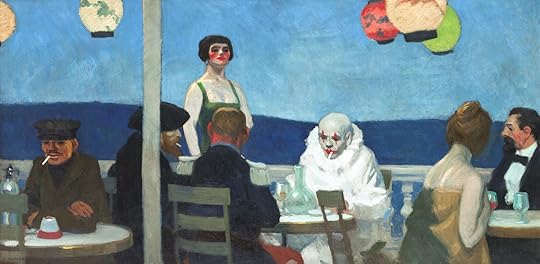
Nonostante i temi toccati – dalla malattia mentale alle eredità familiari, ovviamente quelle fatte di dolore e sconfitta, dall’abbandono alla fuga, dalla molestia all’abuso all’omicidio, dalla religione che è spirituale ma anche carnale quando il prete infila la mano dentro la patta del bambino… - Rapp si mantiene asciutto e senza fronzoli, ma mai distante o indifferente, capace di suscitare emozione ma senza indulgenza.
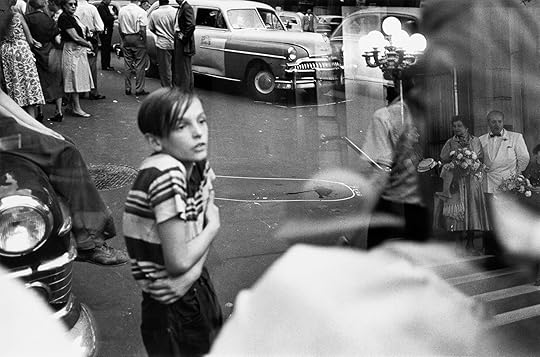
Racconta la storia di una famiglia media americana: numerosa, cinque figli più uno morto pressoché alla nascita, ma senza particolari problemi economici, pur se senza scialare. Quattro generazioni, angoli bui, antri neri, ma anche affetto, amore, “normalità”. Un tumore devastante contro cui si combatte fino allo stremo. Una madre altissima (un metro e novanta) che supera abbondantemente il capo degli ottanta anni. Una figlia che rimane figlia anche a cinquant’anni, e a quell’età cerca ancora di sfondare come attrice. Un’altra che è così ordinaria e normale da restare ai margini della narrazione.
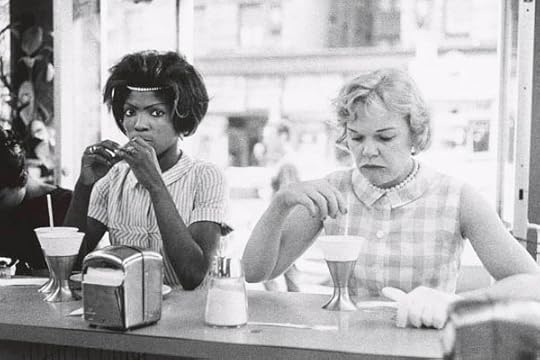
Silenzi che comunicano, che pesano più delle parole. Ma Rapp sa usarle – le parole, intendo - per costruire pagine e pagine di lunghi dialoghi assolutamente credibili, che è possibile leggere ascoltandoli, come se fossimo seduti a teatro o davanti al grande schermo. Sono dialoghi densi che però scorrono, scivolano, s’involano.
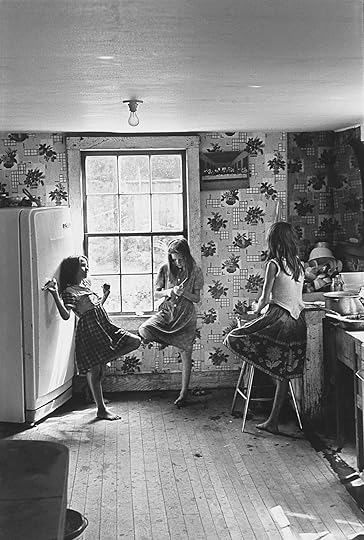
Fatti concreti, concretezze quotidiane: ma anche nuvole che diventano conigli. Visioni, malattia mentale. Di padre in figlio, mali e malanni si trasmettono. Il tramonto sopra il fiume, il ticchettio dell’orologio, le mani che si stringono a cercare calore intorno a una tazza di camomilla. Odori, tanti (la letteratura americana sembra ossessionata dagli odori, che sono perlopiù cattivi o pessimi), sapori, banalità nel senso di normalità, di quotidianità, nel senso di domesticità, tepori e freddo, momenti dolci, momenti rassicuranti: ma Rapp sa anche avvicinarsi con discrezione al male, al dolore, al serial killer che reitera il male subito da piccolo. La violenza è silenziosa, non urla, ma è onnipresente. Rapp non indugia, non indulge, ma non ha neppure timore: sa bilanciare, distribuire, distillare: piano piano l’orrore si avvicina, si presenta, gratta alla porta, difficile escluderlo, lasciarlo fuori. Genealogia del dolore.
Siamo tutti condannati a essere ciò che siamo.
PS: il titolo originale è Wolf at the Table.


Dagli anni Cinquanta al Terzo Millennio, una foto per raccontare un decennio.
Nonostante i temi toccati – dalla malattia mentale alle eredità familiari, ovviamente quelle fatte di dolore e sconfitta, dall’abbandono alla fuga, dalla molestia all’abuso all’omicidio, dalla religione che è spirituale ma anche carnale quando il prete infila la mano dentro la patta del bambino… - Rapp si mantiene asciutto e senza fronzoli, ma mai distante o indifferente, capace di suscitare emozione ma senza indulgenza.
Racconta la storia di una famiglia media americana: numerosa, cinque figli più uno morto pressoché alla nascita, ma senza particolari problemi economici, pur se senza scialare. Quattro generazioni, angoli bui, antri neri, ma anche affetto, amore, “normalità”. Un tumore devastante contro cui si combatte fino allo stremo. Una madre altissima (un metro e novanta) che supera abbondantemente il capo degli ottanta anni. Una figlia che rimane figlia anche a cinquant’anni, e a quell’età cerca ancora di sfondare come attrice. Un’altra che è così ordinaria e normale da restare ai margini della narrazione.
Silenzi che comunicano, che pesano più delle parole. Ma Rapp sa usarle – le parole, intendo - per costruire pagine e pagine di lunghi dialoghi assolutamente credibili, che è possibile leggere ascoltandoli, come se fossimo seduti a teatro o davanti al grande schermo. Sono dialoghi densi che però scorrono, scivolano, s’involano.
Fatti concreti, concretezze quotidiane: ma anche nuvole che diventano conigli. Visioni, malattia mentale. Di padre in figlio, mali e malanni si trasmettono. Il tramonto sopra il fiume, il ticchettio dell’orologio, le mani che si stringono a cercare calore intorno a una tazza di camomilla. Odori, tanti (la letteratura americana sembra ossessionata dagli odori, che sono perlopiù cattivi o pessimi), sapori, banalità nel senso di normalità, di quotidianità, nel senso di domesticità, tepori e freddo, momenti dolci, momenti rassicuranti: ma Rapp sa anche avvicinarsi con discrezione al male, al dolore, al serial killer che reitera il male subito da piccolo. La violenza è silenziosa, non urla, ma è onnipresente. Rapp non indugia, non indulge, ma non ha neppure timore: sa bilanciare, distribuire, distillare: piano piano l’orrore si avvicina, si presenta, gratta alla porta, difficile escluderlo, lasciarlo fuori. Genealogia del dolore.
Siamo tutti condannati a essere ciò che siamo.
PS: il titolo originale è Wolf at the Table.
Dagli anni Cinquanta al Terzo Millennio, una foto per raccontare un decennio.

April 22, 2024
Holy bookhangover, Batman! Allow me to do what I do and sum my experience with Wolf at the Table up in one simple gif . . . .

The story here is about the Larkin family. We start in in the Summer of 1951. Eldest daughter Myra is dabbling with her first taste of freedom as a young teen and is allowed to go to the diner after Sunday mass for a couple of hours before coming home to assist with family chores. On this given Sunday, Myra meets a young man who says his name is Mickey Mantle and that he is a rookie with the New York Yankees who has been sent back down to the minors for the time being. He offers Myra a ride home since it is raining outside and even gives her one of his baseball cards to remember him by . . . . and then that night neighbors down the street are victims of a grisly murder in their own home with the main suspect being a young, male, blonde stranger.
The story is then a SWEEPING narrative spanning sixty years and told by multiple members of the Larkin clan. Hot button headlines of the day are mentioned (such as the assassination attempt on Ronald Regan and Rock Hudson’s AIDS diagnosis), but also there are a couple of near-misses by notorious serial killers. And then. WHOA BOY OH BOY AND THEN! The Larkin mother begins receiving bizarre postcards from the only surviving son of the family, Alec, consisting of simple “hello and goodbye” messages – accompanied by the name and age of a child.
This was perfection. Family saga plus serial killers? Talk about my bucket list dream novel. Every Star.
Endless thanks to Little Brown for a copy in exchange for my honest review.
The story here is about the Larkin family. We start in in the Summer of 1951. Eldest daughter Myra is dabbling with her first taste of freedom as a young teen and is allowed to go to the diner after Sunday mass for a couple of hours before coming home to assist with family chores. On this given Sunday, Myra meets a young man who says his name is Mickey Mantle and that he is a rookie with the New York Yankees who has been sent back down to the minors for the time being. He offers Myra a ride home since it is raining outside and even gives her one of his baseball cards to remember him by . . . . and then that night neighbors down the street are victims of a grisly murder in their own home with the main suspect being a young, male, blonde stranger.
The story is then a SWEEPING narrative spanning sixty years and told by multiple members of the Larkin clan. Hot button headlines of the day are mentioned (such as the assassination attempt on Ronald Regan and Rock Hudson’s AIDS diagnosis), but also there are a couple of near-misses by notorious serial killers. And then. WHOA BOY OH BOY AND THEN! The Larkin mother begins receiving bizarre postcards from the only surviving son of the family, Alec, consisting of simple “hello and goodbye” messages – accompanied by the name and age of a child.
This was perfection. Family saga plus serial killers? Talk about my bucket list dream novel. Every Star.
Endless thanks to Little Brown for a copy in exchange for my honest review.

on-pause
May 22, 2024 Tired of trying with this one. Pause for right now, will conquer this story at another time.
The cover and the title sold me. Say no more. Just waiting on my library. Can't wait to start this one - I hear it's actually a pretty good story too 😉
The cover and the title sold me. Say no more. Just waiting on my library. Can't wait to start this one - I hear it's actually a pretty good story too 😉

January 23, 2024
An epic novel that spans almost fifty years from 1951—2010, WOLF AT THE TABLE satisfied several of my reading urges. Without being gratuitous, Rapp introduces characters with various mental health disorders, folded into a domestic drama of six siblings. They were raised by a withdrawn war vet father and a stern, religious Catholic mother. The siblings are so unlike each other---Fiona is beatnik/hippie, Myra is earthy and solid, Alec is isolative and friendless (he sustained merciless abuse by priests). One died a baby, and you’ll read about the others. My takeaway is that the Larkin family represents a slice of American life--- a combination of candid, passive, violent, rebellious, conforming---there’s a gentle side and an underbelly of psychopathology. There's a serial killer in the midst, or should I say the mist? Accountability proves a tough road.
Rapp understands the nuances of schizophrenia, intellectual disability, and sociopathy, avoiding clichés I’ve seen when a writer fails to do their homework. I suspect he’s had an up-close-and-personal experience from someone close to him. Either that, or he’s just exceptional on his research and execution. (One misstep—I’ve never seen an onset of schizophrenia at age eleven). As a psychiatric nurse, I am wary when I read about characters that I see every day. But Rapp predominantly passed the smell test. His maladjusted characters are credible and complex. WOLF is the landscape of the American Dream/American Nightmare.
His main protagonist, Myra Lee, is the oldest of her siblings, and definitely the most well-drawn in the novel. Like me, she is a nurse, and skilled at working with clients who have psychiatric disorders and criminal behaviors. She is a strong and selfless individual, and was the glue of the family, certainly the moral compass. Readers get a clear view of her thoughts and feelings, and she was a fictional stand-in for Rapp’s mother, with poetic license.
We meet thirteen-year-old Myra in 1951, on an after-church Sunday, during her only free time. She’s the one in charge of her sister Joan, who has Down’s syndrome, so she relishes this brief weekly liberty, when she sits in her favorite diner to read. A hidden copy of Catcher in the Rye is taped under a table, courtesy of an understanding waitress. A first edition copy of the Salinger book wends its way through the Rapp novel, symbolizing angst, alienation, connection, lost innocence---all themes that the author tackles in this novel.
Immersed in Holden Caulfield, Myra gets interrupted by a handsome and charismatic older chap claiming to be Mickey Mantle, who assertively grabs a seat beside her. The persona of Mickey Mantle, like Holden Caulfield, also becomes a motif (along with a rare MM baseball card). He’s the first “wolf at the table” that we meet. A few more will follow.
When WOLF is on point, it shines. It’s credible and immersive, and the last seventy pages were riveting. Occasionally it lagged, it could have used a trim in the middle and sides, (when I’d see the author flickering behind the curtain). Perhaps one more draft would have tightened it up. Rapp would wax burlesque, but then he’d get over the hump and reel me back in.
A warm thanks to Little, Brown and Company for sending me an ARC for review.
Rapp understands the nuances of schizophrenia, intellectual disability, and sociopathy, avoiding clichés I’ve seen when a writer fails to do their homework. I suspect he’s had an up-close-and-personal experience from someone close to him. Either that, or he’s just exceptional on his research and execution. (One misstep—I’ve never seen an onset of schizophrenia at age eleven). As a psychiatric nurse, I am wary when I read about characters that I see every day. But Rapp predominantly passed the smell test. His maladjusted characters are credible and complex. WOLF is the landscape of the American Dream/American Nightmare.
His main protagonist, Myra Lee, is the oldest of her siblings, and definitely the most well-drawn in the novel. Like me, she is a nurse, and skilled at working with clients who have psychiatric disorders and criminal behaviors. She is a strong and selfless individual, and was the glue of the family, certainly the moral compass. Readers get a clear view of her thoughts and feelings, and she was a fictional stand-in for Rapp’s mother, with poetic license.
We meet thirteen-year-old Myra in 1951, on an after-church Sunday, during her only free time. She’s the one in charge of her sister Joan, who has Down’s syndrome, so she relishes this brief weekly liberty, when she sits in her favorite diner to read. A hidden copy of Catcher in the Rye is taped under a table, courtesy of an understanding waitress. A first edition copy of the Salinger book wends its way through the Rapp novel, symbolizing angst, alienation, connection, lost innocence---all themes that the author tackles in this novel.
Immersed in Holden Caulfield, Myra gets interrupted by a handsome and charismatic older chap claiming to be Mickey Mantle, who assertively grabs a seat beside her. The persona of Mickey Mantle, like Holden Caulfield, also becomes a motif (along with a rare MM baseball card). He’s the first “wolf at the table” that we meet. A few more will follow.
When WOLF is on point, it shines. It’s credible and immersive, and the last seventy pages were riveting. Occasionally it lagged, it could have used a trim in the middle and sides, (when I’d see the author flickering behind the curtain). Perhaps one more draft would have tightened it up. Rapp would wax burlesque, but then he’d get over the hump and reel me back in.
A warm thanks to Little, Brown and Company for sending me an ARC for review.

January 6, 2024
I hate to be the bad guy. While this book does have a few negative ratings, no one has written a negative review yet. I read the glowing ones, hoping their insight would help me discover something redeemable within this novel, but I do not feel even a fragment of what those who loved this felt.
There are a number of things that bothered me about this book, but the aspect I found the most bothersome was how completely void of emotion it was. The author examines one family’s close proximity to violence and mental illness, but offers absolutely no impactful lines in the narrative. I think it was fair for me to expect this to hit hard, to shock, to hurt, to, perhaps, even conjure tears. It did not accomplish any of this. Despite its length, the book is hasty in its delivery of every single crime. Rapp never let any of it simmer, and he never allowed his readers to feel what the characters felt. It all seemed to float upon the surface of something that could have been profound.
The story is dialogue heavy, which I suspect has a lot to do with the author’s history as a playwright and screenplay writer. I’m sure this could work under different circumstances, but I found it rather tedious in Wolf at the Table, as much of the dialogue contributed very little meaning to the novel.
The title of the story, as well as the synopsis, make it clear that we can expect a member of the family to grow into a serial killer in due time, and it’s obvious who this will be from the start. However, I still found this character’s descent implausible. Rapp’s intention for this character was evident, but I don’t think it was well developed. One aspect I did like was the subtlety of a parent denying all responsibility for their wayward child, but I felt frustrated by the implied complicity of all family members. I suppose Rapp may have wanted readers to be shocked and bothered by this, and I also suppose their inaction is a reality for many families. But the way their willful ignorance was conveyed left me incredulous.
The narrative is laden with bodily descriptions, and while both genders were included, those of women were derogatory and/or sexualized. I could not help but notice that men were often “heavyset” (or similar), while women were described as “fat,” as if fat was a vulgar thing to be. The only time I recall a male reference using this word, it also seemed to be villainized. I really cannot stand seeing such prominent fat shaming in a book.
There were other descriptions, outside of those surrounding women’s bodies, that I could have done without, as well. While some seem to fit the mind frame of the characters we were visiting in any given chapter, this was told through a third person narrator so, unless such descriptors were conveyed through dialogue or properly attributed to a specific character’s thoughts, I don’t think it came across especially well. I believe I understand what Rapp was trying to capture, but I think it’s going to bother a number of readers because it’s not well communicated. It’s often downright offensive.
One component examined in Wolf at the Table was nature versus nurture. As a lover of psychology, this should have ticked the right boxes for me but, like everything else, I don’t think it was handled skillfully. In my opinion, most specifically in regard to mental illness, I think the genetic link felt forced, and woefully misunderstood.
I am often more attracted to character driven narratives than plot driven ones. I kept asking myself what qualities made this particular one so unappealing as I read. Aside from all I’ve already mentioned, I feel the author attempted to dig into too many characters and needed a more structured focal point. The idea of looking at the impact of violence, both historically and within one family, is an interesting one, but this novel failed to make a thorough, impressive statement surrounding the topic.
Since Wolf at the Table was a highly anticipated read for me, my disappointment is enormous.
I am immensely grateful to Little, Brown and Company and NetGalley for my copy. All opinions are my own.
Wolf at the Table will be out on March 19, 2024.
There are a number of things that bothered me about this book, but the aspect I found the most bothersome was how completely void of emotion it was. The author examines one family’s close proximity to violence and mental illness, but offers absolutely no impactful lines in the narrative. I think it was fair for me to expect this to hit hard, to shock, to hurt, to, perhaps, even conjure tears. It did not accomplish any of this. Despite its length, the book is hasty in its delivery of every single crime. Rapp never let any of it simmer, and he never allowed his readers to feel what the characters felt. It all seemed to float upon the surface of something that could have been profound.
The story is dialogue heavy, which I suspect has a lot to do with the author’s history as a playwright and screenplay writer. I’m sure this could work under different circumstances, but I found it rather tedious in Wolf at the Table, as much of the dialogue contributed very little meaning to the novel.
The title of the story, as well as the synopsis, make it clear that we can expect a member of the family to grow into a serial killer in due time, and it’s obvious who this will be from the start. However, I still found this character’s descent implausible. Rapp’s intention for this character was evident, but I don’t think it was well developed. One aspect I did like was the subtlety of a parent denying all responsibility for their wayward child, but I felt frustrated by the implied complicity of all family members. I suppose Rapp may have wanted readers to be shocked and bothered by this, and I also suppose their inaction is a reality for many families. But the way their willful ignorance was conveyed left me incredulous.
The narrative is laden with bodily descriptions, and while both genders were included, those of women were derogatory and/or sexualized. I could not help but notice that men were often “heavyset” (or similar), while women were described as “fat,” as if fat was a vulgar thing to be. The only time I recall a male reference using this word, it also seemed to be villainized. I really cannot stand seeing such prominent fat shaming in a book.
There were other descriptions, outside of those surrounding women’s bodies, that I could have done without, as well. While some seem to fit the mind frame of the characters we were visiting in any given chapter, this was told through a third person narrator so, unless such descriptors were conveyed through dialogue or properly attributed to a specific character’s thoughts, I don’t think it came across especially well. I believe I understand what Rapp was trying to capture, but I think it’s going to bother a number of readers because it’s not well communicated. It’s often downright offensive.
One component examined in Wolf at the Table was nature versus nurture. As a lover of psychology, this should have ticked the right boxes for me but, like everything else, I don’t think it was handled skillfully. In my opinion, most specifically in regard to mental illness, I think the genetic link felt forced, and woefully misunderstood.
I am often more attracted to character driven narratives than plot driven ones. I kept asking myself what qualities made this particular one so unappealing as I read. Aside from all I’ve already mentioned, I feel the author attempted to dig into too many characters and needed a more structured focal point. The idea of looking at the impact of violence, both historically and within one family, is an interesting one, but this novel failed to make a thorough, impressive statement surrounding the topic.
Since Wolf at the Table was a highly anticipated read for me, my disappointment is enormous.
I am immensely grateful to Little, Brown and Company and NetGalley for my copy. All opinions are my own.
Wolf at the Table will be out on March 19, 2024.

September 28, 2024
One sibling in a large Catholic family has the potential to be a serial killer. Will they give in to their darker urges?
Elmira, New York – It’s 1951 when we first meet the Larkin Family – Donald 31, Ava 32, and their six children, Myra 13, Fiona 11, Alec 10, Joan 7, Lexy 4 and Archie 2 months.
Every Sunday after church Myra has an entire hour to herself, a reprieve from taking care of her younger brothers and sisters. While reading in a corner booth at the local diner, a handsome, charming, young stranger approaches Myra. They chat for awhile until it’s time for her to leave. On her walk home it starts to rain. A car approaches. It’s the stranger again, and he offers her a ride.
Myra doesn’t know it at the time, but it’s her first of the Larkin family’s many chance meetings with various serial killers. Myra was spared that fateful day. The family down the street from her were not so fortunate.
Wolf at the Table was a literary fiction, character study, family saga, spanning six decades between 1951 and 2010 and every chapter marked a defining moment, significant point of change, in one of the family members life. Every scene usually involved a conversation between two people, usually a one-off encounter with a never seen again character, or a first meeting with someone who would go on to become significant to them, making this a dialogue heavy novel. It was also a lengthy novel, clocking in at 480 pages. I thought it zipped by, that every sentence served a purpose, but you know me I love my long books.
It was also an in-depth examination of what shapes a predator and that no one single thing is responsible – that it’s a combination of many factors, bad choices, and risky behaviours. In this instance, genetics, upbringing, personality, lack of empathy, experiences, trauma, drugs and alcohol, lack of direction, loneliness, and boredom all contributed to create a monster. While Wolf at the Table wasn’t overly graphic given the distressing subject matter it was a disturbing, uneasy, bleak, and emotional read that has left its mark on me.
The characters were certainly memorable, and even though pretty much everything they went through was outside my experience it was relatable and understandable for these characters given their circumstances. Although I personally did not find any of these people particularly likeable, since they tended to focus on the negative aspects in their lives, given the hand they were dealt, I was unsurprised by the path each sibling chose.
It may seem a little far-fetched just how many serial killers this family stumbled upon, but there was a naivety to all these characters that made them either blind to or attracted or fascinated by the danger. And even though every family member had an inkling that a wolf resided at their family dinner table they were never prepared to acknowledge it out loud – some were scared, others oblivious, and the two really in the know were unwilling to accept it, or deal with it, and consequently all buried their heads in the sand.
The novel was beautifully written with exceptional dialogue and top-notch metaphors. The insertion of pop cultural references, historical events, and actual real serial killers made every year this was set feel authentic and nostalgic.
I toggled between the e-book and the audio, and I now worship the narrator, Paul Sparks. Any time he was reading a serial killer’s dialogue gave me goose-pimples as well as had me marvelling over how incredibly talented he was. His voices for any teenage and child featured within its pages was also amazing, and his varied American and English accents were faultless.
Given how depressing it was Wolf at the Table will not be for everyone. Although you could characterise it as uplifting because it will make you feel better about your own life. In that case, I 100% recommend this novel to everyone.
Elmira, New York – It’s 1951 when we first meet the Larkin Family – Donald 31, Ava 32, and their six children, Myra 13, Fiona 11, Alec 10, Joan 7, Lexy 4 and Archie 2 months.
Every Sunday after church Myra has an entire hour to herself, a reprieve from taking care of her younger brothers and sisters. While reading in a corner booth at the local diner, a handsome, charming, young stranger approaches Myra. They chat for awhile until it’s time for her to leave. On her walk home it starts to rain. A car approaches. It’s the stranger again, and he offers her a ride.
Myra doesn’t know it at the time, but it’s her first of the Larkin family’s many chance meetings with various serial killers. Myra was spared that fateful day. The family down the street from her were not so fortunate.
Wolf at the Table was a literary fiction, character study, family saga, spanning six decades between 1951 and 2010 and every chapter marked a defining moment, significant point of change, in one of the family members life. Every scene usually involved a conversation between two people, usually a one-off encounter with a never seen again character, or a first meeting with someone who would go on to become significant to them, making this a dialogue heavy novel. It was also a lengthy novel, clocking in at 480 pages. I thought it zipped by, that every sentence served a purpose, but you know me I love my long books.
It was also an in-depth examination of what shapes a predator and that no one single thing is responsible – that it’s a combination of many factors, bad choices, and risky behaviours. In this instance, genetics, upbringing, personality, lack of empathy, experiences, trauma, drugs and alcohol, lack of direction, loneliness, and boredom all contributed to create a monster. While Wolf at the Table wasn’t overly graphic given the distressing subject matter it was a disturbing, uneasy, bleak, and emotional read that has left its mark on me.
The characters were certainly memorable, and even though pretty much everything they went through was outside my experience it was relatable and understandable for these characters given their circumstances. Although I personally did not find any of these people particularly likeable, since they tended to focus on the negative aspects in their lives, given the hand they were dealt, I was unsurprised by the path each sibling chose.
It may seem a little far-fetched just how many serial killers this family stumbled upon, but there was a naivety to all these characters that made them either blind to or attracted or fascinated by the danger. And even though every family member had an inkling that a wolf resided at their family dinner table they were never prepared to acknowledge it out loud – some were scared, others oblivious, and the two really in the know were unwilling to accept it, or deal with it, and consequently all buried their heads in the sand.
The novel was beautifully written with exceptional dialogue and top-notch metaphors. The insertion of pop cultural references, historical events, and actual real serial killers made every year this was set feel authentic and nostalgic.
I toggled between the e-book and the audio, and I now worship the narrator, Paul Sparks. Any time he was reading a serial killer’s dialogue gave me goose-pimples as well as had me marvelling over how incredibly talented he was. His voices for any teenage and child featured within its pages was also amazing, and his varied American and English accents were faultless.
Given how depressing it was Wolf at the Table will not be for everyone. Although you could characterise it as uplifting because it will make you feel better about your own life. In that case, I 100% recommend this novel to everyone.

January 16, 2024
I went into this book believing the focus would be on a “family harboring a serial killer in their midst,” but Adam Rapp’s intentions are far more nuanced. In reality, Wolf at the Table is a meditation about the ubiquitous nature of evil and our constant proximity to it. To read it narrowly as a parable about one particular family would be, I believe, a mistake.
The author telegraphs his intentions right from the beginning. The oldest of give children in the staunchly Catholic Larkin family, teenager Myra meets a stranger who claims to be the up-and-coming baseball player Mickey Mantle. With his chiseled physique and all-American looks, Mantle was the epitome of the American sports hero. We know in hindsight that he is destined to fall from grace through his heavy alcoholism, which left him a shell of the man he once was.
Did Myra truly meet Mickey Mantle? Probably not. Directly afterward, we learn that a killing took place close by, which might have been enacted by the imposter. If, indeed, he was an imposter. Heroes and killers go hand in hand.
We do know that Myra’s sole surviving brother, Alec, is the family’s bad seed and, as time elapses, is likely a serial killer. He preys on teenage boy athletes, who are on the cusp of breaking through their lower socioeconomic conditions through their sports prowess. In other words, these are boys primed to live the American Dream.
In the meantime, life goes on around the Larkins. As the siblings settle into their roles – the responsible older sister Myra, the flamboyant Fiona, and so on – Alec lingers on the outside, sending disturbing postcards to his family. Evil continues to lurk, particularly with peripheral references to Richard Speck and John Wayne Gacy and priest abuse. As life wears away at the siblings, innocence is lost, and in his or her own way, every key character becomes complicit in the perpetuation of evil.
This is a fascinating book. My thanks to Little Brown and Company and NetGalley for enabling me to be an advance reader in exchange for an honest review.
The author telegraphs his intentions right from the beginning. The oldest of give children in the staunchly Catholic Larkin family, teenager Myra meets a stranger who claims to be the up-and-coming baseball player Mickey Mantle. With his chiseled physique and all-American looks, Mantle was the epitome of the American sports hero. We know in hindsight that he is destined to fall from grace through his heavy alcoholism, which left him a shell of the man he once was.
Did Myra truly meet Mickey Mantle? Probably not. Directly afterward, we learn that a killing took place close by, which might have been enacted by the imposter. If, indeed, he was an imposter. Heroes and killers go hand in hand.
We do know that Myra’s sole surviving brother, Alec, is the family’s bad seed and, as time elapses, is likely a serial killer. He preys on teenage boy athletes, who are on the cusp of breaking through their lower socioeconomic conditions through their sports prowess. In other words, these are boys primed to live the American Dream.
In the meantime, life goes on around the Larkins. As the siblings settle into their roles – the responsible older sister Myra, the flamboyant Fiona, and so on – Alec lingers on the outside, sending disturbing postcards to his family. Evil continues to lurk, particularly with peripheral references to Richard Speck and John Wayne Gacy and priest abuse. As life wears away at the siblings, innocence is lost, and in his or her own way, every key character becomes complicit in the perpetuation of evil.
This is a fascinating book. My thanks to Little Brown and Company and NetGalley for enabling me to be an advance reader in exchange for an honest review.

January 27, 2025
The reason I am giving this book five stars is not because it was written by my older brother. It’s because it is a beautifully crafted, poetic, deeply human novel about family, madness, violence, and heredity that moved me to my core. I’ve always been an admirer of my brother’s work, but this is his most complete novel, and I could not be more proud of him.

November 6, 2024
A dark story ripe with mayhem, murder and multigenerational discord.
Stay tuned for full review.
Stay tuned for full review.

September 22, 2024
Wolf at the Table is a family saga spanning several generations, beginning in 1951 in Elmira, NY. The Larkin family suffers a tragedy and witnesses the aftermath of another one close by.
The Larkin siblings aren’t particularly close and as they become adults, most move away to pursue education, careers, or other ventures. Readers follow the trajectory of their lives and predominately, those of Myra and Alec, the oldest daughter and son. Other characters are introduced too.
As the story progresses, historic moments are referenced, providing a sense of time and place. Readers don’t always get a lot of depth/detail into character psyches here, like the what and the why behind decisions, but other themes emerge and I was all in. I read the first 200 pages in a day and wish I could have read the entire 450+ page book at once.
Wolf at the Table is a bleak story with an ominous sense of foreboding and Adam Rapp is a great writer.
The Larkin siblings aren’t particularly close and as they become adults, most move away to pursue education, careers, or other ventures. Readers follow the trajectory of their lives and predominately, those of Myra and Alec, the oldest daughter and son. Other characters are introduced too.
As the story progresses, historic moments are referenced, providing a sense of time and place. Readers don’t always get a lot of depth/detail into character psyches here, like the what and the why behind decisions, but other themes emerge and I was all in. I read the first 200 pages in a day and wish I could have read the entire 450+ page book at once.
Wolf at the Table is a bleak story with an ominous sense of foreboding and Adam Rapp is a great writer.

December 5, 2025
Diamo la caccia al lupo
Dal 19 agosto 1951 all’8 maggio 2010. Un tempo i grandi romanzi familiari si scrivevano in Europa, adesso chi volesse leggerli deve trasferirsi (idealmente) oltreoceano. Il romanzo mi è piaciuto nonostante sia sorretto da due supporti che odio cordialmente: il baseball e il Giovane Holden. L’idea però è ottima, tant’è che sfrutterò il canovaccio per scriverne uno i cui supporti saranno il calcio e Sognavo di essere Bukowski. Ogni capitolo ha una data e un narratore diverso, ogni narratore è membro della famiglia Larkin. Coloro che narreranno più spesso saranno Myria Lee e Ronan, madre e figlio; la radice del male invece verrà dissotterrata in prima persona da Alec. C’è molta America nel libro, quella che per tutti noi è rappresentata da New York ma anche quella rurale degli stati del Midwest e poi giù fino a sud e su fino a nord, alle porte del Canada. Grandi distanze coperte senza nessuna fatica apparente, traslochi affrontati a cuor leggero
Di solito si alzava intorno alle quattro del pomeriggio, per sedersi al tavolo della sala da pranzo, scaldarsi le mani attorno a una tazza di camomilla (ormai riesce a berne solo un sorso o due) e osservare il tramonto sul fiume Mad. In fondo si è trasferita nel nordovest del Vermont proprio per quel motivo: i colibrì, le verdi colline ondulate e i magnifici crepuscoli sul fiume. È molto diverso dal cielo di piombo di Joliet, dove aveva trascorso oltre vent’anni della sua vita
C’è poco da girarci intorno, la vera attrattiva del libro è la radice del male che pare ispirarsi alla storia del serial killer John Wayne Gacy. Sono andato a cercare in rete quale fosse il titolo originale del libro, eccolo: “Wolf at the table”. Il lupo che mangia acconto a noi senza che noi lo sappiamo. Anche questo tratto è molto americano, i grandi spazi aiutano il lupo a spostarsi, lui è in grado di percorrere lunghe distanze in tempi brevi. In passato gli era più semplice azzannare, ripulirsi e nascondersi in un nuovo stato, sedersi al tavolo di qualche altro ignaro commensale e azzannare di nuovo. Come ci si sente a scoprire che nelle sue vene scorre lo stesso nostro sangue? Che è un fratello, un figlio?
Il libro è scritto in modo ammirevole, il testamento morale di Myria Lee è coinvolgente specie se la vostra vita ha preso l’abbrivio dei sessant’anni ed è stata una vita normale, come la sua. In calce, il traduttore, in una nota sulle difficoltà incontrate per tradurre un libro scritto al presente, ma che si svolge costantemente al passato, aggiunge:
È stato lo stesso Rapp a raccontare di aver ricevuto un giorno dalla zia una scatola da scarpe con una serie di cimeli appartenuti alla madre, la madre di Adam, morta quattordici anni prima per via di un cancro. Dentro la scatola, tra le altre cose, c’era un tesserino da infermiera rilasciato dal carcere di massima sicurezza di Stateville, in Illinois. È da lì che è nato lo spunto per questa storia, concepita come una sorta di omaggio alla madre..
Ho subito il fascino della radice del male ma le ho preferito la radice del bene, l’affetto che ha portato lo scrittore a fare di sua mamma un personaggio all’interno di un libro più complesso e multiforme di quanto la facilità di lettura farebbe presupporre.
Davvero vasta la gamma di citazioni musicali e letterarie da cui attingere. Io me lo sono segnate tutte e alla fine ho fatto un tour da cui esco con un libro in prossima lettura,
un intero album (Sound of Silence)
https://www.youtube.com/watch?v=bjkPQ...
una canzone scartata che a me invece piace perché rievoca l’anno di grazia 1995
Alec aveva acceso la radio. Kiss from a rose di Seal. Aveva spento subito
https://youtu.be/hDd2G_V1rzc?si=_iL5f...
e un quadro in bonus
La baia degli angeli
https://arthive.com/it/marcchagall/wo...
Dal 19 agosto 1951 all’8 maggio 2010. Un tempo i grandi romanzi familiari si scrivevano in Europa, adesso chi volesse leggerli deve trasferirsi (idealmente) oltreoceano. Il romanzo mi è piaciuto nonostante sia sorretto da due supporti che odio cordialmente: il baseball e il Giovane Holden. L’idea però è ottima, tant’è che sfrutterò il canovaccio per scriverne uno i cui supporti saranno il calcio e Sognavo di essere Bukowski. Ogni capitolo ha una data e un narratore diverso, ogni narratore è membro della famiglia Larkin. Coloro che narreranno più spesso saranno Myria Lee e Ronan, madre e figlio; la radice del male invece verrà dissotterrata in prima persona da Alec. C’è molta America nel libro, quella che per tutti noi è rappresentata da New York ma anche quella rurale degli stati del Midwest e poi giù fino a sud e su fino a nord, alle porte del Canada. Grandi distanze coperte senza nessuna fatica apparente, traslochi affrontati a cuor leggero
Di solito si alzava intorno alle quattro del pomeriggio, per sedersi al tavolo della sala da pranzo, scaldarsi le mani attorno a una tazza di camomilla (ormai riesce a berne solo un sorso o due) e osservare il tramonto sul fiume Mad. In fondo si è trasferita nel nordovest del Vermont proprio per quel motivo: i colibrì, le verdi colline ondulate e i magnifici crepuscoli sul fiume. È molto diverso dal cielo di piombo di Joliet, dove aveva trascorso oltre vent’anni della sua vita
C’è poco da girarci intorno, la vera attrattiva del libro è la radice del male che pare ispirarsi alla storia del serial killer John Wayne Gacy. Sono andato a cercare in rete quale fosse il titolo originale del libro, eccolo: “Wolf at the table”. Il lupo che mangia acconto a noi senza che noi lo sappiamo. Anche questo tratto è molto americano, i grandi spazi aiutano il lupo a spostarsi, lui è in grado di percorrere lunghe distanze in tempi brevi. In passato gli era più semplice azzannare, ripulirsi e nascondersi in un nuovo stato, sedersi al tavolo di qualche altro ignaro commensale e azzannare di nuovo. Come ci si sente a scoprire che nelle sue vene scorre lo stesso nostro sangue? Che è un fratello, un figlio?
Il libro è scritto in modo ammirevole, il testamento morale di Myria Lee è coinvolgente specie se la vostra vita ha preso l’abbrivio dei sessant’anni ed è stata una vita normale, come la sua. In calce, il traduttore, in una nota sulle difficoltà incontrate per tradurre un libro scritto al presente, ma che si svolge costantemente al passato, aggiunge:
È stato lo stesso Rapp a raccontare di aver ricevuto un giorno dalla zia una scatola da scarpe con una serie di cimeli appartenuti alla madre, la madre di Adam, morta quattordici anni prima per via di un cancro. Dentro la scatola, tra le altre cose, c’era un tesserino da infermiera rilasciato dal carcere di massima sicurezza di Stateville, in Illinois. È da lì che è nato lo spunto per questa storia, concepita come una sorta di omaggio alla madre..
Ho subito il fascino della radice del male ma le ho preferito la radice del bene, l’affetto che ha portato lo scrittore a fare di sua mamma un personaggio all’interno di un libro più complesso e multiforme di quanto la facilità di lettura farebbe presupporre.
Davvero vasta la gamma di citazioni musicali e letterarie da cui attingere. Io me lo sono segnate tutte e alla fine ho fatto un tour da cui esco con un libro in prossima lettura,
un intero album (Sound of Silence)
https://www.youtube.com/watch?v=bjkPQ...
una canzone scartata che a me invece piace perché rievoca l’anno di grazia 1995
Alec aveva acceso la radio. Kiss from a rose di Seal. Aveva spento subito
https://youtu.be/hDd2G_V1rzc?si=_iL5f...
e un quadro in bonus
La baia degli angeli
https://arthive.com/it/marcchagall/wo...

March 6, 2024
I think this book suffers from its marketing. The synopsis promises a “harrowing multigenerational saga about a family harboring a serial killer in their midst” which sounds like my entire alley. Of course, if the marketing was truthful and billed it as the Forrest Gump of true crime, it probably wouldn’t sell as well.
I enjoyed aspects of this story, but it was entirely too long and needed a clearer focus. It felt like Rapp wrote this for himself, not the reader - the prose too dense and self-indulgent. Which may be great for him, but not so much for me.
I think a lot of these vignettes work as short stories, but they don’t add up cohesive narrative.
I enjoyed aspects of this story, but it was entirely too long and needed a clearer focus. It felt like Rapp wrote this for himself, not the reader - the prose too dense and self-indulgent. Which may be great for him, but not so much for me.
I think a lot of these vignettes work as short stories, but they don’t add up cohesive narrative.

May 2, 2024
Did I read the same book as everyone else?
While parts of it were interesting, overall I found this book disappointing. It touches on mental health and sibling dynamics over sixty years. The main POVs are Myra Lee (eldest sister), Alec (eldest brother), and Ronan (Myra's son). I wanted to know more about Fiona. We get a tiny chapter from her. Or Lexy, we get a slightly longer chapter from her.
After each time jump I thought, "Ok now it's going to get interesting". It never did. At times it felt even like a bait and switch. were built up only for the scenes to be anticlimactic. Such a letdown.
While parts of it were interesting, overall I found this book disappointing. It touches on mental health and sibling dynamics over sixty years. The main POVs are Myra Lee (eldest sister), Alec (eldest brother), and Ronan (Myra's son). I wanted to know more about Fiona. We get a tiny chapter from her. Or Lexy, we get a slightly longer chapter from her.
After each time jump I thought, "Ok now it's going to get interesting". It never did. At times it felt even like a bait and switch. were built up only for the scenes to be anticlimactic. Such a letdown.

Read
May 10, 2024I have many thoughts about this book, but they are all overshadowed by the outrageous fact that Adam Rapp thinks a 250lb person is so debilitatingly fat they wouldn't be able to walk up a set of stairs.

April 12, 2024
This was a great book omg!

May 4, 2024
⭐️⭐️⭐️⭐️⭐️
Is there anything better than discovering a “new to you” author and then falling madly in love with one of their books??? I think not! WOLF AT THE TABLE was my very first five star book of the year! This was brilliantly written. Adam Rapp just nailed this dark, intense family drama from a thousand different angles. This was such a brilliantly written story with zero sugar-coating. A story about siblings, mothers, daughters and sons, this book nails the tragedies and difficulties that our fragile lives can harbor in the most haunting of ways.
The family dynamic over the course of decades was raw, tragic and just damn powerful. Very rarely does a story bring you fear, sheer appall, heartbreak, love and tears. The Myra storyline just broke me and I literally wept like a baby twice. As everyone knows- I love me a mother that perseveres! And Myra tore me to pieces. Despite knowing the trajectory of the various storylines, I continuously hoped and prayed that things would turn out differently than it did. These characters felt like people I knew, which is a rare feat for a writer to accomplish. I think the biggest compliment to this book is that I wanted MORE! I would have easily read 100 more pages. I just loved this book oh so much!!!
Is there anything better than discovering a “new to you” author and then falling madly in love with one of their books??? I think not! WOLF AT THE TABLE was my very first five star book of the year! This was brilliantly written. Adam Rapp just nailed this dark, intense family drama from a thousand different angles. This was such a brilliantly written story with zero sugar-coating. A story about siblings, mothers, daughters and sons, this book nails the tragedies and difficulties that our fragile lives can harbor in the most haunting of ways.
The family dynamic over the course of decades was raw, tragic and just damn powerful. Very rarely does a story bring you fear, sheer appall, heartbreak, love and tears. The Myra storyline just broke me and I literally wept like a baby twice. As everyone knows- I love me a mother that perseveres! And Myra tore me to pieces. Despite knowing the trajectory of the various storylines, I continuously hoped and prayed that things would turn out differently than it did. These characters felt like people I knew, which is a rare feat for a writer to accomplish. I think the biggest compliment to this book is that I wanted MORE! I would have easily read 100 more pages. I just loved this book oh so much!!!

July 7, 2025
Non è scritto male e si percepisce che l’autore è uno sceneggiatore perché sa mantenere vivo l’interesse. Il problema più grande, secondo me, è che crea delle aspettative (colpa anche di come viene pubblicizzato) che non vengono mantenute e la parte di trama più interessante non viene mai veramente affrontata con serietà, anzi, verso la fine diventa quasi ridicola.
Comunque non è un brutto libro, si legge velocemente e intrattiene.
Comunque non è un brutto libro, si legge velocemente e intrattiene.
August 24, 2025
Meravigliosamente bello! Una saga familiare diversa da quelle finora lette che esplora in profondità alcuni componenti di una famiglia. Pagine toccanti e commoventi si susseguono ad altre che provocano dolore. Una volta aperto questo libro ti tiene incollata alle sue pagine. Uno tra i migliori letti quest’anno

December 17, 2025
” Non importa se preghi, canti o bevi camomilla.
Siamo tutti condannati a essere quello che siamo.”
Ava, la madre. Donald, il padre. Myra, Fiona, Alec, Joan, Lexy e Archie i figli.
Una famiglia americana media.
Casa e chiesa (molta chiesa) ma dall’albero si staccano uno ad uno frutti diversi.
Si comincia ad Elmira, (Stato di New York) nel 1951 e si finisce a Los Angeles (California) nel 2010.
Cinquantanove anni e svariati stati con una parentesi anche in Inghilterra sono lo scenario in cui seguiamo i Larkin.
Ognuno di loro contribuisce a darci un quadro di come qualcosa di inaspettato può germogliare all’interno di qualsiasi famiglia.
Attenzione, non dal niente. I motivi ci sono sempre perché il male metta la sue radici finchè si scopre che alla tua tavola sedeva un lupo come recita il titolo originale: Wolf at the Table.
Assistiamo a salite e cadute di questa famiglia ma in particolare l'occhio di bue è centrato su Myra che è il perno di due opposti ribelli: Fiona che sceglie una vita radicalmente libera dalle convenzioni ed Alec che si lascia trasportare da impulsi immagazzinati durante l’infanzia.
” Tira i dadi, gira una freccia e guarda i Larkin saltellare sulle caselle colorate in cerca di quello che cerchiamo tutti, qualunque cosa sia.
Siamo tutti condannati a essere quello che siamo.”
Ava, la madre. Donald, il padre. Myra, Fiona, Alec, Joan, Lexy e Archie i figli.
Una famiglia americana media.
Casa e chiesa (molta chiesa) ma dall’albero si staccano uno ad uno frutti diversi.
Si comincia ad Elmira, (Stato di New York) nel 1951 e si finisce a Los Angeles (California) nel 2010.
Cinquantanove anni e svariati stati con una parentesi anche in Inghilterra sono lo scenario in cui seguiamo i Larkin.
Ognuno di loro contribuisce a darci un quadro di come qualcosa di inaspettato può germogliare all’interno di qualsiasi famiglia.
Attenzione, non dal niente. I motivi ci sono sempre perché il male metta la sue radici finchè si scopre che alla tua tavola sedeva un lupo come recita il titolo originale: Wolf at the Table.
Assistiamo a salite e cadute di questa famiglia ma in particolare l'occhio di bue è centrato su Myra che è il perno di due opposti ribelli: Fiona che sceglie una vita radicalmente libera dalle convenzioni ed Alec che si lascia trasportare da impulsi immagazzinati durante l’infanzia.
” Tira i dadi, gira una freccia e guarda i Larkin saltellare sulle caselle colorate in cerca di quello che cerchiamo tutti, qualunque cosa sia.

July 28, 2025
“Quella casa di silenzi e scoppi d’ira. Che ha retto alla furia di bufere di neve, grandinate e cicloni. Quella casa con le finestre incrinate dagli uccelli confusi che si scontravano con i loro riflessi, e con gli infissi sottili allentati dal vento. Quella casa che adesso dorme a metà, come una nave dimenticata alla fonda.”
Quella casa si trova a Elmira, stato di New York, ed è il luogo fisico e simbolico dove inizia questa lunga storia che comincia nel 1951 e si conclude nel 2010, attraversando città diverse e seguendo personaggi diversi.
Appartengono tutti alla famiglia Larkin, medio-borghese, bianca, cattolica. Una famiglia normale entro la quale si annida l’uovo del serpente che schiudendosi e maturando spargerà lungo le strade del mondo il suo veleno. “Wolf at the table”, appunto. Che è anche il titolo originale di questo romanzo complesso, teso, spietato, orchestrato da mano esperta, con una scrittura solida e senza sbavature.
I componenti di questa apparentemente normale famiglia americana sono sei: l’altissima, ieratica e bigotta madre Ava; il taciturno, quasi inesistente padre Donald e i loro cinque figli. Myra Lee, la maggiore, è la tipica ragazza coscienziosa e altruista e anche il punto vista narrativo principale della storia; pure Lexy è brava, anzi tra tutte è quella che avrà la vita di maggior successo, la sua voce rimane sullo sfondo; Joan è una bambina ritardata, destinata a rimanere accanto alla madre per tutta la sua inconsapevole esistenza.
Ma ora arrivano le pecore nere della famiglia perfetta: la ribelle e bellissima Fiona, pseudohippy, bugiarda, opportunista, che passa da un’avventura all’altra aspirando inutilmente a diventare un’attrice di fama. E per finire, last but not least, un altro punto di vista centrale nel racconto: quello dell’unico maschio, Alec, che fin da piccolo manifesta un temperamento insensibile e incline alla crudeltà. Ben presto si allontanerà dal nido familiare e seguirà la sua strada contorta e perversa.
Ma perché il male è così radicato in lui (e in parte anche in Fiona)?
A questo interrogativo non può esserci una sola risposta.
A chi legge il compito di riflettere intorno ai numerosi spunti che Adam Rapp ci offre.
Dentro questa storia sfaccettata c’è tanto, tantissimo.
C’è uno sguardo non banale sull’America dagli anni Cinquanta ai Duemila, c’è la crescita delle generazioni e il passaggio di quel testimone disfunzionale che sembra trasmettersi di padre in figlio, c’è la crudeltà e la debolezza dei maschi, la tenacia e la forza delle donne, c’è l’instabilità dei rapporti familiari, l’ipocrisia e l’inganno. Ma anche l’amore sincero, la solidarietà, la ricerca interiore. C’è il paradosso e l’assurdo. Soprattutto per quanto riguarda la violenza gratuita e insensata, la crudeltà fine a se stessa.
Tra gli ingredienti di questa opera sfaccettata non potevano mancare la letteratura (fra tutti spiccano Salinger e Camus) e una colonna sonora importante: da Simon e Garfunkel ai Chicago a Tom Waits.
“July she will fly. Luglio, lei volerà via. C’è un significato segreto in quell’asciutto arrangiamento? Un enigma? C’è lei, Myra Lee Larkin, nascosta da qualche parte in una zona d’ombra della canzone?”
4/5
Quella casa si trova a Elmira, stato di New York, ed è il luogo fisico e simbolico dove inizia questa lunga storia che comincia nel 1951 e si conclude nel 2010, attraversando città diverse e seguendo personaggi diversi.
Appartengono tutti alla famiglia Larkin, medio-borghese, bianca, cattolica. Una famiglia normale entro la quale si annida l’uovo del serpente che schiudendosi e maturando spargerà lungo le strade del mondo il suo veleno. “Wolf at the table”, appunto. Che è anche il titolo originale di questo romanzo complesso, teso, spietato, orchestrato da mano esperta, con una scrittura solida e senza sbavature.
I componenti di questa apparentemente normale famiglia americana sono sei: l’altissima, ieratica e bigotta madre Ava; il taciturno, quasi inesistente padre Donald e i loro cinque figli. Myra Lee, la maggiore, è la tipica ragazza coscienziosa e altruista e anche il punto vista narrativo principale della storia; pure Lexy è brava, anzi tra tutte è quella che avrà la vita di maggior successo, la sua voce rimane sullo sfondo; Joan è una bambina ritardata, destinata a rimanere accanto alla madre per tutta la sua inconsapevole esistenza.
Ma ora arrivano le pecore nere della famiglia perfetta: la ribelle e bellissima Fiona, pseudohippy, bugiarda, opportunista, che passa da un’avventura all’altra aspirando inutilmente a diventare un’attrice di fama. E per finire, last but not least, un altro punto di vista centrale nel racconto: quello dell’unico maschio, Alec, che fin da piccolo manifesta un temperamento insensibile e incline alla crudeltà. Ben presto si allontanerà dal nido familiare e seguirà la sua strada contorta e perversa.
Ma perché il male è così radicato in lui (e in parte anche in Fiona)?
A questo interrogativo non può esserci una sola risposta.
A chi legge il compito di riflettere intorno ai numerosi spunti che Adam Rapp ci offre.
Dentro questa storia sfaccettata c’è tanto, tantissimo.
C’è uno sguardo non banale sull’America dagli anni Cinquanta ai Duemila, c’è la crescita delle generazioni e il passaggio di quel testimone disfunzionale che sembra trasmettersi di padre in figlio, c’è la crudeltà e la debolezza dei maschi, la tenacia e la forza delle donne, c’è l’instabilità dei rapporti familiari, l’ipocrisia e l’inganno. Ma anche l’amore sincero, la solidarietà, la ricerca interiore. C’è il paradosso e l’assurdo. Soprattutto per quanto riguarda la violenza gratuita e insensata, la crudeltà fine a se stessa.
Tra gli ingredienti di questa opera sfaccettata non potevano mancare la letteratura (fra tutti spiccano Salinger e Camus) e una colonna sonora importante: da Simon e Garfunkel ai Chicago a Tom Waits.
“July she will fly. Luglio, lei volerà via. C’è un significato segreto in quell’asciutto arrangiamento? Un enigma? C’è lei, Myra Lee Larkin, nascosta da qualche parte in una zona d’ombra della canzone?”
4/5

February 18, 2025
This book is dark, dark, dark.
In fact, if you live way up north in the USA, I will tell you it is too dark to read in a -30 below, gray, lifeless tundra.
This book is far more suited for an April storm when the grass is green, the sky turns another shade of green and you need to switch on a lamp in the middle of the day.
I’m committed to no spoilers. So, what I just read is the seamy underbelly of 1960s family life: many siblings, dinner on the table at the same time everyday and Jesus hanging on the wall overlooking it all. I sorta know about that.
This is the dark side that today’s social media might delight in but your real life community prefers to keep in the closet.
This author can write. I’ll make my highlights visible but watch out for spoilers there and I’ll leave with this:
“He certainly looks like a criminal, like so many of the men who wound up at Stateville Correctional when she was there. Con men and arsonists and rapists. Cold-blooded murderers. There was always something missing in their eyes, something lost in the center of the pupil, a feral absence. Coyotes have the same look. Sharks and hyenas too. Poisonous snakes.”
In fact, if you live way up north in the USA, I will tell you it is too dark to read in a -30 below, gray, lifeless tundra.
This book is far more suited for an April storm when the grass is green, the sky turns another shade of green and you need to switch on a lamp in the middle of the day.
I’m committed to no spoilers. So, what I just read is the seamy underbelly of 1960s family life: many siblings, dinner on the table at the same time everyday and Jesus hanging on the wall overlooking it all. I sorta know about that.
This is the dark side that today’s social media might delight in but your real life community prefers to keep in the closet.
This author can write. I’ll make my highlights visible but watch out for spoilers there and I’ll leave with this:
“He certainly looks like a criminal, like so many of the men who wound up at Stateville Correctional when she was there. Con men and arsonists and rapists. Cold-blooded murderers. There was always something missing in their eyes, something lost in the center of the pupil, a feral absence. Coyotes have the same look. Sharks and hyenas too. Poisonous snakes.”

May 21, 2024
More people need to know and appreciate this book, I am speechless at how good this was! At its core Wolf at the Table explores families, mental health, and the secrets we keep. I found myself loving the characters with their multidimensional personalities while absolutely hating the one (if you know, you know), and looking into my own family and the secrets we’ve kept to protect each other (nothing incriminating I promise). At no point did I find myself not loving this book and even cried towards the end because the writing was so personal that it felt like Rapp was writing directly to me. An absolutely fantastic novel!

August 27, 2025
Non so se si possa parlare di saga famigliare, sembra piuttosto un viaggio nel profondo spirito americano attraverso le vicissitudini di una famiglia, i Larkin, nell’arco di tempo tra il 1951 e questo primo ventennio degli anni duemila.
I Larkin e il loro ambiente riassumono i tratti tipici dello stereotipo americano, lo spirito religioso rigido e un po’ bigotto dei genitori, la dedizione alla famiglia e al lavoro onesto di Myra, la figlia maggiore, il ribellismo inconcludente di Fiona, la figlia intermedia, il perbenismo conformista della figlia minore, la devianza di Alec, l’unico figlio maschio vivo, cacciato di casa per aver rubato le offerte in chiesa e che sviluppa tratti perversi che ne fanno un omicida seriale. La schizofrenia ereditaria attraversa la linea maschile di una parte della famiglia.
Tutto il tempo della narrazione è percorso dall’icona del baseball, in cui spicca la figura di Mickey Mantle, probabilmente incontrato da Myra durante l’infanzia e immortalato in una figurina da collezione di grande valore che è stata realmente venduta all’asta per 12 milioni di dollari nel 2022. Sullo sfondo la storia americana, dai ricordi del secondo conflitto mondiale alla guerra di Corea e del Vietnam, da Truman a Reagan fino all’attentato di Oklahoma City e una vita se non proprio agiata, tutto sommato dignitosa, fatta di spostamenti, nel tipico way of life americano, e stanzialità, soprattutto nelle piccole realtà della provincia americana.
La narrazione, che si sviluppa alternando nel tempo le vicissitudini dei singoli personaggi, inizia in modo leggero e quasi agrodolce e si fa sempre più densa, cupa e drammatica. Non è una novità, compreso il corredare il racconto con una sorta di colonna sonora e letteraria che segna tempo e costumi, ma risulta comunque una buona lettura.
I Larkin e il loro ambiente riassumono i tratti tipici dello stereotipo americano, lo spirito religioso rigido e un po’ bigotto dei genitori, la dedizione alla famiglia e al lavoro onesto di Myra, la figlia maggiore, il ribellismo inconcludente di Fiona, la figlia intermedia, il perbenismo conformista della figlia minore, la devianza di Alec, l’unico figlio maschio vivo, cacciato di casa per aver rubato le offerte in chiesa e che sviluppa tratti perversi che ne fanno un omicida seriale. La schizofrenia ereditaria attraversa la linea maschile di una parte della famiglia.
Tutto il tempo della narrazione è percorso dall’icona del baseball, in cui spicca la figura di Mickey Mantle, probabilmente incontrato da Myra durante l’infanzia e immortalato in una figurina da collezione di grande valore che è stata realmente venduta all’asta per 12 milioni di dollari nel 2022. Sullo sfondo la storia americana, dai ricordi del secondo conflitto mondiale alla guerra di Corea e del Vietnam, da Truman a Reagan fino all’attentato di Oklahoma City e una vita se non proprio agiata, tutto sommato dignitosa, fatta di spostamenti, nel tipico way of life americano, e stanzialità, soprattutto nelle piccole realtà della provincia americana.
La narrazione, che si sviluppa alternando nel tempo le vicissitudini dei singoli personaggi, inizia in modo leggero e quasi agrodolce e si fa sempre più densa, cupa e drammatica. Non è una novità, compreso il corredare il racconto con una sorta di colonna sonora e letteraria che segna tempo e costumi, ma risulta comunque una buona lettura.

August 25, 2025
"Siamo tutti condannati a essere quello che siamo."
Ho iniziato a leggere questo bel romanzo in aereo, viaggio di ritorno da una vacanza on the road in Scozia.
Il non tempo dell'aereo e direi anche non luogo, mi ha consentito di immergermi completamente nella storia che sicuramente avvince e coinvolge (grazie @Fabio su Anobii, senza la tua recensione non avrei mai letto questo libro)
Non è un noir, nonostante il titolo lo faccia credere, non è un giallo anche se al centro di esso sta un crimine efferato le cui radici affondano probabilmente in un passato di abusi, non detti e incomprensioni famigliari.
"[..]troppa cattiveria era stata assorbita dalle radici del sicomoro dei Larkin, che alla fine si era ammalato."
È la storia dei Larkin e dei suoi componenti nel tempo raccontata in una sorta di staffetta narrativa in cui i membri della famiglia si passano il testimone. I narratori e i punti di vista sono però solo tre: quello di Myra Lee e di suo figlio Ronan e del fratello di Myra, Alec.
"Non cambia mai niente, aveva pensato. Né le persone, né gli alberi, né le case. Non importa se preghi, canti o bevi camomilla. Siamo tutti condannati a essere quello che siamo."
Il vero protagonista del racconto è indubbiamente il male, il malessere, che si insinua in maniera sottile e pervasiva tra le pagine. Quel luogo oscuro che puó far parte della vita anche dei più insospettabili. Quello su cui anche le madri più rigorose e le compagne più innamorate nulla possono per proteggere chi sta loro a cuore.
Bellissimo il sound track del racconto: mi sono trovata a leggere i capitoli mettendo in sottofondo i brani suggeriti dall'autore.
Colonna sonora per me: "It' a heartache" di Bonnie Tayler.
https://open.spotify.com/track/1Y7VG3...

March 30, 2024
This is a novel that spans sixty years and four generations of a large Catholic family, the Larkins. As with many large families, the offspring have a wide range of personalities and levels of success. There is also one child who has an intellectual disability, one who marries into a family with, unbeknownst to her, a history of schizophrenia, and one who was abused by local priests as a child and develops an antisocial personality disorder (commonly known as a “psychopath”). This true cross section of America is revealed through snapshots of family members at different points in time, particularly focusing on two of them who quite disparate in their temperaments.
Well written, the narrative in this character driven novel is rather objective; Rapp didn’t exploit the emotionalism of the antisocial behaviors and family difficulties. He touches on serial killers, with passages involving Richard Speck, John Wayne Gacy, and, of course, the Larkin sibling who is a serial killer and we see how family can be complicit or ignorant. There is an undercurrent of danger, perhaps even evil throughout the story.
I couldn’t engage with any of the characters Often I read a family saga such as this and, although it may be dark, am left with some feelings of hope. After this one, which was mesmerizing, a generalized bleak feeling remained.
Thanks to #NetGalley and #LittleBrown for the DRC.
Well written, the narrative in this character driven novel is rather objective; Rapp didn’t exploit the emotionalism of the antisocial behaviors and family difficulties. He touches on serial killers, with passages involving Richard Speck, John Wayne Gacy, and, of course, the Larkin sibling who is a serial killer and we see how family can be complicit or ignorant. There is an undercurrent of danger, perhaps even evil throughout the story.
I couldn’t engage with any of the characters Often I read a family saga such as this and, although it may be dark, am left with some feelings of hope. After this one, which was mesmerizing, a generalized bleak feeling remained.
Thanks to #NetGalley and #LittleBrown for the DRC.

Read
April 12, 2024DNF
Think I'm getting to be a curmudgeon in my old age. (And I AM in old age.) I read 100 pages in, and this is what I found...
Family dynamics. Slightly disfunctional. Wholly unlikeable mother. Cold distant father. Kids, girls and one boy. Some get along; some don't. Son is borderline criminal. One of the girls is developmentally challenged. Starting in 1951, jumping to 1964. Arguments around the dinner table. Family secrets yet to be divulged? I suppose, but I really don't care about any of them, so...
I hate to say it, but I am bored. (And 'bored' is the worse word in the world when it comes to a book.)
In sum: I simply am not the reader for this kind of book.
Think I'm getting to be a curmudgeon in my old age. (And I AM in old age.) I read 100 pages in, and this is what I found...
Family dynamics. Slightly disfunctional. Wholly unlikeable mother. Cold distant father. Kids, girls and one boy. Some get along; some don't. Son is borderline criminal. One of the girls is developmentally challenged. Starting in 1951, jumping to 1964. Arguments around the dinner table. Family secrets yet to be divulged? I suppose, but I really don't care about any of them, so...
I hate to say it, but I am bored. (And 'bored' is the worse word in the world when it comes to a book.)
In sum: I simply am not the reader for this kind of book.

December 22, 2023
“Wolf at the Table”, by Adam Rapp, has had marvelous pre-publication hype, and I was “anxious” to read it – anxious in the sense of urgently excited, but also in the sense of anxiety that it might not meet expectations. Ultimately it wasn’t what I expected, but I thoroughly enjoyed it.
Rapp has written numerous plays and YA fiction, and I’m guessing that’s why his prose is never dense or over-written; his writing is clear and vivid, and it keeps the story flowing forward at a perfect pace. As time passes and the story builds so does the suspense and the sense of doom and danger. I couldn’t put it down.
Beginning in 1951 and ending in 2010, Rapp tells the story of the Larkin family across the decades, which is also the story of America over those years. It is a large but not especially close, Catholic family and the novel mainly follows oldest daughter Myra and her slightly younger brother, Alec. Alec is caught stealing and his parents “kick him out” when he is still quite young. He roams the country, yet sends home disturbing “messages” for decades.
“The Wolf at the Table” is also a psychological thriller where the reader knows more than the characters about a deep threats of violence in close proximity to each of the main characters.
It is also about how people deal with problematic family members. As a reader I was angered and frustrated by characters who willfully turned away from evidence that would have required them to take action. But that’s what makes this such a great read; I was provoked into many feelings!
“Wolf at the Table” will keep you up at night in more ways than one!
My thanks to Little Brown for an advanced reader’s copy of this gripping and disturbing novel. 4.5 rounded up!
Rapp has written numerous plays and YA fiction, and I’m guessing that’s why his prose is never dense or over-written; his writing is clear and vivid, and it keeps the story flowing forward at a perfect pace. As time passes and the story builds so does the suspense and the sense of doom and danger. I couldn’t put it down.
Beginning in 1951 and ending in 2010, Rapp tells the story of the Larkin family across the decades, which is also the story of America over those years. It is a large but not especially close, Catholic family and the novel mainly follows oldest daughter Myra and her slightly younger brother, Alec. Alec is caught stealing and his parents “kick him out” when he is still quite young. He roams the country, yet sends home disturbing “messages” for decades.
“The Wolf at the Table” is also a psychological thriller where the reader knows more than the characters about a deep threats of violence in close proximity to each of the main characters.
It is also about how people deal with problematic family members. As a reader I was angered and frustrated by characters who willfully turned away from evidence that would have required them to take action. But that’s what makes this such a great read; I was provoked into many feelings!
“Wolf at the Table” will keep you up at night in more ways than one!
My thanks to Little Brown for an advanced reader’s copy of this gripping and disturbing novel. 4.5 rounded up!

October 15, 2025
Initially, I was going to give this book a three-star rating primarily based on its subject matter. You know when you are classifying a book with tags on mental illness, serial killer, and family secrets that this isn't going to be a feel good book. However, after reflecting on this thought-provoking novel and the issues that it surfaces, I gave it another star.
This multigenerational saga involves a working-class Catholic family of six from Elmira, NY. The primary narrators, initially, are Myra Lee, the oldest sibling who seems to be the caretaker for the family; Alec, the traumatized son, whose perspective reflects the darker side of the family; and Lexy and Fiona, younger siblings who pursue different paths in life that place them on opposite sides of class and power. Later, the only voices are Myra; Alex; and Ronan, Myra's son, an aspiring playwriter, who struggles, like his estranged father, with mental illness. All narration occurs at varying single days over a sixty year history.
According to an interview with Adam Rapp, Cormac McCarthy is a major influence, which was evidenced in this novel. Although there is no overt violence in this novel, it is still a dark and gloomy work. The plot is well crafted and moves steadily along. Although this is a grim novel there is a ray of hope at the end.
This multigenerational saga involves a working-class Catholic family of six from Elmira, NY. The primary narrators, initially, are Myra Lee, the oldest sibling who seems to be the caretaker for the family; Alec, the traumatized son, whose perspective reflects the darker side of the family; and Lexy and Fiona, younger siblings who pursue different paths in life that place them on opposite sides of class and power. Later, the only voices are Myra; Alex; and Ronan, Myra's son, an aspiring playwriter, who struggles, like his estranged father, with mental illness. All narration occurs at varying single days over a sixty year history.
According to an interview with Adam Rapp, Cormac McCarthy is a major influence, which was evidenced in this novel. Although there is no overt violence in this novel, it is still a dark and gloomy work. The plot is well crafted and moves steadily along. Although this is a grim novel there is a ray of hope at the end.

May 22, 2024
Normally this book would be my jam. I really liked both The Corrections and We Need to Talk About Kevin and The Push, all of which this book was compared to. But it just...fell flat, to me. It is a long enough book that I shouldn't have felt like it needed more, but I thought it did. I'm not sure adding the chapters from Lexy and Fiona added that much to the story; if anything I felt like those two storylines should have been axed and the focus should have been simply on Myra, Alec, and Ronan.
Maybe it's because I've been interested in serial killers and true crime for the last thirty years, but it started to get a little improbable how many encounters were had over the years with murderers (especially for Myra). Another review called it the Forrest Gump of true crime, and I think that's pretty accurate. I think the idea was to show how this evil is banal and you never realize how close you are to it, but I don't think it was effective. I also found it frustrating that once things became clearer to the family, they were extremely anticlimactic in their response (keeping it light so as not to spoil anything).
Maybe it's because I've been interested in serial killers and true crime for the last thirty years, but it started to get a little improbable how many encounters were had over the years with murderers (especially for Myra). Another review called it the Forrest Gump of true crime, and I think that's pretty accurate. I think the idea was to show how this evil is banal and you never realize how close you are to it, but I don't think it was effective. I also found it frustrating that once things became clearer to the family, they were extremely anticlimactic in their response (keeping it light so as not to spoil anything).

June 22, 2024
For an almost 500 page book, Rapp has left a bunch of characters in the dust. Several family members are introduced, but only three occupy the second half - with no rhyme or reason that I could tell. The same unfinished quality could be said for various plot points, and big holes in logic abound.
The novel is well-written enough that I read until the deeply unsatisfying and ridiculous ending, and although there are some stellar sentences, there are an equal number of head scratchers. Worst of the batch are some of Rapp's similes, that were completely non-sensical.
Where were the Little Brown editors?
The novel is well-written enough that I read until the deeply unsatisfying and ridiculous ending, and although there are some stellar sentences, there are an equal number of head scratchers. Worst of the batch are some of Rapp's similes, that were completely non-sensical.
Where were the Little Brown editors?
Displaying 1 - 30 of 928 reviews