

What do you think?

The Ghost and Mrs. Muir
Burdened by debt after her husband's death, Lucy Muir insists on moving into the very cheap Gull Cottage in the quaint seaside village of Whitecliff, despite multiple warnings that the house is haunted. Upon discovering the rumors to be true, the young widow ends up forming a special companionship with the ghost of handsome former sea captain Daniel Gregg. Through the struggles of supporting her children, seeking out romance from the wrong places, and working to publish the captain's story as a book, Blood and Swash, Lucy finds in her secret relationship with Captain Gregg a comfort and blossoming love she never could have predicted.
Originally published in 1945, made into a movie in 1947, and later adapted into a television sitcom in 1968, this romantic tale explores how love can develop without boundaries, both in this life and beyond.
Originally published in 1945, made into a movie in 1947, and later adapted into a television sitcom in 1968, this romantic tale explores how love can develop without boundaries, both in this life and beyond.
174 pages, Hardcover
First published January 1, 1945
About the author
R.A. Dick
4 books38 followersR.A. Dick was the pseudonym of Josephine Leslie (Josephine Aimee Campbell Leslie), an Irish writer who wrote the 1945 novel The Ghost and Mrs. Muir. The book was made into a movie in 1947 starring Gene Tierney, Rex Harrison, George Sanders and Natalie Wood. It was also a television series in the 1960's. She also wrote The Devil and Mrs Devine.
Ratings & Reviews
Friends & Following
Create a free account to discover what your friends think of this book!
Community Reviews
Displaying 1 - 30 of 1,258 reviews

April 22, 2022
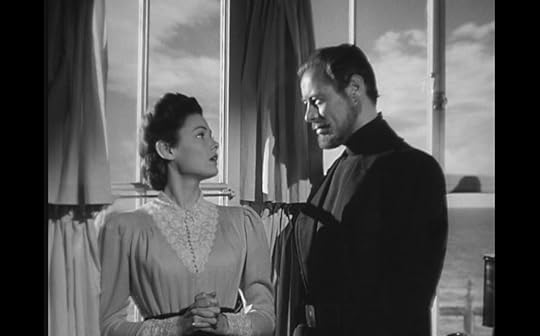
I've mentioned in a few of my reviews that I grew up in a household that watches a lot of classic movies. TCM and AMC (back when they were commercial free and played movies rather than TV shows)were the two channels of choice in my house and before I was 6 I'd seen more classic films than many of my friends have seen now in my thirties. One of my favorite films as a kid was The Ghost and Mrs. Muir. It's a movie that has always stuck out to me for some reason, and while I would not included it on my top 10 anymore, it's a film I still greatly enjoy. I found it funny as a child, and delighted at Rex Harrison's performance, but saw so much more in than just the humor as I grew older (while still laughing at his performance).
A couple of years ago I found a copy of the novel in a used book store and immediately picked it up. It has remained on my shelf for years, being something I knew at some point I would want to read but never having any real desire to pick it up quite yet…
Until now.
The plot: Mrs. Muir is a young widow. She longs to escape from her overbearing sister-in-law who determines how her life should be lived. One day, she decides just to escape. She visits a cozy seaside town and falls in love with a little house by the sea. A house which happens to be haunted by an old sea captain who is very bitter that a relative he doesn't even like owns the place and is renting it out and is even more annoyed that his death was considered a suicide when it was very much an accident. Rather than the traditional ghost story where the ghost tries to kick his new residents out, what we get is a rather humorous book about two individuals who while very different, very much work towards each other's goals and build a relationship (that while sometimes is antagonistic) is very much based around things working out for the best.
I rarely use the word "charming" in reviews, but I can think of no better one. This is not the best written book, it's not extraordinarily plotted or with prose to make the reader see the world in a new light… it is a simple book, but one I really didn't want to end. It's short. It's only 170 something pages, and I reached the end with some dread as I could have continued on for another couple hundred pages. It's a cozy book. I don't know what else to say.
The book is honestly a three star read for most of it. It's fun, it's funny, but not particularly deep… but it gets that extra star for having one of the most perfect endings of any book I have ever read. Honestly it is wonderful, closing just as it was meant to be. 4/5 stars.
A couple of years ago I found a copy of the novel in a used book store and immediately picked it up. It has remained on my shelf for years, being something I knew at some point I would want to read but never having any real desire to pick it up quite yet…
Until now.
The plot: Mrs. Muir is a young widow. She longs to escape from her overbearing sister-in-law who determines how her life should be lived. One day, she decides just to escape. She visits a cozy seaside town and falls in love with a little house by the sea. A house which happens to be haunted by an old sea captain who is very bitter that a relative he doesn't even like owns the place and is renting it out and is even more annoyed that his death was considered a suicide when it was very much an accident. Rather than the traditional ghost story where the ghost tries to kick his new residents out, what we get is a rather humorous book about two individuals who while very different, very much work towards each other's goals and build a relationship (that while sometimes is antagonistic) is very much based around things working out for the best.
I rarely use the word "charming" in reviews, but I can think of no better one. This is not the best written book, it's not extraordinarily plotted or with prose to make the reader see the world in a new light… it is a simple book, but one I really didn't want to end. It's short. It's only 170 something pages, and I reached the end with some dread as I could have continued on for another couple hundred pages. It's a cozy book. I don't know what else to say.
The book is honestly a three star read for most of it. It's fun, it's funny, but not particularly deep… but it gets that extra star for having one of the most perfect endings of any book I have ever read. Honestly it is wonderful, closing just as it was meant to be. 4/5 stars.

October 28, 2016
In a land far, far away, there was once a young girl who saw a delightful movie with Rex Harrison and Gene Tierney, that stole her heart and piqued her imagination and set some fairly unrealistic ideas of what love is or at least can be. While browsing library shelves this week, what should that young girl, turned older lady, come across but the book from which that lovely movie sprang. Couldn’t resist.
It is a lovely little book, more a novella than a novel. It was exactly the break I needed, having just read several mammoth and weighty books. It was serendipity and oddly enough, I could spot every point at which the movie differed from the book (and I last saw that movie over 35 years ago). At moments like these I wish I had the ability to stream movies so that I could run out somewhere and find this one. Still, the sweetness of the book, coupled with the memories that keep playing in my mind, are entirely sufficient to make this a very pleasant interlude. Off I go to the next book that must be read...but, I do thank the spirits of the library for plopping this one, unsought, into my hands.
It is a lovely little book, more a novella than a novel. It was exactly the break I needed, having just read several mammoth and weighty books. It was serendipity and oddly enough, I could spot every point at which the movie differed from the book (and I last saw that movie over 35 years ago). At moments like these I wish I had the ability to stream movies so that I could run out somewhere and find this one. Still, the sweetness of the book, coupled with the memories that keep playing in my mind, are entirely sufficient to make this a very pleasant interlude. Off I go to the next book that must be read...but, I do thank the spirits of the library for plopping this one, unsought, into my hands.

August 3, 2011
Beautiful, sad, romantic story. Less than 200 pages, a really quick read. In this case, I thought the movie (1947, and one of my favorites) did a really great job representing the original story. The only thing that was really different is that Lucy had a second child in the book, while in the movie she had only a daughter. My guess is that in the movie, it was too much to try to fit in the plotline an explanation of her relationship with her son; it was interesting to read it here. Side note: the edition (1945) I got from the library was a first edition, and the title page said, "This book has been designed in a Victory Format. Smaller type and margins produce fewer pages which permit a vital saving of paper and labor in the manufacture of a Wartime book."--I love brushes with history like this!

September 10, 2021
Una historia amable y bonita que hacia el final tiene un tono melancólico que me ha gustado muchísimo.
En cambio la parte central del libro me parece que flojea bastante, ojalá hubiera sido una novelita más corta solo con el principio y el final del libro que me parece fantástico.
Aún así, es una lectura ligera, sencillita y bastante cozy para pasar un rato agradable sobre una joven viuda y el encuentro/amistad/romance con un fantasma que en sus tiempos fue todo un lobo de mar.
En cambio la parte central del libro me parece que flojea bastante, ojalá hubiera sido una novelita más corta solo con el principio y el final del libro que me parece fantástico.
Aún así, es una lectura ligera, sencillita y bastante cozy para pasar un rato agradable sobre una joven viuda y el encuentro/amistad/romance con un fantasma que en sus tiempos fue todo un lobo de mar.

February 20, 2022
No ha estado mal, una lectura ligera con toques de humor entre la viuda Sra. Muir y el fantasma que habita en la casa donde vive (donde dicho fantasma era el propietario de dicha casa) en un pequeño pueblo de Inglaterra y sus vicisitudes para sacar adelante a sus 2 hijos tomando por fin las riendas de su vida.
6/10
6/10

February 7, 2022
I am shedding some soft tears as I listen to the last few moments of The Ghost and Mrs. Muir. Whatever possessed me to borrow this book? Nostalgia. I remembered how much I loved the old black and white film with Gene Tierney and Rex Harrison. When I found the book on Audible Plus, I snatched it up eagerly and there is sat on my shelf with all the rest of the books I’ve borrowed and never got around to reading – until yesterday. This is not a page flipping suspense thriller, but it was an extremely pleasant entertainment for my walks in the neighborhood yesterday and today.
Lucy enters into a loveless marriage to Edwin Muir; she is penniless, and the marriage afforded some financial security. The marriage also afforded a home already inhabited by a pushy domineering mother-in-law and two equally pushy domineering sisters-in-law. Presently the almost invisible Edwin disappears from the story altogether after losing most of his money in a poor stock market investment, dying, and leaving his wife a widow at the age of 31. Lucy is now free to live her life as she sees fit, albeit on a very tight budget. She finds a house by the sea, far away from the domineering eyes and tongues of her in-laws. Despite a rental of only One Pound per month, no prior tenant has ever lasted even one day in Gull House. Lucy insists on renting the house despite the estate agent’s remonstrations. She is nonplussed at rumors that it is haunted by the Sea Captain who built and later died in the house. Lucy moves her two small children into Gull House, where she lives out her life more or less how she pleases over the next hundred and fifty pages, has a bitter-sweet romance with a scoundrel, and ghost writes a book (pun intended). She and the sea captain remain in the house happily ever after!
Published in 1945, under a pseudonym, this may not be everyone’s cup of tea, but it is a sweet diversion, and I loved it. The book is almost always available in one form or another from the library, free with audible plus, and immediately available in audio on Hoopla (if your library subscribes). The 1947 Mankiewicz film was also delightful – look for it!
Lucy enters into a loveless marriage to Edwin Muir; she is penniless, and the marriage afforded some financial security. The marriage also afforded a home already inhabited by a pushy domineering mother-in-law and two equally pushy domineering sisters-in-law. Presently the almost invisible Edwin disappears from the story altogether after losing most of his money in a poor stock market investment, dying, and leaving his wife a widow at the age of 31. Lucy is now free to live her life as she sees fit, albeit on a very tight budget. She finds a house by the sea, far away from the domineering eyes and tongues of her in-laws. Despite a rental of only One Pound per month, no prior tenant has ever lasted even one day in Gull House. Lucy insists on renting the house despite the estate agent’s remonstrations. She is nonplussed at rumors that it is haunted by the Sea Captain who built and later died in the house. Lucy moves her two small children into Gull House, where she lives out her life more or less how she pleases over the next hundred and fifty pages, has a bitter-sweet romance with a scoundrel, and ghost writes a book (pun intended). She and the sea captain remain in the house happily ever after!
Published in 1945, under a pseudonym, this may not be everyone’s cup of tea, but it is a sweet diversion, and I loved it. The book is almost always available in one form or another from the library, free with audible plus, and immediately available in audio on Hoopla (if your library subscribes). The 1947 Mankiewicz film was also delightful – look for it!

September 8, 2026
“Real love isn't blind, it sees everything and has an endless capacity for forgiving.”

March 28, 2021
I don’t write reviews.
What is a life well-lived? Does it have to be one full of mediocre, but constant activity? Can you be just as fulfilled on your own? Or is that too selfish? Mrs. Muir thinks about these things. As much as she can think deeply. The captain of a ship ghost talks things out with her. I mean he’s a ghost, who in life, was a ship captain. All this mangled philosophy has me confused.
This story wasn’t great, nor was it bad. I felt like we never got to know the characters even though we spent years and eventually a lifetime with them. The lady was immature and selfish. For a lady who lived by the sea with her two children, we saw next to nothing of them. They only came into play to create a minute of drama, here and there.
But the ending... it was terribly sweet. And the ghost ship captain...
I only cared about the captain. He’s the person we’ve all met at some point. A person who is too much in every respect, yet it’s never enough. The one with the stories. The stories which remain with you even if you’ve heard them only once. And in the hearing you find yourself changed and hopefully inspired.
What is a life well-lived? Does it have to be one full of mediocre, but constant activity? Can you be just as fulfilled on your own? Or is that too selfish? Mrs. Muir thinks about these things. As much as she can think deeply. The captain of a ship ghost talks things out with her. I mean he’s a ghost, who in life, was a ship captain. All this mangled philosophy has me confused.
This story wasn’t great, nor was it bad. I felt like we never got to know the characters even though we spent years and eventually a lifetime with them. The lady was immature and selfish. For a lady who lived by the sea with her two children, we saw next to nothing of them. They only came into play to create a minute of drama, here and there.
But the ending... it was terribly sweet. And the ghost ship captain...
I only cared about the captain. He’s the person we’ve all met at some point. A person who is too much in every respect, yet it’s never enough. The one with the stories. The stories which remain with you even if you’ve heard them only once. And in the hearing you find yourself changed and hopefully inspired.

February 4, 2022
The rough, gray stone was warm under hand from the heat of the sun. In the cracks, a scarlet snapdragon flourished, and further on, a yellow-brown wallflower, and nearer at hand, a cushion of gray-green upheld the roundness of sea pinks on their stiff stems, like old-fashioned hatpins. A seagull planed its way down to the water on curving, outstretched wings. The salt air blew coolly on her flushed cheeks and she smiled to herself in her happiness. ‘I wonder if there is something wrong with me?’ she wondered. ‘That I can get so much from so little?'
Listened to the Screen Directors Playhouse radio adaptation with Charles Boyer and Jane Wyatt via archive.org: https://archive.org/details/the-ghost...
Just as charming as the movie. 5 stars for nostalgia.
Listened to the Screen Directors Playhouse radio adaptation with Charles Boyer and Jane Wyatt via archive.org: https://archive.org/details/the-ghost...
Just as charming as the movie. 5 stars for nostalgia.

July 16, 2023
En 1945, la escritora irlandesa Josephine Amiee Campbell Leslie publicó bajo el seudónimo masculino de R. A. Dick ”El Fantasma y la Señora Muir”, una novela que se ha convertido en un clásico de las letras inglesas, siendo adaptada tanto al cine como a la televisión.
Cuenta la historia de Lucy Muir, quien acaba de quedarse viuda recientemente. Sin apenas recursos económicos y con dos hijos a su cargo, la señora Muir muy decide demostrar su carácter y tomar las riendas de una existencia que hasta entonces han controlado sus familiares. Y empieza por trasladarse a un pueblecito costero Ingles. Todo parece empezar con los mejores auspicios cuando encuentra rápidamente una casa ideal ¿el problema? Que la vivienda está ocupada por el fantasma de su anterior propietario, el capitán Daniel Gregg, que incluso tras la muerte sigue siendo igual de arisco y malhumorado de lo que era en vida, y no piensa abandonar su hogar. Pronto el entendimiento y la amistad se instalaran entre la nueva dueña y el viejo propietario, entre la mujer viva y el capitán muerto. Y con ello una relación estrambótica y tierna, con la que los dos aprenderán algo nuevo.
No soy una lectora realmente estacional. No voy a decir que nunca leo libros por la estación o la ambientación en que tengan lugar la historia, pero siempre digo cada uno lea lo que quiera independientemente de la época del año en la que este ambientada la lectura. Pero si tuviera que recomendar una novela para leer durante el verano, una de las principales candidatas sería ”El Fantasma y la Señora Muir”. Es una obra relativamente corta, sencilla en prosa y argumento y con una ambientación entrañable en un pueblecito costero inglés que está muy conseguida. Así que estamos ante una obra de lo más ideal para desconectar y divertir en plenas vacaciones. Es un libro que apenas tiene más pretensiones que las de divertir y entretener, lo cual ya os digo que consigue. Y eso pesa mucho para bien y para mal. Para bien por todo lo que he dicho anteriormente. Para mal porque es una lectura que por lo menos para mí ha pasado sin pena ni gloria. Me ha gustado y me ha entretenido sí, pero al mismo tiempo se me ha quedado es muy poquita cosa. Creo que el que fuera un libro tan relevante en la literatura anglosajona ha hecho que tuviera muchas expectativas con esta novela, la cual pocas sorpresas depara hasta prácticamente su final.
El libro es una novela cozy y amigable, en la que la sátira y el costumbrismo se entrelazan con una historia de fantasmas muy amable y tierna. Leerlo deja un excelente regusto y un estupendo sabor de boca. Como menciono más arriba, la ambientación del pueblo costero de Whitecliff está muy conseguida. R.A. Dick consigue llevarnos a ese entorno por medio de una descripciones bucólicas que están muy conseguidas. Su prosa es amena pero elegante, muy depurada y poco complicada. Que creo que es justo lo que pide la historia, ni más ni menos. Su forma de escribir hace al lector más complice de lo que cuenta a medida que se va desarrollando todo con un ritmo muy dinámico, que ayuda a que el interés se mantenga a lo largo de toda la lectura junto a su división estructural en cuatro partes. Ninguno de los personajes que aparecen en sus páginas tiene desperdicio, todos están desarrollando es una manera muy sencilla pero efectiva, todos tienen sus claroscuros y resultan muy creíbles dentro de lo que es la historia. Es cierto que los que mejor están representados son los dos protagonistas, claro, pero su alrededor se mueve toda una serie de secundarios que no desmerecen de ellos para nada. Además,la ambientación ha sido una de las cosas que más he disfrutado de leer junto al desarrollo de la compleja, pero a la vez entrañablemente sencilla y refrescante relación entre la pareja de protagonistas.
En la sinopsis que nos trae la (estupenda) edición del sello impedimenta, se pone en relieve el componente romántico que se establece entre la señora Muir y el difunto capitán Gregg. Y es cierto que algo de esto se destila a lo largo de las poco más de 200 páginas que componen el tomo, en varios diálogos con doble significado y en muchas de sus actuaciones a lo largo de la historia. Pero para mí esto no es lo relevante en la relación que protagonizan el fantasma y la mujer viva. Más bien lo es la forma en que ambos aprenden en uno de la otra y se retroalimentan mutuamente, la forma en que se hacen compañía y se apoyan a lo largo de muchos años, y como establecen una camaradería que no conoce los limites de las fronteras entre la vida y la muerte. Es muy entretenido a ver cómo ambos van evolucionando a lo largo de la historia, y a la vez resulta muy curioso que este desarrollo lo hagan un fantasma y una mujer que, cuando la conocemos por primera vez, ya se encuentra en la mitad de su vida. Ese aspecto me parece un aspecto muy original y refrescante. La relación entre Lucy y el capitán es estrambótica y extraña, y a la vez profundamente humana y realista.
No solo son estos dos personajes el sello de identidad de la obra, cada uno se convierten a su manera en el motor emocional de la historia y la brújula y roca del otro. Y también son los que consiguen que el final sorprenda y se convierta en algo significativo. Y es que el desenlace tiene un claro sabor agridulce y muy melancólico, que me ha conmovido mucho mientras lo leía. Y es por ello que logra impactar más, sobre todo si lo comparas con el tono bucólico y satírico que tiene toda la obra hasta esas últimas páginas. Y es que para mí el gran problema que he tenido con este libro ha sido que creo que tiene un principio muy bueno, y un final muy convincente y que consigue marcar. Pero siento que entre medias la obra se disuelve en varias subtramas y personajes que se van sucediendo uno detrás de otros, y que no tienen la misma fuerza de esos dos extremos narrativos. Es cierto que quizás este aspecto sea muy realista, ya que la vida es eso, episodios que van abriéndose y cerrándose ante nosotros, y personas que aparecen para luego desaparecer de nuestras vidas. Pero al mismo tiempo me da la impresión de que todo eso hacía que se perdiera el foco en lo realmente interesante, que es la relación entre la señora Muir y el fantasma.
En definitiva, ”El Fantasma y la Señora Muir” es un libro que no creo que vaya a cambiarle la vida a nadie. Y como tal hay que disfrutarlo. Entretiene y es una lectura que se hace en un suspiro, muy feel good y muy cozy, con una ambientación y un tono de lo más british. Es una historia plácida y tierna, que habla de amistad y amor, de segundas oportunidades y de tomar las riendas de tu propia vida. Recomendable y muy entretenida. La autora consigue que se te despierte la sonrisa mientras avanzas en su lectura, y las lágrimas al leer sus páginas finales.
Cuenta la historia de Lucy Muir, quien acaba de quedarse viuda recientemente. Sin apenas recursos económicos y con dos hijos a su cargo, la señora Muir muy decide demostrar su carácter y tomar las riendas de una existencia que hasta entonces han controlado sus familiares. Y empieza por trasladarse a un pueblecito costero Ingles. Todo parece empezar con los mejores auspicios cuando encuentra rápidamente una casa ideal ¿el problema? Que la vivienda está ocupada por el fantasma de su anterior propietario, el capitán Daniel Gregg, que incluso tras la muerte sigue siendo igual de arisco y malhumorado de lo que era en vida, y no piensa abandonar su hogar. Pronto el entendimiento y la amistad se instalaran entre la nueva dueña y el viejo propietario, entre la mujer viva y el capitán muerto. Y con ello una relación estrambótica y tierna, con la que los dos aprenderán algo nuevo.
No soy una lectora realmente estacional. No voy a decir que nunca leo libros por la estación o la ambientación en que tengan lugar la historia, pero siempre digo cada uno lea lo que quiera independientemente de la época del año en la que este ambientada la lectura. Pero si tuviera que recomendar una novela para leer durante el verano, una de las principales candidatas sería ”El Fantasma y la Señora Muir”. Es una obra relativamente corta, sencilla en prosa y argumento y con una ambientación entrañable en un pueblecito costero inglés que está muy conseguida. Así que estamos ante una obra de lo más ideal para desconectar y divertir en plenas vacaciones. Es un libro que apenas tiene más pretensiones que las de divertir y entretener, lo cual ya os digo que consigue. Y eso pesa mucho para bien y para mal. Para bien por todo lo que he dicho anteriormente. Para mal porque es una lectura que por lo menos para mí ha pasado sin pena ni gloria. Me ha gustado y me ha entretenido sí, pero al mismo tiempo se me ha quedado es muy poquita cosa. Creo que el que fuera un libro tan relevante en la literatura anglosajona ha hecho que tuviera muchas expectativas con esta novela, la cual pocas sorpresas depara hasta prácticamente su final.
El libro es una novela cozy y amigable, en la que la sátira y el costumbrismo se entrelazan con una historia de fantasmas muy amable y tierna. Leerlo deja un excelente regusto y un estupendo sabor de boca. Como menciono más arriba, la ambientación del pueblo costero de Whitecliff está muy conseguida. R.A. Dick consigue llevarnos a ese entorno por medio de una descripciones bucólicas que están muy conseguidas. Su prosa es amena pero elegante, muy depurada y poco complicada. Que creo que es justo lo que pide la historia, ni más ni menos. Su forma de escribir hace al lector más complice de lo que cuenta a medida que se va desarrollando todo con un ritmo muy dinámico, que ayuda a que el interés se mantenga a lo largo de toda la lectura junto a su división estructural en cuatro partes. Ninguno de los personajes que aparecen en sus páginas tiene desperdicio, todos están desarrollando es una manera muy sencilla pero efectiva, todos tienen sus claroscuros y resultan muy creíbles dentro de lo que es la historia. Es cierto que los que mejor están representados son los dos protagonistas, claro, pero su alrededor se mueve toda una serie de secundarios que no desmerecen de ellos para nada. Además,la ambientación ha sido una de las cosas que más he disfrutado de leer junto al desarrollo de la compleja, pero a la vez entrañablemente sencilla y refrescante relación entre la pareja de protagonistas.
En la sinopsis que nos trae la (estupenda) edición del sello impedimenta, se pone en relieve el componente romántico que se establece entre la señora Muir y el difunto capitán Gregg. Y es cierto que algo de esto se destila a lo largo de las poco más de 200 páginas que componen el tomo, en varios diálogos con doble significado y en muchas de sus actuaciones a lo largo de la historia. Pero para mí esto no es lo relevante en la relación que protagonizan el fantasma y la mujer viva. Más bien lo es la forma en que ambos aprenden en uno de la otra y se retroalimentan mutuamente, la forma en que se hacen compañía y se apoyan a lo largo de muchos años, y como establecen una camaradería que no conoce los limites de las fronteras entre la vida y la muerte. Es muy entretenido a ver cómo ambos van evolucionando a lo largo de la historia, y a la vez resulta muy curioso que este desarrollo lo hagan un fantasma y una mujer que, cuando la conocemos por primera vez, ya se encuentra en la mitad de su vida. Ese aspecto me parece un aspecto muy original y refrescante. La relación entre Lucy y el capitán es estrambótica y extraña, y a la vez profundamente humana y realista.
No solo son estos dos personajes el sello de identidad de la obra, cada uno se convierten a su manera en el motor emocional de la historia y la brújula y roca del otro. Y también son los que consiguen que el final sorprenda y se convierta en algo significativo. Y es que el desenlace tiene un claro sabor agridulce y muy melancólico, que me ha conmovido mucho mientras lo leía. Y es por ello que logra impactar más, sobre todo si lo comparas con el tono bucólico y satírico que tiene toda la obra hasta esas últimas páginas. Y es que para mí el gran problema que he tenido con este libro ha sido que creo que tiene un principio muy bueno, y un final muy convincente y que consigue marcar. Pero siento que entre medias la obra se disuelve en varias subtramas y personajes que se van sucediendo uno detrás de otros, y que no tienen la misma fuerza de esos dos extremos narrativos. Es cierto que quizás este aspecto sea muy realista, ya que la vida es eso, episodios que van abriéndose y cerrándose ante nosotros, y personas que aparecen para luego desaparecer de nuestras vidas. Pero al mismo tiempo me da la impresión de que todo eso hacía que se perdiera el foco en lo realmente interesante, que es la relación entre la señora Muir y el fantasma.
En definitiva, ”El Fantasma y la Señora Muir” es un libro que no creo que vaya a cambiarle la vida a nadie. Y como tal hay que disfrutarlo. Entretiene y es una lectura que se hace en un suspiro, muy feel good y muy cozy, con una ambientación y un tono de lo más british. Es una historia plácida y tierna, que habla de amistad y amor, de segundas oportunidades y de tomar las riendas de tu propia vida. Recomendable y muy entretenida. La autora consigue que se te despierte la sonrisa mientras avanzas en su lectura, y las lágrimas al leer sus páginas finales.

November 9, 2025
Blood and Swash
Mrs. Muir, a widow with two children found an inexpensive house on the coast where she could raise her children away from her in-laws. There never seemed to be enough money, so the spirit of captain Gregg told her his story and she published it.
There are parts of this story that doesn’t seem to fit, and yet at the same time the oddities make it all the more.
This is a book I read a young girl, mostly because my sister or someone in my house didn’t return it to the library. I saw the movie and felt inspired to read it. I’m glad I did, because it seemed that I forgot nearly everything about it. This deserves to be a classic, even if the time period insisted women be particularly stupid. Five stars for this period piece.
Mrs. Muir, a widow with two children found an inexpensive house on the coast where she could raise her children away from her in-laws. There never seemed to be enough money, so the spirit of captain Gregg told her his story and she published it.
There are parts of this story that doesn’t seem to fit, and yet at the same time the oddities make it all the more.
This is a book I read a young girl, mostly because my sister or someone in my house didn’t return it to the library. I saw the movie and felt inspired to read it. I’m glad I did, because it seemed that I forgot nearly everything about it. This deserves to be a classic, even if the time period insisted women be particularly stupid. Five stars for this period piece.

August 22, 2025
PERDONA, ¿HAS DICHO: FANTASMA😍?
Si hay algo que me saca una sonrisa lobuna,
de esas torcidas,
expectantes,
es una historia con fantasmas…😏
Eso sí,
aquí tengo que hacer un pequeño inciso:
si es de terror, mi cara pasa directamente a algo muy parecido al del cuadro: “El grito” de Edvard Munch.
Sí, ese mismo,
el que parece que sea él un fantasma de lo pálido y demacrado que está, pobrecito…🤭
Vamos, resumiendo:
Fantasmas, sí, por favor
Terror, nop, ni hablar…😱
Pues imagínate lo feliz que estaba leyendo este libro…
Una casa embrujada,
Un viejo lobo de mar con un carácter atronador pero encantador…🔥
Y…
Todo iba sobre ruedas hasta que…
Ella…
O más bien, diría que en cierto momento, me ha faltado que tuviera más carácter
y, eso, junto con el final,
(un final correcto, pero a secas…)
me ha desinflado un poco…🤫
Si hay algo que me saca una sonrisa lobuna,
de esas torcidas,
expectantes,
es una historia con fantasmas…😏
Eso sí,
aquí tengo que hacer un pequeño inciso:
si es de terror, mi cara pasa directamente a algo muy parecido al del cuadro: “El grito” de Edvard Munch.
Sí, ese mismo,
el que parece que sea él un fantasma de lo pálido y demacrado que está, pobrecito…🤭
Vamos, resumiendo:
Fantasmas, sí, por favor
Terror, nop, ni hablar…😱
Pues imagínate lo feliz que estaba leyendo este libro…
Una casa embrujada,
Un viejo lobo de mar con un carácter atronador pero encantador…🔥
Y…
Todo iba sobre ruedas hasta que…
Ella…
O más bien, diría que en cierto momento, me ha faltado que tuviera más carácter
y, eso, junto con el final,
(un final correcto, pero a secas…)
me ha desinflado un poco…🤫

December 3, 2020
Quitando un par de escenas de corte machista,ha sido una lectura divertida.
La protagonista simplemente quiere vivir, no está interesada en los cotilleos ni en ser una ciudadana"modelo".
Esa parte me ha gustado mucho y el hecho de conseguirlo pese a la presión a la que la someten, merece un aplauso.
Divertida.
La protagonista simplemente quiere vivir, no está interesada en los cotilleos ni en ser una ciudadana"modelo".
Esa parte me ha gustado mucho y el hecho de conseguirlo pese a la presión a la que la someten, merece un aplauso.
Divertida.

January 16, 2019
As a youngster, I used to watch the television show, "The Ghost and Mrs. Muir" starring Edward Mulhare and Hope Lange along with Charles Nelson Reilly and Reta Shaw as the indomitable Martha. I always loved the show and it's whimsical take on a haunted sea-side cottage. So, when I happened upon this book at my local library, I decided to read it. The T.V. show was more comical and lighthearted than the book. I never saw the movie made from the book, starring Rex Harrison and Gene Tierney; so I don't know how that compares (although now I may see if I can find it on DVD or streaming).
The time is 1900 and the book is a more sobering telling of the tale of a widowed woman, Lucy Muir, with 2 young children; that are living in her husband's family home along with his mother and sisters. Lucy feels that she always has to be agreeable around the family and they always see her as "poor Lucy". She decides she wants to be independent and goes about finding a place to settle with the children. She finds Gull Cottage and decides that it's perfect for her and her children's needs. Thus begins the tale. We learn about Lucy's triumphs and tragedies. How the children view their mother and their lives and how a ghost helps to shape Lucy into a person that takes forays out of her comfort zone. All-in-all a good book.
The time is 1900 and the book is a more sobering telling of the tale of a widowed woman, Lucy Muir, with 2 young children; that are living in her husband's family home along with his mother and sisters. Lucy feels that she always has to be agreeable around the family and they always see her as "poor Lucy". She decides she wants to be independent and goes about finding a place to settle with the children. She finds Gull Cottage and decides that it's perfect for her and her children's needs. Thus begins the tale. We learn about Lucy's triumphs and tragedies. How the children view their mother and their lives and how a ghost helps to shape Lucy into a person that takes forays out of her comfort zone. All-in-all a good book.

December 6, 2021
Oh, Lucia,” the captain said softly, “you are so little and so lovely. How I would have liked to have taken you to Norway and shown you the fjords in the midnight sun, and to China – what you’ve missed, Lucia, by being born too late to travel the Seven Seas with me! And what I’ve missed, too.”
What’s in a name? Lucy Muir’s has its root in Italian and Gaelic, the sparkle of light upon the ever changing sea, a dream of adventure and beauty for a young woman that has been strait-laced into one of those Victorian whalebone corsets until she can barely breathe.
They left her nothing of her own. They chose her servants, her dresses, her hats, her books, her pleasures, even her illnesses. “Dear little Lucy looks pale, she must drink Burgundy,” and “Poor little Lucy seems to be losing weight, she must take cod-liver oil.”
It wasn’t suppose to end like this. Born at the turn of the last century, Lucy has lived until seventeen in her father’s house, sheltered from hardships and reading romantic novels about heroines being swept off their feet by handsome strangers. Such a stranger kissed her in her garden of innocence, and Lucy’s happy ever after turned sour almost overnight under the relentless dreariness of a clueless husband and of two bossy, know-it-all sisters-in-law. [ “you don’t know how humiliating it is to have to ask even for a penny to buy a stamp.” ]. The premature death of her husband served only to exacerbate the pressure on the young widow to conform to the expectations of her relatives.
“This,” said little Mrs. Muir, awakening one morning to a beam of March sunlight striking through the eastern window across her face, “this has got to stop. I must settle things for myself.”
>>><<<>>><<<
What’s in a name? R. A. Dick is a pseudonym, suggesting to potential readers a manly, vigorous pen ready to do battle with major philosophical questions. A woman writing the life story of another woman, who lived the best part of her life perched above the sea in an isolated cottage, could not possibly use her own name if she wants her book to sell!
Lucy Muir is herself writing a book, a novel within a novel, both to make ends meet and to put on paper the deepest desires of her soaring spirit. Gull Cottage, the low rent house she rents on a clifftop above the sea, is supposed to be haunted by the ghost of its previous owner. Whether Captain Gregg is real or just a figment of the girl’s imagination is actually irrelevant. What he represents is the desire to live your life on your own terms and not for the pleasure of bigoted, repressed old maids. What matters is the freedom of the mind and the pursuit of happiness, even if it leads you to a lee shore full of hidden rocks, to use some nautical imagery.
“Writing is very different from painting your face or displaying the naked body in the limelight,” Cyril said coldly.
“I don’t see why,” argued Lucy; “personally I think displaying the naked mind between pasteboard covers can do more harm.”
“Sometimes you say the most extraordinary things,” said Cyril. “Are you displaying your naked mind in this book?”
Lucia Muir has a beautiful mind and a hidden inner strength that refuses to bow under misfortune. So does Captain Gregg, who grabbed life by its horns and sailed the Seven Seas before retiring to his dream cottage by sea. They should have sailed together, but have to make do with a platonic friendship across the great divide, holding loneliness at bay with intimate conversations.
She sat there, staring at the ghost of her own happiness.
Is the ghost from the title the actual apparition of Captain Gregg, or a metaphor of the way life finds ways to crush our dreams? Captain Gregg urges Lucy, and us, to at least give it try, fight until the last drop of breath, enjoy the little things that are within your grasp – a friend, a sunny day, a loving pet, a good book, a letter from a loved one, an organ concert in a gothic cathedral.
It was strange, thought Lucy, how much greater and more lasting the work of man’s hands and mind was than man himself. Looking up at the exquisite tracery of the vaulted roof, listening to the majestic music pealing up to join it, she felt dwarfed and humble, yet raised up in spirit beyond her own little ant hill of living.
>>><<<>>><<<
I held out on watching the movie until I could read the novel that inspired it, and I’m glad of this decision. The classic film captures the spirit of the book beautifully, and the casting of Gene Tierney and Rex Harrison was truly inspired. Still, the story itself was streamlined and centred on the romantic part of the novel, on the deep affection between Lucia Muir and Captain Gregg.
The relationship of Mrs. Muir with her children (two in the novel instead of one in the movie) is much more important in the novel, and explored in more detail over the decades of Lucy’s stay at Gull Cottage.
“I don’t want to interfere with my children’s lives any more than you do, but I want them to be happy. Must growing up always mean a breaking up?” she asked sadly.
“No, but it often means a breaking away,” the captain said. “And you wouldn’t want them to stay anchored for the rest of their existence, growing barnacles all over them and rotting away with rust.”
The older boy, Cyril, grows up in the image of his father : sanctimonious conformist, seeking a career in the clergy and judging other people from the high pulpit of his old-fashioned morality. The girl, Anna, dreams of becoming a dancer, of adventure and of love and of laughter. Lucy Muir loves them both and hides her own dreams under a stoic, benevolent smile. Grown up and successful in their careers, Cyril and Anna are trying to convince an older Lucy to give up Gull Cottage and move in with them before illness and money problems overwhelm her. But the little house above the cliff, with the brass telescope to look at the ships passing in the Channel and with the forbidding portrait of Captain Gregg hanging on the bedroom wall is where Lucia is most true to herself.
Impossible to explain, even to Anna, that loneliness was not a matter of solitude but of the spirit and often much greater in company for that very reason.
The end of the story is the end of any story: the closing of a page and the start of a new adventure, with new actors and with new scripts, while the old ones are ‘dropping from the tree of life like autumn leaves’
Josephine Aimee Campbell Leslie has written a true gem of a story, delicate and beautiful and poignant to the point of tears. A ghost story that is a love story that is a feminist manifesto that uses gentle prodding instead of a sledgehammer of slogans.
I would have loved to meet in real life, whatever that is, both Lucia Muir and Captain Gregg.
What’s in a name? Lucy Muir’s has its root in Italian and Gaelic, the sparkle of light upon the ever changing sea, a dream of adventure and beauty for a young woman that has been strait-laced into one of those Victorian whalebone corsets until she can barely breathe.
They left her nothing of her own. They chose her servants, her dresses, her hats, her books, her pleasures, even her illnesses. “Dear little Lucy looks pale, she must drink Burgundy,” and “Poor little Lucy seems to be losing weight, she must take cod-liver oil.”
It wasn’t suppose to end like this. Born at the turn of the last century, Lucy has lived until seventeen in her father’s house, sheltered from hardships and reading romantic novels about heroines being swept off their feet by handsome strangers. Such a stranger kissed her in her garden of innocence, and Lucy’s happy ever after turned sour almost overnight under the relentless dreariness of a clueless husband and of two bossy, know-it-all sisters-in-law. [ “you don’t know how humiliating it is to have to ask even for a penny to buy a stamp.” ]. The premature death of her husband served only to exacerbate the pressure on the young widow to conform to the expectations of her relatives.
“This,” said little Mrs. Muir, awakening one morning to a beam of March sunlight striking through the eastern window across her face, “this has got to stop. I must settle things for myself.”
>>><<<>>><<<
What’s in a name? R. A. Dick is a pseudonym, suggesting to potential readers a manly, vigorous pen ready to do battle with major philosophical questions. A woman writing the life story of another woman, who lived the best part of her life perched above the sea in an isolated cottage, could not possibly use her own name if she wants her book to sell!
Lucy Muir is herself writing a book, a novel within a novel, both to make ends meet and to put on paper the deepest desires of her soaring spirit. Gull Cottage, the low rent house she rents on a clifftop above the sea, is supposed to be haunted by the ghost of its previous owner. Whether Captain Gregg is real or just a figment of the girl’s imagination is actually irrelevant. What he represents is the desire to live your life on your own terms and not for the pleasure of bigoted, repressed old maids. What matters is the freedom of the mind and the pursuit of happiness, even if it leads you to a lee shore full of hidden rocks, to use some nautical imagery.
“Writing is very different from painting your face or displaying the naked body in the limelight,” Cyril said coldly.
“I don’t see why,” argued Lucy; “personally I think displaying the naked mind between pasteboard covers can do more harm.”
“Sometimes you say the most extraordinary things,” said Cyril. “Are you displaying your naked mind in this book?”
Lucia Muir has a beautiful mind and a hidden inner strength that refuses to bow under misfortune. So does Captain Gregg, who grabbed life by its horns and sailed the Seven Seas before retiring to his dream cottage by sea. They should have sailed together, but have to make do with a platonic friendship across the great divide, holding loneliness at bay with intimate conversations.
She sat there, staring at the ghost of her own happiness.
Is the ghost from the title the actual apparition of Captain Gregg, or a metaphor of the way life finds ways to crush our dreams? Captain Gregg urges Lucy, and us, to at least give it try, fight until the last drop of breath, enjoy the little things that are within your grasp – a friend, a sunny day, a loving pet, a good book, a letter from a loved one, an organ concert in a gothic cathedral.
It was strange, thought Lucy, how much greater and more lasting the work of man’s hands and mind was than man himself. Looking up at the exquisite tracery of the vaulted roof, listening to the majestic music pealing up to join it, she felt dwarfed and humble, yet raised up in spirit beyond her own little ant hill of living.
>>><<<>>><<<
I held out on watching the movie until I could read the novel that inspired it, and I’m glad of this decision. The classic film captures the spirit of the book beautifully, and the casting of Gene Tierney and Rex Harrison was truly inspired. Still, the story itself was streamlined and centred on the romantic part of the novel, on the deep affection between Lucia Muir and Captain Gregg.
The relationship of Mrs. Muir with her children (two in the novel instead of one in the movie) is much more important in the novel, and explored in more detail over the decades of Lucy’s stay at Gull Cottage.
“I don’t want to interfere with my children’s lives any more than you do, but I want them to be happy. Must growing up always mean a breaking up?” she asked sadly.
“No, but it often means a breaking away,” the captain said. “And you wouldn’t want them to stay anchored for the rest of their existence, growing barnacles all over them and rotting away with rust.”
The older boy, Cyril, grows up in the image of his father : sanctimonious conformist, seeking a career in the clergy and judging other people from the high pulpit of his old-fashioned morality. The girl, Anna, dreams of becoming a dancer, of adventure and of love and of laughter. Lucy Muir loves them both and hides her own dreams under a stoic, benevolent smile. Grown up and successful in their careers, Cyril and Anna are trying to convince an older Lucy to give up Gull Cottage and move in with them before illness and money problems overwhelm her. But the little house above the cliff, with the brass telescope to look at the ships passing in the Channel and with the forbidding portrait of Captain Gregg hanging on the bedroom wall is where Lucia is most true to herself.
Impossible to explain, even to Anna, that loneliness was not a matter of solitude but of the spirit and often much greater in company for that very reason.
The end of the story is the end of any story: the closing of a page and the start of a new adventure, with new actors and with new scripts, while the old ones are ‘dropping from the tree of life like autumn leaves’
Josephine Aimee Campbell Leslie has written a true gem of a story, delicate and beautiful and poignant to the point of tears. A ghost story that is a love story that is a feminist manifesto that uses gentle prodding instead of a sledgehammer of slogans.
I would have loved to meet in real life, whatever that is, both Lucia Muir and Captain Gregg.

August 2, 2016
"The Ghost And Mrs. Muir" is refreshingly unique, surely startlingly original in its day, in beautifully-told prose. Ireland's Josephine Aimee Campbell Leslie was an eloquent, gifted authoress. She acquaints us with Lucy, Anna, Gregg, and Martha endearingly. For superb originality and authorship, five stars are easily earned. I settle at an appreciative four. Despite coming out 71 years ago, even earlier than the goody-goody 1950s, it was disappointing that Lucy quavered and seldom stood her ground before anyone, except Gregg. She grew and got better but was only unequivocally firm about residing in her seaside house.
One shocking attitude was Gregg declaring she could have his money and Lucy wondering if it should go to a relative. In the 1940s, didn't friends become family? If Gregg liked a cousin less than Lucy, her pets, and children; why hesitate? The owner of the money wants you to take it. Whom are people helping, by professing independence and declining assistance they need? Lucy bought the house but Josephine did not clarify if that store was depleted. When Lucy and her family struggle again, we wonder about it.
On the subject of follow-up information, I would have delighted in more evolved outcomes generally. Anna and Cyril have happy lives with Grandchildren. With Cyril secure in his career, Lucy could have taught him something by revealing everything about the famous book. It would have been a breeze to share Gregg's protective presence with Anna. In lieu of, it should have afforded me tremendous gratification to know she would recount all of that information to her progeny, at least in a personal letter or will. We could do without the final paragraph. Prior to it, the end was unexpected in its spiritual jubilance. It leaves us floating upon that thought with wonderment and a smile.
One shocking attitude was Gregg declaring she could have his money and Lucy wondering if it should go to a relative. In the 1940s, didn't friends become family? If Gregg liked a cousin less than Lucy, her pets, and children; why hesitate? The owner of the money wants you to take it. Whom are people helping, by professing independence and declining assistance they need? Lucy bought the house but Josephine did not clarify if that store was depleted. When Lucy and her family struggle again, we wonder about it.
On the subject of follow-up information, I would have delighted in more evolved outcomes generally. Anna and Cyril have happy lives with Grandchildren. With Cyril secure in his career, Lucy could have taught him something by revealing everything about the famous book. It would have been a breeze to share Gregg's protective presence with Anna. In lieu of, it should have afforded me tremendous gratification to know she would recount all of that information to her progeny, at least in a personal letter or will. We could do without the final paragraph. Prior to it, the end was unexpected in its spiritual jubilance. It leaves us floating upon that thought with wonderment and a smile.


December 26, 2018
It's been years since I saw the movie so my memories of it are a bit hazy. However, I do find the novel to be really good. I especially love the idea that narrow-minded people that don't care about others can't hear the captain's voice. They are shut off spiritually.
I've wanted to read the books for years and I'm glad to say that the book was just as good as I hoped it to be. Now I want to re-watch the movie! I recommend this book warmly.
I've wanted to read the books for years and I'm glad to say that the book was just as good as I hoped it to be. Now I want to re-watch the movie! I recommend this book warmly.

April 19, 2023
A love story for the ages. Beautiful.

February 16, 2026
I remember watching the film for this, the classic with Gene Tierney and Rex Harrison, years ago and enjoying it immensely. I never knew it was based on a novel and fortunately had some time to read during a recent monthly book read. While the book is very simplistic and not very deep nor profound, I found the book has this quaint charm that I found very appealing in its humor and romance.
The plot involves Lucy Muir (Mrs. Muir) deciding to leave family and acquaintances after the passing of her husband, and trying to find a place to life with her children. With money being a problem, she has to be very choosy and find the most practical place to live. When she arrives at Gull Cottage, a place supposedly haunted by a certain Captain Gregg, she just has the conviction and instincts that tell her this is the perfect place for her.
Obviously one of the most entertaining aspects of this novel is simply the back-and-forth exchanges with Captain Gregg once he makes his presence known. Gregg is sarcastic, snarky, and somewhat cynical, and recounts some of his adventures during his time as a sea captain. This contrasts with the more practical Mrs. Muir and her less risky attitudes. The dialogue was fun and humorous.
The novel digs into Lucy’s possibilities of finding a romantic interest and relationship, the future of her children, and Lucy helping Captain Gregg write the novel he has always wanted to write to tell his life story, Blood and Swash.
This book is just a very likeable book, with a lot of personality and there is a lot to admire about it. If there was one thing that I didn’t really care for was the focus sometimes on Lucy’s kids years later when they are adults. The book was most entertaining when it was just telling Lucy and Captain Gregg’s story.
I had forgotten the ending of the film, so it was captivating to see how this would finish, and I’m anxious to go back to the classic film with Gene Tierney and Rex Harrison and see how it compares.
This book is a very charming, cozy, and ghostly romance.
The plot involves Lucy Muir (Mrs. Muir) deciding to leave family and acquaintances after the passing of her husband, and trying to find a place to life with her children. With money being a problem, she has to be very choosy and find the most practical place to live. When she arrives at Gull Cottage, a place supposedly haunted by a certain Captain Gregg, she just has the conviction and instincts that tell her this is the perfect place for her.
Obviously one of the most entertaining aspects of this novel is simply the back-and-forth exchanges with Captain Gregg once he makes his presence known. Gregg is sarcastic, snarky, and somewhat cynical, and recounts some of his adventures during his time as a sea captain. This contrasts with the more practical Mrs. Muir and her less risky attitudes. The dialogue was fun and humorous.
The novel digs into Lucy’s possibilities of finding a romantic interest and relationship, the future of her children, and Lucy helping Captain Gregg write the novel he has always wanted to write to tell his life story, Blood and Swash.
This book is just a very likeable book, with a lot of personality and there is a lot to admire about it. If there was one thing that I didn’t really care for was the focus sometimes on Lucy’s kids years later when they are adults. The book was most entertaining when it was just telling Lucy and Captain Gregg’s story.
I had forgotten the ending of the film, so it was captivating to see how this would finish, and I’m anxious to go back to the classic film with Gene Tierney and Rex Harrison and see how it compares.
This book is a very charming, cozy, and ghostly romance.

January 17, 2021
4🌟
Lucy, la "pequeña señora Muir", es una mujer que hasta ahora siempre ha vivido como se esperaba de ella. Se casó joven y ha mantenido una vida siempre gobernada por los demás. Tras enviudar, dejándole su marido una renta bastante escasa y deudas por todas partes, se encuentra con dos hijos pequeños y teniendo que tomar una decisión: o buscarse la vida por sí misma o quedarse a la sombra de su suegra y su cuñada, manteniéndose al son que le toquen. Decidió lo primero. Visita un pueblecito costero inglés, Whitecliff, para buscar un alquiler acorde para ella y sus dos hijos. En esa búsqueda se encuentra con Gull Cottage, una casa que le resulta idónea y a precio bajísimo. Resulta que todo el mundo que la alquila sale pitando de allí, debido a que el fantasma de su anterior propietario, el capitán Daniel Gregg, los echa a poco de entrar a vivir. Pero a Lucy le ha convencido demasiado esa casa como para irse así como así. Crea un pacto con este fantasma y la convivencia deriva en una relación especial; este espíritu la acompaña, le da apoyo y le aporta perspectivas nuevas de la vida, mientras que ella le ayuda a él a dejar sus asuntos como deseaba así como un fuerte anhelo de haberla conocido en vida.
He disfrutado mucho de esta lectura. Una historia muy amena, original en su argumento, con un humor atrayente, su toque romántico agradable y unos personajes muy carísmaticos; incluyendo además algunos mensajes interesantes. Un libro que cierras dejándote buen sabor de boca. La recomiendo.
Lucy, la "pequeña señora Muir", es una mujer que hasta ahora siempre ha vivido como se esperaba de ella. Se casó joven y ha mantenido una vida siempre gobernada por los demás. Tras enviudar, dejándole su marido una renta bastante escasa y deudas por todas partes, se encuentra con dos hijos pequeños y teniendo que tomar una decisión: o buscarse la vida por sí misma o quedarse a la sombra de su suegra y su cuñada, manteniéndose al son que le toquen. Decidió lo primero. Visita un pueblecito costero inglés, Whitecliff, para buscar un alquiler acorde para ella y sus dos hijos. En esa búsqueda se encuentra con Gull Cottage, una casa que le resulta idónea y a precio bajísimo. Resulta que todo el mundo que la alquila sale pitando de allí, debido a que el fantasma de su anterior propietario, el capitán Daniel Gregg, los echa a poco de entrar a vivir. Pero a Lucy le ha convencido demasiado esa casa como para irse así como así. Crea un pacto con este fantasma y la convivencia deriva en una relación especial; este espíritu la acompaña, le da apoyo y le aporta perspectivas nuevas de la vida, mientras que ella le ayuda a él a dejar sus asuntos como deseaba así como un fuerte anhelo de haberla conocido en vida.
He disfrutado mucho de esta lectura. Una historia muy amena, original en su argumento, con un humor atrayente, su toque romántico agradable y unos personajes muy carísmaticos; incluyendo además algunos mensajes interesantes. Un libro que cierras dejándote buen sabor de boca. La recomiendo.

December 26, 2020
‘El fantasma y la señora Muir’ es un cuentecito ligero con cierto toque de humor inglés y algo del romanticismo del cine clasico de Hollywood. El inocente romance a través de los años de una viuda con el fantasma de un marinero, a cuya casa se muda, es una historia con una ternura propia de otra época. La narración fluctúa entre los tintes algo melodramáticos y la comedia social, pero también trata otros temas más modernos que, en un primer vistazo, pueden pasar desapercibidos: las dificultades de una viuda para criar a sus hijos; el amor surgido a destiempo; la problemática de que no todos tus hijos te agraden; la lucha continua para tener una vida autónoma y solitaria en una sociedad que nos empuja a la compañía obligada; o las dificultades de las mujeres de la época para dedicarse a la escritura (y que, según parece, en la vida real llevaron a la autora a firmar con seudónimo masculino). Pero todo esto está envuelto en una comedia ligera y sentimental, a veces opereta y a veces comedia romántica, que si bien es una lectura de lo más satisfactoria y agradable... pues tampoco es nada del otro mundo. Tiene, además, el handicap de luchar contra el recuerdo de una adaptación cinematográfica absolutamente encantadora que deja buen recuerdo a quien la ve, por lo que la novela, a pesar de sus muchas virtudes, no brilla con el fulgor esperado.

May 3, 2021
The book spans many years of Mrs. Muir and the Captain as she raises her children. It is a hard book to describe. I listened to audio version and it was a very pleasant read. Mrs Muir, Lucy, is a not a strong willed woman and has often let others take charge of her life until she moves in with the ghost of the Captain's cottage. They develop a friendship that last decades that becomes deeper. Still a rather timid woman she is often guided or battles with the captain. A sweet ending to an a book written many years ago.

July 30, 2014
Closer to 3.5 stars.
Isn't it funny when you have watched a movie and more than once, only to find out it was a book written long ago? Of course, the movie was made decades ago but it never occurred to me that it was a book first.
I first saw THE GHOST AND MRS MUIR in black and white when I was a teenager and fell in love with the ghostly charm of Captain Gregg, the sweet Mrs. Muir and, of course, the awesome music. Years went by and I saw it again late one night as an adult. I still thought it was wonderful but this time I appreciated the costumes and, if I didn't know better, the winds and smell of the sea. I rarely buy movies but this was one time I searched for the dvd and acquired it. It was made in 1947 and, whether you rent it on Netflix or buy it, try to watch the black and white version with Rex Harrison and Gene Tierney. Not the TV show. The movie is oh, so, good!
But back to the book. I tagged it 'coming of age' because even though Lucy 'Lucia' Muir is in her early 30's and a widow with young children, she has quite a bit of growing up to do. Under the thumb of her sisters-in-law, she is bursting to finally be on her own and Gull Cottage calls to her.
Captain Gregg, the original owner, unexpectedly died under unusual circumstances. Not meaning to, the home was left to his good-for-nothing nephew. So he haunts it. And since then, no one has lived there for more than a few hours. Until Lucy 'comes home'.
I enjoyed reading how the two originally met. Lucy is earthier in the story and prone to make mistakes. There were even a couple of times I didn't like the decisions she might have made if the Captain didn't get involved. In the book Lucy hears his voice but never actually sees his spirit as in the movie. There are other differences and, as someone else said, it was probably to make the movie flow smoothly.
Though I did like the story, if I had to choose between the two I would pick the movie, hands down. This is a fantasy-ghost story-historical romance and slice of life taking place in England-by-the-sea during the early 1900's. It has some 'woooooo' moments but they are light. Read it, watch it or do both and see which one you favor. Just take the time as I did and fall in love with the crusty, cantankerous Captain Gregg.
Isn't it funny when you have watched a movie and more than once, only to find out it was a book written long ago? Of course, the movie was made decades ago but it never occurred to me that it was a book first.
I first saw THE GHOST AND MRS MUIR in black and white when I was a teenager and fell in love with the ghostly charm of Captain Gregg, the sweet Mrs. Muir and, of course, the awesome music. Years went by and I saw it again late one night as an adult. I still thought it was wonderful but this time I appreciated the costumes and, if I didn't know better, the winds and smell of the sea. I rarely buy movies but this was one time I searched for the dvd and acquired it. It was made in 1947 and, whether you rent it on Netflix or buy it, try to watch the black and white version with Rex Harrison and Gene Tierney. Not the TV show. The movie is oh, so, good!
But back to the book. I tagged it 'coming of age' because even though Lucy 'Lucia' Muir is in her early 30's and a widow with young children, she has quite a bit of growing up to do. Under the thumb of her sisters-in-law, she is bursting to finally be on her own and Gull Cottage calls to her.
Captain Gregg, the original owner, unexpectedly died under unusual circumstances. Not meaning to, the home was left to his good-for-nothing nephew. So he haunts it. And since then, no one has lived there for more than a few hours. Until Lucy 'comes home'.
I enjoyed reading how the two originally met. Lucy is earthier in the story and prone to make mistakes. There were even a couple of times I didn't like the decisions she might have made if the Captain didn't get involved. In the book Lucy hears his voice but never actually sees his spirit as in the movie. There are other differences and, as someone else said, it was probably to make the movie flow smoothly.
Though I did like the story, if I had to choose between the two I would pick the movie, hands down. This is a fantasy-ghost story-historical romance and slice of life taking place in England-by-the-sea during the early 1900's. It has some 'woooooo' moments but they are light. Read it, watch it or do both and see which one you favor. Just take the time as I did and fall in love with the crusty, cantankerous Captain Gregg.

March 7, 2022
El fantasma y la señora Muir es un libro que se lee sólo, vas pasando las páginas sin darte cuenta a medida que te integras en la vida de Lucy Muir. No puedo decir que sea una historia excepcional pero sin duda es entretenida y como indicaba de fácil lectura. Ideal para intercalar con lecturas densas.
Fue escrito en 1945 por Josephine Leslie con el pseudónimo de R. A. Dick, con una pluma es fresca, fluida y cercana, que le proporcionó dos años después una adaptación a la pantalla.
La historia comienza con nuestra recién enviudada Señora Muir, que además de ver trastocado su estado marital, verá como su cómoda vida tiene que dar paso a una vida de restricciones ya que su marido se ha ido dejando una economía familiar bajo mínimos. Lejos de amilanarse Lucy decide romper con su día a día de salones de té y clubes de lectura, para mudarse con sus hijos a un sitio más asequible que les permita al menos cubrir las comodidades básicas.
En su búsqueda de hogar encuentra una casa a muy buen precio, demasiado buen precio… y es que se dice, se rumorea, que esa casa está encantada y el fantasma del anterior dueño vaga por las habitaciones impidiendo que su antigua morada sea invadida por nadie.
Lo primero que os recomiendo, es que no leáis la sinopsis y os dejéis llevar por la historia. Es la típica sinopsis que cuenta más de lo que debe, de hecho, te hace estar esperando algo que realmente no es el quiz del libro.
Os invito a conocer a Lucy, una mujer que a pesar de haber vivido en algodones, se da cuenta en este momento de su vida que ella es capaz de tomar sus propias decisiones y poco a poco se va empoderando para afianzar el sentimiento de que ella mejor que nadie puede tomar las decisiones adecuadas para su propio bienestar y el de sus hijos.
Lo único que me ha gustado un poco menos es que la historia se va precipitando según avanzamos y la parte final es un poco abrupta.
Se la recomiendo a todo tipo de lectores.
¿Queréis saber si el rumor de que vive un fantasma en la casa es cierto?.
Si queréis saberlo…. Tendréis que leerlo.
(Hacía mucho que no utilizaba esa frase 😉).
Fue escrito en 1945 por Josephine Leslie con el pseudónimo de R. A. Dick, con una pluma es fresca, fluida y cercana, que le proporcionó dos años después una adaptación a la pantalla.
La historia comienza con nuestra recién enviudada Señora Muir, que además de ver trastocado su estado marital, verá como su cómoda vida tiene que dar paso a una vida de restricciones ya que su marido se ha ido dejando una economía familiar bajo mínimos. Lejos de amilanarse Lucy decide romper con su día a día de salones de té y clubes de lectura, para mudarse con sus hijos a un sitio más asequible que les permita al menos cubrir las comodidades básicas.
En su búsqueda de hogar encuentra una casa a muy buen precio, demasiado buen precio… y es que se dice, se rumorea, que esa casa está encantada y el fantasma del anterior dueño vaga por las habitaciones impidiendo que su antigua morada sea invadida por nadie.
Lo primero que os recomiendo, es que no leáis la sinopsis y os dejéis llevar por la historia. Es la típica sinopsis que cuenta más de lo que debe, de hecho, te hace estar esperando algo que realmente no es el quiz del libro.
Os invito a conocer a Lucy, una mujer que a pesar de haber vivido en algodones, se da cuenta en este momento de su vida que ella es capaz de tomar sus propias decisiones y poco a poco se va empoderando para afianzar el sentimiento de que ella mejor que nadie puede tomar las decisiones adecuadas para su propio bienestar y el de sus hijos.
Lo único que me ha gustado un poco menos es que la historia se va precipitando según avanzamos y la parte final es un poco abrupta.
Se la recomiendo a todo tipo de lectores.
¿Queréis saber si el rumor de que vive un fantasma en la casa es cierto?.
Si queréis saberlo…. Tendréis que leerlo.
(Hacía mucho que no utilizaba esa frase 😉).

August 23, 2017
Goosebumps at the end. I found it so relatable with so much truth in it. I loved this book!

October 5, 2025
What a fantastic read! I couldn’t stop turning the pages and now I can’t wait to watch the movie.

January 2, 2024
The Ghost and Mrs. Muir
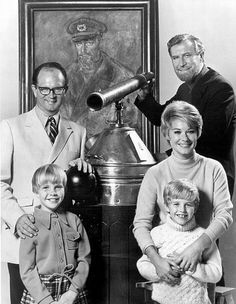
from 1947 starring Gene Tierney and Rex Harrison has always been one of my favorite movies. I also enjoyed the TV series from the 1960s that starred Hope Lange. I always wanted to read the novel that inspired these shows and about 15 years ago I bought a hardcover reprint of it online published by Buccaneer Books. Copies of the original were and still are very hard to find and quite expensive.

R.A. Dick was the pseudonym of Josephine Aimee Campbell Leslie who wrote the novel which I thought was a very charming story that pretty much was in line with the film from 1947. If you haven't seen the movie, the plot focuses on Mrs. Lucy Muir, a young widow with two children, who must move because of financial difficulties after her husband's death. She finds a small cottage near the sea that is very affordable (because it is supposedly haunted) and decides to move into it even after conversing with the old sea captain who was said to have committed suicide in the cottage. Well Captain Gregg tells her that he did not commit suicide but accidentally succumbed to some leaky gas from the kitchen stove. Captain Gregg uses the saltiest of language but Lucy decides to stay getting Gregg to agree not to reveal himself to her children. Over the years, Lucy and Gregg bond with each other and to relieve some debt, Lucy agrees to take down Gregg's life story which is published as Blood and Swash, a real man's tale that goes through several printings and makes Lucy's livelihood for her.
I enjoyed this novel very much although I still like the movie version better. The novel is basically a fun romance and as such is not a real literary masterpiece. But the characters are well done and the ending is one of the best. I would definitely recommend this but also see the the movie if you haven't already!
R.A. Dick was the pseudonym of Josephine Aimee Campbell Leslie who wrote the novel which I thought was a very charming story that pretty much was in line with the film from 1947. If you haven't seen the movie, the plot focuses on Mrs. Lucy Muir, a young widow with two children, who must move because of financial difficulties after her husband's death. She finds a small cottage near the sea that is very affordable (because it is supposedly haunted) and decides to move into it even after conversing with the old sea captain who was said to have committed suicide in the cottage. Well Captain Gregg tells her that he did not commit suicide but accidentally succumbed to some leaky gas from the kitchen stove. Captain Gregg uses the saltiest of language but Lucy decides to stay getting Gregg to agree not to reveal himself to her children. Over the years, Lucy and Gregg bond with each other and to relieve some debt, Lucy agrees to take down Gregg's life story which is published as Blood and Swash, a real man's tale that goes through several printings and makes Lucy's livelihood for her.
I enjoyed this novel very much although I still like the movie version better. The novel is basically a fun romance and as such is not a real literary masterpiece. But the characters are well done and the ending is one of the best. I would definitely recommend this but also see the the movie if you haven't already!

December 2, 2020
No vi Romance por ninguna parte, solo escenas machistas hasta la médula que me hicieron enojar. Ni siquiera por ser corto se salva >:c
Lo único bueno entre comillas fue Anna pero se la menciono tan poco que fue como si no estuviera, es obvio que casi ningún personaje me agrado, exceptuando a la mencionada.
En la historia, el primer capitulo me gustó bastante. Una señora Muir que no quería conformarse a que otros dictarán toda su vida, como ya había pasado hasta esa fecha, aprovechó la muerte de su marido para empezar de cero tomando ella las decisiones, queriendo ser libre. Cuando leí esto, me gustó dije genial, acompañemos a la Sra Muir en su viaje que se veía difícil, pero que pasó después
Lo único bueno entre comillas fue Anna pero se la menciono tan poco que fue como si no estuviera, es obvio que casi ningún personaje me agrado, exceptuando a la mencionada.
En la historia, el primer capitulo me gustó bastante. Una señora Muir que no quería conformarse a que otros dictarán toda su vida, como ya había pasado hasta esa fecha, aprovechó la muerte de su marido para empezar de cero tomando ella las decisiones, queriendo ser libre. Cuando leí esto, me gustó dije genial, acompañemos a la Sra Muir en su viaje que se veía difícil, pero que pasó después

February 22, 2022
Qué historia tan bonita, y que mujer más decidida para su época. La editorial impedimenta ,al menos para mí, suele ser acierto seguro, sus libros están llenos de buenas historias. En este caso los protagonistas son una pareja atípica, ya lo habréis imaginado por el título. La historia de la señora Muir es la de una mujer que deja lo conocido y acomodado y sigue sus instintos. Y la historia del fantasma es la de un viejo lobo de mar y no os cuento más, no es mi estilo hacer un resumen del libro.
En esta novela encontrarás un poco de todo, gente mandona, gente sumisa, humor, amor y un final precioso. Solo puedo decir que la recomiendo.
En esta novela encontrarás un poco de todo, gente mandona, gente sumisa, humor, amor y un final precioso. Solo puedo decir que la recomiendo.
Displaying 1 - 30 of 1,258 reviews