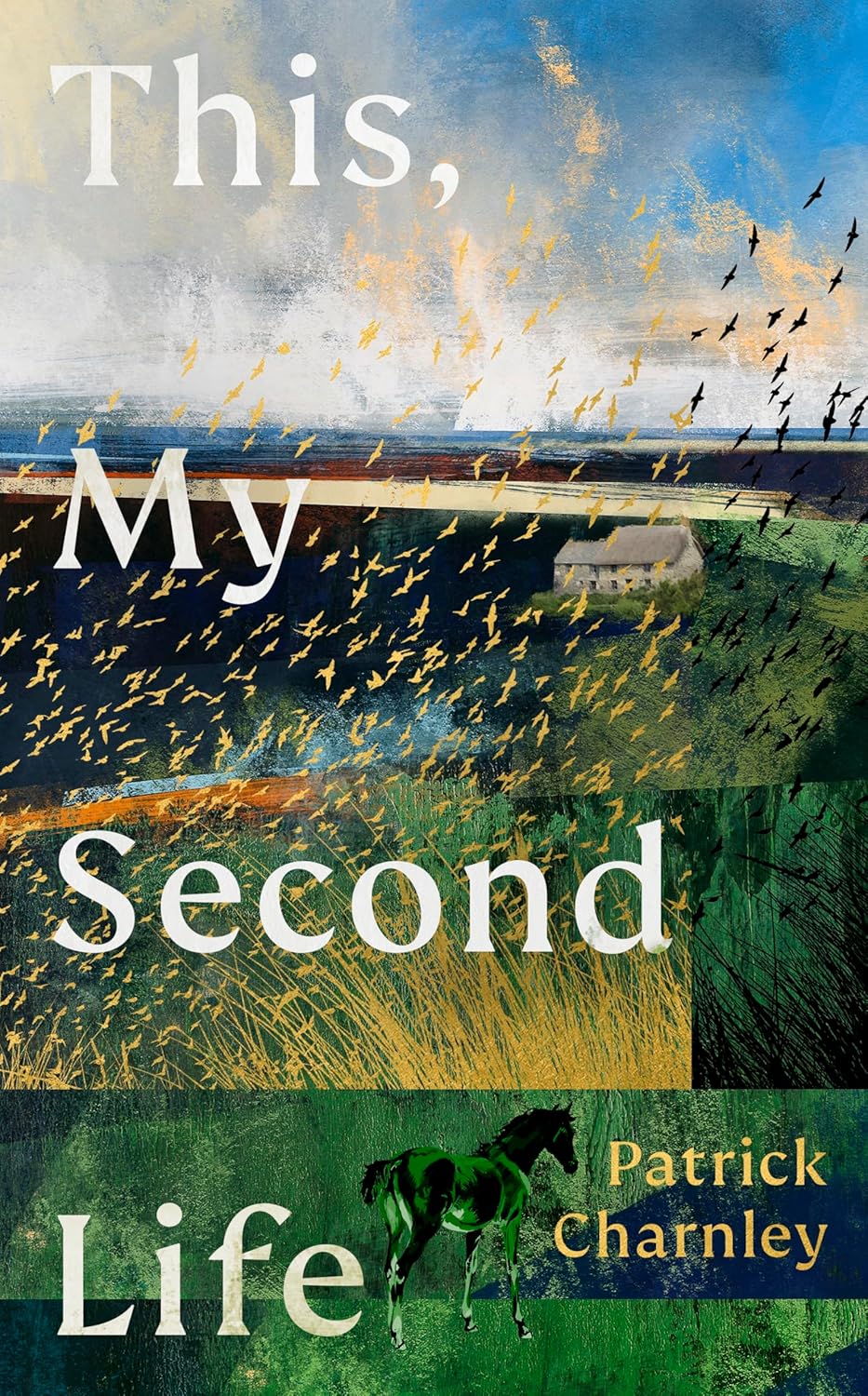
This is the story of twenty-year-old Jago Trevarno who goes to stay with his uncle on his small coastal farm a few miles from St Ives in Cornwall, after a cardiac arrest leaves him with a life-altering brain injury.
Their existence is a simple one, almost off-grid, and they live according to the rhythm of the sun, the crops and the animals they care for.
As Jago begins to adjust to the reality of his new life, he gets caught up in the murky world of local villain, Bill Sligo, who appears to have designs on Jago’s uncle’s farm and in particular a field containing a disused mine-shaft. Wanting to repay his uncle’s kindness, Jago determines to find out what Bill Sligo is up to, but he is still vulnerable because of his health issues, and in pursuing Sligo he delves into a murky world that he is ill-equipped to deal with. How far will Bill Sligo go to get what he wants? Jago doesn’t know it yet, but once again he is in grave danger.
What an absolutely brilliant read this was. It is deeply moving, and poignant, yet, at the same time, really educational and informative about living with brain injury. You can totally understand and appreciate how Jago is conflicted: grateful for being alive after surviving cardiac arrest with no heartbeat for 49 minutes; adjusting to the lifelong, permanent limitations of his body, and the realisation of the life that he's lost. All the things he used to take for granted, or enjoy, now denied to him, and, just prior to this major, life-changing event, his mother had died, his relationship with Sophie had ended, and he'd moved to Bristol. It's such a lot to come to terms with at a very young age.
It was while the author, Patrick Charnley himself was convalescing from a cardiac arrest that very nearly ended his life and left him with a brain injury, began to write this novel. He prefaces it with a paragraph explaining that whilst this informs the way he has written Jago, everything else is fictitious.
An enormous sense of place imbues this novel, with its rich evocation of the beautiful, rugged Cornish landscape, and sense of community. Everyone know everyone else, and their business.
The simplicity of life on Jacob's farm is almost a balm for Jago. There is a feeling of peace and calm, beautifully and skilfully rendered by Charnley. It's a slower, contented, mindful and simple life, in tune with nature and its cycles. Their few possessions. The off grid, self-sufficient lifestyle, reliant on oil lamps and candles. The neat, tidy, uncluttered, farmhouse. It's all there, vividly realised in your mind's eye.
This is matched by the evocation of a richly sensory landscape: the smells of cooking, the taste of their meals and the careful, mindful way they're prepared.
Within this frame, Charnley creates a cast of well drawn, fully realised characters, are all believable and leap off the page. I felt such sympathy for Jago's situation; loved the quiet patience and loyalty of Jacob; and was especially fond of Granny Carne with her independence, strength, and all-seeing wisdom.
This beautifully written, poignant, moving and emotional novel is so profound and thought-provoking, in the ways it makes you think about our health and our minds and bodies. What we take for granted and what we can lose in an instant. The way our 'heart is mechanical and electrical. It holds no mystery. But the brain is so unlikely. Flesh like the rest of the body, but able to create hopes and dreams, love and desire, ideas and actions'. That's something you have to sit withca while and contemplate.
It also makes you consider what it is to be human: the emotional, physical and moral dilemmas we face as we live our day to day lives.
And it's also a hymn to Cornwall with its landscape and traditional industries, and an appreciation of a simpler life, celebrating the healing power of nature and a loving relationship between uncle and nephew.
Above all, despite its storyline and the themes it explores, it's a novel suffused with a sense of resilience, hope and optimism, as Jago begins to come to terms with his second life.
A quietly powerful, profound, moving and beautiful read, which I loved enormously, and based on this debut I'll definitely read anything
Patrick Charnley publishes in the future. Thoroughly recommended.
As a side note, I discover after finishing the novel that Patrick Charnley is the son of the late Helen Dunmore - a brilliant writer, and one of my favourites. He grew up in the West Country where he fell in love with Cornwall.