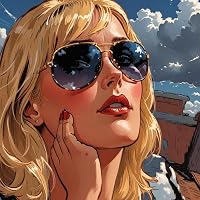
Earth, water, fire and air: in classical philosophy, the four elements were seen as the building blocks of nature, each one later associated with a kind of supernatural being. Drawing from this foundational classification, The Elemental Issue examines our connection with natural forces. At times harsh and unforgiving, inspiring fear and awe, the four elements are a source of life, creativity, power and transformation. They also speak of an invisible realm and of our own transcendence.
Through myths and rituals and the works of Algernon Blackwood, Robert Graves and Derek Jarman, through the photographs of two young girls in Cottingley and the work of environmental activists, in this issue we encounter butterfly-winged fairies with shadowy intentions, mine-dwelling gnomes embodying our yearning for magic, and serpentine water deities to address the environmental crisis. Join us as we crawl between sacred stones to harness the power of water and earth, examine the movements of the sun from within a stone circle, and summon elemental forces from the rugged coasts of Britain.
Words by Sam George, Nick Freeman, Lally MacBeth and Matthew Shaw, Francis Young, Andy Sharp, Kenneth Brophy, and Veronica Strang. Art by Lorenza Daprà and Beth Morris. Graphic design by Sam Freeman. Edited by Maria J Pérez Cuervo.
4 Stars — Hellebore #13: The Elemental Issue Some issues feel like essays. This one feels like crawling between sacred stones while the wind whispers your name and the earth decides whether you’re worthy.
The Elemental Issue is Hellebore at its most primal — a deep dive into the four classical elements not as tidy philosophical categories, but as living forces that shape myth, ritual, fear, and transformation. It’s about the raw stuff of existence: earth, water, fire, air — and the supernatural beings, stories, and crises that rise from them.
This issue moves through the elements like a ritual: earth with its gnomes, stones, and buried magic; water with its serpentine deities and environmental grief; fire with its destructive brilliance and alchemical promise; air with its fairies, illusions, and unseen currents.
It’s a gorgeous blend of folklore and philosophy — the kind that makes you feel like the world is bigger, stranger, and more alive than you remembered.
We get:
butterfly‑winged fairies with intentions far darker than their delicate appearance
mine‑dwelling gnomes embodying our hunger for hidden magic
water serpents rising to confront ecological collapse
sun‑tracking rituals inside stone circles
coastal summoning of elemental forces
the Cottingley fairies reframed through myth, photography, and shadow
It’s mythmaking as environmental meditation — a reminder that the elements aren’t just symbols; they’re warnings, invitations, and mirrors.
The vibe is immaculate: wind over ancient stones, salt spray on rugged cliffs, the hush of deep earth, the flicker of firelight on ritual tools. It’s the kind of issue that makes you want to go outside barefoot and touch the ground just to feel connected again.
The contributors bring that perfect Hellebore blend of scholarship and enchantment, weaving essays that feel both grounded and numinous. And the art? Lorenza Daprà and Beth Morris deliver imagery that feels like it was pulled straight from a dream — luminous, eerie, elemental.
This issue doesn’t just explore the elements — it invokes them. It’s a reminder that folklore isn’t separate from nature; it’s born from it.
A rich, myth‑soaked, beautifully uncanny entry in the series — perfect for anyone who feels the pull of wind, water, fire, and stone in their bones.
It's always a pleasure to read Hellebore. As always the layout of the zine is lovely and the articles endeavour to balance accessibility for a broad audience with an academic slant with references for every article. The theme of this issue was Elementals - fire, earth, water and air. I ended up reading this over a longer period of time than normal and somewhat 'snatching' at the zine so perhaps I didn't enjoy it quite so much as I usually do.
I did really enjoy Sam George's 'Fairy Lepidoptera' fascinating, somewhat tracing the folklore and history of when fairies started to be depicted as winged creatures and the links between moths, butterflies and the fey. I'm a bit of a sucker for fairy lore. Until I read the article, I never knew how interested I was in the history of gnomes either.
Francis Young's 'An Earthly History of the British Gnome' tells us how these humble totems to protect miner's in Germany became a 20th century British phenomena and at times cliched and now very kitsch. I do wonder if younger readers would have the same connection to the garden gnome which to me felt like a symbol of 1970's middle classes (well, anyone who had a garden was middle-class in my eyes).
The article about the power of the sea and elemental weather magic by Andy Sharp, 'The Stormbringers' is a short study of the wise women, sea witches and those who could call upon the wind and sea to either scupper a ship or promote a safe journey. I also enjoyed the article about megaliths and astroarchaeology exploring whether ancient people could read the stars and the growing respect archaeology is having for those trying to make those links. It relates somewhat to something I am reading right now and how ancient peoples understood the universe around them. From what I can gather archaeologists are far more open to considering what people millennia ago could interpret from the sky at night that they were fifty years ago.
Quisiera tener todos los números de Hellebore para seguir devorando sobre el arte místico, los elementos y la historia detrás de algunos términos y prácticas que seguimos usando.