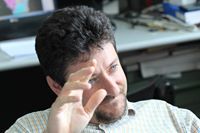
«Per anni ha scritto delle critiche sui giornali, senza cavarne altro che inimicizie ed errori tipografici» ha detto di sé Flaiano nel 1946. In realtà, dopo aver imparato il mestiere sul campo – tanto che, ricorda, circolava la frase «Questi giovani si fanno una cultura sui propri articoli» –, è stato, a partire dal 1939, un recensore cinematografico acuto e beffardo, pacato e intransigente, raffinatissimo dietro lo schermo della nonchalance, sempre ostile alle falsità e alle a tutti quei film, insomma, che «presuppongono, di regola, un pubblico eccessivamente tardo di comprendonio» o che «rendono confortevole l’esistenza, allo stesso titolo dei treni rapidi, delle automobili, dei termosifoni». A suscitare l’entusiasmo di chi, come lui, conosceva intimamente il lavoro di soggettista e sceneggiatore (basti pensare alla prodigiosa e tormentata collaborazione con Fellini), e andava al cinema per sgranchirsi «l’immaginazione e la visione morale del mondo», erano piuttosto film come «Verso la vita» di Renoir, «Ombre rosse» di Ford o «Monsieur Verdoux» di Chaplin, «in cui tutto porta il marchio così semplice e raro del genio». Non in un paese dove è lecito essere anticonformisti solo «nel modo giusto, approvato», Flaiano ha saputo esserlo sino in fondo, come dimostra l’irresistibile giudizio riservato a Orson «i suoi personaggi appartengono a quella categoria che mangia il pollo con le mani non per maleducazione, ma per eccesso di carattere, per prepotenza di immaginazione e di volontà!».
Flaiano wrote for Cineillustrato, Oggi, Il Mondo, Il Corriere della Sera and other prominent Italian newspapers and magazines. In 1947, he won the Strega Prize for his novel, Tempo di uccidere (The Short Cut). Set in Ethiopia during the Italian invasion (1935–36), the novel tells the story of an Italian officer who accidentally kills an Ethiopian woman and is then ravaged by the awareness of his act. The barren landscape around the protagonist hints at an interior emptiness and meaninglessness. This is one of the few Italian literary works (which has been constantly in print for sixty years) dealing with the misdeeds of Italian colonialism in Eastern Africa. In 1971 he suffered a first heart-attack. "All will have to change", he wrote in his notes. He put his many papers in order and published them, although the major part of his memoirs were published posthumously. In November 1972 he began writing various autobiographical pieces for Corriere della Sera. On November 20 of the same year, while at a clinic for a check-up, he suffered a second cardiac arrest. His daughter Lelè, after a long and grave illness, died at age 40 in 1992. His wife Rosetta Rota, sister of composer Nino Rota, died at the end of 2003. The entire family is buried together at the Maccarese Cemetery, near Rome. [edit]Flaiano's Rome Flaiano's name is indissolubly tied to Rome, a city he loved and hated, a caustic witness to its urban evolutions and debacles, its vices and its virtues. In La Solitudine del Satiro Flaiano left numerous passages relating to his Rome. In the Montesacro quarter of Rome, the LABit theatre company placed a commemorative plaque on the facade of his house where he lived from 1952. Critic Richard Eder wrote in Newsday: "To read the late Ennio Flaiano is to imagine a bust of Ovid or Martial, placed in a piazza in Rome amd smiling above a traffic jam. In his antic, melancholy irony, Flaiano wrote as if he were time itself, satirizing the present moment."
"[Ci sono] letture che, una volta cominciate, si portano a termine come una malattia. Si vorrebbe smetterle e invece si continuano per il "complesso della minestra", perché ci hanno insegnato in tenera età (quando certi insegnamenti influiscono sullo sviluppo del libero arbitrio) che la minestra bisogna finirla." (p. 154)
Godibilissima raccolta di articoli di critica cinematografica scritti da una delle penne più eleganti e argute della letteratura italiana. Non solo commenti - spesso amari - sulle pellicole dell’epoca (dal 1940 al 1970 circa), ma anche testimonianze dei costumi e della società del tempo. Utilissima la postfazione della curatrice.