

What do you think?

The Indio and the Impaler
Dapitan, 1893.
DR. JOSÉ RIZAL thought exile meant peace and quiet—until his prized student vanished, and whispers began circling about a soil merchant in a manse on the hill.
Rizal follows the trail into a nightmare older than the colony itself. Now the exiled revolutionary must confront an impossible horror—elegant, ancient, and very, very hungry.
THE INDIO & THE IMPALER is a blood-soaked collision of gothic horror and Philippine history, where the greatest mind of the islands pits himself against the Prince of Darkness—COUNT DRACULA.
DR. JOSÉ RIZAL thought exile meant peace and quiet—until his prized student vanished, and whispers began circling about a soil merchant in a manse on the hill.
Rizal follows the trail into a nightmare older than the colony itself. Now the exiled revolutionary must confront an impossible horror—elegant, ancient, and very, very hungry.
THE INDIO & THE IMPALER is a blood-soaked collision of gothic horror and Philippine history, where the greatest mind of the islands pits himself against the Prince of Darkness—COUNT DRACULA.
348 pages, Paperback
First published September 10, 2025
About the author
Wincy Aquino Ong
10 books29 followersWincy Aquino Ong is a Filipino author, illustrator, musician, director, actor, and podcaster.
He is mostly known as a songwriter for the bands Narda, Us-2 Evil-0 and Patience Dear Juggernaut, the director behind the films San Lazaro and Overtime, and an actor in the TV series Rakista. He is also the co-host of the podcast, The Telebabad Tapes.
He has written for various publications such as The Philippine Star, Esquire, Northern Living, 8list.ph, Windowseat.ph, amongst others. His first published short story appeared in Neil Gaiman's Expeditions Prose Vol. 1, The Philippine Graphic / Fiction Awards.
He wrote the liner notes for the Eraserhead's Circus limited edition vinyl release.
He currently resides in Makati, with his wife Cj de Silva, and their two cats Andres and Max.
He is mostly known as a songwriter for the bands Narda, Us-2 Evil-0 and Patience Dear Juggernaut, the director behind the films San Lazaro and Overtime, and an actor in the TV series Rakista. He is also the co-host of the podcast, The Telebabad Tapes.
He has written for various publications such as The Philippine Star, Esquire, Northern Living, 8list.ph, Windowseat.ph, amongst others. His first published short story appeared in Neil Gaiman's Expeditions Prose Vol. 1, The Philippine Graphic / Fiction Awards.
He wrote the liner notes for the Eraserhead's Circus limited edition vinyl release.
He currently resides in Makati, with his wife Cj de Silva, and their two cats Andres and Max.
Ratings & Reviews
Friends & Following
Create a free account to discover what your friends think of this book!
Community Reviews
Displaying 1 - 30 of 50 reviews

Did Not Finish
October 16, 2025date read: 10/8 to 10/10
DNF at page 139 because wtf is this??? already blocked the person who said this has homoerotic tension. tension requires subtlety. this has the subtlety of a brick. this is not dracula btw. could’ve just been a random vampire and that would have been fine. also this is in 1893 and they talk like they were chronically online during the tumblr era. this is on me for having such high expectations.
you know what? i was supposed to dnf this at page 137, which was already cringe-inducing enough, but i still pushed thru. if you have this book or have read it already, you know what’s in page 139 that pissed me off. yes. dracula used the word "sapiophile", a word that wasn't even used until a hundred years from when this story is set. he just randomly brought it up like he started a conversation with "do you know what a sapiophile is?" because he ran out of things to talk about. lmao. this book definitely has an audience but it's not me. i'd rather just reread twilight. k bye.
DNF at page 139 because wtf is this??? already blocked the person who said this has homoerotic tension. tension requires subtlety. this has the subtlety of a brick. this is not dracula btw. could’ve just been a random vampire and that would have been fine. also this is in 1893 and they talk like they were chronically online during the tumblr era. this is on me for having such high expectations.
you know what? i was supposed to dnf this at page 137, which was already cringe-inducing enough, but i still pushed thru. if you have this book or have read it already, you know what’s in page 139 that pissed me off. yes. dracula used the word "sapiophile", a word that wasn't even used until a hundred years from when this story is set. he just randomly brought it up like he started a conversation with "do you know what a sapiophile is?" because he ran out of things to talk about. lmao. this book definitely has an audience but it's not me. i'd rather just reread twilight. k bye.

October 28, 2025
What if Dr. José Rizal faced off against Count Dracula?
This book says: Why not?
Upon reading a first five chapters, I was hooked. Ong’s Rizal isn’t the stiff national hero we learned about in textbooks—he’s sharp, witty, human, and flawed. The story reimagines his exile in Dapitan as not a quiet retirement but as the stage for a battle of ideas: intellect versus hunger, creation versus destruction, enlightenment versus empire. Dracula isn’t just a monster; he embodies colonial greed, feeding on a nation’s soul. It’s clever, layered, and deeply Filipino.
I also love how cinematic the writing feels, given Ong’s filmmaking background. The imagery is lush, eerie, and bold. Every page feels like it could jump onto a movie screen—fog, blood, candlelight, revolution. Underneath all the horror is a reflective commentary about what it means to fight for identity and light in a world built on shadows.
I came for the crazy premise, but I stayed for the execution. This is not just a mash-up; it’s a myth reborn, a fresh way to view our history through fiction's fangs.
If you enjoy historical fantasy, gothic horror, or Philippine-set speculative fiction with depth, this book is a must-read. It’s rare to find something so proudly local yet so universally relatable.
I can’t stop thinking about it. A blood-stained masterpiece. Congratulations Sir Wincy. Looking forward to your next book.
This book says: Why not?
Upon reading a first five chapters, I was hooked. Ong’s Rizal isn’t the stiff national hero we learned about in textbooks—he’s sharp, witty, human, and flawed. The story reimagines his exile in Dapitan as not a quiet retirement but as the stage for a battle of ideas: intellect versus hunger, creation versus destruction, enlightenment versus empire. Dracula isn’t just a monster; he embodies colonial greed, feeding on a nation’s soul. It’s clever, layered, and deeply Filipino.
I also love how cinematic the writing feels, given Ong’s filmmaking background. The imagery is lush, eerie, and bold. Every page feels like it could jump onto a movie screen—fog, blood, candlelight, revolution. Underneath all the horror is a reflective commentary about what it means to fight for identity and light in a world built on shadows.
I came for the crazy premise, but I stayed for the execution. This is not just a mash-up; it’s a myth reborn, a fresh way to view our history through fiction's fangs.
If you enjoy historical fantasy, gothic horror, or Philippine-set speculative fiction with depth, this book is a must-read. It’s rare to find something so proudly local yet so universally relatable.
I can’t stop thinking about it. A blood-stained masterpiece. Congratulations Sir Wincy. Looking forward to your next book.
This entire review has been hidden because of spoilers.

October 20, 2025
3.5 🌟
I was actually really drawn in by the premise of this story. Rizal, the Philippine national hero, battling Dracula during the Spanish-occupation era? Count me in!!
The beginning of the story immediately draws you in with a missing-person case. I was instantly hooked.
But one thing that shocked me though (as I went into the book blind) is that there was some homoeroticism between some characters. And I was expecting Dracula to be much more of a savage blood-thirsty monster. 🤔 I like how they portrayed Rizal though. He is still very much an intellectual (as he is in real life), but here, he is witty, petty and is fond of teasing. The writing style doesn’t seem to fit the time period, but it has little effect to me.
It was a fun drawn out battle between Rizal and Dracula, with a lot of casualties. It was a satisfactory ending for me.
I’d say I expected much more but this was still a fun read.
I was actually really drawn in by the premise of this story. Rizal, the Philippine national hero, battling Dracula during the Spanish-occupation era? Count me in!!
The beginning of the story immediately draws you in with a missing-person case. I was instantly hooked.
But one thing that shocked me though (as I went into the book blind) is that there was some homoeroticism between some characters. And I was expecting Dracula to be much more of a savage blood-thirsty monster. 🤔 I like how they portrayed Rizal though. He is still very much an intellectual (as he is in real life), but here, he is witty, petty and is fond of teasing. The writing style doesn’t seem to fit the time period, but it has little effect to me.
It was a fun drawn out battle between Rizal and Dracula, with a lot of casualties. It was a satisfactory ending for me.
I’d say I expected much more but this was still a fun read.

January 5, 2026
This historical fiction novel follows the author's, X vs Rizal series where our national hero is pegged face to face with great personalities; the first being Sherlock Holmes in 'The Opthalmologist's Case'. It's told in the form of Rizal's letter to a friend, Ferdinand Blumentritt, and recounts events that transpired during his exile in Dapitan.
In The Indio and the Impaler, Ong reimagines a Rizal so egoistic and full of pride that he readily takes on whatever hurdle and challenge that comes his way - even that of dueling a vampire! Dracula vs Jose Rizal - if its a battle between magic and language, Rizal might be at a disadvantage. How can an indio writer go toe to toe and expect to win in battle against an impaler?
It's fun, witty, humorous, and filled with dark comedy. What a treat to read PH-inspired reimaginings like this!
PS. That flash forward scene was IT !! I can only wish to know what Rizal would think about the state of the Philippines today.
In The Indio and the Impaler, Ong reimagines a Rizal so egoistic and full of pride that he readily takes on whatever hurdle and challenge that comes his way - even that of dueling a vampire! Dracula vs Jose Rizal - if its a battle between magic and language, Rizal might be at a disadvantage. How can an indio writer go toe to toe and expect to win in battle against an impaler?
It's fun, witty, humorous, and filled with dark comedy. What a treat to read PH-inspired reimaginings like this!
PS. That flash forward scene was IT !! I can only wish to know what Rizal would think about the state of the Philippines today.

Read
December 5, 2025The Indio and the Impaler is an instant hit, getting all the hype during the recently concluded MIBF. I was lucky enough to snag my copy on the first day and, of course, made sure to budol fellow Book Chicks. After the buddy read, we're all gearing for the rest of the book tour stops.
The Indio and the Impaler is a title and a premise that are eye-catching, luring you in like a siren song. With easy-to-follow prose, the book keeps you interested and leaves you wanting to know what happens next. I specifically appreciate the multiple references to history and culture. I also enjoyed reading about the different mentions of various facts about the Philippines, particularly those referring to Mindanao. To me, it was refreshing to read about Oroquieta and Pandacan, imagining the places I've passed in my bus rides. The Indio and the Impaler is a fun ride and one that opens doors for more stories reimagining our heroes encountering historical figures. Most importantly, I raised a fist in triumph because of the many social commentary, some very relatable to present day.
As fun as the book is, I would have loved the book more if the different settings in Mindanao were described more for readers to imagine them more clearly as they're places not as frequented by tourists as other destinations. Seeing a more consistent pace would place the reader into a pace more attuned with the story. All in all, The Indio and the Impaler is an entertaining read and one that'll allow us to appreciate Philippine history and culture in a different but just as entertaining manner.
Thank you very much Sir Wincy and Indie Pop for the book tour with Book Chickas. It truly is our honor to bridge readers with Filipino stories especially at a time when nationalism calls for our awareness. Mabuhay ang panitikang Pilipino! ❤️
The Indio and the Impaler is a title and a premise that are eye-catching, luring you in like a siren song. With easy-to-follow prose, the book keeps you interested and leaves you wanting to know what happens next. I specifically appreciate the multiple references to history and culture. I also enjoyed reading about the different mentions of various facts about the Philippines, particularly those referring to Mindanao. To me, it was refreshing to read about Oroquieta and Pandacan, imagining the places I've passed in my bus rides. The Indio and the Impaler is a fun ride and one that opens doors for more stories reimagining our heroes encountering historical figures. Most importantly, I raised a fist in triumph because of the many social commentary, some very relatable to present day.
As fun as the book is, I would have loved the book more if the different settings in Mindanao were described more for readers to imagine them more clearly as they're places not as frequented by tourists as other destinations. Seeing a more consistent pace would place the reader into a pace more attuned with the story. All in all, The Indio and the Impaler is an entertaining read and one that'll allow us to appreciate Philippine history and culture in a different but just as entertaining manner.
Thank you very much Sir Wincy and Indie Pop for the book tour with Book Chickas. It truly is our honor to bridge readers with Filipino stories especially at a time when nationalism calls for our awareness. Mabuhay ang panitikang Pilipino! ❤️

December 28, 2025
got intrigued because of the cover and the premise, ended up liking it more than i expected.
i admit that i am not the biggest fan of historical fiction but this one is just different (in a good way!)
the characterization of our national hero stood out for me as it was fun and more outgoing (fun fact: i used to join rizal quiz shows in high school)
when i attended the author’s talk earlier this year, i now understand why this Rizal arc is effective (cc: ambeth’s Rizal books)
i admit that i am not the biggest fan of historical fiction but this one is just different (in a good way!)
the characterization of our national hero stood out for me as it was fun and more outgoing (fun fact: i used to join rizal quiz shows in high school)
when i attended the author’s talk earlier this year, i now understand why this Rizal arc is effective (cc: ambeth’s Rizal books)

November 3, 2025
ASWANG: A Reinterpretation and Retelling of Emergent Gothic Motifs within the Context of Philippine Literature
The Indio and the Impaler by Wincy Aquino Ong
Wincy Aquino Ong’s The Indio and the Impaler (2025) emerges as a monumental addition to contemporary Philippine Historical-Gothic Fiction/Dark Academia. The novel intertwines colonial history, folklore, philosophy, and the uncanny, creating a narrative that redefines the relationship between the Filipino experience and the Gothic imagination. Set in 19th-century Dapitan during Dr. José Rizal’s exile, the novel constructs a space where reason collides with superstition and enlightenment exists beside shadow. Through this fusion, Ong reshapes national memory into a dark, intellectual meditation on identity, exile, and desire.
The protagonist, Dr. José Rizal, is rendered not merely as the venerated hero of history but as a deeply human figure: a linguist, doctor, and teacher whose devotion to knowledge becomes both virtue and curse.
Dapitan is depicted as a rural and liminal world—forests breathing with myth, the sea whispering of spirits, and the air haunted by rumor of an immortal creature who dwells among the townsfolk.
The antagonist, Count Dracula—transfigured into the local aswang—serves as both horror and fascination, an outsider feared by the people yet studied by Rizal with scientific curiosity and repressed longing. Their encounters mark the convergence of intellect and instinct, mirroring the philosophical and emotional conflicts that defined the colonial condition.
The novel’s historical grounding reflects meticulous attention to cultural and social detail. Ong reconstructs the colonial Philippines with striking precision: the hierarchy of the indios, the omnipresence of the guardia civil, and the spiritual conflict between the Catholic Church and indigenous belief systems. Through this lens, Dapitan becomes both a geographical and psychological exile—a landscape where history itself becomes spectral. Horror arises not only from the supernatural but from the suffocating control of empire, the violence of faith, and the silencing of those who resist.
Intertextual echoes strengthen the work’s literary texture. The spirit of Bram Stoker’s Dracula (1897) permeates its narrative tension, while Oscar Wilde’s The Picture of Dorian Gray (1890) and Edgar Allan Poe’s The Tell-Tale Heart (1843) and The Raven (1845) influence the novel’s exploration of obsession and decay. Mary Shelley’s Frankenstein (1818) informs Rizal’s pursuit of knowledge, which becomes a form of transgression. These references locate Ong’s novel within the global Gothic canon yet reframe it within Filipino consciousness. Western motifs—madness, monstrosity, forbidden knowledge—transform into commentaries on colonization, moral hypocrisy, and the fractured soul of a nation.
Rizal’s exile parallels the Gothic trope of intellectual isolation. His fascination with the Impaler reflects both the colonized subject’s curiosity toward the colonizer and the philosopher’s yearning to comprehend the unknowable. The dialogue between enlightenment ideals and primal terror shapes the psychological core of the novel. The story becomes an allegory of the Filipino mind—restless, haunted, and forever negotiating the tension between faith, science, and myth.
Rizal’s engagement with the Impaler exposes his reflection in the creature’s eyes, suggesting an unspoken intimacy and a shared burden of exile. This motif mirrors the dualities of reason and desire, colonizer and colonized, life and undeath. The eroding landscapes of Dapitan embody the disintegration of empire and spirit. The physical decay parallels moral deterioration, exposing the fragility of ideals under tyranny.
The aswang symbolizes the native identity branded as evil by colonial discourse. The creature’s survival becomes a quiet rebellion, reclaiming the right to exist beyond imperial definitions. Rizal’s intellectual ambition approaches sacrilege, illuminating the Gothic’s obsession with the peril of reason when divorced from empathy.
His studies in anatomy, medicine, and language echo the gothic scientist’s tragic defiance of limits. Rizal’s solitude deepens into spiritual alienation. His rational detachment becomes a mirror of loneliness, a silence filled with voices of the dead and the oppressed. Through these motifs, Ong reconstructs the Gothic within a Philippine framework.
The tropical landscape becomes a site of haunting; the church, a monument to control; the forest, a sanctuary for the forgotten gods. The aswang emerges as a metaphor for collective memory, a spirit that endures erasure and reclaims narrative space.
Ong’s prose reveals an affinity for psychological realism and poetic introspection. The tone evokes the intellectual rhythm of Noli Me Tangere (1887) and El Filibusterismo (1891), allowing the reader to hear Rizal’s own cadence of thought. The boundary between author and character dissolves, producing an eerie authenticity.
This blurring of identity deepens the illusion that Rizal himself authored the novel, transforming history into metafiction and myth into memory. The narrative dismantles the sanctified image of Rizal. Rather than portraying him as an unblemished hero, Ong renders him vulnerable, eccentric, and painfully human. His pride, curiosity, and subtle yearning reveal the complexities of intellect confronting emotion.
Through this reconstruction, Rizal becomes not a monument of perfection but a mirror of contradiction—an embodiment of reason that trembles before desire.
An undercurrent of queer tension flows throughout The Indio and the Impaler, particularly within Rizal’s introspections and his dialogues with Count Dracula and narrations to Ferdinand Blumentritt, his European confidant. The exchanges, often framed through letters and recollections, suggest an emotional intimacy that transcends intellectual companionship. Rizal’s fascination with the Impaler parallels his attachment to Blumentritt: a desire that is coded through admiration, longing, and fear of exposure. Dracula’s attraction to Rizal’s intellect and purity of spirit manifests as both predatory and devotional. The relationship functions as a metaphor for colonial desire—a yearning that consumes while idealizing. The creature’s obsession with Rizal’s “heart and mind” implies a union of bodies and souls beyond the boundaries of morality and faith. In contrast, Rizal’s letters to Blumentritt—filled with affection and restrained sentiment—evoke a parallel tenderness. This triad of relationships (Rizal–Blumentritt-Dracula) creates a spectrum of emotional and philosophical desire, suggesting that love and intellect share the same haunted space.
The queer undertones expand the novel’s thematic reach. Desire becomes a mode of knowledge; longing becomes resistance. Rizal’s relationships articulate the repressed emotional life of the colonial subject—a yearning for connection amid confinement. Ong’s portrayal gestures toward the unspoken possibilities of love that history has silenced, transforming the Gothic into a space of forbidden tenderness.
The Indio and the Impaler exemplifies the emergence of a mature and distinctly Filipino Gothic tradition. Filipino writers have long drawn from myth, faith, and colonial trauma, yet Ong’s work elevates this synthesis into philosophical literature. The novel harmonizes folklore and historical inquiry, expanding the boundaries of genre while deepening national introspection.
Nick Joaquin’s Culture and History (2004) observes that the Filipino imagination continually revisits the past through mythic and haunted forms. Ong continues this lineage by fusing psychological horror with postcolonial reflection. The ghosts of empire, the ache of displacement, and the yearning for understanding converge within the novel’s atmosphere. Through this convergence, Ong contributes to a growing body of Philippine Gothic literature that reclaims monstrosity as a reflection of survival and memory.
Wincy Aquino Ong’s The Indio and the Impaler represents a masterful fusion of intellect, emotion, and imagination. The novel redefines the Gothic tradition in Philippine literature through its historical precision, psychological depth, and lyrical craftsmanship. It captures the essence of the Filipino struggle—the collision of faith and reason, the persistence of desire, and the haunting legacy of colonialism.
The reading experience provokes both terror and empathy. Each chapter resonates with philosophical weight and emotional vulnerability, leaving an aftertaste of wonder and melancholy. The novel achieves not only literary brilliance but cultural significance, transforming the Gothic into a language of remembrance and resistance.
An extraordinary and haunting masterpiece that transcends horror. The Indio and the Impaler reimagines Rizal’s exile as an allegory of intellect and desire, reclaims the aswang as a symbol of enduring identity, and introduces a subtle yet profound queer undercurrent within Philippine Gothic literature. The work stands as a testament to the evolving complexity and beauty of the Filipino literary imagination.
The Indio and the Impaler by Wincy Aquino Ong
Wincy Aquino Ong’s The Indio and the Impaler (2025) emerges as a monumental addition to contemporary Philippine Historical-Gothic Fiction/Dark Academia. The novel intertwines colonial history, folklore, philosophy, and the uncanny, creating a narrative that redefines the relationship between the Filipino experience and the Gothic imagination. Set in 19th-century Dapitan during Dr. José Rizal’s exile, the novel constructs a space where reason collides with superstition and enlightenment exists beside shadow. Through this fusion, Ong reshapes national memory into a dark, intellectual meditation on identity, exile, and desire.
The protagonist, Dr. José Rizal, is rendered not merely as the venerated hero of history but as a deeply human figure: a linguist, doctor, and teacher whose devotion to knowledge becomes both virtue and curse.
Dapitan is depicted as a rural and liminal world—forests breathing with myth, the sea whispering of spirits, and the air haunted by rumor of an immortal creature who dwells among the townsfolk.
The antagonist, Count Dracula—transfigured into the local aswang—serves as both horror and fascination, an outsider feared by the people yet studied by Rizal with scientific curiosity and repressed longing. Their encounters mark the convergence of intellect and instinct, mirroring the philosophical and emotional conflicts that defined the colonial condition.
The novel’s historical grounding reflects meticulous attention to cultural and social detail. Ong reconstructs the colonial Philippines with striking precision: the hierarchy of the indios, the omnipresence of the guardia civil, and the spiritual conflict between the Catholic Church and indigenous belief systems. Through this lens, Dapitan becomes both a geographical and psychological exile—a landscape where history itself becomes spectral. Horror arises not only from the supernatural but from the suffocating control of empire, the violence of faith, and the silencing of those who resist.
Intertextual echoes strengthen the work’s literary texture. The spirit of Bram Stoker’s Dracula (1897) permeates its narrative tension, while Oscar Wilde’s The Picture of Dorian Gray (1890) and Edgar Allan Poe’s The Tell-Tale Heart (1843) and The Raven (1845) influence the novel’s exploration of obsession and decay. Mary Shelley’s Frankenstein (1818) informs Rizal’s pursuit of knowledge, which becomes a form of transgression. These references locate Ong’s novel within the global Gothic canon yet reframe it within Filipino consciousness. Western motifs—madness, monstrosity, forbidden knowledge—transform into commentaries on colonization, moral hypocrisy, and the fractured soul of a nation.
Rizal’s exile parallels the Gothic trope of intellectual isolation. His fascination with the Impaler reflects both the colonized subject’s curiosity toward the colonizer and the philosopher’s yearning to comprehend the unknowable. The dialogue between enlightenment ideals and primal terror shapes the psychological core of the novel. The story becomes an allegory of the Filipino mind—restless, haunted, and forever negotiating the tension between faith, science, and myth.
Rizal’s engagement with the Impaler exposes his reflection in the creature’s eyes, suggesting an unspoken intimacy and a shared burden of exile. This motif mirrors the dualities of reason and desire, colonizer and colonized, life and undeath. The eroding landscapes of Dapitan embody the disintegration of empire and spirit. The physical decay parallels moral deterioration, exposing the fragility of ideals under tyranny.
The aswang symbolizes the native identity branded as evil by colonial discourse. The creature’s survival becomes a quiet rebellion, reclaiming the right to exist beyond imperial definitions. Rizal’s intellectual ambition approaches sacrilege, illuminating the Gothic’s obsession with the peril of reason when divorced from empathy.
His studies in anatomy, medicine, and language echo the gothic scientist’s tragic defiance of limits. Rizal’s solitude deepens into spiritual alienation. His rational detachment becomes a mirror of loneliness, a silence filled with voices of the dead and the oppressed. Through these motifs, Ong reconstructs the Gothic within a Philippine framework.
The tropical landscape becomes a site of haunting; the church, a monument to control; the forest, a sanctuary for the forgotten gods. The aswang emerges as a metaphor for collective memory, a spirit that endures erasure and reclaims narrative space.
Ong’s prose reveals an affinity for psychological realism and poetic introspection. The tone evokes the intellectual rhythm of Noli Me Tangere (1887) and El Filibusterismo (1891), allowing the reader to hear Rizal’s own cadence of thought. The boundary between author and character dissolves, producing an eerie authenticity.
This blurring of identity deepens the illusion that Rizal himself authored the novel, transforming history into metafiction and myth into memory. The narrative dismantles the sanctified image of Rizal. Rather than portraying him as an unblemished hero, Ong renders him vulnerable, eccentric, and painfully human. His pride, curiosity, and subtle yearning reveal the complexities of intellect confronting emotion.
Through this reconstruction, Rizal becomes not a monument of perfection but a mirror of contradiction—an embodiment of reason that trembles before desire.
An undercurrent of queer tension flows throughout The Indio and the Impaler, particularly within Rizal’s introspections and his dialogues with Count Dracula and narrations to Ferdinand Blumentritt, his European confidant. The exchanges, often framed through letters and recollections, suggest an emotional intimacy that transcends intellectual companionship. Rizal’s fascination with the Impaler parallels his attachment to Blumentritt: a desire that is coded through admiration, longing, and fear of exposure. Dracula’s attraction to Rizal’s intellect and purity of spirit manifests as both predatory and devotional. The relationship functions as a metaphor for colonial desire—a yearning that consumes while idealizing. The creature’s obsession with Rizal’s “heart and mind” implies a union of bodies and souls beyond the boundaries of morality and faith. In contrast, Rizal’s letters to Blumentritt—filled with affection and restrained sentiment—evoke a parallel tenderness. This triad of relationships (Rizal–Blumentritt-Dracula) creates a spectrum of emotional and philosophical desire, suggesting that love and intellect share the same haunted space.
The queer undertones expand the novel’s thematic reach. Desire becomes a mode of knowledge; longing becomes resistance. Rizal’s relationships articulate the repressed emotional life of the colonial subject—a yearning for connection amid confinement. Ong’s portrayal gestures toward the unspoken possibilities of love that history has silenced, transforming the Gothic into a space of forbidden tenderness.
The Indio and the Impaler exemplifies the emergence of a mature and distinctly Filipino Gothic tradition. Filipino writers have long drawn from myth, faith, and colonial trauma, yet Ong’s work elevates this synthesis into philosophical literature. The novel harmonizes folklore and historical inquiry, expanding the boundaries of genre while deepening national introspection.
Nick Joaquin’s Culture and History (2004) observes that the Filipino imagination continually revisits the past through mythic and haunted forms. Ong continues this lineage by fusing psychological horror with postcolonial reflection. The ghosts of empire, the ache of displacement, and the yearning for understanding converge within the novel’s atmosphere. Through this convergence, Ong contributes to a growing body of Philippine Gothic literature that reclaims monstrosity as a reflection of survival and memory.
Wincy Aquino Ong’s The Indio and the Impaler represents a masterful fusion of intellect, emotion, and imagination. The novel redefines the Gothic tradition in Philippine literature through its historical precision, psychological depth, and lyrical craftsmanship. It captures the essence of the Filipino struggle—the collision of faith and reason, the persistence of desire, and the haunting legacy of colonialism.
The reading experience provokes both terror and empathy. Each chapter resonates with philosophical weight and emotional vulnerability, leaving an aftertaste of wonder and melancholy. The novel achieves not only literary brilliance but cultural significance, transforming the Gothic into a language of remembrance and resistance.
An extraordinary and haunting masterpiece that transcends horror. The Indio and the Impaler reimagines Rizal’s exile as an allegory of intellect and desire, reclaims the aswang as a symbol of enduring identity, and introduces a subtle yet profound queer undercurrent within Philippine Gothic literature. The work stands as a testament to the evolving complexity and beauty of the Filipino literary imagination.

October 13, 2025
The Indio and the Impaler is a historical gothic horror, fictionalizing the life of the Philippine National Hero set in 1893 near the end of the Spanish colonization of the Philippines. Revolutionary Dr. Jose Rizal is exiled to distant Dapitan for his seditious and sacrilegious writings. When a prized student of his disappears, he tracks her down to a dilapidated estate amidst heightened tensions about land disputes between locals and occupiers. A newcomer to the country has just moved in under mysterious circumstances, and rumors abound that he is none other than Count Dracula himself. Rizal must pit himself against this ancient evil if he is to rescue his student and the city he now calls home.
This is my first ever locally published (Philippine) book outside of those required for school, and I thought I’d give it a try since the concept and cover intrigued me. I wanted to like it, but it just lost me as the book kept going. I understand what the book was going for with the gothic atmosphere and appropriate historical context, but I just had quite a bit of issues that drew away from it.
Rizal was portrayed as arrogant and egotistical which was understandable, but the book went beyond that. He was just written as dripping with condescension towards nearly everyone and had rather off-putting sarcasm. I didn’t find him all that likable, and I personally cannot stand an unlikeable protagonist.
The prose felt dated, but not period appropriate, so it is an issue with the writing rather than style. It had odd (sometimes incorrect) word choices as well as grammatical errors. I don’t understand what happened because the book also included a short story at the back that predated the main novel titled “The Ophthalmologist’s Case”. It is a Sherlock Holmes story about Watson & Holmes encountering Jose Rizal in 1888 during the Jack the Ripper murders that was really well written and brilliant in its execution.
The book also had a few surprises which varied in reception from me. First was the homoeroticism between Rizal and Dracula which I thought was a nice touch, but it came and went out of nowhere and really needed to be developed more deeply. I wanted the book to lean into it more. Next was the appearance of Sherlock Holmes, which felt really random (I had not read the attached short story yet), but it was mostly a cameo so I didn’t think too much into it. Lastly was the literal authorial self insertion that broke the fourth wall which is where the book lost me completely as I absolutely rolled my eyes at it. It was self-indulgent and really took away from the setting and atmosphere because of just how ridiculous it was to read.
The Indio and the Impaler had a great concept, but the execution turned me off.
This is my first ever locally published (Philippine) book outside of those required for school, and I thought I’d give it a try since the concept and cover intrigued me. I wanted to like it, but it just lost me as the book kept going. I understand what the book was going for with the gothic atmosphere and appropriate historical context, but I just had quite a bit of issues that drew away from it.
Rizal was portrayed as arrogant and egotistical which was understandable, but the book went beyond that. He was just written as dripping with condescension towards nearly everyone and had rather off-putting sarcasm. I didn’t find him all that likable, and I personally cannot stand an unlikeable protagonist.
The prose felt dated, but not period appropriate, so it is an issue with the writing rather than style. It had odd (sometimes incorrect) word choices as well as grammatical errors. I don’t understand what happened because the book also included a short story at the back that predated the main novel titled “The Ophthalmologist’s Case”. It is a Sherlock Holmes story about Watson & Holmes encountering Jose Rizal in 1888 during the Jack the Ripper murders that was really well written and brilliant in its execution.
The book also had a few surprises which varied in reception from me. First was the homoeroticism between Rizal and Dracula which I thought was a nice touch, but it came and went out of nowhere and really needed to be developed more deeply. I wanted the book to lean into it more. Next was the appearance of Sherlock Holmes, which felt really random (I had not read the attached short story yet), but it was mostly a cameo so I didn’t think too much into it. Lastly was the literal authorial self insertion that broke the fourth wall which is where the book lost me completely as I absolutely rolled my eyes at it. It was self-indulgent and really took away from the setting and atmosphere because of just how ridiculous it was to read.
The Indio and the Impaler had a great concept, but the execution turned me off.

September 20, 2025
I thought I knew what this book was about until I actually read it and it turns out I had no idea what I got myself into.
When I first got my hands on The Indio and the Impaler and read the back of the book, people were saying "oh so it's like Abraham Lincoln Vampire Hunter", guys it's NOT. We were wrong, so wrong - we were not even in the same spectrum.
The whole book is an adventure of emotions. I first felt the wrath of being an Indio in my own country - reading about colonial slavery then I felt anger towards Spanish corruption - which then made me realize how we inherited our current culture lol. Then the mystery starts, what happened to dear Pilar. At that point and with the cover, it was easy to assume it was Dracula. I was seated for their first encounter. Then that's when the dark humor really shone. I will try not to spoil anything but some things were so absurd and out of bounds - for example,
There was also a lot of popular references that pops up every now and then which add to the fun but some reference I think were used to show just how arrogant Rizal is.
Then, I was mesmerized by the intellectual connection between the two and how they turn this whole fiasco into a power play but also a tons of what ifs had their characters and situations have been different.
Then again, as I was feeling all serious, it drew me back to a ridiculous plot so entertaining - there was no space to not appreciate the humor.
But then again, suddenly I was pulled back into a political spectacle that made me really think deep about what Rizal would feel knowing how the Philippines is now.
Despite being an absurd and dark humor-filled tale, the book is layered with cold hard truth, history, and creativity.
And if that hasn't sold you into getting the book yet then I will read this excerpt to you as my last resort:
"There are days when I think eternity is a curse I place on myself." he whispered in my ear. "But when I am in your company, Rizal, the thought of eternity makes me smile." - Dracula
When I first got my hands on The Indio and the Impaler and read the back of the book, people were saying "oh so it's like Abraham Lincoln Vampire Hunter", guys it's NOT. We were wrong, so wrong - we were not even in the same spectrum.
The whole book is an adventure of emotions. I first felt the wrath of being an Indio in my own country - reading about colonial slavery then I felt anger towards Spanish corruption - which then made me realize how we inherited our current culture lol. Then the mystery starts, what happened to dear Pilar. At that point and with the cover, it was easy to assume it was Dracula. I was seated for their first encounter. Then that's when the dark humor really shone. I will try not to spoil anything but some things were so absurd and out of bounds - for example,
There was also a lot of popular references that pops up every now and then which add to the fun but some reference I think were used to show just how arrogant Rizal is.
Then, I was mesmerized by the intellectual connection between the two and how they turn this whole fiasco into a power play but also a tons of what ifs had their characters and situations have been different.
Then again, as I was feeling all serious, it drew me back to a ridiculous plot so entertaining - there was no space to not appreciate the humor.
But then again, suddenly I was pulled back into a political spectacle that made me really think deep about what Rizal would feel knowing how the Philippines is now.
Despite being an absurd and dark humor-filled tale, the book is layered with cold hard truth, history, and creativity.
And if that hasn't sold you into getting the book yet then I will read this excerpt to you as my last resort:
"There are days when I think eternity is a curse I place on myself." he whispered in my ear. "But when I am in your company, Rizal, the thought of eternity makes me smile." - Dracula

January 31, 2026
Si Wincy yung tropa mong saksakan ng daldal about his what-ifs. Yung masarap ayain sa coffee shop thinking it’ll be a quick catch-up, so oorder kayo ng tig-isang kape. Four hours later, you’re still there. Still listening. Mildly enchanted. Mildly concerned. Talking about the same what-if.
There are moments when you enjoy every word—and moments when you wish you could gently, lovingly tape his mouth shut. Because at some point, the stories stop being stories and start breeding in your head. You begin seeing things. Every detail sticks. You don’t just remember what he said; you remember the texture, the mood, and possibly one of his characters standing in the corner.
From now on, tatawagin ko na siyang master of cameos and references. If you want to know why, read the book. For your own good.
To give you a preview. The Indio and the Impaler was billed as a gothic rumble set in 1893 Dapitan, it takes our national hero, Jose Rizal—yes, the same Rizal you learned about in school—and drops him into a nightmare that’s way more visceral than colonial paperwork. Exiled under the Spanish regime, Rizal thinks he’s getting a sabbatical with a sea breeze and maybe a couple of books. Then a student disappears (yung fave n’ya), rumors of a mysterious soil merchant spread, and before you know it, Count Dracula, is hovering over the Philippines like he’s late for dinner. What follows isn’t just a battle of blows but an intellectual face‑off: mortal mind against immortal hunger, ideas against bloodlust, nationalism against the darkest kind of myth. It’s bloody, it’s bizarre, and it’s very, very Filipino.
I would also like to ask—politely, respectfully—if Wincy would be willing to sign my copy using his blood. Just how it was easily requested by a devoted reader who has been hiding in Rizal closet for hours. And don’t ask questions.
If there is one thing I cannot ignore about this novel, it’s the language. By which I mean: this book is heavy. Linguistically. At first, I thought Wincy was simply trying to be faithful to the period—Dapitan, 1893—and to how Rizal and people of that time might have spoken. Fair enough. So I read it twice. Once as a reader. Once as a writer. Once to enjoy it. Once to ask myself why I was doing this to myself.
Honestly, I would not recommend this to anyone looking for a chill read. I asked myself, Would I recommend this to my 14-year-old brother whom I am trying to convert into a reader? Absolutely not. The language is dense. Deliberately so. Wincy clearly shaped it according to his vision of the era, and there’s nothing wrong with that. But there were many moments when my reading experience was compromised by how aggressively deep the English was. This is not beach-reading English. This is Edgar Allan Poe–Shirley Jackson–Thomas Ligotti–with-a-dash-of-Rizal English. (Mas malupit pa rin mag reference si Wincy.) If that sentence alone made you tired, this book is not for you.
It’s important to emphasize that I wouldn’t recommend this to anyone looking for a light read—not because it isn’t good, but because if the language doesn’t click with you right away, you might dismiss the book as bad, which would be deeply unfair. It is great, fully and unapologetically so.
That said—and this is the annoying part—it’s beautiful. Infuriatingly beautiful.
I caught myself thinking, I wish I could write like this. The chapter breaks are cruel in the best way. The cameos are deployed with precision. The references to other characters from other books are done just right—never lazy, never indulgent. The characters themselves are sharp, impossible to ignore. Wincy can do all of it, which is frankly unfair.
After reading, I developed a new appreciation for historical fantasy. There are moments when you pause because something feels familiar—like you’ve read it before—until you realize it’s because you did. In school. It’s history. Real history. Slightly bent, rearranged, and weaponized to build this novel. The author makes you think. If you’re unlucky, he makes you spiral.
This made me curious about his other works. I am currently hunting for Tales for a Rainy Season because I want to compare that Wincy to this Wincy and see what kind of evolution—or sorcery—occurred in between.
For now, this is my benchmark for historical fantasy. Wincy set the bar so high it’s now a personal problem. I either find something equally good, something better, or I spend the rest of my life still haunting.
This, I think, is how literature turns you into a book hoarder. You don’t buy books because you need them. You buy them because you are chasing the high of the last great one. Eventually, reading and buying books become two entirely separate hobbies.
Ok so, I’ll end this here, because I have never learned how to write a review without accidentally spoiling everything. If you can do that, paturo. You are clearly more evolved than I am.
There are moments when you enjoy every word—and moments when you wish you could gently, lovingly tape his mouth shut. Because at some point, the stories stop being stories and start breeding in your head. You begin seeing things. Every detail sticks. You don’t just remember what he said; you remember the texture, the mood, and possibly one of his characters standing in the corner.
From now on, tatawagin ko na siyang master of cameos and references. If you want to know why, read the book. For your own good.
To give you a preview. The Indio and the Impaler was billed as a gothic rumble set in 1893 Dapitan, it takes our national hero, Jose Rizal—yes, the same Rizal you learned about in school—and drops him into a nightmare that’s way more visceral than colonial paperwork. Exiled under the Spanish regime, Rizal thinks he’s getting a sabbatical with a sea breeze and maybe a couple of books. Then a student disappears (yung fave n’ya), rumors of a mysterious soil merchant spread, and before you know it, Count Dracula, is hovering over the Philippines like he’s late for dinner. What follows isn’t just a battle of blows but an intellectual face‑off: mortal mind against immortal hunger, ideas against bloodlust, nationalism against the darkest kind of myth. It’s bloody, it’s bizarre, and it’s very, very Filipino.
I would also like to ask—politely, respectfully—if Wincy would be willing to sign my copy using his blood. Just how it was easily requested by a devoted reader who has been hiding in Rizal closet for hours. And don’t ask questions.
If there is one thing I cannot ignore about this novel, it’s the language. By which I mean: this book is heavy. Linguistically. At first, I thought Wincy was simply trying to be faithful to the period—Dapitan, 1893—and to how Rizal and people of that time might have spoken. Fair enough. So I read it twice. Once as a reader. Once as a writer. Once to enjoy it. Once to ask myself why I was doing this to myself.
Honestly, I would not recommend this to anyone looking for a chill read. I asked myself, Would I recommend this to my 14-year-old brother whom I am trying to convert into a reader? Absolutely not. The language is dense. Deliberately so. Wincy clearly shaped it according to his vision of the era, and there’s nothing wrong with that. But there were many moments when my reading experience was compromised by how aggressively deep the English was. This is not beach-reading English. This is Edgar Allan Poe–Shirley Jackson–Thomas Ligotti–with-a-dash-of-Rizal English. (Mas malupit pa rin mag reference si Wincy.) If that sentence alone made you tired, this book is not for you.
It’s important to emphasize that I wouldn’t recommend this to anyone looking for a light read—not because it isn’t good, but because if the language doesn’t click with you right away, you might dismiss the book as bad, which would be deeply unfair. It is great, fully and unapologetically so.
That said—and this is the annoying part—it’s beautiful. Infuriatingly beautiful.
I caught myself thinking, I wish I could write like this. The chapter breaks are cruel in the best way. The cameos are deployed with precision. The references to other characters from other books are done just right—never lazy, never indulgent. The characters themselves are sharp, impossible to ignore. Wincy can do all of it, which is frankly unfair.
After reading, I developed a new appreciation for historical fantasy. There are moments when you pause because something feels familiar—like you’ve read it before—until you realize it’s because you did. In school. It’s history. Real history. Slightly bent, rearranged, and weaponized to build this novel. The author makes you think. If you’re unlucky, he makes you spiral.
This made me curious about his other works. I am currently hunting for Tales for a Rainy Season because I want to compare that Wincy to this Wincy and see what kind of evolution—or sorcery—occurred in between.
For now, this is my benchmark for historical fantasy. Wincy set the bar so high it’s now a personal problem. I either find something equally good, something better, or I spend the rest of my life still haunting.
This, I think, is how literature turns you into a book hoarder. You don’t buy books because you need them. You buy them because you are chasing the high of the last great one. Eventually, reading and buying books become two entirely separate hobbies.
Ok so, I’ll end this here, because I have never learned how to write a review without accidentally spoiling everything. If you can do that, paturo. You are clearly more evolved than I am.

November 22, 2025
I think I’ve finally discovered one of my favorite things in fantasy fiction: characters getting high. 😂
So like, there’s a scene in this book that instantly reminded me of The Poppy War, specifically Rin’s drug-induced moments, which were also my favorites. It made me wonder if Wincy Ong took inspiration from The Poppy War or from something else entirely. Either way, that chapter (page 213!) truly sent me.
ANYWAY! this review contains spoilers, because I genuinely don’t know how to talk about this book without going into the details that made me love it so much. 🥲💞
First of all: I stand by my belief that Filipino historical fiction written by Filipino authors hits differently. There’s something deeply satisfying about seeing our culture narrated with nuance, humor, sharpness, and heart. This book really leans into that, especially when it comes to discussing how Catholicism emerged and rooted itself in the Philippines.
Wherein it portrays the Catholic Church as a complex, multifaceted, and ultimately exploitative institution during colonization. That there is a sharp contrast between preaching morality and purity while simultaneously erasing entire indigenous belief systems such as our witches, our mananambal, our mangkukulam, and our pre-colonial spiritualities. I absolutely love how the book shows this through Father Sousa (don’t get me wrong i like his character the same way Rizal is friends with him 🥺🫶🏻)
And then comes Jose Rizal—the agnostic, analytical skeptic who suddenly finds himself face-to-face with Dracula and the supernatural. But here’s the thing, i love how the book shows that the irony of Rizal encountering something beyond his knowledge doesn’t convert him to Catholicism. It actually pushes him further away from it. Instead of embracing religion, he finds himself tangled and curious about forgotten gods, black magic, and would eventually spend his days studying everything about the filipino pre-colonial spiritual beliefs.
And I just have to say this too: Dracula in this book genuinely surprised me. He’s written as this unexpectedly liberated character—especially when it comes to discussions on sexuality. The way he talks about desire, identity, and autonomy? Honestly, shockingly progressive. And the wild part is… I actually agreed with a lot of what he was saying. Like, wait, why is Dracula low-key spitting facts right now? 😭
But here’s what I love even more: the book doesn’t fall into the trap of turning him into some misunderstood, morally gray anti-hero just because he has progressive ideas. This book is so clear about it—both things can be true at once. Dracula can be someone with surprisingly liberated takes on sexuality and also still be an evil entity. The narrative never excuses who he is, never softens the danger he brings, and never romanticizes his violence.
Ugh. This book is absolutely cinematic. Every scene plays like a movie in my head. And It’s also unexpectedly funny in a natural, witty, perfectly timed comedy that feels rooted in Filipino sensibilities. There’s one chapter where Wincy Ong makes a cameo—and it gave me full-on Marvel Stan Lee cameo vibes. It’s absolutely hilarious. 😭💀💀
And speaking of Marvel, there’s also a chapter that completely broke me. It gave me Infinity War–level heartbreak. You’ll know exactly what I mean when you read it. I genuinely cried my heart out.
Honestly, I absolutely love this book. It’s sharp, hilarious, bold, and imaginative. And the way it reimagines Rizal—while weaving in humor, horror, history, and magic—makes it one of the most refreshing Filipino fantasies I’ve read. 🫶🏻
So like, there’s a scene in this book that instantly reminded me of The Poppy War, specifically Rin’s drug-induced moments, which were also my favorites. It made me wonder if Wincy Ong took inspiration from The Poppy War or from something else entirely. Either way, that chapter (page 213!) truly sent me.
ANYWAY! this review contains spoilers, because I genuinely don’t know how to talk about this book without going into the details that made me love it so much. 🥲💞
First of all: I stand by my belief that Filipino historical fiction written by Filipino authors hits differently. There’s something deeply satisfying about seeing our culture narrated with nuance, humor, sharpness, and heart. This book really leans into that, especially when it comes to discussing how Catholicism emerged and rooted itself in the Philippines.
Wherein it portrays the Catholic Church as a complex, multifaceted, and ultimately exploitative institution during colonization. That there is a sharp contrast between preaching morality and purity while simultaneously erasing entire indigenous belief systems such as our witches, our mananambal, our mangkukulam, and our pre-colonial spiritualities. I absolutely love how the book shows this through Father Sousa (don’t get me wrong i like his character the same way Rizal is friends with him 🥺🫶🏻)
And then comes Jose Rizal—the agnostic, analytical skeptic who suddenly finds himself face-to-face with Dracula and the supernatural. But here’s the thing, i love how the book shows that the irony of Rizal encountering something beyond his knowledge doesn’t convert him to Catholicism. It actually pushes him further away from it. Instead of embracing religion, he finds himself tangled and curious about forgotten gods, black magic, and would eventually spend his days studying everything about the filipino pre-colonial spiritual beliefs.
And I just have to say this too: Dracula in this book genuinely surprised me. He’s written as this unexpectedly liberated character—especially when it comes to discussions on sexuality. The way he talks about desire, identity, and autonomy? Honestly, shockingly progressive. And the wild part is… I actually agreed with a lot of what he was saying. Like, wait, why is Dracula low-key spitting facts right now? 😭
But here’s what I love even more: the book doesn’t fall into the trap of turning him into some misunderstood, morally gray anti-hero just because he has progressive ideas. This book is so clear about it—both things can be true at once. Dracula can be someone with surprisingly liberated takes on sexuality and also still be an evil entity. The narrative never excuses who he is, never softens the danger he brings, and never romanticizes his violence.
Ugh. This book is absolutely cinematic. Every scene plays like a movie in my head. And It’s also unexpectedly funny in a natural, witty, perfectly timed comedy that feels rooted in Filipino sensibilities. There’s one chapter where Wincy Ong makes a cameo—and it gave me full-on Marvel Stan Lee cameo vibes. It’s absolutely hilarious. 😭💀💀
And speaking of Marvel, there’s also a chapter that completely broke me. It gave me Infinity War–level heartbreak. You’ll know exactly what I mean when you read it. I genuinely cried my heart out.
Honestly, I absolutely love this book. It’s sharp, hilarious, bold, and imaginative. And the way it reimagines Rizal—while weaving in humor, horror, history, and magic—makes it one of the most refreshing Filipino fantasies I’ve read. 🫶🏻
This entire review has been hidden because of spoilers.

November 10, 2025
"𝘋𝘰𝘤𝘵𝘰𝘳 𝘙𝘪𝘻𝘢𝘭, 𝘵𝘳𝘦𝘮𝘣𝘭𝘦 𝘣𝘦𝘧𝘰𝘳𝘦 𝘮𝘦, 𝘧𝘰𝘳 𝘐 𝘢𝘮 𝘋𝘳𝘢𝘤𝘶𝘭𝘢, 𝘵𝘩𝘦 𝘗𝘳𝘪𝘯𝘤𝘦 𝘰𝘧 𝘋𝘢𝘳𝘬𝘯𝘦𝘴𝘴! ”
"𝘕𝘰,” 𝘐 𝘵𝘰𝘭𝘥 𝘵𝘩𝘦 𝘷𝘢𝘮𝘱𝘪𝘳𝘦, " 𝘛𝘰𝘯𝘪𝘨𝘩𝘵, 𝘭𝘦𝘵 𝘵𝘩𝘦 𝘸𝘰𝘳𝘭𝘥 𝘵𝘳𝘦𝘮𝘣𝘭𝘦 𝘶𝘱𝘰𝘯 𝘵𝘩𝘦 𝘪𝘯𝘥𝘪𝘰—𝘵𝘩𝘦 𝘍𝘪𝘭𝘪𝘱𝘪𝘯𝘰."
Goosebumps!
I dived into this book expecting a fierce battle of wits and power between two historical figures, Rizal and Dracula, but I found myself with more than just an appreciation for this brilliant speculative fiction.
𝗧𝗵𝗲 𝗜𝗻𝗱𝗶𝗼 𝗮𝗻𝗱 𝗧𝗵𝗲 𝗜𝗺𝗽𝗮𝗹𝗲𝗿 by Filipino author @wincy.ong left me reflecting on heroism, humanity, and the monsters — both real and imagined—that shape our history.
As someone who knows only fragments of Rizal beyond what was taught in history class, I found myself drawn to the idea of him living out quiet adventures in exile. Ah, I just love speculative fiction—the endless what ifs can be wonderfully wild. And this book delivers exactly that!
𝘈𝘯𝘥 𝘺𝘦𝘵, 𝘮𝘺 𝘧𝘳𝘪𝘦𝘯𝘥, 𝘐 𝘮𝘦𝘯𝘵𝘪𝘰𝘯 𝘩𝘦𝘳 𝘯𝘢𝘮𝘦 𝘣𝘦𝘤𝘢𝘶𝘴𝘦 𝘩𝘦𝘳 𝘴𝘶𝘥𝘥𝘦𝘯 𝘷𝘢𝘯𝘪𝘴𝘩𝘪𝘯𝘨 𝘴𝘱𝘢𝘳𝘬𝘦𝘥 𝘵𝘩𝘪𝘴 𝘵𝘢𝘭𝘦. 𝘈 𝘴𝘵𝘰𝘳𝘺 𝘰𝘧 𝘥𝘳𝘦𝘢𝘥 𝘯𝘪𝘨𝘩𝘵𝘴 𝘢𝘯𝘥 𝘥𝘢𝘳𝘬 𝘪𝘯𝘷𝘪𝘵𝘢𝘵𝘪𝘰𝘯𝘴. 𝘕𝘰𝘵 𝘧𝘰𝘳 𝘵𝘩𝘦 𝘧𝘢𝘪𝘯𝘵 𝘰𝘧 𝘩𝘦𝘢𝘳𝘵.
The story is told through a letter—Rizal's correspondence to his dear friend, Ferdinand Blumentritt. Each succeeding chapter continues this format as Rizal narrates the strange events that begin with his missing student. Each chapter is a delight, almost like a short story in itself, focusing on a particular event or character. And it constantly challenges your thoughts or makes you nod in agreement, realizing you share the same reflections.
And I love how this book shares Filipino cultures and traditions. It is a feast of stories and heritage!
𝘈𝘯𝘥 𝘵𝘩𝘦 𝘱𝘦𝘰𝘱𝘭𝘦 𝘸𝘩𝘰 𝘨𝘰𝘵 𝘣𝘦𝘩𝘪𝘯𝘥 𝘮𝘦?... 𝘕𝘰 𝘰𝘢𝘵𝘩𝘴, 𝘯𝘰 𝘵𝘪𝘵𝘭𝘦𝘴, 𝘫𝘶𝘴𝘵 𝘢 𝘴𝘩𝘢𝘳𝘦𝘥 𝘧𝘪𝘨𝘩𝘵.
These words seared into my heart.
"𝘕𝘰,” 𝘐 𝘵𝘰𝘭𝘥 𝘵𝘩𝘦 𝘷𝘢𝘮𝘱𝘪𝘳𝘦, " 𝘛𝘰𝘯𝘪𝘨𝘩𝘵, 𝘭𝘦𝘵 𝘵𝘩𝘦 𝘸𝘰𝘳𝘭𝘥 𝘵𝘳𝘦𝘮𝘣𝘭𝘦 𝘶𝘱𝘰𝘯 𝘵𝘩𝘦 𝘪𝘯𝘥𝘪𝘰—𝘵𝘩𝘦 𝘍𝘪𝘭𝘪𝘱𝘪𝘯𝘰."
Goosebumps!
I dived into this book expecting a fierce battle of wits and power between two historical figures, Rizal and Dracula, but I found myself with more than just an appreciation for this brilliant speculative fiction.
𝗧𝗵𝗲 𝗜𝗻𝗱𝗶𝗼 𝗮𝗻𝗱 𝗧𝗵𝗲 𝗜𝗺𝗽𝗮𝗹𝗲𝗿 by Filipino author @wincy.ong left me reflecting on heroism, humanity, and the monsters — both real and imagined—that shape our history.
As someone who knows only fragments of Rizal beyond what was taught in history class, I found myself drawn to the idea of him living out quiet adventures in exile. Ah, I just love speculative fiction—the endless what ifs can be wonderfully wild. And this book delivers exactly that!
𝘈𝘯𝘥 𝘺𝘦𝘵, 𝘮𝘺 𝘧𝘳𝘪𝘦𝘯𝘥, 𝘐 𝘮𝘦𝘯𝘵𝘪𝘰𝘯 𝘩𝘦𝘳 𝘯𝘢𝘮𝘦 𝘣𝘦𝘤𝘢𝘶𝘴𝘦 𝘩𝘦𝘳 𝘴𝘶𝘥𝘥𝘦𝘯 𝘷𝘢𝘯𝘪𝘴𝘩𝘪𝘯𝘨 𝘴𝘱𝘢𝘳𝘬𝘦𝘥 𝘵𝘩𝘪𝘴 𝘵𝘢𝘭𝘦. 𝘈 𝘴𝘵𝘰𝘳𝘺 𝘰𝘧 𝘥𝘳𝘦𝘢𝘥 𝘯𝘪𝘨𝘩𝘵𝘴 𝘢𝘯𝘥 𝘥𝘢𝘳𝘬 𝘪𝘯𝘷𝘪𝘵𝘢𝘵𝘪𝘰𝘯𝘴. 𝘕𝘰𝘵 𝘧𝘰𝘳 𝘵𝘩𝘦 𝘧𝘢𝘪𝘯𝘵 𝘰𝘧 𝘩𝘦𝘢𝘳𝘵.
The story is told through a letter—Rizal's correspondence to his dear friend, Ferdinand Blumentritt. Each succeeding chapter continues this format as Rizal narrates the strange events that begin with his missing student. Each chapter is a delight, almost like a short story in itself, focusing on a particular event or character. And it constantly challenges your thoughts or makes you nod in agreement, realizing you share the same reflections.
And I love how this book shares Filipino cultures and traditions. It is a feast of stories and heritage!
𝘈𝘯𝘥 𝘵𝘩𝘦 𝘱𝘦𝘰𝘱𝘭𝘦 𝘸𝘩𝘰 𝘨𝘰𝘵 𝘣𝘦𝘩𝘪𝘯𝘥 𝘮𝘦?... 𝘕𝘰 𝘰𝘢𝘵𝘩𝘴, 𝘯𝘰 𝘵𝘪𝘵𝘭𝘦𝘴, 𝘫𝘶𝘴𝘵 𝘢 𝘴𝘩𝘢𝘳𝘦𝘥 𝘧𝘪𝘨𝘩𝘵.
These words seared into my heart.

November 6, 2025
The Indio & The Impaler by Wincy Ong: A Short Book Review
Another must-have for anyone who can't have enough of our homegrown speculative fictions is Wincy Ong's highly entertaining mash up of the iconic count of the early Gothic literature and our very own "jack of all trades" national hero.
The Indio & The Impaler has all the hallmarks of a classic in the making: fusing unlikely characters in a gripping contest of wit down to an epic duel to the death, a strong alternative history ride picturing Dr. Jose Rizal in a different mask, and a dose of social commentaries that span across Philippine's turbulent yet colorful history.
But other than these, Wincy brings a superb narrative like no other in this novel, especially with my personal favorite scene where Rizal duke it out with Dracula himself with his scientific arsenal against the European's ancient sorcery. The fun and drama moving in adrenaline speed towards the climax was so satisfying with every single page.
For those who are looking for an exciting novel with a guaranteed fresh story that will take you on a wild, wacky, and wonderful ride starring Dr. Jose Rizal in his most humane and supernatural version (*wink*), The Indio Vs. The Impaler is your go-to book to sate that craving of yours.
Another must-have for anyone who can't have enough of our homegrown speculative fictions is Wincy Ong's highly entertaining mash up of the iconic count of the early Gothic literature and our very own "jack of all trades" national hero.
The Indio & The Impaler has all the hallmarks of a classic in the making: fusing unlikely characters in a gripping contest of wit down to an epic duel to the death, a strong alternative history ride picturing Dr. Jose Rizal in a different mask, and a dose of social commentaries that span across Philippine's turbulent yet colorful history.
But other than these, Wincy brings a superb narrative like no other in this novel, especially with my personal favorite scene where Rizal duke it out with Dracula himself with his scientific arsenal against the European's ancient sorcery. The fun and drama moving in adrenaline speed towards the climax was so satisfying with every single page.
For those who are looking for an exciting novel with a guaranteed fresh story that will take you on a wild, wacky, and wonderful ride starring Dr. Jose Rizal in his most humane and supernatural version (*wink*), The Indio Vs. The Impaler is your go-to book to sate that craving of yours.
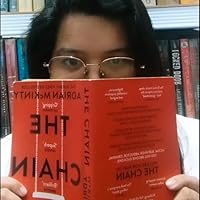
March 20, 2026
The Indio & The Impaler is a weirdly fun and imaginative “what if” take on Philippine history. As a history lover, I thoroughly enjoyed seeing how the story blended real historical figures with a supernatural twist—particularly the idea of Jose Rizal facing off against Dracula. The book gives readers a playful yet thought-provoking exploration of “what could have been,” making history feel alive and surprisingly unpredictable.
My favorite character was Islaw/Jose Rizal Jr., the brave and helpful apprentice of Dr. Jose Rizal. He stood out as a memorable and heroic figure, adding depth to the story and making Rizal’s world more relatable. One of the most shocking and memorable moments was when Jose Rizal seemed momentarily drawn to Dracula—not out of love, but under the vampire’s psychological pull—highlighting both Dracula’s manipulative power and the tension of the story’s “what if” scenario. Similarly, the kidnapped girl’s experience under Dracula’s influence underscored his ability to entangle minds and emotions, only for clarity and true feelings to eventually prevail.
The writing style is easy to follow, which allowed me to finish the book in a single day. Beyond its fun premise, the story offered meaningful insights: it showed Rizal’s wit and intelligence while reminding readers that even geniuses can’t do everything alone. It also highlighted the subtle lines between disagreements and friendships, particularly between Rizal and the priests, showing respect and mutual understanding despite differing beliefs.
While the alternate history and magical elements were thought-provoking, I found some of the fight scenes and Rizal’s newly found magic could have been more fully explored. Nevertheless, the book remains an enjoyable, imaginative ride that blends history with supernatural intrigue.
I would recommend The Indio & The Impaler to readers who love vampire stories, history, or a mix of both. It’s a fun, unusual read that offers both excitement and reflection on what might have been.
My favorite character was Islaw/Jose Rizal Jr., the brave and helpful apprentice of Dr. Jose Rizal. He stood out as a memorable and heroic figure, adding depth to the story and making Rizal’s world more relatable. One of the most shocking and memorable moments was when Jose Rizal seemed momentarily drawn to Dracula—not out of love, but under the vampire’s psychological pull—highlighting both Dracula’s manipulative power and the tension of the story’s “what if” scenario. Similarly, the kidnapped girl’s experience under Dracula’s influence underscored his ability to entangle minds and emotions, only for clarity and true feelings to eventually prevail.
The writing style is easy to follow, which allowed me to finish the book in a single day. Beyond its fun premise, the story offered meaningful insights: it showed Rizal’s wit and intelligence while reminding readers that even geniuses can’t do everything alone. It also highlighted the subtle lines between disagreements and friendships, particularly between Rizal and the priests, showing respect and mutual understanding despite differing beliefs.
While the alternate history and magical elements were thought-provoking, I found some of the fight scenes and Rizal’s newly found magic could have been more fully explored. Nevertheless, the book remains an enjoyable, imaginative ride that blends history with supernatural intrigue.
I would recommend The Indio & The Impaler to readers who love vampire stories, history, or a mix of both. It’s a fun, unusual read that offers both excitement and reflection on what might have been.

February 5, 2026
The writing sucks you in—fast and strong. It was genius to present the story as a letter—by Rizal, addressed to someone—for it forged an intimate tone throughout. How fascinating it is to enter a hero’s mind! Yes, he is learned and brilliant, but in many ways, also flawed and proud, to the point of arrogance.
The book dives deep into our rich history as a country, touches on our colonial mentality, and fearlessly tackles controversial topics like religion—challenging norms that are sure to ruffle feathers. It was also fascinating to see how the magic system of the West meets that of the East. Where they have their faes, dragons, and vampires, we have our agimat, anting-anting, and crystals. I’ve always wondered how that will fare.
There were many favorite parts (I honestly think there’s so much to unpack here, so much symbolism), but what stood out most for me was how, in the final chapters, Rizal stood and still represented the people—fighting not with paper and quill this time, but with all the ‘powers’ that are truly our own. He stood afraid, but he stood, to the very last of his strength. There was a moment he saw the future—how we, as a people, will fail this country, how we will be the architects of our own downfall—but Rizal fought anyway. The layers and depth of this story were surprising, and will get you severely introspecting long after you closed the book.
The end is satisfying, yes, but you will feel hollow. Like you need a drink. Or two days alone on a secluded beach just— marinating. And that must be the effect the author was going for.
This book isn't just about Rizal. It's about us. Our history, our failures, our forgotten power. It’s a reminder that the fight isn’t won by one man alone—not even one as brilliant as him. Evil is toppled only when we rise together, fiercely rooted in who we are. That’s the real magic, that’s the real power.
The book dives deep into our rich history as a country, touches on our colonial mentality, and fearlessly tackles controversial topics like religion—challenging norms that are sure to ruffle feathers. It was also fascinating to see how the magic system of the West meets that of the East. Where they have their faes, dragons, and vampires, we have our agimat, anting-anting, and crystals. I’ve always wondered how that will fare.
There were many favorite parts (I honestly think there’s so much to unpack here, so much symbolism), but what stood out most for me was how, in the final chapters, Rizal stood and still represented the people—fighting not with paper and quill this time, but with all the ‘powers’ that are truly our own. He stood afraid, but he stood, to the very last of his strength. There was a moment he saw the future—how we, as a people, will fail this country, how we will be the architects of our own downfall—but Rizal fought anyway. The layers and depth of this story were surprising, and will get you severely introspecting long after you closed the book.
The end is satisfying, yes, but you will feel hollow. Like you need a drink. Or two days alone on a secluded beach just— marinating. And that must be the effect the author was going for.
This book isn't just about Rizal. It's about us. Our history, our failures, our forgotten power. It’s a reminder that the fight isn’t won by one man alone—not even one as brilliant as him. Evil is toppled only when we rise together, fiercely rooted in who we are. That’s the real magic, that’s the real power.
This entire review has been hidden because of spoilers.

October 31, 2025
I was so delighted by this book. You can really tell that the author has done a great amount of research coupled with his vivid imagination and came up with this book.
There are so many elements in this book that he pieced so well together. Filipino culture, Spanish culture, Filipino history, a play between the Philippines then and the Philippines now, raising and referencing the corruption and politics.
Throughout it all, he kept it very light and humorous. I loved the spicy bits and the fluidity of sexual orientation in this one - totally unexpected. Had me screaming while reading.
I love the consistency of the character building also.
Overall, I predict this may well be one of the Filipino contemporary classics.
I have read noli me tangere and watched a reenactment documentary about rizal, however I still feel clueless about this guy - even though he is everywhere and is very well known as a national hero. But I liked this authors take on rizal and his approach.
Highly recommend. I can see this being essential reading in the future.
There are so many elements in this book that he pieced so well together. Filipino culture, Spanish culture, Filipino history, a play between the Philippines then and the Philippines now, raising and referencing the corruption and politics.
Throughout it all, he kept it very light and humorous. I loved the spicy bits and the fluidity of sexual orientation in this one - totally unexpected. Had me screaming while reading.
I love the consistency of the character building also.
Overall, I predict this may well be one of the Filipino contemporary classics.
I have read noli me tangere and watched a reenactment documentary about rizal, however I still feel clueless about this guy - even though he is everywhere and is very well known as a national hero. But I liked this authors take on rizal and his approach.
Highly recommend. I can see this being essential reading in the future.
This entire review has been hidden because of spoilers.

December 24, 2025
I liked the witty writing style with little swear words in every other sentence. Having Rizal's famous story stuck down our throats in high school, reading this was such a treat knowing the context vs international readers. I do like the not-so-subtle foreshadowing that the book does at some point. I also like how the author includes some meta plot point as well within the novel. And the title really says it all - Rizal getting to pit his wits against the wily and cunning Dracula. Halfway through the book I was already getting excited. There is a subtle undercurrent of LGBTQIA in the book, and I liked the ideas the author introduced in relation to this, including an exploration on whether the feelings are deepseated and newly unearthed, or if they were manipulations or twisted from the truth? There were also mentions of Philippine folklore, and I like how Dracula and his character is so distinct from your regular aswang. This book is very cleverly done and written from a point of view that makes you respect Rizal's intellect and his inner workings.
The actual battle is somewhat drawn out, but if you asked me, I rather preferred the intellectual meeting of the minds and thus enjoyed the banquet chapters a lot more than the actual fight scenes. Nevertheless, an enjoyable and short book all in all.
The actual battle is somewhat drawn out, but if you asked me, I rather preferred the intellectual meeting of the minds and thus enjoyed the banquet chapters a lot more than the actual fight scenes. Nevertheless, an enjoyable and short book all in all.

February 9, 2026
I had a fun time reading this book.
As someone currently studying history in college, it was a breath of fresh air to read historical fiction, especially about Jose Rizal.
I enjoyed how the author wrote Rizal's character. His interactions with the other characters, especially with the Guardia Civil, always made me chuckle because it felt like he was saying the things I would've said if I were in his position. As to say, the author did a great job in setting the scene.
I liked how the author attempted to blend the contemporary style of writing with the 18th-century one. Although some of the dialogue did feel out of place, it was still enjoyable. I tabbed so many pages where I laughed out loud. However, there were times when the author would describe the female characters that would make me go, "yep, this book was written by a man." IYKYK
Another thing I really enjoyed while reading was the very prevalent homosexual tensions and themes. While I was reading this book, I kept gushing how gay it was, and she said it wasn't suprising a book that included Dracula is very gay. According to her, anything with vampires in it is bound to be gay, and she isn't wrong, especially with this book.
Anyhow, I might re-read this book next time because of how fun it is.
As someone currently studying history in college, it was a breath of fresh air to read historical fiction, especially about Jose Rizal.
I enjoyed how the author wrote Rizal's character. His interactions with the other characters, especially with the Guardia Civil, always made me chuckle because it felt like he was saying the things I would've said if I were in his position. As to say, the author did a great job in setting the scene.
I liked how the author attempted to blend the contemporary style of writing with the 18th-century one. Although some of the dialogue did feel out of place, it was still enjoyable. I tabbed so many pages where I laughed out loud. However, there were times when the author would describe the female characters that would make me go, "yep, this book was written by a man." IYKYK
Another thing I really enjoyed while reading was the very prevalent homosexual tensions and themes. While I was reading this book, I kept gushing how gay it was, and she said it wasn't suprising a book that included Dracula is very gay. According to her, anything with vampires in it is bound to be gay, and she isn't wrong, especially with this book.
Anyhow, I might re-read this book next time because of how fun it is.
This entire review has been hidden because of spoilers.

January 18, 2026
The Indio and the Impaler was an absolute joy to read. What immediately stood out to me was the author’s impressive storytelling, depth, and distinctive writing style. This is the kind of book that keeps you genuinely engaged from start to finish.
What I loved most was that I honestly didn’t know where the story was headed. As an avid reader, I usually find myself predicting the plot early on, but this book constantly surprised me. It begins as historical fiction with a touch of comedy, then seamlessly weaves in elements of romance, horror and fantasy. The blend of genres was done so well, it felt like an awesome combination of all my favorite kinds of stories in one book.
The unexpected appearances and references were delightful surprises (Even Sherlock makes a brief appearance!), adding to the charm and cleverness of the narrative. I also enjoyed the author’s self-insertion, it felt playful and personal rather than distracting. And the description of Crocs? That genuinely made me laugh out loud.
Overall, The Indio and the Impaler is a refreshing, unpredictable, and highly entertaining read. I finished the book smiling and already eager to read more from this author. Highly recommended.
What I loved most was that I honestly didn’t know where the story was headed. As an avid reader, I usually find myself predicting the plot early on, but this book constantly surprised me. It begins as historical fiction with a touch of comedy, then seamlessly weaves in elements of romance, horror and fantasy. The blend of genres was done so well, it felt like an awesome combination of all my favorite kinds of stories in one book.
The unexpected appearances and references were delightful surprises (Even Sherlock makes a brief appearance!), adding to the charm and cleverness of the narrative. I also enjoyed the author’s self-insertion, it felt playful and personal rather than distracting. And the description of Crocs? That genuinely made me laugh out loud.
Overall, The Indio and the Impaler is a refreshing, unpredictable, and highly entertaining read. I finished the book smiling and already eager to read more from this author. Highly recommended.
September 28, 2025
This is a fun book, will appeal to history geeks, to those who are into the supernatural, to those who are into action fantasy/duel or fighting scenes/superpower stuff, to those who read fanfiction ships--the range diba haha. Which will be able to kill a vampire--science, folk beliefs, religion, or Rizal's brain/big ego? There is a person and place to be saved, and people who saves.
I've read the author's short story before where Sherlock and Rizal met. Now, it's Dracula and Rizal. I wish this becomes a series (ibang tao/character ulit!)🤞
This can also be recommended to other international readers especially Southeast Asians because countries like Malaysia and Indonesia are familiar with Jose Rizal, and because there are similarities in folk practices/beliefs.
I've read the author's short story before where Sherlock and Rizal met. Now, it's Dracula and Rizal. I wish this becomes a series (ibang tao/character ulit!)🤞
This can also be recommended to other international readers especially Southeast Asians because countries like Malaysia and Indonesia are familiar with Jose Rizal, and because there are similarities in folk practices/beliefs.

November 12, 2025
“Rizal Versus Dracula”
I think that’s the shortest book pitch that would immediately have me seated. It’s like I’m reading an episode of my favorite manga, Record of Ragnarok, where a god-like being would battle against one of mankind’s greatest champions. My favorite page is 295; I was just grinning as I saw the present Philippines reflected in every word.
I adore books that weave universes beyond common imagination—something unapologetic, something that would leave a foul taste to a reader limited by their own moral compass, something that bites! This book reminded me to write outside the box. To touch horizons no one dared to entangle. To be a tabula rasa!
⭐️⭐️⭐️⭐️⭐️
I think that’s the shortest book pitch that would immediately have me seated. It’s like I’m reading an episode of my favorite manga, Record of Ragnarok, where a god-like being would battle against one of mankind’s greatest champions. My favorite page is 295; I was just grinning as I saw the present Philippines reflected in every word.
I adore books that weave universes beyond common imagination—something unapologetic, something that would leave a foul taste to a reader limited by their own moral compass, something that bites! This book reminded me to write outside the box. To touch horizons no one dared to entangle. To be a tabula rasa!
⭐️⭐️⭐️⭐️⭐️

December 30, 2025
Plot or Character Driven: A mix
Strong character development: Yes
Loveable characters: Yes
Diverse cast of characters: Yes
Flaws of characters a main focus: Yes
Strong character development: Yes
Loveable characters: Yes
Diverse cast of characters: Yes
Flaws of characters a main focus: Yes

Read
July 19, 2026that rizal x sherlock fanfic was everything 🙂↕️

April 5, 2026
I am DONE with this book.
Well, figuratively. I couldn’t bring myself to read halfway through no matter how hard I tried.
Reading the blurb, you’d expect a sophisticated writing style but no. The author’s prose really is unappealing, sorry. This was a total letdown.
I’ll edit this review soon to expound my point with grace. Right now, I’m still sad and angry because I bought this with my own money. Por dios.
Well, figuratively. I couldn’t bring myself to read halfway through no matter how hard I tried.
Reading the blurb, you’d expect a sophisticated writing style but no. The author’s prose really is unappealing, sorry. This was a total letdown.
I’ll edit this review soon to expound my point with grace. Right now, I’m still sad and angry because I bought this with my own money. Por dios.

November 3, 2025
3.5
rizal ever the baby girl w plot armor
rizal ever the baby girl w plot armor

May 13, 2026
This book was a wild ride. I was obviously hooked from the central premise: the national hero of the Philippines fighting Dracula in a colonial horror story? This is something so up my alley!
Going in blind though, it's a wild trip. There's some homoerotic tension between Dracula and Rizal that was incredibly unexpected. A cameo from Sherlock Holmes came out of left field (which is forgivable when you learn later that the author wrote a short story prior to this novel where the two met). Then time travel magic, including a fourth wall-breaking appearance from the author himself nearly pushed me into incredulity. The religious theming paired with the colonial metaphor of vampirism felt a bit difficult to understand at times. If vampirism functions as the colonial force, why does the Catholic religious symbology work so cleanly in fighting the vampire? This often felt confusing.
I was nearly going to write the book off as merely a fun romp, but not one that I would think of after finishing the book. However, the climax of the book contained such a beautiful scene of Jose Rizal being shown the future of the Philippines, of everything that comes following the end of Spanish colonial rule, and such horrors nearly causing him to be defeated by the vampire. It was such a beautiful and moving scene that I found myself crying. That scene makes the whole book worth it and makes me want to read Ong's other work!
Going in blind though, it's a wild trip. There's some homoerotic tension between Dracula and Rizal that was incredibly unexpected. A cameo from Sherlock Holmes came out of left field (which is forgivable when you learn later that the author wrote a short story prior to this novel where the two met). Then time travel magic, including a fourth wall-breaking appearance from the author himself nearly pushed me into incredulity. The religious theming paired with the colonial metaphor of vampirism felt a bit difficult to understand at times. If vampirism functions as the colonial force, why does the Catholic religious symbology work so cleanly in fighting the vampire? This often felt confusing.
I was nearly going to write the book off as merely a fun romp, but not one that I would think of after finishing the book. However, the climax of the book contained such a beautiful scene of Jose Rizal being shown the future of the Philippines, of everything that comes following the end of Spanish colonial rule, and such horrors nearly causing him to be defeated by the vampire. It was such a beautiful and moving scene that I found myself crying. That scene makes the whole book worth it and makes me want to read Ong's other work!
This entire review has been hidden because of spoilers.

Read
April 23, 2026for bingo: set in a place I'd like to visit (Philippines)
This book was equal parts endearing and absolutely ridiculous
I loved it
This book was equal parts endearing and absolutely ridiculous
I loved it

August 31, 2026
The Indio and the Impaler brought Rizal into a new light, one filled with magic and adventure. With this new setting, I expected high stakes, tension, and conflict. Instead, it offered wit, banter, and humor. It was definitely an entertaining read that deviated from expectations.
Characterization. The following are the characters I identified as mostly visible throughout the story: Rizal, Impaler, Pilar, Islaw, and Padre Sousa.
Rizal. The man of the hour and our main character. I like his personality and attitude in the story, and also the growing arrogance once he knew the effect of his novels. I also admired his quick wit and way with words when bantering with friends; it really shows what a writer he is.
Impaler or Pulang-Pangil. To avoid spoilers, I would just say I like how cunning and smart Rizal’s rival is. He’s powerful both in strength and intelligence, a real match for the hero.
Pilar. Brave, strong, and beautiful, but sometimes remembered as merely “a woman”. She played the role of women during the time of Rizal, showing the contrast and differences in freedom and opportunities between the two sexes.
Islaw. Representing “ang kabataan ang pag-asa ng bayan”; a young, brilliant student of Rizal whom he admires highly.
Padre Sousa. A devoted follower of the Catholic Church yet remains open to questioning beliefs.
Note: I could not say more for fear of spoilers. My only gripe with the characters is that they didn’t connect to me as a reader, so I rarely searched for them in the story or didn’t care what happened to them. I could see scenes written to provoke emotion, but then again, I wasn’t connected to the characters.
Pacing and Plot. For this, I felt it was slow yet predictable. Sure, there are twists to keep you on edge or surprised, but generally, you already have an idea of what will happen.
Writing style. Well, this is the most entertaining. I like the added words in Spanish and Filipino to give a dash of immersion. But truthfully, it does the opposite once you get into later chapters.
I have to point out that the style is written as if Rizal is writing a letter to Blumentritt. That was a brilliant approach since it gives life to our main character, adding more personality while amusing us readers. Lastly, the writing style threw me in a loop in the first chapters since, initially, I thought the characters would use formal language (they do); I was just surprised when they made modern jokes or “corny!”
Themes. Now, there are a lot of themes that are quite sensitive discussed here, and quite bravely. One of them is religion, where the characters questioned the authority and the existence of God. I believe it was essential for the characters to show that they are open to change and the dawn of a new era. They also questioned the role of Christianity, distancing themselves from the colonial mindset.
In addition, there is the misogyny and blatant sexism that Pilar made clearer. It was uncomfortable but needed, and I’m satisfied the author took that route.
It was brave when they talked about certain people by the end of the book; even though it was only describing them, it was scary that I knew which one was which
There are other themes worth discussing, but I sadly didn’t note the others.
Ending. It was somehow anticlimactic but fitting to his character.
NOTE: What is written above is my personal opinion; I am not an expert in this. Only a lover of literature and interested in writing book reviews.
All in all, this is a bold and new approach in Filipino stories. I am wondering what the author's next work is.
Characterization. The following are the characters I identified as mostly visible throughout the story: Rizal, Impaler, Pilar, Islaw, and Padre Sousa.
Rizal. The man of the hour and our main character. I like his personality and attitude in the story, and also the growing arrogance once he knew the effect of his novels. I also admired his quick wit and way with words when bantering with friends; it really shows what a writer he is.
Impaler or Pulang-Pangil. To avoid spoilers, I would just say I like how cunning and smart Rizal’s rival is. He’s powerful both in strength and intelligence, a real match for the hero.
Pilar. Brave, strong, and beautiful, but sometimes remembered as merely “a woman”. She played the role of women during the time of Rizal, showing the contrast and differences in freedom and opportunities between the two sexes.
Islaw. Representing “ang kabataan ang pag-asa ng bayan”; a young, brilliant student of Rizal whom he admires highly.
Padre Sousa. A devoted follower of the Catholic Church yet remains open to questioning beliefs.
Note: I could not say more for fear of spoilers. My only gripe with the characters is that they didn’t connect to me as a reader, so I rarely searched for them in the story or didn’t care what happened to them. I could see scenes written to provoke emotion, but then again, I wasn’t connected to the characters.
Pacing and Plot. For this, I felt it was slow yet predictable. Sure, there are twists to keep you on edge or surprised, but generally, you already have an idea of what will happen.
Writing style. Well, this is the most entertaining. I like the added words in Spanish and Filipino to give a dash of immersion. But truthfully, it does the opposite once you get into later chapters.
I have to point out that the style is written as if Rizal is writing a letter to Blumentritt. That was a brilliant approach since it gives life to our main character, adding more personality while amusing us readers. Lastly, the writing style threw me in a loop in the first chapters since, initially, I thought the characters would use formal language (they do); I was just surprised when they made modern jokes or “corny!”
Themes. Now, there are a lot of themes that are quite sensitive discussed here, and quite bravely. One of them is religion, where the characters questioned the authority and the existence of God. I believe it was essential for the characters to show that they are open to change and the dawn of a new era. They also questioned the role of Christianity, distancing themselves from the colonial mindset.
In addition, there is the misogyny and blatant sexism that Pilar made clearer. It was uncomfortable but needed, and I’m satisfied the author took that route.
It was brave when they talked about certain people by the end of the book; even though it was only describing them, it was scary that I knew which one was which
There are other themes worth discussing, but I sadly didn’t note the others.
Ending. It was somehow anticlimactic but fitting to his character.
NOTE: What is written above is my personal opinion; I am not an expert in this. Only a lover of literature and interested in writing book reviews.
All in all, this is a bold and new approach in Filipino stories. I am wondering what the author's next work is.

December 20, 2025
"The oppressed always found ways to resist."
Jose Rizal's exiled in Dapitan, and when his student suddenly disappeared, he set out to investigate only to find out Count Dracula did it.
This book has been circling my bookstagram. I mean, look at that cover? It will always be one of my favorite this year. If you ask me what book I bought based on the cover, this is the answer.
Let me preface this by saying that going in, I had high expectations. I have only read raving and positive reviews so I was very excited to read this.
But you know what they say when you have your hopes up, you'll be bound for disappointment.
"The Spaniards could destroy paper, but they could never kill the flame of my ideas."
First off, I love the first half of the book. I love seeing a reimagining of Rizal. We are in his POV. He's a diva, he's sassy, he's smart, quick and witty with a great sense of humor and sarcasm. I love the Filipino representation of this book: from the place, to the side characters, even through the food. It's good to read books you understand the culture, history and even the settings.
The premise sounded so intriguing. Ngl. I always love me some mystery thriller gothic vibes, but this? Made by a Filipino based on our national hero? Top tier. I haven't read Dracula or anything like that so I was expecting gothic horror creepy vibes, but initially didn't really get it. He can be any vampire for all I know and it wouldn't make a difference to me.
Like I said, I love the first half where Rizal was investigating things, when the mystery was still
shrouded with darkness and atmospheric eerie vibes. However, as we go along the story, like the second half, I was slowly losing interest. The battle felt dragged on to the point where I couldn't care less of the outcome.
I was even questioning, all that trouble for a single human? What for? I wished we saw more of Pilar's (the student who was kidnapped) character to see what made her so special to ensue this level of chaos. Maybe I am just not invested as much as I would've liked.
Three stars, with an added one star purely for the cover.
Jose Rizal's exiled in Dapitan, and when his student suddenly disappeared, he set out to investigate only to find out Count Dracula did it.
This book has been circling my bookstagram. I mean, look at that cover? It will always be one of my favorite this year. If you ask me what book I bought based on the cover, this is the answer.
Let me preface this by saying that going in, I had high expectations. I have only read raving and positive reviews so I was very excited to read this.
But you know what they say when you have your hopes up, you'll be bound for disappointment.
"The Spaniards could destroy paper, but they could never kill the flame of my ideas."
First off, I love the first half of the book. I love seeing a reimagining of Rizal. We are in his POV. He's a diva, he's sassy, he's smart, quick and witty with a great sense of humor and sarcasm. I love the Filipino representation of this book: from the place, to the side characters, even through the food. It's good to read books you understand the culture, history and even the settings.
The premise sounded so intriguing. Ngl. I always love me some mystery thriller gothic vibes, but this? Made by a Filipino based on our national hero? Top tier. I haven't read Dracula or anything like that so I was expecting gothic horror creepy vibes, but initially didn't really get it. He can be any vampire for all I know and it wouldn't make a difference to me.
Like I said, I love the first half where Rizal was investigating things, when the mystery was still
shrouded with darkness and atmospheric eerie vibes. However, as we go along the story, like the second half, I was slowly losing interest. The battle felt dragged on to the point where I couldn't care less of the outcome.
I was even questioning, all that trouble for a single human? What for? I wished we saw more of Pilar's (the student who was kidnapped) character to see what made her so special to ensue this level of chaos. Maybe I am just not invested as much as I would've liked.
Three stars, with an added one star purely for the cover.

November 17, 2025
I came across this book as it was one of the tours in TFS, and my friends were lining up to get their books signed during MIBF. Since it was not part of my budget at that time, I did not buy it. Somehow after MIBF, my clubmates from TFS and TBTM have been raving about it, and it made me decide to have it. But it took me a while to really purchase it, as it had been sold out in the online store where I usually buy my stuff.
“I’m coming for your heart” – this is the very foundation of the plot. Will he fight for his own heart, or the one he loves—his country? And indeed, he fights until his body is tattered and bruised. The story has been so interesting to dive into; it gives us a different side of a fictional Rizal, showing that he can be as feisty as Bonifacio.
Somehow, it did not diminish his ingenuity. He is still this brainiac intellect, and Wincy includes many book references in some dialogues, which make a good rationalization of how he fought the Prince of Darkness. Through his thorough research and learning, he finds ways.
The inclusion of the gender theme enables the story to discuss the lack of openness during those times. To add, it makes sense in relation to the notion of the fluidity of Dracula’s gender. Probably with his immortal life, he indeed wants to be with someone with good intellect. Somehow, living for a thousand years would be boring if he is talking to a nonsense individual.
Moreover, Dracula is written differently. He is not as vicious as we perceive him in other books. With the scenario that this is after his defeat in his own story, I would say he is having more fun in the Philippines.
This book somehow gave me a storm of emotions; it made me laugh, anxious, and even teary-eyed. It has a lot of genres involved—thriller, horror, drama, and more.
I met Wincy during a watch party event of Pinoy Speculative Fiction, and it was a good discussion with him. Learning the journey and the alternate plot is mind-blowing. It was like: what if this certain plot was included, what could have been the flow of the story?
We discussed the mixed reviews from readers as well, especially those who treat Rizal as a deity. Someone holy without a tarnish in his respectable individuality, this book is quite different from what they perceive him to be. However, this is a work of art. I believe Rizal was not degraded in any form or by the writing. I guess readers have their own reflections, which makes it a book for them or not.
“I’m coming for your heart” – this is the very foundation of the plot. Will he fight for his own heart, or the one he loves—his country? And indeed, he fights until his body is tattered and bruised. The story has been so interesting to dive into; it gives us a different side of a fictional Rizal, showing that he can be as feisty as Bonifacio.
Somehow, it did not diminish his ingenuity. He is still this brainiac intellect, and Wincy includes many book references in some dialogues, which make a good rationalization of how he fought the Prince of Darkness. Through his thorough research and learning, he finds ways.
The inclusion of the gender theme enables the story to discuss the lack of openness during those times. To add, it makes sense in relation to the notion of the fluidity of Dracula’s gender. Probably with his immortal life, he indeed wants to be with someone with good intellect. Somehow, living for a thousand years would be boring if he is talking to a nonsense individual.
Moreover, Dracula is written differently. He is not as vicious as we perceive him in other books. With the scenario that this is after his defeat in his own story, I would say he is having more fun in the Philippines.
This book somehow gave me a storm of emotions; it made me laugh, anxious, and even teary-eyed. It has a lot of genres involved—thriller, horror, drama, and more.
I met Wincy during a watch party event of Pinoy Speculative Fiction, and it was a good discussion with him. Learning the journey and the alternate plot is mind-blowing. It was like: what if this certain plot was included, what could have been the flow of the story?
We discussed the mixed reviews from readers as well, especially those who treat Rizal as a deity. Someone holy without a tarnish in his respectable individuality, this book is quite different from what they perceive him to be. However, this is a work of art. I believe Rizal was not degraded in any form or by the writing. I guess readers have their own reflections, which makes it a book for them or not.
Displaying 1 - 30 of 50 reviews