

What do you think?

The Fiery Angel
The Fiery Angel is one of the great achievements of modern Russian literature, as powerful and revolutionary as its contemporary, Mikhail Bulgakov's The Master and Margarita. In a vividly atmospheric recreation of the occult underworld of sixteenth century Germany, during the age of the Inquisition, three souls meet; an innocent young man choosing between Love and Duty, a woman prone to visions and a Knight, who is either an angel or a demon. Religious experience and sexual hysteria meet in an apocalyptic vision of the spiritual crisis of modern life. The Fiery Angel is one of the great novels of decadent occultism.
First published January 1, 1908
About the author
Valery Bryusov
173 books43 followersValery Yakovlevich Bryusov (Russian: Валерий Яковлевич Брюсов; December 13, 1873 – October 9, 1924) was a Russian poet, prose writer, dramatist, translator, critic and historian. He was one of the principal members of the Russian Symbolist movement.
Russian profile here Валерий Яковлевич Брюсов
Russian profile here Валерий Яковлевич Брюсов
Ratings & Reviews
Friends & Following
Create a free account to discover what your friends think of this book!
Community Reviews
Displaying 1 - 30 of 43 reviews

February 26, 2018
The Fiery Angel is a unique hybrid of Gothic novel and roman à clef – in a symbolic and grotesque way it portrays the relationships between Valery Bryusov, Nina Petrovskaya, and Andrei Bely.
The narration has an apparent satirical vein and the depiction of the Witches’ Sabbath is especially mockingly picturesque.
And there is a special accolade of becoming a Devil’s disciple:
But despite all the satirical hues the tale ends tragically…
Those who believe in God must also believe in the Devil so serving God they unwittingly serve the Devil too.
The narration has an apparent satirical vein and the depiction of the Witches’ Sabbath is especially mockingly picturesque.
I also asked if the snakes and tritons, crawling under our feet, could do us any harm but Sarraska, laughing happily, assured me that the creatures are sweet and harmless and, dragging a snake from under the table, entwined it around her breasts; the snake started tenderly licking her neck with its forked tongue and was playfully biting her red nipple.
And there is a special accolade of becoming a Devil’s disciple:
And I gave Master Leonard two prescribed kisses. For the first one he mercifully offered me his hand and touching it with my lips, I could see one peculiarity: all the fingers and a thumb were of the equal length, crooked and clawed like those of a vulture. For the second kiss he stood up, turned to me his back, raising his tail, long as the one of a donkey, above me, and I, playing my role perfectly, stooped down and osculated the goat’s ass, black and exuding disgusting mephitis, but at the same time strangely reminding of a human countenance.
But despite all the satirical hues the tale ends tragically…
Those who believe in God must also believe in the Devil so serving God they unwittingly serve the Devil too.

March 21, 2022

Prokofievs’s Symphony nº 3 is playing in my sitting room while I write this.
I read this novel in preparation for the performance at the Teatro Real of Prokofiev’s eponymous opera. The composer also wrote the libretto.
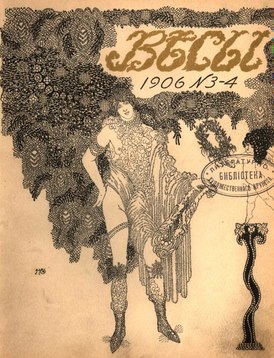
The Fiery Angel, by the Russian Symbolist Valery Bryusov (1873-1924) first appeared in serialized format in 1907-1908 in the literary Symbolist magazine Vesy (Весы). It is a peculiar novel. Written in clear prose (as far as one can tell from a translated version) it is, however, not an easy book for a 21st century reader. The intensity of the subject (for it dwells with black magic, the occult, demons, ambiguous angels, various spirits, mysticism, and obsessive religion) confronts, uncomfortably, the modern reader. This esoteric world also confronts the narrator, Ruprecht, a Landsknecht who has been under the aegis of the emperor (Charles V), , and who after a series of adventures in New Spain, returns to Germany around the mid 1530s. There his adventures become even more alarming as he meets and falls in love passionately with Renata and gets embroiled in her arcane world. When Renata was a young girl, had “experiences” with Madiel, the Fiery Angel of the title. Ruprecht and Renata begin a twisted love relationship in which the hysterical Renata pushes and pulls Ruprecht while she looks for this Madiel, who she thinks has reincarnated himself as Count Heinrich.
I usually don’t favour dwelling on the plots of the books I review, but this novel presents a special case.
There are several additional striking aspects in this novel. In the Preface Bruysov presents the account (which he calls Tales) as if it were a real document that he has found (à la Don Quixote), commenting in a cool and detached tone on its veracity and literary and intellectual worthiness. Striking also is the excruciatingly erudite content of the novel, - which is one of the aspects Bruyson comments on and which will baffle the modern reader. Finally, it is a roman-à-clef: Ruprecht, Renata and Count Heinrich were the love triangle formed by Bryusov, Nina Petrovskaya, and Andrei Bely respectively -- all Symbolist writers involved in the literary magazine Vesy.
Prokofiev (1891-1953) first encountered this novel not in Russia but in the US. After the Chicago opera rejected his Three Oranges, he was presented with this book by a friend. What struck the composer were the intensity and passionate drive of the characters while he rejected most of the esoteric material. He makes Renata, not Ruprecht, the main character of the musical version. He wrote in his diaries that he just had to avoid the magical content for it could easily convert the work into a simple farce. At that time Prokofiev was getting involved with Lina Kodina, whom he soon married. At first, he had no inkling of the “roman à clef” aspect of the book, for it was later that he learnt this from the painter Anna Ostroumova-Lebedeva (1871-1955), while she painted his portrait in Paris.

Prokofiev worked on the musical composition over a relatively long time, from 1919 to 1927, and mostly while in Germany. The opera, however, was not produced until November 1953, a few months after Prokofiev’s death, in the Parisian Théâtre des Champs Elysées. The first real attempt at putting it on stage had been supported in Berlin by no less than Bruno Walter, but in the end, it had to be dropped. Having lost hope on the feasibility of the opera, Prokofiev reused the musical material for what became, in 1928, his Symphony Nº 3. The opera was first produced in 1991 in the Mariinsky under the baton of Gergiev.
The current Madrid production, designed by Calixto Beito, proposes a more modern interpretation of this story of maddening passion, moving one step further away from Bryusov’s novel than did the Prokofiev. Renata is presented as a woman despairingly terrified and trapped by a perturbed sexuality. The implication is that she had been sexually abused in her childhood by an adult whom, in her mind, she has transformed into this Madiel, the Fiery Angel. The esoteric material is thus transformed, and the love triangle of the Symbolists has vanished.

With this interpretation Beito’s stage conceived of a complex rotating structure of metal with separate wooden cases, representing the various compartments of Renata’s tortured mind. This was successful. And while this metallic cube presents Renata’s revolving mind chambers, the soprano stays on the stage during the two hours that the opera lasts, singing what is really a continuous chant of utter despair. Renata’s role must be one of the most difficult soprano parts ever composed, for apart from her extended singing, this role requires striking the most uncomfortable poses that contribute to the overall impression of great intensity.
The Real had two different casts for the ten scheduled performances. The Lithuanian Ausrine Stundyte sang when I attended. She was formidable.

July 27, 2018
“Ognjeni anđeo ili Istinita pripovest u kojoj je reč o đavolu koji se u obliku svetloga duha više puta pokazivao jednoj devojci i kušao je na razne grešne prestupe, o bogoprotivnim bavljenjima magijom, astrologijom, goetijom i nekromantijom, o suđenju toj devojci pod predsedništvom njegovog preosveštenstva nadbiskupa trirskog kao i o susretima i razgovorima s vitezom i trostrukim doktorom Agripom iz Neteshajma i doktorom Faustom, sve ispisano rukom očiglednog svedoka“ je pun naziv i siže ovog romana Valerija Brjusova. Da biste knjigu pročitali sa oduševljenjem i u dahu, potrebno je da za okultizam imate više interesovanja (ili vere) od mene. Ipak, nisam se pokajala. Štaviše, zabavila sam se za sve pare, a Brjusov me je potpuno oduševio, na više nivoa. Evo, redom:
Najupečatljiviji utisak je, svakako, autorova učenost i poznavanje materije. To sve zaključujemo iz veoma izdašnih prevodiočevih napomena, gde se poimence navodi otkud Brjusovu informacija da je Isus na Maslinovoj gori prolio tačno 97307 kapi krvavog znoja, da će nam Nečastivi prilikom audijencije okrenuti dlakavu guzicu za celov, koji demoni polno opšte sa muškarcima, a koji sa ženama i kako to one ostaju bremenite kad je đavolsko seme neplodno, kako doslovce zvuči jedno inkvizitorsko suđenje sprovedeno prema precizno definisanim pravilnicima, kako se deca demončići zabavljaju na sabatima čuvajući kraj jezerceta dlakave žabe... i još stotine sličnih fantastičnosti i bizarnosti, dok vam ne stane pamet. Da, moglo bi se reći da je ovo svojevrsna enciklopedija okultizma, ali, kad to shvatite (ma koliko da vas ne zanima), ipak nastavite sa čitanjem, jer poenta, zapravo, i nije u tome. Jednako fascinantno je piščevo poznavanje životnih prilika u srednjovekovnoj nemačkoj (uglavnom Keln, XVI vek), umetnosti, filozofije, sholastike, antičke književnosti (na prvom mestu Vergilija, koga je i prevodio), viteških redova, njihovih navika i posrnuća i sve tako redom, da mu Umberto Eko zdravo pozavidi.
Ognjeni anđeo je sav iz oprečnih dualnosti: hriščansko – okultno, muško – žensko, bludno – čedno, ali je, makar za mene, ključna ona koja se tiče zatucane prestravljenosti spremne da poveruje u šta bilo i racionalne prosvećenosti koja i najcrnjoj sotoni pokazuje renesansi srednji prst, i to sve češće i sve hrabrije baš u vreme opisanih događaja. Brjusov se, istina, eksplicitno ne izjašnjava da li u magiju treba verovati ili ne, ali je moj utisak da mu je ton sve vreme satiričan i da, više od svih bogova i demona veruje u čudesne moći ljubavi, sa najjačim akcentom na vaginu. Uz tu ideju mi zgodno pristaje i podatak iz Brjusovljeve biografije – tačan ili netačan, kako god – o tome kako su se on i Andrej Beli takmili i na svakojake načine dovijali da osvoje devetnaestogodišnju Ninu Petrovsku. Sem toga, Brjusov, pre svega pesnik i prevodilac, izjašnjavao se kao simbolista, podvrste mistični anarhist (<3). Dodatno, narator Rupreht prilično hladno govori o svojim ljubavnim patnjama, bez obzira što u jednom trenutku samu dušu prodaje đavolu ne bi li utažio strasti za dragom, a da je ta Renata oko koje nastaje čitavo zamešateljstvo i čiju prevrtljivost i ćudljivost ne mogu opravdati ni najmagičnije čini, jedna od najogavnijih ženetina čitave istorije književnosti (najzad razumem šta, ustvari, znači „likuša“). Rečju, ja mislim da Brjusov misli da su Đavola izmislili sladostrasni pesnici da bi žene odveli u krevet, a onda je crkva, shodno svojoj megalomanskoj suštini, sve podigla na nivo ozbiljnog biznisa.
Stilom i manirom „Ognjeni anđeo“ me više podseća srednjovekovni roman nego na ma kog Rusa. Velike sličnosti sa Bulgakovim ne vidim (ok, ima dosta zajedničkih elementa, ali taman koliko i sve knjige koje obrađuju sličnu temu, ali svaka ide ka sopstvenom cilju). Svi likovi, uključujući i Fausta, Mefista i Agripu su solidno razvijeni, radnja je linearna, naracija mirna i jasna, a priča uzbudljiva, sa mnogo mogućnosti tumačenja, malo rupa, zdrave suptilne satire, mnogo istorijskih informacija i mnogo sarkazma, pa svako može pronaći nešto za sebe, bilo da traži underground sf, istorijsku fikciju, okultni, gotski, satirični ili pak (malo uvrnut) ljubavni roman.
Prevod Petra Vujičića (za Službeni glasnik) arhaičnim, ali bez problema čitljivim tonom dodatno doprinosi atmosferi, skupa sa brojnim komentarima. Kao i uvek kada je reč o veoma obrazovanom piscu koji pravi silne aluzije i uvodi desetine istorijskih ličnosti, i ovde je, verujem, bilo teško pretpostaviti stepen informisanosti potencijalnog čitaoca i shodno tome naći meru napomenama, pa rešenje „koga interesuje više – snaći će se“ možda jeste najkorektniji pristup.
Veoma dobro.
Najupečatljiviji utisak je, svakako, autorova učenost i poznavanje materije. To sve zaključujemo iz veoma izdašnih prevodiočevih napomena, gde se poimence navodi otkud Brjusovu informacija da je Isus na Maslinovoj gori prolio tačno 97307 kapi krvavog znoja, da će nam Nečastivi prilikom audijencije okrenuti dlakavu guzicu za celov, koji demoni polno opšte sa muškarcima, a koji sa ženama i kako to one ostaju bremenite kad je đavolsko seme neplodno, kako doslovce zvuči jedno inkvizitorsko suđenje sprovedeno prema precizno definisanim pravilnicima, kako se deca demončići zabavljaju na sabatima čuvajući kraj jezerceta dlakave žabe... i još stotine sličnih fantastičnosti i bizarnosti, dok vam ne stane pamet. Da, moglo bi se reći da je ovo svojevrsna enciklopedija okultizma, ali, kad to shvatite (ma koliko da vas ne zanima), ipak nastavite sa čitanjem, jer poenta, zapravo, i nije u tome. Jednako fascinantno je piščevo poznavanje životnih prilika u srednjovekovnoj nemačkoj (uglavnom Keln, XVI vek), umetnosti, filozofije, sholastike, antičke književnosti (na prvom mestu Vergilija, koga je i prevodio), viteških redova, njihovih navika i posrnuća i sve tako redom, da mu Umberto Eko zdravo pozavidi.
Ognjeni anđeo je sav iz oprečnih dualnosti: hriščansko – okultno, muško – žensko, bludno – čedno, ali je, makar za mene, ključna ona koja se tiče zatucane prestravljenosti spremne da poveruje u šta bilo i racionalne prosvećenosti koja i najcrnjoj sotoni pokazuje renesansi srednji prst, i to sve češće i sve hrabrije baš u vreme opisanih događaja. Brjusov se, istina, eksplicitno ne izjašnjava da li u magiju treba verovati ili ne, ali je moj utisak da mu je ton sve vreme satiričan i da, više od svih bogova i demona veruje u čudesne moći ljubavi, sa najjačim akcentom na vaginu. Uz tu ideju mi zgodno pristaje i podatak iz Brjusovljeve biografije – tačan ili netačan, kako god – o tome kako su se on i Andrej Beli takmili i na svakojake načine dovijali da osvoje devetnaestogodišnju Ninu Petrovsku. Sem toga, Brjusov, pre svega pesnik i prevodilac, izjašnjavao se kao simbolista, podvrste mistični anarhist (<3). Dodatno, narator Rupreht prilično hladno govori o svojim ljubavnim patnjama, bez obzira što u jednom trenutku samu dušu prodaje đavolu ne bi li utažio strasti za dragom, a da je ta Renata oko koje nastaje čitavo zamešateljstvo i čiju prevrtljivost i ćudljivost ne mogu opravdati ni najmagičnije čini, jedna od najogavnijih ženetina čitave istorije književnosti (najzad razumem šta, ustvari, znači „likuša“). Rečju, ja mislim da Brjusov misli da su Đavola izmislili sladostrasni pesnici da bi žene odveli u krevet, a onda je crkva, shodno svojoj megalomanskoj suštini, sve podigla na nivo ozbiljnog biznisa.
Stilom i manirom „Ognjeni anđeo“ me više podseća srednjovekovni roman nego na ma kog Rusa. Velike sličnosti sa Bulgakovim ne vidim (ok, ima dosta zajedničkih elementa, ali taman koliko i sve knjige koje obrađuju sličnu temu, ali svaka ide ka sopstvenom cilju). Svi likovi, uključujući i Fausta, Mefista i Agripu su solidno razvijeni, radnja je linearna, naracija mirna i jasna, a priča uzbudljiva, sa mnogo mogućnosti tumačenja, malo rupa, zdrave suptilne satire, mnogo istorijskih informacija i mnogo sarkazma, pa svako može pronaći nešto za sebe, bilo da traži underground sf, istorijsku fikciju, okultni, gotski, satirični ili pak (malo uvrnut) ljubavni roman.
Prevod Petra Vujičića (za Službeni glasnik) arhaičnim, ali bez problema čitljivim tonom dodatno doprinosi atmosferi, skupa sa brojnim komentarima. Kao i uvek kada je reč o veoma obrazovanom piscu koji pravi silne aluzije i uvodi desetine istorijskih ličnosti, i ovde je, verujem, bilo teško pretpostaviti stepen informisanosti potencijalnog čitaoca i shodno tome naći meru napomenama, pa rešenje „koga interesuje više – snaći će se“ možda jeste najkorektniji pristup.
Veoma dobro.

February 26, 2020
Ruprecht, a kóbor zsoldos bejárja Olaszhont és az Amerikákat, számos veszélyt átél, amiből kardjával mindig kivágja magát – de mi ebből nem látunk semmit. Mert mi Ruprechttel akkor találkozunk, amikor visszatér szülőföldjére, hogy naptól-széltől cserzett arcát a hazai fényben fürdesse kicsit. Szóval ez a könyv alkalmasint ott kezdődik, ahol az átlag kalandregények végződni szoktak. De azért mi, olvasók se maradunk hoppon, mert hősünk hazatérése nem úgy alakul, ahogy várta, el sem jut a szülői házig, hanem összefut Renátával, aki kicsit szent és kicsit boszorkány (mikor melyik), és ezen tulajdonságával feje tetejére állítja szegény zsoldosunk életét. Merthogy az említett hölgyemény megbűvöli őt, az érzelmek olyan kötéseit hozva létre kettejük között, amit egy mérsékelten racionális személy is bízvást egészségtelennek mondana.
Különös könyv ez. Kalandregény, ami mégsem az, szerelmi történet, ám az unortodox fajtából, és ennek tetejében gazdag gyűjteménye a 16. század ezoterikus hagyományának. Alapvetően két titka van, ahogy látom:
1.) Az európai történelmet egy kiváltképp érzékeny pontján ragadja meg: egyfelől eleven a korszakban a babona, a mágia iránti vonzalom, az inkvizíció nagyon is aktív, és minden bokorban boszorkányt sejt. Ugyanakkor rohamosan terjed a reformáció és a humanizmus is, össze nem békíthető eszmerendszerek feszülnek tehát egymásnak, ami forrongó szellemi közeget eredményez. Ezt a világot Brjuszov egészen plasztikusan vetíti elénk, minden során érződik a masszív tudásanyag, és a téma iránt érzett hő szerelem.
2.) De a legemlékezetesebb mégis talán Renáta figurája, aki páratlan nőalakja az irodalomnak. Első blikkre mintha egy két lábon járó pszichológiai tünetegyüttes lenne: bipoláris, epileptikus, talán skizofrén is, hol szenvedélyes, hol jéghideg, hol kegyetlen, hol együttérző, hol neurotikus, hol egzaltált, mindig mindenből a szélső értékeket mutatva. Szexi dög, tudós és apáca egy testben, aki úgy váltogatja személyiségeit, mint más az alsóruházatát. Igazából nem is Ruprecht a főhős, így belegondolva, ő csak passzív elszenvedője egy nála nagyobb, és felettébb rakoncátlan erőnek, a szenvedélynek, amely úgy dobálja ide-oda, mint vízibiciklit a tengeri vihar. Hjaj, csak pozdorjává ne zúzódjon a parti sziklákon.
Elfelejtett remekműve ez nemcsak az orosz, de a világirodalomnak is. Olyan szöveg, ami gazdagságával, elevenségével, szereplőivel és leírásaival is folyvást le tudott nyűgözni. Jó volt olvasni, bár ez nem független attól, hogy az Európa Kiadó általam olvasott 1973-as kiadása az egyik legpraktikusabb, leginkább olvasásra termett könyvformátum, ami az utóbbi időben a kezembe akadt: kellemes lapméret, optimális súly és fogás, satöbbi. De valószínűleg ha egy kupac koszlott zsírpapírra nyomták volna, akkor is tudtam volna értékelni. Valószínűleg. Örülök, hogy nem kellett kipróbálnom.
Különös könyv ez. Kalandregény, ami mégsem az, szerelmi történet, ám az unortodox fajtából, és ennek tetejében gazdag gyűjteménye a 16. század ezoterikus hagyományának. Alapvetően két titka van, ahogy látom:
1.) Az európai történelmet egy kiváltképp érzékeny pontján ragadja meg: egyfelől eleven a korszakban a babona, a mágia iránti vonzalom, az inkvizíció nagyon is aktív, és minden bokorban boszorkányt sejt. Ugyanakkor rohamosan terjed a reformáció és a humanizmus is, össze nem békíthető eszmerendszerek feszülnek tehát egymásnak, ami forrongó szellemi közeget eredményez. Ezt a világot Brjuszov egészen plasztikusan vetíti elénk, minden során érződik a masszív tudásanyag, és a téma iránt érzett hő szerelem.
2.) De a legemlékezetesebb mégis talán Renáta figurája, aki páratlan nőalakja az irodalomnak. Első blikkre mintha egy két lábon járó pszichológiai tünetegyüttes lenne: bipoláris, epileptikus, talán skizofrén is, hol szenvedélyes, hol jéghideg, hol kegyetlen, hol együttérző, hol neurotikus, hol egzaltált, mindig mindenből a szélső értékeket mutatva. Szexi dög, tudós és apáca egy testben, aki úgy váltogatja személyiségeit, mint más az alsóruházatát. Igazából nem is Ruprecht a főhős, így belegondolva, ő csak passzív elszenvedője egy nála nagyobb, és felettébb rakoncátlan erőnek, a szenvedélynek, amely úgy dobálja ide-oda, mint vízibiciklit a tengeri vihar. Hjaj, csak pozdorjává ne zúzódjon a parti sziklákon.
Elfelejtett remekműve ez nemcsak az orosz, de a világirodalomnak is. Olyan szöveg, ami gazdagságával, elevenségével, szereplőivel és leírásaival is folyvást le tudott nyűgözni. Jó volt olvasni, bár ez nem független attól, hogy az Európa Kiadó általam olvasott 1973-as kiadása az egyik legpraktikusabb, leginkább olvasásra termett könyvformátum, ami az utóbbi időben a kezembe akadt: kellemes lapméret, optimális súly és fogás, satöbbi. De valószínűleg ha egy kupac koszlott zsírpapírra nyomták volna, akkor is tudtam volna értékelni. Valószínűleg. Örülök, hogy nem kellett kipróbálnom.

October 21, 2022
Moskova doğumlu yazar Valeri Brüsov'un kaleme aldığı Ateş Meleği kitabını keyif alarak okudum. Kahramanız Ruprecht 15. yüzyılda daha çok Almanya topraklarında yol alıyor. Orada enteresan bir kadın ile tanışıyor ve roman okültizm çemberinde aşk serüveniyle devam ediyor. Büyü, cadı, Ortaçağ anlatısı, engizisyon, Şeytan meseleleri üzerine ilginiz varsa tavsiye ederim. Ayrıca kitapta gerçek birçok tarihi kişiliklerin isimleri de geçmekte. Kitap biraz daha kısa olabilir miydi diye düşündüm. Ondan dolayı da bir puan kırma gereği hissettim. Bu kitaba dair yorumların ve paylaşımların olmaması da enteresan geldi bana...

March 29, 2021
Назваћемо ово роман-спрдњица. ଘ(੭ˊᵕˋ)੭* ੈ✩‧₊˚ Писац је вероватно у доколици реминисцирао проживљено у љубавном троуглу са Нином Петровском и Андрејем Бјелим, читајући успут све историјске књиге које су му могле пасти шака, понајвише о окултизму, архитектури и урбанопису немачког ХVI века. Видно подуспаљен свим овим, саставља роман у Ich form, праволинијског наративног тока, препун дугачких, али уредних реченица, неретко насталих не удаљавањем субјекта од објекта уметањем апозиција, већ проширивањем простих реченица у сложене запетама и везницима. Оваква техника наликује на сказ, али је од њега удаљава готово документарна прецизност у сплету са ироничним тоном и садржином, чији разиграни запах се осећа на свакој страници; овде његов тонус нагло скаче, више као ексцес, а не правило - ујед одоранта:
Дакле, ђавоље работе и све што са собом вуку - сабат, инвокације, запоседнутости, егзорцизам, инквизицију и егзекуцију - уз објашњени лагодан ритам, чине да ово штиво држи пажњу и напросто вуче очи преко редака, упркос томе што Брјусову имена људи и градова испадају као крушке. Нетачно је да се у Огњеном анђелу до краја не зна имамо ли посла (само) са (масовном) хистеријом и делузијама, или враг заиста односи шалу. Ироничан тон све објашњава! Писац се поиграо са сопственим искуством и хобијем да прекопава по књигама каква је Маљ за вештице, направио алтерега за Петровску (Рената), Бјелог (Хајнрих) и себе (приповедач Рупрехт) и сместио их у задрто доба. Док аутоиронија остаје понајвише личан, приватан куриозитет, извргавање догме подсмеху се учитава са посебним задовољством: 😁
Зашто ондатројка четворка, шта квари ужитак? Када у књизи имате фарсичне, лакрдијашке моменте, а ликови излазе пред вас као карикатуре, без психологизације, губи се на рефлексивности, филозофичности самог дела. Опаска о ерудицији наведена у blurb-у своди се на name-dropping. Да не спомињем кошмар у коме сам добио јединицу на тесту из историје. У дневној соби. (⓿_⓿) Наравоученије: не читати пред спавање.
За фанове: Monah Метјуа Луиса.
Тај исти глас поче да ми поставља питања на која сам био упозорен, и која нећу овде да понављам, и корак по корак обавих цео светогрдни обред црног новицијата. Тачније: најпре сам изговорио одрицање од господа бога, његове свете матере деве марије, од свих светаца из раја и од целокупне вере у христа, спаситеља света, а после тога дадох мајстору Леонарду два устаљена пољупца. За први ми је љубазно пружио руку, и дотичући је уснама успех да запазим једну особину: прсти на њој, не искључујући палац, сви су били једнаке дужине, криви и с панџама као у стрвинара. За други пољубац је устао, окренуо ми се леђима, при чему се нада мном подигао реп, а ја, играјући своју улогу до краја, нагнух се и пољубих Јарчеву задњицу, црну и из које је избијао одуран смрад, али која је истовремено чудно подсећала на људско лице.
Дакле, ђавоље работе и све што са собом вуку - сабат, инвокације, запоседнутости, егзорцизам, инквизицију и егзекуцију - уз објашњени лагодан ритам, чине да ово штиво држи пажњу и напросто вуче очи преко редака, упркос томе што Брјусову имена људи и градова испадају као крушке. Нетачно је да се у Огњеном анђелу до краја не зна имамо ли посла (само) са (масовном) хистеријом и делузијама, или враг заиста односи шалу. Ироничан тон све објашњава! Писац се поиграо са сопственим искуством и хобијем да прекопава по књигама каква је Маљ за вештице, направио алтерега за Петровску (Рената), Бјелог (Хајнрих) и себе (приповедач Рупрехт) и сместио их у задрто доба. Док аутоиронија остаје понајвише личан, приватан куриозитет, извргавање догме подсмеху се учитава са посебним задовољством: 😁
Хоћете ли ви мени веровати да су од дана кад се та девојчура населила у његовом замку, њих двоје сваку ноћ претварали - он у вука, а она у вучицу - и трчали по околини; тешко је рећи колико су за то време изгризли деце, ждребади и оваца!🐺
[П]ример монаха, тих правих вукова у овчијим кожама, који су већ одавно постали широка мета избушена свим стрелама сатире - довољно показује колико мало приближава светости празан и паразитски живот, ма колико био близу олтара и свакодневних миса.(^=◕ᴥ◕=^)
[М]ада су се сестра Марија и њене приврженице одиста непрестано молиле и подвргавале свакојаким благочестивим мукама, појаве нечисте силе у манастиру појачаваху се из дана у дан. (...) [З]атим се демони почеше показивати у виду црних мачака, које су се појављивале незнано откуда и увлачиле се смиреним сестрама под одежде.👿
Тако смо дојиле на грудима мале демоне, који су имали изглед жаба, или смо их по заповести Мајсторa шибале прутовима. Затим смо играли уза звуке добоша и трубе.🐸
Јеси ли имала деце из сједињавања с демоном? - Родила се мала бела мушица, врло љупка, али сам је угушила и закопала у врту крај реке.
Зашто онда
За фанове: Monah Метјуа Луиса.

July 22, 2013
I honestly do not know how I missed this book in the past. It is one of the best novels I have read in my entire lifetime. It struck a chord that will continue to sustain for years to come. Brilliant writing, brilliant translation. I feel that I could read it again and again and always learn something new. Thank you to my friend who suggested it!

March 10, 2022
Wow, devo dire che questo romanzo (1908) mi ha letteralmente appassionato. Brjusov (rinomato poeta del simbolismo russo) catapulta il lettore nella Germania del XVI secolo. Il protagonista, un ragazzo istruito di formazione razionalista, non vuole seguire le orme paterne (medico), si arruola come lanzichenecco e parte per la campagna d'Italia. Poi si sposta nella penisola iberica e da lì parte alla volta della Nuova Spagna (il nuovo mondo), dove per qualche anno vive parecchie avventure. Ma questo non è che la mera introduzione...
Ruprecht fa ritorno in Europa e conosce Renata. Un amore impossibile che, a tratti, pare quasi potersi realizzare. C'è ovviamente anche un avversario (e chi è davvero?) e un duello.
Il razionalista precipita nel vortice dell'occulto e del misticismo. Renata ha visioni di angeli radiosi, è posseduta da spiriti maligni. O sono solo isterie?
Il sabba con il maligno è descritto in modo impareggiabile (il volo notturno, gli amplessi, le spose di Satana...). Ruprecht non solo lo vede coi suoi stessi occhi, ma vi partecipa attivamente, è disposto a rinunciare alla sua anima (e alla sua vita) per l'amore di Renata. O le sue sono solo suggestioni?
Il romanzo è a sfondo storico e l'autore è preparatissimo, cita innumerevoli personaggi, luoghi, eventi, fonti e opere di magia, alchimia, negromanzia, geazia, demonomanzia, esoterismo medievali e rinascimentali, da Agrippa di Nettesheim al Malleus Maleficarum. Fino all'apoteosi dell'incontro con il Dottor Faust e Mefistofele e al processo per eresia.
Una miniera. Pacifico che Michail Bulgakov ha pescato da qui per il proprio Master i Margarita.
Ruprecht fa ritorno in Europa e conosce Renata. Un amore impossibile che, a tratti, pare quasi potersi realizzare. C'è ovviamente anche un avversario (e chi è davvero?) e un duello.
Il razionalista precipita nel vortice dell'occulto e del misticismo. Renata ha visioni di angeli radiosi, è posseduta da spiriti maligni. O sono solo isterie?
Il sabba con il maligno è descritto in modo impareggiabile (il volo notturno, gli amplessi, le spose di Satana...). Ruprecht non solo lo vede coi suoi stessi occhi, ma vi partecipa attivamente, è disposto a rinunciare alla sua anima (e alla sua vita) per l'amore di Renata. O le sue sono solo suggestioni?
Il romanzo è a sfondo storico e l'autore è preparatissimo, cita innumerevoli personaggi, luoghi, eventi, fonti e opere di magia, alchimia, negromanzia, geazia, demonomanzia, esoterismo medievali e rinascimentali, da Agrippa di Nettesheim al Malleus Maleficarum. Fino all'apoteosi dell'incontro con il Dottor Faust e Mefistofele e al processo per eresia.
Una miniera. Pacifico che Michail Bulgakov ha pescato da qui per il proprio Master i Margarita.

September 8, 2008
This book could be called an example of symbolic novel on the one hand, and a thorough stylisation of novels of late Middle Age and the era of humanism on the another. It includes all specyfic features of those times - inquisitors, first humanists and scientists,travellers and openers of new countries. But the main feature of it is magic world, which fullfill the novel. The reader is always on the crossroad - to believe in magic and magicians or not. Up to the end he wouldn't find the answer. This certainly complies with the concept of symbolism in the whole: a person is in the middle of two worlds - real one and mysterious, uncognizable one.
In the centre of the novel is the story about a soldier who came to Germany from New Spain (where he managed to make a fortune), on his way he met a strange woman called Renata and fell in love with her. Renata told him that in her childhood she experienced talking to and playing with the Fiery Angel who had became an ideal for all her life. This conflict between the real love of our hero to Renata and intense but extraordinary love of REnata to Angel could lead to nothing but tragedy.
In the centre of the novel is the story about a soldier who came to Germany from New Spain (where he managed to make a fortune), on his way he met a strange woman called Renata and fell in love with her. Renata told him that in her childhood she experienced talking to and playing with the Fiery Angel who had became an ideal for all her life. This conflict between the real love of our hero to Renata and intense but extraordinary love of REnata to Angel could lead to nothing but tragedy.

May 9, 2016
dok je nisam dovrshila nisam mogla ni spavati ni jesti.
svega ima, ljubavi prvenstveno, sholastike, egzorcizma, inkvizicije, demonologije, filosofije i alhemije.
opisan je kao istorijsko-psiholoshki roman, na njega se nadovezuje tematikom blizak mu majstor i margarita. ipak, ognjeni andjeo izdvajam kao favorit.
(brjusov me je josh sa 'mramornom glavom' kupio. ko voli fantastichne priche ta zbirka je moja iskrena preporuka!)

May 20, 2013
Quite an odd book, I'm not sure what to make of it, if I didn't know it was published in 1908, I would have taken it for a "modern" "fantasy" novel. If you enjoy historical fiction you will probably enjoy it just for the setting and all the things the protagonist writes about. If you liked The Master and Margarita and Là-bas you will probably enjoy it too. I'll see if I can watch the Prokofiev opera somewhere.
"From the small bag she had brought, she took out a few sprigs of herb: heather, verbena, wolf’s bane, orache, and yet another herb with white flowers, the name of which I do not know. With her left hand Renata plucked the leaves from the herbs and threw them over her head on to the floor, but then she gathered them again and placed them on the table in a circle. Next she plunged a knife into the table surface in the middle of the circle, tied its handle round with string, passed the end of the string to me and said, looking at me attentively:
“Command it thrice to milk, in the name of Him.” Silently watching all this bedevilment, I involuntarily pronounced thrice:
“In the name of the Devil, milk!”
Immediately from under the knife poured a few drops of milk, and Renata joyfully clapped her hands, embraced my shoulders and kept on exclaiming:
“Rupprecht! Dearest Rupprecht! You can! You have the power!”""
----
"Stripped naked, I lowered myself to the floor, on my spread cape, and began to rub this ointment firmly into my chest and in my temples, under my armpits and between my thighs, repeating several times the words: “emen—hetan, emen—hetan,” which mean “here—and there.”
The ointment slightly burned the flesh and my head began to turn from its odour, so that soon I scarcely was aware what I was doing, my arms hung limp, and my eyelids fell over my eyes. Then my heart began to beat with such strength it seemed as though, tied upon a string, it leapt away from my chest a whole elbow’s length, and this caused me pain. I was conscious of the fact that I lay upon the floor of our room, but, when I tried to raise myself up, I was already powerless to do so, and I thought: so all the tales of the Sabbath are babbling nonsense, and the much talked of miraculous ointment is only a sleeping draught—but at that very moment all went dark before me and I suddenly saw myself, or imagined myself, high above the earth, in the air, quite naked, astride as on horseback a woolly black goat."
----
"Soon I found myself amidst a variegated crowd, which was making merry as at the Feast on Saint John’s day, or at the Carnival festivities at Venice. The field on which the Sabbath was being held was rather large, and probably used often for that purpose, for it was so trampled that no grass grew upon it. In places, here and there, fires that burned without fuel rose from within the earth, and they lit all the district by a greenish light like the light of fizgigs. Amidst these flames there bustled, jumped and grimaced three or four hundreds of beings, men and women, either quite naked or barely covered with shirts, some with wax candles in their hands, and also hideous animals of human appearance, enormous toads in green caftans, wolves and wolf hounds upright on their hind legs, apes and long-legged birds; here and there beneath their feet crawled and twisted repulsive serpents, lizards, salamanders, and tritons. In the distance on the very shore of the lake, I could make out some small children with long white staffs, who, not taking part in the merry-making, were grazing a herd of toads of a lesser size.
One of the naked witches who were leading me took an especial interest in me, and showed no sign of leaving me when the others, dragging me into the crowd, dispersed in various directions. Her face attracted me by its gaiety and pertness and the young body, though with breasts drooping, seemed yet fresh and responsive. She held my hand firmly and, snuggling against me, told me that she was known at the night feasts as Sarraska, and was persuading me: “Come and dance.” I saw no reason to refuse her.
[...]
And with these words Sarraska’s teeth somehow glittered peculiarly in her mouth—white and sharp teeth; and when I asked again, not without revulsion: whether it were really true that human flesh was so tasty and wolves’ caresses so agreeable, she only laughed slyly in reply. Then I asked her whether it had occurred to her to experience the caresses of demons and whether they gave joy. She, not ashamed, declared to me that they do, and a great joy, only their seed is as cold as ice."
"From the small bag she had brought, she took out a few sprigs of herb: heather, verbena, wolf’s bane, orache, and yet another herb with white flowers, the name of which I do not know. With her left hand Renata plucked the leaves from the herbs and threw them over her head on to the floor, but then she gathered them again and placed them on the table in a circle. Next she plunged a knife into the table surface in the middle of the circle, tied its handle round with string, passed the end of the string to me and said, looking at me attentively:
“Command it thrice to milk, in the name of Him.” Silently watching all this bedevilment, I involuntarily pronounced thrice:
“In the name of the Devil, milk!”
Immediately from under the knife poured a few drops of milk, and Renata joyfully clapped her hands, embraced my shoulders and kept on exclaiming:
“Rupprecht! Dearest Rupprecht! You can! You have the power!”""
----
"Stripped naked, I lowered myself to the floor, on my spread cape, and began to rub this ointment firmly into my chest and in my temples, under my armpits and between my thighs, repeating several times the words: “emen—hetan, emen—hetan,” which mean “here—and there.”
The ointment slightly burned the flesh and my head began to turn from its odour, so that soon I scarcely was aware what I was doing, my arms hung limp, and my eyelids fell over my eyes. Then my heart began to beat with such strength it seemed as though, tied upon a string, it leapt away from my chest a whole elbow’s length, and this caused me pain. I was conscious of the fact that I lay upon the floor of our room, but, when I tried to raise myself up, I was already powerless to do so, and I thought: so all the tales of the Sabbath are babbling nonsense, and the much talked of miraculous ointment is only a sleeping draught—but at that very moment all went dark before me and I suddenly saw myself, or imagined myself, high above the earth, in the air, quite naked, astride as on horseback a woolly black goat."
----
"Soon I found myself amidst a variegated crowd, which was making merry as at the Feast on Saint John’s day, or at the Carnival festivities at Venice. The field on which the Sabbath was being held was rather large, and probably used often for that purpose, for it was so trampled that no grass grew upon it. In places, here and there, fires that burned without fuel rose from within the earth, and they lit all the district by a greenish light like the light of fizgigs. Amidst these flames there bustled, jumped and grimaced three or four hundreds of beings, men and women, either quite naked or barely covered with shirts, some with wax candles in their hands, and also hideous animals of human appearance, enormous toads in green caftans, wolves and wolf hounds upright on their hind legs, apes and long-legged birds; here and there beneath their feet crawled and twisted repulsive serpents, lizards, salamanders, and tritons. In the distance on the very shore of the lake, I could make out some small children with long white staffs, who, not taking part in the merry-making, were grazing a herd of toads of a lesser size.
One of the naked witches who were leading me took an especial interest in me, and showed no sign of leaving me when the others, dragging me into the crowd, dispersed in various directions. Her face attracted me by its gaiety and pertness and the young body, though with breasts drooping, seemed yet fresh and responsive. She held my hand firmly and, snuggling against me, told me that she was known at the night feasts as Sarraska, and was persuading me: “Come and dance.” I saw no reason to refuse her.
[...]
And with these words Sarraska’s teeth somehow glittered peculiarly in her mouth—white and sharp teeth; and when I asked again, not without revulsion: whether it were really true that human flesh was so tasty and wolves’ caresses so agreeable, she only laughed slyly in reply. Then I asked her whether it had occurred to her to experience the caresses of demons and whether they gave joy. She, not ashamed, declared to me that they do, and a great joy, only their seed is as cold as ice."
June 22, 2017
This is Bruisov's masterwork, but it is not the sort of novel that everyone can enjoy - even among the crowd that generally enjoys Dedalus' occult and fantastic releases.
"The Fiery Angel" is a strange journey thru beautifully and vividly invoked 16th Century Europe, with sojourns into its occult and religious underbelly. You'll encounter strange, seemingly supernatural occurrences, but they are quite underplayed and their meaning and reality is is left in the air for the largest part of this novel, much like the nature and reality of that titular figure. Humanism, "enlightenment" clash with the religion and the occult, Good clashes with Evil, Truth with Illusion, much like two opposites clash in the case of our narrator and his beloved. And that last clash makes the core of this novel, and it is indeed fascinating, layered, unpredictable, rich in symbolism.
But, as I've said, supernatural is underplayed, occult is mostly occulted - you'll find neither the elaborate ceremonies, nor spectacular apparitions, nor heavy handed pseudo-symbolism here- and novel can be excruciatingly slow at times. Patience and understanding are necessary. Translation itself is gorgeous, joy to read, but its archaic and flowery nature might deter many a reader.
There's a somewhat rough gem of Russian literature here, but it is not meant for everyone.
"The Fiery Angel" is a strange journey thru beautifully and vividly invoked 16th Century Europe, with sojourns into its occult and religious underbelly. You'll encounter strange, seemingly supernatural occurrences, but they are quite underplayed and their meaning and reality is is left in the air for the largest part of this novel, much like the nature and reality of that titular figure. Humanism, "enlightenment" clash with the religion and the occult, Good clashes with Evil, Truth with Illusion, much like two opposites clash in the case of our narrator and his beloved. And that last clash makes the core of this novel, and it is indeed fascinating, layered, unpredictable, rich in symbolism.
But, as I've said, supernatural is underplayed, occult is mostly occulted - you'll find neither the elaborate ceremonies, nor spectacular apparitions, nor heavy handed pseudo-symbolism here- and novel can be excruciatingly slow at times. Patience and understanding are necessary. Translation itself is gorgeous, joy to read, but its archaic and flowery nature might deter many a reader.
There's a somewhat rough gem of Russian literature here, but it is not meant for everyone.

April 27, 2011
I was interested in reading this novel initially because of the Prokofiev opera by the same name. Being the type of person who usually watches operas based on books (instead of the other way around), I decided to read the source material before listening to the music.
Since descriptions of The Fiery Angel drew similarities to The Master and Margarita and other Russian novels of the time period, I expected a much different book. The setting is in 16th century Germany, and as it is set as a 'historical novel' it doesn't read anything like other Russian novels. Whether it was the way it was worded in Russian, or the translator's decision, the language is exceedingly flowery and feels very much like something written in the 16th or 17th century. Also like many texts from that time, the main character does things that are quite unbelievable to the contemporary reader in terms of devotion to 'love' and 'honor,' but that I suspect is for effect in this particular novel.
The book constantly keeps the reader wondering if the magical and supernatural experiences the protagonists experience have actually happened, or if it they're merely the product of hysteria, mental illness and coincidences. Even in the end, nothing is revealed completely and it's up to the individual to decide what they think happened. However, the narrator does display some more 'modern' personal convictions regarding God and religion, even if they are kept to himself as the narrator and never voiced aloud to the other characters in the book. All in all, the book was moderately interesting, and had its high and low points; in my opinion the story really picks up towards the end.
As an interesting aside, this book had three instances where a viola was used in a simile (as opposed to the violin, which would be a much more obvious string instrument reference). Since I'm a violist, I found it particularly noteworthy.
Since descriptions of The Fiery Angel drew similarities to The Master and Margarita and other Russian novels of the time period, I expected a much different book. The setting is in 16th century Germany, and as it is set as a 'historical novel' it doesn't read anything like other Russian novels. Whether it was the way it was worded in Russian, or the translator's decision, the language is exceedingly flowery and feels very much like something written in the 16th or 17th century. Also like many texts from that time, the main character does things that are quite unbelievable to the contemporary reader in terms of devotion to 'love' and 'honor,' but that I suspect is for effect in this particular novel.
The book constantly keeps the reader wondering if the magical and supernatural experiences the protagonists experience have actually happened, or if it they're merely the product of hysteria, mental illness and coincidences. Even in the end, nothing is revealed completely and it's up to the individual to decide what they think happened. However, the narrator does display some more 'modern' personal convictions regarding God and religion, even if they are kept to himself as the narrator and never voiced aloud to the other characters in the book. All in all, the book was moderately interesting, and had its high and low points; in my opinion the story really picks up towards the end.
As an interesting aside, this book had three instances where a viola was used in a simile (as opposed to the violin, which would be a much more obvious string instrument reference). Since I'm a violist, I found it particularly noteworthy.

February 28, 2011
Not your typical Russian novel. A story of a medieval knight, alchemy, and the Inquisition.

April 30, 2014
Our hero stays the night in a boarding house in the middle of a German forest. While trying to sleep he is distracted by demonic noises emanating from the chamber next to his. He decides to investigate.
He finds a woman illuminated by moonlight. She is writhing on the ground and at turns laughing and screaming, seemingly possessed by a demon. When her "familiar" finally vacates her body, she collapses to the ground, seemingly exhausted. Despite the pleading of our hero for her to rest, sleep and recover she insists upon telling her story.
When she was young she used to play with an angel called Madiel("His face shone, his eyes were as blue as the skies, and his hair of fine gold thread"). When she became a woman she asked him to be hers "in carnal union" and he fled in disgust.
After some time apart, he appears to her again and says that since she wants to be joined with him in bodily union, he will appear to her as a man. A few months later she meets Count Heinrich, in whose face she sees the angel Madiel. Even though the Count never admits to being the angel in human form they marry, and live together in his castle.
After a few years, things turn sour and he leaves, abandoning her to "fiendish powers, who leave her no peace". She then goes on a quest to find him and escape the ´dark forces´ that are tormenting her.
From this moment our hero becomes obsesessed and bewitched by this mystifying creature, Renata, who we are never quite sure is angel or devil (but most likely the latter). He follows her, fulfilling her every whim and assisting her quest for the lost Count.
So beings an Occult romp through 16th Century Bohemia, via the mysterious "knockers", incantations, a black midnight mass, a flight through the stars on the back of a he-goat, the devil, witches, necromancy, possessed nuns, Helen of Troy and the Inquisition. Even Cornelius Agrippa and Faust himself make an appearance!
The story drags at some points to towards the end, hence the score, but overall "The Fiery Angel" is a wildly entertaining Gothic story for people who like their stories camp, over the top, and with lashings of occult imagery.
Dive in and enjoy! If not, the demons may get you. And believe me, you don´t want that.
He finds a woman illuminated by moonlight. She is writhing on the ground and at turns laughing and screaming, seemingly possessed by a demon. When her "familiar" finally vacates her body, she collapses to the ground, seemingly exhausted. Despite the pleading of our hero for her to rest, sleep and recover she insists upon telling her story.
When she was young she used to play with an angel called Madiel("His face shone, his eyes were as blue as the skies, and his hair of fine gold thread"). When she became a woman she asked him to be hers "in carnal union" and he fled in disgust.
After some time apart, he appears to her again and says that since she wants to be joined with him in bodily union, he will appear to her as a man. A few months later she meets Count Heinrich, in whose face she sees the angel Madiel. Even though the Count never admits to being the angel in human form they marry, and live together in his castle.
After a few years, things turn sour and he leaves, abandoning her to "fiendish powers, who leave her no peace". She then goes on a quest to find him and escape the ´dark forces´ that are tormenting her.
From this moment our hero becomes obsesessed and bewitched by this mystifying creature, Renata, who we are never quite sure is angel or devil (but most likely the latter). He follows her, fulfilling her every whim and assisting her quest for the lost Count.
So beings an Occult romp through 16th Century Bohemia, via the mysterious "knockers", incantations, a black midnight mass, a flight through the stars on the back of a he-goat, the devil, witches, necromancy, possessed nuns, Helen of Troy and the Inquisition. Even Cornelius Agrippa and Faust himself make an appearance!
The story drags at some points to towards the end, hence the score, but overall "The Fiery Angel" is a wildly entertaining Gothic story for people who like their stories camp, over the top, and with lashings of occult imagery.
Dive in and enjoy! If not, the demons may get you. And believe me, you don´t want that.

October 25, 2019
Wow. What a great, weird, wonderful soap opera this book is. Name dropping 1600s artists and thinkers and philosophers in the most ridiculous way, this book kept me googling frantically. Who namedrops weird 1600s painters? This book. More than once. At least a few times per chapter.
The black magic and profound oddity of this book is absolutely delightful. And the plot is unexpected, twisting and turning, so episodic. It was originally published as a serial, and you can tell. Every chapter is a cliffhanger. And so great.
This book is very much like if HP Lovecraft could write. By which I mean, of HP were less of a pretentious, racist douche.
I adored this book. Even when it was predictable, it was great.
Ruprecht is obsessed with Renata. I wanted to hate him for it, as he gets deeper and deeper into the madness of his love for his abusive girlfriend. But it's so much fun.
I don't know that this qualifies as high literature. It is a little pretentious. Almost satirically so. But it was such an enjoyable read.
The black magic and profound oddity of this book is absolutely delightful. And the plot is unexpected, twisting and turning, so episodic. It was originally published as a serial, and you can tell. Every chapter is a cliffhanger. And so great.
This book is very much like if HP Lovecraft could write. By which I mean, of HP were less of a pretentious, racist douche.
I adored this book. Even when it was predictable, it was great.
Ruprecht is obsessed with Renata. I wanted to hate him for it, as he gets deeper and deeper into the madness of his love for his abusive girlfriend. But it's so much fun.
I don't know that this qualifies as high literature. It is a little pretentious. Almost satirically so. But it was such an enjoyable read.

September 24, 2023
Ohnivý anjel, 1908.
Veľmi kvalitne napísaný príbeh čudesnej Ruprechtovej lásky, k diablom posadnutej Renáte, o diabloch, mágii, goetii, nekromantii...
Veľmi kvalitne napísaný príbeh čudesnej Ruprechtovej lásky, k diablom posadnutej Renáte, o diabloch, mágii, goetii, nekromantii...
August 15, 2026
I went into this thinking that I would get a dark occult fantasy, and the book turned out to be something much different. The occult is an important theme, but this is a novel that deals with the consequences of unhealthy obsessions, whether erotic or spiritual, more than demons and necromancy.
While published in early 20th century Russia, the novel takes place in 16th century Germany. Bryusov definitely did his homework and the setting definitely adds a lot of power to the story’s themes. Knowing a little bit about Renaissance occultism, the Faust story, and the Reformation will add enormously to your enjoyment of the story. If you don’t feel like cracking open Goethe, there’s a great version from German television available on YouTube with Gustaf Gründgrens. Faust and Mephistopheles have a walk-on part and it is good to know who they are beforehand. That said, knowledge of these topics is good, but not necessary. This is a cracking good story and has important things to say on universal themes. The afterward by Gary Lachman is superb.
While published in early 20th century Russia, the novel takes place in 16th century Germany. Bryusov definitely did his homework and the setting definitely adds a lot of power to the story’s themes. Knowing a little bit about Renaissance occultism, the Faust story, and the Reformation will add enormously to your enjoyment of the story. If you don’t feel like cracking open Goethe, there’s a great version from German television available on YouTube with Gustaf Gründgrens. Faust and Mephistopheles have a walk-on part and it is good to know who they are beforehand. That said, knowledge of these topics is good, but not necessary. This is a cracking good story and has important things to say on universal themes. The afterward by Gary Lachman is superb.

November 28, 2022
(im not finished yet) this book is something else its so funny!! im halfway done with the book and already have so much memes i want to share but weirdly enough its not too widely known :( aside from funniness, characters speak so beautifully and eloquently and this is very interesting to read, as well as the descriptions of medievial europe. my copy of the book also has lots of notes explaining certain references, so not only it has great vibes you can actually learn something from it! amazing experience all in all
upd i've finished the book, and it was fantastic. i dont really know much about the lives of brusov, petrovskaya and belii (or however his name is transcribed into english) so i didn't catch a lot of symbolism mirroring their relationship irl, but the article included in the book really helped with that. honestly every and all symbolic work should come with an article to help you get into it. now i know i want to read petrovskaya's "воспоминания" and her short stories, because (while providing both belii's and brusov's perspectives on petrovskaya) the book didn't afford this woman a turn to speak about her life and her suffering
which is the most interesting part, imo
ruprecht is really selfish and tends to find a million excuses for himself. he loved owning renata, not renata herself. his knightlike devotion is cute, but it is hard to buy after he tried to assault her. still, interesting to follow.
he often describes the magic and dark arts as angelic and heavenly, and christian ideas as twisted and confusing (confusing as in "obscuring the righteous path", i cant translate it properly with my lacking vocabulary and I can't be bothered to google) which can be interpreted as 1. brusov (and ruprecht) critiques christian church which falls in line with the rest of the book, and 2. he strayed so far from the light that conflating devil with purity and god with corruptedness seems reasonable to him (im not christian btw I'm just pondering the mind of the author who was known for often playing the devils advocate and switching opinions as soon as he found suited)
renata is a victim of her time, another tale of a brilliant woman whose great mind was wasted on a man and a god. really wish i had more to say about her. maybe ill revisit this book after i read her memoir. it would be interesting to try to see petrovskaya mirrored in brusov's renata, but now through the lens of her perspective on this whole mess of a relationship
upd i've finished the book, and it was fantastic. i dont really know much about the lives of brusov, petrovskaya and belii (or however his name is transcribed into english) so i didn't catch a lot of symbolism mirroring their relationship irl, but the article included in the book really helped with that. honestly every and all symbolic work should come with an article to help you get into it. now i know i want to read petrovskaya's "воспоминания" and her short stories, because (while providing both belii's and brusov's perspectives on petrovskaya) the book didn't afford this woman a turn to speak about her life and her suffering
which is the most interesting part, imo
ruprecht is really selfish and tends to find a million excuses for himself. he loved owning renata, not renata herself. his knightlike devotion is cute, but it is hard to buy after he tried to assault her. still, interesting to follow.
he often describes the magic and dark arts as angelic and heavenly, and christian ideas as twisted and confusing (confusing as in "obscuring the righteous path", i cant translate it properly with my lacking vocabulary and I can't be bothered to google) which can be interpreted as 1. brusov (and ruprecht) critiques christian church which falls in line with the rest of the book, and 2. he strayed so far from the light that conflating devil with purity and god with corruptedness seems reasonable to him (im not christian btw I'm just pondering the mind of the author who was known for often playing the devils advocate and switching opinions as soon as he found suited)
renata is a victim of her time, another tale of a brilliant woman whose great mind was wasted on a man and a god. really wish i had more to say about her. maybe ill revisit this book after i read her memoir. it would be interesting to try to see petrovskaya mirrored in brusov's renata, but now through the lens of her perspective on this whole mess of a relationship

March 9, 2023
Powieść, która bardzo daleko wykracza poza ramy małostkowego romansu jest w zasadzie powieścią historyczno-fantastyczną ze sporym naciskiem na psychologię postaci i można analizować ją na różnych płaszczyznach. Akcja powieści ma charakter wspomnień/relacji, której narratorem jest niejaki Ruprecht, który wraca do ojczyzny po dziesięcioletnim wojowaniu, jako lancknecht. Podczas jednego z noclegów w zajeździe poznaje Renatę, trochę wiedźmę, trochę czarownicę obdarzoną niezwyklymi zdolnościami parapsychologicznymi, która twierdzi, że jest regularnie nawiedzana przez świetlistego anioła, w którym się wręcz obsesyjnie zakochuje. Nawiązanie znajomości z Ruprechtem wzbudza w niej chorobliwą wręcz determinację na odzyskanie ukochanego anioła co w efekcie prowadzi do kontynuacji poszukiwań Madiela przy pomocy zakochanego w niej, mężczyzny.
Renata jest idealnym przykładem postaci wielowymiarowej, złożonej i niejednoznacznej. Na pewno jest też postacią tragiczną, rozchwianą emocjonalnie z symptomami rozwijającej się choroby psychicznej, której tragizm nie polega tylko na jej smutnym zakończeniu, ale też na uzależnieniu swoich losów od postaci, która mogła być jedynie wytworem jej chorej wyobraźni. I tutaj przyznaję, że nie wiem, kto mnie w tej książce bardziej denerwował... czy intencje i motywacje Renaty, za którymi ona sama już nie nadążała, czy sposób rozumowania Ruprechta nad którym on też już nie panował bo nijak się tu jego serce z rozumem dogadać nie może.
Rzadko sięgam po literaturę rosyjską więc ta raczej też nie była w moich planach, nawet o niej nie słyszałam. Przypadkiem spotkana na dniach pewna pani doktor ze studiów, której w swoim czasie tłumaczyłam teksty z języka rosyjskiego, poleciła mi tę książkę. Średniowieczne Niemcy to nie są klimaty w których bym się lubowała, ale nawet ja byłam zaskoczona, że tak dobrze mi się to czytało.
Renata jest idealnym przykładem postaci wielowymiarowej, złożonej i niejednoznacznej. Na pewno jest też postacią tragiczną, rozchwianą emocjonalnie z symptomami rozwijającej się choroby psychicznej, której tragizm nie polega tylko na jej smutnym zakończeniu, ale też na uzależnieniu swoich losów od postaci, która mogła być jedynie wytworem jej chorej wyobraźni. I tutaj przyznaję, że nie wiem, kto mnie w tej książce bardziej denerwował... czy intencje i motywacje Renaty, za którymi ona sama już nie nadążała, czy sposób rozumowania Ruprechta nad którym on też już nie panował bo nijak się tu jego serce z rozumem dogadać nie może.
Rzadko sięgam po literaturę rosyjską więc ta raczej też nie była w moich planach, nawet o niej nie słyszałam. Przypadkiem spotkana na dniach pewna pani doktor ze studiów, której w swoim czasie tłumaczyłam teksty z języka rosyjskiego, poleciła mi tę książkę. Średniowieczne Niemcy to nie są klimaty w których bym się lubowała, ale nawet ja byłam zaskoczona, że tak dobrze mi się to czytało.

August 4, 2021
This is a great read and Bulgakov read it and borrowed from it. The famous ride through Moscow in Master and Margharita is a much better ride than Bryusov describes. Bryusov's ride is not as magical (?) as Bulgakov's but it is fun. Bryusov's black Mass is a lot more in depth than Bulgakov's and that more than makes up for the less well told midnight ride. The story does have an interesting second half with Faust and Mesostopholies putting in a cameo and our hero Ruprecht leading the way for goodness. Despite Ruprecht's own soul being in Danger, maybe lost, with his attachment to Renata. But the ending shows to me that even though ones sins may be Great salvation, even in death or banishment, is still available. A Wonderfull read.

December 23, 2025
I usually associate Russian literature with moralizing, religion, and a lot of preaching (looking at you, Dostoyevsky! 😓), so this was a real shock, in the best way. This book is dark, gothic, obsessive and disturbing. There’s madness, religious hysteria, demons and exorcisms, erotic obsession, torture, black magic... Set during the Inquisition, Christianity isn’t comforting or redemptive here, it’s terrifying. Faith drives people insane and obsession spirals into outright madness. The heroine is completely unhinged and we just witness her descent. Honestly, this felt closer to The Monk than anything else. If you like gothic atmosphere, religious horror, and psychological breakdowns, this book delivers - mercilessly!

February 3, 2018
Ik twijfel tussen de 2 en 3 sterren. Enerzijds vind ik het heel indrukwekkend hoe Brjoesov thema’s uit zijn eigen leven en parallellen met de Russische actualiteit(van die periode) weet te trekken in een verhaal over Middeleeuws Duitsland, bovendien zit er onwijs veel achtergrondinformatie en kennis in dit boek. Het verhaal getuigt van veel vindingrijkheid en intellectualiteit. Anderzijds vind ik de schrijfstijl wat langdradig en soms rommelig, in het Russisch origineel zie je bv regelmatig woordherhaling. Ook stonden de uitgebreide omschrijvingen van allerlei futiliteiten het plot soms in de weg. Kortom, prima boek, maar ik was er niet weg van.

September 22, 2022
სიგიჟე.
ყველაფერი ერთად: მე-16 საუკუნის ევროპა, ფაუსტი, მეფისტოფელი, არაადეკვატური სიყვარული, დუელი, კათოლიკები, პროტესტანტები, ომში გაწვეული ახალგაზრდები, ჭინკები, ეგზორცისტები, დემონები და აფერისტი გრაფები.
ყველაფერი ერთად: მე-16 საუკუნის ევროპა, ფაუსტი, მეფისტოფელი, არაადეკვატური სიყვარული, დუელი, კათოლიკები, პროტესტანტები, ომში გაწვეული ახალგაზრდები, ჭინკები, ეგზორცისტები, დემონები და აფერისტი გრაფები.

April 20, 2020
Dr Faustus meets Master and Margarita, with all the gothic cliches in the world. Really enjoyed this.

September 15, 2022
Imagine Umberto Eco writing like Oscar Wilde about magic and stuff, but Russian.

January 30, 2025
Bruisov wants to confuse his readers through inconsistent narratives that at one point paints Renata as a demon possessed and ill fated heroine whose love for the Count has caused her such a severe tragedy. It also attempts to paint her as a deceitful self centered and wicked witch of a woman and he also paints her as a mentally disturbed and a victim of disturbing psychological conditions. You can only appreciate Bruisov through understanding the historical environment of 16th century Germany. The conflict between the church , the occult sciences ( magic and alchemy ) and natural sciences. Within this context, Bruisov entertains the concept of a “natural science “ that is to become Psychoanalysis. He deceives us to be as uneducated as any German peasant of the 16th century and makes us believe that the heroine is possessed by demons for the first half of the book through coldly and calmly narrating the odd occurrences through the lens of our narrator who swears to have witnessed these events first hand. The unreliability of our narrator Rupprecht intensified upon his encounter with other people, he condemns Luther , yet he also doesn’t believe in the hagiographies of the saints and mocks them as Renata was fanatically studying their mystical experiences, and believes that salvation is possible through faith in Christ alone and all pleasures of the world are permitted to human beings as God has created it to be in their disposal without the ability to resist the temptation of the devil. He is partially a humanist and belongs to the “modern school” but when a convincing magus appears to him , he certainly believes in the supernatural. Rupprecht in one way represents 16th century Germany with all its chaos and conflicts, his entire life is full of uncertainties and fluctuations.
As for their “love” , it disgusts me to think of it. I should altogether say that both of them are mad, infatuated with an obsession, lust and reckless emotions that unsettles modern readers like I am . That was simply uncomfortable to read and of course Bruisov successfully managed to paint their obsessions , their insane parasexual rendezvous and all of that nonsense that I am simply repulsed by. They’re both fanatics , in their lust , their magic , their studies and also their faith. I can’t help but compare them to Heathcliff and Cathy from Emily Brontë’s Wuthering Heights. It’s apparently inspired by his relation with Nina Petrovskya and his opponent Andrey. All , his contemporary symbolist writers. It makes me even uncomfortable knowing that it’s real and not mere fiction.
I made the mistake of expectations and denied myself the experience of this absolute work of art as I was expecting Bruisov to be amongst the second generation of symbolist writers like Bulgakov in his famous The master and margarita. This book uniquely deals with elements of magic and occultism , alchemy and witchcraft, Catholicism and Protestantism, orthodoxy and heresy , demonic possessions and psychology, humanism and occult science, mysticism, love , honor and many more fascinating topics explored with such great depth and eerie detail. I will definitely read his other works as I am simply flabbergasted at this piece of gothic fiction.
As for their “love” , it disgusts me to think of it. I should altogether say that both of them are mad, infatuated with an obsession, lust and reckless emotions that unsettles modern readers like I am . That was simply uncomfortable to read and of course Bruisov successfully managed to paint their obsessions , their insane parasexual rendezvous and all of that nonsense that I am simply repulsed by. They’re both fanatics , in their lust , their magic , their studies and also their faith. I can’t help but compare them to Heathcliff and Cathy from Emily Brontë’s Wuthering Heights. It’s apparently inspired by his relation with Nina Petrovskya and his opponent Andrey. All , his contemporary symbolist writers. It makes me even uncomfortable knowing that it’s real and not mere fiction.
I made the mistake of expectations and denied myself the experience of this absolute work of art as I was expecting Bruisov to be amongst the second generation of symbolist writers like Bulgakov in his famous The master and margarita. This book uniquely deals with elements of magic and occultism , alchemy and witchcraft, Catholicism and Protestantism, orthodoxy and heresy , demonic possessions and psychology, humanism and occult science, mysticism, love , honor and many more fascinating topics explored with such great depth and eerie detail. I will definitely read his other works as I am simply flabbergasted at this piece of gothic fiction.

March 24, 2026
Честно, «Огненный ангел» не из тех книг, после которых просто говоришь «красиво, понравилось». Она давит и оставляет тревожное послевкусие, как будто ты побывал внутри чужого сознания, где все чувства выкручены на максимум.
Рената зацепила больше всего. Не потому что она мистическая героиня, а потому что она до боли живая в своей нестабильности. Она не умеет чувствовать немного. У нее все до крайности. Любовь до разрушения. Вера до фанатизма. Страх до демонов. И в какой-то момент понимаешь, что это не про далекую эпоху. Это очень узнаваемое состояние.
Самое неудобное в книге то, что ты до конца не понимаешь, с ней реально происходит что-то сверхъестественное или она просто ломается психически. Брюсов не дает ответа и не пытается облегчить задачу. Из-за этого история становится не про мистику, а про восприятие. Про то, как человек может поверить в свои внутренние страхи как во внешнюю реальность.
Рупрехт сначала кажется устойчивой точкой. Рациональный, спокойный, рядом. Но он не спасает. Он втягивается. И это одна из самых жестких идей романа. Любовь не всегда лечит. Иногда она делает тебя частью чужого разрушения.
Религиозный фон сначала выглядит как декорация. Инквизиция, демоны, ангелы. Но постепенно понимаешь, что это просто язык эпохи. Тогда так объясняли внутренние процессы. Сегодня мы бы сказали травма, зависимость, психическое расстройство. Суть не меняется.
После книги нет облегчения. Нет чувства завершенности. Остается мысль, что человек может искренне стремиться к свету и при этом уничтожать себя. И это самое сильное и самое тяжелое в этом романе.
Если по сути, это не про мистику. Это про перегруз чувств, про потерю границ и про то, как человек сам создает своих демонов. Именно поэтому книга цепляет.
Рената зацепила больше всего. Не потому что она мистическая героиня, а потому что она до боли живая в своей нестабильности. Она не умеет чувствовать немного. У нее все до крайности. Любовь до разрушения. Вера до фанатизма. Страх до демонов. И в какой-то момент понимаешь, что это не про далекую эпоху. Это очень узнаваемое состояние.
Самое неудобное в книге то, что ты до конца не понимаешь, с ней реально происходит что-то сверхъестественное или она просто ломается психически. Брюсов не дает ответа и не пытается облегчить задачу. Из-за этого история становится не про мистику, а про восприятие. Про то, как человек может поверить в свои внутренние страхи как во внешнюю реальность.
Рупрехт сначала кажется устойчивой точкой. Рациональный, спокойный, рядом. Но он не спасает. Он втягивается. И это одна из самых жестких идей романа. Любовь не всегда лечит. Иногда она делает тебя частью чужого разрушения.
Религиозный фон сначала выглядит как декорация. Инквизиция, демоны, ангелы. Но постепенно понимаешь, что это просто язык эпохи. Тогда так объясняли внутренние процессы. Сегодня мы бы сказали травма, зависимость, психическое расстройство. Суть не меняется.
После книги нет облегчения. Нет чувства завершенности. Остается мысль, что человек может искренне стремиться к свету и при этом уничтожать себя. И это самое сильное и самое тяжелое в этом романе.
Если по сути, это не про мистику. Это про перегруз чувств, про потерю границ и про то, как человек сам создает своих демонов. Именно поэтому книга цепляет.
July 3, 2026
bardzo kilmatyczne, narracja pierwszoosobowa ktorej normalnie fanem nie jestem tutaj pasuje doskonale. ogromy plus za poprawnosc polityczna obyczajowa moralna i jezykowa adekwatna do realiow xvi wieku. bohaterowie stworzeni z wyczuciem, bogate porownania w duzej ilosci. historia Renaty opowiedziana przez Ruprechta jest poruszajaca. elementy fantastyczne wystepuja z umiarem jednoczesnie nie robiac z ognistego aniola czegos pokroju harrego pottera a swietnie dopelniaja historii i uzasadniaja kondycje Renaty

January 1, 2024
A hybrid of Frankenstein and the movie "the ninth gate". So demonic that I feel I need to be re-baptized and blessed by a thousand priests. The language used was beautiful beyond measure and gothic in its extremes. The amount of times the narrator read books in libraries as research, made my own reader heart cheer. Highly recommend this work to those daring enough to travel to the pits of hell and brave the possibility of redemption in the eyes of our creator.
Displaying 1 - 30 of 43 reviews