Il folklore giapponese è ricco di creature apparizioni inquietanti, demoni, creature metà animali e metà donne, mutaforma... Ma tutti questi esseri hanno una caratteristica in comune, radicata nella sensibilità del non appartengono a una dimensione "altra", condividono il nostro stesso "spazio di realtà". Un elemento, questo, che Lafcadio Hearn riesce a trasmettere appieno, e non a caso le sue selezioni di racconti dal folklore nipponico sono considerate ancora oggi un ponte tra Occidente e Oriente. In questo volume, che raccoglie trentatré racconti di genere spaventoso tradotti da Andrea Cassini, Hearn ci accompagna in un viaggio ipnotico tra vicende inquietanti e seducenti, alla scoperta di un universo narrativo che è ancora oggi alla base di larga parte dell'immaginario nipponico.
Greek-born American writer Lafcadio Hearn spent 15 years in Japan; people note his collections of stories and essays, including Kokoro (1896), under pen name Koizumi Yakumo.
Rosa Cassimati (Ρόζα Αντωνίου Κασιμάτη in Greek), a Greek woman, bore Patrick Lafcadio Hearn (Πατρίκιος Λευκάδιος Χερν in Greek or 小泉八雲 in Japanese), a son, to Charles Hearn, an army doctor from Ireland. After making remarkable works in America as a journalist, he went to Japan in 1890 as a journey report writer of a magazine. He arrived in Yokohama, but because of a dissatisfaction with the contract, he quickly quit the job. He afterward moved to Matsué as an English teacher of Shimané prefectural middle school. In Matsué, he got acquainted with Nishida Sentarô, a colleague teacher and his lifelong friend, and married Koizumi Setsu, a daughter of a samurai. In 1891, he moved to Kumamoto and taught at the fifth high school for three years. Kanô Jigorô, the president of the school of that time, spread judo to the world.
Hearn worked as a journalist in Kôbé and afterward in 1896 got Japanese citizenship and a new name, Koizumi Yakumo. He took this name from "Kojiki," a Japanese ancient myth, which roughly translates as "the place where the clouds are born". On that year, he moved to Tôkyô and began to teach at the Imperial University of Tôkyô. He got respect of students, many of whom made a remarkable literary career. In addition, he wrote much reports of Japan and published in America. So many people read his works as an introduction of Japan. He quit the Imperial University in 1903 and began to teach at Waseda University on the year next. Nevertheless, after only a half year, he died of angina pectoris.
Nella cultura nipponica, il mondo invisibile del soprannaturale è considerato parte della vita stessa e non curarsi dei defunti o sottovalutare uno spirito, è considerato increscioso e irrispettoso. Alcuni racconti sono più inquietanti, altri più commoventi, ma li ho apprezzati quasi tutti, compresi i commenti e le testimonianze delle esperienze dirette di Lafcadio Hearn.
Consigliato per chi ama o è interessato al folklore giapponese, specialmente riguardante mostri, fantasmi ecc.
Durante la sua permanenza in Giappone, Lafcadio Hearn ha raccolto diversi racconti di paura riguardanti mostri, fantasmi o eventi soprannaturali, e li ha riuniti in un unico libro: "Storie giapponesi di paura". In particolare quest'edizione (BUR Rizzoli), comprende anche delle stupende illustrazioni.
Ciò che mi è piaciuto è senza dubbio l'originalità delle storie, ognuna diversa dall'altra, che sono per il lettore una finestra su quella che è la cultura soprannaturale del Giappone.
Ottima raccolta con belle illustrazioni, perfetta per il mese di ottobre. I fantasmi sono il tema comune a tutti i racconti, che spaziano dal macabro al triste all'inquietante. I commenti di Lafcadio Hearn e la sua prospettiva su alcune usanze del Giappone sono stati un'aggiunta molto gradevole!
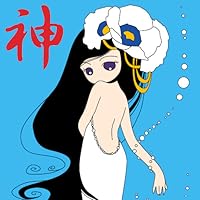
“Storie giapponesi di paura” di Lafcadio Hearn è una raccolta di racconti di grande fascino, capace di accompagnare il lettore alla scoperta della cultura giapponese attraverso le storie della tradizione e del folklore orientale. Più che una semplice antologia di racconti soprannaturali, il volume rappresenta un viaggio in un immaginario ricco di spiriti, leggende, credenze popolari e valori che ancora oggi contribuiscono a definire l’identità culturale del Giappone. Il merito maggiore di Hearn è quello di aver costruito una raccolta sorprendentemente coerente che, pur nello spazio di poche pagine, riesce ad abbracciare molteplici aspetti della cultura nipponica. La sua prosa, che conserva una freschezza quasi contemporanea, scorre con naturalezza e si distingue per la capacità di inserire brevi ma efficaci spiegazioni dei riferimenti storici e culturali. Il risultato è un equilibrio raro, che permette anche a chi si avvicina per la prima volta a questo universo di comprenderne il contesto senza interrompere il ritmo della narrazione. L’unica vera riserva riguarda la parte finale del volume. Se inizialmente viene lasciata intendere una progressiva crescita dell’intensità emotiva dei racconti, le ultime storie finiscono invece per perdere parte del loro mordente, lasciando una sensazione di minore incisività rispetto alle pagine iniziali. Si tratta comunque di un limite che non compromette il giudizio complessivo su un’opera di notevole valore. A rendere ancora più piacevole la lettura contribuisce la bella edizione della BUR, impreziosita dalle eleganti illustrazioni di Elisa Menini, perfettamente in sintonia con l’atmosfera dei racconti e capaci di accompagnare il lettore in questo affascinante viaggio tra i fantasmi e le leggende del Giappone.
Ottima raccolta di storie brevi. Alcune sono un po' ripetitive, con la classica moglie malata che torna dalla morte per tormentare il marito, altre invece sono interessanti e ti rimangono impresse. Per esempio il racconto della veste è il mio preferito. Consigliato per approfondire la propria cultura sul folklore giapponese|
Se state cercando storie dell’orrore classiche, lasciate stare. Le storie di fantasmi orientali sono completamente diverse dalle nostre: molto spesso arriverete alla fine della storia chiedendovi “e quindi?!”, ma va bene così.
Nota bonus per l’edizione meravigliosa e per le splendide illustrazioni.
As always with stories collection I have mixed feelings and I’ll stay with the constant 3 stars because I loved some of them and was indifferent for the most part 🙂↕️ Listened to the audiobook and the narrator was great. The lore behind the stories was actually really really interesting.
Una raccolta di storie brevi molto interessanti per chi vuole approfondire racconti, storie di fantasmi e leggende legati alla cultura e al folklore giapponese.
Una bella raccolta di racconti brevi. Richiede un approccio particolare, differenziato dall'immaginario horror che siamo soliti presagire da un'ottica narrativa di stampo occidentale. Qui il senso sovrannaturale è insito nella cultura giapponese e nel suo retaggio popolare, folcloristico, tanto da diventare quasi parte integrante del vivere comune. Temi come il culto dei defunti, la possibilità dell'anima del trapassato di interagire con la realtà, il ritorno delle anime in nuovi corpi, sono percepiti come un reale-sovrannaturale dove il rispetto, prima di tutto, è il requisito fondamentale. Niente sensazionalismi, niente effetti speciali, ma un mondo spirituale che permea il materiale, a volte anche in modo brutale, ma sempre con naturalezza ed una sorta di ineluttabilità raffinata e discreta. Molto bello.
La maggior parte dei racconti è la stessa presente nella raccolta "Ombre giapponesi". Ad ogni modo una lettura piacevole.
I titoli dei racconti: La nascita della morte Mimi-nashi-Hōichi Diplomazia La leggenda di Yurei-Daki Mujina In una tazza di tè La storia di Chugōrō Il settimo figlio Un karma passionale Ingwa-banashi Il cavalca-cadaveri Rokuro-Kubi Jikininki Una questione di usanze Furisode Oshidori La gatta Yuki-onna La riconciliazione Una promessa infranta Una promessa mantenuta Un segreto oltre la morte La storia di O-Kame La storia di Haru Ningyō-no-haka La storia di Itō Norisuke Riki-Baka La storia di O-Tei La vita anteriore Ikiryō Shiryō La montagna di teschi Al mercato dei morti