

What do you think?

Monastic Wisdom: The Letters of Elder Joseph the Hesychast
Joseph
421 pages, Hardcover
First published October 1, 1999
Ratings & Reviews
Friends & Following
Create a free account to discover what your friends think of this book!
Community Reviews
Displaying 1 - 11 of 11 reviews

September 3, 2019
I have the opportunity often to hang out in what I call the "New Age" churches. They call themselves Neo-Pentecostal and some of them identify with the New Apostolic Reformation (NAR) movement. All of them are clones of a particular type of aggressive, fundamentalist American charismatic type of worship, preaching and practice, which encourages its adherents to see themselves as the 'ecclesia' in localities where they are expected to exercise authority in the name of Jesus over governments, nations, peoples, powers and principalities.
The pattern is the same everywhere with these 'believers' granting "permission" to Jesus to enter localities, governments, families, institutions and rule over them, declaring and decreeing their power over viruses, bacteria, diseases and evil spirits and so on and so forth. God alone knows that they trace all their salvific fantasies to a particular manner in which they interpret Scripture, or the Bible. A prime directive of theirs is conversion and discipling and sundry other idiosyncrasies.
So it came as a breath of fresh air to me to return to some older, solid, foundational material on how to be a true follower or disciple of Christ and what exactly the goal of the disciple ought to be, which is nothing less than theosis, the divinisation of the being attained through the action of the transfigurative grace of God and resulting in participating in the uncreated grace of God.
Theosis is, of course, possible only through theoria, whereby "the Holy Spirit grants one understanding of the mysteries of God and creation which are hidden to the rational human intellect”. Through undistracted prayer, meditation, fending off the assaults of demons on the thought life, and maintaining oneself in the Presence of God, in the final stage of theoria, one beholds God Himself in uncreated light.
Reading a book such as this, one is instantly transported from the childishness of most New Age or contemporary Christian theology and practice into a sacred space where one experiences the tug of God's love bidding one abandon everything to know the Saviour Jesus and to be conformed to His image.
One learns, through the wise and compassionate words of Elder Joseph the Hesychast, the pathway into the bosom of Christ and the dangers that can beset one who is frivolous about the Way or is proud and loud about spiritual achievements. ““Know well that the the coming of all good things is for a person to realize his own weakness.”And so, learn to guard one's thoughts from assaults from the self and from demonic forces by practicing the Jesus Prayer continually, not as a Hindu mantra, but from the depth's of one's heart out of love for God.
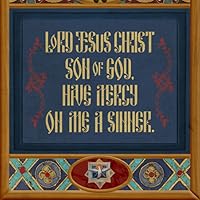
The journey begins with metanoia, or radical 'change of mind' through which one dedicates one's entire life to God. One learns the Jesus Prayer - Lord Jesus Christ, Son of God, have mercy upon me! - and moves into the 'prayer of the heart' in which the nous (mind) is kept in the heart by the grace of the Holy Spirit and prays there without distraction. Beyond this lies theoria which leads from passion - the spiritual disease that dominates the soul - to dispassion.
There is praxis too, the practice of Christ's virtues in the external life - fasting, good deeds, charity, etc - in contrast to the inner life of theoria. The objective of it all to access purifying, illuminating and perfecting grace through the Holy Spirit. The way is Hesychia, “the ascetical practice of noetic stillness linked with watchfulness and deepened by the unceasing Jesus prayer. Hesychia is an undisturbed nous and a heart with peace, freed from thoughts, passions, and from influences of the environment. It is dwelling in God."
If such dwelling in God is your goal, get this book. It appeals to the simple soul whose aim is to return to and rest in God and His Son, Jesus Christ, by the power of the Holy Spirit.
The pattern is the same everywhere with these 'believers' granting "permission" to Jesus to enter localities, governments, families, institutions and rule over them, declaring and decreeing their power over viruses, bacteria, diseases and evil spirits and so on and so forth. God alone knows that they trace all their salvific fantasies to a particular manner in which they interpret Scripture, or the Bible. A prime directive of theirs is conversion and discipling and sundry other idiosyncrasies.
So it came as a breath of fresh air to me to return to some older, solid, foundational material on how to be a true follower or disciple of Christ and what exactly the goal of the disciple ought to be, which is nothing less than theosis, the divinisation of the being attained through the action of the transfigurative grace of God and resulting in participating in the uncreated grace of God.
Theosis is, of course, possible only through theoria, whereby "the Holy Spirit grants one understanding of the mysteries of God and creation which are hidden to the rational human intellect”. Through undistracted prayer, meditation, fending off the assaults of demons on the thought life, and maintaining oneself in the Presence of God, in the final stage of theoria, one beholds God Himself in uncreated light.
Reading a book such as this, one is instantly transported from the childishness of most New Age or contemporary Christian theology and practice into a sacred space where one experiences the tug of God's love bidding one abandon everything to know the Saviour Jesus and to be conformed to His image.
One learns, through the wise and compassionate words of Elder Joseph the Hesychast, the pathway into the bosom of Christ and the dangers that can beset one who is frivolous about the Way or is proud and loud about spiritual achievements. ““Know well that the the coming of all good things is for a person to realize his own weakness.”And so, learn to guard one's thoughts from assaults from the self and from demonic forces by practicing the Jesus Prayer continually, not as a Hindu mantra, but from the depth's of one's heart out of love for God.
The journey begins with metanoia, or radical 'change of mind' through which one dedicates one's entire life to God. One learns the Jesus Prayer - Lord Jesus Christ, Son of God, have mercy upon me! - and moves into the 'prayer of the heart' in which the nous (mind) is kept in the heart by the grace of the Holy Spirit and prays there without distraction. Beyond this lies theoria which leads from passion - the spiritual disease that dominates the soul - to dispassion.
There is praxis too, the practice of Christ's virtues in the external life - fasting, good deeds, charity, etc - in contrast to the inner life of theoria. The objective of it all to access purifying, illuminating and perfecting grace through the Holy Spirit. The way is Hesychia, “the ascetical practice of noetic stillness linked with watchfulness and deepened by the unceasing Jesus prayer. Hesychia is an undisturbed nous and a heart with peace, freed from thoughts, passions, and from influences of the environment. It is dwelling in God."
If such dwelling in God is your goal, get this book. It appeals to the simple soul whose aim is to return to and rest in God and His Son, Jesus Christ, by the power of the Holy Spirit.

December 24, 2019
Kirjeitä Athosvuorelta on erittäin ajankohtainen kirja kahdesta syystä. Ensinnäkin kirjeiden kirjoittaja, vanhus Joosef Hesykasti (1897–1959), on lokakuussa 2019 liitetty Ekumeenisen patriarkaantin pyhien luetteloon. Toiseksi vanhus Efraim (s. 1927), jonka perustamasta Pyhän Antonioksen luostarista Arizonasta kirjekokoelma on peräisin, kuoli 7.12.2019. Vanhus Efraimin seuraajat kunnioittavat tätä jo nyt pyhänä. Vanhus Efraim on kuitenkin USA:ssa erittäin kiistanalainen hahmo.
Niinpä varoituksen sana: P. Joosef Hesykastin kirjeet edustavat rigoristisinta ja fundamentalistisinta uskontulkintaa, jota ortodoksisella kirkolla on tällä hetkellä tarjottavanaan.
Joosef Hesykastin kilvoittelu Athos-vuorella edustaa askeesia äärimmäisimmässä muodossaan, keinoja kaihtamatta: ”Mitä minuun tulee, moni keppi särkyi reisiäni vasten ennen kuin kukistin ruumiini. Olin kuin kiduttaja itselleni.” Voi kysyä, eikö näin ankarassa kilvoituksessa ole riskinsä? Kyllä on. Varhain aamulla 11.6.2012 27-vuotias Scott Nevins, joka oli ollut Pyhän Antonioksen luostarissa noviisina 2004-2011, teki itsemurhan luostarin ulkopuolella. Luostari tai paikallinen kreikkalainen hiippakunta eivät ole tähän päivään mennessä ottaneet mitään vastuuta Nevinsin kuolemasta tai muista henkilöistä, jotka ovat kertoneet joutuneensa hengellisen väkivallan uhreiksi Arizonan luostarissa. Vanhus Efraim kertoo P. Joosefista: ” - - niiden kahdentoista vuoden aikana, jotka elin hänen kanssaan, kuulin vain harvoin hänen kutsuvan minua nimeltä. Kutsuessaan tai puhutellessaan minua hän käytti kaikenlaisia loukkauksia sopivin laatusanoin.” Tällainen kilvoitus ei sovi kaikille.
P. Joosef Hesykastin menetelmän kuuluvat olennaisena osana lakkaamaton rukous sekä paastoaminen ja valvominen. Alhainen verensokeri on omiaan aiheuttamaan pahaa mieltä, ja unenpuute voi johtaa jopa aistiharhoihin. Niinpä kaikki kirjeissä kuvatut ”yliluonnolliset” tapahtumat eivät välttämättä vaadi yliluonnollista selitystä: ”Silloin tunsin käden kiihottavan minua lihallisesti. Katsoin ja näin haureuden demonin , tuon viheliäisen roiston. Hyppäsin sen päälle kuin koira, niin paljon sitä vihasin – ja tarrauduin siihen. Sen karvat tuntuivat sian karvoilta. Silloin se katosi ja koko paikka täyttyi hirvittävästä löyhkästä.” Demonit kuuluvat ortodoksiseen uskoon ja myös mm. pyhittäjä Johannes Valamolainen kertoo kirjeissään kohtaamisista pahojen henkien kanssa. On kiusaus panna osa näistä kokemuksista mielikuvituksen tai liian valvomisen piikkiin, mutta kieltämättä esimerkiksi Isä Johanneksen kirjeissään kertoma tarina veljestään, joka yht’äkkiä alkoi pelätä pyhäinjäännöksiä, on erikoinen ja vaikuttava.
Joskus alkaa epäilyttää, että P. Joosef ns. heittää lekendaa: ”Kaksi päivää sitten eräs valakialainen isä kuoli täällä Lakkoksen skiitalla. Hän heräsi eloon, kun häntä oltiin hautaamassa, ja kertoi palanneensa helvetistä, jossa häntä rangaistiin, koska hän tapasi juopotella elossa ollessaan. - - Silloin hän kuoli heti paikalla uudelleen ja hänet laskettiin hautaan.” Vaikka uskovaisena ortodoksina en mitenkään halua kyseenalaistaa, etteivätkö Pyhällä Vuorella kuolleetkin voisi herätä, on erikoista, että tämä sangen erikoinen tapaus, joka lienee tapahtunut joskus 1940-50-luvulla, ei ole tullut vastaan mistään muusta lähteestä kuin alun perin vuonna 1999 Arizonassa julkaistusta kirjasta.
P. Joosefin kirjekokoelma muistuttaa aihepiiriltään ja sisällöltäänkin paljon oman pyhittäjä Johanneksemme (1873-1958) kirjekokoelmia. Tämä on luonnollista, koska sekä Joosef että Johannes ammensivat opetuksensa samoista lähteistä. Isä Johanneksen ja Joosef Hesykastin kirjeet eroavat toisistaan merkittävästi sen suhteen, että Isä Johanneksen kirjeiden vastaanottajat on tarkasti dokumentoitu, ja kirjeistä jää voimakas vaikutelma vuoropuhelusta, vaikka rippilasten kirjeet Isä Johannekselle eivät olekaan säilyneet. Tähän verrattuna Joosef Hesykastin kirjeet tuntuvat paikoitellen ”roikkuvan ilmassa” ilman kosketusta aineelliseen todellisuuteen. Esimerkiksi kirje nro 38, joka ilmeisesti on osoitettu Joosefin äidille ja veljille, tuntuu suorastaan puisevalta. Uskonnollisen jargonin alta ei tunnu löytyvän juuri mitään aidosti lämmintä tai henkilökohtaista sanottavaa! Jossakin vaiheessa kirjaa aloin epäillä, etteivät kaikki kirjeet edes ole Joosef Hesykastin kirjoittamia, koska periaatteessa ne olisi voitu koota ”ortodoksisesta puppugeneraattorista” liittämällä satunnaisessa järjestyksessä yhteen pätkiä erämaisien kirjoituksista. Eri aikoihin kirjoitetuissa kirjeissä Joosef ehtii myös muuttaa mieltään asioista. Vielä kirjeessä nro 30 Joosef karttaa maallisia lääkäreitä, mutta kirjeeseen nro 49 mennessä Joosef on jo nöyrtynyt ja hakee apua vaivoihinsa länsimaisesta lääketieteestä.
Kirjeessä nro 54 poiketaan salaliittoteorioiden maailmassa: ”Vapaamuurarit keksivät monia suunnitelmia ja haluavat tehdä monia asioita…” Vanhus Efraimin amerikkalaisten seuraajien kerrotaan olevan usein antisemitistejä ja valkoisen ylivallan kannattajia. Ekumeniasta Joosef Hesykasti ei ainakaan piitannut: ”Kun niin monet syntyvät - - katolilaisiksi - - ja muiksi, jotka eivät usko vaan ovat kuin puolittain syntyneet ja päätyvät ikuiseen rangaistukseen.”
Todettakoon, että Ekumeenisen patriarkaatin samana päivänä Joosef Hesykastin kanssa pyhäksi julistama pyhittäjä Sofroni Saharov ei ajatellut toisuskoisista kristityistä näin synkästi. Hän ei esimerkiksi välttämättä kehottanut luokseen tullutta ei-ortodoksista kristittyä kääntymään ortodoksiksi, vaan vaikutti uskovan, että pelastus voi löytyä jopa niinkin epätodennäköisestä paikasta kuin roomalaiskatolisesta kirkosta (kunhan jättää filioquen pois uskontunnustuksesta). Kanonisoimalla Joosef Hesykastin ja Sofroni Saharovin samanaikaisesti Konstantinopoli on siis onnistunut kumartamaan samaan aikaan itään ja länteen. Turhaan ei Bysantin kotkalla ole kahta päätä! Todettakoon myös, että pyhä Johannes Valamolainen ei jaa efraimilaisten käsitystä, jonka mukaan pahat henget tulliasemillaan odottavat vain napatakseen sielut, jotka ovat unohtaneet jonkin synnin synnintunnustuksella. Isä Johanneksen mukaan kuolemansyntejä ovat vain sellaiset synnit, jotka muistaa tehneensä mutta joita ei kadu.
Edellä esitetyistä kriittisistä huomioista huolimatta todettakoon, että Kirjeitä Athosvuorelta ei nähdäkseni sisällä mitään harhaoppisia ajatuksia. Itse asiassa luostarikirjallisuutta jonkin verran lukeneelle kirjekokoelmassa ei juuri mitään uutta. Pyhä Synodi on puhunut, joten Pyhän Joosef Hesykastin opetuksilla on Kirkon virallinen taivaseenpääsysertifikaatti. Niinpä jos koet, että Pyhän Joosef Hesykastin tie on sinun tiesi, sen kuin vaan laitat keppisi viuhumaan! Joosef Hesykastin rinnalla tai sijaan kannattaa kuitenkin – varsinkin ei-luostariasukkaiden – lukea varsinkin Pyhän Johannes Valamolaisen kirjeitä, koska ne liittyvät aihepiiriltään konkreettisemmin maallikkojen elämään. Myös Isä Johanneksen opetuksilla on Kirkon virallinen taivaaseenpääsysertifikaatti.
Niinpä varoituksen sana: P. Joosef Hesykastin kirjeet edustavat rigoristisinta ja fundamentalistisinta uskontulkintaa, jota ortodoksisella kirkolla on tällä hetkellä tarjottavanaan.
Joosef Hesykastin kilvoittelu Athos-vuorella edustaa askeesia äärimmäisimmässä muodossaan, keinoja kaihtamatta: ”Mitä minuun tulee, moni keppi särkyi reisiäni vasten ennen kuin kukistin ruumiini. Olin kuin kiduttaja itselleni.” Voi kysyä, eikö näin ankarassa kilvoituksessa ole riskinsä? Kyllä on. Varhain aamulla 11.6.2012 27-vuotias Scott Nevins, joka oli ollut Pyhän Antonioksen luostarissa noviisina 2004-2011, teki itsemurhan luostarin ulkopuolella. Luostari tai paikallinen kreikkalainen hiippakunta eivät ole tähän päivään mennessä ottaneet mitään vastuuta Nevinsin kuolemasta tai muista henkilöistä, jotka ovat kertoneet joutuneensa hengellisen väkivallan uhreiksi Arizonan luostarissa. Vanhus Efraim kertoo P. Joosefista: ” - - niiden kahdentoista vuoden aikana, jotka elin hänen kanssaan, kuulin vain harvoin hänen kutsuvan minua nimeltä. Kutsuessaan tai puhutellessaan minua hän käytti kaikenlaisia loukkauksia sopivin laatusanoin.” Tällainen kilvoitus ei sovi kaikille.
P. Joosef Hesykastin menetelmän kuuluvat olennaisena osana lakkaamaton rukous sekä paastoaminen ja valvominen. Alhainen verensokeri on omiaan aiheuttamaan pahaa mieltä, ja unenpuute voi johtaa jopa aistiharhoihin. Niinpä kaikki kirjeissä kuvatut ”yliluonnolliset” tapahtumat eivät välttämättä vaadi yliluonnollista selitystä: ”Silloin tunsin käden kiihottavan minua lihallisesti. Katsoin ja näin haureuden demonin , tuon viheliäisen roiston. Hyppäsin sen päälle kuin koira, niin paljon sitä vihasin – ja tarrauduin siihen. Sen karvat tuntuivat sian karvoilta. Silloin se katosi ja koko paikka täyttyi hirvittävästä löyhkästä.” Demonit kuuluvat ortodoksiseen uskoon ja myös mm. pyhittäjä Johannes Valamolainen kertoo kirjeissään kohtaamisista pahojen henkien kanssa. On kiusaus panna osa näistä kokemuksista mielikuvituksen tai liian valvomisen piikkiin, mutta kieltämättä esimerkiksi Isä Johanneksen kirjeissään kertoma tarina veljestään, joka yht’äkkiä alkoi pelätä pyhäinjäännöksiä, on erikoinen ja vaikuttava.
Joskus alkaa epäilyttää, että P. Joosef ns. heittää lekendaa: ”Kaksi päivää sitten eräs valakialainen isä kuoli täällä Lakkoksen skiitalla. Hän heräsi eloon, kun häntä oltiin hautaamassa, ja kertoi palanneensa helvetistä, jossa häntä rangaistiin, koska hän tapasi juopotella elossa ollessaan. - - Silloin hän kuoli heti paikalla uudelleen ja hänet laskettiin hautaan.” Vaikka uskovaisena ortodoksina en mitenkään halua kyseenalaistaa, etteivätkö Pyhällä Vuorella kuolleetkin voisi herätä, on erikoista, että tämä sangen erikoinen tapaus, joka lienee tapahtunut joskus 1940-50-luvulla, ei ole tullut vastaan mistään muusta lähteestä kuin alun perin vuonna 1999 Arizonassa julkaistusta kirjasta.
P. Joosefin kirjekokoelma muistuttaa aihepiiriltään ja sisällöltäänkin paljon oman pyhittäjä Johanneksemme (1873-1958) kirjekokoelmia. Tämä on luonnollista, koska sekä Joosef että Johannes ammensivat opetuksensa samoista lähteistä. Isä Johanneksen ja Joosef Hesykastin kirjeet eroavat toisistaan merkittävästi sen suhteen, että Isä Johanneksen kirjeiden vastaanottajat on tarkasti dokumentoitu, ja kirjeistä jää voimakas vaikutelma vuoropuhelusta, vaikka rippilasten kirjeet Isä Johannekselle eivät olekaan säilyneet. Tähän verrattuna Joosef Hesykastin kirjeet tuntuvat paikoitellen ”roikkuvan ilmassa” ilman kosketusta aineelliseen todellisuuteen. Esimerkiksi kirje nro 38, joka ilmeisesti on osoitettu Joosefin äidille ja veljille, tuntuu suorastaan puisevalta. Uskonnollisen jargonin alta ei tunnu löytyvän juuri mitään aidosti lämmintä tai henkilökohtaista sanottavaa! Jossakin vaiheessa kirjaa aloin epäillä, etteivät kaikki kirjeet edes ole Joosef Hesykastin kirjoittamia, koska periaatteessa ne olisi voitu koota ”ortodoksisesta puppugeneraattorista” liittämällä satunnaisessa järjestyksessä yhteen pätkiä erämaisien kirjoituksista. Eri aikoihin kirjoitetuissa kirjeissä Joosef ehtii myös muuttaa mieltään asioista. Vielä kirjeessä nro 30 Joosef karttaa maallisia lääkäreitä, mutta kirjeeseen nro 49 mennessä Joosef on jo nöyrtynyt ja hakee apua vaivoihinsa länsimaisesta lääketieteestä.
Kirjeessä nro 54 poiketaan salaliittoteorioiden maailmassa: ”Vapaamuurarit keksivät monia suunnitelmia ja haluavat tehdä monia asioita…” Vanhus Efraimin amerikkalaisten seuraajien kerrotaan olevan usein antisemitistejä ja valkoisen ylivallan kannattajia. Ekumeniasta Joosef Hesykasti ei ainakaan piitannut: ”Kun niin monet syntyvät - - katolilaisiksi - - ja muiksi, jotka eivät usko vaan ovat kuin puolittain syntyneet ja päätyvät ikuiseen rangaistukseen.”
Todettakoon, että Ekumeenisen patriarkaatin samana päivänä Joosef Hesykastin kanssa pyhäksi julistama pyhittäjä Sofroni Saharov ei ajatellut toisuskoisista kristityistä näin synkästi. Hän ei esimerkiksi välttämättä kehottanut luokseen tullutta ei-ortodoksista kristittyä kääntymään ortodoksiksi, vaan vaikutti uskovan, että pelastus voi löytyä jopa niinkin epätodennäköisestä paikasta kuin roomalaiskatolisesta kirkosta (kunhan jättää filioquen pois uskontunnustuksesta). Kanonisoimalla Joosef Hesykastin ja Sofroni Saharovin samanaikaisesti Konstantinopoli on siis onnistunut kumartamaan samaan aikaan itään ja länteen. Turhaan ei Bysantin kotkalla ole kahta päätä! Todettakoon myös, että pyhä Johannes Valamolainen ei jaa efraimilaisten käsitystä, jonka mukaan pahat henget tulliasemillaan odottavat vain napatakseen sielut, jotka ovat unohtaneet jonkin synnin synnintunnustuksella. Isä Johanneksen mukaan kuolemansyntejä ovat vain sellaiset synnit, jotka muistaa tehneensä mutta joita ei kadu.
Edellä esitetyistä kriittisistä huomioista huolimatta todettakoon, että Kirjeitä Athosvuorelta ei nähdäkseni sisällä mitään harhaoppisia ajatuksia. Itse asiassa luostarikirjallisuutta jonkin verran lukeneelle kirjekokoelmassa ei juuri mitään uutta. Pyhä Synodi on puhunut, joten Pyhän Joosef Hesykastin opetuksilla on Kirkon virallinen taivaseenpääsysertifikaatti. Niinpä jos koet, että Pyhän Joosef Hesykastin tie on sinun tiesi, sen kuin vaan laitat keppisi viuhumaan! Joosef Hesykastin rinnalla tai sijaan kannattaa kuitenkin – varsinkin ei-luostariasukkaiden – lukea varsinkin Pyhän Johannes Valamolaisen kirjeitä, koska ne liittyvät aihepiiriltään konkreettisemmin maallikkojen elämään. Myös Isä Johanneksen opetuksilla on Kirkon virallinen taivaaseenpääsysertifikaatti.

April 21, 2023
My God!! What a treasure!! Literally keys to heaven!
I can’t recommend this book enough. The title may seem like this book is not for the layperson but it certainly is if you have the right perspective. There are some points I take with a grain of salt, like beating oneself over the head with a cain LOL. But the heart of the book is to realize one’s weakness in spiritual warfare against the passions. With easy we may be freed from temptation if instead of fighting the devil head on, we beg the Lord to fight for us and patiently wait for His Mercy.
It also gave me perspective that everything comes from Grace. When we look to the saints to imitate them we try to apply what we see outwardly. This will always lead to failure. How saints present outwardly in their works comes from God’s Grace and they are gifts. We cannot apply them on our own. Take the “Ladder of Divine Ascent” You can’t just apply these of your own will. That is futile and the beginning of pride. All we may do is realize our weakness and pray for God’s mercy. Through honest struggle (patience for Him to fight our battles) we may receive these Gift if our heart is honest.
All in all, I have not read a book with more practical spiritual advice than this one. God Bless Elder Joseph and all those who have worked to publish this collection of his wisdom. 🙏
I can’t recommend this book enough. The title may seem like this book is not for the layperson but it certainly is if you have the right perspective. There are some points I take with a grain of salt, like beating oneself over the head with a cain LOL. But the heart of the book is to realize one’s weakness in spiritual warfare against the passions. With easy we may be freed from temptation if instead of fighting the devil head on, we beg the Lord to fight for us and patiently wait for His Mercy.
It also gave me perspective that everything comes from Grace. When we look to the saints to imitate them we try to apply what we see outwardly. This will always lead to failure. How saints present outwardly in their works comes from God’s Grace and they are gifts. We cannot apply them on our own. Take the “Ladder of Divine Ascent” You can’t just apply these of your own will. That is futile and the beginning of pride. All we may do is realize our weakness and pray for God’s mercy. Through honest struggle (patience for Him to fight our battles) we may receive these Gift if our heart is honest.
All in all, I have not read a book with more practical spiritual advice than this one. God Bless Elder Joseph and all those who have worked to publish this collection of his wisdom. 🙏
February 8, 2023
Our Papa Joseph’s heart is so big to fit the whole world in it.
July 11, 2024
“The bee produces honey in the darkness, so that no one sees her. If you bring her out into the light, you destroy her. If you put her in a glass jar, she coats it and darkens it. Behold an example for our monastic life.“
September 12, 2023
If I'm not looking to transcend that which is given me then I've got to be something of an ungrateful blockhead.

January 18, 2022
Monastic wisdom is a collection of letters written by a Elder Joseph, Hesychastic monk who lived on Mount Athos, and reposed in 1959. The letters are short and edifying and the perfect length to read one every day as a way of preparing for prayer. I highly recommend this book!

April 10, 2018
Full of valuable spiritual insights. Elder Joseph really helps me to understand the nature of temptations, grace, spiritual struggle, and the rhythms of the spiritual life. I would probably not recommend this to newly illumined Orthodox Christians, because much of it won't make proper sense until you have spent some time (years) struggling, and there are some things that can be misunderstood or misapplied.
May 9, 2019
The absolute beauty of Orthodox Christianity!

March 16, 2021
One of my all time favorites.
July 21, 2021
Elder Joseph writes as a loving spiritual father. There is some wisdom to be gleaned from each of his letters. This one I have read, and reread, and recommend highly.
Displaying 1 - 11 of 11 reviews