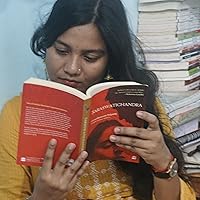
The story TREE-The Sixth Element has evolved and is inspired by many historical facts. I believe that this story acknowledges the bond between man and nature. My intention in writing this book is to raise awareness about the Five Elements (The Panchabhootas) among the new generation. In ancient times, people worshipped the Panchabhootas; Earth, Air, Water, Fire, and the Sky for their protection and satisfaction.
More than 3,000 years ago, people believed in Sanatana Dharma and they were worshipping Panchabhootas.
Just as humans can develop habits through continuous exposure, plants too can exhibit habituation and become conditioned or ‘addicted’ to certain stimuli over time.
This is a literary work and a peek into the historical nexus that beautifully portrays human experiences through different eras.
With profound gratitude, I dedicate TREE-The Sixth Element to the readers.
I picked up " TREE The Sixth Element" expecting a simple story, but it turned out to be much more thoughtful than I imagined. The book talks a lot about nature, spirituality, old beliefs, and the connection humans have forgotten with the world around them. What stayed with me the most was the idea of trees being called the “sixth element.” It sounded unusual at first, but the more I read, the more meaningful it felt.
The writing is simple and doesn’t try too hard to impress, and I actually liked that. It made the book feel more honest and real. Reading it felt calm, almost like listening to someone quietly sharing stories, thoughts, and life lessons. I also liked how the author mixed history, culture, and spirituality without making the book feel complicated.
This isn’t the kind of book you read for suspense or fast twists. It’s slow and reflective, and I think that’s exactly what the author wanted it to be. A few parts felt repetitive to me, but the message behind the story still felt sincere. By the end, the book left me thinking about how disconnected people have become from nature and how important that bond really is.
Overall, it felt like a peaceful and meaningful read.
TREE – The Sixth Element is a thoughtful and ambitious literary work that explores the timeless relationship between humanity and nature. Rooted in history, mythology, and spiritual philosophy, the book brings together themes of environmental awareness, ancient beliefs, and human emotion in a meaningful way. Through its narrative, it attempts to remind readers of the importance of living in harmony with the natural world rather than distancing ourselves from it.
One of the most compelling aspects of the book is its focus on the Panchabhootas — Earth, Air, Water, Fire, and Sky — and the forgotten wisdom associated with them. By drawing inspiration from ancient traditions and Sanatana Dharma, the story creates a bridge between the past and the present, encouraging readers to reflect on how deeply human life has always depended on nature. The idea of nature as a living force rather than merely a resource gives the novel emotional and philosophical depth.
The writing carries a sense of admiration for history and folklore, blending factual inspiration with imaginative storytelling. The narrative seems to move across different eras and experiences, offering glimpses into humanity’s evolving connection with the environment. There is also an interesting exploration of how plants and living beings respond to repeated exposure and conditioning, adding a subtle scientific and psychological layer to the story. The author’s passion for nature, culture, and humanity is evident throughout, making the work feel deeply personal. Beneath the historical and spiritual themes lies a simple but powerful message: human beings and nature are inseparable, and neglecting that bond comes at a cost.
Overall, TREE – The Sixth Element is a reflective and imaginative read that combines history, philosophy, folklore, and environmental consciousness into one compelling narrative. It is a book that encourages readers to reconnect with the natural world while appreciating the wisdom carried through ancient traditions.
This small is story of man in whose dream comes a banyan tree and he wanted to visit that place.
The author came with unique write up as its a double plot story set in 150 B.C. , 52 AD Magadha , present day Kadiri , Andhra pradesh
Its a story of Banyan tree, rooted in 52 A.D. in Magadha when 5 elements of Paanchboota were worshipped, along Six element Tree , here stand a banyan tree who grows on the Sacrifices of Animal blood and soon when practice of Sacrifice is abolished , the rumour of mysterious deaths and hunt reached every part of Kingdom, King who cared for its people ordered to Uproot tree for safety of Kingdom and stop the nightmares of the region , the family who was responsible for its Care Gautam and its Father Charudetta, take its bud and went to Kadiri, where they met Lakshman who was summoned by tree for prayers and Rituals to re-established the tree in Jungle away from population.
In 152 B.C. when truth about the tree came to light by the people pf tribals near the forest, they also come to know the historical background and declared it a holy tree and Paanchboota worshipped alongside it.
In present day , John was summoned by tree who bestowed the history and knowledge of tree and was asked to share it with the world. So he is here to fulfill that wish.
Historical facts and Sanatan Dharma from back in days with prayers and Rituals are done is share in wonderful way for one to enjoy the book
This is a thoughtful and reflective book that explores humanity’s relationship with nature, forgotten traditions, and the responsibility we carry toward preserving the world around us. One of the aspects I liked reading was the discussion of different trees and their significance. It sparked my curiosity to learn more about their cultural and historical importance, adding an educational layer to the reading experience.
The book raises several meaningful questions that feel particularly relevant today. About how disconnected we have become from nature and what can be done to rebuild that connection. I also appreciated that its message about environmental respect was delivered with subtlety rather than feeling overly forceful.
That said, the book leaned more heavily into philosophical reflections than I had expected. While I could appreciate the ideas being explored, I found myself wishing for a stronger narrative drive to keep me fully engaged throughout. Readers who enjoy contemplative and idea-driven books will likely connect with it more deeply than I did.
Overall, this was an interesting and well-intentioned read that offered plenty to think about. It may not have been entirely in line with my personal reading tastes, but I can certainly see it resonating with readers who enjoy slower, thoughtful books.
Some books only make you happy, others make you think about a different world. Tree: The Sixth Element by Boban Idiculla Oonni falls under the latter category. In essence, the book is an examination of the ancient idea of the Panchabhootas: Earth, Water, Fire, Air and Sky; the addition of a sixth symbolic element, the Tree, which connects and sustains life. I was fascinated to learn this central idea because we are surrounded by trees in our daily lives and sometimes neglect to appreciate how vital they are. The book is beautifully an attempt to remind us of nature, which not only is present at our side, but is also our part.
I loved reading the combination of history, spirituality, mythology, philosophy and environmental consciousness woven together by the author. The story is based on historical and cultural concepts and spans across various historical periods, bridging the connection between old wisdom and contemporary issues. This makes the text even more interesting when considering many of the references it offers to ancient traditions, nature worship, Ayurveda, historical figures, and varied belief systems. The banyan tree, in particular, becomes much more than just a tree: it feels like a silent observer who witnesses generations, bears stories, wisdom and memories across time. The result was a very meditative book.
For me, the best thing about the book was the fact that it reminded me of our lost connection with nature. Living in the modern world has made us so detached from nature that we ought to be reconsidering our relationship, and that's what this book asks us to do. I found that the author did not limit environmental consciousness to only be a lesson; rather, the ideas come in a story, reflection and philosophical observation. It was discussion about plants and their reactions to their environment and the possibilities of conditioning in living things that fascinated me most. I had some thoughts about how little we know about nature and how we are easily mislead on the lives around us.
The writing is simple, accessible, and reflective; it is suitable for the type of story the author wishes to convey. This isn't a book that rushes from one thing to the next, action or suspense. It's a book designed to take in as you devote yourself to pondering its concepts. In some areas it was felt that some concepts might have been developed more fully and some sections better subordinated. However, the honesty found within the author's words throughout is obvious. In spite of its relatively limited length this book manages to imply some very large questions about humanity, civilization, spirituality, nature, and our obligation to our world.
Overall, it was a thought-provoking and useful book that made me reflect on an ordinary tree with a little more consciousness. I took a great deal from the whole philosophy that maybe, just maybe, the natural world has always been talking to us, but we never listened. It is a wonderful book that inspires us to get back in touch with the elements, to learn to be in respectful relation with the natural world and to remember the wisdom of our ancestors, who existed in harmony with nature. This is a book to consider if you are interested or attracted to mythology, spirituality, Indian philosophy, history, nature writing and reflective fiction. A quick read, yet one with a concept that will linger long after you've put the book down.
Some books are written to entertain, some to provide information, and a few attempt to connect with the reader on a deeper level. For me, 'Tree: The Sixth Element' by Boban Idiculla Oonni was one of those books. It felt less like a regular novel and more like a thoughtful journey about spirituality, nature, and life.
The title immediately caught my attention. By calling the tree the' sixth element,” the author adds trees to the ancient Indian idea of the five elements — Earth, Water, Fire, Air, and Sky. In the book, the tree is shown as the living force that connects and supports all of them. This idea becomes one of the main emotional and philosophical themes of the story. The story unfolds in a calm and gentle manner, making it more about understanding than forcing opinions on the reader. The narration has a peaceful feeling that reminded me of listening to stories told by elders — stories where history, faith, memories, and life lessons naturally come together.
The writing is simple and easy to understand. I did not feel the author used difficult or overly complicated language, and I believe this simplicity makes the book more effective. The story' s strength comes from its ideas and emotions rather than fancy writing styles. At a few points, I felt the writing could have been more refined, but the honesty and sincerity in the author' s voice made up for it. There is a genuine feeling throughout the book, and that honesty connects with readers more deeply than perfect language ever could. I also appreciated the historical touches added to the story. The book moves through different time periods and perspectives to connect ancient wisdom with the modern world. Even though the book is not very long, it explores important themes like spirituality, nature, civilisation, memory, and peaceful coexistence. I truly valued the effort and vision behind it.
I would recommend' Tree: The Sixth Element' to readers who enjoy thoughtful stories about nature, spirituality, and Indian philosophy. It is not a fast- paced thriller but a calm and meaningful book that encourages reflection and reconnecting with nature. In my view, Boban Idiculla Oonni writes with honesty and sincerity. Though the book is short, its ideas are deep and memorable, especially regarding nature, ancient wisdom, and human responsibility toward the world around us.
'Tree: The Sixth Element' by Boban Idiculla Oonni (Konkara) is not just a book, it is an experience. The narrative unfolds in two timelines: the ancient Magadha Empire, where a banyan tree is the hub of sacrifice and sanctity, and the present day, when a man named John is mysteriously "summoned" by that same tree to share its ancient wisdom with a modern, disenfranchised world. It is a bridge spanning eras, a journey of the mind through memory, spirituality and nature for thousands of years. The story introduces historical figures, sages and modern seekers, but the real star is the Tree itself. It is a silent witness, a living history and the life force that links the *Panchabhootas* with humanity. It doesn't talk back, but it brings the whole feeling of the book along. The concept of the "Sixth Element" is the core hook. The Tree is included as one of the Panchabhootas (Earth, Air, Water, Fire, Sky), a missing connection that sustains all life. It covers topics of Sanatana Dharma, tribal harmony, and a strange quasi-scientific notion that plants too have habituation and that they can be conditioned based on the world to which they are exposed. This is a calm, contemplative piece of literature. It doesn't rush you with action or cliffhangers; it invites you to slow down. It is meditative, based on Ayurveda, Buddhist philosophies, and folklore, and it reminds us that nature is a life partner, not just a source. It is a 'brain-cleansing' read, not like your usual novel. It's like sitting at the feet of an elder, hearing stories in the absence of modern noise. The writing is simple, poetic, and atmospheric. The stunning cover art, a face emerging from roots, perfectly encapsulates the vibe. It makes you want to step outside and appreciate the nearest tree. This isn't a fast-paced action thriller. It's a contemplative, brief story. There may be a few minor pacing changes or inconsistencies in the editorial. Still, if you are prepared to trust the quiet, contemplative energy of the book, you will likely overlook these. This is for anyone looking for a book that doesn't have high-energy, noisy plots and instead serves as a reminder. Ideal for anyone who enjoys Indian philosophy, nature-based mythology, and soulful, thought-provoking books that will linger in the pages of your mind.
Tree: The Sixth Element by Boban Idiculla Oonni is a reflective and thought-provoking work inspired by the concept of the Panchabhootas - Earth, Water, Fire, Air, and Sky - while introducing the tree as a symbolic sixth element that binds all life together. Set against the backdrop of ancient India, the book blends history, spirituality, and philosophy to explore humanity’s deep connection with nature.
As I read the book, I felt less like I was following a typical storyline and more like I was on a quiet, contemplative journey. The narrative moves gently through different time periods, weaving in elements of ancient traditions, Buddhist teachings, and ecological wisdom. I appreciated how the author doesn’t rush the storytelling; instead, he allows each idea to unfold naturally, giving space for reflection.
What stood out to me most was how the concept of the tree was presented as a unifying element and a living force shaping human existence, thereby making it feel symbolic and powerful. I also found the inclusion of scientific ideas, like how plants respond to conditioning, to be an interesting layer that added depth without overwhelming the narrative.
The writing style is simple and easy to follow, yet deeply sincere, reflecting a genuine respect for ancient wisdom. At times, the book feels almost meditative, encouraging a slower pace and thoughtful introspection. It gently reminds readers of the importance of living in harmony with nature, rather than remaining disconnected from it, and made me pause to reflect on how modern life often distances us from these essential connections.
In conclusion, this is a calm yet deeply meaningful read that goes beyond storytelling to offer quiet, lasting reflections. It gently reminds us of our responsibility toward nature while encouraging us to reconnect with the balance we often overlook in our fast-paced lives. The book left me feeling grounded, introspective, and more aware of the delicate threads that sustain all life. It is a beautiful choice for readers who love reflective, slow-paced narratives, enjoy blending philosophy with history and spirituality, and seek books that linger in the mind long after the final page.
Tree: The Sixth Element felt to me like a book that asks readers to pause and look at nature with more respect and seriousness. The title itself immediately stood out because instead of treating trees as just part of the environment, the book almost places them alongside the five elements, giving them a deeper spiritual and human importance. That idea alone made the book feel meaningful and thought-provoking to me.
What I liked most was the strong connection with the Panchabhootas. Earth, Air, Water, Fire and Sky are presented not just as old beliefs, but as forces that shaped how people once understood life, balance and survival. The book carries the feeling that ancient traditions never separated humans from nature. Instead, nature was seen as sacred, protective and deeply connected with human existence. That rooted perspective gave the book a calm but powerful presence.
The main strength for me was its message about the bond between man and nature. Trees are not treated like background objects here. They are given emotion, meaning and importance. While reading, I kept feeling that the book is quietly asking how far modern life has taken us away from the natural world that once protected and sustained us. That thought stayed with me because it feels very relevant today.
I also enjoyed how the book blends spirituality, history and environmental awareness together. It does not feel like a plain environmental lecture. Instead, it connects belief systems, human habits and changing relationships with nature in a more reflective way. The idea that plants can also respond and adapt added another interesting layer, making trees feel even more alive and significant.
For me, this book matters because its message feels important in today’s world. In a time where development and comfort dominate conversations, books like this remind us that nature is still the foundation of everything.
Overall, Tree: The Sixth Element felt simple, thoughtful and meaningful. More than just a book about trees, it felt like a reminder that if we disconnect from nature, we slowly disconnect from ourselves too.
Tree: The Sixth Element is a beautiful blend of nature, history, spirituality, and philosophy. Inspired by ancient wisdom and historical insights, the book introduces a fascinating idea. Alongside the five sacred elements of Earth, Water, Fire, Air, and Sky, the tree is added here as a sixth element, a living force that connects and sustains them all. I really liked this concept. The narrative encourages readers to reflect on nature, human evolution, belief systems, and the connection between people and their environment. What I noticed is the deep respect for nature that runs throughout the book. Nature is not treated merely as a backdrop but as a living presence that shapes human lives across generations. As I read on, I realised how the story is meaningful in a way that prompts readers to reflect on how disconnected modern life has become from the natural world. The book also explores the relationship between ancient wisdom and present-day understanding, showing how the two can complement each other rather than exist as separate worlds. The narrative moves through different time periods and perspectives, connecting the past with the present. Alongside themes of spirituality, civilisation, memory, and peaceful coexistence, the book introduces intriguing ideas about plant behaviour and conditioning, adding a subtle scientific dimension to the story. The writing style is simple and easy to follow. The author avoids complicated language, allowing the ideas and emotions to take centre stage. The footnotes on each page make the reading meaningful for those unfamiliar with certain words or concepts. In all, this book is both a reflective and meditative read suitable for readers who enjoy stories with deeper meaning, a little bit of spirituality, and themes connected to history and the environment. Though the book is short, its ideas are profound. It is a quiet yet powerful reminder of the bond between humans and nature and the importance of preserving the wisdom and elements that sustain life.
TREE: The Sixth Element blends history, philosophy and environmental reflection into an exploration of the relationship between humans and nature. Drawing inspiration from the concept of the Panchabhootas(the five elements)- Earth, Air, Water, Fire and Sky. The book invites readers to think about the natural world not as something separate from us, but as something deeply connected to our existence. At under 100 pages, it is a concise read that introduces these ideas in an accessible and approachable way.
What stands out is the book’s emphasis on nature as an active presence rather than a passive backdrop. Through its narrative and reflections, it encourages readers to reconsider the role of trees and the environment in human life. The themes of interconnectedness, respect for nature and environmental awareness run throughout the book, giving it a thoughtful and contemplative tone.
My key takeaways • Humans and nature share a deep connection. • Ancient wisdom can offer new perspectives on modern challenges. • Environmental awareness begins with understanding our relationship with nature. • Small shifts in perspective can change how we view the world around us.
The title suggests that trees are more than part of nature, they are presented as a vital element that sustains and connects life itself.
Who should read this • Readers interested in nature centered narratives • Anyone curious about the Panchabhootas and ancient philosophies • Readers who enjoy reflective and thought provoking books • People interested in environmental themes • Those looking for a calm, contemplative reading experience • Readers seeking a meaningful book that can be finished in a short sitting
A thoughtful read that encourages a deeper appreciation of nature and our place within it
I picked this book up because of the title.The title sat in my head for a while before I even opened the book. A tree as the sixth element? It sounded unusual enough that I kept wondering what the author meant by it.
This took me longer to finish than I expected. Not because it's difficult. I'd read a few pages, put the book down, and then come back later. There were a few places where I stopped reading and just sat there thinking about what the author was trying to say. Not because it was complicated, but because it reminded me how disconnected most of us have become from nature without even noticing it.
One thing I kept coming back to while reading was how differently earlier generations looked at the world. The book talks about the five elements and the respect people once had for them, and somewhere in between those pages I found myself thinking about how casually we treat those same things today.
I actually liked that the author didn't try to turn this into a lecture. The message is there, but it comes through stories, ideas, and reflections rather than someone telling you what to think.
There were parts where I wasn't entirely sure where the narrative was heading, but strangely that didn't bother me much. By the middle of the book, I stopped worrying about where the story was going. I was more interested in the ideas it kept throwing at me.
The sections about the relationship between humans and trees stayed with me the most. Maybe because trees are something we walk past every day without paying attention to. After finishing the book, I caught myself looking at an old tree near my apartment and wondering how long it had been standing there while people came and went.
That's probably the biggest compliment I can give this book.
"Tree: The Sixth Element" is a thoughtful and reflective novel that explores the relationship between nature, spirituality, and human existence. The title itself is intriguing, presenting the tree as the “sixth element” that connects the traditional five elements of Indian philosophy, Earth, Water, Fire, Air, and Sky. Through a calm and engaging narrative, the author blends ancient wisdom, history, faith, and life lessons into a meaningful reading experience.
The writing is simple, clear, and accessible, allowing readers to focus on the ideas rather than complex language. The book also moves across different time periods and perspectives, linking the wisdom of the past with contemporary concerns about nature and human responsibility.
What's Out:
Readers expecting a fast-paced plot, intense drama, or suspense may find the book slower than typical fiction. At certain points, the writing could have been more polished, and some sections may feel more reflective than action-driven.
What Stands Out:
One of the book’s greatest strengths is its central idea of the tree as the “sixth element.” This concept gives the story a unique identity and encourages readers to think differently about humanity’s relationship with nature. The author successfully combines philosophical reflection with environmental awareness, making the book relevant to modern readers while remaining rooted in traditional wisdom.
Conclusion:
Boban Idiculla Oonni writes with sincerity and conviction. Though brief in length, "Tree: The Sixth Element" leaves a lasting impression through its deep themes and gentle storytelling. It is recommended for readers who enjoy spiritual, philosophical, and nature-centered literature that encourages reflection and a deeper connection with the world around them.
Tree: The Sixth Element is a thoughtful and calming read that explores the deep connection between nature, spirituality, and human life.
In Hindu philosophy, the universe is believed to be made up of five fundamental elements, known as the Panchabhootas: Earth (Prithvi), Water (Jal), Fire (Agni), Air (Vayu), and Space (Akasha). These elements form the foundation of all existence and are considered sacred forces that maintain the balance of the cosmos.
Through this book, the author takes readers on a journey from ancient times to the modern world, showing how these five elements have always played a vital role in human life. The stories beautifully illustrate how our ancestors respected and worshipped nature, recognizing the spiritual power and eternal blessings these elements provide.
Although this is a short book, it leaves a lasting impression. The writing is simple, gentle, and easy to follow. Reading it feels like slowing down for a moment and allowing yourself to move with the natural flow of life rather than rushing toward the next destination.
One of the most fascinating aspects of the book is the idea of trees becoming the "sixth element." Through a collection of meaningful stories, the author highlights the importance of trees in sustaining life and preserving the balance of nature. Several stories are connected to the world's largest banyan tree, adding historical and cultural depth to the narrative.
Overall, Tree: The Sixth Element is a peaceful and reflective read that encourages readers to reconnect with nature and appreciate the wisdom hidden within it. It is a book that reminds us that the relationship between humanity and the natural world is not just physical but deeply spiritual as well.
Boban Idiculla Oonni's quiet and contemplative book Tree: The Sixth Element challenges readers to view nature from a more profound and significant perspective. Inspired by the ancient idea of the five elements—Earth, Water, Fire, Air, and Sky—the author presents the tree as a metaphorical sixth element, highlighting its essential function in maintaining life and tying the natural world together. This book is unique because it thoughtfully combines spirituality, history, and environmental consciousness. It develops gradually, inviting readers to calm down and take in its concepts rather than depending on dramatic turns or quick storytelling. The story shifts between several eras and viewpoints, connecting traditional knowledge with contemporary worries about how humans should interact with the natural world.
The writing is straightforward, genuine, and approachable. The storytelling has a cozy quality that is reminiscent of hearing a customary tale that has been passed down through the ages. Without being unduly dogmatic, the book examines topics of cohabitation, mindfulness, and environmental responsibility. Rather, it lets the story naturally convey its point. Despite its short length, the book poses significant queries regarding the degree to which contemporary living has been estranged from the natural environment. Although some readers might want more intricate world-building or a more compelling storyline, the book's power is found in its concepts rather than its intricacy.
All things considered, Tree: The Sixth Element is a contemplative and significant book for anybody interested in philosophy, spirituality, nature, and the timeless lesson of coexisting peacefully with the environment.
Tree - The Sixth Element begins by tracing the rise of the ancient kingdom of Magadha, finding its spiritual roots in the teachings of Lord Buddha and its political strength through influential rulers. Along the way, it journeys through the origins of Ayurveda and the rich tribal cultures that flourished in harmony with nature under the guidance of sages such as Saint Markhandeya. As the understanding of nature's healing power deepened, the Panchbhootas became an integral and revered part of human existence, eventually leading to the recognition of the "Sixth Element" through the life-sustaining presence of trees.
Though a relatively thin book, it carries surprising weight in its ideas and knowledge. Through folklore and modern storytelling it gently reminds us of wisdom and values that many of us have either forgotten or overlooked in our increasingly materialistic pursuits. At a time when climate change and environmental degradation cast long shadows over our world, the book almost feels like a spiritual mediator, nudging us back toward our heritage and the healing embrace of nature and its tall guardians.
The language remains uncomplicated and accessible, yet beneath its simplicity lies a thoughtful philosophical depth that invites reflection. With a simple and crisp narrative, the book reaches a wide spectrum of readers, especially those drawn to India's cultural roots and nature-centred wisdom. The book cover itself is compelling and lingers in the mind long after the final page, much like the ideas within. This is a story to be shared with our children, remembered, and carried forward.
TREE The Sixth Element is a thoughtful read. As I started reading idea of Panchabhootas Earth, Water, Fire, Air and Sky and then calling Tree the sixth element I found that concept thoughtful and practical. The cover gives a real breathing tree imagination.
What I liked was that the book never tried too hard to sound complicated even with all these spiritual and historical themes. Many times I felt like reading an old folk tale or hearing stories from elders about nature, forgotten traditions and rituals.
TREE The Sixth Element is not a fast or dramatic book rather it’s develops slowly and meaningfully. The story starts from the ancient times of Magadha finding its spiritual roots in political strength, teaching and then has a journey through the origin of Ayurveda, ritual, culture to present. The present is connected by a Banyan tree. It carries timeline and history. There are mentions of Lord Buddha, Saint Markandeya, Ayurveda, tribal culture, Sanatana Dharma and old rituals connected to nature worship.
I appreciate the part involving village stories, John and his family stories. John shares his dreams with his family. His family didn’t ignore him in fact they made efforts to turn his wishes into reality.
The book is a reminder of how closely people once lived with nature and how disconnected current life has become from it now. The idea of trees carrying memory, healing and spiritual importance was probably the part that stayed with me most after finishing it.
It’s definitely interesting if you enjoy mythology, spirituality, history and nature based stories with calm reflective vibes.
TREE: The Sixth Element is not a book you rush through; it is one you slowly step into, almost like entering a quiet forest where every sound carries meaning. The idea of introducing the tree as the sixth element alongside earth, water, fire, air, and sky feels both ancient and strikingly relevant. The narrative moves across time, belief systems, and human experiences, gently reminding us that nature is not separate from us but deeply intertwined with our existence. There is a calm, reflective rhythm to the storytelling that makes you pause, breathe, and think.
What stayed with me most was how the book treats nature as a living witness rather than a background setting. Trees are not symbols alone; they feel like silent participants in history, memory, and survival. The blend of Sanatana Dharma, historical references, and subtle scientific ideas like how plants respond to conditioning adds depth without overwhelming the reader. The writing is simple but sincere, carrying a sense of reverence that never turns preachy. Instead of instructing you what to believe, the book quietly invites you to reflect on how far modern life has drifted from natural balance.
At its heart, this is a book about responsibility towards the earth, towards inherited wisdom, and towards future generations. It feels grounded, thoughtful, and honest, as if written from genuine concern rather than intellectual display. Boban Idiculla Oonni does not aim to impress with spectacle; he aims to awaken awareness. TREE: The Sixth Element is a meditative, meaningful read that lingers in the mind, urging you to look at trees and your place among them with renewed respect.
It is more than just a work of fantasy; it is an experience into a world of mythology, nature and spirit all intertwined, the atmosphere is thick with the feeling of being a part of an ancient, mystical world. The story discusses the incredible notion that mankind was created with an inherent connection to nature, and therefore, does not see ourselves as separate from it. We are very familiar with the idea of the Panchabhutas and the five elements: Earth, Water, Fire, Air and Space—the book offers a new perspective on how these elements are all connected together with each other beyond what most people have ever considered. It's providing this insight to the reader in an abstract yet significant manner is deeply connected to wisdom as well. The writing has a very vintage feel but yet still feels alive and full of imagery and motion picture-like. The author paints a beautiful picture of forests, rituals, kingdoms and sacred traditions through use of their writing, the reader gains knowledge of and belief in a world that is educational as well as magical. What I was able to appreciate about this book was that while providing both historical and mythological knowledge to the reader; it did not become too heavy or boring to read. What I remember most is how the author caused me to view trees and nature differently. The author will change how you see trees and nature; how you will now see them as living witnesses to history, they hold stories, energies and resilience. This is a very interesting read for anyone who has an interest in mythology, nature, ancient wisdom and meaningful storytelling.
“TREE: The Sixth Element” is a thoughtful and imaginative book that explores the deep connection between humans and nature. Drawing inspiration from history, philosophy, and the concept of the Panchabhootas, the story encourages readers to reflect on the role of nature in our lives and the importance of living in harmony with it.
What I appreciated most was the book’s central idea of looking beyond the traditional five elements and highlighting the significance of trees and the natural world. The narrative blends historical references with human experiences, creating a story that is both reflective and engaging.
The author’s passion for raising awareness about nature and ancient wisdom comes through clearly. The book also introduces interesting ideas about how plants respond to their surroundings, encouraging readers to think differently about the living world around them. John used to read science fiction and exciting stories. John’s curiosity reminded him of his history lessons about the genesis of the universe and its various planets, including the earth, as a guide to the sights.
As quoted by Papa whose reading evoked his eternal vigilance and was long associated with English literature. He often had magic in his words. “Death ends a life… not a reltionship…Death is the supreme truth, but never a verdict to a platonic relationship. Love has the prowess to span over time.”
Overall, “TREE: The Sixth Element” is a meaningful read that combines storytelling with deeper themes about nature, history, and human responsibility. It is a book that invites reflection and leaves readers with a greater appreciation for the world around them.
I picked up this book because the idea of a tree being called the "sixth element" sounded unusual, and by the end of the book, I understood why the author chose that title. This is not just a story about trees. It is a book about the relationship between humans and nature, and how that relationship has changed over time.
The book spends a lot of time exploring the Panchabhootas Earth, Water, Fire, Air, and Sky and the importance they held in ancient Indian traditions. Through different historical periods, the story shows how people once saw nature as something sacred and closely connected to everyday life. What I found interesting was how the author connects history, spirituality, and human experiences instead of treating them as separate subjects. There are references to ancient kingdoms, tribal communities, Ayurveda, and old belief systems, all tied together through the larger theme of nature.
Another idea that stayed with me was the discussion about plants and how they can respond to repeated experiences and surroundings. It made me think about how all living things are shaped by their environment in one way or another. The book quietly raises questions about how modern life has distanced us from nature and whether we have forgotten some of the wisdom that earlier generations lived by.
The writing is simple and easy to follow, and the message comes across clearly. At times, I wished some parts of the story were explored in greater detail, but I appreciated the sincerity behind it. Overall, this is a thoughtful read that encourages readers to look at trees and nature not just as resources, but as an important part of human existence and history.
“Nature has always spoken to humanity — the question is whether we still know how to listen.”
TREE: The Sixth Element by Boban Idiculla Oonni is a thoughtful and reflective literary work that beautifully explores the relationship between humanity, nature, and ancient wisdom. Rooted in the philosophy of the Panchabhootas — Earth, Water, Fire, Air, and Sky — the book blends history, spirituality, environmental awareness, and storytelling into a meaningful reading experience.
What I found most interesting was the central idea of nature not merely existing around us, but living alongside us as something deeply connected to human life and consciousness. The author’s intention to remind modern readers, especially younger generations, about the importance of respecting the natural world comes through clearly throughout the book.
The narrative carries an introspective tone and often feels philosophical, encouraging readers to reflect on how human civilization has evolved while gradually losing touch with nature’s balance. The discussions around plants, conditioning, and the interaction between humans and the environment add an unusual and thought-provoking layer to the story.
I also appreciated how the book draws inspiration from historical beliefs and cultural traditions without making the reading experience feel overly heavy or academic. Instead, it creates a quiet awareness about sustainability, coexistence, and the spiritual significance of the natural elements.
This is the kind of book that leaves readers reflective long after the final page, especially those who enjoy stories rooted in culture, philosophy, history, and environmental consciousness.
An ambitious blend of history, spirituality, mythology, and environmental consciousness. At the heart of the book is an intriguing idea: what if trees are not merely part of nature, but the "sixth element" that binds together the five Panchabhootas of Earth, Water, Fire, Air, and Sky? It is a concept that gives the story its identity and lingers long after the final page.
Rather than relying on action or suspense, the book unfolds at a measured pace, moving between different eras and perspectives to explore humanity's evolving relationship with nature. Ancient kingdoms, Sanatana Dharma, Buddhist influences, and ecological wisdom come together to create a narrative that feels more reflective than plot-driven. Readers looking for a fast-paced novel may find it slow, but those who enjoy philosophical fiction are likely to appreciate its contemplative nature.
One of the book's greatest strengths is its sincerity. Boban Idiculla Oonni writes in clear, accessible language, allowing the ideas to take centre stage rather than relying on ornate prose. The story encourages readers to pause and think about how disconnected modern life has become from the natural world, making it as much a meditation on environmental stewardship as it is a work of fiction.
Overall, this is a thoughtful and quietly powerful read for anyone interested in Indian philosophy, mythology, nature writing, and stories that prioritise ideas over spectacle. It may not satisfy readers seeking gripping drama, but for those willing to slow down, it offers a meaningful reminder that humanity's bond with nature is not just symbolic. It is essential.
Tree: The Sixth Element honestly felt less like a fantasy novel and more like stepping into an ancient forest where every leaf is hiding a forgotten truth. The moment I started reading it, I could feel how deeply rooted this story is in mythology, nature, spirituality and the idea that humans were never separate from the earth to begin with.
What fascinated me most is the concept of the sixth element being the Tree. We grow up hearing about Earth, Water, Fire, Air and Space as the five ELEMENTS the PANCHBHOOTAS but this book quietly asks a beautiful question what connects all of them together? And the answer it gives feels strangely sacred. The writing has this old-world yet almost cinematic feel to it especially when it talks about Panchabhootas, ancient kingdoms, rituals, forests and the spiritual bond between humans and nature.
The story is inspired by historical and mythological themes connected to nature worship and the relationship between mankind and the elements.
I genuinely loved how informative this book was without becoming boring
Every few pages made me stop and search things on my own because the world-building felt so rich and layered. It made me think about trees differently not as background objects in life but as silent witnesses carrying memory, energy and survival.
And the cover... omg absolutely haunting in the best way possible. It already feels like the book is staring back at you before you even open it.
This book feels perfect for people like me who love mythology... nature... ancient facts....wisdom.
It is one of those books that feels calm and reflective while you’re reading it. Instead of rushing through action or drama, it takes its time exploring ideas about nature, history, belief, and the way humans have evolved over centuries. The storytelling has a very rooted and spiritual feel to it, which makes the reading experience different from typical fiction. What I appreciated most was the atmosphere the author creates. There’s a sense of respect for nature throughout the book, and it quietly makes you think about how disconnected modern life has become from the natural world. The themes around the Panchabhootas are woven into the story in a way that feels meaningful rather than informative, and that balance works well. Some parts of the book feel philosophical and almost meditative, especially when discussing human behavior, traditions, and the relationship between people and their surroundings. I also liked how the author tries to connect ancient beliefs with present day understanding instead of treating them as completely separate worlds. The writing style is simple, sincere, and easy to follow. It may not be a fast paced read, but that’s not really the purpose of this book. It’s more about reflection and awareness. You can tell the story comes from a genuine place and carries an important message about preserving cultural wisdom and respecting nature. Overall, it is a thoughtful literary work for readers who enjoy stories with deeper meaning, spiritual undertones, and themes connected to history, humanity, and the environment.
This is a thoughtful and meaningful literary work that blends history, nature, and philosophy into a story that feels both timeless and urgent. The book is inspired by ancient wisdom and historical facts, and it carries a clear purpose: to remind the new generation about the five sacred elements of Sanatana Dharma – Earth, Air, Water, Fire, and Sky – and to introduce the tree as a sixth essential element that connects us all to nature.
What I appreciated most is the way the story honors the bond between humans and the natural world. It does not treat nature as a backdrop. It treats it as a living presence that shapes lives across different eras. The narrative weaves together human experiences from various periods, creating a tapestry that feels rich and reflective. The idea that plants can develop habits or become conditioned to certain stimuli is especially fascinating and adds a unique scientific layer to the storytelling.
The writing carries a sense of reverence without becoming preachy. It invites readers to think deeply about how we treat the environment and how our choices affect the balance of the world around us. For anyone interested in history, spirituality, or stories that connect us to something larger than ourselves, this book offers a gentle yet powerful perspective.
I found the book inspiring and grounding at the same time. It encourages respect for nature, curiosity about ancient wisdom, and a deeper understanding of our role in protecting the elements that sustain us. It is a quiet but meaningful read that stays with you long after you finish it.
The cover pulled me in first, honestly. That face blending into the tree roots already gives you an idea that this isn’t going to be a regular story.
While reading, I didn't feel it was fiction in the conventional way, but more like someone attempting to say something with a story. Nature is not just in the background of this story; rather, it seems to be there the whole way through, almost like a different personality.
The parts around the five elements and the idea of nature not being separate from us were interesting. Not in a textbook way. More in the kind of way that makes you stop for a second and think about how disconnected daily life has become from simple things like trees, air, silence, and even patience.
Some sections felt a little more reflective than story-driven to me, but that was fine. This book is just not the sort of book where you pick up expecting some kind of wild twists on each page. It just handles itself differently.
I also liked that it brings in older beliefs and cultural ideas without making them feel preachy. It just places them there and lets you sit with them.
Well, not any book would send you back thinking about nature and the world outside, but this book did. I was actually looking at the old, big tree behind my house differently the next day.
It's not going to be everyone's cup of tea, especially if you only like action-packed stories. But if you like stories with a more subtle atmosphere and a little more substance underneath, this has it.
Tree: The Sixth Element is a short yet thoughtful book where the author shows us how, over many years, the bond between man and nature has grown through some historical facts and folklore.
In the book, the author reminds his readers how, from ancient Indian civilization, people worshipped Panchabhootas—Earth, Air, Water, Fire, and Sky—and then trees and nature as the Sixth Element. The author shares some folklore with historical facts and presents to us some short stories where some trees are significantly worshipped and people used to fear and respect them. The book also reminds us how, nowadays, we are not respecting nature and are going further away from it. The author also tries to show through stories what can happen when people stop respecting the very reason for their survival.
The book is very short, and the writing is simple, but what will make you stop and think about it is the deep, meaningful plot. Even though the author uses this deep theme of nature and its bond with humans, the book is calm. The author does not use any theatrics to make it memorable, just some simple folklore, some beliefs from Sanatan Dharma, and some well-placed historical facts that make it memorable enough, along with the comparison to today's world.
Another thing I like about the book is the spiritual and philosophical tone of the book, which is not overwhelming, but it is there with the author's sincere writing. This is a book for those who love to read insightful, thoughtful books that will stay with you for a long time.
This one is a thoughtful and imaginative read that beautifully connects nature, history, and human life. The story carries a meaningful message about the bond between people and the natural world.
What I liked most about this book was the way it blends historical inspiration with storytelling. The authors explore ideas connected to Sanatana Dharma and ancient beliefs in a simple and engaging manner. The book encourages readers to think about how deeply humans and nature are connected and how this relationship has existed for generations.
Another interesting part of the story is how it speaks about plants and their response to the world around them. The concept of plants adapting and reacting through continuous exposure added a unique touch to the narrative. It made the story feel creative and meaningful at the same time.
The cover design of the book is absolutely striking. The dark background, the detailed face shaped through branches and roots, and the mysterious forest-like artwork perfectly match the theme of nature and ancient wisdom. The cover immediately creates curiosity and gives the book a powerful presence. It feels artistic, bold, and memorable.
This book is more than just a story. It feels like a reminder of the connection between humanity and the elements around us. Readers who enjoy meaningful fiction with history, spirituality, and nature woven together may truly appreciate this unique read.
There is something oddly calming about a book that talks about nature without sounding like a lecture, and this one managed to do exactly that for me.
The story revolves around the Panchabhootas, the five elements, and how ancient civilizations once treated them with deep respect instead of just considering them symbols from mythology. But what interested me more was how the narrative tries to connect human behaviour with nature itself across different timelines and experiences.
One particular aspect that genuinely stayed in my mind was the idea that even plants can slowly become conditioned through repeated exposure. It sounds almost unbelievable initially, but the way it is presented here makes you stop and think about how everything around us quietly absorbs energy, habits, and damage caused by humans.
The writing style feels slow, reflective, and almost old-school in a good way. This is not the kind of book you rush through for twists or shocking reveals. Instead, it slowly settles around you with discussions on belief systems, history, spirituality, and humanity’s fading bond with nature.
I also liked that despite discussing heavy themes, the narrative never felt overly complicated. It carried a certain simplicity to it while still making its message land effectively. Easily one of those books that feels more thoughtful after finishing than while actually reading it.