

What do you think?

Nuestra Señora del Dolor
Harry Clay, un periodista caído en desgracia, se ve involucrado en una serie de muertes acontecidas en Londres. Las víctimas, tres delincuentes con historiales violentos, han fallecido de formas particularmente espantosas, y en todos los casos las autopsias revelan que el miedo extremo pudo ser el responsable.
La investigación de Harry —quien contará con la ayuda de la psiquiatra Miriam Stanford— lo lleva a cruzarse con la enigmática Susan Vallance, una célebre y altiva actriz de teatro, ahora en decadencia, que prepara su regreso a los escenarios con una obra inspirada en la infame leyenda de Erzsébet Báthory, la condesa sangrienta.
A medida que nuestro protagonista indaga en el caso, en el que también está implicado un excéntrico cirujano que disfruta mutilando a sus pacientes, descubre que la pieza de teatro parece más una invocación ritual que una simple representación artística, y que un peligroso culto está a punto de despertar los peores horrores ancestrales. ¿Llegará Harry a tiempo de detenerlo?
Publicada en 1974 —y dedicada al mítico actor Christopher Lee—, Nuestra Señora del Dolor es reconocida como la obra maestra del escritor británico John Blackburn, calificado por la crítica de su tiempo como un «maestro del terror». Su mezcla de intriga noir, atmósfera gótica y horror puro nos conduce a un desenlace perturbador imposible de olvidar.
La investigación de Harry —quien contará con la ayuda de la psiquiatra Miriam Stanford— lo lleva a cruzarse con la enigmática Susan Vallance, una célebre y altiva actriz de teatro, ahora en decadencia, que prepara su regreso a los escenarios con una obra inspirada en la infame leyenda de Erzsébet Báthory, la condesa sangrienta.
A medida que nuestro protagonista indaga en el caso, en el que también está implicado un excéntrico cirujano que disfruta mutilando a sus pacientes, descubre que la pieza de teatro parece más una invocación ritual que una simple representación artística, y que un peligroso culto está a punto de despertar los peores horrores ancestrales. ¿Llegará Harry a tiempo de detenerlo?
Publicada en 1974 —y dedicada al mítico actor Christopher Lee—, Nuestra Señora del Dolor es reconocida como la obra maestra del escritor británico John Blackburn, calificado por la crítica de su tiempo como un «maestro del terror». Su mezcla de intriga noir, atmósfera gótica y horror puro nos conduce a un desenlace perturbador imposible de olvidar.
272 pages, Paperback
First published January 1, 1974
About the author
John Blackburn
35 books37 followersJohn Blackburn was born in 1923 in the village of Corbridge, England, the second son of a clergyman. Blackburn attended Haileybury College near London beginning in 1937, but his education was interrupted by the onset of World War II; the shadow of the war, and that of Nazi Germany, would later play a role in many of his works. He served as a radio officer during the war in the Mercantile Marine from 1942 to 1945, and resumed his education afterwards at Durham University, earning his bachelor’s degree in 1949. Blackburn taught for several years after that, first in London and then in Berlin, and married Joan Mary Clift in 1950. Returning to London in 1952, he took over the management of Red Lion Books.
It was there that Blackburn began writing, and the immediate success in 1958 of his first novel, A Scent of New-Mown Hay, led him to take up a career as a writer full time. He and his wife also maintained an antiquarian bookstore, a secondary career that would inform some of Blackburn’s work, including the bibliomystery Blue Octavo (1963). A Scent of New-Mown Hay typified the approach that would come to characterize Blackburn’s twenty-eight novels, which defied easy categorization in their unique and compelling mixture of the genres of science fiction, horror, mystery, and thriller. Many of Blackburn’s best novels came in the late 1960s and early 1970s, with a string of successes that included the classics A Ring of Roses (1965), Children of the Night (1966), Nothing but the Night (1968; adapted for a 1973 film starring Christopher Lee and Peter Cushing), Devil Daddy (1972) and Our Lady of Pain (1974). Somewhat unusually for a popular horror writer, Blackburn’s novels were not only successful with the reading public but also won widespread critical acclaim: the Times Literary Supplement declared him ‘today’s master of horror’ and compared him with the Grimm Brothers, while the Penguin Encyclopedia of Horror and the Supernatural regarded him as ‘certainly the best British novelist in his field’ and the St James Guide to Crime & Mystery Writers called him ‘one of England’s best practicing novelists in the tradition of the thriller novel’.
By the time Blackburn published his final novel in 1985, much of his work was already out of print, an inexplicable neglect that continued until Valancourt began republishing his novels in 2013. John Blackburn died in 1993.
It was there that Blackburn began writing, and the immediate success in 1958 of his first novel, A Scent of New-Mown Hay, led him to take up a career as a writer full time. He and his wife also maintained an antiquarian bookstore, a secondary career that would inform some of Blackburn’s work, including the bibliomystery Blue Octavo (1963). A Scent of New-Mown Hay typified the approach that would come to characterize Blackburn’s twenty-eight novels, which defied easy categorization in their unique and compelling mixture of the genres of science fiction, horror, mystery, and thriller. Many of Blackburn’s best novels came in the late 1960s and early 1970s, with a string of successes that included the classics A Ring of Roses (1965), Children of the Night (1966), Nothing but the Night (1968; adapted for a 1973 film starring Christopher Lee and Peter Cushing), Devil Daddy (1972) and Our Lady of Pain (1974). Somewhat unusually for a popular horror writer, Blackburn’s novels were not only successful with the reading public but also won widespread critical acclaim: the Times Literary Supplement declared him ‘today’s master of horror’ and compared him with the Grimm Brothers, while the Penguin Encyclopedia of Horror and the Supernatural regarded him as ‘certainly the best British novelist in his field’ and the St James Guide to Crime & Mystery Writers called him ‘one of England’s best practicing novelists in the tradition of the thriller novel’.
By the time Blackburn published his final novel in 1985, much of his work was already out of print, an inexplicable neglect that continued until Valancourt began republishing his novels in 2013. John Blackburn died in 1993.
Ratings & Reviews
Friends & Following
Create a free account to discover what your friends think of this book!
Community Reviews
Displaying 1 - 30 of 39 reviews

Want to Read
May 21, 2018This hardcover is copy 40 of 200 printed and is signed by:
John F. Blackburn (Facsimile)
Stephen Laws
Gahan Wilson
John F. Blackburn (Facsimile)
Stephen Laws
Gahan Wilson

October 5, 2014
While I hate and detest star ratings because what a particular number means to me may not mean the same to anyone else, for my own purposes I'll give it a 3.8.
It's really hard to pigeonhole this novel. While there is an entire subgenre of "paranormal mystery," that's not really an apt description of this book, nor is it the feel I got while reading it -- I've read enough of them to know the difference. There are definitely some weird elements involved, but Our Lady of Pain is more of a hybrid of mystery and pulp with a helping of horror and supernatural strangeness to keep things lively and entertaining. It reminds me of a lot of old books I read when I was a kid that incorporated the same three elements and held me completely spellbound for hours.
Our Lady of Pain begins when Daily Globe reporter Harry Clay (who writes "the kind of pretentious tosh our readers love; bless their empty little bird brains") is sent by his boss to review a production of Shaw's Saint Joan. Lead actress Susan Vallance is widely hated by the public and has a reputation for bullying her co-workers, and Harry's boss thinks that if she happens to flop on opening night, the Globe's readers will be elated since they're "always regaled by the fall of unpopular figures." Harry isn't overly enthused with the idea, and before the curtain rises, he slips out for some air after seeing a doctor whose life story he'd written two years earlier ("a completely evil human being," he believes) for the paper leaving the stage door. Harry smells a story and neglects the play in favor of following the doctor. Once he's home, he writes a glowing review and turns the story just before the paper is put to bed. Unfortunately for Harry, the evening's performance was beyond terrible, bad enough that his review will make the Globe a laughingstock while its "rivals will have headlines crucifying Susan Vallance." He wasn't fired, but moved to another paper, The Advertiser, where his life was "now devoted to bishops and mayors opening schools, mayoresses gushing at flower-shows, and aldermen pontificating about the rates." Harry just knows that if the right story comes along, he can get back in the Globe's good graces -- and he finds it in a conversation he just happens to overhear at a pub, a conversation that refers to a woman named Naureen in hospital and a "job" done by three people. One of the speakers mentions a curse and "creatures," which really whets Harry's appetite, especially when he realizes just who it is that is speaking. Following his nose, Harry resorts to some pretty lowlife antics to get the story -- and the trail leads right back to the theater, this time for a production of "Our Lady of Pain," starring Susan Vallance as the countess Elizabeth Bathory. Harry's attempts at following the path of this cryptic conversation constitutes a large part of this book and leads him on a crazy ride, but even he knows that there's much, much more to this story than quite literally meets the eye.
Blackburn gets very clever in this novel. Not only does he bring in and add his own versions of the old legends of Elizabeth Bathory, but he also contributes into the mix a unique form of punishment (perhaps even justice) suffered by the criminals. One by one, they become residents of their own personal hells, which are referred to here as "Room 101" reflecting Orwell's 1984. In Orwell's work, it is a place where people are forced to confront their worst fears as a sort of torture designed to completely break down one's spirit, and the same symbolically applies here. He adds another layer to this story by placing it in the context of a house haunted by a strange family tradition starting in 1643, one that only the male heir is made party to on his seventh birthday. When all is said and done, the novel is particularly creepy and even a little campy sometimes, but more than that, it is immensely entertaining up to the very end, which is definitely one of the more chilling endings I've read in a long while.
I tend to say this a lot, but it's true: nowadays I think people prefer gorefests, torture and splatter in their horror reading, which is truly a shame because there's so much more out there quality wise in terms of modern horror/dark literature and past works of the genre. I constantly see bad reviews given to what I consider works of worthwhile writing both past and present because they're "too tame," while stellar reviews are awarded for the instant gratification brought through gore & splatter and the grossest, most dehumanizing things anyone can imagine. If that's your schtick, then whatever, but to me it's just plain sad that this sort of thing seems to be so de rigeur nowadays when I know there is better work out there. While Our Lady of Pain may not be the epitome of great horror reading, it is still a fine, forgotten book that deserves to be read, campiness and all.
It's really hard to pigeonhole this novel. While there is an entire subgenre of "paranormal mystery," that's not really an apt description of this book, nor is it the feel I got while reading it -- I've read enough of them to know the difference. There are definitely some weird elements involved, but Our Lady of Pain is more of a hybrid of mystery and pulp with a helping of horror and supernatural strangeness to keep things lively and entertaining. It reminds me of a lot of old books I read when I was a kid that incorporated the same three elements and held me completely spellbound for hours.
Our Lady of Pain begins when Daily Globe reporter Harry Clay (who writes "the kind of pretentious tosh our readers love; bless their empty little bird brains") is sent by his boss to review a production of Shaw's Saint Joan. Lead actress Susan Vallance is widely hated by the public and has a reputation for bullying her co-workers, and Harry's boss thinks that if she happens to flop on opening night, the Globe's readers will be elated since they're "always regaled by the fall of unpopular figures." Harry isn't overly enthused with the idea, and before the curtain rises, he slips out for some air after seeing a doctor whose life story he'd written two years earlier ("a completely evil human being," he believes) for the paper leaving the stage door. Harry smells a story and neglects the play in favor of following the doctor. Once he's home, he writes a glowing review and turns the story just before the paper is put to bed. Unfortunately for Harry, the evening's performance was beyond terrible, bad enough that his review will make the Globe a laughingstock while its "rivals will have headlines crucifying Susan Vallance." He wasn't fired, but moved to another paper, The Advertiser, where his life was "now devoted to bishops and mayors opening schools, mayoresses gushing at flower-shows, and aldermen pontificating about the rates." Harry just knows that if the right story comes along, he can get back in the Globe's good graces -- and he finds it in a conversation he just happens to overhear at a pub, a conversation that refers to a woman named Naureen in hospital and a "job" done by three people. One of the speakers mentions a curse and "creatures," which really whets Harry's appetite, especially when he realizes just who it is that is speaking. Following his nose, Harry resorts to some pretty lowlife antics to get the story -- and the trail leads right back to the theater, this time for a production of "Our Lady of Pain," starring Susan Vallance as the countess Elizabeth Bathory. Harry's attempts at following the path of this cryptic conversation constitutes a large part of this book and leads him on a crazy ride, but even he knows that there's much, much more to this story than quite literally meets the eye.
Blackburn gets very clever in this novel. Not only does he bring in and add his own versions of the old legends of Elizabeth Bathory, but he also contributes into the mix a unique form of punishment (perhaps even justice) suffered by the criminals. One by one, they become residents of their own personal hells, which are referred to here as "Room 101" reflecting Orwell's 1984. In Orwell's work, it is a place where people are forced to confront their worst fears as a sort of torture designed to completely break down one's spirit, and the same symbolically applies here. He adds another layer to this story by placing it in the context of a house haunted by a strange family tradition starting in 1643, one that only the male heir is made party to on his seventh birthday. When all is said and done, the novel is particularly creepy and even a little campy sometimes, but more than that, it is immensely entertaining up to the very end, which is definitely one of the more chilling endings I've read in a long while.
I tend to say this a lot, but it's true: nowadays I think people prefer gorefests, torture and splatter in their horror reading, which is truly a shame because there's so much more out there quality wise in terms of modern horror/dark literature and past works of the genre. I constantly see bad reviews given to what I consider works of worthwhile writing both past and present because they're "too tame," while stellar reviews are awarded for the instant gratification brought through gore & splatter and the grossest, most dehumanizing things anyone can imagine. If that's your schtick, then whatever, but to me it's just plain sad that this sort of thing seems to be so de rigeur nowadays when I know there is better work out there. While Our Lady of Pain may not be the epitome of great horror reading, it is still a fine, forgotten book that deserves to be read, campiness and all.

July 2, 2020
"For Christopher Lee, with gratitude."
Thus is dedicated perhaps my favourite of John Blackburn's novels, followed by a quatrain from Swinburne's Delores.
Would-be-hero wet fish reporter Harry Clay after successful coverage of a Glasgow serial-killer is assigned (to his chagrin) by John Forest; Blackburn's recurring odious media-mogul, to cover a West End production of Shaw's Saint Joan starring the brilliant, but notoriously 'difficult', Dame Susan Vallance.
Clay manages to miss the show (faking an article and incurring the wrath of Forest when Dame Susan and the play flop spectacularly) for a seemingly more intriguing story after sighting and following the struck-off surgeon (and serial mutilator) Dr. Paul Trenton leaving the theatre...
Harry Clay's ghosting will take him into a living nightmare as three career-crooks; Marty Starr and the Carlin siblings Fergus and Naureen each die of sheer psychotic fear after completing a most macabre job in a haunted house...Teaming up with would-be-heroine psychologist Dr. Miriam Stanford (who I can't help but feel is Sir Marcus Levin's long-lost daughter!), they together link the threads leading back to Dame Susan Vallance in her new original play Our Lady of Pain - based on the Elizabeth Bathory legend.
But there is a more real and hellish bond between Dame Susan and the Blood Countess as the diabolic thespian will attempt her ultimate vengeance on opening night:
"You do not like me as a saint, and I bow to your judgement...But when you see me next I shall play a demon and tear your souls."
Thus is dedicated perhaps my favourite of John Blackburn's novels, followed by a quatrain from Swinburne's Delores.
Would-be-hero wet fish reporter Harry Clay after successful coverage of a Glasgow serial-killer is assigned (to his chagrin) by John Forest; Blackburn's recurring odious media-mogul, to cover a West End production of Shaw's Saint Joan starring the brilliant, but notoriously 'difficult', Dame Susan Vallance.
Clay manages to miss the show (faking an article and incurring the wrath of Forest when Dame Susan and the play flop spectacularly) for a seemingly more intriguing story after sighting and following the struck-off surgeon (and serial mutilator) Dr. Paul Trenton leaving the theatre...
Harry Clay's ghosting will take him into a living nightmare as three career-crooks; Marty Starr and the Carlin siblings Fergus and Naureen each die of sheer psychotic fear after completing a most macabre job in a haunted house...Teaming up with would-be-heroine psychologist Dr. Miriam Stanford (who I can't help but feel is Sir Marcus Levin's long-lost daughter!), they together link the threads leading back to Dame Susan Vallance in her new original play Our Lady of Pain - based on the Elizabeth Bathory legend.
But there is a more real and hellish bond between Dame Susan and the Blood Countess as the diabolic thespian will attempt her ultimate vengeance on opening night:
"You do not like me as a saint, and I bow to your judgement...But when you see me next I shall play a demon and tear your souls."

July 30, 2024
The 1970s has its own identity when it comes to horror, signified primarily by the Hammer films, and the performances of actors like Christopher Lee, Peter Cushing and Vincent Price. The plots were almost always completely over the top, and the acting tongue in cheek and highly camp.
This Blackburn novel, and a few other of his best work, does something similar, and was first published in the height of the 70s horror madness, in 1974. Though it has never been filmed, it would have lent itself well to the talents of Hammer and Christopher Lee.
The plot is built around the actual life of the Hungarian Countess, Elizabeth Báthory, who tortured, murdered hundreds of young girls, then bathed in their blood seeking eternal youth in the seventeenth century.
A play is to be performed based in her story, which struggling press reporter Harry Clay is to cover. He finds a link between it and the gory deaths of three hardened criminals.
It’s very entertaining, an enjoyable diversion that demonstrates Blackburn’s talent.
This Blackburn novel, and a few other of his best work, does something similar, and was first published in the height of the 70s horror madness, in 1974. Though it has never been filmed, it would have lent itself well to the talents of Hammer and Christopher Lee.
The plot is built around the actual life of the Hungarian Countess, Elizabeth Báthory, who tortured, murdered hundreds of young girls, then bathed in their blood seeking eternal youth in the seventeenth century.
A play is to be performed based in her story, which struggling press reporter Harry Clay is to cover. He finds a link between it and the gory deaths of three hardened criminals.
It’s very entertaining, an enjoyable diversion that demonstrates Blackburn’s talent.

March 22, 2016
I’m happy to report that one of John Blackburn’s best books, Our Lady of Pain (1974), is now available from Valancourt Books, and it contains an introduction by me!
When reporter Harry Clay really screws up a major assignment, his editor sticks him with the most boring stories imaginable — and Harry is willing to do anything to get back on top. When a number of career criminals begin dying horribly after performing a mysterious job, Clay sees a major scoop in the making — and he pursues the case without hesitation or moral scruples. The trail leads to actress Dame Susan Vallance, who is scheduled to premiere in a new play, “Our Lady of Pain,” only days away. The play is about the Countess Elizabeth Báthory, an infamous Hungarian serial killer who is said to have tortured and killed hundreds of women. But what is the connection between the actress, the criminals, and the deaths? Has an ancient disease been released from its slumber, or is something even more sinister going on? In uncovering the answers, Clay will find his sanity and even his life at risk.
Our Lady of Pain is one of Blackburn’s most powerful novels, and most unique. It features none of the familiar stock characters such as General Charles Kirk, and instead gives us a protagonist who is both flawed and vulnerable. Blackburn also departs from his usual plot device of a killer plague and gives us a unique and bizarre threat. The climax of the book is a scene that I find pretty much unforgettable, and the novel as a whole is well-worth reading for not only Blackburn fans but fans of horror in general.
Read the whole review.
When reporter Harry Clay really screws up a major assignment, his editor sticks him with the most boring stories imaginable — and Harry is willing to do anything to get back on top. When a number of career criminals begin dying horribly after performing a mysterious job, Clay sees a major scoop in the making — and he pursues the case without hesitation or moral scruples. The trail leads to actress Dame Susan Vallance, who is scheduled to premiere in a new play, “Our Lady of Pain,” only days away. The play is about the Countess Elizabeth Báthory, an infamous Hungarian serial killer who is said to have tortured and killed hundreds of women. But what is the connection between the actress, the criminals, and the deaths? Has an ancient disease been released from its slumber, or is something even more sinister going on? In uncovering the answers, Clay will find his sanity and even his life at risk.
Our Lady of Pain is one of Blackburn’s most powerful novels, and most unique. It features none of the familiar stock characters such as General Charles Kirk, and instead gives us a protagonist who is both flawed and vulnerable. Blackburn also departs from his usual plot device of a killer plague and gives us a unique and bizarre threat. The climax of the book is a scene that I find pretty much unforgettable, and the novel as a whole is well-worth reading for not only Blackburn fans but fans of horror in general.
Read the whole review.

January 7, 2026
Vamos con la reseña del primer debut de una editorial que como siga así, se hará de las más conocidas en cuanto al terror en España.
Novela que se nota muy consciente de los códigos del thriller y del terror pulp clásico. Desde el principio deja claro que viene a ofrecer una historia directa, de ritmo rápido y con una clara vocación de entretenimiento. No busca grandes profundidades psicológicas ni reflexiones complejas, su objetivo es llevarte de escena en escena con intriga, acción y un toque sobrenatural que recuerda mucho al cine y a la literatura de los años setenta.
La historia sigue a un periodista que, tras un tropiezo profesional, se ve envuelto en una investigación que poco a poco se vuelve más oscura, más extraña y mucho más peligrosa de lo que parecía al principio. La trama avanza con giros constantes, situaciones límite y un misterio que se va retorciendo hasta desembocar en un final que recoge muchos de los detalles sembrados a lo largo del libro. En ese sentido, la estructura está bien construida y se agradece que todo tenga su función dentro del conjunto.
El tono general es muy cinematográfico, con escenas que parecen pensadas para ser vistas más que leídas, y con una estética noir y setentera muy marcada. Esto hace que la lectura sea muy ágil y que las páginas se pasen rápido, pero también refuerza esa sensación de estar ante una historia algo rocambolesca, donde prima el impacto y la atmósfera por encima de la verosimilitud o el desarrollo pausado.
Tiene una identidad muy clara y bien definida. Su ambientación, su tono y su imaginación están tan bien cohesionados que en ningún momento dudas de qué tipo de historia te están contando. Hay una sensación constante de estar ante una obra hecha con cariño por el género, que conoce muy bien sus referentes y que los utiliza con soltura, lo que la convierte en una lectura muy honesta y coherente dentro de lo que propone.
Es una novela que sabe lo que quiere ser y no intenta disfrazarse de algo que no es. Es directa, entretenida y cumple su función de ofrecer una aventura oscura y dinámica. Más libros con este terror clásico, por favor y gracias.
Novela que se nota muy consciente de los códigos del thriller y del terror pulp clásico. Desde el principio deja claro que viene a ofrecer una historia directa, de ritmo rápido y con una clara vocación de entretenimiento. No busca grandes profundidades psicológicas ni reflexiones complejas, su objetivo es llevarte de escena en escena con intriga, acción y un toque sobrenatural que recuerda mucho al cine y a la literatura de los años setenta.
La historia sigue a un periodista que, tras un tropiezo profesional, se ve envuelto en una investigación que poco a poco se vuelve más oscura, más extraña y mucho más peligrosa de lo que parecía al principio. La trama avanza con giros constantes, situaciones límite y un misterio que se va retorciendo hasta desembocar en un final que recoge muchos de los detalles sembrados a lo largo del libro. En ese sentido, la estructura está bien construida y se agradece que todo tenga su función dentro del conjunto.
El tono general es muy cinematográfico, con escenas que parecen pensadas para ser vistas más que leídas, y con una estética noir y setentera muy marcada. Esto hace que la lectura sea muy ágil y que las páginas se pasen rápido, pero también refuerza esa sensación de estar ante una historia algo rocambolesca, donde prima el impacto y la atmósfera por encima de la verosimilitud o el desarrollo pausado.
Tiene una identidad muy clara y bien definida. Su ambientación, su tono y su imaginación están tan bien cohesionados que en ningún momento dudas de qué tipo de historia te están contando. Hay una sensación constante de estar ante una obra hecha con cariño por el género, que conoce muy bien sus referentes y que los utiliza con soltura, lo que la convierte en una lectura muy honesta y coherente dentro de lo que propone.
Es una novela que sabe lo que quiere ser y no intenta disfrazarse de algo que no es. Es directa, entretenida y cumple su función de ofrecer una aventura oscura y dinámica. Más libros con este terror clásico, por favor y gracias.

August 2, 2025
"Look at my daemons, peasant."
I love it when an arch-villainess can deliver a haughty line like that with a straight face. Good thing Dame Vallance, our eponymous villainess, is an experienced actress, playing the role of a lifetime.
A 2 star read for the majority of the book, until the bloody earwigs and a deadly eyeball made their ghastly, nasty appearances around the 85% mark. Then things took a decidedly wicked, bloody turn to a most satisfying ending.
Blackburn dedicated this book to the immortal Christopher Lee. So props to old friendships, to Hammer Films, and to the publisher Valancourt for making these old 70's classics come back to life!
I love it when an arch-villainess can deliver a haughty line like that with a straight face. Good thing Dame Vallance, our eponymous villainess, is an experienced actress, playing the role of a lifetime.
A 2 star read for the majority of the book, until the bloody earwigs and a deadly eyeball made their ghastly, nasty appearances around the 85% mark. Then things took a decidedly wicked, bloody turn to a most satisfying ending.
Blackburn dedicated this book to the immortal Christopher Lee. So props to old friendships, to Hammer Films, and to the publisher Valancourt for making these old 70's classics come back to life!

November 16, 2015
You'd think this would be totally ridiculous, but it's actually ... not? All of the horror/supernatural aspects are played for straight and never actually seem over-the-top or outlandish. It's a nice little horror story; well written, well paced, and nicely played out at the end.
My biggest qualm are all the historical inaccuracies, but I've come to expect that from fiction based on/inspired by Elizabeth Bathory. To Blackburn's credit, this was one of the earlier works using Elizabeth as a plot point*, so I found it easy to handwave it away.
* As mentioned in the book's new introduction. Off-hand, Carmilla (1871-2) was inspired by Elizabeth Bathory and Hammer Films' Countess Dracula (1971) were at least two fictional outings that beat Blackburn to the punch.
My biggest qualm are all the historical inaccuracies, but I've come to expect that from fiction based on/inspired by Elizabeth Bathory. To Blackburn's credit, this was one of the earlier works using Elizabeth as a plot point*, so I found it easy to handwave it away.
* As mentioned in the book's new introduction. Off-hand, Carmilla (1871-2) was inspired by Elizabeth Bathory and Hammer Films' Countess Dracula (1971) were at least two fictional outings that beat Blackburn to the punch.

February 18, 2017
Wow, this is a bizarre little gem.
To talk too much about the plot is basically to ruin it for any future readers, so I'll leave it alone. Parts of the language and science show the book's age, but I really think this could make a great film as it's very cinematic - either with a modern treatment or as a period piece.
To talk too much about the plot is basically to ruin it for any future readers, so I'll leave it alone. Parts of the language and science show the book's age, but I really think this could make a great film as it's very cinematic - either with a modern treatment or as a period piece.

November 14, 2025
«Y oyó un grito. Pero no era el grito de una mujer, tampoco el alarido de ningún ser humano. El sonido que oyó Harry era de otro mundo, porque la criatura que lo había expelido venía del infierno y estaba a punto de regresar a él.»
Pulso agitado, respiración entrecortada, sudores fríos. El miedo desencadena reacciones físicas tan viscerales como estimulantes, y es por eso que acudimos a sus templos a recibir el sacramento de un buen susto. Sin duda, acometer un proyecto editorial puede ser de las experiencias más terroríficas, inciertas y a la vez excitantes que se pueden llevar a cabo hoy día, y es por eso que el nacimiento de un nuevo sello siempre es una noticia digna de celebrar. Desde hoy, el horror goza de más estancias: Pánico Books inicia su —espero, muy longeva— andadura con la recuperación de Nuestra Señora del Dolor, obra del escritor británico John Blackburn (Northumberland, 1923) que está entre sus títulos más aclamados y que viene a renovar el gusto por el terror clásico, el de atmósfera atosigante, raigambre gótica y sensación permanente de amenaza acechando a la vuelta de cada esquina.
Nuestra Señora del Dolor sigue los pasos de Harry Clay, un periodista especializado en sucesos que, tras un sonoro descalabro profesional, se ve obligado a cubrir el estreno de una representación teatral encabezada por la infame Susan Vallance, actriz caracterizada por una personalidad intratable y cuya última función supuso un estrepitoso fracaso. Al mismo tiempo, Clay investigará las extrañas circunstancias de un robo de joyas antiguas cuyos perpetradores, conocidos habituales del hampa local, están muriendo uno tras otro de manera tan escalofriante como inexplicable.
Con la ayuda de la psiquiatra Miriam Stanford, Clay emprenderá un frenético recorrido por los bajos fondos del Londres de los 70 que tiene mucho de thriller parapsicológico y que mezcla, con bastante atino, una sugerente estética noir, referencias a la orwelliana «Habitación 101» y una trama entre periodística y policíaca marcada por un ritmo absolutamente cinematográfico, como si la novela hubiese sido concebida con una adaptación a la gran pantalla en mente. John Blackburn se nutre del mito engendrado por la figura de Erzsébet Báthory, famosa por su sangriento y macabro historial de crímenes, para elaborar una novela tensa hasta el final, absorbente y malrollera que nos ofrece una interpretación sórdida de esta personalidad no tan conocida, aunque originaria, en realidad, del vampirismo primigenio.
John Blackburn envuelve el entramado narrativo de la novela en un velo de misterio que no termina de encajar hasta las últimas páginas, pero cuando lo hace, evidencia una habilidad más que solvente para articular las distintas líneas que la obra despliega. Lo que parece un golpe chapucero efectuado por ladrones de poca monta se convierte, gracias al infatigable escrutinio de Harry Clay —ejecutado a través de métodos poco ortodoxos—, en una ominosa madeja de tintes sobrenaturales donde todos los involucrados ejercen como peones de un plan ulterior: un ritual demoníaco que pretende sacar a escena el espíritu vengativo de la atroz Erzsébeth Báthory como truco final de un espectáculo en el que posar la mirada supone una pena capital.
Con pericia, instinto novelesco y un trazo sucinto pero eficaz para la descripción de personajes, John Blackburn nos regala una historia repleta de acción, intriga y giros argumentales que te mantiene constantemente maquinando hipótesis sobre aquello que sucede entre bambalinas. En Nuestra Señora del Dolor, Blackburn congrega a un editor chantajista y sin escrúpulos, un cirujano conocido por desfigurar voluntariamente a sus pacientes y una estirpe de aristócratas depositarios de un secreto ancestral para reflexionar sobre la malignidad del ser humano, la raíz de nuestros miedos más profundos y la relación ambigua entre intérprete y personaje, de cuya apasionante fricción, a veces rayana en la locura, nacen tanto los genios más monstruosos como los monstruos más geniales.
Enlace: https://generacionreader.blogspot.com...
Pulso agitado, respiración entrecortada, sudores fríos. El miedo desencadena reacciones físicas tan viscerales como estimulantes, y es por eso que acudimos a sus templos a recibir el sacramento de un buen susto. Sin duda, acometer un proyecto editorial puede ser de las experiencias más terroríficas, inciertas y a la vez excitantes que se pueden llevar a cabo hoy día, y es por eso que el nacimiento de un nuevo sello siempre es una noticia digna de celebrar. Desde hoy, el horror goza de más estancias: Pánico Books inicia su —espero, muy longeva— andadura con la recuperación de Nuestra Señora del Dolor, obra del escritor británico John Blackburn (Northumberland, 1923) que está entre sus títulos más aclamados y que viene a renovar el gusto por el terror clásico, el de atmósfera atosigante, raigambre gótica y sensación permanente de amenaza acechando a la vuelta de cada esquina.
Nuestra Señora del Dolor sigue los pasos de Harry Clay, un periodista especializado en sucesos que, tras un sonoro descalabro profesional, se ve obligado a cubrir el estreno de una representación teatral encabezada por la infame Susan Vallance, actriz caracterizada por una personalidad intratable y cuya última función supuso un estrepitoso fracaso. Al mismo tiempo, Clay investigará las extrañas circunstancias de un robo de joyas antiguas cuyos perpetradores, conocidos habituales del hampa local, están muriendo uno tras otro de manera tan escalofriante como inexplicable.
Con la ayuda de la psiquiatra Miriam Stanford, Clay emprenderá un frenético recorrido por los bajos fondos del Londres de los 70 que tiene mucho de thriller parapsicológico y que mezcla, con bastante atino, una sugerente estética noir, referencias a la orwelliana «Habitación 101» y una trama entre periodística y policíaca marcada por un ritmo absolutamente cinematográfico, como si la novela hubiese sido concebida con una adaptación a la gran pantalla en mente. John Blackburn se nutre del mito engendrado por la figura de Erzsébet Báthory, famosa por su sangriento y macabro historial de crímenes, para elaborar una novela tensa hasta el final, absorbente y malrollera que nos ofrece una interpretación sórdida de esta personalidad no tan conocida, aunque originaria, en realidad, del vampirismo primigenio.
John Blackburn envuelve el entramado narrativo de la novela en un velo de misterio que no termina de encajar hasta las últimas páginas, pero cuando lo hace, evidencia una habilidad más que solvente para articular las distintas líneas que la obra despliega. Lo que parece un golpe chapucero efectuado por ladrones de poca monta se convierte, gracias al infatigable escrutinio de Harry Clay —ejecutado a través de métodos poco ortodoxos—, en una ominosa madeja de tintes sobrenaturales donde todos los involucrados ejercen como peones de un plan ulterior: un ritual demoníaco que pretende sacar a escena el espíritu vengativo de la atroz Erzsébeth Báthory como truco final de un espectáculo en el que posar la mirada supone una pena capital.
Con pericia, instinto novelesco y un trazo sucinto pero eficaz para la descripción de personajes, John Blackburn nos regala una historia repleta de acción, intriga y giros argumentales que te mantiene constantemente maquinando hipótesis sobre aquello que sucede entre bambalinas. En Nuestra Señora del Dolor, Blackburn congrega a un editor chantajista y sin escrúpulos, un cirujano conocido por desfigurar voluntariamente a sus pacientes y una estirpe de aristócratas depositarios de un secreto ancestral para reflexionar sobre la malignidad del ser humano, la raíz de nuestros miedos más profundos y la relación ambigua entre intérprete y personaje, de cuya apasionante fricción, a veces rayana en la locura, nacen tanto los genios más monstruosos como los monstruos más geniales.
Enlace: https://generacionreader.blogspot.com...


July 19, 2023
The first fully satisfactory Blackburn novel I've read, one where the shortness (159pp) feels entirely right rather than cutting off the action exactly when you'd expect the climax. This one centers around another vile treasure that seekers/thieves unearth in a decayed estate, much to their regret (several books in, this seems to be one of his go-to devices, and it feels like you could fairly easily read these as leftish allegories for the means by which a rotting aristocracy retains its power to poison the contemporary social waters), plus Elizabeth Bathory (which, in 1974, I think makes him a decently early adopter of her as a folkloric ghoul), a vain actress in a play about Bathory about to premier, some mysterious force that terrorizes people with their darkest fears, and a little funny media satire, all wrapped up a medical-mystery plot structure that reminds me of...Michael Crichton? Great, dark, fun. Pity it wasn't a Hammer film.

December 18, 2025
"Había sido la condesa y no Drácula, el origen de la leyenda de los vampiros. Licántropa, sádica, asesina y adoradora de la sangre humana... Ella era Nuestra Señora del Dolor"

December 29, 2024
An excellent horror/mystery! Cozy, almost! Like watching a slightly creaky 70s BBC horror.

November 23, 2025
Serían tres estrellas y media. La novela está bien construida según los cánones, pero me ha parecido un poco pulp. Quiero decir que es entretenida, se lee muy deprisa y todo es acción, pero los personajes son bastante superficiales y la historia algo rocambolesca. Es verdad que en este tipo de historias tampoco hace falta que los personajes estén muy detallados, ya que están al servicio de la acción y son meros nombres pero se echa en falta un toque más personal. Es un poco setentero todo, pero bueno, para pasar el rato está bien.
Es de agradecer que como dije al inicio la estructura sí está bien construida, con detalles que se dejan caer y se retoman en la resolución, tratando de atar cabos, etc. Hace falta señalarlo porque, por mucho que nos sorprenda, hay novelas hoy en día que pasan de estructura y de todo, porque los novelistas son "de brújula" o no sé qué excusas para poner lo que les da la gana en lugar de lo que pide la historia.
Es de agradecer que como dije al inicio la estructura sí está bien construida, con detalles que se dejan caer y se retoman en la resolución, tratando de atar cabos, etc. Hace falta señalarlo porque, por mucho que nos sorprenda, hay novelas hoy en día que pasan de estructura y de todo, porque los novelistas son "de brújula" o no sé qué excusas para poner lo que les da la gana en lugar de lo que pide la historia.

December 17, 2025
Historia paranormal, coetánea a su época de publicación en los años 70.
Se ve claramente la influencia de “El exorcista”, película publicada en n 1973 y marcó toda una época en cuanto a la ficción y las escenas de terror que hasta entonces se venían construyendo.
¿Me ha gustado? Sí, pero entendida desde la época actual se ve aburrida, haciéndose cargo de descripciones innecesarias y con una acción casi sin injundia.
Le han faltado páginas desde mi punto de vista.
Del mismo modo, no es que se considere de las mejores obras del autor según he leído en foros.
Se ve claramente la influencia de “El exorcista”, película publicada en n 1973 y marcó toda una época en cuanto a la ficción y las escenas de terror que hasta entonces se venían construyendo.
¿Me ha gustado? Sí, pero entendida desde la época actual se ve aburrida, haciéndose cargo de descripciones innecesarias y con una acción casi sin injundia.
Le han faltado páginas desde mi punto de vista.
Del mismo modo, no es que se considere de las mejores obras del autor según he leído en foros.

June 9, 2018
I have begun a cursory reading through Blackburn's oeuvre this year and this is the third book of his I have read - following The Children of Night and Devil Daddy. I selected this one primarily because it was remarked to be "the most unrelentingly dark" of Blackburn's books, a heady epithet for a writer who has eagerly thrust topics such as rape and wholesale slaughter into his romps. I think this remark is passably true, but only because it ends less joyously than some of his other stories (joyous mostly in the sense that perhaps all the goodies went out to have a pint after besting the baddies despite great cost and trials), but there is little way for me to exposit on how this is true without spoilers, so I shall not. To a degree, you must only trust me.
It is a quite good book. Like the others I have read there is an incident which is followed by related incidents, and a sense of medical horror blended with ancient legends and the kind of heroines and heroes who surprisingly specialized at getting to the bottom of it. Like the others, there is a race against time as the forces behind the incident(s) muster into some great culmination of their Foul Plan. And, like the others, there is an Explanation that is very much in the style of a scientific one that very much could make sense if you simply have faith that it sounds rationally explained, no matter how irrational the concept is. An Explanation that ties into a set-up that, uncovered, is practically bonkers: a chimera of medieval literature, myth, modern science, and post-war thrillers.
The general formula is present, and barely varies, but there is something about Henry Clay - downtrodden reporter perhaps more gray in his morality than other Blackburn protagonists - that is a bit more endearing than the other Blackburn main lads. He is not at the top of his game. He is not infallible. He is not even truly good though his ultimate goal does happens to be on the side of right. Being unmarried or other unattached, he even gets a hint of romance, though said hint is mostly implied than really worked upon (a line towards the end serves as its primary proof). He is barely not a failure, and I think this makes him more lovable, more supportable. Compared to, say, Marcus Levine, a doctor who is beloved in his field: Henry Clay feels more like the average reader than the average escapist fantasy. When he takes a knock, you take a knock with him. And there are knocks, for sure.
Perhaps another nod in the general goodness quotient of this book is that the central mystery is only truly explained mere moments before the reader will have finished their journey. It's a daring game to release something so...batshit...in the final dash, but it works here. Blackburn brings you along on an almost meandering journey and then teases you with sadist glee to be had. Then, when exposed, the sadist glee gladdens and overflows. Perhaps the scene near the end of Devil Daddy, as a pier full of bratty school children are facing a horrendous death, is crueler, but the set-up of the end to Our Lady of Pain delights itself in its pretensions more. The fact that the ultimate cruelty remains mostly unwritten is a bonus for this book's dark delights, though perhaps offputting for some.
As a final note, putting things into context, the mythic theme of Elizabeth Bathory as a historical horror feels somewhat trite now, after a couple of decades of her being bandied as a lesser Dracula. However, at the time of writing this novel, she was infamously known but perhaps not quite the trope she is today. This means current readers will likely have a different flavor in reading than those more contemporaneous to the initial release. Further historical context forces me to point out that Bathory's sadistic tendencies were popularly exaggerated and not only did her victims not number into the 100s (the mythic number being slightly over 650, as quoted in this book) but almost assuredly did not entail her bathing in anyone's blood. Historically, she was tried for beating, torturing, and even killing folk. Assuming this wasn't merely a conspiracy against her (which some have argued), the historical Bathory was a terrible person and creator of much suffering, but perhaps no worse than certain male counterparts who engaged in any number of similar travesties against young women and men while considering themselves somehow untouchable due to their personage. But that does not make for exciting fiction, I know. It is merely an interesting aside to note that the eponymous play in this novel, claimed to be in defense of Bathory (though in the way that Paradise Lost is in defense of Satan), could very well be made, not merely an ironic chuckle.
It is a quite good book. Like the others I have read there is an incident which is followed by related incidents, and a sense of medical horror blended with ancient legends and the kind of heroines and heroes who surprisingly specialized at getting to the bottom of it. Like the others, there is a race against time as the forces behind the incident(s) muster into some great culmination of their Foul Plan. And, like the others, there is an Explanation that is very much in the style of a scientific one that very much could make sense if you simply have faith that it sounds rationally explained, no matter how irrational the concept is. An Explanation that ties into a set-up that, uncovered, is practically bonkers: a chimera of medieval literature, myth, modern science, and post-war thrillers.
The general formula is present, and barely varies, but there is something about Henry Clay - downtrodden reporter perhaps more gray in his morality than other Blackburn protagonists - that is a bit more endearing than the other Blackburn main lads. He is not at the top of his game. He is not infallible. He is not even truly good though his ultimate goal does happens to be on the side of right. Being unmarried or other unattached, he even gets a hint of romance, though said hint is mostly implied than really worked upon (a line towards the end serves as its primary proof). He is barely not a failure, and I think this makes him more lovable, more supportable. Compared to, say, Marcus Levine, a doctor who is beloved in his field: Henry Clay feels more like the average reader than the average escapist fantasy. When he takes a knock, you take a knock with him. And there are knocks, for sure.
Perhaps another nod in the general goodness quotient of this book is that the central mystery is only truly explained mere moments before the reader will have finished their journey. It's a daring game to release something so...batshit...in the final dash, but it works here. Blackburn brings you along on an almost meandering journey and then teases you with sadist glee to be had. Then, when exposed, the sadist glee gladdens and overflows. Perhaps the scene near the end of Devil Daddy, as a pier full of bratty school children are facing a horrendous death, is crueler, but the set-up of the end to Our Lady of Pain delights itself in its pretensions more. The fact that the ultimate cruelty remains mostly unwritten is a bonus for this book's dark delights, though perhaps offputting for some.
As a final note, putting things into context, the mythic theme of Elizabeth Bathory as a historical horror feels somewhat trite now, after a couple of decades of her being bandied as a lesser Dracula. However, at the time of writing this novel, she was infamously known but perhaps not quite the trope she is today. This means current readers will likely have a different flavor in reading than those more contemporaneous to the initial release. Further historical context forces me to point out that Bathory's sadistic tendencies were popularly exaggerated and not only did her victims not number into the 100s (the mythic number being slightly over 650, as quoted in this book) but almost assuredly did not entail her bathing in anyone's blood. Historically, she was tried for beating, torturing, and even killing folk. Assuming this wasn't merely a conspiracy against her (which some have argued), the historical Bathory was a terrible person and creator of much suffering, but perhaps no worse than certain male counterparts who engaged in any number of similar travesties against young women and men while considering themselves somehow untouchable due to their personage. But that does not make for exciting fiction, I know. It is merely an interesting aside to note that the eponymous play in this novel, claimed to be in defense of Bathory (though in the way that Paradise Lost is in defense of Satan), could very well be made, not merely an ironic chuckle.

August 6, 2025
This is a novel by Blackburn at the height of his imaginative and stylistic powers.
Our Lady of Pain begins with a portrait of the famed actress Dame Susan Vallance's onstage breakdown while essaying Shaw's Saint Joan.
Simultaneously, ace Daily Globe investigative reporter Harry Clay, his own job imperilled, is floundering. Fortunately, while drowning his sorrows at his pub, he overhears a conversation between professional thieves.
As Harry begins to snoop, he finds a very tangled skein indeed. Three crooks, after a lucrative overnight job, are today slinking around London in fear for their lives. Their fears are clearly not just an excess of caution; they strike Harry as fullblown psychotic episodes alive with hellish hallucinations of supernatural pursuit and retribution.
On Saint Joan's opening night, Harry also notices disgraced surgeon Mr. Paul Trenton. Years earlier, Harry had ghost-written Trenton's memoir. Harry subsequently discovers a page of instructions in Trenton's handwriting. They are in the possession of thief and suicide victim Fergus Carlin. Strange bedfellows, indeed.
Over several months, Harry Clay also connects Trenton to Dame Susan, which is preparing a return to the stage in an original production, Our Lady of Pain. Its subject will be Elizabeth Báthory.
* * *
John Blackburn created a real villain with Dr. Paul Trenton. He certainly looks forward to other malign medicos, like Hannibal Lecter.
Excerpt:
‘No toasts yet.’ Trenton’s expression was gleeful, but the woman’s had become cold. ‘Every chain has a weak link and before we proceed further I want to know if you are a fool or a knave, Mr Trenton.’ She stressed his lack of medical title. ‘You were struck off the register for incompetence, which means foolishness, and I do not suffer fools gladly.’
‘You are quite right not to do so.’ Trenton was quite unabashed by what she had said and he grinned as he mixed himself a gin and angostura. ‘Only one member of the medical council considered that I was a knave, madam, and he didn’t mince his words. “Criminal psychopath – a man who has dedicated himself to evil,” were some of the terms he used, and though the president rebuked him they were justified.’ Trenton knocked back his drink in a single, practised movement and walked over to a desk. ‘I am a knave, dear lady, and what I did to my patients was quite deliberate. Here are the fruits of my labours.’ He handed her two photographs.
‘The Countess of Seaford was a beautiful creature before she damaged her face on the hunting-field and came to me for treatment. Such a pity that the nurse failed to sterilize my instruments thoroughly and septicaemia set in. So sad that I was out of London when the inflammation flared up and her own doctor had to reopen the incisions I’d made. A great shame that he wasn’t a plastic surgeon. In the second picture you can see how disfiguring the scar tissue is.
‘More of my handiwork, madam.’ He held out two other prints. ‘Mrs Carlton also had been a beauty, but she was growing old. A vain woman, who wasn’t content to be merely handsome. She wanted me to turn her into a girl again and I filled out her cheeks with jelly. Unfortunately the stuff was of the wrong consistency and it ran.’ His tongue clicked sympathetically as it had done over the telephone. ‘The poor thing’s face became all lopsided.
‘Why did I risk being sued and struck off the register?’ He considered her question. ‘I suppose that anger was my main motivation. The countess is a loudmouthed, outspoken bitch, and after I examined her and fixed a date for the operation we happened to be fellow guests at a dinner party. I heard her mention my name to a friend and say this.’ Trenton’s urbanity vanished. ‘ “I’m sure the man’s an excellent surgeon, but it’s not the knife that worries me. His breath darling – how it stinks.” ’
‘So it does, Doctor – it stinks vilely.’ The woman stared at the photographs. ‘How did Mrs Carlton offend you?’
‘She didn’t – it was her husband.’ Trenton walked back to the sideboard. ‘He came to the nursing-home with her and I didn’t recognize him at first. I couldn’t place him until it was almost time for the operation and then everything came back. We’d been at school together and he used to bully me – bully me unmercifully.’ Trenton’s hands shook as he slopped more gin into his glass. ‘Once the bastard sat on my face and broke wind.’
‘Very objectionable, but not the true motivation.’ The woman crossed over to him and smiled warmly. ‘Like myself, you are possessed, Dr Trenton. A woodworm destroys timber because that is its way of life, and you destroy beauty because destruction is your mission. We are two of a kind, so pour me out some sherry and we will have our toast....'
Our Lady of Pain begins with a portrait of the famed actress Dame Susan Vallance's onstage breakdown while essaying Shaw's Saint Joan.
Simultaneously, ace Daily Globe investigative reporter Harry Clay, his own job imperilled, is floundering. Fortunately, while drowning his sorrows at his pub, he overhears a conversation between professional thieves.
As Harry begins to snoop, he finds a very tangled skein indeed. Three crooks, after a lucrative overnight job, are today slinking around London in fear for their lives. Their fears are clearly not just an excess of caution; they strike Harry as fullblown psychotic episodes alive with hellish hallucinations of supernatural pursuit and retribution.
On Saint Joan's opening night, Harry also notices disgraced surgeon Mr. Paul Trenton. Years earlier, Harry had ghost-written Trenton's memoir. Harry subsequently discovers a page of instructions in Trenton's handwriting. They are in the possession of thief and suicide victim Fergus Carlin. Strange bedfellows, indeed.
Over several months, Harry Clay also connects Trenton to Dame Susan, which is preparing a return to the stage in an original production, Our Lady of Pain. Its subject will be Elizabeth Báthory.
* * *
John Blackburn created a real villain with Dr. Paul Trenton. He certainly looks forward to other malign medicos, like Hannibal Lecter.
Excerpt:
‘No toasts yet.’ Trenton’s expression was gleeful, but the woman’s had become cold. ‘Every chain has a weak link and before we proceed further I want to know if you are a fool or a knave, Mr Trenton.’ She stressed his lack of medical title. ‘You were struck off the register for incompetence, which means foolishness, and I do not suffer fools gladly.’
‘You are quite right not to do so.’ Trenton was quite unabashed by what she had said and he grinned as he mixed himself a gin and angostura. ‘Only one member of the medical council considered that I was a knave, madam, and he didn’t mince his words. “Criminal psychopath – a man who has dedicated himself to evil,” were some of the terms he used, and though the president rebuked him they were justified.’ Trenton knocked back his drink in a single, practised movement and walked over to a desk. ‘I am a knave, dear lady, and what I did to my patients was quite deliberate. Here are the fruits of my labours.’ He handed her two photographs.
‘The Countess of Seaford was a beautiful creature before she damaged her face on the hunting-field and came to me for treatment. Such a pity that the nurse failed to sterilize my instruments thoroughly and septicaemia set in. So sad that I was out of London when the inflammation flared up and her own doctor had to reopen the incisions I’d made. A great shame that he wasn’t a plastic surgeon. In the second picture you can see how disfiguring the scar tissue is.
‘More of my handiwork, madam.’ He held out two other prints. ‘Mrs Carlton also had been a beauty, but she was growing old. A vain woman, who wasn’t content to be merely handsome. She wanted me to turn her into a girl again and I filled out her cheeks with jelly. Unfortunately the stuff was of the wrong consistency and it ran.’ His tongue clicked sympathetically as it had done over the telephone. ‘The poor thing’s face became all lopsided.
‘Why did I risk being sued and struck off the register?’ He considered her question. ‘I suppose that anger was my main motivation. The countess is a loudmouthed, outspoken bitch, and after I examined her and fixed a date for the operation we happened to be fellow guests at a dinner party. I heard her mention my name to a friend and say this.’ Trenton’s urbanity vanished. ‘ “I’m sure the man’s an excellent surgeon, but it’s not the knife that worries me. His breath darling – how it stinks.” ’
‘So it does, Doctor – it stinks vilely.’ The woman stared at the photographs. ‘How did Mrs Carlton offend you?’
‘She didn’t – it was her husband.’ Trenton walked back to the sideboard. ‘He came to the nursing-home with her and I didn’t recognize him at first. I couldn’t place him until it was almost time for the operation and then everything came back. We’d been at school together and he used to bully me – bully me unmercifully.’ Trenton’s hands shook as he slopped more gin into his glass. ‘Once the bastard sat on my face and broke wind.’
‘Very objectionable, but not the true motivation.’ The woman crossed over to him and smiled warmly. ‘Like myself, you are possessed, Dr Trenton. A woodworm destroys timber because that is its way of life, and you destroy beauty because destruction is your mission. We are two of a kind, so pour me out some sherry and we will have our toast....'
This entire review has been hidden because of spoilers.

December 27, 2025
El que suscribe estas líneas puede afirmar que dar la bienvenida a una nueva editorial de terror dentro del panorama literario nacional es toda una celebración. Y es que ha nacido Pánico Books, un sello que promete dar mucho de hablar y como primer título lanza al mercado la novela NUESTRA SEÑORA DEL DOLOR de John Blackburn, publicada en pleno auge del terror setentero. Esta obra destaca dentro de sus coetáneas como una de las más singulares y sin duda una de las más sombrías. El autor es capaz de desmarcarse con una historia que mezcla misterio, teatralidad macabra y un protagonista que está lejos de encajar en el perfil del aventurero clásico. El resultado es un relato inquietante y ágil, impregnado de un tipo de terror que no depende tanto del impacto gráfico como del desasosiego psicológico y de la sensación progresiva de que algo irremediablemente perverso se mueve tras bambalinas.
En el centro de la trama se encuentra Harry Clay, un periodista con aspiraciones heroicas pero con más torpeza que brillantez. Clay arrastra un sonoro fracaso profesional abandonando la crítica teatral que debía cubrir e inventando una crónica elogiosa de una obra que esa misma noche hace el ridículo más absoluto. Su metedura de pata no le cuesta el empleo, pero lo destierra a un periódico menor y a tareas anodinas, lejos del tipo de historias que alimentan la reputación de un reportero.
Ese declive cambia cuando, de forma casi fortuita, escucha la conversación de un trío ligado al hampa. Hay algo en sus murmullos, un encargo inquietante, una mujer hospitalizada tras un ataque de pánico extremo, alusiones a una maldición, que prende en Clay la certeza de haber tropezado con un escándalo mayúsculo. Su investigación, poco ortodoxa e incluso rastrera por momentos, lo llevará a descubrir que aquellos delincuentes han sido víctimas de un terror tan visceral que literalmente los destruye por dentro.
Mientras Clay sigue ese hilo criminal, la ciudad se prepara para el inminente estreno de NUESTRA SEÑORA DEL DOLOR, una obra protagonizada por la célebre y temida actriz Susan Vallance. Su papel es el de la condesa húngara Erzsébet Báthory, figura histórica envuelta en una leyenda sangrienta que la presenta como asesina de decenas o incluso cientos de jóvenes. Aunque los elementos más fantásticos del mito, tales como los baños de sangre, carecen de base histórica, en la novela se recuperan para construir un aura gótica acorde con la ficción, y Blackburn incorpora interpretaciones propias que refuerzan la magnitud del personaje.
Disfruta de la reseña completa en nuestro espacio web: https://distopolis.com/resena-de-nues...
En el centro de la trama se encuentra Harry Clay, un periodista con aspiraciones heroicas pero con más torpeza que brillantez. Clay arrastra un sonoro fracaso profesional abandonando la crítica teatral que debía cubrir e inventando una crónica elogiosa de una obra que esa misma noche hace el ridículo más absoluto. Su metedura de pata no le cuesta el empleo, pero lo destierra a un periódico menor y a tareas anodinas, lejos del tipo de historias que alimentan la reputación de un reportero.
Ese declive cambia cuando, de forma casi fortuita, escucha la conversación de un trío ligado al hampa. Hay algo en sus murmullos, un encargo inquietante, una mujer hospitalizada tras un ataque de pánico extremo, alusiones a una maldición, que prende en Clay la certeza de haber tropezado con un escándalo mayúsculo. Su investigación, poco ortodoxa e incluso rastrera por momentos, lo llevará a descubrir que aquellos delincuentes han sido víctimas de un terror tan visceral que literalmente los destruye por dentro.
Mientras Clay sigue ese hilo criminal, la ciudad se prepara para el inminente estreno de NUESTRA SEÑORA DEL DOLOR, una obra protagonizada por la célebre y temida actriz Susan Vallance. Su papel es el de la condesa húngara Erzsébet Báthory, figura histórica envuelta en una leyenda sangrienta que la presenta como asesina de decenas o incluso cientos de jóvenes. Aunque los elementos más fantásticos del mito, tales como los baños de sangre, carecen de base histórica, en la novela se recuperan para construir un aura gótica acorde con la ficción, y Blackburn incorpora interpretaciones propias que refuerzan la magnitud del personaje.
Disfruta de la reseña completa en nuestro espacio web: https://distopolis.com/resena-de-nues...
December 17, 2025
«Si el alma pierde las ganas de luchar, el cuerpo se acaba rindiendo».
Es curioso que, odiando las películas de terror, disfrute tanto leyendo libros de esta temática. Despiertan algo en mí que me gusta. Es un sentimiento que mezcla euforia con rechazo, adrenalina con disgusto. Supongo que es la sensación de control de cuanto ocurre, alejándome del trauma que vivo desde pequeño.
Cuando era pequeño, no recuerdo qué edad tenía, mi hermana y mis primos me obligaron a ver La señal. ¿El resultado? Tuve que dormir acompañado hasta los 12 años y hoy, con 31, todavía le tengo cierto miedo a la oscuridad. De las películas de terror ya he hablado: les tengo un pánico absoluto. Me dan miedo las películas de miedo. No las soporto. Fuera, lejos. Los libros son otra cosa.
En «Nuestra señora del dolor», John Blackburn recupera una historia real, una leyenda, un mito, un hecho irrefutable, una invención (¡todo vale!) para contar su propio relato, en el que el protagonista une, poco a poco, las piezas de un puzzle con el objetivo de resolver un misterio. Lo interesante en ese aspecto es que, durante gran parte del relato, unx no sabe bien hacia dónde camina, porque todo parece inconexo. El autor, no obstante, escribe de una forma que, incluso alojadx en la ignorancia, unx quiere saber más y más.
El libro está lleno de oscuridad, de muertes, de escenas explícitas —una, en concreto, me ha puesto los pelos de punta— que me han fascinado. También lo han hecho —fascinarme, digo— las relaciones del protagonista, Harry Clay, con los personajes secundarios, como la excéntrica actriz, el duro jefe o el pedante experto, que hacen avanzar la trama al ofrecer información clave. —menos con Miriam Standford, cuyo papel en la historia queda desdibujado y, en algunos momentos, resta—. La excéntrica actriz, el duro jefe o el pedante experto; personajes que hacen avanzar la trama al ofrecer información clave.
¿El pero que le pongo el libro? A mí me ha faltado más terror. Si bien Blackburn ofrece buenas dosis en momentos concretos, muy bien elegidos, me he quedado con la sensación, sobre todo en el tramo final —a excepción de unas últimas páginas que no decepcionan—, de que la propuesta no llega a donde se podría creer. No por ello el libro pierde valor —es, en esencia, buen libro—, pero siento que llega un punto en el que el terror pierde protagonismo y, en su lugar, aparece el misterio propio de la novela negra o del thriller convencional.
Entonces, ¿recomiendo este libro? La respuesta corta: sí, sin duda. La respuesta larga: sí, siempre y cuando tengas en cuenta que los niveles de terror no son tan altos como podría esperarse. Yo puedo afirmar que he disfrutado, y mucho, la lectura del libro. Me quedo con las ganas de descubrir más publicaciones de Pánico Books.
Es curioso que, odiando las películas de terror, disfrute tanto leyendo libros de esta temática. Despiertan algo en mí que me gusta. Es un sentimiento que mezcla euforia con rechazo, adrenalina con disgusto. Supongo que es la sensación de control de cuanto ocurre, alejándome del trauma que vivo desde pequeño.
Cuando era pequeño, no recuerdo qué edad tenía, mi hermana y mis primos me obligaron a ver La señal. ¿El resultado? Tuve que dormir acompañado hasta los 12 años y hoy, con 31, todavía le tengo cierto miedo a la oscuridad. De las películas de terror ya he hablado: les tengo un pánico absoluto. Me dan miedo las películas de miedo. No las soporto. Fuera, lejos. Los libros son otra cosa.
En «Nuestra señora del dolor», John Blackburn recupera una historia real, una leyenda, un mito, un hecho irrefutable, una invención (¡todo vale!) para contar su propio relato, en el que el protagonista une, poco a poco, las piezas de un puzzle con el objetivo de resolver un misterio. Lo interesante en ese aspecto es que, durante gran parte del relato, unx no sabe bien hacia dónde camina, porque todo parece inconexo. El autor, no obstante, escribe de una forma que, incluso alojadx en la ignorancia, unx quiere saber más y más.
El libro está lleno de oscuridad, de muertes, de escenas explícitas —una, en concreto, me ha puesto los pelos de punta— que me han fascinado. También lo han hecho —fascinarme, digo— las relaciones del protagonista, Harry Clay, con los personajes secundarios, como la excéntrica actriz, el duro jefe o el pedante experto, que hacen avanzar la trama al ofrecer información clave. —menos con Miriam Standford, cuyo papel en la historia queda desdibujado y, en algunos momentos, resta—. La excéntrica actriz, el duro jefe o el pedante experto; personajes que hacen avanzar la trama al ofrecer información clave.
¿El pero que le pongo el libro? A mí me ha faltado más terror. Si bien Blackburn ofrece buenas dosis en momentos concretos, muy bien elegidos, me he quedado con la sensación, sobre todo en el tramo final —a excepción de unas últimas páginas que no decepcionan—, de que la propuesta no llega a donde se podría creer. No por ello el libro pierde valor —es, en esencia, buen libro—, pero siento que llega un punto en el que el terror pierde protagonismo y, en su lugar, aparece el misterio propio de la novela negra o del thriller convencional.
Entonces, ¿recomiendo este libro? La respuesta corta: sí, sin duda. La respuesta larga: sí, siempre y cuando tengas en cuenta que los niveles de terror no son tan altos como podría esperarse. Yo puedo afirmar que he disfrutado, y mucho, la lectura del libro. Me quedo con las ganas de descubrir más publicaciones de Pánico Books.

February 7, 2026
Qué bien me lo he pasado leyendo esta novela. Muy buena mezcla entre terror sobrenatural y thriller, Pánico Books desembarca con el pie derecho en el cada vez más competitivo mundo de la edición de narrativa fantástica en castellano.
Una vez dejado atrás el un tanto descolocador prólogo, la novela de John Blackburn se devora más que se lee, y he de reconocer que una vez rebasado el nudo, los escalofríos se dejan sentir en más de una ocasión, llevándote de la mano a un final en pico muy disfrutable y para nada decepcionante.
Los personajes no se describen, sencillamente hablan y actúan, caracterizándose en el proceso, y una de las habilidades de Blackurn en este sentido es zarandear al lector una y otra vez, llevando la narración a situaciones y posibilidades, a través de diálogos virtuales e hipotéticos, que por un segundo plantan como reales situaciones que finalmente no son, o no se dan, pero que por un momento ya se han aparecido en la mente del lector, hábilmente "engañado" por Blackburn.
Teniendo en cuenta que a Blackburn apenas se le editaron en castellano más que algunos libros, y éstos siempre en colecciones populares de escasa repercusión, tal vez sea buena idea buzear en pos de alguna otra novela suya, habida cuenta de lo muchísimo que he disfrutado con su Nuestra Señor del Dolor. O bien esperar que ésta funcione muy buen, y las editoriales se lancen a editarle o reeditarle más material.
En el debe, quizá, sí que tengo que señalar algunas expresiones en la traducción, para mí muy mal escogidas, y que en tres o cuatro puntos te sacan totalmente de la narración. Ahí hay que trabajar más...
Por lo demás, decir que ya he me he hecho con el segundo volumen de Pánico Books.
Una vez dejado atrás el un tanto descolocador prólogo, la novela de John Blackburn se devora más que se lee, y he de reconocer que una vez rebasado el nudo, los escalofríos se dejan sentir en más de una ocasión, llevándote de la mano a un final en pico muy disfrutable y para nada decepcionante.
Los personajes no se describen, sencillamente hablan y actúan, caracterizándose en el proceso, y una de las habilidades de Blackurn en este sentido es zarandear al lector una y otra vez, llevando la narración a situaciones y posibilidades, a través de diálogos virtuales e hipotéticos, que por un segundo plantan como reales situaciones que finalmente no son, o no se dan, pero que por un momento ya se han aparecido en la mente del lector, hábilmente "engañado" por Blackburn.
Teniendo en cuenta que a Blackburn apenas se le editaron en castellano más que algunos libros, y éstos siempre en colecciones populares de escasa repercusión, tal vez sea buena idea buzear en pos de alguna otra novela suya, habida cuenta de lo muchísimo que he disfrutado con su Nuestra Señor del Dolor. O bien esperar que ésta funcione muy buen, y las editoriales se lancen a editarle o reeditarle más material.
En el debe, quizá, sí que tengo que señalar algunas expresiones en la traducción, para mí muy mal escogidas, y que en tres o cuatro puntos te sacan totalmente de la narración. Ahí hay que trabajar más...
Por lo demás, decir que ya he me he hecho con el segundo volumen de Pánico Books.

May 4, 2026
Le tenía muchas ganas a esta novela, la portada, saber que era de terror y que estaba escrita en 1974, me parecían buenos ingredientes para engancharme a ella.
Esta vez, ha sido un acierto. Harry Clay es un periodista que no está en su mejor momento, metió la pata estrepitosamente en un artículo y necesita una noticia fuerte para volver.
Tres ladrones que fallecen sufriendo un miedo atroz; una psiquiatra, Miriam Stanford, que se unirá en la investigación a Clay y una actriz que regresa al teatro. Susan Vallance volverá interpretando nada menos que a Erzsébet Báthory, también llamada la condesa sangrienta. Todos ellos formarán parte de esta historia de una forma terrible y, hasta aquí, puedo contar.
Esta historia me ha llevado al cine clásico, es tan visual que por mi cabeza, han pasado todos los fotogramas, todo en blanco y negro.
La trama se desarrolla de una forma ágil, los personajes están muy bien trazados, consiguiendo algunos que los deteste (no os voy a dar pistas) y hay momentos en que temes por la vida de los protagonistas. Sin embargo, miedo miedo no he pasado, si os digo la verdad, pero imagino que mi umbral ya está muy bajo por todo el tiempo que llevo leyendo terror, habrá gente a la que sí se lo produzca.
La historia me ha enganchado desde el principio, es de las que no puedes parar de leer y en la que temes por lo que pueda pasar al final, no os voy a contar nada más, solo os recomiendo que la leáis.
Esta vez, ha sido un acierto. Harry Clay es un periodista que no está en su mejor momento, metió la pata estrepitosamente en un artículo y necesita una noticia fuerte para volver.
Tres ladrones que fallecen sufriendo un miedo atroz; una psiquiatra, Miriam Stanford, que se unirá en la investigación a Clay y una actriz que regresa al teatro. Susan Vallance volverá interpretando nada menos que a Erzsébet Báthory, también llamada la condesa sangrienta. Todos ellos formarán parte de esta historia de una forma terrible y, hasta aquí, puedo contar.
Esta historia me ha llevado al cine clásico, es tan visual que por mi cabeza, han pasado todos los fotogramas, todo en blanco y negro.
La trama se desarrolla de una forma ágil, los personajes están muy bien trazados, consiguiendo algunos que los deteste (no os voy a dar pistas) y hay momentos en que temes por la vida de los protagonistas. Sin embargo, miedo miedo no he pasado, si os digo la verdad, pero imagino que mi umbral ya está muy bajo por todo el tiempo que llevo leyendo terror, habrá gente a la que sí se lo produzca.
La historia me ha enganchado desde el principio, es de las que no puedes parar de leer y en la que temes por lo que pueda pasar al final, no os voy a contar nada más, solo os recomiendo que la leáis.

November 29, 2025
Un clásico del noir de los 70 con elementos paranormales y bordeando el terror.
Harry Clay un periodista de raza en horas bajas después de que su jefe lo degrade a periódicos locales por haberse inventado una crítica teatral empieza a seguir la pista acun misterio que conecta cosas inconexas: tres criminales endurecidos mueren parece a causa del terror, una antigua historia de una mansión abandonada y la nueva obra de teatro de una actriz que despierta pasiones.
A pesar de estar escrito en los 70 ha envejecido mejor que muchos.
Harry Clay un periodista de raza en horas bajas después de que su jefe lo degrade a periódicos locales por haberse inventado una crítica teatral empieza a seguir la pista acun misterio que conecta cosas inconexas: tres criminales endurecidos mueren parece a causa del terror, una antigua historia de una mansión abandonada y la nueva obra de teatro de una actriz que despierta pasiones.
A pesar de estar escrito en los 70 ha envejecido mejor que muchos.

February 23, 2024
Valancourt Books is reprinting a lot of old horror novels, and this is one of them. I'd never heard of John Blackburn before, but apparently he was well known 50 years ago. This book was mid. Not bad, but not anything memorable. $1.99 on Kindle, so no big loss. Elizabeth Bathory, the evil eye, a mean old actress lady, and some not scary stuff.
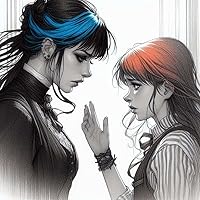
December 30, 2025
Dos días, es el tiempo en el que el autor desarrolla toda su trama y es que "Nuestra señora del dolor" tiene de todo, intriga, situación paranormal, periodistas venidos a menos, una cantante exitosa y una misteriosa leyenda que desvelar y sobretodo eso el transfondo de la Condesa Sangrienta. Es un libro muy dinámico y muy bien traducido.

May 19, 2026
Nuestra señora del dolor desprende ese aroma a terror clásico: crímenes, misterio, una casa repleta de secretos y un componente paranormal ligado al poder y la maldición.
Más allá de alegrarme por ver una nueva editorial apostando por el terror, la historia me ha resultado muy entretenida, con una lectura de ritmo ágil y fácil de devorar.
Más allá de alegrarme por ver una nueva editorial apostando por el terror, la historia me ha resultado muy entretenida, con una lectura de ritmo ágil y fácil de devorar.

November 30, 2025
Pues tiene casi todo para estar de pm. Y no es que esté mal, para nada, pero le falta cuajar del todo.
Se deja leer muy fácilmente. Es previsible, si, claro, como casi todos.
Pero vamos, ligero y entretenido.
Se deja leer muy fácilmente. Es previsible, si, claro, como casi todos.
Pero vamos, ligero y entretenido.

February 8, 2026
Una perturbadora novela, mezcla de terror sobrenatural y thriller en la que el autor nos regala algunos momentos bastante desasosegantes. Pensé que habría más terror crudo, pero no. Es más una historia que va creciendo poco a poco hasta el clímax final.
March 6, 2019
Trashy fun.

Displaying 1 - 30 of 39 reviews