

What do you think?

Autunno tedesco
Nel 1946 molti giornalisti accorsero in Germania per raccontare ai propri lettori come si viveva tra le macerie di quello che avrebbe dovuto essere il
Reich millenario. Stig Dagerman arrivò il 15 ottobre e ripartì il 10 dicembre.
Per tutto il viaggio raccolse una grande quantità di appunti che rielaborò in forma di articoli e
pubblicò in volume. Quando Autunno tedesco fu pubblicato per la prima volta, nel 1947, la critica
ne riconobbe unanimemente l’alta qualità letteraria. Quella di Dagerman era l’opera di un poeta. Colpiva in essa la descrizione acuta, nitida e diretta, di una situazione per molti versi estrema; la partecipazione appassionata
alle sofferenze dei vinti, la volontà di
comprenderne le ragioni, senza per altro
consentire a nessun tipo di facile assoluzione, la libertà da ogni schema ideologico e da ogni preconcetto.
Autunno tedesco, tuttavia, non è soltanto
una straordinaria lezione di
oggi si rivela anche, e soprattutto, come la terribile rappresentazione di un passato che, in tempi e luoghi diversi, non ha cessato di ripetersi.
Reich millenario. Stig Dagerman arrivò il 15 ottobre e ripartì il 10 dicembre.
Per tutto il viaggio raccolse una grande quantità di appunti che rielaborò in forma di articoli e
pubblicò in volume. Quando Autunno tedesco fu pubblicato per la prima volta, nel 1947, la critica
ne riconobbe unanimemente l’alta qualità letteraria. Quella di Dagerman era l’opera di un poeta. Colpiva in essa la descrizione acuta, nitida e diretta, di una situazione per molti versi estrema; la partecipazione appassionata
alle sofferenze dei vinti, la volontà di
comprenderne le ragioni, senza per altro
consentire a nessun tipo di facile assoluzione, la libertà da ogni schema ideologico e da ogni preconcetto.
Autunno tedesco, tuttavia, non è soltanto
una straordinaria lezione di
oggi si rivela anche, e soprattutto, come la terribile rappresentazione di un passato che, in tempi e luoghi diversi, non ha cessato di ripetersi.
135 pages, Kindle Edition
First published January 1, 1946
About the author
Stig Dagerman
84 books259 followersStig Dagerman was one of the most prominent Swedish authors during the 1940s. In the course of five years, 1945-49, he enjoyed phenomenal success with four novels, a collection of short stories, a book about postwar Germany, five plays, hundreds of poems and satirical verses, several essays of note and a large amount of journalism. Then, with apparent suddenness, he fell silent. In the fall of 1954, Sweden was stunned to learn that Stig Dagerman, the epitome of his generation of writers, had been found dead in his car: he had closed the doors of the garage and run the engine.
Dagerman's works deal with universal problems of morality and conscience, of sexuality and social philosophy, of love, compassion and justice. He plunges into the painful realities of human existence, dissecting feelings of fear, guilt and loneliness. Despite the somber content, he also displays a wry sense of humor that occasionally turns his writing into burlesque or satire.
Dagerman's works deal with universal problems of morality and conscience, of sexuality and social philosophy, of love, compassion and justice. He plunges into the painful realities of human existence, dissecting feelings of fear, guilt and loneliness. Despite the somber content, he also displays a wry sense of humor that occasionally turns his writing into burlesque or satire.
Ratings & Reviews
Friends & Following
Create a free account to discover what your friends think of this book!
Community Reviews
Displaying 1 - 30 of 296 reviews

January 15, 2016
GERMANIA ANNO ZERO
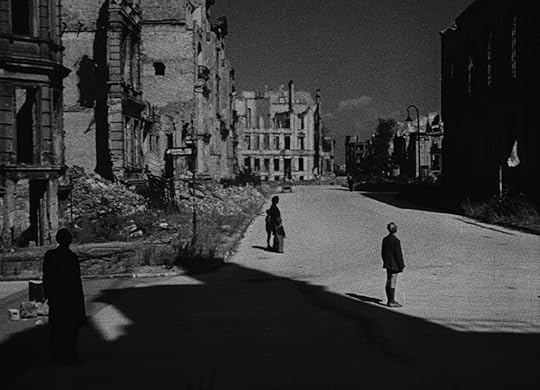
Dal 15 ottobre al 10 dicembre 1946, nella Germania post nazista, al termine di quei dodici anni che durarono un secolo, tra disfatta e rovine del Reich millenario, in città devastate, campagne abbandonate, treni strizzati di profughi, macerie, fame, rifugi e rifugiati, dalla Baviera alla Ruhr all’Elba, Hannover, Amburgo, Monaco, Norimberga, Berlino, Colonia, Francoforte… prendendo appunti, prima apparsi in articoli di rivista, poi nel 1947 in un libro, questo… Più che giornalismo narrativo, ottima letteratura, che qualcuno ha definito "opera di un poeta".
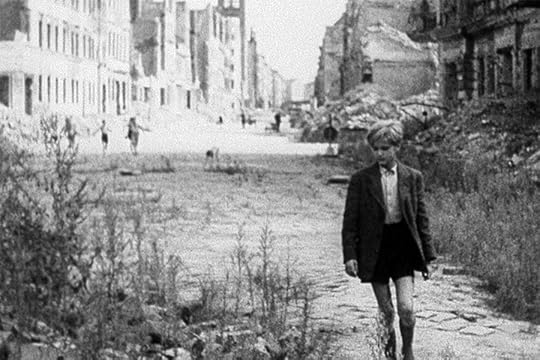
Anarchico, antinazista sin da adolescente, osservatore acuto, ascoltatore capace, commentatore crudo, si pone le domande più scomode e trova comunque risposte.
Non dimentica le responsabilità della Germania, la colpa collettiva, una nazione che non ha saputo opporsi, non ha saputo dire no, l’orrore del nazismo.
Ma di fronte alla sofferenza di un popolo vinto e umiliato, davanti alla fame e alla miseria, al cospetto di dolore e disperazione, Dagerman non si nasconde, non rimane indifferente, sa rispettare il dolore, libera il suo spirito empatico, capisce senza giudicare, solidarizza:
Il giornalista che è uscito indietreggiando dalla cantina avrebbe dovuto, in breve, essere più umile di fronte al dolore, per quanto meritato esso fosse, perché la sofferenza meritata non è meno difficile da sopportare di quella immeritata.
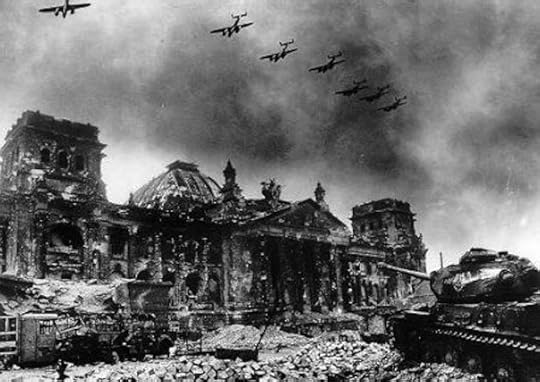
Senza mai cadere e scadere nel sentimentalismo e nel patetico, senza assolvere e senza condannare, senza ideologie e senza preconcetti, scrive cose che andavano contro, erano una sfida all’opinione pubblica dei vincitori:
Esiste in Germania un certo numero di sinceri antinazisti che sono più delusi, più disorientati e più sconfitti di quanto lo siano i simpatizzanti nazisti: delusi perché la liberazione non è stata radicale come si erano aspettati; disorientati perché non vogliono solidarizzare con il malcontento dei tedeschi – in cui riconoscono troppo nazismo nascosto – né con la politica degli alleati, di cui osservano con costernazione l’indulgenza nei confronti dei vecchi nazisti; e infine sconfitti, perché in quanto tedeschi dubitano di poter fare valere la loro quota di partecipazione alla vittoria alleata, e allo stesso tempo, in quanto antinazisti, non sono altrettanto convinti di non avere alcuna responsabilità nella sconfitta tedesca.
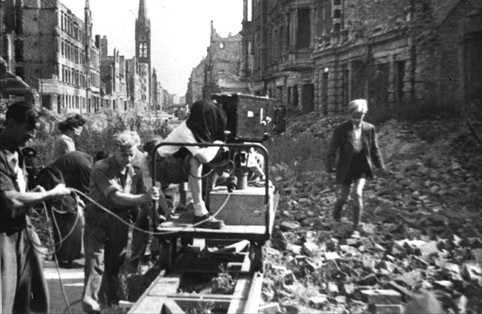
Magnifico libro, da conservare, da riprendere, che mi ha fatto andare oltre la delusione del cinema tedesco recente che si è occupato di quel periodo (Il segreto del suo volto) o di problematiche simili, quali la rimozione della colpa collettiva (Il labirinto del silenzio), brutti film su temi fondamentali.
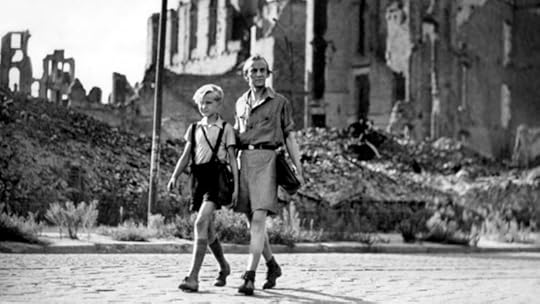
Tutte le immagini sono tratte dal capolavoro di Roberto Rossellini del 1948, l’ultimo capitolo della cosiddetta trilogia della guerra (“Roma città aperta”, 1945, e “Paisà”, 1946 sono i primi due).
Dal 15 ottobre al 10 dicembre 1946, nella Germania post nazista, al termine di quei dodici anni che durarono un secolo, tra disfatta e rovine del Reich millenario, in città devastate, campagne abbandonate, treni strizzati di profughi, macerie, fame, rifugi e rifugiati, dalla Baviera alla Ruhr all’Elba, Hannover, Amburgo, Monaco, Norimberga, Berlino, Colonia, Francoforte… prendendo appunti, prima apparsi in articoli di rivista, poi nel 1947 in un libro, questo… Più che giornalismo narrativo, ottima letteratura, che qualcuno ha definito "opera di un poeta".
Anarchico, antinazista sin da adolescente, osservatore acuto, ascoltatore capace, commentatore crudo, si pone le domande più scomode e trova comunque risposte.
Non dimentica le responsabilità della Germania, la colpa collettiva, una nazione che non ha saputo opporsi, non ha saputo dire no, l’orrore del nazismo.
Ma di fronte alla sofferenza di un popolo vinto e umiliato, davanti alla fame e alla miseria, al cospetto di dolore e disperazione, Dagerman non si nasconde, non rimane indifferente, sa rispettare il dolore, libera il suo spirito empatico, capisce senza giudicare, solidarizza:
Il giornalista che è uscito indietreggiando dalla cantina avrebbe dovuto, in breve, essere più umile di fronte al dolore, per quanto meritato esso fosse, perché la sofferenza meritata non è meno difficile da sopportare di quella immeritata.
Senza mai cadere e scadere nel sentimentalismo e nel patetico, senza assolvere e senza condannare, senza ideologie e senza preconcetti, scrive cose che andavano contro, erano una sfida all’opinione pubblica dei vincitori:
Esiste in Germania un certo numero di sinceri antinazisti che sono più delusi, più disorientati e più sconfitti di quanto lo siano i simpatizzanti nazisti: delusi perché la liberazione non è stata radicale come si erano aspettati; disorientati perché non vogliono solidarizzare con il malcontento dei tedeschi – in cui riconoscono troppo nazismo nascosto – né con la politica degli alleati, di cui osservano con costernazione l’indulgenza nei confronti dei vecchi nazisti; e infine sconfitti, perché in quanto tedeschi dubitano di poter fare valere la loro quota di partecipazione alla vittoria alleata, e allo stesso tempo, in quanto antinazisti, non sono altrettanto convinti di non avere alcuna responsabilità nella sconfitta tedesca.
Magnifico libro, da conservare, da riprendere, che mi ha fatto andare oltre la delusione del cinema tedesco recente che si è occupato di quel periodo (Il segreto del suo volto) o di problematiche simili, quali la rimozione della colpa collettiva (Il labirinto del silenzio), brutti film su temi fondamentali.
Tutte le immagini sono tratte dal capolavoro di Roberto Rossellini del 1948, l’ultimo capitolo della cosiddetta trilogia della guerra (“Roma città aperta”, 1945, e “Paisà”, 1946 sono i primi due).

February 8, 2024
"The lack of a sense of the evil of the obviously and unequivocally wicked will always be a crime."
-Thomas Mann
Dagerman was a journalist when he was sent by the Swedish newspaper Expressen to Germany in the autumn of 1946 to write articles about what he saw there.
He had a sharp eye for concrete details, partly because he could argue pungently, but mainly because he dared to see German individuals as suffering human beings rather than simply as tokens of national disgrace or guilt.
Rather than staying in his hotel room and writing a few cliché paragraphs about the overall condition of the defeated Germany and how the German people had it coming, he tried to describe the indescribable.
Someone wakens, if she has slept at all, freezing in a bed without blankets, and wades over the ankles in cold water to the stove and tries to coax some fire out of some sour branches from a bombed tree. Somewhere in the water behind, tuberculous children are hoarsely coughing. If she does succeed in getting a few flames going in the stove - a stove which at the risk of her life she has heaved out of a crumbling ruin which its owner has lain buried several yards beneath for the past two years - the smoke billows into the cellar and those who are already coughing cough even more. On the stove there is a pan of water (there is no lack of water) and she stoops and gropes in the water on the floor and plucks up some potatoes that have been lying invisible beneath the surface. The woman standing ankle-deep in cold water puts these potatoes in the pan and waits for them until, in due course, they are edible, although they were already frozen when she managed to get hold of them.
He met and spoke with people; he observed families who had lost everything and were living in dire conditions in the cellars of bombed buildings; people who were hungry, bitter, disillusioned and hopeless.
He observed them and noted how they responded to the process of survival and recovery.
His response to the notion that the German people as a whole deserved the punishment and suffering was to look at the lives of the ordinary people he met and ask:
'What would it be like to have to stay behind, to have to be hungry every day, to have to sleep in a cellar, to fight at every moment against the temptation to steal, to have to tremble with cold every minute, to have to survive, constantly, the most intractable conditions?’
And remember people he met who had to tolerate almost all of that.
Then Fraulein S. says: 'This is Germany, Mr D., a bombed cemetery. When I pass this way I always stop for a little and look.' It is a devotional moment or two I witness here in this little street in Altona, a brief minute of happiness for someone who thanks God because she is allowed to live in hell.
-Thomas Mann
Dagerman was a journalist when he was sent by the Swedish newspaper Expressen to Germany in the autumn of 1946 to write articles about what he saw there.
He had a sharp eye for concrete details, partly because he could argue pungently, but mainly because he dared to see German individuals as suffering human beings rather than simply as tokens of national disgrace or guilt.
Rather than staying in his hotel room and writing a few cliché paragraphs about the overall condition of the defeated Germany and how the German people had it coming, he tried to describe the indescribable.
Someone wakens, if she has slept at all, freezing in a bed without blankets, and wades over the ankles in cold water to the stove and tries to coax some fire out of some sour branches from a bombed tree. Somewhere in the water behind, tuberculous children are hoarsely coughing. If she does succeed in getting a few flames going in the stove - a stove which at the risk of her life she has heaved out of a crumbling ruin which its owner has lain buried several yards beneath for the past two years - the smoke billows into the cellar and those who are already coughing cough even more. On the stove there is a pan of water (there is no lack of water) and she stoops and gropes in the water on the floor and plucks up some potatoes that have been lying invisible beneath the surface. The woman standing ankle-deep in cold water puts these potatoes in the pan and waits for them until, in due course, they are edible, although they were already frozen when she managed to get hold of them.
He met and spoke with people; he observed families who had lost everything and were living in dire conditions in the cellars of bombed buildings; people who were hungry, bitter, disillusioned and hopeless.
He observed them and noted how they responded to the process of survival and recovery.
His response to the notion that the German people as a whole deserved the punishment and suffering was to look at the lives of the ordinary people he met and ask:
'What would it be like to have to stay behind, to have to be hungry every day, to have to sleep in a cellar, to fight at every moment against the temptation to steal, to have to tremble with cold every minute, to have to survive, constantly, the most intractable conditions?’
And remember people he met who had to tolerate almost all of that.
Then Fraulein S. says: 'This is Germany, Mr D., a bombed cemetery. When I pass this way I always stop for a little and look.' It is a devotional moment or two I witness here in this little street in Altona, a brief minute of happiness for someone who thanks God because she is allowed to live in hell.

February 1, 2020
The author's amazing capacity for empathy that made this description of post-war Germany in 1946 possible is as stunning as Stig Dagerman's brilliant prose and observation skills, - not to mention his resilience. It takes more than curiosity and empathy to travel the ruins of the German cities in the immediate aftermath of the war: food and shelter are scarce and illnesses are legion.
The honesty of Dagerman's observation makes this a rare document: he can mention former Nazis who are getting away with their crimes because of the flaws of the occupation system and at the same time describe with compassion how people, mostly women and children, survive on what seems to be cold, thin air in the middle of ruins.
Despite the more than depressing topic, Dagerman manages to entertain his audience, and there are stories of cheerful encounters and humorous exchanges along with the witness accounts of endless misery.
With this travel log book one gets a firsthand impression of the despair on which the German democracy was built.
Brilliant!
The honesty of Dagerman's observation makes this a rare document: he can mention former Nazis who are getting away with their crimes because of the flaws of the occupation system and at the same time describe with compassion how people, mostly women and children, survive on what seems to be cold, thin air in the middle of ruins.
Despite the more than depressing topic, Dagerman manages to entertain his audience, and there are stories of cheerful encounters and humorous exchanges along with the witness accounts of endless misery.
With this travel log book one gets a firsthand impression of the despair on which the German democracy was built.
Brilliant!

March 23, 2015
Onlarcasını izlediğimiz 2.Dünya Savaşı filmlerinde, müttefik kuvvetler hain Nazileri bozguna uğratırlar, işgal altındaki zavallı halkı kurtarırlar, ve zafer şarkıları ve alkışlar eşliğinde ülkelerine dönerler.
İşte Alman Sonbaharı tam burada başlıyor. Dagerman, 1946 sonbaharında savaş sonrası Almanya'yı bir muhabir olarak ziyaret etmiş ve gazetesine yazmış olduğu makalelerden bu harikulade kitap ortaya çıkmış. Filmlerde, kitaplarda görmediğimiz ne varsa var bu kitapta: perişan haldeki sivil Alman halkı, harabeye dönmüş Alman kentleri, patates bulabilenin şanslı sayıldığı yokluk günleri, su basmış bodrum katlarında yaşayan aileler, tuvaletlerde yaşayan insanlar, 8 kişilik kompartmanda 25 kişi seyahat etme şansına sahip olanların trene binemeyen ve evlerine dönemeyenlere bakışları, müttefik kuvvetlerin Almanya'nın toparlanmaması için uyguladığı yaptırımlar, sınıf ayrımının yok olması değil sadece şekil değiştirmesi, bir halkın suçluluk psikolojisi, bu şartlarda var olmak için karaborsacılık yapmanın veya fahişelik yapmanın ahlaksızlık olup olmadığı, ve tabii tüm dünyanın 'ama onlar bunu haketti' diyerek her şeyi meşrulaştırması.
Dagerman, son derece akıcı, yalın, objektif bir dille kaleme almış makalalerini. O dönemde, her şey bu kadar tazeyken bu kadar objektif olabilmek büyük bir başarı. Buna ek olarak, böylesine hassas bir konuda (bir yanda gördüğü insanlık dramları, bir yanda Almanların zamanında yaptıkları yıkımlar) ustaca yol alıyor. Tanık olduğu ve yürek parçalayıcı durumları dramatize etmeden, abartmadan ama duygusunu katarak aktarmış. 'Öğreten adam' veya 'gözü yaşlı anlatıcı' olmaktan uzak.
Savaşı değil de sonrasını merak edenelere mutlaka tavsiye ediyorum. Sadece 1946'sı Almanya'sına tanıklık etmek için değil, savaşın evrensel yıkımını görmek için birebir.
Not: Aşağıdaki video, özellikle son 2 dakikası, savaş sonrasının güçlü bir belgesi
https://www.youtube.com/watch?v=R5i9k...
İşte Alman Sonbaharı tam burada başlıyor. Dagerman, 1946 sonbaharında savaş sonrası Almanya'yı bir muhabir olarak ziyaret etmiş ve gazetesine yazmış olduğu makalelerden bu harikulade kitap ortaya çıkmış. Filmlerde, kitaplarda görmediğimiz ne varsa var bu kitapta: perişan haldeki sivil Alman halkı, harabeye dönmüş Alman kentleri, patates bulabilenin şanslı sayıldığı yokluk günleri, su basmış bodrum katlarında yaşayan aileler, tuvaletlerde yaşayan insanlar, 8 kişilik kompartmanda 25 kişi seyahat etme şansına sahip olanların trene binemeyen ve evlerine dönemeyenlere bakışları, müttefik kuvvetlerin Almanya'nın toparlanmaması için uyguladığı yaptırımlar, sınıf ayrımının yok olması değil sadece şekil değiştirmesi, bir halkın suçluluk psikolojisi, bu şartlarda var olmak için karaborsacılık yapmanın veya fahişelik yapmanın ahlaksızlık olup olmadığı, ve tabii tüm dünyanın 'ama onlar bunu haketti' diyerek her şeyi meşrulaştırması.
Dagerman, son derece akıcı, yalın, objektif bir dille kaleme almış makalalerini. O dönemde, her şey bu kadar tazeyken bu kadar objektif olabilmek büyük bir başarı. Buna ek olarak, böylesine hassas bir konuda (bir yanda gördüğü insanlık dramları, bir yanda Almanların zamanında yaptıkları yıkımlar) ustaca yol alıyor. Tanık olduğu ve yürek parçalayıcı durumları dramatize etmeden, abartmadan ama duygusunu katarak aktarmış. 'Öğreten adam' veya 'gözü yaşlı anlatıcı' olmaktan uzak.
Savaşı değil de sonrasını merak edenelere mutlaka tavsiye ediyorum. Sadece 1946'sı Almanya'sına tanıklık etmek için değil, savaşın evrensel yıkımını görmek için birebir.
Not: Aşağıdaki video, özellikle son 2 dakikası, savaş sonrasının güçlü bir belgesi
https://www.youtube.com/watch?v=R5i9k...

October 16, 2020
Συγκλονιστικές μαρτυρίες, Σουηδού δημοσιογράφου, στην Γερμανία του 1946, που αποτυπώνουν μια κατάσταση τελείως άγνωστη, που δε θα διαβάσουμε ποτέ σε βιβλία ιστορίας.
Read
August 9, 2017
"Dünyada hiçbir şey, soğuk bir sabahta, bombalanmış bir şehrin kocaman, boş bir sokağı kadar yalnız ve terk edilmiş değildir."
(s.93)
Nasıl ki, herkes Turin'de kırbaçlanan ata sarılan Friedrich Nietzsche'nin hikayesini anlatırken, kimse kırbaçlanan atın hikayesini merak etmezse; bu kitap da kimsenin merak etmediği insanların hikayesini anlatıyor. Savaş sonrasında Alman halkının hikayesini... Bununla birlikte insanın iliklerine kadar işleyen soğuğu, sonsuz yalnızlığı, mideyi kaburga kemiklerine yapıştıran açlığı da anlatıyor.
Kitaptan öğrendiğim kadarıyla, savaş sonrasında Alman halkı için en değerli şey, demokrasi değil. Bir çuval patates. Herkes Alman halkından pişmanlık duymasını, yaptıkları hatayı anlamasını, Hitler gibi birini iktidara getirmenin suçlululuğunu hissetmesini beklerken; Alman halkının hissettiği tek şey yokluk. Yokluğun o gri ve soğuk boşluğu... Açlıktan ölen çocuklara ağlayamayacak kadar duygusuzlaşmak.
Zaten Dagerman diyor ki; "Açlık kötü bir terbiye aracı". Fakirlikle cezalandırılan bu halk, yaptığının hata olduğunu anlayamayacak. Zira diktatörleri seven ve onları yücelten insanlar zamanla diktatörlerin nasıl canavarlara dönüştüklerini göremeyecektir. Hitler'i seven Alman halkı onun dünyaya ders veren güçlü bir ulusal lider olduğunu düşünürken; oy veriyor olmalarıyla bir demokrasi yanılgısı içindeydiler. Sonucun ne olacağını faciaya ramak kala anlamışlardı ama artık çok geçti. Hitler'i durdurabilecek kimse kalmamıştı. Bütün muhalefet susmuş, sansür nedeniyle kimse konuşamaz olmuş, insanlar iktidar ne derse onaylar duruma gelmişlerdi. Kitabın Nürnberg mahkemelerine ayrılmış bölümünde bunlar apaçık anlatılıyor. Yazar bu bölümde insanları Nazilere destek vermeye iten süreci de incelemiş.
Kitabın temel tezi; Alman halkına yapılan bu muamelenin onları Nazileri desteklemekten pişman olmaya itmeyeceği, bu muamelenin iyi bir öğretici olmayacağı üzerine kurulu. Açlıktan ölmek mi fahişelik mi? İkileminin ne demek olduğunu anlatıyor. Etiğin yok olma korkusu ile nasıl değişebileceğini... İnsanların ailecek yok olmaktansa hırsızlık yapmaya nasıl mecbur kalabileceklerini...
Yazar o gri havayı, tozu ve dumanı; açlığı öyle iyi anlatıyor ki gittim ve bir tencereye su doldurup patates haşlamaya başladım, bu yorumu bitirdiğimde patatesler de hazır olacak. Zira bir patatesin nasıl bir ziyafet olduğunu tatmak istedim. O insanları anlamak istedim.
Bugün alışveriş merkezlerindeki fastfood restoranlarında çoğunu yemeden çöpe döktüğümüz o patatesin bu insanlar için ne kadar önemli olduğunu asla anlayamazsınız.
Bu kitap, o hazin neslin hikayesi.
"On sekizinde bütün dünyayı fethettiler ve yirmi ikisinde her şeyi kaybettiler." (s.71)
M.B.
18.10.2017
Mersin
Nasıl ki, herkes Turin'de kırbaçlanan ata sarılan Friedrich Nietzsche'nin hikayesini anlatırken, kimse kırbaçlanan atın hikayesini merak etmezse; bu kitap da kimsenin merak etmediği insanların hikayesini anlatıyor. Savaş sonrasında Alman halkının hikayesini... Bununla birlikte insanın iliklerine kadar işleyen soğuğu, sonsuz yalnızlığı, mideyi kaburga kemiklerine yapıştıran açlığı da anlatıyor.
Kitaptan öğrendiğim kadarıyla, savaş sonrasında Alman halkı için en değerli şey, demokrasi değil. Bir çuval patates. Herkes Alman halkından pişmanlık duymasını, yaptıkları hatayı anlamasını, Hitler gibi birini iktidara getirmenin suçlululuğunu hissetmesini beklerken; Alman halkının hissettiği tek şey yokluk. Yokluğun o gri ve soğuk boşluğu... Açlıktan ölen çocuklara ağlayamayacak kadar duygusuzlaşmak.
Zaten Dagerman diyor ki; "Açlık kötü bir terbiye aracı". Fakirlikle cezalandırılan bu halk, yaptığının hata olduğunu anlayamayacak. Zira diktatörleri seven ve onları yücelten insanlar zamanla diktatörlerin nasıl canavarlara dönüştüklerini göremeyecektir. Hitler'i seven Alman halkı onun dünyaya ders veren güçlü bir ulusal lider olduğunu düşünürken; oy veriyor olmalarıyla bir demokrasi yanılgısı içindeydiler. Sonucun ne olacağını faciaya ramak kala anlamışlardı ama artık çok geçti. Hitler'i durdurabilecek kimse kalmamıştı. Bütün muhalefet susmuş, sansür nedeniyle kimse konuşamaz olmuş, insanlar iktidar ne derse onaylar duruma gelmişlerdi. Kitabın Nürnberg mahkemelerine ayrılmış bölümünde bunlar apaçık anlatılıyor. Yazar bu bölümde insanları Nazilere destek vermeye iten süreci de incelemiş.
Kitabın temel tezi; Alman halkına yapılan bu muamelenin onları Nazileri desteklemekten pişman olmaya itmeyeceği, bu muamelenin iyi bir öğretici olmayacağı üzerine kurulu. Açlıktan ölmek mi fahişelik mi? İkileminin ne demek olduğunu anlatıyor. Etiğin yok olma korkusu ile nasıl değişebileceğini... İnsanların ailecek yok olmaktansa hırsızlık yapmaya nasıl mecbur kalabileceklerini...
Yazar o gri havayı, tozu ve dumanı; açlığı öyle iyi anlatıyor ki gittim ve bir tencereye su doldurup patates haşlamaya başladım, bu yorumu bitirdiğimde patatesler de hazır olacak. Zira bir patatesin nasıl bir ziyafet olduğunu tatmak istedim. O insanları anlamak istedim.
Bugün alışveriş merkezlerindeki fastfood restoranlarında çoğunu yemeden çöpe döktüğümüz o patatesin bu insanlar için ne kadar önemli olduğunu asla anlayamazsınız.
Bu kitap, o hazin neslin hikayesi.
"On sekizinde bütün dünyayı fethettiler ve yirmi ikisinde her şeyi kaybettiler." (s.71)
M.B.
18.10.2017
Mersin

April 5, 2025
Swedish journalist Stig Dagerman wrote thirteen articles during a visit to Germany in 1946. He takes a clear-eyed and empathetic look at a destroyed country and populations reduced to a state of extreme poverty. Hardly suspected of sympathy for the Hitler regime, he resists the temptation of "serves them right!" and highlights the ambiguities of the occupation and denazification—a magnificent lesson in journalism and humanism for those who report on this situation.

May 11, 2021
“Alman Sonbaharı” İsveç’li gazeteci-yazar Stig Dagerman’ın bu çarpıcı ve sarsıcı gözlemlerini içeren, kısa bir süre önce okuduğum Sebald’ın “Hava Savaşı ve Edebiyat” kitabında sık sık bahsettiği ve alıntı yaptığı ve o kitabın tamamlayıcısı niteliğinde bir kitap. Kitabın özetini yazar bir cümleye sığdırıyor. “Almanların geçmişte içeride ve dışarıda yaptıkları zalimliktir, ama Alman halkının çektiği acıları ve içinde bulunduğu çaresiz durumu adaletin yerine gelmesi olarak görmek de zalimliktir”.
Bu yargısının yanında Almanya’da Nazi yandaşlarınıdan çok daha büyük hayal kırıklığı yaşayan antifaşist bir kesimin olduğunu vurguluyor. Müttefiklerin kurdurdukları “die Spruchkammern”lerde (Nazilerden Arındırma Mahkemeleri) komedilerin sergilendiğini, eski Nazi’lerin savcı olarak buralarda görev yaptıklarını, davalardan seçtiği örnek sahneler yoluyla mahkemelerde yaşananların tam bir zavallılık olduğunu insanın içine işlercesine anlatıyor Dagerman.
Mütefiklerin üç yıl boyunca sivil hedefleri acımasızca bombalayıp Hamburg, Köln, Essen, Frankfurt, Berlin ve birçok şehirde taş taş üstünde bırakmadıkları yetmiyormuş gibi bir de Nazilerden arındırma adı altında savaş yaralarını sarmaya çalışan halkı bölmeye çalıştığını, 1946 sonbaharında daha enkazlardan duman tüterken genel seçim yaptırıp demokrasi havariliğine soyunduklarını, kısaca mütefiklerin gerçek yüzlerini ortaya çıkarıyor. Okuduktan sonra insanın içinin daralması kaçınılmaz. İki kitabı mümkünse arka arkaya okumak iyi olur.
Ve ilk kez sert kaçacak bir yorum yapıyorum: bu kitaba düşük not vermek Stig Dagerman’ın ahlak anlayışını, insancıl ve savaş karşıtı düşüncelerini anlamamak anlamına geliyor bence, çünkü beğeni unsurunu içine dahil edeceğimiz bir öykü, bir roman değil burada yazılanlar, yalın gerçeklerin birinci ağızdan anlatımıdır. Resmi olmayan tarihtir, gerçek tarih !
Bu yargısının yanında Almanya’da Nazi yandaşlarınıdan çok daha büyük hayal kırıklığı yaşayan antifaşist bir kesimin olduğunu vurguluyor. Müttefiklerin kurdurdukları “die Spruchkammern”lerde (Nazilerden Arındırma Mahkemeleri) komedilerin sergilendiğini, eski Nazi’lerin savcı olarak buralarda görev yaptıklarını, davalardan seçtiği örnek sahneler yoluyla mahkemelerde yaşananların tam bir zavallılık olduğunu insanın içine işlercesine anlatıyor Dagerman.
Mütefiklerin üç yıl boyunca sivil hedefleri acımasızca bombalayıp Hamburg, Köln, Essen, Frankfurt, Berlin ve birçok şehirde taş taş üstünde bırakmadıkları yetmiyormuş gibi bir de Nazilerden arındırma adı altında savaş yaralarını sarmaya çalışan halkı bölmeye çalıştığını, 1946 sonbaharında daha enkazlardan duman tüterken genel seçim yaptırıp demokrasi havariliğine soyunduklarını, kısaca mütefiklerin gerçek yüzlerini ortaya çıkarıyor. Okuduktan sonra insanın içinin daralması kaçınılmaz. İki kitabı mümkünse arka arkaya okumak iyi olur.
Ve ilk kez sert kaçacak bir yorum yapıyorum: bu kitaba düşük not vermek Stig Dagerman’ın ahlak anlayışını, insancıl ve savaş karşıtı düşüncelerini anlamamak anlamına geliyor bence, çünkü beğeni unsurunu içine dahil edeceğimiz bir öykü, bir roman değil burada yazılanlar, yalın gerçeklerin birinci ağızdan anlatımıdır. Resmi olmayan tarihtir, gerçek tarih !

October 18, 2014
I was having coffee with my friend Jules the other day. He's 85, a retired professor of Jewish American literature who was named by a witness before the U.S. Justice Department's Subversive Activities Control Board in the 1950s and still fights the good fight for social justice. We've worked together on various causes, but sometimes we just drink coffee and talk about books.
On Tuesday he handed me this one and urged me to read it. Dagerman was a 23-year-old Swedish journalist who was sent to report on Germany in the immediate aftermath of World War II. Many reporters sent back stories of the destruction of German cities, the homelessness and starvation of the German people, but Dagerman was one of the few who refused to address the question of whether the population deserved to suffer, for having supported Hitler and his murderous agenda. In fact, he was almost ashamed to write about the suffering he witnessed.
On Tuesday he handed me this one and urged me to read it. Dagerman was a 23-year-old Swedish journalist who was sent to report on Germany in the immediate aftermath of World War II. Many reporters sent back stories of the destruction of German cities, the homelessness and starvation of the German people, but Dagerman was one of the few who refused to address the question of whether the population deserved to suffer, for having supported Hitler and his murderous agenda. In fact, he was almost ashamed to write about the suffering he witnessed.
What is the distance between literature and suffering? Does it depend on the nature of the suffering, on its closeness or on its strength? Is the distance less between poetry and the suffering caused by the reflection of the fire than the distance between poetry and the suffering arising from the fire itself? ...Perhaps we can say that simply to suffer with others is a form of poetry, which feeds a powerful longing for words.I think Dagerman found the right words to convey the suffering he witnessed, but they were not pretty or sentimental words. He observes families sleeping in flooded cellars and victims thirsting for revenge and former Nazi functionaries who somehow find a "trap door" through which to escape justice. He describes an entire generation of lost revolutionaries, betrayed by the liberation that did not turn out to be as radical as they'd hoped it would be and throughout all these stories he maintains a dispassionate tone. He offers no hope, no solace, seeing only sinking people among whom only a few have "the courage to sink," as he writes, "with their eyes open."
[E]veryone in Germany longs to be where they are not, unless they are too old to be able to long or unless they have the desperate courage to believe they have a mission. The Polish teacher longs for Sweden or Norway. She has a picture at home that helps with her longing. It shows a Norwegian fjord -- or the Danube at Siebenbrügen. Would I come home and say which, to save her from longing in the wrong direction?I don't want to make a big deal out of the fact that Dagerman committed suicide at the age of 31. That would be to make this clear-eyed observer of suffering into a romantic figure, and to suggest that his pain mattered more, in the end, than the pain of others. I do think he was a remarkable writer.

October 20, 2020
Asi najlepšia reportáž, akú som kedy čítal.
24-ročný (!) Dagerman prišiel tesne po vojne do Nemecka a napísal o utrpení Nemcov, ako keby boli Nemci tiež ľudia, čo je šokujúci prístup, na ktorého osvojenia potrebovala väčšina obyvateľov z víťazných národov o veľa desaťročí viac.
Zároveň napísal aj o Nemcoch, ktorí dobre vedia, čo spáchali, a o ich snahe vytvoriť si mentálne svety, v ktorých to nespáchali a za nacizmus môže možno sused z ulice, ale určite nie ja.
Dagerman má morálnu jasnozrivosť Orwella, talent a detaily Trumana Capoteho a naliehavosť témy ako Hersey, skrátka je to celé brilantné. (Ak ste o Dagermanovi doteraz nepočuli, je to hlavne preto, že spáchal samovraždu ako 30-ročný.)
Kúpte si, je to sviatok žurnalistiky a literatúry.
24-ročný (!) Dagerman prišiel tesne po vojne do Nemecka a napísal o utrpení Nemcov, ako keby boli Nemci tiež ľudia, čo je šokujúci prístup, na ktorého osvojenia potrebovala väčšina obyvateľov z víťazných národov o veľa desaťročí viac.
Zároveň napísal aj o Nemcoch, ktorí dobre vedia, čo spáchali, a o ich snahe vytvoriť si mentálne svety, v ktorých to nespáchali a za nacizmus môže možno sused z ulice, ale určite nie ja.
Dagerman má morálnu jasnozrivosť Orwella, talent a detaily Trumana Capoteho a naliehavosť témy ako Hersey, skrátka je to celé brilantné. (Ak ste o Dagermanovi doteraz nepočuli, je to hlavne preto, že spáchal samovraždu ako 30-ročný.)
Kúpte si, je to sviatok žurnalistiky a literatúry.

May 16, 2021
Si rimane abbastanza ammutoliti davanti a questa raccolta di articoli scritti nell'autunno del '46 nella Germania distrutta e sconfitta da un inviato di 23 anni che dimostra di aver capito tutto della guerra e dei suoi perché. Ed è l'unico che capisce che, una volta finita la guerra, non ci sono più buoni e cattivi, ma deve esserci solo compassione per la sofferenza che colpisce tutti indistintamente, vinti e vincitori.

March 20, 2021
Raccolta di articoli scritti nell'autunno del '46 in cui Dagerman ci racconta, con taglio letterario di grande qualità, la Germania devastata del secondo dopo guerra.
Sono lucide, pacate, argute le sue analisi e soprattutto senza pregiudizi di sorta, facilitato in questo dalla sua attitudine anarchica. L'incapacità degli alleati di capire che non è possibile ricostruire una democrazia mentre la popolazione soffre e muore di fame, quasi concependo ciò come sorta di punizione per una colpa collettiva. I kafkiani processi di denazificazione, totalmente inefficaci nel colpire i veri responsabili, piccoli e grandi, che la fanno franca e prosperano, con grande scoramento dei tedeschi che con grande coraggio si sono opposti al nazismo. La guerra fredda con i Russi, già sullo sfondo. La differenza di classe che si conferma e amplifica nello sfacelo ("i conti in banca non sono stati bombardati"). La mancanza di solidarietà tra tedeschi, tra anziani e giovani, tra tedeschi dell'Est e dell'Ovest, del Nord e del Sud, sorta di nemesi del nazionalismo nazista. L'incapacità dei partiti di ritrovare una politica alta e visionaria che possa risvegliare dall'apatia da disperazione i tedeschi.
Calda, appassionata, emozionante, fraterna la sua discesa all'inferno. Assieme al popolo tedesco che lotta nel gelido e cupo autunno tedesco, straziato dalla fame, tra macerie a loro modo monumentali, in cantine allagate, in celle della Gestapo trasformate in abitazioni. Tra la gente accalcata in stazioni e vagoni bui e maleodoranti o deportata in altre parti della Germania con viaggi interminabili su carri merce. Osservando le tristi ragazze tedesche mentre si prostituiscono. Per Dagerman questo compenetrarsi con la realtà dovrebbe essere il compito dell'intellettuale.
****
"Mentre l’aeroplano si solleva verso la sera d’inverno, avvolto in una nuvola di pioggia tedesca e di neve tedesca, e la superstite aquila tedesca dell’aeroporto scompare nel buio sotto di noi, mentre le luci di Francoforte si dissolvono in una nube di oscurità e l’apparecchio svedese si alza al di sopra della sofferenza tedesca a una velocità di trecento chilometri all’ora, è forse soprattutto un pensiero che s’impone alla riflessione del viaggiatore: come ci si sentirebbe se si fosse costretti a rimanere, se si dovesse patire la fame tutti i giorni, dormire in cantina, combattere continuamente contro la tentazione di rubare, tremare di freddo ogni minuto, se si dovesse sempre lottare per sopravvivere, anche nelle condizioni più difficili? Ritornano alla mente le persone incontrate, persone costrette praticamente a tutto questo."
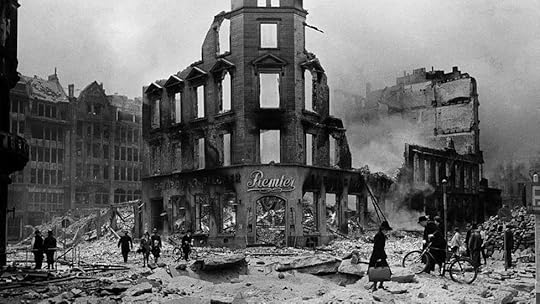
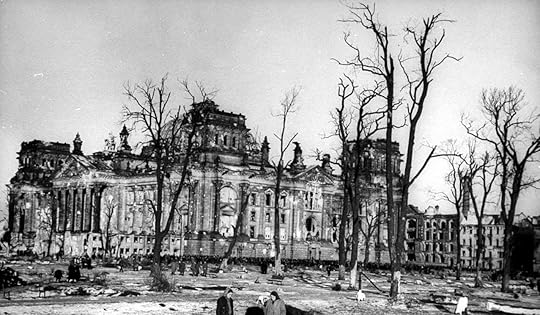
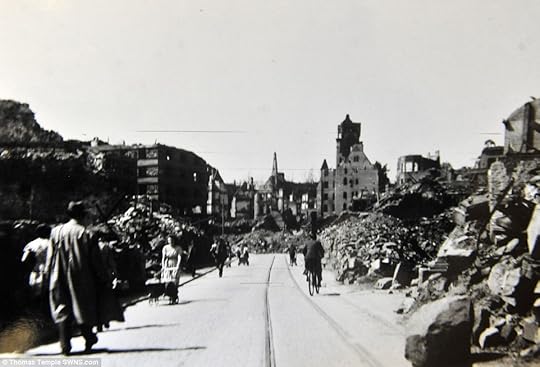
Sono lucide, pacate, argute le sue analisi e soprattutto senza pregiudizi di sorta, facilitato in questo dalla sua attitudine anarchica. L'incapacità degli alleati di capire che non è possibile ricostruire una democrazia mentre la popolazione soffre e muore di fame, quasi concependo ciò come sorta di punizione per una colpa collettiva. I kafkiani processi di denazificazione, totalmente inefficaci nel colpire i veri responsabili, piccoli e grandi, che la fanno franca e prosperano, con grande scoramento dei tedeschi che con grande coraggio si sono opposti al nazismo. La guerra fredda con i Russi, già sullo sfondo. La differenza di classe che si conferma e amplifica nello sfacelo ("i conti in banca non sono stati bombardati"). La mancanza di solidarietà tra tedeschi, tra anziani e giovani, tra tedeschi dell'Est e dell'Ovest, del Nord e del Sud, sorta di nemesi del nazionalismo nazista. L'incapacità dei partiti di ritrovare una politica alta e visionaria che possa risvegliare dall'apatia da disperazione i tedeschi.
Calda, appassionata, emozionante, fraterna la sua discesa all'inferno. Assieme al popolo tedesco che lotta nel gelido e cupo autunno tedesco, straziato dalla fame, tra macerie a loro modo monumentali, in cantine allagate, in celle della Gestapo trasformate in abitazioni. Tra la gente accalcata in stazioni e vagoni bui e maleodoranti o deportata in altre parti della Germania con viaggi interminabili su carri merce. Osservando le tristi ragazze tedesche mentre si prostituiscono. Per Dagerman questo compenetrarsi con la realtà dovrebbe essere il compito dell'intellettuale.
****
"Mentre l’aeroplano si solleva verso la sera d’inverno, avvolto in una nuvola di pioggia tedesca e di neve tedesca, e la superstite aquila tedesca dell’aeroporto scompare nel buio sotto di noi, mentre le luci di Francoforte si dissolvono in una nube di oscurità e l’apparecchio svedese si alza al di sopra della sofferenza tedesca a una velocità di trecento chilometri all’ora, è forse soprattutto un pensiero che s’impone alla riflessione del viaggiatore: come ci si sentirebbe se si fosse costretti a rimanere, se si dovesse patire la fame tutti i giorni, dormire in cantina, combattere continuamente contro la tentazione di rubare, tremare di freddo ogni minuto, se si dovesse sempre lottare per sopravvivere, anche nelle condizioni più difficili? Ritornano alla mente le persone incontrate, persone costrette praticamente a tutto questo."

April 7, 2021
“Si pretendeva da chi stava patendo questo autunno tedesco di imparare dalla propria disgrazia. Non si pensava che la fame è una pessima maestra.”
Lettura bellissima questa raccolta degli articoli scritti da Dagerman, solo ventitreenne, sul reportage nelle rovine della Germania subito alla fine della sconfitta postbellica. Un Paese sotto il controllo degli Alleati vincitori che spingono verse elezioni libere un popolo che però non è libero dalla fame e dalle sofferenze, pensate come monito, vendetta, biasimo verso tutta la nazione, ritenuta colpevole delle più grandi disumanità patite dal continente, cercando di ignorare che, mentre la sofferenza dei tedeschi nel dopoguerra è collettiva, le crudeltà dei carnefici non lo furono.
Dagerman riesce a rivolgere alla sofferenza del popolo tedesco di quel dopoguerra non uno sguardo pietoso, ma una analisi lucida della situazione creata dalla ipocrita denazificazione chiesta dagli Alleati, indotta alla fine solo contro i pesci piccoli, quelli che si misero in divisa per necessità o per paura (quanto mi sono tornate alla mente le pagine di Hans Fallada in Ognuno muore solo) mentre dalle maglie di un tribunale, con giudici che si scusano di dover giudicare gli accusati, scappano senza ritegno i pesci veramente grossi, quelli che davvero si macchiarono di denunce verso il proprio stesso popolo, oltre che verso gli ebrei. Tribunali dove la testimonianza di un ebreo che serva a discolparsi valga 200 marchi, o accettino che la prova migliore di innocenza sia l’ascolto, da parte del sospettato, di una radio straniera.
La farsa delle elezioni in un paese di gente che vive su treni dismessi, o in cantine invase dall’acqua e dai topi, che non riesce a mettere nulla in pentola se non ricorrendo al furto o al mercato nero, l’odio susseguente tra chi quel mercato lo fa e chi lo subisce, tra i contadini e gli abitanti delle città.
La sfiducia tra i giovani cresciuti solo sotto il nazismo ( “hanno conquistato il mondo a diciotto anni, e a ventidue hanno perso tutto”) , e i gli uomini responsabili del disastro del ’33, troppo veloci dopo a riprendere il timone nelle loro tremanti mani di vecchi. E qui il collegamento che non può mancare è al magnifico libro di Eric Vuillard L’ordine del giorno.
L’ipocrisia di una giustizia che attraverso un verdetto che condanna gli accusati (tutto il popolo tedesco) a un’esistenza disumana e che riduca la dignità dei condannati invece di elevarla, giacchè questo dovrebbe essere il fine ultimo della giustizia terrena, ha già distrutto i fondamenti del proprio diritto a esistere.
Dagerman, svedese, non era un vero giornalista, ma ha dato una lezione di giornalismo “con la schiena dritta” a tutti gli scribacchini che accorrevano allora in Germania dietro le divise dei vincitori, consapevole di come la Svezia, che aveva conservato la propria neutralità durante lo scontro, era uscita rapidamente dalla sua posizione di allerta fingendo di dimenticare i convogli militari tedeschi lasciati transitare in direzione della Norvegia occupata, o i profughi ricacciati in Germania.
Gran bella lettura.
Lettura bellissima questa raccolta degli articoli scritti da Dagerman, solo ventitreenne, sul reportage nelle rovine della Germania subito alla fine della sconfitta postbellica. Un Paese sotto il controllo degli Alleati vincitori che spingono verse elezioni libere un popolo che però non è libero dalla fame e dalle sofferenze, pensate come monito, vendetta, biasimo verso tutta la nazione, ritenuta colpevole delle più grandi disumanità patite dal continente, cercando di ignorare che, mentre la sofferenza dei tedeschi nel dopoguerra è collettiva, le crudeltà dei carnefici non lo furono.
Dagerman riesce a rivolgere alla sofferenza del popolo tedesco di quel dopoguerra non uno sguardo pietoso, ma una analisi lucida della situazione creata dalla ipocrita denazificazione chiesta dagli Alleati, indotta alla fine solo contro i pesci piccoli, quelli che si misero in divisa per necessità o per paura (quanto mi sono tornate alla mente le pagine di Hans Fallada in Ognuno muore solo) mentre dalle maglie di un tribunale, con giudici che si scusano di dover giudicare gli accusati, scappano senza ritegno i pesci veramente grossi, quelli che davvero si macchiarono di denunce verso il proprio stesso popolo, oltre che verso gli ebrei. Tribunali dove la testimonianza di un ebreo che serva a discolparsi valga 200 marchi, o accettino che la prova migliore di innocenza sia l’ascolto, da parte del sospettato, di una radio straniera.
La farsa delle elezioni in un paese di gente che vive su treni dismessi, o in cantine invase dall’acqua e dai topi, che non riesce a mettere nulla in pentola se non ricorrendo al furto o al mercato nero, l’odio susseguente tra chi quel mercato lo fa e chi lo subisce, tra i contadini e gli abitanti delle città.
La sfiducia tra i giovani cresciuti solo sotto il nazismo ( “hanno conquistato il mondo a diciotto anni, e a ventidue hanno perso tutto”) , e i gli uomini responsabili del disastro del ’33, troppo veloci dopo a riprendere il timone nelle loro tremanti mani di vecchi. E qui il collegamento che non può mancare è al magnifico libro di Eric Vuillard L’ordine del giorno.
L’ipocrisia di una giustizia che attraverso un verdetto che condanna gli accusati (tutto il popolo tedesco) a un’esistenza disumana e che riduca la dignità dei condannati invece di elevarla, giacchè questo dovrebbe essere il fine ultimo della giustizia terrena, ha già distrutto i fondamenti del proprio diritto a esistere.
Dagerman, svedese, non era un vero giornalista, ma ha dato una lezione di giornalismo “con la schiena dritta” a tutti gli scribacchini che accorrevano allora in Germania dietro le divise dei vincitori, consapevole di come la Svezia, che aveva conservato la propria neutralità durante lo scontro, era uscita rapidamente dalla sua posizione di allerta fingendo di dimenticare i convogli militari tedeschi lasciati transitare in direzione della Norvegia occupata, o i profughi ricacciati in Germania.
Gran bella lettura.

March 26, 2020
Δεν ξέρω καν πως να αρχίσω αυτή την κριτική.
Ο Στιγκ Νταγκερμαν, 23 χρονών τότε, ανέλαβε ένα τρομερά δύσκολο έργο. Να καταγράψει την μεταπολεμική γερμανική πραγματικότητα το 1946 για λογαριασμό μιας Σουηδικής εφημερίδας. Και δεν ήταν μόνο δύσκολο, αλλά όπως έδειξε η ιστορία, αποτέλεσε ένα επίπονο έργο για τον συγγραφέα.
Ο Ντάγκερμαν περνάει απο μεγάλες γερμανικές πόλεις, χωριά, σταθμούς τραίνων και καταγράφει τις εμπειρίες του σχετικά με την καθημερινότητα των ανθρώπων. Με γλώσσα μεταξύ λυρισμού και ρεαλισμού (Σουηδός δεν είμαι, αλλά η μετάφραση φαίνεται top quality), βλέπουμε πως είναι μια ολόκληρη χώρα, ηττημένη, εξαθλιωμένη, χωρίς προοπτικές και πάνω απ'ολα πεινασμένη. Όπως μαρτυρά και ο ίδιος δεν του κάνει καμία εντύπωση πως οι γερμανοί είναι ακόμη υπερ του Χίτλερ σε εκπληκτικό βαθμό. Γιατί είναι καλύτερο να τρώς 1 φορά την μέρα, απο το να μην τρως καμία.
Ουσιαστικά όμως τι θέλει να μας δέιξει ο Ντάγκερμαν;
Πως ένας πόλεμος έχει μόνο ένα αποτέλεσμα: στάχτες και συντρίμμια. Τίποτα άλλο.
Κρίμα Νταγκερμαν, έφυγες νωρίς.
Ο Στιγκ Νταγκερμαν, 23 χρονών τότε, ανέλαβε ένα τρομερά δύσκολο έργο. Να καταγράψει την μεταπολεμική γερμανική πραγματικότητα το 1946 για λογαριασμό μιας Σουηδικής εφημερίδας. Και δεν ήταν μόνο δύσκολο, αλλά όπως έδειξε η ιστορία, αποτέλεσε ένα επίπονο έργο για τον συγγραφέα.
Ο Ντάγκερμαν περνάει απο μεγάλες γερμανικές πόλεις, χωριά, σταθμούς τραίνων και καταγράφει τις εμπειρίες του σχετικά με την καθημερινότητα των ανθρώπων. Με γλώσσα μεταξύ λυρισμού και ρεαλισμού (Σουηδός δεν είμαι, αλλά η μετάφραση φαίνεται top quality), βλέπουμε πως είναι μια ολόκληρη χώρα, ηττημένη, εξαθλιωμένη, χωρίς προοπτικές και πάνω απ'ολα πεινασμένη. Όπως μαρτυρά και ο ίδιος δεν του κάνει καμία εντύπωση πως οι γερμανοί είναι ακόμη υπερ του Χίτλερ σε εκπληκτικό βαθμό. Γιατί είναι καλύτερο να τρώς 1 φορά την μέρα, απο το να μην τρως καμία.
Ουσιαστικά όμως τι θέλει να μας δέιξει ο Ντάγκερμαν;
Πως ένας πόλεμος έχει μόνο ένα αποτέλεσμα: στάχτες και συντρίμμια. Τίποτα άλλο.
Κρίμα Νταγκερμαν, έφυγες νωρίς.

October 11, 2021
İnsanca gözlem ve tanımlama, adalet, ahlâk ve merhamete sadakat nedir, bu kitaptan daha iyi bir örnek olabilir mi bilmiyorum, hayran oldum Dagerman'a; keşke bu muazzam insanlık belgelerinden birkaç tane daha bırakıp gitseymiş utanma erdemini yitirmek istemeyenlere.
***
"Almanların geçmişte, içeride ve dışarıda yapıp ettikleri, zalimlikten başka bir söz gerektirmiyor ve her nasıl ve kim tarafından yapılırsa yapılsın zalimlik, zalimliktir. Ama başka bir şey daha var; Alman halkının çektiği, bu kitapta da anlatılan acıları, hiç kuşkusuz başarısız bir fetih girişiminin sonucu olduğundan, adaletin tecellisiymiş gibi kabullenmek de zalimliktir.
Birincisi, böylesi bir kavrama tarzı hukuken vahim denecek kadar hatalı, çünkü her ne olursa olsun Alman gaddarlığı kolektif değilken, Alman sefaleti kolektif yaşanıyor. Dahası açlık ve soğuk, tıpkı işkence ve dayak gibi, aynı nedenlerle hukuki ceza yöntemleri arasında kabul edilmez. Ve suçlananı insan haysiyetine yakışmayan bir hayata mahkum eden ahlaki yargı, yani mahkûm edilenin, yeryüzünün yazılı olmayan yasalarına göre, insanlık değerini yükseltmek varken alçaltan bir adalet, kendi varlığını haklı kılan temeli yok eder."
"Bütün sorun itaatin zorunlu bir ilke olarak kabul edilip edilmemesinde. Bunu bir kez kabul edersek, çok geçmeden, itaat talep eden devletin en iğrenç şeylere bile itaate zorlayacak araçlara sahip olduğunu da görürüz; devlet koşulsuz itaat ister."
"Böylesi bir Alman sonbaharını yaşamaya mahkûm edilen insanların, bahtsızlıklarından dersler çıkartmaları istendi. Açlığın kötü bir pedagog olduğu hiç düşünülmedi. Gerçekten aç biri, eğer bütünüyle çaresiz değilse, kendi açlığından dolayı kendisini suçlamaz, yardım edebilecek durumdakilerden yakınır."
“Karneyle dağıtılan ihtiyaç maddelerinde kısıntıya gidilirken buna mukabil işgal askerlerinin refahı, el konulan malzemelerin beceriksizce sökülüp sonbahar yağmurunda paslanmaya terk edilmesi, müttefiklerden bir aileye yer açmak için beş Alman ailenin evsiz bırakılması ve her şeyden çok da, askerî bir rejimin köklerini askerî bir rejimle kazımaya çalışmak, her tarafı müttefik asker kaynayan bir ülkede Alman üniformasına karşı nefret körüklemek...”
"...revaçta ve maalesef doğrulanmış bir söylentiyi anlattı: Hamburg demiryolu istasyonunun yeniden yapılmasına İngilizlerin niçin izin vermedikleri sorulduğunda Ingiliz yüzbaşı şöyle demiş: “Otuz yıl beklemek dururken siz Almanların üç yılda ayaklarınızın üzerinde doğrulmanıza niçin yardım edelim?"
Bu anlamda bir fıkra anlatıyor: Berlin'in dört işgalcisinin her birinin bir gölette akvaryum balıkları varmış. Rus balığı yakalayıp yemiş. Fransız yakalamış, güzel yüzgeçlerini koparttıktan sonra tekrar suya atmış. Amerikalı içini doldurup hatıra diye memleketine göndermiş. En tuhaf davrananları İngiliz'miş: Balığı yakalamış, avucunun içine almış ve ölene kadar okşamış."
"Nazilikten arındırma işine bütün Almanya ya gülüyor yahut ağlıyor, bu komedide sorumlu mahkemeler, evdeki arkadaş gibi ikiyüzlü zavallı bir rolü oynuyor. Avukatların ceza kesilmeden önce davalılardan özür dilediği bu mahkemelerde, bu devasa kâğıt değirmenlerinde, kâğıt kıtlığı çekilen Almanya'da davalının kusursuzluğunu gösteren yüz belgeyle..."
"Ünlü bir Alman yayıncı, "Böylesi bir kaderi hiçbir gençlik yaşamadı" diyor. "On sekizinde bütün dünyayı fethettiler ve yirmi ikisinde her şeyi kaybettiler."
"En acıklısı da Noel'den hemen önce katıldığım Frankfurt am Main'deki büyük çadır toplantısıydı, konuşmacı sosyal demokratların eski meclis başkanı, yaşlı Paul Löbe idi, yaklaşık bin dinleyicinin arasında tek bir gencin bile bulunmaması, her ne olursa olsun tam bir fecaatti. İşin en acıklı ve en korkutucu yanıysa dinleyicilerin çok yaşlı olmalarıydı. Oraya gelenlerin yüzde sekseni, daha yeni doğmuş demokrasi için yürütülen kavgaya destek vermek için değil, hatıralarını yad etmek için gelmiş, keskin ifadeli, gülümsemeleri donmuş ihtiyarlardı. Arenanın etrafinda dikilmiş, çınlayan metal bir müziğin eşliğinde enternasyonal marşını mırıldanıyorlardı, 13 yıl susmaktan fazlasıyla kurumuş seslerini kuşatan buz gibi sessizlikte, kaybedilmiş bir devrimin ve kaybetmiş bir kuşağın müzesindeymiş gibi korkunç bir duyguya kapılıyordu insan. Ve çadırın dışında duran gençler alaycı bir ifadeyle yol gösteriyordu: Burada her şey sağa gider!"
***
"Almanların geçmişte, içeride ve dışarıda yapıp ettikleri, zalimlikten başka bir söz gerektirmiyor ve her nasıl ve kim tarafından yapılırsa yapılsın zalimlik, zalimliktir. Ama başka bir şey daha var; Alman halkının çektiği, bu kitapta da anlatılan acıları, hiç kuşkusuz başarısız bir fetih girişiminin sonucu olduğundan, adaletin tecellisiymiş gibi kabullenmek de zalimliktir.
Birincisi, böylesi bir kavrama tarzı hukuken vahim denecek kadar hatalı, çünkü her ne olursa olsun Alman gaddarlığı kolektif değilken, Alman sefaleti kolektif yaşanıyor. Dahası açlık ve soğuk, tıpkı işkence ve dayak gibi, aynı nedenlerle hukuki ceza yöntemleri arasında kabul edilmez. Ve suçlananı insan haysiyetine yakışmayan bir hayata mahkum eden ahlaki yargı, yani mahkûm edilenin, yeryüzünün yazılı olmayan yasalarına göre, insanlık değerini yükseltmek varken alçaltan bir adalet, kendi varlığını haklı kılan temeli yok eder."
"Bütün sorun itaatin zorunlu bir ilke olarak kabul edilip edilmemesinde. Bunu bir kez kabul edersek, çok geçmeden, itaat talep eden devletin en iğrenç şeylere bile itaate zorlayacak araçlara sahip olduğunu da görürüz; devlet koşulsuz itaat ister."
"Böylesi bir Alman sonbaharını yaşamaya mahkûm edilen insanların, bahtsızlıklarından dersler çıkartmaları istendi. Açlığın kötü bir pedagog olduğu hiç düşünülmedi. Gerçekten aç biri, eğer bütünüyle çaresiz değilse, kendi açlığından dolayı kendisini suçlamaz, yardım edebilecek durumdakilerden yakınır."
“Karneyle dağıtılan ihtiyaç maddelerinde kısıntıya gidilirken buna mukabil işgal askerlerinin refahı, el konulan malzemelerin beceriksizce sökülüp sonbahar yağmurunda paslanmaya terk edilmesi, müttefiklerden bir aileye yer açmak için beş Alman ailenin evsiz bırakılması ve her şeyden çok da, askerî bir rejimin köklerini askerî bir rejimle kazımaya çalışmak, her tarafı müttefik asker kaynayan bir ülkede Alman üniformasına karşı nefret körüklemek...”
"...revaçta ve maalesef doğrulanmış bir söylentiyi anlattı: Hamburg demiryolu istasyonunun yeniden yapılmasına İngilizlerin niçin izin vermedikleri sorulduğunda Ingiliz yüzbaşı şöyle demiş: “Otuz yıl beklemek dururken siz Almanların üç yılda ayaklarınızın üzerinde doğrulmanıza niçin yardım edelim?"
Bu anlamda bir fıkra anlatıyor: Berlin'in dört işgalcisinin her birinin bir gölette akvaryum balıkları varmış. Rus balığı yakalayıp yemiş. Fransız yakalamış, güzel yüzgeçlerini koparttıktan sonra tekrar suya atmış. Amerikalı içini doldurup hatıra diye memleketine göndermiş. En tuhaf davrananları İngiliz'miş: Balığı yakalamış, avucunun içine almış ve ölene kadar okşamış."
"Nazilikten arındırma işine bütün Almanya ya gülüyor yahut ağlıyor, bu komedide sorumlu mahkemeler, evdeki arkadaş gibi ikiyüzlü zavallı bir rolü oynuyor. Avukatların ceza kesilmeden önce davalılardan özür dilediği bu mahkemelerde, bu devasa kâğıt değirmenlerinde, kâğıt kıtlığı çekilen Almanya'da davalının kusursuzluğunu gösteren yüz belgeyle..."
"Ünlü bir Alman yayıncı, "Böylesi bir kaderi hiçbir gençlik yaşamadı" diyor. "On sekizinde bütün dünyayı fethettiler ve yirmi ikisinde her şeyi kaybettiler."
"En acıklısı da Noel'den hemen önce katıldığım Frankfurt am Main'deki büyük çadır toplantısıydı, konuşmacı sosyal demokratların eski meclis başkanı, yaşlı Paul Löbe idi, yaklaşık bin dinleyicinin arasında tek bir gencin bile bulunmaması, her ne olursa olsun tam bir fecaatti. İşin en acıklı ve en korkutucu yanıysa dinleyicilerin çok yaşlı olmalarıydı. Oraya gelenlerin yüzde sekseni, daha yeni doğmuş demokrasi için yürütülen kavgaya destek vermek için değil, hatıralarını yad etmek için gelmiş, keskin ifadeli, gülümsemeleri donmuş ihtiyarlardı. Arenanın etrafinda dikilmiş, çınlayan metal bir müziğin eşliğinde enternasyonal marşını mırıldanıyorlardı, 13 yıl susmaktan fazlasıyla kurumuş seslerini kuşatan buz gibi sessizlikte, kaybedilmiş bir devrimin ve kaybetmiş bir kuşağın müzesindeymiş gibi korkunç bir duyguya kapılıyordu insan. Ve çadırın dışında duran gençler alaycı bir ifadeyle yol gösteriyordu: Burada her şey sağa gider!"

September 29, 2025
Em 1947, Stig Dagerman foi enviado à Alemanha do pós-guerra para escrever uma reportagem que haveria de se materializar neste Outono Alemão.
O escritor sueco viu um país destroçado, com a intervenção dos Aliados a deixar cavar ainda mais o fosso entre ricos e miseráveis. Com as casas destruídas e sem terem onde morar, muitos alemães encontram nas caves uma possibilidade de sobrevivência, embora indigna. A fome grassa por todo o lado, a par com a insalubridade, a doença e a desesperança. Não se pensa "Bora lá construir uma democracia" quando se está faminto. "A fome é um mau pedagogo", escreve.
Enquanto isso, são implementados tribunais de desnazificação, onde os supostos nazis são julgados pelo que fizeram e pelo que não fizeram. Muitos foram os que alinharam e assinaram a obediência a Hitler, em troca de empregos e de sonhos realizados.
Os vencedores não os perdoam. Acham que é um castigo merecido; são culpados e devem expiar as suas culpas como forma de retribuição. Mas o jornalista contesta: "A fome e o frio não figuravam na escala das penas previstas pela justiça dos homens, pela mesma razão segundo a qual a tortura e os maus tratos nela não figuram".
A perceção de uma geração de jovens perdida - "a mais digna de lástima de todas as gerações perdidas" - será das ideias mais tristes que encontrei neste livro.
Mais do que um simples livro, este é um documento histórico para quem tenta ainda, com a empatia possível, entender alguma coisa do que então se passou.
O escritor sueco viu um país destroçado, com a intervenção dos Aliados a deixar cavar ainda mais o fosso entre ricos e miseráveis. Com as casas destruídas e sem terem onde morar, muitos alemães encontram nas caves uma possibilidade de sobrevivência, embora indigna. A fome grassa por todo o lado, a par com a insalubridade, a doença e a desesperança. Não se pensa "Bora lá construir uma democracia" quando se está faminto. "A fome é um mau pedagogo", escreve.
Enquanto isso, são implementados tribunais de desnazificação, onde os supostos nazis são julgados pelo que fizeram e pelo que não fizeram. Muitos foram os que alinharam e assinaram a obediência a Hitler, em troca de empregos e de sonhos realizados.
Os vencedores não os perdoam. Acham que é um castigo merecido; são culpados e devem expiar as suas culpas como forma de retribuição. Mas o jornalista contesta: "A fome e o frio não figuravam na escala das penas previstas pela justiça dos homens, pela mesma razão segundo a qual a tortura e os maus tratos nela não figuram".
A perceção de uma geração de jovens perdida - "a mais digna de lástima de todas as gerações perdidas" - será das ideias mais tristes que encontrei neste livro.
Mais do que um simples livro, este é um documento histórico para quem tenta ainda, com a empatia possível, entender alguma coisa do que então se passou.

May 26, 2018
Outono alemão é o resultado de uma reportagem jornalística que Stig Dagerman encetou no outono de 1946 na parte ocidental da Alemanha, em Ruhr e Hamburgo.
Dagerman não se limitou a transcrever as notícias publicadas nos jornais alemães, confortavelmente instalado no seu hotel. Dagerman calcorreou cidades, viajou de comboio, assistiu a julgamentos de desnazificação, falou com camponeses, professores e escritores, refugiados de guerra, visitou caves imundas para falar com crianças, mulheres e idosos. O trabalho que nos apresenta é fruto de investigação séria, observada, experienciada, sempre com a lente limpa e uma mente humanista, empática e sofredora.
“Um jornalista francês, bastante conhecido pelo seu talento e cheio de boas intenções, convidou-me, em nome da objetividade, a ler os jornais alemães em vez de ir inspeccionar os alojamentos alemães e as panelas alemãs. Não será esta maneira de pensar que prevalece numa grande parte da opinião mundial?” (Pag. 23)
Nesta viagem permite-nos ver o lado de dentro da fronteira alemã, a miséria, a imundice, as ruínas, os bombardeamentos, os maus tratos a que foram sujeitos o povo alemão durante a ocupação pelas forças aliadas.
Desmistifica a ideia que todo o povo alemão comunga dos ideais nazis, ou que todo o povo terá servido o partido nazi de forma cruel, bárbaro e abusivo. Stig mostra-nos uma Alemanha pós-guerra dividido e ocupado pelas forças militares francesas, ingleses e americanas, que por baixo do véu dito “democrático” foram tão bárbaros, cruéis, corruptos e sádicos como os nazis que operavam nos campos de concentração.
A preocupação dos aliados era de garantir que o povo alemão não se unisse, dividir para reinar, colocá-los uns contra os outros, permitiam a pilhagem, o ódio a prostituição entre si. Injetavam-lhes propaganda política contra os ideais comunistas para erradicar qualquer tipo de associação, e por isso os submeteram à fome, ao frio, à precariedade, para conseguir que o povo revelasse total obediência ao estado, foi assim que o partido social democrata ganhou as eleições de 1946, perante a indiferença e o medo que o povo tinha das forças aliadas.
Sternberg escreve a este propósito, “Não fora uma revolução alemã que derrubara o regime de Hitler, mas sim a vitória militar dos Aliados, na qual o papel dos EUA se mostrara decisivo. Este último serviu-se do seu novo poderio para impedir que a queda do regime hitleriano “degenerasse” em revolução social e para as camadas que tinham colaborado com Hitler na época em que este tomou o poder, bem como na altura em que se preparava a 2ª guerra, de modo algum perdessem a sua posição económica e social predominante”. (…) Fascismo e democracia são duas formas do mesmo modo de produção. Foi isto que Stig Dagerman perspicazmente deu conta aquando da sua estadia na Alemanha Ocidental.
“Essas pessoas são as mais belas ruínas da Alemanha, mas por enquanto são tão inabitáveis como estas casas demolidas ente Hasselbrook e Landwehr, estas casas que exalam um cheiro áspero e amargo de incêndios extintos, no crepúsculo húmido deste outono.” (Pag. 39)
As forças aliadas levaram a cabo uma chacina na cidade de Hamburgo, matando milhares de civis e poupando a indústria metalomecânica, bélica, o tecido empresarial, assim como as mansões dos altos quadros do partido Nazi.
Como refere o jornalista “Alistair Parker”,
a 27 de Julho, de manhã, bem cedo, um duche de bombas incendiárias ateou fogos no centro da cidade de Hamburgo, que se transformou num impressionante fogo de destruição. Este inferno causado pela mão do homem que aspirou ventos de uma força ciclónica que juntaram os diversos fogos e os transformaram numa tempestade de fogo que cobriu mais de quinze quilómetros quadrados. Entre 40 a 50 mil pessoas morreram esses dias. Tal como descreveu o chefe da polícia de Hamburgo, entre o ruído da tempestade de fogo, os gritos e grunhidos dos moribundos e a queda constante de bombas (…) as crianças foram arrancadas das mãos dos seus pais pela força do vento ciclónico e atiradas para o fogo, As pessoas que pensavam ter conseguido fugir, caiam, aniquiladas pela força devoradora do calor, e morriam num instante(…). Convém lembrar que os ataques aéreos aliados se ocuparam mais das populações civis do que de alvos económicos e militares estratégicos.
O investigador André Piettre também escreveu em 1952 a este propósito (…) “a indústria pesada, base essencial da indústria de guerra, saía do conflito como a menos atingida de todas,…, viu-se que era mais eficaz aniquilar o pessoal, do que o material…Os laços de interesses económicos ou financeiros que passavam por cima das fronteiras (acordos económicos e investimentos) foram alvo de proteção. "
Enquanto “chacinavam civis” os capitalistas exprimiam uma solidariedade sem fronteiras, poupando o material e os seus investimentos. Isto ao mesmo tempo que, num outro plano, o plano público, modelado pela propaganda política e pelos mass média, o único a que os cidadãos têm acesso, se procedia a uma satanização do nazismo, com o objetivo de angelizar universalmente o capitalismo, dando-se ênfase absoluto à forma política que melhor o representa a democracia parlamentar.
Dagerman não se limitou a transcrever as notícias publicadas nos jornais alemães, confortavelmente instalado no seu hotel. Dagerman calcorreou cidades, viajou de comboio, assistiu a julgamentos de desnazificação, falou com camponeses, professores e escritores, refugiados de guerra, visitou caves imundas para falar com crianças, mulheres e idosos. O trabalho que nos apresenta é fruto de investigação séria, observada, experienciada, sempre com a lente limpa e uma mente humanista, empática e sofredora.
“Um jornalista francês, bastante conhecido pelo seu talento e cheio de boas intenções, convidou-me, em nome da objetividade, a ler os jornais alemães em vez de ir inspeccionar os alojamentos alemães e as panelas alemãs. Não será esta maneira de pensar que prevalece numa grande parte da opinião mundial?” (Pag. 23)
Nesta viagem permite-nos ver o lado de dentro da fronteira alemã, a miséria, a imundice, as ruínas, os bombardeamentos, os maus tratos a que foram sujeitos o povo alemão durante a ocupação pelas forças aliadas.
Desmistifica a ideia que todo o povo alemão comunga dos ideais nazis, ou que todo o povo terá servido o partido nazi de forma cruel, bárbaro e abusivo. Stig mostra-nos uma Alemanha pós-guerra dividido e ocupado pelas forças militares francesas, ingleses e americanas, que por baixo do véu dito “democrático” foram tão bárbaros, cruéis, corruptos e sádicos como os nazis que operavam nos campos de concentração.
A preocupação dos aliados era de garantir que o povo alemão não se unisse, dividir para reinar, colocá-los uns contra os outros, permitiam a pilhagem, o ódio a prostituição entre si. Injetavam-lhes propaganda política contra os ideais comunistas para erradicar qualquer tipo de associação, e por isso os submeteram à fome, ao frio, à precariedade, para conseguir que o povo revelasse total obediência ao estado, foi assim que o partido social democrata ganhou as eleições de 1946, perante a indiferença e o medo que o povo tinha das forças aliadas.
Sternberg escreve a este propósito, “Não fora uma revolução alemã que derrubara o regime de Hitler, mas sim a vitória militar dos Aliados, na qual o papel dos EUA se mostrara decisivo. Este último serviu-se do seu novo poderio para impedir que a queda do regime hitleriano “degenerasse” em revolução social e para as camadas que tinham colaborado com Hitler na época em que este tomou o poder, bem como na altura em que se preparava a 2ª guerra, de modo algum perdessem a sua posição económica e social predominante”. (…) Fascismo e democracia são duas formas do mesmo modo de produção. Foi isto que Stig Dagerman perspicazmente deu conta aquando da sua estadia na Alemanha Ocidental.
“Essas pessoas são as mais belas ruínas da Alemanha, mas por enquanto são tão inabitáveis como estas casas demolidas ente Hasselbrook e Landwehr, estas casas que exalam um cheiro áspero e amargo de incêndios extintos, no crepúsculo húmido deste outono.” (Pag. 39)
As forças aliadas levaram a cabo uma chacina na cidade de Hamburgo, matando milhares de civis e poupando a indústria metalomecânica, bélica, o tecido empresarial, assim como as mansões dos altos quadros do partido Nazi.
Como refere o jornalista “Alistair Parker”,
a 27 de Julho, de manhã, bem cedo, um duche de bombas incendiárias ateou fogos no centro da cidade de Hamburgo, que se transformou num impressionante fogo de destruição. Este inferno causado pela mão do homem que aspirou ventos de uma força ciclónica que juntaram os diversos fogos e os transformaram numa tempestade de fogo que cobriu mais de quinze quilómetros quadrados. Entre 40 a 50 mil pessoas morreram esses dias. Tal como descreveu o chefe da polícia de Hamburgo, entre o ruído da tempestade de fogo, os gritos e grunhidos dos moribundos e a queda constante de bombas (…) as crianças foram arrancadas das mãos dos seus pais pela força do vento ciclónico e atiradas para o fogo, As pessoas que pensavam ter conseguido fugir, caiam, aniquiladas pela força devoradora do calor, e morriam num instante(…). Convém lembrar que os ataques aéreos aliados se ocuparam mais das populações civis do que de alvos económicos e militares estratégicos.
O investigador André Piettre também escreveu em 1952 a este propósito (…) “a indústria pesada, base essencial da indústria de guerra, saía do conflito como a menos atingida de todas,…, viu-se que era mais eficaz aniquilar o pessoal, do que o material…Os laços de interesses económicos ou financeiros que passavam por cima das fronteiras (acordos económicos e investimentos) foram alvo de proteção. "
Enquanto “chacinavam civis” os capitalistas exprimiam uma solidariedade sem fronteiras, poupando o material e os seus investimentos. Isto ao mesmo tempo que, num outro plano, o plano público, modelado pela propaganda política e pelos mass média, o único a que os cidadãos têm acesso, se procedia a uma satanização do nazismo, com o objetivo de angelizar universalmente o capitalismo, dando-se ênfase absoluto à forma política que melhor o representa a democracia parlamentar.

May 10, 2019
"Böylesi bir Alman sonbaharını yaşamaya mahkum edilen insanların, bahtsızlıklarından dersler çıkartmaları istendi. Açlığın kötü bir pedagog olduğu hiç düşünülmedi. Gerçekten aç biri, eğer bütünüyle çaresiz değilse, kendi açlığından dolayı kendisini suçlamaz, yardım edebilecek durumdakilerden yakınır. Açlığı nedensellik arayışına da terfi etmez, sürekli aç olanın en yakınında duranların dışındakilerle bağ kuracak hali yoktur, yani onlardan yakınır, daha önce geçimini sağlamasına el veren bir rejimi yıkanlardan, kendisini alışkın olduğu geçim düzeyinden yoksun bırakanlardan.
Tabii bu pek de ahlaki bir tutum değil, ama açlığın ahlakla işi yok. 'Erst kommt das Fressen, dann die Moral...'(Önce ekmek sonra ahlak)." (s.18)
Bambaşka ve objektif bakış açısıyla benzer konu işleyen çoğu eserden ayrılan saf ve hüzünlü bir yapıt.
4,5/5
Tabii bu pek de ahlaki bir tutum değil, ama açlığın ahlakla işi yok. 'Erst kommt das Fressen, dann die Moral...'(Önce ekmek sonra ahlak)." (s.18)
Bambaşka ve objektif bakış açısıyla benzer konu işleyen çoğu eserden ayrılan saf ve hüzünlü bir yapıt.
4,5/5

June 11, 2014

Hamburgo - Alemanha - 1946
No Outono de 1946, com apenas vinte e três anos, o jovem escritor e jornalista sueco Stig Dagerman (1923 – 1954), viaja pela Alemanha para escrever uma série de artigos para o jornal sueco Expressen; vários textos sobre o sofrimento do povo alemão após o fim da Segunda Guerra Mundial, relatos dramáticos sobre várias zonas e várias cidades de uma Alemanha ocupada e controlada pelos Aliados Ocidentais e pela União Soviética.
Stig Dagerman depara-se com a fome, homens, mulheres e crianças esfomeadas, sem recursos para sobreviver, populações decepcionadas “porque a libertação não foi tão radical como a imaginaram”, o êxodo interno, a violência, o mercado negro, a reconstrução ideológica, a luta de classes, ”A tese segundo a qual teria deixado de haver classes na Alemanha é uma expressão de exagero e do cinismo. Longe de estarem atenuadas, as diferenças entre as classes acentuaram-se após a derrocada do país.” (Pág. 49)
Os dois capítulos que mais me surpreenderam foram: ”Geração Perdida” - ”A Alemanha não tem só uma geração perdida; tem várias. Podemos perguntar-nos qual delas será a mais perdida, mas de maneira nenhuma qual é a mais digna de lástima.” (Pág. 81) e ”Os Trâmites da Justiça” descrições factuais sobre os Spruchkammern ou denominados Tribunais de Desnazificação nos quais se investigam e se acusam os criminosos de guerra, “pequenos” e “grandes” criminosos, onde “A inquirição das testemunhas permite com frequência que se sinta a exalação do medo…”, com punições individuais e colectivas que acentuam ”um perigoso vislumbre do ridículo.”
”Não é só a mocidade, é todo o povo que está doente: doente de inflação, de reparações de guerra impostas, de desemprego e de hitlerismo.” (Pág. 87)
No excelente capítulo final ”Literatura e Sofrimento” , Stig Dagerman, interroga-se: ”Que distância haverá entre a literatura e o sofrimento? Será ela função da natureza do sofrimento, da sua intensidade ou do espaço que os separa? A obra literária estará mais próxima do sofrimento que causa o reflexo do fogo ou daquele que provém do próprio fogo? Exemplos imediatos, tanto no espaço como no tempo, mostram existir relações praticamente directas entre a literatura e o sofrimento remoto, fechado, sendo porventura possível afirmar que o facto de sofrer com os outros constitui uma forma de literatura ardentemente em busca das suas palavras. O sofrimento imediato, aberto, distingue-se do sofrimento remoto em particular pelo facto de não buscar as suas palavras, em todo o caso de o não fazer na altura em que é sentido. Em comparação com o sofrimento fechado, o sofrimento aberto é tímido, contido e avaro nas palavras que profere.” (Pág. 134)
Para Stig Dagerman, mais do que estabelecer análises ou juízo de valor, num contexto de culpa e castigo, sobre tragédias humanas e situações degradantes, quer individual quer colectivamente, efectua uma observação atenta, sem sentimentalismo mas com compreensão para as fatalidades individuais de um povo, antes dominado pelo nazismo e agora subjugado pela miséria e pelas ruínas, numa narrativa impregnada de fragmentos da história e de “histórias” que acabam por deixar uma mensagem de esperança e compaixão.
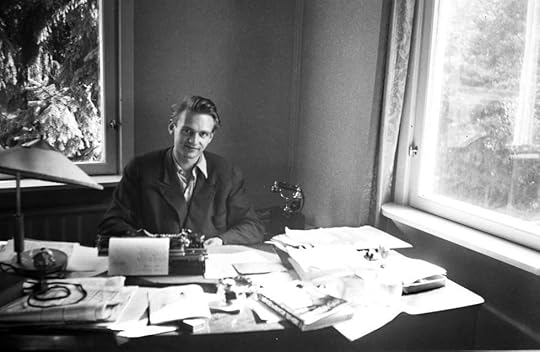
Stig Dagerman nasceu a 5 de Outubro de 1923 em Alvkarleby, uma povoação a cerca de 150 km a norte de Estocolmo e a 4 de Novembro de 1954, com trinta e um anos, cometeu o suicídio.
"AQUI JAZ / UM ESCRITOR SUECO / QUE SUCUMBIU POR NADA / O SEU CRIME: A INOCÊNCIA / ESQUEÇAM-NO MUITAS VEZES."

February 4, 2025
Storia naturale della distruzione
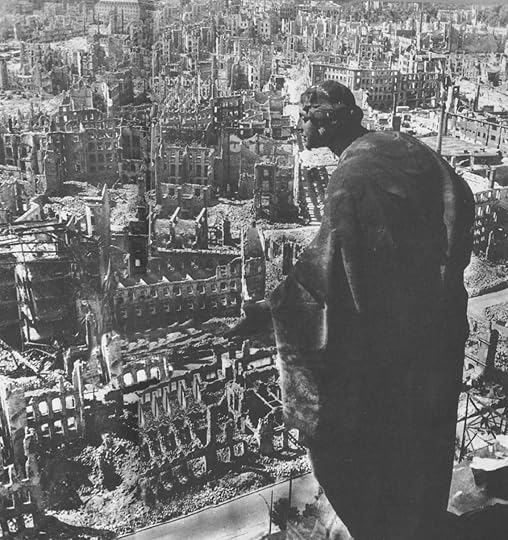
Ho letto Dagerman pensando a Sebald e alla sua Storia naturale della distruzione e ho finito per ritrovare Sebald nella postfazione di Giorgio Fontana, segno che si tratta di due opere che si parlano e che sia possibile, a cinquant'anni di distanza dell'una dall'altra, isolarne sia i punti di osservazione differenti che la somiglianza dello sguardo. Penso anche io che sia indispensabile leggerle insieme, che scrivendo della Germania postbellica l'uno - scrittore svedese anarchico inviato nel 1946, appena ventitreenne, a realizzare un reportage che in tre mesi di permanenza lo porterà a osservare e a riflettere sulle condizioni dei vinti e sulla distruzione delle principali città tedesche alla fine del secondo conflitto mondiale e sull'assenza di umanità destinata ai singoli in maniera indiscriminata e collettiva durante il lungo processo di denazificazione operato dagli alleati - e dell'elaborazione del senso di colpa l'altro, attraverso una serie di conferenze, tenute in Svizzera nel 1997, sulla distruzione delle città tedesche durante la guerra e quel senso, comune a tutta la popolazione, di essersi meritata i bombardamenti, le macerie, la fame - leggendoli entrambi, dicevo, si finisca per avere un quadro sconcertante, completo, di quanto devastante sia stato ricostruire la Germania, pensare anche soltanto di poterla ricostruire, sulla base di quella che lo stesso Sebald identifica come l'amnesia collettiva di un popolo che aveva solo voglia di dimenticare.
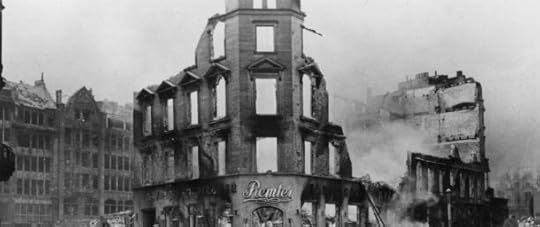
Sulle macerie, muovendosi in treno, presenziando alle udienze dei tribunali dove venivano interrogati gli ex nazisti e le spie, incontrando le donne, gli uomini, i bambini, i giovani e gli anziani che, inebetiti dal dolore e dalla fame, dal freddo e dalle malattie, si spostano vagando da una città all'altra, si rifugiano nelle baracche, nei vagoni del treno e in quello che rimane delle case e dei palazzi, tra quelle macerie, su tutto, si innalzano il senso morale e l'umanità di Dagerman, che con rigore umano e letterario consegna alla Storia pagine indelebili e una testimonianza indimenticabile.
Quattro e mezza.
Ho letto Dagerman pensando a Sebald e alla sua Storia naturale della distruzione e ho finito per ritrovare Sebald nella postfazione di Giorgio Fontana, segno che si tratta di due opere che si parlano e che sia possibile, a cinquant'anni di distanza dell'una dall'altra, isolarne sia i punti di osservazione differenti che la somiglianza dello sguardo. Penso anche io che sia indispensabile leggerle insieme, che scrivendo della Germania postbellica l'uno - scrittore svedese anarchico inviato nel 1946, appena ventitreenne, a realizzare un reportage che in tre mesi di permanenza lo porterà a osservare e a riflettere sulle condizioni dei vinti e sulla distruzione delle principali città tedesche alla fine del secondo conflitto mondiale e sull'assenza di umanità destinata ai singoli in maniera indiscriminata e collettiva durante il lungo processo di denazificazione operato dagli alleati - e dell'elaborazione del senso di colpa l'altro, attraverso una serie di conferenze, tenute in Svizzera nel 1997, sulla distruzione delle città tedesche durante la guerra e quel senso, comune a tutta la popolazione, di essersi meritata i bombardamenti, le macerie, la fame - leggendoli entrambi, dicevo, si finisca per avere un quadro sconcertante, completo, di quanto devastante sia stato ricostruire la Germania, pensare anche soltanto di poterla ricostruire, sulla base di quella che lo stesso Sebald identifica come l'amnesia collettiva di un popolo che aveva solo voglia di dimenticare.
Sulle macerie, muovendosi in treno, presenziando alle udienze dei tribunali dove venivano interrogati gli ex nazisti e le spie, incontrando le donne, gli uomini, i bambini, i giovani e gli anziani che, inebetiti dal dolore e dalla fame, dal freddo e dalle malattie, si spostano vagando da una città all'altra, si rifugiano nelle baracche, nei vagoni del treno e in quello che rimane delle case e dei palazzi, tra quelle macerie, su tutto, si innalzano il senso morale e l'umanità di Dagerman, che con rigore umano e letterario consegna alla Storia pagine indelebili e una testimonianza indimenticabile.
Quattro e mezza.

February 1, 2022
Não tenho muito mais a acrescentar a tudo o que já vi escrito aqui no GoodReads acerca deste livro.
Apenas me ocorre que este livro-reportagem devia ser leitura obrigatória para todos os que trabalham em jornalismo.
Dagerman escreve com objetividade e lucidez, mas ao mesmo tempo com grande empatia. Imagino como deve ter sido difícil fazê-lo em 1947, quando todos ainda viam o mundo dividido em bons e maus. E agora que penso nisso, não continuamos ainda assim?
Apenas me ocorre que este livro-reportagem devia ser leitura obrigatória para todos os que trabalham em jornalismo.
Dagerman escreve com objetividade e lucidez, mas ao mesmo tempo com grande empatia. Imagino como deve ter sido difícil fazê-lo em 1947, quando todos ainda viam o mundo dividido em bons e maus. E agora que penso nisso, não continuamos ainda assim?

July 23, 2022
Ma non è stata proprio la storia a insegnarci che in Germania il confine tra propaganda per gli interessi nazionali e nazionalismo carico d’odio è quanto mai labile?
“Un giornalista non lo sono diventato ancora e, per quanto ne so, non lo diventerò mai. Il giornalismo è l'arte di arrivare troppo tardi il più in fretta possibile. Io non la imparerò mai.” (Stig Dagerman)
La Germania del dopoguerra è povera di gioia ma non di divertimenti. Le sale cinematografiche, strapiene, funzionano praticamente tutto il giorno e fino a notte. Ma divertirsi costa. I biglietti per il teatro costano tempo, che abbonda, e denaro, che manca proprio. I divertimenti gratuiti sono rari e bisogna sfruttare l’occasione quando si presenta. Nella zona americana è un passatempo abbastanza diffuso quello di assistere all’udienza di una Spruchkammer, cioè a un processo di denazificazione. L’uomo con i panini nel sacchetto rumoroso, che con interesse sempre vigile e occhi quasi mai stanchi osserva lo svolgersi di un dibattimento dopo l’altro, è uno dei frequentatori abituali delle aule spoglie nei palazzi di giustizia semibombardati. Sarebbe sbagliato credere che l’uomo con i panini nel sacchetto venga in tribunale per gioire del tardivo trionfo della giustizia. Più probabilmente è un appassionato di teatro che desidera appagare il suo bisogno di arte scenica. Un’udienza della Spruchkammer ne è davvero un prodotto eccellente, perlomeno quando tutti gli attori sono abbastanza interessanti; uno spettacolo superbo e affascinante, che con i suoi rapidi passaggi dal passato al presente e gli interminabili interrogatori dei testimoni sembra un esempio pratico di esistenzialismo applicato.
Quando “Autunno tedesco” fu pubblicato in volume, nel 1947, la critica fu unanime nel riconoscerne l’alta qualità letteraria. Gli articoli di Dagerman erano opera di un poeta e si distaccavano nettamente dalla produzione giornalistica corrente. Herbert Tingsten, del quotidiano “Dagens Nyheter”, scrisse: “la descrizione si fa emozionante e acuta soprattutto grazie alla passione del poeta, al suo sguardo capace di cogliere i singoli individui e alla sua abilità nel rendere le atmosfere senza cadere nel sentimentalismo o nel patetico.” (dalla postfazione di Fulvio Ferrari)
Una sera, mentre stiamo parlando in cucina, qualcuno bussa alla porta: è un ragazzino paffuto e dalle guance rosse come mele; vuole giocare con la figlia dei miei ospiti, una bambina magra di cinque anni che per due anni ha passato quasi ogni notte in cantina. “Hanschen hat dicke Backen”, dice qualcuno, ed Hanschen sorride tranquillo. Sì, il piccolo Hans ha davvero delle guance paffute, e nella mano destra ha anche un gran panino con lo strutto d’oca. E’ un patetico incontro tra due diversi panini, tra due diverse Germanie: quella povera e onesta, quella ricca e ambigua. Il papà del piccolo Hans era il Pubblico Ministero di un tribunale nazista; ora si è ritirato dal sangue ed è passato alla terra. Ha acquistato – si badi bene, dopo la disfatta! – il podere più grande del villaggio, e se la passa cento volte meglio degli ex prigionieri dei lager, ora evacuati, che sono stati sistemati nelle case pericolanti e maltenute della campagna attorno.
Se fa rabbia? Certo che fa rabbia, ma non che questo aiuti molto. […] Stiamo guardando il bosco che ho attraversato il giorno prima e uno degli amici mi dice che nemmeno quel bosco è così innocente come sembra. Lì, nell’aprile del 1945, sono stati impiccati dei ragazzini disertori che fuggivano a casa della mamma, abbandonando la milizia popolare. Il piccolo Hans “mit den dicken Backen” ha finito di mangiare il panino e ora gioca tra le querce con la sua magra amica di cinque anni. Il Pubblico Ministero divenuto contadino arriva dal suo bosco portando a casa l’ultimo carico di legna. Quest’anno saluta amichevolmente quelli che due anni fa ha contribuito a condannare. Saluta addirittura levando in alto la frusta. Ah, ironia americana! - un giurista nazista raccoglie la legna nel bosco dove appena due anni fa i nazisti hanno impiccato dei bambini. E dall’alto, molto sopra le querce, si sentono spari forti e secchi nel crepuscolo. Sono gli americani, che nei monti sopra il bosco degli impiccati sparano al cinghiale con le munizioni della vittoria.
“Un giornalista non lo sono diventato ancora e, per quanto ne so, non lo diventerò mai. Il giornalismo è l'arte di arrivare troppo tardi il più in fretta possibile. Io non la imparerò mai.” (Stig Dagerman)
La Germania del dopoguerra è povera di gioia ma non di divertimenti. Le sale cinematografiche, strapiene, funzionano praticamente tutto il giorno e fino a notte. Ma divertirsi costa. I biglietti per il teatro costano tempo, che abbonda, e denaro, che manca proprio. I divertimenti gratuiti sono rari e bisogna sfruttare l’occasione quando si presenta. Nella zona americana è un passatempo abbastanza diffuso quello di assistere all’udienza di una Spruchkammer, cioè a un processo di denazificazione. L’uomo con i panini nel sacchetto rumoroso, che con interesse sempre vigile e occhi quasi mai stanchi osserva lo svolgersi di un dibattimento dopo l’altro, è uno dei frequentatori abituali delle aule spoglie nei palazzi di giustizia semibombardati. Sarebbe sbagliato credere che l’uomo con i panini nel sacchetto venga in tribunale per gioire del tardivo trionfo della giustizia. Più probabilmente è un appassionato di teatro che desidera appagare il suo bisogno di arte scenica. Un’udienza della Spruchkammer ne è davvero un prodotto eccellente, perlomeno quando tutti gli attori sono abbastanza interessanti; uno spettacolo superbo e affascinante, che con i suoi rapidi passaggi dal passato al presente e gli interminabili interrogatori dei testimoni sembra un esempio pratico di esistenzialismo applicato.
Quando “Autunno tedesco” fu pubblicato in volume, nel 1947, la critica fu unanime nel riconoscerne l’alta qualità letteraria. Gli articoli di Dagerman erano opera di un poeta e si distaccavano nettamente dalla produzione giornalistica corrente. Herbert Tingsten, del quotidiano “Dagens Nyheter”, scrisse: “la descrizione si fa emozionante e acuta soprattutto grazie alla passione del poeta, al suo sguardo capace di cogliere i singoli individui e alla sua abilità nel rendere le atmosfere senza cadere nel sentimentalismo o nel patetico.” (dalla postfazione di Fulvio Ferrari)
Una sera, mentre stiamo parlando in cucina, qualcuno bussa alla porta: è un ragazzino paffuto e dalle guance rosse come mele; vuole giocare con la figlia dei miei ospiti, una bambina magra di cinque anni che per due anni ha passato quasi ogni notte in cantina. “Hanschen hat dicke Backen”, dice qualcuno, ed Hanschen sorride tranquillo. Sì, il piccolo Hans ha davvero delle guance paffute, e nella mano destra ha anche un gran panino con lo strutto d’oca. E’ un patetico incontro tra due diversi panini, tra due diverse Germanie: quella povera e onesta, quella ricca e ambigua. Il papà del piccolo Hans era il Pubblico Ministero di un tribunale nazista; ora si è ritirato dal sangue ed è passato alla terra. Ha acquistato – si badi bene, dopo la disfatta! – il podere più grande del villaggio, e se la passa cento volte meglio degli ex prigionieri dei lager, ora evacuati, che sono stati sistemati nelle case pericolanti e maltenute della campagna attorno.
Se fa rabbia? Certo che fa rabbia, ma non che questo aiuti molto. […] Stiamo guardando il bosco che ho attraversato il giorno prima e uno degli amici mi dice che nemmeno quel bosco è così innocente come sembra. Lì, nell’aprile del 1945, sono stati impiccati dei ragazzini disertori che fuggivano a casa della mamma, abbandonando la milizia popolare. Il piccolo Hans “mit den dicken Backen” ha finito di mangiare il panino e ora gioca tra le querce con la sua magra amica di cinque anni. Il Pubblico Ministero divenuto contadino arriva dal suo bosco portando a casa l’ultimo carico di legna. Quest’anno saluta amichevolmente quelli che due anni fa ha contribuito a condannare. Saluta addirittura levando in alto la frusta. Ah, ironia americana! - un giurista nazista raccoglie la legna nel bosco dove appena due anni fa i nazisti hanno impiccato dei bambini. E dall’alto, molto sopra le querce, si sentono spari forti e secchi nel crepuscolo. Sono gli americani, che nei monti sopra il bosco degli impiccati sparano al cinghiale con le munizioni della vittoria.

August 18, 2019
Alman Sonbaharı, İsveçli yazar Stig Dagerman'ın II. Dünya Savaşı sonrası Almanya'ya ilişkin yazılarından oluşuyor; ancak bu yazıların kuru makaleler olduğu düşünülmemeli. Zira her biri birer öykü tadında; ancak Dagerman'ın anlattığı her şey gerçek. Bunu bilmek okuyucuyu çok daha fazla etkiliyor.
II. Dünya Savaşı'nda yaşanan katliamlara dair pek çok şey okuduk, okuyoruz; izledik, izliyoruz; fakat okuduklarımız, izlediklerimiz genelde savaş esnasında yaşanan acılar oluyor, savaşın hemen akabinde yaşananları, Alman halkının durumunu anlatan yeterince eser -bence- yok. Alman Sonbaharı, bu açıdan bence oldukça kıymetli ve beni gerçekten çok etkiledi.
Savaşın son bulması, yaşanan acıların son bulduğu anlamına gelmiyor; acılar devam ediyor. Bu doğrultuda bazı insanların Nazi olmamasına rağmen "Hitler zamanında daha iyi durumdaydık" dediklerini okuyoruz. Dagerman, bu kişileri benzer konumdaki yabancı bazı meslektaşlarının aksine onlara "Nazi" yaftasını yapıştırmadan, onların birer insan, sefalet içinde açlıkla boğuşan insanlar olduğunun bilincinde ele alıyor. Bunun yanı sıra umutları boşa çıkan Almanları da Dagerman'ın anlatımıyla okuyoruz. Savaş esnasında bazı kesimlerin pek çok şeyin değişeceğine dair umutlarının nasıl soluverdiğini görüyoruz. Bu esnada aslında pek çok şeyin nasıl değişmediğini de okuyoruz. Örneğin bir Nazi savcısı savaş sonrasında da varlıklı biri olarak hayatına devam ediyor; ama o savcının "gürbüz" oğlunun oyun arkadaşı küçük bir kızın en büyük hayali yeni bir oyuncak bebek sahibi olmak değil, üzerine gerçek tereyağı sürülmüş ve şeker serpiştirilmiş bir dilim ekmek yiyebilmek.
Alman Sonbaharı, çok gerçekçi, çok çarpıcı. Keşke daha uzun uzun okuyabilseydim dediğim bir kitap oldu.
II. Dünya Savaşı'nda yaşanan katliamlara dair pek çok şey okuduk, okuyoruz; izledik, izliyoruz; fakat okuduklarımız, izlediklerimiz genelde savaş esnasında yaşanan acılar oluyor, savaşın hemen akabinde yaşananları, Alman halkının durumunu anlatan yeterince eser -bence- yok. Alman Sonbaharı, bu açıdan bence oldukça kıymetli ve beni gerçekten çok etkiledi.
Savaşın son bulması, yaşanan acıların son bulduğu anlamına gelmiyor; acılar devam ediyor. Bu doğrultuda bazı insanların Nazi olmamasına rağmen "Hitler zamanında daha iyi durumdaydık" dediklerini okuyoruz. Dagerman, bu kişileri benzer konumdaki yabancı bazı meslektaşlarının aksine onlara "Nazi" yaftasını yapıştırmadan, onların birer insan, sefalet içinde açlıkla boğuşan insanlar olduğunun bilincinde ele alıyor. Bunun yanı sıra umutları boşa çıkan Almanları da Dagerman'ın anlatımıyla okuyoruz. Savaş esnasında bazı kesimlerin pek çok şeyin değişeceğine dair umutlarının nasıl soluverdiğini görüyoruz. Bu esnada aslında pek çok şeyin nasıl değişmediğini de okuyoruz. Örneğin bir Nazi savcısı savaş sonrasında da varlıklı biri olarak hayatına devam ediyor; ama o savcının "gürbüz" oğlunun oyun arkadaşı küçük bir kızın en büyük hayali yeni bir oyuncak bebek sahibi olmak değil, üzerine gerçek tereyağı sürülmüş ve şeker serpiştirilmiş bir dilim ekmek yiyebilmek.
Alman Sonbaharı, çok gerçekçi, çok çarpıcı. Keşke daha uzun uzun okuyabilseydim dediğim bir kitap oldu.

August 24, 2019
Stig Dagerman è un giovane scrittore svedese che, nel 1946, su richiesta di una rivista del suo paese, si reca in Germania per osservare e descrivere la situazione all’indomani del secondo conflitto mondiale: “Autunno tedesco” è il risultato di questo reportage, una testimonianza preziosa, e un’altra lezione di giornalismo letterario. Dagerman si muove fra le macerie di città come Amburgo e Berlino, e nei boschi, nei villaggi, nelle stazioni, nei tribunali dove incontra diverse persone, famiglie distrutte, sfollati, giovani affamati in quello che doveva essere, nei progetti di Hitler un grande paese, e ora è ridotto a un cumulo di pietre e case bombardate. Si pone domande e tenta di darsi risposte, analizza fatti e situazioni, scava fra le contraddizioni di un paese vinto, indebolito ma in ricostruzione. Ne emerge un quadro frammentario e complesso, più di quello che si potrebbe immaginare.
Confesso che, per mia ignoranza, ho faticato a capire alcuni passaggi incentrati sull’analisi politica della situazione post-bellica, che Dagerman analizza con lucidità, senza trarre alcuna generalizzazione. Ma in complesso ho apprezzato il libro, tra l’altro il primo che abbia letto su queste tematiche…anche perché, in genere, si scrivono e si leggono tanti romanzi e saggi sulla seconda guerra mondiale, ma qual è stato veramente il “dopo” e come è stato vissuto, soprattutto nel paese che ne è uscito perdente, la Germania?
Da leggere.
Confesso che, per mia ignoranza, ho faticato a capire alcuni passaggi incentrati sull’analisi politica della situazione post-bellica, che Dagerman analizza con lucidità, senza trarre alcuna generalizzazione. Ma in complesso ho apprezzato il libro, tra l’altro il primo che abbia letto su queste tematiche…anche perché, in genere, si scrivono e si leggono tanti romanzi e saggi sulla seconda guerra mondiale, ma qual è stato veramente il “dopo” e come è stato vissuto, soprattutto nel paese che ne è uscito perdente, la Germania?
Da leggere.

April 21, 2018
"— Hitler era reconhecido pelo mundo inteiro! Homens de Estado vieram cá assinar tratados. O Papa foi o primeiro a reconhecê-lo. Eu próprio vi uma fotografia em que o Papa está a apertar-lhe a mão."
(Página 83)
(Página 83)

May 7, 2023
göğsünde biri iyi, diğeri kötü iki vicdan taşıyanlar ne ideolojik ne de ruhsal açıklığı teşvik ederler. kırgınlık ile bilinçli hayal kırıklığı, hiç kuşkusuz bu tür bir ruhsal dilemmadan çıkışın en kolay yoludur.

December 9, 2023
Of, ne kitap ya. Her kelimesi bıçak gibi, ok gibi. 1946 yılının sonbaharında bir İsveç gazetesi, savaşın ardından Almanya'daki hayatı gözlemlemek üzere ünlü yazar Stig Dagerman'ı görevlendirmiş; bu kitap da Dagerman'ın oradaki gözlemlerini aktardığı yazılarının derlemesi. Dagerman'ın edebiyatçı olduğu besbelli çünkü bir gazeteci gibi değil, bambaşka bir kavrayış ve üslupla yazıyor. Hem acayip gözlemler var bu kitapta, hem de Dagerman'ın belirlediği ahlakî pozisyon hayranlık uyandırıcı. Tüm dünya Almanların başlarına gelen felaketi hak ettiğini düşünürken, Dagerman merkezine insanı alarak ve çok vicdanlı bir yerden konuşuyor.
Örneğin Alman halkına reva görülen muameleye dair şu cümleleri: "Ve suçlananı insan haysiyetine yakışmayan bir hayata mahkûm eden ahlaki yargı, yani mahkûm edilenin, yeryüzünün yazılı olmayan yasalarına göre, insanlık değerini yükseltmek varken alçaltan bir adalet, kendi varlığını haklı kılan temeli yok eder."
Berlin, Hamburg, Bavyera... İnsanların yıkık binaların bodrumlarında hayatta kalmaya çalıştıkları kentleri geziyor Dagerman ve müttefikler bir yandan tüm Alman sanayiini yok eder, bir yandan kurdukları "Almanya'yı Nazizmden Temizleme" mahkemelerinde aslında kısmen göstermelik yargılamalar yapar ve gerçek suçluları mahkum etmezken, tekil insanların sesi oluyor. Bir kayıp kuşağı, "böylesi bir kaderi hiçbir gençlik yaşamadı - on sekizinde dünyayı fethettiler ve yirmi ikisinde her şeylerini kaybettiler" diye tariflenen bir kuşağı anlamaya çalışıyor. Yığınları lanetlemek çok kolaydır ama o yığının içinde insan yüzleri belirmeye başlayınca değişir her şey ve kendisi tam da bunu yapıyor işte.
Bu arada Dagerman henüz 31 yaşındayken intihar ederek hayatına son vermiş. Daha sonra kendisinin adına bir edebiyat ödülü konmuş ve bu ödüle 1997'de Yaşar Kemal layık görülmüş, onu da ekleyeyim ve şu alıntıyla bitireyim: "Ulusal çıkarlar için propaganda yapmakla, nefretle deklare edilen milliyetçilik arasındaki sınırın çok ince olduğunu Almanya deneyi yeterince öğretmedi mi? En azından bu sınırı bozmamanın eşsiz sanatını öğretmeyi, demorkatik eğitimin bir parçası yapmamalı mıyız?"
Çok ama çok etkilendim. Çok tavsiye ediyorum.
Örneğin Alman halkına reva görülen muameleye dair şu cümleleri: "Ve suçlananı insan haysiyetine yakışmayan bir hayata mahkûm eden ahlaki yargı, yani mahkûm edilenin, yeryüzünün yazılı olmayan yasalarına göre, insanlık değerini yükseltmek varken alçaltan bir adalet, kendi varlığını haklı kılan temeli yok eder."
Berlin, Hamburg, Bavyera... İnsanların yıkık binaların bodrumlarında hayatta kalmaya çalıştıkları kentleri geziyor Dagerman ve müttefikler bir yandan tüm Alman sanayiini yok eder, bir yandan kurdukları "Almanya'yı Nazizmden Temizleme" mahkemelerinde aslında kısmen göstermelik yargılamalar yapar ve gerçek suçluları mahkum etmezken, tekil insanların sesi oluyor. Bir kayıp kuşağı, "böylesi bir kaderi hiçbir gençlik yaşamadı - on sekizinde dünyayı fethettiler ve yirmi ikisinde her şeylerini kaybettiler" diye tariflenen bir kuşağı anlamaya çalışıyor. Yığınları lanetlemek çok kolaydır ama o yığının içinde insan yüzleri belirmeye başlayınca değişir her şey ve kendisi tam da bunu yapıyor işte.
Bu arada Dagerman henüz 31 yaşındayken intihar ederek hayatına son vermiş. Daha sonra kendisinin adına bir edebiyat ödülü konmuş ve bu ödüle 1997'de Yaşar Kemal layık görülmüş, onu da ekleyeyim ve şu alıntıyla bitireyim: "Ulusal çıkarlar için propaganda yapmakla, nefretle deklare edilen milliyetçilik arasındaki sınırın çok ince olduğunu Almanya deneyi yeterince öğretmedi mi? En azından bu sınırı bozmamanın eşsiz sanatını öğretmeyi, demorkatik eğitimin bir parçası yapmamalı mıyız?"
Çok ama çok etkilendim. Çok tavsiye ediyorum.

November 6, 2016
Savaş bittiğinde barış gelir mi? Savaşın gittiği noktada özgürlük başlar mı? Savaştan çıkmış ve yoksullukla karşılaşmış bir topluluk nasıl yaşar? Hayatta kalma içgüdüsü her şeyin üstünde midir?
Evet, Stig Dagerman II. Dünya Savaşı sonrası Almanya'ya uzanıyor ve yaşamanın utanca dönüşmesini anlatıyor.
Evet, Stig Dagerman II. Dünya Savaşı sonrası Almanya'ya uzanıyor ve yaşamanın utanca dönüşmesini anlatıyor.

February 26, 2022
• Un Dagerman è per sempre •
Questo è quello che mi viene da dire ora, a lettura appena terminata. Si perché di Dagerman ora vorrei proprio leggermi tutto.
Autunno tedesco è un libro che si divora in fretta, non per la sua piccola mole, meno di cento pagine, bensì per l’intensità di ciò che è racchiuso qui dentro.
L’autore solleva quel velo ipocrita e in un certo senso omertoso che in genere un essere umano non vuole mai che venga scoperto. La realtà è brutta, è cinica e crudele e non la vogliamo guardare, preferiamo la versione indorata della pillola che ammansisca le nostre inquietudini. È più facile pensare infatti che a fine seconda guerra mondiale, con l’imbianchino fuori combattimento, per sua stessa decisione, le sorti dell’Europa e della Germania soprattutto siano state poi rosee e tutte in discesa. C’è un rovescio della medaglia di cui mai si parla e Dagerman invece riesce a mostrarcelo nella sua spietata e nuda verità.
Gli americani han vinto la guerra, si fanno chiamare alleati e si insediano nel cuore dell’Europa come i nuovi conquistatori. Il dopoguerra è una tragedia nella tragedia. Al caos e alla devastazione si affiancano le contromisure punitive che a voler ben vedere perdurano ancora oggi. I tedeschi meritano di soffrire perché l’assioma è presto fatto: tutti i tedeschi sono nazionalisti per cui devono pagare mit Blut und Boden, nel vero senso della parola, il loro rovinoso passato. Chi ci ha mai parlato dei sette milioni e mezzo di morti tedeschi? Nessuno, ma in fondo lo meritavano. Viene quasi da pensare così.
Chi ci ha mai raccontato del mercato nero, dei giovani sprofondati nell’alcol, così facilmente distribuito dalle truppe a stelle e strisce, della prostituzione per un tozzo di pane, dei bambini morti di fame e di freddo, nel secondo dopoguerra?
Ecco che allora queste brevi pagine diventano fondamentali nell’offrire un punto di vista diverso ma non per questo meno importante.
Questo è quello che mi viene da dire ora, a lettura appena terminata. Si perché di Dagerman ora vorrei proprio leggermi tutto.
Autunno tedesco è un libro che si divora in fretta, non per la sua piccola mole, meno di cento pagine, bensì per l’intensità di ciò che è racchiuso qui dentro.
L’autore solleva quel velo ipocrita e in un certo senso omertoso che in genere un essere umano non vuole mai che venga scoperto. La realtà è brutta, è cinica e crudele e non la vogliamo guardare, preferiamo la versione indorata della pillola che ammansisca le nostre inquietudini. È più facile pensare infatti che a fine seconda guerra mondiale, con l’imbianchino fuori combattimento, per sua stessa decisione, le sorti dell’Europa e della Germania soprattutto siano state poi rosee e tutte in discesa. C’è un rovescio della medaglia di cui mai si parla e Dagerman invece riesce a mostrarcelo nella sua spietata e nuda verità.
Gli americani han vinto la guerra, si fanno chiamare alleati e si insediano nel cuore dell’Europa come i nuovi conquistatori. Il dopoguerra è una tragedia nella tragedia. Al caos e alla devastazione si affiancano le contromisure punitive che a voler ben vedere perdurano ancora oggi. I tedeschi meritano di soffrire perché l’assioma è presto fatto: tutti i tedeschi sono nazionalisti per cui devono pagare mit Blut und Boden, nel vero senso della parola, il loro rovinoso passato. Chi ci ha mai parlato dei sette milioni e mezzo di morti tedeschi? Nessuno, ma in fondo lo meritavano. Viene quasi da pensare così.
Chi ci ha mai raccontato del mercato nero, dei giovani sprofondati nell’alcol, così facilmente distribuito dalle truppe a stelle e strisce, della prostituzione per un tozzo di pane, dei bambini morti di fame e di freddo, nel secondo dopoguerra?
Ecco che allora queste brevi pagine diventano fondamentali nell’offrire un punto di vista diverso ma non per questo meno importante.

September 9, 2014
“Outono Alemão” é uma reportagem de Stig Dagerman efetuada em 1946 na destruída e destroçada Alemanha do pós-guerra.
Para além da escrita irrepreensível que suplanta de forma notável os cânones jornalísticas da época (eu diria, de qualquer época…), a perspectiva de Dagerman sobre os vencidos da 2ª. Guerra Mundial é única e imparcial. O autor não se limita a constatar que a Alemanha é um país em ruínas habitado por sonâmbulos. Dagerman vai mais longe e, desafiante, questiona o que mais ninguém se atrevia a questionar naquele momento: é legítimo impor tamanho sofrimento a quem tanto sofrimento infligiu?
Toda a desgraça do mundo se abateu sobre os alemães naquele ano de 1946 e na visita guiada que Stig Dagerman me fez àquela Alemanha, encarando as circunstâncias sob o prisma HUMANO, Dagerman conseguiu a proeza de me fazer repensar ideias que eu considerava estarem bem solidamente instaladas na minha consciência.
A coragem de Dagerman em descrever o sofrimento alemão naquele cinzento outono de escombros, é inesquecível. Tal como é inesquecível a forma como o autor empresta beleza às consequências do mais hediondo dos acontecimentos, a guerra…
“As florestas curam as feridas mais depressa do que qualquer outra coisa. Aqui e ali um canhão reduzido à inactividade ainda se ergue por entre os carvalhos, com o cano partido a olhar para o chão, de ar confuso e insulso. Os arcaboiços de pequenos veículos incendiados juncam os taludes, como enormes latas de conserva. Campistas gigantes e descuidados terão passado por estas florestas, as mais orgulhosamente ordenadas do mundo. E todavia a guerra só ao de leve tocou nestas árvores e nestas aldeolas, que só deram pelo bombardeamento das grandes cidades sob a forma de nocturnas auroras boreais avermelhadas, sentindo tremer o chão e ouvindo bater as portas e as janelas.” (P.114)
Para além da escrita irrepreensível que suplanta de forma notável os cânones jornalísticas da época (eu diria, de qualquer época…), a perspectiva de Dagerman sobre os vencidos da 2ª. Guerra Mundial é única e imparcial. O autor não se limita a constatar que a Alemanha é um país em ruínas habitado por sonâmbulos. Dagerman vai mais longe e, desafiante, questiona o que mais ninguém se atrevia a questionar naquele momento: é legítimo impor tamanho sofrimento a quem tanto sofrimento infligiu?
Toda a desgraça do mundo se abateu sobre os alemães naquele ano de 1946 e na visita guiada que Stig Dagerman me fez àquela Alemanha, encarando as circunstâncias sob o prisma HUMANO, Dagerman conseguiu a proeza de me fazer repensar ideias que eu considerava estarem bem solidamente instaladas na minha consciência.
A coragem de Dagerman em descrever o sofrimento alemão naquele cinzento outono de escombros, é inesquecível. Tal como é inesquecível a forma como o autor empresta beleza às consequências do mais hediondo dos acontecimentos, a guerra…
“As florestas curam as feridas mais depressa do que qualquer outra coisa. Aqui e ali um canhão reduzido à inactividade ainda se ergue por entre os carvalhos, com o cano partido a olhar para o chão, de ar confuso e insulso. Os arcaboiços de pequenos veículos incendiados juncam os taludes, como enormes latas de conserva. Campistas gigantes e descuidados terão passado por estas florestas, as mais orgulhosamente ordenadas do mundo. E todavia a guerra só ao de leve tocou nestas árvores e nestas aldeolas, que só deram pelo bombardeamento das grandes cidades sob a forma de nocturnas auroras boreais avermelhadas, sentindo tremer o chão e ouvindo bater as portas e as janelas.” (P.114)
Displaying 1 - 30 of 296 reviews