Throughout the extensive timeline of the United States, a nation that prides itself on its diverse fabric and ideals of freedom and justice, the label "American" has often turned a blind eye to the identities and contributions of "African" Americans. For centuries, this predominantly white perspective has not only overshadowed but actively excluded the rich histories and narratives that African Americans have contributed to the broader story of patriotism in the United States. This exclusion reflects a historical pattern where the achievements, struggles, and voices of African Americans have been marginalized, despite the fact that they have played pivotal roles in numerous aspects of the nation's evolution. The overarching narrative, which has frequently sidelined African American experiences, has created a skewed understanding of what truly defines patriotism-it is a view that often romanticizes the past while neglecting the crucial contributions of all citizens, regardless of their ethnicity or racial backgrounds. As a result, the stories that have often been celebrated in textbooks and monuments tend to reflect the viewpoints and experiences of white Americans, significantly minimizing the vibrancy of the African American experience. However, in recent years, there has been a powerful shift as African American voices have begun to reclaim this narrative. These voices are reshaping not only how we perceive patriotism but also what it signifies to be "American" in a more inclusive and equitable manner. Through their compelling and heartfelt stories, artistic expressions, cultural representations, and dedicated social activism, African Americans are articulating a broader, richer understanding of citizenship that honors all facets of American life. This work delves deeply into the often ignored experiences of African Americans, highlighting their resilience, creativity, and unwavering commitment to justice and equality. Demonstrating the significance of these narratives serves to illustrate how African Americans are not only reclaiming their place in the historical narrative but are also redefining the very concept of patriotism itself. Join us on this enlightening journey as we uncover fresh insights into what it means to be patriotic and investigate the intricate and complex tapestry that encapsulates being an American with African roots. By engaging with these narratives, we contribute to a deeper and more inclusive understanding of American identity-one that celebrates the diversity and richness that African Americans bring to the collective experience of what it means to be truly American. Through these efforts, we have the opportunity to foster a more comprehensive appreciation of our history, one that honors every voice that has shaped the United States.
Unmasking Patriotism: How African American Voices Are Redefining the Concept of African American is a personal, political, and historical examination of what patriotism means when Black Americans have repeatedly served a nation that has not always fully served them in return. kiney challenges the familiar symbols of patriotism—flags, military service, national pride, and democratic language—by asking a harder question: who has truly been included in the promise of “American”?
The book argues that African American identity cannot be separated from survival, creativity, service, cultural inheritance, and the ongoing struggle for full recognition. It presents Black patriotism not as blind loyalty, but as the determination to demand that America live up to its stated ideals.
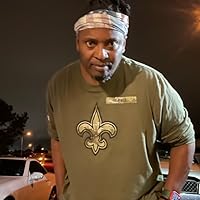
Patriotism without illusion One of the book’s strongest contributions is its refusal to treat patriotism as simple celebration. kiney writes from the perspective of a veteran and member of a family whose generations have answered calls to military service—from Vietnam and the Gulf War to Iraq and Afghanistan. That history makes the book’s critique carry particular weight: service, sacrifice, and citizenship are not abstract ideas here; they are lived commitments.
The text insists that Black Americans have helped defend the country in uniform while continuing to confront unequal treatment at home. This contradiction—bleeding for a nation while still being treated as a second-class citizen—becomes the book’s central moral tension.
Identity, history, and memory kiney explores the complexity of self-identification: African American, Black, American of African descent, and simply American. Rather than declaring one label universally correct, the book recognizes identity as personal, historical, and shaped by family, geography, culture, and lived experience.
The strongest passages connect identity to memory. Family migrations, Southern kinship networks, military service, cultural traditions, and the stories passed down through generations become a living archive. The book reminds readers that community memory is not a minor detail—it is often what survives when official history excludes, simplifies, or erases Black experience.
A call to accountability The book also confronts political violence, unequal systems of justice, racial hierarchy, the legacy of slavery, and the use of religious or legal language to justify dispossession. Its tone is urgent and unafraid of discomfort. Kiney’s larger point is clear: democracy cannot survive as a slogan if it does not protect equal dignity, accountability, and full citizenship.
At its best, Unmasking Patriotism calls readers to distinguish genuine patriotism from obedience to power. Love of country, the book argues, should include the courage to tell the truth about its history and demand better from its institutions.
Verdict Unmasking Patriotism is a heartfelt, wide-ranging work of social reflection that combines personal testimony, military experience, family history, Black identity, and political critique. It is especially meaningful for veterans, readers of African American history, and anyone wrestling with the gap between America’s democratic language and its unequal realities.
kiney’s message is ultimately one of resilience: Black Americans are not outside the American story. They have built it, defended it, challenged it, and continually expanded its meaning. The book asks America to recognize that truth—not as a favor, but as an overdue act of honesty.