

What do you think?

An Inconvenient Widow: The Torment, Trial, and Triumph of Mary Todd Lincoln
A revelatory new biography of one of the most misunderstood and vilified First Ladies in American Mary Todd Lincoln.
Mary Lincoln was at the center of politics at a time when society’s expectations for women were rigid and circumscribed. The product of Southern aristocracy, she grew up among an influential clan of politicians and elites who founded Lexington, Kentucky. Mary’s early exposure to the male-dominated world of politics instilled in her a keen political acumen and a fierce ambition. Proclaiming as a child that she was destined to become the wife of a president, she played a crucial role in boosting her husband to greatness.
But her hopes for a triumphant experience at the pinnacle of power were lost to the Civil War and unfathomable family tragedies. Still, Mary persevered. She steadfastly supported the Union war effort, visited encampments, tended to wounded soldiers, and generously donated money and gifts to refugees from slavery. She was an unconventional, larger-than-life character who dressed too ostentatiously, grieved too publicly, suffered a shopping addiction, and seemed unable or unwilling to corral her emotions, her temper, and her opinions. She made enemies—influential men who wrote her story for her, often unfairly. After Lincoln was assassinated, she was all but abandoned by the nation he had given his life to defend and preserve.
Former Washington Post writer and columnist Lois Romano rectifies the tortured legacy of Mary Todd Lincoln, who was failed at nearly every turn in her widowhood—by her family, by her government, by medical professionals ill-equipped to diagnose her mental illness, and finally, by history. Romano draws on hundreds of archives, letters, and memoirs to provide the most complete portrait—of not simply of an inconvenient widow, but of a brilliant and flawed woman, who possessed uncommon tenacity in the face of extraordinary adversity and personal torment, and helped launch one of America’s greatest presidents.
Mary Lincoln was at the center of politics at a time when society’s expectations for women were rigid and circumscribed. The product of Southern aristocracy, she grew up among an influential clan of politicians and elites who founded Lexington, Kentucky. Mary’s early exposure to the male-dominated world of politics instilled in her a keen political acumen and a fierce ambition. Proclaiming as a child that she was destined to become the wife of a president, she played a crucial role in boosting her husband to greatness.
But her hopes for a triumphant experience at the pinnacle of power were lost to the Civil War and unfathomable family tragedies. Still, Mary persevered. She steadfastly supported the Union war effort, visited encampments, tended to wounded soldiers, and generously donated money and gifts to refugees from slavery. She was an unconventional, larger-than-life character who dressed too ostentatiously, grieved too publicly, suffered a shopping addiction, and seemed unable or unwilling to corral her emotions, her temper, and her opinions. She made enemies—influential men who wrote her story for her, often unfairly. After Lincoln was assassinated, she was all but abandoned by the nation he had given his life to defend and preserve.
Former Washington Post writer and columnist Lois Romano rectifies the tortured legacy of Mary Todd Lincoln, who was failed at nearly every turn in her widowhood—by her family, by her government, by medical professionals ill-equipped to diagnose her mental illness, and finally, by history. Romano draws on hundreds of archives, letters, and memoirs to provide the most complete portrait—of not simply of an inconvenient widow, but of a brilliant and flawed woman, who possessed uncommon tenacity in the face of extraordinary adversity and personal torment, and helped launch one of America’s greatest presidents.
480 pages, Kindle Edition
First published May 19, 2026
Ratings & Reviews
Friends & Following
Create a free account to discover what your friends think of this book!
Community Reviews
Displaying 1 - 30 of 215 reviews

August 15, 2026
4.5 stars
Lois Romano is a national journalist who was an editor, political writer, and columnist for The Washington Post and Politico. In this book, Romano amends the maligned reputation of Mary Todd Lincoln, who was vilified during her life, and even more fiercely criticized afterwards.
Romano writes, "My purpose is not to excuse or whitewash Mary's behavior. Her actions were, at many times, egregious. She could be self-centered, dishonest, and tone deaf. But much of the criticism was one-sided and heartless, rarely taking note of her acts of kindness and generosity....By re-examining factual accounts and primary source documents through the lens of both modern medical science and contemporary standards for women, I have tried to piece together a more complete and compelling portrait...of a woman of uncommon tenacity in the face of extraordinary adversity, personal shortcomings, and torment...That she persevered in the face of overwhelming grief, poor physical and mental health, and public scorn was a testament to her mettle."
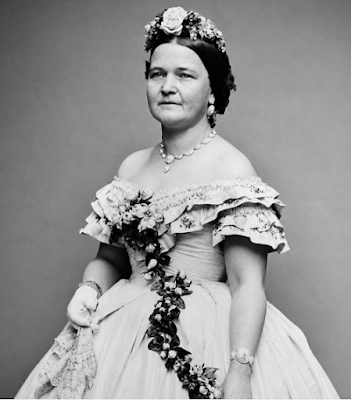
Mary Todd Lincoln
Mary Todd was born in Lexington, Kentucky in 1818. Her parents, Robert Todd and Eliza Parker Todd, belonged to prominent families that boasted military heroes, landowners, bankers, merchants, governors, doctors, ministers, and U.S. senators. Mary was 6-years-old when her mother died, and sixteen months later her father married Betsy Humphreys who "inherited six young children to raise....and gave birth to nine more children, eight of whom survived."
This was difficult for Mary, and Romano believes it contributed to Mary's future emotional problems. In any case, Mary had a fine education with a curriculum that combined "rigorous academics and French language immersion with tutoring in the refinements associated with social class, including acting and dance." Mary Todd Lincoln was one of the few first ladies in American history to have a more formal education than the sitting president.
Growing up in Lexington, Mary was confronted with the nation's most controversial issue: slavery. Mary's family owned slaves, and Lexington was home to one of the South's most notorious slave markets "where Negroes [were] flogged unmercifully." Mary's changing views on slavery were shaped by her upbringing, her exposure to brutal treatment of slaves, and her neighbor (and idol) Henry Clay's opposition to slavery.
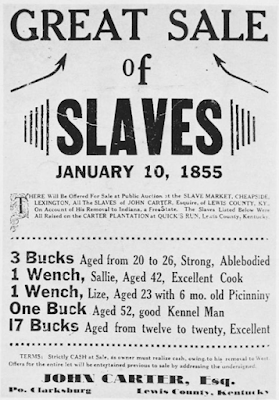
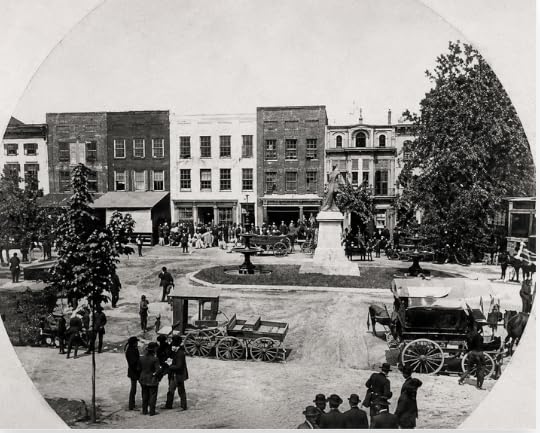
Slave auction on Cheapside, Lexington
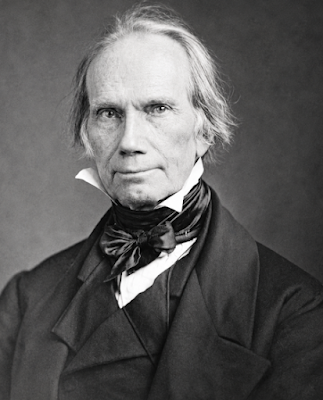
Henry Clay
When Mary was twenty-one she left Lexington and moved to Springfield, Illinois to live with her married sister Elizabeth. Having an interest in politics, Mary got to know Abraham Lincoln, who "was thirty, a rising star in the Whig Party and Illinois politics, and an orator and raconteur of some skill."
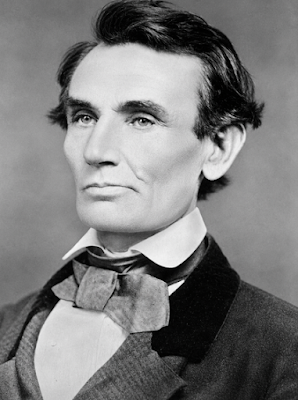
Abraham Lincoln
Romano describes Mary and Lincoln's tumultuous romance, which ended in marriage in 1842, when Mary was twenty-four and Lincoln was thirty-three. The Lincoln's lived in two temporary residences before they settled into their house on Eighth and Jackson Streets in 1844.
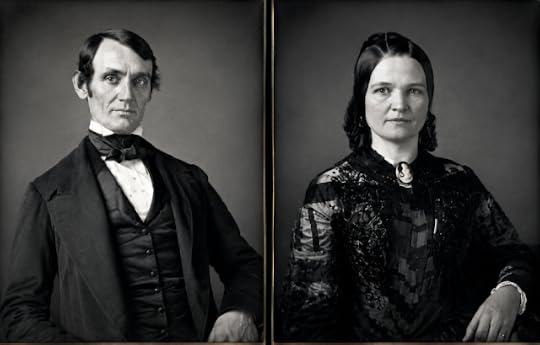
Abraham Lincoln and Mary Todd Lincoln
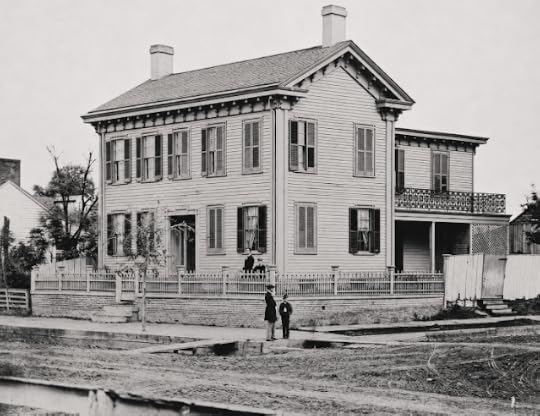
The Lincolns' home on Eighth and Jackson Streets in Springfield, Illinois
In later years, Mary and Abe's on-and-off romance was used to denigrate Mary, with "no shortage of males claiming that Lincoln, did not marry for love...but because he felt honor bound." This story was largely spread by Lincoln's one-time law partner William Herndon, a scoundrel who made a career of tearing Mary down. Afterwards, writers and biographers repeated Herndon's tale so many times, "it became embedded in history."
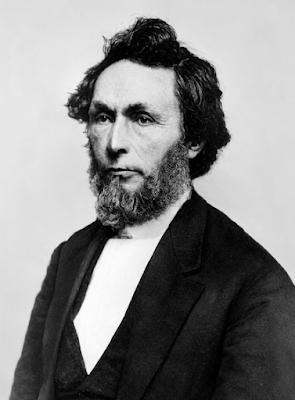
William Herndon
Romano cites evidence of Lincoln's deep affection for Mary, including many tender letters; Lincoln calming Mary during her emotional episodes; and Lincoln hurrying to wake Mary after 1860's presidential election, saying, "Mary, Mary, we are elected."
Romano writes a good deal about Lincoln's political career, and emphasizes Mary's active interest and assistance. Mary resented anyone she thought failed to support Lincoln or blocked his advancement, and her grudges were fierce and long-lasting. As an example, William Seward was Lincoln's rival for the Republican presidential nomination in 1860, and after the election, Mary STRONGLY opposed Lincoln making Seward Secretary of State. Lincoln did anyway, and the two men eventually became strong allies. Contrariwise, Mary didn't forgive and forget, and her snubs sometimes embarrassed the administration and made enemies for Mary herself. Sadly, Mary cold-shouldering William Herndon may have been a factor in his long campaign to tear her down.
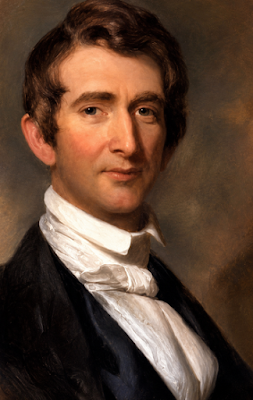
William Seward
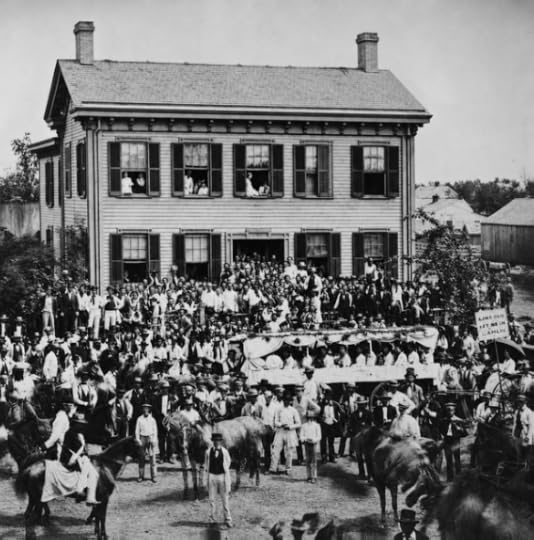
Republican campaign rally at the Lincoln home in August, 1860
The issue of slavery was at the center of Lincoln's presidency, and Romano describes Lincoln's progress from trying to prevent slavery's expansion; to using emancipation as a weapon of war; to the abolition of slavery. Mary was on board with Lincoln every step of the way. Nevertheless, Lincoln's enemies attacked him through Mary, saying she supported the Confederacy, and citing the fact that Mary's family owned slaves, and many of her male relatives joined the Confederate Army. In fact, it's well documented that Mary often visited Union military hospitals, bringing flowers, fruits, and food, and speaking with the soldiers.
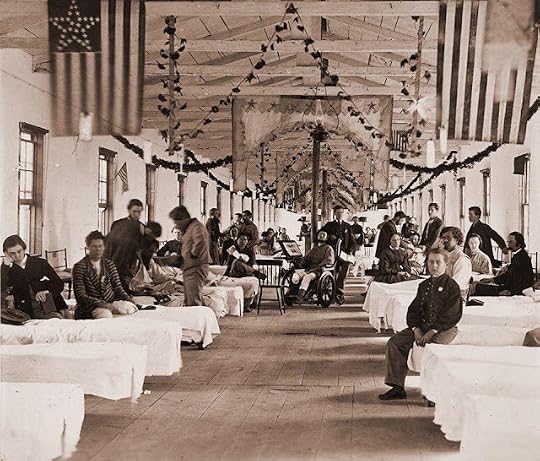 Mary Lincoln often visited Union military hospitals like this one
 Lamentably, Mary's reputation was harmed by the fact she combined support for the Union with shopping. When Mary visited Philadelphia and New York for pro-Union events, she took the opportunity to shop at luxury stores to spruce up the White House. Mary purchased a grand piano, draperies, Parisian wallpaper, a rosewood bed frame, luxurious carpets, silver, chandeliers. fine French china, and more. Romano writes, "As the government was struggling to pay for the war, Mary was being savaged by Lincoln's detractors for her lavish shopping."
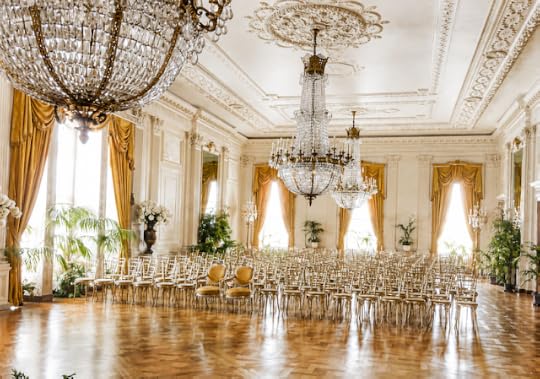
The East Room after Mary redecorated it
Romano believes Mary was (what's now called) a compulsive shopper, evidenced by the fact Mary had "eye-popping debts from her impetuous shopping sprees." The author writes, [Mary] had amassed a collection of fine lace dresses, luxurious furs, 300 pairs of gloves, and jewels, all on credit...Mary's spending had continued, unabated and unchecked, for five years [while Lincoln was president]." After the assassination, "The ride was over. Now all the merchants and banks from which she borrowed were demanding payment."
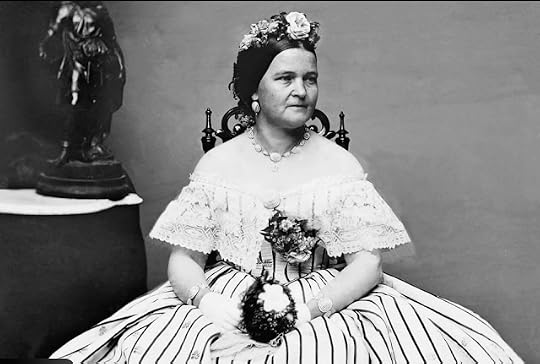
Mary Todd Lincoln dressed in her finery
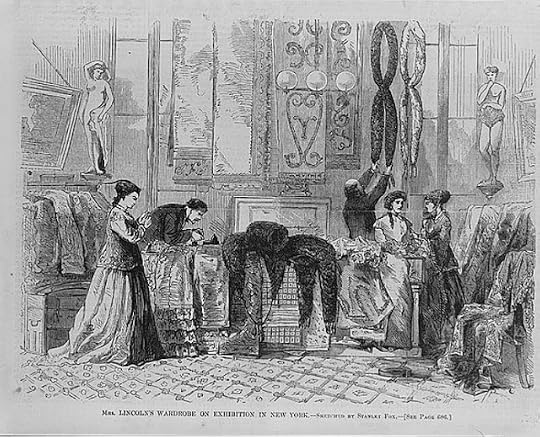
An exhibition of Mary Todd Lincoln's wardrobe in 1867
Of course Mary was devastated by Lincoln's assassination in 1865 (which Romano describes), and the situation was made worse by Mary's destitution. It took years for Lincoln's estate to be settled, and meanwhile, Mary had very little money. Romano documents this in detail, and describes Mary obsessively soliciting money from influential and wealthy people. Other aspects of Mary's misbehavior, both during her marriage and widowhood, are documented by Romano, who acknowledges it's all fuel for Mary's critics. Still, Romano excoriates biographers for being HUGELY biased against Mary, and being unsympathetic to Mary's physical and mental illnesses, and the tragedies in her life.
Mary lost three of her and Abraham's four sons: Eddie died in 1850, at the age of three, probably from tuberculosis; Willie died in 1862, at the age of eleven, probably from typhoid; and Tad died in 1871, at the age of eighteen, from a respiratory infection. The only Lincoln child who survived to adulthood was the oldest son, Robert.
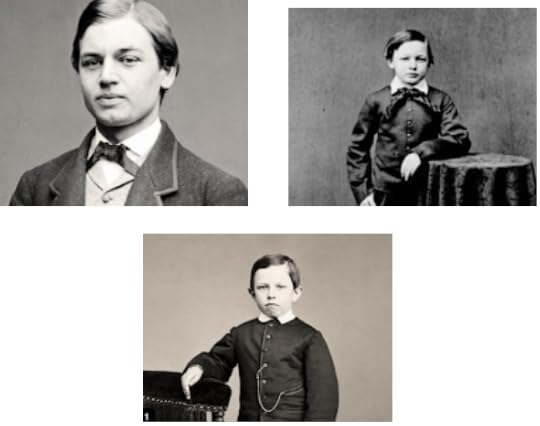
The Lincolns' sons: Robert (top left); Willie (top right); and Tad (bottom)
Mary's deep mourning for her children and husband drove her to consult spiritualists, which led to 31-year-old Robert organizing a trial to have his mother committed to an insane asylum in 1875. With help, Mary soon got out, and was almost completely estranged from Robert after that.
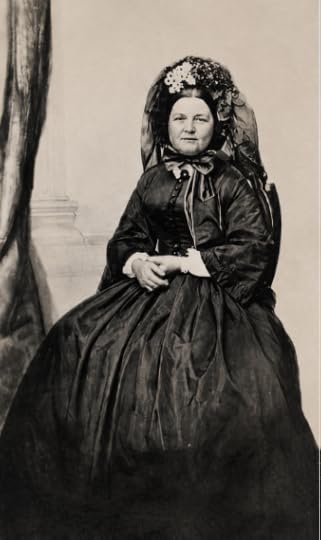
Mary Todd Lincoln in mourning clothes after Lincoln's assassination
Mary surely deserved sympathy for all this trauma, but her detractors were largely unable to provide it.
Mary spent large portions of her later life in Europe, both to prevent Robert from trying to institutionalize her again, and because the continent was more economical for a single woman. During her final years, Mary lived with her sister Elizabeth in Springfield, Illinois, and she died in 1882, at age 63.
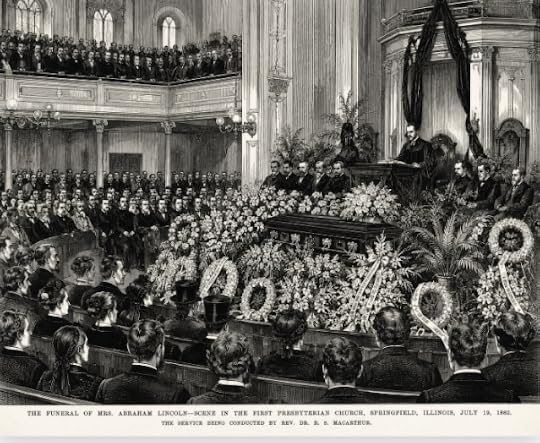
The funeral of Mary Todd Lincoln
Mary's legacy was largely defined by the misogynistic men who wrote her biographies. Many were influenced by William Herndon's infamous libel, which was accepted as truth. Others believed women should remain in their place in a man's world, and Mary was ostentatious and flamboyant. I think Romano does an admirable job correcting the record.
This is an important book that I'd recommend to all readers interested in American history.
Thanks to Netgalley, Lois Romano, and Simon & Schuster for an ARC of the book.
You can follow my reviews at https://reviewsbybarbsaffer.blogspot.com

May 25, 2026
An excellent account of a complicated woman who led a remarkable life with the man often considered to be the United States of America’s most consequential president. Mary Todd Lincoln was far from perfect, she was insecure, blunt, and demanding and her many foibles are covered in great detail by the author. But she was also quite accomplished, intelligent, possessed of formidable grit and determination, and fiercely loyal to her husband. She was not a conventional wife or First Lady, thus not well received by many. Yet the Lincolns’ union was strong, they were staunch supporters of one another and they suffered together through tragedies like the deaths of two of their young sons.
So it was shocking to learn the extent of her struggles after Lincoln’s assassination. The grieving widow was treated extraordinarily shabbily by the very country her husband had just led through the its most harrowing times. She had to fight for control over decisions like where her husband would be laid to rest as well as for any kind of renumeration from the government. Her legacy was tarred and feathered by Abraham Lincoln’s bitter former law partner and then, even more tragically, by her own son, Robert. The author tells her compelling story through an exhaustive level of research and a very well paced narrative.
So it was shocking to learn the extent of her struggles after Lincoln’s assassination. The grieving widow was treated extraordinarily shabbily by the very country her husband had just led through the its most harrowing times. She had to fight for control over decisions like where her husband would be laid to rest as well as for any kind of renumeration from the government. Her legacy was tarred and feathered by Abraham Lincoln’s bitter former law partner and then, even more tragically, by her own son, Robert. The author tells her compelling story through an exhaustive level of research and a very well paced narrative.

March 1, 2026
You know, she got a raw deal. - Bill Clinton
With that one comment Clinton sums up the life of Mary Todd Lincoln. Her life was one long story of grief and loss. Yet, without looking at the whole story everyone looking in decided she was insane.
Nowadays, she would have had therapy and medication that actually helped her. Back then all she had was mediums claiming that she can talk to her lost loved ones more time and more money than she knew what to do with.
She was a First Lady who was ahead of her time. She tried to keep spirits up during one of the worst times in our nation’s history. Yet she was judged because she spent money and had family on the wrong side of the war.
While people ridiculed her and made her out to be crazy, she buried three YOUNG sons and was sitting right next to her husband when he got shot.
We praised Jackie Kennedy who had similar circumstances. Yet, history has made Mary Lincoln out to be insane. Where’s the fairness?
This book is a must read for history buffs and is especially important during Women’s History Month.
Thank you to Netgalley for the chance to read an advanced copy of this book in exchange for my honest review.
With that one comment Clinton sums up the life of Mary Todd Lincoln. Her life was one long story of grief and loss. Yet, without looking at the whole story everyone looking in decided she was insane.
Nowadays, she would have had therapy and medication that actually helped her. Back then all she had was mediums claiming that she can talk to her lost loved ones more time and more money than she knew what to do with.
She was a First Lady who was ahead of her time. She tried to keep spirits up during one of the worst times in our nation’s history. Yet she was judged because she spent money and had family on the wrong side of the war.
While people ridiculed her and made her out to be crazy, she buried three YOUNG sons and was sitting right next to her husband when he got shot.
We praised Jackie Kennedy who had similar circumstances. Yet, history has made Mary Lincoln out to be insane. Where’s the fairness?
This book is a must read for history buffs and is especially important during Women’s History Month.
Thank you to Netgalley for the chance to read an advanced copy of this book in exchange for my honest review.

August 26, 2026
Mary Todd Lincoln was a complicated woman. History has portrayed her as difficult, selfish, and greedy. She suffered tremendous loss, not only of her husband, but also of 3 children. Her own son successfully petitioned to have her declared insane. Lois Romano offers a more nuanced and thoroughly researched look at Mary. Highly recommended to anyone interested in history, particularly of how women were regarded in the 19th century.

August 8, 2026
This is a fascinating biography of America’s most misunderstood First Lady. Romano makes the case that Mary Lincoln was totally overwhelmed by the many deaths of family members. She lost her mother at age five, lost her first son to TB at age four, lost another son in the White House, had her husband shot in the head while she was holding his hand, lost a third son at age 18 a few years later, and then had a very difficult relationship with her oldest son as he eventually had her committed to an insane asylum. Yet she could also be loving person who visited Civil War casualties and arranged parties for her sons. She was a complicated but very sad woman, beaten down by life before the era of good treatment for mental illness. I really liked this book!
July 17, 2026
Interesting look into the life of Mary Lincoln and her relationship and marriage to the president.
“Mary Todd would end up being one of the few first ladies in American history to have a more formal education than the sitting president.”
“Mary Todd would end up being one of the few first ladies in American history to have a more formal education than the sitting president.”

February 19, 2026
An Inconvenient Widow: The Torment, Trial, and Triumph of Mary Todd Lincoln by Lois Romano is a fascinating look at a traditionally misunderstood figure in American history.
This is a fabulous, engaging, fascinating, and illuminating biography on a complex and misunderstood woman that has been traditionally villainized and dismissed. Far from being a hurdle and inconvenience, she contributed far more to our nation’s history than we ever realized.
This book was well-researched, engaging, and easy to read. I truly learned so much about Mrs. Lincoln and I highly recommend.
5/5 stars
Thank you NG and Simon & Schuster for this wonderful arc and in return I am submitting my unbiased and voluntary review and opinion.
I am posting this review to my GR and Bookbub accounts immediately and will post it to my Amazon, Instagram, and B&N accounts upon publication on 5/19/26.
This is a fabulous, engaging, fascinating, and illuminating biography on a complex and misunderstood woman that has been traditionally villainized and dismissed. Far from being a hurdle and inconvenience, she contributed far more to our nation’s history than we ever realized.
This book was well-researched, engaging, and easy to read. I truly learned so much about Mrs. Lincoln and I highly recommend.
5/5 stars
Thank you NG and Simon & Schuster for this wonderful arc and in return I am submitting my unbiased and voluntary review and opinion.
I am posting this review to my GR and Bookbub accounts immediately and will post it to my Amazon, Instagram, and B&N accounts upon publication on 5/19/26.

June 23, 2026
Was Mary Lincoln crazy? Many thought so, but journalist Lois Romano offers a more nuanced take on the life and tragedies of Abraham Lincoln's widow. Mary had both good and bad qualities, but also there were people who exploited the bad and ignored the good to create a narrative that exalted her husband (and son) by making her the foil. A well-written account that will make readers think more deeply about Mary Lincoln.
David J. Kent
Author, "Lincoln in New England" and "Lincoln: The Fire of Genius"
David J. Kent
Author, "Lincoln in New England" and "Lincoln: The Fire of Genius"

May 1, 2026
This book is not as long as it seems. It’s over 500 pages but 200 of them are the author’s notes and references. Sometimes biographies can be a slog, but this was written in short, digestible chapters that kept me engaged. While keeping all the names of men from history straight was a challenge for me, I enjoyed the opportunity to learn more about Mary Lincoln. As the author points out, a complicated woman but one worth knowing fully and not only letting the men of her era tell us who she was. One quote in there says she was more than her foibles, and that’s what I’ve come to believe. She endured a tragic life with much loss and public scrutiny as well as health challenges. This author alluded to what would now be a mental health diagnosis. Thanks to NetGalley and Simon and Schuster for the advanced read in lieu of my honest opinion
June 20, 2026
I originally reserved this remarkable biography of Mary Todd Lincoln thinking it was historical fiction. What a fortuitous accident.
Author Lois Romano delivers an unusually sympathetic account of Mary while, at the same time, including accounts that capture her numerous weaknesses. With a 166-page Bibliography, Romano did her homework … and everyone else’s, too.
Perhap Mary’s greatest fault was being a woman ahead of her time. It is clear she expended considerable efforts on propelling her husband’s remarkable ascendency to the Presidency. She did not stifle her opinions when given the opportunity to influence Lincoln’s policies. She didn’t back down on fighting for her rights. She had an addiction to shopping and a tendency to perhaps exaggerate her medical woes, which were plentiful. She was ambitious, strong willed, stubborn , emotional, vengeful to perceived enemies, and grieved the loss of three children and her husband too long and too loud for others’ comfort.
Yet, she loved her family and husband fiercely. She used her social and political connections to shape Lincoln’s political rise. She hosted elaborate events to shore up morale and unity. She supported the Union war effort, continually visited wounded veterans, very unpopularly tried to restore the White House to prior beauty, she aided and supported fugitives from slavery. Despite the loss of her children, she demonstrated great resilience in adversity.
While both Lincoln and Mary suffered from anxiety and depression, history honors his and vallifies hers. Where today these conditions can be treated and reduced, she was given laudenum and chloral hydrate, which treatment could cause mania and hallucinations. Once widowed and being treated shamefully by the very country responsible for her husband’s death, her only living son had her committed to a mental institution primarily because he was worried she was spending too much of her own money.
I thoroughly appreciated this amazingly well researched and sympathetic biography of one of the nation’s most berated first ladies.
Author Lois Romano delivers an unusually sympathetic account of Mary while, at the same time, including accounts that capture her numerous weaknesses. With a 166-page Bibliography, Romano did her homework … and everyone else’s, too.
Perhap Mary’s greatest fault was being a woman ahead of her time. It is clear she expended considerable efforts on propelling her husband’s remarkable ascendency to the Presidency. She did not stifle her opinions when given the opportunity to influence Lincoln’s policies. She didn’t back down on fighting for her rights. She had an addiction to shopping and a tendency to perhaps exaggerate her medical woes, which were plentiful. She was ambitious, strong willed, stubborn , emotional, vengeful to perceived enemies, and grieved the loss of three children and her husband too long and too loud for others’ comfort.
Yet, she loved her family and husband fiercely. She used her social and political connections to shape Lincoln’s political rise. She hosted elaborate events to shore up morale and unity. She supported the Union war effort, continually visited wounded veterans, very unpopularly tried to restore the White House to prior beauty, she aided and supported fugitives from slavery. Despite the loss of her children, she demonstrated great resilience in adversity.
While both Lincoln and Mary suffered from anxiety and depression, history honors his and vallifies hers. Where today these conditions can be treated and reduced, she was given laudenum and chloral hydrate, which treatment could cause mania and hallucinations. Once widowed and being treated shamefully by the very country responsible for her husband’s death, her only living son had her committed to a mental institution primarily because he was worried she was spending too much of her own money.
I thoroughly appreciated this amazingly well researched and sympathetic biography of one of the nation’s most berated first ladies.

June 1, 2026
Loved this book.

September 20, 2026
I recently saw Oh! Mary! and was kind of horrified by the way Mary Todd Lincoln was the butt of every joke. The rest of the theater was riotiously laughing while I kept thinking "I should just leave." Knowing what I did about MTL, I thought she was the last person in American history we should be making fun of.
After reading this book and learning the extent of MTL's trauma, I'm even more upset about her portrayal, especially when played by a man (she has been played by men, women, and non-binary folks.) In this political climate, the last thing we need is another way to discount a woman.
Both Abraham and Mary Todd Lincoln probably suffered from depression. MTL had 3 of her 4 kids die before her, while the only one who survived to adulthood, Robert, had her declared insane. She was holding her husband's hand when he was shot, and she wasn't even allowed in the room as he died. She wanted her husband buried outside of Springfield, IL, but was thwarted by men whose opinions' she had to fight at every step. MTL wasn't perfect. She made lots of questionable choices. She was vindictive and a spendthrift. But she didn't deserve the disdain she dealt with.
This is somewhat more of a review of Oh! Mary! than An Inconvenient Widow, but they are connected in the sense that An Inconvenient Widow shows the truth of Mary's life and how according to Bill Clinton, "She got a raw deal." Romano's research shows that MTL legacy was tainted by men who were invested in viewing a flawed woman in the most negative way possible. If Oh! Mary! is a joke, it's certainly one that I don't think is funny. I hope MTL's future reputation is influenced by Romano's book, not the Broadway play.
After reading this book and learning the extent of MTL's trauma, I'm even more upset about her portrayal, especially when played by a man (she has been played by men, women, and non-binary folks.) In this political climate, the last thing we need is another way to discount a woman.
Both Abraham and Mary Todd Lincoln probably suffered from depression. MTL had 3 of her 4 kids die before her, while the only one who survived to adulthood, Robert, had her declared insane. She was holding her husband's hand when he was shot, and she wasn't even allowed in the room as he died. She wanted her husband buried outside of Springfield, IL, but was thwarted by men whose opinions' she had to fight at every step. MTL wasn't perfect. She made lots of questionable choices. She was vindictive and a spendthrift. But she didn't deserve the disdain she dealt with.
This is somewhat more of a review of Oh! Mary! than An Inconvenient Widow, but they are connected in the sense that An Inconvenient Widow shows the truth of Mary's life and how according to Bill Clinton, "She got a raw deal." Romano's research shows that MTL legacy was tainted by men who were invested in viewing a flawed woman in the most negative way possible. If Oh! Mary! is a joke, it's certainly one that I don't think is funny. I hope MTL's future reputation is influenced by Romano's book, not the Broadway play.

August 17, 2026
Mary Lincoln’s story was obviously tragic- witnessing her husband’s assassination, burying 3 of her 4 sons before they reached adulthood, and being unjustly institutionalized by her only living son. I realized a lot of what I thought I knew about her was grossly misinformed. This book is carefully nuanced- Mary was not flawless by any means, but considering her circumstances her choices are understandable. I have read several biographies of Abraham Lincoln and very few touched on his relationship with his wife. It also helps explain some of the folklore surrounding the president himself.

June 22, 2026
Excellent analysis of the raw deal dished out to Mary Lincoln. Yes, she was difficult. But she was also the target of intense 19th century misogyny, including from her last surviving son.

May 29, 2026
4.5 stars. Finally! A fair book about Mary Todd Lincoln! I can’t believe how this woman was talked about and treated with no sympathy. She lost three sons and a husband she adored. I think it’s fair to say that today she would be diagnosed with something. Probably bipolar disorder. Her highs and lows were so extreme. But as the book quotes she did more harm to herself than anyone else.

October 5, 2026
geez, #justiceformary

June 27, 2026
Romano has written the first account I've read about Mary Lincoln that is as candid as it is sympathetic. Her chapters on the early years of Mary's marriage to Abraham Lincoln opened my eyes to a part of her life I hadn't heard much about, when her dynamism and social poise dovetailed with political ambition to put Abraham Lincoln on the road to the presidency.
If Mary Lincoln's habits and temperament were firmly planted in her earlier life, they bore their fruit - good and bad - during her time as First Lady during the Civil War. Emotional instability, overspending, and cluelessness about how her actions reflected on her family all overshadowed her devotion to her husband and to the Union. Romano writes about the lows as well as the highs. (I appreciated her accounts of Mary's attention to wounded soldiers, which is something of which I'd never before heard.)
Romano suggests how some of Mary's behavior might be recognized today as a treatable medical condition. While offering explanations, though, she makes no excuses. She lets Mary stand on her own, without patronizing her.
The final part of the book recounts Mary Lincoln's painful years after her husband's assassination. There was no governmental guide or precedent for how to treat a widowed First Lady. She was not diplomatic as an advocate for her husband's legacy and for her own interests. Never meek or retiring, always a force to be reckoned with, she was nevertheless handicapped by lasting grief over the deaths of her husband and two of their four children. Her oldest son had her committed to a sanitarium for a time, leading to a long estrangement.
I was pleased to find this even-handed biography of a forceful woman whose treatment by historians has not always been kind.
If Mary Lincoln's habits and temperament were firmly planted in her earlier life, they bore their fruit - good and bad - during her time as First Lady during the Civil War. Emotional instability, overspending, and cluelessness about how her actions reflected on her family all overshadowed her devotion to her husband and to the Union. Romano writes about the lows as well as the highs. (I appreciated her accounts of Mary's attention to wounded soldiers, which is something of which I'd never before heard.)
Romano suggests how some of Mary's behavior might be recognized today as a treatable medical condition. While offering explanations, though, she makes no excuses. She lets Mary stand on her own, without patronizing her.
The final part of the book recounts Mary Lincoln's painful years after her husband's assassination. There was no governmental guide or precedent for how to treat a widowed First Lady. She was not diplomatic as an advocate for her husband's legacy and for her own interests. Never meek or retiring, always a force to be reckoned with, she was nevertheless handicapped by lasting grief over the deaths of her husband and two of their four children. Her oldest son had her committed to a sanitarium for a time, leading to a long estrangement.
I was pleased to find this even-handed biography of a forceful woman whose treatment by historians has not always been kind.

June 30, 2026
A remarkable biography of a remarkable, but very maligned woman. A must read.
June 28, 2026
Just not my cup of tea. Chock-a-block full of interesting facts and little known Lincoln trivia, but written as you would expect a journalist would — dry and emotionless. It felt like a thesis or term paper on how misunderstood Mrs Lincoln was. I’m a serious critic of nonfiction anyway, and sadly, this just fell short, again.
June 30, 2026
I don’t get the hype behind this book. Mediocre at best.

September 18, 2026
Many thanks to my dear friend Diana who pointed this book out to me.
I’m not sure why I have been fascinated by Mary Todd Lincoln for most of my life (I even have a cat named after her, partly because said cat was born in Lincoln, Rhode Island). It’s probably due to the First Lady’s reputation as being insane, as mental illness is one of my fields of interest. This book aims to paint Mary Todd Lincoln in a much fairer and realistic light than has ever been done before.
Romano is clear that Mary Lincoln (she never referred to herself as Mary Todd Lincoln after she was married) was a very complicated woman and that she brought a fair amount of strife down on herself. However, she clearly had some mental health struggles that were exacerbated by the assassination of her beloved husband right next to her, but also the deaths of not one or two, but three of her sons in childhood. It may have been more common then, but it was still devastating for the parents to lose a child (see the novel Lincoln in the Bardo, a fictionalized look at Lincoln’s grief at losing his son Willie in the midst of the Civil War). Many of her struggles would easily have been managed through therapy and medication in today’s world, but none of that was an option then.
Perhaps my favorite part of this book is Romano’s assertion of the deep and cherished bond between Abraham and Mary. They were a well-matched pair, with Mary pushing her sometimes anxious husband to the heights she knew he could achieve. He understood her foibles and loved her throughout her rages and anxieties. So to have many of their male contemporaries assert that Lincoln felt henpecked or trapped, that he regretted marrying such a volatile woman, is infuriating, to say the least, especially as this has come down through the years as fact. It is also enraging that little was ever said of all the time she spent by the sides of wounded and dying men at hospitals throughout the nation’s capital during the Civil War, and the fact that she was denied a widow’s pension and even any sort of monetary compensation for most of her widowhood. There was an active campaign by men in power to demonize and vilify this woman.
I would highly encourage everyone to read this book to understand Mary Lincoln as a much more nuanced individual, someone who could rage and rail one moment but be kind and generous the next.
I’m not sure why I have been fascinated by Mary Todd Lincoln for most of my life (I even have a cat named after her, partly because said cat was born in Lincoln, Rhode Island). It’s probably due to the First Lady’s reputation as being insane, as mental illness is one of my fields of interest. This book aims to paint Mary Todd Lincoln in a much fairer and realistic light than has ever been done before.
Romano is clear that Mary Lincoln (she never referred to herself as Mary Todd Lincoln after she was married) was a very complicated woman and that she brought a fair amount of strife down on herself. However, she clearly had some mental health struggles that were exacerbated by the assassination of her beloved husband right next to her, but also the deaths of not one or two, but three of her sons in childhood. It may have been more common then, but it was still devastating for the parents to lose a child (see the novel Lincoln in the Bardo, a fictionalized look at Lincoln’s grief at losing his son Willie in the midst of the Civil War). Many of her struggles would easily have been managed through therapy and medication in today’s world, but none of that was an option then.
Perhaps my favorite part of this book is Romano’s assertion of the deep and cherished bond between Abraham and Mary. They were a well-matched pair, with Mary pushing her sometimes anxious husband to the heights she knew he could achieve. He understood her foibles and loved her throughout her rages and anxieties. So to have many of their male contemporaries assert that Lincoln felt henpecked or trapped, that he regretted marrying such a volatile woman, is infuriating, to say the least, especially as this has come down through the years as fact. It is also enraging that little was ever said of all the time she spent by the sides of wounded and dying men at hospitals throughout the nation’s capital during the Civil War, and the fact that she was denied a widow’s pension and even any sort of monetary compensation for most of her widowhood. There was an active campaign by men in power to demonize and vilify this woman.
I would highly encourage everyone to read this book to understand Mary Lincoln as a much more nuanced individual, someone who could rage and rail one moment but be kind and generous the next.
August 25, 2026
Mary Lincoln has long deserved a reassessment and Lois Romano has done her a great service in An Inconvenient Widow.
It seems to be our human desire to pine for simple, straight-forward narratives. We like to make snappy and simple judgements and move on: Mary Lincoln was "crazy" and that's all you need to know. Yet, as with everything else in our lives, the simple solution is never really the best solution.
Yes, Mary Lincoln was volatile and suffered serious psychological distress. Yes, she could be abrasive and harsh. But these characteristics don't tell her whole story. She was also thoughtful, intelligent, politically savvy and she lived a life that was often tragic.
Mary Lincoln's story has been long been hijacked by others, and Lois Romano finally finally wrested it back, offering a reasoned, well-balanced assessment of one of history's most misunderstood women.
It seems to be our human desire to pine for simple, straight-forward narratives. We like to make snappy and simple judgements and move on: Mary Lincoln was "crazy" and that's all you need to know. Yet, as with everything else in our lives, the simple solution is never really the best solution.
Yes, Mary Lincoln was volatile and suffered serious psychological distress. Yes, she could be abrasive and harsh. But these characteristics don't tell her whole story. She was also thoughtful, intelligent, politically savvy and she lived a life that was often tragic.
Mary Lincoln's story has been long been hijacked by others, and Lois Romano finally finally wrested it back, offering a reasoned, well-balanced assessment of one of history's most misunderstood women.
August 25, 2026
This Non-Fiction advocates for a more charitable view on the life of Mary Todd Lincoln. I learned what little I knew about her was residual mistreatment by men who disliked her in life. Historians drew from those many disparaging writers of her time, which perpetuated the wrongs against her. I'm left with a heart filled with compassion for this former First Lady.
Mary Todd Lincoln was an intelligent, educated, loving, dedicated woman who loved shopping, her family, her country and her husband. She suffered great losses, deep sorrow, undiagnosed depression, diabetes, arthritis and other health issues. She was vilified by her enemies and she held long standing grudges against those she deemed wronged her or her husband.
I've been through many a rough time, but I do not know if I would still be standing had I suffered as much as she. I'm glad to know her better.
Mary Todd Lincoln was an intelligent, educated, loving, dedicated woman who loved shopping, her family, her country and her husband. She suffered great losses, deep sorrow, undiagnosed depression, diabetes, arthritis and other health issues. She was vilified by her enemies and she held long standing grudges against those she deemed wronged her or her husband.
I've been through many a rough time, but I do not know if I would still be standing had I suffered as much as she. I'm glad to know her better.

September 14, 2026
Mary Lincoln, widow of the assassinated 16th President, is the most misunderstood and maligned First Lady in United States’ history, according to the author. And in this book, she makes her case, noting that many previous biographies have been written by historians—many of them male—who perpetuated many myths. Filled with impressive research, a compelling narrative, as well as acknowledging her subject’s strengths and weaknesses, I learned so much about Mary’s early life, her courtship and marriage to the often melancholy Abraham Lincoln, as well as her missteps, challenging personality, and devastating losses. She was a strong woman who never let the men in her orbit keep her down for long. This will definitely be a future selection for the Tuesday Night Book Discussion group at my library next year. Highly recommended.
July 21, 2026
An Inconvenient Widow: The Torment, Trial, and Triumph of Mary Todd Lincoln by Lois Romano ⭐️⭐️⭐️⭐️
I really liked this one. I honestly didn’t know much about Mary Todd Lincoln other than the stories about her being “crazy,” so it was interesting to read a version that gave a lot more context to everything she went through. Losing so many family members, living in the public eye, and dealing with so much grief made me see her in a completely different way. Learning about her life was so fascinating.
I really liked this one. I honestly didn’t know much about Mary Todd Lincoln other than the stories about her being “crazy,” so it was interesting to read a version that gave a lot more context to everything she went through. Losing so many family members, living in the public eye, and dealing with so much grief made me see her in a completely different way. Learning about her life was so fascinating.
July 14, 2026
Another more accurate version of a much maligned Mary Lincoln. Very interesting read, new details of her tragic life after the assassination of her husband and her strained relationship with her only surviving son Robert. Well worth your time.
August 18, 2026
4⭐️ I had no idea Mary Todd Lincoln’s story was so tragic, especially after Lincoln’s death. Incredibly informative and heartbreaking. I just wish it had read a little more like a narrative and a little less like a history book.

Read
August 19, 2026Fascinating from start to finish. MTL's life was so full of tragedy, troubled further by her complex emotional life. It made me want to know even more, and she often seems more interesting than Abraham!
August 28, 2026
If you would like to know the full story of Mary, this book is for you. I listened to this on audio, which was well done.
Displaying 1 - 30 of 215 reviews