What do you think?
Rate this book


352 pages, Paperback
Published August 18, 2026
1955. When Edie moved to Clairbeck, a small mining town in Canada, to work as a nurse after her divorce, she didn’t expect that her ex-husband would be murdered soon, and that she would be the prime suspect. Her brother Peter, just discharged from the hospital after contracting polio, is determined to help clear her name, but with his limited mobility and physical strength, he is mainly reliant on his camera to look for evidence. With the secrets soon piling up, the siblings find themselves struggling to sort out the mess.
The story comes to us in the alternating third-person perspectives of Edie and Peter, with some interludes in first person from an unidentified character.
Genre: Historical Mystery / Crime Fiction / Serial Killer Thriller.
Themes
~Perception vs. Reality
~Disability and Autonomy
~Class and Corporate Greed
~Sibling Devotion
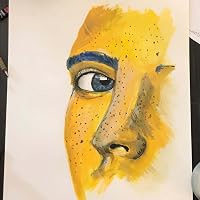
PETER SIMMONS: THE EYE FOR TRUTH
"Turning vulnerability into an investigative superpower ".
Standout Characters
~Peter Simmons:
The protagonist is a fiercely independent polio survivor who refuses to let his physical limitations or his wheelchair stop him from investigating a murder.
~Edie Simmons:
Peter’s sister, a resilient medical professional running a local clinic, caught in a web of town gossip and legal jeopardy.
Author Writing Standout
Fixsen’s background in occupational therapy shines through in her meticulous, highly empathetic rendering of Peter's physical reality. She avoids making his disability a mere plot device, writing his everyday logistics—from maneuvering a 1950s wheelchair on unpaved mining roads to framing a shot with his camera—with striking, tactile realism.
Takeaway
True sight requires looking past social prejudices and surface-level assumptions; the most dangerous monsters are often the ones hiding in plain sight behind a veneer of ordinary respectability.
Title Significance
Don't Look Close acts as a warning from the killer and the town itself. It represents the community's desire to bury its dark secrets and corporate negligence, while simultaneously hinting that if Peter looks too closely through his camera lens, he will draw the killer’s deadly attention.
What happens when you look too close?
Metaphor
Peter’s camera lens serves as the central metaphor of the novel. It represents a tool that both distances him from a world he can no longer physically run through, while sharply focusing on the microscopic clues that able-bodied townspeople completely overlook.