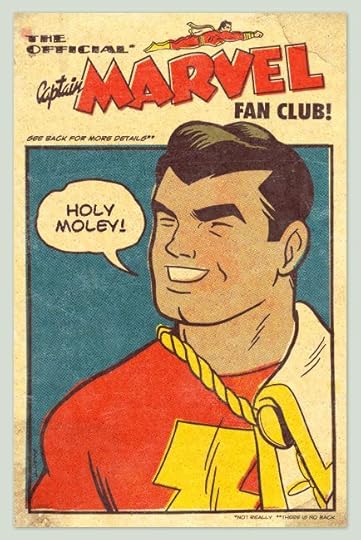
An earth-shattering volume collecting stories from Whiz Comics #2,Captain Marvel Adventures #1,137,148, Marvel Family #21, 85, Shazam! #1, 14, DC Comics Presents Annual #3, Superman #276, L.E.G.I.O.N. '91 #31, Power of SHAZAM! #33 and Adventures in the DC Universe #5.
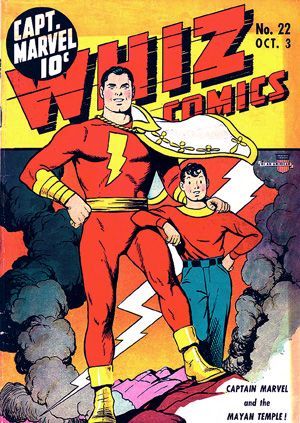
William "Bill" H. Parker, Jr. (died 1963) was an American comic book writer and editor. He is best known for creating Fawcett Comics' most popular character, Captain Marvel, in 1940, along with artist C. C. Beck.
Parker joined Fawcett Publications in 1937. Parker's tenure on Captain Marvel comics was cut short when he was conscripted into World War II.
It’s Shazam or Captain Marvel or Shazam or Captain Marvel/Shazam or Captain Thunder or…
Ahem! Before this review gets derailed by treatise on the publishing rights to Captain Marvel/Shazam, here it is in a nutshell, as per me, who once took a pre-Law class:
Fawcett Comics originally published the character as Captain Marvel in Whiz (Heh) Comics back in the Forties.
It was very popular. DC saw Captain Marvel as a Superman rip-off and sued the crap out of Fawcett Comics. The rights to the name, Captain Marvel, drifted between companies for years, until DC finally got the rights to the character, but decided to change the name to Shazam, because they didn’t want readers to get their character confused with the female Marvel character of the same name.
Or something.
Shaddup!
I sat in the law library for an entire afternoon.
Okay, an hour and a half.
Okay, I was waiting for my girlfriend on the library steps.
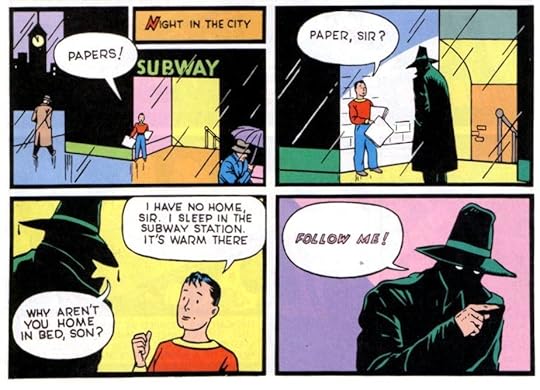
This volume claims to have the “greatest stories ever told”, but I’m dubious. It does start off with a cringe worthy origin story (young orphan being led into dark, urine-smelling subway tunnel by creepy, cloaked mysterious stranger, in the middle of the night)…
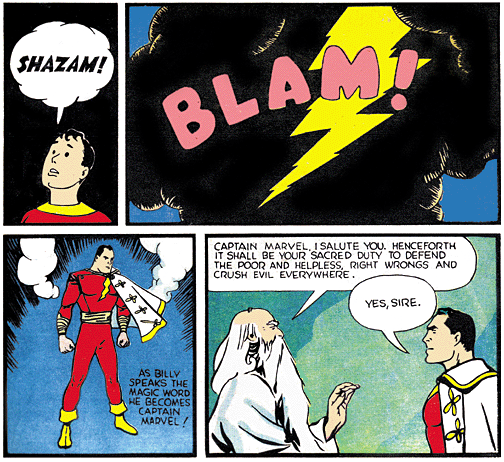
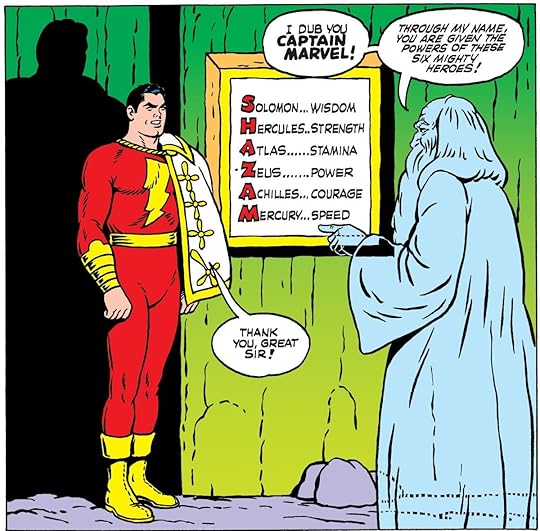
…but, it turns out okay as Billy Batson is endowed with the powers of SHAZAM, by the wizard Shazam (don’t ask, just don’t), so every time he says SHAZAM!, he turns into Captain Marvel.
SHAZAM is in acronym for the nifty powers he now has as Captain Marvel.
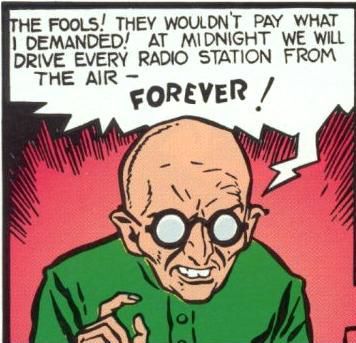
He then thwarts the plans of his bald-headed, a$$hole, nemesis, Dr. Sivana to destroy radio…
…and, Holy Moley, parlays that into his own radio show at station WHIZ (heh).
He faces off against Dr. Sivana about a gazillion times over the next 70 years.
Whatever, dude.
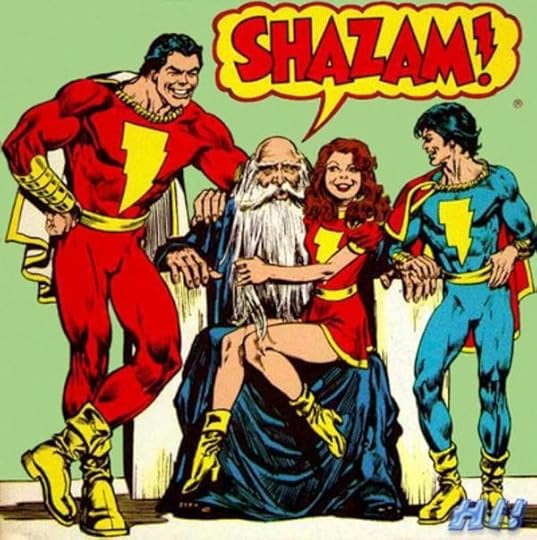
And because, Captain Marvel was more popular than sliced bread, a Captain Marvel family was created with Billy’s sister, Mary Marvel, and some kid who thinks Captain Marvel was the neatest thing ever, Captain Marvel Junior.
Shazam, indeed, you old perv.
The stories include one by Jack Kirby and Joe Simon; an adventure where Captain Marvel fights the planet Earth; the Captain Thunder story, when DC didn’t quite have the rights to the character…
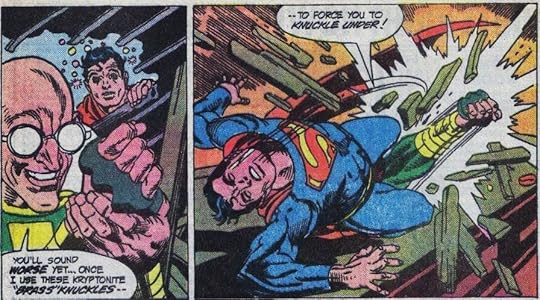
…and a few team-ups with Superman.
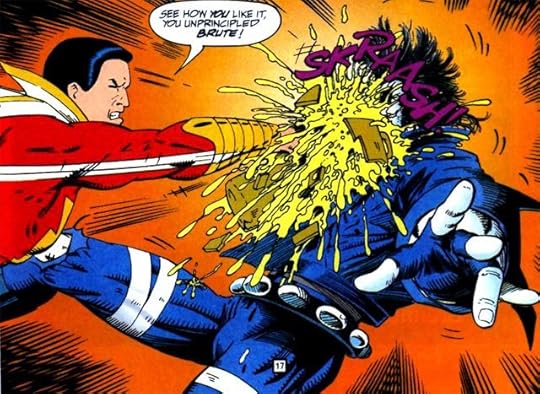
The funniest entry here is gee-whiz Captain Marvel’s run-in with that major bastich, Lobo. Holy Freakin’ Moley!!
The modern take on the character (not included here) has Billy Batson self-aware when he transforms into Captain Marvel, the little kid with cool new super powers, which is a gasser; but it sort of negates the whole wisdom-of-Solomon thing, when a ten-year old has the power of the gods.
Bottom line: Since there’s a Shazam movie in the works, this wouldn’t be a bad gateway for readers who want to know more about the character. I don’t know if they’re the greatest stories ever told, but the collection highlights comics from the forties through the new millennium and it’s a quick and entertaining read.
This book took me a long, long time to finally review, even though it's a quick read. I like Captain Marvel / Shazam quite a bit, but this is a strange collection: instead of selling the character to a new generation of readers it seems somewhat bent on underscoring some of the shortcomings that pretty much led to his nickname The Big Red Cheese.
There is quite a bit of good here, such as Whiz Comics #2 and Captain Marvel Adventures #1 from the early 40s. The former marks the first appearance of Billy Batson as Captain Marvel and is also an origin tale. The European style straight line art by C.C. Beck is absolutely fabulous, and suits the character well. The latter, obviously, marks the beginning of Captain Marvel's own series, and Jack Kirby does well not to stray too far from the visual style established by Beck. There are quite a few early era Marvel stories here, but this is also where the gaps start appearing. In retrospect, early Captain Marvel suffers from an exceedingly uninspired Rogues Gallery (King Kull The Beastman? The Trio of Terror? Really?). What's more, while the whole Marvel Family (and subsequent Sivana Family, because a family of good guys deserves a family of bad guys) might have been a good idea in the 40s, it comes across as extremely hokey today. Later writers have gone to great lengths to rectify this, by (for example) getting rid of the likes of "Uncle" Marvel and providing a decent villain in Black Adam. Sadly, none of that is reflected here. None of the stories here feature Black Adam, and there is only one story from Ordway's acclaimed Power of Shazam run, and a rather mediocre one at that.
Of course, it's going to be extremely difficult fitting 60-odd years of (troubled and legislation ridden) publication history in one book, but I can't help but feel that there are better choices out there than these. The Lobo story suffers from portraying Captain Marvel as a total doofus, but it is one of the better entries, showing that he can go toe to toe with the likes of the last Czarnian.
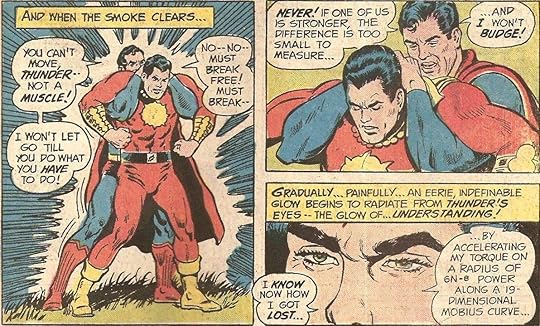
This selection also contains the Superman / Shazam team-up (thinly disguised as Captain Thunder for legal purposes) from Superman #276. But again: rather read Superman/Shazam!: First Thunder if this is what you're after.
All in all, if you are a Captain Marvel / Shazam fan you'll have to read this for completeness' sake and for historical significance. I did enjoy it, but I doubt it's going to win anybody over who isn't already familiar with the character.
This entry in the DC Comics' 'Greatest Stories Ever Told' series of trade paperback books focuses on the superheroic exploits of the original Captain Marvel, who first appeared in Whiz Comics #2 (February 1940), in an attempt by Fawcett Comics to capitalise on the superhero genre and compete against the on-going adventures of Superman and the like. Captain Marvel was conceived by Bill Parker and his first outing illustrated by the artist C.C.Beck, and it was his whimsical charm and allure that enthralled readers of the time, becoming the best-selling superhero magazine of its period until it's cancellation at the hands of a lawsuit by Detective Comics, whereby it was put forth that the Cap was in fact an infringement upon the übermensch concept of Superman that they had cemented so much into popular contemporary culture. It was Marvel Comics who ultimately took the name of Captain Marvel for their own creation, and after Detective Comics acquired the rights to the Captain Marvel property and his shared universe/characters from Fawcett Comics, he was thus amalgamated into DC's shared Multiversal continuity of Earth-S. Following 1985's 'Crisis on Infinite Earths', which forged all of the Multiverse into one shared reality, the Captain became an important cornerstone of the DC Universe, and is still an important character in his own right to this day, making cameos and appearances in animated series, live-action television programmes and original animated presentations, as well as various video games and parodies over the decades. Now that the Captain Marvel moniker has been rooted within Marvel Comics' shared lore, DC has made the decision to use the name of the Captain’s wizard-mentor Shazam in its promotional material, such as in this collection of magazine stories; and because of the possible confusion in this naming structure, Captain Marvel currently goes by the ‘Shazam’ label in the wake of DC's New 52 reboot. It is newsboy Billy Batson who is behind the mask of this magical hero, being given the powers and abilities of the six mythological elders of Solomon, Hercules, Apollo, Zeus, Achilles and Mercury by the mystical wizard Shazam, in order to carry on his fight in the battle against injustice and evil. Captain Marvel has had a vast array of enemies over the years; the most notable being the Lex Luthor-esque super-genius scientist Doctor Sivana, the violent ex-utilizer of the Wizard's magic lightning Black Adam, and the reality-altering worm from a far-off world, Mr Mind. In addition, he has gained a family of Marvel related allies, such as the loveable Uncle Dudley, Billy Batson's twin sister Mary (going by the title of Mary Marvel), Hoppy the anthropomorphic Marvel Bunny, and Freddy Freeman, aka Captain Marvel Junior, amongst others such as the Lieutenant Marvels and Tawny the Tiger. However, it is the light-hearted escapades, and the Captain's blatant boyish innocence that gives Shazam its famous charm to its readers throughout the generations of fans, hailing from his original 40's incarnation, to his role in the Elseworlds' limited series 'Kingdom Come', and the more recent appearance of an Earth-5 Thunderworld counterpart in the New 52's 'Multiversity' title. 'Shazam - The Greatest Stories Ever Told', published in 2008 in trade paperback form with binding not dissimilar to DC's more affordable 'Chronicles' series, attempts to encapsulate a selection of best-of stories from Captain Marvel's publication history. The collection starts off with the Captain's aforementioned first appearance in 1940's Whiz Comics #2, and goes on to explore specific adventures from the character's golden age appearances up until the early 50's, when publication ceased due to DC's lawsuit case, coming from the pages of 'Whiz Comics', 'Captain Marvel Adventures' and 'The Marvel Family' series of comic magazines. These particular golden age adventures were truly surreal in nature, with a light-hearted tone that didn't take themselves too seriously, with our titular hero battling giant lizard-men from the planet Saturn, a crazed scientist wishing to rule the world in primate form (in true pre-'Planet of the Apes' style), and the personification of the planet Earth itself (yes! - really!). Subsequent stories are taken from 'Shazam!', the magazine which re-introduced Captain Marvel to the DC's reader audience, by explaining his twenty-year absence as being due to suspension in space by long-time rival Doctor Sivana, along with the character's supporting cast of enemies and allies. There is also the inclusion of DC's teaser-story in its 'Adventures of Superman' publication, wherein a superhero from an alternate Earth appears, named Captain Thunder and bearing a striking resemblance to our famous hero, which is a knowing nod to the character's conception before being revealed to the reading public, and before Captain Marvel's doctrination into official DC lore. My personal favourite inclusion within this collection comes from 'DC Comics Presents Annual #3' in 1984, just before the famous Crisis event, in which Captain Marvel teams up with the two Supermen of Earth-One and Earth-Two, attempting to halt a superpowered Sivana, after he harnesses Shazam's magic lightning bolt for multiversal domination. I really enjoy anything relating to DC's Multiverse concept, and I see this individual story as encapsulating one of the highest peaks of the company's publication history. Following this adventure, there are entries from the 1990s, such as 'L.E.G.I.O.N. '91', in which our hero is pitted against the interstellar bounty hunter Lobo; 'The Power of Shazam!', giving a heart-warming tale of compassion for a burn victim at the hands of one of Cap's arch-enemies at the time; and an addition from 'Adventures in the DC Universe'; showing an early glimpse of the incarnation of Captain Marvel residing in the DCAU, before appearing in the Justice League cartoon. All in all, the 'Shazam!' entry in DC's 'Greatest Stories Ever Told' trade paperback comic-book series is a great over-arching compilation of some of Captain's Marvel's various adventures throughout the character's publication history until the late 90s; from when the Shazam franchise explored magical surreal settings that didn't rely too heavily on plot, but explored a magical realm in which the reader could escape into fantasy and whimsy. Additionally, this release also includes a short introduction by Jeff Smith, who grew up with the bronze-age 70's iteration of the character, during which the World's Mightiest Mortal was on television with Filmation's live-action series, and who wrote some of the hero's escapades later in his career with Detective Comics. The Shazam franchise will always have a special individualistic charm, and this collection lovingly shows the character's development over the years from magical and surreal foundations, gradually becoming an important inclusion within the DC Universe in its many iterations following various fictional crises events and re-imaginings for varying generations of fans and loyal readers alike.
Like many of the Greatest Stories series, this one would have been more accurately labeled a sampler of typical stories across several eras of the character. It starts strong, because it starts with the Fawcett era, and begins a slow collapse with the first DC story.* The book unintentionally proves that DC has really never known what to do with Captain Marvel. If you stop reading after "The Marvel Family Battles the Primate Plot", it's a four-star book. "Captain Marvel walks into a bar and fights Lobo" is a concept that should never have seen print, let alone reprinted in an alleged "Greatest Stories Ever Told" volume.
*(If you have no idea what that means: Captain Marvel was originally published by Fawcett Comics, which was slowly sued out of existence by DC over alleged actionable similarity to DC's Superman. Much later, DC acquired the character, but in the meantime Marvel Comics published a completely different character by the same name, establishing legal claim to the name and forcing DC to call this guy "Shazam.")
Captain Marvel is one of my all-time favorite superheroes... but, man, are his early stories cheesy. I've read one other collection of older Captain Marvel comics, but I gave them some leeway because they were written in the 1940s. And I gave the particularly older ones in this collection the same leeway...but it seemed like even some of the more recent ones definitely added to the Captain's nickname "The Big Red Cheese." But, still, there was a nice simplicity and a straightforward nostalgia that came with those stories. They didn't seem to really realize the potential of this character until the 80s. There's a special kind of magic (literally) that comes with this character. I think, probably, because there's a unique innocence that comes with Captain Marvel actually being a kid. My favorite comic, however, was the lat one. It seemed to balance action with decent storytelling and just the right amount of cheese--and that's Captain Marvel in a nutshell.
I found this on eBay cheap, and I have loved Captain Marvel (Shazam) since I was kid, watching the Shazam / Isis Hour on Saturday mornings.
The first story, "Introducing Captain Marvel," is from Whiz Comics #2, 1940. It's the origin story, and the first Shazam story. Billy Batson is chosen to become Captain Marvel by saying "Shazam!" Captain Marvel in this story has the button-up front and a sash for a belt. I like that costume.
The next story is untitled, and is from "Captain Marvel Adventures #1" from 1941. Captain Marvel has more of a Superman-style skin-tight costume, but retains a sash for a belt. It's very whimsical, and has Captain Marvel traveling to another planet in a rocket he seized from a wicked scientist to battle lizard men who have subjugated the people of Saturn. Captain Marvel doesn't seem able to fly yet in these stories. He uses his cape as a parachute to land when his spacecraft is exploded high up in Saturn's atmosphere. He beats up the lizard men, then lets himself get captured as Billy Batson. Together they overturn the regime of lizard men, and in a Flash Gordon-style ending, he names the new ruler.
The next story, "The Marvel Family vs The Trio of Terror" is from 1948 and has Marvel Jr. and Mary Marvel helping out. They defeat a carnival of monsters summoned by a magical text. This was a fun story.
"King Kull and the Seven Sins," from 1952. This is not the King Kull of Robert E. Howard but is the Beastman, a prehistoric caveman type but understands how to use advanced technology.
I don't even know how to adequately discuss "Captain Marvel Battles the World." It's both wonderfully Golden Age whimsey and yet still kind of neat. It's fun, but can't be taken seriously. I like my stories to make logical sense, but I can't deny that this was just fun to read.
Finished the last of the 1953 and before stories. This was "The Marvel Family battles the Primate Plot" which was a fun little story without a lot of logic and a massively crazy ending with a giant vacuum cleaner.
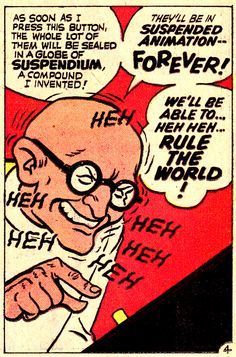
It's 20 years later (1973), and Captain Marvel is back, but now with DC Comics. In the story, "In the Beginning...," it's also 20 years later for Billy Batson and company, held in suspended animation by Sivana. The Fawcett stories are still canon, and Shazam is on his own "Earth-S." This is followed by "The World's Wickedest Plan."
Next was the classic "Make Way for Captain Thunder!" It's nice to read a Curt Swan Superman. DC had recently started publishing Shazam! but at this time, Captain Marvel was on his own "Earth" that didn't contain most of the DC heroes, but fans wanted to see Superman and Captain Marvel together, so they wrote this as a kind of workaround.
The next story, "The Evil Return of the Monster Society," was entertaining. The new DC version of Shazam was just as cheesy as the Fawcett Comics version, so they kept that charm going for a while at least. This story brings back Uncle Dudley.
Ten years later (1984), Roy Thomas gets a shot at Shazam, giving us "With One Magic Word," which has both regular Superman and old Superman from Earth-2. This was a great story. Much less cheesy and ridiculous, but reading more like a comic from the 1980s. This was just two years before John Byrne's Superman reboot. This is easily the best story in this volume so far.
Then we get a really crappy story from 1991, "Where Dreams End" by Alan Grant. Lobo tries to get into a fight with Captain Marvel, and then it just ends. It's short, thankfully. I struggle to like Lobo still. This didn't help.
Then we get to 1997's "Yeah --This is a Face only a Mother Could Love," which was rather touching.
Then we end with "Out of the Dark Cloud," which seems to be set in the DC Animated World and was a cute, fun story about Zeus messing around with Shazam's powers to see if he's actually worthy.
All in all, I'm glad I read this. Only one story I didn't like, and several that I really liked. Highly recommend if you want a sampler of Shazam stories.
"Shazam and Son" by E. Nelson Bridwell is a one-page text story. It tells how the comic book got started and provides identification to the characters on page 8 (page 93 in the Greatest Stories book)
Overall it was book packed with winning stories and losers. I can see it’s hard to translate the whimsy of the Captain Marvel of yesterday to the sophistication people expect today. Not impossible but not easy either.
All told, I’d give this book 3*** and keep it, but I could see it losing it’s place with a better Captain Marvel collection.
Comprei esse quadrinho na Forbbiden Planet em 2015 quando fui a Londres, e desde então estava ali esperando ser lido. Com a aparição do Shazam! nos cinemas resolvi que era a hora de ler esse encadernado de uma vez. Das histórias apresentadas neste encadernado eu só havia lido duas delas: o encontro do Superman com Shazam desenhado por Gil Kane e a primeira história da "nova" revista Shazasm!, de 1975. Apesar de o "Capitão Marvel" ser muito popular no Brasil, ele não costuma ter muitas publicações de dedicadas à ele, e muito menos reimpressões de suas histórias da Era de Ouro. Então, os fãs do Shazam! ficam tão órfãs como Billy Batson. As histórias aqui apresentadas são boas, mas eu senti falta das apresentações do herói pós anos 2000, como suas participações na Sociedade da Justiça da América, por exemplo. A publicação traz as histórias do Shazam! através das décadas, mas a produção do mesmo acaba concentrada somente nos anos 1940 e 1970 e em alguns encontros com o Superman, a exemplo da trajetória errática do super-herói ao sair da Fawcett e ir para a DC Comics e lá, ficar na geladeira por muitos anos. Esperava mais da seleção das histórias, contudo, são histórias boas. Mas que não representam tão bem esse rico universo do Shazam!
A mostly great collection of the comic book stories of Captain Marvel. This collection begins with the earliest story by C.C. Beck in 1940 to 1998. This also chronicles the deterioration of the comic book industry. The stories start off as light good guy vs. bad guy and transform into a muddled soap opera. I cared about the earlier stories and couldn't care less about the later, despite all of the bleeding heart mess.
So, I would not define these as "the Greatest Stories" or even the "Greatest" mediocre ones. The first half of the stories fit the title.
The incredible work of C.C. Beck is the best reason to pick up this volume. He had so much fun with his stories. From crazy creatures of the past to talking worms and tigers. Today there is some weird idea that all of this must be explained, as if explanations make any of it more real. It's just fun and fun is hard to find these days.
Bottom line: i half recommend this book. 7 out of ten points.
These "best of" collections don't always feel organic to me, pulling from different eras but lacking a central theme connecting the contents. But overall, I thought this was a decent sampling of Captain Marvel stories from over the years. Originally published before the New 52 and the Zachary Levi movies, so you won't get any of the Geoff Johns "Shazamily" Billy and co. here. I like this character with a splash of optimism and whimsy, but even grimmer stories like one in which Captain Marvel looks to help a disfigured teen showcase his biggest power is his heart.
Some of the comic issues were well chosen for this book especially the ones showing the strength of Shazam. Issues that show him teaming up with Freddy & Mary (The Marvel Family) was great & it serves as a more challenging plot for the heroes. Cameo of Superman was a nice touch as well. However, near the end of the book, the stories were mostly fillers. In short, this book is a great start to those unfamiliar with Shazam!
Loved the golden/silver age stuff, especially Simon and Kirby's super pulpy yarn about Cap fightning lizard men in on Saturn.
Once we get to the modern stuff in the last third of the book, its less exciting. I would have liked less of that, and instead to have seen the origins of the rest of the Marvel family.
On average a pretty good read, and has me hoping for a DC Finest golden age volume at some point.
Captain Marvel was known as the Big Red Cheese and during the golden age, his sales rivaled Superman. However, his historic run came to an end when Fawcett Publications stopped making comics. And then DC acquired its old nemesis and wrote him up in this series of Greatest Stories books. The book is called Shazam because in the interim between the end of the Captain Marvel title and DC's purchase of the character, Marvel created its own character named Captain Marvel.
What's good about this book are the six golden age stories which in many ways seemed reminiscent of the Silver Age DC stories I'd read only a lot more fun. Captain Marvel and (in two stories) Mary Marvel and Captain Marvel Jr. bring a great deal of fun to some epic sci-fi and fantasy plots including battles against aliens, intelligent gorillas, and the Earth itself.
Where the book goes wrong is that they dedicate the rest of the book to DC's floundering attempts to revive and update the character. Jeff Smith who wrote the Introduction said that none of the latter stories had the same magic as the newer ones. Therefore, it kind of doesn't make sense that 60% of the book is made up of these weaker efforts.
If this is truly the best of what DC has done with the Shazam character since 1973, Captain Marvel fans have reason to be annoyed. The book contains a story from Superman #276 (1974) that features Superman battling a Captain Marvel knock-off called Captain Thunder. Why DC even created the character when they controlled the original is beyond me. Why a story that doesn't even feature Captain Marvel ended up in this book is even more puzzling. Another of the "greatest" stories included is a Superman Team Up Annual where Captain Marvel spends most of the 40-page story stuck under a rock while Superman battles the bad guy.
Then we have a battle with Lobo which has Captain Marvel portrayed as a total dork and his appearance and disappearance go completely unexplained to the uninitiated.
The best of the modern stories is Jerry Ordway's, "Yeah-This is a Face Only a Mother Could Love," which at least had some heart to it even if it seemed a little angsty for Captain Marvel. The book then wraps up with a forgettable 12-page story about Captain Marvel's powers malfunctioning.
The bottom line is that if you can pick the book up from an Interlibary Loan, you can find six worthwhile golden age Captain Marvel stories to read. Unfortunately, the rest of the book is marred by poor editorial decisions which makes its title much more of a farce than a reality.
the original Captian Marvel AKA SHAZAM! was a brilliant concept ideal for kids because the hero and the identifying figure are the same person instead of the second being relegated to sidekick. I have to be honest here.. CAPTAIN MARVEL works best in the GOLDEN AGE. these stories highlight this as once we hit the seventies the big red cheese seems incredibly out of place. also C C Beck is THE illustrator. his drawings evoke a strange mix of golden age comics, newspaper funny page strips like popeye and Tintin. once he no longer draws the Caps adventures all the fun goes out and so did my interest. even the ADVENTURES IN THE DC UNIVERSE struggles to regain that initial charm. so my advice hire this book from you library and stop once CC beck stops drawing. you'll have a great time :)
Supposedly featuring the best stories from the over sixty-five year history of the greatest super-hero ever conceived, this collection of thirteen Captain Marvel tales offers a decent survey of the Big Red Cheese. Too many contemporary reprints detract from the simple elegance of the original Golden Age Fawcett tales though it does include 1953's delightful "The Marvel Family Battles the Primate Plot" and the first Captain Marvel story I remember reading, 1974's "The Evil Return of the Monster Society."
I love vintage Shazam, but the mix in this collection doesn't make for a very cohesive read. You're better off picking up Showcase: Shazam or something along those lines.
This was a good introduction to the series. You see the first story, some stories in different eras, crossovers, big stories, personal stories, and it brings in most of the recurring characters.