У 1907 році, коли їй було двадцять п'ять і вона ще не була опублікованою письменницею, Вірджинія відчувала, що стоїть на роздоріжжі: «Я стану або нещасною, або щасливою; балакучим сентиментальним створінням — або ж авторкою, що писатиме такою англійською, що одного дня буде пропалювати сторінки». Сьогодні її проза все ще палає; можливо, вона палає яскравіше, ніж будь-коли. Це історія про те, як рішуча молода жінка зі записником стала однією з найвидатніших письменниць усіх часів. Александра Гарріс описує яскраві деталі життя Вулф, щоб відтворити мінливі обставини та захоплення письменниці. Ми рухаємося від упорядкованих ритмів вікторіанського дитинства до експериментів «Блумсбері» та пошуків Вулф власного стилю. Ми бачимо, як вона береться за складні форми письма, пробує різні голоси, слідує за польотом фантазії і повертається на землю. Книга розглядає кожен з романів у контексті доби і життя письменниці, надає належну увагу низці винахідливих есе Вулф, простежує суперечливий хід її «посмертного життя» і показує, чому майже через століття після смерті Вірджинія Вулф продовжує надихати нас.
Very engaging and smoothly written book on the life and especially the work of Virginia Woolf. Although some episodes and works are dealt with rather succinctly and may leave the reader who has already read more about her a bit hungry - the biography is meant to be an introduction - it is quite a feat of Harris to tell this rich and intense life in barely 200 pages while painting a nuanced picture of Woolf. In any case, the book makes me eager to read even more by and about Woolf (and Bloomsbury) - I find more than enough inspiration and encouragement in it to delve further into Woolf, her times and friends (Hermione Lee's biography, her correspondence with Vita Sackville-West collected in ‘Ezeltje-West’ in Dutch) and also to venture into The Waves and Between the Acts. Not to mention the desire the book arouses to travel to England again and, after having visited Sissinghurst, now to visit Monk's House in Rodmell and Knole, Vita Sackville-West's estate.
Having created a Virginia Woolf shelf today as a shy start to give in to a long-standing desire to reread and read *everything* published by Virginia Woolf and whatever I can lay my hands on about her, it was somehow pleasing to shelve this book first, realising that since I read it in 2015, I discovered some of her short stories and essays, managed to read Between the Acts and have visited both Monk's house and Knole, and even went back to Sissinghurst. Sometimes dreams come true, so why wouldn't this reading project turn out right, even if only partly?
Heel boeiend en soepel geschreven boek over leven en vooral werk van Virginia Woolf. Hoewel sommige episodes en werken eerder beknopt aan bod komen en de lezer die al meer over haar las misschien wat op zijn honger laten - de biografie is bedoeld als introductie- is het een hele krachttoer van Harris om dit rijke en intense leven in amper 200 pagina's verteld te krijgen en tegelijk een genuanceerd beeld van Woolf te schetsen. Het boek nodigt in ieder geval uit om nog meer van en over Woolf (en Bloomsbury) te lezen - ik vind er alleszins meer dan voldoende inspiratie en aansporing in om me verder in Woolf, haar tijd en vrienden te verdiepen (Hermione Lees biografie, haar briefwisseling met Vita Sackville-West die in 'Ezeltje-West' in het Nederlands werd gebundeld) en me ook aan De Golven en Tussen de bedrijven te wagen. En dan zwijg ik nog over het verlangen dat het boek wekt om nog eens naar Engeland te reizen en na Sissinghurst nu ook Monk's House in Rodmell en Knole, het landgoed van Sackville-West, te bezoeken.
Зацікавилася творчістю Вірджинії Вульф після прочитання книги «Весільний народ», де авторка часто цитує або вислови самої Вульф, або уривки з її творів. Планувала читати або «Орландо», або «Місіс Делловей», але побачила в книгарні цю чудову автобіографію. Тоді ж виникла ідея краще зрозуміти Вульф перед тим, як почати читати її твори.
У книзі описано, наскільки її романи були народжені з живого досвіду, з болісної взаємодії з навколишнім світом, з епохи, країни, війни, хвороби, жорстких правил щодо жінок і обмежень середнього класу. Її книги — це не художня вигадка, а тонкий відбиток часу й особистої історії. Вона буквально жертвує своїм здоров’ям і здоровим глуздом заради них.
«Висловлюю свою пошану тій страшенно пригніченій жінці — собі самій, у якої так часто боліла голова, яка була цілковито переконана у власному провалі; бо, попри все, мені здається, вона таки впоралася».
Я не схильна читати автобіографії, але думаю, що зробила правильний вибір: перед тим, як зануритися в художні твори Вульф, краще знати, за яких обставин і з якими внутрішніми переживаннями вони створювалися. Якими письменниками вона надихалася, з якими людьми спілкувалася, як герої її творів — це насправді її батьки, брати, друзі, коханка…
..Вона запитала:«Що з тобою сталося сьогодні?». Я відповів: "Та нічого. Я щойно повернувся зі школи, і ось я тут». Вона сказала: «Ой, так не годиться, починай з самого початку. Що тебе розбудило?». Я відповів: «Сонце, що пробивалося крізь шибку в кіманаті..Тоді вона, нахилившись уперед з надзвичайною уважністю, спитала: «А яким було це сонце? Веселе чи сердите?». І от у такий спосіб ми відтворювали мій день, хвилина за хвилиною.....
Розуміння контексту має додати глибини й допомогти читати уважніше, співпереживаючи не лише персонажам, а й самій авторці. У цій автобіографії багато цікавих фактів про її твори, тож можна визначитися, з чого вам хотілося б почати знайомство з авторкою.
Особливо відгукується опис життя письменниці в роки початку Другої світової війни. Можна провести багато паралелей із тим, що зараз переживаємо ми — українці.
«Відчиняю вікно, щойно чую німців, — і над луками здіймаються широкі промені прожекторів, що полюють на них». «Ми розпласталися долілиць, руки за головою. Не зціплюй зуби, — сказав Л.».
Not really a biography, but a biographical study. This book is beautifully written, but so short that it can't really go into any detail about any aspect of Woolf's life, and she remains a distant presence throughout. There are good mini-essays about many of her works, and the last chapter, about her literary legacy, is particularly interesting.
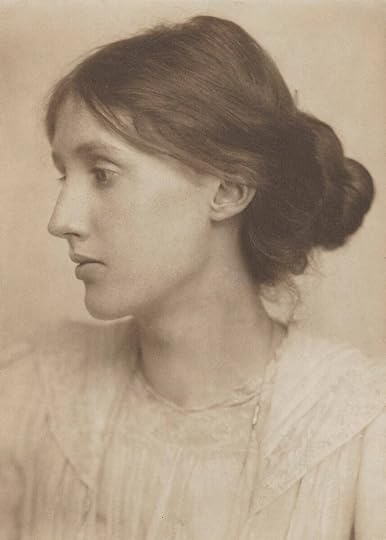
насправді, дуже debatable, наскільки якісно можна розкрити таку особистість, як Вірджинія Вулф, у книжці на 200 сторінок. явно охоплено не все, але так як це поки що єдина книжка на українському ринку про цю письменницю, то дякую видавництву Атена, переклад хороший, плюс ще і фото є
Ne možeš pronaći mir izbjegavajući život, poznata je i čeysto citirana misao Virginije Woolf, Autorica koju su suvremenici zamišljali „manje kao ženu koja piše, a više kao svjetlost koja se širi i jača“ još je za života idealizirana kao malo tko od njenih suvremenika, a interes publike, kako one čitateljske za njen književni rad, tako i one gladne zanimljivih, biografskih činjenica s protokom vremena nimalo ne blijedi. Svojim je prijateljima i kolegama ulijevala golem osjećaj divljenjem ojačanog strahopoštovanja i često su je, u književnim salonima promatrali sa strane bojeći se ući u interakciju s takvim intelektom. Nije bez razloga britanski dramatičar Edward Ablee upravo Virginiju Woolf postavio u naslov svoje najpoznatije, nebrojeno puta postavljene i nekoliko puta ekranizirane, drame u kojoj su u strahu od Virginije Woolf svi oni što se boje živjeti život otvoreno, bez laži ili zaslijepljujućih iluzija. Čitajući i istražujući ono što je velika autorica bila, ili se promatraču, uz povijesni odmak, čini da je bila, zapitat ćete se je li se i ona sama bojala Virginije Woolf, je li izbjegavala život i je li za nju, stoga, i taj traženi mir ostao skriven. Virginia Woolf : biografija Alexandre Harris neće vam dati odgovor na to pitanje. Bar ne u onom senzacionalističkom, bombastičnom i nahrupljujućem smislu na kakav smo, nažalost počesto, kod biografa navikli. Umjesto toga, čini se kao da je, u opsegom nevelikoj biografiji, na jedva dvjestotinjak stranica britanska povjesničarka kulture željela u knjigu pretočiti i knjigom potkrijepiti misao što ju je Woolf zabilježila Između činova, misao o knjigama kao ogledalima duše. Radije no ogoljujući (ili napuhujući, posve svejedno) uspone i padove iz sfere osobnog, Harris ih vješto isprepliće s traženjima, zastojima i pronalascima u autorskom životu Virginije Woolf. Takav upliv, naravno, ne bi bio moguć bez pomnog iščitavanja i dubokog poznavanja spisateljskog opusa, kao niti bez profesionalnog interesa za latentne granice javnog i osobnog, prisutne u svakom životu. Virginia Woolf za Alexandru Harris, vrlo osobno, predstavlja prvu književnu strast i fascinaciju, zanimanje za njen rad vodilo ju je k istraživanju moderne fikcije u odnosu spram engleskog romanticizma u slikarstvu što je pak, nakon tri godine discipliniranog, oxfordskog proučavanja, dovelo do doktorske disertacije čiji su ključni dijelovi pretvoreni u knjigu Romantični modernisti. Ne čudi stog a pažnja kojom je Alexandra Harris, želeći djelovati kao protuteža modernim biografima i njihovu shvaćanju Virginije Woolf kao traumama iz djetinjstva obilježene, pomalo pomaknute, ali neporecivo briljantne autorice, iscrtala konture njena života, a praznine ispunila uzimajući, kako i priliči, od spisateljice i dodajući ženi koja je, pažljiviji će čitatelj zamijetiti, ipak bila mnogo više od svjetla koje se širi i jača. Biografija otvorena pitanjem Tko sam bila tada? protkana je, i zaključena, pripadajućim odgovorom. Vraćajući se u autoričino djetinjstvo, prekapajući po sjećanjima pretočenim na stranice romana, ali i u sve ono skriveno među njima, Harris crta Virginiju uklopljenu u trenutak u kojem je živjela. Ne kao ludu genijalku, niti kao svjetlo koje se pojačava i širi već kao ženu koja piše. I kroz pisanje, primičući se životu, pronalazi izvore najvećeg mira. Ali, naravno, i najdubljih nemira.
Normaal wil ik van een schrijver zo weinig mogelijk weten. Maar voor Virginia Woolf maak ik een uitzondering. Wat een vrouw! Ik vond dit boek dan ook zeer boeiend. Je leest het wel best nádat je de meeste werken van Woolf al hebt gelezen, want er wordt constant de link gelegd tussen haar leven en haar werk. Als je helemaal niets hebt met Mrs. Dalloway of met Mrs. Ramsay (uit Naar de vuurtoren), zal je aan dit boek van Alexandra Harris ook niet veel hebben.
це такі собі біографічні есеї, а не повноцінна біографія Вірджинії Вулф. є цікаві деталі, але загалом книга відчувається дуже фрагментарною (то й не дивно, враховуючи кількість сторінок). хоча як вступ до творчості Вулф — книга дійсно непогана. і може бути корисна тим читачам, хто лише збирається познайомитися з творами письменниці. книга таки дає загальне розуміння творчості Вулф та основних тем у її текстах.
але все ж таки, певно, ніхто не розкаже про життя Вулф краще, аніж сама Вулф. отож, варто таки читати всі ті томи її щоденників та листів.
Shout out naar mijn sibbies voor dit cadeau voor mijn bijna 30ste verjaardag ook al was Tom er niet van op de hoogte dat dit boek ook vanuit zijn naam werd gegeven en leek Lot het een kut boek
This turned out to be a better biography of Woolf than I'd thought when I first started reading it. I would recommend it for the reader who is just beginning to discover Virginia Woolf and knows little, if anything, about her family background, the Bloomsbury group, or her novels and books of criticism.
Harris also provides brief analyses of Woolf's novels, which often explain a bit too much about the novels and might influence the new reader's thoughts and reactions to them. I'm not sure that this is a good idea; if I were new to Woolf I'd want to read the novels myself first, and then read any criticism of them.
Not much new is revealed here except more information about Angelica Bell's later life and how her parentage affected her. Other than that, I'd recommend that the Woolf lover read Hermoine Lee's "Virginia Woolf", which is a more in-depth and well-researched biography of the author. Another issue that bothered me is that there's no bibliography at the end of this biography, but rather a short list of "relevant" books. I like a full bibliography so that I might then read the books that were consulted myself. But this is just my own personal preference.
What an intriguing book on such a complex and vibrant woman. Virginia is such a rich character to write about and Harris has allowed us a glimpse into the life of this groundbreaking woman. Virginia gave herself to her writing. It is what allowed her to get through her times of illness, which were frequent and which eventually took her life. She was a prolific writer, writing essays, reviews, novels and non- fiction. Her marriage to Leonard Woolf was the stabilising force in her life even with her relationships with Vita Sackville- West and Ethel Symthe. Her relationship with Vita inparticular was not a sexual one (they only slept together twice) rather a spiritual one. There isn’t much comment in the book on how Leonard felt about these other relationships that Virginia had but we can surmise that he was essentially all right with them. Probably because he knew that he was central to Virginia’s life in a way those women weren’t. Harris fills the book with literary criticism on Virginia’s works, especially her novels where we find that Virginia really was original and unique in her work. In the early part of the 20th century she challenged her readers to accept the novel in a new form. Most of her works have continued to be important today. She is still studied in schools and universities. Her work has transcended time. This biography really shows us that. It gives us her necessary friendships and critics.. The book isn’t long but feels well rounded because of that. Harris has essentially written the biography around Virginia’s work. Harris gives it to us without overly gushing about her subject. She evens slips into the text that she could be spiteful and jealous, just one line but enough to gain a fuller picture of Virginia Woolf. She doesn’t make too many judgments of Virginia rather lays out her travel, her writing, her relationships for us to decide what we think. This book is definitely a good introduction to Virginia Woolf and a book to read especially if you know nothing about her.
Working through Virginia Woolf’s nine novels chronologically, just before starting To the Lighthouse, I realized that I would benefit from some backstory context on Virginia Woolf’s life and how she drew on her life experiences and readings of earlier writers to produce what was continual innovation in writing style and structure. Hermione Lee’s seminal 900-page 1996 biography on Virginia Woolf would have been too long for this break, so I turned to Alexandra Harris’s more recent biography, which pays fitting tribute to the earlier Lee biography.
Alexandra Lee’s shorter biography and update is fit for purpose. It cleverly links each of Virginia Woolf’s nine key novels (and other writings) to periods broken down by chapter. For example, where there were sudden changes in literary style, I can better understand from the Harris book what this change was, why it was introduced, the historic resources of earlier writers it drew on, and the sources of literary innovation.
I have rated Harris’s book 5* as it was easy – and enjoyable – to read, concise, and remarkably for the 162 or so pages gave a good feel for Virginia Woolf’s life.
In her “Afterwards” Harris discusses some critics reviews of Woolf’s works, which seem after her work to be insensitive to context. Harris gives straightforward opinions, and In discussing “Night and Day” and “Mrs. Dalloway,” for example, and particularly Septimus, the shell-shocked World War I veteran in the latter, she writes, “Woolf has sometimes been criticized for not facing directly enough the great conflicts of her time, but all her post-war novels are concerned with the indirections by which we come to understand our losses. Woolf’s Great War was inseparable from her personal war against illness.”
We cannot untangle Woolf’s novels without knowing her life, her questions, and her influences – Drawing on diaries, notes, and letters helps to see how Virginia Woolf developed as a writer.
Dit boek heeft me helemaal weggeblazen. Het leven van Virginia Woolf wordt niet eens zo uitgebreid beschreven, maar wel heel toegankelijk en mooi. Harris heeft een fijne en vlotte schrijfstijl, die ervoor zorgde dat ik het boek in één keer uit wilde lezen. In eerste instantie was ik bang dat het hele verhaal in functie zou staan van de onvermijdelijke zelfmoord, maar Harris beschrijft juist prachtig hoe VW zich constant staande weet te houden en telkens uit dalen klimt. Ook de interpretatie van Woolfs boeken is heel mooi afgestemd op de periode's van haar leven.
Alexandra Harris' Virginia Woolf gaat vooral over de schrijvende persoon, pretendeert nooit een volledige biografie te zijn. ik heb redelijk veel over Woolf gelezen, inclusief Hermione Lee's fantastische biografie: dit is geen overbodig werk.
een bijzonder boek, Harris weet de kern van Woolfs werk (inderdaad, schrijversleven) te raken. inspirerend, goed geschreven: het is mooie literaire non-fictie.
Vise nego zadovoljavajuci uvod u zivot i djelo Virginie Woolf. Najjaca strana ove biografije je to sto ne ulazi u interpretacije romana/eseja (premda simbole i motive stavlja u kontekst zivotnog perioda u kojem su nastajali) vec vise tumaci raznolikost ideja i politiziranog pristupa u proucavanju njezine knjizevnosti, a pritom se suzdrzava od mogucih sugestija zbog cega mislim da je vrlo britka. Popis bibliografije je izdasan i za svaku pohvalu, pa bas inspirira za istrazivanje :)
[перед этим ревью открыла русскую википедию, просто чтобы сравнить. ужасно просто, теперь думаю, что всё, что я знаю о писателях из школы, полная муть.]
краткая биография абсолютно великой и современной женщины. подойдет тем, кто совсем ничего не читал у/про вульф. (как я). я прям теперь влюблена абсолютно
Ik heb van Woolf alleen maar 'Mrs. Dalloway' gelezen en de film 'The hours' gezien. Verder zinderde nog ergens de titel van Albee's toneelstuk 'Who's afraid of Virginia Woolf' in mijn onderbewustzijn. Ik wist dus wel iets af van haar leven en haar reputatie, maar dit boek heeft mij nu het kader gegeven waarin ik een en ander moet plaatsen. Het is misschien niet de definitieve biografie van Woolf (naar het schijnt heeft Hermione Lee die al geschreven) maar het is een goede inleiding om het ontstaan van haar werk en de gedrevenheid van haar schrijfkunst te leren kennen. Hoe zij met taal en met structuur van verhalen is beziggeweest, dingen geschreven en telkens weer herschreven heeft tot het eindelijk op papier stond zoals zij het wilde en dan nog was ze er zelden tevreden over. Dat betekent dus meteen weer een heel lijstje boeken die ik absoluut nog wil lezen. Maar ja, daar doen we het toch voor.
Na het lezen van deze interessante biografie ben ik alleszins geprikkeld om meer van Woolfs werk te lezen (tot nog toe heb ik alleen nog maar Mrs. Dalloway gelezen, shame on me). But where to begin? A room of one's own?
Beautifully written and succinct guide to Virginia Woolf and her life and work. Ideal for undergraduates and for those just beginning their study of Woolf.
ось це справжній #womenpower. я до цієї книги не знала майже нічого про вірджінію вулф, але мені дуже імпонувало те, як про неї говорило суспільство, тому і вирішила ознайомитись з її біографією. це було дуже сильно і дуже боляче читати. вона настільки всього багато пережила і всеодно змогла зберегти здоровий глузд та не кинула свою справу, коли в неї була настільки важка хвороба, що в мене немає слів.
а ще я трішки офігєла, коли читала про її коханок, особливо про ванессу. в цілому, це і не дивно, бо вірджінія окрім своїх книжок та ессе писала ще дуже багато про жінок, та, можна сказати, була і активісткою у цьому сенсі.
Clear, traditional overview of Virginia Woolf's work and life with very little new information. It is certainly valuable for readers who haven't immersed themselves yet in Virgina W. as a basis for contemplation and interpretation.
Overzichtelijk, traditioneel werk over Virginia Woolf's leven en werk met weinig nieuwe elementen. Voor lezers die zich nog niet in haar verdiept hebben, is het zeker waardevol als basis voor reflectie en omkadering.
A good succinct biography of Virginia Woolf, but confirmed my feelings about biographies: dry. I know we don't want to romanticise death or reduce her to her death, but I felt like it passed in one short sentence and little else was said about it. More was said about all the biographies written about her than about how her life ended? She was a prolific journal writer and letter writer, surely more must be known??
There isn't a lot to say about this one. It's a concise overview of Woolf's life and work, best for those who are only mildly curious and just looking for the basics, or someone looking for an introduction before moving on to meatier stuff. Not badly written and has some occasional insight into Woolf's work, but not a definitive source by any means.
A wonderful introduction to Woolf's life and works - even this long time Woolf scholar learned some new things. Alexandra Harris again marries a staggering amount of research with a light touch and thoughtful commentary. This is a very enjoyable read for Woolf newbies and long-time fans alike. Next time : the Hermione Lee biography!
‘Woolf werkte aan een filosofie van momenten van helderheid. Ze had die haar leven lang ervaren, als schokken of openbaringen, momenten waarop iets wat wazig was ineens heel duidelijk wordt.’ P. 115
In al haar werk is de zoektocht naar de absoluutheid van deze momenten een rode draad.
Een mooie en veelzijdige biografie over het schrijversleven van Virginia Woolf.
This books is quite limited about the life if Virginia Wolfe and you would have to have read her fiction writing before reading this book to get the best out of the book to be honest. To me the book read like a masters dissertation, information but no real personality.
Brief book that touches on many interesting aspects of VW’s life but only briefly. Would have preferred reading a about shorter span of her life with more depth.