

What do you think?

The Asylum Confession Files
12 Nights Before Christmas: The Asylum Advent Collection
Twelve nights of dying. One season you won’t The Asylum Advent Collection
Twelve patients.
Twelve final confessions—each one tangled in the holidays.
This isn’t a season of comfort. Not on Jack Steen’s floor.
Each night brings another dying soul with a secret heavy enough to drag the dark a toymaker obsessed with broken children, a woman who decided which kids never came home, a man whose holiday ledger ended in blood, and others who carried their sins far too long.
So pour a drink. Lock your door.
And settle in for twelve nights of cold truths from the Death Ward.
12 NIGHTS BEFORE An Asylum Advent Collection
Twelve nights.
Twelve dying souls.
No light at the end—just the truth they finally let slip.
Twelve patients.
Twelve final confessions—each one tangled in the holidays.
This isn’t a season of comfort. Not on Jack Steen’s floor.
Each night brings another dying soul with a secret heavy enough to drag the dark a toymaker obsessed with broken children, a woman who decided which kids never came home, a man whose holiday ledger ended in blood, and others who carried their sins far too long.
So pour a drink. Lock your door.
And settle in for twelve nights of cold truths from the Death Ward.
12 NIGHTS BEFORE An Asylum Advent Collection
Twelve nights.
Twelve dying souls.
No light at the end—just the truth they finally let slip.
314 pages, Kindle Edition
First published December 7, 2025
Ratings & Reviews
Friends & Following
Create a free account to discover what your friends think of this book!
Community Reviews
Displaying 1 - 26 of 26 reviews

January 25, 2026
I love these by this author.

December 31, 2025
12 Nights Before Christmas by Jack Steen was an absolute blast — dark, clever, and surprisingly addictive.
This is not your cozy Hallmark holiday story. This is Christmas with a wicked sense of humor, a sharp edge, and enough twisted moments to make you question your life choices… in a good way. I went in expecting something fun and came out genuinely entertained and mildly unhinged.
The pacing is quick, the tone is deliciously dark, and the whole concept works ridiculously well. I flew through it, constantly thinking, “This is messed up… I love it.”
Is it subtle? No.
Is it deep and literary? Also no.
Is it wildly entertaining and perfect for the season if you like your holiday reads with a side of chaos? Absolutely.
Final verdict: 4 stars.
Highly recommend for anyone who wants their Christmas reading with a little murder, a lot of attitude, and zero silent nights. 🎄🔪📚
This is not your cozy Hallmark holiday story. This is Christmas with a wicked sense of humor, a sharp edge, and enough twisted moments to make you question your life choices… in a good way. I went in expecting something fun and came out genuinely entertained and mildly unhinged.
The pacing is quick, the tone is deliciously dark, and the whole concept works ridiculously well. I flew through it, constantly thinking, “This is messed up… I love it.”
Is it subtle? No.
Is it deep and literary? Also no.
Is it wildly entertaining and perfect for the season if you like your holiday reads with a side of chaos? Absolutely.
Final verdict: 4 stars.
Highly recommend for anyone who wants their Christmas reading with a little murder, a lot of attitude, and zero silent nights. 🎄🔪📚

December 30, 2025
Twelve patients.
Twelve final confessions—each one tangled in the holidays.
This isn’t a season of comfort. Not on Jack Steen’s floor.
Each night brings another dying soul with a secret heavy enough to drag the dark a toymaker obsessed with broken children, a woman who decided which kids never came home, a man whose holiday ledger ended in blood, and others who carried their sins far too long.
I'm enjoying reading the confessions series and this one was no exception. Another great read. I can understand why some of these patients did what they did, when others couldn't see it. Some of them though knew they were in control and had the power and they used it to their advantage.
Twelve final confessions—each one tangled in the holidays.
This isn’t a season of comfort. Not on Jack Steen’s floor.
Each night brings another dying soul with a secret heavy enough to drag the dark a toymaker obsessed with broken children, a woman who decided which kids never came home, a man whose holiday ledger ended in blood, and others who carried their sins far too long.
I'm enjoying reading the confessions series and this one was no exception. Another great read. I can understand why some of these patients did what they did, when others couldn't see it. Some of them though knew they were in control and had the power and they used it to their advantage.
December 30, 2025
Not bad, though this one came across as rushed. It didn't have the same hold as the rest of the books in this series.

January 8, 2026
Stories were good but the editing was so bad in this one. Felt very rushed. Jack’s stories are so good but it can be hard to overcome the poor editing.

Read
October 2, 2026Find my full review available here: https://prairiefoxreads.blogspot.com/...
No Peace on the Death Ward: A Review of 12 Nights Before Christmas by Jack Steen
The Asylum Confession Files | Christmas Horror | 314 pages | First published December 7, 2025
Rating: ★★★★☆
Christmas is traditionally presented as a season of warmth, forgiveness, family, and hope. In 12 Nights Before Christmas: The Asylum Advent Collection, Jack Steen strips away that comforting imagery and replaces it with twelve dying patients, twelve final confessions, and twelve holiday nightmares.
The premise is an ideal match for The Asylum Confession Files. Jack Steen works the night shift on the death ward of an asylum for the criminally insane. His patients arrive with little time remaining, but many still carry secrets that were never revealed to investigators, courts, relatives, or victims’ families. Before they die, Steen asks them for the truth.
Whether they actually give it to him is another matter.
These patients are practiced manipulators. Some may want absolution, while others want attention, revenge, or one final opportunity to control another person. A confession can reveal the past, but it can also distort it. Steen must listen knowing that every apparent admission may contain another lie.
In this seasonal collection, each confession is connected to the holidays. Across twelve nights, Steen hears from patients whose crimes corrupted toys, traditions, children, gifts, family gatherings, and the expectation that Christmas should be safe.
There are no comforting miracles on the death ward. The closest thing to a gift is the truth—and even that may arrive poisoned.
An Advent Calendar Filled with Confessions
The collection’s most effective idea is its use of an Advent-style structure. Instead of opening a small door each night to find a picture, message, or piece of chocolate, readers encounter another dying soul and another concealed atrocity.
The structure creates a grim countdown. Every night brings Steen closer to Christmas, but the season does not become brighter as it approaches. Each confession adds another layer of darkness.
This format also gives the book a ritualistic quality. Steen returns to the ward, meets a new patient, and waits for another secret to emerge. The patients change, but death remains constant. The repetition reflects the routines of both hospital work and holiday tradition, transforming familiar seasonal anticipation into dread.
Christmas countdowns usually promise arrival: the return of family, the appearance of gifts, or the celebration of hope. This countdown promises endings. Steen’s patients are not waiting for Christmas morning. They are waiting to die.
The twelve-night framework is therefore more than a convenient method of organizing separate stories. It turns the entire collection into a corrupted holiday ceremony.
Twelve Patients, Twelve Versions of the Truth
The collection contains twelve final confessions, each tied to Christmas or the wider holiday season. Among the patients are a toymaker obsessed with broken children, a woman who determined which children would never return home, and a man whose holiday ledger ended in blood.
These figures take recognizable pieces of Christmas and transform them into instruments of fear.
A toymaker should create objects that bring children happiness. Here, the profession is linked to obsession and brokenness. A seasonal guardian or caregiver should protect children, yet one woman decides who disappears. A holiday ledger might ordinarily record gifts, debts, charitable contributions, or names, but this patient’s accounting concludes with violence.
The remaining patients carry their own sins into the ward. The exact circumstances differ, but the structure unites them: every patient is dying, every story has been hidden, and every confession threatens to reveal something worse than the official version.
With twelve patients rather than four, the collection has room for a wider range of crimes, personalities, and holiday settings. The larger cast also makes the ward feel busier and more oppressive. Steen barely has time to absorb one revelation before another patient arrives.
The cumulative effect matters. A single Christmas crime can feel like an isolated violation of the season. Twelve confessions create a world in which holiday darkness has always existed beneath the decorations.
The Toymaker and the Broken Children
The toymaker is one of the collection’s most disturbing figures because toys are so closely associated with childhood trust.
A toy is designed to be held, loved, and brought into a child’s private world. Toymakers are therefore imagined as creators of happiness, especially during Christmas. They occupy a place in seasonal mythology alongside workshops, gifts, and childhood wonder.
An obsession with “broken children” corrupts that role.
The phrase is deliberately ambiguous. Brokenness could refer to injured children, abused children, emotionally damaged children, or children whom the patient considers flawed. The toymaker may believe he can repair them, collect them, punish them, or transform them according to his own idea of perfection.
That ambiguity makes the concept more disturbing than a straightforward description of violence. A patient who describes children as broken may be disguising cruelty as care. He may view himself as a craftsman fixing damaged objects rather than an offender harming human beings.
The profession also raises questions about control. Toys are made according to a creator’s design. Their faces, clothing, movements, and purposes are determined before they reach a child. If the toymaker extends that mentality to children, he may see them as materials rather than people.
His confession could therefore become a struggle over language. He may speak of restoration where Steen hears abuse, or correction where others would recognize torture. He may insist that his intentions were compassionate even when the results were horrifying.
The toymaker’s final story is likely to depend not only on what he did, but on whether he ever understood the difference between helping broken children and breaking them himself.
The Woman Who Chose Which Children Never Came Home
Another patient is described as a woman who decided which children would never return home.
The wording emphasizes selection. These were not necessarily random disappearances. Someone made choices, applied criteria, and determined which families would continue waiting after the holiday ended.
Christmas stories often center on homecoming. Relatives travel long distances to reunite, lost relationships are repaired, and children wake safely in familiar houses. A person who ensures that certain children never come home attacks one of the season’s most basic promises.
Her methods and motives may vary, but the act of choosing gives the crimes a bureaucratic coldness. She may have kept lists, judged families, watched children, or convinced herself that some homes did not deserve to receive their children back.
She may even present her actions as rescue. A manipulative offender can recast abduction as protection, punishment as justice, or possession as love. If the children came from troubled circumstances, she might argue that she saved them. The confession would then force Steen to separate genuine concern from self-serving fantasy.
The patient’s gender may also have helped her avoid suspicion. Adults frequently teach children to fear threatening male strangers while assuming that women are nurturing and safe. A woman who appears maternal, helpful, or festive can enter spaces that would be inaccessible to someone who looks openly dangerous.
Her confession may reveal how easily social expectations became tools. Trust could have been more important than force.
For the families, Christmas would never again be a celebration. Every song, gift, empty chair, and missing-child announcement would become part of the loss. The patient did not merely take children; she permanently altered the meaning of the season for everyone who waited for them.
The Bloody Holiday Ledger
A ledger is a record. It organizes names, transactions, debts, payments, gifts, or obligations. During the holidays, it can evoke charitable giving, business accounts, household spending, or the old tradition of dividing people into the deserving and undeserving.
A man whose holiday ledger ends in blood brings accounting and murder together.
He may see his victims as entries rather than human beings. Each name could represent a debt to be settled, a punishment to be delivered, or an imbalance to be corrected. The ledger gives violence the appearance of order.
That order can be psychologically revealing. Some killers want their crimes to feel inevitable rather than emotional. By constructing rules, lists, or categories, they distance themselves from personal responsibility. The ledger supposedly decides what must happen, even though the offender created the system.
Christmas is already filled with moral accounting. Children are warned that their behavior is being observed. People make lists of gifts and recipients. Families remember favors, resentments, invitations, and exclusions. The season encourages generosity, but it can also intensify feelings of debt and unfairness.
The patient may have transformed that emotional bookkeeping into literal violence. Perhaps he believed certain people owed him. Perhaps he judged others for hypocrisy, greed, or past harm. He may describe murder as balancing the account.
Steen’s task is to identify the human choices hidden behind the patient’s system. A ledger cannot kill anyone. Rules do not write themselves. Whatever logic the man developed, he remained responsible for carrying it out.
His confession may contain the final names, but it may also leave Steen wondering whether the account was ever truly closed.
Christmas as a Mask
Holiday horror works because Christmas already involves performance.
Homes are decorated to appear warm and welcoming. Families gather and act happier than they may actually be. Gifts become proof of affection. Old conflicts are temporarily hidden beneath food, music, and ritual.
That performance can conceal resentment, loneliness, abuse, and grief.
The patients in 12 Nights Before Christmas appear to exploit this contrast. Their crimes exist in the space between what the holiday promises and what people privately experience. Decorations provide camouflage. Crowds create opportunities. Family expectations pressure victims to remain polite, forgiving, or silent.
Christmas also gives dangerous people recognizable costumes and roles. A stranger offering gifts may appear generous. A person working with toys may seem child-friendly. A woman accompanying a child may be assumed to be a caregiver. Someone keeping a list may look organized rather than obsessive.
The season encourages people to open doors, attend gatherings, accept packages, travel at night, and trust familiar traditions. Actions that would seem suspicious at another time can appear ordinary during December.
The collection uses this trust as a source of horror. The threat is not outside the celebration. It is already participating in it.
Family Gatherings and Old Wounds
Christmas forces people into proximity. Relatives who avoid each other for most of the year may gather around the same table. Childhood roles reappear, old arguments return, and expectations become difficult to escape.
For offenders carrying resentment, the holidays can provide both emotional pressure and opportunity.
A family gathering creates a fixed place and time where everyone is expected to appear. Alcohol may reduce caution. Travel can isolate people from their usual support systems. Bad weather may prevent escape or delay assistance. The desire to avoid ruining Christmas can keep people silent about threatening behavior.
The holiday can also sharpen feelings of exclusion. A person who is not invited may interpret the omission as betrayal. Someone unable to afford gifts may feel humiliated. A grieving or isolated individual may experience other people’s celebrations as evidence of personal failure.
None of these emotions excuses violence, but they can become part of the stories offenders tell themselves. A patient may insist that Christmas forced a confrontation or exposed unbearable hypocrisy. In reality, the holiday may simply have provided a symbolic stage for anger that already existed.
Steen must listen for the difference between circumstance and cause. Christmas may have influenced the timing, imagery, or target of a crime. The patient still made the decision to act.
Children at the Center of Holiday Horror
Children appear especially vulnerable within the collection’s premise. Christmas is often presented as a holiday designed for them, which makes their endangerment particularly upsetting.
The season relies heavily on childhood belief. Adults encourage children to accept impossible stories, welcome mysterious gift-givers, and interpret surveillance as benevolent. They are told that strangers may know their names and enter their homes during the night.
Holiday horror exposes the unsettling possibilities already contained in those traditions.
A dangerous adult can exploit a child’s excitement, curiosity, or trust. Gifts become bait. Costumes become disguises. Familiar stories teach children to accept unusual behavior because Christmas is supposed to be magical.
The adults around them may also be distracted. Parents are shopping, traveling, attending events, drinking, or managing family conflict. Public spaces are crowded. Children may be handed from one relative or temporary caregiver to another.
The collection’s references to broken and missing children suggest that the patients understand these weaknesses. Their confessions may show how seasonal joy created opportunities for harm.
This subject matter gives the book much of its emotional weight, but it also makes the collection more difficult to read. Horror involving children carries a severity that fictional violence against adults may not. Readers should expect the holiday setting to intensify rather than soften that darkness.
Steen’s Role in the Seasonal Collection
Jack Steen remains the connective figure across all twelve nights. He is not merely recording stories; he is conducting final negotiations with people who may have lied throughout their lives.
His position is especially complicated during Christmas. Outside the ward, people are celebrating connection and renewal. Inside, Steen remains surrounded by terminal patients whose histories are defined by violence.
The contrast may heighten his isolation. While others exchange gifts, he receives confessions. While families gather, he listens to people who destroyed families. While the season encourages forgiveness, he must decide whether some patients deserve any form of mercy.
Steen’s arrangement with his patients also resembles a dark exchange of presents. He offers relief from suffering, and they give him a story. Yet neither side can be certain that the other has delivered exactly what was promised.
A patient may confess only part of the truth. Steen may provide comfort without granting the emotional absolution the patient expected. Their conversations become negotiations over pain, memory, and control.
Across twelve encounters, Steen risks becoming burdened by what he hears. One confession might be dismissed as manipulation, but repeated exposure can erode certainty. Every patient leaves another story behind, and Steen must carry those stories after their owners are dead.
The season may end. The knowledge does not.
Can a Deathbed Confession Be Trusted?
The central question of the series remains unresolved: why should a dying killer suddenly become honest?
Death removes many ordinary incentives to lie. A patient may no longer fear prison, social judgment, or retaliation. With little time left, the truth may seem easier to reveal.
But dying also creates new motives for deception.
A patient may want to become infamous, punish surviving relatives, implicate an enemy, or send investigators searching for victims who never existed. A false confession can outlive the person who made it. Once Steen hears it, the claim may become impossible to disprove.
The holiday theme adds opportunities for emotional manipulation. Patients know that stories about missing children, destroyed families, and corrupted traditions will affect their listener. They may use Christmas imagery to make ordinary crimes sound more memorable or mythic.
Some may want to become monsters associated with the season. Others may wish to recast themselves as victims of loneliness, poverty, grief, or family cruelty. A carefully shaped confession can do both at once: attract horror while inviting sympathy.
Steen wants the version that has never been told before. Novelty, however, is not proof. A new story may be the truth, or it may simply be the patient’s final invention.
A Season of Judgment
Christmas stories often involve judgment. People are divided into naughty and nice, generous and selfish, worthy and unworthy. Characters are given opportunities to repent before it is too late.
On Steen’s ward, it is almost too late from the beginning.
The patients have reached the final stage of life. Their confessions cannot reverse their crimes. Victims will not return, and families will not recover the years taken from them. Even a completely truthful admission may provide only limited closure.
This raises the question of what confession is actually for.
Some patients may want forgiveness. Others may want recognition. A few may believe that admitting the truth is itself a form of payment. Yet confession without remorse can be another act of vanity. Naming a crime does not necessarily mean accepting its moral significance.
Steen is not a priest or judge, although patients may treat him as both. He cannot erase guilt, impose a new sentence, or guarantee that the truth will reach the right people. He can listen, challenge, and decide how much relief to provide.
The patients’ impending deaths give those choices urgency. Mercy toward the dying is generally considered humane, but these particular patients may have denied mercy to many others. Steen must decide whether compassionate care should depend on moral worth.
The collection does not need to offer a simple answer. Its horror comes partly from making the question unavoidable.
Corrupted Symbols of the Season
The book’s holiday atmosphere depends on transforming comforting symbols into sources of dread:
Toys become extensions of obsession and control.
Lists and ledgers become records of punishment or bloodshed.
Homecoming is replaced by disappearance.
Gifts can conceal threats.
Family gatherings expose resentment and secrets.
Winter darkness isolates victims.
Seasonal generosity becomes a method of gaining trust.
Childhood wonder creates vulnerability.
Confession replaces celebration.
The Christmas countdown leads toward death rather than hope.
These reversals are central to effective seasonal horror. The goal is not merely to place murder beside a Christmas tree. The holiday itself must shape the crime, the offender’s psychology, or the reader’s emotional response.
12 Nights Before Christmas is strongest when its seasonal elements are inseparable from the patients’ sins. A crime involving a toymaker, missing children, or a bloody ledger gains meaning from the traditions it violates.
Tone and Structure
At 314 pages, the book is longer than many individual installments and contains a larger number of confessions. Twelve stories require a brisk pace, but the Advent format gives each patient a designated place within the larger countdown.
The episodic design makes the collection suitable for reading one
No Peace on the Death Ward: A Review of 12 Nights Before Christmas by Jack Steen
The Asylum Confession Files | Christmas Horror | 314 pages | First published December 7, 2025
Rating: ★★★★☆
Christmas is traditionally presented as a season of warmth, forgiveness, family, and hope. In 12 Nights Before Christmas: The Asylum Advent Collection, Jack Steen strips away that comforting imagery and replaces it with twelve dying patients, twelve final confessions, and twelve holiday nightmares.
The premise is an ideal match for The Asylum Confession Files. Jack Steen works the night shift on the death ward of an asylum for the criminally insane. His patients arrive with little time remaining, but many still carry secrets that were never revealed to investigators, courts, relatives, or victims’ families. Before they die, Steen asks them for the truth.
Whether they actually give it to him is another matter.
These patients are practiced manipulators. Some may want absolution, while others want attention, revenge, or one final opportunity to control another person. A confession can reveal the past, but it can also distort it. Steen must listen knowing that every apparent admission may contain another lie.
In this seasonal collection, each confession is connected to the holidays. Across twelve nights, Steen hears from patients whose crimes corrupted toys, traditions, children, gifts, family gatherings, and the expectation that Christmas should be safe.
There are no comforting miracles on the death ward. The closest thing to a gift is the truth—and even that may arrive poisoned.
An Advent Calendar Filled with Confessions
The collection’s most effective idea is its use of an Advent-style structure. Instead of opening a small door each night to find a picture, message, or piece of chocolate, readers encounter another dying soul and another concealed atrocity.
The structure creates a grim countdown. Every night brings Steen closer to Christmas, but the season does not become brighter as it approaches. Each confession adds another layer of darkness.
This format also gives the book a ritualistic quality. Steen returns to the ward, meets a new patient, and waits for another secret to emerge. The patients change, but death remains constant. The repetition reflects the routines of both hospital work and holiday tradition, transforming familiar seasonal anticipation into dread.
Christmas countdowns usually promise arrival: the return of family, the appearance of gifts, or the celebration of hope. This countdown promises endings. Steen’s patients are not waiting for Christmas morning. They are waiting to die.
The twelve-night framework is therefore more than a convenient method of organizing separate stories. It turns the entire collection into a corrupted holiday ceremony.
Twelve Patients, Twelve Versions of the Truth
The collection contains twelve final confessions, each tied to Christmas or the wider holiday season. Among the patients are a toymaker obsessed with broken children, a woman who determined which children would never return home, and a man whose holiday ledger ended in blood.
These figures take recognizable pieces of Christmas and transform them into instruments of fear.
A toymaker should create objects that bring children happiness. Here, the profession is linked to obsession and brokenness. A seasonal guardian or caregiver should protect children, yet one woman decides who disappears. A holiday ledger might ordinarily record gifts, debts, charitable contributions, or names, but this patient’s accounting concludes with violence.
The remaining patients carry their own sins into the ward. The exact circumstances differ, but the structure unites them: every patient is dying, every story has been hidden, and every confession threatens to reveal something worse than the official version.
With twelve patients rather than four, the collection has room for a wider range of crimes, personalities, and holiday settings. The larger cast also makes the ward feel busier and more oppressive. Steen barely has time to absorb one revelation before another patient arrives.
The cumulative effect matters. A single Christmas crime can feel like an isolated violation of the season. Twelve confessions create a world in which holiday darkness has always existed beneath the decorations.
The Toymaker and the Broken Children
The toymaker is one of the collection’s most disturbing figures because toys are so closely associated with childhood trust.
A toy is designed to be held, loved, and brought into a child’s private world. Toymakers are therefore imagined as creators of happiness, especially during Christmas. They occupy a place in seasonal mythology alongside workshops, gifts, and childhood wonder.
An obsession with “broken children” corrupts that role.
The phrase is deliberately ambiguous. Brokenness could refer to injured children, abused children, emotionally damaged children, or children whom the patient considers flawed. The toymaker may believe he can repair them, collect them, punish them, or transform them according to his own idea of perfection.
That ambiguity makes the concept more disturbing than a straightforward description of violence. A patient who describes children as broken may be disguising cruelty as care. He may view himself as a craftsman fixing damaged objects rather than an offender harming human beings.
The profession also raises questions about control. Toys are made according to a creator’s design. Their faces, clothing, movements, and purposes are determined before they reach a child. If the toymaker extends that mentality to children, he may see them as materials rather than people.
His confession could therefore become a struggle over language. He may speak of restoration where Steen hears abuse, or correction where others would recognize torture. He may insist that his intentions were compassionate even when the results were horrifying.
The toymaker’s final story is likely to depend not only on what he did, but on whether he ever understood the difference between helping broken children and breaking them himself.
The Woman Who Chose Which Children Never Came Home
Another patient is described as a woman who decided which children would never return home.
The wording emphasizes selection. These were not necessarily random disappearances. Someone made choices, applied criteria, and determined which families would continue waiting after the holiday ended.
Christmas stories often center on homecoming. Relatives travel long distances to reunite, lost relationships are repaired, and children wake safely in familiar houses. A person who ensures that certain children never come home attacks one of the season’s most basic promises.
Her methods and motives may vary, but the act of choosing gives the crimes a bureaucratic coldness. She may have kept lists, judged families, watched children, or convinced herself that some homes did not deserve to receive their children back.
She may even present her actions as rescue. A manipulative offender can recast abduction as protection, punishment as justice, or possession as love. If the children came from troubled circumstances, she might argue that she saved them. The confession would then force Steen to separate genuine concern from self-serving fantasy.
The patient’s gender may also have helped her avoid suspicion. Adults frequently teach children to fear threatening male strangers while assuming that women are nurturing and safe. A woman who appears maternal, helpful, or festive can enter spaces that would be inaccessible to someone who looks openly dangerous.
Her confession may reveal how easily social expectations became tools. Trust could have been more important than force.
For the families, Christmas would never again be a celebration. Every song, gift, empty chair, and missing-child announcement would become part of the loss. The patient did not merely take children; she permanently altered the meaning of the season for everyone who waited for them.
The Bloody Holiday Ledger
A ledger is a record. It organizes names, transactions, debts, payments, gifts, or obligations. During the holidays, it can evoke charitable giving, business accounts, household spending, or the old tradition of dividing people into the deserving and undeserving.
A man whose holiday ledger ends in blood brings accounting and murder together.
He may see his victims as entries rather than human beings. Each name could represent a debt to be settled, a punishment to be delivered, or an imbalance to be corrected. The ledger gives violence the appearance of order.
That order can be psychologically revealing. Some killers want their crimes to feel inevitable rather than emotional. By constructing rules, lists, or categories, they distance themselves from personal responsibility. The ledger supposedly decides what must happen, even though the offender created the system.
Christmas is already filled with moral accounting. Children are warned that their behavior is being observed. People make lists of gifts and recipients. Families remember favors, resentments, invitations, and exclusions. The season encourages generosity, but it can also intensify feelings of debt and unfairness.
The patient may have transformed that emotional bookkeeping into literal violence. Perhaps he believed certain people owed him. Perhaps he judged others for hypocrisy, greed, or past harm. He may describe murder as balancing the account.
Steen’s task is to identify the human choices hidden behind the patient’s system. A ledger cannot kill anyone. Rules do not write themselves. Whatever logic the man developed, he remained responsible for carrying it out.
His confession may contain the final names, but it may also leave Steen wondering whether the account was ever truly closed.
Christmas as a Mask
Holiday horror works because Christmas already involves performance.
Homes are decorated to appear warm and welcoming. Families gather and act happier than they may actually be. Gifts become proof of affection. Old conflicts are temporarily hidden beneath food, music, and ritual.
That performance can conceal resentment, loneliness, abuse, and grief.
The patients in 12 Nights Before Christmas appear to exploit this contrast. Their crimes exist in the space between what the holiday promises and what people privately experience. Decorations provide camouflage. Crowds create opportunities. Family expectations pressure victims to remain polite, forgiving, or silent.
Christmas also gives dangerous people recognizable costumes and roles. A stranger offering gifts may appear generous. A person working with toys may seem child-friendly. A woman accompanying a child may be assumed to be a caregiver. Someone keeping a list may look organized rather than obsessive.
The season encourages people to open doors, attend gatherings, accept packages, travel at night, and trust familiar traditions. Actions that would seem suspicious at another time can appear ordinary during December.
The collection uses this trust as a source of horror. The threat is not outside the celebration. It is already participating in it.
Family Gatherings and Old Wounds
Christmas forces people into proximity. Relatives who avoid each other for most of the year may gather around the same table. Childhood roles reappear, old arguments return, and expectations become difficult to escape.
For offenders carrying resentment, the holidays can provide both emotional pressure and opportunity.
A family gathering creates a fixed place and time where everyone is expected to appear. Alcohol may reduce caution. Travel can isolate people from their usual support systems. Bad weather may prevent escape or delay assistance. The desire to avoid ruining Christmas can keep people silent about threatening behavior.
The holiday can also sharpen feelings of exclusion. A person who is not invited may interpret the omission as betrayal. Someone unable to afford gifts may feel humiliated. A grieving or isolated individual may experience other people’s celebrations as evidence of personal failure.
None of these emotions excuses violence, but they can become part of the stories offenders tell themselves. A patient may insist that Christmas forced a confrontation or exposed unbearable hypocrisy. In reality, the holiday may simply have provided a symbolic stage for anger that already existed.
Steen must listen for the difference between circumstance and cause. Christmas may have influenced the timing, imagery, or target of a crime. The patient still made the decision to act.
Children at the Center of Holiday Horror
Children appear especially vulnerable within the collection’s premise. Christmas is often presented as a holiday designed for them, which makes their endangerment particularly upsetting.
The season relies heavily on childhood belief. Adults encourage children to accept impossible stories, welcome mysterious gift-givers, and interpret surveillance as benevolent. They are told that strangers may know their names and enter their homes during the night.
Holiday horror exposes the unsettling possibilities already contained in those traditions.
A dangerous adult can exploit a child’s excitement, curiosity, or trust. Gifts become bait. Costumes become disguises. Familiar stories teach children to accept unusual behavior because Christmas is supposed to be magical.
The adults around them may also be distracted. Parents are shopping, traveling, attending events, drinking, or managing family conflict. Public spaces are crowded. Children may be handed from one relative or temporary caregiver to another.
The collection’s references to broken and missing children suggest that the patients understand these weaknesses. Their confessions may show how seasonal joy created opportunities for harm.
This subject matter gives the book much of its emotional weight, but it also makes the collection more difficult to read. Horror involving children carries a severity that fictional violence against adults may not. Readers should expect the holiday setting to intensify rather than soften that darkness.
Steen’s Role in the Seasonal Collection
Jack Steen remains the connective figure across all twelve nights. He is not merely recording stories; he is conducting final negotiations with people who may have lied throughout their lives.
His position is especially complicated during Christmas. Outside the ward, people are celebrating connection and renewal. Inside, Steen remains surrounded by terminal patients whose histories are defined by violence.
The contrast may heighten his isolation. While others exchange gifts, he receives confessions. While families gather, he listens to people who destroyed families. While the season encourages forgiveness, he must decide whether some patients deserve any form of mercy.
Steen’s arrangement with his patients also resembles a dark exchange of presents. He offers relief from suffering, and they give him a story. Yet neither side can be certain that the other has delivered exactly what was promised.
A patient may confess only part of the truth. Steen may provide comfort without granting the emotional absolution the patient expected. Their conversations become negotiations over pain, memory, and control.
Across twelve encounters, Steen risks becoming burdened by what he hears. One confession might be dismissed as manipulation, but repeated exposure can erode certainty. Every patient leaves another story behind, and Steen must carry those stories after their owners are dead.
The season may end. The knowledge does not.
Can a Deathbed Confession Be Trusted?
The central question of the series remains unresolved: why should a dying killer suddenly become honest?
Death removes many ordinary incentives to lie. A patient may no longer fear prison, social judgment, or retaliation. With little time left, the truth may seem easier to reveal.
But dying also creates new motives for deception.
A patient may want to become infamous, punish surviving relatives, implicate an enemy, or send investigators searching for victims who never existed. A false confession can outlive the person who made it. Once Steen hears it, the claim may become impossible to disprove.
The holiday theme adds opportunities for emotional manipulation. Patients know that stories about missing children, destroyed families, and corrupted traditions will affect their listener. They may use Christmas imagery to make ordinary crimes sound more memorable or mythic.
Some may want to become monsters associated with the season. Others may wish to recast themselves as victims of loneliness, poverty, grief, or family cruelty. A carefully shaped confession can do both at once: attract horror while inviting sympathy.
Steen wants the version that has never been told before. Novelty, however, is not proof. A new story may be the truth, or it may simply be the patient’s final invention.
A Season of Judgment
Christmas stories often involve judgment. People are divided into naughty and nice, generous and selfish, worthy and unworthy. Characters are given opportunities to repent before it is too late.
On Steen’s ward, it is almost too late from the beginning.
The patients have reached the final stage of life. Their confessions cannot reverse their crimes. Victims will not return, and families will not recover the years taken from them. Even a completely truthful admission may provide only limited closure.
This raises the question of what confession is actually for.
Some patients may want forgiveness. Others may want recognition. A few may believe that admitting the truth is itself a form of payment. Yet confession without remorse can be another act of vanity. Naming a crime does not necessarily mean accepting its moral significance.
Steen is not a priest or judge, although patients may treat him as both. He cannot erase guilt, impose a new sentence, or guarantee that the truth will reach the right people. He can listen, challenge, and decide how much relief to provide.
The patients’ impending deaths give those choices urgency. Mercy toward the dying is generally considered humane, but these particular patients may have denied mercy to many others. Steen must decide whether compassionate care should depend on moral worth.
The collection does not need to offer a simple answer. Its horror comes partly from making the question unavoidable.
Corrupted Symbols of the Season
The book’s holiday atmosphere depends on transforming comforting symbols into sources of dread:
Toys become extensions of obsession and control.
Lists and ledgers become records of punishment or bloodshed.
Homecoming is replaced by disappearance.
Gifts can conceal threats.
Family gatherings expose resentment and secrets.
Winter darkness isolates victims.
Seasonal generosity becomes a method of gaining trust.
Childhood wonder creates vulnerability.
Confession replaces celebration.
The Christmas countdown leads toward death rather than hope.
These reversals are central to effective seasonal horror. The goal is not merely to place murder beside a Christmas tree. The holiday itself must shape the crime, the offender’s psychology, or the reader’s emotional response.
12 Nights Before Christmas is strongest when its seasonal elements are inseparable from the patients’ sins. A crime involving a toymaker, missing children, or a bloody ledger gains meaning from the traditions it violates.
Tone and Structure
At 314 pages, the book is longer than many individual installments and contains a larger number of confessions. Twelve stories require a brisk pace, but the Advent format gives each patient a designated place within the larger countdown.
The episodic design makes the collection suitable for reading one

January 9, 2026
Overview:
First off feel like I need to make this clear: Jack Steen is one of my favorite authors. I love the humor in some of his stories and his writing style makes me just devour his books but I really wish he would hire a better editor. As someone who struggles with reading even as an adult; when I can notice mistakes I know it’s bad. Spelling, grammar, repeating whole paragraphs. This book seems to not know what it wants to be. Half the stories have everything to do with Christmas, half the stories have nothing to do with Christmas. There is no order to them if they are supposed to be leading up to Christmas. Granted I did not read this book as the advent calendar format and am glad that I didn’t because of the lack of flow or lead up.
Marjorie – Warmth
If you have read the first book of the Asylum Confessions, you will remember Bucket. This story gives major Bucket energy.
I may be a little bias here because Bucket was one of my favorite stories from the original book and it’s how I sell this series to people. Marjorie’s story is a little heartbreaking because she genuinely doesn’t seem to understand what she did wrong.
Elliot – Choir Boy
There are some disgusting people who shouldn’t have access to children and unfortunately this story shows why.
Pushing children to be your idea of perfect has always set me a little weird because they are just learning and growing. This Choir director seemed to not understand that; he wanted them to be perfect or else.
Mara – On Display
Some people really take their work too seriously and get too obsessed with making sure everything is “perfect”.
I can understand and respect putting your heart and soul into your work and then having someone come along and ruin it and it makes you a little crazy.
Arthur – The Lover
Love and family traditions sometimes mean a little too much to people and they can’t see past that. Dealing with grief can be messy.
I’m a sucker for a good love story and having that be the base for this story really set me in the holiday mood. The bond and traditions being set from the base of their relationship; I can respect wanting to keep them. Maybe not to that extent.
Milo – Toy Maker
Parents really need to pay attention to their children and realize that they are not workers. They are children who want to be just like their parents.
Probably my least favorite story of them all because it didn’t seem like Milo wanted anything other than to prove to his father that he existed which I think his father was fully aware of but he wanted/needed to focus on his job.
Cassandra – Foster care Warrior
Some children need help and saving in a broken system that will do nothing but hurt them. Some children don’t deserve saving; they are monsters.
I can’t imagine working a job where you go into other people’s homes and you have to watch and see the monsters that are created in this broken system. When most people talk about monsters in the foster care system they are talking about adults that shouldn’t be left alone with children, not children that shouldn’t be.
Gideon – Mall Security
We take our job seriously and we want to protect all we can but sometimes the voices we hear in our head can get us into trouble.
My second to least favorite story of the book. He really didn’t have a personality outside of his need to protect. He was very one sided.
Cassian – Bell Ringer
Feeling like you are responsible for making sure someone sees the afterlife they deserve is a hard expectation to set for yourself; making it your life’s work makes it detrimental to all around you.
I feel like there is a level of religious trauma that goes with this story. He’s told this is your job; ring the bell as someone dies. He feels like because he didn’t do this he damned this person so he tries to make sure it never happens again.
Ruth – Teacher
It’s hard to watch a child suffer through something that you know you can fix. Questioning why no one will listen to your concerns makes for a hard work environment. You are just doing what is best for the child.
Watching a child get mistreated (even if only in your eyes) is extremely hard to do. Having a system that doesn't support or listen to you makes it impossible to ignore the injustice you are witnessing.
Christopher – Firefighter
When duty tells you that you are supposed to serve and protect but does everyone deserve those rights?
Another really heavy hitter because you have to ask yourself would you have done the same thing? I understand it’s wrong to play judge, jury and executioner for someone but when you know the world would be better off without them?
Jenna – Hospice Care
No one deserves to die alone without someone seeing them but what happens when it isn’t in your job description to be there the whole time.
Jobs I know I could never do. I understand this place has it’s rules but I think it’s kind of weird that the upset of the families when she was just trying to be there for these people in their final moments and being honest with them and giving them what they wanted.
Danial – Book Keeper
When you control the books you control all the power. You get to choose who lives and who doesn't get to see Christmas.
Definitely reminded me or the murder for hire series and as a nice wrap up to the book.
First off feel like I need to make this clear: Jack Steen is one of my favorite authors. I love the humor in some of his stories and his writing style makes me just devour his books but I really wish he would hire a better editor. As someone who struggles with reading even as an adult; when I can notice mistakes I know it’s bad. Spelling, grammar, repeating whole paragraphs. This book seems to not know what it wants to be. Half the stories have everything to do with Christmas, half the stories have nothing to do with Christmas. There is no order to them if they are supposed to be leading up to Christmas. Granted I did not read this book as the advent calendar format and am glad that I didn’t because of the lack of flow or lead up.
Marjorie – Warmth
If you have read the first book of the Asylum Confessions, you will remember Bucket. This story gives major Bucket energy.
I may be a little bias here because Bucket was one of my favorite stories from the original book and it’s how I sell this series to people. Marjorie’s story is a little heartbreaking because she genuinely doesn’t seem to understand what she did wrong.
Elliot – Choir Boy
There are some disgusting people who shouldn’t have access to children and unfortunately this story shows why.
Pushing children to be your idea of perfect has always set me a little weird because they are just learning and growing. This Choir director seemed to not understand that; he wanted them to be perfect or else.
Mara – On Display
Some people really take their work too seriously and get too obsessed with making sure everything is “perfect”.
I can understand and respect putting your heart and soul into your work and then having someone come along and ruin it and it makes you a little crazy.
Arthur – The Lover
Love and family traditions sometimes mean a little too much to people and they can’t see past that. Dealing with grief can be messy.
I’m a sucker for a good love story and having that be the base for this story really set me in the holiday mood. The bond and traditions being set from the base of their relationship; I can respect wanting to keep them. Maybe not to that extent.
Milo – Toy Maker
Parents really need to pay attention to their children and realize that they are not workers. They are children who want to be just like their parents.
Probably my least favorite story of them all because it didn’t seem like Milo wanted anything other than to prove to his father that he existed which I think his father was fully aware of but he wanted/needed to focus on his job.
Cassandra – Foster care Warrior
Some children need help and saving in a broken system that will do nothing but hurt them. Some children don’t deserve saving; they are monsters.
I can’t imagine working a job where you go into other people’s homes and you have to watch and see the monsters that are created in this broken system. When most people talk about monsters in the foster care system they are talking about adults that shouldn’t be left alone with children, not children that shouldn’t be.
Gideon – Mall Security
We take our job seriously and we want to protect all we can but sometimes the voices we hear in our head can get us into trouble.
My second to least favorite story of the book. He really didn’t have a personality outside of his need to protect. He was very one sided.
Cassian – Bell Ringer
Feeling like you are responsible for making sure someone sees the afterlife they deserve is a hard expectation to set for yourself; making it your life’s work makes it detrimental to all around you.
I feel like there is a level of religious trauma that goes with this story. He’s told this is your job; ring the bell as someone dies. He feels like because he didn’t do this he damned this person so he tries to make sure it never happens again.
Ruth – Teacher
It’s hard to watch a child suffer through something that you know you can fix. Questioning why no one will listen to your concerns makes for a hard work environment. You are just doing what is best for the child.
Watching a child get mistreated (even if only in your eyes) is extremely hard to do. Having a system that doesn't support or listen to you makes it impossible to ignore the injustice you are witnessing.
Christopher – Firefighter
When duty tells you that you are supposed to serve and protect but does everyone deserve those rights?
Another really heavy hitter because you have to ask yourself would you have done the same thing? I understand it’s wrong to play judge, jury and executioner for someone but when you know the world would be better off without them?
Jenna – Hospice Care
No one deserves to die alone without someone seeing them but what happens when it isn’t in your job description to be there the whole time.
Jobs I know I could never do. I understand this place has it’s rules but I think it’s kind of weird that the upset of the families when she was just trying to be there for these people in their final moments and being honest with them and giving them what they wanted.
Danial – Book Keeper
When you control the books you control all the power. You get to choose who lives and who doesn't get to see Christmas.
Definitely reminded me or the murder for hire series and as a nice wrap up to the book.

January 20, 2026
fabulous read
I love this series so much! I was so happy when he came out with Christmas Confessions. We’ll done Jack
I love this series so much! I was so happy when he came out with Christmas Confessions. We’ll done Jack
December 21, 2025
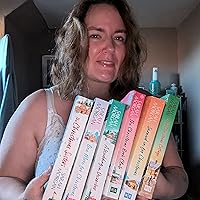
If you have read any of The Asylum Confessions books you definitely have to read this advent book! Damn this was another one hit out of the park by Jack Steen! I absolutely love the asylum series!
This time around we have 12 stories from:
* Marjorie
* Elliot
* Mara
* Arthur
* Milo
* Cassandra
* Gideon
* Cassian
* Ruth
* Christopher
* Jenna
* Daniel
These stories were absolutely fantastic and are all set around Christmas/winter time.
I will say some of the stories got me in the feels, Marjorie's, Elliot's and Arthur's especially. I can see why they did what they did.
Some of the others I don't blame them for example Christopher...I kind of didn't blame him to be honest.
The others held too much power.
Anyways this was a great edition to the series! Can't wait for more!
This time around we have 12 stories from:
* Marjorie
* Elliot
* Mara
* Arthur
* Milo
* Cassandra
* Gideon
* Cassian
* Ruth
* Christopher
* Jenna
* Daniel
These stories were absolutely fantastic and are all set around Christmas/winter time.
I will say some of the stories got me in the feels, Marjorie's, Elliot's and Arthur's especially. I can see why they did what they did.
Some of the others I don't blame them for example Christopher...I kind of didn't blame him to be honest.
The others held too much power.
Anyways this was a great edition to the series! Can't wait for more!

January 14, 2026
this took me two days probably could have read it in one if I wasn't interrupted so much.
anyway, this book was different to everything I've read and that's a good thing I needed something different fresh and new from all the smut I read.
with that said, this book was great, and I would have given it 5 stars if it wasn't for all the typos and small mistakes throughout, not sure if this was self edited or if there was just no budget for that. but it would be great if it was re-released after a good editor goes through it and cleans it up.
do i recommend this book, heck yes! Just be mindful that it's not perfect
anyway, this book was different to everything I've read and that's a good thing I needed something different fresh and new from all the smut I read.
with that said, this book was great, and I would have given it 5 stars if it wasn't for all the typos and small mistakes throughout, not sure if this was self edited or if there was just no budget for that. but it would be great if it was re-released after a good editor goes through it and cleans it up.
do i recommend this book, heck yes! Just be mindful that it's not perfect

December 12, 2025
Jack has done it again. I'm part of his Patreon and have loved all the little extras he's been throwing in with this book for his VIPs. It's been so much fun!
These confessions are something I look forward to. Who doesn't love an asylum based book? I bought the book as soon as it hit Amazon and decided to go ahead and finish it. I will still be reading along on Patreon as well.
So far, this has been my favorite Advent book yet.
These confessions are something I look forward to. Who doesn't love an asylum based book? I bought the book as soon as it hit Amazon and decided to go ahead and finish it. I will still be reading along on Patreon as well.
So far, this has been my favorite Advent book yet.

December 31, 2025
Not bad needed better proof reading
I'd give it a 4 because it was good, the stories were captivating, and the book structure was unique. However, the editor/ proof reader was asleep at the wheel with this one. I read it on kindle and there were multiple typos, grammatical errors, and duplicate sentences back to back. Odd that these errors got passed publishing, but it did take away from the reading experience for me.
I'd give it a 4 because it was good, the stories were captivating, and the book structure was unique. However, the editor/ proof reader was asleep at the wheel with this one. I read it on kindle and there were multiple typos, grammatical errors, and duplicate sentences back to back. Odd that these errors got passed publishing, but it did take away from the reading experience for me.
January 31, 2026
12 Nights Before Christmas: The Asylum Advent Collection by Jack Stern promised a creepy holiday twist, but ultimately fell short for me. While a few stories showed sparks of creativity and some genuinely eerie moments, most felt uneven or underdeveloped. The pacing was inconsistent, and I struggled to connect with the characters. Fans of horror anthologies might find a few enjoyable tales here, but overall it didn’t live up to its intriguing premise. Not my favorite holiday read.

July 7, 2026
This is a holiday book but not in the way you think. It’s dark and intriguing!
The death ward, 12 days, 12 patients and 12 stories/confessions. I listened to this book and was hooked from the very beginning. Each person did something but each had their own very important reasons.
The accountant was one of my favorites and a great way to end.
The death ward, 12 days, 12 patients and 12 stories/confessions. I listened to this book and was hooked from the very beginning. Each person did something but each had their own very important reasons.
The accountant was one of my favorites and a great way to end.

December 24, 2025
good quick stories!
This was a good quick set of stories to read. Each unique in their own way & the way they captured my attention was pretty good. I’m not one to read a bunch of short stories
This was a good quick set of stories to read. Each unique in their own way & the way they captured my attention was pretty good. I’m not one to read a bunch of short stories

January 10, 2026
Different but great
I love his books! Read all 8 of them last year in a few months. So to find out he wrote one for Christmas i was ecstatic. This one didn’t disappoint. Started before the holiday ended and just finished due to life. Nonetheless, amazing quick read!
I love his books! Read all 8 of them last year in a few months. So to find out he wrote one for Christmas i was ecstatic. This one didn’t disappoint. Started before the holiday ended and just finished due to life. Nonetheless, amazing quick read!
December 24, 2025
Relatively tame compared to other books. Kinda felt sorry for a few of them

Read
December 27, 2025Kindle Unlimited

December 28, 2025
I'm addicted to these gruesome books. one is better than the next. I need to take a break from this series or I'll end up in this ward lol

December 29, 2025
Not what I expected, but I’m not mad I read it haha.

December 30, 2025
This was my first book in the Asylum Confessions and now I will def have to read more, what an incredibly interesting book!

January 11, 2026
I liked this but it didnt grip me like I was told it would. I do have plans to read some more of Jacks work though

February 2, 2026
4.25 - 4.5 ⭐️

February 16, 2026
can't wait for more
June 11, 2026
this author is so much fun to read. it is not spooky yet it has moments when the serial killer is at its last moments that are human in nature
June 25, 2026
Amusing
Just as morbid as ever. Amusing but morbid. Jack.has a way of writing that holds your interest and at the same time delivers sad truths.
Just as morbid as ever. Amusing but morbid. Jack.has a way of writing that holds your interest and at the same time delivers sad truths.
Displaying 1 - 26 of 26 reviews