من قمم كليمنجارو إلى وديان كلباء، ومن أهرامات البوسنة إلى رمال مليحة، تسير الكاتبة في رحلة تمزج بين الواقع والرؤيا. بين خطواتها تتردّد أصداء الملكات العربيات: ماوية المحاربة، وزنوبيا العالمة، وشمس الحكيمة، وملكات القمر في سبأ. كلّ موطئ قدم يكشف عن أثرٍ في الأرض وصدى في الذات، حيث تهمس الجدّات بأصواتٍ منسية، تقودها إلى طريق الأسلاف، وتذكّرها بأن تاريخ الجزيرة لم يبدأ بالملوك، بل بنساء عربيّات شيّدن الممالك الأولى على أعمدة من الحكمة والسّلام وقيَم العدل واحترام الأرض والإنسان. إنّ المستقبل ليس ابتكارًا من العدم، بل هو تجربة تراكمية تمتد عبر التاريخ، وعلينا أن نهتدي لأجمل صورنا فيه ونحييها من جديد. هذا الكتاب ليس مجرد رحلة، بل كشفٌ عن ذاكرةٍ مطموسة تقود القارئ إلى جوهر أنثويّ نحن في أمسّ الحاجة إليه، ينبعث من ملكةٍ لم تغب يومًا عن رمال مليحة… إنها هنا، تنتظر من يصغي إليها.
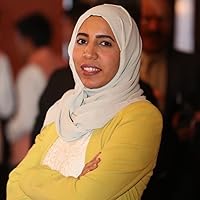
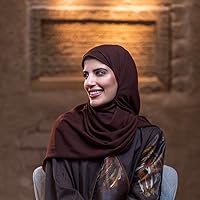
Bodour bint Sultan Al Qasimi (Arabic: بدور القاسمي)
Sheikha Bodour bint Sultan Al Qasimi is an Emirati author, publisher, and cultural advocate whose work bridges Arab heritage with contemporary identity. As the founder and CEO of Kalimat Group, one of the Arab world's leading publishing houses, she has spent nearly two decades championing Arabic literature and amplifying voices that have long been overlooked.
Her most recent book, Let Them Know She Is Here: Searching for the Queen of Mleiha, draws from her native Sharjah's rich heritage to reimagine Arab history through the forgotten stories of ancient queens and influential female figures, offering an excavation of history and a reclamation of narrative.
Sheikha Bodour serves as UNESCO Goodwill Ambassador for Education and Book Culture and is the first Arab woman to receive the prestigious BolognaRagazzi Award. Through her writing and her leadership in publishing, she continues to elevate the cultural legacy and contemporary voices of the Arab world.
This beautiful book by @bodouralqasimi felt like poetry disguised as history, or perhaps history whispered back to life through poetry. Every sentence is deliberate, musical, and deeply felt. As someone who loves archaeology, history, mythology, religion, and poetry, this novel felt as though it had been written directly for my soul.
Through the searching for Queen Mleiha, the story unravels layers of Arabia’s past with extraordinary tenderness. Queens emerge not just as historical figures, but as living presences. Their voices echo through time, revealing secrets, silences, strength, and resilience. The journey becomes as much inward as it is historical, filled with whispers, memory, and an intimate reckoning with identity and womanhood.
Boudour AlQasimi writes with absolute literary genius. History here is not distant or academic. It is personal, sacred, and emotionally alive. You feel the weight of time, the ache of forgotten stories, and the beauty of reclaiming them.
This was the first book in a very long time that I truly did not want to end. Reading history that is this personal, this touching, and this poetically divine is an absolute delight.
لم أُغلق كتاب «أخبروهم أنها هنا» حين بلغت صفحته الأخيرة، بل شعرتُ أنني خرجتُ من رحلةٍ طويلة وعدتُ أحمل شيئًا من غبارها في روحي.
هذا ليس كتابًا يُقرأ على عجل، ولا حكايةً تُطوى بانتهاء فصولها. إنه أشبه بنداءٍ قديم يأتينا من عمق الأرض، من طبقات الرمل التي ظنناها صامتة، فإذا بها تحفظ أسماء الذين عبروا قبلنا، وتحرس آثار أقدامهم من النسيان.
في هذا العمل لا تبحث الشيخة بدور القاسمي عن ملكةٍ ضائعة فحسب، بل عن المعنى الكامن خلف الغياب. تمضي في أثر «مليحة» كما يمضي العطشان خلف سرابٍ يوقن أنه ماء. تنقّب في الحجارة، وفي النقوش، وفي ذاكرة المكان، لكن القارئ يدرك شيئًا فشيئًا أن الرحلة لم تكن نحو الماضي وحده، بل نحو الذات أيضًا.
كل صفحة كانت تذكّرني بأن الأرض ليست ترابًا نطؤه ثم نمضي، بل كتابٌ مفتوح، وأن الأمم التي تنسى حكاياتها تشبه شجرةً قُطعت جذورها ثم طُلب منها أن تثمر.
أحببتُ في هذا الكتاب تلك القدرة النادرة على أن يجعل التاريخ حيًّا. لم تكن الشخصيات القديمة أسماءً جامدة في بطون المراجع، بل أرواحًا تتحرك بين السطور. ولم تكن الآثار حجارةً باردة، بل شواهد تنبض بما علق فيها من أحلام البشر وخيباتهم وأشواقهم.
لغة الكتاب بذورها كانت جزءًا من سحره؛ لغة تمشي بين الشعر والمعرفة، فلا تغرق في الأكاديمية الجافة، ولا تنفصل عن الحقائق التي تستند إليها. وكأن الكاتبة كانت تمدّ يدًا إلى المؤرخ ويدًا أخرى إلى الشاعر، ثم تمضي بهما معًا في الطريق ذاته.
لكن أكثر ما بقي عالقًا في نفسي بعد القراءة هو ذلك الشعور العجيب بالانتماء. شعورٌ بأننا لسنا أبناء اللحظة التي نعيشها فقط، بل أبناء آلاف الحكايات التي سبقتنا، وأبناء رجال ونساء لم نعرف أسماءهم، لكنهم ساهموا في تشكيل ما نحن عليه اليوم.
«أخبروهم أنها هنا» ليس كتابًا عن ملكةٍ غابت في دهاليز التاريخ، بل عن كل شيء يظنه الناس مفقودًا بينما هو ما يزال حاضرًا، ينتظر فقط من يزيح عنه غبار السنين.
وحين أغلقتُ الكتاب، أدركتُ أن الملكة التي كانت الكاتبة تبحث عنها بين الآثار، وجدتها أنا بين الصفحات.
Let Them Know She Is Here: Searching for the Queen of Mleiha
Authored By Bodour Al Qasimi (Kalimat Group, 2025)
Let Them Know She Is Here is an ambitious, evocative, and genre-defying work that resists easy categorization. Neither conventional memoir, nor standard archaeological narrative, nor purely literary meditation, the book unfolds as a mythopoetic journey of ancestral remembrance, weaving together personal experience, sacred geography, archaeology, Sufi metaphysics, and feminist reclamation of memory. It stands at the crossroads of history and vision, land and lineage, dream and documentation, offering readers a text that is as much an invocation as it is a narrative.
At its core, the book proposes a bold epistemological claim: that memory is not confined to archives or texts, but is embedded in land, body, dream, and ancestral presence. The author positions herself not simply as a storyteller but as a listener—to mountains, tombs, trees, winds, and voices that speak across time. In doing so, the work challenges dominant positivist frameworks of history and heritage, inviting the reader into an expanded mode of knowing that resonates with premodern Islamic thought, indigenous epistemologies, and contemporary re-evaluations of memory and place.
Structure, Voice, and Genre
Structurally, the book moves in a spiral rather than a linear progression. Chapters unfold through journeys—physical ascents of mountains, encounters with archaeological sites, moments of ritual pause, dreams, and sudden unveilings. This spiral form mirrors the book’s central theme: remembering as return, not repetition. The prose is lyrical, incantatory, and often deliberately slow, allowing atmosphere, symbol, and reflection to take precedence over plot-driven momentum.
The voice is unmistakably personal, yet it consistently reaches beyond the autobiographical. While the author’s life experiences—climbing Mount Kilimanjaro, walking the mountains of Kalba, encountering an unrecorded tomb, engaging with archaeologists and naturalists—form the narrative backbone, these moments are framed as threshold experiences, gateways through which deeper layers of history, myth, and ancestral presence are accessed. The self here is not the destination but the vessel.
This positioning places the work in a lineage of sacred autobiographical writing, where the individual journey becomes a lens through which collective memory is refracted. The text recalls, in different ways, traditions ranging from Sufi travel narratives and visionary literature to modern works of mythic non-fiction and feminist spiritual historiography.
Memory, Dream, and the Imaginal Realm
One of the book’s most intellectually compelling dimensions is its explicit engagement with dreams and visions as legitimate sources of knowledge. Rather than treating dreams as metaphor or psychological residue, the author situates them within the Islamic concept of the ʿālam al-mithāl—the imaginal realm articulated by Ibn ʿArabī and elaborated by later Sufi thinkers. Dreams, in this framework, are not illusions but ontologically real disclosures, operating in the barzakh between matter and spirit.
By grounding her visionary experiences in this tradition—alongside references to al-Ghazālī’s understanding of unveiling (kashf)—the author avoids romantic mysticism and instead situates her approach within a serious metaphysical lineage. This move is significant. It reframes the book’s visionary moments not as private fantasy, but as epistemic events, governed by discipline, adab (sacred courtesy), and responsibility.
For scholars of Islamic intellectual history, this aspect of the work is particularly noteworthy. It implicitly challenges the modern marginalization of non-rational forms of knowledge, reminding readers that premodern Islamic civilization never separated reason, imagination, and revelation into sealed compartments. The book thus participates in a broader contemporary effort to recover integrated epistemologies without collapsing into relativism.
Archaeology, Land, and Ethical Presence
Equally striking is the book’s treatment of archaeology and heritage. The discovery of a previously undocumented tomb in the mountains of Kalba becomes a pivotal moment—not merely as an archaeological event, but as an ethical encounter. The author’s insistence on asking permission before excavation, her pauses of silence, and her attentiveness to signs, dreams, and environmental response articulate a mode of engagement that contrasts sharply with extractive or purely technical approaches to the past.
This ethic of presence resonates strongly with both Sufi adab and indigenous heritage practices, where land is understood as a living participant rather than a passive object. The narrative surrounding Magan, ancient trade routes, and the possibility of forgotten queens of Arabia is handled with restraint; speculation is acknowledged as speculation, and certainty is never forced where evidence remains partial. This restraint enhances rather than weakens the work’s credibility.
The author’s engagement with environmental knowledge—particularly through figures such as the naturalist guide Ajmal—further reinforces the book’s commitment to embodied, place-based knowing. Plants, trees (especially the Samar tree), animals, and even snakes appear not merely as symbols but as actors within a sacred ecology. The discussion of the ancient snake cult of Bithnah, supported by archaeological research, effectively bridges mythic interpretation and material evidence, demonstrating how symbol and structure coexist in early religious cultures of Arabia.
Feminine Sovereignty and Ancestral Recovery
A central thematic thread running throughout the book is the recovery of feminine presence and sovereignty, particularly within Arabian history. This is not framed as a modern ideological imposition, but as an act of remembrance—of queens, priestesses, weavers, and guardians whose traces survive in tombs, myths, landscapes, and oral memory.
The metaphor of weaving, recurrent throughout the text, is especially effective. Drawing on cross-cultural myths of the loom—the Moirai, the Norns, Bedouin Sadu traditions—the author presents women as historical and cosmological agents who “weave worlds.” This metaphor operates simultaneously on symbolic, social, and metaphysical levels, reinforcing the book’s core argument that creation, memory, and authority have long been mediated through feminine knowledge systems.
Importantly, the book does not set feminine recovery in opposition to Islamic tradition. On the contrary, it situates feminine presence within Islamic cosmology, genealogy, and spiritual ethics, emphasizing lineage, stewardship, and responsibility rather than dominance. This nuanced positioning makes the work particularly valuable in contemporary discussions where gender, tradition, and spirituality are too often framed in binary or adversarial terms.
Critical Reflections
From an academic standpoint, the book’s greatest challenge is also its greatest strength: its refusal to conform to disciplinary boundaries. Readers trained exclusively in positivist historiography may find its integration of dream, intuition, and spiritual interpretation unsettling. Yet this discomfort is precisely the intervention the book seeks to make. It asks not for the abandonment of rigor, but for the expansion of what rigor can include.
That said, the work would benefit, in future iterations, from a brief methodological reflection explicitly addressing its hybrid nature—clarifying how readers are invited to engage with different layers of the text (historical, symbolic, visionary) without collapsing them into one another. Such a reflection would not diminish the book’s poetic force; rather, it would further strengthen its reception across academic and institutional audiences.
Conclusion
Let Them Know She Is Here is a courageous and resonant work that speaks to multiple audiences without diluting its voice. It contributes meaningfully to conversations in heritage studies, Islamic thought, feminist historiography, and sacred geography, while also standing as a powerful literary and spiritual offering.
At a time when heritage is often reduced to display, data, or national narrative, this book insists on listening—to land, to ancestors, to the unseen dimensions that have always shaped human history. It reminds readers that remembrance is not passive recollection but an active, ethical, and transformative act.
Ultimately, Let Them Know She Is Here is less about proving the past than about restoring relationship—between self and land, history and spirit, memory and responsibility. In doing so, it opens a space for a more integrated, humane, and reverent engagement with history itself.
Reviewed by Professor Mesut Idriz University of Sharjah
I read Sheikha Bodour Al Qasimi’s book in Arabic, and it was the first Arabic book I’ve picked up in about fifteen years. The language is clear and accessible, but it still holds depth, and I ended up reading it with a kind of focus I didn’t expect.
It’s not an academic book, and it’s not fiction either. It’s a personal journey that moves through history, but also through memory and the self. And honestly, the most powerful part for me was how the book is carried by women. Her relationship to Mleiha isn’t only built through archives and archaeology. It’s built through the women in her family, the grandmothers and great-grandmothers who come to her through dreams and visions, and who feel like they are quietly guiding the entire search. That thread gave the book its intimacy, and it’s what makes the “land” feel like a living connection rather than just a setting.
That’s also why the book’s question about the historical erasure of women lands so strongly. It doesn’t politely wonder why queens are missing. It directly confronts how women’s presence, authority, and leadership get minimized, rewritten, or pushed to the margins in the histories we inherit. As sociologist who usually lives in contemporary gender debates, I found myself thinking about how the erasure of women isn’t just something we notice today. It’s been built into what gets recorded, what survives, and what gets repeated as “the story,” which makes the present feel like an extension of an older pattern.
Overall, it’s easy to move through, but it has real weight underneath.
Let Them Know She’s Here presents itself like a traditional biography—places, pivotal life moments—but it quickly becomes clear that the “life” being narrated is not confined to chronological time. Instead, the author offers a series of soul-journey meditations, each vignette revealing an inner landscape more vivid and instructive than external events could ever be. What looks like a memoir on the surface is, in truth, a record of consciousness unfolding.
The brilliance of the book lies in how subtly it shifts the reader from listening with the mind to listening with the spirit. The early chapters feel familiar: childhood memories, mentors, turning points. Yet, slowly, the narrative dissolves into states of presence, archetypal encounters, and symbolic experiences that are felt more than understood. The author never announces the transition—you simply notice that you are no longer “following a story” but entering an experience.
Each chapter reads like what a biography would sound like if someone documented not what happened to them, but what happened within them. Instead of recounting achievements, the author traces how their soul responded: the moment an inner gate opened, the subtle lesson transmitted by silence, or the way a feeling expanded into an insight without language
بعد قراءة "أخبروهم أنها هنا" شعرت أن الكتاب لا يحاول أن يقدّم قصة مكتملة بقدر ما يدعونا للتوقف والتفكير في طريقة تعاملنا مع التاريخ. الفكرة الأساسية التي يطرحها العمل هي أن الغياب في السرد التاريخي لا يعني بالضرورة أن ما غاب لم يكن موجوداً. فـ"البحث عن ملكة مليحة" يُستخدم هنا كنقطة انطلاق لطرح سؤال أوسع عن الأدوار التي لم تُكتب، وخصوصاً أدوار النساء، ليس لأن الأدلة غير موجودة، بل لأن زاوية النظر كانت محدودة.
ما لفتني أكثر هو أن الكتاب الجميل لا يتعامل مع الاكتشافات الأثرية كحقائق جامدة، بل كمواد مفتوحة للتفسير. فالكاتبـة لا تفرض استنتاجاً واحداً، بل تشرح كيف يمكن أن تقود قراءة مختلفة للشواهد نفسها إلى فهم مختلف للتاريخ. هذا الطرح يجعل القارئ يشعر أنه شريك في التفكير، لا متلقٍ لمعلومات جاهزة، ويمنح العمل صدقاً وهدوءاً يميّزانه عن الكتب التي تسعى إلى إثبات فكرة واحدة بأي ثمن.
في رأيي، قوة "أخبروهم أنها هنا" تكمن في عمقه وفي الأسئلة التي يتركها مفتوحة بعد القراءة. هو كتاب يجعلنا نعيد النظر في ما نعتبره "تاريخاً"، وفي من نمنحهم حق الظهور داخله. لا يقدّم إجابات نهائية، لكنه ينجح في تذكيرنا بأن كثيراً مما نبحث عنه قد يكون موجوداً بالفعل، فقط بانتظار من يقول: نعم، هي هنا.
Sheikha Bodour writes with a tenderness that feels like she is sitting with you, sharing pieces of her heart. Every chapter carries emotion, introspection, and a deep sense of purpose.
What moved me the most is how universal the stories feel. Whether you are a mother, a dreamer, a leader, or simply someone navigating your own journey, you will find pieces of yourself here. This book reminds us that presence is not just physical. It is spiritual, emotional, and deeply rooted in the legacy we carry.
It is a book that heals, encourages, and empowers. A book you will want to underline, revisit, and gift to the women you love.
I’m grateful this book found me at the right moment. And grateful to Sheikha Bodour for writing something so honest, so human, and so beautifully alive. I recommend it over and over and over.
A must-read from the way it starts to how it transitions slowly taking you through each phase with ease allowing you to reflect on your own journey, be it personally or professionally.
This book is an ode to the women who ruled when history chose to forget them. The book celebrates powerful female rulers from the Arab peninsula but more profoundly, it’s a tribute to continuity itself: the unbroken thread connecting contemporary Arab women to ancestors who wore crowns, commanded armies, and inscribed their names on currency. In seeking these lost queens, Sheikha Bodour seeks herself, honouring the strength that flows through generations even when the records have turned to dust!
Some books leave you informed. Others stay with you, and this is one of the books that leaves many things with you long after you finish reading.
What stayed with me most was HH Sheikha Bodour Al Qasimi determination to pursue a challenging historical idea, the possibility of a queen in Mleiha. Not as a claim, but as a theory she was willing to test, question, and defend.
Through the book, you follow her persistence as she travels, asks, researches, reads, and listens to scholars and specialists, driven by curiosity and belief rather than certainty.
Thoughtful and engaging, this book highlights the importance of perseverance in historical inquiry and reminds us that history still holds space for questions that have yet to be fully explored.
انتهيت من كتاب الشيخة بدور(اخبروهم أنها هنا)والحقيقة قضيت أوقاتاً مع الكتاب كنت بحاجة إليها بشكل كبير.كتب العمل بلغة ساحرة تجمع بين الأدب والشعر والتصوف والعلم تلامس شغاف القلب وعمق الروح ، حمل العمل مجموعات رسائل مهمة جدا. على رأسها رسالة امتنان ووفاء للأسلاف آباءنا وأجدادنا و رسالة عظيمة للام وللأنثى التي كان لها الدور الأعظم ببناء مجد الإنسانية.والرسالة الأعظم في المشروع هو البحث عن ملكة مليحة إذ بعد رحلة البحث المليئة بالحب و الارتباط بالأرض وبالأسلاف تكتشف الكاتبة أن البحث يجب أن يكون في عمق الذات ويستطيع القارئ أن يعرف في نهاية الرحلة أن الملكة تنادي وموجودة بكل النساء العربيات.. هناك الكثير مما يقال عن هذا المشروع الذي يجب على كل هذا الجيل من شباب وشابات الاطلاع عليه وتبني أفكاره الخلاقة. مع تمنياتي للشيخة بدور القاسمي بكل الإبداع و التوفيق
I love books that resist tidy classification, and that’s one of the reasons I so enjoyed Let Them Know She Is Here by Bodour al Qasimi — it moves fluidly between meditation, hiking journal, nature diary, dreamscape, and a tender tribute to maternal lineage.
At its heart is the idea that the ground beneath our feet is layered with memory—that returning to the land, and to our ancestors, offers healing for both the living and those who came before us.
I loved the book’s exploration of ancient queens of Arabia. It is a powerful reminder that women and power are not a modern coupling, but part of a much older inheritance—one we are finally remembering.
Bodour Al Qasimi has given us a truly powerful and a smart pairing of a deeply personal memoir and a serious historical deep dive. It instantly feels bigger than just a history lesson; it’s an intimate, reflective journey that uses the stunning landscape of Mleiha and historical fragments to wrestle with big questions of identity, belonging, and the lasting impact of ancient Arab matriarchal heritage.
If you're into history, cultural heritage, or the powerful, untold stories of female leadership in the ancient world, grab this one. It’s a compelling, beautifully written piece of reclamation.
A truly enjoyable read! gave me both goosebumps and tears. I especially loved how it feels global, big and universal, yet so local, particular, and personal. I learnt a lot and want to read more by this author
لقد انتهيت من قراءة هذا الكتاب الرائع . وقد وجدت نفسي أعبر إلى أعماق الذات ابحث في التاريخ عن الملكات . أمسك الرمل واسافر في ليالي صحراء مليحة. وفي المجمل لقد أزاح الستار عن اسرار اصوات تضج بها أحلامنا وارواحنا.
كتاب ملهم و هو يمثل تجربة ذاتية للكاتبة في سبيل البحث في التاريخ عن أثر ملكات حكمن منطقة "مليحة" في فترة قديمة من فترات التاريخ ..
لغة الكتاب شاعرية جدا و هو ملئ بالإقتباسات الجميلة .. من الكتب التي وضحت لي جوانب مهمة في تاريخ الدولة القديم كما أنار لي العديد من الزوايا المظلمة في أمور الحياة المختلفة ..