

What do you think?
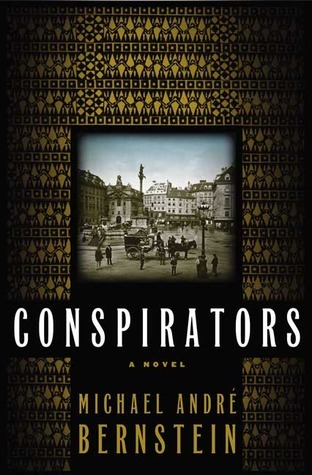
Conspirators: A Novel
Galicia, Austria-Hungary, 1913. In the castle of a frontier town, on the border between Europe and the East, the worldly, corrupt Count-Governor Wiladowski watches helplessly while a wave of assassinations sweeps the empire, and his province. When a member of his own family is murdered, the count gives broad police powers to his spymaster, Jakob a brilliant young Jew whose ruthless war on terror extends into every corner of the province and beyond, enlisting union organizers, financiers, aristocrats and their servants, and a young novelist and playwright, newly arrived in the Vienna of Franz Josef and Freud, hungry for literary success.
In the wake of new terrorist attacks, a mysterious preacher appears in the provincial capital--one of the so-called "wonder rabbis" from the shtetls of the East-trailing a band of fanatical disciples who proclaim him the messiah. Word of the charismatic leader spreads quickly from the Jewish quarter to the castle itself, and soon Tausk finds himself serving two the count and the richest man in the province, Moritz Rotenburg, who has a private interest in the wonder rabbi and whose only son has returned from university, burning for revolution, to gather disciples of his own.
Moving from underground meetings and makeshift synagogues to the bedrooms of country estates and the secret high councils of the ailing thousand-year-old Habsburg Empire, Michael André Bernstein's compelling first novel evokes a densely believable world on the edge of collapse, full of the haunting suggestiveness of a fable or nightmare, and the erotic, mystical, and apocalyptic passions of an age.
In the wake of new terrorist attacks, a mysterious preacher appears in the provincial capital--one of the so-called "wonder rabbis" from the shtetls of the East-trailing a band of fanatical disciples who proclaim him the messiah. Word of the charismatic leader spreads quickly from the Jewish quarter to the castle itself, and soon Tausk finds himself serving two the count and the richest man in the province, Moritz Rotenburg, who has a private interest in the wonder rabbi and whose only son has returned from university, burning for revolution, to gather disciples of his own.
Moving from underground meetings and makeshift synagogues to the bedrooms of country estates and the secret high councils of the ailing thousand-year-old Habsburg Empire, Michael André Bernstein's compelling first novel evokes a densely believable world on the edge of collapse, full of the haunting suggestiveness of a fable or nightmare, and the erotic, mystical, and apocalyptic passions of an age.
512 pages, Hardcover
First published January 1, 2004
About the author
Michael André Bernstein
9 books11 followersMichael André Bernstein was Professor of English and Comparative Literature at UC Berkeley, a member of the American Academy of Arts and Sciences, a Guggenheim Fellow, and winner of the Koret Israel Prize who made prolific contributions to the field of literary criticism. His novel, Conspirators, was selected as one of the three finalists for the 2004 Reform Jewish Prize for fiction, was named one of the 25 best novels of the year by the Los Angeles Times, and was shortlisted for the 2004 Commonwealth Writers' Prize.
Ratings & Reviews
Friends & Following
Create a free account to discover what your friends think of this book!
Community Reviews
Displaying 1 - 12 of 12 reviews

July 10, 2019
One of the best books I've read in a long time.

August 16, 2008
This was a wonderful book -- interesting subject matter; distinctive, thoughtful style; psychological and human at the same time. I bought it after reading a NY Times mildly favorable review, attracted by the unplowed subject matter -- revolutionary callow youth and the Jewish community at the eastern end of the Austro-Hungarian empire on the verge of WWI. The subject matter was indeed interesting, but the quality of the novel was much greater than the review's restraint. The convoluted, intellectual prose made getting into the book slow, but brought a great payoff of depth and authenticity. Most of all, it has a gravitas I've been missing in contemporary fiction, which lurches from one lurid situation to another, substituting sensation for insight. The customer reviews on Amazon.com thoroughly reinforced my view -- about one third liked the book, the rest excoriated it for being slow, boring, no action, and violating the cardinal rule of writing, which supposedly is "Show, don't tell". Hooray for the violation! Who made that rule -- Ernest Hemingway?
July 18, 2009
This is a huge ambitious novel about conspiracies and terrorism during the closing years of the Austro Hungarian Empire. It is beautifully written with a light touch, a great eye for detail and a gentle sense of humour that underlies all the tragedy and trouble. Very good characterisation too.

September 30, 2008
This dense complex novel traces the lives, fates and political aspirations of a group of citizens of the Austro-Hungarian Empire on the eve of WW1. Filled with period detail both physical and social, the author takes you into the palaces and hovels of a border City where social unrest and workers views of their own rights is beginning to gnaw at the assumed superiority of the noble classes. Added to the powder keg of the times is the virulent antisemitism of the day, a mystical revolutionary Rabbi, scions of wealthy families committed to violent change and a mostly oblivious aristocracy.
Written with skillful and sometimes profoundly thoughtful prose this book is worth the effort of long paragraphs, chapters and the sorting of numerous characters and plot lines.
Written with skillful and sometimes profoundly thoughtful prose this book is worth the effort of long paragraphs, chapters and the sorting of numerous characters and plot lines.

May 22, 2008
Very thick and very good book - intersting action and interesting setting for someone who isn't deep in subject of Austro - Hungary's history.

December 8, 2008
Actually 4.5 stars. I generally don't especially like spy/conspiracy novels, but this was a fantastic moody, atmospheric book set in the fin-de-siecle Austro-Hungarian Empire with wonderful complex characters and a thrilling plot. Great fun.

January 3, 2011
Superfluo stare a ribadire l'importanza delle copertine: ad attirarmi verso il libro I cospiratori di Michael André Bernstein è stata proprio questa, splendida.
Una non meglio precisata provincia orientale dell'impero austro-ungarico, 1913. L'apparente torpore di questo Stato ormai agonizzante è scosso da mille tensioni sotterranee, dalla crisi economica al diffondersi delle idee socialiste e anarchiche, dallo strisciante antisemitismo al proliferare di enigmatiche figure di rabbini-santoni che si autoproclamano Messia del popolo ebraico. Il conte-governatore Wiladowski, stupendo personaggio (vedi più oltre), ha un'unica, assillante, preoccupazione: non vuole finire assassinato da qualche fanatico. Per evitarlo, ha al suo servizio una spia abilissima, l'ebreo Jakob Tausk, che ritiene che la peggiore minaccia alla vita del suo padrone sia il folle rabbino Brugger, da poco giunto in città, che predica il terrore fra i suoi adepti. Forse però sottovaluta il pericolo rappresentato da Hans Rotenburg, giovane figlio del più ricco uomo d'affari ebreo della città, Moritz, e dai suoi nobili amici, che hanno formato, non si sa quanto per noia o quanto per intima convinzione, una cellula clandestina del partito comunista e pianificano un attentato da attuarsi durante le celebrazioni pasquali della primavera del 1914...
Questa, in estrema sintesi, la trama, che però in effetti è complicatissima e si dipana con estrema lentezza: ciascun personaggio non rivela mai appieno le sue intenzioni, i suoi propositi e tutto ciò di cui è a conoscenza, le sue azioni hanno sempre intenti duplici o triplici, e alcune connessioni tra loro potrebbero a una lettura poco concentrata non essere neppure colte. Efficace quindi la descrizione degli intrighi e delle insidie della diplomazia e del gioco politico.
Si può quasi dire che, in questo romanzo, non esistano personaggi "secondari": la psicologia di ciascuno di essi, a turno, è scandagliata con finezza e nelle pieghe più nascoste, in uno stile che preferisce di gran lunga il discorso indiretto ai dialoghi. Colpisce anche la struttura compositiva del libro: i capitoli sono lunghissimi, e lo sono anche gli stacchi che li suddividono quanto meno in diversi "paragrafi", l'attenzione, lo sguardo dell'autore (e del lettore) si posa su un personaggio e poi, quasi insensibilmente, attraverso uno spostamento che all'inizio quasi non si avverte, "scivola" su un altro, che agisce in un altro luogo, in un altro ambiente, senza bruschi salti, come a significare che tutti gli eventi, le azioni, i pensieri degli attori in scena sono strettamente connessi gli uni agli altri, non è possibile scinderli e trattarli separatamente, neppure graficamente, ciò che fa o dice uno influenza invariabilmente le azioni di un altro e cambia, più o meno sensibilmente, tutto il corso degli eventi; di qualsiasi mutazione del contesto ci viene insomma spiegato l'impatto sui protagonisti quasi in simultanea. A me ha fatto venire in mente una carrellata di sapore quasi cinematografico, anche se non potrebbe esserci niente di meno trasponibile sullo schermo di questo libro, talmente tante dovrebbero essere le informazioni da trasmettere allo spettatore con mezzi diversi dai dialoghi, troppo difficile far capire esattamente tutte le macchinazioni e i retropensieri che non vengono mai esplicitamente dichiarati e che possono essere espressi solo dalla voce di un narratore onnisciente.
Trascinante, o meglio quasi "avvolgente", "vischioso" (non so come dire) per la fluidità della narrazione di cui sopra (è materialmente difficile trovare un punto "comodo" in cui interrompere la lettura) e però, allo stesso tempo, tremendamente ostico, proprio per questo stesso motivo e poi per la complessità della trama e la lentezza del suo svolgimento (e però questa non si può definire, in effetti, un vero e proprio difetto del libro, anzi, rende più verosimili e comprensibili le azioni dei personaggi e contribuisce a delineare con grande esattezza l'atmosfera di attesa quasi estenuata che sembra caratterizzare questo particolare contesto storico), per gran parte delle sue pagine il libro va avanti a forza di interminabili analisi delle riflessioni e delle motivazioni dei personaggi per fare o non fare, dire o non dire, determinate cose in un lentissimo avvicinamento a queste benedette celebrazioni per la Pasqua.
Finalmente, comunque, verso pagina 400 comincia a succedere qualcosa, che si esaurisce rapidamente e si conclude in modo non del tutto soddisfacente (ma non sarebbe stato in tono col romanzo e con il messaggio che vuole dare un finale "col botto").
Insomma, riconosco l'abilità dell'autore e ne ho ammirato la capacità di costruire gli intrighi, ma una gran fatica solo parzialmente ricompensata. A dare un voto tutto sommato discreto contribuiscono comunque un tono venato generalmente da un certo humor nero e un gustoso sarcasmo, e la caratterizzazione squisita del personaggio del conte Wiladowski, un nobile di antica schiatta ma profondamente disilluso sulle vuote formalità in cui si perpetua il governo che serve, di grande intelligenza e scaltrezza ma fondamentalmente di uno sconfinato egoismo ed egocentrismo e concentrato unicamente sui suoi bisogni e indifferente a quelli di chiunque altro, annoiato, critico, sprezzante, e ormai neppure più tanto preoccupato, con l'età che avanza, di dissimulare la sua intima estraneità all'ambiente che lo circonda e il fatto di mostrare continuamente nulla più che una maschera in pubblico, beffardamente contento se riesce a scandalizzare qualcuno del suo circolo con le sue azioni poco ortodosse (basti pensare alla sua decisione di scegliersi come primo collaboratore e confidente un ebreo), dotato di un umorismo nerissimo e spietato e tuttavia attaccato tenacemente a una vita che, in fin dei conti, ancora può riservargli qualche piacevolezza e che non ha nessuna intenzione di abbandonare anzitempo in modo violento, e per il resto per lui succeda quel che succeda. Insomma, un personaggio profondamente immorale, ritratto con grande acume e quasi con "affetto" e divertentissimo da seguire.
3/5
http://moloch981.wordpress.com/2010/0...
Una non meglio precisata provincia orientale dell'impero austro-ungarico, 1913. L'apparente torpore di questo Stato ormai agonizzante è scosso da mille tensioni sotterranee, dalla crisi economica al diffondersi delle idee socialiste e anarchiche, dallo strisciante antisemitismo al proliferare di enigmatiche figure di rabbini-santoni che si autoproclamano Messia del popolo ebraico. Il conte-governatore Wiladowski, stupendo personaggio (vedi più oltre), ha un'unica, assillante, preoccupazione: non vuole finire assassinato da qualche fanatico. Per evitarlo, ha al suo servizio una spia abilissima, l'ebreo Jakob Tausk, che ritiene che la peggiore minaccia alla vita del suo padrone sia il folle rabbino Brugger, da poco giunto in città, che predica il terrore fra i suoi adepti. Forse però sottovaluta il pericolo rappresentato da Hans Rotenburg, giovane figlio del più ricco uomo d'affari ebreo della città, Moritz, e dai suoi nobili amici, che hanno formato, non si sa quanto per noia o quanto per intima convinzione, una cellula clandestina del partito comunista e pianificano un attentato da attuarsi durante le celebrazioni pasquali della primavera del 1914...
Questa, in estrema sintesi, la trama, che però in effetti è complicatissima e si dipana con estrema lentezza: ciascun personaggio non rivela mai appieno le sue intenzioni, i suoi propositi e tutto ciò di cui è a conoscenza, le sue azioni hanno sempre intenti duplici o triplici, e alcune connessioni tra loro potrebbero a una lettura poco concentrata non essere neppure colte. Efficace quindi la descrizione degli intrighi e delle insidie della diplomazia e del gioco politico.
Si può quasi dire che, in questo romanzo, non esistano personaggi "secondari": la psicologia di ciascuno di essi, a turno, è scandagliata con finezza e nelle pieghe più nascoste, in uno stile che preferisce di gran lunga il discorso indiretto ai dialoghi. Colpisce anche la struttura compositiva del libro: i capitoli sono lunghissimi, e lo sono anche gli stacchi che li suddividono quanto meno in diversi "paragrafi", l'attenzione, lo sguardo dell'autore (e del lettore) si posa su un personaggio e poi, quasi insensibilmente, attraverso uno spostamento che all'inizio quasi non si avverte, "scivola" su un altro, che agisce in un altro luogo, in un altro ambiente, senza bruschi salti, come a significare che tutti gli eventi, le azioni, i pensieri degli attori in scena sono strettamente connessi gli uni agli altri, non è possibile scinderli e trattarli separatamente, neppure graficamente, ciò che fa o dice uno influenza invariabilmente le azioni di un altro e cambia, più o meno sensibilmente, tutto il corso degli eventi; di qualsiasi mutazione del contesto ci viene insomma spiegato l'impatto sui protagonisti quasi in simultanea. A me ha fatto venire in mente una carrellata di sapore quasi cinematografico, anche se non potrebbe esserci niente di meno trasponibile sullo schermo di questo libro, talmente tante dovrebbero essere le informazioni da trasmettere allo spettatore con mezzi diversi dai dialoghi, troppo difficile far capire esattamente tutte le macchinazioni e i retropensieri che non vengono mai esplicitamente dichiarati e che possono essere espressi solo dalla voce di un narratore onnisciente.
Trascinante, o meglio quasi "avvolgente", "vischioso" (non so come dire) per la fluidità della narrazione di cui sopra (è materialmente difficile trovare un punto "comodo" in cui interrompere la lettura) e però, allo stesso tempo, tremendamente ostico, proprio per questo stesso motivo e poi per la complessità della trama e la lentezza del suo svolgimento (e però questa non si può definire, in effetti, un vero e proprio difetto del libro, anzi, rende più verosimili e comprensibili le azioni dei personaggi e contribuisce a delineare con grande esattezza l'atmosfera di attesa quasi estenuata che sembra caratterizzare questo particolare contesto storico), per gran parte delle sue pagine il libro va avanti a forza di interminabili analisi delle riflessioni e delle motivazioni dei personaggi per fare o non fare, dire o non dire, determinate cose in un lentissimo avvicinamento a queste benedette celebrazioni per la Pasqua.
Finalmente, comunque, verso pagina 400 comincia a succedere qualcosa, che si esaurisce rapidamente e si conclude in modo non del tutto soddisfacente (ma non sarebbe stato in tono col romanzo e con il messaggio che vuole dare un finale "col botto").
Insomma, riconosco l'abilità dell'autore e ne ho ammirato la capacità di costruire gli intrighi, ma una gran fatica solo parzialmente ricompensata. A dare un voto tutto sommato discreto contribuiscono comunque un tono venato generalmente da un certo humor nero e un gustoso sarcasmo, e la caratterizzazione squisita del personaggio del conte Wiladowski, un nobile di antica schiatta ma profondamente disilluso sulle vuote formalità in cui si perpetua il governo che serve, di grande intelligenza e scaltrezza ma fondamentalmente di uno sconfinato egoismo ed egocentrismo e concentrato unicamente sui suoi bisogni e indifferente a quelli di chiunque altro, annoiato, critico, sprezzante, e ormai neppure più tanto preoccupato, con l'età che avanza, di dissimulare la sua intima estraneità all'ambiente che lo circonda e il fatto di mostrare continuamente nulla più che una maschera in pubblico, beffardamente contento se riesce a scandalizzare qualcuno del suo circolo con le sue azioni poco ortodosse (basti pensare alla sua decisione di scegliersi come primo collaboratore e confidente un ebreo), dotato di un umorismo nerissimo e spietato e tuttavia attaccato tenacemente a una vita che, in fin dei conti, ancora può riservargli qualche piacevolezza e che non ha nessuna intenzione di abbandonare anzitempo in modo violento, e per il resto per lui succeda quel che succeda. Insomma, un personaggio profondamente immorale, ritratto con grande acume e quasi con "affetto" e divertentissimo da seguire.
3/5
http://moloch981.wordpress.com/2010/0...

August 24, 2026
Leída en fase de manuscrito bajo el título provisional de Progressive Lenses durante mi etapa de informes de lectura freelance. Al tratarse de una evaluación express a contrarreloj y sin conservar las notas editoriales de aquel momento, queda registrada como parte de ese bloque de trabajo analítico de la época.
April 15, 2020
Exhausting. Pretty erudite writing for me, learned a lot of new words reading this, yawned constantly(sic). "Everyone's just a victim of their own fate" is what i could conclude from the story. Maybe you'll end up on a different understanding so just give it a try. You might regret it.

August 4, 2012
if you're a history buff and you're interested in that period in time specifically than maybe you will find this book compelling
unfortunately if you were, like me, drawn to this book with the promise of political thriller you'll be disappointed
it's just not worth the time
unfortunately if you were, like me, drawn to this book with the promise of political thriller you'll be disappointed
it's just not worth the time
November 22, 2009
Could not get into this one..

July 25, 2011
interesting... but slightly long-winded
Displaying 1 - 12 of 12 reviews