Vuelta es un libro de poemas escritos por Octavio Paz entre 1969 y 1974. El título se refiere al regreso del poeta a México, después de ocho años: en 1968 dimitió como embajador en La India, en protesta por La matanza de Tlatelolco (el 2 de octubre), días antes del inicio de los Juegos Olímpicos de México 1968, en la Plaza de las Tres Culturas en la Unidad Habitacional de Tlatelolco. Está formado por cuatro poemas extensos: "Vuelta", "A la mitad de esta frase", "Petrificada petrificante", "Nocturno de San Ildefonso" y otros más breves. En ellos reflexiona sobre la historia de México y sobre su historia personal.
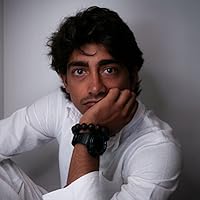
Octavio Paz Lozano was a Mexican writer, poet, and diplomat, and the winner of the 1982 Neustadt International Prize for Literature and the 1990 Nobel Prize for Literature ("for impassioned writing with wide horizons, characterized by sensuous intelligence and humanistic integrity.")
This collection of poems were written between 1969 and 1975, published in 1976. Paz resigned his ambassador position in India after the events of Tlatelolco in 1968 returning to Mexico City. Divided into two sections, Configuraciones and Confluencias, each section contains several poems including two major poems, “Vuelta” and “Nocturno de San Ildefonso.”
Vuelto is his reflection on Mexico City. Dreamy, fluid images are highlighted by Paz’s mastery of language. Paz sets the tone for his poem:
Voices double at the street corner Voices Between the fingers of the sun Shadow and light Almost liquid A carpenter whistles The refrigerator whistles Three ash tree in the plaza whistle.
The poem Nocturno de San Ildefonso takes on the opposite of the Vuelta. This is his reflection on Tlatelolco and the state of Mexico. He seeks the truth invoking the previos generation of poets like Alfonso Reyes.
Poetry A bridge hanging between history and truth. It is not a road that goes this way or that It sees the quiet in a movement The transit in quiet. History is the road: It does not go in any way. We all walk it. Truth is to walk it. We do not come and go We are in the hands of time. Truth: We know it, From the beginning, suspended. Fraternity over emptiness.
Now from those poles there are a variety of different directions. “Diving the shape of an octagon” is a series of eight lines with a short phrase dedicated to each of the lines. Simple but effective. “Circulatory poem (for general disorientation) is a truly beautiful, witty poem. Originally installed for a Surrealist show, the entire piece wound around the hall. Others were dedicated to a variety of artists, including one for Robert Motherwell, “Skin/Sound of the world.” I am a big fan of his work and the words paint his abstract images completely. Loved this piece.
As you can tell, I am a big fan of Paz and this slender collection proves, once again, his skills that set him apart.
PS. For an interesting discussion of Nocturno de San Ildefonso, see this link:
Octavio Paz, escritor Mexicano, ganador del premio Nobel de la literatura de 1990 es sin duda un gran maestro del lenguage hispano. "Vuelta" es una colección de poemas publicada en 1976. Sus poemas surrealistas de alguna manera te desconectan de la realidad, te relajan y te sumergen en el mar de palabras de Octavio Paz.
El ritmo de este poemario es asfixiante, se siente en momentos como si el aire no fuera suficiente y llegas sin oxígeno al punto final. Se siente sincero, puro, casi sin editar, el sentimiento soltado en la página.
“La verdad es aquello, más allá de las fechas, más acá de los nombres”
24/45 Relectura, Paz es simplemente fantástico, a veces mejor, a veces filosófico, a veces denso y espeso, pero grandioso. Los que menos prefiero de este libro son los de los artistas visuales
🛑Si aún no me sigues por Instagram te invito a que lo hagas, mi user es: @Dreamers_of_serendipity
🌼 «La cara de la realidad, la cara de todos los días, nunca es la misma cara».
😌 Este libro es una de las tantas obras de Octavio Paz, fue mi primera vez leyendo al autor y debo decir que me resulto muy llevadero y agradable, me gusto; varios poemas fueron mucho de mi agrado (le puse varios post-it's) y apesar de que apenas estoy leyendo este género literario puedo confesar que no me fue tan mal.
📖 Al ser un libro corto, me sentí muy cómoda y la pluma de Paz se me hizo muy ligera. Cada poema toca un tema diferente y te deja reflexionando al respecto.
🤗En lo personal, lo recomiendo a aquellos lectores que deseen experimentar este género. Aunque si quiero aclarar que no soy tan experta en este camp literario así que mi opinión es bastante general y se enfoca exclusivamente en mi experiencia con el libro y el autor.