

What do you think?

El emperador y otros relatos
Frederick Forsyth, que ha acreditado su talento literario en numerosas novelas de éxito mundial, entre ellas Chacal, La alternativa del diablo y El manifiesto negro, es uno de los grandes nombres de la narrativa de intriga política y espionaje.
En este libro condensa sus dotes en una serie de relatos tan impactantes como ingeniosos, que constituyen pequeñas joyas en su género.
En este libro condensa sus dotes en una serie de relatos tan impactantes como ingeniosos, que constituyen pequeñas joyas en su género.
244 pages, Kindle Edition
First published June 1, 1982
About the author
Frederick Forsyth
340 books4,573 followersFrederick Forsyth, CBE was a English author and occasional political commentator. He was best known for thrillers such as The Day of the Jackal, The Odessa File, The Fourth Protocol, The Dogs of War, The Devil's Alternative, The Fist of God, Icon, The Veteran, Avenger, The Afghan, and more recently, The Cobra and The Kill List.
The son of a furrier, he was born in Ashford, Kent, educated at Tonbridge School and later attended the University of Granada. He became one of the youngest pilots in the Royal Air Force at 19, where he served on National Service from 1956 to 1958. Becoming a journalist, he joined Reuters in 1961 and later the BBC in 1965, where he served as an assistant diplomatic correspondent. From July to September 1967, he served as a correspondent covering the Nigerian Civil War between the region of Biafra and Nigeria. He left the BBC in 1968 after controversy arose over his alleged bias towards the Biafran cause and accusations that he falsified segments of his reports. Returning to Biafra as a freelance reporter, Forsyth wrote his first book, The Biafra Story in 1969.
Forsyth decided to write a novel using similar research techniques to those used in journalism. His first full length novel, The Day of the Jackal, was published in 1971 and became an international bestseller and gained its author the Edgar Allan Poe Award for Best Novel. It was later made into a film of the same name.
The son of a furrier, he was born in Ashford, Kent, educated at Tonbridge School and later attended the University of Granada. He became one of the youngest pilots in the Royal Air Force at 19, where he served on National Service from 1956 to 1958. Becoming a journalist, he joined Reuters in 1961 and later the BBC in 1965, where he served as an assistant diplomatic correspondent. From July to September 1967, he served as a correspondent covering the Nigerian Civil War between the region of Biafra and Nigeria. He left the BBC in 1968 after controversy arose over his alleged bias towards the Biafran cause and accusations that he falsified segments of his reports. Returning to Biafra as a freelance reporter, Forsyth wrote his first book, The Biafra Story in 1969.
Forsyth decided to write a novel using similar research techniques to those used in journalism. His first full length novel, The Day of the Jackal, was published in 1971 and became an international bestseller and gained its author the Edgar Allan Poe Award for Best Novel. It was later made into a film of the same name.
Ratings & Reviews
Friends & Following
Create a free account to discover what your friends think of this book!
Community Reviews
Displaying 1 - 21 of 21 reviews

August 22, 2017
Tengo una insana afición por los aviones, por lo que este libro ya se merece una buena nota en mi lista de recuerdos (el título del relato, si no me equivoco, es "El Aviador").
Lo leí hace veinte años el verano en el que me saqué el carnét de conducir. Como tenía un par de horas libres para comer entre las prácticas, entraba en el Corte Inglés y cada día leía un cuento. Años más tarde volví a entrar con dinero en el bolsillo y lo compré, por los buenos servicios prestados.
Como toda colección hay relatos para todos los gustos, pero hay un par de buenas historias.
Lo leí hace veinte años el verano en el que me saqué el carnét de conducir. Como tenía un par de horas libres para comer entre las prácticas, entraba en el Corte Inglés y cada día leía un cuento. Años más tarde volví a entrar con dinero en el bolsillo y lo compré, por los buenos servicios prestados.
Como toda colección hay relatos para todos los gustos, pero hay un par de buenas historias.

October 20, 2020
While on the whole I absolutely despise Frederick Forsythe, this particular story - from the collection No Comebacks - is literally the only bit of writing by him that I have any regard for.
The basic plot is simple. A henpecked bank manager ("Murgatroyd of the Midland"), his wife, and young colleague ("Higgins from Head Office") go on a holiday to Mauritius. Mrs Murgatroyd keeps her husband on a tight leash, but on the last day of the holiday he sneaks away with Higgins for a game fishing expedition on a boat owned by Monsieur Patient, a local man and his grandson, with a South African guide whose name I'm unable to remember.
Out in the Indian Ocean, Higgins and Murgatroyd take it in turns to fish. They catch bonitos - inedible bait fish - and then Monsieur Patient announces that something out there is following them. Shortly afterwards, Higgins hooks a Dorado - a golden predator - but that isn't what's following
Shortly after noon, one of the lines starts going out - not fast, but briskly, "like a football rattle". It's Murgatroyd's turn at the rod, but when he takes up the strain, the drum keeps turning and the line going out.
"Christ," said (Killian? The South African guide,) "he's big. He's pulling fifty kilos plus, like tissues out of a box. Hold on, man."
But the line keeps going out, and what's at the other end has no intention of giving up.
"Marlin," said Monsieur Patient.
"You're lucky," said (? Killian?). "It seems you've hooked a marlin."
"Is that good?" Murgatroyd asked.
"It's the king of the game fish," (? Killian?) replied. "Rich men come here year after year, and spend thousands on the sport, and never get a marlin. But he'll fight you. He'll fight you like you've never seen anything fight in your life."
But it isn't just any marlin. It's The Emperor, a blue marlin "estimated to be bigger than the world record." He's known in these waters (actually, he's probably a she, since female marlins are larger than the male). He's been hooked twice before, broke the line both times, and when he broaches - "the sharp marlin spike reached for the sky" - they can see the sun glittering on the old hooks still in his mouth. And then he "takes the strain....and dives."
In the next hours, Murgatroyd "learnt the meaning of pain." Hunched over in the fishing chair, he - refusing all offers of help - fought the Emperor, and the Emperor fought him. And something had to give in the end.
What that was I can't tell without spoilers, but let me tell you that it is one of the most satisfying endings in short fiction I have ever read. Even now, over thirty years later, it makes me smile.
Extremely recommended. Unlike the rest of Forsythia, actually.
The basic plot is simple. A henpecked bank manager ("Murgatroyd of the Midland"), his wife, and young colleague ("Higgins from Head Office") go on a holiday to Mauritius. Mrs Murgatroyd keeps her husband on a tight leash, but on the last day of the holiday he sneaks away with Higgins for a game fishing expedition on a boat owned by Monsieur Patient, a local man and his grandson, with a South African guide whose name I'm unable to remember.
Out in the Indian Ocean, Higgins and Murgatroyd take it in turns to fish. They catch bonitos - inedible bait fish - and then Monsieur Patient announces that something out there is following them. Shortly afterwards, Higgins hooks a Dorado - a golden predator - but that isn't what's following
Shortly after noon, one of the lines starts going out - not fast, but briskly, "like a football rattle". It's Murgatroyd's turn at the rod, but when he takes up the strain, the drum keeps turning and the line going out.
"Christ," said (Killian? The South African guide,) "he's big. He's pulling fifty kilos plus, like tissues out of a box. Hold on, man."
But the line keeps going out, and what's at the other end has no intention of giving up.
"Marlin," said Monsieur Patient.
"You're lucky," said (? Killian?). "It seems you've hooked a marlin."
"Is that good?" Murgatroyd asked.
"It's the king of the game fish," (? Killian?) replied. "Rich men come here year after year, and spend thousands on the sport, and never get a marlin. But he'll fight you. He'll fight you like you've never seen anything fight in your life."
But it isn't just any marlin. It's The Emperor, a blue marlin "estimated to be bigger than the world record." He's known in these waters (actually, he's probably a she, since female marlins are larger than the male). He's been hooked twice before, broke the line both times, and when he broaches - "the sharp marlin spike reached for the sky" - they can see the sun glittering on the old hooks still in his mouth. And then he "takes the strain....and dives."
In the next hours, Murgatroyd "learnt the meaning of pain." Hunched over in the fishing chair, he - refusing all offers of help - fought the Emperor, and the Emperor fought him. And something had to give in the end.
What that was I can't tell without spoilers, but let me tell you that it is one of the most satisfying endings in short fiction I have ever read. Even now, over thirty years later, it makes me smile.
Extremely recommended. Unlike the rest of Forsythia, actually.

February 18, 2025
Colección de 8 relatos bastante aceptables, mi favorito: "Empleado como prueba" un anciano es desalojado forzosamente de su casucha para la construcción de un centro comercial, un macabro hallazgo complica su situación.

April 13, 2024
8 relatos son los que toman lugar en este libro de Frederick Forsyth. Pero tengo que explicarlos uno por uno, porque todos son diferentes y me gustaron de manera distintas.
- El emperador: 4/5. Es una historia bastante simple, un hombre que va a pescar y termina enfrentándose a la caza de un gran pez. Pero es este momento que lo hace replantearse su vida, su relación con su esposa y su futuro. El final es divertido y algo poético.
- No hay serpientes en Irlanda: 5/5. La historia de una venganza, nacida desde el odio racial, que tiene un gran plot twist al final y que me hizo darle 5 estrellas solo por el ultimo párrafo.
- Hay días nefastos: 2/5. Fue en gran parte aburrido. Es un robo que sale mal por un imprevisto no pensado, y no hay mucho mas que decir, salvo que el final fue bastante gracioso. Supongo que a veces todo puede salir bastante mal.
- Empleado como prueba: 3/5. Si bien fue entretenido, esperaba algo más. Pintaba como un gran relato policial, una casa debe ser desalojada y en sus paredes se encuentra un cuerpo. El relato va de eso y me atrapo, pero el final me decepciono un poco mucho.
- Privilegio: 4/5. Sin duda fue entretenido y divertido. Es una gran critica social al sistema de justicia. Un hombre es acusado injustamente en los medios y busca la forma de limpiar su nombre. Y para esto encuentra un hueco en las leyes que le permiten tomar su venganza de una gran manera.
- En cumplimiento del deber: 2/5. Me aburrió un poco siendo sincera. No es una mala historia, pero tiene bastante información acerca de la guerra y sino tenes un poco de conocimiento, al menos fue lo que me paso a mi, te perdes entre tantos datos.
- Un hombre precavido: 5/5. Fue el mejor de todo el libro. Un hombre que sabe que va a morir por una enfermedad, pone todos sus asuntos en orden. Su familia busca su dinero una vez el fallece pero se encuentran con una gran sorpresa que él les ha dejado preparada.
- El fullero: 4/5. Es la típica historia de una estafa que me saco mas de una sonrisa. Un juego de póker en un viaje en tren termina desentrañando una estafa creada por dos personas para "desvalijar" a los viajeros.
Todos los relatos se ambientan en Irlanda, y tienen algo en común; son reales, cosa que disfrute mucho porque son situaciones cotidianas que le podrían pasara cualquiera.
- El emperador: 4/5. Es una historia bastante simple, un hombre que va a pescar y termina enfrentándose a la caza de un gran pez. Pero es este momento que lo hace replantearse su vida, su relación con su esposa y su futuro. El final es divertido y algo poético.
- No hay serpientes en Irlanda: 5/5. La historia de una venganza, nacida desde el odio racial, que tiene un gran plot twist al final y que me hizo darle 5 estrellas solo por el ultimo párrafo.
- Hay días nefastos: 2/5. Fue en gran parte aburrido. Es un robo que sale mal por un imprevisto no pensado, y no hay mucho mas que decir, salvo que el final fue bastante gracioso. Supongo que a veces todo puede salir bastante mal.
- Empleado como prueba: 3/5. Si bien fue entretenido, esperaba algo más. Pintaba como un gran relato policial, una casa debe ser desalojada y en sus paredes se encuentra un cuerpo. El relato va de eso y me atrapo, pero el final me decepciono un poco mucho.
- Privilegio: 4/5. Sin duda fue entretenido y divertido. Es una gran critica social al sistema de justicia. Un hombre es acusado injustamente en los medios y busca la forma de limpiar su nombre. Y para esto encuentra un hueco en las leyes que le permiten tomar su venganza de una gran manera.
- En cumplimiento del deber: 2/5. Me aburrió un poco siendo sincera. No es una mala historia, pero tiene bastante información acerca de la guerra y sino tenes un poco de conocimiento, al menos fue lo que me paso a mi, te perdes entre tantos datos.
- Un hombre precavido: 5/5. Fue el mejor de todo el libro. Un hombre que sabe que va a morir por una enfermedad, pone todos sus asuntos en orden. Su familia busca su dinero una vez el fallece pero se encuentran con una gran sorpresa que él les ha dejado preparada.
- El fullero: 4/5. Es la típica historia de una estafa que me saco mas de una sonrisa. Un juego de póker en un viaje en tren termina desentrañando una estafa creada por dos personas para "desvalijar" a los viajeros.
Todos los relatos se ambientan en Irlanda, y tienen algo en común; son reales, cosa que disfrute mucho porque son situaciones cotidianas que le podrían pasara cualquiera.

July 13, 2026
Si alguna vez creíste que Frederick Forsyth no sabía hacer otra cosa que tejer aquellos thrillers geopolíticos, espesos y fríos como la Guerra Fría misma, este libro te va a sacudir de otro modo: con la ironía cruda y la frescura de quien decide, de golpe, cambiar de arma, casi como si se hubiera cansado de los mapas y los cuarteles y hubiera decidido, ya entrado en años, jugar a otra cosa. Olvidate de las conspiraciones internacionales, de los espías apostados en Moscú bajo la nieve, de los ministerios y los dobles agentes. Acá lo que hay es otra cosa, más chica y más filosa: humor negro, justicia poética, venganzas talladas con el bisturí de quien conoce bien el oficio de hacer daño con elegancia, sin levantar la voz.
Lo que a mí me atrapa de esta colección —y lo digo con la desconfianza de quien ha leído demasiado como para entusiasmarse fácil, con la cautela de alguien que ya se quemó antes con libros que prometían mucho— es la manera en que Forsyth trabaja como un relojero viejo, de esos que arman el mecanismo sin apuro pero sin errores, con las manos curtidas de tanto repetir el mismo gesto exacto. Casi todos los cuentos laten bajo la misma ley no escrita: gana el que nadie apostaba que iba a ganar. Desfilan por sus páginas oficinistas grises, estudiantes que nadie mira, viejos ya castigados por la enfermedad, gente que uno cruzaría en la calle sin darse vuelta, y en cada uno de ellos, cuando el arrogante de turno los acorrala, aparece algo oculto, algo filoso, una capacidad para el daño que estaba esperando agazapada, paciente, como esperan las cosas que de verdad importan.
Entre las piezas que de verdad valen la pena, me quedo con "Un hombre precavido": una sátira macabra, casi cruel en su perfección, sobre la codicia humana y sobre esa forma particular de desprecio que solo se tiene por la propia sangre. Ahí un millonario que ya se sabe muerto arrastra a sus herederos a gastar plata y cuerpo tirando al mar un ataúd cargado de plomo barato, convencidos de que adentro dormía el oro, y uno no puede evitar sentir una satisfacción baja, casi vergonzosa, viéndolos sudar por nada. También me quedo con "No hay serpientes en Irlanda", que empieza como una denuncia sucia y necesaria del racismo laboral —de esas cosas que uno preferiría no reconocer tan bien— y termina con una vuelta de tuerca que solo una víbora preñada podía darle, con esa clase de humor que nace del asco y termina en carcajada. Y no puedo dejar afuera "Privilegio", donde un comerciante chico destruye en público al periodista que lo calumnió, usando —con una satisfacción que se siente hasta en la prosa, hasta en el pulso de las frases— los mismos vacíos legales que antes lo habían dejado desnudo y sin defensa.
Ahora bien, no todo cierra, y hay que decirlo sin miedo a desentonar. El cuento que le presta el nombre al libro, "El emperador", es el que más me incomoda, el que más se aparta del pulso del resto, como un invitado que se sienta a la mesa vestido para otra fiesta. Habrá quien lo defienda como un homenaje digno a El viejo y el mar de Hemingway, que encuentre en esa pesca interminable una metáfora de liberación, de lucha del hombre contra algo más grande que él mismo. Yo no. A mí me parece que se hunde en tecnicismos marítimos que le cortan el ritmo, ese ritmo ágil y un poco criminal que es, en el fondo, lo que hace que uno no pueda soltar el libro, lo que lo vuelve adictivo como un vicio confesable.
Y si uno mira la obra con algo de distancia, con los años que ya tiene encima y la desconfianza que dan los años, se le notan las costuras de época, esas arrugas que ningún libro se salva de tener. Forsyth elige el mecanismo por sobre el alma: personajes que funcionan como piezas de ajedrez, prolijos, calculados, pero rara vez humanos del todo, rara vez con esa torpeza que tienen las personas de verdad. Esto pesa sobre todo en cómo trata a las mujeres, envejecidas mal por el tiempo, mal como envejece todo lo que se construyó sin mirar bien: esposas dominantes reducidas a caricatura, o simple territorio de disputa entre hombres, nunca sujetos de su propia historia. Y leídos uno detrás del otro, sin pausa, los cuentos empiezan a repetir su propio truco: uno ya espera el giro irónico del final, lo ve venir de lejos como se ve venir la lluvia, y esa espera le quita algo de la sorpresa que debería tener, lo vuelve previsible en su propia manera de sorprender.
Con todo esto, mi veredicto es un 4 de 5, que en mi cabeza suena más a "vale la pena, con reparos" que a entusiasmo ciego. Un libro para devorar en un viaje largo, o para limpiarse el paladar entre lecturas más pesadas, de esas que dejan la boca amarga. Forsyth demuestra acá que no necesitaba quinientas páginas ni ejércitos enteros para atraparte: le alcanzaba con un poco de astucia criminal, la ceguera propia de la arrogancia ajena, y ese placer que no se puede negar, ese placer un poco culpable, de ver cómo los planes perfectos terminan, siempre, saliendo espectacularmente mal.
Lo que a mí me atrapa de esta colección —y lo digo con la desconfianza de quien ha leído demasiado como para entusiasmarse fácil, con la cautela de alguien que ya se quemó antes con libros que prometían mucho— es la manera en que Forsyth trabaja como un relojero viejo, de esos que arman el mecanismo sin apuro pero sin errores, con las manos curtidas de tanto repetir el mismo gesto exacto. Casi todos los cuentos laten bajo la misma ley no escrita: gana el que nadie apostaba que iba a ganar. Desfilan por sus páginas oficinistas grises, estudiantes que nadie mira, viejos ya castigados por la enfermedad, gente que uno cruzaría en la calle sin darse vuelta, y en cada uno de ellos, cuando el arrogante de turno los acorrala, aparece algo oculto, algo filoso, una capacidad para el daño que estaba esperando agazapada, paciente, como esperan las cosas que de verdad importan.
Entre las piezas que de verdad valen la pena, me quedo con "Un hombre precavido": una sátira macabra, casi cruel en su perfección, sobre la codicia humana y sobre esa forma particular de desprecio que solo se tiene por la propia sangre. Ahí un millonario que ya se sabe muerto arrastra a sus herederos a gastar plata y cuerpo tirando al mar un ataúd cargado de plomo barato, convencidos de que adentro dormía el oro, y uno no puede evitar sentir una satisfacción baja, casi vergonzosa, viéndolos sudar por nada. También me quedo con "No hay serpientes en Irlanda", que empieza como una denuncia sucia y necesaria del racismo laboral —de esas cosas que uno preferiría no reconocer tan bien— y termina con una vuelta de tuerca que solo una víbora preñada podía darle, con esa clase de humor que nace del asco y termina en carcajada. Y no puedo dejar afuera "Privilegio", donde un comerciante chico destruye en público al periodista que lo calumnió, usando —con una satisfacción que se siente hasta en la prosa, hasta en el pulso de las frases— los mismos vacíos legales que antes lo habían dejado desnudo y sin defensa.
Ahora bien, no todo cierra, y hay que decirlo sin miedo a desentonar. El cuento que le presta el nombre al libro, "El emperador", es el que más me incomoda, el que más se aparta del pulso del resto, como un invitado que se sienta a la mesa vestido para otra fiesta. Habrá quien lo defienda como un homenaje digno a El viejo y el mar de Hemingway, que encuentre en esa pesca interminable una metáfora de liberación, de lucha del hombre contra algo más grande que él mismo. Yo no. A mí me parece que se hunde en tecnicismos marítimos que le cortan el ritmo, ese ritmo ágil y un poco criminal que es, en el fondo, lo que hace que uno no pueda soltar el libro, lo que lo vuelve adictivo como un vicio confesable.
Y si uno mira la obra con algo de distancia, con los años que ya tiene encima y la desconfianza que dan los años, se le notan las costuras de época, esas arrugas que ningún libro se salva de tener. Forsyth elige el mecanismo por sobre el alma: personajes que funcionan como piezas de ajedrez, prolijos, calculados, pero rara vez humanos del todo, rara vez con esa torpeza que tienen las personas de verdad. Esto pesa sobre todo en cómo trata a las mujeres, envejecidas mal por el tiempo, mal como envejece todo lo que se construyó sin mirar bien: esposas dominantes reducidas a caricatura, o simple territorio de disputa entre hombres, nunca sujetos de su propia historia. Y leídos uno detrás del otro, sin pausa, los cuentos empiezan a repetir su propio truco: uno ya espera el giro irónico del final, lo ve venir de lejos como se ve venir la lluvia, y esa espera le quita algo de la sorpresa que debería tener, lo vuelve previsible en su propia manera de sorprender.
Con todo esto, mi veredicto es un 4 de 5, que en mi cabeza suena más a "vale la pena, con reparos" que a entusiasmo ciego. Un libro para devorar en un viaje largo, o para limpiarse el paladar entre lecturas más pesadas, de esas que dejan la boca amarga. Forsyth demuestra acá que no necesitaba quinientas páginas ni ejércitos enteros para atraparte: le alcanzaba con un poco de astucia criminal, la ceguera propia de la arrogancia ajena, y ese placer que no se puede negar, ese placer un poco culpable, de ver cómo los planes perfectos terminan, siempre, saliendo espectacularmente mal.
January 28, 2018
A story about a hen-pecked, meek and mild husband on holiday with his wife.
He tries a spot of deep sea fishing, and I shouldn't tell any more about how the story progresses and ends. That would be a spoiler for those who haven't read it or heard it.
I'll give you a clue how it ends by saying it reminds me of The Kite, a short story of Somerset Maugham's. I think anybody who has read both books will know what I mean.
The Emperor is part of a superb collection of short stories by Frederick Forsyth.
He tries a spot of deep sea fishing, and I shouldn't tell any more about how the story progresses and ends. That would be a spoiler for those who haven't read it or heard it.
I'll give you a clue how it ends by saying it reminds me of The Kite, a short story of Somerset Maugham's. I think anybody who has read both books will know what I mean.
The Emperor is part of a superb collection of short stories by Frederick Forsyth.

April 30, 2020
Un libro de relatos cortos de diversa factura. Todos ellos alejados del mundo del espionaje y la intriga que tan bien fabrica Frederick. Casi todos los relatos están bien o muy bien, distintos, con sus giros y sus sorpresas. Unos un poco más predecibles que otros. Alguno genial. Y uno que para mi no está a la altura del resto. Todos muy bien narrados y estructurados. Si te gustan las historias cortas bien escritas y las sorpresas este es tu libro.
El Emperador y otros relatos: Si te gustan las historias cortas bien escritas y las sorpresas este es tu libro.
Nota: 7
El Emperador y otros relatos: Si te gustan las historias cortas bien escritas y las sorpresas este es tu libro.
Nota: 7
December 31, 2025
Supongo que es por la fecha en que se escribió pero es que en todos los cuentos aparecen solo hombres, las mujeres son o la esposa de alguno y/o una persona molesta que aparece por ahí, por supuesto sin nombre y sin nada que decir. Ese detalle para mí lo dice todo sobre el autor

May 14, 2021
Surprising story!

December 25, 2022
Más bien un 2'5, es un relato entretenido pero muy normal y simple. Tan simple que seguramente no recordaré de él nada, ya que no posee nada memorable.

December 27, 2022
Feliz porque el pez pudo vivir en Paz

February 24, 2025
De todos los cuentos el que mas me llamó la atención fue el del hombre que se lleva la herenvia a su tumba

May 30, 2010
Fishing...more fishing...one tourist with very annoying wife decided to make macho thing and went to, yes, make some fishing on old boat. He caught local legendary fish, which was escaping over and over after pages described with battle almost Hemingway like idiocy about old geezer and sea. So he caught fish, right? He set it free and when he returned to hotel he set himself free to like, telling his wife to go hell. Short and audio,which made it bearable.

January 3, 2020
Un paradisiaco viaje a una isla en el Océano Índico
Cómo en cada uno de los libros de Frederick, la emoción, el suspenso y porque no decirlo, la euforia de la narración; hacen que el lector viaje por esos lugares a veces desconocidos, para vivir una trepidante odisea pletórica de sensaciones. Una gran batalla con el emperador y una más grande aún cualidad humana la del personaje principal.
Cómo en cada uno de los libros de Frederick, la emoción, el suspenso y porque no decirlo, la euforia de la narración; hacen que el lector viaje por esos lugares a veces desconocidos, para vivir una trepidante odisea pletórica de sensaciones. Una gran batalla con el emperador y una más grande aún cualidad humana la del personaje principal.

November 15, 2013
Aquest recull d'històries curtes publicada ara ja fa temps no és un producte clàssic de Forsyth. Es desaconsella, per tant, a qui esperi trobar-hi intrigues d'espies o similars.
Malgrat això, totes són llegidores i entretingudes a excepció, potser, de la que dóna nom al llibre i que és una versió descolorida del vell i el mar de Hemingway.
Malgrat això, totes són llegidores i entretingudes a excepció, potser, de la que dóna nom al llibre i que és una versió descolorida del vell i el mar de Hemingway.

February 23, 2015
Son pequeñas historias todas interesantes y divertidas, por lo que resulta una lectura ligera y amena para desconectar. Es una de los libros más desconocidos de Forsyth, pero se lee muy bien y sorprende ver como se desenvuelve en géneros muy alejados del suyo.
El resto de la crítica aquí ;)
http://meitnerio.blogspot.com.es/2012...
El resto de la crítica aquí ;)
http://meitnerio.blogspot.com.es/2012...

March 3, 2014
Empieza lento, tiene entre medio un par de cuentos entretenidos y sorprendentes, pero en general de principio a fin es algo insulso.
No hay mucho misterio ni sorpresas importantes. Es una selección de cuentos más bien planos y que no logran engancha por completo, salvo un par.
No hay mucho misterio ni sorpresas importantes. Es una selección de cuentos más bien planos y que no logran engancha por completo, salvo un par.

October 20, 2007
5 more short stories - clever, inventive with Justice as a theme. One wishes the real world was so just.
September 17, 2013
Some stories have a predictable twist. However, Mr. Forsyth has the ability to keep your attention even if you know how the telling is going to end.

July 14, 2014
short but enjoyable story
September 19, 2016
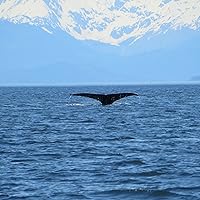
Read the story as one of the stories in No Comebacks,
Displaying 1 - 21 of 21 reviews