

What do you think?

الثلاثية المفروشة #1
The Completely True Tales of Um Mimi and Sharawi the Adulterer
لا أدري متى بالضبط لمعت تلك الفكرة النميسة في ذهن شعراوي، لكن أغلب الظن أن ذلك حدث حين رأى نظراتي الشبقة التي استقرت على منحنيات ومنعطفات جسد رحاب وهي ترقص بذمة وضمير في فرح أختها سامية، مع أنني لم أكن وحدي الذي انبهرت برحاب التي رأت في الفرح فرصة لإعلان إمكانياتها التي تؤهلها ببراعة لتجاوز أختها، ولم يكن ذلك الإعلان عاماً لكافة من حضروا الفرح وهم قلة على أي حال، بل كان موجهاً نحو ثلاثة من أقارب العريس حضروا في الأغلب لإسعافه في حالة حدوث مضاعفات في ليلة الدخلة، لكن رحاب لم تحظ باهتمامهم، ليس فقط لأنهم لم يكونوا سعداء بالزيجة إيماناً منهم بمبدأ إعلاني كان منتشراً في تلك الأيام يقول "ليه تدفع أكتر لما ممكن تدفع أقل؟"، ولكن لأنهم شعروا أن تسليط نظراتهم على جسد أخت العروسة وإن كان فائراً مثل بركان فيزوف، سيغضبه أو سيحرجه، والواقع أنهم صبروا ونالوا، لأن "أبو سامية" كان قد قرر إكرام ضيوف صهره بـ "نِمرة" خاصة كان ذكرها يمرّ علي أحياناً في بعض ما أقرأه عن أخبار المجون والليالي الحمراء التي ينفق فيها الأثرياء آلاف الجنيهات والدولارات، ولم أكن أتصور أنني سأشهدها عياناً بياناً دون أن أدفع مليماً أحمر.
لم يكن حجم الشقة يتسع لحضور فرقة غنائية، فقد كان يكفي بالكاد للعشرين ثلاثين كرسي التي جلس عليها المعازيم المنتقون على الفرازة، لكن الكاسيت الذي انبعثت منه أكثر الأغاني ترقيصاً وهشتكة قام بالواجب وزيادة، ليتم إسكاته فجأة، ثم يقوم أبو سامية وشخصان من أقاربه أو من شركائه لا أدري، بوضع ترابيزة خشبية متوسطة إلى جوار الكوشة الصغيرة التي جلس عليها العروسان، في الوقت الذي كانت أم سامية ورحاب قد دارا علينا بأطباق كبيرة تحوي قطعاً منتقاة من الكفتة والكباب وخرطة مكرونة باشميل وبعض أصابع محشي الكرنب وورق العنب، وبعد أن انتهى أغلبنا من التهام ذلك الأكل البيتي اللذيذ، قام أبو سامية بإطفاء أنوار الصالة التي ظلت مضاءة إلى حد ما بالأنوار المنبعثة من باقي الشقة، وفور أن أعاد تشغيل الكاسيت ليصدح بمطلع أغنية "حبيبي يا عيني"، اندفعت من مكان ما امرأة ترتدي عباءة سوداء فضفاضة، وقام أبو سامية بمساعدتها على الصعود إلى الترابيزة التي كانت أعلى من أن تقفز عليها لوحدها.
بعد أن بدأت ذات العباءة في التمايل من باب التسخين على الترابيزة التي ثبت متانتها، أضاء أبو سامية أنوار الصالة وبدأ في التصفيق فتبعناه دون حماس في البداية، لكننا سرعان ما تحمسنا، حين اكتشفنا أنها لا ترتدي العباءة لكونها من أقارب سامية الراغبين في المجاملة، بل كانت على وشك تقديم وصلة رقص استربتيز، حيث بدأت بفك أزرار العباءة على مهل، وانتهت بعد فترة من الزمان مرت كأنها ثواني، بالشروع في خلع ورقة التوت الكلوتّي التي كانت آخر ما ترتديه، لولا أن أوقفتها صرخة العريس الذي أمرها بالتوقف عن ذلك، لأن لكل شيئ حدوداً كما قال.
لم يكن حجم الشقة يتسع لحضور فرقة غنائية، فقد كان يكفي بالكاد للعشرين ثلاثين كرسي التي جلس عليها المعازيم المنتقون على الفرازة، لكن الكاسيت الذي انبعثت منه أكثر الأغاني ترقيصاً وهشتكة قام بالواجب وزيادة، ليتم إسكاته فجأة، ثم يقوم أبو سامية وشخصان من أقاربه أو من شركائه لا أدري، بوضع ترابيزة خشبية متوسطة إلى جوار الكوشة الصغيرة التي جلس عليها العروسان، في الوقت الذي كانت أم سامية ورحاب قد دارا علينا بأطباق كبيرة تحوي قطعاً منتقاة من الكفتة والكباب وخرطة مكرونة باشميل وبعض أصابع محشي الكرنب وورق العنب، وبعد أن انتهى أغلبنا من التهام ذلك الأكل البيتي اللذيذ، قام أبو سامية بإطفاء أنوار الصالة التي ظلت مضاءة إلى حد ما بالأنوار المنبعثة من باقي الشقة، وفور أن أعاد تشغيل الكاسيت ليصدح بمطلع أغنية "حبيبي يا عيني"، اندفعت من مكان ما امرأة ترتدي عباءة سوداء فضفاضة، وقام أبو سامية بمساعدتها على الصعود إلى الترابيزة التي كانت أعلى من أن تقفز عليها لوحدها.
بعد أن بدأت ذات العباءة في التمايل من باب التسخين على الترابيزة التي ثبت متانتها، أضاء أبو سامية أنوار الصالة وبدأ في التصفيق فتبعناه دون حماس في البداية، لكننا سرعان ما تحمسنا، حين اكتشفنا أنها لا ترتدي العباءة لكونها من أقارب سامية الراغبين في المجاملة، بل كانت على وشك تقديم وصلة رقص استربتيز، حيث بدأت بفك أزرار العباءة على مهل، وانتهت بعد فترة من الزمان مرت كأنها ثواني، بالشروع في خلع ورقة التوت الكلوتّي التي كانت آخر ما ترتديه، لولا أن أوقفتها صرخة العريس الذي أمرها بالتوقف عن ذلك، لأن لكل شيئ حدوداً كما قال.
234 pages, Paperback
First published January 1, 2021
Ratings & Reviews
Friends & Following
Create a free account to discover what your friends think of this book!
Community Reviews
Displaying 1 - 30 of 1,159 reviews

February 12, 2022
بالورقة و القلم...خدتينى ١٠٠ قلم..
أنا شفت فيكى مرمطة وعرفت مين اللى اتظلم..
عارفة سواد العسل..أهو ده اللى حالك ليه وصل..
إزاي قوليلى مكملة و كل ده فيكى حصل!
مصر..بلدنا الحلوة اللي فيها كل حاجة وعكسها..فيها الغني وفيها الفقير ..فيها الجاهل و فيها المتعلم ..فيها كُتاب بتمشي جنب الحيط و فيها كُتاب تانية عاوزة تكسر الحيط..
وبلال فضل في أم ميمي كسر الحيطة دي علي دماغنا كلنا:))
أم ميمي...الرواية التي دخلت القائمة الطويلة لجائزة البوكر للكاتب المصري بلال فضل...
قبل قراءة هذه الرواية يجب أن نذكر أنفسنا إن الأعمال الأدبية مش من واجبها أبداً تجميل الواقع بل العكس تماماً..
العمل الأدبي ما هو إلا مرآة للواقع الذي نعيش فيه..مرآة تلقي الضوء علي كل فئات المجتمع و تبرز عيوبه قبل مميزاته ولو عاوزين نقرأ عن الجانب المضئ فقط يبقي يكون أفضل إننا نبطل قراءة!
تدور أحداث الرواية حول طالب مغترب قام بتأجير غرفة في منطقة شعبية بمنزل أم ميمي و بياخدك بلال فضل للتعرف علي عالم أم ميمي ،إبنها،طليقها عشماوي الزناوي و جارهم أبو سامية الم***.
شخصيات مختلفة في عالم مختلف..
عالم بعيد تماماً عن سكان المعادي و مصر الجديدة والأحياء الراقية في القاهرة..
عالم المناطق الشعبية أو ممكن نقول قاع المجتمع المصري اللي انت مش متخيل إنه موجود و حتي لو تعلم بوجوده فعادة تُفضل أن تغض بصرك عنه وتتجاهله!
في هذه الرواية يقوم بلال فضل بتعرية المجتمع المصري ..يلقي الضوء علي الفقر و تاثيره علي أفراد المجتمع...
الفقر اللي ممكن يخلي أب يبيع بناته و يستبيح أعراضهم عادي جداً و ممكن أيضاً يجعل من أب آخر يترك أولاده و زوجته شوية عند محطة الاتوبيس لإستقبال من يريد أن يمارس الدعارة في شقة الزوجية عشان يزود دخله!
إتكلم أيضاً ولو بطريقة غير مباشرة عن فساد رجال الشرطة و عن إستباحة البنات الفقراء من قبل الأغنياء أو أصحاب المصانع وحتي عن التعصب الديني اللي عند بعض الشباب و تحريمهم مثلاً للفن والسينما..
إسلوب السرد في الرواية كان ممتع جداً لدرجة إني خلصتاها في يوم واحد وعلي الرغم إن الرواية بتعبر عن واقع أليم يعيشه الكثيرون إلا إنها تعتبر كوميديا سوداء مكتوبة بمنتهي الذكاء و حتخليك تفطس من الضحك في معظم الكتاب...
الحوار كان بالعامية في كل الكتاب و الصراحة مكانش ينفع يكون بالفصحي..
إستخدم الكاتب ألفاظ خادشة للحياء في كل الرواية ممكن تعتبرها ١٨+ ...٢٥+ ...زي ما تحب:) بس صدق أو لا تصدق هي جاءت مناسبة للعمل و أضفت عليه واقعية و جعلته حقيقي جداً..
إستطاع بلال بقلمه أن يعبر عن هذه الفئة بكل صدق وشفافية و من غير حتي ما يذوق الكلام ودي حاجة أكيد تحسب له مش تحسب عليه!
والصراحة من كتر ما الكتاب لمسني جداً أكاد أشعر إنها ممكن تكون سيرة ذاتية لبلال فضل نفسه والله أعلم:)
نحن أمام رواية إستثنائية..مستحيل حتعرف تنسي شخصياتها...كاتب ذكي ...جرئ..دمه خفيف بشكل غير عادي..خلاني أسيب الكتاب وأضحك بصوت عالي وحيخليك إنت كمان تضحك من قلبك:)
لو عاوزين تركزوا 'فقط' علي ما جاء في الرواية من ألفاظ .. براحتكم..أنا عن نفسي شوفت ما هو أعمق و أهم من شوية كلمات و إستمتعت بيها وجداً كمان:)
لو عاوزين تمنعوا الرواية خالص .. برضو براحتكم بس إحنا عرفنا نجيبها و قرأناها..
أما بقي لو عاوزين تتجاهلوا إن بلال فضل الكاتب المصري إترشح للبوكر..مش براحتكم :) عشان أم ميمي في القائمة الطويلة شئتم ذلك أم أبيتم...
كل التوفيق لإبن بلدنا المبدع بلال فضل ومبروك الترشيح رغم أنف الجميع:)
أنا شفت فيكى مرمطة وعرفت مين اللى اتظلم..
عارفة سواد العسل..أهو ده اللى حالك ليه وصل..
إزاي قوليلى مكملة و كل ده فيكى حصل!
مصر..بلدنا الحلوة اللي فيها كل حاجة وعكسها..فيها الغني وفيها الفقير ..فيها الجاهل و فيها المتعلم ..فيها كُتاب بتمشي جنب الحيط و فيها كُتاب تانية عاوزة تكسر الحيط..
وبلال فضل في أم ميمي كسر الحيطة دي علي دماغنا كلنا:))
أم ميمي...الرواية التي دخلت القائمة الطويلة لجائزة البوكر للكاتب المصري بلال فضل...
قبل قراءة هذه الرواية يجب أن نذكر أنفسنا إن الأعمال الأدبية مش من واجبها أبداً تجميل الواقع بل العكس تماماً..
العمل الأدبي ما هو إلا مرآة للواقع الذي نعيش فيه..مرآة تلقي الضوء علي كل فئات المجتمع و تبرز عيوبه قبل مميزاته ولو عاوزين نقرأ عن الجانب المضئ فقط يبقي يكون أفضل إننا نبطل قراءة!
تدور أحداث الرواية حول طالب مغترب قام بتأجير غرفة في منطقة شعبية بمنزل أم ميمي و بياخدك بلال فضل للتعرف علي عالم أم ميمي ،إبنها،طليقها عشماوي الزناوي و جارهم أبو سامية الم***.
شخصيات مختلفة في عالم مختلف..
عالم بعيد تماماً عن سكان المعادي و مصر الجديدة والأحياء الراقية في القاهرة..
عالم المناطق الشعبية أو ممكن نقول قاع المجتمع المصري اللي انت مش متخيل إنه موجود و حتي لو تعلم بوجوده فعادة تُفضل أن تغض بصرك عنه وتتجاهله!
في هذه الرواية يقوم بلال فضل بتعرية المجتمع المصري ..يلقي الضوء علي الفقر و تاثيره علي أفراد المجتمع...
الفقر اللي ممكن يخلي أب يبيع بناته و يستبيح أعراضهم عادي جداً و ممكن أيضاً يجعل من أب آخر يترك أولاده و زوجته شوية عند محطة الاتوبيس لإستقبال من يريد أن يمارس الدعارة في شقة الزوجية عشان يزود دخله!
إتكلم أيضاً ولو بطريقة غير مباشرة عن فساد رجال الشرطة و عن إستباحة البنات الفقراء من قبل الأغنياء أو أصحاب المصانع وحتي عن التعصب الديني اللي عند بعض الشباب و تحريمهم مثلاً للفن والسينما..
إسلوب السرد في الرواية كان ممتع جداً لدرجة إني خلصتاها في يوم واحد وعلي الرغم إن الرواية بتعبر عن واقع أليم يعيشه الكثيرون إلا إنها تعتبر كوميديا سوداء مكتوبة بمنتهي الذكاء و حتخليك تفطس من الضحك في معظم الكتاب...
الحوار كان بالعامية في كل الكتاب و الصراحة مكانش ينفع يكون بالفصحي..
إستخدم الكاتب ألفاظ خادشة للحياء في كل الرواية ممكن تعتبرها ١٨+ ...٢٥+ ...زي ما تحب:) بس صدق أو لا تصدق هي جاءت مناسبة للعمل و أضفت عليه واقعية و جعلته حقيقي جداً..
إستطاع بلال بقلمه أن يعبر عن هذه الفئة بكل صدق وشفافية و من غير حتي ما يذوق الكلام ودي حاجة أكيد تحسب له مش تحسب عليه!
والصراحة من كتر ما الكتاب لمسني جداً أكاد أشعر إنها ممكن تكون سيرة ذاتية لبلال فضل نفسه والله أعلم:)
نحن أمام رواية إستثنائية..مستحيل حتعرف تنسي شخصياتها...كاتب ذكي ...جرئ..دمه خفيف بشكل غير عادي..خلاني أسيب الكتاب وأضحك بصوت عالي وحيخليك إنت كمان تضحك من قلبك:)
لو عاوزين تركزوا 'فقط' علي ما جاء في الرواية من ألفاظ .. براحتكم..أنا عن نفسي شوفت ما هو أعمق و أهم من شوية كلمات و إستمتعت بيها وجداً كمان:)
لو عاوزين تمنعوا الرواية خالص .. برضو براحتكم بس إحنا عرفنا نجيبها و قرأناها..
أما بقي لو عاوزين تتجاهلوا إن بلال فضل الكاتب المصري إترشح للبوكر..مش براحتكم :) عشان أم ميمي في القائمة الطويلة شئتم ذلك أم أبيتم...
كل التوفيق لإبن بلدنا المبدع بلال فضل ومبروك الترشيح رغم أنف الجميع:)

December 31, 2021
ببلادنا :اهم انجاز لك الا تتحولي لأم ميمي
في سيمفونية موت البراءة لبلال فضل يلطمنا بقدر لا محدود من المسكوت عنه من بذاءات وعلاقات و انحطاط واقعي للاسف؛مما جعلني القى بكتاب اسمه قاموس الشتائم المصرية من الشباك لان ميمي و امه اكتسحوه و همَ قابعين في بالوعتهم اللآدمية في الشارع اللي ورا كازينو ايزيس

الكلمات لها قدرة السحر *
*قد تشفي و قد تؤذي
لماذا قرأت انا ام ميمي طيب؟
منذ صدور الرواية الاولي لبلال فضل في مطلع عام ٢٠٢١ علمت انها عن التحاق طالب مغترب بكلية الاعلام في مطلع التسعينات
اي انها عني أنا! و عن بلال ايضا؟
و لكن لادراكي انها غير موجهة لي ايضا؛ ترددت في طلبها
حتي وجدتها بغلافها التحذيري المنفر بالوانه الفاقعة؛ تباع ببراءة في الكشك القابع منذ الازل تحت عملي الحكومي !! و هي ممنوعة في مصر طبعاَ كما تعلمون و لكنها مصر يا سادة .. مبدهاش :اشتريتها
بعد تردد بدات في قرائتها في نوفمبر
طالب متفوق/شقي بلا اسم يصمم علي الالتحاق بالإعلام"الوحيدة في الشرق الاوسط حينها" رغما عن والده "مثلما حدث معي تمام من والدتي"فيهبط القاهرة بدعم خفي من والدته و سرعان ما يفقد سكنه
ليجد نفسه مضطر للسكن فيما يعتبر "عالم موازي مجاريري"؛ نتجاهل وجوده قد قدرتنا؛ ليس في العشوائيات.. لا لا بل بشارع الهرم؛ مع "كائنات"مرعبة :صوريا هم ام ستينية و ابنها الميكانيكي الاشقر السكير ؛ليغرق طالبنا في موبقات لم تكن تخطر في اسوأ كوابيسه؛ و يظل محشورا في دور لا يخطر على بال ذئاب الجبل
*ليه يا زمان ماسبتناش أبرياء *
طقوس الدفن و الموت و الصراع القذر علي ابسط المقتنيات؛ جاءت بمذاق مصري حراق و غارق في الواقعية الشعبية للاسف
شعراوي الثرثار قادم من عالم روايات محفوظ ؛ احسست اني قابلته في "الطريق"و مع ظهوره تتغير الرواية للافضل بالنسبة لي
السرد بضمير المتكلم ممتاز و يوحي بالطبع بانها سيرة ذاتية
الحبكة منسابةبسلاسة منطقية
الشخصيات :ستظل خالدة ابد الدهر كاكثر الشخصيات غموضاَ/وضوحاَ فيما تم كتابته بالعربية و افضلها تطوراً الطالب يليه شعراوي
اللغة؛ اه و الف اه من اللغة: مزيج من فصحي فخمة و عامية شوارعية بوحلها و طينها؛ عنيفة تصدمك ؛و لم اقرا بعضها مطبوعاَ في حياتي اساسا
تلطمك اللغة ليس فقط بتدني مستوي الحديث بين ام و ابنها لحدود لن تتخيلها؛ بل بتدني الاوصاف الصريحة و التصرفات الحيوانية من طبقة تعدت التدني بسنين ضوئية
عذبتني تماما؛ حتي انني ظللت اسبوع في الثلث الاول فقط
طيب ليه بنجري و ليه نعيش ناكل في بعضينا؟*
ام ميمي و اسرتها السوقية الغير كريمة
كانوا كل ما حذفته الرقابة من اعمال بلال شخصياَ و أعمال عكاشة و عامر التسعيناتي الكيوت التي تقدم لنا قمة السوقية في حمدية العالمة و صبيها ميمي
فدوما كنا نميل لصورة كريمة مختار كأم؛ و ننسي ان نعيمة الصغير نموذج اكثر انتشاراَ في طبقات نحاول ان نتخطاها بنظرنا و سمعنا علها تزول وحدها
و ما عاشه الطالب في رحلته القاسية لنضج مبكر؛بكل المغامرات و المهانة و قلة الامان و القيمة و استغلال و تأمر و تلاشى شبه كامل لصورة الاسرة السوية؛و فقدانه لجزء كبير من براءته و محاولاه المستميتة للطفو فوق قذارات تحاوطه : كل هذا ارعبني بشكل شخصي
حمدتّ الله كثيرا علي انني لم اسمع عن هذا النمط من المعاناة حينها؛ فانا كنت احد هؤلاء الطلبة الأثرياء هههههههه ممن يمتلكون سيارة ١٢٨ قديمة في مطلع التسعينات
و قد افتقدت فعلا عالمه بالكلية وتمنيت كثيرا لو
حدثنا عنه؛ و لكنه اكتفي فقط بزملاؤه ممن يتعسهم الحظ بالمجئ لاراضي المباءة : خلف كازينو ايزيس وبدء الاعيبهم المضادة علي ابوسامية و شعراوي
و النهاية كانت مستعجلة نوعا و توحي بجزء ثاني فعلاَ
هذه رواية بقلم بلال كاتب اهل كايرو و أهل اسكندرية؛ و ليست لبلال كاتب واحد من الناس
المراجعة رقم ٩٩٩ التي اجلت كتابتها خمس اشهر كاملة؛ أهميتها في انني زميلة ا بلال بنفس الكلية في نفس الحقبة الزمنية بافكارها؛ و تقييمي خاضع لاثر بلال فضل علي حياتنا عبر تلاتين سنة
شكراَ استاذ بلال علي رحلة غير مسبوقة لقاع مسكوت عنه اتجنبه دوما
و هنيئا علي الكتابة بحرية بلا سقف
و تعيش تفتح لنا ابواب لا يملك مفتاحها غيرك
في سيمفونية موت البراءة لبلال فضل يلطمنا بقدر لا محدود من المسكوت عنه من بذاءات وعلاقات و انحطاط واقعي للاسف؛مما جعلني القى بكتاب اسمه قاموس الشتائم المصرية من الشباك لان ميمي و امه اكتسحوه و همَ قابعين في بالوعتهم اللآدمية في الشارع اللي ورا كازينو ايزيس
الكلمات لها قدرة السحر *
*قد تشفي و قد تؤذي
لماذا قرأت انا ام ميمي طيب؟
منذ صدور الرواية الاولي لبلال فضل في مطلع عام ٢٠٢١ علمت انها عن التحاق طالب مغترب بكلية الاعلام في مطلع التسعينات
اي انها عني أنا! و عن بلال ايضا؟
و لكن لادراكي انها غير موجهة لي ايضا؛ ترددت في طلبها
حتي وجدتها بغلافها التحذيري المنفر بالوانه الفاقعة؛ تباع ببراءة في الكشك القابع منذ الازل تحت عملي الحكومي !! و هي ممنوعة في مصر طبعاَ كما تعلمون و لكنها مصر يا سادة .. مبدهاش :اشتريتها
بعد تردد بدات في قرائتها في نوفمبر
طالب متفوق/شقي بلا اسم يصمم علي الالتحاق بالإعلام"الوحيدة في الشرق الاوسط حينها" رغما عن والده "مثلما حدث معي تمام من والدتي"فيهبط القاهرة بدعم خفي من والدته و سرعان ما يفقد سكنه
ليجد نفسه مضطر للسكن فيما يعتبر "عالم موازي مجاريري"؛ نتجاهل وجوده قد قدرتنا؛ ليس في العشوائيات.. لا لا بل بشارع الهرم؛ مع "كائنات"مرعبة :صوريا هم ام ستينية و ابنها الميكانيكي الاشقر السكير ؛ليغرق طالبنا في موبقات لم تكن تخطر في اسوأ كوابيسه؛ و يظل محشورا في دور لا يخطر على بال ذئاب الجبل
*ليه يا زمان ماسبتناش أبرياء *
طقوس الدفن و الموت و الصراع القذر علي ابسط المقتنيات؛ جاءت بمذاق مصري حراق و غارق في الواقعية الشعبية للاسف
شعراوي الثرثار قادم من عالم روايات محفوظ ؛ احسست اني قابلته في "الطريق"و مع ظهوره تتغير الرواية للافضل بالنسبة لي
السرد بضمير المتكلم ممتاز و يوحي بالطبع بانها سيرة ذاتية
الحبكة منسابةبسلاسة منطقية
الشخصيات :ستظل خالدة ابد الدهر كاكثر الشخصيات غموضاَ/وضوحاَ فيما تم كتابته بالعربية و افضلها تطوراً الطالب يليه شعراوي
اللغة؛ اه و الف اه من اللغة: مزيج من فصحي فخمة و عامية شوارعية بوحلها و طينها؛ عنيفة تصدمك ؛و لم اقرا بعضها مطبوعاَ في حياتي اساسا
تلطمك اللغة ليس فقط بتدني مستوي الحديث بين ام و ابنها لحدود لن تتخيلها؛ بل بتدني الاوصاف الصريحة و التصرفات الحيوانية من طبقة تعدت التدني بسنين ضوئية
عذبتني تماما؛ حتي انني ظللت اسبوع في الثلث الاول فقط
طيب ليه بنجري و ليه نعيش ناكل في بعضينا؟*
ام ميمي و اسرتها السوقية الغير كريمة
كانوا كل ما حذفته الرقابة من اعمال بلال شخصياَ و أعمال عكاشة و عامر التسعيناتي الكيوت التي تقدم لنا قمة السوقية في حمدية العالمة و صبيها ميمي
فدوما كنا نميل لصورة كريمة مختار كأم؛ و ننسي ان نعيمة الصغير نموذج اكثر انتشاراَ في طبقات نحاول ان نتخطاها بنظرنا و سمعنا علها تزول وحدها
و ما عاشه الطالب في رحلته القاسية لنضج مبكر؛بكل المغامرات و المهانة و قلة الامان و القيمة و استغلال و تأمر و تلاشى شبه كامل لصورة الاسرة السوية؛و فقدانه لجزء كبير من براءته و محاولاه المستميتة للطفو فوق قذارات تحاوطه : كل هذا ارعبني بشكل شخصي
حمدتّ الله كثيرا علي انني لم اسمع عن هذا النمط من المعاناة حينها؛ فانا كنت احد هؤلاء الطلبة الأثرياء هههههههه ممن يمتلكون سيارة ١٢٨ قديمة في مطلع التسعينات
و قد افتقدت فعلا عالمه بالكلية وتمنيت كثيرا لو
حدثنا عنه؛ و لكنه اكتفي فقط بزملاؤه ممن يتعسهم الحظ بالمجئ لاراضي المباءة : خلف كازينو ايزيس وبدء الاعيبهم المضادة علي ابوسامية و شعراوي
و النهاية كانت مستعجلة نوعا و توحي بجزء ثاني فعلاَ
هذه رواية بقلم بلال كاتب اهل كايرو و أهل اسكندرية؛ و ليست لبلال كاتب واحد من الناس
المراجعة رقم ٩٩٩ التي اجلت كتابتها خمس اشهر كاملة؛ أهميتها في انني زميلة ا بلال بنفس الكلية في نفس الحقبة الزمنية بافكارها؛ و تقييمي خاضع لاثر بلال فضل علي حياتنا عبر تلاتين سنة
شكراَ استاذ بلال علي رحلة غير مسبوقة لقاع مسكوت عنه اتجنبه دوما
و هنيئا علي الكتابة بحرية بلا سقف
و تعيش تفتح لنا ابواب لا يملك مفتاحها غيرك

June 30, 2021
هذه واحدة من الروايات التي لا يمكنني أن أنساها بسهولة، ليس فقط لأنها ترتبط لدي بعوامل مشتركة شديدة الخصوصية مثل: أن تعيش في منطقة شعبية، أو أن تتغرب من أجل العمل أو الدراسة، ولكن لأنها نقلت ذلك العالم، الذي كنت أعرف أنه موجود ويتظاهر الآخرون بعدم وجوده، بحذافيره، بموضوعية شديدة، وأمانة، وجرأة. كل تلك العوامل ساعدت في أن تدخل الجو العام للرواية، حتى الغرباء عن هذا العالم، بمجرد أن تطأ أعينهم صفحات الرواية الأولى سيفهمون، أو على الأقل سيقنعون أنفسهم أنها حكاية فانتازية أو ديستوبية. ولكن دعني أؤكد لك أن هذا العالم موجود بتفاصيله المتشعبة والدقيقة، بكل تلك القواعد والأخلاقيات المطاطة كالأستك، بكل تلك الشتائم والضرب واللامنطقية في الأحداث كما فعل "ميمي" مثلاً في الجنازة.
ذلك العالم موجود، وصدق أو لا تصدق، فهو منتشر بكثرة، هؤلاء البشر نحن لسنا أفضل منهم في شيء -لا سمح الله- ولكن الظروف المختلفة كان من الممكن أن تؤدي بي أو بك إلى أن نكون جزءاً من تلك الطبقة، وصدقني لا عنصرية في كلامي، فما هم فيه ليس بذنبهم، ولكنها التراكمات. تراكمات الفساد التي أزكمت أنوفنا، وتغاضى عنها الكثيرون من أصحاب السلطة والنفوذ طالما أن مصلحتهم جارية ولا تُمس، تراكمات حولت بعض البشر إلى أشباه بشر، تفكيرهم مشوه، ولا أخلاقيات لديهم تذكر، وتصورهم للحياة هو أن يعيشوا اليوم بيومه، حتى لو باعوا، في سبيل ذلك، عرضهم أو عرض بناتهم، حتى لو عملوا بالدعارة المقننة وغيرها، حتى لو سرقوا، وسيستطيعون تبرير كل ذلك بمنطق قد يضرب منطقك بأقدم جزمة رأيتها في حياتك.
مع عودتي لأعمال "بلال فضل" الذي كنت انشغلت عن كتاباته طوال سنتين، وهو واحد من الكتاب الذين جعلوني شغوفاً بالقراءة، فهذا الكتاب هو تاسع عمل أقرأه لبلال، وهو رقم أحسبه كبير، ولكن هذه أول رواية لـ"بلال" وهي قد تكون ما يُشبه سيرة ذاتية بشكلٍ ما، ربما أضاف عليها صبغة درامية، وسرد "بلال فضل" السلس الرشيق، حتى اختياره للألفاظ الصريحة والواضحة المباشرة، وهو ما سيعترض عليه الكثيرون بكل تأكيد، رغم أنه كان أميناً في نقله لها، دون تذويق أو خوف على الذوق العام المنحدر في الأساس. ولا تشعر من كلامي أن الرواية سوداوية قاتمة ككلماتي، صدقني هذه واحدة من الروايات التي ضحكت فيها حتى البكاء، لا أذكر آخر رواية قادتني إلى هذا الكم من الضحكات التي تخرج من القلب أولاً. يحسب لبلال أيضاً أنه حول كل تلك الأحداث العابثة المجنونة الهزلية داخل قالب درامي مقنع ومتين بتحولاته وصعوده وهبوطه، حتى الالتواءة التي جاءت قرب النهاية، جعلني أتأثر بالأحداث وأفكر في حلٍّ لكل عقدة يواجهها ذلك الطالب الغلبان الذي يريد أن يكافح وينجح بنسبة عالية ليحصل على المنحة، ويشاهد بعض الأجزاء البولندية المعينة.
عندما وصلت لآخر أحداث الرواية، شعرت بالقلق والتوتر من أن الرواية ستنتهي، وأنا ما زلت لم أرتو بعد من حكايات "بلال" الشعبية، التي أعرفها ولا تزال تفاجئني، ولا يزال سرد "بلال" يمتعني، لأجد أن الحكايات لم تنتهِ بعد، وأن بلال قادم برواية أخرى من نفس العالم، اسمها "نحو حارة سمكة"*، وأظن أنني سأنتظر هذه الحكاية على أحر من الجمر.
* كانت الرواية قد أُعلن عنها بهذا الاسم، قبل أن تصدر لاحقاً بعنوان "جيزة جيزة جيزة".

February 19, 2024
تحذيربلال فضل يضرب من جديد. لا جديد ايه ده بيضرب من زمان بس انا اللي اتأخرت قوي في قراءة رواية مشتاق اقرأها من زمان.
إن لم تكن مصريا و لا وددت أن تكون مصريا فلا تقرأ هذه المراجعة
إن لم تنزل الشارع في حياتك فلا تقرأ هذه المراجعة
إن لم تكن قد ركبت أتوبيس النقل العام أو الميكروباص فلا تقرأ هذه المراجعة
إن كنت ما زلت تستحي من ألفاظ تملأ الشوارع و المواصلات و الصحف و وسائل الإعلام فلا تقرأ هذه المراجعة
حد لسه فاضل معانا يا اخوانا؟
الاستاذ اللي جمب الشباك سمعني؟
الأبله اللي ورا؟ البيه اللي واقف هناك؟ كله قرأ و سمع و الا فيه حد مش واخد باله يا حضرات؟
كمية القباحة و الصراحة و الوقاحة لا تختلف عن الواقع المصري الشعبي و الرسمي الطاهر المتطاهر و من لا يحب القباحة في وعيه فهو يرددها في عقله الباضن حيث لا مكان للحياء.
الرواية هتقلبك على ضهرك أكترمن مرة من الضحك و ان لم يكن الضحك هو غرضها في حد ذاته و لكننا شعب لا يفعل أي شيء إلا ضاحكا حتى في مجالس العزاء. حتى الثورة اللي حيلتنا كانت ثورة ضاحكة ضحكنا و أضحكنا و اتضحك علينا فيها. و الشعب المصري لمن لا يعلم أو كان بيشرب سيجارة في البلكونة هو شعب عاشق للقباحة حتى النخاع و القباحة ليست هي القبح و لكن هى ما يطلق عليه قلة الأدب. فنحن و لله الحمد ناقصين رباية حيث لم يفلح أي حاكم كان أو ثقافة أو دين في تهذيب أرواحنا التواقة إلى الحرية اللهم إلا المد السلفي و البضن الاخواني في السبعينات الذي ألقى بظلاله القاتمة على الجزء الظاهر من الشعب فيما يسمى بالطبقة المتوسطة أو ما تبقى منها و هو ما أوحى لمن يرى الصورة من الخارج أننا شعب مؤدب أو على الأقل يحاول.
فلا تبتئس يا حيلتها مما ورد في الرواية من ألفاظ تناسب شخصياتها و أماكنها و أحداثها التي لا تتشابه فقط مع الواقع بل و تشتبك معه و تطرح عليه أسئلتها التي ترجو أن تجد لها إجابة يوما ما.
حبيت الشخصيات اللي رسمها بلال من شخصية الراوي المغلوب على أمره اللي اترمى في وسط مثير للأعصاب و الغرائز و الشبهات لأم ميمي و ميمي و شعراوي لأبو سامية المعرص و بناته الشراميط حتى عم سيد البقال. كلها شخصيات مرسومه بعناية و ديناميكية و حقيقية لا تملك إلا التماهي مع دماغهم الوسخة و أحلام نصباية كل منهم على الأخر و على بطل القصة الذي لا حول له و لا قوة الواقع بين فأرين و برص أحيانا و شراميط و معرصين أحيانا أخرى و الطامح إلى الحصول على المنحة الدراسية بعد إجتياز عامه الجامعي الأول و الهروب من نير التحكم الأبوي و ضيق الاسكندرية إلى براح القاهرة حيث الحرية و مهرجان القاهرة السينيمائي و الأفلام البولندية و النساء ذات الحلمات الوردية.
الشخصيات و ثقافتها و دوافعها و بيئتها متخرش المية بمعنى الكلمة و تكاد تلمسها لمسا و تتفهم كل ظروفها دون أدنى ذرة تعاطف معها اللهم الا البطل لإنه في الاخر واحد من الناس اللي شبهنا.
استمتعت بالرواية من الجلدة للجلدة و ان كنت قد قرأتها على أبجد الكترونيا كما أفعل منذ سنوات عددا.
مرشحة للقراءة لكل من وصل إلى هذا السطر.

April 20, 2022
عند انتهائى من الرواية وجدت ذهنى يذهب تلقائيًا الى لحن الموسيقار مودى الامام فى فيلم طيور الظلام مع الجملة الخالدة لعادل امام " البلد ديه اللى يشوفها من فوق غير اللى يشوفها من تحت، اللى عايز يشوفها حلوة على طول يشوفها من فوق دايما، تحت فيه خنقه و زحمة و هواء فاسد و ناس ماشية بتخبط فى بعض . "

و هذة الرواية التى قد تكون صادمة للبعض و واقعية للبعض الاخر، هى بمثابة صرخة مكبوتة تدفقت على هيئة كلمات لتجسد واقع أليم اكثر الناس لا يريد الاعتراف بوجوده او يعمي نظره عنه و قليلون مثل بلال فضل يدخلون هذة المنطقة بشجاعة ولا يهابون من ردود الافعال فهو قرر ان يرى مصر من تحت كما رآها قبله خيري شلبى و ابراهيم اصلان لكنه كان اكثر جرأة فى تناوله و اختار ان يجسد الواقع كما يراه معظمنا من قاطنى الاحياء الشعبية يوميًا و الانحطاط الذى تفشى فى المجتمع حتى طفح فى وجوهنا .
اعتقد ان من تصدمه الالفاظ النابية و الشتائم التى فى هذا العمل فهو لم يختلط بهذة الفئة من الشعب ليس اكثر، اتذكر منذ 15 سنة عندما كنت امر بالموقف يوميا كان عند اى مشاجرة شتائم لا حد لها لكن عند مرور انسة او أمراة الكل كان يلزم السكوت حتى مرورها و ابتعادها احترامًا لها، لكن كل هذا اصبح فى حكم اخر ايام العشوائيات المحترمة و الان لا يتم التفريق و الالفاظ اصبحت عادة يوميًا فهذا هو الواقع الذى نعيشه فإذا لماذا نجمله!! بلال فضل اختار ان يرصد الواقع و هذا هو الواقع شئنا ام أبينا .
كعادتى السلبية التى لا غنى عنها عندما يأسرنى عمل و يبهرنى استرسل كثيرًا فى اشياء هامشية حتى اجد انى لم ابدا فى الحديث عن العمل نفسه بعد، المبهر فى العمل ياتى من بساطته المطلقة فالعمل يعرى المجتمع و يرصد كيف الفقر يمكن ان يخرج من الانسان كل حيونته لتبصق على المجتمع و تجره معه الى اسفل سافلين و من داخل الجيزة حيث يوجد بيت ام ميمى القابع فى " شارع خلف كازينو إيزيس" يوجد الراوى او بطل قصتنا الطالب بكليه الاعلام المغترب الذى دفعته الظروف و حالته المادية ان يقبع مع ام ميمى و ابنها ميمى ليلتقى اكثر انواع الطفيليات البشرية على الاطلاق و احداث عبثية لن تجدها الى فى خيال بلال فضل .
رواية كابوسية غارقة فى الكوميديا السوداء المؤلمة، تستطيع ان تخطف منك ضحكات من القلب لكن ما ان تنتهى تجد نفسك تشعر بالحزن لانك تعلم ان الشخصيات ليست خيالية بل انها حقيقية موجودة بكثرة فى بيئتنا، طفيليات بصقها المجتمع ليس لانهم اختاروا هذة الحياة فبعضهم لم يكن له حق الاختيار و وجد نفسه كائن فى هذا المستنقع منذ ولادته فاصبح الغير طبيعى بالنسبة لنا هو الطبيعى بالنسبة له .
بلال فضل عبقرى يذكرنى كثيرا بالراحل صلاح عيسي بحكاياته الممتعة و الراحل محمود السعدنى فى سخريته التى لا تنتهى، فى اول اعماله الروائية آسرنى بلغة السرد و هذا ليس بجديد عليه لكن رسمه للشخصيات و تطور الاحداث كان سلس و سريع و ممتع لابعد حد و منعها من التداول فى مصر لم يوثر على نجاحها و انتشارها و مع كل الاتهامات العبثية التى يواجهها بلال فضل منذ ان ترك مصر كان من السهل انضمام تهمة جديدة له بتشويه مصر الجديدة لكن نحمد الله ان احداث هذا العمل فى تسعينات القرن الماضى ليست فى مصر الخالية من الفقراء الان و لنا فى فيلم "ريش" مثال:D .
** فى انتظار الجزء الثانى و من اسعد ظروفى ان خروجى من البلوك لم يكون بسبب ام ميمى وحدها لكن بسبب عودة بلال فضل اخيرا بحكاياته و احاديثه الممتعة على قناته الجديدة التى اصبحت الحدث اليومى الوحيد الذى اتابعه يوميا فى رمضان ولا اخفى ان بعد انتهائى من ام ميمى و اولى حلقات يوميات الصعلكة و الكحرتة اصبحت اشك و لو قليلا انها اقرب لسيرة ذاتيه لشخصيات عاصرها الكاتب بنفسه .
و هذة الرواية التى قد تكون صادمة للبعض و واقعية للبعض الاخر، هى بمثابة صرخة مكبوتة تدفقت على هيئة كلمات لتجسد واقع أليم اكثر الناس لا يريد الاعتراف بوجوده او يعمي نظره عنه و قليلون مثل بلال فضل يدخلون هذة المنطقة بشجاعة ولا يهابون من ردود الافعال فهو قرر ان يرى مصر من تحت كما رآها قبله خيري شلبى و ابراهيم اصلان لكنه كان اكثر جرأة فى تناوله و اختار ان يجسد الواقع كما يراه معظمنا من قاطنى الاحياء الشعبية يوميًا و الانحطاط الذى تفشى فى المجتمع حتى طفح فى وجوهنا .
اعتقد ان من تصدمه الالفاظ النابية و الشتائم التى فى هذا العمل فهو لم يختلط بهذة الفئة من الشعب ليس اكثر، اتذكر منذ 15 سنة عندما كنت امر بالموقف يوميا كان عند اى مشاجرة شتائم لا حد لها لكن عند مرور انسة او أمراة الكل كان يلزم السكوت حتى مرورها و ابتعادها احترامًا لها، لكن كل هذا اصبح فى حكم اخر ايام العشوائيات المحترمة و الان لا يتم التفريق و الالفاظ اصبحت عادة يوميًا فهذا هو الواقع الذى نعيشه فإذا لماذا نجمله!! بلال فضل اختار ان يرصد الواقع و هذا هو الواقع شئنا ام أبينا .
كعادتى السلبية التى لا غنى عنها عندما يأسرنى عمل و يبهرنى استرسل كثيرًا فى اشياء هامشية حتى اجد انى لم ابدا فى الحديث عن العمل نفسه بعد، المبهر فى العمل ياتى من بساطته المطلقة فالعمل يعرى المجتمع و يرصد كيف الفقر يمكن ان يخرج من الانسان كل حيونته لتبصق على المجتمع و تجره معه الى اسفل سافلين و من داخل الجيزة حيث يوجد بيت ام ميمى القابع فى " شارع خلف كازينو إيزيس" يوجد الراوى او بطل قصتنا الطالب بكليه الاعلام المغترب الذى دفعته الظروف و حالته المادية ان يقبع مع ام ميمى و ابنها ميمى ليلتقى اكثر انواع الطفيليات البشرية على الاطلاق و احداث عبثية لن تجدها الى فى خيال بلال فضل .
" لكنك تحتاج أحياناً إلى ربع قرن من الزمان، لتدرك كم أحسنت إليك الأيام، حين اختصتك بأكثر تجاربها عبثية ."
رواية كابوسية غارقة فى الكوميديا السوداء المؤلمة، تستطيع ان تخطف منك ضحكات من القلب لكن ما ان تنتهى تجد نفسك تشعر بالحزن لانك تعلم ان الشخصيات ليست خيالية بل انها حقيقية موجودة بكثرة فى بيئتنا، طفيليات بصقها المجتمع ليس لانهم اختاروا هذة الحياة فبعضهم لم يكن له حق الاختيار و وجد نفسه كائن فى هذا المستنقع منذ ولادته فاصبح الغير طبيعى بالنسبة لنا هو الطبيعى بالنسبة له .
بلال فضل عبقرى يذكرنى كثيرا بالراحل صلاح عيسي بحكاياته الممتعة و الراحل محمود السعدنى فى سخريته التى لا تنتهى، فى اول اعماله الروائية آسرنى بلغة السرد و هذا ليس بجديد عليه لكن رسمه للشخصيات و تطور الاحداث كان سلس و سريع و ممتع لابعد حد و منعها من التداول فى مصر لم يوثر على نجاحها و انتشارها و مع كل الاتهامات العبثية التى يواجهها بلال فضل منذ ان ترك مصر كان من السهل انضمام تهمة جديدة له بتشويه مصر الجديدة لكن نحمد الله ان احداث هذا العمل فى تسعينات القرن الماضى ليست فى مصر الخالية من الفقراء الان و لنا فى فيلم "ريش" مثال:D .
** فى انتظار الجزء الثانى و من اسعد ظروفى ان خروجى من البلوك لم يكون بسبب ام ميمى وحدها لكن بسبب عودة بلال فضل اخيرا بحكاياته و احاديثه الممتعة على قناته الجديدة التى اصبحت الحدث اليومى الوحيد الذى اتابعه يوميا فى رمضان ولا اخفى ان بعد انتهائى من ام ميمى و اولى حلقات يوميات الصعلكة و الكحرتة اصبحت اشك و لو قليلا انها اقرب لسيرة ذاتيه لشخصيات عاصرها الكاتب بنفسه .

July 11, 2021
سامحك الله يا بلال فضل!
ما هذه البذاءة؟ رواية أسمعتنا فيها ما لم نعتد سماعه، ولا نتوقع أن يكون هناك مكان أو زمان قد بلغ انحطاطه لفظًا وخُلُقًا إلى هذا الحدّ.
ألا ترى أنك آذيت مسامعنا وأذواقنا بهذا؟ حتى لو كنت ستصف مجتمعًا-ما زلت أشكّ في وجوده- بهذا المستوى من السفالة، أما كان يمكنك اختصار هذا الكم من الكلام البذيء.
ستقول لي أنك كتبت في الصفحة الأولى ما يلوّح لأمثالي ممن ستؤذيهم البذاءة بألا نفرط بالتعامي عما لا نرى. وسأقول لك محترمًا رأيك أني مع كل ذلك تفاجأت بفرط ما لم أصدّق.
أرجو ألا تقع هذه الرواية في يد مبتدئ في قراءة بلال فضل، لأنه أجمل من هذا العمل، وأنفع وأرفع منه.
ما هذه البذاءة؟ رواية أسمعتنا فيها ما لم نعتد سماعه، ولا نتوقع أن يكون هناك مكان أو زمان قد بلغ انحطاطه لفظًا وخُلُقًا إلى هذا الحدّ.
ألا ترى أنك آذيت مسامعنا وأذواقنا بهذا؟ حتى لو كنت ستصف مجتمعًا-ما زلت أشكّ في وجوده- بهذا المستوى من السفالة، أما كان يمكنك اختصار هذا الكم من الكلام البذيء.
ستقول لي أنك كتبت في الصفحة الأولى ما يلوّح لأمثالي ممن ستؤذيهم البذاءة بألا نفرط بالتعامي عما لا نرى. وسأقول لك محترمًا رأيك أني مع كل ذلك تفاجأت بفرط ما لم أصدّق.
أرجو ألا تقع هذه الرواية في يد مبتدئ في قراءة بلال فضل، لأنه أجمل من هذا العمل، وأنفع وأرفع منه.

October 8, 2021
أم ميمي
رواية لبلال فضل من نوعية "الواقعية السحرية" المصرية
و"السح" في "السحرية" هو "المخ" من مخمخة الواقع المصري الجميل في التسعينات
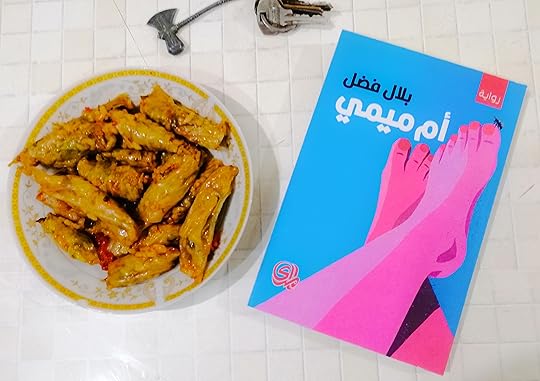
حضر طبق محشي كرنب من قعر الحلة وتابع قصة بطلنا، الراوي، النازح من الأسكندرية ليدرس سنة أولي كلية إعلام في القاهرة رغما عن رغبة أبيه
فيضطر للبحث عن شقة/غرفة في القاهرة تناسب امكانياته المادية شبه المعدومة ليصل ل"حُق" جوه "الحُق" المسمي بشقة "أم ميمي" في شارع أسمه "شارع خلف كازينو إيزيس" متفرع من شارع الهرم
وتبدأ مفارقات بطلنا طالب الاعلام مع الست أم ميمي وأبنها الميكانيكي ميمي وحتي طليقها "الشعراوي الزِناوي" -الزِناوي من الزِنا- وفأران وبرص احتلوا غرفته "الحُق" لفترة من الزمن
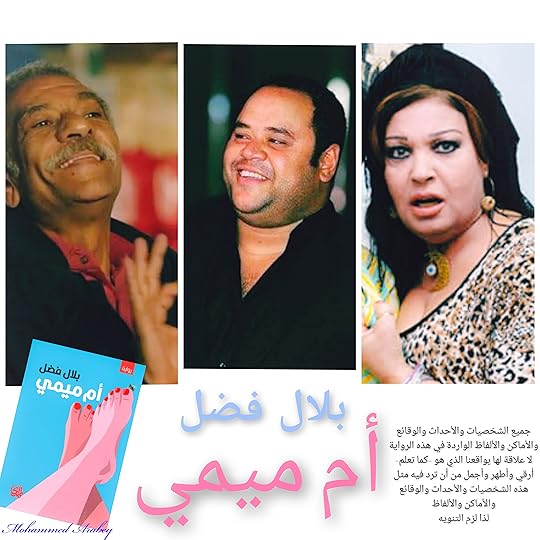
ومع أن ام ميمي للاسف بتفارق الحياة قبل منتصف الرواية لكنها بتظل معانا حتي النهاية من خلال سرد البطل للحكاية العجيبة اللي فيها ملامح من الحياة الشعبية وعالم السينمات والاكل المصري والشوارع العجيبة والعلاقات الأسرية الجميلة بين عيلة أم ميمي ….والحكاية بتطور في الربع الأخير لمؤامرة خطيرة كلها مفاجأت للبطل لا يعلم سوي الله إن كان وراءها الشعراوي الزناوي ولا رحاب جارته الملائكية وال"لا" "نا" ولا أبيها عم "أبو سامية العرص" ولا ميمي نفسه
الجميل جدا في الرواية هو السرد الساحر للواقع الشاخر ، يعني تحس انها رواية تقيلة من السرد باللغة دي وبشكل روائي عميق بجد ، وفي نفس الوقت الحوار بالعامية الصريحة بالشتائم والشخر التي ستجعلك تعيش تلك الأحداث القذرة فعليا
أما إن كنت معترضا علي تلك الألفاظ فلا تنس التنويه في بداية الرواية
الرواية كل فصل فيها يصلح حلقة من مسلسل ١٥ حلقة مثلا، بل وأكثر لأن السرد مكثف، ٢٢٠ صفحة شعرت كأنهم عام دراسي كامل عشته مع أم ميمي "فيفي عبده تخيلتها جدا في الدور" قومي يا بت اعملي الدور ده في مسلسل عشان عبلة كامل مش حتقبله
والراوي "محمد ممدوح لبنيته وحتي أسلوبه الذي قد يبدو سلبيا" ، ميمي "احمد حاتم مش عارف ليه تخيلته جدا في دور الفتي الشعبي الوسيم عزت ...ويصلح في اسلوبه السيكوباتي احيانا" ، والشعراوي الزناوي "الدور مرسوم جدا علي سيد رجب ، راجع حوارات سيد رجب مع محمد ممدوح في لعبة نيوتن مع اختلاف طبقي جذري طبعا"
اعجبني جدا مظاهر يوم الدفنة الحافل ودخول الشعراوي الزناوي المشهد، أسلوب ام ميمي الشعبي الذي تشعر انك عرفتها وعاشرتها إن كنت عشت فترة في منطقة شعبية، أضحكني جدا منطقها العجيب في تعاملها مع طاقم المستشفي القبطي وتلك الطائفية المصرية الأصيلة الجميلة المقززة للنفس وغيرها الكثير من المواقف التي جعلتني وستجعلك تضحك بصوت عال رغما عنك حتي أن تدمع عيناك -وربما تشخر أنفك- لا تلقائيا من شدة قرف الواقعية والجراءة والكوميديا السوداء
ومع ذلك تظل الرواية بدون مشاهد حميمية او حتي تتعامل مع هذا القبح بأستحسان، أعجبني جدا شخصية الراوي المستهجن لكل هذا مع انه نفسه ليس ملاكاا...فقط انسان طبيعي وقع حظه العاثر في ان يري جانب أصيل من الحياة
رواية ممتازة للمؤلف الرائع اللي تنبأ بمصير الإسكندرية الذي يحدث الان في فيلم "بلطية العايمة" واللي اضحكنا بأفلامه الممتازة الاخري وكوميديتها السوداء، والحوار الظريف بأفلامه التي مازالت أفيهاتها تستخدم حتي بعد مايقرب من ٢٠ عاما، بيتحفنا هنا بكونه روائي من العيار الثقيل ذو سرد فعلا عميق.... ورائد برتبة ماركيز للرواية الواقعية الخرائية المصرية
محمد العربي
من ٤ أكتوبر ٢٠٢١
إلي ٦ أكتوبر ٢٠٢١
PS : بينما ابحث بين كتب بلال فضل عن رواية أخري لأبدأها قريبا فوجئت أن هذا أول عمل روائي طويل له
أيه يا جدع السرد ده، ده سرد روائي قديم واللغة الروائية وتلاعب الكلمات فوق الممتاز
وأن كنت شعرت بلخبطة في الربع الأخير-نظريات المؤامرة وأضلاعها والتويستات- لكن فعلا الأسلوب يجعلني منتظرا وبشدة ان يستكمل الراوي حكايته في السنة الثانية مع حارة السمكة وإن كنت سأفتقد الشعراوي وحكاوي الحلاقين التي يحكيها المسلية المصرية الاصيلة
رواية لبلال فضل من نوعية "الواقعية السحرية" المصرية
و"السح" في "السحرية" هو "المخ" من مخمخة الواقع المصري الجميل في التسعينات
حضر طبق محشي كرنب من قعر الحلة وتابع قصة بطلنا، الراوي، النازح من الأسكندرية ليدرس سنة أولي كلية إعلام في القاهرة رغما عن رغبة أبيه
فيضطر للبحث عن شقة/غرفة في القاهرة تناسب امكانياته المادية شبه المعدومة ليصل ل"حُق" جوه "الحُق" المسمي بشقة "أم ميمي" في شارع أسمه "شارع خلف كازينو إيزيس" متفرع من شارع الهرم
وتبدأ مفارقات بطلنا طالب الاعلام مع الست أم ميمي وأبنها الميكانيكي ميمي وحتي طليقها "الشعراوي الزِناوي" -الزِناوي من الزِنا- وفأران وبرص احتلوا غرفته "الحُق" لفترة من الزمن
ومع أن ام ميمي للاسف بتفارق الحياة قبل منتصف الرواية لكنها بتظل معانا حتي النهاية من خلال سرد البطل للحكاية العجيبة اللي فيها ملامح من الحياة الشعبية وعالم السينمات والاكل المصري والشوارع العجيبة والعلاقات الأسرية الجميلة بين عيلة أم ميمي ….والحكاية بتطور في الربع الأخير لمؤامرة خطيرة كلها مفاجأت للبطل لا يعلم سوي الله إن كان وراءها الشعراوي الزناوي ولا رحاب جارته الملائكية وال"لا" "نا" ولا أبيها عم "أبو سامية العرص" ولا ميمي نفسه
الجميل جدا في الرواية هو السرد الساحر للواقع الشاخر ، يعني تحس انها رواية تقيلة من السرد باللغة دي وبشكل روائي عميق بجد ، وفي نفس الوقت الحوار بالعامية الصريحة بالشتائم والشخر التي ستجعلك تعيش تلك الأحداث القذرة فعليا
أما إن كنت معترضا علي تلك الألفاظ فلا تنس التنويه في بداية الرواية
"جميع الشخصيات والأحداث والوقائع والأماكن والألفاظ الواردة في هذه الرواية لا علاقة لها بواقعنا الذي هو -كما تعلم- أرقي وأطهر وأجمل من أن ترد فيه مثل هذه الشخصيات والأحداث والوقائع والأماكن والألفاظ
لذا لزم التنويه"
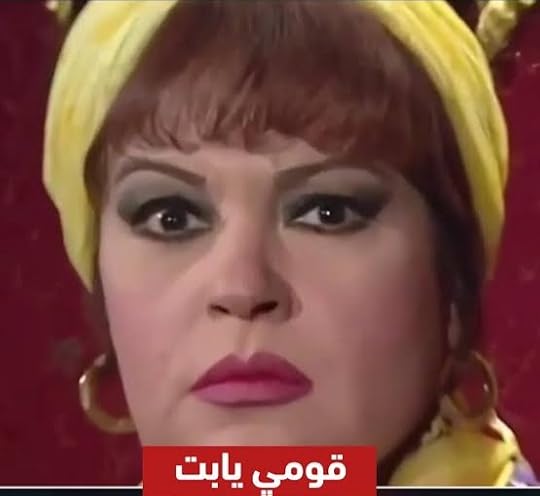
الرواية كل فصل فيها يصلح حلقة من مسلسل ١٥ حلقة مثلا، بل وأكثر لأن السرد مكثف، ٢٢٠ صفحة شعرت كأنهم عام دراسي كامل عشته مع أم ميمي "فيفي عبده تخيلتها جدا في الدور" قومي يا بت اعملي الدور ده في مسلسل عشان عبلة كامل مش حتقبله
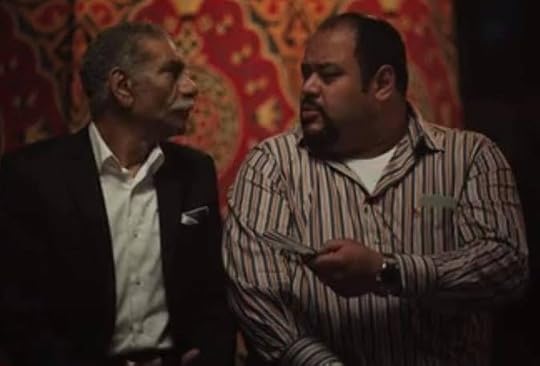
والراوي "محمد ممدوح لبنيته وحتي أسلوبه الذي قد يبدو سلبيا" ، ميمي "احمد حاتم مش عارف ليه تخيلته جدا في دور الفتي الشعبي الوسيم عزت ...ويصلح في اسلوبه السيكوباتي احيانا" ، والشعراوي الزناوي "الدور مرسوم جدا علي سيد رجب ، راجع حوارات سيد رجب مع محمد ممدوح في لعبة نيوتن مع اختلاف طبقي جذري طبعا"
اعجبني جدا مظاهر يوم الدفنة الحافل ودخول الشعراوي الزناوي المشهد، أسلوب ام ميمي الشعبي الذي تشعر انك عرفتها وعاشرتها إن كنت عشت فترة في منطقة شعبية، أضحكني جدا منطقها العجيب في تعاملها مع طاقم المستشفي القبطي وتلك الطائفية المصرية الأصيلة الجميلة المقززة للنفس وغيرها الكثير من المواقف التي جعلتني وستجعلك تضحك بصوت عال رغما عنك حتي أن تدمع عيناك -وربما تشخر أنفك- لا تلقائيا من شدة قرف الواقعية والجراءة والكوميديا السوداء
ومع ذلك تظل الرواية بدون مشاهد حميمية او حتي تتعامل مع هذا القبح بأستحسان، أعجبني جدا شخصية الراوي المستهجن لكل هذا مع انه نفسه ليس ملاكاا...فقط انسان طبيعي وقع حظه العاثر في ان يري جانب أصيل من الحياة
رواية ممتازة للمؤلف الرائع اللي تنبأ بمصير الإسكندرية الذي يحدث الان في فيلم "بلطية العايمة" واللي اضحكنا بأفلامه الممتازة الاخري وكوميديتها السوداء، والحوار الظريف بأفلامه التي مازالت أفيهاتها تستخدم حتي بعد مايقرب من ٢٠ عاما، بيتحفنا هنا بكونه روائي من العيار الثقيل ذو سرد فعلا عميق.... ورائد برتبة ماركيز للرواية الواقعية الخرائية المصرية
محمد العربي
من ٤ أكتوبر ٢٠٢١
إلي ٦ أكتوبر ٢٠٢١
PS : بينما ابحث بين كتب بلال فضل عن رواية أخري لأبدأها قريبا فوجئت أن هذا أول عمل روائي طويل له
أيه يا جدع السرد ده، ده سرد روائي قديم واللغة الروائية وتلاعب الكلمات فوق الممتاز
وأن كنت شعرت بلخبطة في الربع الأخير-نظريات المؤامرة وأضلاعها والتويستات- لكن فعلا الأسلوب يجعلني منتظرا وبشدة ان يستكمل الراوي حكايته في السنة الثانية مع حارة السمكة وإن كنت سأفتقد الشعراوي وحكاوي الحلاقين التي يحكيها المسلية المصرية الاصيلة


March 30, 2022
’’ لكنك تحتاج أحياناً إلى ربع قرن من الزمان، لتدرك كم أحسنت إليك الأيام، حين اختصتك بأكثر تجاربها عبثية. ’’

نعم خمسة نجوم بالتمام والكمال، وربما هي الخمسة الأولى للرواية نسبة إلى جميع الأصدقاء المشاركين في قرائتها في الفترة الأخيرة منذ توافرها بالنسخ الاليكترونية.
خمسة نجوم بكامل قناعتي، وربما تستحق المزيد بلا شك، عندما تقرأ لبلال فضل فأنت مضطر أن تتعامل معه على إنه أكثر من مجرد كاتب لرواية تقرأها، تعامله بالجانب الإنساني الفكري والشخصي أولاً، والأدبي ثانياً، بلال فضل الخارج من بلادنا منذ ثمان أعوام إلى الأن، فمرحب برجوعك إلينا بكتاباتك.
فإن كنت خارج الوطن، فنحن وطنك الأول في كُتبك، وإن كنت بعيد عن ديارك، فنحن أهل الدار وأهل اللقاء، فأنت بيننا في ديارنا، في بيوتنا، في مكتبتنا، على شرفات عقلنا، تطل على َضفاف روحنا، أنت هنا أينما كنت انت. وحيثما تكون، فأنت في وطنك الحقيقي. نحن أوطاناً وبلداناً وأقطاراً لبعضنا البعض، مهما تضيق علينا أرضهم فلدينا أرض أخرى نلتقي بها، أرض الأنامل الذهبية، والأحرف الملساء والسطور والقرطاس والأقلام، والصحف والكتب فبارك الله لنا في قلم كل مبدع، ومفكر وأطال عمره في وطنه الخالد.
’’ ولذلك لم أترك نفسي لكي يستبد بها القلق، فإن اشتدت وطأة القلق عليها، ساعدتها بالهروب في أيام الإجازات إلى شوارع الجيزة التي شغفت بمعرفة مداخلها ومخارجها، وأنا أسأل الله أن تكون رحيمة بي، فتؤخر الساعة التي ستدهسني فيها كما دهست غيري. ’’
بعد خمسون عام، شاء من شاء وأبى من أبى، سيزول النظام الحالي وسيزول النظام التالي، ويغادرنا بلال فضل، وأغادركم أنا إلى البرزخ. ونورث لأبنائنا وأحفادنا كتبه وكتب غيره، ميراثنا الحقيقي من تلك الحقبة، فحتى وإن كان بلالنا في زمننا هذا منبوذاً من بلده بعض الشيء. غداً سيصبح هو من أصحاب الوطن المغادرين، فربما في كل العصور قد نصر التاريخ والزمن أبناء الهجرة، أبناء الفرار من الطغيان الدائم.
’’ كانت جثة هامدة على وجهها ما ظننته شبه ابتسامة، لعلها ابتسامة من حقق هدفه أخيراً، حين ارتاح من فرهَدَة حياته. ’’
خمسة نجوم أيضاً للجرأة الغير مسبوقة لبلال فضل، الواقع الملموس والحقيقي في بعض أحياء عاصمتنا القاهرة بنت المعز، في فيصلنا وهرمنا وفي حسن محمد حيث أجاور تلك المنطقة بعشر دقائق فقط في وقتنا الحالي وكم اختلفت عما وصفها بلال فضل في بداية التسعينات. وإن كنت تصورت وأنت تقرأ أن هذا الإنحلال غير حقيقي، وغير واقعي، فنظرك أنت يا رفيقي في مجتمعنا غير صائباً. وبعيد تماما عن الصحة العقلية لذلك المجتمع المتهالك. فكم كان رحيماً بهم بلال فضل.
’’ لكنني مع ذلك قلت لنفسي الأمّارة بالسوء إن تاريخ العائلات لا يمكن أن تلخصه فترة سيئة وحيدة. ’’
وخمسة نجوم لظروف تلك الرواية الخاصة، لتلك المكافحة الرهيبة لكل قارئ بحث عنها ليلاً ونهاراً، حاولت مراراً وتكراراً أن أصل إلى تلك الرواية، في النسخ الأليكترونيه وأون لاين وفي دار المدى وفي الأزبكية، فكانت دائما الإجابة تعني شيئاً واحداً:
** بلال فضل خط أحمر يا رفاق، المقترب منه محترقاً، والمبتعد عنه نأى بجانبه عن الشبهات والهلاك. **
وما أحب هلاك بلال فضل إلى قلبي، فاليوم لقد أتممت رواية أم ميمي بعد توفرها بعشرة ايام تقريبا وأنتظر المزيد وبشغف شديد الجزء الثاني من الرواية - حارة سمكة -.
وبأسلوب بلال فضل الساخر الكوميدي، البارع في التنقل بين الهزل والجد في آن واحد، المبدع في التنقل بين سخرية الأحلام ودنائة الواقع في نقطة واحدة.
فعلى سبيل الإستغراب والإستنكار، أشعر حقاً إننى أفتقد اليوم ميمي وعربدته، شعراوي وزناوته أبو سامية وتع***ه وأم ميمي وبذائتها ورحاب وسامية.
تلك الحارة المصرية في حي حسن محمد خلف كازينو إيزيس في الهرم، أخذت مني جزءاً لن ينسى.
’’ فإنها ككل الأحلام تظل قابلة للفشل السريع والتحطم على صخرة الواقع الوسخ. ’’
اليوم الواقع أكثر حزناً، وأسوء منقلباً لو تعلمون، لا تتصوروا أن العالم ينتهي عن يمينك أو يسارك عالمنا أكبر مما تتظن. ومصرنا بها من العجائب ما يفوق الاهرامات في غرابتها وعراقتها. فأم ميمي كانت واحدة من عجائب مصر الحديثة. وهرم الجيزة الرابع، فلا تتصور أن الواقع دائماً ما يكون رحيماً بأولاده الجدد.
’’ كانت المقابر مكاناً ملائماً لمواجهة نفسي بكل هذه الأفكار والتفاصيل، التي دارت كطاحونة مريرة في مخي فأنهكته، حتى تمنى أهيَف مراكزه وأكثرها انفعالاً الموت طلباً للراحة، لكن أعقل مراكزه وأكثرها عبثاً ذكّره بأن موتي في تلك اللحظة بالذات، سيؤدي بي إلى أن أُدفن إلى جوار أم ميمي قبل أن يغلقوا طربتها عليها، فهل سأكون حينها مستعداً لصحبتها في البرزخ، بعد ما رأيته من آثار صحبتها في الدنيا. ’’
قد تجد المرأة نفسها كسامية أو رحاب في صرخة ولادتها الأولى، وربما يجد الولد نفسه كميمي أبن أم ميمي وشعراوي الزناوي في لحظاته الأولى في الدنيا، وما أكثرها من خساسة ودناءة بالفعل.
في النهاية نحن محظوظون بوجود بلال فضل بيننا، نحن نحبه مادام يكتب، ونحن ندعمه حتى النهاية.

May 13, 2023
بذيئة، قذرة، منحطة، سافلة، وقحة، شوارعية ... وممتعة

February 16, 2022
قصتي مع هذه الرواية شخصية جداً، لذلك هذا انطباع شخصي وليس مراجعة منعاً لتعليقات المحنكين
أعرف أم ميمي من زمن، من أيام الجامعة، والسفر يومياً من وإلى القاهرة، وقراءة جريدة الدستور في قطار الدرجة التانية المكيفة مع الأصدقاء، كنا نخطف صفحتين بلال فضل من بعض، لنتابع كل عامود وكل كاريكاتور وكل قصة وكل رأي، ومن بين ما كان ينشر كانت حلقات أم ميمي مسلسلة، وقعت في غرام هذه السيدة الفظيعة التي تحتال على المستشفى القبطي بلا سبب، تحبها وتكرهها وتشعر كأنك تعرفها، طبعا كنت متعاطفة مع البطل الشاب الطالب المغترب الذي يذكرني بنفسي مع فرق البهدلة.
توقفت الحلقات ولم أنس أم ميمي، عندما رأيت عنوان الرواية عرفت أنها هي عادت من جديد، طبعاً مع تفاصيل جديدة ورؤية روائية وأحداث جديدة متصلة ورهيبة، ووقعت مرة أخرى في غرام أم ميمي وشعراوي وجميع الشخصيات.
أحب كتابات بلال فضل وأمتن لها فعلاً، هي جزء من حياتي وتاريخي وستظل كذلك.
أعرف أم ميمي من زمن، من أيام الجامعة، والسفر يومياً من وإلى القاهرة، وقراءة جريدة الدستور في قطار الدرجة التانية المكيفة مع الأصدقاء، كنا نخطف صفحتين بلال فضل من بعض، لنتابع كل عامود وكل كاريكاتور وكل قصة وكل رأي، ومن بين ما كان ينشر كانت حلقات أم ميمي مسلسلة، وقعت في غرام هذه السيدة الفظيعة التي تحتال على المستشفى القبطي بلا سبب، تحبها وتكرهها وتشعر كأنك تعرفها، طبعا كنت متعاطفة مع البطل الشاب الطالب المغترب الذي يذكرني بنفسي مع فرق البهدلة.
توقفت الحلقات ولم أنس أم ميمي، عندما رأيت عنوان الرواية عرفت أنها هي عادت من جديد، طبعاً مع تفاصيل جديدة ورؤية روائية وأحداث جديدة متصلة ورهيبة، ووقعت مرة أخرى في غرام أم ميمي وشعراوي وجميع الشخصيات.
أحب كتابات بلال فضل وأمتن لها فعلاً، هي جزء من حياتي وتاريخي وستظل كذلك.

August 20, 2022
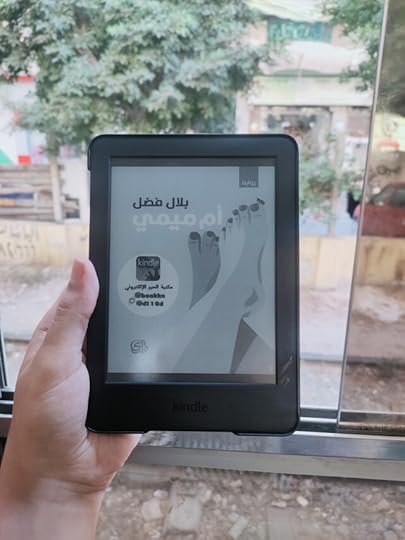
"وكان هذا هو الدرس الثاني الذي تعلمه من أبيه، وهو أن عليك كإنسان ألا تأمن أبدًا لخوازيق الدنيا ، لأن المصيية المستحدثة يمكن أن تقع على قفاك أنت دونًا عن غيرك، ولذلك دع اختبارها لغيرك ،وتمسك دائمًا بالأحوط والأصيع"
انتهت رحلة أم ميمي بعد حوالي شهرين ، سأحاول كتابة تقييم حيادي لا يظلم مجهود الكاتب وفي نفس الوقت عرض السلبيات في الرواية
تدور رواية أم ميمي حول طالب دفعته الغربة من أجل الدراسة وتأجير شقة في منطقة شعبية وتأجير الغرفة من أم ميمي وهي مُطلقة ولديها ولد يُدعى ميمي وبنت تُسمى فاتن
(ملحوظة : صورة الcover ملهاش أي علاقة بالرواية في الأول فكرت ان دي رجل أم ميمي بس لا مواصفات أم ميمي غير كده خالص ،لا وجود للإغراء )😂😂😂
بطل الرواية انتهت الرواية وانا لا أعرف اسمه اتمنى لو قال لنا بلال فضل ماذا كان اسمه او كيف تصور اسمه أثناء كتابة الرواية؟!
أكثر النقاط التي أعجبتني في هذا العمل وهو سبب هذا التقييم هو ان الرواية جريئة ومختلفة من نوعها ، بلال فضل ترك لقلمه العنان في الكتابة دون الالتزام بأي قواعد او شروط وهذا ما جعل العمل في إطار فني متكامل ، وفكرة الحارة الشعبية المليئة بالبذائة والدعارة.
بلال فضل رسم لنا صور لشخصيات كنت أقرأ النصوص كأني اسمع أصواتهم ميمي ، رحاب ، أبو سامية، البقال ، شعرواي الزناوي ، كل من هؤلاء الشخصيات له سماته له فلسفته الخاصة، تعقيد شخصيااتهم بين الخير والشر
"حتى لو كنا ندرك بحكم دراسة الفلسفة أن نفس الإنسان أكثر تركيبًا وتعقيدًا من أن يتم تسكينها في دور واحد "
بالنسبة لأسلوب بلال فضل الجريء والألفاظ العامية الشعبية الجرئية جدًا لا اعتبرها تقليل من العمل ، كل كاتب له حرية في الكتابة بأسلوبه طالما أن هذا الأسلوب يخدم العمل الذي يكتبه ، ولكن كان تعقيبي ان الألفاظ المتدنية شكلت جزء كبير من الرواية دون داعي ،ولكن مجئيها كان مناسب لأن الشخصيات لا تستطيع تخيلهم وهم يخرجوا الحكمة والفضيلة من أفواههم مثلاً !!
ولكن تقليل التقييم بسبب أن شعرت بالملل بعد موت أم ميمي لأني تعلقت بالرواية لوجود أم ميمي
والتعقيب الثاني أن الجزء الأخير كان فيه نوع من الإسهاب أكثر من اللازم
ولكن سعيده بتجربتي مع بلال فضل وسألتقي معه في الجزء الثاني من حارة سمكة ، يبدو أن طالبنا المغترب لن تنتهي مغامراته في الحارات الشعبية.
تمّت 12/8/2022 📚❤️

October 12, 2021
هل تستحق هذه الرواية أن تُقرأ؟ بل هل تستحق أصلًا أن يُكتب عنها؟! دعني أقول لك أنّ هذا العمل الذي نُطلق عليه " رواية" على سبيل التجاوز يكتسب قوته التسويقية من اسم صاحبه المعروف بمواقفه السياسية و كتاباته التليفزيونية والصحفية، لكنه لا يُمكن أن يكون بحال روائيًا جيدًا رغم قدرته على الحكي ورغم حِسّه الساخر الذي لا تملك أمامه رغم سفالة الرواية ووضاعة أبطالها وانحطاط أسلوبها إلا أن تبتسم في أكثر من موضع في هذا العمل.
هذه الرواية عن القاع، قاع المجتمع، وحُثالة البشر، ساد فيها صوت واحد فقط، وهو صوت الراوي العليم، الذي يقص تجربته الشخصية ويحكيها، قد يكون فضل يحكي تجربته الذاتية، لكن في عمل مكتوب عليه اسم " رواية" كيف نتسامح مع رواي لا نعرف اسمه و مواصفاته الشكلية، بل حتى تاريخه العائلي الذي ساقه لتلك التجربة القاسية أو المنحطّة لا يمدّنا بتفاصيل كثيرة عنها سوى قسوة أبيه و بحث أمه معه عن شقة في القاهرة ليسكن فيها إلى أن حطّ رحاله في بيت طلبة الأزهر الذي يُطلق عليه بلال فضل ساخرًا بيت الشباب الصالح، قبل أن ينتقل إلى بيت " أم ميمي"، ولاشك أن هذه سقطة روائية. كما أن أسلوب الحكي نفسه لا يُساعد على بناء شخصيات الرواية، فلا يمكن أن تغوص بداخل الشخصيات، ولا أن تكوّن قناعة عنهم سوى أنَّهم شخصيات قذرة.
لقد أعطى بلال فضل نفسه الحق في نقل كل الألفاظ المنحطّة والسافلة، فهناك قاموس مُتنوع من شتائم الشوارع، وذكر الأعضاء التناسلية الذكورية والنسائية بالألفاظ الصريحة، فكل ما هو منحط= هو هنا في هذا العمل، وفضل يرى أن الأديب ليس قيّمًا على أخلاق المجتمع، إذًا من ماذا اشتُقّ اسم " الأديب"، ولماذا سمي الأدب بالأدب!! وما البراعة في أن أنقل لك ألفاظ الشارع كما هي!! .
كما بقيت أشياء لا تخضع للمنطق في حبكة الرواية، مثل مشهد تغسيل أم ميمي، فبدلًا من أن تطلب المستشفى مُغسِّلة لتغسيلها، يدخل رجال غرباء لتغسيلها منهم الراوي نفسه! . لقد أراد بلال فضل أن يرصد واقع الناس في بداية التسعينيات! لكنه لم يجد في ذلك الواقع سوى " أم ميمي" و " شعراوي الزناوي" نسبة إلى كثرة الزنا و " أبو سامية المعرص" [ هكذا اسمه في العمل] الذي يقوم بتسريح ابنتيه سامية ورحاب على الزبائن.
فهل فترة التسعينيات بكل أحوالها المجتمعية البائسة و ظهور الجماعات الإرهابية ليس فيها ما يُحكى إلا هذا العفن!! .
مع تأكيدنا أن الحدوتة نفسها ليست جيدة ولا تكشف عن بلايا في القاع لم تُطرح أو تُقال من قبل، فأم ميمي عمل ضحل القيمة الروائية، ويفتقد لكل العوامل التي تجعله ينتشر إلا لو كانت "السفالة" إحدى هذه العوامل.
هذه الرواية عن القاع، قاع المجتمع، وحُثالة البشر، ساد فيها صوت واحد فقط، وهو صوت الراوي العليم، الذي يقص تجربته الشخصية ويحكيها، قد يكون فضل يحكي تجربته الذاتية، لكن في عمل مكتوب عليه اسم " رواية" كيف نتسامح مع رواي لا نعرف اسمه و مواصفاته الشكلية، بل حتى تاريخه العائلي الذي ساقه لتلك التجربة القاسية أو المنحطّة لا يمدّنا بتفاصيل كثيرة عنها سوى قسوة أبيه و بحث أمه معه عن شقة في القاهرة ليسكن فيها إلى أن حطّ رحاله في بيت طلبة الأزهر الذي يُطلق عليه بلال فضل ساخرًا بيت الشباب الصالح، قبل أن ينتقل إلى بيت " أم ميمي"، ولاشك أن هذه سقطة روائية. كما أن أسلوب الحكي نفسه لا يُساعد على بناء شخصيات الرواية، فلا يمكن أن تغوص بداخل الشخصيات، ولا أن تكوّن قناعة عنهم سوى أنَّهم شخصيات قذرة.
لقد أعطى بلال فضل نفسه الحق في نقل كل الألفاظ المنحطّة والسافلة، فهناك قاموس مُتنوع من شتائم الشوارع، وذكر الأعضاء التناسلية الذكورية والنسائية بالألفاظ الصريحة، فكل ما هو منحط= هو هنا في هذا العمل، وفضل يرى أن الأديب ليس قيّمًا على أخلاق المجتمع، إذًا من ماذا اشتُقّ اسم " الأديب"، ولماذا سمي الأدب بالأدب!! وما البراعة في أن أنقل لك ألفاظ الشارع كما هي!! .
كما بقيت أشياء لا تخضع للمنطق في حبكة الرواية، مثل مشهد تغسيل أم ميمي، فبدلًا من أن تطلب المستشفى مُغسِّلة لتغسيلها، يدخل رجال غرباء لتغسيلها منهم الراوي نفسه! . لقد أراد بلال فضل أن يرصد واقع الناس في بداية التسعينيات! لكنه لم يجد في ذلك الواقع سوى " أم ميمي" و " شعراوي الزناوي" نسبة إلى كثرة الزنا و " أبو سامية المعرص" [ هكذا اسمه في العمل] الذي يقوم بتسريح ابنتيه سامية ورحاب على الزبائن.
فهل فترة التسعينيات بكل أحوالها المجتمعية البائسة و ظهور الجماعات الإرهابية ليس فيها ما يُحكى إلا هذا العفن!! .
مع تأكيدنا أن الحدوتة نفسها ليست جيدة ولا تكشف عن بلايا في القاع لم تُطرح أو تُقال من قبل، فأم ميمي عمل ضحل القيمة الروائية، ويفتقد لكل العوامل التي تجعله ينتشر إلا لو كانت "السفالة" إحدى هذه العوامل.

February 21, 2022
قدرة جبارة على شحذ حواسك لسرد سلس ممتع يجسد واقعية بحتة لواقع محلي مؤلم وقوده الفقر والجهل والتفكك الأسري
لدى الكاتب نكهة سرد فريدة بملكة لا اختلاف عليها بتلك القدرة على جلب انتباه القارئ
الجدير بالذكر أيضاً هي حساسية فترة التسعينات التي غالباً يصعب الانعتاق عن دواماتها خصوصاً لمن عاصرها من الاجيال فقد كانت انسلاخ جذري ما بين عالمين كأنهما انفصما عن بعضيهما فشتان ما
قبل التسعينيات وما بعدها
رواية جملية ممتعة
لدى الكاتب نكهة سرد فريدة بملكة لا اختلاف عليها بتلك القدرة على جلب انتباه القارئ
الجدير بالذكر أيضاً هي حساسية فترة التسعينات التي غالباً يصعب الانعتاق عن دواماتها خصوصاً لمن عاصرها من الاجيال فقد كانت انسلاخ جذري ما بين عالمين كأنهما انفصما عن بعضيهما فشتان ما
قبل التسعينيات وما بعدها
رواية جملية ممتعة
March 22, 2022
رواية (أم ميمي)، كوميديا سوداء تعرض لواقع الطبقة والفئات المهمشة في قاع مدينة القاهرة، وتجعل من قصة طالب مغترب نموذجاً ومثالاً للحديث عن هذه الشريحة من المجتمع المصري، حيث أن الظروف الاقتصادية الصعبة لهذا الطالب تجبره على السكن في غرفة في بيت مع (أم ميمي)، والتي بمرور الوقت يكتشف الطالب أنها قوادة متقاعدة أو (معرّصة) كما أسماها بلال فضل (وهي اللفظة العامية لكلمة قوادة) وابنها ميمي الأشقر الميكانيكي، مدمن الكحول والمخدرات. تتصاعد الأحداث وتتشابك، ليجد الطالب نفسه ضحية لاستغلال زوج أم ميمي السابق (شعراوي الزيناوي) وجارهم (أبو سامية المعرص).
لهذه الرواية ميزة تتمثل في الحديث عن هذه الشريحة بهذا الشكل من الاستفاضة وربما بلغتها التي لا يمكن سلخها عن واقعها، علماً أن الموضوع مطروق جداً في الأدب المصري، فخير من كتب عن هذه الفئات كان نجيب محفوظ، يوسف إدريس وغيرهم.
بشكل عام ، هناك أسباب أثرت في مدى إعجابي بهذه الرواية، وهذا بالنهاية رأي وكل له ذائقته (لولا اختلاف الأذواق لبارت السلع):
أولاً: كما ذكرت سابقاً، يُحسب لبلال فضل كتابته عن هذه الشريحة باستفاضة، لكن لا أصالة بالفكرة، فقد تطرقت كثير من الأدبيات لهذا الموضوع من قبل. وأيضاً تطرق لموضوع الإرهاب، حيث أن بطل العمل وهو الطالب المغترب ينحدر من أسرة فقيرة بعض أعضائها متورطون في الإرهاب، حيث أن هذه الفكرة واقعية في كون فئة كبيرة من هذه الشريحة تنخرط في طرق الإرهاب، وهي فكرة أيضاً مطروقة من قبل في العديد من الأدبيات.
ثانياً: صحيح أن اللغة بنت البيئة التي تحدث عنها بلال فضل. وأنا كقارءة لا مشكلة عندي بالمطلق في استخدام (الألفاظ النابية) طالما تخدم العمل. وأتفهم تماماً أن الشريحة التي تحدث عنها تستخدم هذه اللغة. مشكلتي في هذه الجزئية كانت الاستعراض لقاموس بلال فضل في هذه الجزئية والمبالغة في زج الألفاظ من هذا النوع. في بعض الصفحات، لم أشعر أن الاستخدام المفرط قد خدم العمل دائماً، وهذا كان عاملاً زعزع حالة الانسجام التي كان يضعني فيها العمل. (كل شيء يزيد عن حده، ينقلب ضده).
ثالثاً: فيما يتعلق باللغة أيضاً، استخدامه للهجة العامية كان موفقاً جداً، حيث أن التعبير عن هذه الفئة والشريحة لا يمكن أن تخدمه اللغة الفصحى دائماً، لكن هناك مأخذ عليها يتمثل في عدم وجود تفسير لبعض المصطلحات في الهوامش، حيث أن هناك بعض المصطلحات التي لم تكن مألوفة لديِّ عند قراءتها، فحبذا لو كان هناك توضيح في الهوامش خاصة للقراء الغير مصريين. فمهما كان لدى القارئ العربي اطلاع على اللهجة المحكية المصرية، يظل لكل سياق خصوصيته وبعض الكلمات التي تحتاج لتفسير.
في النهاية، كما ذكرت هذا مجرد رأي شخصي، وكل التوفيق للكاتب الذي ترشحت روايته للقائمة الطويلة للبوكر.
لهذه الرواية ميزة تتمثل في الحديث عن هذه الشريحة بهذا الشكل من الاستفاضة وربما بلغتها التي لا يمكن سلخها عن واقعها، علماً أن الموضوع مطروق جداً في الأدب المصري، فخير من كتب عن هذه الفئات كان نجيب محفوظ، يوسف إدريس وغيرهم.
بشكل عام ، هناك أسباب أثرت في مدى إعجابي بهذه الرواية، وهذا بالنهاية رأي وكل له ذائقته (لولا اختلاف الأذواق لبارت السلع):
أولاً: كما ذكرت سابقاً، يُحسب لبلال فضل كتابته عن هذه الشريحة باستفاضة، لكن لا أصالة بالفكرة، فقد تطرقت كثير من الأدبيات لهذا الموضوع من قبل. وأيضاً تطرق لموضوع الإرهاب، حيث أن بطل العمل وهو الطالب المغترب ينحدر من أسرة فقيرة بعض أعضائها متورطون في الإرهاب، حيث أن هذه الفكرة واقعية في كون فئة كبيرة من هذه الشريحة تنخرط في طرق الإرهاب، وهي فكرة أيضاً مطروقة من قبل في العديد من الأدبيات.
ثانياً: صحيح أن اللغة بنت البيئة التي تحدث عنها بلال فضل. وأنا كقارءة لا مشكلة عندي بالمطلق في استخدام (الألفاظ النابية) طالما تخدم العمل. وأتفهم تماماً أن الشريحة التي تحدث عنها تستخدم هذه اللغة. مشكلتي في هذه الجزئية كانت الاستعراض لقاموس بلال فضل في هذه الجزئية والمبالغة في زج الألفاظ من هذا النوع. في بعض الصفحات، لم أشعر أن الاستخدام المفرط قد خدم العمل دائماً، وهذا كان عاملاً زعزع حالة الانسجام التي كان يضعني فيها العمل. (كل شيء يزيد عن حده، ينقلب ضده).
ثالثاً: فيما يتعلق باللغة أيضاً، استخدامه للهجة العامية كان موفقاً جداً، حيث أن التعبير عن هذه الفئة والشريحة لا يمكن أن تخدمه اللغة الفصحى دائماً، لكن هناك مأخذ عليها يتمثل في عدم وجود تفسير لبعض المصطلحات في الهوامش، حيث أن هناك بعض المصطلحات التي لم تكن مألوفة لديِّ عند قراءتها، فحبذا لو كان هناك توضيح في الهوامش خاصة للقراء الغير مصريين. فمهما كان لدى القارئ العربي اطلاع على اللهجة المحكية المصرية، يظل لكل سياق خصوصيته وبعض الكلمات التي تحتاج لتفسير.
في النهاية، كما ذكرت هذا مجرد رأي شخصي، وكل التوفيق للكاتب الذي ترشحت روايته للقائمة الطويلة للبوكر.

May 30, 2022
مفيش شك ان استاذ بلال فضل موهوب و الكلمات بتنساب منه ببساطه تخليك تحس انك بتسمع حدوته من جدتك في ساعه عصاري ، حاجه كدا تدخل القلب ..
كمان الموازنه بين الكلام الفصحي و العامي حلو جدا خلاني مضايقش من العاميه الموجوده ..
الروايه حلوه و بتحكي واقع بيتكرر كتير و انا بشخصي عشت جزء منه لما كنت مغتربه للدراسه بس الحمد لله ان ربنا اختار ام ميمي قبل ما اقع ف شباكها و ربنا ستر😅 ..
مشكلتي فعلا ان الالفاظ كانت بتأذيني و احياناً كنت بوقف قراءه من كتر ما حسيت اني فعلا اخدت اوفر دوس الفاظ سيئه 😢 .. وكان في الفاظ كتير حستها احيانا ملهاش لازمه في الحوار ، ما احنا عرفنا خلاص شعراوي ماله و ابو ساميه ما عليه ..
كان فيها ايه يا استاذنا لو مشيت علي خطي استاذ أنيس عبيد ؟ 😅 و حولت الحوار بكل الالفاظ اللي فيه دي ، الي تباً لك و سكلتك امك او يا سيدي قول سكلتك ام ميمي لو لازم نوضح يعني 😂😂😂
او حتي تحط ايموشن دا 😉 و احنا هنعمل نفسنا فاهمين ..
الروايه المفروص احدثها بدور في سنه 1991 ، فاستغربت جدا كميه الالفاظ السيئه دي اللي كنت فاكره انها منتشرتش غير ف بدايه الالفينات .. مكنتش عارفه ان التدني الاخلاقي كان للدرجه دي ايام التسعينات !!
.✿✿✿✿✿✿✿✿✿✿.
- كانت جثة هامدة على وجهها ما ظننته شبه ابتسامة ، لعلها ابتسامة من حقق هدفه أخيراً ، حين ارتاح من فرهَدَة حياته ..
- لكنك تحتاج أحياناً إلى ربع قرن من الزمان، لتدرك كم أحسنت إليك الأيام، حين اختصتك بأكثر تجاربها عبثية ..
-كان لها إبتسامة ملائكية .. و كانت لي خيالات شيطان هائج ، و أضُيت إليها ''أهبل'' ..
30 May 2022
كمان الموازنه بين الكلام الفصحي و العامي حلو جدا خلاني مضايقش من العاميه الموجوده ..
الروايه حلوه و بتحكي واقع بيتكرر كتير و انا بشخصي عشت جزء منه لما كنت مغتربه للدراسه بس الحمد لله ان ربنا اختار ام ميمي قبل ما اقع ف شباكها و ربنا ستر😅 ..
مشكلتي فعلا ان الالفاظ كانت بتأذيني و احياناً كنت بوقف قراءه من كتر ما حسيت اني فعلا اخدت اوفر دوس الفاظ سيئه 😢 .. وكان في الفاظ كتير حستها احيانا ملهاش لازمه في الحوار ، ما احنا عرفنا خلاص شعراوي ماله و ابو ساميه ما عليه ..
كان فيها ايه يا استاذنا لو مشيت علي خطي استاذ أنيس عبيد ؟ 😅 و حولت الحوار بكل الالفاظ اللي فيه دي ، الي تباً لك و سكلتك امك او يا سيدي قول سكلتك ام ميمي لو لازم نوضح يعني 😂😂😂
او حتي تحط ايموشن دا 😉 و احنا هنعمل نفسنا فاهمين ..
الروايه المفروص احدثها بدور في سنه 1991 ، فاستغربت جدا كميه الالفاظ السيئه دي اللي كنت فاكره انها منتشرتش غير ف بدايه الالفينات .. مكنتش عارفه ان التدني الاخلاقي كان للدرجه دي ايام التسعينات !!
.✿✿✿✿✿✿✿✿✿✿.
- كانت جثة هامدة على وجهها ما ظننته شبه ابتسامة ، لعلها ابتسامة من حقق هدفه أخيراً ، حين ارتاح من فرهَدَة حياته ..
- لكنك تحتاج أحياناً إلى ربع قرن من الزمان، لتدرك كم أحسنت إليك الأيام، حين اختصتك بأكثر تجاربها عبثية ..
-كان لها إبتسامة ملائكية .. و كانت لي خيالات شيطان هائج ، و أضُيت إليها ''أهبل'' ..
30 May 2022
April 20, 2022
أشكر هذه الرواية الجميلة الممتعة على ما قضيته من ساعات بصحبة شخصيات لا تنسى، وحكاية أخرجتني من فتور ورتابة الأيام.
Wed, Apr 20, 2022.
Wed, Apr 20, 2022.

August 17, 2021
اى متابع لبلال فضل هيعرف ان جزء اساسي من كتابته هو اقامة حوار داخل النص مع الرقابة، يعنى مثلا يبقي بيكتب فقرة فيقول كما تعلم المقصود حتى لا تحذفه الرقابة، الموضوع وصل لقمته في كتاب
ما فعله العيان في الميت
اللى هو لعب علي المثل الشعبي الشهير
عيان بينيك في ميت
هنا في تلك الرواية بلال فضل بيتحرر تماما من كل القيدو دى، قيود النشر الصحفي وقيود النشر الأدبي في مصر، وبينطلق في رواية تقع بين السيرة الذاتية والهزل السردي، فبنقابل بلال جديد صادم وصريح وساخر وشاخر
الرواية فيها حاجة كمان بشكل شخصي فكرتنى بروايات نهاية القرن التاسع عشر، شغل النديم وشرح ابو شادوق وحتى المويلحى ونقولا حداد. الخط دا كان اكتر حاجة مكيفانى في الرواية فنيا...
فيه اجزاء حسيت بلال خايف وبيدوس فرامل، كنت اتمنى نعرف اكتر عن الراوى أو نشوف تناقضاته الداخلية متعرية اكتر، جزء من المشكلة ان فيه اضطراب بلال لم يحسمه، احنا بنبدأ الرواية واحنا فاهمين ان الراوى كبير وبيستعيد مرحلة شبابه، لكن بعد كذا زى ما يكون هو بينسى دا وبيكون محتار بين التحدث بصوت وقناعات الطالب الشاب ام الكاتب البالغ... كان فيه مساحة في دا ان الرواي يسخر اكتر من شبابه وافكاره والحاجات اللى كان متعلق بيها
مقالى الطويل عن رواية بلال:
https://bidayatmag.com/node/1370
ما فعله العيان في الميت
اللى هو لعب علي المثل الشعبي الشهير
عيان بينيك في ميت
هنا في تلك الرواية بلال فضل بيتحرر تماما من كل القيدو دى، قيود النشر الصحفي وقيود النشر الأدبي في مصر، وبينطلق في رواية تقع بين السيرة الذاتية والهزل السردي، فبنقابل بلال جديد صادم وصريح وساخر وشاخر
الرواية فيها حاجة كمان بشكل شخصي فكرتنى بروايات نهاية القرن التاسع عشر، شغل النديم وشرح ابو شادوق وحتى المويلحى ونقولا حداد. الخط دا كان اكتر حاجة مكيفانى في الرواية فنيا...
فيه اجزاء حسيت بلال خايف وبيدوس فرامل، كنت اتمنى نعرف اكتر عن الراوى أو نشوف تناقضاته الداخلية متعرية اكتر، جزء من المشكلة ان فيه اضطراب بلال لم يحسمه، احنا بنبدأ الرواية واحنا فاهمين ان الراوى كبير وبيستعيد مرحلة شبابه، لكن بعد كذا زى ما يكون هو بينسى دا وبيكون محتار بين التحدث بصوت وقناعات الطالب الشاب ام الكاتب البالغ... كان فيه مساحة في دا ان الرواي يسخر اكتر من شبابه وافكاره والحاجات اللى كان متعلق بيها
مقالى الطويل عن رواية بلال:
https://bidayatmag.com/node/1370

July 30, 2022
سأبدء من المقطع الساخر في مسرحية شاهد ماشفش حاجة الخالدة، للقاضي حين قال لسرحان "
المحكمة يبني عايزة تعرف منك كل حاجة يعني أدق التفاصيل عن حياتها ممكن يفيد الأضية، ممكن تؤلنا ياسرحان.
أنا حئول كل اللي أعرفه بدل ماتتخانئوا مع بعض.
ثم في إشارة إلى برعي ( ما مفيش احترام لحد، ما مفيش احترام للراقل اللي وائف ده)
نعم بلال فضل .
نقل بكل شفافية قاع المدينة، الرابض في كل دولنا ودويلاتنا بغض النظر عن إختلاف لهجاتنا، نمر بها دائما نسمعها، نراها، كل تلك الجمل والمشاهد والألفاظ موجودة في قواميسنا وتتردد بيننا شئنا أم أبينا، قد نصطدم بها في أحايين كثيرة. بل إن مواقع التواصل الإجتماعي قد تكون أعمق وأعرق من ذلك بكثير. لولا سن بعض القوانين في الآونة الأخيرة تجرّم ذلك.
بل سأزيد أن الف ليلة وليلة التي تعتبر من كتب التراث الأدبي العربي التي لولا طبعة بولاق المصرية، لعرفت أن ماكتبه بلال لايعدوا عن كونه نقطة في بحرها، والكثير الكثير مثلها.
بلال فضل نزع قاموس الاحترام الذي نتغنى به وعرض علينا الواقع عارياً، للأسف أنني أنتمي لنفس جيل بلال أو قبله بقليل، ولقد عايشت بعضاً من هذا الواقع، ومن أبسط حقوقك أن تعتقد أن هناك مبالغة كبيرة في ذلك، أو تنكر وجود هذا الواقع في الأصل. لكنني أوؤكد لك أنه موجود ومتفشي في أغلب المجتمعات ولن أعمم.
"لقد فقدت مصر اليوم أم ميمي"
لكن هناك الكثير منها موجودين
وشعراوي كذلك، مزروعين في مهن كثيرة وجديدة، وحجتهم جميعاً نفس الحُجة.
لدينا حالة من إنكار الواقع، دعنا نتمتع بها، لاتخرج علينا وتُرغمنا على قبولها والنظر إليها والإعتراف بها يا بلال.
لماذا تكتبها، ستضطرنا أن نقرأها، ونتنمر عليك وعلى فجاجتك وأسلوبك المنفر في نقل المشاهد بكل شفافية إلينا.
لقد أخترعت قاموساً للأباحة سيكون مرجعاً للأجيال القادمة،
أعتقد جازماً يابلال فضل، إن روايتك هذه هي الفائزة بالبوكر، لكن لأن اعتى دور الترجمة في العالم لن تستطيع ترجمتها، إلى أي لغة، لذا تم ترشيح خبز على طاولة الخال ميلاد، والتى تليها في الإنحطاط أيضاً. (اتحدث عن الرواية ولا أقصد الروائيين) الذين أحترمهم.
سامحني يا بلال أنت كاتب رائع، في روايتك هذه ضحكت كما لم أضحك من زمن، أعجبني اقتباساتك من أسماء الروايات العالمية والأمثال العربية، كمداخل أو أسماء لفصول روايتك. و أوؤكد لك أيضا أن أسطورة البرص حقيقة سمعتها أيضا من أجدادي لكن بسردية مختلفه.
لكني من القلة القليلة التي تتمنى جيل مختلف يعود بنا إلى مجدنا السابق. ولا اتمنى أن يعرفوا أننا كنا يوماً بهذا السقوط.
المحكمة يبني عايزة تعرف منك كل حاجة يعني أدق التفاصيل عن حياتها ممكن يفيد الأضية، ممكن تؤلنا ياسرحان.
أنا حئول كل اللي أعرفه بدل ماتتخانئوا مع بعض.
ثم في إشارة إلى برعي ( ما مفيش احترام لحد، ما مفيش احترام للراقل اللي وائف ده)
نعم بلال فضل .
نقل بكل شفافية قاع المدينة، الرابض في كل دولنا ودويلاتنا بغض النظر عن إختلاف لهجاتنا، نمر بها دائما نسمعها، نراها، كل تلك الجمل والمشاهد والألفاظ موجودة في قواميسنا وتتردد بيننا شئنا أم أبينا، قد نصطدم بها في أحايين كثيرة. بل إن مواقع التواصل الإجتماعي قد تكون أعمق وأعرق من ذلك بكثير. لولا سن بعض القوانين في الآونة الأخيرة تجرّم ذلك.
بل سأزيد أن الف ليلة وليلة التي تعتبر من كتب التراث الأدبي العربي التي لولا طبعة بولاق المصرية، لعرفت أن ماكتبه بلال لايعدوا عن كونه نقطة في بحرها، والكثير الكثير مثلها.
بلال فضل نزع قاموس الاحترام الذي نتغنى به وعرض علينا الواقع عارياً، للأسف أنني أنتمي لنفس جيل بلال أو قبله بقليل، ولقد عايشت بعضاً من هذا الواقع، ومن أبسط حقوقك أن تعتقد أن هناك مبالغة كبيرة في ذلك، أو تنكر وجود هذا الواقع في الأصل. لكنني أوؤكد لك أنه موجود ومتفشي في أغلب المجتمعات ولن أعمم.
"لقد فقدت مصر اليوم أم ميمي"
لكن هناك الكثير منها موجودين
وشعراوي كذلك، مزروعين في مهن كثيرة وجديدة، وحجتهم جميعاً نفس الحُجة.
لدينا حالة من إنكار الواقع، دعنا نتمتع بها، لاتخرج علينا وتُرغمنا على قبولها والنظر إليها والإعتراف بها يا بلال.
لماذا تكتبها، ستضطرنا أن نقرأها، ونتنمر عليك وعلى فجاجتك وأسلوبك المنفر في نقل المشاهد بكل شفافية إلينا.
لقد أخترعت قاموساً للأباحة سيكون مرجعاً للأجيال القادمة،
أعتقد جازماً يابلال فضل، إن روايتك هذه هي الفائزة بالبوكر، لكن لأن اعتى دور الترجمة في العالم لن تستطيع ترجمتها، إلى أي لغة، لذا تم ترشيح خبز على طاولة الخال ميلاد، والتى تليها في الإنحطاط أيضاً. (اتحدث عن الرواية ولا أقصد الروائيين) الذين أحترمهم.
سامحني يا بلال أنت كاتب رائع، في روايتك هذه ضحكت كما لم أضحك من زمن، أعجبني اقتباساتك من أسماء الروايات العالمية والأمثال العربية، كمداخل أو أسماء لفصول روايتك. و أوؤكد لك أيضا أن أسطورة البرص حقيقة سمعتها أيضا من أجدادي لكن بسردية مختلفه.
لكني من القلة القليلة التي تتمنى جيل مختلف يعود بنا إلى مجدنا السابق. ولا اتمنى أن يعرفوا أننا كنا يوماً بهذا السقوط.

September 11, 2021
بلال فضل حكّاء بارع، من طراز خاص، والذي قرا له قصة أو اثنتان من أيِ من مجموعاته القصصية السابقة لاشك يدرك ذلك ببساطة، ويعلم يقينًا أنه قادر على سحبك لعالم من الحكايات الواقعية المصرية الشعبية وغير الشعبية، وأن يجعلك تضحك من همومك كلها دفعة واحدة، كل ذلك مصحوبًا بالنقد اللاذع للسياسة والسياسيين من حينٍ لآخر، ولكن هذه المرة في روايته الأولى (والتي يبدو أنها الحلقة الأولى فقط من سلسلة روايات) يبتعد قليلاً عن عالم السياسة ليغوص أكثر داخل الطبقة الشعبية المصرية التي يبدو أنه عانى منها الكثير وأصبح خبيرًا بعالمها وبلاويها بشكل كبير,
لايمكن أن يتخيّل القارئ من بداية هذه الرواية ما سينتهي إليه الحال ببطلها، ولا أظن أن أحدًا لم يخطر بباله أن رحلة شاب وافد إلى أول سنوات تعليمه في جامعة القاهرة ستكون مقتصرة على رصد حياة وتفاصيل أسرة واحدة يقع في حظها العاثر هي أسرة أم ميمي وجيرانها المشبوهين، ولا أن التخلص من عالم هذه الحارة وبلاويها التي يجد نفسه متورطًا فيها لن يكون إلا بشبهة أخرى تليق بهذا الوقت من أوائل تسعينات القرن الماضي، حيث نشاط الجماعات الإرهابية وما إلى ذلك.
الجميل في هذه الرواية ليس فقط جرعة السخرية ومزج العامية الشعبية بالفصحى التراثية (تلك اللغة الخاصة التي يبرع في استخدامها بلال فضل في مقالاته وقصصه على السواء) ولكن أيضًا تلك السيناريوهات المتخيلة التي بدأت في الثلث الأخيرة من الرواية والتي يضع فيها القارئ مع كل ورطة أومشكلة تحدث لبطل الرواية، مجهول الاسم طبعًا، وتجعلنا متشوقين ومشدودين لمعرفة أي تلك السيناريوهات الذي حدث بالفعل، كل ذلك والرواي والذي مشغول بحكاية التفاصيل والأحداث كلها بنفسه، وبين الحين والآخر يخاطب القارئ أو جمهور القراء بشكل خاص وهو أمر لو تعلمون عظيم.
في الرواية أيضًا توثيق هام، ولاشك، لفترة من فترات مصر المعاصرة، وهي التي حددها الكاتب بعام 1991، وسيلحظ القارئ ولاشك أشياء كثيرة تغيّرت منذ ذلك الوقت (الذي ترونه قريبًا وماهو كذلك) وحتى أيامنا هذه، كما سيتعرّف من خلالها على وجه آخر مجهول لمصر الأخرى التي تختبئ خلف شرع الهرم.
((في جميع الأحوال أنام وأنا أشعر أني هارون الرشيد بجلالة قدره، وقد غلبته التخمة من فرط التهام الثريد المتروس بقطع لحم الضأن الذي أعقبه بالتحلية باللوذج والفالوذج، وقد تحقق لي كل هذا بجنيهين ونصف فقط لا غير، ضع عليهم سبعين قرشًا بالكاد للمواصلات، ونصف جنيه للإفطار، يعني ثلاث جنيهات ونصف الجنيه في اليوم، يعني مائة وخمسة جنيهات تقريبًا في الشهر، ضع فوقها ستين جنيهًا للإيجار، يعني مائة وخمسة وستين، بالكثير مائة وخمسة وسبعين جنيهًا هي ميزانيتي الشهرية الحتمية التي يجب ألا أحيد عنها إلا في الشديد القوي.
أضف إلى ذلك الـ 75 قرشًا التي أخصصها كل أسبوع لشراء مجلة روزاليوسف ليلة كل سبت من سوبر ماركت بوتة ودبة القريب من البيت، والتي كنت أعتبرها جزءًا من مستلزمات التطور والقدرة على مقاومة رزالة الحياة، مثلها مثل ال150 قرشًا التي كنت أدفعها كل خميس في شباك الأهرام المجاورة لمعهد السينما، ليس لأنها كانت الأقرب لي بل لأنها كانت تنتمي لفئة "سينمات الدرجة الثانية" مما يجعلها أرخص من سينما رادوبيس الصيفي المنتمية نظريًا لفئة الدرجة الأولى!))
لاشك أن "أم ميمي" وحكايتها لن تذهب عن ذهن القارئ بسهولة أبدًا، ربما تتوه منّا تفاصيل الحكاية بعد مرور السنوات، ولكن سيبقى الأثر، وفي ظني أن هذا ما تفعله الروايات الجميلة دومًا، والجميل أيضًا أننا موعودون بمتعة خاصة جديدة ومغامرة جديدة في حارة سمكة كما ذكر بطل الرواية في آخر سطرٍ منها، لو عشنا وكان لينا عمر.
قرأت الكثير من المقالات والمراجعات الجميلة لهذه الرواية الفظيعة، سأترك بعضهم في التعليقات منهم مقال نشوة أحمد، ومقال أحمد الفخراني بعنوانه الدال "الفرار من جحيم العائلة"، وسأضع أيضًا مقالي الذي كتبته مطلع هذا العام عن كتابة بلال فضل وخصوصيتها
لايمكن أن يتخيّل القارئ من بداية هذه الرواية ما سينتهي إليه الحال ببطلها، ولا أظن أن أحدًا لم يخطر بباله أن رحلة شاب وافد إلى أول سنوات تعليمه في جامعة القاهرة ستكون مقتصرة على رصد حياة وتفاصيل أسرة واحدة يقع في حظها العاثر هي أسرة أم ميمي وجيرانها المشبوهين، ولا أن التخلص من عالم هذه الحارة وبلاويها التي يجد نفسه متورطًا فيها لن يكون إلا بشبهة أخرى تليق بهذا الوقت من أوائل تسعينات القرن الماضي، حيث نشاط الجماعات الإرهابية وما إلى ذلك.
الجميل في هذه الرواية ليس فقط جرعة السخرية ومزج العامية الشعبية بالفصحى التراثية (تلك اللغة الخاصة التي يبرع في استخدامها بلال فضل في مقالاته وقصصه على السواء) ولكن أيضًا تلك السيناريوهات المتخيلة التي بدأت في الثلث الأخيرة من الرواية والتي يضع فيها القارئ مع كل ورطة أومشكلة تحدث لبطل الرواية، مجهول الاسم طبعًا، وتجعلنا متشوقين ومشدودين لمعرفة أي تلك السيناريوهات الذي حدث بالفعل، كل ذلك والرواي والذي مشغول بحكاية التفاصيل والأحداث كلها بنفسه، وبين الحين والآخر يخاطب القارئ أو جمهور القراء بشكل خاص وهو أمر لو تعلمون عظيم.
في الرواية أيضًا توثيق هام، ولاشك، لفترة من فترات مصر المعاصرة، وهي التي حددها الكاتب بعام 1991، وسيلحظ القارئ ولاشك أشياء كثيرة تغيّرت منذ ذلك الوقت (الذي ترونه قريبًا وماهو كذلك) وحتى أيامنا هذه، كما سيتعرّف من خلالها على وجه آخر مجهول لمصر الأخرى التي تختبئ خلف شرع الهرم.
((في جميع الأحوال أنام وأنا أشعر أني هارون الرشيد بجلالة قدره، وقد غلبته التخمة من فرط التهام الثريد المتروس بقطع لحم الضأن الذي أعقبه بالتحلية باللوذج والفالوذج، وقد تحقق لي كل هذا بجنيهين ونصف فقط لا غير، ضع عليهم سبعين قرشًا بالكاد للمواصلات، ونصف جنيه للإفطار، يعني ثلاث جنيهات ونصف الجنيه في اليوم، يعني مائة وخمسة جنيهات تقريبًا في الشهر، ضع فوقها ستين جنيهًا للإيجار، يعني مائة وخمسة وستين، بالكثير مائة وخمسة وسبعين جنيهًا هي ميزانيتي الشهرية الحتمية التي يجب ألا أحيد عنها إلا في الشديد القوي.
أضف إلى ذلك الـ 75 قرشًا التي أخصصها كل أسبوع لشراء مجلة روزاليوسف ليلة كل سبت من سوبر ماركت بوتة ودبة القريب من البيت، والتي كنت أعتبرها جزءًا من مستلزمات التطور والقدرة على مقاومة رزالة الحياة، مثلها مثل ال150 قرشًا التي كنت أدفعها كل خميس في شباك الأهرام المجاورة لمعهد السينما، ليس لأنها كانت الأقرب لي بل لأنها كانت تنتمي لفئة "سينمات الدرجة الثانية" مما يجعلها أرخص من سينما رادوبيس الصيفي المنتمية نظريًا لفئة الدرجة الأولى!))
لاشك أن "أم ميمي" وحكايتها لن تذهب عن ذهن القارئ بسهولة أبدًا، ربما تتوه منّا تفاصيل الحكاية بعد مرور السنوات، ولكن سيبقى الأثر، وفي ظني أن هذا ما تفعله الروايات الجميلة دومًا، والجميل أيضًا أننا موعودون بمتعة خاصة جديدة ومغامرة جديدة في حارة سمكة كما ذكر بطل الرواية في آخر سطرٍ منها، لو عشنا وكان لينا عمر.
قرأت الكثير من المقالات والمراجعات الجميلة لهذه الرواية الفظيعة، سأترك بعضهم في التعليقات منهم مقال نشوة أحمد، ومقال أحمد الفخراني بعنوانه الدال "الفرار من جحيم العائلة"، وسأضع أيضًا مقالي الذي كتبته مطلع هذا العام عن كتابة بلال فضل وخصوصيتها

June 20, 2026
2,99/5⭐⭐⭐
رواية أم ميمي رواية غريبة الأطوار وغلافها أيضًا" مش عارفة ايه علاقة الرجلين دول بالرواية هل هي أرجل أم ميمي فعلاً " ،
الرواية مصنوعة بتكنيك الراوي الغير موثوق، فنحن نرى كل هذا العالم الصاخب، وانحراف ميمي، وفهلوة أمه من خلال عين وعقل البطل فقط، مما يضع القاريء في تساؤل دائم عن حقيقة ما يحدث " ما اعتقدش أن ده بيحصل كدا في الواقع، وهل البيئة كما صورها الكاتب ممكن تجعل الإنسان يتصرف ذلك ويرمي بشتائم عارية ".
حسيت جداً أن البطل هنا غارق في ال Overthinking- التفكير المفرط - والمعاناة النفسية وتحليله المفرط لكل تفصيلة وشتيمة هو وسيلته الدفاعية الوحيدة لتحمل قسوة وواقع البيئة من حوله.
السرد جميل جداً ولكن في أحداث في النص كانت محتاجة تفصيل أكتر ومنها لما البطل ترك شقة الشباب الصالح وكنت معتقدة الشاب الصالح هيخبر أمه وأمه بما إنها صديقة أم البطل هتخبر أم البطل وهتحصل حاجات تانية كتيير! ولكن محصلش؟
الشخصيات هنا جاءت مُحكمة وغريبة في نفس الوقت ومش ثابتة وشوفت ازاي شعراوي تغير في النهاية وكأنه ملاك وأن ليس شعراوي نفسه الذي كانت تحكيه أم ميمي عنه." متعرفش مين الصادق ومين الكذّاب في الرواية " شخصية شعراوي كانت بالنسبة لي أغرب شخصية في الرواية وما هي دوافعه ونيته.
وترك الكاتب النهاية مفتوحة وكنت عايزة اعرف رد فعل شعراوي ورحاب والأحداث الباقية. هل ممكن النهاية ممهدة لجزء ثاني للرواية؟ لا أعرف! هل الكاتب بلال فضل ممكن بيكتب جزء تاني؟ لا أعرف أيضًا؟ ولكن إذا الكاتب شرع في كتابة جزء تاني ستكون هذه شجاعة كبيرة جداً جداً؟ وهذا جعلني في النهاية اسأل هو ازاي الكاتب كتب كدا وايه الدافع فتمنيت ادخل في عقل الكاتب واعرف كل إجابة تساؤلاتي، لدي أسئلة كثيرة حقًا!
-------------------------
19 Jun 2026
رواية أم ميمي رواية غريبة الأطوار وغلافها أيضًا" مش عارفة ايه علاقة الرجلين دول بالرواية هل هي أرجل أم ميمي فعلاً " ،
الرواية مصنوعة بتكنيك الراوي الغير موثوق، فنحن نرى كل هذا العالم الصاخب، وانحراف ميمي، وفهلوة أمه من خلال عين وعقل البطل فقط، مما يضع القاريء في تساؤل دائم عن حقيقة ما يحدث " ما اعتقدش أن ده بيحصل كدا في الواقع، وهل البيئة كما صورها الكاتب ممكن تجعل الإنسان يتصرف ذلك ويرمي بشتائم عارية ".
حسيت جداً أن البطل هنا غارق في ال Overthinking- التفكير المفرط - والمعاناة النفسية وتحليله المفرط لكل تفصيلة وشتيمة هو وسيلته الدفاعية الوحيدة لتحمل قسوة وواقع البيئة من حوله.
السرد جميل جداً ولكن في أحداث في النص كانت محتاجة تفصيل أكتر ومنها لما البطل ترك شقة الشباب الصالح وكنت معتقدة الشاب الصالح هيخبر أمه وأمه بما إنها صديقة أم البطل هتخبر أم البطل وهتحصل حاجات تانية كتيير! ولكن محصلش؟
الشخصيات هنا جاءت مُحكمة وغريبة في نفس الوقت ومش ثابتة وشوفت ازاي شعراوي تغير في النهاية وكأنه ملاك وأن ليس شعراوي نفسه الذي كانت تحكيه أم ميمي عنه." متعرفش مين الصادق ومين الكذّاب في الرواية " شخصية شعراوي كانت بالنسبة لي أغرب شخصية في الرواية وما هي دوافعه ونيته.
وترك الكاتب النهاية مفتوحة وكنت عايزة اعرف رد فعل شعراوي ورحاب والأحداث الباقية. هل ممكن النهاية ممهدة لجزء ثاني للرواية؟ لا أعرف! هل الكاتب بلال فضل ممكن بيكتب جزء تاني؟ لا أعرف أيضًا؟ ولكن إذا الكاتب شرع في كتابة جزء تاني ستكون هذه شجاعة كبيرة جداً جداً؟ وهذا جعلني في النهاية اسأل هو ازاي الكاتب كتب كدا وايه الدافع فتمنيت ادخل في عقل الكاتب واعرف كل إجابة تساؤلاتي، لدي أسئلة كثيرة حقًا!
-------------------------
19 Jun 2026
July 14, 2022
بصراحة بعد ما خفيت من تأثير (الالفاظ البذيئة) الكثيرة في الرواية والتي كانت over dose علية لأني قرأتها بجلسة واحدة..
أنا مُضطرة للأمانة أن أغيّر تقييمها من نجمتين لأربعة، والخامسة سقطت للسبب أعلاه..
عبثية الاحداث وغرابتها لا تفارقني و كلّ الشخصيات لاتُنسى بسهولة ..
الرواية ممتعة جداً، لن يشعر القارئ بالملل للحظة، خالية من الحشو و التطويل بدون داعي..
اسلوب الكتابة سلس جداً، خفة الدم كانت طاغية جداً رغم سواد الكوميديا وقتامتها ..
أنا مُضطرة للأمانة أن أغيّر تقييمها من نجمتين لأربعة، والخامسة سقطت للسبب أعلاه..
عبثية الاحداث وغرابتها لا تفارقني و كلّ الشخصيات لاتُنسى بسهولة ..
الرواية ممتعة جداً، لن يشعر القارئ بالملل للحظة، خالية من الحشو و التطويل بدون داعي..
اسلوب الكتابة سلس جداً، خفة الدم كانت طاغية جداً رغم سواد الكوميديا وقتامتها ..

February 26, 2022
السنين اللي فاتت سيول من "الكتب الساخرة" اللي قليل لما ابتسمت حتى وأنا باقراها
مع بلال فضل و"أم ميمي" أنا ما كنتش قادر أتمالك نفسي من كتر الضحك طول الوقت وباسقف حرفيا عند إفيهات ومشاهد زي جمهور المسرح، تحية كبيرة لخفة الدم واللطافة والجرأة والذكاء واللغة المنسابة المتدفقة اللي ما أثقلهاش خالص إنها محملة بما لذ لي وطاب من أنقح "قباحات" المصريين
مع بلال فضل و"أم ميمي" أنا ما كنتش قادر أتمالك نفسي من كتر الضحك طول الوقت وباسقف حرفيا عند إفيهات ومشاهد زي جمهور المسرح، تحية كبيرة لخفة الدم واللطافة والجرأة والذكاء واللغة المنسابة المتدفقة اللي ما أثقلهاش خالص إنها محملة بما لذ لي وطاب من أنقح "قباحات" المصريين

April 9, 2022
من بعد ما طاوعتك مبقتش عارف أعيش
وديتني لحد النار وهناك معرفتنيش
الشيطان قال للعبد
ما تنفض وتهلس، ما تهرتل وتفيس
لو عايز تتنمرد، طب مانت كدا كويس
في تلك المقطوعة البليغة المأخوذة من أول محاكاة شعبية غنائية لعلاقة الإنسان بالشيطان، يندد المُطرب المغمور محمود الحسيني بضعف البشر أمام إغواءات إبليس، والأستاذ محمود الحسيني حنجرة مظلومة، لا أفهم سبب طمرها فجأةً بلا سابق إنذار، وقد أظهر قدراته بشكل كامل وهو يعكس لنا صراع بني آدم مع إغواءات وتحايلات الشيطان الكاذبة، لنتذكر طيلة سماعنا لتلك الأغنية أو "المهرجان" أسطورة فاوست الألمانية التي أرستْ نفس الصراع.
ثم يأتي بلال فضل في عملٍ إبليسي ليحكي لنا عن صراع الإنسان مع نوع آخر من الشياطين، شياطين شوارع فيصل والهرم، وهي ليست بمزحة، فأنا شخصيًّا من ساكني الجيزة الذين يعتبرون تلك المنطقة تخليصًا لكل الذنوب الحقيقية والمُنتواة، وأي مشوار يقتضي مني غزو فيصل بالذات، أعتبره جهادًا في سبيل الله، والمشكلة الفعلية في فيصل ليست محكومةً برقيّ أو شعبية المنطقة، بل في طبقة الجو الخاصة بها التي تجعل الحركة داخل حيّزها الحركي أشبه بالتحرك في الأثير ولكن دون أي اتزّان.
الرواية بالفعل تحكي لنا عن مصر ولكن مصر الخاصة ب"فيصل" من خلال عيون طالب سكندريّ تائه يريد الاستمتاع بالحرية والاستقلالية المسروقة من يديّ الأب عنوةً، والطالب ساردٌ لا يحمل أي هوية معينة، وهو أمر قد اعتاده الكُتّاب في محاولة لتسليط الضوء على الأحداث، كي يكون السارد شخصيةً تحكي ولا ينبغي للقارئ أن يُشتَّت بها، وهو أمرٌ يفرض نفسه في عمل سريالي يتحدث عن فيصل، وبالذات منطقة حسن محمد سواء جئته من ميكروباص ميدان الجيزة أمام مسجد الاستقامة، أم من ناحية نزلة الدائري والمريوطية، وهو سؤالٌ هامٌ للكاتب، لماذا بالذات تلك المنطقة؟ أهي سيرة ذاتية؟ هل تركت فيك تلك المنطقة ندبًا لم يمحه الزمن؟
بلغة فصحية وتراكيب قديمة بليغة يأتي الكاتب ليتحدث عن معاناة البطل في شوارع الجيزة وخصوصا فيصل كما أسلفنا الذكر، وهو أيضًا تأثيرٌ "فيصليّ" للأسف، فقد امتزجت كل التناقضات عندما يحكي الكاتب عن معاناة وأحداث بطله الغِرّ وسط ذئاب فيصل، اللغة الفصيحة محكمة، قوية، تنضح بجمال وأَلَق ثقافة كاتبنا ثم على حين غُرَّة يقفز بنا داخل بالوعة قذرة من الشتائم التي أتتْ على الفرازة، ولغرابة الموقف، لم أستطع استهجان تلك الشتائم، فلنكن صرحاء يا مرتادي وساكني فيصل، نحن يوميًّا نسمع هناك الأسوأ من ذلك بمراحل، ثم نحن نتحدث عن نجمة نجوم فيصل، أم ميمي.
أحداث الرواية في بداية تسعينات القرن العشرين في منطقة الجيزة، بالذات في حارة صغيرة خلف كازينو إيزيس، في بيتٍ شبه مهدوم، في غرفة تشبه جُحر الفئران، يضطر الطالب الغلبان أن يستأجر غرفةً عند أم ميمي، التي ظننت من الغلاف أن العلاقة بينهما ستكون شبيهة بفيلم شباب امرأة، ولكن في فيصل لا يوجد لأم ميمي شباب ولا يوجد نساء أصلًا.
وميمي هو ابن أم ميمي الذي بالاشتراك مع شخصيات ثانوية أخرى سيشكلون مجتمعًا من الطفيليات التي تنتهك سذاجة بطل قصتنا بتصرفات تسلخ البشر من أي صفة إنسانية، رعب لا تُقارن به أساطير رعب مصاصي الدماء والوحوش المفترسة، وأنا لا أستبعد مصداقية تلك المواقف والشخصيات التي تقتاد على مصلحتها البحتة، فعلى بعد ميكروباصين سنرى مستويات أعلى في منطقة المساكن، التي لا أستبعد أن تكون بطلة الجزء القادم في عمل بلال فضل.
شتائم تلك الرواية موضوع حيوي في التقييم، والإيحاءات الجنسية، التي أصبحت تصريحات واضحة، كل تلك الأمور قد صدمتني في بداية العمل، ولكن مع انتهائي من الرواية في يوم واحد، فللأسف أضطر آسفةً أن أعجز عن تمثُّل مصداقية أم ميمي بدون لسانها القذر، و بقية شخصيات العمل الذين لم يروا بُدًّا من إخراج شياطينهم اللسانية المبدعة صراحةً، فوصلات الردح في تلك الرواية قد أشبعت فضولي تجاه تاريخ وطريقة استخدام بعض الشتائم.
مرةً أخرى، لا أمانع من الجو العام لتلك الرواية، فنحن لا نتحدث عن رواية تدور أحداثها في شوارع فنلندا، نحن في حضرة أم ميمي وابنها المجنون وزوجها الشيطان، وهناك تفاصيل وشخصيات أخرى لا داعي للإسهاب عنها هنا، ليس خوفًا من الحرق ولكن تلك شخصيات لا يستطيع الكتابة عنها غير بلال فضل.
لا أرى مانعًا أن تكون تلك الرواية مبنية على أحداث فعلية مع اختلاف الأسماء والأماكن ربما، أو أن مخيلة الكاتب الخصبة قد صنعت تلك البيئة العفنة المحكمة، وهو تصور أتمنى أن يوضحه لي الكاتب يومًا ما.
تلك هي مصر، ولا أقصد أن فيصل وحدها تعكس مصر، فأشباه فيصل في مصرنا الحبيبة كثيرة ولكنّي للأسف لم أخرج من بوتقة الجيزة بعد، لذلك لم أستطع أن أمتنع عن الضحك لحظةً واحدةً طيلة قراءتي لها، بل كان الضحك حدّ البكاء المُضني، لأني ظللت طيلة اليوم أمام أي شخص وفي أي مكان أتذكر جملةً ما وأضحك عليها بصوت عالٍ، الرواية بالفعل تستحق أن تنجح ونجاحًا باهرًا ولا أبالي بأية انتقادات حول لغة الشتائم، فالأمرُ في سعة وفي سياقه المحتوم للأسف.
وبناء كل شخصية على حدة لم يكن عبثيًّا أم مهترئًا، بل كان على الطريقة المثالية، فالرواية بدأت بتمهيد وبناء مبدئي، ثم تطورت الأحداث وصولًا للعقدة، ثم انسدلت لتصل إلى الحل الغريب غير المُتوقع، وهو أمر جعل الرواية رغم سرياليتها تسير سيرًا حثيثًا في التشبه بقريناتها العالميات المكتملات البناء، رغم أنها مازالت تتحدث عن صراع فيصليّ.
الشخصيات كلها تسير في طريق صنع المفاجآت الغريبة، وكل فصل مُعنون بجملة تحرق أحداث الفصل، ولكنها غالبًا ما تكون جملة متأثرة بأسطورة أثرية أو مثال قديم، ووسط كل هذا تمتلئ الرواية بتعبيرات قرآنية كثيرة، لذلك تلك الرواية في عدم تناغمها اللغوي وكوزومبوليتانيتها الإنثية الجيزيوية، تشبه بالفعل فيصل.
تخلو الرواية من المشاهد الفجة، المعضلة تكمن في نوع القاموس الذي تشدقت به جميع شخصيات الرواية بلا استثناء، وهي مدرسة لا أرى مانعًا من معارضتها، بل ضبطت نفسي في موقف استهجان قبولي لتلك الألفاظ، وإدراجها الغريب وسط لغة فصحى محكمة ذكّرتني بقلم أستاذنا وشيخ الحكَّائين خيري شلبي، فصحى مصرية موشحة بفهم لدواخل المجتمع المصري غير المنسجم في تركيبته، ولكن لا أستطيع رفض الرواية بسبب تلك الألفاظ، لأنها ترتبط ارتباطًا وشيجًا بالسياق.
من أم ميمي؟ ومن الزناوي؟ ومن السارد؟ أهي رمزيات أم أن العمل كله أبسط من هذه الحذلقة والرجل يحكي لنا بكل عبقرية عن تجربة ذاتية أُضِيفتْ لها بعض التفاصيل الأدبية.
أعتقد أن للرواية جزءٌ ثانٍ وأنا أنتظره بشدة...
تمت.
١٠ إبريل ٢٠٢٢

May 10, 2022
ملحوظة: هناك بعض الألفاظ الخادشة للحياء في هذه المراجعة.. ولكنها مهمة لتعطيك نبذة عن كم التيكي تاكا والأكشن الموجودين بالرواية
.
.
هناك طريقتان لتقييم الرواية.. أحداهن ستعطيها 5 نجوم.. والأخرى ستعطيها نجمة واحدة..
إذا وضعنا هذه الرواية في خانة الأعمال الأدبية.. بالتأكيد ستحصل على نجمة واحدة.. وأجزم أن بلال فضل نفسه لن يختلف معي في أدبية العمل.. فكيف تجتمع أم ميمي وميمي وشعراوي الزناوي وأبو سامية المع*ص في جملة واحدة مع جملة (الأدب).. إلا بالطبع إذا سبقتها كلمة قلة أو إنعدام.. لتصبح (قلة الأدب).. أو (إنعدام الأدب)
لكن لو نظرنا للعمل من منظور روائي كما يُفترض.. فأجمل ما حدث أنني لم اقرأها فقط.. بل قرأتها بصوت بلال فضل (وبلال هو الحكاء الأفضل بالنسبة لي).. بداية من شقة الشباب الصالح (البضي*ة).. ومرورا بكل الأحداث التي تلتها في شارع (خلف كازينو إيزيس).. ومروا أيضا بكل شخصيات الرواية.. والتي تنافس بعضها بعضا في الوساخة والقماءة والبذاءة بشكل يصعب معه التحديد.. وإن كان بلال منح المركز الأول من بداية الرواية للأستاذ (ميمي)
الحقيقة أنني لا أستطيع حرق الأحداث.. لأني حينها سأضطر للجوء إلى الأباحة وذكر الأعضاء التناسلية والأصوات الخيشومية والإيقاعات اليدوية (والصوابعية) لجميع شخصيات الرواية.. وهذا ما تحمل عبئه بلال فضل لتحذيرنا من تلكم العوالم الخفية للكثير من الناس.. والتي لم تكن خفية لي بالطبع..
لا أستطيع ترشيح الرواية أو عدم ترشيحها.. لكن أتمنى أن تكون المراجعة مفيدة لك في إتخاذ قرارك
.
.
هناك طريقتان لتقييم الرواية.. أحداهن ستعطيها 5 نجوم.. والأخرى ستعطيها نجمة واحدة..
إذا وضعنا هذه الرواية في خانة الأعمال الأدبية.. بالتأكيد ستحصل على نجمة واحدة.. وأجزم أن بلال فضل نفسه لن يختلف معي في أدبية العمل.. فكيف تجتمع أم ميمي وميمي وشعراوي الزناوي وأبو سامية المع*ص في جملة واحدة مع جملة (الأدب).. إلا بالطبع إذا سبقتها كلمة قلة أو إنعدام.. لتصبح (قلة الأدب).. أو (إنعدام الأدب)
لكن لو نظرنا للعمل من منظور روائي كما يُفترض.. فأجمل ما حدث أنني لم اقرأها فقط.. بل قرأتها بصوت بلال فضل (وبلال هو الحكاء الأفضل بالنسبة لي).. بداية من شقة الشباب الصالح (البضي*ة).. ومرورا بكل الأحداث التي تلتها في شارع (خلف كازينو إيزيس).. ومروا أيضا بكل شخصيات الرواية.. والتي تنافس بعضها بعضا في الوساخة والقماءة والبذاءة بشكل يصعب معه التحديد.. وإن كان بلال منح المركز الأول من بداية الرواية للأستاذ (ميمي)
الحقيقة أنني لا أستطيع حرق الأحداث.. لأني حينها سأضطر للجوء إلى الأباحة وذكر الأعضاء التناسلية والأصوات الخيشومية والإيقاعات اليدوية (والصوابعية) لجميع شخصيات الرواية.. وهذا ما تحمل عبئه بلال فضل لتحذيرنا من تلكم العوالم الخفية للكثير من الناس.. والتي لم تكن خفية لي بالطبع..
لا أستطيع ترشيح الرواية أو عدم ترشيحها.. لكن أتمنى أن تكون المراجعة مفيدة لك في إتخاذ قرارك

March 30, 2022
مما لا شك فيه أن بلال فضل حكّاء عظيم، قادر على إجبارك على مواصلة قراءة كتبه أو حتى الاستماع إليه في برامجه المختلفة، ولديه دائمًا ما يقوله أو يحكي عنه وكأن جعبته لا تخلو من الحكايات والقصص التي تجذب القارئ وتشد انتباهه وتخلب لبه، وهي موهبة اختصه الله بها.
وهنا في روايته الأولى (أم ميمي) يمارس هوايته المفضلة في الحكي والاسترسال. ورغم ما بالرواية من ألفاظ خارجة وبذيئة وسوقية تعوفها النفس البشرية السوية إلا أن القارئ لا يملك إلا أن يستمر في القراءة على أمل أن يصل لنهاية القصة التي غرق، دون حول منه ولا قوة، في تفاصيلها المقززة.
هي محاولة جريئة ووقحة للخوض في مستنقع البيئة الشعبية الغارقة في الانحطاط والانحراف والفقر والجهل من خلال رحلة طالب جامعي (أظن أنه الكاتب نفسه) مع أسرة أقل ما يقال عنها أنها أسرة قذرة.
كشخص مثلي وُلد وترعرع في أسرة كانت أقصى وأقسى شتيمة قد يوجهها أحدهم للأخر هي (يا حيوان)، وجدت من الصعوبة بمكان أن أتقبل كل هذا التلوث السمعي داخل الرواية. ورغم أني من المعجبين جدًا بقلم بلال فضل وبمعظم ما يكتب إلا أنني لا أريد لمكتبتي أن تضم هذه الرواية على رفوفها يومًا ما، ولا أتمنى أن تقع في يد أحد من أبنائي!
ملاحظة/
رأيي هذا مبنيًا على قراءة النسخة الإلكترونية من الرواية (وهذا أمر لن يُعجب الكاتب لكن جاز الله الغربة وضيق اليد)، ولا أدري إذا كان هناك اختلاف بين النسخة الورقية والإلكترونية.
.

April 1, 2021
رواية هايلة مفاجئة على مستوى الطرح تستحق أن يكتب عنها وواتمنى اني اعرف أعمل كده
تحديث: عرفت أعمل كده
مقالي عن الرواية
https://afakharanay81.wordpress.com/2...
تحديث: عرفت أعمل كده
مقالي عن الرواية
https://afakharanay81.wordpress.com/2...

August 1, 2022
هو تقييم الكتاب الصراحة المفروض يبقى 3 شخرات معتبرات من اللي ماليين الكتاب مش 3 نجوم...
ايه ماسورة الشتايم والألفاظ اللي ضربت في وش الواحد من أول سطر دي؟ انا فاهم ان دا ممكن يكون محاكاة لواقع اسلوب بعض الناس في الكلام، لكن اعتقد ان دي مخاطرة ممكن تخسر الكتاب وتخلي كل التركيز على النقطة دي وبس، وده أول شعور حسيت بيه الصراحة من افتتاحية الكتاب، بس بعد كام فصل لقيت نفسي عايش مع القصة واستغربت أكتر إني كنت ساعات باضحك!! عجبتني بصراحة، ودي أول تجربة ليا مع بلال فضل فامعرفش هل باقي أعماله مختلفة ولا كده برضه
قصة اجتماعية ساخرة تصلح لقراءة تسلية بدون تعمق.
MiM
ايه ماسورة الشتايم والألفاظ اللي ضربت في وش الواحد من أول سطر دي؟ انا فاهم ان دا ممكن يكون محاكاة لواقع اسلوب بعض الناس في الكلام، لكن اعتقد ان دي مخاطرة ممكن تخسر الكتاب وتخلي كل التركيز على النقطة دي وبس، وده أول شعور حسيت بيه الصراحة من افتتاحية الكتاب، بس بعد كام فصل لقيت نفسي عايش مع القصة واستغربت أكتر إني كنت ساعات باضحك!! عجبتني بصراحة، ودي أول تجربة ليا مع بلال فضل فامعرفش هل باقي أعماله مختلفة ولا كده برضه
قصة اجتماعية ساخرة تصلح لقراءة تسلية بدون تعمق.
MiM

May 29, 2022
٢٨/٠٥/٢٠٢٢ - ٠٤:٣٤
أولا :: أريد أن أنوه أن هذا الريفيو هو الأول لي بعد طول غياب وانقطاع ،، أسباب نفسية ومعيشية أبعدتني عن جو الكتب والروايات .. وهذه الرواية كانت الجرعة التي أحتجتها لأعود من جديد
فكل الشكر أستاذنا بلال ...
..
ثانيا :: أريد أن أنقل مشاعري ورد فعلي عند بداية قراءة الرواية ،،، مع أول صفحة وأولى الكلمات شعرت بحماس لم يبادرني منذ أمد ،، وبالتزامن مع هذه المشاعر نظرت أعلى هاتفي لأقرأ عدد الصفحات لتقع عيني على رقم 224 فلعنت في سري على طريقة ترجمة الأفلام : تبا، لماذا لم تكن 404 أو حتى 605 صفحة حتى يتضاعف ويطول هذا الحماس
ملحوظة لا بد منها ،، عذرا أستاذنا فلم تكن لا الظروف ولا حتى الوقت يسمح بأن أقتني الكتاب ،، قرأته إلكترونيا،،، أقولها صراحة
بعد كل هذا الرغي نأتي لرأيي في الرواية ::
الكوميديا السوداء حرفيا،، كان هذا أول ما قلته بصوت مسموع عند آخر كلمة قرأتها
السرد كان ممتعا كما عودنا به بلال (( فهو حكّاء عظيم قادر على شد انتباهك إلى الآخر)) وكان ممزوجا بالعامية المصرية التي أضفت عليها واقعية وجمالية !! على الرغم من بشاعة الألفاظ وبشاعة الواقع ..
البعض لم يعجبه وجود مثل تلك الألفاظ (الخادشة للحياء) ،، باعتبار أننا مجتمع محافظ ،،
ماهذا (النفاق) نعيش مع هذه الألفاظ يوميا نسمعها صباحا مساءا ويوم الأحد على قول شاعرنا المزغني ...
أمثال ميمي وأمه والشعراوي وأبو سامية الم..رص موجودون ويعيشون معنا وبيننا... هذا واقعنا للأسف ..
عن تجربة شخصية أتحدث،، رأيت وسمعت القرف من أم وإبنها الصغير ربما لم يتجاوز العشر سنوات ،، كانا يتحاوران وبصوت مسموع للجميع عن موضوع بذاءات وانحطاط على جثتي أن أكرره .. هذا واقعنا للأسف ... الأعمال الأدبية ليست من واجبها تجميل الواقع بل العكس تماما،، العمل الأدبي ما هو إلا مرآة للواقع الذي نعيش فيه .. وبلال نقله فقط
لن أحرق الأحداث ولن ألخصها أو أتحدث عنها،، هناك غيري من قام بالواجب وأكثر ..
سأتحدث مثلا ،، عن ،،
البناء المركب لشخصية الشعراوي و توقيت ظهورها الذي تتغير به الرواية نحو الأفضل ،، شخصية الطالب البائس الذي كنت أتعجب وأقول أمازلت إلى الآن صابرا على الهم ،، أنج بنفسك ،، الفأر والبرص وميمي وأمه ثم الشعراوي الزناوي .. النضال في أجل صوره ،،، وهنا اسوق اقتراحا لاسم الطالب الذي لم يرد اسمه .. دكتور بلال فلتجعل اسمه #صابر في الجزء الثاني من الرواية ...
شخصية رحاب التي تعاطفت معها ،، ووددت لو أنها نجحت في خطة هروبها مع الطالب ووددت لو نشأت بينهما علاقة حب تتطور بعد ذلك إلى زواج وعفا الله عما سلف ،،ويعيشوا في تبات ونبات ... كانت هذه أضغاث أحلام صعبة التحقق ... في مجتمع الشعراوي ..
شكرا مرة أخرى أستاذنا بلال على هذه الرواية الممتعة والتي أعادتني إلى جو المطالعة..
ريفيو قض عن عيني النوم ...
أولا :: أريد أن أنوه أن هذا الريفيو هو الأول لي بعد طول غياب وانقطاع ،، أسباب نفسية ومعيشية أبعدتني عن جو الكتب والروايات .. وهذه الرواية كانت الجرعة التي أحتجتها لأعود من جديد
فكل الشكر أستاذنا بلال ...
..
ثانيا :: أريد أن أنقل مشاعري ورد فعلي عند بداية قراءة الرواية ،،، مع أول صفحة وأولى الكلمات شعرت بحماس لم يبادرني منذ أمد ،، وبالتزامن مع هذه المشاعر نظرت أعلى هاتفي لأقرأ عدد الصفحات لتقع عيني على رقم 224 فلعنت في سري على طريقة ترجمة الأفلام : تبا، لماذا لم تكن 404 أو حتى 605 صفحة حتى يتضاعف ويطول هذا الحماس
ملحوظة لا بد منها ،، عذرا أستاذنا فلم تكن لا الظروف ولا حتى الوقت يسمح بأن أقتني الكتاب ،، قرأته إلكترونيا،،، أقولها صراحة
بعد كل هذا الرغي نأتي لرأيي في الرواية ::
الكوميديا السوداء حرفيا،، كان هذا أول ما قلته بصوت مسموع عند آخر كلمة قرأتها
السرد كان ممتعا كما عودنا به بلال (( فهو حكّاء عظيم قادر على شد انتباهك إلى الآخر)) وكان ممزوجا بالعامية المصرية التي أضفت عليها واقعية وجمالية !! على الرغم من بشاعة الألفاظ وبشاعة الواقع ..
البعض لم يعجبه وجود مثل تلك الألفاظ (الخادشة للحياء) ،، باعتبار أننا مجتمع محافظ ،،
ماهذا (النفاق) نعيش مع هذه الألفاظ يوميا نسمعها صباحا مساءا ويوم الأحد على قول شاعرنا المزغني ...
أمثال ميمي وأمه والشعراوي وأبو سامية الم..رص موجودون ويعيشون معنا وبيننا... هذا واقعنا للأسف ..
عن تجربة شخصية أتحدث،، رأيت وسمعت القرف من أم وإبنها الصغير ربما لم يتجاوز العشر سنوات ،، كانا يتحاوران وبصوت مسموع للجميع عن موضوع بذاءات وانحطاط على جثتي أن أكرره .. هذا واقعنا للأسف ... الأعمال الأدبية ليست من واجبها تجميل الواقع بل العكس تماما،، العمل الأدبي ما هو إلا مرآة للواقع الذي نعيش فيه .. وبلال نقله فقط
لن أحرق الأحداث ولن ألخصها أو أتحدث عنها،، هناك غيري من قام بالواجب وأكثر ..
سأتحدث مثلا ،، عن ،،
البناء المركب لشخصية الشعراوي و توقيت ظهورها الذي تتغير به الرواية نحو الأفضل ،، شخصية الطالب البائس الذي كنت أتعجب وأقول أمازلت إلى الآن صابرا على الهم ،، أنج بنفسك ،، الفأر والبرص وميمي وأمه ثم الشعراوي الزناوي .. النضال في أجل صوره ،،، وهنا اسوق اقتراحا لاسم الطالب الذي لم يرد اسمه .. دكتور بلال فلتجعل اسمه #صابر في الجزء الثاني من الرواية ...
شخصية رحاب التي تعاطفت معها ،، ووددت لو أنها نجحت في خطة هروبها مع الطالب ووددت لو نشأت بينهما علاقة حب تتطور بعد ذلك إلى زواج وعفا الله عما سلف ،،ويعيشوا في تبات ونبات ... كانت هذه أضغاث أحلام صعبة التحقق ... في مجتمع الشعراوي ..
شكرا مرة أخرى أستاذنا بلال على هذه الرواية الممتعة والتي أعادتني إلى جو المطالعة..
ريفيو قض عن عيني النوم ...

June 16, 2026
بدأت بقراءة رواية أم ميمي وأنا اتوقّع رواية خفيفة مليئة بالمواقف الطريفة، لكنني خرجت منها وأنا احمل شعورًا غريبًا يصعب وصفه.. ضحكات كثيرة تتبعُها غصّة، ومواقف عبثيّة تُخفي خلفها شيئًا من الحزن..!
أكثر ما أعجبني في هذا العمل أنّه لم يحاول تجميل الواقع أو تلميعه، بل عرضه كما هو! قاسيًا، فوضويًا، وصادمًا أحيانًا.. شخصيات الرواية ليست شخصيات مثالية، بل أناس لم يختاروا أين يولدون، ولا في أي طبقة اجتماعية يعيشون، ولا أي بيئة ستحتضن طفولتهم. لذلك وجدت نفسي لا ألوم أحدًا منهم بقدر ما كنت أشفق عليهم.
أثناء القراءة سألت نفسي مرارًا: كيف يمكن لطفل أن يكبر في جوّ كهذا؟ وسط هذا الكم من الفوضى، والصراخ، والألفاظ التي أعترف أن بعضًا منها أسمعه للمرة الأولى في حياتي.. (رح يكبر ويكون مثل ميمي💔)
وعادةً أنا من أكثر الأشخاص انزعاجًا من استخدام هذه الألفاظ في الروايات، لكن يا للمفارقة… هنا شعرت أنها جاءت في مكانها تمامًا. لم تكن موجودة للاستعراض أو لإثارة الصدمة..!
أم ميمي رواية أعمق بكثير مما تبدو عليه للوهلة الأولى. تضحكك من قلبك في صفحة، ثم تخنقك في الصفحة التالية. تجعلك تبتسم للمواقف الطريفة، ثم تذكّرك بأن خلف هذه الضحكات حياة كاملة من الخيبات والظروف التي لم يخترها أصحابها!
أكثر ما أعجبني في هذا العمل أنّه لم يحاول تجميل الواقع أو تلميعه، بل عرضه كما هو! قاسيًا، فوضويًا، وصادمًا أحيانًا.. شخصيات الرواية ليست شخصيات مثالية، بل أناس لم يختاروا أين يولدون، ولا في أي طبقة اجتماعية يعيشون، ولا أي بيئة ستحتضن طفولتهم. لذلك وجدت نفسي لا ألوم أحدًا منهم بقدر ما كنت أشفق عليهم.
أثناء القراءة سألت نفسي مرارًا: كيف يمكن لطفل أن يكبر في جوّ كهذا؟ وسط هذا الكم من الفوضى، والصراخ، والألفاظ التي أعترف أن بعضًا منها أسمعه للمرة الأولى في حياتي.. (رح يكبر ويكون مثل ميمي💔)
وعادةً أنا من أكثر الأشخاص انزعاجًا من استخدام هذه الألفاظ في الروايات، لكن يا للمفارقة… هنا شعرت أنها جاءت في مكانها تمامًا. لم تكن موجودة للاستعراض أو لإثارة الصدمة..!
أم ميمي رواية أعمق بكثير مما تبدو عليه للوهلة الأولى. تضحكك من قلبك في صفحة، ثم تخنقك في الصفحة التالية. تجعلك تبتسم للمواقف الطريفة، ثم تذكّرك بأن خلف هذه الضحكات حياة كاملة من الخيبات والظروف التي لم يخترها أصحابها!
Displaying 1 - 30 of 1,159 reviews