

What do you think?

Koirien onni - Miksi elämä ilman tutkistelua on eniten elämisen arvoista
Filosofit pohtivat, mitä on hyvä elämä. Koirat elävät sitä. Koirien onni kertoo, miksi hetkessä eläminen ilman jatkuvaa pohdiskelua on parasta mahdollista elämää.
186 pages, Paperback
Published September 30, 2025
About the author
Mark Rowlands
37 books155 followersMark Rowlands was born in Newport, Wales and began his undergraduate degree at Manchester University in engineering before changing to philosophy. He took his doctorate in philosophy from Oxford University and has held various academic positions in philosophy in universities in Britain, Ireland and the US.
His best known work is the book The Philosopher and the Wolf about a decade of his life he spent living and travelling with a wolf. As The Guardian described it in its review, "it is perhaps best described as the autobiography of an idea, or rather a set of related ideas, about the relationship between human and non-human animals." Reviews were very positive, the Financial Times said it was "a remarkable portrait of the bond that can exist between a human being and a beast,". Mark Vernon writing in The Times Literary Supplement "found the lessons on consciousness, animals and knowledge as engaging as the main current of the memoir," and added that it "could become a philosophical cult classic", while John Gray in the Literary Review thought it "a powerfully subversive critique of the unexamined assumptions that shape the way most philosophers - along with most people - think about animals and themselves." However, Alexander Fiske-Harrison for Prospect warned that "if you combine misanthropy and lycophilia, the resulting hybrid, lycanthropy, is indeed interesting, but philosophically quite sterile" and that, although Rowlands "acknowledges at the beginning of the book that he cannot think like a wolf... for such a capable philosopher and readable author not to have made the attempt is indeed an opportunity missed."
As a professional philosopher, Rowlands is known as one of the principal architects of the view known as vehicle externalism or the extended mind, and also for his work on the moral status of animals.
His best known work is the book The Philosopher and the Wolf about a decade of his life he spent living and travelling with a wolf. As The Guardian described it in its review, "it is perhaps best described as the autobiography of an idea, or rather a set of related ideas, about the relationship between human and non-human animals." Reviews were very positive, the Financial Times said it was "a remarkable portrait of the bond that can exist between a human being and a beast,". Mark Vernon writing in The Times Literary Supplement "found the lessons on consciousness, animals and knowledge as engaging as the main current of the memoir," and added that it "could become a philosophical cult classic", while John Gray in the Literary Review thought it "a powerfully subversive critique of the unexamined assumptions that shape the way most philosophers - along with most people - think about animals and themselves." However, Alexander Fiske-Harrison for Prospect warned that "if you combine misanthropy and lycophilia, the resulting hybrid, lycanthropy, is indeed interesting, but philosophically quite sterile" and that, although Rowlands "acknowledges at the beginning of the book that he cannot think like a wolf... for such a capable philosopher and readable author not to have made the attempt is indeed an opportunity missed."
As a professional philosopher, Rowlands is known as one of the principal architects of the view known as vehicle externalism or the extended mind, and also for his work on the moral status of animals.
Ratings & Reviews
Friends & Following
Create a free account to discover what your friends think of this book!
Community Reviews
Displaying 1 - 30 of 66 reviews
August 17, 2024
I read this for work and found it unexpectedly thought provoking and moving. Rather than a book about dogs it is a book about philosophy - the human condition and what it is that troubled us, and why that simply isn’t the case for dogs. There are obvious reasons perhaps but I found the clarity this gave me genuinely quite uplifting. I’ll be thinking about it for a while.
April 26, 2025
I have read many books with similar content – literary, political, philosophical, religious, biological. Yet, this book, without necessarily saying anything new, made me want, for the first time since I’ve been in the Goodreads community, to comment on it extensively. Something about the way it expresses itself, the ideas it proposes, stirred in me the need to respond – even if I don't refer to all the issues it raises.
The philosopher presents the dog as a model of existence, attributing characteristics of purity, immediate emotional expression, and authentic joy to it. However, this comparison suffers from intense anthropomorphism. The dog does not "choose" consciously to live this way, nor does it have the reflective capacity to contemplate its nature or its path. The behaviors we observe are the result of biological programs, evolutionary pressures, and training by humans. In essence, the dog assumes the role of the "slave" of humans, as it is fully dependent on them for food, shelter, and care. This role, despite the emotional expressions attributed to it, represents a condition of existence where freedom and autonomy are limited, something that a human being would never accept as their own way of life.
Moreover, the philosopher overlooks the fact that the dog needs training in order to harmoniously integrate into human societies: not to bite, not to behave aggressively, to walk on a leash. This "authenticity" is therefore not as unmediated as it is implied.
In contrast to the image of the playful, energetic animal, stray dogs we encounter in the cities are sluggish, walk slowly, get bored, sleep many hours, and rarely display playful or hunting behaviors. The most common sight is for them to form packs and bark at passers-by. This image differs significantly from the idealized description of the philosopher and reveals that dogs, like humans, are influenced by their environment and living conditions, in ways that are less "ideal" than he seems to imply.
When the philosopher says that dogs "are," while humans "become," he touches on an essential difference. However, he seems to underestimate the value of "becoming." The ability of humans not to be confined to their nature but to transform it through imagination, thought, and creation is what allows them to develop culture, science, and art. Bees, for example, build their hives by following instincts, without imagining or planning. Humans, on the other hand, first imagine, then plan, and ultimately create, achieving greatness.
The identification of authentic happiness with the immediate expression of our nature, as suggested in the text, is also problematic. Human existence is characterized by anxiety, instability, and searching. The anxiety that the philosopher calls "illness" can also be seen as a prerequisite for freedom and creation. Instead of seeking a static happiness that equates to an uncritical acceptance of our nature, it might be more human to recognize the value of struggle, doubt, and becoming.
Finally, the view that dogs "found" humans so that they could leave them with the burden of rational thinking while they focus on emotion is a poetic but erroneous projection. Dogs evolved biologically and socially alongside humans, but not with a purpose or awareness. They do indeed use human rationality to secure food, shelter, and care – but this does not come from any strategic choice on their part, but from mechanisms of adaptation and learning.
Overall, while the description of the dog as an existence of immediacy and emotion is captivating, it overlooks the complex reality of both animals and humans. The human capacity for reflection, doubt, and creation is not a weakness but a source of potential and a deeper understanding of life.
The philosopher presents the dog as a model of existence, attributing characteristics of purity, immediate emotional expression, and authentic joy to it. However, this comparison suffers from intense anthropomorphism. The dog does not "choose" consciously to live this way, nor does it have the reflective capacity to contemplate its nature or its path. The behaviors we observe are the result of biological programs, evolutionary pressures, and training by humans. In essence, the dog assumes the role of the "slave" of humans, as it is fully dependent on them for food, shelter, and care. This role, despite the emotional expressions attributed to it, represents a condition of existence where freedom and autonomy are limited, something that a human being would never accept as their own way of life.
Moreover, the philosopher overlooks the fact that the dog needs training in order to harmoniously integrate into human societies: not to bite, not to behave aggressively, to walk on a leash. This "authenticity" is therefore not as unmediated as it is implied.
In contrast to the image of the playful, energetic animal, stray dogs we encounter in the cities are sluggish, walk slowly, get bored, sleep many hours, and rarely display playful or hunting behaviors. The most common sight is for them to form packs and bark at passers-by. This image differs significantly from the idealized description of the philosopher and reveals that dogs, like humans, are influenced by their environment and living conditions, in ways that are less "ideal" than he seems to imply.
When the philosopher says that dogs "are," while humans "become," he touches on an essential difference. However, he seems to underestimate the value of "becoming." The ability of humans not to be confined to their nature but to transform it through imagination, thought, and creation is what allows them to develop culture, science, and art. Bees, for example, build their hives by following instincts, without imagining or planning. Humans, on the other hand, first imagine, then plan, and ultimately create, achieving greatness.
The identification of authentic happiness with the immediate expression of our nature, as suggested in the text, is also problematic. Human existence is characterized by anxiety, instability, and searching. The anxiety that the philosopher calls "illness" can also be seen as a prerequisite for freedom and creation. Instead of seeking a static happiness that equates to an uncritical acceptance of our nature, it might be more human to recognize the value of struggle, doubt, and becoming.
Finally, the view that dogs "found" humans so that they could leave them with the burden of rational thinking while they focus on emotion is a poetic but erroneous projection. Dogs evolved biologically and socially alongside humans, but not with a purpose or awareness. They do indeed use human rationality to secure food, shelter, and care – but this does not come from any strategic choice on their part, but from mechanisms of adaptation and learning.
Overall, while the description of the dog as an existence of immediacy and emotion is captivating, it overlooks the complex reality of both animals and humans. The human capacity for reflection, doubt, and creation is not a weakness but a source of potential and a deeper understanding of life.
February 1, 2025
First non fiction read and I had a great time. Mixture of philosophy and then just a beautiful collections of dog stories.
November 25, 2024
Philosophy professor and dog apologist has a word wank.
March 4, 2025
The best introduction to philosophy I could have picked up!! Contrary to what the title suggests, this is actually less about dogs and more about ourselves, and how our incredible (and often destructive) capability and tendency towards self-reflection is precisely what keeps us from achieving the level of love, happiness and fulfillment our dogs find in their day-to-day life. This book definetly inspired me to pick up more philosophy, as I never expected I would find this thought-provoking work a thousand times more engaging than fiction.
February 18, 2025
This book is like one of Marvel movies peppered with references all over. Though read for me, as I am not much into philosophy, however anchoring the subject around dogs just sealed my buy in.
Shadow, Hugo, Nina and Tess made me fall in love deeper with my own dogs.
Shadow, Hugo, Nina and Tess made me fall in love deeper with my own dogs.

May 8, 2025
I really lived - thought provoking and I enjoyed big philosophical ideas being teased out in relation to dogs!

May 11, 2025
brilliant
November 29, 2025
Having read 'The examined life' (Stephen Grosz), I was intrigued to come across this book apparently rating the 'unexamined' life - as Mark Rowlands interprets life experienced by dogs. The behaviour and life of dogs used as a foil for examining the behaviour and life of humans - the point being that being human (having the capacity to reflect) isn't as good as it's cracked up to be.
While I initially reacted badly to the author's starting point about the primacy of a dog's 'nature', I persevered and am so glad I did. I forgave him for his partisan stance on dogs (it didn't quite feel there was a level playing field for some of his arguments) but he so evidently loves and knows a lot about dogs and his dog anecdotes are so clarifying, bringing old philosophical conundrums fresh life.
I felt as though old pennies dropped into new places. I also learnt quite a bit about dogs!
I enjoyed this.
Loads of references to follow up if inclined.
While I initially reacted badly to the author's starting point about the primacy of a dog's 'nature', I persevered and am so glad I did. I forgave him for his partisan stance on dogs (it didn't quite feel there was a level playing field for some of his arguments) but he so evidently loves and knows a lot about dogs and his dog anecdotes are so clarifying, bringing old philosophical conundrums fresh life.
I felt as though old pennies dropped into new places. I also learnt quite a bit about dogs!
I enjoyed this.
Loads of references to follow up if inclined.

January 2, 2026
If a dog could write a book, I don’t think it would be as self-absorbing and as dissatisfying as this. There are glimpses of genuine attachment to the philosophy of a dog - for the grave of my recently passed dog, it helped with my grief and understanding - but that is a footnote to the pages, and pages, of philosophical dribble. Boring. Repugnant. Shambolic.

February 24, 2026
Took my time with this and wanted to make sure I took in everything! I must say it really makes you look at your life and realise that being happy is easy, you just need to free yourself. Also, last couple of pages were a real tear jerker! Damn you Mark Rowlands!


July 22, 2026
A wholesome take on what really matters in life, how we often get in the way of our own happiness, and why dogs are much happier with what we consider to be "far less".
August 12, 2026
Dogs are awesome. This book was good. That is all.
July 18, 2026
3.5
This was definitely an entertaining read, and a unique take. The combination of philosophical theories and psychological hypotheses made me feel like I was reading a book tailored to MY taste.
The anecdotes about the author’s dogs certainly ran as a central heartbeat rhythm, bringing light to the opening of every chapter.
However I struggled to feel convinced about some of the arguments presented to support the author’s message that in some ways, lives of dogs are superior to lives of humans. I think this quote encapsulates my confusion: “No other creature has availed itself of reflection, and to the extent that we have. This is why we are so miserable.” While I can understand the backbone of this view, the author doesn’t give convincing evidence to support why the ability to reflect on a high level puts us worse off than those who can’t do the same.
This was definitely an entertaining read, and a unique take. The combination of philosophical theories and psychological hypotheses made me feel like I was reading a book tailored to MY taste.
The anecdotes about the author’s dogs certainly ran as a central heartbeat rhythm, bringing light to the opening of every chapter.
However I struggled to feel convinced about some of the arguments presented to support the author’s message that in some ways, lives of dogs are superior to lives of humans. I think this quote encapsulates my confusion: “No other creature has availed itself of reflection, and to the extent that we have. This is why we are so miserable.” While I can understand the backbone of this view, the author doesn’t give convincing evidence to support why the ability to reflect on a high level puts us worse off than those who can’t do the same.
March 8, 2026
Wasn't the book that I expected, lots of reference and examination of various philosophies. so found the read hard going at times. Some amusing parts such as chasing Iguanas in Miami and Mark's musings on how he thinks dogs have been smart in their relationship with humans. Last chapter was the most interesting for me when he drills down into why dogs are dogs

April 4, 2026
Yes it was lovely to read his observations about dogs but the psychology side was so repetitive. I never want to hear about reflections or one or two lives ever again!
July 5, 2026
I feel that having read this book the title should have been “The Unhappiness of Humans”.
The author came across as a thoroughly depressed individual pretty down on his own species.
As a dog lover I had hoped this book might address the nature of dogs and to a degree it did. But mostly by comparison to humans.
All through the book I couldn’t help but look at my own dog and wonder - is chasing things a sign of happiness? The author refers to things in a dog’s nature, without addressing the fact this is about as wide ranging as it is in humans. He also skips over all considerations of the lack of choice, control and autonomy dogs have in their lives with us.
There were some lovely dog stories interspersed with some pretty hard philosophy and the whole mix just left me thinking I largely disagreed with the premise. Maybe I’m wrong but who knows.
I’d recommend reading it. Many will love it. Personally I’m not sure what I’m meant to take from it - the author largely seems to suggest humans are inherently unhappy and there’s nothing we can do about it. In which case why write the book?
The author came across as a thoroughly depressed individual pretty down on his own species.
As a dog lover I had hoped this book might address the nature of dogs and to a degree it did. But mostly by comparison to humans.
All through the book I couldn’t help but look at my own dog and wonder - is chasing things a sign of happiness? The author refers to things in a dog’s nature, without addressing the fact this is about as wide ranging as it is in humans. He also skips over all considerations of the lack of choice, control and autonomy dogs have in their lives with us.
There were some lovely dog stories interspersed with some pretty hard philosophy and the whole mix just left me thinking I largely disagreed with the premise. Maybe I’m wrong but who knows.
I’d recommend reading it. Many will love it. Personally I’m not sure what I’m meant to take from it - the author largely seems to suggest humans are inherently unhappy and there’s nothing we can do about it. In which case why write the book?

August 17, 2025
pfff mamita
vine para leer cosas sobre perritos y salgo casi conociendo el sentido de la vida... 🍷
a veces excesivamente filosófico y técnico, escaso de anécdotas sobre canes, pero buenísimo igual
La flecha del tiempo al final lo cura todo, pero solo por entropía, solo por borrado. 🚬
mi nuevo goal es trabajar más mi mente extendida
me he sentido un poco impostor leyendo esto sin haber tenido nunca un perro
vine para leer cosas sobre perritos y salgo casi conociendo el sentido de la vida... 🍷
a veces excesivamente filosófico y técnico, escaso de anécdotas sobre canes, pero buenísimo igual
La flecha del tiempo al final lo cura todo, pero solo por entropía, solo por borrado. 🚬
mi nuevo goal es trabajar más mi mente extendida
me he sentido un poco impostor leyendo esto sin haber tenido nunca un perro

April 13, 2025
Questo libro è molto più un trattato sul senso della vita dell’uomo che non un libro sui cani. O meglio, è una comparazione continua tra Uomo e Cane. In una prospettiva quasi esistenzialista (Sartre è uno degli autori più citati), Rowlands teorizza che la vita di un cane sia superiore a quella di un essere umano perché ripiena di amore. Mentre noi siamo costretti a una esistenza inferiore, dovuta alla contemporanea esistenza di due vite: quella che viviamo e quella nella quale riflettiamo su noi stessi.
Il cane ha quindi un vantaggio? Nelle parole di Rowlands si. E lo dimostra facendo un excursus semplice ma approfondito di tutte le principale tematiche filosofiche afferenti al senso della vita. In compagnia dei cani che hanno accompagnato la sua vita. E sembra di vederlo, Shadow, che sorride soddisfatto delle conclusioni di questo libro.
Un libro per ogni amante di cani che apprezzi la filosofia. O per ogni curioso che voglia capire meglio noi stessi.
Il cane ha quindi un vantaggio? Nelle parole di Rowlands si. E lo dimostra facendo un excursus semplice ma approfondito di tutte le principale tematiche filosofiche afferenti al senso della vita. In compagnia dei cani che hanno accompagnato la sua vita. E sembra di vederlo, Shadow, che sorride soddisfatto delle conclusioni di questo libro.
Un libro per ogni amante di cani che apprezzi la filosofia. O per ogni curioso che voglia capire meglio noi stessi.

May 21, 2025
I was disappointed in this book. I thought it would be much more interesting than it was. A shame because the title is so great.
October 2, 2025
This book was to much philosophy for me and to little about dogs .. I have a dog myself and was intrigued when I read the title. I find it hard to read and stay interested in. I just think I expected something else from this one.

January 19, 2026
Initially attracted to this book because I love dogs, loved the cover, so why wouldn’t I want to understand the Happiness of Dogs. Great title for the work - drew me right in. I picked it up on a whim not realizing how philosophical it would be comparing the meaning of life for a human vs a dog. My naivety.
This book will sit with me for a long time, I went back and roughly re-read each chapter and highlighted what really stood out to me as worthwhile. The supporting paragraphs (not highlighted) are essential to understanding the themes of the book as evidence to Rowlands goal to inform the reader of why dogs live a more meaningful life.
The writing structure of the book is easy to follow - though you need to have your wits about you to fully comprehend it. Probably not a great read right before bedtime. Chapters are long but broken in fragments that make it organized and easy to stop and pick up later. Though it’s explained in layman’s terms and can be digested for those of us who are non-academic, the intermittent stories of Rowland’s dogs help bring the reader back. Those stories of Shadow, Hugo, Brenin, Nina and Tess were the best parts. (I too have a malamute and a husky, though not a German Shepard, I could still easily relate to these stories).
A big takeaway from the book that helped me understand the meaning of life to dogs vs humans was Rowlands great example of what love, as a value, means to dogs vs humans and where it’s derived from, is it objective (society), subjective (individual), or is it historical (based from the nature of things) or a combination of.
Reflection is a key point here and our ability to do it vs a dogs lack of. But dogs don’t need to reflect, Rowlands supports this with the story of The Fall from Adam and Eve as to why humans reflect and dogs dont. All of course supported but ancient and modern philosophy.
Understanding what drives humans and dogs to do things morally on the basis of a meaningful life is profoundly similar, which was a feel good moment in the book.
Understanding dog psychology and how humans are their extended mind was tremendous in helping me understand how dogs think/operate and what motivates them day in and day out. Not that they are creatures aware of time (past present or future), but rather fully present creatures in absolute love with their routine and the activities they do that bring them fulfillment everyday (derived from their nature).
The biggest eye opener for me was the rationale that humans live two lives simultaneously and dogs only live one. Dogs live their “life-as-lived” in the present, no reflection, doing what they love derived from nature and that brings them great meaning in life.
Humans simultaneously live their “life-as-lived” (they are active participants in their own life, the actors in a play), as well as living their “life-as-object” (reflectors, spectators, observers of their own life, observers of the play). These are two separate lives which in turn means we can never be fully attached to one life or another. We can never be fully in love with our life because we are actively participating in it while simultaneously actively observing and critically thinking about it. Let that simmer.
Authentic happiness is the key to a meaningful life in both humans and dogs. Doing what you love, which can vary from person to person, derived from your nature or history, brings authentic happiness, and therefore genuine meaning to life. This comes inherently to dogs, it’s a bit more complicated for humans - hence the argument that dogs live a more meaningful life. All of this is beautifully explained and supported by the result of the opposite outcome, the Ancient Greek mythology of Sisyphean life which Rowlands explains in the beginning then comes full circle in the end.
This book will sit with me for a long time, I went back and roughly re-read each chapter and highlighted what really stood out to me as worthwhile. The supporting paragraphs (not highlighted) are essential to understanding the themes of the book as evidence to Rowlands goal to inform the reader of why dogs live a more meaningful life.
The writing structure of the book is easy to follow - though you need to have your wits about you to fully comprehend it. Probably not a great read right before bedtime. Chapters are long but broken in fragments that make it organized and easy to stop and pick up later. Though it’s explained in layman’s terms and can be digested for those of us who are non-academic, the intermittent stories of Rowland’s dogs help bring the reader back. Those stories of Shadow, Hugo, Brenin, Nina and Tess were the best parts. (I too have a malamute and a husky, though not a German Shepard, I could still easily relate to these stories).
A big takeaway from the book that helped me understand the meaning of life to dogs vs humans was Rowlands great example of what love, as a value, means to dogs vs humans and where it’s derived from, is it objective (society), subjective (individual), or is it historical (based from the nature of things) or a combination of.
Reflection is a key point here and our ability to do it vs a dogs lack of. But dogs don’t need to reflect, Rowlands supports this with the story of The Fall from Adam and Eve as to why humans reflect and dogs dont. All of course supported but ancient and modern philosophy.
Understanding what drives humans and dogs to do things morally on the basis of a meaningful life is profoundly similar, which was a feel good moment in the book.
Understanding dog psychology and how humans are their extended mind was tremendous in helping me understand how dogs think/operate and what motivates them day in and day out. Not that they are creatures aware of time (past present or future), but rather fully present creatures in absolute love with their routine and the activities they do that bring them fulfillment everyday (derived from their nature).
The biggest eye opener for me was the rationale that humans live two lives simultaneously and dogs only live one. Dogs live their “life-as-lived” in the present, no reflection, doing what they love derived from nature and that brings them great meaning in life.
Humans simultaneously live their “life-as-lived” (they are active participants in their own life, the actors in a play), as well as living their “life-as-object” (reflectors, spectators, observers of their own life, observers of the play). These are two separate lives which in turn means we can never be fully attached to one life or another. We can never be fully in love with our life because we are actively participating in it while simultaneously actively observing and critically thinking about it. Let that simmer.
Authentic happiness is the key to a meaningful life in both humans and dogs. Doing what you love, which can vary from person to person, derived from your nature or history, brings authentic happiness, and therefore genuine meaning to life. This comes inherently to dogs, it’s a bit more complicated for humans - hence the argument that dogs live a more meaningful life. All of this is beautifully explained and supported by the result of the opposite outcome, the Ancient Greek mythology of Sisyphean life which Rowlands explains in the beginning then comes full circle in the end.
January 4, 2026
This was my first non fiction read, and I wasn’t sure what to expect. This book felt to me like a collection of essays with complimenting/ connecting subject matters.
The beginnings and endings of each essay/ chapter had me hooked, (they also contained the majority of the dog content) and I often found myself reflecting on the ideas after finishing a section. There were several thought provoking points that encouraged me to slow down and sit with the author’s reflections.
“Whenever you think about yourself, there are two versions of you. The you that thinks and the you that is thought about.”
It felt like a nice entry into philosophy, shaped around observations of dogs and what we can learn from our four legged beasts. The subjects explored were grounded in real experiences, with anecdotes from the author’s own dogs woven throughout, which I loved. These moments added warmth and relatability, and the story of Hugo in particular stayed with me and moved me far more than I expected.
“Shadow’s dominion may be slipping, but his life seems as meaningful as ever. (That’s one of the good things about a meaningful life: it doesn’t require you to be at your best!)”
Looking back on my notes, I highlighted and annotated a great deal throughout the book. One of the most important takeaways for me was the idea that while an individual life may be insignificant in the wider sense, “I am an insignificant speck in the great scheme of things, finite and mundane. We all are” that does not mean it cannot have purpose. Purpose, in this context, is about doing what comes naturally to you and finding joy and meaning in the everyday. “Meaning in life is authentic happiness. Meaning in life is always a joyful expression of one’s nature.”
These moments may seem small, “I see something else in Shadow’s response: the ability to take pleasure in the smallest things that life has to offer.” but together they form the fabric of a life you should genuinely love.
Quotes I reflected on
“The meaning in life is not complicated. It is authentic happiness. That is all it is. Meaning in life arises when what you are and what you do coincide.”
“We are unhomed creatures: never quite at home in the world, never quite comfortable in our skins any more.”
“If we had been more observant creatures, we might have realized that our obsessive need to differentiate ourselves from other animals was the thing that differentiated ourselves from other animals. No other animal cares about that!”
“We think we are smart because we think so much about everything all the time. Dogs think they are smart because they don’t think about everything all the time. They keep someone else around to do that for them.”
“The more love there is in a life, the more meaning this life thereby contains. The more you love your life, where this love is an expression of your nature, true and untainted, the more meaning there is in your life. To love what you do, when what you do is an expression of what you are, is at the same time to love yourself. Dogs love their lives more than we love ours. That is why their lives are more meaningful than ours.”
The beginnings and endings of each essay/ chapter had me hooked, (they also contained the majority of the dog content) and I often found myself reflecting on the ideas after finishing a section. There were several thought provoking points that encouraged me to slow down and sit with the author’s reflections.
“Whenever you think about yourself, there are two versions of you. The you that thinks and the you that is thought about.”
It felt like a nice entry into philosophy, shaped around observations of dogs and what we can learn from our four legged beasts. The subjects explored were grounded in real experiences, with anecdotes from the author’s own dogs woven throughout, which I loved. These moments added warmth and relatability, and the story of Hugo in particular stayed with me and moved me far more than I expected.
“Shadow’s dominion may be slipping, but his life seems as meaningful as ever. (That’s one of the good things about a meaningful life: it doesn’t require you to be at your best!)”
Looking back on my notes, I highlighted and annotated a great deal throughout the book. One of the most important takeaways for me was the idea that while an individual life may be insignificant in the wider sense, “I am an insignificant speck in the great scheme of things, finite and mundane. We all are” that does not mean it cannot have purpose. Purpose, in this context, is about doing what comes naturally to you and finding joy and meaning in the everyday. “Meaning in life is authentic happiness. Meaning in life is always a joyful expression of one’s nature.”
These moments may seem small, “I see something else in Shadow’s response: the ability to take pleasure in the smallest things that life has to offer.” but together they form the fabric of a life you should genuinely love.
Quotes I reflected on
“The meaning in life is not complicated. It is authentic happiness. That is all it is. Meaning in life arises when what you are and what you do coincide.”
“We are unhomed creatures: never quite at home in the world, never quite comfortable in our skins any more.”
“If we had been more observant creatures, we might have realized that our obsessive need to differentiate ourselves from other animals was the thing that differentiated ourselves from other animals. No other animal cares about that!”
“We think we are smart because we think so much about everything all the time. Dogs think they are smart because they don’t think about everything all the time. They keep someone else around to do that for them.”
“The more love there is in a life, the more meaning this life thereby contains. The more you love your life, where this love is an expression of your nature, true and untainted, the more meaning there is in your life. To love what you do, when what you do is an expression of what you are, is at the same time to love yourself. Dogs love their lives more than we love ours. That is why their lives are more meaningful than ours.”

August 5, 2025
Bonito el libro, cuando lo compré lo hice porque me llamó la atención el título. Es un ensayo filosófico facilito de entender, explicado con palabras relativamente simples y con ejemplos claros, sin mucha densidad e ideas enrevesadas; lo cual se agradece, porque si quisiera leer algo complicado, confuso, difícil de interpretar y que me deje plop, leería el último mensaje que me envió Usuario de Instagram antes de bloquearme y alejarse por completo.
De manera ultra compactamente resumida, según el autor lo que debemos aprender de los perros respecto al sentido de la vida es que SPOILER SPOILER SPOILER el fin último es el amor, que se consigue al dar rienda suelta a la expresión de nuestra naturaleza. Amar lo que uno hace, cuando lo que uno hace es la expresión de lo que uno es, es amar la vida y a uno mismo.
Suena muy a contenido de autoayuda o a publicación de mierda promedio en LinkedIn (5 lecciones de MARKETING y LIDERAZGO que nos enseñan los perros 🐶🚀💪), pero en el libro se desarrolla mejor a como lo estoy comentando, con toda una batería de secuencias lógicas y explicación de conceptos.
¿Lo recomiendo? Sí, totalmente, sobre todo si tienes un perro. Al final me quedó esa misma sensación de cuando ves un reel o tiktok del caso real de algún perrito con una historia de abandono, maltrato o algo por el estilo. Te dan ganas de soltar el celular e ir a abrazar a tu perrito. Es mucho mejor llorar por tu perrito que por Usuario de Instagram.
De manera ultra compactamente resumida, según el autor lo que debemos aprender de los perros respecto al sentido de la vida es que SPOILER SPOILER SPOILER el fin último es el amor, que se consigue al dar rienda suelta a la expresión de nuestra naturaleza. Amar lo que uno hace, cuando lo que uno hace es la expresión de lo que uno es, es amar la vida y a uno mismo.
Suena muy a contenido de autoayuda o a publicación de mierda promedio en LinkedIn (5 lecciones de MARKETING y LIDERAZGO que nos enseñan los perros 🐶🚀💪), pero en el libro se desarrolla mejor a como lo estoy comentando, con toda una batería de secuencias lógicas y explicación de conceptos.
¿Lo recomiendo? Sí, totalmente, sobre todo si tienes un perro. Al final me quedó esa misma sensación de cuando ves un reel o tiktok del caso real de algún perrito con una historia de abandono, maltrato o algo por el estilo. Te dan ganas de soltar el celular e ir a abrazar a tu perrito. Es mucho mejor llorar por tu perrito que por Usuario de Instagram.
August 10, 2026
The Happiness of Dogs offers a thoughtful and surprisingly engaging way to explore some of life's biggest philosophical questions through the everyday experience of dogs. Mark Rowlands brings together philosophy, personal experience, and research into canine cognition to consider happiness, morality, consciousness, freedom, love, and what it means to live a fulfilled life. The approach makes the subject feel accessible without losing the deeper philosophical questions at its center.
What I found especially interesting is the contrast between the way dogs experience the present and the way humans often become caught up in anxiety, doubt, and overthinking. The book uses this difference to encourage readers to reconsider some of their assumptions about what makes a life meaningful. The connections to thinkers such as Socrates, Hume, and Sartre add another layer to the discussion and make the comparison between canine and human ways of living particularly thought-provoking.
Overall, this is an enjoyable and reflective book for anyone interested in philosophy, animal behavior, or the question of what makes a good life. Rowlands turns the familiar relationship between humans and dogs into an opportunity for deeper reflection, while keeping the discussion personal and approachable. It is the kind of book that can make you look at your own dog—and perhaps your own life—with a little more curiosity.
What I found especially interesting is the contrast between the way dogs experience the present and the way humans often become caught up in anxiety, doubt, and overthinking. The book uses this difference to encourage readers to reconsider some of their assumptions about what makes a life meaningful. The connections to thinkers such as Socrates, Hume, and Sartre add another layer to the discussion and make the comparison between canine and human ways of living particularly thought-provoking.
Overall, this is an enjoyable and reflective book for anyone interested in philosophy, animal behavior, or the question of what makes a good life. Rowlands turns the familiar relationship between humans and dogs into an opportunity for deeper reflection, while keeping the discussion personal and approachable. It is the kind of book that can make you look at your own dog—and perhaps your own life—with a little more curiosity.

January 28, 2026
I feel sad for the author - why does the meaning of life have to be grand? have to be hard to achieve? I feel he got so close with the dogs just doing what makes them happy, fulfills their needs, what they love - acting from their character and yet he had dismissed that for humans only a few pages earlier for the train spotter. As someone who derives a lot of meaning in my life from doing things that make my heart happy, my soul feel either quiet or brightly alive, maybe doing these things alone or maybe sharing them with others, I think he's got it wrong, those things are an expression of our character, they are a need, it's why we get sad when we don't do them! If the author feels he has no self, no character, perhaps that needs looking at, especially for a person who does so much self-reflection. Surely there must be something he enjoys, something he'd pick that someone else wouldn't he obviously treasures time with his dog, that stokes his heart, many other people would pick a fast car or a football pitch ...
September 9, 2024
I hope Shadow is still chasing those iguanas.
Thanks to the author. Through the exploration of philosophy tenets (which I thoroughly enjoyed) - I found this book hit home as a way for me to hopefully touch and feel some answers since my dog passed a while back and the hole within myself I have felt ever since.
Just the act of reading the descriptions of dog behaviour and impulse in human terms reminded me of the things I miss, and perhaps through symbiosis or just... proximity, I think I borrowed some of that energy.
The discussion of Sisyphean life and the attitude struck a major chord. It's a throughly enjoyable book and it has helped me discover something about myself. Cheers.
Thanks to the author. Through the exploration of philosophy tenets (which I thoroughly enjoyed) - I found this book hit home as a way for me to hopefully touch and feel some answers since my dog passed a while back and the hole within myself I have felt ever since.
Just the act of reading the descriptions of dog behaviour and impulse in human terms reminded me of the things I miss, and perhaps through symbiosis or just... proximity, I think I borrowed some of that energy.
The discussion of Sisyphean life and the attitude struck a major chord. It's a throughly enjoyable book and it has helped me discover something about myself. Cheers.

January 14, 2026
"If you want to know the meaning of life, get a dog"
An interesting book with some excellent takeaways and lessons. The author's stories about his dogs and the impact they have on him are the stars of the show. I was so interested in Shadow and his battles with the iguanas and the tale of Hugo's last Christmas will remain lodge in my mind for years. The philosophy however, very spotty and hugely hit or miss.
The story of the Fall and the re-reading of sisophus were electric and then there would be a huge fall off going over the works different philosophers works over the centuries and by that point I just wanted to get back to the dogs.
it's an interesting book, a little long in the tooth for me with certain areas and topics. Main takeaway being that dogs are the best things we have, and we don't deserve them.
An interesting book with some excellent takeaways and lessons. The author's stories about his dogs and the impact they have on him are the stars of the show. I was so interested in Shadow and his battles with the iguanas and the tale of Hugo's last Christmas will remain lodge in my mind for years. The philosophy however, very spotty and hugely hit or miss.
The story of the Fall and the re-reading of sisophus were electric and then there would be a huge fall off going over the works different philosophers works over the centuries and by that point I just wanted to get back to the dogs.
it's an interesting book, a little long in the tooth for me with certain areas and topics. Main takeaway being that dogs are the best things we have, and we don't deserve them.
January 17, 2026
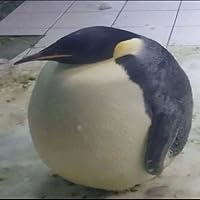
Jung: Interesting. That “silence” you speak of, Camus, is not empty. It is filled with symbols arising from the collective unconscious.
Dog: woof
Camus: Yet symbols do not rescue us. We must imagine Sisyphus happy, fully aware of the futility of his task.
Dog: woof
Jung: Happiness, perhaps, comes from individuation. From integrating the shadow rather than rebelling against meaninglessness.
Dog: woof
Camus: Rebellion is integration. To live without appeal, without false hope.
Dog: woof
Jung: And still, the psyche insists on patterns, on archetypes. Even rebellion follows a mythic structure.
Dog: woof
Camus: Then perhaps the dog understands best, living fully, without metaphysics.
Dog: woof
Jung: Or perhaps the dog is perfectly individuated.
Dog: woof
Dog: woof
Camus: Yet symbols do not rescue us. We must imagine Sisyphus happy, fully aware of the futility of his task.
Dog: woof
Jung: Happiness, perhaps, comes from individuation. From integrating the shadow rather than rebelling against meaninglessness.
Dog: woof
Camus: Rebellion is integration. To live without appeal, without false hope.
Dog: woof
Jung: And still, the psyche insists on patterns, on archetypes. Even rebellion follows a mythic structure.
Dog: woof
Camus: Then perhaps the dog understands best, living fully, without metaphysics.
Dog: woof
Jung: Or perhaps the dog is perfectly individuated.
Dog: woof
This entire review has been hidden because of spoilers.
Displaying 1 - 30 of 66 reviews