

What do you think?

Selected Poems
An updated selection of Roger McGough's finest, best-loved verse. The complete span of McGough's writing, from the 1960s to the new millennium, is represented. 'McGough's the craft worn as lightly as the crown, the jokes that are something more, the underlying heartache, the acute sense of the way time slips away' Ian McMillan, Poetry Review 'McGough has done for poetry what champagne does for weddings' Time Out
- GenresPoetry
224 pages, Hardcover
First published October 19, 1989
Ratings & Reviews
Friends & Following
Create a free account to discover what your friends think of this book!
Community Reviews
Displaying 1 - 16 of 16 reviews

March 6, 2016
The first time I came across Roger McGough, I saw a tall, thin, gangly chap, dressed in a white suit, and eccentrically performing a comic song. He made strange faces behind his huge owlish spectacles, doing rhythmic physical jerks up and down to the music - bend the knees, twist the head - in short he was a member of a pop group, performing in the days before that meant suggestive gyrations. This group's antics were typical of the time, considered to be witty and entertaining, as a contrast to soulful ballads, or the pop music which was replacing rock 'n roll. Perhaps in a way, they were natural successors to the Music Hall tradition.
The "Scaffold", a trio from Liverpool, wrote and performed humorous ditties of a type much in favour in the late 1960s. The other two members were John Gorman and Mike McGear, (who was Paul McCartney's brother). Their live concerts contained a mixture of comic songs, comedy sketches and the poetry of Roger McGough, and their droll songs were popular enough to get into the Top 10. Ironically, none of the three was a musician, but a starry cast of now-famous names, who were then session musicians, worked on their albums. These included Elton John, Tim Rice, Jack Bruce and, incredibly, Jimi Hendrix. The "Scaffold" additionally performed on children's television, and wrote a theme tune to a popular situation comedy, "The Liver Birds". Here are the lyrics to the chorus of a song which went to "number 1" in the charts,
"We'll drink a drink a drink
To Lily the pink the pink the pink
The saviour of the human race
For she invented, medicinal compound
Most efficacious in every case"
(If you recognise this ditty, my apologies. You will now have it firmly stuck in your mind for the rest of the day!)
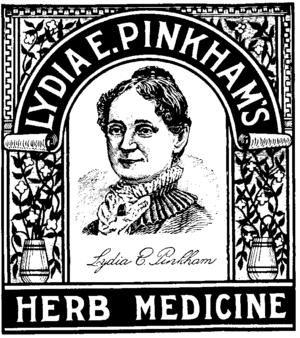
The song was apparently based on the U.S. American folk song "The Ballad of Lydia Pinkham". Here is the illustrious lady herself, pictured on a box of her famous patent herbal medicine to relieve menstrual pain,
So what possible relevance does this have to the book of poetry under review? Well, it gives you an alternative view of the author's origins. Nowadays Roger McGough is the go-to man at the BBC; he presents their poetry programmes, and is now one of the UK's most popular poets, performing all over the world. He was awarded an OBE in 1997. The current poet laureate, Carol Ann Duffy, admires him greatly, calling him "the patron saint of poetry...we are lucky indeed to have him", and "The Times" newspaper has called him a "true original".
Roger McGough was one of the original "pop poets" of the 1960s. He came to prominence in 1967 with the publication of "The Mersey Sound", an anthology of poems by the three Liverpool poets Roger McGough, Brian Patten and Adrian Henri. "The Mersey Sound" was published to much critical acclaim, and launched the careers of all three.
Roger McGough continues to write light verse in the style of Wendy Cope and Carol Ann Duffy. He writes for all ages, and his work is very accessible and enjoyable. His later poems have a sharp poignany which his fun-filled early romps of poems did not. Roger McGough himself chose the 116 poems in this selection, a few of which had not previously been published. They cover the whole range of his output from the 1960s to 2006, when this volume was published, and they span all his moods. There are still jokes, but the later ones are not all froth and bubble; they have a deeper significance. Ian McMillan says he conveys "the underlying heartache, the acute sense of the way time slips away."
And on completing my review, and searching youtube to check how accurate my memory was, I find a surprisingly similar performance of "Lily the Pink" (right down to the snazzy white suits) which is pretty amazing, to have stuck indelibly in the mind for approaching 50 years... Link here.
Noel Coward got it about right when he said, "Strange how potent cheap music is."
But to finish, here is another poem which is not in the book,
“The only problem
with Haiku is that you just
get started and then”
You will find these entertaining. But do not look to Roger McGough for luminous prose. He doesn't do that.
EDIT:
Some of Roger McGough's later poems are extremely bitter and sardonic. The humour is now of the deepest black. Sometimes it works, sometimes not. Decide for yourself with links to these poems, all of which are in this selection, and all chosen by the poet himself:
"The Lesson" link here
"The Identification" link here
"Let me Die a Youngman's Death" link here
And here's one I do like, and find poignant:
"The Trouble With Snowmen" link here
The "Scaffold", a trio from Liverpool, wrote and performed humorous ditties of a type much in favour in the late 1960s. The other two members were John Gorman and Mike McGear, (who was Paul McCartney's brother). Their live concerts contained a mixture of comic songs, comedy sketches and the poetry of Roger McGough, and their droll songs were popular enough to get into the Top 10. Ironically, none of the three was a musician, but a starry cast of now-famous names, who were then session musicians, worked on their albums. These included Elton John, Tim Rice, Jack Bruce and, incredibly, Jimi Hendrix. The "Scaffold" additionally performed on children's television, and wrote a theme tune to a popular situation comedy, "The Liver Birds". Here are the lyrics to the chorus of a song which went to "number 1" in the charts,
"We'll drink a drink a drink
To Lily the pink the pink the pink
The saviour of the human race
For she invented, medicinal compound
Most efficacious in every case"
(If you recognise this ditty, my apologies. You will now have it firmly stuck in your mind for the rest of the day!)
The song was apparently based on the U.S. American folk song "The Ballad of Lydia Pinkham". Here is the illustrious lady herself, pictured on a box of her famous patent herbal medicine to relieve menstrual pain,
So what possible relevance does this have to the book of poetry under review? Well, it gives you an alternative view of the author's origins. Nowadays Roger McGough is the go-to man at the BBC; he presents their poetry programmes, and is now one of the UK's most popular poets, performing all over the world. He was awarded an OBE in 1997. The current poet laureate, Carol Ann Duffy, admires him greatly, calling him "the patron saint of poetry...we are lucky indeed to have him", and "The Times" newspaper has called him a "true original".
Roger McGough was one of the original "pop poets" of the 1960s. He came to prominence in 1967 with the publication of "The Mersey Sound", an anthology of poems by the three Liverpool poets Roger McGough, Brian Patten and Adrian Henri. "The Mersey Sound" was published to much critical acclaim, and launched the careers of all three.
Roger McGough continues to write light verse in the style of Wendy Cope and Carol Ann Duffy. He writes for all ages, and his work is very accessible and enjoyable. His later poems have a sharp poignany which his fun-filled early romps of poems did not. Roger McGough himself chose the 116 poems in this selection, a few of which had not previously been published. They cover the whole range of his output from the 1960s to 2006, when this volume was published, and they span all his moods. There are still jokes, but the later ones are not all froth and bubble; they have a deeper significance. Ian McMillan says he conveys "the underlying heartache, the acute sense of the way time slips away."
And on completing my review, and searching youtube to check how accurate my memory was, I find a surprisingly similar performance of "Lily the Pink" (right down to the snazzy white suits) which is pretty amazing, to have stuck indelibly in the mind for approaching 50 years... Link here.
Noel Coward got it about right when he said, "Strange how potent cheap music is."
But to finish, here is another poem which is not in the book,
“The only problem
with Haiku is that you just
get started and then”
You will find these entertaining. But do not look to Roger McGough for luminous prose. He doesn't do that.
EDIT:
Some of Roger McGough's later poems are extremely bitter and sardonic. The humour is now of the deepest black. Sometimes it works, sometimes not. Decide for yourself with links to these poems, all of which are in this selection, and all chosen by the poet himself:
"The Lesson" link here
"The Identification" link here
"Let me Die a Youngman's Death" link here
And here's one I do like, and find poignant:
"The Trouble With Snowmen" link here

Read
August 19, 2020زندگی بخش بیمارستانیست
و تختهایی که ما در آن هستیم
آنهاییاند که نمیخواهیمشان.
زودتر خوب میشویم اگر کنار پنجره باشیم
یا کنار بخاری
میتوانیم راحتتر درد بکشیم.
شبها، روح بیقرار، در رؤیای دوردستهاست.
اژه یک سر مرمرین و روشن.
آنجا که بر فراز ساحلی به همواری نقشه،
میتوانی همچون سوسماری آفتاب بگیری.
قطب: آنجا که حمام تاریکی میگیری و میتوانی تماشا کنی
انعکاس جرقههای دوزخ را بر آسمانی از یخ.
روح، هر جایی جز آنجا که هست خوشتر میبود.
هر جایی جز اینجا.
هر روز داروهایمان را مصرف میکنیم
مؤدبانه سر تکان میدهیم و هرازگاهی نق میزنیم.
اما این بیرون از اختیار ماست.
همیشه جایمان اشتباهیست.
ما تختهایمان را نساختهایم، اما در آنها میخوابیم.
و تختهایی که ما در آن هستیم
آنهاییاند که نمیخواهیمشان.
زودتر خوب میشویم اگر کنار پنجره باشیم
یا کنار بخاری
میتوانیم راحتتر درد بکشیم.
شبها، روح بیقرار، در رؤیای دوردستهاست.
اژه یک سر مرمرین و روشن.
آنجا که بر فراز ساحلی به همواری نقشه،
میتوانی همچون سوسماری آفتاب بگیری.
قطب: آنجا که حمام تاریکی میگیری و میتوانی تماشا کنی
انعکاس جرقههای دوزخ را بر آسمانی از یخ.
روح، هر جایی جز آنجا که هست خوشتر میبود.
هر جایی جز اینجا.
هر روز داروهایمان را مصرف میکنیم
مؤدبانه سر تکان میدهیم و هرازگاهی نق میزنیم.
اما این بیرون از اختیار ماست.
همیشه جایمان اشتباهیست.
ما تختهایمان را نساختهایم، اما در آنها میخوابیم.
January 2, 2016
راجر مگاف را از کتابهای حرفه هنرمند شناختم. کتاب "تو مشغول مردنات بودی" کتابی که شعر و عکس را کنار هم گذاشته بود و به نظرم کار خیلی جالبی بود.
این مجموعه شعر به گفته مترجمان منتخب شعرهای مگاف به انتخاب خودش است.
طنز توی شعرهایش را دوست داشتم.
این مجموعه شعر به گفته مترجمان منتخب شعرهای مگاف به انتخاب خودش است.
طنز توی شعرهایش را دوست داشتم.

March 23, 2022
راجر مگاف رو کمی از Poetry please بیبیسی و اجراهای The Scaffold میشناسم. خیلی زیاد دوستش دارم، بامزه، شخصی و در عین حال قابل درک. به راحتی از شاعرانی که چندین بار میتونم بخونمشون. این مجموعه شعر، به انتخاب خود مگاف تدوین و به زحمت علیرضا بنی جانی و بهرام معصومی ترجمه شده. بنظرم نمره خوبی میگیره ترجمه و مناسب و هم ذوق و راستا با انگلیسی اشعاره (البته طبیعتن تا جایی که آن ترجمه این اجازه رو میده).

December 30, 2013
Roger McGough is one of my favourite poets, but reading this anthology made me realise my like of him is solely based on his first two collections, and the fact I occasionally spot him on the street. His recent commission to write for Waitrose only increases my (middle-class) admiration.
I'm glad to say my first exposure to his middle-aged self has only deepened my love for his work. Yes the earlier joi de vivre is still there, but it's been blunted and soured by life. Marriages breakdown, there are rapes and murders, people cower under the fear of the bomb, but in each case McGough can't stamp out his lugubrious sense of humour. This makes his poetry utterly approachable, with messages you can tangle with if you wish, and puts him on a par with Alan Bennett in the national treasure stakes.
Favourite new poem? What My Lady Did from 1982's Waving at Trains
I'm glad to say my first exposure to his middle-aged self has only deepened my love for his work. Yes the earlier joi de vivre is still there, but it's been blunted and soured by life. Marriages breakdown, there are rapes and murders, people cower under the fear of the bomb, but in each case McGough can't stamp out his lugubrious sense of humour. This makes his poetry utterly approachable, with messages you can tangle with if you wish, and puts him on a par with Alan Bennett in the national treasure stakes.
Favourite new poem? What My Lady Did from 1982's Waving at Trains

April 28, 2019
نویسنده ی کتاب های کلیشه ای کودکان /شعری از راجر مگاف / ترجمه به فارسی از رُزا جمالی
دارا داره چی کار می کنه؟
- تو باغ دزد وُ پلیس بازی می کنه.
سارا داره چی کار می کنه؟
- خاله بازی می کنه.
مامان چی؟
- مطابق معمول داره می شوره و می سابه...
بابا؟
-مثل همیشه داره کتاب می خونه تو کتابخونه اش!
دارا داره چی کار می کنه؟
- تو باغ دزد وُ پلیس بازی می کنه.
سارا داره چی کار می کنه؟
- خاله بازی می کنه.
مامان چی؟
- مطابق معمول داره می شوره و می سابه...
بابا؟
-مثل همیشه داره کتاب می خونه تو کتابخونه اش!

Read
March 19, 2011hmm status should be unread actually... read about 15 % of the book... good for first attempt at poetry eh? :)
I like his poetry but some of them are too dark for my taste.
I like his poetry but some of them are too dark for my taste.

July 18, 2020
A bit too dull and sexist for my tastes

November 24, 2025
«خوشبينی»
اوضاعواحوال افتضاحه
كفگيرم حسابى خورده تهِ ديگ.
ولى هنوز نااميد نيستم.
خيلىها اون جا تو حياطِ پشتیان
كه وضعشون به مراتب بدتر از منه.
(خُب، چهارتان:
يه موشِ يهچشم
يه گربهی سهپا
يه لاشه
و يه در توالت.)

September 28, 2026
خییییلی کیف داد، خیلی. کلی خندیدم، از اون خندهها که یه چیزی، چفتی قفلی چیزی توی مغزت باز میشه. با خیلیاشم جدی خندهام گرفت. اما شعرا جدی بودن، دغدغهمند بودن، و نوع جهانبینی شاعر خیلی منو گرفت. واقعاً عالی. پیشنهادی برای شعردوستان.

July 14, 2025
Most of these didn't do much for me, I'm afraid, but some managed to either evoke an image, idea or feeling or give the sense that more was going on than I was getting out of them on a first read.

September 3, 2025
I loved a lot of these poems. It’s all so natural and easy-going and sweet and poignant and yet still elegant and funny and well executed. And a lovely edition that was a gift from the wonderful Sonia Rooks.

March 5, 2023
I really enjoyed this selection of McGough's poetry.
I liked the lightness of the words put together by a wordsmith of the highest order, which meant the poetry was a joy to read and music for the soul.
McGough has a way of talking about the everyday mundanity of life's event, which makes the humdrum exciting and the poetry enchanting.
The humour was well done, but in ways where when for instance the horrors of war were expanded upon it was not done inappropriately, though some on the rape of women were very close to the bone.
Overall the poetry was a triumph showing the triviality, absurd, loving, hateful, touching, enlivening nature of life from cradle to grave. I make no hesitation in recommending this book, particularly for poetry lovers.
I liked the lightness of the words put together by a wordsmith of the highest order, which meant the poetry was a joy to read and music for the soul.
McGough has a way of talking about the everyday mundanity of life's event, which makes the humdrum exciting and the poetry enchanting.
The humour was well done, but in ways where when for instance the horrors of war were expanded upon it was not done inappropriately, though some on the rape of women were very close to the bone.
Overall the poetry was a triumph showing the triviality, absurd, loving, hateful, touching, enlivening nature of life from cradle to grave. I make no hesitation in recommending this book, particularly for poetry lovers.

July 24, 2020
More 2020 re-reading. Have to say, I'm doing better with my initiative than I expected. Mostly lockdown related, as I buy most of my books from shops. Nothing better than a browse in a good secondhand shop or finding a great store on vacation.
Ah well, to Roger McGough, poet from my childhood. And I think I got this collection back in 2006. I have to say this time around, this has not aged well for me. I think its the humour, the puns which I don't have time for anymore. The poems which have some simple poignancy to them are the best. Not the 'discretion is the better part of Valerie' ones.
Ah well, to Roger McGough, poet from my childhood. And I think I got this collection back in 2006. I have to say this time around, this has not aged well for me. I think its the humour, the puns which I don't have time for anymore. The poems which have some simple poignancy to them are the best. Not the 'discretion is the better part of Valerie' ones.

April 9, 2025
I came across this browsing in a second hand National Trust bookshop. I left it behind but went back for it thinking it might be just what I needed for reading in the coach. Delighted I did as several hours later I saw that it was signed by McGough. It can go on the bookshelf next to the volume he signed for me in 1974. poems are pretty decent as well.
July 17, 2025
Simple Poems. Easy to read
Displaying 1 - 16 of 16 reviews