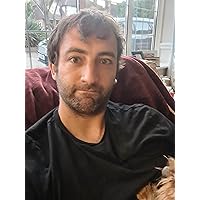
Od detstva nás učia, že existuje len jedna správna cesta: dobre sa učiť, nájsť si „normálnu“ prácu a hlavne nikdy neriskovať. Simon Squibb – podnikateľ, investor, zakladateľ HelpBnk a inšpiratívna osobnosť sociálnych sietí – dokazuje opak. Ako tínedžer bez domova začínal od nuly, neskôr vybudoval úspešnú firmu, ktorú predal za milióny. Dnes učí, ako nájsť vlastný sen a premeniť ho na projekt, ktorý dáva zmysel a prináša výsledky.
V tejto motivačnej knihe vás autor prevedie krok za krokom v oblastiach:
*ako objaviť to, čo vás skutočne baví, *ako prekonať strach, ktorý vás nepustí dopredu, *ako rozoznať skutočný sen od spoločenských očakávaní *a ako si okolo seba vybudovať komunitu, ktorá vám pomôže rásť.
Zabudnite na „plán B“. Aký máte sen? je plán A pre každého, kto chce konečne začať žiť podľa seba, nie podľa druhých.
Ignore everyone and start your own dream business… . There you go I’ve saved you a few hours. That’s it, that’s the book.
I liked this bloke on TikTok, initially because he gave interesting advice and said that people who dream of becoming a landlord are just lazy and unimaginative, and that starting a business is much better than buying a property, giving it a lick of paint, and thinking you’re Warren Buffett.
But after reading this book I think I’ve been a bit misled by what he’s all about. It’s not that I’m 100% against self help, I think there are the rare occasional pieces of sagely advice given in books that often lie somewhere between self help and practical guidance (e.g. books on things like writing, researching, understanding basic personal finance, studying, navigating the bizarre world we live in, etc) but this just repeats the same point as nauseam. It’s on the same level as How to Win Friends and Influence People or Think and Grow Rich.
If you want to become rich and follow your dreams start by not wasting your time and learning some information relevant to your golden goose.
I started this book expecting not to like it much - I thought it would be too surface-level, and I didn’t think I’d learn anything new.
Still, I decided to give it a shot because I wanted some confirmation and motivation that following my intuition professionally was (and is) the right decision. Yes, I was looking for validation 😂
And that’s exactly what this book gave me. It was pretty much what I expected (didn’t come across anything groundbreaking) but it was really motivating. There were also some interesting ideas, especially around hiring a team, that felt quite new to me. I also love reading about other people’s journeys (how they started, what struggles they faced etc) so I appreciated that Simon shared his story. It encouraged me, reinforced my beliefs, and motivated me to keep pushing - even when things are hard.
I’d recommend it to anyone thinking about starting a business, feeling unfulfilled at work or a little lost, or struggling through the early stages of entrepreneurship.
"When you have a dream, and when you have identified a purpose, it changes your life. Everything starts to make sense because you are no longer playing by someone else’s rules. All the work you do is for a meaningful reason that makes it feel worthwhile."
Simon Squibb's aim to help as many strangers as he can in the streets with his microphone about realizing their lifelong dreams have brought me here. It seems like he is really just a generous bloke — and he deserves any attention and exposure he gained right now, especially in TikTok — by giving anything to people (may it be through some sort of monetary assistance or with a helping hand) and expecting nothing in return.
From this book, he had extracted most of his lessons from his interactions with strangers through content and his extreme dedication when it comes to delivering the most value to his customers and employees alike.
Just you know, the first leg of the book doesn't buy me much about the dreams and stuff he discussed. Not unlike its counterpart that delve further into being a committed entrepreneur, where you will gather some important nuggets out of his experiences, it’s more nuanced and informative than the former.
Let me say this, though: a book that pertains to realizing your dreams and pursuing your passion is not a clichéd topic to discuss. It's just that my preference about these matters mainly revolves around stories. Fiction or not, it doesn't matter as long as I witness the stretch of that hero or heroine's journey from being a failure into becoming now this master of his/her craft.
Nevertheless, the business aspect of it won me over for the simple fact that anybody aspiring to be one could learn a lot from someone who has already done it. Moreover, upon reading this section, I also realized his passion not only in reliving these bouts of success and failure he experienced in handling different businesses before, but from the way he wanted to show his concern that you will not experience this bad thing again because he had already learned from it. Simon made sure that we would be better off not following that trap he recognized before.
I purchased the book for one main reason: to get answers regarding what to do if you cannot find your passion. From page 81-84 “I don’t know what“ I had the short pleasure to find out more about this topic. However, I was disappointed with the content of this section in the book and also could not proceed to finish the book since I would not have a purpose to build up from in the next chapters.
From my personal experience, the topic is by far more complex than written in this book. Writing a ‘like and dislike list‘ to know your strengths and weaknesses as well as thinking hard for once does not work out for everyone. The following explanation from the author “That‘s why the people who ‘don‘t know‘ are almost always lying to themselves.“ is not only oversimplified but also disrespectful towards those people that put a lot of effort into the topic but still fail to find their purpose. The author does not take into consideration that human beings are multifaceted e.g. how about if you are a multipotentialite who shares many interests? Can you only have one purpose? I even pre-ordere the book because I expected so much more 😞
The first couple of chapters started off okay enough in getting the reader to sit up and pay attention. However, unless your own dream is to create/run/sell a business, a lot of this book's relevance doesn't transfer to the rest of us. The author starts to project his own ideals on to the reader (don't consider early retirement, it's for people that hate what they do). It starts to preach that work = life and you should consider nothing else outside of it as enjoyment found in other places will only be temporary.
Aside from finding the narrative littered with contradictions along the way, every example of life experience ends up turning out conveniently fortunate in the end. It would be interesting to read about times where things didn't go right and didn't have an entrepreneur/influencer to bail them out to try again. Having finished this, I still can't buy into how easy it is to 'just quit your job' to start living the dream in the real world. It's also been said before so I don't really know what new insight this book really offers.
“Ignora tutti e avvia l’attività dei tuoi sogni.” Perfetto, ora che ho sintetizzato l’intero libro, puoi risparmiarti la lettura.
Simon Squibb mi era inizialmente simpatico su Instagram: diretto, provocatorio, con qualche spunto interessante (tipo la sua critica a chi sogna solo di possedere immobili e pensa di essere Warren Buffett dopo una mano di vernice). Ma questo libro… è una DELUSIONE travestita da ispirazione.
L’idea centrale — segui il tuo sogno e fregatene di tutto il resto — viene ripetuta così tante volte da sembrare un disco rotto…. NESSUNA struttura, nessuna guida concreta, nessuna riflessione reale. Solo frasi motivazionali degne di una tazza da regalo in saldo.
Non sono contro l’auto-aiuto in sé: ci sono libri che sanno unire motivazione e contenuti utili (scrittura, finanza personale, studio, orientamento nella realtà). Questo NON è uno di quelli. È più simile a quel tipo che ti dice con aria mistica: “Sai qual è il segreto? Essere te stesso.” …e poi si sente Socrate reincarnato.
Se vuoi davvero inseguire il tuo sogno, fallo. MA…inizia da qualcosa di concreto, solido, che ti insegni davvero qualcosa. Questo libro NO. Questo libro è una citazione allungata.
this is the best business-y book i’ve read !! consistently engaging writing, very actionable advice. enjoyed that Squibb has built multiple businesses (some successes, some failures) and brought knowledge from all of them into this - business advice from anyone who has one successful business is always a bit jarring. ultimately meant for people who have a dream business that they’re not yet building, but much of the advice does translate into other areas - following a passion more actively, or deciding what work to go into etc etc.
This book came at the exact right time in my life. It’s the kind of read you need if you’ve been sitting on your dreams for a while, big or small, it doesn't matter. Depending on where you are in life, each chapter meets you differently. Since I’m in the early stages of my journey, the first two parts felt incredibly personal and relevant to me. If you’re already further along and working on your dream, the later sections will likely speak to you more. Either way, if you truly want to pursue your business goals, this is a book you can keep coming back to. You don't even need to re-read it from start to finish, just pick the chapter most relevant to where you are right now and dive in. I cannot recommend it enough!
Very good practical advice on how to build and grow a business. No fluff just direct and to the point. There were parts I didn't really neede it them as I already know "my dream 😄", but all the other advice was really helpful
Great book for those with a dream looking for a way to start, and for new entrepreneurs. It is a great motivational book that truly makes it feel like chasing your dreams is worth it and doable. On the substance itself, it’s an introduction to entrepreneurship, so doesn’t dive deep into complex business lessons because it doesn’t need to. It’s meant to inspire and provide the basics to get started and moving, and does that job brilliantly.
If you like Simon on his Social Media, then you will definitely like this book. I enjoyed it a lot and liked to have this "Private Mentoring" from him through this book.
Basically the author wants me to start my own business. Interesting ideas and some helpful advice for anyone not just entrepreneurs, but mostly just didn’t apply to me rn.
I’ve just finished reading What's Your Dream? by Simon Squibb, and I have mixed feelings about it. On one side, I can see why so many people love it. The energy in this book is contagious. If you feel stuck in a routine or disconnected from what you actually want in life, this book definitely gives you a push to think bigger and challenge the “normal” path we’ve all been taught to follow.
I also liked the message behind helping people and asking for help. The whole #GiveWithoutTake mindset is powerful and something I genuinely respect. There are some good reminders in here about building relationships and creating opportunities by simply starting conversations.
But there were also a few things that didn’t sit right with me.
One of the biggest ones was the financial advice around housing and business. Simon talks about risking stability to chase a dream, but personally, I believe a home is more than just money sitting somewhere. A home is security, peace of mind and a foundation to build your life from. Starting a business is already risky enough, and not everybody has a safety net if things go wrong.
I also wish there were more numbers, real case studies and measurable results behind some of the advice. The stories are inspiring, but I’m someone who likes to see evidence and realistic pathways, not just motivation. Inspiration is important, but without structure, it can sometimes feel like a dream without a plan.
Another thing I kept thinking about was when Simon mentioned selling his business because he got “bored”. It made me question whether the passion was for building businesses or simply for starting and exiting them. And I think there’s a big difference between the two. Some people want the excitement of the startup journey, while others want to build something meaningful that lasts for generations.
Overall, I’d still say it’s worth reading if you need motivation, confidence or a reminder that life can be bigger than the path society sets for you. Just don’t take every piece of advice as a universal truth.
Dream big, yes… but keep your foundation strong too.
If you are still here, I’d like to thank you for reading my review and wish you a great day and a great week!
I read this book specifically to validate my recent career choices, and it mostly did the job. The praise on the cover from the full range of variously slimy business bros (Richard Branson, Steven Bartlett, Jay Shetty) is a red flag, but to be fair Squibb opens with some convincing hot takes (or at least lukewarm ones): hard work is overrated, and retirement is a "false dream" designed to trick people into spending 40 years of their life doing something they don't love, then rewarding them with a prize the can't really enjoy due to age. The first few chapters were actually inspiring, and I'm convinced that "What's my dream?" and "What's my purpose?" are genuinely some of the most important questions anyone should ask themselves.
Beyond lots of encouragement, this book doesn't offer a great deal of practical advice for dream chasers, especially in the final chapters, which are just generic business advice ("hire brilliant people", "know when to take risks") that neglects people like me whose dream doesn't really look like a traditional business. Instead I would have preferred more on how to deal with the recurring doubt that comes with any dream, both from oneself and those around you. There's also a risk of unhealthy delayed gratification: making the necessary sacrifices for the far-off future dream and never actually enjoying the present, which is the same problem as working for retirement. Even Squibb's favourite word, "dream", implies something imaginary and distant.
Squibb mentions that he only really started chasing his own dream (HelpBnk, a social network for free business advice) after a long career in business. He didn't start this from nothing, and his prior wealth and success probably explains why he's so uncomfortably gung-ho in insisting you should quit your job for a dream, and not even work part-time whilst chasing your dream. I wonder how much of Squibb's millions come from profit-chasing rather than dream-chasing. Yes, he has his own rags-to-riches narrative, but I'm unconvinced he really walked the walk when it comes to the courageous choice to go all-in on your true passion from day 1.
Simon Squibb is one of the most well meaning human beings out there in the dog eat dog world of creators. So despite mixed reviews, I decided to give this one (as an audio book in Simon's voice) a go, because I believe in his relentless drive to help people. and I wasn't disappointed. I have read most of the popular books on entrepreneurship and purpose, but there's something magical about hearing the same advice in the voice of someone who has followed that advice and works with people everyday in following those same tips. it's a proof of concept book of sorts with real people examples of a homeless person (with a privileged British passport) moving to Hong Kong and becoming successful, dog walking business owners, home Baker turned bakery owners and more beyond the apples, nvidia and googles (they do get their mentions!) it's one which might finally motivate you to start on the dream that's been irritatingly calling out for attention from the back of your mind. it definitely stirred up mine.
The first half of this book is about defining your dream and motivation, the second half is more practical, applicable advice. Ngl the first third of it I thought this man was absolutely delulu, literally we do not live on the same planet. E.g. he hates mortgages and sees them as a barrier to financial freedom... I understand the logic but surely being homeless is worse? It's very much 'quit your job and become an entrepreneur' and makes it sound so easy but the reality is that it just isn't.
But as it went on I found myself challenging my limiting beliefs (oh boy there are many) and wondering why I thought all this was so out of reach for me. The audiobook is good because his enthusiasm is contagious. Credit to the author as it got me thinking, maybe I will come back to this in the future.
Now this book from my perspective for everyone this is a must read book, What we face in life and which ever perspective we live in this book is the one that creates paths for your life, opens your mind in many ways and gives you big realisations for what you trully want in life and what can life offer for you and you for it just pure 10/10
I didn’t enjoy this book. I’m not the intended audience; it seems aimed at readers looking to build a small business. For me, it felt overly long and scattered, with the main ideas so diluted that they eventually lose clarity and impact.
Quite simple but helpful book. Very helpful for people who want to start but aren’t sure where. Full of good ideas in simple layman terms to give people that push.
This book started off super good, and then it just fell flat. I’ve been in a sort of midlife rut, trying to figure out what I want to do, so I’ve been reading some self-help books. This looked promising, and it definitely had me hooked at the beginning. Squibb talks a lot about taking risks and figuring out what it is you’re passionate about, and I really appreciated how he talks to people of all ages and gives hope that you can still pursue your dreams.
The issue I have with this book is that it goes from being a general book about going after your dreams to one that’s totally about entrepreneurship. Sure, many people have the dream of being an entrepreneur, but it was just a sharp turn from being inclusive to being specific to a specific group. Is it worth the read? Kind of, but I’m sure there are better books out there.
Simon Squibb’s "What’s Your Dream?: Find Your Passion. Love Your Work. Build a Richer Life" begins with a simple but confronting idea: many people drift through life without ever seriously asking themselves what they truly want. Daily routines, social expectations, financial pressure, and fear of failure gradually drown out personal dreams. Squibb argues that this quiet loss of direction is not a personal flaw but a learned condition, shaped by education systems and workplaces that reward conformity over curiosity. From the very start, the book invites readers to slow down, reflect, and reconnect with the ambitions they once had before practicality took over. Squibb positions dreams not as unrealistic fantasies, but as deeply personal signals pointing toward meaningful work and a richer life.
Throughout the book, Squibb challenges the belief that dreaming is a luxury reserved for the young, the wealthy, or the exceptionally talented. He explains how society subtly trains people to stop dreaming by emphasizing security, predictability, and external approval. As people grow older, they are encouraged to be 'realistic,' which often means suppressing passion in favor of stability. Squibb argues that this mindset leads to dissatisfaction, burnout, and a sense of emptiness, even among those who appear successful on the surface. He reframes dreams as practical tools rather than indulgences, suggesting that knowing what you want is the first step toward building a life that actually fits you.
A major theme in the book is responsibility. Squibb is clear that no one else is coming to hand you your dream. Waiting for permission, perfect timing, or guaranteed success only prolongs stagnation. While this idea may feel uncomfortable, Squibb presents it as empowering rather than harsh. Taking ownership of your dream means accepting uncertainty and risk, but it also means reclaiming control over your future. He emphasizes that responsibility does not mean reckless action; it means making intentional choices aligned with what matters to you, even if progress is slow or imperfect.
Squibb draws heavily on real-life stories, both from his own entrepreneurial journey and from people he has met along the way. These stories illustrate that there is no single path to fulfillment and that success rarely looks as neat as motivational slogans suggest. Many of the people featured stumbled, failed, restarted, and doubted themselves repeatedly. By highlighting these messy realities, Squibb dismantles the myth of overnight success and replaces it with a more honest narrative of persistence, learning, and adaptability. Dreams, he shows, are built through consistent effort and resilience, not sudden breakthroughs.
Another central idea in the book is the importance of action, even when clarity is lacking. Squibb argues that most people wait too long to begin because they believe they need a fully formed plan. In reality, clarity often comes after taking the first steps, not before. He encourages readers to experiment, test ideas, and learn through doing rather than endless thinking. Small actions, taken consistently, can reveal new opportunities and directions that would never appear through planning alone. This approach reduces the fear associated with big life changes by breaking them down into manageable steps.
Fear plays a significant role in holding people back, and Squibb addresses it directly. He explores common fears such as failure, judgment, financial instability, and disappointing others. Rather than suggesting that fear can be eliminated, he explains that fear is a natural response to growth. The key is learning how to move forward alongside fear instead of letting it dictate decisions. Squibb reframes failure as feedback, emphasizing that mistakes are not signs of inadequacy but necessary components of progress. This perspective helps readers see setbacks as part of the journey rather than reasons to quit.
The book also critiques traditional definitions of success, particularly those tied solely to money, status, or job titles. Squibb does not dismiss financial stability as unimportant, but he argues that wealth without fulfillment often leads to regret. He encourages readers to define success on their own terms, based on values, freedom, impact, and satisfaction. By doing so, people can design careers and lifestyles that align with who they are, rather than chasing external markers that may never bring lasting happiness.
Community and support are highlighted as crucial elements in pursuing dreams. Squibb emphasizes the value of surrounding yourself with people who encourage growth rather than reinforce fear. He also stresses the importance of helping others achieve their dreams, noting that generosity and collaboration often open unexpected doors. By contributing to a culture where dreaming is normalized and supported, individuals not only strengthen their own resolve but also create environments where innovation and fulfillment can flourish.
Squibb’s writing style is direct, conversational, and motivating without being preachy. He avoids complex theories and instead focuses on practical insights drawn from lived experience. The book repeatedly returns to the idea that dreaming is a skill that can be relearned. By asking better questions, taking small risks, and being honest about what you want, it is possible to reconnect with lost ambitions at any stage of life. Squibb reassures readers that it is never too late to change direction, provided they are willing to take responsibility and act.
In conclusion, "What’s Your Dream?: Find Your Passion. Love Your Work. Build a Richer Life" by Simon Squibb is a call to wake up from autopilot and reengage with life intentionally. It challenges deeply ingrained beliefs about safety, success, and self-worth, offering a more human and flexible approach to building a meaningful future. Rather than promising easy answers, the book provides a mindset shift that empowers readers to ask the right questions and take ownership of their path. By redefining dreams as practical, achievable, and deeply personal, Squibb reminds readers that a richer life begins not with permission or perfection, but with the courage to pursue what truly matters.