

What do you think?

Butterflies
Enter the pulse-racing world of Zoe Kim, an intrepid journalist, in the seedy streets near Seoul. As she uncovers a nefarious sex trafficking ring, a twist of fate sets her on a relentless quest for truth and justice.
Despite facing a soul-searching identity crisis and a traumatic, life-threatening encounter, she courageously investigates a sinister international trafficking ring in Los Angeles and Asia against her chief editor's orders. After being side-lined at work, Zoe’s obsession with exposing a nefarious international sex trafficking operation leads her to risk everything, even putting her own life in danger, as she impulsively sacrifices her relationship with her boyfriend and everyone else.
To her horror, she uncovers a haunting family secret that connects her to past atrocities and present-day trafficking. In a final showdown with a notorious crime boss, Kim confronts the shadows of history and fights for justice and generational healing.
Will her courage lead to justice? Follow her relentless pursuit in Butterflies and witness a powerful story that transcends boundaries about the power of love and truth, forgiveness and embracing identity that showcases the indomitable human spirit.
Despite facing a soul-searching identity crisis and a traumatic, life-threatening encounter, she courageously investigates a sinister international trafficking ring in Los Angeles and Asia against her chief editor's orders. After being side-lined at work, Zoe’s obsession with exposing a nefarious international sex trafficking operation leads her to risk everything, even putting her own life in danger, as she impulsively sacrifices her relationship with her boyfriend and everyone else.
To her horror, she uncovers a haunting family secret that connects her to past atrocities and present-day trafficking. In a final showdown with a notorious crime boss, Kim confronts the shadows of history and fights for justice and generational healing.
Will her courage lead to justice? Follow her relentless pursuit in Butterflies and witness a powerful story that transcends boundaries about the power of love and truth, forgiveness and embracing identity that showcases the indomitable human spirit.
- GenresFiction
276 pages, Kindle Edition
First published January 20, 2026
Ratings & Reviews
Friends & Following
Create a free account to discover what your friends think of this book!
Community Reviews
Displaying 1 - 19 of 19 reviews

July 31, 2026
Received arc from netgalley
May all the butterflies find peace and justice in this unfair world.
I didn't have a lot of expectations from this book, the cover looked pretty, the blurb sounded interesting and I had time on my hands. But once I started reading this, I just could not stop. I had some idea about the comfort women situation, but I had yet to actually 'understand' them. This book bridged that gap.
This is a beautifully written book. The author, Sylvia Yu, has been a voice for the comfort women for a long time. This is another example of her activism and a very good one at that. Though the book was based on WW2 events, the history was not overwhelming, rather it flowed through the story gracefully.
The protagonist, Zoe Kim, a Korean Canadian journalist, was just the perfect person to guide the story. She was headstrong and not afraid to take risks. At times, I did grow frustrated of some of her childish behavior but that just adds to her character.
If I had to find something that needs refining, then that would be the miraculous ways Zoe gets saved. The yakuza are more dangerous than what is depicted so realistically she could not have gotten away that many times.
This book also resonates to me on a personal level as a Bangladeshi. During the Bangladesh Liberation War of 1971, Pakistani military and their allies forcefully took away girls from their homes and kept them in their camps to be "used" by them. It is estimated that Pakistani military and their allies raped 200,000 to 400,000 Bangladeshi women. Some of these women bore their children, some were discarded by their families and some were raped even after they died. It has been more than 50 years since the war but Pakistan has yet to apologize for the genocide and mass rapes it committed back in 1971. Just like how Japanese government denies accountability of the comfort women, so does Pakistani government when it comes to the mass rapes in 1971.
All in all, it is a great book. Makes you reflect on the present by looking the past. Last time I felt something similar was when I read Mornings in Jenin
May all the butterflies find peace and justice in this unfair world.
I didn't have a lot of expectations from this book, the cover looked pretty, the blurb sounded interesting and I had time on my hands. But once I started reading this, I just could not stop. I had some idea about the comfort women situation, but I had yet to actually 'understand' them. This book bridged that gap.
This is a beautifully written book. The author, Sylvia Yu, has been a voice for the comfort women for a long time. This is another example of her activism and a very good one at that. Though the book was based on WW2 events, the history was not overwhelming, rather it flowed through the story gracefully.
The protagonist, Zoe Kim, a Korean Canadian journalist, was just the perfect person to guide the story. She was headstrong and not afraid to take risks. At times, I did grow frustrated of some of her childish behavior but that just adds to her character.
If I had to find something that needs refining, then that would be the miraculous ways Zoe gets saved. The yakuza are more dangerous than what is depicted so realistically she could not have gotten away that many times.
This book also resonates to me on a personal level as a Bangladeshi. During the Bangladesh Liberation War of 1971, Pakistani military and their allies forcefully took away girls from their homes and kept them in their camps to be "used" by them. It is estimated that Pakistani military and their allies raped 200,000 to 400,000 Bangladeshi women. Some of these women bore their children, some were discarded by their families and some were raped even after they died. It has been more than 50 years since the war but Pakistan has yet to apologize for the genocide and mass rapes it committed back in 1971. Just like how Japanese government denies accountability of the comfort women, so does Pakistani government when it comes to the mass rapes in 1971.
All in all, it is a great book. Makes you reflect on the present by looking the past. Last time I felt something similar was when I read Mornings in Jenin

September 2, 2026
Butterflies was INTENSE.
Zoe Kim is a journalist who, while working on an investigation, finds herself uncovering something much bigger and more dangerous than she anticipated: an international sex-trafficking operation.
She's warned to stop.
She's threatened.
People around her are basically screaming PLEASE LEAVE THIS ALONE.
And Zoe?
Absolutely not!!!
She's a journalist, she wants the truth and the more people try to scare her away from the story, the more determined she becomes to uncover exactly what's happening.
Then her aunt suddenly passes away and Zoe receives her journal.
Her aunt had always been quiet and distant, rarely speaking about her past or what she'd experienced. Through the journal, Zoe begins learning about the horrific abuse she endured during the Japanese occupation and wartime period, connecting Zoe's present-day investigation with atrocities suffered by women generations before her.
That was probably one of the aspects of the story that hit me the hardest. The investigation stops being simply another story Zoe is chasing and becomes much more personal, particularly as she becomes determined not only to expose the trafficking operation but also to confront truths from her family's past that people would rather leave buried.
And things get MESSY.
The threats stop being just threats. Witnesses Zoe interviewed start turning up dead, the danger becomes very real, and somehow Zoe herself ends up a suspect.
At that point I was basically sitting there going:
Girl.
Please survive your own investigation.
I ate this story up. It was intense, dark and at times genuinely difficult to read because of the subject matter, but I was completely invested in seeing Zoe expose what was happening and come out of the whole thing in one piece.
I also appreciated the way the book connected modern human trafficking with historical and generational trauma. I don't know enough about this particular period of Korean history to judge every historical detail, but the experiences described through the journal were heartbreaking and added another emotional layer to Zoe's determination to seek truth and justice.
Now... Zoe herself gave me a headache occasionally.
I admired her determination, but there were definitely a few decisions where I was sitting there questioning her life choices. Being brave and being determined to uncover the truth is one thing.
Running directly toward danger when everyone is telling you THERE IS DANGER OVER THERE?
Ma'am...
There were also a few moments where certain developments or connections didn't completely make sense to me, or came together in ways that made me stop and scratch my head.
Those issues are what kept this from being a full 5-star read for me, because otherwise I was thoroughly entertained.
Overall, Butterflies was a gripping story about journalism, human trafficking, buried history, generational trauma, identity and the lengths one woman will go to expose the truth. It tackles some very heavy subjects, but underneath all of that darkness is also a story about refusing to allow victims and their experiences to simply disappear.
I rooted for Zoe, yelled at Zoe, questioned Zoe's survival instincts...
And still ate up her entire investigation.
4⭐
Thank you to Penguin Random House SEA and NetGalley for the opportunity to read and review this ARC. All opinions are my own.
https://turnthepagewithana.blogspot.c...
Zoe Kim is a journalist who, while working on an investigation, finds herself uncovering something much bigger and more dangerous than she anticipated: an international sex-trafficking operation.
She's warned to stop.
She's threatened.
People around her are basically screaming PLEASE LEAVE THIS ALONE.
And Zoe?
Absolutely not!!!
She's a journalist, she wants the truth and the more people try to scare her away from the story, the more determined she becomes to uncover exactly what's happening.
Then her aunt suddenly passes away and Zoe receives her journal.
Her aunt had always been quiet and distant, rarely speaking about her past or what she'd experienced. Through the journal, Zoe begins learning about the horrific abuse she endured during the Japanese occupation and wartime period, connecting Zoe's present-day investigation with atrocities suffered by women generations before her.
That was probably one of the aspects of the story that hit me the hardest. The investigation stops being simply another story Zoe is chasing and becomes much more personal, particularly as she becomes determined not only to expose the trafficking operation but also to confront truths from her family's past that people would rather leave buried.
And things get MESSY.
The threats stop being just threats. Witnesses Zoe interviewed start turning up dead, the danger becomes very real, and somehow Zoe herself ends up a suspect.
At that point I was basically sitting there going:
Girl.
Please survive your own investigation.
I ate this story up. It was intense, dark and at times genuinely difficult to read because of the subject matter, but I was completely invested in seeing Zoe expose what was happening and come out of the whole thing in one piece.
I also appreciated the way the book connected modern human trafficking with historical and generational trauma. I don't know enough about this particular period of Korean history to judge every historical detail, but the experiences described through the journal were heartbreaking and added another emotional layer to Zoe's determination to seek truth and justice.
Now... Zoe herself gave me a headache occasionally.
I admired her determination, but there were definitely a few decisions where I was sitting there questioning her life choices. Being brave and being determined to uncover the truth is one thing.
Running directly toward danger when everyone is telling you THERE IS DANGER OVER THERE?
Ma'am...
There were also a few moments where certain developments or connections didn't completely make sense to me, or came together in ways that made me stop and scratch my head.
Those issues are what kept this from being a full 5-star read for me, because otherwise I was thoroughly entertained.
Overall, Butterflies was a gripping story about journalism, human trafficking, buried history, generational trauma, identity and the lengths one woman will go to expose the truth. It tackles some very heavy subjects, but underneath all of that darkness is also a story about refusing to allow victims and their experiences to simply disappear.
I rooted for Zoe, yelled at Zoe, questioned Zoe's survival instincts...
And still ate up her entire investigation.
4⭐
Thank you to Penguin Random House SEA and NetGalley for the opportunity to read and review this ARC. All opinions are my own.
https://turnthepagewithana.blogspot.c...
Review of advance copy received from NetGalley
𓏲࣪◜4 stars ♡ᵎ
“Women and girls, some as young as twelve, were being trafficked: tricked and physically forced into living and working in these places, in conditions nothing less than slavery.”
This was such an amazing book with an absolutely heartbreaking yet important story that needs to be told. This book is one of those books that make you cry, make you angry, and fill you with so much disgust. I was actually so surprised by how much i liked the writing style i thought i’d struggle with it a bit at first, but that really wasn't the case at all.
“Women and girls, some as young as twelve, were being trafficked: tricked and physically forced into living and working in these places, in conditions nothing less than slavery.”
This was such an amazing book with an absolutely heartbreaking yet important story that needs to be told. This book is one of those books that make you cry, make you angry, and fill you with so much disgust. I was actually so surprised by how much i liked the writing style i thought i’d struggle with it a bit at first, but that really wasn't the case at all.

August 24, 2026
Thank you to NetGalley and the publisher for this ARC.
Here is Kuu's Official List of Things That Just Don't Make Any Sense And Are Inconsistent And Thus I Couldn't Take This Novel Seriously (Which Definitely Includes Spoilers Too):
- The first chapter already started out weird. Like, Jisun has to warn Zoe that sneaking videos of the underage prostitutes is dangerous, but then doesn't know that the entire town is corrupted and the police can't be counted on ??
- Zoe understands threats in Korean with all their nuance, but has to send a taxi in "broken Korean"??
- Why is Zoe so preachy to Jisun, who Lives There??
- How is she able to send a beefy ass thug to his butt with just a kick??
- A couple chapters on, Zoe gets her aunt's journal, reads an introduction which mentions the atrocities many Korean girls had to go through under Japanese occupation and that she was one of them, and doesn't understand what her aunt is talking about?? As someone of Korean descent, who specialises in writing about sex trafficking?? And yet she doesn't know about the Comfort Women??? She explains this in a later chapter with "being a banana" but it's just... incredibly unlikely.
- Why does her aunt recount the entirety of Japanese occupation when the journal is written in Korean, for a Korean audience, who would know about this? (And again, why doesn't ZOE know about it??? Like, I get this is to introduce the reader who might not be familiar with the topic, but it was just done in a bad way)
- How was her aunt's dream to become a professor before the whole sex slavery thing happened, when women weren't allowed an education at all at the time? Like, it's a small thing and technically could have been the case, but doesn't make much sense and all the other inconsistencies don't make me very likely to give the authors the benefits of the doubt.
- Her entire thing is stories on sex trafficking and yet she doesn't know how to speak to trafficked persons?? She's all accusatory?? And she doesn't know how not to endanger those she works with?? Idk, I just do ethnography and not journalism, but "don't be a risk to the safety of your sources" is like, one of the really big things we're taught.
- Sue took a ledger she wouldn't even give the police, but just hands it to Zoe, and just trusts her to not go and try to find the gang?? A woman she literally just met??
- It mentions a Korean novel by English title, except there is no Korean novel existing by that English title.
- She just goes to trauma dump randomly on Sue. Just calls her and is like "hey, did you know this deeply traumatic part of my family's history?". Who DOES that.
- The super smart trafficking ring with help from the Japanese government just leaves the phone number of Big Guy in a ledger that was chillaxing openly in one of their brothels??
- How is Zoe haggling with Chinese taxi drivers? She doesn't speak Chinese... And a Chinese taxi driver speaking perfect English is just not going to happen (as she later uses him as a translator and... yeah no)
- Zoe, a trained journalist (allegedly), continuously puts her sources, translators, guides etc. at risk. She does not see anything wrong with this, nor does she permit them to say no.
- Literally every single bad guy is a caricature. They are either sleezy businessmen or buff, dumb gangsters. That's all there is. And they're racist as hell. Like, what the hell is this quote: "‘That’s why I’m so pleased that you’ve chosen to come here to service some real men. Japanese men. They’ll show you how it’s really done. And I appreciate you volunteering for the job, just like that comfort woman aunt of yours. You’ll be a modern-day comfort woman, just like all those others. [...]’" ???? Or "Chinese, Koreans … you’re all simpletons. Good-for-nothing toilets and fuck bags. And you wonder why we take you for whores.’" like can it get any more caricature-y 😭 And the Japanese government is charging Zoe with slandering Japan?? It's all so over the top 😭
- She changes her SIM to a Japanese one, takes out her original SIM, and still receives a text message from her Canadian ex???
- re: broken Korean: later she's able to speak to a teenaged Korean prostitute, in Korean?? About this highly specialised field???? Or then the girl, who was abducted at 14, speaks fluent English. Because she's able to read Jeff's text messages. How a 14 year old sex trafficking victim is able to speak fluent English? Who knows.
- She just reveals information to Gangster Boss that she PROMISED to keep secret. Endangering everyone she works with in the US. Literally every second chapter is just Zoe being STUPID and endangering not only herself, but everyone around her too. As a top trained journalist.
- She CHECKS HER SOCIAL MEDIA AFTER EXPLICITLY BEING ASKED NOT TO AND WHILE ACTIVELY FLEEING FROM A YAKUZA SYNDICATE IN CAHOOTS WITH THE JPN GOVERNMENT. Because she's bored and can't stand silence. What the HELL.
- "‘This is getting very serious, Jeff. They are spreading so many lies to try to discredit us.’" after they're CURRENTLY ON THE RUN. After Zoe was almost sold into sexual slavery. NO SHIT THIS IS SERIOUS and the lies are your SMALLEST PROBLEM.
- K-pop stars, who are notoriously famous for staying OUT of politics, are reposting Zoe's little letter. And then Asian governments are joining the bandwagon and calling out Japan. Because this is totally something that would happen.
- Why is she in shock for MULTIPLE MINUTES from a small cut on her cheek. And why does Suetake just wait, for several minutes, doing nothing but watch her be in shock, apparently.
- Why didn't Arah mention that Ms Fujiwara's father is Masuki. She had no reason to not mention it. And she obviously knew.
Literally none of it makes sense and it annoyed me to no end because it just starts the story off inconsistent in its own logic so it's very difficult to take it seriously. And then, to make matters worse, the protagonist is ALSO annoying, in my opinion, which made this novel very difficult to read, because like... if you don't like the protagonist, it's very difficult to spend the next couple hundred pages with them.
What annoyed me most of all, however, was how black and white the portrayal of teenage prostitution and sex trafficking was in this novel. Maybe I'm too #woke for this, but simplifying it to "all victims of trafficking are poor innocent victims who were tricked and all pimps are simply evil" is Not It. There's sociopoliticoeconomic factors that play a huge role in things like these, especially in countries such as South Korea or the US that lack any social security to speak of and leave teenagers little options if they, for example, are abused at home. Similar to North Korean defectors who view human and sex trafficking as an expression of agency (Kook, Kyunghee. 2018. „“I Want to Be Trafficked so I Can Migrate!”: Cross-Border Movement of North Koreans into China through Brokerage and Smuggling Networks“.) and in line with criticisms on the "victim-perpetrator" dynamic when it comes to human trafficking and especially cross-border smuggling, I simply do not think it is that simple and actually think it is doing a lot of these young women a massive disservice to pretend they were all tricked into the situation with no agency to speak of. AND it doesn't actually work to improve their situations as it neglects to mention the wider societal factors that play a role! And to have a Canadian-Korean woman and her White boyfriend be the ones who Finally Break The News And Make The Whole World Protest, instead of the actual victims or the many activists that have been working with this for decades... I don't want to say it's giving white saviourism but it's giving white saviourism.
To top it all off, the writing itself is also just clunky, juvenile in a way where you can tell that this is a pair of debut authors, who, it feels, also couldn't really agree on a style to go for so they just went with the most basic one, with zero personal touch. The sentence length isn't very varied, and there's not a lot of showing, favouring telling instead. Then there's also history lessons packed into the novel every couple pages, and it's so OBVIOUS that the authors are giving you a history lesson. They're not very well integrated into the prose, and are mainly just like "did you know x?", which... became very tiring to read, especially as I DID already know.
I am so angry because this book is TECHNICALLY right up my alley but it was so BAD I am so ANGRY. I wanted to DNF it starting at around 20% and yet I powered through and it just KEPT BEING BAD. The authors should definitely stick to nonfiction because this was unbearable 😭
Here is Kuu's Official List of Things That Just Don't Make Any Sense And Are Inconsistent And Thus I Couldn't Take This Novel Seriously (Which Definitely Includes Spoilers Too):
- The first chapter already started out weird. Like, Jisun has to warn Zoe that sneaking videos of the underage prostitutes is dangerous, but then doesn't know that the entire town is corrupted and the police can't be counted on ??
- Zoe understands threats in Korean with all their nuance, but has to send a taxi in "broken Korean"??
- Why is Zoe so preachy to Jisun, who Lives There??
- How is she able to send a beefy ass thug to his butt with just a kick??
- A couple chapters on, Zoe gets her aunt's journal, reads an introduction which mentions the atrocities many Korean girls had to go through under Japanese occupation and that she was one of them, and doesn't understand what her aunt is talking about?? As someone of Korean descent, who specialises in writing about sex trafficking?? And yet she doesn't know about the Comfort Women??? She explains this in a later chapter with "being a banana" but it's just... incredibly unlikely.
- Why does her aunt recount the entirety of Japanese occupation when the journal is written in Korean, for a Korean audience, who would know about this? (And again, why doesn't ZOE know about it??? Like, I get this is to introduce the reader who might not be familiar with the topic, but it was just done in a bad way)
- How was her aunt's dream to become a professor before the whole sex slavery thing happened, when women weren't allowed an education at all at the time? Like, it's a small thing and technically could have been the case, but doesn't make much sense and all the other inconsistencies don't make me very likely to give the authors the benefits of the doubt.
- Her entire thing is stories on sex trafficking and yet she doesn't know how to speak to trafficked persons?? She's all accusatory?? And she doesn't know how not to endanger those she works with?? Idk, I just do ethnography and not journalism, but "don't be a risk to the safety of your sources" is like, one of the really big things we're taught.
- Sue took a ledger she wouldn't even give the police, but just hands it to Zoe, and just trusts her to not go and try to find the gang?? A woman she literally just met??
- It mentions a Korean novel by English title, except there is no Korean novel existing by that English title.
- She just goes to trauma dump randomly on Sue. Just calls her and is like "hey, did you know this deeply traumatic part of my family's history?". Who DOES that.
- The super smart trafficking ring with help from the Japanese government just leaves the phone number of Big Guy in a ledger that was chillaxing openly in one of their brothels??
- How is Zoe haggling with Chinese taxi drivers? She doesn't speak Chinese... And a Chinese taxi driver speaking perfect English is just not going to happen (as she later uses him as a translator and... yeah no)
- Zoe, a trained journalist (allegedly), continuously puts her sources, translators, guides etc. at risk. She does not see anything wrong with this, nor does she permit them to say no.
- Literally every single bad guy is a caricature. They are either sleezy businessmen or buff, dumb gangsters. That's all there is. And they're racist as hell. Like, what the hell is this quote: "‘That’s why I’m so pleased that you’ve chosen to come here to service some real men. Japanese men. They’ll show you how it’s really done. And I appreciate you volunteering for the job, just like that comfort woman aunt of yours. You’ll be a modern-day comfort woman, just like all those others. [...]’" ???? Or "Chinese, Koreans … you’re all simpletons. Good-for-nothing toilets and fuck bags. And you wonder why we take you for whores.’" like can it get any more caricature-y 😭 And the Japanese government is charging Zoe with slandering Japan?? It's all so over the top 😭
- She changes her SIM to a Japanese one, takes out her original SIM, and still receives a text message from her Canadian ex???
- re: broken Korean: later she's able to speak to a teenaged Korean prostitute, in Korean?? About this highly specialised field???? Or then the girl, who was abducted at 14, speaks fluent English. Because she's able to read Jeff's text messages. How a 14 year old sex trafficking victim is able to speak fluent English? Who knows.
- She just reveals information to Gangster Boss that she PROMISED to keep secret. Endangering everyone she works with in the US. Literally every second chapter is just Zoe being STUPID and endangering not only herself, but everyone around her too. As a top trained journalist.
- She CHECKS HER SOCIAL MEDIA AFTER EXPLICITLY BEING ASKED NOT TO AND WHILE ACTIVELY FLEEING FROM A YAKUZA SYNDICATE IN CAHOOTS WITH THE JPN GOVERNMENT. Because she's bored and can't stand silence. What the HELL.
- "‘This is getting very serious, Jeff. They are spreading so many lies to try to discredit us.’" after they're CURRENTLY ON THE RUN. After Zoe was almost sold into sexual slavery. NO SHIT THIS IS SERIOUS and the lies are your SMALLEST PROBLEM.
- K-pop stars, who are notoriously famous for staying OUT of politics, are reposting Zoe's little letter. And then Asian governments are joining the bandwagon and calling out Japan. Because this is totally something that would happen.
- Why is she in shock for MULTIPLE MINUTES from a small cut on her cheek. And why does Suetake just wait, for several minutes, doing nothing but watch her be in shock, apparently.
- Why didn't Arah mention that Ms Fujiwara's father is Masuki. She had no reason to not mention it. And she obviously knew.
Literally none of it makes sense and it annoyed me to no end because it just starts the story off inconsistent in its own logic so it's very difficult to take it seriously. And then, to make matters worse, the protagonist is ALSO annoying, in my opinion, which made this novel very difficult to read, because like... if you don't like the protagonist, it's very difficult to spend the next couple hundred pages with them.
What annoyed me most of all, however, was how black and white the portrayal of teenage prostitution and sex trafficking was in this novel. Maybe I'm too #woke for this, but simplifying it to "all victims of trafficking are poor innocent victims who were tricked and all pimps are simply evil" is Not It. There's sociopoliticoeconomic factors that play a huge role in things like these, especially in countries such as South Korea or the US that lack any social security to speak of and leave teenagers little options if they, for example, are abused at home. Similar to North Korean defectors who view human and sex trafficking as an expression of agency (Kook, Kyunghee. 2018. „“I Want to Be Trafficked so I Can Migrate!”: Cross-Border Movement of North Koreans into China through Brokerage and Smuggling Networks“.) and in line with criticisms on the "victim-perpetrator" dynamic when it comes to human trafficking and especially cross-border smuggling, I simply do not think it is that simple and actually think it is doing a lot of these young women a massive disservice to pretend they were all tricked into the situation with no agency to speak of. AND it doesn't actually work to improve their situations as it neglects to mention the wider societal factors that play a role! And to have a Canadian-Korean woman and her White boyfriend be the ones who Finally Break The News And Make The Whole World Protest, instead of the actual victims or the many activists that have been working with this for decades... I don't want to say it's giving white saviourism but it's giving white saviourism.
To top it all off, the writing itself is also just clunky, juvenile in a way where you can tell that this is a pair of debut authors, who, it feels, also couldn't really agree on a style to go for so they just went with the most basic one, with zero personal touch. The sentence length isn't very varied, and there's not a lot of showing, favouring telling instead. Then there's also history lessons packed into the novel every couple pages, and it's so OBVIOUS that the authors are giving you a history lesson. They're not very well integrated into the prose, and are mainly just like "did you know x?", which... became very tiring to read, especially as I DID already know.
I am so angry because this book is TECHNICALLY right up my alley but it was so BAD I am so ANGRY. I wanted to DNF it starting at around 20% and yet I powered through and it just KEPT BEING BAD. The authors should definitely stick to nonfiction because this was unbearable 😭

June 19, 2026
What distinguishes Butterflies is not only the scope of its subject matter, but the way it constructs responsibility between reader and text. This is a novel deeply concerned with witnessing—not as passive observation, but as an active, often uncomfortable form of participation.
Rather than allowing distance between investigation and impact, the narrative repeatedly collapses that space. Zoe’s pursuit of truth is rendered not as a linear act of professional determination, but as something increasingly indistinguishable from psychological entanglement. The novel is most effective when it allows that entanglement to remain unresolved, resisting any easy separation between personal motivation, inherited history, and structural violence.
I was particularly struck by how the story handles documentation—diaries, testimony, fragmented histories—not as explanatory devices, but as unstable evidence. These materials do not clarify the past so much as complicate it, forcing both protagonist and reader to confront the limits of comprehension. The result is a narrative that understands truth not as a single recovered object, but as something that arrives in partial, sometimes contradictory forms.
The novel also demonstrates a careful awareness of scale. It moves between intimate trauma and systemic atrocity without collapsing one into the other, instead showing how they echo across generations. What emerges is not simply a story about uncovering hidden history, but about what it means to live inside the aftereffects of history that has never fully been allowed to settle.
Structurally, the book is most powerful when it refuses emotional simplification. It does not offer closure as resolution, nor does it frame recognition as healing. Instead, it sustains a quieter, more difficult tension: that some forms of understanding do not resolve suffering, but deepen the obligation to acknowledge it accurately.
What lingers is not a singular revelation, but the cumulative weight of attention itself—the act of continuing to look when looking no longer offers comfort.
Readers drawn to investigative literary fiction, morally serious thrillers, and narratives engaging with historical trauma, transnational violence, and the ethics of storytelling will find this a demanding but significant work.
Butterflies ultimately asks a question that extends beyond its pages: what does it cost, emotionally and ethically, to see something clearly—and to refuse to look away once you do?
Rather than allowing distance between investigation and impact, the narrative repeatedly collapses that space. Zoe’s pursuit of truth is rendered not as a linear act of professional determination, but as something increasingly indistinguishable from psychological entanglement. The novel is most effective when it allows that entanglement to remain unresolved, resisting any easy separation between personal motivation, inherited history, and structural violence.
I was particularly struck by how the story handles documentation—diaries, testimony, fragmented histories—not as explanatory devices, but as unstable evidence. These materials do not clarify the past so much as complicate it, forcing both protagonist and reader to confront the limits of comprehension. The result is a narrative that understands truth not as a single recovered object, but as something that arrives in partial, sometimes contradictory forms.
The novel also demonstrates a careful awareness of scale. It moves between intimate trauma and systemic atrocity without collapsing one into the other, instead showing how they echo across generations. What emerges is not simply a story about uncovering hidden history, but about what it means to live inside the aftereffects of history that has never fully been allowed to settle.
Structurally, the book is most powerful when it refuses emotional simplification. It does not offer closure as resolution, nor does it frame recognition as healing. Instead, it sustains a quieter, more difficult tension: that some forms of understanding do not resolve suffering, but deepen the obligation to acknowledge it accurately.
What lingers is not a singular revelation, but the cumulative weight of attention itself—the act of continuing to look when looking no longer offers comfort.
Readers drawn to investigative literary fiction, morally serious thrillers, and narratives engaging with historical trauma, transnational violence, and the ethics of storytelling will find this a demanding but significant work.
Butterflies ultimately asks a question that extends beyond its pages: what does it cost, emotionally and ethically, to see something clearly—and to refuse to look away once you do?

August 11, 2026
Some books make me happy. Some make me cry. And then there are books like Butterflies that make you stare at the wall after finishing a chapter because you genuinely don’t know what to do with everything you just read. I went into this expecting a thriller about investigative journalism and human trafficking. I definitely got that but I didn’t expect it to hurt this much.
Butterflies follows Zoe Kim, an investigative journalist whose work leads her into a dangerous sex-trafficking investigation. What begins as a story she wants to uncover becomes deeply personal when she discovers her family’s connection to the history of the Korean “comfort women.” Through Meera’s journal, Zoe is forced to confront a painful past that had been hidden from her and, eventually, recognize how the suffering of women in the past continues to echo in the lives of vulnerable women today.
And honestly? This book broke my heart.
The sections about Meera were some of the hardest parts for me to read. Her journal showed not just the physical violence she endured, but the way prolonged suffering slowly stripped away her sense of identity, hope, and humanity. One line that stayed with me was the idea that the girl she once was had “died” the moment she was taken. That absolutely destroyed me. What made it even more heartbreaking was seeing how the trauma didn't simply end when the war did. Arah’s story showed the long-lasting consequences of what these women endured the relationships they couldn't have, the families they couldn't build, and the memories they had to carry for the rest of their lives. It really made me think about how we often talk about historical tragedies as if they belong safely in the past. But for the people who lived through them, the past doesn't simply disappear.
And then there’s Zoe.
I really appreciated how the book explored her relationship with journalism. She isn't just investigating a crime because it's her job. She becomes emotionally invested because she realizes there are people whose stories have been ignored, dismissed, or forgotten. There were moments when I wanted to tell her, girl, please go home and rest 😭 because she kept throwing herself deeper into danger.
But I also understood why she couldn't stop.
The book raises an uncomfortable question: What happens when telling the truth becomes more important to you than protecting your own peace?
Zoe's anger felt very human to me. She becomes frustrated with systems that seem more interested in protecting themselves than protecting victims. The scenes where victims explain that they've spoken to journalists before but “nothing ever happens” were especially painful. What good is telling someone's story if nobody is willing to listen? And what does justice mean when the people who suffered are the ones left carrying the consequences?
That was probably one of the biggest things I took away from this book: being heard isn't the same as receiving justice.
I also really liked the way Butterflies connected the past and present. The comparison between the “comfort women” of World War II and modern victims of human trafficking was uncomfortableand I think it was supposed to be.
The novel asks us to look at how exploitation can continue in different forms even when the world around it changes.
The most infuriating scenes were honestly the conversations with people who tried to justify the exploitation of these girls. Hearing them say that the women “chose” their circumstances made my blood boil. How can someone call something a choice when the person making that “choice” has been deceived, trafficked, threatened, or has no real alternatives? That's not a choice. That's exploitation. And I appreciated that Zoe didn't stay quiet about it.
What also surprised me was how much this book made me think about family and inherited history. Zoe grows up without knowing the full story of Meera's life, and discovering it changes how she understands herself and her family. There’s something incredibly painful about realizing that someone you knew had been carrying an entire lifetime of suffering that you knew nothing about. It made me wonder how many stories exist within our own families that we never get to hear.
How many people suffered silently because they didn't know how to talk about it? How many stories disappeared because the people who lived them were too afraid, ashamed, or simply never given the opportunity to tell them?
And perhaps that's why the title Butterflies feels so meaningful. The butterfly becomes connected to transformation, memory, and the idea that one small action can create something much bigger. Zoe's investigation begins with one story, one journal, one woman but eventually becomes something larger than herself. I also loved the message that remembering is an act of resistance.
We can't change what happened to Meera, Arah, or the countless women who suffered. But we can remember them. We can listen to their stories. We can refuse to let their suffering become just another paragraph in a history book. That part really stayed with me.
Final Thoughts
Butterflies is not an easy book. Please check the content warnings before reading, because there are scenes and discussions involving sexual violence, trafficking, abuse, trauma, and historical exploitation that can be extremely difficult. But despite how painful it was, I'm glad I read it.
I cried so much while reading this book. Like, actual tears. 😭 There were moments when I had to put it down because I needed a minute to process what I had just read. And even after finishing, I still felt this heaviness in my chest.
But I think that's what made the book so powerful for me.
It didn't just make me feel sad. It made me angry. It made me uncomfortable. It made me question how easily society forgets victims once their stories stop being convenient. And most importantly, it reminded me why remembering matters.
Butterflies is a thriller, but underneath the investigation is a story about women whose voices were taken from them, the people who try to bring those voices back, and the responsibility we have to listen.
It's heartbreaking, infuriating, uncomfortable, and ultimately hopeful.
I finished this book feeling emotionally exhausted but also grateful that I read it. Some stories aren't meant to be easy. Some stories are meant to make us uncomfortable enough to remember.
And Butterflies is definitely one of those stories.
Thank you so much for the opportunity to read Butterflies as an ARC! 🦋 This was such a powerful, heartbreaking, and thought-provoking read, and I’m truly grateful to have experienced Zoe’s story before its release. Thank you for trusting me with this book and for sharing such an important story with readers. 🤍📖
Butterflies follows Zoe Kim, an investigative journalist whose work leads her into a dangerous sex-trafficking investigation. What begins as a story she wants to uncover becomes deeply personal when she discovers her family’s connection to the history of the Korean “comfort women.” Through Meera’s journal, Zoe is forced to confront a painful past that had been hidden from her and, eventually, recognize how the suffering of women in the past continues to echo in the lives of vulnerable women today.
And honestly? This book broke my heart.
The sections about Meera were some of the hardest parts for me to read. Her journal showed not just the physical violence she endured, but the way prolonged suffering slowly stripped away her sense of identity, hope, and humanity. One line that stayed with me was the idea that the girl she once was had “died” the moment she was taken. That absolutely destroyed me. What made it even more heartbreaking was seeing how the trauma didn't simply end when the war did. Arah’s story showed the long-lasting consequences of what these women endured the relationships they couldn't have, the families they couldn't build, and the memories they had to carry for the rest of their lives. It really made me think about how we often talk about historical tragedies as if they belong safely in the past. But for the people who lived through them, the past doesn't simply disappear.
And then there’s Zoe.
I really appreciated how the book explored her relationship with journalism. She isn't just investigating a crime because it's her job. She becomes emotionally invested because she realizes there are people whose stories have been ignored, dismissed, or forgotten. There were moments when I wanted to tell her, girl, please go home and rest 😭 because she kept throwing herself deeper into danger.
But I also understood why she couldn't stop.
The book raises an uncomfortable question: What happens when telling the truth becomes more important to you than protecting your own peace?
Zoe's anger felt very human to me. She becomes frustrated with systems that seem more interested in protecting themselves than protecting victims. The scenes where victims explain that they've spoken to journalists before but “nothing ever happens” were especially painful. What good is telling someone's story if nobody is willing to listen? And what does justice mean when the people who suffered are the ones left carrying the consequences?
That was probably one of the biggest things I took away from this book: being heard isn't the same as receiving justice.
I also really liked the way Butterflies connected the past and present. The comparison between the “comfort women” of World War II and modern victims of human trafficking was uncomfortableand I think it was supposed to be.
The novel asks us to look at how exploitation can continue in different forms even when the world around it changes.
The most infuriating scenes were honestly the conversations with people who tried to justify the exploitation of these girls. Hearing them say that the women “chose” their circumstances made my blood boil. How can someone call something a choice when the person making that “choice” has been deceived, trafficked, threatened, or has no real alternatives? That's not a choice. That's exploitation. And I appreciated that Zoe didn't stay quiet about it.
What also surprised me was how much this book made me think about family and inherited history. Zoe grows up without knowing the full story of Meera's life, and discovering it changes how she understands herself and her family. There’s something incredibly painful about realizing that someone you knew had been carrying an entire lifetime of suffering that you knew nothing about. It made me wonder how many stories exist within our own families that we never get to hear.
How many people suffered silently because they didn't know how to talk about it? How many stories disappeared because the people who lived them were too afraid, ashamed, or simply never given the opportunity to tell them?
And perhaps that's why the title Butterflies feels so meaningful. The butterfly becomes connected to transformation, memory, and the idea that one small action can create something much bigger. Zoe's investigation begins with one story, one journal, one woman but eventually becomes something larger than herself. I also loved the message that remembering is an act of resistance.
We can't change what happened to Meera, Arah, or the countless women who suffered. But we can remember them. We can listen to their stories. We can refuse to let their suffering become just another paragraph in a history book. That part really stayed with me.
Final Thoughts
Butterflies is not an easy book. Please check the content warnings before reading, because there are scenes and discussions involving sexual violence, trafficking, abuse, trauma, and historical exploitation that can be extremely difficult. But despite how painful it was, I'm glad I read it.
I cried so much while reading this book. Like, actual tears. 😭 There were moments when I had to put it down because I needed a minute to process what I had just read. And even after finishing, I still felt this heaviness in my chest.
But I think that's what made the book so powerful for me.
It didn't just make me feel sad. It made me angry. It made me uncomfortable. It made me question how easily society forgets victims once their stories stop being convenient. And most importantly, it reminded me why remembering matters.
Butterflies is a thriller, but underneath the investigation is a story about women whose voices were taken from them, the people who try to bring those voices back, and the responsibility we have to listen.
It's heartbreaking, infuriating, uncomfortable, and ultimately hopeful.
I finished this book feeling emotionally exhausted but also grateful that I read it. Some stories aren't meant to be easy. Some stories are meant to make us uncomfortable enough to remember.
And Butterflies is definitely one of those stories.
Thank you so much for the opportunity to read Butterflies as an ARC! 🦋 This was such a powerful, heartbreaking, and thought-provoking read, and I’m truly grateful to have experienced Zoe’s story before its release. Thank you for trusting me with this book and for sharing such an important story with readers. 🤍📖
This entire review has been hidden because of spoilers.
August 18, 2026
3,5⭐️
It’s hard for me to rate this book since I have very mixed feelings about it. On one hand, I can only applaud the authors for this book on such an horrible part of Asian history. Comfort women and the lack of acknowledgment and excuses to them from the Japanese government is appalling and deserves much more attention. I’m glad this book is able to shed some light about this issue. It was very well done and I learned a lot. The authors are clearly very knowledgeable about this, have done their research and interviewed victims. This is a very dark topic and it was hard to read some parts.
On the other hand, this is a fiction novel. And this is where my issues with this book stem. Zoe, our main character, has a very distinct voice that made me feel like I was in a class, listening to a teacher. It was more telling rather than showing and I don’t really enjoy this in fiction books. This book made it so clear what the issue was, the villain was so villain it was almost laughable. And I hate to say this about a very important topic, but the way this story was presented had no nuance which I think is important in a fiction story. Zoe was harsh, and made very questionable choices that put her and others in danger. Josh, her ex boyfriend who somehow saves the day and all the bad ( which is barely explained, we just know Zoe broke up and thinks he’s bad) is all forgotten ? Yeah, a bit weird…
So, I understand what the authors were trying to do and I really command them for their work and their efforts of bringing more attention to comfort women and the Japanese government cowardice in refusing to acknowledge their wrongs. This is the part I loved. But as for the fiction part, it was not it for me. The characters and their actions were very much too far fetched and not nuanced. Every character had their exact place and role in the story.
I would recommend this book as an entry level story to learn more about comfort women, how it happened, the devastating impacts and consequences and their mission to one day, get an official apology from the Japanese government. It is full of very important information. But as for the fiction story part, it could’ve been better.
This is a longer review that I usually do, I have a lot of feelings about this book, mostly positive, and I’m very glad I read it. I do hope many people will pick up this book to educate themselves. We all have our part to play.
Thank you so much to the publisher and NetGalley for an arc of this book, opinions are my own.
It’s hard for me to rate this book since I have very mixed feelings about it. On one hand, I can only applaud the authors for this book on such an horrible part of Asian history. Comfort women and the lack of acknowledgment and excuses to them from the Japanese government is appalling and deserves much more attention. I’m glad this book is able to shed some light about this issue. It was very well done and I learned a lot. The authors are clearly very knowledgeable about this, have done their research and interviewed victims. This is a very dark topic and it was hard to read some parts.
On the other hand, this is a fiction novel. And this is where my issues with this book stem. Zoe, our main character, has a very distinct voice that made me feel like I was in a class, listening to a teacher. It was more telling rather than showing and I don’t really enjoy this in fiction books. This book made it so clear what the issue was, the villain was so villain it was almost laughable. And I hate to say this about a very important topic, but the way this story was presented had no nuance which I think is important in a fiction story. Zoe was harsh, and made very questionable choices that put her and others in danger. Josh, her ex boyfriend who somehow saves the day and all the bad ( which is barely explained, we just know Zoe broke up and thinks he’s bad) is all forgotten ? Yeah, a bit weird…
So, I understand what the authors were trying to do and I really command them for their work and their efforts of bringing more attention to comfort women and the Japanese government cowardice in refusing to acknowledge their wrongs. This is the part I loved. But as for the fiction part, it was not it for me. The characters and their actions were very much too far fetched and not nuanced. Every character had their exact place and role in the story.
I would recommend this book as an entry level story to learn more about comfort women, how it happened, the devastating impacts and consequences and their mission to one day, get an official apology from the Japanese government. It is full of very important information. But as for the fiction story part, it could’ve been better.
This is a longer review that I usually do, I have a lot of feelings about this book, mostly positive, and I’m very glad I read it. I do hope many people will pick up this book to educate themselves. We all have our part to play.
Thank you so much to the publisher and NetGalley for an arc of this book, opinions are my own.
June 9, 2026
I have no words to describe this book. The writing style is beautiful and incredibly easy to read, despite the weight of the story itself.
Those who forget their history are doomed to repeat it.
The horror that these women had to endure is simply indescribable.
This book left me completely speechless. I cried so much. It is such a compelling and heartbreaking story. I read it in one sitting, and I have nothing more to say except that this book deserves to be far more popular!
Those who forget their history are doomed to repeat it.
The horror that these women had to endure is simply indescribable.
This book left me completely speechless. I cried so much. It is such a compelling and heartbreaking story. I read it in one sitting, and I have nothing more to say except that this book deserves to be far more popular!
May 6, 2026
“I was an empty shell of a woman, too broken to live but too strong to die.”
This book is a very well-researched piece. I can see that the author has done a lot of interviews and research as she writes this book. So much so that some casual dialogues felt like a fact-giving speech. Nonetheless, I loved that this book discusses the heavy topic that little people seem to care about — human trafficking. It’s appalling that in this modern times, sex trafficking is still happening where young girls are being kidnapped, tricked, and sold into prostitution. Like the author had mentioned more than once, history is repeating itself.
Zoe Kim, a strong-headed journalist, who had recently covered a vice beat in South Korea, gets her hands on her late great aunt’s journal. The worn journal shares a dark past of her distant and reserved great aunt. Feeling strongly that she has to do something about it, she defies her boss’s orders and follows the trails as she discovers an atrocious sex-trafficking ring in Japan.
Reading this book filled me with disgust and fury, making me respect Zoe’s relentless pursuit in making her story known (although it is also her stubbornness that made me want to slap her head more than once). I also enjoyed reading Meera’s and Masuki’s love story albeit it being short and tragic. Masuki’s loyalty and love made the Japanese seem more bearable in this book (that not all Japanese are evil).
The clear writing in this book makes it unputdownable. Some finger-biting scenes put me on edge, the flashbacks made the story easy to understand, and the interviews made me feel for the victims.
I highly recommend this book. This is one of those reads with a heavy topic that you won’t regret reading.
Thank you Sylvia Yu and Penguin Books India for sending this book my way.
This book is a very well-researched piece. I can see that the author has done a lot of interviews and research as she writes this book. So much so that some casual dialogues felt like a fact-giving speech. Nonetheless, I loved that this book discusses the heavy topic that little people seem to care about — human trafficking. It’s appalling that in this modern times, sex trafficking is still happening where young girls are being kidnapped, tricked, and sold into prostitution. Like the author had mentioned more than once, history is repeating itself.
Zoe Kim, a strong-headed journalist, who had recently covered a vice beat in South Korea, gets her hands on her late great aunt’s journal. The worn journal shares a dark past of her distant and reserved great aunt. Feeling strongly that she has to do something about it, she defies her boss’s orders and follows the trails as she discovers an atrocious sex-trafficking ring in Japan.
Reading this book filled me with disgust and fury, making me respect Zoe’s relentless pursuit in making her story known (although it is also her stubbornness that made me want to slap her head more than once). I also enjoyed reading Meera’s and Masuki’s love story albeit it being short and tragic. Masuki’s loyalty and love made the Japanese seem more bearable in this book (that not all Japanese are evil).
The clear writing in this book makes it unputdownable. Some finger-biting scenes put me on edge, the flashbacks made the story easy to understand, and the interviews made me feel for the victims.
I highly recommend this book. This is one of those reads with a heavy topic that you won’t regret reading.
Thank you Sylvia Yu and Penguin Books India for sending this book my way.

September 11, 2026
In hindsight I think I should have DNF’d this. The description of the story really drew me in but unfortunately it left me feeling quite frustrated. The authors have clearly researched the history of “comfort women” or the sexual slavery that Japan carried out on Korean and Chinese women during WW2. However, as a fictionalised book as opposed to non-fiction, this entirely missed the mark I feel. It didn’t sit right with me to describe the book as drawing inspiration from real events when half of the story is real events and the other half isn’t, when everything is written as if it’s matter of fact. Perhaps that’s just the writing style, all tell no show, and one I don’t particularly enough, but sweeping statements like “the Japanese always convict foreigners even if they haven’t done anything. Everyone knows that.” made me feel like the authors were trying to make a points (in a way that came across really quite uncomfortably anti-Japanese) rather than tell a story.
There were also quite a few areas in the story where I felt like it didn’t make sense. Why would you not hand the ledger full of names of sex traffickers over to the police when you work with rescuing trafficked girls? Why would you not try to stop them?! Baffling. Jeff’s controlling behaviour, the reason got their break up, but this is never actually touched, we don’t actually know what his controlling behaviour is, and then after he miraculously appears in Japan to, suddenly he’s actually alright and she was mistaken? Also apparently the yakuza run literally ALL of Japan?
Anyway. I can tell the authors have done their research and I can appreciate that and shining a light on something Japan has yet to apologise for. Unfortunately it just wasn’t done in a way I was on board with at all.
Thanks to the authors and publisher for the arc.
There were also quite a few areas in the story where I felt like it didn’t make sense. Why would you not hand the ledger full of names of sex traffickers over to the police when you work with rescuing trafficked girls? Why would you not try to stop them?! Baffling. Jeff’s controlling behaviour, the reason got their break up, but this is never actually touched, we don’t actually know what his controlling behaviour is, and then after he miraculously appears in Japan to, suddenly he’s actually alright and she was mistaken? Also apparently the yakuza run literally ALL of Japan?
Anyway. I can tell the authors have done their research and I can appreciate that and shining a light on something Japan has yet to apologise for. Unfortunately it just wasn’t done in a way I was on board with at all.
Thanks to the authors and publisher for the arc.

February 26, 2026
In Butterflies, Sylvia Yu and Matt Friedman take on an ambitious canvas: international sex trafficking, generational trauma, identity, and the perilous moral terrain of investigative journalism. The story follows Zoe Kim from the streets of Seoul to Los Angeles and across Asia as she pursues a trafficking ring that proves far more personal than she initially understands.
At its core, this is a novel about conviction. Zoe refuses to be sidelined, professionally or morally, despite warnings from her editor and despite the strain her choices place on those closest to her. The narrative embraces high emotional stakes, and the confrontations are often intense. Yet beneath the drama runs a sincere moral throughline: the belief that truth matters, even when the cost is steep.
What I found most compelling is the novel’s effort to braid external investigation with internal reckoning. As Zoe uncovers a family secret tied to past atrocities, the story widens beyond crime fiction into an examination of her inherited history. The pacing rarely lingers; it moves with urgency while repeatedly circling back to deeper questions of identity, inheritance, and moral responsibility. The settings—Korea’s shadowed streets, a Chinese village, and Japan, where a troubled wartime legacy quietly shapes the present—give the narrative a sweeping geographic and historical scope.
This is not a detached procedural. It is a story written with conviction and emotional intensity, animated by a clear sense of right and wrong. Readers who appreciate socially conscious thrillers that marry suspense with moral urgency will find much to engage them here. Butterflies ultimately suggests that justice is not abstract. It is personal, often costly, and, with persistence, redemptive.
At its core, this is a novel about conviction. Zoe refuses to be sidelined, professionally or morally, despite warnings from her editor and despite the strain her choices place on those closest to her. The narrative embraces high emotional stakes, and the confrontations are often intense. Yet beneath the drama runs a sincere moral throughline: the belief that truth matters, even when the cost is steep.
What I found most compelling is the novel’s effort to braid external investigation with internal reckoning. As Zoe uncovers a family secret tied to past atrocities, the story widens beyond crime fiction into an examination of her inherited history. The pacing rarely lingers; it moves with urgency while repeatedly circling back to deeper questions of identity, inheritance, and moral responsibility. The settings—Korea’s shadowed streets, a Chinese village, and Japan, where a troubled wartime legacy quietly shapes the present—give the narrative a sweeping geographic and historical scope.
This is not a detached procedural. It is a story written with conviction and emotional intensity, animated by a clear sense of right and wrong. Readers who appreciate socially conscious thrillers that marry suspense with moral urgency will find much to engage them here. Butterflies ultimately suggests that justice is not abstract. It is personal, often costly, and, with persistence, redemptive.
April 14, 2026
Butterflies—Sylvia Yu and Matthew S. Friedman
“A power for good in the world, to create a better future for generations to come, and to never forget the hardships that her ancestors had faced.”
I was watching Probono KDrama; once I finished, suddenly my gut told me to go pick this book. Lately I started reading blurbs, one or two, not everything. Still the same person who goes by Cover, and something sparks me. Finished last evening, I was so happy to get to a history that I never knew, which happened in World War II. “Comfort Woman”—have you ever come across such a word? Not heard it before?
The thing about S&S trafficking is we all know these things still happen.
The story follows Zoe Kim, who is a journalist in the Vancouver Star, who is writing about the story of comfort women in the period of World War II wherein they were abused. At one point, her chief editor tells her not to go since the risk is quite high. But she is Zoe, who has that spirit to do make this so that it should end. But she almost lost her life in the process. Will Zoe put an end to this?
The writing was so easygoing. I never felt the urge to put it down. I can see the author at this juncture because she in real life also helps modern trafficking victims. I should take a bow to the author and bring out such an important story. Along with the sensational, pulse-racing story, we get to see her great aunt and her love life. If this interests you, go for it. I had a quiet, restless night till I finished. Some stories make me let the world have better things that should not happen at any cost.
I am just humbled that since the start of the year I get to read some beautiful stories, and I love real stories rather than fictional ones.
“A power for good in the world, to create a better future for generations to come, and to never forget the hardships that her ancestors had faced.”
I was watching Probono KDrama; once I finished, suddenly my gut told me to go pick this book. Lately I started reading blurbs, one or two, not everything. Still the same person who goes by Cover, and something sparks me. Finished last evening, I was so happy to get to a history that I never knew, which happened in World War II. “Comfort Woman”—have you ever come across such a word? Not heard it before?
The thing about S&S trafficking is we all know these things still happen.
The story follows Zoe Kim, who is a journalist in the Vancouver Star, who is writing about the story of comfort women in the period of World War II wherein they were abused. At one point, her chief editor tells her not to go since the risk is quite high. But she is Zoe, who has that spirit to do make this so that it should end. But she almost lost her life in the process. Will Zoe put an end to this?
The writing was so easygoing. I never felt the urge to put it down. I can see the author at this juncture because she in real life also helps modern trafficking victims. I should take a bow to the author and bring out such an important story. Along with the sensational, pulse-racing story, we get to see her great aunt and her love life. If this interests you, go for it. I had a quiet, restless night till I finished. Some stories make me let the world have better things that should not happen at any cost.
I am just humbled that since the start of the year I get to read some beautiful stories, and I love real stories rather than fictional ones.
March 22, 2026
When I started Butterflies, I expected a combination of thriller and historical novel. What I didn’t expect was how deeply it would affect me.
I was already aware of the history behind Korean “comfort women,” but this story made the emotional and psychological reality feel intensely personal.
The language is simple and crystal clear, yet the emotions run deep. As the story unfolds, the authors build the narrative step by step, revealing an interconnected chain of events filled with quiet shocks, twists, and powerful revelations. It kept me turning pages late into the night.
One thing I especially admired was the use of metaphors and literary techniques. The symbolism feels delicate but meaningful—almost like the hairpins Gwansik gives Ae-sun in the K-drama When Life Gives You Tangerines. Something small and beautiful that quietly carries enormous emotional weight. Butterflies works in a similar way: gentle on the surface, but filled with truth and memory underneath.
The characters feel deeply human, and the vivid descriptions made the settings come alive. I also loved how the novel balances historical reality with emotional storytelling. It’s not just informative—it makes you feel empathy along the way.
By the end, I felt like I had read something deep and significant. If you appreciate historical fiction that combines powerful storytelling, psychological depth, and meaningful symbolism, I strongly recommend picking up Butterflies. It’s the kind of book that stays with you long after the last page.
I was already aware of the history behind Korean “comfort women,” but this story made the emotional and psychological reality feel intensely personal.
The language is simple and crystal clear, yet the emotions run deep. As the story unfolds, the authors build the narrative step by step, revealing an interconnected chain of events filled with quiet shocks, twists, and powerful revelations. It kept me turning pages late into the night.
One thing I especially admired was the use of metaphors and literary techniques. The symbolism feels delicate but meaningful—almost like the hairpins Gwansik gives Ae-sun in the K-drama When Life Gives You Tangerines. Something small and beautiful that quietly carries enormous emotional weight. Butterflies works in a similar way: gentle on the surface, but filled with truth and memory underneath.
The characters feel deeply human, and the vivid descriptions made the settings come alive. I also loved how the novel balances historical reality with emotional storytelling. It’s not just informative—it makes you feel empathy along the way.
By the end, I felt like I had read something deep and significant. If you appreciate historical fiction that combines powerful storytelling, psychological depth, and meaningful symbolism, I strongly recommend picking up Butterflies. It’s the kind of book that stays with you long after the last page.
August 25, 2026
I just finished reading Butterflies.
It took me a little longer than normal because I needed to take breaks. Before picking up this book, I knew nothing about the comfort women and the horrific sexual servitude imposed by the Imperial Japanese military before and during World War II. The photographs at the back of the book had me in tears.
While these women eventually received an apology, no apology could ever make up for what they endured.
I loved how the story moved between past and present, while also shining a light on modern-day sexual slavery and human trafficking. Learning that an estimated 6.3 million people are trapped in sexual exploitation today is as alarming as it is heartbreaking. These are important conversations that need to be brought into the light, and this book does exactly that.
Zoe’s investigation into present-day trafficking, intertwined with her discovery of Meera’s diary and her own family history, was woven together brilliantly. The dangers she faced had my heart racing because you know these things are happening in the real world. The arrest, the imprisonment, and the risks taken by those fighting against trafficking all reinforced just how serious this issue remains.
I almost feel uncomfortable rating a book of this magnitude. How do you put a star rating on a lifetime of suffering endured by so many women?
But I can rate the impact of the story, the importance of its message, and how beautifully it was told.
⭐️⭐️⭐️⭐️⭐️
A powerful, heartbreaking, and incredibly important read that I believe everyone should experience.
It took me a little longer than normal because I needed to take breaks. Before picking up this book, I knew nothing about the comfort women and the horrific sexual servitude imposed by the Imperial Japanese military before and during World War II. The photographs at the back of the book had me in tears.
While these women eventually received an apology, no apology could ever make up for what they endured.
I loved how the story moved between past and present, while also shining a light on modern-day sexual slavery and human trafficking. Learning that an estimated 6.3 million people are trapped in sexual exploitation today is as alarming as it is heartbreaking. These are important conversations that need to be brought into the light, and this book does exactly that.
Zoe’s investigation into present-day trafficking, intertwined with her discovery of Meera’s diary and her own family history, was woven together brilliantly. The dangers she faced had my heart racing because you know these things are happening in the real world. The arrest, the imprisonment, and the risks taken by those fighting against trafficking all reinforced just how serious this issue remains.
I almost feel uncomfortable rating a book of this magnitude. How do you put a star rating on a lifetime of suffering endured by so many women?
But I can rate the impact of the story, the importance of its message, and how beautifully it was told.
⭐️⭐️⭐️⭐️⭐️
A powerful, heartbreaking, and incredibly important read that I believe everyone should experience.
June 3, 2026
The first time I started reading this, I reached a few chapters in but couldn't really get into the flow. I put it back on my nightstand, where it gathered dust for almost a month. Then I picked it back up... and it got intense FAST.
It took me a while after that to get through the rest, because the story was so heavy that I had to take breaks. I'd never heard of the Japanese military sexual slavery (euphemistically named 'comfort women') that Butterflies is about - it was such an eye-opener. To anyone who isn't aware of this either, I'd strongly recommend this book. The author is a leading activist on the issue herself and has made award-winning documentaries! It's so inspiring that she's raising awareness through so many various forms of media.
That being said, despite the amazing message portrayed by the book, I found the writing itself a bit lacking. There was more 'telling' than 'showing' for my taste. I also found the protagonist too irresponsible to be likable, constantly putting others' lives in danger without their consent.
Apart from my usual nitpicking however, Butterflies was a beautiful story of history and hope for the future, and I'm glad to have gained awareness on such an undervoiced human rights issue.
It took me a while after that to get through the rest, because the story was so heavy that I had to take breaks. I'd never heard of the Japanese military sexual slavery (euphemistically named 'comfort women') that Butterflies is about - it was such an eye-opener. To anyone who isn't aware of this either, I'd strongly recommend this book. The author is a leading activist on the issue herself and has made award-winning documentaries! It's so inspiring that she's raising awareness through so many various forms of media.
That being said, despite the amazing message portrayed by the book, I found the writing itself a bit lacking. There was more 'telling' than 'showing' for my taste. I also found the protagonist too irresponsible to be likable, constantly putting others' lives in danger without their consent.
Apart from my usual nitpicking however, Butterflies was a beautiful story of history and hope for the future, and I'm glad to have gained awareness on such an undervoiced human rights issue.

July 30, 2026
something which was just a news headlines to me 'comfort women' now feels real! "Comfort women" were women and girls forced into sexual slavery by the Imperial Japanese Armed Forces during World War II. Estimates indicate that 50,000 to 200,000+ individuals—predominantly from Korea and China, alongside other occupied regions like the Philippines and Indonesia—were interned in military brothels known as "comfort stations" from 1932 to 1945. The war didn't just destroy cities, it destroyed lives and people, especially women!
These women gave survived countless abuse and still stands strong.
This book has a lot of deep emotions — vengeance, helplessness, fear, shame, empowerment and courage! It explores dark themes without being graphic and that's such a positive thing in a book! It had a pleasant thriller vibe and the pacing was top notch! I kept on reading because every moment there was an unexpected twist! Though fiction, this book feels real because the emotions are real, raw and ascending! The research is unmatched and there are real photos to accompany the book!
These women gave survived countless abuse and still stands strong.
This book has a lot of deep emotions — vengeance, helplessness, fear, shame, empowerment and courage! It explores dark themes without being graphic and that's such a positive thing in a book! It had a pleasant thriller vibe and the pacing was top notch! I kept on reading because every moment there was an unexpected twist! Though fiction, this book feels real because the emotions are real, raw and ascending! The research is unmatched and there are real photos to accompany the book!
June 15, 2026
This is an important read, but it's very heavy at the same time so I wouldn't recommend it to everyone. Always check trigger warnings.
I wish there was more to Meera story, more pages on the diary, it was less than 10. Not only the bad parts but more of the rest of the comfort girls (Yes, I prefer to call them confort girls because let's be honest that's what they were, the youngest ever recorded was 8)
The most unrealistic part of this read is the part where korean influencers do anything good for the society to be honest, I found it even laughable. We can only hope on books where Japan finally addresses an apology, as someone who knew about these things before reading this book I don't think they will ever say they are sorry.
I wish there was more to Meera story, more pages on the diary, it was less than 10. Not only the bad parts but more of the rest of the comfort girls (Yes, I prefer to call them confort girls because let's be honest that's what they were, the youngest ever recorded was 8)
The most unrealistic part of this read is the part where korean influencers do anything good for the society to be honest, I found it even laughable. We can only hope on books where Japan finally addresses an apology, as someone who knew about these things before reading this book I don't think they will ever say they are sorry.
This entire review has been hidden because of spoilers.
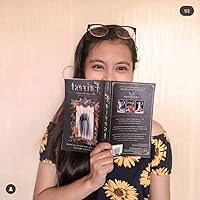
July 5, 2026
Thanks to the publisher and NetGalley for the advanced e-copy!
Though my typical preferences favor dark, intricate mysteries instead of stories burdened by useless mental rambling, this piece felt surprisingly effortless to consume. Nevertheless, clear deficiencies exist. I intensely desired extra passages from Meera’s journal to illuminate the women's routines past their pure agony.
The tale’s finest attribute involves dismantling the barrier dividing clinical inquiry from private anguish, forcing Zoe into severe mental enmeshment. The work peaks when keeping such divisions unclear, gracefully blending individual desires, institutional oppression, and ancestral scars. Consequently, this represents a difficult yet essential choice for readers craving ethically profound suspense addressing global tragedy.
Though my typical preferences favor dark, intricate mysteries instead of stories burdened by useless mental rambling, this piece felt surprisingly effortless to consume. Nevertheless, clear deficiencies exist. I intensely desired extra passages from Meera’s journal to illuminate the women's routines past their pure agony.
The tale’s finest attribute involves dismantling the barrier dividing clinical inquiry from private anguish, forcing Zoe into severe mental enmeshment. The work peaks when keeping such divisions unclear, gracefully blending individual desires, institutional oppression, and ancestral scars. Consequently, this represents a difficult yet essential choice for readers craving ethically profound suspense addressing global tragedy.
August 29, 2026
2.5 ⭐️
This book started off so strong and I was really enjoying it, but unfortunately i had to dnf at 30% because I just got bored.
It started so gripping and had so much potential but sadly it fell flat for me.
I really wanted to love this one, but I think if I'd pushed through, it would've sent me straight into a reading slump and I wasnt willing to risk it
This book started off so strong and I was really enjoying it, but unfortunately i had to dnf at 30% because I just got bored.
It started so gripping and had so much potential but sadly it fell flat for me.
I really wanted to love this one, but I think if I'd pushed through, it would've sent me straight into a reading slump and I wasnt willing to risk it
Displaying 1 - 19 of 19 reviews