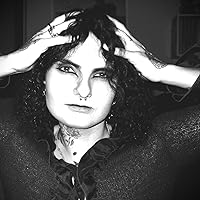
Banana Yoshimoto (よしもと ばなな or 吉本 ばなな) is the pen name of Mahoko Yoshimoto (吉本 真秀子), a Japanese contemporary writer. She writes her name in hiragana. (See also 吉本芭娜娜 (Chinese).)
Along with having a famous father, poet Takaaki Yoshimoto, Banana's sister, Haruno Yoiko, is a well-known cartoonist in Japan. Growing up in a liberal family, she learned the value of independence from a young age.
She graduated from Nihon University's Art College, majoring in Literature. During that time, she took the pseudonym "Banana" after her love of banana flowers, a name she recognizes as both "cute" and "purposefully androgynous."
Despite her success, Yoshimoto remains a down-to-earth and obscure figure. Whenever she appears in public she eschews make-up and dresses simply. She keeps her personal life guarded, and reveals little about her certified Rolfing practitioner, Hiroyoshi Tahata and son (born in 2003). Instead, she talks about her writing. Each day she takes half an hour to write at her computer, and she says, "I tend to feel guilty because I write these stories almost for fun."
"I'd been feeling a bit down ever since Takaharu had told me that our life together had been fun."
Typical little Banana book about death, stagnation, and trying to figure out what more to ask for. It's made extra eerie and appealing by the addition of some great little paintings by Nara Yoshitomo, the first of their two (?) collaborations.
This book was never published in English, but I stumbled upon a free pdf of a translation written as a graduate thesis, complete with Nara's paintings in their correct places. Nice find! It seems like a very good translation, and the tone is pretty identical to official translations of Banana's other books, so there you go. https://dl.tufts.edu/catalog/tufts:sd...
"Words don't come out easily in the afternoon. Time stagnates. It's always around this time that I feel like I want to run away from things."
Cando era neno rompín o brazo nunha festa que organizaba un compañeiro meu de clase. Non me lembro como foi a cousa, sei que eu saltara dunha cadeira para tentar facer unha acrobacia épica e rompín o brazo. Pese a ser un neno bastante popular na escola, era bastante introvertido, polo que sempre buscaba algunha escusa que poñer para non ver a ninguén —normalmente dicía que meus pais non me deixaban, cando a miña familia sempre foi extremadamente permisiva e lémbrome de poucas cousas que non me deixaran facer ao longo da miña vida—. Romper o brazo foi unha milagre para min. Tiña unha escusa para estar tirado en casa xogando a Pokemon sen necesidade de que ninguén me molestara. Un día, o neno que organizara aquela festa, viu coa súa nai para desculparse. Díxome que o sentía moito, como se el fose culpable, e que ogallá volver verme no cole pronto. Ao inicio estaba molesto de que alguén perturbara a miña solitaria paz, pero lembro que este foi dos primeiros xestos que teño dalguén sentindo unha clara empatía e preocupación por min, máis alá da miña familia. Aos poucos meses ese rapaz, que nacera en Arxentina e viñera á Galiza de bebé, ía volver alí coa promesa de volver vernos durante o verán. Fixemos unha pequena festa no cole para despedirnos e lémbrome contarlle confiado aos meus pais que volveríamos velo, pero iso nunca sucedeu.
Non éramos moi amigos, pero quedei con aquel recordo del, polo que pasei varios anos agardándome se algún día volvería velo. Nese momento, aínda tiña idea de que os amigos serían para sempre e non tiven que lidiar nunca a perda, polo que sen máis supoñía que, eventualmente, volvería aquí.
A que consideraba a miña mellor amiga ata hai uns meses comentaba que eu "nunca superaba nada", que era unha persoa incapaz de perder cariño polas persoas que as tivo e que, mesmo se pasan anos, enfados ou decepcións só podo alegrarme ao ver de novo unha persoa que, nalgún momento, espertou en min un momento de tenrura. Non podía negalo, ao final poucas persoas me coñeceron al longo da miña vida tanto como ela.
Este é un libro construido sobre despedidas: amigos que se mudan, unha nai que morre e unha nena que queda con todo ese amor sen as persoas as que adoitaba dalo. Hai unha alegría implicita, pese a todo, a que iso sucedera, a que nalgún momento esa conexión de tenrura e intimidade fora compartida, mesmo se esa persoa non está. Non é só un libro sobre aceptar a perda para crianzas, senón axudarlles a relacionarse con ela de forma complexa: é tan triste a ausencia como alegre é que tivese sucedido. Tristemente, xa non quero ser pai nesta vida, pero ogallá ter unhe sobriñe ou e fille dunhe amigue para poder darlle algún día unha tradución ao galego/castelán desta obra. A min teríame encantado lelo para comprender mellor varios procesos que vivín cando era demasiado pequeno para entendelos.
----------- Sobra dicilo, pero non sei xaponés —aínda, este ano comezo na escola de idiomas—. Lin unha tradución que unha doutorando dun departamento de xaponés dalgunha universidade ianqui subiu gratis á rede.
I was not a hand can easily list price was so high, but get the book coupon I got in the birthday gift.
Together, art book of Yoshitomo Nara is attached to this book. The binding is likely was caused by the hand of man that Hideki Nakajima. It's a very beautiful color. It seemed to represent faithfully the content of the book.
Life itself is of Daisy, seemed to proceed at the same speed as with this story. It is went on from the time of "now" indifferent, while leaving a positive presence.
Those involved in the "death" is often her work. Not a figment clean to you know, but it is the place vividly and realistically, do not want to write Chinamagusaku. I think those involved to portray her "death" is, and is beautiful though it is real. I thought so this time.
And Daisy is the vocation of burning fried noodles with okonomiyaki shop. Dahlia you have a friendship at an early age, had been baked fried noodles in the same way in the other side of the world. It is not a special environment, but memories of childhood her we were connecting the two people even when grown. I do not think it's bonds memories, but I think it 's what you need in order to lead.
"What new increases two in the room, joy and pain of the chest have increased"
This sentence was Setsunaka~tsu irresistibly. But, it was met with possible reading.