

What do you think?

A Gothic Soul
A Gothic Soul is the most acclaimed work of Czech Decadent prose. Expressing concerns that are unique to the Czech movement while alluding creatively and ironically to Joris-Karl Huysman's Against Nature, the novella is set in Prague, which is portrayed as a dead city, a city peopled by shades, who, like the protagonist – a nihilist and the "last scion of a noble line" – are only a dim reflection of the city’s medieval splendor. The man lives in a dreamworld, the labyrinth of his soul giving rise to visions. In his quest for meaning, he walks the city, often hallucinating, while pondering questions of religious fervor and loss of faith, the vanity of life, his own sense of social alienation, human identity and its relationship to a “nation,” the miserable situation of the Czechs under Habsburg rule, and Prague’s loss of its soul on the cusp of modernity as old sections, such as much of the squalid Jewish Quarter, are demolished to make way for gaudy new buildings and streets. With a history of madness running in the family and afraid the same fate awaits him, he ultimately retreats into seclusion, preferring the monastic way of life as the epitome of unity and wholeness and a tonic to present-day fragmentation. Yet Karásek eschews the mawkish, opting instead for darker tones that play with the tropes and motifs of Decadence while conflating the same-sex desires of his protagonist, the fatalism and futility of such an existence within the social construct of the day, with concerns for the dual fates of his nation and city.
144 pages, Hardcover
First published January 1, 1900
About the author
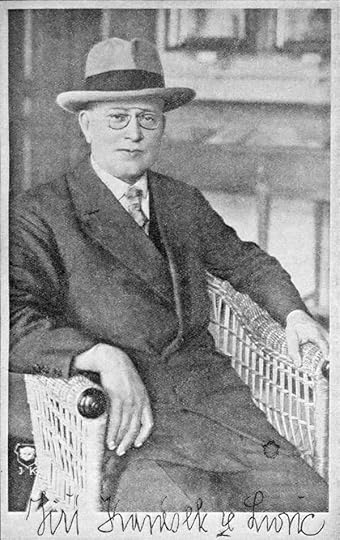
Jiří Karásek ze Lvovic
41 books10 followersJiří Karásek ze Lvovic was a Czech poet, writer and literary critic. He is a prominent representative of decadence in Czech literature. As a writer and reviewer he also used naturalistic and impressionistic styles.
Ratings & Reviews
Friends & Following
Create a free account to discover what your friends think of this book!
Community Reviews
Displaying 1 - 30 of 56 reviews

March 10, 2019
My book is not a narrative; I have composed it from spiritual processes. Impression follows impression. Feeling gives way to feeling. Spiritual states are in constant agitation. The melancholy of an empty childhood yields to the melancholy of youth, which feels that life fails to fill the void of days. In addition: melancholy from the impossibility of eliciting a response, the futile search for a friend – that is another source of suffering. The impossibility of faith – another. Skepticism about the Czech nation – yet another.
It is the turn of the century: 1900. He is 29 at this time and already successful in his career, having been appointed Imperial and Royal Postal Assistant four years earlier, a position requiring him to travel to the capitol of the Empire on a regular basis. In Vienna, he has established himself in some of the more progressive literary salons of the time. He has befriended Hugo Von Hofmannstahl, and he has become intimate with a young man of the aristocracy, tremendously cultured and a member of the diplomatic corps. At home in Prague, he spends every moment of his free time in literary and artistic pursuits. His apartment is heaped with books, sketches, paintings and other works of art. He is the co-editor of the most prominent magazine of modernist writing in Czech – Moderni Revue, and a number of his books have been published under the name Jirí Karásek (soon to be appended with “ze Lvovic,” as a claim to descendancy from the 16th-century astronomer and astrologer, Cyprián Karásek Lvovicky ze Lvovic).
Fiction is eternal; reality perishes. Invented forms live; real ones vanish. Truth is ephemeral; illusion, everlasating. Passions and emotions experienced in real life never have the same force as invented passions and emotions: how many times is Hamlet’s melancholy revived in us, even though we will never again feel a sorrow once felt? The real thus becomes unreal.
Returning from his office this evening, the young Karásek has a soft, buttery appearance. From under the brim of a smart hat, his round face with large-framed pince-nez bridging his nose, beams out. Like his hat, the double-breasted tailor-made suit that envelops his figure is of the latest fashion, a silken tie of gold and green threads is visible, immaculately double-knotted, beneath his prominent chin. Ladies of his neighborhood nod approvingly at the class he displays, while the gentlemen, probably with some envy, pass him off as a dandy. Some of them still remember the scandal of a few years earlier, when Karásek in a series of articles defended a British author by the name of Oscar Wilde, who at the time stood trial in Britain for indecency. A select few also remember that Karásek’s book of poetry Sodoma was banned for similar reasons.
The work Karásek has laid out for himself this evening is to read through the proofs of his new book Gotická duse. Seated at his workdesk, large bouquets of roses flanking him in 18th century vases of Bohemian glass, the author slowly peruses each page of the manuscript with a pen hovering over the paper. At intervals he strikes a line through a couple of words, and adds a note or two in the margins. Then with a soft, manicured hand, he turns the page over and places it facedown to his left, before moving on to the next page in the small pile of proofs.
He could dream over roses for entire hours and become inebriated with the colorful hues of small leaves weighted down by a brilliant rose, and tiny, delicate leaves, so light it seemed as though they were made from faded pink or yellow silk, and leaves that were somber in shadow and full of mysterious glitter in light, and open flowers, unfolded, and chaste ones, enclosing in their calyx the secret of their fragrances.
This is a slim book, not much more than a novella. As Karásek states in his preface, it is not a novel in the traditional sense. It does not really have a plot, its protagonist is nameless, and any other characters in it are little more than shadows. As the author would have it, the book is a “painting of a soul,” composed of a stream of “spiritual processes.” And, it is a “gothic soul.” A soul tainted by loneliness, repression, and, to the extent that it reflects its nation, a soul stuck in a medieval fantasy of itself, for centuries throttled and suffocated by foreign powers.
Perhaps, as he wrote his book, and now reads back over it, the author is aware of the universality of this soul’s progress. Surely, the book is close to being an autobiography of his own soul. Be that as it may, the journey of this “gothic” soul is a downward spiral. Every soul has its journey, and there will be obstacles and conflicts for each. This soul struggles with (religious) doubt, (sexual) isolation, (national) socio-cultural identity, and ultimately psychological degeneration. The trajectory of the journey is not a straight line, as the book describes the soul’s attempts to save itself, bounce back, reestablish equilibrium, only, time and again, to be swept back into the dark maelstrom of despair.
The days that followed were almost all the same. In the morning he would get up with the thought that this was the day: “this” day and no other he would choose to be the start of his long awaited and desired “new life.”
As the author turns over the last page of the proofs, there is no question that he is pleased with his work, and justly so. It is a dense and vivid portrait that he has painted. It is bleak and shadowy, yet written as if influenced by the scent of roses and incense; a work fittingly written nocturnally by candlelight in a room emanating the slow wisdom of a myriad bound pages, many of them centuries old.
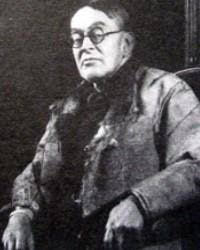
Jirí karásek ze Lvovic lived to see the Czech people achieve independence from the Austian Crown after the first world war in 1918. He also lived to see his country invaded by the Germans, and “liberated” by the Soviet army, before he died in obscurity in 1951. He wrote numerous books throughout his life, but a few short pieces aside, nothing other than A Gothic Soul is readily available in English. He was a member of the Czech Hermetics (a Society involved in the study of Alchemy), and flirted with the occult. His bibliophilia and art collecting continued until his death, at which point he had amassed a library of almost 50,000 books, and more than 40,000 sketches and paintings.
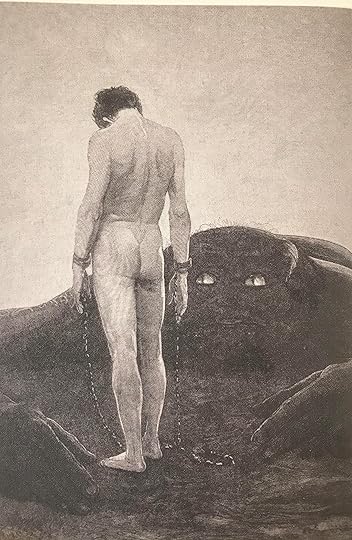
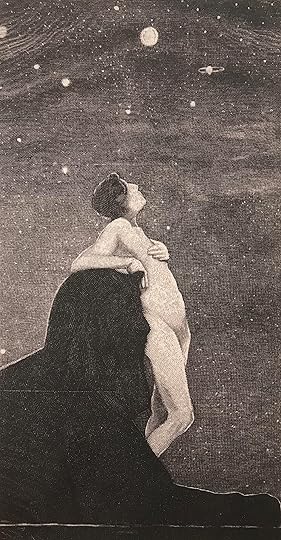
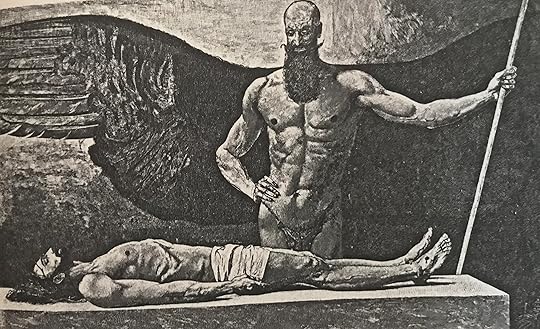
The small bound volume of A Gothic Soul published by Twisted Spoon is illustrated with engravings by Sascha Schneider (some of them reproduced above). Although these works were not originally designed for the book, there is no question that Schneider would have been an artist to Lvovic’s liking.

June 15, 2019
3.7 depressing stars [prtf]

April 18, 2025
https://kansasbooks.blogspot.com/2024...
"Despertó de aquel estado hipnótico y consiguió a duras penas regresar al presente. Lo embargó una sensación de extrañeza e inquietud: fue consciente de lo ingrato de su forma de relacionarse con el entorno y de la enorme distancia que lo separaba del resto del mundo. Sintió que el pasado más remoto, y que persistía como un fantasma incapaz de hallar la luz era el soporte inestable de su vida presente."
Esta cita casi que puede definir también el estado en el que se encuentra el lector durante la lectura de esta corta pero intensa novela, te ves sumergido en una especie de interludio hipnótico mientras avanzas y hubo momentos en que me vi transportada a una especie de limbo abstracto, abstracto por llamarlo de alguna forma, porque el protagonista vive en un mundo físico pero realmente toda su vida parece transcurrir en su mente, su sobrepensamiento constante llega a fusionar esta narración en tercera persona casi haciéndote creer que es el protagonista quién le habla directamente al lector. "Era el último vástago de una vetusta familia aristocrática de la que apenas quedaban unas pocas mujeres aquejadas de histeria y de la que otros tantos miembros habían perecido a manos de la locura." A medida que la narración prosigue, recordaremos esta primera cita inicial porque poco a poco va a hacer evidente que el protagonista sin nombre (que luego será calificado como el “héroe” por el narrador) está firmemente influido por esta locura que lleva arrastrando su familia, que él temerá heredar, al mismo tiempo que todo el texto se verá imbuido por esa idea del protagonista de que va a ser el último, quizás, de su linaje.
"Se protegía gracias al desapego más inaccesible. Se guardaba de intimar, pues en la intimidad intuía, estaba el peligro. Luchaba incansable por vencer al enemigo oculto en el alma de los seres extraños que se le acercaban; resistía desesperado ese elemento incisivo que intentaba penetrar en sus entrañas."
Ya el autor comenta en el Prefacio que este texto “no es una novela en el sentido habitual de la palabra sino un diario emotivo de una sucesión inconstante de representaciones del mundo espiritual” y también cuenta que para escribirlo “se sirvió de procesos anímicos y no de hechos concretos” y yo creo que no se puede explicar mejor en lo que va deviniendo este texto, porque no hay trama, el protagonista no tiene nombre y realmente vive sobre todo gracias a su mente, a sus estados anímicos, a sus reflexiones que sobre todo girarán en torno a que no es capaz de encajar en este mundo. Caminará o deambulará en un acto constante de sobrepensamiento, separado de todo lo material centrado sobre todo en un flujo continuo de corriente íntima. Su alma es la que está en constante agitación, se podría decir, y se preguntará una y otra vez el motivo de su aislamiento y de esos arrebatos en los que prefiere huir de todo contacto, que le obligarán a vivir en un estado continuo de desconexión con el mundo.
"El momento en el que descubrió la vacuidad de la vida, cuando el mundo la había defraudado, ese fue el día de su despertar. ¿Pero acaso no vivía en el presente también una falacia?"
La Praga por la que vaga este protagonista parece una ciudad sonámbula, y las pocas personas con las que se va encontrando serán como fantasmas o por lo menos lo parecerán. Durante este vagar mientras le da vueltas a la vida, lo intenta.., intenta esforzarse por relacionarse, por terminar con este aislamiento pero de alguna forma siempre encuentra refugio en los sueños porque en la realidad, cuando cree haber conocido a un amigo potencial, siempre acabará alejándose. Es una novela estupenda de un autor checo que la verdad no conocía, en cuyo prólogo se encuentra contenido toda la información al respecto de Jiri Karasek, y aunque por el tema que toca pudiera parecer densa y farragosa, para nada lo es, se hace ligera como una pluma, mérito de su traductor, H.F. Santiago. Una joyita.
"Huir a los elevados y lejanos montes..., huir para siempre. Y con mas razón, huir de sí mismo. Hay palabras que no pueden pronunciarse, como hay movimientos que no pueden ejecutarse mientras se está dormido.
Disipó al instante aquella emoción."
♫♫♫ The cold song - Klaus Nomi ♫♫♫

January 26, 2025
No esperaba que este libro fuera gustarme tanto. Me llamó la atención por la portada, y porque ya había leído algún otro título de la editorial y me había parecido muy bueno, pero ha sido mejor de lo que esperaba.
Esta es la caída al abismo de un alma atormentada. De alguien que lucha contra sí mismo, contra sus pensamientos, contra la sociedad y su absurdez y hasta contra su propio cuerpo. Es un descenso lento pero seguro hacia la obsesión, la psicosis y la locura.
Y es que aquí el 'héroe' no puede evitar contemplar un mundo en decadencia, que cada vez lo decepciona más, y él, por más que intenta buscar buscar algo positivo y ser optimista, es incapaz de conformarse y no puede evitar sucumbir a la angustia y sufrimiento que le produce. Se suma a esto, además, el terror a acabar como sus antepasados, hundidos en la demencia y la enajenación.
Es impresionante cómo expone sus conflictos internos y contradicciones, sus reflexiones y cavilaciones sobre la humanidad, la fe, el amor, la soledad... Es una danza en la que se van diluyendo cada vez más los límites entre la realidad y los sueños, es filosófico y es poético, es absolutamente angustioso y brillante a la vez.
El autor refleja a la perfección la corriente de pensamiento nihilista y decadente checo que había en la época, no en vano la ciudad de Praga tiene un papel fundamental en la obra. Me han resonado también ecos de Kafka y Wilde, por todo esto y muchas más cosas, que no podría resumir aquí y que creo que es mejor descubrir de mano del narrador, me ha parecido un texto de lo más interesante y completo, sin duda de los que dan para relectura. Eso sí, mejor leerlo en un momento bueno anímicamente.
Esta es la caída al abismo de un alma atormentada. De alguien que lucha contra sí mismo, contra sus pensamientos, contra la sociedad y su absurdez y hasta contra su propio cuerpo. Es un descenso lento pero seguro hacia la obsesión, la psicosis y la locura.
Y es que aquí el 'héroe' no puede evitar contemplar un mundo en decadencia, que cada vez lo decepciona más, y él, por más que intenta buscar buscar algo positivo y ser optimista, es incapaz de conformarse y no puede evitar sucumbir a la angustia y sufrimiento que le produce. Se suma a esto, además, el terror a acabar como sus antepasados, hundidos en la demencia y la enajenación.
Es impresionante cómo expone sus conflictos internos y contradicciones, sus reflexiones y cavilaciones sobre la humanidad, la fe, el amor, la soledad... Es una danza en la que se van diluyendo cada vez más los límites entre la realidad y los sueños, es filosófico y es poético, es absolutamente angustioso y brillante a la vez.
El autor refleja a la perfección la corriente de pensamiento nihilista y decadente checo que había en la época, no en vano la ciudad de Praga tiene un papel fundamental en la obra. Me han resonado también ecos de Kafka y Wilde, por todo esto y muchas más cosas, que no podría resumir aquí y que creo que es mejor descubrir de mano del narrador, me ha parecido un texto de lo más interesante y completo, sin duda de los que dan para relectura. Eso sí, mejor leerlo en un momento bueno anímicamente.

December 29, 2019
Another book I'm kicking myself for just sticking on a shelf and forgetting about two years ago. How stupid was that, I say now, after finishing it, because it was reading excellence.
I need to read this book one more time before commenting, but I will say it is dark and disturbing, and not for everyone, especially not to be read while depressed. Not only did I love it, I felt it -- very rare occurrence. I also think I have to make time for a reread of Huysmans' À Rebours.
more to come.
I need to read this book one more time before commenting, but I will say it is dark and disturbing, and not for everyone, especially not to be read while depressed. Not only did I love it, I felt it -- very rare occurrence. I also think I have to make time for a reread of Huysmans' À Rebours.
more to come.

February 10, 2026
Un alma gótica es el recorrido por la vida del protagonista, con una mente llena de ilusiones salpicada de esperanzas que no pueden vencer la decadencia, la realidad de una praga oscura, lúgubre que poco a poco van apagando su alma soñadora, gótica, buscadora incansable de la plenitud y en especial el dolor de no encontrar otra alma afín a él.
Es una obra que se aleja de lo convencional: se centra en las emociones, en los pensamientos del «héroe» y como estos van evolucionando conforme crece. Es realmente intenso ver sus intentos en agarrarse a algo que lo sostenga: religión, una nueva vida, intentar ser más sociable, etc,; de, en definitiva, no caer en el delirio. El temido delirio.
Vivir.
«Buscaba el amor y el calor. No quería permanecer indiferente ni mantenerse al margen. Quería estallar en llamas y arder».
Es una obra que se aleja de lo convencional: se centra en las emociones, en los pensamientos del «héroe» y como estos van evolucionando conforme crece. Es realmente intenso ver sus intentos en agarrarse a algo que lo sostenga: religión, una nueva vida, intentar ser más sociable, etc,; de, en definitiva, no caer en el delirio. El temido delirio.
Vivir.
«Buscaba el amor y el calor. No quería permanecer indiferente ni mantenerse al margen. Quería estallar en llamas y arder».

February 26, 2025
Kdo s radostí zhlédl Nosferatu, ať si přečte Gotickou duši.
Kdo učí dějepis a celý prvák se babrá ve středověku, ať si přečte Gotickou duši.
Koho štve, jak se dnes mladým říká, že jsou snow flakes a nic nevydrží, ať si přečte Gotickou duši.
No já splňuju všechny tři body, takže se mi to samozřejmě moc líbilo. Gotická duše sleduje proměnu jednoho mladého muže aspirujícího na dobrý a úspěšný život, kterému postupně dochází, že neumí a neví, jak žít. Dohnané do krajnosti, impresionistické, dekadentní.
Kdo učí dějepis a celý prvák se babrá ve středověku, ať si přečte Gotickou duši.
Koho štve, jak se dnes mladým říká, že jsou snow flakes a nic nevydrží, ať si přečte Gotickou duši.
No já splňuju všechny tři body, takže se mi to samozřejmě moc líbilo. Gotická duše sleduje proměnu jednoho mladého muže aspirujícího na dobrý a úspěšný život, kterému postupně dochází, že neumí a neví, jak žít. Dohnané do krajnosti, impresionistické, dekadentní.

October 4, 2024
«Todo es vanidad»
Una lectura fascinante. Nuestro protagonista es un hombre que habita en el abismo interior, soledad y oscuridad, ¿por qué? Camina de un lado a otro, sin un destino concreto, ¿por qué es así?
«… su alma transformaba y ensalzaba lo que percibían sus ojos…»
Decadentismo. Arremete contra la moral y las costumbres burguesas, nuestro protagonista, tras la muerte de sus padres, es educado por las hermanas de su padre, avejentadas, criado en una casa de duelo, marchita y doliente. Su educación estaba envuelta en escapularios e imágenes de santos y rosarios, de ahí que sintiera en el momento de crisis esa llamada tan fervorosa. Sin afecto y siempre solo, ¿cómo no iba a convertirse en un adulto frío y desconfiado?
Sus tías vivían recordando a los muertos, relatando una y otra vez cómo sucumbieron ante la locura, recordándole su parecido, sus mismos ojos, su rostro, sus labios y sus manos, si heredó todo eso, ¿por qué no la locura que lo mató? Una novela gótica en toda la extensión de la palabra. Fabulosa.
«Las multitudes lo hacían sentir profundamente triste»
Desdichado ante la incomprensión del mundo, deseaba que alguien le entendiera, su frialdad y su soledad, pero pesa esa crianza en la religión, en el dogma, el pecado y la culpa. Una obra que explora las profundidades del inconsciente. «Nunca he sabido lo que es vivir».
«¡Qué aprovechen la vida los demás!»
No conocía al autor, un verdadero descubrimiento que agradezco a la editorial, ¿cómo se me pudo escapar?
Una lectura fascinante. Nuestro protagonista es un hombre que habita en el abismo interior, soledad y oscuridad, ¿por qué? Camina de un lado a otro, sin un destino concreto, ¿por qué es así?
«… su alma transformaba y ensalzaba lo que percibían sus ojos…»
Decadentismo. Arremete contra la moral y las costumbres burguesas, nuestro protagonista, tras la muerte de sus padres, es educado por las hermanas de su padre, avejentadas, criado en una casa de duelo, marchita y doliente. Su educación estaba envuelta en escapularios e imágenes de santos y rosarios, de ahí que sintiera en el momento de crisis esa llamada tan fervorosa. Sin afecto y siempre solo, ¿cómo no iba a convertirse en un adulto frío y desconfiado?
Sus tías vivían recordando a los muertos, relatando una y otra vez cómo sucumbieron ante la locura, recordándole su parecido, sus mismos ojos, su rostro, sus labios y sus manos, si heredó todo eso, ¿por qué no la locura que lo mató? Una novela gótica en toda la extensión de la palabra. Fabulosa.
«Las multitudes lo hacían sentir profundamente triste»
Desdichado ante la incomprensión del mundo, deseaba que alguien le entendiera, su frialdad y su soledad, pero pesa esa crianza en la religión, en el dogma, el pecado y la culpa. Una obra que explora las profundidades del inconsciente. «Nunca he sabido lo que es vivir».
«¡Qué aprovechen la vida los demás!»
No conocía al autor, un verdadero descubrimiento que agradezco a la editorial, ¿cómo se me pudo escapar?
January 10, 2016
From the Czech Decadent movement at the end of the 19th century and in to the 20th, this is a reworking of "A Rebours" set in Prague with a central figure even more morbidly obsessed with medieval religion. Instead of the self-confident abundance of Paris, he is dominated by consciousness of the Czech nation as a crushed, defeated, marginal world. Spectres and visions haunt him, and his attempts at travel and friendship are even more hopeless than des Esseintes'. It doesn't end well, as you will have guessed. The translator's Afterword is interesting for putting all this in its cultural context for those of us who know nothing of Czech literature beyond the big names.
February 10, 2025
„Byla to bolestně vadnoucí atmosféra, v níž vyrůstal. Atmosféra lhostejných šedí a zasmušilých hnědí.”
„Všechno, co ve světě skutečném ho nechávalo lhostejným, neb co jej odpuzovalo, nabývalo nyní jakoby zmnoženého života v nejprudších odstínech.”
„Ruce jejich se ho dotýkaly ironicky.”
„Zelenavý jich odstín přecházel tmou v měkký, zlenivělý a žlutavý, jantarový tón, teplem jako žhoucí, jenž jako by vsával a vpíjel tmu.”
malicko famozni
„Všechno, co ve světě skutečném ho nechávalo lhostejným, neb co jej odpuzovalo, nabývalo nyní jakoby zmnoženého života v nejprudších odstínech.”
„Ruce jejich se ho dotýkaly ironicky.”
„Zelenavý jich odstín přecházel tmou v měkký, zlenivělý a žlutavý, jantarový tón, teplem jako žhoucí, jenž jako by vsával a vpíjel tmu.”
malicko famozni

September 20, 2024
Menuda sorpresa la que me he llevado con esta obra y este autor que desconocía completamente. Un alma gótica de Jirí Karásek carece de una trama clara, pues se centra en la exploración del yo más profundo y las inquietudes existenciales y espirituales que son propias del decadentismo, un movimiento que ejerció de reacción contra el optimismo burgués y el racionalismo del siglo XIX y que tuvo como figuras destacadas a Lautréamont, Baudelaire o Verlaine entre otros.
Jan Ratkin, el protagonista de la novela, nos muestra sin pudores mediante una descarga introspectiva de gran calado y envuelto con un halo permanente de melancolía, sus angustias, tormentos existenciales y desencantos, así como una marcada obsesión con la muerte.
Como lectores nos veremos arrastrados a ese vacío interior de Ratkin desde el inicio de la obra y seremos partícipes de su desesperación y soledad desmedidas. Sería de suponer que, con tal vacío existencial mostrado por el protagonista, no quedaría hueco para otra cosa que la desesperanza, y es así mayormente, pero también hay que señalar ciertos intentos de huir de esa oscuridad, pues Ratkin trata, o al menos se propone de vez en cuando, conocer a otras personas y entablar conversación con ellas en un intento desesperado por salir de ese pozo. Inevitable no sentir empatía por el protagonista, cuya pureza de alma y extrema sensibilidad le lleva a experimentar dolor por cualquier cosa.
En resumen, Un alma gótica es una clara referencia de la literatura del decadentismo y el simbolismo, una novela absolutamente psicológica que explora la parte más sombría del alma humana y busca el sentido de la vida. Un lujo de lectura para todos aquellos que se preguntan y se cuestionan siempre, y no tienen miedo de bajar al fango de vez en cuando.
Jan Ratkin, el protagonista de la novela, nos muestra sin pudores mediante una descarga introspectiva de gran calado y envuelto con un halo permanente de melancolía, sus angustias, tormentos existenciales y desencantos, así como una marcada obsesión con la muerte.
Como lectores nos veremos arrastrados a ese vacío interior de Ratkin desde el inicio de la obra y seremos partícipes de su desesperación y soledad desmedidas. Sería de suponer que, con tal vacío existencial mostrado por el protagonista, no quedaría hueco para otra cosa que la desesperanza, y es así mayormente, pero también hay que señalar ciertos intentos de huir de esa oscuridad, pues Ratkin trata, o al menos se propone de vez en cuando, conocer a otras personas y entablar conversación con ellas en un intento desesperado por salir de ese pozo. Inevitable no sentir empatía por el protagonista, cuya pureza de alma y extrema sensibilidad le lleva a experimentar dolor por cualquier cosa.
«De forma repentina, lo distrajo alguien que parecía igual de solitario que él; se sentó en un banco que quedaba cerca. Se miraron con disimulo el uno al otro y sintieron al instante que algo los unía. Sin embargo, no mediaron palabra ni se atrevieron a cruzar la mirada por segunda vez. El héroe se sintió desde ese momento bajo el influjo seductor de aquel individuo. ¿Podría entablar amistad con él?»
En resumen, Un alma gótica es una clara referencia de la literatura del decadentismo y el simbolismo, una novela absolutamente psicológica que explora la parte más sombría del alma humana y busca el sentido de la vida. Un lujo de lectura para todos aquellos que se preguntan y se cuestionan siempre, y no tienen miedo de bajar al fango de vez en cuando.

October 12, 2024
Único e interesante libro. No hay muchos ahí fuera con esta narrativa. Es un viaje onírico, sinsentido pero a la vez profundo y que invita la reflexión. Caos, desorden y reflexión contenida en apenas 180 páginas
October 18, 2024
3,5 ⭐️. Mi lectura de República Checa.
November 30, 2024
Tenhle autor mě mega zaujal na hodině češtiny a hned jsem si od něj něco musela přečíst. Líbilo se mi to, ale věřím že má možná i zajímavější díla, hlavně jeho básně. Nejvíc se mi líbila ta samotná Gotická duše ale i ty povídky byly fajn. Nejvíc se mi líbilo, že se povídky odehrávaly v Praze a jak byly tajemný. Určitě si od něj musím přečíst víc!

Read
September 11, 2025‘A Gothic Soul is not a novel in the usual sense of the word: it is a diary of emotions and moods, of the undulating play of the spiritual world, an account of stories of the soul, of everything that agitates the inner self beneath the waves of nuances, fragrances, and tremors with which the real world inundates it. The chimera of a daydreamer who wants to inebriate himself with life and around whom the dream of life flutters constantly like a veil that cannot be removed, and who believes that for life it is necessary for that dream to come true, and the tragedy of this delusion - that is the inner story of my work.’
-- Jiří Karásek ze Lvovic, ‘Author’s Preface’
A Gothic Soul is a Czech reworking of Joris-Karl Huysmans’s ‘À Rebours (Against Nature)’, in the style of the Czech Decadent movement at the end of the 19th century. But this isn’t the splendor of Huysman’s Paris, it’s a Prague, a dead city of haunted shadows of a people and country’s medieval splendor. Karásek’s world is one of nihilism and the roses and tuberose that are the fragrances of death. It’s a grim and mad little book, maybe more for those already fans of Czech literature.
Tr. Kirsten Lodge
-- Jiří Karásek ze Lvovic, ‘Author’s Preface’
A Gothic Soul is a Czech reworking of Joris-Karl Huysmans’s ‘À Rebours (Against Nature)’, in the style of the Czech Decadent movement at the end of the 19th century. But this isn’t the splendor of Huysman’s Paris, it’s a Prague, a dead city of haunted shadows of a people and country’s medieval splendor. Karásek’s world is one of nihilism and the roses and tuberose that are the fragrances of death. It’s a grim and mad little book, maybe more for those already fans of Czech literature.
Tr. Kirsten Lodge

January 3, 2025
En este libro, que para mí ha supuesto un auténtico descubrimiento, Karásek explora la espiritualidad desde una perspectiva gótica, teñida de pesimismo y desesperanza. El título refleja tanto la inclinación del protagonista hacia el arte y lo sublime como su fascinación por el misticismo y lo sobrenatural. Este dualismo entre lo material y lo espiritual permea toda la obra.
La novela narra la vida interior de un joven que, en un principio, aspira a ser sacerdote, un personaje solitario y atormentado que lucha contra sus propias contradicciones espirituales y emocionales y que, incapaz de encontrar sentido en su existencia ni en la religión que profesa, se ve sumergido en un estado de profundo nihilismo. La obra explora su psique mientras se enfrenta a visiones perturbadoras, sueños oscuros y un mundo que percibe como vacío y sin propósito.
El conflicto central radica en su lucha entre el anhelo de pureza espiritual y los deseos terrenales, los cuales lo conducen a un estado de desintegración psicológica. A través de su protagonista, Karásek aborda temas como la decadencia moral, la pérdida de fe y el poder del arte y la belleza para evocar lo sublime y lo inquietante.
La narrativa es altamente introspectiva, rica en simbolismo y cargada de descripciones detalladas de ambientes sombríos y decadentes. Un alma gótica es tanto una meditación sobre el alma humana como un reflejo de la crisis espiritual de la modernidad.
A mí, su lectura me ha traído el recuerdo de las Sonatas de Valle-Inclán. Creo que ambos autores comparten ciertas afinidades estilísticas y temáticas en sus obras, a pesar de pertenecer a contextos culturales diferentes.
Ambos autores pertenecen al movimiento decadentista de finales del siglo XIX y principios del XX, caracterizado por su interés en la belleza estilizada, la exaltación de lo sensorial y la obsesión por lo mórbido y lo decadente.
Ambos presentan, también, personajes atormentados, introspectivos, complejos, y atrapados en dilemas existenciales.
Las Sonatas están impregnadas de una atmósfera sensorial y una estética que mezcla lo luminoso y lo sombrío, con imágenes de la naturaleza y de la muerte. Un alma gótica tiene una atmósfera más marcadamente lúgubre y oscura, pero comparte con Valle-Inclán la fascinación por lo morboso, lo melancólico y el paso del tiempo como un elemento destructivo.
Además, ambos autores exploran la tensión entre lo espiritual y lo sensual. Valle-Inclán dota a sus Sonatas de un erotismo refinado y estético, que se entrelaza con un trasfondo religioso y simbólico.
Karásek aborda la lucha interna del aspirante a sacerdote entre sus impulsos carnales y su vocación religiosa, representando la espiritualidad como un campo de batalla entre la pureza y el deseo.
En las Sonatas, Valle-Inclán evoca un mundo aristocrático y romántico que ya está desapareciendo, mientras que Karásek presenta una visión del alma humana enfrentada a la modernidad, llena de angustia y vacío. Ambos comparten una mirada nostálgica y crítica hacia la sociedad de su tiempo.
En definitiva, me han entrado ganas de volver a leer las Sonatas.
Finalmente, debo decir ( y conociendo tan poco de la obra de Karásek, no sé si será arriesgado) que también me ha parecido encontrar los ecos de este autor en el Thomas Mann de La muerte en Venecia, en la poesía de Rilke y en el vacío existencial de los personajes de Kafka.
Como ya dije al comienzo, este autor ha supuesto todo un hallazgo para mí. Espero poder continuar con la lectura de su obra.
La novela narra la vida interior de un joven que, en un principio, aspira a ser sacerdote, un personaje solitario y atormentado que lucha contra sus propias contradicciones espirituales y emocionales y que, incapaz de encontrar sentido en su existencia ni en la religión que profesa, se ve sumergido en un estado de profundo nihilismo. La obra explora su psique mientras se enfrenta a visiones perturbadoras, sueños oscuros y un mundo que percibe como vacío y sin propósito.
El conflicto central radica en su lucha entre el anhelo de pureza espiritual y los deseos terrenales, los cuales lo conducen a un estado de desintegración psicológica. A través de su protagonista, Karásek aborda temas como la decadencia moral, la pérdida de fe y el poder del arte y la belleza para evocar lo sublime y lo inquietante.
La narrativa es altamente introspectiva, rica en simbolismo y cargada de descripciones detalladas de ambientes sombríos y decadentes. Un alma gótica es tanto una meditación sobre el alma humana como un reflejo de la crisis espiritual de la modernidad.
A mí, su lectura me ha traído el recuerdo de las Sonatas de Valle-Inclán. Creo que ambos autores comparten ciertas afinidades estilísticas y temáticas en sus obras, a pesar de pertenecer a contextos culturales diferentes.
Ambos autores pertenecen al movimiento decadentista de finales del siglo XIX y principios del XX, caracterizado por su interés en la belleza estilizada, la exaltación de lo sensorial y la obsesión por lo mórbido y lo decadente.
Ambos presentan, también, personajes atormentados, introspectivos, complejos, y atrapados en dilemas existenciales.
Las Sonatas están impregnadas de una atmósfera sensorial y una estética que mezcla lo luminoso y lo sombrío, con imágenes de la naturaleza y de la muerte. Un alma gótica tiene una atmósfera más marcadamente lúgubre y oscura, pero comparte con Valle-Inclán la fascinación por lo morboso, lo melancólico y el paso del tiempo como un elemento destructivo.
Además, ambos autores exploran la tensión entre lo espiritual y lo sensual. Valle-Inclán dota a sus Sonatas de un erotismo refinado y estético, que se entrelaza con un trasfondo religioso y simbólico.
Karásek aborda la lucha interna del aspirante a sacerdote entre sus impulsos carnales y su vocación religiosa, representando la espiritualidad como un campo de batalla entre la pureza y el deseo.
En las Sonatas, Valle-Inclán evoca un mundo aristocrático y romántico que ya está desapareciendo, mientras que Karásek presenta una visión del alma humana enfrentada a la modernidad, llena de angustia y vacío. Ambos comparten una mirada nostálgica y crítica hacia la sociedad de su tiempo.
En definitiva, me han entrado ganas de volver a leer las Sonatas.
Finalmente, debo decir ( y conociendo tan poco de la obra de Karásek, no sé si será arriesgado) que también me ha parecido encontrar los ecos de este autor en el Thomas Mann de La muerte en Venecia, en la poesía de Rilke y en el vacío existencial de los personajes de Kafka.
Como ya dije al comienzo, este autor ha supuesto todo un hallazgo para mí. Espero poder continuar con la lectura de su obra.

November 15, 2024
Schizophrenic man walks around Prague and fucking dies: the novella.
I’m sure I’ll appreciate it more when analysing it but honestly reading it sometimes felt like a bit of a chore. The character is annoying asf lol.
Well, there were some bits I liked, like the contemplation of the state of the Czech nation and other stuff can’t remember lol.
Cool to read a book by a Czech author from a different time period (sorry Kundera I have betrayed you)
I’m sure I’ll appreciate it more when analysing it but honestly reading it sometimes felt like a bit of a chore. The character is annoying asf lol.
Well, there were some bits I liked, like the contemplation of the state of the Czech nation and other stuff can’t remember lol.
Cool to read a book by a Czech author from a different time period (sorry Kundera I have betrayed you)

January 4, 2023
I liked this better than its original inspiration, Huysman's Against Nature (À rebours), because it is darker, gloomier and uncanny at times. Above all, it is sad. But this sadness, religious imagery and continuous reproaching may suffocate some of the readers; I wish I could have read more visions (or hallucinations) that the protagonist having here and there. Prague spirit is alive in this novel, but more inside the head of nameless anti-hero; this is the main difference from Paul Leppin's Severin, who crossed the shadowy streets non-stop at midnight. In the end, Gothic Soul is a solitude and alienation narrative; third person narration is a good choice because it serves as a distance from sentimentalism; also there is an irony in writer's handling of his protagonist's heavily suppressed homosexuality - if you think that Karasek came out courageously in real life.
A few words for Twisted Spoon Press: Thank you, this is a pretty book! Illustrations and endpaper motifs by Sacha Schneider (who was follower of Max Klinger), Dan Mayer's cover design, writer's foreword and translator's afterword - all fitted very well to create an artwork quality book.
A few words for Twisted Spoon Press: Thank you, this is a pretty book! Illustrations and endpaper motifs by Sacha Schneider (who was follower of Max Klinger), Dan Mayer's cover design, writer's foreword and translator's afterword - all fitted very well to create an artwork quality book.

February 5, 2018
A grim relentless dirge from the confines of a miserable and deeply unhappy man who lives a life of almost monastic seclusion. He doesn’t relate to or enjoy the company of others, he sees little point in his own existence and spends all his time obsessing and torturing himself over his false religious beliefs and fixation of death.
Tedious and depressing, but beautifully presented with illustrations by Sascha Schneider.
Tedious and depressing, but beautifully presented with illustrations by Sascha Schneider.

December 24, 2024
„Přepadl jej hořký nával tesknosti, silné vědomí nicoty života, že vše pozbylo pro něj ceny. Připadalo mu vše tak marné proti okolnosti, že života jeho někdy nebude. A myšlenka, že tehdy bude zvolna trouchnivěti, v nic přecházeti, působila, že nemohl nyní ani přemýšleti, jak zpříjemňovati život… Všechny naděje odvála tato myšlenka jako vítr uschlé listy.”
… trosku genialni
… trosku genialni

March 3, 2026
One of those books that you learn to love. Very interesting and very nicely written/ translated.
July 31, 2026
So gothic

May 28, 2025
can't lie, actually hated it but i managed to write a decent enough essay on it so i'm biased

July 28, 2015
The novel “A Gothic Soul” by Jiří Karásek Za Lvovuc, was written in 1900 and comes to us in 2015 courtesy of Twisted Spoon Press, a small independent publisher based in Prague. Their focus is on translating into English a variety of writing from Central and Eastern Europe and making it available to a global readership. They have a philosophy of placing equal emphasis on new works from contemporary writers and work from an earlier period “that has been neglected in translation”. “A Gothic Soul” is one of those later books, being the first time any full-length work of Karásek’s prose has been translated into English. Given the assertion that Karásek played an important role in Czech literature and European Decadence in general this is a surprising fact.
Our book opens with a wonderful “Author’s Preface” where the musings on art, the role of writing, the structure of novels are all brought to the fore. This is a wonderful opening to put you in the mood for reading a dark and decadent tale, as another blogger (The Complete Review) has pointed out, the cost of the book is worth it for the “preface” alone…
Reality has only one purpose in art: the artist must become familiar with it so as to know how to avoid it. He should learn from it so as to know how to distance himself from it.
For my full review go to http://messybooker.blogspot.com.au/20...
Our book opens with a wonderful “Author’s Preface” where the musings on art, the role of writing, the structure of novels are all brought to the fore. This is a wonderful opening to put you in the mood for reading a dark and decadent tale, as another blogger (The Complete Review) has pointed out, the cost of the book is worth it for the “preface” alone…
Reality has only one purpose in art: the artist must become familiar with it so as to know how to avoid it. He should learn from it so as to know how to distance himself from it.
For my full review go to http://messybooker.blogspot.com.au/20...
December 24, 2017
"He was a great and absolute nihilist. He was a typical Czech, because we all work toward nihilism. Nobody knows how to contest everything so grandly as a Czech, and Chelcicky was so perfect at tit. he would sit in his cottage and cross off one thing after another. There should be nothing in the world. Nothing at all. The tavern keeper selling beer, the merchant conducing business, the judge sitting in judgement, the mercenary fighting — all of them bring evil to the world. They should do nothing, because every activity was profane vanity and diabolical pride, and to do nothing was the foundation of all wisdom."
One of the few novels I've read that blends a longing for monastic nihilism with a kind of homosocial pride and Decadent malaise. Beautifully written, though the internal stream of thought sometimes drags on a bit.
One of the few novels I've read that blends a longing for monastic nihilism with a kind of homosocial pride and Decadent malaise. Beautifully written, though the internal stream of thought sometimes drags on a bit.

August 22, 2016
Think Frederick Rolfe meets E. A. Poe and you'll picture the decadence of mood, setting, and willed melancholia described here.

May 26, 2023
If all is not yet lost, it certainly will be very soon, for I do not know how to live.
I haven’t come across a text this close to my condition since seeing Louis Malle’s The Fire Within. Here, Karásek depicts an inner journey of monastic solitude and spiritual nihilism as their protagonist searches for meaning, and seeks answers to the reason why they no longer feel alive.
He was not capable of living. He was not born for life, as a blind man is not born to see. He tried in vain to enter life, yet was destined to stand outside of it.
Unfortunately, the book, at times, is a little too mired in the decadent tropes of the time (I say “unfortunately” because the protagonist’s condition is universal beyond any genre). The religious reflections are historically interesting, if passé, for we are now in a period of atheistic ascent. However, Karásek’s concern that there’s no feeling without faith is even more pertinent to the present moment, for there seems to be no faith left—even in humanity—in this godless, egocentric, materialist world we now inhabit.
The prose itself is rather simple. Nothing really elevates it other than the emotion of the protagonist’s despair. But that’s ok as Karásek is mostly concerned with meaning here. Regrettably, though, there is no real resolution, and the ending itself is incredibly underwhelming.
I have never known what it means to live. I have considered my vices to be virtues, my laziness to be work, myself to be a paragon and everything else a caricature.
On the other hand, the author’s introduction was rather commendable. In it, Karásek advocates for inner life art (the kind I’m most drawn to) rather than plots revolving around physical action and exterior reality. They say, for example: “Biographies are abominable: they relate insignificant details about significant people. Only autobiographies are tolerable, and only when they disdain reality. For autobiographies offer so many opportunities to portray the soul, and so much freedom to ignore reality and to create a work of art from one’s own life.” Moreover, Karásek makes a nice distinction between illusory suffering (i.e., suffering created not by reality but by one’s inner self) and suffering in real life, as the protagonist’s fear is really a fear of themself and the impossibility of escaping themself and transcending their condition. During the initial reception of the novel, the protagonist was deemed to be pathological and abnormal, but Karásek normalises the protagonist’s condition by responding: “It has been forgotten that some may feel almost the same anxiety when confronted by the normal as others feel when confronted by the abnormal.” For even if the protagonist’s life is not commonplace, it doesn’t make it any less true.
Day after day passed. He lost track of time. He only felt himself ageing. And as time passed, he grew colder. The world that appeared before his eyes was no longer the world of his youth.
There is also an undercurrent of repressed homosexuality throughout the text. Being originally published in the year 1900, homosexuality was shunned and criminalised at that time. So while it is daring to display same-sex desire so openly in a text during that period, I feel that the protagonist’s potential solution to their condition (a communion of two souls) is somewhat misattributed to their sexuality. Community and love are indeed important, even more so when it’s so ubiquitously repressed, but if the main character really felt dead inside, then I believe this too would be just another illusion like all the rest.
He yearned to speak with someone alive, rather than merely crying out into emptiness. He yearned to speak the ancient words about old longings and dreams. Old truths, even if they were now nothing but illusions. He wanted to speak intimately with anyone at all. To forget trivial pursuits and to love. Everyone. To love everything about them. Simply not to want to scrutinise everything! It was an enemy of man who invented the maxim: “Know thyself.” That is the same as saying: “Despise thyself."
I haven’t come across a text this close to my condition since seeing Louis Malle’s The Fire Within. Here, Karásek depicts an inner journey of monastic solitude and spiritual nihilism as their protagonist searches for meaning, and seeks answers to the reason why they no longer feel alive.
He was not capable of living. He was not born for life, as a blind man is not born to see. He tried in vain to enter life, yet was destined to stand outside of it.
Unfortunately, the book, at times, is a little too mired in the decadent tropes of the time (I say “unfortunately” because the protagonist’s condition is universal beyond any genre). The religious reflections are historically interesting, if passé, for we are now in a period of atheistic ascent. However, Karásek’s concern that there’s no feeling without faith is even more pertinent to the present moment, for there seems to be no faith left—even in humanity—in this godless, egocentric, materialist world we now inhabit.
The prose itself is rather simple. Nothing really elevates it other than the emotion of the protagonist’s despair. But that’s ok as Karásek is mostly concerned with meaning here. Regrettably, though, there is no real resolution, and the ending itself is incredibly underwhelming.
I have never known what it means to live. I have considered my vices to be virtues, my laziness to be work, myself to be a paragon and everything else a caricature.
On the other hand, the author’s introduction was rather commendable. In it, Karásek advocates for inner life art (the kind I’m most drawn to) rather than plots revolving around physical action and exterior reality. They say, for example: “Biographies are abominable: they relate insignificant details about significant people. Only autobiographies are tolerable, and only when they disdain reality. For autobiographies offer so many opportunities to portray the soul, and so much freedom to ignore reality and to create a work of art from one’s own life.” Moreover, Karásek makes a nice distinction between illusory suffering (i.e., suffering created not by reality but by one’s inner self) and suffering in real life, as the protagonist’s fear is really a fear of themself and the impossibility of escaping themself and transcending their condition. During the initial reception of the novel, the protagonist was deemed to be pathological and abnormal, but Karásek normalises the protagonist’s condition by responding: “It has been forgotten that some may feel almost the same anxiety when confronted by the normal as others feel when confronted by the abnormal.” For even if the protagonist’s life is not commonplace, it doesn’t make it any less true.
Day after day passed. He lost track of time. He only felt himself ageing. And as time passed, he grew colder. The world that appeared before his eyes was no longer the world of his youth.
There is also an undercurrent of repressed homosexuality throughout the text. Being originally published in the year 1900, homosexuality was shunned and criminalised at that time. So while it is daring to display same-sex desire so openly in a text during that period, I feel that the protagonist’s potential solution to their condition (a communion of two souls) is somewhat misattributed to their sexuality. Community and love are indeed important, even more so when it’s so ubiquitously repressed, but if the main character really felt dead inside, then I believe this too would be just another illusion like all the rest.
He yearned to speak with someone alive, rather than merely crying out into emptiness. He yearned to speak the ancient words about old longings and dreams. Old truths, even if they were now nothing but illusions. He wanted to speak intimately with anyone at all. To forget trivial pursuits and to love. Everyone. To love everything about them. Simply not to want to scrutinise everything! It was an enemy of man who invented the maxim: “Know thyself.” That is the same as saying: “Despise thyself."

February 22, 2024
A Gothic Soul is not a story, not truly a character study, instead it is an experience of atmosphere, tone, and mood. It's a vibe, in other words. Will you find this vibe enjoyable? Well, if you never grew out of your goth/nihilist/edgy atheist phase I can say with confidence that the answer is yes. For everyone else, it's much harder to say.
The main character of this short book is filled with melancholy, obsessed with death, living in a Prague that is seemingly built out of memories and shadows as much as it is physical material. He is preoccupied with religion (as a way of perhaps finding some worldly peace), but cannot believe no matter how hard he tries. He wanders, experiencing the occasional transcendent moment that quickly fades and leaves him more desperate and depressed than before. It's intentionally reminiscent of Joris-Karl Huysmans' Against Nature, but replaces all the bizarre whimsy of that work with brooding and feverish hallucinations. I found Against Nature to be the better, more interesting book, its ending more mature than the ending of A Gothic Soul, but if you enjoyed Against Nature you might enjoy this book too.
What will likely determine whether you enjoy reading of the main character’s existential struggles more than anything else, however, is Jiří Karásek ze Lvovic’s writing. While I found it moderately enjoyable, I won’t hazard a guess as to whether most others will. Here is a mostly representative sample of his prose:
Did you enjoy that? Then you might enjoy A Gothic Soul. If not, then probably give this one a skip.
Karásek is upfront about what this book is, clearly laying out that this is primarily a work of atmosphere in his preface (a preface that also establishes that he’s insufferably pompous). I didn’t love it, and I went into this one in the mood for this exact type of book too, but it was certainly an interesting vibe as advertised. 3/5. The Twisted Spoon Press edition is very good, leaning into the idea of the book as a project in atmosphere by including several illustrations that fit with the tone of the text, and Kirsten Lodge’s translation seemed quite strong.
The main character of this short book is filled with melancholy, obsessed with death, living in a Prague that is seemingly built out of memories and shadows as much as it is physical material. He is preoccupied with religion (as a way of perhaps finding some worldly peace), but cannot believe no matter how hard he tries. He wanders, experiencing the occasional transcendent moment that quickly fades and leaves him more desperate and depressed than before. It's intentionally reminiscent of Joris-Karl Huysmans' Against Nature, but replaces all the bizarre whimsy of that work with brooding and feverish hallucinations. I found Against Nature to be the better, more interesting book, its ending more mature than the ending of A Gothic Soul, but if you enjoyed Against Nature you might enjoy this book too.
What will likely determine whether you enjoy reading of the main character’s existential struggles more than anything else, however, is Jiří Karásek ze Lvovic’s writing. While I found it moderately enjoyable, I won’t hazard a guess as to whether most others will. Here is a mostly representative sample of his prose:
“And now the evening bells rang out over Prague. A weight, darkly clanging and tragic, fell from their harmony. An unexpected numbness imbued the air. Stifling shadows hung drowsily over the rooftops. Not even the wing of a belated bird moved in this air. Everything suddenly seemed to be standing stock-still to listen to the conversing bells. Iron strokes broke through the windows of belfries and towers. The resonant sound cascaded down before dying out in the distance, flowing haltingly over the city’s rooftops. Everything seemed to resound as in a memory—the pantiles of the roofs, slanting chimneys, rotten window frames, blind panes of glass, blackened gables, worn cornices. Prague—her past spoke in the bells, beneath the falling dusk…”
Did you enjoy that? Then you might enjoy A Gothic Soul. If not, then probably give this one a skip.
Karásek is upfront about what this book is, clearly laying out that this is primarily a work of atmosphere in his preface (a preface that also establishes that he’s insufferably pompous). I didn’t love it, and I went into this one in the mood for this exact type of book too, but it was certainly an interesting vibe as advertised. 3/5. The Twisted Spoon Press edition is very good, leaning into the idea of the book as a project in atmosphere by including several illustrations that fit with the tone of the text, and Kirsten Lodge’s translation seemed quite strong.

December 16, 2020
I really didn't know whether to give this book 1 star or 5 stars. I guess I would give it 3 1/2. But I can't, so I boosted it up to a four.
Recently I came across the term flâneur. It is a word that has been imported from the French language, and represents a person who wanders aimlessly in an urban setting. A person who knows his city inside and out and roams its streets and alleys with no real destination, all the while soaking up the atmosphere of the urban milieu. It is almost always a man.
A Gothic Soul reminded me of this throughout the book. In this case, Karasek writes of the streets of Prague, but it is also a travelogue of his soul. He visits a lot of the areas of Prague he knows well, but as it is one of the Czech cornerstones of the Decadence style, he does not come across the sights as we may know them as modern-day flâneurs, but they are sights crumbling with decay, populated with mere apparitions and ghosts.
There are three themes that permeate the novella, the theme of the search for the author's self, the nameless central character's relationship with the Christian faith, and the Czech nationality under the Hapsburg yolk (note that the book is from 1900, so Prague was a city in the Austrian-Hungarian Empire). All three are spectres, in various states of deterioration.
This is the problem I had with the book, there are no positive feelings. The author is not complete, and he searches for himself, but always fails, more often than not from his own fear. He yearns to overcome this, but always descends into despair. He tries to find his way to a reconciliation with his religion, but always encounters obstacles stemming, again, from his own fear. And the Czech nation is depicted as trampled underfoot, with the old being replaced with the new, the historical being replaced with new soulless development.
The reason I am giving it more stars is because the translation was exceptional. As a translator myself, I often read books translated from the Czech with a critical eye, and I never once found myself thinking about the translation here. Second, there was a lot of meat to chew here, lots to think about, and there are passages I will definitely continue to ponder. That is worth an extra star for me.
Recently I came across the term flâneur. It is a word that has been imported from the French language, and represents a person who wanders aimlessly in an urban setting. A person who knows his city inside and out and roams its streets and alleys with no real destination, all the while soaking up the atmosphere of the urban milieu. It is almost always a man.
A Gothic Soul reminded me of this throughout the book. In this case, Karasek writes of the streets of Prague, but it is also a travelogue of his soul. He visits a lot of the areas of Prague he knows well, but as it is one of the Czech cornerstones of the Decadence style, he does not come across the sights as we may know them as modern-day flâneurs, but they are sights crumbling with decay, populated with mere apparitions and ghosts.
There are three themes that permeate the novella, the theme of the search for the author's self, the nameless central character's relationship with the Christian faith, and the Czech nationality under the Hapsburg yolk (note that the book is from 1900, so Prague was a city in the Austrian-Hungarian Empire). All three are spectres, in various states of deterioration.
This is the problem I had with the book, there are no positive feelings. The author is not complete, and he searches for himself, but always fails, more often than not from his own fear. He yearns to overcome this, but always descends into despair. He tries to find his way to a reconciliation with his religion, but always encounters obstacles stemming, again, from his own fear. And the Czech nation is depicted as trampled underfoot, with the old being replaced with the new, the historical being replaced with new soulless development.
The reason I am giving it more stars is because the translation was exceptional. As a translator myself, I often read books translated from the Czech with a critical eye, and I never once found myself thinking about the translation here. Second, there was a lot of meat to chew here, lots to think about, and there are passages I will definitely continue to ponder. That is worth an extra star for me.

January 3, 2025
"Un alma gótica" es una de esas novelas que no deja al lector indiferente. Su impacto radica principalmente en su temática: el Decadentismo.
El Decadentismo, estrechamente ligado a la cultura nihilista, presenta una visión desoladora y pesimista de la vida. Esta corriente se caracteriza por la negación de los valores tradicionales, el rechazo de las estructuras sociales y un impulso destructivo que no busca construir nada en su lugar, pues se asume que no vale la pena. Es, en esencia, una forma de existencia marcada por el tránsito hacia la nada absoluta.
En Un alma gótica, el protagonista encarna esta ideología de forma progresiva. A lo largo de una narrativa fragmentada, somos testigos de episodios de su vida desde la infancia hasta la adultez. En este trayecto, su percepción del mundo se torna cada vez más sombría, absorbida por los principios nihilistas. Este proceso de transformación genera un estado de angustia profunda, especialmente en la etapa en que el protagonista comienza a rechazar todo lo que le rodea. Rompe así con los lazos humanos y rechaza lo creado por la mano del hombre, sumergiéndose en un aislamiento existencial. Sin embargo, en medio de este abismo, hay un intento desesperado por encontrar una salida: busca consuelo en un compañero y refugio en Dios, aunque sus esfuerzos parecen condenados al fracaso.
La novela no solo es un retrato de este deterioro psicológico y emocional, sino también una exploración de temáticas profundas como el nacionalismo checo y una posible ruptura con los dogmas religiosos.
Uno de los elementos más destacados de las obras decadentistas, y particularmente de esta novela, es el miedo. Un alma gótica es una obra profundamente oscura y psicológica que refleja el tormento interno del protagonista. Este personaje experimenta delirios místicos que sugieren estados de esquizofrenia. Un ejemplo notable de ello es una escena en la que una iglesia se le aparece y le habla.
Un alma gótica es una obra potente, con unas descripciones muy bellas y llenas de pensamientos filosóficos que yo personalmente echaba de menos leer. Y a pesar de parecer una obra pesada, los capítulos cortos hacen que su lectura sea más refrescante.
Se nota que Caleidoscopio de libros cuida mucho su catálogo en la elección de novelas introspectivas y no puedo esperar a leer más!!
Para finalizar recomendaría esta obra especialmente a los amantes de Baudelaire, Poe o Kafka.
El Decadentismo, estrechamente ligado a la cultura nihilista, presenta una visión desoladora y pesimista de la vida. Esta corriente se caracteriza por la negación de los valores tradicionales, el rechazo de las estructuras sociales y un impulso destructivo que no busca construir nada en su lugar, pues se asume que no vale la pena. Es, en esencia, una forma de existencia marcada por el tránsito hacia la nada absoluta.
En Un alma gótica, el protagonista encarna esta ideología de forma progresiva. A lo largo de una narrativa fragmentada, somos testigos de episodios de su vida desde la infancia hasta la adultez. En este trayecto, su percepción del mundo se torna cada vez más sombría, absorbida por los principios nihilistas. Este proceso de transformación genera un estado de angustia profunda, especialmente en la etapa en que el protagonista comienza a rechazar todo lo que le rodea. Rompe así con los lazos humanos y rechaza lo creado por la mano del hombre, sumergiéndose en un aislamiento existencial. Sin embargo, en medio de este abismo, hay un intento desesperado por encontrar una salida: busca consuelo en un compañero y refugio en Dios, aunque sus esfuerzos parecen condenados al fracaso.
La novela no solo es un retrato de este deterioro psicológico y emocional, sino también una exploración de temáticas profundas como el nacionalismo checo y una posible ruptura con los dogmas religiosos.
Uno de los elementos más destacados de las obras decadentistas, y particularmente de esta novela, es el miedo. Un alma gótica es una obra profundamente oscura y psicológica que refleja el tormento interno del protagonista. Este personaje experimenta delirios místicos que sugieren estados de esquizofrenia. Un ejemplo notable de ello es una escena en la que una iglesia se le aparece y le habla.
Un alma gótica es una obra potente, con unas descripciones muy bellas y llenas de pensamientos filosóficos que yo personalmente echaba de menos leer. Y a pesar de parecer una obra pesada, los capítulos cortos hacen que su lectura sea más refrescante.
Se nota que Caleidoscopio de libros cuida mucho su catálogo en la elección de novelas introspectivas y no puedo esperar a leer más!!
Para finalizar recomendaría esta obra especialmente a los amantes de Baudelaire, Poe o Kafka.
Displaying 1 - 30 of 56 reviews