

What do you think?

The Dream Keeper and Other Poems
Illus. in black-and-white. This classic collection of poetry is available in a handsome new gift edition that includes seven additional poems written after The Dream Keeper was first published. In a larger format, featuring Brian Pinkney's scratchboard art on every spread, Hughes's inspirational message to young people is as relevant today as it was in 1932.
96 pages, Paperback
First published January 1, 1932
About the author
Langston Hughes
591 books2,237 followersThrough poetry, prose, and drama, American writer James Langston Hughes made important contributions to the Harlem renaissance; his best-known works include
Weary Blues
(1926) and
The Ways of White Folks
(1934).
People best know this social activist, novelist, playwright, and columnist James Mercer Langston Hughes, one of the earliest innovators of the then-new literary art form jazz poetry, for his famous written work about the period, when "Harlem was in vogue."
https://en.wikipedia.org/wiki/Langsto...
People best know this social activist, novelist, playwright, and columnist James Mercer Langston Hughes, one of the earliest innovators of the then-new literary art form jazz poetry, for his famous written work about the period, when "Harlem was in vogue."
https://en.wikipedia.org/wiki/Langsto...
Ratings & Reviews
Friends & Following
Create a free account to discover what your friends think of this book!
Community Reviews
Displaying 1 - 30 of 195 reviews

February 22, 2026
This was one of my first poetry collections, loaned to me by my 3rd grade teacher.
It’s a magical book of Langston Hughes’s verse for children, published, originally, in 1932 and illustrated, later, in 1994 by Brian Pinkney.
The borrowed copy I had did not have illustrations, or not that I remember, and whoever had the inspiration to add illustrations to these memorable, rhythmic poems was a genius.
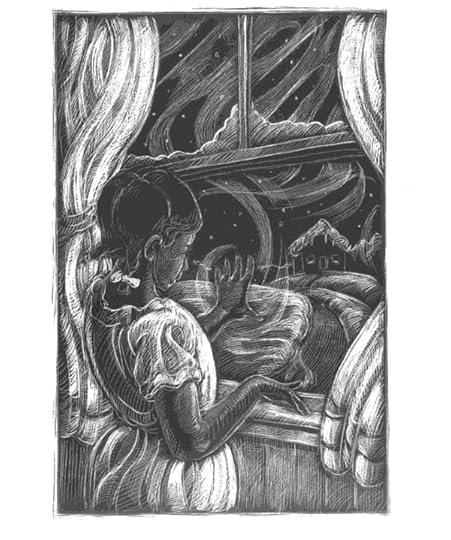
I think this is a must-have for any child’s library, and it was a joy to find this copy and read through these all over again. My 3rd grade teacher, who probably isn’t on this earth anymore, was an inspiring, passionate woman who invited me to memorize as much as Hughes’s poetry as I could, and I was delighted that I could still recall several of them from memory.
Once upon a time we were asked to memorize poems, every year, and, for me, those are all of the ones that are stuck in my brain. (If you’re ever shipwrecked with me on an island, you’re in for a treat or a nightmare).
There are so many favorites here; it’s hard to choose, but I’m selecting this one:
Dream Variation
To fling my arms wide
In some place of the sun,
To whirl and to dance
Till the white day is done.
Then rest at cool evening
Beneath a tall tree
While night comes on gently,
Dark like me--
That is my dream!
To fling my arms wide
In the face of the sun,
Dance! Whirl! Whirl!
Till the quick day is done.
Rest at pale evening. . .
A tall, slim tree. . .
Night coming tenderly
Black like me.
It’s a magical book of Langston Hughes’s verse for children, published, originally, in 1932 and illustrated, later, in 1994 by Brian Pinkney.
The borrowed copy I had did not have illustrations, or not that I remember, and whoever had the inspiration to add illustrations to these memorable, rhythmic poems was a genius.
I think this is a must-have for any child’s library, and it was a joy to find this copy and read through these all over again. My 3rd grade teacher, who probably isn’t on this earth anymore, was an inspiring, passionate woman who invited me to memorize as much as Hughes’s poetry as I could, and I was delighted that I could still recall several of them from memory.
Once upon a time we were asked to memorize poems, every year, and, for me, those are all of the ones that are stuck in my brain. (If you’re ever shipwrecked with me on an island, you’re in for a treat or a nightmare).
There are so many favorites here; it’s hard to choose, but I’m selecting this one:
Dream Variation
To fling my arms wide
In some place of the sun,
To whirl and to dance
Till the white day is done.
Then rest at cool evening
Beneath a tall tree
While night comes on gently,
Dark like me--
That is my dream!
To fling my arms wide
In the face of the sun,
Dance! Whirl! Whirl!
Till the quick day is done.
Rest at pale evening. . .
A tall, slim tree. . .
Night coming tenderly
Black like me.

May 21, 2026
This is my favorite collection of poetry I've read since I began to incorporate poetry, little by little, into my reading life. It was first published in 1932 and is described as the "sole offering of verse for young readers" by Langston Hughes. I beg to differ. Every one of these poems resonated with me, a reader not considered young by any means.
Parisian Beggar Woman
Once you were young
Now, hunched in the cold,
Nobody cares
That you are old.
Once you were beautiful,
Now, in the street,
No one remembers
Your lips were sweet.
Oh, withered old woman
Of rue Fontaine,
Nobody but death
Will kiss you again.
In the section titled, Dressed Up, Hughes writes "A Note on Blues," in which he distinguishes between the blues and spirituals:
Whereas the spirituals are often songs about escaping from trouble, going to heaven and living happily ever after, the blues are songs about being in the midst of trouble, friendless, hungry, disappointed in love, right here on earth.
Song
Lovely, dark, and lonely one,
Bare your bosom to the sun.
Do not be afraid of light,
You who are a child of night.
Open wide your arms to life,
Whirl in the wind of pain and strife,
Face the wall with the dark closed gate,
Beat with bare, brown fists-
And wait.
Thank you to my GR Poetry Guru, Julie G, for leading me to read The Dream Keeper and Other Poems. I took Julie's recommendation and read the edition I just linked. It contains seven additional poems, plus the creative artwork of Brian Pinkney.
I think even non-poetry enthusiasts would find a few poems to their liking in this beautiful collection.
Parisian Beggar Woman
Once you were young
Now, hunched in the cold,
Nobody cares
That you are old.
Once you were beautiful,
Now, in the street,
No one remembers
Your lips were sweet.
Oh, withered old woman
Of rue Fontaine,
Nobody but death
Will kiss you again.
In the section titled, Dressed Up, Hughes writes "A Note on Blues," in which he distinguishes between the blues and spirituals:
Whereas the spirituals are often songs about escaping from trouble, going to heaven and living happily ever after, the blues are songs about being in the midst of trouble, friendless, hungry, disappointed in love, right here on earth.
Song
Lovely, dark, and lonely one,
Bare your bosom to the sun.
Do not be afraid of light,
You who are a child of night.
Open wide your arms to life,
Whirl in the wind of pain and strife,
Face the wall with the dark closed gate,
Beat with bare, brown fists-
And wait.
Thank you to my GR Poetry Guru, Julie G, for leading me to read The Dream Keeper and Other Poems. I took Julie's recommendation and read the edition I just linked. It contains seven additional poems, plus the creative artwork of Brian Pinkney.
I think even non-poetry enthusiasts would find a few poems to their liking in this beautiful collection.
September 28, 2017
I finally managed to read some Langston Hughes. [insert my longest yeah boy ever here] Ever since I set the goal to seek out more diverse literature, Hughes has been on my radar. If you look up African-America poetry, he's the one to come up.
I thought it would be interesting to hear his thoughts, especially on race relations in the US, because he's from the older generation, being born in 1902, he was already in his 50s when shit hit the fan (which makes him 22 years older than James Baldwin, whom I usually consider the gramps). ;)
Some academics and biographers believe that Hughes was homosexual and included homosexual codes in many of his poems, as did Walt Whitman, whom Hughes said influenced his poetry. Hughes's story "Blessed Assurance" deals with a father's anger over his son's effeminacy and "queerness".
His poetry and fiction portrayed the lives of the working-class blacks in America, lives he portrayed as full of struggle, joy, laughter, and music. Permeating his work is pride in the African-American identity and its diverse culture. "My seeking has been to explain and illuminate the Negro condition in America and obliquely that of all human kind," Hughes is quoted as saying.
Hughes stressed a racial consciousness and cultural nationalism devoid of self-hate. His thought united people of African descent and Africa across the globe to encourage pride in their diverse black folk culture and black aesthetic.
From the mid-1950s to the mid-1960s, Hughes' popularity among the younger generation of black writers varied even as his reputation increased worldwide. With the gradual advancement toward racial integration, many black writers considered his writings of black pride and its corresponding subject matter out of date. They considered him a racial chauvinist.
Hughes wanted young black writers to be objective about their race, but not to scorn it or flee it. He understood the main points of the Black Power movement of the 1960s, but believed that some of the younger black writers who supported it were too angry in their work.
The Dream Keeper and Other Poems is a classic collection of poetry from 1932. It is targeted at younger readers which is why it displays a simplistic language, and why it's, in general, quite straight forward with its message.
Even though I enjoyed most of the poems, I felt quite disappointed by the collection as a whole. Going into this book, I thought that Langston's focus would be on social criticism and race relations.Sadly, that wasn't the case. Most poems read like mini-fairy tales or nursery rhymes, which I simply wasn't prepared for. My favorite poems were definitely the one in which Langston mused about the black experience – the struggles and joys of being black in the US.
It's fascinating how seperate from each other, they all chose this similar way of phrasing. It becomes very apparent how all of these writers felt pretty alienated from their society, how they felt like they were delibaretly being excluded, and how they were forced to process their articifical 'inferiority'.
My favorite poems is one of the last ones, which was actually not included in the original collection The Dream Keeper. It's a poem that actually made me cry because it is so gut-wrenching and raw:
I thought it would be interesting to hear his thoughts, especially on race relations in the US, because he's from the older generation, being born in 1902, he was already in his 50s when shit hit the fan (which makes him 22 years older than James Baldwin, whom I usually consider the gramps). ;)
How still,Langston was one of the earliest innovators of the then-new literary art form called jazz poetry. Hughes is best known as a leader of the Harlem Renaissance in New York City. Like many African Americans, Hughes has complex ancestry. Both of Hughes' paternal great-grandmothers were enslaved African Americans and both of his paternal great-grandfathers were white slave owners in Kentucky. [I mean, just imagine growing up with that in mind.]
How strangely still
The water is today,
It is not good
For water
To be so still that way.
Some academics and biographers believe that Hughes was homosexual and included homosexual codes in many of his poems, as did Walt Whitman, whom Hughes said influenced his poetry. Hughes's story "Blessed Assurance" deals with a father's anger over his son's effeminacy and "queerness".
His poetry and fiction portrayed the lives of the working-class blacks in America, lives he portrayed as full of struggle, joy, laughter, and music. Permeating his work is pride in the African-American identity and its diverse culture. "My seeking has been to explain and illuminate the Negro condition in America and obliquely that of all human kind," Hughes is quoted as saying.
Hughes stressed a racial consciousness and cultural nationalism devoid of self-hate. His thought united people of African descent and Africa across the globe to encourage pride in their diverse black folk culture and black aesthetic.
From the mid-1950s to the mid-1960s, Hughes' popularity among the younger generation of black writers varied even as his reputation increased worldwide. With the gradual advancement toward racial integration, many black writers considered his writings of black pride and its corresponding subject matter out of date. They considered him a racial chauvinist.
Hughes wanted young black writers to be objective about their race, but not to scorn it or flee it. He understood the main points of the Black Power movement of the 1960s, but believed that some of the younger black writers who supported it were too angry in their work.
The Dream Keeper and Other Poems is a classic collection of poetry from 1932. It is targeted at younger readers which is why it displays a simplistic language, and why it's, in general, quite straight forward with its message.
Even though I enjoyed most of the poems, I felt quite disappointed by the collection as a whole. Going into this book, I thought that Langston's focus would be on social criticism and race relations.Sadly, that wasn't the case. Most poems read like mini-fairy tales or nursery rhymes, which I simply wasn't prepared for. My favorite poems were definitely the one in which Langston mused about the black experience – the struggles and joys of being black in the US.
I, too, sing America.Giving a voice to the hopes of black people of his day and age, I noticed another similarity between him and other black writers of his time: Hughes wrote 'the wall rose, rose slowly, slowly, between me and my dream'. Baldwin wrote about 'all the fears with which I had grown up, and which were now a part of me, rose up ike a wall between the world and me'. Wright mused about 'the sooty details of the scene rose, thrusting themselves between the world and me...'
I am the darker brother.
They send me to eat in the kitchen
When company comes,
But I laugh,
And eat well,
And grow strong.
Tomorrow,
I’ll be at the table
When company comes.
Nobody’ll dare
Say to me,
“Eat in the kitchen,”
Then.
Besides,
They’ll see how beautiful I am
And be ashamed—
I, too, am America.
It's fascinating how seperate from each other, they all chose this similar way of phrasing. It becomes very apparent how all of these writers felt pretty alienated from their society, how they felt like they were delibaretly being excluded, and how they were forced to process their articifical 'inferiority'.
My favorite poems is one of the last ones, which was actually not included in the original collection The Dream Keeper. It's a poem that actually made me cry because it is so gut-wrenching and raw:
Where is the Jim Crow sectionThere's power and magic in Langston's work. He is definitely worthy of all the love and praise he gets.
On this merry-go-round,
Mister, cause I want to ride?
Down South where I come from
White and colored
Can't sit side by side.
Down South on the train
There's a Jim Crow car.
On the bus we're put in the back—
But there ain't no back
To a merry-go-round!
Where's the horse
For a kid that's black?

October 12, 2022
Just really brilliant and enjoyable.

November 5, 2016
This book first appeared in 1932. It is still a great read for all ages today. Langston Hughes made a huge impact on my life because he was anthologized often in my literature books.
Here is a famous one:
"Dreams"
Hold onto dreams
For if dreams die
Life is like a broken-winged bird
That cannot fly.
Hold fast to dreams
For when dreams go
Life is a barren field
Frozen with snow.
There is often a simple beauty:
"Poem"
I loved my friend.
He went away from me.
There's nothing more to say.
The poem ends,
Soft as it began--
I loved my friend.
He had one section about the sea:
"Sailor"
He sat upon the rolling deck
Half a world away from home,
And smoked a Capstan cigarette
And watched the blue waves tipped with foam.
He had a mermaid on his arm,
An anchor on his breast,
And tattooed on his back he had
A blue bird in a nest.
He shows a social conscious and evidence of travel:
"Parisian Beggar Woman"
Once you were young.
Now, hunched in the cold,
Nobody cares
That you are old.
Once you were beautiful.
Now, in the street,
No one remembers
Your lips were sweet.
Oh, withered old woman
Of rue Fontaine,
Nobody but death
Will kiss you again.
He has some great blues poems:
"Po' Boy Blues"
When I was home de
Sunshine seemed like gold.
When I was home de
Sunshine seemed like gold.
Since I come up North de
Whole damn world's turned cold.
I was a good boy,
Never done no wrong.
Yes, I was a good boy,
Never done no wrong,
But this world is weary
An' de road is hard an' long.
I fell in love with
A gal I thought was kind.
Fell in love with
A gal I thought was kind.
She made me lose ma money
An' almost lose ma mind.
Weary, weary,
Weary early in de morn.
Weary, weary,
Early, early in de morn.
I's so weary
I wish I'd never been born.
And another one:
"Wide River"
Ma baby lives across de river
An' I ain't got no boat.
She lives across de river.
I ain't got no boat.
I ain't a good swimmer
An' I don't know how to float.
Wide, wide river
'Twixt ma love an' me.
Wide, wide river
'Twixt ma love an' me.
I never knowed how
Wide a river can be.
Got to cross that river
An' git to ma baby somehow.
Cross that river,
Git to ma baby somehow—
Cause if I don't see ma baby
I'll lay down an' die right now.
And one that later became the title of a book by a man who dyed his skin black to find out what it would be like to be black in America, Black Like Me by John Howard Griffin:
"Dream Variations"
To fling my arms wide
In some place of the sun,
To whirl and to dance
Till the white day is done.
Then rest at cool evening
Beneath a tall tree
While night comes on gently,
Dark like me-
That is my dream!
To fling my arms wide
In the face of the sun,
Dance! Whirl! Whirl!
Till the quick day is done.
Rest at pale evening...
A tall, slim tree...
Night coming tenderly
Black like me.
And the poem that impacted me in high school:
"I, Too"
I, too, sing America.
I am the darker brother.
They send me to eat in the kitchen
When company comes,
But I laugh,
And eat well,
And grow strong.
Tomorrow,
I’ll be at the table
When company comes.
Nobody’ll dare
Say to me,
“Eat in the kitchen,”
Then.
Besides,
They’ll see how beautiful I am
And be ashamed—
I, too, am America.
Here's the advice of a mother to a son:
"Mother to Son"
Well, son, I'll tell you:
Life for me ain't been no crystal stair.
It's had tacks in it,
And splinters,
And boards torn up,
And places with no carpet on the floor—
Bare.
But all the time
I'se been a-climbin' on,
And reachin' landin's,
And turnin' corners,
And sometimes goin' in the dark
Where there ain't been no light.
So, boy, don't you turn back.
Don't you set down on the steps.
'Cause you finds it's kinder hard.
Don't you fall now—
For I'se still goin', honey,
I'se still climbin',
And life for me ain't been no crystal stair.
And the Jim Crow paradox:
"Merry-Go-Round"
Where is the Jim Crow section
On this merry-go-round,
Mister, cause I want to ride?
Down South where I come from
White and colored
Can't sit side by side.
Down South on the train
There's a Jim Crow car.
On the bus we're put in the back—
But there ain't no back
To a merry-go-round!
Where's the horse
For a kid that's black?
Here is a famous one:
"Dreams"
Hold onto dreams
For if dreams die
Life is like a broken-winged bird
That cannot fly.
Hold fast to dreams
For when dreams go
Life is a barren field
Frozen with snow.
There is often a simple beauty:
"Poem"
I loved my friend.
He went away from me.
There's nothing more to say.
The poem ends,
Soft as it began--
I loved my friend.
He had one section about the sea:
"Sailor"
He sat upon the rolling deck
Half a world away from home,
And smoked a Capstan cigarette
And watched the blue waves tipped with foam.
He had a mermaid on his arm,
An anchor on his breast,
And tattooed on his back he had
A blue bird in a nest.
He shows a social conscious and evidence of travel:
"Parisian Beggar Woman"
Once you were young.
Now, hunched in the cold,
Nobody cares
That you are old.
Once you were beautiful.
Now, in the street,
No one remembers
Your lips were sweet.
Oh, withered old woman
Of rue Fontaine,
Nobody but death
Will kiss you again.
He has some great blues poems:
"Po' Boy Blues"
When I was home de
Sunshine seemed like gold.
When I was home de
Sunshine seemed like gold.
Since I come up North de
Whole damn world's turned cold.
I was a good boy,
Never done no wrong.
Yes, I was a good boy,
Never done no wrong,
But this world is weary
An' de road is hard an' long.
I fell in love with
A gal I thought was kind.
Fell in love with
A gal I thought was kind.
She made me lose ma money
An' almost lose ma mind.
Weary, weary,
Weary early in de morn.
Weary, weary,
Early, early in de morn.
I's so weary
I wish I'd never been born.
And another one:
"Wide River"
Ma baby lives across de river
An' I ain't got no boat.
She lives across de river.
I ain't got no boat.
I ain't a good swimmer
An' I don't know how to float.
Wide, wide river
'Twixt ma love an' me.
Wide, wide river
'Twixt ma love an' me.
I never knowed how
Wide a river can be.
Got to cross that river
An' git to ma baby somehow.
Cross that river,
Git to ma baby somehow—
Cause if I don't see ma baby
I'll lay down an' die right now.
And one that later became the title of a book by a man who dyed his skin black to find out what it would be like to be black in America, Black Like Me by John Howard Griffin:
"Dream Variations"
To fling my arms wide
In some place of the sun,
To whirl and to dance
Till the white day is done.
Then rest at cool evening
Beneath a tall tree
While night comes on gently,
Dark like me-
That is my dream!
To fling my arms wide
In the face of the sun,
Dance! Whirl! Whirl!
Till the quick day is done.
Rest at pale evening...
A tall, slim tree...
Night coming tenderly
Black like me.
And the poem that impacted me in high school:
"I, Too"
I, too, sing America.
I am the darker brother.
They send me to eat in the kitchen
When company comes,
But I laugh,
And eat well,
And grow strong.
Tomorrow,
I’ll be at the table
When company comes.
Nobody’ll dare
Say to me,
“Eat in the kitchen,”
Then.
Besides,
They’ll see how beautiful I am
And be ashamed—
I, too, am America.
Here's the advice of a mother to a son:
"Mother to Son"
Well, son, I'll tell you:
Life for me ain't been no crystal stair.
It's had tacks in it,
And splinters,
And boards torn up,
And places with no carpet on the floor—
Bare.
But all the time
I'se been a-climbin' on,
And reachin' landin's,
And turnin' corners,
And sometimes goin' in the dark
Where there ain't been no light.
So, boy, don't you turn back.
Don't you set down on the steps.
'Cause you finds it's kinder hard.
Don't you fall now—
For I'se still goin', honey,
I'se still climbin',
And life for me ain't been no crystal stair.
And the Jim Crow paradox:
"Merry-Go-Round"
Where is the Jim Crow section
On this merry-go-round,
Mister, cause I want to ride?
Down South where I come from
White and colored
Can't sit side by side.
Down South on the train
There's a Jim Crow car.
On the bus we're put in the back—
But there ain't no back
To a merry-go-round!
Where's the horse
For a kid that's black?
February 10, 2017
I thought it was very confusing and barely knew what was going on throughout the whole book. But it was a pretty good book for poetry. It was very happy at some points and very dark at other points.

February 15, 2012
In "The Dream Keeper and Other Poems," Langston Hughes captures the reader's attention automatically with his delicate prose and imagery. Every poem is different, but all hold a link to a view of the African American culture that Hughes tried so hard to educate people about. Every poem is beautiful, some are funny, and some cause the reader to think. It's a great collection that I would highly recommend.
The book expands awareness of a culture and time that children today may not know much about. It gives them a chance to see that they can dream, which is something that is always important for them to know. It is a greatly enjoyable read, and it doesn't overtly teach or moralize because the poems don't focus on a moral. It tells the truth the way that Langston Hughes sees it, and it embodies quality with the delicate words and imagery. Because of this, it also has integrity for a book of poems lacking a plot, and it is original with all of his own creativity and ideas.
As a teacher, I would use this book in my classroom to encourage my students to dream. I would also use it to educate them about time and life back when it was written, as well as the obvious link to Black History month or a study of famous African American authors.
The book expands awareness of a culture and time that children today may not know much about. It gives them a chance to see that they can dream, which is something that is always important for them to know. It is a greatly enjoyable read, and it doesn't overtly teach or moralize because the poems don't focus on a moral. It tells the truth the way that Langston Hughes sees it, and it embodies quality with the delicate words and imagery. Because of this, it also has integrity for a book of poems lacking a plot, and it is original with all of his own creativity and ideas.
As a teacher, I would use this book in my classroom to encourage my students to dream. I would also use it to educate them about time and life back when it was written, as well as the obvious link to Black History month or a study of famous African American authors.

January 28, 2011
This was my favorite poetry book when I was little. I must have checked it out at least six times from my elementary school library. "Hold Fast to Dreams" was the first poem I had ever memorized (just called "Dreams" in this edition) and was asked to recite in front of my 3rd grade class. There are many poems in this collection that will always hold special memories for me (particularly those in the Dream Keeper section).
"Hold Fast to Dreams"
Hold fast to dreams
for if dreams die
life is a broken-winged bird
that cannot fly
Hold fast to dreams
for when dreams go
life is a barren field
frozen with snow.
"Fairies"
Out of the dust of dreams
Fairies weave their garments.
Out of the purple and rose of old memories
They make rainbow wings.
No wonder we find them such marvelous things!
"April Rain Song"
Let the rain kiss you.
Let the rain beat upon your head with silver liquid drops.
Let the rain sing you a lullaby.
The rain makes still pools on the sidewalk.
The rain makes running pools in the gutter.
The rain plays a little sleep-song on our roof at night-
And I love the rain.
"Hold Fast to Dreams"
Hold fast to dreams
for if dreams die
life is a broken-winged bird
that cannot fly
Hold fast to dreams
for when dreams go
life is a barren field
frozen with snow.
"Fairies"
Out of the dust of dreams
Fairies weave their garments.
Out of the purple and rose of old memories
They make rainbow wings.
No wonder we find them such marvelous things!
"April Rain Song"
Let the rain kiss you.
Let the rain beat upon your head with silver liquid drops.
Let the rain sing you a lullaby.
The rain makes still pools on the sidewalk.
The rain makes running pools in the gutter.
The rain plays a little sleep-song on our roof at night-
And I love the rain.

August 1, 2020
BLACK LIVES MATTER, and never has that truth been expressed more tenderly or more beautifully than in the poetry of Langston Hughes. I read an article about him in the New Yorker last night, how he had come to study at Columbia University, how he lived near campus through much of his life. And yet the school didn’t seem to recognize the genius who lived only blocks away, never gave him an honorary degree until after he was dead. Black Lives Matter.
I took down THE DREAM KEEPER, an old volume of Hughes’s poetry then, and read it straight through, reading many poems over and over again. So beautiful, so true. The book is said to be poetry for children, but all of it holds extra special meaning for adults.
Many of the poems are about the black experience, the pain, the beauty and the joy, but also the hope:
I too sing America.
I am the darker brother
They send me to eat in the kitchen
When company comes,
But I laugh and eat well
And grow strong.
Tomorrow I’ll sit at the table
When company comes.
Nobody’ll dare
Say to me,
Eat in the kitchen
Then.
Besides,
They’ll see how beautiful I am
And be ashamed –
I too am America.
Hughes’s work holds beautiful truths for people of all races and cultures.
I loved my friend
He went away from me.
There’s nothing more to say.
The poem ends,
Soft as it began –
I loved my friend.
I’ve spent almost all of my life wanting to be a successful writer. I’ve tried very hard, and yet I’ve never quite made it. I’ve certainly never even come close to the brilliance of James Baldwin or Toni Morrison or Langston Hughes… or Jane Austin or Anne Rice for that matter. So, don’t feed me any BS about white male supremacy. I may not have enough talent, but those folks do. In my line of work, and I’m sure in all others, there is no such thing as white male supremacy.
As for me, you may wonder why I don’t just give up. Well, because… as Mr. Hughes says:
Hold fast to your dreams
For if dreams die
Life is a broken-winged bird
That cannot fly.
I took down THE DREAM KEEPER, an old volume of Hughes’s poetry then, and read it straight through, reading many poems over and over again. So beautiful, so true. The book is said to be poetry for children, but all of it holds extra special meaning for adults.
Many of the poems are about the black experience, the pain, the beauty and the joy, but also the hope:
I too sing America.
I am the darker brother
They send me to eat in the kitchen
When company comes,
But I laugh and eat well
And grow strong.
Tomorrow I’ll sit at the table
When company comes.
Nobody’ll dare
Say to me,
Eat in the kitchen
Then.
Besides,
They’ll see how beautiful I am
And be ashamed –
I too am America.
Hughes’s work holds beautiful truths for people of all races and cultures.
I loved my friend
He went away from me.
There’s nothing more to say.
The poem ends,
Soft as it began –
I loved my friend.
I’ve spent almost all of my life wanting to be a successful writer. I’ve tried very hard, and yet I’ve never quite made it. I’ve certainly never even come close to the brilliance of James Baldwin or Toni Morrison or Langston Hughes… or Jane Austin or Anne Rice for that matter. So, don’t feed me any BS about white male supremacy. I may not have enough talent, but those folks do. In my line of work, and I’m sure in all others, there is no such thing as white male supremacy.
As for me, you may wonder why I don’t just give up. Well, because… as Mr. Hughes says:
Hold fast to your dreams
For if dreams die
Life is a broken-winged bird
That cannot fly.

July 18, 2022
I spent the afternoon reading this classic book of poetry from one of the great American artists, Langston Hughes. Its words washed over me in about an hour like a cool glass of water on a hot summer day but its invaluable significance was instantly apparent in the vast legacy it has left and the profound lineage it draws from. The lines are rich with evocative imagery and cultural touchstones. As a prominent figure in the Harlem Renaissance, Hughes exhibits and exemplifies the trademarks of that movement. The poems include sections on nature, Blackness, the ocean, and the Blues, among many other themes indicative of the poet's life and experiences. They are simple and accessible by design. Hughes wanted his art to be available to the masses. His intended audience was one that spoke in coloquial and conversational ways and so his poems reflect that instead of appealing to the snobbery of academics and critics. Hughes was an educated and intelligent queer writer who found a way to maintain an authenticity in his voice while artfully exploring the mysteries, maladies and magic of the world as he viewed it.

December 12, 2023
Just got to know Langston Hughes'work; I'v missed out; what a collection! After 'The weary blues' this was a magisterial second foray into his poems. Some favorites:
Poem
I loved my friend.
He went away from me.
There’s nothing more to say.
The poem ends, Soft as it began—
I loved my friend.
Walkers with the Dawn
Being walkers with the dawn and morning,
Walkers with the sun and morning,
We are not afraid of night,
Nor days of gloom,
Nor darkness—
Being walkers with the sun and morning.
Dream Dust
Gather out of star-dust
Earth-dust,
Cloud-dust,
Storm-dust,
And splinters of hail,
One handful of dream-dust
Not for sale.
Poem
I loved my friend.
He went away from me.
There’s nothing more to say.
The poem ends, Soft as it began—
I loved my friend.
Walkers with the Dawn
Being walkers with the dawn and morning,
Walkers with the sun and morning,
We are not afraid of night,
Nor days of gloom,
Nor darkness—
Being walkers with the sun and morning.
Dream Dust
Gather out of star-dust
Earth-dust,
Cloud-dust,
Storm-dust,
And splinters of hail,
One handful of dream-dust
Not for sale.

September 6, 2018
LOVED IT. Beautiful poems.
August 20, 2021
The poems were really enjoyable. I took pictures of a few of them just to have on my phone for the future. The poems I really liked:
Mother to Son
Ma Lord
Reasons Why
Irish Wake
Dreams
Mother to Son
Ma Lord
Reasons Why
Irish Wake
Dreams

March 20, 2017
*Update: I just read this book, it was like a re-read only it was a different edition. There was a different introduction and illustrator. I could not locate the edition I recently read but it is the same title, maybe the same poems, I am not sure. But this edition was introduced by Augusta Baker and illustrated by Helen Sewell.
Though this book is meant to be a book of poetry targeted for young readers, because Hughes wrote for young readers, so many of these poems are still powerful and I think perhaps even more so as an adult able to reflect. I recommend this book, any edition, to anyone interest in reading some of Hughes work and just aren't sure where to start or if they want to dive into his larger pieces.
I am updated my star rating from a 3 to 4.
_________________________________________________________
Some of these poems are absolutely beautiful and heartbreaking or heart wrenching, just very moving. Some are just so sweet and lovely and others are without a doubt a good poem but not one that stirred me. My favorite section is Walkers with the Dawn.
If nothing else, the book is worth checking out based on the illustrations alone. They are absolutely beautiful. Some are stronger than others but I think it's more to go along with the poem it's accompanying rather than the piece itself.
Though this book is meant to be a book of poetry targeted for young readers, because Hughes wrote for young readers, so many of these poems are still powerful and I think perhaps even more so as an adult able to reflect. I recommend this book, any edition, to anyone interest in reading some of Hughes work and just aren't sure where to start or if they want to dive into his larger pieces.
I am updated my star rating from a 3 to 4.
_________________________________________________________
Some of these poems are absolutely beautiful and heartbreaking or heart wrenching, just very moving. Some are just so sweet and lovely and others are without a doubt a good poem but not one that stirred me. My favorite section is Walkers with the Dawn.
If nothing else, the book is worth checking out based on the illustrations alone. They are absolutely beautiful. Some are stronger than others but I think it's more to go along with the poem it's accompanying rather than the piece itself.

March 30, 2012
In sixth grade, my teacher gave me The Dream Keeper and Other Poems. It was the first book of poetry I ever owned. It was the perfect first. Paperback, and easy to carry around in my backpack, or keep in the car. Full of rhythmic poems that pounded through my head. Metaphors, allusions, social commentary that I thought I understood. And each time I read it and understood more, I realized how much I did not know. It contains the first poem I ever read out loud, Alabama Earth. Still I can hear the words of that poem, a poem that Langston Hughes wrote for Booker T. Washington's funeral. I can envision the words, cutting through the grief of the mourners and the ground of the cemetery. This was the book my sister and I read out-loud to each other sometimes before bed. This is a book that will not change you all at once, however slowly it will unsettle you. It is a gradual profession that demands time in order to be effective, but slowly, surely, it will change your life. I know this, because I speak from experience.

April 2, 2019
I read this book ages ago, for a Black Writers class that I took in college. I recently saw an article in my alumni magazine about the professor I had for that class, John Wright, who recently retired. That got me thinking about all of the works we studied, and I focused most on Langston Hughes. I wrote a paper on this book and another, Montage of a Dream Deferred, and I really loved the experience, both reading the poems and writing the paper. It was very special to revisit Hughes' poetry with this collection. Now I want to read more!
My local library system has a "10 to Try" challenge again in 2019. The idea is to read a book in each of 10 categories during the current year. The category that this book fits into is: Read a book of poetry.
My local library system has a "10 to Try" challenge again in 2019. The idea is to read a book in each of 10 categories during the current year. The category that this book fits into is: Read a book of poetry.
February 12, 2016
This book was good, and it was interesting to read the songs that the African Americans would sing, and how the author incorporated in some of the poems. I would recommend this book to people who like to read poems.
September 6, 2011
Hold fast to dreams
For if dreams die
Life is a broken-winged bird
That cannot fly.
Hold fast to dreams
For when dreams go
Life is a barren field
Frozen with snow
For if dreams die
Life is a broken-winged bird
That cannot fly.
Hold fast to dreams
For when dreams go
Life is a barren field
Frozen with snow

July 9, 2015
The calm,
Cool face of the river
Asked me for a kiss.
Cool face of the river
Asked me for a kiss.

February 21, 2021
I've been having trouble staying motivated to read lately, so I decided to pick up a book of poetry - something that could be thought provoking without the time commitment of a larger book. These poems were beautiful, and it was only after I read through a good chunk of them that I realized they were intended for children.
A few of them are simplistic, of course. Targeted at children, they would have to be. But there is a profoundness to several of his poems that transcends youth. The words are simple, the style is simple, but there is nothing simple about the messages. This book tackles hard topics like death and racism, slavery and the suffering black people have long endured. So many of these poems are stunning, and the most pleasantly surprising thing I got out of this book was a better understanding of the black Southern connection with Jesus and Christianity.
There has been a move away from Christianity in the black communities since the era of Civil Rights, the idea that it is the religion of the oppressor making it hard for modern folks to understand why formerly enslaved people and their descendants would cling to it so hard. In a single poem, Langston Hughes shows the reasons. He shows that Jesus suffered his whole life, that he endured hardship and he never got reprieve. His life ended in hardship, and yet he found heaven with his death and helps others find heaven too. For someone whose earthly life is as miserable as enslaved people's were there is a connectedness with the Christian messiah that white people might not relate to. As a white person, my relationship to Jesus was always as someone who suffered so that I didn't have to, whereas Langston Hughes shows that the black Jesus is someone who suffers alongside you. Who doesn't leave you alone in your pain, but joins you in it and promises an end to it. I didn't expect to get such a powerful theological lesson from a book of children's poetry, but it speaks to the skill of Hughes that it was able to occur.
While the topics in this book are a little dark for a young kid, I highly recommend it to any adult or parents wishing to teach their children about black history and racism.
A few of them are simplistic, of course. Targeted at children, they would have to be. But there is a profoundness to several of his poems that transcends youth. The words are simple, the style is simple, but there is nothing simple about the messages. This book tackles hard topics like death and racism, slavery and the suffering black people have long endured. So many of these poems are stunning, and the most pleasantly surprising thing I got out of this book was a better understanding of the black Southern connection with Jesus and Christianity.
There has been a move away from Christianity in the black communities since the era of Civil Rights, the idea that it is the religion of the oppressor making it hard for modern folks to understand why formerly enslaved people and their descendants would cling to it so hard. In a single poem, Langston Hughes shows the reasons. He shows that Jesus suffered his whole life, that he endured hardship and he never got reprieve. His life ended in hardship, and yet he found heaven with his death and helps others find heaven too. For someone whose earthly life is as miserable as enslaved people's were there is a connectedness with the Christian messiah that white people might not relate to. As a white person, my relationship to Jesus was always as someone who suffered so that I didn't have to, whereas Langston Hughes shows that the black Jesus is someone who suffers alongside you. Who doesn't leave you alone in your pain, but joins you in it and promises an end to it. I didn't expect to get such a powerful theological lesson from a book of children's poetry, but it speaks to the skill of Hughes that it was able to occur.
While the topics in this book are a little dark for a young kid, I highly recommend it to any adult or parents wishing to teach their children about black history and racism.

December 20, 2018
This is a nice collection of poetry that is suitable for middle-grade children. This collection was originally published in 1932, and this new 75th Anniversary Edition features illustrations by Brian Pinkney. I wasn't familiar with Hughes' work previously, and I enjoyed his simple poetic style where he clearly expresses his pride in his African-American heritage. There are also a number of poems written in the spirit of the blues. My favourite in this collection is this one, which I find very inspirational:
Dreams
Hold fast to dreams
For if dreams die
Life is a broken-winged bird
That cannot fly.
Hold fast to dreams
For when dreams go
Life is a barren field
Frozen with snow.
This review was posted on my book blog:
https://darlenesbooknook.blogspot.com...
Dreams
Hold fast to dreams
For if dreams die
Life is a broken-winged bird
That cannot fly.
Hold fast to dreams
For when dreams go
Life is a barren field
Frozen with snow.
This review was posted on my book blog:
https://darlenesbooknook.blogspot.com...

January 9, 2019
I can't believe I'd never read Langston Hughes before. I mean, I must have somewhere, at some point, but not all at once like this. Wow, what an amazing poet. He uses so many different styles and rhymes and themes and symbols, it's honestly amazing. He has a mind like no other, and it shows. And Brian Pinkney's art, too! What a perfect artist to accompany these poems. Together, they make a powerful couple, helping to illuminate and describe each other.
This is a beautiful compilation that deserves a spot on your bookshelf.
Review cross-listed here!
This is a beautiful compilation that deserves a spot on your bookshelf.
Review cross-listed here!

March 2, 2020
For several years I have had been promising myself that I would read Langston Hughes. It has been too many years. Oh why did I wait?
Because this collection was intended for children, the poetry is accessible. Because it is great accessible poetry, the poetry can be understood and felt immediately.
Some of my favorites opin this collection:
"Dreams"
"Song for a Banjo Dance"
"Po' Boy Blues"
"Prayer"
"Mother to Son"
"Dream Dust"
"Color"
Now I will be promising myself my own copy of the book.
Because this collection was intended for children, the poetry is accessible. Because it is great accessible poetry, the poetry can be understood and felt immediately.
Some of my favorites opin this collection:
"Dreams"
"Song for a Banjo Dance"
"Po' Boy Blues"
"Prayer"
"Mother to Son"
"Dream Dust"
"Color"
Now I will be promising myself my own copy of the book.
May 19, 2025
binge read this in the american writers museum in chicago (would recommend going to the museum if you're interested in the literature scene in america and how it developed! spent a much longer time there than i thought i would given the amount of space)
some of hughes' made my heart wistful with a simple few lines - even more so when i think about the times that he lived in and how america was in that time.
and graduation farewell feels...
"I loved my friend.
He went away from me.
There’s nothing more to say.
The poem ends,
Soft as it began,—
I loved my friend. "
some of hughes' made my heart wistful with a simple few lines - even more so when i think about the times that he lived in and how america was in that time.
and graduation farewell feels...
"I loved my friend.
He went away from me.
There’s nothing more to say.
The poem ends,
Soft as it began,—
I loved my friend. "

May 9, 2026
“Poem”
I loved my friend.
He went away from me.
There's nothing more to say.
The poem ends, Soft as it began— I loved my friend.
Hughes is unapologetically authentic, to the despair of any feigned romanticism he could have appealed to. Instead, through his writing, you feel as though his letters are words you can grasp at and catch; you never will.
I loved my friend.
He went away from me.
There's nothing more to say.
The poem ends, Soft as it began— I loved my friend.
Hughes is unapologetically authentic, to the despair of any feigned romanticism he could have appealed to. Instead, through his writing, you feel as though his letters are words you can grasp at and catch; you never will.

Read
February 1, 2025Read for Libraries, Literature, and the Child

May 16, 2026
I loved my friend.
He went away from me.
There’s nothing more to say.
The poem ends,
Soft as it began—
I loved my friend.
— Langston Hughes
He went away from me.
There’s nothing more to say.
The poem ends,
Soft as it began—
I loved my friend.
— Langston Hughes

November 4, 2019
A masterpiece.

November 26, 2020
Great poet. I could feel the depth of anguish in many of his poems and was brought to tears several times as I read these aloud to my kids. “Mother to Son” is one of my all time favorite poems.

April 22, 2022
*3.5 stars* Langston Hughes has range, but I thought I'd love this collection more. Not bad, tho'.
Displaying 1 - 30 of 195 reviews