Jump to ratings and reviews
Rate this book

Terra Nostra #1

Terra Nostra

Rate this book
One of the great masterpieces of modern Latin American fiction, Terra Nostra is concerned with nothing less than the history of Spain and of South America, with the Indian Gods and with Christianity, with the birth, the passion, and the death of civilizations. Fuentes skillfully blends a wide range of literary forms, stories within stories, Mexican and Spanish myth, and famous literary characters in this novel that is both a historical epic and an apocalyptic vision of modern times. Terra Nostra is that most ambitious and rare of creations – a total work of art.
“This extraordinary novel fuses fact and fiction, past and future into one continuum. Centering on Philip II of Spain (Felipe El Senor), chronological time and conventional history are abolished and Fuentes’ Felipe builds El Escorial, marries England's Elizabeth Tudor and witnesses the discovery of the New World.
Entwining the miraculous and the fantastic with the grim and grotesque, Terra Nostra stands as a work of sustained allegory and imagination that encapsulates both the New World's future and the decay of Spanish glory.”

891 pages, Paperback

First published November 11, 1975

248 people are currently reading
9564 people want to read

About the author

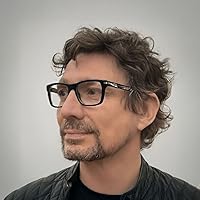
Carlos Fuentes

390 books1,743 followers
Carlos Fuentes Macías was a Mexican writer and one of the best-known novelists and essayists of the 20th century in the Spanish-speaking world. Fuentes influenced contemporary Latin American literature, and his works have been widely translated into English and other languages.

Fuentes was born in Panama City, Panama; his parents were Mexican. Due to his father being a diplomat, during his childhood he lived in Montevideo, Rio de Janeiro, Washington, Santiago, and Buenos Aires. In his adolescence, he returned to Mexico, where he lived until 1965. He was married to film star Rita Macedo from 1959 till 1973, although he was an habitual philanderer and allegedly, his affairs - which he claimed include film actresses such as Jeanne Moreau and Jean Seberg - brought her to despair. The couple ended their relationship amid scandal when Fuentes eloped with a very pregnant and then-unknown journalist named Silvia Lemus. They were eventually married.

Following in the footsteps of his parents, he also became a diplomat in 1965 and served in London, Paris (as ambassador), and other capitals. In 1978 he resigned as ambassador to France in protest over the appointment of Gustavo Diaz Ordaz, former president of Mexico, as ambassador to Spain. He also taught courses at Brown, Princeton, Harvard, Penn, George Mason, Columbia and Cambridge.

---
کارلوس فوئنتس در ۱۱ نوامبر ۱۹۲۸ در پاناماسیتی به دنیا آمد. مادرش برتا ماسیاس ریواس و پدرش رافائل فوئنتس بوئه‌تیگر است. پدر وی از دیپلمات‌های مشهور مکزیک است. وی سفیر مکزیک در هلند، پاناما، پرتغال و ایتالیا بود.

دوران کودکی‌اش در واشنتگتن دی.سی. و سانتیاگوی شیلی گذشت. فوئنتس در دانشگاه مکزیک و ژنو در رشتهٔ حقوق تحصیل کرد. او به زبان‌های انگلیسی و فرانسه تسلط کامل دارد.

آثار
* مرگ آرتمیوکروز، ۱۹۶۲
* آئورا، ۱۹۶۲
* زمین ما،‌ ۱۹۷۵
* گرینگوی پیر، ۱۹۸۵
* ملکهٔ عروسک‌ها
* آسوده خاصر، ترجمهٔ محمدامین لاهیجی.
* مرگ آرتمیو کروز، ترجمهٔ مهدی سحابی.
* آئورا، ترجمهٔ عبدالله کوثری.
* سرهیدا.
* خودم با دیگران (به تازگی با نام از چشم فوئنتس) ترجمهٔ عبدالله کوثری.


---
Carlos Fuentes Macías fue un escritor mexicano y uno de los novelistas y ensayistas más conocidos en el mundo de habla española. Fuentes influyó en la literatura contemporánea de América Latina, y sus obras han sido ampliamente traducidas al inglés y otros idiomas.

Fuentes nació en la ciudad de Panamá, Panamá, sus padres eran mexicanos. Debido a su padre era un diplomático, durante su infancia vivió en Montevideo, Río de Janeiro, Washington, Santiago y Buenos Aires. En su adolescencia regresó a México, donde vivió hasta 1965. Estuvo casado con la estrella de cine Rita Macedo de 1959 hasta 1973, aunque era un mujeriego habitual y, al parecer, sus asuntos - que se ha cobrado incluyen actrices como Jeanne Moreau y Jean Seberg, su llevados a la desesperación. La pareja terminó su relación en medio del escándalo, cuando Fuentes se fugó con un periodista muy embarazada y entonces desconocido de nombre Silvia Lemus. Se casaron finalmente.

Siguiendo los pasos de sus padres, también se convirtió en un diplomático en 1965 y sirvió en Londres, París (como embajador), y otras capitales. En 1978 renunció al cargo de embajador en Francia en protesta por el nombramiento de Gustavo Díaz Ordaz, ex presidente de México, como embajador en España.

Ratings & Reviews

What do you think?
Rate this book

Friends & Following

Create a free account to discover what your friends think of this book!

Community Reviews

5 stars
647 (47%)
4 stars
369 (27%)
3 stars
209 (15%)
2 stars
90 (6%)
1 star
33 (2%)
Displaying 1 - 30 of 162 reviews
Profile Image for Vit Babenco.
1,784 reviews5,787 followers
June 18, 2021
Terra Nostra holds inside the entire cosmos of the modern literature and for me it remains one of the best books I’ve ever read.
Terra Nostra encompasses the whole world with the past and the future and with all the mystery and magic…
“Take this root; it is the magic mandrake that we have gathered from beneath the gallows, the racks, and the stakes of the condemned; accept it in the place of your forever vanished playthings; accept it in the place of your forever postponed love; you will have no toy and no lover except this diabolical body born of the tears of the hanged, the tortured, and those burned alive; be grateful for our gift; we have had to expose ourselves to terrible dangers to obtain it for you; we shaved our heads and with the twisted gray hairs we tied one extreme to a knot of the root and the other to the collar of a black dog, who, frightened by the weeping of the mandrake, fled, and so pulled the root from the humid tomb that also was its cradle; we closed our ears with wads of oakum; the dog died of fright; take the root, cherish it, for in truth it is the only company you will ever know; care for it as you would a newborn child; sow wheat in its head and it will grow silken hair; insert two cherries in place of its eyes and it will see; place a slice of radish for a mouth, and it will speak. Do not be frightened of its livid, knotted body, or of its smallness; it will pass for the court dwarf; it will be your servant, your friend, and your seeker of hidden treasures… take it…”

If Hieronymus Bosch were a writer…
Behind the funeral coach follows a tortuous, writhing retinue of beggars, contrite, sobbing, swathed in dark rags, their mangy scabrous hands offering empty soup bowls to the dying sun; at times the most daring run ahead to beg a scrap of the rotten meat and are rewarded with kicks. But they are free to come and go, run ahead, fall behind.

It isn’t just a funerary procession – it’s a pageant of history painted in sepulchral hues – a series of oneiric visions from the onset of Christianity to the dawn of Apocalypse.
All the times are one time… All the places are one place… They are continuum.
Profile Image for Katia N.
710 reviews1,110 followers
December 30, 2022
I was reading this novel for about two weeks. My little pocket paperback with garish pink cover has fallen into pieces as I was flipping the pages back to the characters’s cast at the beginning and re-reading the passages or the whole chapters.

It is a magnificent novel. A phantasmagoria that tells its truth better than any realism. The text that could be a bit frustrating at times with its sheer baroque excess, but then it shines at you with all its dark beauty causing physical goosebumps.

In his essay “Intertextual irony and level of reading”, Umberto Eco dwells on “certain characteristics of socalled post-modern novel”. He is not totally happy with this label, so later he refers simply to the books he tends to write. It has been quite a while since the essay was written and I would agree with him - the label “post-modern” is much too narrow for the phenomena he describes. Let’s just say that I tend to enjoy the novels combining the elements he mentions. Eco names the following features: meta-narrative, dialogism, “double coding” and intertextual irony.

Meta-narrative - “a reflection that the text carries out on itself and its own nature, or the intrusion of the authorial voice reflecting on what it is narrating.” Eco points that it has nothing to do with the label “post-modern”. The technique was used by Homer.

Dialogism (“citationism” in its most direct form) - when the text conducts a dialogue with the other literary texts in any possible form. This is what we call now “intertextuality”. But again, according to Eco, it has nothing to do with “ the post-modern”. For example, dialogism can be found in The Divine Comedy in a passage when Dante was modelling a Provencal poet by writing in the respective style and language.

Double coding - Apparently the term was coined by Charles Jencks for post-modern architecture that:

“speaks on at least two levels at once: to other architects and a concerned minority who care about specifically architectural meanings, and to the public at large, who care about other issues concerned with comfort, traditional building and way of life. The “post-modern” building or a work of art addresses simultaneously a minority using “high” codes, and mass public using “popular” codes.”

A work of literature can operate on those two levels as well: the popular code - a genre, plot or even social themes. The high code can be found as, Eco put it, in the “arty” stylistic devices such as leaping stylist registers, different narrative voices, stories nested within each other, the aforementioned intertextuality, etc. As a result the readers who are interested only in the popular code might still enjoy the book without appreciating that the high code even exists. I would think that at the same time the readers who can appreciate the high code might either admire the both levels or would not particularly care for the popular one. Often, an individual reading experience would be somewhere on this spectrum.

I allowed myself such a lengthy digression because “Terra Nostra” seamlessly combines all of these features. There is plenty of meta-narrative but it does fit organically into the text. In some other novels meta-narratives are didactic and stick out like a thorn in the flesh. Not here. Let’s take for example this passage about the infinite game of stories perpetuating more stories. It starts with reference to 50 tales in Don Quixote:

“Fifty accounts are accounts beyond count. For from each account came twenty others, inopportunetely, tempestuously, unseasonably, and each story contained as many others: the story told by the night, the story lived by the knight, the story told to the knight, the story the night read about himself in the press in Barcelona, the oral and anonymous version of the story told as pure verbal imminence before the knight existed, the version written in the papers of an Arabic chronicler, and based upon that, the version of a certain Cide Hamete, the version which to the knight’s anger a shameless wretch by the name of Avellaneda had written apocryphally; the version the Squire Panza endlessly recounts to his wife, thus filling her to bursting with both intangible illusions and everyday proverbs; … the story that from his particular point of view Merlin the magician tells about those same events, the story the giants challenged by the knight tell among themselves….; the story dreamed by Dulcinea imagined herself as a farm girl…and finally the story staged again and again, for the amusement of their court..”

It starts simply and ends up as an amazing comment on the nature of story telling, even more generally - on the nature of truth.

I am tired of the texts where intertextuality means broadly name-dropping. The author would stuff his work with phrases like “as Kafka would say…”or, slightly more subtly: “he felt like K. in a castle.” I feel frustrated with the novels where there are dozens of such occurrences. Intertextuality for me is something very different, a subtle allusion something that leads to a discovery; something that raises curiosity, requires a detective work, an urge to try to find out more. This brings a pure aesthetic pleasure. Recognising a name or a title on the page brings only the feeling of self-gratification.

This novel is a wonder in this respect. It subverts the classical texts, it quotes without citation, it engages. It brings up not only the works of literature. The one of the central symbols of the novel is a painting “The garden of earthy delights” by Bosch. And the way how the painting is integrated into the main body of the novel, the description of it, is striking.

I've also learned, for example, of Sor Juana Inés de la Cruz (12 November 1648 – 17 April 1695) a Mexican writer, philosopher, composer and poet of the Baroque period, and Hieronymite nun. Apparently, her contributions to the Spanish Golden Age gained her the nicknames of "The Tenth Muse” (wiki). And she was not named at all, but there were a few lines of a poetry recited by the one of the characters with the reference to another character who has become a nun in the New World after the Conquest. This has sent me on a trail and I was very grateful to be on it.

And the “double-coding” - yes, totally. There is a plot, there is a bunch of colourful characters and ideas. But the “high code” is that what made me thrilled: a masterful use of the second person on occasion, the stories nested within the stories, polyphony of voices, the masterful architecture of the whole novel and its symbolism - all of this was magical. I do not think Fuentes used a deliberate set of constraints like Oulipo, but the feature I found fascinating was he played with the numbers. 1001 and 33 play their role for example. But 3 was the one which was a key of a sort: 3 parts of the novel, a triplets playing a key role instead of the usually used doppelgängers, 3 people of Spain’s Golden age - the Christians, Muslims and Jews; 3 religions (Christianity, Kabbala and the Aztecs), the Bosch’s painting is a triptych.

In addition, he has built the foundation of his novel on 3 main novels of Spanish Golden age. The two of the characters are named after La Celestina by Rojas and Don Juan from The Trickster of Seville and the Stone Guest by Tirso de Molina and of course there is Don Quixote who is also appears in the novel, but in the role of himself.

Fuentes is a real master. But it would be a just another great novel if it did not move me to tears a few times. It is not a sad book but it is dark and beautiful. This mysterious combination made it for me. I was reading a chapter called “The Chronicler” and it hit me how the beauty and the meaning comes together, how gracious and harmonious it was. On another occasion, closer to the end, there was a chapter “Ashes” told from the second person, the intertwined, circular story of Mexico as a place and as a self-perpetuating fate. Part of it was told almost cinematically - like a scene shot by a camera from certain vintage point. It was dark, it was vertigoes and it was very profound. It made me think that there were the periods of history when people viscerally feel their lives is just the part of something larger, something worth fighting for even if this fight is desperate from their individual point and longer than a life.

It is difficult to quote this book. The beauty in this case is the text, not a word or a sentence. But here is the passage from “The Chronicler”:

Poverty: he who praises you had never seen you. A battered beetle, an insect lying overturned on its hard, armour-plated back, waving its numerous legs…
A different scheme, to cease to exist and to begin to be; a different scheme, paper and pen. This is what he was thinking as he wrote an exemplary novel that had everything and nothing to do with what he was thinking; paper and pen in order - at any price - to be; to impose no more or no less than the reality of the fable. The incomparable solitary fable, for it resembles nothing and is related to nothing, unless it be the stokes of the pen upon the paper; a reality without precedents, without equal, destined to be destroyed with the papers upon which it exists. And nevertheless, because this fictitious reality is the only possibility for being, for ceasing merely to exist, one must struggle boldly, to the point of sacrifice, to death, as great heroes and the implausible knights-errant struggled, so that others believe in it, so that one may tell the world: this is my reality, the only true and unique reality, the reality of my words and their creations.


Every person who would read this would see a different picture. Someone would pick up the allusion to "Metamorphoses" by Kafka. Another person would think of the social message of this passage. The third - about the writer’s calling. The list could continue indefinitely.

But in my case, it reminded me of another book I’ve read recently, a memoir by a young man who survived a modern concentration camp in Donetsk The Torture Camp on Paradise Street. He was tortured, humiliated. They tried to deprive him of basic human dignity. But he was writing. He was writing a surreal play on a carton packaging boxes with a blunt pencil. He knew they would take his writing away from him before they move him and he probably would not see his written play even again. But for him his “fictitious reality was the only possibility for being”. And he has lived.
Profile Image for Argos.
1,260 reviews493 followers
December 7, 2024
Terra Nostra ; “Bizim Toprak”, “Memleketimiz” ya da “Dünyamız”, romanı bitirince bakalım hangisini uygun göreceksiniz bu romanın ismine. Elimdeki kitap Can Yayınları 2. baskı (2104). Tuğla gibi bir kitap 1083 sayfa, küçük puntolarla yazılmış. Normal puntoyla basılsa 1250-1300 sayfa olur. Fiziki olarak elde tutulması kolay değil, dolayısıyla okumak da zor oluyor, keşke 3-4 kitap halinde basılsaydı aynı isimle. Çeviri çok iyi, Bülent Doğan Türkçe’yi çok iyi kullanıyor, latince cümleleri de çevirseydi (özellikle duaları) hikayeleri anlamakta oldukça yararlı olurdu. Bu büyük eseri yorumlamak cüretini gösteremem ancak düşüncelerimi amatörce, basitçe anlatmaya gayret edeceğim.

Birbirinin içine geçmiş, bir tohum atılmış da yüzlerce çiçek vermişcesine ortaya çıkan hikayeler seremonisi, sonları açık, klasik bir sonla bitmeyen hikayeler. Herbirinde tat alınacak onlarca metafor, ironi, simgeler ve imgeler, gerçeküstü rüyalar yer alıyor. Hikayeler belirli bir sırayı izlemiyorlar, bağlantılılar birbirleriyle ama kronolojik diziliş göstermiyorlar, karışık sırayla çıkıyorlar karşımıza. Postmodern romanın olmazsa olması metinlerarasılık, göndermeler ve alıntılar, anlatıcı çokluğu ve üstkurmaca fazlasıyla bulunuyor kitapta, sadece büyülü gerçekçilik ile yazılmış mı emin olamadım.

Konusu şudur demek mümkün değil çünkü bir olay etrafında örülmüyor roman. İki ana bölümde kurgulanmış, Avrupa ve Yeni Dünya olarak. İlk bölüm yani Avrupa’yı içeren ilk bölümde Hristiyanlık, haçlı seferleri, mezhep çatışmaları, engizisyon, ortaçağ karanlığı, veba gibi salgın hastalıklar, fetihler ve savaşlar ve katliamlar var. Hristiyanlıkla bağlantılı olarak 16. yüzyıl İspanya’sında koyu bir katolik ve protestan düşmanı olan kral Felipe ve eşi ile onun soyunu devam ettirmeme kararı verip sadece tanrıya hizmet etmek isteyen dindar oğlu II. Felipe var. O olunca El Escorial var, İnebahtı Savaşı var. Bu savaşta bir kolunu kaybedip esir düşen Miguel de Cervantes (roman içinde vakanüvis) ve bu kitaba esin kaynağı olduğu anlaşılan ünlü eseri Don Quixote da var bu başyapıt içinde.

İkinci bölüm yani Yeni Dünya denizde bir fırtınanın müthiş anlatımıyla sarıp sarmalıyor hemen okuyanı ve Robinson Crusoe’vari bir tarzla sonlanıyor. Bu yeni bölümde antik Yunan mitolojisi yerini Meksika’dan aşağıya Güney Amerika’ya doğru uzanan yeni bir efsaneler zincirine, İnka ve Aztek gibi uygarlıkları da içeren Latin Amerika mitolojisine bırakıyor. Yani Akdeniz ve Atlas Okyanusu iki kadim mitolojinin buluşmasına köprü oluyor. İki mitoloji arasında latin amerika mitolojisi lehine çok renklilik, aşırı zenginlik ve doğa ile daha fazla içiçelik hemen dikkati çekiyor. Ayrıca antik yunan mitolojisindeki cinsellik yerini kurban etme kültüne bırakıyor.

Roman kıyamet günü ile başlıyor, Paris’te Temmuz 1999’da Roma’ya yani Papa’ya karşı olan Tanrının özgür olduğuna inanan ortodoks hacıların yürüşüyle. Bu yürüyüş sırasında dengesini kaybederek Seine Nehri’nin kaynayan sularına gömülen Polo Febo, XVI. yüzyıl İspanya’sında sahile vurmuş ve hafızasını kaybetmiş olarak uyanır. Ve roman birbirini doğuran hikayelerle devam eder. XVI. yüzyıl İspanya’sını Roma imparatorluğu’nun üçüncü ve sonuncusu olarak gören Felipe’nin düşünceleri ekseninde birinci Roma olarak kabul ettiği ve İsa’nın da tarih sayfalarında görüldüğü yıllardaki Roma imparatoru Tiberius’a (MÖ 42- MS 37) uzanır hikayeler. İkinci Roma ise Konstantinopolis’tir ve ilk iki Roma çökmüştür. Ve roman yine Paris’te sonlanır 1999’un son gününde.

Yazar kitabında tutkuların tarihini anlatarak paranın, ticaretin, emeğin, sınıfların ve iktidarın tarihini, insanlığın tarihini anlatmayı amaçlamış. Din savaşlarının gerçek zaferinin dünyevi ve parasal güçlere ait olduğunu vurgulamış. Hurafelerle antik Yunan mitolojisini, Binbir Gece masallarıyla ortaçağda geçen bazı tarihi olayları harmanlamış. Bazen U. Eco bazen G. Marquez olmuş kalemi, illa ki J.L. Borges’e öykünmüş. Cortazar, Bolano ve O. Paz kaleminin misafirleri adeta. “Düş görenler ve kör adam” hikayesinde Perec’i okuduğumu sandım. Okurken H. Melville Moby Dick’i ile, F. Kafka Dönüşüm’ü ile aniden karşınıza çıkıyor. Bazen felsefe bazen tarih yazmış. Yaratılış efsanesini de anlatmış İsa efsanesini de. Hristiyanların yahudi ve müslümanlara uyguladıkları zulmün yanısıra, putperestlere, kendi aralarında inançlarını farklı yorumlayan ve sapkın olarak nitelendirdikleri dindaşlarına uyguladıkları zulmü de anlatmış. Meksika başta olmak üzere keşfedilen ve fethedilen yeni yerlerde hristiyan ve avrupa kültürünün yerli halklara uyguladığı acımasızlığın vahşetin hikayesini aktarmış.

Hristiyanlık üzerinden din ve tanrıyı bir üçgene yerleştiriyor Fuentes. Şehvet, Şiddet, Şüphe, yani üç “Ş” ile. Bu üç kavramı fantezi ve betimlemelerle süslü enfes cümlelerle üçgen içinde birleştiriyor. Kitapta “Birinci Ahit” isimli bir bölüm ya da öykü var ki inanılmaz etkileyici. Bu bölümü Vatikan veya Hristiyan teologları okumuşlar mıdır acaba? Hatta şimdiki İspanya Kralı Juan Carlos atalarını bu kitaptan okumuş mudur? Doğrusu cevabı çok ilginç olacak sorular bunlar. Engizisyon döneminde Kataros’çu, Valdo’cu ve protestan Flamanlar’a uygulanan şiddeti anlatan isyan bastırılması bölümü dehşetin resmedilmesi olmuş. Fantastik üçüz öyküsü gerçeküstü düşsel anlatımıyla kitabın omurgasını oluşturan öykü diyebiliriz.

Temel olarak Terra Nostra insanın iki yüzünün iyi insan ile kötü insanın, iyilikle kötülüğün,ne zaman başladığı bilinmeyen ama bitmeyeceği ve kazananı olmayacağı kesin olan mücadelesini, savaşını anlatıyor. Dünün, şimdinin ve yarının hikayesini. Kitap aslında batının tarihsel gerçeklerini sorgulayan bir “istihza” kitabı olarak yazılmış, bunu yazar kitap içinde Senyora’ya yani İsabelle Tudor’a kum üstüne yazdırarak açıkça bildiriyor. Cinsellik, dinsel bağnazlık, skolastik düşünceler, ilahi öz ile insani öz, paranın gerçek tanrı olması, güçlülüğün içinin boş olduğu, ezilen ve fakirlerin iktidar tarafından iktidara karşı kışkırtılması ve katliamlara zemin hazırlaması gibi konular öykülerde ağırlık oluşturmaktalar. Kökleri insana benzediği için “adamotu” denilen zehirli ancak ağrı kesici, yatıştırıcı, cinsel gücü arttırıcı etkileri olan bitki dikkat çeken bir semboldür. Tarihin tekerrürden mi ibaret olduğunu ya da çağa göre şekil değiştirerek, maske takarak hep aynen devam ettiğini mi sorgulatıyor bu roman.

Gerçeküstü çizimleri ve fantastik resimleriyle bilinen Flaman ressam Hieronymus Bosch’un ünlü triptiği “Dünyevi Zevkler Bahçesi”nin bu romana uygulandığı bir bölüm var ki (Yedinci Gün), romanı okuduktan sonra o muhteşem ama ilginç üç kanatlı pano resmine detaylı olarak bakarsınız hem resmi hem romanı bir başka seveceksiniz. Fuentes’in yazar olarak büyüklüğünü bu bölümle perçinledim. Hatta hayal gücüm bana D. Valezquez’in ünlü tablosu “Nedimeler”de aynadaki kral ve kraliçenin görünümünün yanındaki kapıda eşikte duran, tereddütlü, içeri girip girmeme arası bir duruş sergileyen kişiyi de Guzman karakterine benzettirdi. Tabii öndeki kat kat elbiseli cüce de Barbarica oluyor bu durumda :)

Yıllar önce okuduğum ve çok beğendiğim iki kitap geldi aklıma; “Kutsal Dehşet” ve “Kutsal Nefret” (James A.Haught). Bu kitabı okuduktan sonra dinlerin özellikle de, kitaplı, peygamberli ve tek tanrılı semavi dinlerin insanlığa sevgi ve barışı değil, nefreti ve dehşeti getirdiğine olan inancımı bir kez daha doğruladım. Ve sadece teokrasilerde değil sözde demokrasilerde de iktidarların tahakkümünü devam ettirmek için paranın ve zenginliğin kutsallığını sömürü aracı olarak kullanmasını ve yoksulların ezilmesi ve yok edilmesinde en etkili silah olarak dinleri kullanmasını bir kez daha edebiyat aracılığıyla okudum. Keza Makyavelizm’i anlamak için Guzman karakterini izlemek yeterlidir.

Terra Nostra hacimli ve okunması güç bir roman, ancak sabırla okunursa fazlasıyla keyif alıncak, edebi okuma adına yararlanabilecek bir yapıt. Herkesin farklı bir yorum yapacakğı kadar zengin bir yapıt. Okuduğum yorum ve yazılarda çok farklı anlamlar yüklendiğini gördüm ve bunu çok doğal buluyor, yapıtın büyüklüğüne bağlıyorum, bununla birlikte yorumlardaki ortak düşünce, romanın kendine özgü bir dille insana ve insanlığa ayna tutan bir yapıt olduğunun belirtilmesidir. Bu hacimli ve karışık kitabı okumaya karar vermeden önce bir kez daha düşünün dersem kızmazsınız umarım.

Düşüncelerimin özetini kitaptan bir cümle ile sonlandırayım; “bizim reddettiğimiz ihtimaller ancak bilmediğimiz ihtimaller olabilir”.

“Nondum, nondum, nondum...”
- daha bitmedi, daha bitmedi, daha bitmedi...-

çünkü;

* Akıl sır ermez kendinden başka bir hayvan hayal eden ilk hayvana...
Profile Image for Jan-Maat.
1,686 reviews2,492 followers
Read
June 18, 2019
I don't think I was the right reader for this book, it seems to have settled uneasily within me.

I am tempted to say the book is about politics and above all political forms. An alternative and ahistorical Philip II (married to Elizabeth of England) fights to impose his will and Catholic orthodoxy on the heterodox rebels of the Low Countries. The external politics is mirrored in his construction of El Escorial as an embodiment of the Orthodox unity he is trying to impose - however even this mighty fortress proves not to be safe from heterodoxy.

The figure of Philip is opposed by three six-figured brothers (among others) one of whom surfaces as a Casanova amongst the nuns serving in El Escorial. But all the opposition within time fails.

The idea of opposition is broadened by the Old and New Worlds acting as mirrors to each other. The New World seems to offer to the characters the possibility of something alien to the tradition of Empire than is established in Europe, a tradition that has the Emperor Tiberius at one end and Philip II at the other trying to prevent change, to maintain orthodoxy (broadly envisioned) and by so doing maintaining power.

Part of the challenge is overtly political and part through stories. Stories can be transgressive because narratives, we see, shape and form reality. This is demonstrated through the stories that a group of refugees from Spain (including the future Philip incognito) tell to each other. The political challenge is shown failing to overthrow the idea of Empire. Opposition then manifests itself in deviance as with the figure hiding among the nuns of El Escorial who then becomes the prototype of Don Juan. In this way we see how stories create counter narratives that embody resistance to the dominant Imperial power which in Fuentes' take asserts itself ad astra, not just in the political field but in all areas of human life.

But even stories, including the one we are being told, can only triumph outside of time and so the end of the novel is set in 20th century Paris and is a moment of revolutionary eschatology. Humanity dies off amidst signs and wonders. The last man merges with the last woman in what might be the union of the Old World and the New and then makes love to itself. The figure of the last man (in this case a six fingered one, naturally) and the last woman might be a sign of how far Fuentes is going, the relative positions of men and women, the narratives we exist within of what men and women are and what each can do are themselves power structures, more immediate to most lives than the political structures exemplified by the figures of Tiberius and Philip II in this novel.

It's a big novel and sweeps up a lot of material. A socio-political Arabian Nights, one story flowing into the next. Much of this is rich in allusion with deliberate contrasts and confirmations built into the story (Old World versus New, Philip II is a new Tiberius, each an individual as well as the exemplar of an attitude towards life). My problem is that it started to feel unconvincing, the kind of thing full of surface flash and fizz that is very exciting to read as a teenager but is in retrospect too obvious given the degrees of subtly possible in the novel. On the other hand it would make for a striking opera with ballet sequences. Or there again perhaps I'm simply too puritan and not imbued with the spirit of carnival to be a connoisseur of this novel.
Profile Image for Ed.
Author 1 book445 followers
April 1, 2019
Terra Nostra is a dreamscape, an elaborate allegory, infused with mysticism, symbolism, numerology, theology. There are tales nested within tales, dreams within dreams, a mirror of our world distorted beyond reason, but not recognition. The linear is discarded in favour of the circular, the finite arc of human life replaced by an endless cycle of repetition. In this view of history as a singularity there is no Old World or New, no past or future, only man and his own fractal nature, which is at all times and places equally perverse and equally transcendent. The facets comprising the kaleidoscope of diverse cultural, religious and historical perspectives differ only arbitrarily, and from these arise repeated patterns that converge into a picture of a singular, essential human nature that transcends time and place. From this perspective the individual is reduced to archetype, one aspect of a super-organism which devours itself, growing larger only in order to devour itself still more. In its nature can be found the many ironies of existence: In the act of creation one must destroy; in conquest one becomes subjugated; in piety one is most corrupted. The thesis is encapsulated in the novel’s opening lines:

Incredible the first animal that dreamed of another animal. Monstrous the first vertebrae that succeeded in standing on two feet and thus spread terror among the beasts still normally and happily crawling close to the ground through the slime of creation. Astounding the first telephone call, the first boiling water, the first song, the first loincloth.

Existence itself is seen as the primary cause of suffering. The nature of creation is such that to thrive is to destroy, and to prosper, obliterate. God becomes the ultimate destroyer: the twin of the creator god, to whom he is united by this fundamental contradiction. In the religion of Christianity it is not Adam who has committed the original sin, but God himself, in whose nature sin resides as an inseparable part of His virtue; a sin He commits by the very act of creation. Man too creates, and the crimes of man are a continuation of this shared nature, the dark half of the realisation of his destiny (though let us not forget that there is also a light half). It is perhaps no more enlightening to enquire as to why mankind seeks to commit acts of evil, than it is to ask why the waves seek to erode the shore.

But the novel is not a nihilistic apology of conquest and colonialism, merely an examination of the nature that has caused this repeated fact of history, and the complex moral questions that arise from it. How can we exist as a moral species if the nature of life itself is that for one to rise, many more must fall? What forgotten price have others paid for our telephone calls, boiling water, songs and loincloths, and how can we but expect this cost to be paid again and again by the unlucky in perpetuity, as we proceed unchecked along this path? The example of thousands of years of human history does not point to a gradual abandonment of this modus operandi, but shows rather a species relentlessly striving to perfect it. Do we possess the ability to alter our course, or will the beast inevitably consume itself?
Profile Image for Gorkem.
150 reviews112 followers
April 28, 2020
Ve bitti. 5 aylık bir okuma..Diyebileceğim sadece birkaç şey var:

1. Şu ana kadar hiçbir kitabın açılışından bu kadar etkilenmedim.
2. Beni antik yunan edebiyatına ve mitolojiye kadar süreklettiği için minnettarım.
3. Verdiği haz inanılmaz
4. Fuentes seni seviyorum.

Not: Okuyacak okura birkaç ayrıntı
Fuentes Terra Nostra'yı 3 temel yapı içinde oluşturmuş. Engel ve Marxist edebiyat kuramı, mitolojik sembolizmalar ve Guillo Camillo'nun Bellek tiyatrosu. Kitap aynı zamanda anti-hristiyan ve aydınlama düşüncesi eleştirisi içerdiğinden özellik açılış metnindeki gönderimler ve akabinde gelecek ekletik anlatımlar okuma sürecinde okuru kitaptan kopmasını bir nebze de erteliyor.

Fakat, Fuentes'in bazı yerlerde aşırı deneysel anlatım biçimlerini denemesi 2 sayfa da olsa okuma süreçini yavaşlatıyor. Bunda kitabın okuma sürecinde yaptığım araştırmalarda Fuentes'in çok ciddi şekilde Joyce Winnegans Awake'den etkilendiğini okumuştum. Bu kısaca şu demek, birden fazla anlatıcı birden fazla küçük bölümler söz konusu.

Kendi okuma sürecimde, özellikle iki kaynak, benim kitabı okuma serüvenimi maksimum seviye taşıdı. Bunlardan birincisi, Campell Kahramanın Sonsuz Yolculuğu ve diğeri ise mitolojik okumalar.Gene bu süreçte özellikle Campell'in Tanrının Maskelerinin son cildi okuma sürecimi inanılmaz keyifli kıldı. Ek olarak, Türkçe basımı olan ve Metis'ten çıkan Simon Critchley-Bellek Tiyatrosu ve iletişimden çıkan Raymond Williams Modern Trajedi Fuentes'in epik yapısı konusunda eksik kalan kavramların takip edilmesinde kendimce etkili oldu.

Hepsi bu... Okursanız Guzman'a selamlar:)
İyi okumalar!
Profile Image for merixien.
671 reviews666 followers
July 27, 2023
Ben tam olarak ne okudum şokunu hafiften atlattığıma göre; bu yıl okuduğum ve okuyacağım kitapların en iyisini okudum ben diyebilirim artık.

Ancak bu kadar sevmeme rağmen bu kitap hakkında ne söyleyebilirim ya da ne anlatabilirim emin değilim. Zira kitap; yarattığı miti inşa ederken zemini oluşturduğu tarihi, edebi metinleri, çarptırdığı gerçekliği ya da kültürel yönleriyle hem okunması hem de anlaşılması açısından zahmetli bir metin. En kaba haliyle baktığınızda II. Felipe dönemini merkeze alıp İspanyol kültürünün ya da günümüzde daha çok kullanılan ve kitapta da ara ara önümüze dökülen Venüs’ten gelen “hispanik” kavramının hem Kıta Avrupa’sı hem de yeni dünya topraklarında nasıl oluştuğunu, bu oluşumun acılarının yanında sosyo-kültürel ve edebi olarak neleri verdiğini aktarıyor. Bunlar tabii ki siyasi, toplumsal ve kültürel yönlerden ibaret. Ancak kitabın bir diğer - ki o büyülü dünyanın da yaratılmasının temelini oluşturan-yönüyse Avrupa’da reform öncesi dönemde İspanya’nın katolik inancın son kalesi olarak; aşırı dindar, karanlık, inatçı ve baskıcı “eski İspanya” dönemini de resmediyor olması. Bu noktada kitapla ilgili önemli bir uyarıyı da ekleyeyim malum İspanyol Engizisyonu ve Katolik inancın yayılması savaşının acımasızca verildiği dönemin olduğunu da göz önüne alırsanız bazı noktalarda rahatsız edici olabilen bir şiddet içeriyor kitap. Diğer yandan The Garden of Earthly Delights tablosunu merkeze alan bir kitapta cinselliğin de çok minimize olmadığını belirtmeme gerek var mı bilmiyorum tabii.

Bu kitapla ilgili bir diğer konu ise - normalde hiç haz etmediğim bir şey olsa da bu bir istisna- kendisine bazı açılardan hazır olmanız gerekiyor. Zira kitaptaki pek çok şey sembolik ya da belli bir edebi metne, akıma yapılan atıflardan oluşuyor. Aztek, Roma ve Yunan mitolojisi, Kabala inancı, İspanya’nın kıtaları aşan karanlık din ve toprak savaşı dönemi, bana daha fazla ertelemeden en kısa zamanda okunacak yeni hedef belirleten Tiberius dönemi gibi spesifik konulara aşina olmanız, İlahi Komedya ve Don Quixote’u okumuş olmanız hatta Cervantes’in kişisel tarihi konusunda da bir miktar bilgi sahibi olmanız işinizi kolaylaştıracaktır. Zira bir noktada İnebahtı Deniz Savaşı’na kadar uzanacaksınız. Elbette kitabın içine yedirilmiş ya da temellenmiş eserler sadece bunlar değil ancak benim fark edebildiklerim bunlarla sınırlı. Örneğin Deli Hanım’ın monologlarının mutlaka bir başka metnin bu kitaba yansıması olduğunu düşünüyorum zira çok spesifik bir akışa sahip ancak muhtemelen henüz okumadığım ve belki yıllar içinde okuyacağım - ya da asla yolumun kesişmeyeceği bir kitap olacağından asla bulamayacağım - bir kitaptan olduğunu düşünüyorum. (Ya da tamamen yanılıyorum, bilemiyorum zira Terra Nostra genelde hep aklınızla oynuyor.) Kitap karşısındaki halimi aktarabileceğim en benzer örnek; halen bir fadoyu anlayacak kadar Portekizce öğrenmemiş olmama rağmen onları dinlerken hüzünleniyorum, zaman zaman gözlerim doluyor, çok yoğun bir şekilde etkileniyorum. Yam da buna benzer benzer bir hissi bu sefer anadilime de çevrilmiş bir kitap karşısında yaşıyorum, bazı yerlerini ne kadar anladığımdan ya da doğru yakaladığımdan emin değilim ama şimdiye kadar okuduğum en tuhaf, en karmaşık ve en büyüleyici kitabı okudum. Kitap için herkes okusun diyemeyeceğim zira hem görünürde ele aldığı dönem hem de arka planda aktardıklarıyla, bir nevi edebi dedektif gibi cümlelerin peşine düşürmesiyle ve yazım, anlatım tarzıyla oldukça zorlayıcı bir kitap. Daha önceden de söylediğim gibi kitaba dair çok detaylı bir değerlendirme ya da yorum yapabilme haddini kendimde görmüyorum; benim gördüğümde “ya cenneti kurabilecek kaynaklarla nasıl bu kadar iç karartıcı bir yer yapabilmişler”sığlığında yorum yaptığım “El Escorial”ı Fuentes gördüğünde Terra Nostra’yı yazmış. Benim bu derinliği yeterince anlamam da layığıyla anlatmam da çok mümkün değil. Umarım bir gün yeniden, çok daha iyi anlayıp daha iyi iz sürebileceğim olgunlukta yeniden okuyabilirim.
Profile Image for brian   .
247 reviews3,893 followers
November 6, 2008
well, this is a big big book and i dig the big ones so i carried it around like a cinderblock in my bag for a while. and the first paragraph ranks as one of the great first paragraphs. check this out:

Incredible the first animal that dreamed of another animal. Monstrous the first vertebrae that succeeded in standing on two feet and thus spread terror among the beasts still normally and happily crawling close to the ground through the slime of creation. Astounding the first telephone call, the first boiling water, the first song, the first loincloth.

holyfuckingshitamazing, huh? so i'm excited to get into this thing. and it's dark and weird and crazy and a story kicks in and it's gripping as shit. and then i get kinda bored. and then i hit part two and it's just phenomenal. i mean awesome. and then i get bored again. and then i stop halfway through.

here's the deal: fuentes sets out to do no less than cover christian mythology and pre-cortesian mexican mythology -- to dramatize the birth and death of religions and civilizations. but fuentes is more concerned with ideas, it seems, than writing a great book; he places symbolism, allegory, theme, and idea before drama -- and with a book of this nature, that's a bad road taken. the best narrative fiction is that in which the great ideas are invisible, wriggling around inside the dramatic and the visceral and the real and the alive. it's all part of one thing, y'know?

so i take the easy road and stamp this thing with 3 stars.

yeah yeah, this kinda smashes my well earned reputation as an opinionated dickhead, but i'm still a little high from last night's victory.

piss off.
Profile Image for Jonfaith.
2,146 reviews1,746 followers
February 15, 2014
This massive meditation on the Conquest and its effect on imaginations, moralities and all related matters pertaining to worlds both New and Old hit me like a cinder block. I recall going to Day's Espresso at the time, such a locale offered magnificent lattes, they made me fat. I didn't care. I loved this book. There is a well of intertextuality within which is nerdy yet effective.
Profile Image for Nick.
134 reviews235 followers
December 4, 2022
Terra Nostra is a deeply engrossing novel. Carlos Fuentes has created a sprawling, epic work that explores the rich and complex history of the Americas. It's a spectacular hallucinatory word-feast told through numerous monologues and richly descriptive prose.

From pre-Columbian times to the 20th century, Fuentes weaves together a vast array of historical and cultural threads into a compelling narrative that is both challenging and thought-provoking.

Through the dense and intricate inner thoughts of the characters the story unfolds with ambitious scope. By tackling such a wide range of historical periods and cultural traditions, Fuentes is able to provide a broad and multifaceted view of the Americas. He explore a wide range of themes, from the origins of civilisation in the region to the complex interactions between indigenous peoples and European colonists.

It's heavily descriptive and vividly illustrates a rich world and environment populated with an abundance of distinctive characters across a multifaceted spectrum. From grubby village inns to deep forest hideouts; from ocean vessels to the secret vaults and hallways of castles. Art, cultural-symbolism, belief systems, mortality and time; the meaning of existence.

Fuentes maintains a strong focus on the individual experiences of his characters. Through their stories, he is able to bring to life the complexities of the historical events he is describing, and to illustrate the ways in which these events have shaped the lives of the people who have lived through them.

Another key strength of Terra Nostra is its thematic depth. Throughout the novel, Fuentes explores a wide range of themes, including identity, power, and cultural exchange. These themes are explored in a nuanced and sophisticated way, and they add a layer of complexity to the novel that makes it all the more engaging.

It is a challenging and thought-provoking work that had me enthralled. Fuentes has created a novel that is both broad in scope and rich in detail, and one that left me with a deeper understanding of the history and culture of the Americas.
Profile Image for Mustafa Şahin.
454 reviews106 followers
July 10, 2016
Fuentes'in edebi devi Terra Nostra, bitirdiğimde omuzlarımdan bileklerime kadar tüm kaslarımda hissettiğim şaheser, bunu söylememe izin verin, Senyor, Latin Amerika tarihi ancak bu denli güzel kurgulanabilirdi, ve şunu da eklememe lütfen müsaade edin ki bu denli hacimli eserler okurla arasında fazla vakit geçirmenin doğurduğu bir bağ kurarlar, evet, Senyor, böylesi bir eseri bu kadar düzgün çevirmek de belki onu yazmak kadar zordur, bu yüzden Bülent Doğan'a da teşekkürlerimizi iletmeliyiz, öte yandan biz, yaşanmışların mı yoksa yaşanacakların mı tarih olduğuna karar verebildik mi Senyor?, ya da düşlediklerimizin mi gerçek olduğuna yoksa düşleyebildiğimiz için mi gerçek olduğuna?, ah, Senyor, bir okuru sıkmadan otuz üç sayfa tek bir paragrafta Engizisyon İspanyasında geçen bir isyanı anlatmak ne kadar güçlü bir kalem ister, değil mi, evet, evet, evet, Fuentes'e bin selam olsun, Senyor, o ve arkadaşları sayesinde bizim topraklarımız da edebiyatla sulanmıştır, kendisiyle yolculuğumuz burada sona mı erecektir o halde, Senyor?, daha değil (nondum), daha değil (nondum), daha değil (nondum).
Profile Image for W.D. Clarke.
Author 3 books352 followers
December 29, 2022
It will take several re-readings of this novel (and/or possibly likely several eternally-present lifetimes) before I can even imagine saying anything about any of what follows—from the novel's Afterword, by Milan Kundera:
Profile Image for Nathan "N.R." Gaddis.
1,342 reviews1,654 followers
Read
August 30, 2016
Smell around this brick long enough (not long!) and you'll know whether you ought to read it. I know I did ;; and I did! And am better for it. But at any rate, wanted simply, in loo of a revieewooo, provide you with a non=representative passage which I'm sure many of you bookish folk will enjoy :::


"You have named fifty stories, but you spoke of a thousand and one half days..."
"Fifty accounts are accounts beyond count, Filipe. For from each account came twenty others, inopportunely, tempestuously, unseasonably, and each story contained as many others: the story told by the knight, the story lived by the knight, the story told to the knight, the story the knight read about himself in the press in Barcelona, the oral and anonymous version of the story told as pure verbal imminence before the knight existed, the version written in the papers of an Arabic chronicler, and based upon that, the version of a certain Cide Hamete; the version which to the knight's anger a shameless wretch by the name of Avellaneda had written apocryphally; the version the Squire Panza endlessly recounts to his wife, thus filling her to bursting with both intangible illusions and everyday proverbs; the version the priest tells the barber to kill the long hours in the village; and the version which to revive those same dead hours the barber tells the priest; the story as it is told by that frustrated writer, the bachelor Sanson Carrasco; the story that from his particular point of view Merlin the magician tells about those same events; the story the giants challenged by the knight tell among themselves, and the fantasy fabricated by the princesses whose spells he broke; the story told by Gines de Parapilla as part of his everlastingly unfinished memoirs; the one that Don Diego de Miranda, seeing it all from the viewpoint of friendship, set down in his diary; the story dreamed by Dulcinea, imagining herself a farm girl, and the story dreamed by the farm girl Aldonza, imagining herself a princess; and, finally, the story staged again and again, for the amusement of their court, by the Dukes in the theater of resurrections...."
"What did that maddened knight achieve by repeating to you twenty times each of his fifty adventures and all their version?"
"Simply the postponement of the day of judgment, which was to recover his sanity, lose his marvelous world, and die of scientific sadness."
"Then, in any case, he was defeated by destiny..."
"No, Felipe; in Barcelona we saw his adventures reproduced on paper, in hundreds and at times thousands of copies, thanks to a strange invention recently brought from Germany, which is a very rabbit of books: if you place a piece of paper in one mouth, from the other emerge ten, a hundred, a thousand, a million pages with the same letters..."
"Books reproduce themselves?"
"Yes, there is no longer a single copy, commissioned by you, written only for you, and illuminated by a monk, which you can keep in your library and reserve for your eyes alone."
"A thousand and one half days, you said, but you have accounted only for fifty stories in twenty versions: one half day is missing...."
"And will never be completed, Filipe. That half day is the infinite sum of the readers of this book, for as one finishes reading, one minute later another begins to read, and as that one finishes his reading, on minute later another begins it, and so on and so on, as in the ancient example of the hare and tortoise: Neither wins the race; so, too, the book si never without a reader, the book belongs to everyone..."
"Then, wretch that I am, reality belongs to everyone, for only what is written is real." [pp604f]
Profile Image for David.
1,683 reviews
February 26, 2018
Stop me if you have heard this before?

A Mexican writer walks into the hotel bar. He joins his fellow Latin Americans, an Argentinian, a Chilean, a Peruvian and a Colombian (Julio Cortázar, Jose Donoso, Mario Vargas Llosa and Gabriel Garcia Marquez) and says “ — Todos los buenos latinoamericanos vienen a morir a Paris.” (Every good Latin American comes to Paris to die). They all laugh in agreement.

The date is December 31, 1999. The end of the Millenium. The world is ravaged by microbes causing world starvation and there is an order out to curb the population growth. The Mexicans have brought back the fight to the death Aztec ball game shown on the screens. The Russians distribute copies of the works of Trotsky and will shoot them if they are caught reading the books. In Río de Janeiro the military orders a perpetual carnaval so people can party themselves to death. The French decide their fates through debates on television. Ah, the French are so civilized.

A very distopian story. But the only continuous thing playing on the screens is a show about the 16th century Spanish king Philip II. And the bulk of the enormous 950-page book centres around Felipe (known as El Señor), son of Felipe, El hermoso and Joanna Regina (La Dama Loca) and married to the English queen Isabel (La Señora). The cast runs some three pages and includes his friends, known as los soñadores or “The Dreamers,” who are friends of the young king and spans some twenty years.

Yep, a soap opera.

Why Felipe II? Felipe was the king of the Spanish empire. He didn’t want to leave Spain, and for the most part, neither left Escorial, the tomb-like palace he built for himself and, according to the story, didn’t put much faith in the new world, even though so much money came in it. Sadly to finance his plans, he borrowed to the hilt and often defaulted. He claimed that the Christians, Jews and Muslims lived in harmony but also chased them out of Spain. He claimed that he never touched his English wife and yet both relied heavily on lovers. In other words, a soap opera.

The book has moments of brilliance and utter shear beauty in the language. There were times when passages went on too long and I thought he was rambling. The characters are all flawed and that makes them worthy of reading. There is a description of the Garden of Earthly Delights by Hieronymus Bosch that is breathtaking.

So why did Fuentes write this book? Perhaps to say that the conquistadors left Spain to conquer a new world and once there, the same corrupt ways corrupted the new world. Felipe asked one of his conquistadors if he found paradise? No, only hell. And as the dystopian world collapsed in 1999, reflecting on the past meant seeing everything come full circle. Have we really advanced or are we truly victims of history repeating itself. The Spanish rule sure doesn’t bode well, especially from a Mexican point of view.

Published in 1975, Fuentes tackles magic realism, time travel and assorted tricks, like including himself and his colleagues in the story. Time seems irrelevant and yet, very relevant. He even includes a story of the Roman emperor Tiberius, covering two thousand years.

Did I like it? Yes, no and everything in between. Why so long I asked? And yet as I neared the end, I realized that I would miss the book. That was a very odd feeling.

I have read most of Fuentes’ books (and he wrote a lot) and not even sure where to put it. I read an old New York Times review that says if you are going to fail, fail big. I wouldn’t put this down to failure. Epic? Massive? Yes. Very good at least. Very long. One month to read. Yes. Very big.
Profile Image for L.S. Popovich.
Author 2 books460 followers
December 29, 2019
A Möbius striptease.
Time is a permeable membrane.
Cervantes and Caesar, Bosch and Quetzalcoatl.
Historical figures rise, maggot-ridden from their tombs to conquer, make love, philosophize and dissolve in the polychromatic strobe of dreams. These fantasies fuse with antiquity, birthed from moldered tomes, exhausting the faiths of pious men, eviscerating kings, and bleeding across timelines.

The symbolic journey of this novel is an intense, dense, immense expedition through Old Spain, New Spain, and lands beyond, fraught with wordplay, wigwams, and wampeters. The repetitions, revolutions, and rhythms blossom in the final pages, recalling the mythological wheel of time, the mechanics of Fate, God playing 'ghost in the machine,' and ouroboroses in a boudoir. As Kundera explains in his afterword, the novel spreads its wings to encompass interior and exterior worlds, landscapes of the mind and the abyss of the heart.

A novel of conquest, submission, doom, and the many frightened cries of the powerless souls lost in the continuous apocalypse of the past. The past rests on our shoulders, like a prolapsed soul, weighty, invasive, and recurrent.

The Nature of existence, echoing the edenic ambitions human beings inherit from the great puppeteer in the cosmic theater. A bold deathly pale specter hovering over Mexican literature, this monolithic masterpiece bends your ear gently, only to scream its nightmarish hymn into the echo chamber of your brain.

An unforgettable, Joycean whirlpool of perennial, Imperialist themes, set to a constant boil until the precipitate becomes a Kraken with its myriad limbs straddling the limits of temporal awareness and physical sensation.
Profile Image for Brent Hayward.
Author 6 books71 followers
September 17, 2011
This pink brick was on the shelves of The Monkey's Paw, a store more likely to sell you a dusty stuffed crow or pornography from 1850's than some crazed scream from Carlos Fuentes about faith and death and history. I had wanted to read the book for a decade or so, snatching up the fat Penguin- an edition I'd never seen before- on my way back from the liquor store. 890 pages of size 3 font, three months, two countries, a 50th birthday, and several cities later, I won't even begin to address the contents. Except to say that they take place well in the past, and into the future, in Spain and in an alternate world, and that a good deal of the characters have six toes on each foot. And that there is much suffering, lurid sex, evil dictators, and betrayal. There's birth, too, more suffering, mad dwarves, and both the beginning and the end of time. This is the sort of book that make a writer want to throw in the pen. The parts when Terra Nostra falters are better than the best parts of other books. Just awesome, as the kids would say. Exhausting, humbling, and just fucking awesome.
Profile Image for Melek Guler.
93 reviews
December 29, 2021
Well well! Ne desem nasıl başlasam da seninle ilgili duygularımı doğru ifade edebilsem sevgili Fuentes ve Terra Nostra!
Her şeyden önce Bülent Doğan ve Emrah İmre överek başlamak istiyorum; çevirinin çevirisi olan, bu kadar karmaşık bir anlatıyı, lineer olmayan bir zamanı, öykü içinde öyküyü, birçok sembolü, referansı ne derseniz deyin, kısacası böylesine zorlu bir kitabı kolay okunur bir dille bize aktardıkları için ikisine de teşekkür ediyorum; Latin Edebiyatı halihazırda içinde barındırdığı öğelerle zorken bizim bazı çevirmenlerimiz, sanki her şey çok kolaymış gibi bir de sözde öz Türkçe sevdasıyla nuh nebiden kalma sözcüklerle zorlama bir metin ortaya çıkarıyor malum. Burada ise okurken o çevirinin çevirisini bir kez bile hissetmiyorsunuz. O yüzden ilk kez “kötü bir çeviri okuyacağıma, iyi bir çevirinin çevirisini okumayı tercih ederim.” sözüne hak verdim.
Gelelim kitaba. Müthiş bir metinlerarasılık örneği. Daha önce Bosch’un Dünyevi Zevkler Bahçesi tablosu ve El Escorial Sarayı’nın inşasından bahsedildiğine değinilmiş okuyanlar tarafından ancak ben burada Cervantes’in Mahzun Yüzlü Şövalye’sinden Dante’nin İlahi Komedya’sına kadar büyük ustaların hiç de sırıtmadan metne yedirilmesine ayrı bir hayran kaldım. Ben Claudius ve Usta ile Margarita okumuş olmanın verdiği bir rahatlık da vardı özellikle eski ahit ve Roma İmparatorluğu bölümlerinde.
Eski dünya, yeni dünya ve öbür dünyadan oluşan üç ana bölüm; din, iktidar, zevkler, alabildiğine cinsellik (kitap +18 arkadaşlar, Dünyevi Zevkler Bahçesi diyor zaten, ne bekliyorsunuz ki başka?), tiksinecek boyutta şiddet (İspanyolların hem İspanya’da hem de Güney Amerika’da neler yaptığı malum) var. Okurken ne okuyorum ben diyorsunuz bazen, ama şöyle geriye dönüp bakınca çok şey kaldığını görüyorsunuz. Daha fazla kitabı anlatmak istemiyorum, zaten anlatmak saçma, herkesin (bence) okuyabileceği bir kitap değil, ciddi mesai gerektiriyor, yolda otobüste okuyamayınca haliye sabah 5’te kalkıp birkaç saat okumaya ayırıyorsunuz, bu üç ayda güzel bir alışkanlık edindim sayesinde 
P.S. Terra Nostra okumakta kararlı olanlara bir tüyo: Ben Claudius, Don Kişot, İlahi Komedya, Dünyevi Zevkler Bahçesi, Eski Ahit ve El Escorial’a bir bakınız.
Profile Image for Inderjit Sanghera.
450 reviews143 followers
May 31, 2019
Fuentes’s sprawling phantasmagoria acts as an exploration of Spain in the midst of its golden age and on the brink of discovering the new world; a world which replete leaves the reader ensorcelled by the hypnagogic beauty of the imagery which Fuentes conjures up;

“The shipwrecked youth believed he had been embalmed by the sea; blood pounded at his temples; he squinted through half-opened eyes; the sight of this fog-shrouded desert was perhaps not too different from what he would have discovered at the floor of an ocean of fire, for as he fell from the ship’s forecastle to the sea, he couldn’t see the waves he was falling toward, only the blazing corposant above him”

And so the world which Fuentes creates shimmers and refracts in the eyes of the reader as if in a dream, as we meet the court of King Felipe and become embroiled in the intrigue and cruelty which dominates his court, all whilst the nascent possibilities of the new world loom over the characters. In truth Fuentes’s style is a little uneven and the fantastical stories of travellers about South America form some of the weakest part of the book, being burdened by fables and allegories to the point of being somewhat disjointed against the backdrop of the novel.

But perhaps then again that is the point behind Fuentes’s novel, a novel which has constant jumps in time, form the new millennium to the first, from Paris to Jerusalem to the acrid and arid Spanish deserts or febrile coast, from the life of a licentious and quite literal Don Juan to a capricious king. Fuentes’s novel is, at times hard to read, but its startling originality, both in terms of plot and prose more than makes up for this.
Profile Image for Stuart.
296 reviews25 followers
May 12, 2022
Epic and kaleidoscopic in scope, full of profound weirdness and stunning, hallucinatory prose. Forget Garcia-Marquez, this is more Pynchonian in its lucid irrationality, a waking dream of Spain's conquest of Mexico that straddles multiple centuries, from Aztec creation myth to Millenial apocalypse. Alternately frustrating and mind-blowing - I came close to quitting it more than once, particularly in the first book, "The Old World," but Fuentes kept dragging me back with his wild imagination and elegant prose. The second book, "The New World," stands on its own as an epic re-imagining of Mexico's origins and conquest. And the third book, "The Next World," is just a complete mind-bender, with side trips to ancient Rome and a savage version of modern Mexico, where human sacrifice has been reinstated and dissent is suppressed by the US military. A dark & twisted masterpiece from the lion of Mexican lit.
Profile Image for Marc.
37 reviews22 followers
December 16, 2013
Utch, this was a strange one, and one of those books I really hoped I would have liked more then I actually did.

It's certainly ambitious, insanely so, and takes some very interesting liberties with narrative space and time. It's also refreshingly aggressive and non-subtle in it's attack on religion and power in general, and quite entertaining too, at least most of the time. Fuentes furthermore seems to have a great love of the grotesque (bodily mutilations and repulsive sex scenes galore) combined with a very dark and morbid sense of humor.

All good, but unfortunately the novel is also far to long and overwritten, with characters constantly breaking out in long circular soliloquies, and endless stretches of some sort of collective stream-of-consciousness. Now, as a fan of McElroy, Pynchon, Vollmann etc. I have no problems in general with long books and/or these sort of narrative tactics, but Fuentes just doesn't pull it off quite convincingly. To make matters worse, he also seems to not really trust the readers ability to follow the complex narrative, and so fills the novel with repetition and reminders, in case one should have forgotten what happened 100 pages ago, which - apart from not helping with the length - felt somewhat condescending to at least this reader.

Still: It's not a very hard read, and when it good, it's good, so if you like slightly flawed experiments, and don't mind being a bit bored once in a while, give it a go.
Profile Image for Kabian Sadi.
12 reviews2 followers
February 24, 2023
"Incredible the first animal that dreamed of another animal."

The book is a volcanic representation of the Zeitgeist of Latin America, the process of rising and fallings of empires and circular history.
Of us, as a species, bounded together by history, we the same as ever, always transforming, but never changing, only switching places.
From ancient Rome of Marcus Tiberius and the crucification of Christ to the Apocalypse, we are absorbed in a story that blends magical realism, history, mythology and simbolism.

The book covers the construction of El Escorial, the reign of Felipe II, the rebellion of Los Comuneros, the discovery of the New Land over the sea and the colonization of America.

It's huge, it's bombastic.

The narration switches from 1st to 2nd and 3rd person, with multiple resourced being used.
Metafiction, intertextuality and allegories are all over the place.
The book rebuilds the latin American identity, brings to life many characters from literature (Don Quijote, Ulysses, Don Juan), explores historical events and tries to answer the question of who we are as humans.

This book is the best of modern literature. It pushes the boundries of the format without sacrificing aesthetic values and with no fear of going big, thinking deeper.

Terra Nostra is the powerful statement of Fuentes saying: This is what literature can do.
Profile Image for Kobe Bryant.
1,040 reviews182 followers
February 11, 2016
Everyone in this book is insane and is trying to fuck, kill or mutilate someone, and its also about history repeating itself like all his other books
Profile Image for Pedro Peñuela Florido.
Author 3 books24 followers
March 9, 2025
Colosal y muy ambiciosa novela de Fuentes. Más en el fondo que en la forma. Por ella desfilan Felipe el Hermoso y Juana la Loca, sus herederos, el mito de don Juan, la Celestina, el Quijote y hasta el mismísimo Cervantes.
Profile Image for Alex V..
Author 5 books20 followers
December 5, 2008
Terra Nostra has the most profound opening paragraph of any book this side of The Bible:

Incredible the animal that first dreamed of another animal. Monstrous the first vertebrate that succeeded in standing on two feet and thus spread terror among the beasts still normally and happily crawling close to the ground through the slime of creation. Astounding the first telephone call, the first boiling water, the first song, the first loincloth.

and then shortly after there, Fuentes lost me. Or, rather, I got lost. This is a huge cosmic book of dense interwoven prose with at least one line as good as the opening paragraph tucked in the folds of each of its 700+ pages. I wish I had the time to sit at it like an eager undergrad, newly acclimated to putting a highlighter to a weathered copy weighing down my backpack, extracting things-to-quote from its thicket, desecrating a weathered copy with my love and devotion, chuckling to myself openly and brazenly about "Fuentes", forlornly wishing there was that one someone with whom to share that one line I'd found that day, and if that person found the line as profound as I, we would be soulmates.

I am not that eager undergrad anymore, and I know the bonds of a good line are short-lived in the the actual terra nostra. The actual terra nostra is filled to capacity with good lines, spilling over the edge, likely forming the Abyss we furtively skirt with their radiating heat. And I have a soulmate who has her own well-sharpened sense of literature. And I don't have the time nor really the inclination to clear my calendar to make the time that this book deserves. So I will put this one aside, kidding myself to think I am richer for having spend a quick weekend in Fuentes' world, and nurse daydreams that I will one day return for a longer visit.
161 reviews13 followers
September 3, 2020
Bir dünya atlası...

Kurgu ile rüyayı manipüle ederek zaman ve mekân kavramlarından kurtarması sanki (hatta bazen 'âdeta') bir Jodorowsky filmi izler gibi sizi gerçeküstü bir serüvene çıkarıyor.

Gelişigüzel gibi gözüken zaman sıçramaları okurken bir yapbozun parçalarını tamamlarmış gibi hissettiriyor. Bazen ise ardı kesilmeksizin bir serüvenin ortasına bırakılıyorsunuz. Anlar, saatler hatta devirler arasında kâh kaybolup kâh olmadık bağlantılarla karşılaşıyorsunuz. Okuyucuya hissettirdikleri belki de saymakla bitmez. Burada belki de bana Jodorowsky'yi anımsatmasının temel nedeni, sinemadaki farklı hissiyatların hepsini Terra Nostra'da okurken yaşayabilme tecrübesi. Bu sadece 'ne oldu' tepkimiz veya 'ne olacak' merakımızdan ziyade algıda görsel bir deneyim sunmasını başarabilmesi. Ve elbette bunu daimî yapabilmesi. Fuentes'i okumak bu yönden müthiş bir duyu şöleni.

Yazarın tarihinde zaman kavramı yok bile denilebilir. Bütün anlar zamansız gibi gözükür. 50, 1500 veya 1999 yılları sadece birer 'an'lardan ibarettir. Bu yüzden her şey birbirine benzer veya birbirine öykünür.

Karakterlerin her biri olağanüstü zenginlikte donatılmıştır. Şüphesiz Felipe karakteri ise edebiyatta yaratılmış en zengin karakterlerden biridir ve kitabın gerçeküstücülüğünün de temeli olarak görülebilir. Gerçeklerden kaçan veya gerçekliğin sonu geldiğinde hayale sığınan Felipe'nin dünya ve öteki dünya algısı birbirine girmiştir. Guzman'ın dünya ayağı rolü de bu reaksiyonu ayakta tutar.

Özetle, bu başyapıttan emin olduğum tek şey; her okumada farklı bir detayına mest olunacağı.
--

"Sevişmek günahtan önceydi."

“İnsan tekrar başlayabilse... daha iyi bir başlangıç yapabilse...” “Neye başlayacak, Efendimiz?” “Bir kente. Kent. Yaşadığımız yerler, Guzmán” “Senyor yine aynı orduları toplamak, aynı malzemeleri kullanmak zorunda kalacaktı. Bu işçiler ve bu taşlar.” “Ama fikir başka olabilirdi.” “Fikir mi, Senyor?” “Niyet.” “Niyet ne kadar iyi olursa olsun, insanlar Senyor'un düşündüğünden farklı bir hale getireceklerdir onu.”
Profile Image for Kevin Adams.
476 reviews142 followers
August 23, 2022
What a joy reading this with so many new friends ❤️
Profile Image for lyell bark.
144 reviews88 followers
March 2, 2013
i finally finished this goddamn book after reading it on and off for six months. it's pretty long and about some sort of mystical apocalypse and tawdry sex and systems of government that doon't involving slaughtering everything (spoiler: you have to slaughter everything) all the cool refs from your favorite part of european history [prognathic inbreds screwing up ruling the wealthiest and most powerful empire at the time in order to cling to some dutch marshes].

there's also some nice sentences, more than just that first sentence that's on the quotes page of this very website. i think everyone gets stymied after that first paragraph. it's understandable, i got stymied on "a screaming comes across the sky" for about 5 years. later on i found out that book is about sephiroth from final fantasy 7, pretty cool. BUt anyway, for example, other good sentences in this book are when elizabeth collects dead ppl's arms and peens to make a corpse golem, and some crap about talking paintings, and so forth. someone ought to add those to the quote bar as well.

whew. OH yeah, don't read milan kundera's afterward. damn that guy is abozo. "zert" got turned into a pretty good movie tho. BYE.
Profile Image for Michael Brown.
120 reviews11 followers
October 30, 2011
You know I only bought this book because I read the list of characters and couldn't make any sense of it. And I couldn't make any sense of where the book was going till about half way (and that's a lot of pages), although all the separate parts were completely fascinating. Then the bits gradually started to come together - and my head pretty much exploded with the brilliance of it all. Worth the wait, let me tell you.
Displaying 1 - 30 of 162 reviews

Can't find what you're looking for?

Get help and learn more about the design.