Jump to ratings and reviews
Rate this book

The Last Interview

Gabriel García Márquez: The Last Interview and Other Conversations

Rate this book
An intimate and lively collection of interviews with a giant of twentieth century literature—the only collection of interviews with García Márquez available
 
Hailed by the New York Times as a "conjurer of literary magic," Nobel Prize-winning author Gabriel García Márquez is known to millions of readers worldwide as the author of One Hundred Years of Solitude. Beloved by readers of nearly all ages, he is surely the most popular literary novelist in translation—and he remains so today, a decade after the publication of his final novel.

In addition to the first-ever English translation of García Márquez’s last interview, this unprecedented volume includes his first interview, conducted while he was in the throes of writing One Hundred Years of Solitude, which reveals the young writer years before the extraordinary onslaught of success that would make him a household name around the world. Also featured is a series of unusually wide-ranging conversations with García Márquez's friend Plinio Apuleyo Mendoza—surely the only interview with García Márquez that includes the writer's insights into both the meaning of true love and the validity of superstitions. Gabriel García Márquez: The Last Interview also contains two interviews with Pulitzer Prize-winning New York Times reporter David Streitfeld.

A wide-ranging and revealing book, Gabriel García Márquez: The Last Interview is an essential book for lifelong fans of García Márquez—and readers who are just getting encountering the master's work for the first time.

128 pages, Kindle Edition

First published January 27, 2015

35 people are currently reading
498 people want to read

About the author

Gabriel García Márquez

1,010 books41.7k followers
Gabriel José de la Concordia Garcí­a Márquez was a Colombian novelist, short-story writer, screenwriter and journalist. Garcí­a Márquez, familiarly known as "Gabo" in his native country, was considered one of the most significant authors of the 20th century. In 1982, he was awarded the Nobel Prize in Literature.

He studied at the University of Bogotá and later worked as a reporter for the Colombian newspaper El Espectador and as a foreign correspondent in Rome, Paris, Barcelona, Caracas, and New York. He wrote many acclaimed non-fiction works and short stories, but is best-known for his novels, such as One Hundred Years of Solitude (1967) and Love in the Time of Cholera (1985). His works have achieved significant critical acclaim and widespread commercial success, most notably for popularizing a literary style labeled as magical realism, which uses magical elements and events in order to explain real experiences. Some of his works are set in a fictional village called Macondo, and most of them express the theme of solitude.

Having previously written shorter fiction and screenplays, García Márquez sequestered himself away in his Mexico City home for an extended period of time to complete his novel Cien años de soledad, or One Hundred Years of Solitude, published in 1967. The author drew international acclaim for the work, which ultimately sold tens of millions of copies worldwide. García Márquez is credited with helping introduce an array of readers to magical realism, a genre that combines more conventional storytelling forms with vivid, layers of fantasy.

Another one of his novels, El amor en los tiempos del cólera (1985), or Love in the Time of Cholera, drew a large global audience as well. The work was partially based on his parents' courtship and was adapted into a 2007 film starring Javier Bardem. García Márquez wrote seven novels during his life, with additional titles that include El general en su laberinto (1989), or The General in His Labyrinth, and Del amor y otros demonios (1994), or Of Love and Other Demons.

(Arabic: جابرييل جارسيا ماركيز) (Hebrew: גבריאל גארסיה מרקס) (Ukrainian: Ґабріель Ґарсія Маркес) (Belarussian: Габрыель Гарсія Маркес) (Russian: Габриэль Гарсия Маркес)

Ratings & Reviews

What do you think?
Rate this book

Friends & Following

Create a free account to discover what your friends think of this book!

Community Reviews

5 stars
85 (32%)
4 stars
103 (39%)
3 stars
64 (24%)
2 stars
8 (3%)
1 star
4 (1%)
Displaying 1 - 30 of 39 reviews
Profile Image for Mutasim Billah .
112 reviews238 followers
June 6, 2020
"Nothing awful can happen to me if there are yellow flowers around. To be absolutely safe, I need yellow flowers (preferably yellow roses) and to be surrounded by women."

Gabriel García Márquez: The Last Interview: and Other Conversations (The Last Interview Series) is a compilation of interviews and conversations of arguably the most celebrated Latin American writer and journalist of the 20th century.


The interviews find Gabo at different stages of his career. From a young aspiring novelist, to the mammoth that he had become. Charming yet elusive, sometimes outspoken and at others diplomatic, these interviews give us an intimate view of one of the greatest writers of our times.

INTERVIEWS

A Novelist Who Will Keep Writing Novels (1956)

A young García Márquez has just found some acclaim after releasing his first book Leaf Storm. The interview explores his views on writing and the state of Colombian literature, his interests in film and his future plans on writing fiction.

Power to the Imagination in Macondo (1975)

Here we find Gabo at his peak. On the brink of unleashing The Autumn of the Patriarch into the world, García Márquez talks extensively about his views on Latin American politics and revolution and how much his writing has been influenced by these themes. His views on the 1973 Chilean coup d'état are also explored here

“Women,” “Superstitions, Manias, and Taste,” and “Work” (1983)

A more personal interview, Gabo sits with fellow writer/journalist Plinio Apuleyo Mendoza and answers his questions on the role of women in his life and in Latin American culture, his superstitions and manias, and his writing. This interview finds a particularly cheerful Márquez just before he would be receiving the Nobel Prize for Literature.

A Stamp Used Only for Love Letters (1994 & 1997)

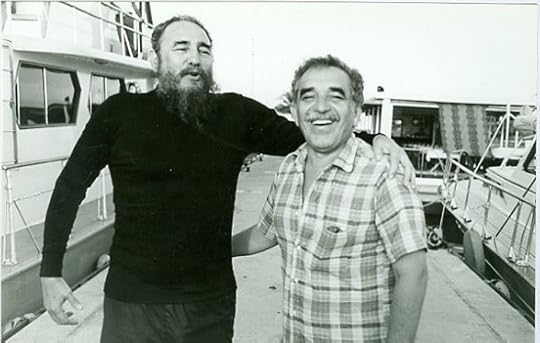
Two series of interviews by David Streitfeld explore Gabo's views on his friendship with Castro, his new perception of mortality (he had just beat cancer) and his career in journalism and his life as a major public figure in Latin America. If the other interviews find García Márquez at his most amicable and charming, these interviews are a lot more difficult as Streitfeld pokes and prods with his questions into formidable aspects of his life and questioning him about politicians and drug-lords.


With Fidel Castro


‘I’ve Stopped Writing’: The Last Interview (2006)

García Márquez's final interview, where he admits that he has taken a "sabbatical" from writing and that it is undecided whether he will ever write again. This piece finds Gabo and his family reminiscing of the past, of the places where they lived and the people they met. He also talks about his memoirs and is found to be a lot more confident.

I really enjoyed reading these interviews. There was sharp contrast in the García Márquez of each era, proving that the man's views and character have remained elusive 'til the end. Yet, we do get an intimate portrait of the man, his eccentricities, his aspirations and his hopes for the future. I particularly enjoyed Mendoza and Streitfeld's interviews because of their differing journalistic approach to the interview and Gabo's reaction to both.


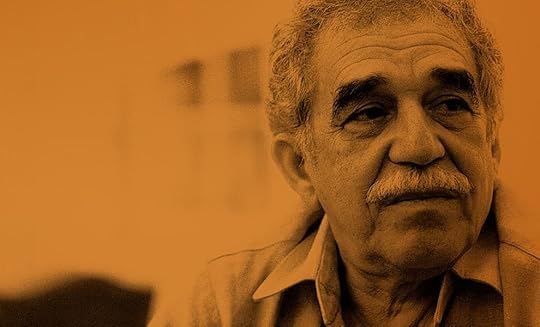
Gabriel García Márquez, 1927-2014
Profile Image for Tamoghna Biswas.
368 reviews150 followers
August 6, 2025
It adds a significant amount of insight into the life and psyche of Gabo, but I felt it offers hardly anything new for his avid readers, or even those who've bothered to read his autobiography Living To Tell The Tale. But that can be said about any collection of interviews about any author who, like Gabo, had never been afraid to take a socio-political stance. What mattered is that it is quite an intriguing, and engaging read, but I am probably going to pick up his Living... again.
Profile Image for Shadin Pranto.
1,488 reviews573 followers
December 1, 2018
" I want revolution for life, not for death; so that the whole world can live better lives, drink better wine, drive better cars... Material goods aren't inherent to the bourgeoisie, they're a human heritage that bourgeoisie has stolen ; we're going to take them back and distribute them among everyone. "

এভাবেই নিজের স্বপ্নের কথা বলছিলেন গাব্রিয়েল গার্সিয়া মার্কেজ।যাঁকে কলাম্বিয়ার প্রেসিডেন্টের দায়িত্ব নেওয়ার দাবি জানিয়ে সে দেশের প্রেসিডেন্টকে অপহরণ করেছিল একজন বিদ্রোহী! এই সাক্ষাৎকারসংকলনের বইতে মার্কেজ শুধুই সাহিত্য নিয়া কথা বলেন নি ; বরং তাঁর জানাবার এবং নিজেকে মেলে ধরবার গন্ডিটিও বিস্তৃতি ছিল। সাহিত্যিক মার্কেজের জীবনের, চিন্তারাজ্যের নানাদিককে সামনে রেখে এগুতে চেয়েছেন সাক্ষাৎকারগ্রহীতারা।

আসলে, এই বইয়ে মার্কেজ তুমুল জনপ্রিয় হয়ে উঠবার আগের মার্কেজ যেমন আছেন; তেমনি ২০০৬ সালে লেখালেখি ছেড়া দেয়া মার্কেজের শেষ সাক্ষাৎকারটিও সংকলিত হয়েছে এই বইতে।
বসলেন আর পৃষ্ঠাভর্তি করে ফেললেন। এমনতর লেখক কোনোকালেই ছিলেন না মার্কেজ। বরং বড্ডবেশি সময় নেয়ার সুনাম কিংবা দুর্নাম আছে তাঁর। এক প্রশ্নের উত্তরে জানান, " Leaf Storm" বইটি লিখতে কাটিয়েছেন সতেরো বছর। কিন্তু কেন? এই কেন'র জবাবে মার্কেজ,

" I had thought that I needed to cut more, really there'd been something missing. And so you really have to write a lot, then cut, correct, tear many notebooks to pieces, before you can finally bring a few pages to publisher..! "

যারা মার্কেজের সাথে আলাপচারিতায় মেতে উঠেছিলেন ; তারা মার্কেজ সম্পর্কে জেনে, পড়ে, বুঝেই এসেছিলেন। কেননা বেশিরভাগ সাক্ষাৎকারই মার্কেজ দিয়েছেন লাটিন আমেরিকান সাংবাদিকদের। একজন মোটে যুক্তরাষ্ট্রের।

সাহিত্যিক হয়ে উঠতে গেলে কি হয় হয় তা পরামর্শের ঢঙে নয়,কথার ছলে বলেছেন। উপদেশ দিয়েছেন নতুন সাহিত্যিকদের উদ্দেশে। নতুন লেখকদের সংবাদপত্রে কিংবা সাহিত্য সাময়িকীতে সুযোগ দেওয়ার বিরোধী মার্কেজ। এক্ষেত্রে তাঁর অবস্থান রীতিমত রক্ষণশীল শিবিরে,

" By not giving them any encouragement.. By not publishing anything of theirs that isn't truly great. Really we don't have to worry about opening the doors of the newspapers to young writers. When they write something great, the doors will open on their own. "

লেখকসমাজ কি রাজনীতিবিমুখ থাকবেন? না, মার্কেজ সরাসরি বলেন,

" I think writers' political roles must be determined by the circumstances of each moment. When it comes to political work, writers like to be given concrete tasks. "

সাধারণগোছের কিছু আলাপও। আছে যেমনঃ প্রিয় লেখক, বই, নারী প্রভৃতি। সেইসব প্রশ্ন থেকে বেশকিছু ভালো বইয়ের সন্ধান পেয়েছি।
বই লিখে কাড়িকাড়ি টাকা কামিয়েছেন মার্কেজ। বিশ্বের বিভিন্ন দেশে বিশালবহুল আবাস আছে এই লেখকের। আবার ক্লিনটন, ফিদেল ক্যাস্ট্রোর মতো নেতাদের সাথেও হৃদ্যতার সম্পর্কের কথা খোলাখুলি বলেছেন।

মূলত, ক্যারিবিয়ান অঞ্চলের রাজনীতি, গৃহযুদ্ধ, স্বৈরশাসকদের নিয়ে অনেক কথা বলেছেন। যেমনটি সেখানকার সাহিত্য, চলচ্চিত্র নিয়ে নিজের মতামত দিয়েছেন। আবার ব্যক্তিগতভাবে নিজে কতো কুসংস্কারে বিশ্বাস করেন। কতটা সেসব দ্বারা প্রভাবিত তাঁর জীবন তা নিয়েও কিছু ঘটনা বলেছেন।

" One Hundred Years of Solitude " প্রকাশের পর জীবনযাত্রা বদলে গেল। নিজেই স্বীকার করলেন খ্যাতির বিড়ম্বনায় বন্ধুদেরও চিঠি লেখা বাদ দিতে হল। কারণ, " When I discovered that a friend sold my letters to a library in the United States. "

এমন শান্ত স্বভাবের মার্কেজও সহ্য করতে পারেন নি প্রশ্ন।যখন ড্রাগলর্ড পাবলো এস্কোবারের সাথে জড়িত মার্কেজের নাম। বেশ উদ্ধত মনে হয় তখন।ঘটনা হলঃ

" Interviewer: There was a story that Escobar gave you money to write your book.
GARCIA MARQUEZ: That's a stupid thing to say, because I have more money than he did."

আমার মতো দীন পাঠককে ধাক্কা দিতে মার্কেজের এটুকু উত্তরই যথেষ্ট ছিল।

গাব্রিয়েল গার্সিয়া মার্কেজ শুধু এক কালজয়ী সাহিত্যিকের নাম নয় - সাক্ষাৎকারসংকলন পড়তে গিয়ে একথাই বারবার মনে হচ্ছিল।
Profile Image for emily.
661 reviews564 followers
October 27, 2025
‘It’s very important that the rhythm does not have any stops and starts, because when you have a stop or a start, the reader can escape. There are too many other books waiting. Any hurdle and the reader will go pick up something else. Commas may seem like a grammatical sign, but I use them for respiratory purposes. The reader must not wake up.’

Prefer the Borges’ one (in the same series). I don’t know why exactly (as in like — I don’t know if it’s because of the curation and/or the interviewer(s) or I just simply prefer Borges over Márquez).

‘My life changed after One Hundred Years of Solitude was published, when I discovered that a friend sold my letters to a library in the United States. I gave up writing letters so no one else would do that. Fame is a catastrophe in my private life. It’s as if you could even measure solitude by the number of people around you. You’re surrounded by more and more people, you feel smaller and smaller and smaller.’

For better or worse, it got me thinking about the last time I felt a desire to read Márquez’s One Hundred Years of Solitude. The person I was to read it with had told me that his dad had said to him that it would be a ‘joke’ if he read it in translation (English, that is). Because of that particular (albeit random) memory (marring my Márquez experience), I will inevitably think of my future reading(s) of the text with me well unserious in full clown make-up. But in all seriousness, I think the English text should be alright since it’s done by Gregory Rabassa (who Clarice Lispector (my favourite of all-time) had trusted in and had said/wrote only in the most flattering ways of : ‘—one of the best—he had won that year’s National Book Award in the United States—plus I can read English’ / ‘—I never thanked you, Gregory, I don’t write letters, but I am very grateful: yours was a true labour of love.’ / ‘—in his introduction about Brazilian literature, which Rabassa knows inside out, he said that I was more difficult to translate than Guimarães Rosa, because of my “syntax.” — I don’t understand. But okay, fine. Gregory Rabassa must know what he’s talking about.’ , from Too Much of Life). If Clarice thinks he’s brilliant, who am I to think otherwise?

‘Yellow is lucky but gold isn’t, nor the colour gold. I identify gold with shit. I’ve been rejecting shit since I was a child, so a psychoanalyst told me. (One of the characters in One Hundred Years of Solitude compares gold to dog shit.) Yes, when José Arcadio Buendía discovers the formula for turning metals into gold and shows his son the result of his experiment, he says, “It looks like dog shit.” (So you never wear gold.) Never. I don’t wear a watch, or a chain, or a gold ring or a bracelet.’

‘I think that those writers that in Colombia are called costumbristas tried to do the same thing I propose for myself, and that is simply to give local customs and characters an air of universality such that they can feel familiar anywhere in the world … I can better explain the concept I have of the nature of costumbrismo … Quixote is costumbrismo to me … By which I mean, I define costumbrismo as any work that fulfils that same purpose, that exposes the local within the universal.’
Profile Image for Resh (The Book Satchel).
538 reviews552 followers
September 12, 2016
A few interviews with the master Gabriel Garcia. I really enjoyed reading through this one. My only complaint - I wish there were more of them.

Reading these I can see Garcia as a man who knew his own greatness as well as acknowledged it. Some might think it was a bit boastful of him to talk that way. I felt like "Here is a man who knows what he is made of."

The interviews are translated as Gracia refused to give them in English. It was delightful reading about his mannerisms and rules from the POV of those who came to interview him as well. The book talks of Garcia's early days, his lack of money, his wife & family life, his superstitions, his fascination towards some women, some books he loves etc. Perfect trivia for any fan.

I was amazed that Garcia considers The Autumn of the Patriarch as his best work. He was let down that the beauty of that novel wasn't recognised as much as One Hundred Years of Solitude that plunged him into fame. He keeps talking about the differences between the two that makes me eager to read The Autumn of the Patriarch which I haven't read yet.


Profile Image for Faiza Sattar.
425 reviews113 followers
February 8, 2017
On trying to secure an interview with Marquez - Everyone said it was like getting an audience with the pope. As in: Don’t even bother trying.

I read Gabo’s interviews in the early hours of the day, just when the consciousness is evading sleep and yet drifting towards it with an elusive restraint. Marquez’s words rise up from the text and begin to spontaneously connect the dots for the fiction I’ve read from him so far. It’s a remarkable experience in itself, knowing the master personally, the man behind the magical One Hundred Years of Solitude and the poetical Autumn of the Patriarch, the reverential No One Writes to the Colonel and the meditative Memories of my Melancholy Whores.

Solitude was the most famous novel in the world, and perhaps the last to have a demonstrable effect on it.

The interviews, though brief, lend a vision into his meditations on politics and revolutions, the nature of power and violence, his attitude towards womenfolk, creativity and writing, personal superstitions, Latin American culture, the mystery of love and his aversion to fame. A recluse figure, a legend of mythical proportions in the literary world, Gabo still comes off as a giant in the most mundane of conversations. I’m most intrigued to read his biography by Gerald Martin.

ON POLITICS AND THE NEED FOR A UNIFIED REVOLUTION

Marquez was an active figure in Latin American politics, using his influence as a literary giant to change the course of corrupt governments and dictators who had long ruled the area, thrashing its culture, literature, economy all into a forgetful stupor. He stressed on the importance of using literature as a weapon to counter dogmatic beliefs and practices that had wreaked havoc on the Latin American society.

We need to use our imaginations in Latin America, after so many years of ideological petrification, of swallowing things whole; the right already knows all our tactics.

For Gabo, the idea of revolution was the “search for individual happiness through collective happiness, which is the only just form of happiness.” He opposed the practice of active martyrdom for the sake of country.

I want revolution for life, not for death; so that the whole world can live better lives, drink better wine, drive better cars … Material goods aren’t inherent to the bourgeoisie, they’re a human heritage that the bourgeoisie has stolen; we’re going to take them back and distribute them among everyone.

With deep socialist inclinations and a dedicated friendship with Castro, Marquez’s fervent ideas on true governance, opposition to despotic advances are often reflected in his views on power and violence as the two are inextricably linked. His views and personal friendships barred him from entering United States for many years till the sanction was lifted. Once during his visit to the States, the interviewer asked him about the state of affairs back home, to which he candidly replied “I never talk about Colombian politics when I’m outside of Colombia.” And when the interviewer proceeded to his views on American politics, Gabo in all amusing seriousness replied “I never talk about American politics when I’m in America.”

Marquez’s sense of reality was deep rooted. He recognized the evils of power with an acute sense of profound understanding. “Violence has existed forever, and it’s an ancient resident of Colombia,” he recalls. On bitter criticism of his association with Fidel Castro, the writer says:

I believe when people sign a petition, they make a great noise. They don’t really care about the cause. They’re just thinking about themselves—what the public is going to think of their petition.

This also rings true of modern era petitions, either of a political or social nature – these entreaties are more true to the egotistical demands of those creating it or promoting it than to fostering real change in society.

ON WOMEN

It was a Frenchman who said, “There are no impotent men, only unfeeling women.”

I was most fascinated by Gabo’s personal opinion on womenfolk whom he holds in high regards, and how he dealt with them in his fiction – always giving them a focal role to play. The matriarchal dependency of many of his male characters pushes the boundaries of Latin American culture and give us a keen insight on how Gabo revered the female sex in terms of their wisdom, resilience and mystique.

All through my life there has always been a woman to take me by the hand and lead me through the confusion of existence, which women understand better than men.

Women have played a pivotal role in Marquez’s life. He grew up surrounded by oral stories from his grandmother, and a horde of aunts to tend to him. His wife Mercedes provided him with unconditional support. His literary agent Carmen Balcells had been working with him since 1961, his earliest years as a writer. All these matrons have been in one way or another immortalized as fictitious characters in his stories – altering the course of states, families as a whole or lone men in indubitable power.

Women uphold the social order with an iron hand while men travel the world bent on boundless folly, which pushes history forward. I’ve come to the conclusion that women lack any sense of history. Otherwise, they could not fulfill their primordial function of perpetuating the species.

At another instance, the writer details on the mystifying aspect of women, the allure of their beauty and femininity without any causal link to sexual advances.

When I walk into a place full of people, I feel a kind of mysterious signal drawing my gaze irresistibly toward the most intriguing woman in the crowd. Not necessarily the most beautiful, but the one with whom I obviously have a deep affinity. I never do anything, I just have to know she’s there and I’m quite happy. It’s something so pure and beautiful that even Mercedes sometimes helps me to locate her and choose the best vantage point from which to see her.

On women with corrupted morality, vengeful tastes and unstable lifestyle, Marquez has nothing but kindness for them. “All they need is some good company, a little understanding, and a little love, and they are usually grateful for it. I say “a little” because of course their solitude is incurable.”

ON LOVE AND FAME

STREITFELD: There is a stamp in Colombia with your face on it.
GARCÍA MÁRQUEZ: I hope it’s only used for love letters


Like Marquez reveres the female sex, he venerates not just “love”, a singular emotion but also the ability to love which for Marquez is granted to only the extremely fortunate ones. Power and love stand as polar opposites. “Power is a substitute for love,” he says. This indeed is true for all his characters who practice supreme authority, are masters of their own fate and that of the country’s, and stand alone as bastions of terrible sovereignty – they all lack the fervent ability to love another, or to be an object of love themselves. Their lawlessness and arrogance equates to a crippling incapacity to function as normal human beings, and scarcity of experiencing love either ends in their downfall, death or both.

MENDOZA: Do you really think the inability to love is very serious?
GARCÍA MÁRQUEZ: I don’t think there’s any human misery greater than that. Not only for the person afflicted but for all those whose misfortune it is to come within his orbit.


For Marquez, the evident problem with love is making it last.

I don’t see love as a quick lunge with no consequences.

And just as he admires love, he derides fame as a catastrophe for private life.

Fame unsettles your sense of reality, almost as much as power perhaps, and it continually threatens your private life.

The thematic use of Solitude in many of his books is undoubtedly linked to the author’s persona. It is his elusiveness that cemented his legend and he intended to keep it that way till his last years.

It’s as if you could even measure solitude by the number of people around you. You’re surrounded by more and more people, you feel smaller and smaller and smaller.

It isn’t a small wonder that journalists across the world had a hard time getting to him. This perhaps multiplied in the years after he had won the Nobel Prize for Literature. His aversion to fame was not just to protect his family but also to prevent any disturbances hindering his own sense of reality. This, for me, is a true mark of humility in a man.

More than most authors, he tried not to repeat himself, even as he got older and the temptation to revisit triumphs must have been acute

ON SUPERSTITIONS

One of the most amusing and surprising instances of the book covers Gabo’s attitude towards superstitions, including his own personal, somewhat peculiar superstitions.

I believe that superstitions, or what are commonly called such, correspond to natural forces which rational thinking, like that of the West, has rejected

Here, Latin American culture holds a keen similarity to South Asian culture where superstitious beliefs are a crucial building block of societal norms. In context of their geography and value, they are not “irrational beliefs” per se but hold a key to morals most valued. Gabo, earnestly discloses some of his personal superstitions such as “smoking in the nude did not mean bad luck, but smoking in the nude while walking about did”. He even details an instance from private life where getting out of a city and never going back again stands between life and death. These curious little fallacies can be spotted in almost all his stories, and which most definitely influenced his life as a story teller.

ON THE ART OF WRITING

My father would say I was born in 1927. My mother said, “Let him be born whenever he wants to be born.” Clearly, she’s a practitioner of the new journalism.

When asked about his first publication Leaf Storm, Marquez candidly recalls how many years he had spent writing, re-writing, editing, cutting, correcting, tearing the many notebooks of the story just to bring a few final pages to the publisher. He adds as to how the ideas that he had initially trashed later formulated the plot to his second book.

For Marquez, “a writer writes only one book, although that same book may appear in several volumes under different titles.” And when asked what his collective book would be about, he calls it “The book of solitude.”

Marquez started his career as a reporter for the local newspaper. He’d often live in one of the shabby rooms in a hotel which also functioned as a brothel. Many a times, due to dire financial circumstances, he’d leave his manuscript as deposit with the hotel porter.

Journalism is my true vocation. It keeps my feet on the ground. Otherwise I’m like a balloon, I float off. Journalism keeps me nailed to reality. Curiously, as time goes on, I find the professions of fiction and journalism merging. The essence of literature and of journalism is the credibility they create. People are convinced by details.

His journalistic integrity is best shown in an instance where one interviewer proceeded to use a tape to record the interview session to which Marquez politely declined as he considered himself “an enemy of the tape-recorder. It has an ear but no heart.”

Marquez was dismayed at the immense success of Solitude as it seemed to eclipse the importance of Patriarch which he himself had declared as his masterpiece. Though he had no favourites, it became increasingly challenging for him to write the next book after each published work’s achievement.

I don’t think of one book as being better or worse than the last; I just want to take that step.

During the late 90’s and early 2000’s, Marquez had taken to writing on a computer, abandoning the old practice of using a typewriter.

On a computer, a novel is infinitely correctible. It’s so easy. You go on endlessly. But in the end it’s faster. The proof is I used to put out a novel every seven years, now it’s every two years.

When asked on the usage of run-on sentences and “breathing commas”, Gabo’s reply echoed the style of each of his work

My idea of a literary text is actual hypnotism. It’s very important that the rhythm does not have any stops and starts, because when you have a stop or a start, the reader can escape

This is indeed true whilst reading any of his stories where the reader is given a momentary relief with the aid of a comma or a semicolon amidst reading sentences that last the entire length of a chapter. The style mesmerises and bounds the reader till the very end in a trance like state, where a single breath could break the spell of the magical realist story.

In his old age, Marquez had stopped writing entirely and devoted his time to being an avid reader. Inspired by works of Faulkner, Kafka, Dostoyevsky, he noted that “when novelists read another novelist’s work, they take it apart as if it were a machine. Nothing teaches you how to write a novel except another novel.”

Profile Image for Steven R. Kraaijeveld.
564 reviews1,924 followers
May 10, 2022
"My idea of a literary text is actually hypnotism. It's very important that the rhythm does not have any stops and starts, because when you have a stop or a start, the reader can escape. There are too many other books waiting. Any hurdle and the reader will go pick up something else. Commas may seem like a grammatical sign, but I use them for respiratory purposes. The reader must not wake up." (85-86)
This collection includes a number of interviews with Gabriel García Márquez, ranging from 1956 to the 'last' interview in 2006 (before his death in 2014—he rarely gave interviews near the end of his life). There is nothing particularly revelatory in the interviews, if you're familiar with Gabo and his life; but they make for an entertaining read.
Profile Image for luisa espindola.
216 reviews
November 26, 2021
quanto mais eu estudo sobre o gabo mais eu o amo. li esse por causa da monografia e só consigo pensar como de longe ele é o maior escritor que a américa latina já teve
82 reviews31 followers
January 23, 2020
Interviewer: There is a stamp with your face on it, in Columbia
Gabi: I hope they are used only on love letters
Profile Image for Hrishikesh.
206 reviews285 followers
February 26, 2017
I partly understand the great man's reluctance to be interviewed - if he has something to say, he will say it, in his own words, a thousands times better. There is no overwhelming revelation in this collection of interviews, but the insight it gives into his life is engaging enough.
Profile Image for Lisa.
198 reviews6 followers
March 30, 2015
Knowing that "The Last Interview" is part of a series redeemed this book a little, but not nearly enough. Between the wide margins, double and triple spacing between quotes, and entire pages left blank between sections it was painfully obvious that this book was produced in a hurry to make a quick buck after the author's death. I unfortunately fell for the publisher's trick. The largest (and most interesting) section of this book comes from an interview series García Márquez did with a friend of his called "El olor de guayaba" (The Scent of Guava). I would highly recommend that anyone interested reading interview conversations with García Márquez read that book instead, as it is more revealing and more sincere.
26 reviews2 followers
May 18, 2016
Super quick, really enjoyable read. You can read in one sitting, or an essay at a time. I love getting a sense of GGM's personality. I have only read one novel and two stories of his, but I still got a lot from it, and am wanting to read more and more of his work! Marquez newbies and aficionados alike will appreciate this in their different ways.
Profile Image for Mohammad bandezadegan.
113 reviews4 followers
December 5, 2023
#زن‌ها_خرافات_و_سلیقه_ها
مجموعه ای از گفتگو ها و مصاحبه های #گابریل_گارسیا_مارکز مشهورترین روزنامه نگار و نویسنده قرن بیستم آمریکای لاتین که توسط
#فاطمه_سراجی #شهاب_شکروی ترجمه و در #نشر_آفتابکاران به چاپ رسیده است.
این کتاب شامل پنج بخش می باشد
اول : نویسنده ای که نویسنده خواهد ماند(۱۹۵۶):
مارکز پس از انتشار طوفان برگ مورد تحسین قرار گرفته است.این مصاحبه بررسی دیدگاه او درباره نویسندگی و وضعیت ادبیات کلمبیایی، علایق او به فیلم و برنامه های آینده اش برای نوشتنِ داستان می پردازد. مارکز هرچه به ذهنش می آمد را می نوشت بدون داشتنِ طرح و برنامه از پیش تعیین شده.
در یک بخش مارکزِ جوان میگوید که رمان باید هدفی فراتر از فقط خوانده شدن داشته باشد و بایستی هدف و قصد نویسنده احساس شود. مارکز هم تاکید بر آموزش دیدن و اصول یادگیریِ روشهای نویسندگی و البته تلاش مداوم دارند.
دوم:زایش تخیل در ماکاندو‌(۱۹۷۵):
مارکز در اوج و در حال انتشار #پاییز_پدر_سالار هست، در این بخش در مورد دیدگاههای خود در مورد سیاست و انقلاب امریکای لاتین و اینکه نوشته هایش تا چه حد تحت تاثیر این مضامین است، صحبت می کند. کتاب جدید یعنی یک قدم جلوتر، یعنی فرایند سخت تر و پیچیده تر. نکته جالب از نظرم این بود که نخواسته کتاب جدید از قدیمی بهتر باشد بلکه فقط خواسته قدمی بردارد ، کما اینکه به گفته خودش پاییز پدر سالار از صد سال تنهایی بهتر است، اما نظر مخاطبین و منتقدین چیز دیگری را نشان می دهد ،
سوم: زنها، خرافات_سلیقه ها و فعالیت(۱۹۸۳):
در این مصاحبه درباره نقش زنان در زندگی و فرهنگ امریکای لاتین همچنین خرافات و وسواسهایش صحبت می کند. او در ابتدا راجع به اشنایی ش با مرسده (همسرش) و نقش او صحبت می کند و می گوید بعد از گفتگو با او متوجه شدم که شخصیت او بیشتر از زیباییش بر من تاثیر گذاشته است ، اگر رفتارهایش برای من مشکل روحی ایجاد کند زیباییش به چه درد من می خورد و می گوید زندگی من بدون در نظر گرفتن نقش مهمی که زنها در آن دارند مفهومی ندارد و برای مثال زنی که خواندن و نوشتن به او آموخت، خدمتکارشان و ...
به نظرم خود مارکز کمی خرافاتی بوده اند ، کاری ندارم اما اینکه اینقدر راحت نظرش را بیان می کند ، نه فقط راجع به خرافات بلکه در تمام مصاحبه ها و صحبتهایش همیشه صریح و راحت واضح و شفاف حرف خود را زده است .
چهارم :تمبری بر نامه های عاشقانه (۱۹۹۳و ۱۹۹۷):
شامل دو مصاحبه توسط #دیوید_استریتفلد که به بررسی دیدگاههای مارکز درباره دوستی اش با کاسترو‌ پرداخته، و از شکست دادن سرطان و حرفه اش در روزنامه نگاری و زندگیش به عنوان یک شخصیت عمومی بزرگ‌ در آمریکای لاتین می پردازد.
مارکز میگوید : حرفه اصلی من روزنامه نگاریست و به من احساس ثبات می دهد وگرنه ذهنم مثل بادکنکی ازین طرف به آن طرف می رود و شناور می مانم روزنامه نگاری مرا به واقعیت نزدیک می کند هرچه زمان می گذرد به شکل عجیبی احساس می کنم ترکیبی از روزنامه نگاری و داستان نویسی در من نهادینه شده است. و همچنین از زمانی می گوید که نسخه اولیه رمان #طوفان_برگ را بعنوان گرو قرار می داده تا پول بیاورد تا بعد از مشهور شدن که می گوید : شهرت زندگی مرا خیلی تحت تاثیر قرار داد مثل اینکه اطراف شما پر از آدم آما تنها باشید و هرچه افراد بیشتر باشند بیشتر در لاک خود فرو می روید.
پنج:هرگز نمی نویسم ، آخرین مصاحبه (۲۰۰۶):
او می گوید که از سال ۲۰۰۵ به خود مرخصی داده و دیگر نمی نویسد و از سرگرمی فوق العاده اش و خواندن کتابهایی که تا بحال فرصت خواندنشان را نداشته است می پردازد . همچنین او و خوانواده اش در حال یاد آوری خاطرات گذشته و مکانهایی که زندگی کرده اند و افرادی که ملاقات کرده اند پرداخته است.
Profile Image for Sneha.
82 reviews
November 21, 2020
After a brief conversation, something in her personality just made me feel that in the end her beauty would not compensate for the emotional problems she could cause me.

Interviewer : Do you really think the inability to love is very serious?
GARCÍA MÁRQUEZ : I don’t think there’s any human misery greater than that. Not only for the person afflicted but for all those whose misfortune it is to come within his orbit.

STREITFELD : That was when you were first reading Faulkner and Hemingway. You’ve often spoken of your debt to them. GARCÍA MÁRQUEZ : When novelists read another novelist’s work, they take it apart as if it were a machine. Nothing teaches you how to write a novel except another novel.

STREITFELD: In your short story “Sleeping Beauty and the Airplane,” a passenger notices a beautiful woman and asks the ticket clerk if she believes in love at first sight. “Of course,” the clerk responds. “The other kinds are impossible.”
GARCÍA MÁRQUEZ: Yes, that’s my view. The problem with love is making it last. There’s a Brazilian writer I like to quote: Love is eternal as long as it lasts.

You have achieved fame and success that no living writer has managed. Why go on writing? GARCÍA MÁRQUEZ : I think it’s Rilke who says, “If it’s possible to live without writing, do it.” There’s nothing else in this world I like more than to write. And there’s nothing that can keep me from writing. That’s all I think about. I think I write because I’m afraid of death. If I didn’t write, I would die.

Kawabata’s House of the Sleeping Beauties. Usually when I read a book by someone else that is good, I am very happy and I admire the writer. This is the only book I’ve ever read that has made me envious. I read it and said, Why didn’t I think of this?
This entire review has been hidden because of spoilers.
Profile Image for Ageng Indra.
119 reviews24 followers
November 1, 2018
Tidak begitu menarik, ketimbang wawancara dengan Bolaño yang saya baca sebelumnya. Bila Bolaño banyak omong soal kesusastraan, Wawancara Gabo sekadar membicarakan proses kreatifnya sendiri dan beberapa gosip tentangnya. Gabo sering mengejek pewawancaranya dengan becandaan yang intimidatif, selain karena dia tampaknya benar-benar tidak suka wawancara, juga barangkali untuk mencairkan suasana, atau tepatnya, menenangkan dirinnya sendiri dari kecemasan sosial. Seperti diungkapkan di penutup wawancara terakhirnya.

"I have the great advantage now that the people who come here are already intimidated … and that makes it easier for me."

Hal menarik lainnya adalah detil-detil bernada magis yang banyak bertebaran di tiap wawncara, seperti fotografer yang mati lima belas hari setelah memfotonya sampai Gabo sendiri tak pernah melihat hasil fotonya, sampai kritikus yang mati 40 jam setelah memuji karya terbaiknya.

Sebagian besar yang tersisa dari buku ini diisi keluhan kenapa Autumn of Patriach tidak mendapat perhatian sebanyak Solitude, dan tentang perempuan.

Soal kesusaatraan, sekali lagi, tidak begitu banyak--setidaknya ketimbang Bolaño--meskipun yang sedikit itu juga cukup menarik.
Profile Image for Fred Kohn.
1,425 reviews26 followers
December 27, 2017
When I reserved this book from the library, I didn't realize that there is a whole series of The Last Interview books, and I think I will be reading more of them. This particular one came up on a catalog search of Gabriel García Márquez. As best as I recall, his name came up in a book about Ronald Reagan that I was reading, and I wanted to learn more about his political views. I haven't read any of his novels yet and I thought knowing his political views may guide me as to which of his books are likely to interest me the most. After reading this book, I have decided to read Leaf Storm and Other Stories before reading his most famous book: One Hundred Years of Solitude. I don't know if this is the right plan for me but: we'll see!
Profile Image for Renjith R.
218 reviews19 followers
February 12, 2020
I always loved to know about the private life of the most loved authors. I was and am curious to know in what circumstance they made a particular literary work. Gabriel Garcia Marquez is one of the most admired writers of all time. Mostly I saw him as a man of positive and courageous outlook. And he is also willing to adapt changes in his life which most of the old people are hesitant to do. By knowing about a literary legends, I believe I can read or comprehend their work in a different angle.
Profile Image for Billie Pritchett.
1,224 reviews122 followers
January 8, 2022
A fair series of interviews, albeit not terribly enlightening. It paints a portrait of Marquez as a round self-deceived ladies' man prone to superstitions. We're supposed to think all that's cool. He's a socialist who's first friends with Castro, then later ghosts Castro, then becomes big friends with Bill Clinton, whom Marquez thinks is a pretty swell guy. Sometimes it's best not to read too much about your heroes. My next dose of Marquez will be another of his novels, but never again one of his interviews.
Profile Image for Sharjeel Ahmed.
60 reviews1 follower
May 15, 2018
A very important book for any reader interested in the personality of Gabo. After reading Solitude, I was harassed by this curiosity to understand its author, and YouTube did not help at all. This book presents five rare interviews with Marquez that shed light on his mind, that unique mind that could create a masterful work like Solitude and later come to despise it too.
699 reviews29 followers
July 16, 2021
اگر روزی خواستی گریه کنی
مرا صدا بزن
قول نمی دهم بتوانم بخندانمت
ولی می توانم با تو بگریم

اگر روزی برآن شدی که بگریزی
در این که مرا صدا بزنی
هیچ درنگ مکن
قول نمی دهم از تو بخواهم که بمانی
ولی می توانم با تو بگریزم

اگر روزی نمی خواستی با کسی سخنی بگویی مرا صدا بزن
تا با هم سکوت کنیم.

ولی اگر روزی مرا صدا زدی
و من پاسخت ندادم
به نزد من بشتاب
زیرا قطعاً من به تو نیاز خواهم داشت...
Profile Image for Dustin.
14 reviews2 followers
May 4, 2017
Quick read, nice insight into his novels.
Profile Image for May Wescott.
87 reviews1 follower
July 5, 2017
Interesting interviews with Gabriel Garcia Marquez. Had to read it for a paper I was doing.
Profile Image for Mike.
1,556 reviews27 followers
March 16, 2021
A wonderful collection of very personal and reflective interviews with Gabo at (or near) the end of his life.
Profile Image for Sophia.
17 reviews1 follower
July 24, 2024
“Interviewer: There is a stamp in Colombia with your face on it.
García Márquez: I hope it’s only used for love letters.”
Profile Image for Mountain Learning.
95 reviews
March 22, 2021
I have nothing but love for GGM. The inconsistencies in answers between individual interviews in this book makes GGM even more endearing to me because they show his playful personality and reveal that he didn't take his answers too seriously. Glad to know him from the angle of these interviews that make him greatly missed but never forgotten.

I am inclined to make a detailed "highlights of this book" for this review but don't want to ruin it for others reading or about to read this book. Suffice it to say I thoroughly enjoyed reading these interviews. GGM's banter contained in them is priceless.
Profile Image for Agbonmire.
72 reviews4 followers
October 13, 2016
It is an open secret that my favourite author is Gabo. Gabo is my literary father and someone I want to mirror closely.

I have read and reread almost all his books and a week doesn't pass where I don't take a dose of Gabo.

This was a carnival for me, because apart from engaging with this writings I have longed to engage with his lifestyle. This expertly done interviews asked everything I have wanted to ask and more.

The pearls of wisdom are too many. Since I am writing this review while I am on a road trip I can't dwell on them. But reading this my head split open and my brain came out to express its delight in my choice of book.

Gabo is king.
Displaying 1 - 30 of 39 reviews

Can't find what you're looking for?

Get help and learn more about the design.