

What do you think?

The History of Chocolate
Chocolate is one of the most popular food items around the world. While most of us today consume it in the form of candy, desserts, and sugary drinks, chocolate has taken many forms as it traveled from its ancient Mesoamerican roots to the 21st century.
In the eight lectures of The History of Chocolate, you’ll join author and food historian Sam Bilton to trace the long and winding journey of a food that is so much more than just a sweet treat. You’ll venture back to the origins of chocolate in Maya culture and follow its progress as European settlers brought their New World discovery home to the continent. From there, you’ll see how chocolate was gradually transformed, democratized, and commodified to become the staple confectionary we know today. Along the way, you’ll also consider why we love chocolate as much as we do—and what science has to say about its effects on both mind and body.
Through chocolate’s long and ever-evolving story, you’ll witness the rise and fall of empires, the evolution of global trade, the expansion of industrialization, and more transformations that have shaped the world as we know it. From indigenous currency to European luxury to multibillion-dollar global business, chocolate has a history that offers tantalizing insights into human nature—both the bitter and the sweet.
In the eight lectures of The History of Chocolate, you’ll join author and food historian Sam Bilton to trace the long and winding journey of a food that is so much more than just a sweet treat. You’ll venture back to the origins of chocolate in Maya culture and follow its progress as European settlers brought their New World discovery home to the continent. From there, you’ll see how chocolate was gradually transformed, democratized, and commodified to become the staple confectionary we know today. Along the way, you’ll also consider why we love chocolate as much as we do—and what science has to say about its effects on both mind and body.
Through chocolate’s long and ever-evolving story, you’ll witness the rise and fall of empires, the evolution of global trade, the expansion of industrialization, and more transformations that have shaped the world as we know it. From indigenous currency to European luxury to multibillion-dollar global business, chocolate has a history that offers tantalizing insights into human nature—both the bitter and the sweet.
Audible Audio
Published February 12, 2026
Ratings & Reviews
Friends & Following
Create a free account to discover what your friends think of this book!
Community Reviews
Displaying 1 - 23 of 23 reviews

February 28, 2026
לסקירה מפורטת בעברית ואנגלית, קישור לבלוג שלי -
https://sivi-the-avid-reader.com/the-...
https://sivi-the-avid-reader.com/the-...


March 7, 2026
Very Interesting.
What I learned:
●When you eat a Mars brand chocolate bar (Milky Way, 3 Musketeers, etc) you are eating a bar covered in Hershey chocolate 😲
●The Cadbury Bros build a new factory in a rural part of England, just outside of London to replace their current factory. Why? Well, the current factory was in the city center of London, and it's smoke stacks were sending a lot of pollution into the air. Also, they saw their workers living conditions were horrible. So they built the new factory to stop contributing to the pollution. They also built over 300 cottages for their employees, places of worship, and shops as well. That was pretty cool.
●Some believed chocolate could keep you protected from diseases.
●Some believed it could prolong men's lives and it was an aphrodisiac.
●My biggest takeaway: Eat and/or drink all the chocolate you can. 😄
Cacao dates back to the 16th and 17th century so there is a lot of information in here. So take a listen if you love chocolate, too.
What I learned:
●When you eat a Mars brand chocolate bar (Milky Way, 3 Musketeers, etc) you are eating a bar covered in Hershey chocolate 😲
●The Cadbury Bros build a new factory in a rural part of England, just outside of London to replace their current factory. Why? Well, the current factory was in the city center of London, and it's smoke stacks were sending a lot of pollution into the air. Also, they saw their workers living conditions were horrible. So they built the new factory to stop contributing to the pollution. They also built over 300 cottages for their employees, places of worship, and shops as well. That was pretty cool.
●Some believed chocolate could keep you protected from diseases.
●Some believed it could prolong men's lives and it was an aphrodisiac.
●My biggest takeaway: Eat and/or drink all the chocolate you can. 😄
Cacao dates back to the 16th and 17th century so there is a lot of information in here. So take a listen if you love chocolate, too.

May 6, 2026
For me, the most interesting parts were of the history and proliferation of cacao and chocolate, much more than the details of how Cadbury, Hershey et al. began and flourished. For the price of free-on-Audible I'd rate this a solid four, and an easy, informative listen.

March 21, 2026
Very interesting, very educational. Makes me realize a lot of Willy Wonka was satire on the history of chocolate

May 20, 2026
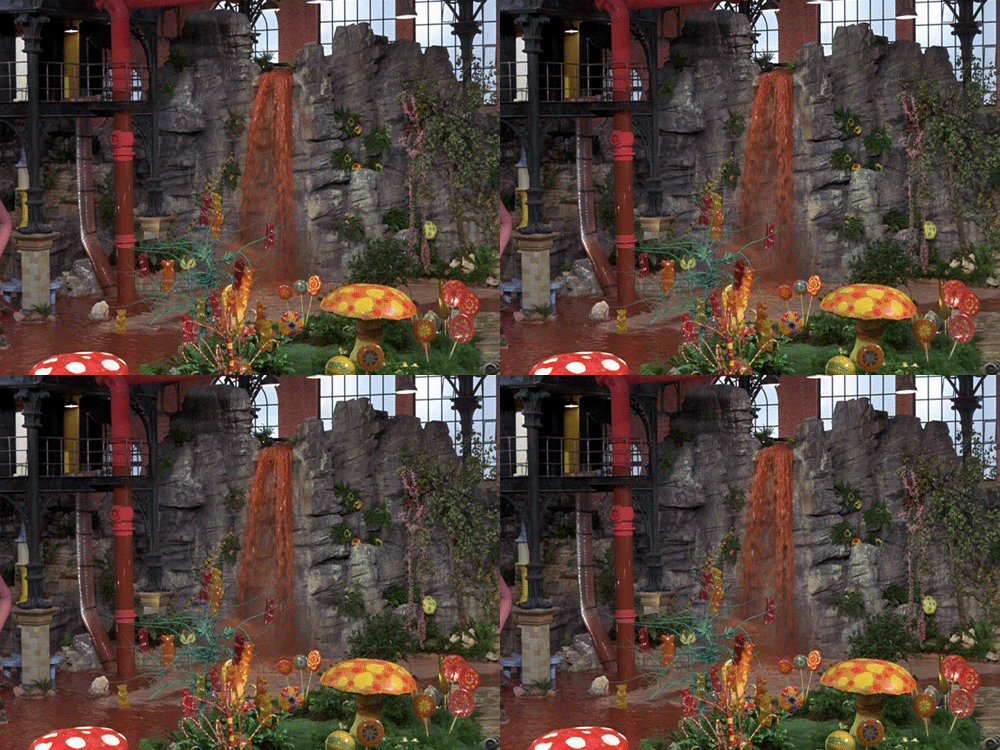
Wonka fans unite. Short & interesting recap of the "history" of cacao / chocolate. We all know chocolate is a drug, a stimulant and, the be-all end-all of every holiday, event or occasion. I'm looking at you, Valentine's Day!
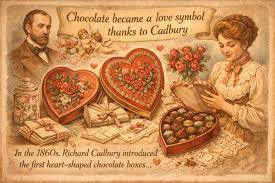
I loved learning the history of the box of chocolates. Something I never thought about before.
L1 What is chocolate?
L2 Europeans "Discover" Chocolate
L3 Spiritual Chocolate
L4 Chocolate Comes to Europe
L5 Everybody Loves Chocolate
L6 Chocolate Innovation
L7 The Darker Side of Chocolate
L8 Chocolate Conquers the World
Read
April 13, 2026Over this past weekend I needed a quick listen that would keep my mind focused as I worked on other projects. Great Courses and other history related audio books are a great opportunity for me to learn some new information while not being overwhelmed by characters. I loved learning about how the history of Chocolate, mostly in a liquid form, occurred. It was so interesting to hear about the separation of cocoa fat from cacao, how conching, and other methods were developed along with the historical origins of this amazing treat. If you are looking for a deep dive that still gives you room to breathe then this is a great option for you!

April 12, 2026
'The History of Chocolate' delivers as advertised. I quite liked it.
Rather than deliver a dull, comprehensive history, most of which I'd have forgotten in a few months anyway, Bilton hits the highlights in an authoritative, approachable manner. This audiobook may be shorter than most histories, but I'm apt to recall a higher percentage of its information down the line.
'The History of Chocolate' may not deliver everything the aficionado or industry insider may want to know. For the generally curious listener, however, it hits the spot.
Rather than deliver a dull, comprehensive history, most of which I'd have forgotten in a few months anyway, Bilton hits the highlights in an authoritative, approachable manner. This audiobook may be shorter than most histories, but I'm apt to recall a higher percentage of its information down the line.
'The History of Chocolate' may not deliver everything the aficionado or industry insider may want to know. For the generally curious listener, however, it hits the spot.

May 23, 2026
Basically about a half-dozen podcasts compiled as an audiobook. Good narration. The first five or so episodes focuses on the few centuries from first European exposure under Columbus and the incorporation into the dining habits of Western Europe. The final material includes some talk of the chemical composition, including flavonoids, as the food has long been considered to have aphrodisiac or medicinal properties. The final bit covers commercialization including some history of Hershey's, Mars, etc.

February 22, 2026
I usually do not read history but this book caught my attention. Though there were aspects of the history that I did not care for, I still found it interesting overall. Specially learning about how chocolate was originally used in mesoamerica.
June 13, 2026
A terrific, easily digestible history of chocolate. It starts with its origin in central America and continues through its evolution as the confection we know today. It also speaks to the darker side of chocolate.

February 25, 2026
An excellent look at the history of chocolate from the angles of religions, geography, economics, environment, and politics.

March 3, 2026
I think I expected a little more readability, but when they call the chapters "lectures" it really came off as more textbook educational.

March 17, 2026
I was in Brussels (Belgium), where every third store was a chocolate shop, and so I decided to listen to Audible's mini course on the history of chocolate. I don't think Belgium is even mentioned. Still, I was fascinated to learn that while the cocoa bean was first appreciated by the Mayans and then Incas in South and Central America, it was Columbus who first introduced the bean and its properties to Europeans. And I was shocked to learn that for most of its history, chocolate was enjoyed solely as a beverage, some claiming it had medicinal value. Only at the beginning of the twentieth century did it begin to be sold as a solid bar. While the survey was fun, sampling Belgian chocolates was even better. Still, knowing the history did add to my appreciation. My favorite store in Brussels was Mary's Chocolates.

March 19, 2026
such a fascinating book! recommended despite them calling each chapter a lecture!

April 2, 2026
I really enjoyed this book. I learned a lot about the preparation of chocolate and the big companies that make it.

April 20, 2026
Nice audio history of this subject. recommended
April 27, 2026
Audible version. Great listen about a topic I have taken for granted since my first Hershey's Kiss.
June 13, 2026
interesting but short

July 12, 2026
Interesting and short. Turns out that chocolate in the form we know today is a lot older than I thought. I want to know more about chocolate poisonings now.

August 3, 2026
Well, it’s thoroughly researched. It’s just….dull. You can skip it.

March 9, 2026
Delicious and fascinating history of chocolate; who knew it took so much for us to be able to eat something we often take for granted?

March 24, 2026
The history of chocolate is something that likely I and a lot of other people have never really thought about outside of the odd Horrible Histories episode.
This shows chocolate from its roots in South America traverse across the world and how public sentiment evolved towards the food/beverage over centuries. This includes the different ways in which it was made and the rise of different chocolate companies
This shows chocolate from its roots in South America traverse across the world and how public sentiment evolved towards the food/beverage over centuries. This includes the different ways in which it was made and the rise of different chocolate companies
Displaying 1 - 23 of 23 reviews