

What do you think?

The Penguin Poets
Three Tang Dynasty Poets
'Can I bear to leave these blue hills?'
A generous selection from three of the greatest and most enjoyable of Chinese poets
Introducing Little Black Classics: 80 books for Penguin's 80th birthday. Little Black Classics celebrate the huge range and diversity of Penguin Classics, with books from around the world and across many centuries. They take us from a balloon ride over Victorian London to a garden of blossom in Japan, from Tierra del Fuego to 16th century California and the Russian steppe. Here are stories lyrical and savage; poems epic and intimate; essays satirical and inspirational; and ideas that have shaped the lives of millions.
Wang Wei (roughly 699-761)
Wang Wei's Poems is available in Penguin Classics
Li Po (701-762) Tu Fu (712-770)
Li Po and Tu Fu is available in Penguin Classics.
A generous selection from three of the greatest and most enjoyable of Chinese poets
Introducing Little Black Classics: 80 books for Penguin's 80th birthday. Little Black Classics celebrate the huge range and diversity of Penguin Classics, with books from around the world and across many centuries. They take us from a balloon ride over Victorian London to a garden of blossom in Japan, from Tierra del Fuego to 16th century California and the Russian steppe. Here are stories lyrical and savage; poems epic and intimate; essays satirical and inspirational; and ideas that have shaped the lives of millions.
Wang Wei (roughly 699-761)
Wang Wei's Poems is available in Penguin Classics
Li Po (701-762) Tu Fu (712-770)
Li Po and Tu Fu is available in Penguin Classics.
64 pages, Mass Market Paperback
First published January 1, 761
About the author
Wang Wei
578 books45 followersWang Wei (Chinese: 王維, 699-761) was a Chinese poet, painter, musician, and politician of the Tang dynasty, widely regarded as one of the most accomplished and influential literary figures of his time. Known for his mastery of both poetry and painting, he was a key figure in the development of Chinese landscape poetry and art, particularly in the fusion of poetry and painting, a concept later described by critics as embodying "poetry within a painting, and a painting within poetry." His work, deeply influenced by Buddhist thought, particularly Chan (Zen) Buddhism, is characterized by themes of nature, solitude, and contemplation.
A prolific poet, Wang Wei wrote nearly 400 poems, 29 of which were included in the celebrated anthology Three Hundred Tang Poems. His poetic style was known for its elegant simplicity, evocative imagery, and deep emotional resonance. His mastery of the jueju (quatrain) form, especially his landscape poetry, set a standard that influenced generations of poets and artists. Though none of his paintings have survived, his influence on Chinese landscape painting was profound, and his artistic techniques and themes were emulated by later painters, particularly in the literati tradition.
Born into an aristocratic family, Wang Wei demonstrated exceptional literary and artistic talent from a young age. He achieved the highest rank in the imperial examination and enjoyed a successful, though at times turbulent, career as a government official. His later years were deeply shaped by the political upheavals of the An Lushan Rebellion, during which he was briefly held captive by rebel forces. Following his release, he withdrew further into Buddhist practice, dividing his time between official duties and the solitude of his estate in Lantian, where he wrote some of his most famous works.
Wang Wei's legacy endures in both Chinese and world literature. His poetry has been widely translated and studied, influencing poets and writers across cultures, including the Japanese haiku tradition and Western literary figures such as Ezra Pound and Gustav Mahler. His artistic vision, emphasizing the harmonious unity of nature and human spirit, remains a cornerstone of Chinese aesthetic philosophy.
A prolific poet, Wang Wei wrote nearly 400 poems, 29 of which were included in the celebrated anthology Three Hundred Tang Poems. His poetic style was known for its elegant simplicity, evocative imagery, and deep emotional resonance. His mastery of the jueju (quatrain) form, especially his landscape poetry, set a standard that influenced generations of poets and artists. Though none of his paintings have survived, his influence on Chinese landscape painting was profound, and his artistic techniques and themes were emulated by later painters, particularly in the literati tradition.
Born into an aristocratic family, Wang Wei demonstrated exceptional literary and artistic talent from a young age. He achieved the highest rank in the imperial examination and enjoyed a successful, though at times turbulent, career as a government official. His later years were deeply shaped by the political upheavals of the An Lushan Rebellion, during which he was briefly held captive by rebel forces. Following his release, he withdrew further into Buddhist practice, dividing his time between official duties and the solitude of his estate in Lantian, where he wrote some of his most famous works.
Wang Wei's legacy endures in both Chinese and world literature. His poetry has been widely translated and studied, influencing poets and writers across cultures, including the Japanese haiku tradition and Western literary figures such as Ezra Pound and Gustav Mahler. His artistic vision, emphasizing the harmonious unity of nature and human spirit, remains a cornerstone of Chinese aesthetic philosophy.
Ratings & Reviews
Friends & Following
Create a free account to discover what your friends think of this book!
Community Reviews
Displaying 1 - 30 of 205 reviews

May 8, 2016
Isn’t poetry just wonderful? I’m beginning to appreciate it more and more. I’m finding myself reading so much of it of late, and it’s for pleasure not for university work. (same thing really.) I know the exact poem that finally turned on my poetic ears, so to speak; it was “Mont Blanc” by Percy Shelley and since then I’ve been reading all that I can get my hands on. It’s a shame it’s taken me so long to fully realise what was in front of my eyes.
Enough of that, there’s a whole world of poetry before me to explore. And this edition was just what I needed. Here are three poets I’d never heard of, and here are three poets I enjoyed immensely.
>The poetry of Tu Fu is the most universal. Rather than lamenting over his family or fixating on a natural scene, he actually describes real human emotions and conflicts. This is the sort of poetry I like to read; it’s the sort of poetry that captures what it is to be human, and expresses it in a way that transcend other forms. Here’s my favourite:
Night Thoughts Afloat
By bent grasses
in a gentle wind
Under straight mast
I'm alone tonight,
And the stars hang
above the broad plain
But moon's afloat
in this Great River:
Oh, where's my name
among the poets?
Official rank?
'Retired for ill-health.'
Drifting, drifting,
what am I more than
A single gull
between sky and earth?
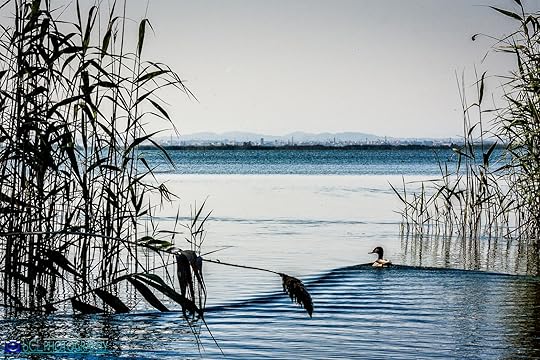
The poem is deceptively simple. The last stanza recognises a large part of the human condition. In reality, as hard as it is to accept, we’re all rather insignificant. We’re just another being drifting in the seemingly nothingness of life. Amongst the back drop of moon and stars, of wind a river, we are nothing in comparison. We are the bent grass, the small unimportant element of a greater whole. And Tu Fu, as a poet, is just another cog in the wheel. As great as his imagination may be, he will never fully be able to express all that he wishes; he will never gain the official rank he wanted and be able to compare his words to the vast elements. He sits in a boat contemplating, alone. It’s quite a strong poem, definitely my favourite in here.
>The poetry of Wang Wei is very much driven by descriptions of nature. Regardless of what’s happening in the world, whether it’s war or a woeful departure, nature remains a beautiful inspiration. Nothing can change that for him, as he marches on, as he plods through life, the splendour of nature remains. Like so:
On Leaving the Wang River retreat
“At last I put my carriage in motion
Go sadly out from these ivied pines
Can I bear to leave these blue hills?
And the green stream – what of that?”

Again, it’s deceptively simple. These four lines carry so much meaning. The narrator is leaving, but that doesn’t matter. The reason for his departure isn’t important. The real world isn’t important. The issues are small and perhaps petty when faced with such glory. His surroundings here mean more to him, in this instance, than the whole of mankind combined. Leaving the purity of the ivied pines behind is a lamentable loss. Walking away from the blue hills, the hills of stability, of intelligence and of heaven itself is no easy departure. They represent much. It’s all about the colours. The sky and the sea are both blue, as are these symbolic hills. And the stream, the green stream, that represents oneness with nature that is the hardest of all to walk away from. The line “at last I put my carriage in motion,” says it all. The reluctance is palpable.
> Li Po wasn’t my favourite. That doesn’t mean I dislike him, I just think his poems in here were weak in comparison to the other two. Maybe the editors just didn’t pick out his best/ most representative poems. Some of them just didn’t speak to me on any level although they do portray a great deal about the man’s life and the time in which he wrote. I picked out the one I liked the most below:
Drinking with a gentleman of leisure in the mountains
We both have drunk their birth
the mountain flowers
A toast, a toast, a toast,
again another
I am drunk, long to sleep;
Sir, go a little -
Bring your lute (if you like)
early tomorrow
The narrator isn’t drinking alcohol that’s for sure; he’s drinking in the sights around him: he’s enjoying nature and relishing in the experience. He’s gone to sleep on the flowers in the mountain, and tomorrow only brings another good day. It’s a good poem, but, like I said, I much prefer the other two poems I copied here.
So this was a rather good edition, one of the best I’ve read in quite a while.
Penguin Little Black Classic- 09
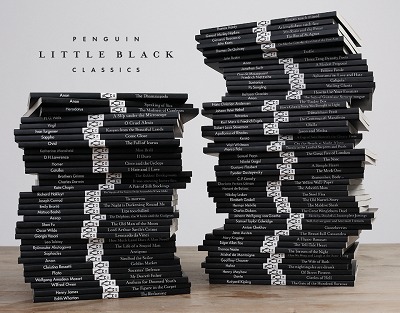
The Little Black Classic Collection by penguin looks like it contains lots of hidden gems. I couldn’t help it; they looked so good that I went and bought them all. I shall post a short review after reading each one. No doubt it will take me several months to get through all of them! Hopefully I will find some classic authors, from across the ages, that I may not have come across had I not bought this collection.
Enough of that, there’s a whole world of poetry before me to explore. And this edition was just what I needed. Here are three poets I’d never heard of, and here are three poets I enjoyed immensely.
>The poetry of Tu Fu is the most universal. Rather than lamenting over his family or fixating on a natural scene, he actually describes real human emotions and conflicts. This is the sort of poetry I like to read; it’s the sort of poetry that captures what it is to be human, and expresses it in a way that transcend other forms. Here’s my favourite:
Night Thoughts Afloat
By bent grasses
in a gentle wind
Under straight mast
I'm alone tonight,
And the stars hang
above the broad plain
But moon's afloat
in this Great River:
Oh, where's my name
among the poets?
Official rank?
'Retired for ill-health.'
Drifting, drifting,
what am I more than
A single gull
between sky and earth?
The poem is deceptively simple. The last stanza recognises a large part of the human condition. In reality, as hard as it is to accept, we’re all rather insignificant. We’re just another being drifting in the seemingly nothingness of life. Amongst the back drop of moon and stars, of wind a river, we are nothing in comparison. We are the bent grass, the small unimportant element of a greater whole. And Tu Fu, as a poet, is just another cog in the wheel. As great as his imagination may be, he will never fully be able to express all that he wishes; he will never gain the official rank he wanted and be able to compare his words to the vast elements. He sits in a boat contemplating, alone. It’s quite a strong poem, definitely my favourite in here.
>The poetry of Wang Wei is very much driven by descriptions of nature. Regardless of what’s happening in the world, whether it’s war or a woeful departure, nature remains a beautiful inspiration. Nothing can change that for him, as he marches on, as he plods through life, the splendour of nature remains. Like so:
On Leaving the Wang River retreat
“At last I put my carriage in motion
Go sadly out from these ivied pines
Can I bear to leave these blue hills?
And the green stream – what of that?”
Again, it’s deceptively simple. These four lines carry so much meaning. The narrator is leaving, but that doesn’t matter. The reason for his departure isn’t important. The real world isn’t important. The issues are small and perhaps petty when faced with such glory. His surroundings here mean more to him, in this instance, than the whole of mankind combined. Leaving the purity of the ivied pines behind is a lamentable loss. Walking away from the blue hills, the hills of stability, of intelligence and of heaven itself is no easy departure. They represent much. It’s all about the colours. The sky and the sea are both blue, as are these symbolic hills. And the stream, the green stream, that represents oneness with nature that is the hardest of all to walk away from. The line “at last I put my carriage in motion,” says it all. The reluctance is palpable.
> Li Po wasn’t my favourite. That doesn’t mean I dislike him, I just think his poems in here were weak in comparison to the other two. Maybe the editors just didn’t pick out his best/ most representative poems. Some of them just didn’t speak to me on any level although they do portray a great deal about the man’s life and the time in which he wrote. I picked out the one I liked the most below:
Drinking with a gentleman of leisure in the mountains
We both have drunk their birth
the mountain flowers
A toast, a toast, a toast,
again another
I am drunk, long to sleep;
Sir, go a little -
Bring your lute (if you like)
early tomorrow
The narrator isn’t drinking alcohol that’s for sure; he’s drinking in the sights around him: he’s enjoying nature and relishing in the experience. He’s gone to sleep on the flowers in the mountain, and tomorrow only brings another good day. It’s a good poem, but, like I said, I much prefer the other two poems I copied here.
So this was a rather good edition, one of the best I’ve read in quite a while.
Penguin Little Black Classic- 09
The Little Black Classic Collection by penguin looks like it contains lots of hidden gems. I couldn’t help it; they looked so good that I went and bought them all. I shall post a short review after reading each one. No doubt it will take me several months to get through all of them! Hopefully I will find some classic authors, from across the ages, that I may not have come across had I not bought this collection.

May 10, 2015
Where are the sights that I must know alone (Wang Wei).
Why does one read poetry? This simple question opens up a vast debate and provokes the proverbial one thousand and one responses. I will let this debate be and tell you why I read (often not well known) poetry by men and women dead for centuries. I want to see how they expressed in poems more passionately that which they could otherwise say to their friends and families in simple ordinary speech; I want to know how people living in other eras, other places, other cultures lent eternity to their human emotions; I want to learn about the metaphors and images they employed in the service of their loves and passions, obsessions and hatreds, their beliefs and dogmas...and so before I write further I want to pay my respects to the first of men who came up with the idea of translation.
This pithy Penguin Little Black Classics No.9 gave me a flavour of three 8th century poets from what is now China and left me wanting for more. It covers quick word bites for those on the run or those, like I, who otherwise won't look for an opening to dig further to pull out poets from old China amid the great mass of books out there. Here, we meet Wang Wei (699-761), Li Po (701-762) and Tu Fu (712-770), known as the finest poets of their times, who all lived during Tang Dynasty era.
Wang Wei (699-761) must have lived in a place abundantly endowed with natural beauty. He is the poet of nature and pastoral bliss, of blue mountains and green streams, of peach blossom and luxuriant trees up to the clouds, of fishermen and shepherds who live guarded by mountains and encircled by crystalline brooks - so beautiful that No one can tell which may be / the spring of paradise; when he took a walk deep into the forest He sat and looked at the red trees / not knowing how far he was. I quote "The Green Stream" for sampling.
"To get to the Yellow Flower River
I always follow the green water stream
Among the hills there must be a thousand twists
The distance there cannot be fifty miles
There is the murmur of water among rocks
And the quietness of colours deep in pines
Lightly lightly drifting water-chestnuts
Clearly clearly mirrored reeds and rushes
I have always been a lover of tranquility
And where I see this clear stream so calm
I want to stay on some great rock
And fish for ever on and on."
--------------------
On Marble Stairs
still grows the white dew
That has all night
soaked her silk slippers
Li Po (701-762) is your playful, witty, irreverent drinking buddy whose mood takes a 180-degree turn when suddenly the thought of being away from his wife and kids hits him. He is away on work assignment and can't return. In a beautiful poem, "Letter to his Two Small Children Staying in Eastern Lu," he wonders if the only peach tree he had put in their small garden might have grown past his children, and whether his son might have reached his big sister's shoulder.
In "The Ballad of Ch'ang-Kan," a young wife counts winds and weathers in wait for her sailor husband who has gone off to distant lands. Three stanzas.
"Here by the door our farewell footprints,
They one by one are growing green moss,
The moss so thick I cannot sweep it,
And fallen leaves: autumn winds came soon!
I remember, in my maiden days
I did not know the world and its ways;
Until I wed a man of Ch'ang-kan:
Now, on the sands, I wait for the winds...
But, go or come, it's ever sorrow
For when we meet, you part tomorrow:
You'll make Hsiang-tan in how many days?
I dreamt I crossed the winds and the waves."
--------------------
The ghosts of those by blood
defiled are homeless!
The last of the trio, Tu Fu (712-770), writes of the ravages of war and poverty that must have gripped his part of the world. He pours forth into his poems his harrowing experience as a war veteran. A potent sense of dark sorrow at the waste of life and happiness pervades his poems. Here are two stanzas of a poem he'd written after a battle had destroyed the royal clan and compelled the commoners to scatter to the four winds. From "Lament by the Riverside."
"The old man from Shao-ling,
weeping inwardly,
Slips out by stealth in spring
and walks by Serpentine,
And on its riverside
sees the locked Palaces,
Young willows and new reeds
all green for nobody."
In another poem he recounts his experience of homecoming from a long war and is pained to see his family in utter poverty. I loved the imagery of this poem. Selected lines from "The Journey North: the Homecoming."
"A year but past, to my simple home
And my own wife, in a hundred rags;
Who sees me, cried like the wind through trees
Weeps like the well sobbing underground
And then my son, pride of all my days,
With his face, too, whiter than the snows
Next by my couch two small daughters stand
In patched dresses scarcely to their knees
And the seawaves do not even meet
Where old bits of broidery are sewn;
Whilst the Serpent and the Purple Bird
On the short skirts both are upside-down"
Who wouldn't feel a stab in the heart for the description of young girls' dresses...
June 2015
Why does one read poetry? This simple question opens up a vast debate and provokes the proverbial one thousand and one responses. I will let this debate be and tell you why I read (often not well known) poetry by men and women dead for centuries. I want to see how they expressed in poems more passionately that which they could otherwise say to their friends and families in simple ordinary speech; I want to know how people living in other eras, other places, other cultures lent eternity to their human emotions; I want to learn about the metaphors and images they employed in the service of their loves and passions, obsessions and hatreds, their beliefs and dogmas...and so before I write further I want to pay my respects to the first of men who came up with the idea of translation.
This pithy Penguin Little Black Classics No.9 gave me a flavour of three 8th century poets from what is now China and left me wanting for more. It covers quick word bites for those on the run or those, like I, who otherwise won't look for an opening to dig further to pull out poets from old China amid the great mass of books out there. Here, we meet Wang Wei (699-761), Li Po (701-762) and Tu Fu (712-770), known as the finest poets of their times, who all lived during Tang Dynasty era.
Wang Wei (699-761) must have lived in a place abundantly endowed with natural beauty. He is the poet of nature and pastoral bliss, of blue mountains and green streams, of peach blossom and luxuriant trees up to the clouds, of fishermen and shepherds who live guarded by mountains and encircled by crystalline brooks - so beautiful that No one can tell which may be / the spring of paradise; when he took a walk deep into the forest He sat and looked at the red trees / not knowing how far he was. I quote "The Green Stream" for sampling.
"To get to the Yellow Flower River
I always follow the green water stream
Among the hills there must be a thousand twists
The distance there cannot be fifty miles
There is the murmur of water among rocks
And the quietness of colours deep in pines
Lightly lightly drifting water-chestnuts
Clearly clearly mirrored reeds and rushes
I have always been a lover of tranquility
And where I see this clear stream so calm
I want to stay on some great rock
And fish for ever on and on."
--------------------
On Marble Stairs
still grows the white dew
That has all night
soaked her silk slippers
Li Po (701-762) is your playful, witty, irreverent drinking buddy whose mood takes a 180-degree turn when suddenly the thought of being away from his wife and kids hits him. He is away on work assignment and can't return. In a beautiful poem, "Letter to his Two Small Children Staying in Eastern Lu," he wonders if the only peach tree he had put in their small garden might have grown past his children, and whether his son might have reached his big sister's shoulder.
In "The Ballad of Ch'ang-Kan," a young wife counts winds and weathers in wait for her sailor husband who has gone off to distant lands. Three stanzas.
"Here by the door our farewell footprints,
They one by one are growing green moss,
The moss so thick I cannot sweep it,
And fallen leaves: autumn winds came soon!
I remember, in my maiden days
I did not know the world and its ways;
Until I wed a man of Ch'ang-kan:
Now, on the sands, I wait for the winds...
But, go or come, it's ever sorrow
For when we meet, you part tomorrow:
You'll make Hsiang-tan in how many days?
I dreamt I crossed the winds and the waves."
--------------------
The ghosts of those by blood
defiled are homeless!
The last of the trio, Tu Fu (712-770), writes of the ravages of war and poverty that must have gripped his part of the world. He pours forth into his poems his harrowing experience as a war veteran. A potent sense of dark sorrow at the waste of life and happiness pervades his poems. Here are two stanzas of a poem he'd written after a battle had destroyed the royal clan and compelled the commoners to scatter to the four winds. From "Lament by the Riverside."
"The old man from Shao-ling,
weeping inwardly,
Slips out by stealth in spring
and walks by Serpentine,
And on its riverside
sees the locked Palaces,
Young willows and new reeds
all green for nobody."
In another poem he recounts his experience of homecoming from a long war and is pained to see his family in utter poverty. I loved the imagery of this poem. Selected lines from "The Journey North: the Homecoming."
"A year but past, to my simple home
And my own wife, in a hundred rags;
Who sees me, cried like the wind through trees
Weeps like the well sobbing underground
And then my son, pride of all my days,
With his face, too, whiter than the snows
Next by my couch two small daughters stand
In patched dresses scarcely to their knees
And the seawaves do not even meet
Where old bits of broidery are sewn;
Whilst the Serpent and the Purple Bird
On the short skirts both are upside-down"
Who wouldn't feel a stab in the heart for the description of young girls' dresses...
June 2015

October 10, 2019
This short compilation is a taster on three 8th-century (Tang Dynasty) Chinese poets, Wang Wei, Li Po and Tu Fu. I confess I know very little about them, but appreciate they are essential touchstones in Chinese culture, comparable to Milton or Baudelaire in the West. These three artists were working around the same time Beowulf or the Qurʾan were composed. However, their poems have, the way I see it, a kinship with the The One Thousand and One Nights. Is it possible that these poets had an influence westward, on Indian, Persian and Arab storytellers, as well as eastward, on Japanese poetry of the Heian period?
Be it as it may, these early medieval poems hold delicate, idyllic descriptions of earthly beauty and human tribulations that convey an almost romantic feel. The “Song of the Peach Blossom Spring” that opens and closes this volume is perhaps the most evocative and mysterious in this collection. Somehow, it made me think of Alejo Carpentier’s Los pasos perdidos. However, unmistakably and above all, these poets informed Gustav Mahler’s magnum opus: “Das Lied von der Erde”, one of my all-time personal favourites in romantic music.
Be it as it may, these early medieval poems hold delicate, idyllic descriptions of earthly beauty and human tribulations that convey an almost romantic feel. The “Song of the Peach Blossom Spring” that opens and closes this volume is perhaps the most evocative and mysterious in this collection. Somehow, it made me think of Alejo Carpentier’s Los pasos perdidos. However, unmistakably and above all, these poets informed Gustav Mahler’s magnum opus: “Das Lied von der Erde”, one of my all-time personal favourites in romantic music.

March 6, 2018
"An old man knows no more
where he is going;
On these wild hills, footsore,
he will not hurry!"
- Tu Fu

Vol 9 of my Penguin Little Black Classics Box Set. It contains poems by three Tang Dynasty Poets (obviously):
1. Wang Wei (b. 699)
2. Li Po (b. 701)
3. Tu Fu (B. 712)
One of the great things about poetry is the ability of poems to strip us down to our humanity. I read these poems written over 1300 years ago and realize that these men are not too different from me. They love their wives, are inspired by nature, feel pain, regret, desire. They are modern and I am ancient. Their branches and mine touch in time as I read these poems. I loved their pastoral beauty, their simplicity, and the way they reflect both the divine and the human in their everyday experiences.
I've read a bunch of Li Po before, but haven't been as exposed to Wang Wei or Tu Fu. I was impressed by the editor's delightful ordering of these poems. The first poem by Wang Wei ends up referencing the last story in the collection. Beautiful.
where he is going;
On these wild hills, footsore,
he will not hurry!"
- Tu Fu
Vol 9 of my Penguin Little Black Classics Box Set. It contains poems by three Tang Dynasty Poets (obviously):
1. Wang Wei (b. 699)
2. Li Po (b. 701)
3. Tu Fu (B. 712)
One of the great things about poetry is the ability of poems to strip us down to our humanity. I read these poems written over 1300 years ago and realize that these men are not too different from me. They love their wives, are inspired by nature, feel pain, regret, desire. They are modern and I am ancient. Their branches and mine touch in time as I read these poems. I loved their pastoral beauty, their simplicity, and the way they reflect both the divine and the human in their everyday experiences.
I've read a bunch of Li Po before, but haven't been as exposed to Wang Wei or Tu Fu. I was impressed by the editor's delightful ordering of these poems. The first poem by Wang Wei ends up referencing the last story in the collection. Beautiful.

April 23, 2016
"Wealth and honor were always like this: You strive and strive, but what do you seek?"
This Little Black Classics contains writings from three of the most famous poets of eight-century China: Wang Wei, Li Po and Tu Fu. All three were new to me, so I had a lot to explore in this volume and found myself drawn in straight away.

As all three of them lived during the Tang Dynasty, they must have had comparably similar experiences to draw from - they have witnessed the beauty of nature and family, but also the sorrows of war and violence. It all comes to light in these featured poems, which are full of appreciation and grief.
"At last I put my carriage in motion
Go sadly out from the ivied pines
Can I bear to leave these blue hills?
And the green stream - what of that?"
Poetry was an important part of people's social life during the Tang dynasty and it was an art form available to everyone. The important role it played back then is also probably the main reason for the amount of poems that survived all those centuries.
I highly suspect that part of the poems' expression was lost in translation and still: the language is compressed and simple, while also being dense and poignant.
What interests me a lot about Early Eastern literature is how different it was to what was written in the Western World at that period of time. I've read enough here to hope I'll get to read more in the future.
Roughly a year ago Penguin introduced the Little Black Classics series to celebrate Penguin's 80th birthday. Including little stories from "around the world and across many centuries" as the publisher describes, I have been intrigued to read those for a long time, before finally having started. I hope to sooner or later read and review all of them!
This Little Black Classics contains writings from three of the most famous poets of eight-century China: Wang Wei, Li Po and Tu Fu. All three were new to me, so I had a lot to explore in this volume and found myself drawn in straight away.
As all three of them lived during the Tang Dynasty, they must have had comparably similar experiences to draw from - they have witnessed the beauty of nature and family, but also the sorrows of war and violence. It all comes to light in these featured poems, which are full of appreciation and grief.
"At last I put my carriage in motion
Go sadly out from the ivied pines
Can I bear to leave these blue hills?
And the green stream - what of that?"
Poetry was an important part of people's social life during the Tang dynasty and it was an art form available to everyone. The important role it played back then is also probably the main reason for the amount of poems that survived all those centuries.
I highly suspect that part of the poems' expression was lost in translation and still: the language is compressed and simple, while also being dense and poignant.
What interests me a lot about Early Eastern literature is how different it was to what was written in the Western World at that period of time. I've read enough here to hope I'll get to read more in the future.
Roughly a year ago Penguin introduced the Little Black Classics series to celebrate Penguin's 80th birthday. Including little stories from "around the world and across many centuries" as the publisher describes, I have been intrigued to read those for a long time, before finally having started. I hope to sooner or later read and review all of them!

October 20, 2017
Well, this was a lot of fun. I didn't expect to highlight as many verses as I did. This book of poetry collects the works of three Tang dynasty poets (who would've thought judging from the title). I have never read poetry from China before, and I have an inkling that much was lost in translation, nonetheless I quite enjoyed myself and appreciated the insight I got into Chinese culture.
Wang Wei is a 8th-century poet, musician, painter and statesman. He was one of the most famous men of arts and letters of his time. In his later years, Wang Wei lost interest in being a statesman and became more involved in Buddhism and his poems reflected his focus on Zen/Ch'an practice, and the beauty of nature.
Personally, I liked the calmness and stillness of his poetry. He described his surroundings with such care for detail, that it was impossible not to note how connected to nature he felt. He mused about water flowing with a purpose, "clear streams so calm", the returning colors of spring, and so on and so on. The images he evoked with his words were beautiful.
Oddly, my favorite poem of his was not a poem about nature but a poem about war. Watching a Farewell deals with the sacrifices boy soldiers make when they leave their home to fight in distant lands. I am by no means a person who glorifies the military, nonetheless, the poem moved me.
Li Po was a Chinese poet acclaimed from his own day to the present as a genius and a romantic figure who took traditional poetic forms to new heights. He and his friend Du Fu (the last poet in this collection) were the two most prominent figures in the flourishing of Chinese poetry in the Tang dynasty. The expression "Three Wonders" referred to Li Po's poetry, Pei Min's swordplay, and Zhang Xu's calligraphy.
It's funny to see that Li Po, just like Hafez, stands in the poetic tradition of glorifying alcoholic beverages. His celebration of drunkenness can be witnessed in many of his poems.
However, his best poems are the ones focusing on nostalgia and raw emotions. He contemplates the yearning of a man who is seperated from his children, the desperation of a woman who married a travelling man, an old mother parting from her son.
Du Fu's greatest ambition was to serve his country as a successful civil servant, but he proved unable to make the necessary accommodations. His life, like the whole country, was devastated by the An Lushan Rebellion of 755, and his last 15 years were a time of almost constant unrest.
He has been called the "Poet-Historian" and the "Poet-Sage" by Chinese critics, while the range of his work has allowed him to be introduced to Western readers as "the Chinese Virgil".
Most interesting about Du Fu's work is definitely the overarching theme of "life goes on". His poetry dealt a lot with the war and individual suffering, however, he constantly stressed how unfazed nature is about all of these events.
Overall, Three Tang Dynasty Poets is an interesting collection of Chinese verses. Even though many parts felt doggerel (probably due to the translation), this collection is worthwhile. It grands an interesting insight into Chinese culture, and unites themes such as calmness in times of upheaval and in-depth explorations of nature.
Wang Wei is a 8th-century poet, musician, painter and statesman. He was one of the most famous men of arts and letters of his time. In his later years, Wang Wei lost interest in being a statesman and became more involved in Buddhism and his poems reflected his focus on Zen/Ch'an practice, and the beauty of nature.
Personally, I liked the calmness and stillness of his poetry. He described his surroundings with such care for detail, that it was impossible not to note how connected to nature he felt. He mused about water flowing with a purpose, "clear streams so calm", the returning colors of spring, and so on and so on. The images he evoked with his words were beautiful.
Oddly, my favorite poem of his was not a poem about nature but a poem about war. Watching a Farewell deals with the sacrifices boy soldiers make when they leave their home to fight in distant lands. I am by no means a person who glorifies the military, nonetheless, the poem moved me.
Tears dried, he must catch up his companionsI don't know about you but I really like the switch of perspective – the narrator, initially just an observer, can't help himself and gets invovled with what he sees.
Swallowing grief, he sets his carriage in motion
At last the carriage passes out of sight
But still at times there's the dust thrown up from the road
I, too, long ago, said good-bye to my family
And when I see this, my handkerchief is wet with tears.
Li Po was a Chinese poet acclaimed from his own day to the present as a genius and a romantic figure who took traditional poetic forms to new heights. He and his friend Du Fu (the last poet in this collection) were the two most prominent figures in the flourishing of Chinese poetry in the Tang dynasty. The expression "Three Wonders" referred to Li Po's poetry, Pei Min's swordplay, and Zhang Xu's calligraphy.
It's funny to see that Li Po, just like Hafez, stands in the poetic tradition of glorifying alcoholic beverages. His celebration of drunkenness can be witnessed in many of his poems.
However, his best poems are the ones focusing on nostalgia and raw emotions. He contemplates the yearning of a man who is seperated from his children, the desperation of a woman who married a travelling man, an old mother parting from her son.
Peach petals float their streamsAll in all, we get intricate themes coupled with an excellent writing style. I couldn't help but fall in love with Li Po. He was definitely my favorite poet in this collection.
away in secret
To other skies and earths
than those of mortals.
Du Fu's greatest ambition was to serve his country as a successful civil servant, but he proved unable to make the necessary accommodations. His life, like the whole country, was devastated by the An Lushan Rebellion of 755, and his last 15 years were a time of almost constant unrest.
He has been called the "Poet-Historian" and the "Poet-Sage" by Chinese critics, while the range of his work has allowed him to be introduced to Western readers as "the Chinese Virgil".
Most interesting about Du Fu's work is definitely the overarching theme of "life goes on". His poetry dealt a lot with the war and individual suffering, however, he constantly stressed how unfazed nature is about all of these events.
Through Pity, all our hours,I would argue that he is probably the most realistic of the three, however, I didn't click with his poetry as well as with the others.
weeping remembers,
These waters and these flowers
remain as ever;
Overall, Three Tang Dynasty Poets is an interesting collection of Chinese verses. Even though many parts felt doggerel (probably due to the translation), this collection is worthwhile. It grands an interesting insight into Chinese culture, and unites themes such as calmness in times of upheaval and in-depth explorations of nature.

January 28, 2018
Night Thoughts Afloat
By bent grasses
in a gentle wind
Under straight mast
I’m alone tonight,
And the stars hang
above the broad plain
But moon’s afloat
in this Great River:
Oh, where’s my name
among the poets?
Official rank?
'Retired for ill-health.'
Drifting, drifting,
what am I more than
A single gull
between sky and earth?
Tu Fu (712-770)
Jan 28, 18
* Later on my blog.
By bent grasses
in a gentle wind
Under straight mast
I’m alone tonight,
And the stars hang
above the broad plain
But moon’s afloat
in this Great River:
Oh, where’s my name
among the poets?
Official rank?
'Retired for ill-health.'
Drifting, drifting,
what am I more than
A single gull
between sky and earth?
Tu Fu (712-770)
Jan 28, 18
* Later on my blog.
March 5, 2026
Супер песме али је превод мало кабаст

November 11, 2015
Has poems by three of the greatest Tang Dynasty poets - Wang Wei, Li Bai and Du Fu. I have read Li Bai poems before, but the other two were new to me. Loved many of the poems. There is a Wang Wei poem which is about the legend of the Peach Blossom Spring - the legendary place which is the inspiration behind the Shanghri La of James Hilton's 'Lost Horizon'. Loved that poem.
August 6, 2021
*** This review contains some spoilers ***
Rating: 🌟🌟 (2/5 stars).
I basically bought this in Eindhoven when I was there on a car roadtrip with my amazing friends. Since I've been trying to get into more Asian literature and love Penguin's little black classics I couldn't resist so I bought it. Maybe this time will be different. Maybe this time I will actually like poetry... That sadly didn't happen and was just wishful thinking. But without much further ado here are dome of my thoughts on these three Tang dynasty poets:
~~~~~~~~~~~~~~~~~~~~~~~
Wang Wei Poems
I have to say that I wasn't a huge fan of the way certain poems were written. I also thought a lot of poems had the same themes, imagery, etcetera which made them quite repetitive. I however did like the following poem:
Marching song
The bugle is blown and rouses the marchers
With a great hubbub the marchers rise
The wailing notes set the horses neighing
As they struggle across the Golden River
The sun dropping down on desert's rim
Martial sounds among smoke and dust
We will get the rope around that great king's neck
Then home to do homage to our Emperor
~~~~~~~~~~~~~~~~~~~~~~~
Li Po Poems
I may not have been a huge fan of his poems either but I have to say they weren't repetitive at all. His topics, themes, imagery, content, length, etcetera was really varied. My main complaint about Po's poetry is the overuse of exclamation points. I once again did really like one poem, which is the following:
Old Poem
Did Chuang Chou dream
he was the butterfly,
Or the butterfly
that it was Chuang Chou?
In one body's
metamorphoses,
All is present,
infinite virtue!
You surely know
Fairyland's oceans
Were made again
a limpid brooklet,
Down at Green Gate
the melon gardener
Once used to be
Marquis of Tung-Ling?
Wealth and honour
were always like this:
You strive and strive,
but what do you seek?
~~~~~~~~~~~~~~~~~~~~~~~
Tu Fu's Poems
These poems were just... soooo long and full of more exclamation points. I'm personally more into short poems than the ones that go on for multiple pages, which was the case for 90% of Fu's poems. I did like the following poem:
Night Thoughts Afloat
By bent grass
in a gentle wind
Under straight mast
I'm alone tonight,
And the stars hang
above the broad plain
But moon's afloat
in this Great River:
Oh, where's my name
among the poets?
Official rank?
'Retired for ill-health.'
Drifting, drifting,
what am I more than
A single gull
between sky and earth?
~~~~~~~~~~~~~~~~~~~~~~~
I don't regret buying or reading this since I did accomplish what I was trying to do (as in read more Asian literature). Besides, it also felt so authentically Chinese that was burning with a huge love for China, its history and culture. I definitely learned something new even though I was not a huge fan of the content itself. Overall not a complete waste of my money and time.
Rating: 🌟🌟 (2/5 stars).
I basically bought this in Eindhoven when I was there on a car roadtrip with my amazing friends. Since I've been trying to get into more Asian literature and love Penguin's little black classics I couldn't resist so I bought it. Maybe this time will be different. Maybe this time I will actually like poetry... That sadly didn't happen and was just wishful thinking. But without much further ado here are dome of my thoughts on these three Tang dynasty poets:
~~~~~~~~~~~~~~~~~~~~~~~
Wang Wei Poems
I have to say that I wasn't a huge fan of the way certain poems were written. I also thought a lot of poems had the same themes, imagery, etcetera which made them quite repetitive. I however did like the following poem:
Marching song
The bugle is blown and rouses the marchers
With a great hubbub the marchers rise
The wailing notes set the horses neighing
As they struggle across the Golden River
The sun dropping down on desert's rim
Martial sounds among smoke and dust
We will get the rope around that great king's neck
Then home to do homage to our Emperor
~~~~~~~~~~~~~~~~~~~~~~~
Li Po Poems
I may not have been a huge fan of his poems either but I have to say they weren't repetitive at all. His topics, themes, imagery, content, length, etcetera was really varied. My main complaint about Po's poetry is the overuse of exclamation points. I once again did really like one poem, which is the following:
Old Poem
Did Chuang Chou dream
he was the butterfly,
Or the butterfly
that it was Chuang Chou?
In one body's
metamorphoses,
All is present,
infinite virtue!
You surely know
Fairyland's oceans
Were made again
a limpid brooklet,
Down at Green Gate
the melon gardener
Once used to be
Marquis of Tung-Ling?
Wealth and honour
were always like this:
You strive and strive,
but what do you seek?
~~~~~~~~~~~~~~~~~~~~~~~
Tu Fu's Poems
These poems were just... soooo long and full of more exclamation points. I'm personally more into short poems than the ones that go on for multiple pages, which was the case for 90% of Fu's poems. I did like the following poem:
Night Thoughts Afloat
By bent grass
in a gentle wind
Under straight mast
I'm alone tonight,
And the stars hang
above the broad plain
But moon's afloat
in this Great River:
Oh, where's my name
among the poets?
Official rank?
'Retired for ill-health.'
Drifting, drifting,
what am I more than
A single gull
between sky and earth?
~~~~~~~~~~~~~~~~~~~~~~~
I don't regret buying or reading this since I did accomplish what I was trying to do (as in read more Asian literature). Besides, it also felt so authentically Chinese that was burning with a huge love for China, its history and culture. I definitely learned something new even though I was not a huge fan of the content itself. Overall not a complete waste of my money and time.

January 27, 2020
O collection of poems from three different authors: Wang Wei, Li Po, Tu Fu.
It wasn't exactly a great read.
It wasn't exactly a great read.
April 15, 2015
I read Arthur Cooper’s Li Po and Tu Fu in the 70’s and loved it. This selection by Robinson and Cooper not so much. I was particularly disappointed by the Tu Fu section. I also preferred David Hinton’s translation of Wang Wei’s poems overall. Of course I have no idea which selections are most true to the originals, or which translations better captures the essence of the poems. This is one of the problems with poetry from a language and a culture so distant from our own. Apart from the very few experts that exist, most of us know nothing about it.
Still, I have found memories of sitting in the house in Donegal, listening to the winter wind roar, and reading Li Po and Tu Fu while sipping tea late into the night. I’d like to find that book again. I think I have it around here somewhere.
Still, I have found memories of sitting in the house in Donegal, listening to the winter wind roar, and reading Li Po and Tu Fu while sipping tea late into the night. I’d like to find that book again. I think I have it around here somewhere.

May 1, 2016
I particularly enjoy the additional material at the end. It's actually quite a good collection covering war, politics, nature, and dance.
February 11, 2021
Re-read: very average but worse this time
—
it was average but not in a good way
—
it was average but not in a good way
May 30, 2020
This short compilation holds works of the three Chineese poets Wang Wei, Li Bai, and Du Fu from c. 699. Precise, remarkable and with delicate imagery I will recommend this collection to anyone who is interested in reading more about unknown authors.

December 30, 2020
It truly is a shame that I don't understand the intricate nature of Chinese enough to deeply understand these poems, but I can appreciate them nonetheless.
December 30, 2021
'Though Pity, all our hours,
weeping remembers,
These waters and these flowers
remain as ever'
weeping remembers,
These waters and these flowers
remain as ever'
![Profile Image for [ J o ].](https://i.gr-assets.com/images/S/compressed.photo.goodreads.com/users/1673171874i/4639825._UY200_CR4,0,200,200_.jpg)
April 7, 2015
Pastoral poetry from three Tang dynasty poets; Wang Wei, Li Po and Tu Fu, in eighth century China.
The full beauty of the poems is obviously lost in translation, but they are evocative of eighth century China with their wonderful descriptions of nature and common people feeling the desire to remain embedded in their cultures and heritage.
Personally, the poems were not for me, but I choose poems for their theme and country of origin, and Chinese poetry or literature is not of interest to me. But the enjoyment, whilst minimal, was there because of their natural flow and evocation of feelings.
Blog | Instagram | Twitter | Pinterest | Shop | Etsy
The full beauty of the poems is obviously lost in translation, but they are evocative of eighth century China with their wonderful descriptions of nature and common people feeling the desire to remain embedded in their cultures and heritage.
Personally, the poems were not for me, but I choose poems for their theme and country of origin, and Chinese poetry or literature is not of interest to me. But the enjoyment, whilst minimal, was there because of their natural flow and evocation of feelings.
Blog | Instagram | Twitter | Pinterest | Shop | Etsy

February 2, 2016
I was running out of things to say about the Little Black Classics, which often times are too disjointed for a good review. In fact, after some Jonathan Swift I was wondering if I would make it through the whole collection. Then I came across this little gem.
It is hard to explain what exactly happened when I picked up this collection. I was feeling better than I have in days but still very unsettled. It only took the first poem to pull me in. Wang Wei, the first poet featured, made me slow down and just read. I didn't want to stop even though I usually like to break up poetry. I almost read the whole book last night, curled on the couch with a pile of blanket and cat, and would have if I weren't making myself go to bed.
I've always believed that a good poem will force you to stop, slow down, pay attention. That's exactly what this collection did for me. The poems drew me in. They were short, descriptive, lyrical. I want to read them again and again.
It is hard to explain what exactly happened when I picked up this collection. I was feeling better than I have in days but still very unsettled. It only took the first poem to pull me in. Wang Wei, the first poet featured, made me slow down and just read. I didn't want to stop even though I usually like to break up poetry. I almost read the whole book last night, curled on the couch with a pile of blanket and cat, and would have if I weren't making myself go to bed.
I've always believed that a good poem will force you to stop, slow down, pay attention. That's exactly what this collection did for me. The poems drew me in. They were short, descriptive, lyrical. I want to read them again and again.

November 6, 2016
Read all my reviews on http://urlphantomhive.booklikes.com
This is exactly why I thought the Penguin Little Black classics would be great. This edition contains three poets from the Tang Dynasty and I will be the first to admit that it wasn't something that I would have usually picked.
But I'm very glad that I read it now, because I was most pleasantly surprised by the deceptive simplicity of many of the poems. They were really quite charming. In honesty, I liked all three the poets, and usually I'm not even that much into poetry.
Certainly recommended! I might even look for a longer collection of their poems.
Little Black Classics #9
This is exactly why I thought the Penguin Little Black classics would be great. This edition contains three poets from the Tang Dynasty and I will be the first to admit that it wasn't something that I would have usually picked.
But I'm very glad that I read it now, because I was most pleasantly surprised by the deceptive simplicity of many of the poems. They were really quite charming. In honesty, I liked all three the poets, and usually I'm not even that much into poetry.
Certainly recommended! I might even look for a longer collection of their poems.
Little Black Classics #9
January 20, 2026
revelatorily, breathtakingly beautiful poetry; surprisingly revolutionary

December 22, 2021
Gentle, vivid poems mostly about nature but also with jokes, warfare, fishing, and thoughts on the deep meanings of life. I can see why the three poets are grouped together, although they also each had their own distinct flavor.

May 18, 2015
I think I'll have to revisit these later and read them in context with secondary sources that communicate the lives and inspirations behind these poets' works.

November 11, 2023
Where are the sights that I must know alone

March 2, 2020
This book is in a series put out by Penguin Books entitled “Little Black Classics.” As the series name implies, these are booklets featuring classic works (or fragments, thereof.) This book features a combined 33 poems by three Chinese poets who lived in the eight century.
In the 14 poems by Wang Wei (a.k.a. Wang Youcheng) we see his famed mastery of landscape and nature poems, and we feel the effect of his Cha’an (Zen) Buddhist mindset.
Among the ten poems by Li Po (a.k.a. Li Bai) we are introduced from the beginning to the poet’s legendary proclivity for drink. While it’s not all carousing, human characters do play a more central role in Li Po’s work.
There are nine poems by Tu Fu (or, Du Fu), which share Li Po’s inclination to feature humanity at the heart of each poem, if in a more straight-laced way.
I enjoyed the poems in both their imagery and sound quality. I can’t really speak to how skilled the translation was, i.e. how much better or worse they could have been. The translators were G.W. Robinson and Arthur Cooper, who I know nothing of, but who apparently both translated a considerable amount of classic Chinese literature.
The poems are almost all short form works, so – with one exception – the poems are included in their entirety (i.e. not excerpted.)
The booklet has an appendix that features a two-page prose story entitled “The Story of the Peach Blossom Spring” by Tao Yuanming. The reason for including the story is that it’s the inspiration for the Wang Wei poem that opens the volume.
I enjoyed reading this little booklet of poetry. The translations are easy to follow, and the imagery is appealing. The Zen / Taoist feel that is widespread in these works is pleasant.
In the 14 poems by Wang Wei (a.k.a. Wang Youcheng) we see his famed mastery of landscape and nature poems, and we feel the effect of his Cha’an (Zen) Buddhist mindset.
Among the ten poems by Li Po (a.k.a. Li Bai) we are introduced from the beginning to the poet’s legendary proclivity for drink. While it’s not all carousing, human characters do play a more central role in Li Po’s work.
There are nine poems by Tu Fu (or, Du Fu), which share Li Po’s inclination to feature humanity at the heart of each poem, if in a more straight-laced way.
I enjoyed the poems in both their imagery and sound quality. I can’t really speak to how skilled the translation was, i.e. how much better or worse they could have been. The translators were G.W. Robinson and Arthur Cooper, who I know nothing of, but who apparently both translated a considerable amount of classic Chinese literature.
The poems are almost all short form works, so – with one exception – the poems are included in their entirety (i.e. not excerpted.)
The booklet has an appendix that features a two-page prose story entitled “The Story of the Peach Blossom Spring” by Tao Yuanming. The reason for including the story is that it’s the inspiration for the Wang Wei poem that opens the volume.
I enjoyed reading this little booklet of poetry. The translations are easy to follow, and the imagery is appealing. The Zen / Taoist feel that is widespread in these works is pleasant.

April 30, 2020
"𝙒𝙚𝙖𝙡𝙩𝙝 𝙖𝙣𝙙 𝙝𝙤𝙣𝙤𝙪𝙧 𝙬𝙚𝙧𝙚 𝙖𝙡𝙬𝙖𝙮𝙨 𝙡𝙞𝙠𝙚 𝙩𝙝𝙞𝙨 : 𝙮𝙤𝙪 𝙨𝙩𝙧𝙞𝙫𝙚 𝙖𝙣𝙙 𝙨𝙩𝙧𝙞𝙫𝙚, 𝙗𝙪𝙩 𝙬𝙝𝙖𝙩 𝙙𝙤 𝙮𝙤𝙪 𝙨𝙚𝙚𝙠?"
💫The Tang dynasty or the Tang Empire was an imperial dynasty of China that ruled from 618 to 907, with an interregnum between 690 and 705.
💫The Tang period was a golden age of Chinese literature and art. Over 48,900 poems penned by some 2,200 Tang authors have survived to the present day.
💫Poetry styles that were popular in the Tang included gushi and jintishi, with the renowned poet Li Bai (701-762) famous for the former style, and poet like Wang Wei (701-761) famous for his use of the latter.
💫It's a collection of selected poems written by three of the greatest Chinese poets - Wang Wei, Li Bai, Du Fu.
💫I've never heard of these poets still I enjoyed some of these beautiful poems.
💫The Tang dynasty or the Tang Empire was an imperial dynasty of China that ruled from 618 to 907, with an interregnum between 690 and 705.
💫The Tang period was a golden age of Chinese literature and art. Over 48,900 poems penned by some 2,200 Tang authors have survived to the present day.
💫Poetry styles that were popular in the Tang included gushi and jintishi, with the renowned poet Li Bai (701-762) famous for the former style, and poet like Wang Wei (701-761) famous for his use of the latter.
💫It's a collection of selected poems written by three of the greatest Chinese poets - Wang Wei, Li Bai, Du Fu.
💫I've never heard of these poets still I enjoyed some of these beautiful poems.

October 3, 2019
Through these elegant translations one can enter the minds of Chinese poets who lived more than 1200 years ago. Their names were Wang Wei, Li Po, and Tu Fu. Most touching was the Song of the Peach Tree Spring by Wang Wei: A fisherman sails far up a river and discovers a land where people of former times have taken refuge and become immortal. He longs to join them, but decides first to take leave of his loved ones at home. Having done so, alas, he can never find the way back. The poem is based on a story by T'ao Ch'ien which is also included in the book.

September 21, 2025
I'm ambivalent about this one. On the one hand, I think that I could have used more context to the poems, and I did look a few things up along the way. On the other, I feel that I have been left with such a vivid impression of landscape, of certain aspects of life and culture, and of certain emotions from each of these poets that some of the poems have achieved something for me across the centuries and the divide of my ignorance. I do believe that I could have got more out of these poems with more cultural context, and so that need is my final analysis.
February 17, 2026
2.5 tbh
a few poems which I liked
a lot of the themes repetitive albeit only the first poet
a few poems which I liked
a lot of the themes repetitive albeit only the first poet
Did Chuang Chou dream he was the butterfly, Or the butterfly that it was Chuang Chou?
In one body's metamorphoses, All is present, infinite virtue!
You surely know Fairyland's oceans Were made again a limpid brooklet,
Down at Green Gate the melon gardener Once used to be Marquis of Tung-Ling?
Wealth and honour were always like this: You strive and strive, but what do you seek?
Displaying 1 - 30 of 205 reviews