

What do you think?

A Short Book About Art
Art is often obscured behind alienating and nonsensical jargon. Introducing art in its international context, this accessible book explores core issues about how art is made, interpreted, and displayed, without any of the unnecessary terminology. Divided into themes, A Short Book About Art presents new ways of thinking about the relationship between artists and their work, as well as fresh comparisons between works of art from different periods and places. Thought-provoking and stimulating, it is the ideal companion for anyone who wants to learn about art without a dictionary in their hands.
192 pages, Paperback
First published September 8, 2015
Ratings & Reviews
Friends & Following
Create a free account to discover what your friends think of this book!
Community Reviews
Displaying 1 - 30 of 30 reviews

April 7, 2018
Izglītojoši. Lietpratējiem šis viss jau varētu būt zināms, bet iesācējiem “Saprast mākslu” būs vērtīga lasāmviela, kas sniegs pamatzināšanas un tik vajadzīgo “fonu” domāšanai. Vai pēc vienas grāmatas izlasīšanas var saprast mākslu? Domāju, ka nē, bet Arnoldas grāmata ir solis ceļā uz to.
Plašāk: https://gramatas.wordpress.com/2018/0...
Plašāk: https://gramatas.wordpress.com/2018/0...

July 2, 2023
Не стандартна стисла книга з історією найвідоміших творів, а з критикою, міркуваннями, аналізом від авторки. 6 концепцій, в контексті яких розглядаються витвори мистецтва в різних жанрах, формах та з різноманітних матеріалів.
Цікаві думки, на які я сама не завжди звертала увагу. Огляд класичних творів та нові відкриття для мене. Присутні ілюстрації, що значно полегшило вивчення матеріалу. Рекомендую тим, хто хоче трошки більше заглибитись в сприйняття та контекст витворів мистецтва.
Цікаві думки, на які я сама не завжди звертала увагу. Огляд класичних творів та нові відкриття для мене. Присутні ілюстрації, що значно полегшило вивчення матеріалу. Рекомендую тим, хто хоче трошки більше заглибитись в сприйняття та контекст витворів мистецтва.
Read
August 25, 2021a cool, if brief, introduction to western art. too bad art academia is already full of white people waxing poetic to western art history lol. (also, my first shelved non-fiction on goodreads? wack)
February 18, 2023
“To me art is a form of manifest revolt, total and complete … with Dada I also have in common a certain mistrust towards power. We don’t like authority, we don’t like power.”
Jean Tinguely (1925-91)
Very interesting ideas and dissection of artworks
Jean Tinguely (1925-91)
Very interesting ideas and dissection of artworks
October 18, 2024
Really good for a basic intro into some well known artworks and common themes found in art. I like that the author had a feminist viewpoint the entire way throughout the book as well! Such as addressing that there were cases of female painters having their art stolen and copied by men or having male mentors who would take advantage of them and obviously the fact that there were little to no female artists of note back in the Renaissance period. I am a sucker for a feminist viewpoint on literally anything in life. I don’t think I’ve thrown myself into art and feminism at all yet but this might convince me to.
I only rate this three stars because I struggle to find non-fiction super immersive and fun but it was interesting! I think it could’ve gone deeper into the themes but as a book from TATE, you’d assume they want to publish books that maybe people who don’t consume much art are able to read.
I only rate this three stars because I struggle to find non-fiction super immersive and fun but it was interesting! I think it could’ve gone deeper into the themes but as a book from TATE, you’d assume they want to publish books that maybe people who don’t consume much art are able to read.

November 16, 2016
Grāmatas apjoms neļauj neko dziļi pieķerties tēmām, bet vienalga sanāk tīri labs vispārējs pārskats par iespējamajiem skatījumiem uz mākslu.

July 25, 2022
Kaut kādu ieskatiņu iedod, bet pārāk jau nu pielāgots ātrajai pasaulei (par īsu!).

February 4, 2024
bastante básico pero entretenido

March 14, 2017
In A Short Book about Art Dana Arnold moves through time, place, and medium in an effort to offer a wholistic, non-traditional introduction to looking at and studying art, weaving in the texts of art historians as well as the philosophies of Kant, the psychoanalysis of Freud, and so on. The book is split into six thematic sections—looking, materials, mind, devotion, power, and sex—but Arnold is most successful in educating the reader when she brings us back to previous chapters, making connections between themes. She uses important artworks as examples of the ways art can be discussed, criticized, and studied and offers interesting anecdotes about and quotes from major artists throughout; the commentary on them feels somewhat banal. Moments of connecting works of unlike artists (Cornelia Parker, b. 1956, to Gian Lorenzo Bernini, 1598–1680) are intriguing—and, importantly, showcase the ways in which the art historical canon need not be a chronological one. A mostly jargon-free vocabulary and a conversational tone make this book accessible to anyone, regardless of their existing knowledge of historical or contemporary art, but the book is best suited for those with a beginning interest in looking at, understanding, and discussing art in an intelligent way (without reading a dull textbook, which A Short Book is most certainly not).
August 17, 2022
Recomendable para entender, de alguna manera, algo el arte. Muestra como el arte es, según su época, una práctica usual de poder. Además estudia las obras, y teorias, de artes desde diferentes puntos de vista de una manera simple y bastante entendible.
Read
August 13, 2015If I was an art critic or student, perhaps I would have rated this higher. It may have been over this lay reader's head, so it's possible I'm being a bit harsh in my two-star rating.

May 18, 2020
Patika, bet nedaudz pārāk sadrumstaloti. Derētu plašāku pēcvārdu.

February 7, 2022
Too short for such ambitious topics. Chapter about power and art is so bad. This book is totally insufficient for beginners. For professionals - completely useless. Do not waste your time and money on this brochure.

February 14, 2022
The book is focused on key art themes: looking, materials, mind, devotion, power and sex. I would have liked the book to have more images to bring to life the examples given in the book and to be more accessible and inspiring.
August 25, 2023
Some interesting ideas, I liked the themes of the different chapters and some of the artisits thrown into the mix, the majarity of the work in context is Europen and Western based work. a good book for a beginner or as a recap.

February 26, 2022
Nice little summary for a complete art virgin looking to gain an understanding modern art styles the predecessor traditional movements and techniques from which they have drawn their inspiration.
September 4, 2022
This should be adopted as both an introduction to art and philosophy in schools.
December 12, 2022
Stāstījums pārāk ātri izplēnēja, bet domājamo vielu uzjundī.
December 25, 2024
Una manera interesante de acercarse al arte y comprenderlo un poco mejor a través de una serie de categorías establecidas.
January 23, 2025
A great introduction (or refresher) to Western Art divided by looking, materials, mind, devotion, power, and sex. Fun read!
April 28, 2025
Una meravella

October 8, 2025
took notes like i was in school. interesting

October 30, 2025
Los temas me gustaron, pero no entra en detalle especialmente los ultimos 2 poder y sexo. 3.5

June 11, 2020
Este libro ayuda a abrir la mente de quien esté dispuesto a ver el arte de otra manera, que no le importe salir de los convencionalismos occidentales y quiera ver el arte de una manera distinta a la que está acostumbrado. Así, dependiendo de dónde provengas, así analizarás cada obra de arte, por lo que abrir tu mente por una vez quizá te descubra novedades en un cuadro hasta ahora muy conocido para ti.
En varios capítulos, la autora analiza temas como la relación del arte con la devoción y con el poder. La primera relación la tenemos más vista, con todos esos cuadros y frescos de intención religiosa, aunque hay otros tipos de arte que también reflejan esta devoción religiosa, como son las vidrieras de catedrales e iglesias. La devoción del amor es otro tema en el arte que ha dado muchas obras singulares, de las que en este libro se dan varios ejemplos. Pero en la relación arte - poder radica un tema muy potente: cómo desde hace siglos los reyes iban siendo pintados en posiciones que indicaban tal poder, dando uso de los materiales más caros de la época, con representaciones cada vez más gigantescas. Pero todo tiene su doble cara, y en este caso también el arte ha sido subversivo, tirando por tierra por ejemplo todo el poder de un gobernante, o denunciando ciertas prácticas políticas aberrantes. Así como la sociedad se ha servido de la literatura como denuncia social, lo mismo se ha hecho con el arte.
Quizá no es el libro por antonomasia para cualquier entendido de arte, pero desde luego puede ayudar, y mucho, a cualquier amante del arte de a pie que no esté familiarizado con ciertos términos usados en este tema.
En varios capítulos, la autora analiza temas como la relación del arte con la devoción y con el poder. La primera relación la tenemos más vista, con todos esos cuadros y frescos de intención religiosa, aunque hay otros tipos de arte que también reflejan esta devoción religiosa, como son las vidrieras de catedrales e iglesias. La devoción del amor es otro tema en el arte que ha dado muchas obras singulares, de las que en este libro se dan varios ejemplos. Pero en la relación arte - poder radica un tema muy potente: cómo desde hace siglos los reyes iban siendo pintados en posiciones que indicaban tal poder, dando uso de los materiales más caros de la época, con representaciones cada vez más gigantescas. Pero todo tiene su doble cara, y en este caso también el arte ha sido subversivo, tirando por tierra por ejemplo todo el poder de un gobernante, o denunciando ciertas prácticas políticas aberrantes. Así como la sociedad se ha servido de la literatura como denuncia social, lo mismo se ha hecho con el arte.
Quizá no es el libro por antonomasia para cualquier entendido de arte, pero desde luego puede ayudar, y mucho, a cualquier amante del arte de a pie que no esté familiarizado con ciertos términos usados en este tema.

January 22, 2016
This is such a friendly book, you feel the author is with you on your journey through a vast art gallery than spans time and space. Not too much boring biographical detail about the artists and lots about how to appreciate art, for art's sake rather than through a complex theoretical framework.
I'd recommend for anyone studying art or art history. For people who just like entertaining and informative reads. Certainly added to my knowledge and confidence around art appreciation.
I'd recommend for anyone studying art or art history. For people who just like entertaining and informative reads. Certainly added to my knowledge and confidence around art appreciation.

June 4, 2016
An intriguing, alternative approach to Art History ... rather than the usual, chronological, progressive, and artist-driven history of world art, the author breaks Art History into six sections, labelled Looking, Materials, Mind, Devotion, Power, and Sex, and explores each through three or more comparisons of widely disparate artworks ... thought-provoking ...

October 18, 2015
Incredible book, with impressive correlations between themes and art history.
Eventually this book is not about art history, but about perspectives on how to see art.
A very good introductory book to how to put art pieces into context.
Eventually this book is not about art history, but about perspectives on how to see art.
A very good introductory book to how to put art pieces into context.
October 31, 2016
I liked this book. It is short (as suggested in the title). It provides me some different aspects to appreciate the art.
January 2, 2022
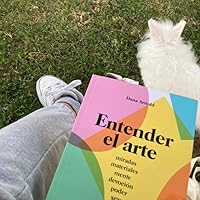
Curiosidades y puntos de vista de los diferentes movimientos artísticos. Me pareció muy práctico de leer :)

January 6, 2016
Worthwhile and interesting.
Displaying 1 - 30 of 30 reviews