

What do you think?

Broken Plea: The Explosive Search for Truth Behind the Idaho Murders
Was there more than one killer? Had the crime scene been cleaned and sanitized before the police arrived? Was furniture staged to throw off detectives? In one of the most extraordinary true crime stories ever published, Broken Plea questions what really happened in the house on King Road—and the results of that investigation will astound you.
In the early morning hours of November 13, 2022, four lives were lost in a brutal crime in Moscow, Idaho—and a nation demanded answers. When a suspect accepted a plea bargain, the story seemed settled. Justice, many believed, had been served.
Broken Plea challenges that assumption.
Drawing on court records, investigative timelines, witness statements, and apparently overlooked inconsistencies, this meticulously researched exposé examines how a rush to judgment may have shaped one of the most closely watched murder cases in recent memory. As the official narrative hardened, critical leads went unexplored, contradictory evidence was minimized, and alternative explanations faded from view.
This book does not claim certainty where none exists. Instead, it asks the questions that were never fully What happens when pressure to close a case outweighs the search for truth? What evidence may have been sidelined, and why? And what are the consequences when a plea doesn’t end scrutiny but invites it?
Clear-eyed, unsparing, and deeply unsettling, Broken Plea reopens the case—and invites readers to look again at what justice demands when the truth remains unresolved.
In the early morning hours of November 13, 2022, four lives were lost in a brutal crime in Moscow, Idaho—and a nation demanded answers. When a suspect accepted a plea bargain, the story seemed settled. Justice, many believed, had been served.
Broken Plea challenges that assumption.
Drawing on court records, investigative timelines, witness statements, and apparently overlooked inconsistencies, this meticulously researched exposé examines how a rush to judgment may have shaped one of the most closely watched murder cases in recent memory. As the official narrative hardened, critical leads went unexplored, contradictory evidence was minimized, and alternative explanations faded from view.
This book does not claim certainty where none exists. Instead, it asks the questions that were never fully What happens when pressure to close a case outweighs the search for truth? What evidence may have been sidelined, and why? And what are the consequences when a plea doesn’t end scrutiny but invites it?
Clear-eyed, unsparing, and deeply unsettling, Broken Plea reopens the case—and invites readers to look again at what justice demands when the truth remains unresolved.
443 pages, Kindle Edition
Published April 28, 2026
About the author
Christopher Whitcomb
11 books74 followersHis three books have been released by major publishers and well reviewed. You can find some details about him here:
http://www.bookreporter.com/authors/a...
http://www.bookreporter.com/authors/a...
Ratings & Reviews
Friends & Following
Create a free account to discover what your friends think of this book!
Community Reviews
Displaying 1 - 30 of 246 reviews

August 5, 2026
4.5 stars — I know you are going to ask: “Why would a career prosecutor want to read a book that pokes holes in the case against Brian Kohberger when he recently accepted full responsibility for the crimes by pleading guilty to capital murder in the death of the four students in Idaho?” The truth is I love these types of books, and this one does not disappoint. “Broken Plea” was written by Christopher Whitcomb, a former FBI rescue team sniper. Whitcomb gets access to evidentiary reports, witness interviews, expert summaries and other confidential information that in most cases he uses verbatim to show discrepancies in the official narrative that Kohberger was the sole participant in the murder of the 4 Idaho students. After reading his examination of the evidence, I have to admit that the author made many excellent points that even has me (a jaded old prosecutor) questioning the official narrative. The early part of the book examines the discrepancies in the four statements of the only eyewitness/earwitness, one of the surviving roommates, Dylan. Inconsistencies and questions abound each time she opens her mouth and major parts of her testimony change. If the State of Idaho is relying on her highly questionable memory as a foundation of their case —they lose without question. Unfortunately, this is not the end of the problems for the State in their case. “Broken Plea” takes on major chain of custody issues as to the only real piece of evidence linking Kohberger to the killings: the knife sheath that contained his DNA. If the judge had decided to exclude this evidence due to chain of custody issues -the State would have had to dismiss their case. Other issues covered include — crime scene cleanup problems, blood spatter issues as to the location where they were found and not found, non-testing of significant items of evidence, evidence of multiple offenders and much more. By using the actual police and forensic reports, the author makes you believe you are the lawyer responsible for defending the case, and he is summarizing the evidence and lack thereof for you. Although I’m still convinced Kohberger was a participant in the crimes, I am much less sure of whether he was the sole participant in the crime. I am also unsure whether someone much closer to the victims than Kohberger was involved in the commission of these crimes. Any book that is as well written and organized as this one (even if at times it can be a little technical and dry)that allows you to see all sides of a criminal case gets a major thumbs up in my book.

May 26, 2026
This book disappointingly didn't provide any real answers to what happened that awful morning. It did provoke even more questions.

May 1, 2026
Do NOT come at me for 1) reading this book and 2) for rating it a full 5 stars ⭐️ because hear me out. This gives you a taste of what we would have seen had this had gone to trial. Anyone who knows me knows that I’m so invested in this case and although I was able to pull some very clear inaccuracies… but all in all, it does make you think “what if?”
First time with this author and also, my first ever audiobook. Author narrated this audiobook too and honestly, both deserve 5/5.
First time with this author and also, my first ever audiobook. Author narrated this audiobook too and honestly, both deserve 5/5.
Read
May 4, 2026Regardless of how many things didn’t make the cut, this book is finally an actually well researched take on this case from someone with specialized knowledge in law enforcement.
Because of his background, there are multiple opinions he has about the investigation that i disagree with, but i cant overstate how long ive been waiting for anyone to treat Bryan (guilty or not) as a human being.
The system continues to fail these victims, their families, the defendant, and his family.
I can only hope this book will jump start a new conversation about all the questions the state refuses to answer.
Because of his background, there are multiple opinions he has about the investigation that i disagree with, but i cant overstate how long ive been waiting for anyone to treat Bryan (guilty or not) as a human being.
The system continues to fail these victims, their families, the defendant, and his family.
I can only hope this book will jump start a new conversation about all the questions the state refuses to answer.
April 29, 2026
Very compelling
This book makes a very disturbingly compelling argument that the prosecution had no case and knew it, so they railroaded Kohlberger into pleading guilty to a crime that was impossible for one man to commit.
It's disturbing that he pledged guilty when there was no evidence at all that he had anything to do with the crimes.
The prosecutions case fell to pieces and next thing you know, the suspect was pleading guilty.
It makes you wonder if we even have a system of justice anymore.
Maybe we do. Maybe this was a one time screwup. I hope so.
This book makes a very disturbingly compelling argument that the prosecution had no case and knew it, so they railroaded Kohlberger into pleading guilty to a crime that was impossible for one man to commit.
It's disturbing that he pledged guilty when there was no evidence at all that he had anything to do with the crimes.
The prosecutions case fell to pieces and next thing you know, the suspect was pleading guilty.
It makes you wonder if we even have a system of justice anymore.
Maybe we do. Maybe this was a one time screwup. I hope so.

September 13, 2026
4.5 Stars
I started reading this after I watched The Idaho murders documentary.
I don't read or watch a lot of true crime and by the end of the Netflix doc there was many unanswered questions.
I then listened to Christopher Whitcomb on Dax Shepards podcast.
Christopher is a former FBI agent who researched this horrific case.
This book in my opinion gave a detailed outline of the case.
Christopher goes over every transcript of each person involved with the case including other friends of the victims.
My questions after seeing the Netflix documentary were:
Why did the two students left wait 8 hours to call police?
Why was there no evidence in the car of the accused? and many other questions.
Christopher Whitcomb isn't saying Brian Kohburger is innocent but with the four people brutally murdered in five minutes there could of been a second person involved.
Brian Kohburger changed his plea to guilty to avoid the death penalty.
Good book to listen to if you're interested in this case.
Audiobook read by author
I started reading this after I watched The Idaho murders documentary.
I don't read or watch a lot of true crime and by the end of the Netflix doc there was many unanswered questions.
I then listened to Christopher Whitcomb on Dax Shepards podcast.
Christopher is a former FBI agent who researched this horrific case.
This book in my opinion gave a detailed outline of the case.
Christopher goes over every transcript of each person involved with the case including other friends of the victims.
My questions after seeing the Netflix documentary were:
Why did the two students left wait 8 hours to call police?
Why was there no evidence in the car of the accused? and many other questions.
Christopher Whitcomb isn't saying Brian Kohburger is innocent but with the four people brutally murdered in five minutes there could of been a second person involved.
Brian Kohburger changed his plea to guilty to avoid the death penalty.
Good book to listen to if you're interested in this case.
Audiobook read by author
May 2, 2026
This book effectively highlights the questions many people following this case have already been asking. Some might say the investigators are incompetent, but I suspect the corruption extends to the top. There are too many inconsistencies and leads that haven’t been followed up on. I’ve yet to watch or read a proper interrogation interview, but I’m sure when or if BK’s interview is released, it will offer a different perspective on how such interviews should be conducted.
Why don’t we have Kaylee and Maddie’s phone data and location records? I’m sceptical about whether Ethan and Xana were together throughout the night. Did she order DoorDash before arriving home? Was the Venmo Emily sent her a food contribution? Was Ethan already at 1122 King Road? Did she walk in and find him injured?
We need the autopsy report showing the stomach contents and comparisons of Kaylee/Maddie and Xana to help establish the timeline.
If one suspect killed two people on the third floor and tracked their “diluted” DNA down to the second floor, common living room, why didn’t they leave a trace of Kaylee and/or Maddie’s DNA in Xana’s room? We’re then told to believe the same “naked” suspect murdered Xana and Ethan. Ethan’s diluted DNA is also found in the common living room.
I need to know if they followed up on Ethan’s last known FaceTime calls (five attempts) from Cooper Atkinson. Also, the messages he received about cheating from Erika!
They didn’t test hair found in a victim’s hand for DNA but tested a knife sheath and were excited to find touch DNA on an object that could be moved and placed at the scene. They tested the hair for type and colour against Kohbergers, found it didn’t match their narrative, and scrapped any further DNA testing!
I would’ve loved to have seen this go to trial.
5⭐️
Format: 🎧 Audible (Own)
Narrator: Christopher Whitcomb
Why don’t we have Kaylee and Maddie’s phone data and location records? I’m sceptical about whether Ethan and Xana were together throughout the night. Did she order DoorDash before arriving home? Was the Venmo Emily sent her a food contribution? Was Ethan already at 1122 King Road? Did she walk in and find him injured?
We need the autopsy report showing the stomach contents and comparisons of Kaylee/Maddie and Xana to help establish the timeline.
If one suspect killed two people on the third floor and tracked their “diluted” DNA down to the second floor, common living room, why didn’t they leave a trace of Kaylee and/or Maddie’s DNA in Xana’s room? We’re then told to believe the same “naked” suspect murdered Xana and Ethan. Ethan’s diluted DNA is also found in the common living room.
I need to know if they followed up on Ethan’s last known FaceTime calls (five attempts) from Cooper Atkinson. Also, the messages he received about cheating from Erika!
They didn’t test hair found in a victim’s hand for DNA but tested a knife sheath and were excited to find touch DNA on an object that could be moved and placed at the scene. They tested the hair for type and colour against Kohbergers, found it didn’t match their narrative, and scrapped any further DNA testing!
I would’ve loved to have seen this go to trial.
5⭐️
Format: 🎧 Audible (Own)
Narrator: Christopher Whitcomb
June 29, 2026
I was opened minded about this because this case truly haunts me, but 100 pages in and it's garbage.
Whitcomb gets his facts incorrect from the very beginning. The rest is a bunch of silly and stupid assumptions he is making based on the evidence. Is it possible that the police missed some things that day? Sure. Did the roommates act in a way that was disappointing to the public? Maybe. But that doesn't mean...anything...
I would highly recommend James Patterson and Vicki Ward's book, it is the antithesis of this: smart researched, empathetic, and puts a (possible) narrative that makes sense.
Whitcomb also goes after the theory that the surviving roommates committed this, why...because Dylan was hysterical and in your mind Whitcomb it's ONLY because you think she was in on it and not because HER ROOMMATES WERE BRUTALLY MURDERED??
He should be sued by the families like the rest of the conspiracy nuts
Whitcomb gets his facts incorrect from the very beginning. The rest is a bunch of silly and stupid assumptions he is making based on the evidence. Is it possible that the police missed some things that day? Sure. Did the roommates act in a way that was disappointing to the public? Maybe. But that doesn't mean...anything...
I would highly recommend James Patterson and Vicki Ward's book, it is the antithesis of this: smart researched, empathetic, and puts a (possible) narrative that makes sense.
Whitcomb also goes after the theory that the surviving roommates committed this, why...because Dylan was hysterical and in your mind Whitcomb it's ONLY because you think she was in on it and not because HER ROOMMATES WERE BRUTALLY MURDERED??
He should be sued by the families like the rest of the conspiracy nuts

September 10, 2026
5 stars
I picked this book up to see if there was another side to the Idaho Four killings, after reading the book The Idaho Four: An American Tragedy by James Patterson for my in person book club recently. There are always two sides to a story - this is possibly the other side.
This is a nonfiction book written by Christopher Whitcomb a writer, entrepreneur, and former FBI Hostage Rescue Team sniper. He has no gain in the Idaho Four murders. He was just not satisfied with how the investigation took place and wanted to know more. So he has spent the last 4 years going through over a million pieces of evidence, talked to everyone he could that was even remotely involved and this book is the result of what he deems a very bad investigation.
It is a 400 and some page book that brings to light the errors and mistakes that were made during the investigation of the Idaho Four - the four collage kids slaughtered in the night in 2022. This book details the reason that Brian Kohberger, the alleged murderer, would probably not have been convicted, if he had gone to trial.
Now do I think he is guilty - probably. Definitely? No. Probably. This book put enough doubt in my mind that I would have had a very hard time on his jury. The problems began right from the start - the first Moscow Idaho policeman on the scene. In his written report he had all kinds of contradictions as to what he wrote happened against the video that was recorded from the camera on his chest. He could not keep the names of the deceased straight, intermixing the names of the three girls. He also announced that Ethan, the only male killed had committed suicide. His line of questioning for the two roommates that were unharmed was way off base and he never asked questions that were pertinent. That was just the beginning of atrocities that haunted this investigation.
The knife sheath that the prosecution balanced it's case on would never have made it into the trial for the jury to even consider. The judge would have keep that quiet and it was the sole piece of evidence that the prosecution based all it's claims on. Was it found on the bed? Was it found on the floor? Reports differ. How many laboratories does it take to determine the DNA on the snap button of that sheath? The first lab says it was not Kohberger's DNA - and since that was not what they wanted to hear, it did not go along with their predicted theory, the police investigators snatched it from that lab and took it to another. So was it the DNA of one of four unnamed brothers, as the first says, or was it Kohberger's DNA? The jury would never have known - the judge would never have allowed anything about the sheath to enter the trial.
Then there is Dr. Brent Turvey. A forensic scientist and criminal profiler with decades of experience performing casework and expert testimony for law enforcement, prosecutors, and private entities worldwide. His career since 1996 spans extensive consulting on violent crimes including homicides, sexual assaults, and staged crime scenes, as well as serving as a senior advisor for international police units. He says there had to be more than one person. One person could not have corralled one victim while he was killing the other - none of the four were alone when killed they were in a room with a second victim. These were not quick kills - each of the four sustained multiple stab wounds - made by different knives - which would have taken substantial time.
There was absolutely no evidence at Kohberger's apartment. None in his car. None on his body. The forensic scientist for the prosecution says Kohberger was naked when he killed the college kids. That is why there was no evidence found. Naked? The fist full of hair found in Ethan Chapin's hand was never analyzed - no DNA was tested. Just one more error in this horrendously bad investigation that was riddled with error after error. I have only touched the surface of the problems.
So why did Kohberger admit to the killings? I think he had a good chance of getting acquitted had he gone to trial. There was so much evidence that the judge would have stricken and not allowed to be entered that the jury would only have gotten a partial picture of what actually happened in Moscow Idaho on November 13, 2022.
Whether or not Kohberger was guilty, this book gave me insight into the inadequacy of the investigation - of the ignorance of small town police departments who rarely see murders, especially four as heinous as these were, of the lack of knowledge of knowing the correct questions to ask and when to ask them, of the need to get only the best of the best specialists and lawyers and to never take 'no' for an answer as the family of a victim.
So, did this change my mind about Kohberger being guilty? Hmmmm...
I picked this book up to see if there was another side to the Idaho Four killings, after reading the book The Idaho Four: An American Tragedy by James Patterson for my in person book club recently. There are always two sides to a story - this is possibly the other side.
This is a nonfiction book written by Christopher Whitcomb a writer, entrepreneur, and former FBI Hostage Rescue Team sniper. He has no gain in the Idaho Four murders. He was just not satisfied with how the investigation took place and wanted to know more. So he has spent the last 4 years going through over a million pieces of evidence, talked to everyone he could that was even remotely involved and this book is the result of what he deems a very bad investigation.
It is a 400 and some page book that brings to light the errors and mistakes that were made during the investigation of the Idaho Four - the four collage kids slaughtered in the night in 2022. This book details the reason that Brian Kohberger, the alleged murderer, would probably not have been convicted, if he had gone to trial.
Now do I think he is guilty - probably. Definitely? No. Probably. This book put enough doubt in my mind that I would have had a very hard time on his jury. The problems began right from the start - the first Moscow Idaho policeman on the scene. In his written report he had all kinds of contradictions as to what he wrote happened against the video that was recorded from the camera on his chest. He could not keep the names of the deceased straight, intermixing the names of the three girls. He also announced that Ethan, the only male killed had committed suicide. His line of questioning for the two roommates that were unharmed was way off base and he never asked questions that were pertinent. That was just the beginning of atrocities that haunted this investigation.
The knife sheath that the prosecution balanced it's case on would never have made it into the trial for the jury to even consider. The judge would have keep that quiet and it was the sole piece of evidence that the prosecution based all it's claims on. Was it found on the bed? Was it found on the floor? Reports differ. How many laboratories does it take to determine the DNA on the snap button of that sheath? The first lab says it was not Kohberger's DNA - and since that was not what they wanted to hear, it did not go along with their predicted theory, the police investigators snatched it from that lab and took it to another. So was it the DNA of one of four unnamed brothers, as the first says, or was it Kohberger's DNA? The jury would never have known - the judge would never have allowed anything about the sheath to enter the trial.
Then there is Dr. Brent Turvey. A forensic scientist and criminal profiler with decades of experience performing casework and expert testimony for law enforcement, prosecutors, and private entities worldwide. His career since 1996 spans extensive consulting on violent crimes including homicides, sexual assaults, and staged crime scenes, as well as serving as a senior advisor for international police units. He says there had to be more than one person. One person could not have corralled one victim while he was killing the other - none of the four were alone when killed they were in a room with a second victim. These were not quick kills - each of the four sustained multiple stab wounds - made by different knives - which would have taken substantial time.
There was absolutely no evidence at Kohberger's apartment. None in his car. None on his body. The forensic scientist for the prosecution says Kohberger was naked when he killed the college kids. That is why there was no evidence found. Naked? The fist full of hair found in Ethan Chapin's hand was never analyzed - no DNA was tested. Just one more error in this horrendously bad investigation that was riddled with error after error. I have only touched the surface of the problems.
So why did Kohberger admit to the killings? I think he had a good chance of getting acquitted had he gone to trial. There was so much evidence that the judge would have stricken and not allowed to be entered that the jury would only have gotten a partial picture of what actually happened in Moscow Idaho on November 13, 2022.
Whether or not Kohberger was guilty, this book gave me insight into the inadequacy of the investigation - of the ignorance of small town police departments who rarely see murders, especially four as heinous as these were, of the lack of knowledge of knowing the correct questions to ask and when to ask them, of the need to get only the best of the best specialists and lawyers and to never take 'no' for an answer as the family of a victim.
So, did this change my mind about Kohberger being guilty? Hmmmm...

August 21, 2026
5 brilliant, explosive, forensic-evidence-examination stars!!
Asking questions is not the same as making accusations.
What's it about?: This is a forensic re-examination of the 2022 murders of Kaylee Goncalves, Madison Mogen, Xana Kernodle and Ethan Chapin, written after Bryan Kohberger’s guilty plea meant the evidence would never be tested at trial. Unlike so many books about the Idaho murders, Whitcomb asks whether the evidence actually supports the accepted narrative and whether there is reasonable doubt that Kohberger acted alone. The physical crime scene simply doesn’t seem to match the story we’ve been told.
The Best Bits:
For me, the strongest part was asking the uncomfortable questions. For example...
Why did the blood inside the bedrooms look so different from the blood outside them?
Why did Kaylee appear to suffer such markedly different and more extreme injuries than the others? Whitcomb questions whether the severity and nature of her wounds suggest something more personal, rage-driven and deliberate than the attacks on the other victims. He also asks why, in an already impossibly tight timeline, the killer would then take the time to position her body in a particular way. On its own, that may prove nothing. But when one victim appears to have been attacked with significantly greater violence than the others, surely it is reasonable to ask why.
Why doesn't Dylan’s account reflect what was actually at the scene? Whitcomb does something many commentators seem reluctant to do: he puts the surviving roommates’ statements beside the forensic evidence and asks whether the two comfortably coexist. For example, Whitcomb doesn’t accuse her of anything; he simply refuses to pretend that these discrepancies aren’t worth examining.
Why aren't there any bloody footprints, disturbance and obvious transfer of evidence, even when the walls are splattered with blood and the amount of blood is so significant that it seeps through the walls of the house? Whitcomb repeatedly draws attention to what isn’t there. Victims appear to have been moved or repositioned without the bloody footprints/handprints/blood traces one might expect, and the beer-pong table — positioned directly in the path through the living area, apparently remained standing with its cups undisturbed . Little details individually. But collectively, they become much harder to ignore.
The house itself raises question after question.
. Whitcomb keeps returning to the actual physical environment . This was where the book was at its most convincing for me.
How did ONE person brutally murder four people, in small quarters, one by one, reposition bodies in strange poses, possibly dilute blood evidence, 'super-clean' the bathroom he was seen coming out of, and get dressed (the prosecution maintain he was naked during the killings), in that short amount of time? The timeline doesn't make sense, and the changing recounts of what the roommates heard, and didn’t hear, should have been scrutinised more closely. In my opinion, Whitcomb is right that 'uncomfortable to ask' is not the same thing as 'unreasonable to ask'.
The Worst Bit: It's often hard for me to find a substantial flaw in what I see as a 5-star-book. And this is no exception. I suppose that for me, the book’s only frustration is that it leaves you with more questions but relatively few answers. Although, ultimately, I don’t think this is a flaw so much as a consequence of what he is trying to do.
This is not a book claiming to solve the Idaho murders. Whitcomb says quite clearly that his purpose is to examine the evidence and ask whether the prosecution’s version can withstand scrutiny and, particularly, whether there is reasonable doubt that Kohberger acted alone.
Some readers will undoubtedly find his willingness to scrutinise the surviving roommates, first responders and police investigation confronting, perhaps even distasteful. I actually appreciated it. A community traumatised by the murder of four young people understandably wanted certainty, closure and someone held accountable. Whitcomb is willing to ask the questions that perhaps couldn't comfortably be asked by those so closely tied to that community.
Recommended for: Highly recommended for true-crime readers who already know the Idaho Four case and want something considerably deeper than another chronological retelling. If you enjoy books that make you reconsider what you thought you knew and you like to pore over forensic details then this is absolutely worth reading. Five stars from me!
I would add one important caveat, however: I would find it very difficult to recommend this book to anyone closely connected to the victims, survivors, families or others personally affected by the case. Broken Plea is necessarily cold and analytical in places, because Whitcomb is examining evidence, statements and investigative decisions rather than writing primarily about grief and trauma. For those of us reading from a distance, that scrutiny is fascinating and, I think, valuable. For those who actually lived through the horror of the murders and then the media attention, speculation, legal proceedings, guilty plea and continuing uncertainty, I can only imagine how painful some of these questions would be to encounter.
My heart goes out to everyone who lost someone, survived that night, or has had their life permanently altered by what happened. In my mind, asking difficult questions does not diminish that suffering or imply blame. If anything, careful scrutiny matters because it can expose weaknesses in processes, improve future investigations and, if Whitcomb is right that Kohberger may not have acted alone, ensure that important questions continue to be asked.
Asking questions is not the same as making accusations.
What's it about?: This is a forensic re-examination of the 2022 murders of Kaylee Goncalves, Madison Mogen, Xana Kernodle and Ethan Chapin, written after Bryan Kohberger’s guilty plea meant the evidence would never be tested at trial. Unlike so many books about the Idaho murders, Whitcomb asks whether the evidence actually supports the accepted narrative and whether there is reasonable doubt that Kohberger acted alone. The physical crime scene simply doesn’t seem to match the story we’ve been told.
The Best Bits:
For me, the strongest part was asking the uncomfortable questions. For example...
Why did the blood inside the bedrooms look so different from the blood outside them?
Why did Kaylee appear to suffer such markedly different and more extreme injuries than the others? Whitcomb questions whether the severity and nature of her wounds suggest something more personal, rage-driven and deliberate than the attacks on the other victims. He also asks why, in an already impossibly tight timeline, the killer would then take the time to position her body in a particular way. On its own, that may prove nothing. But when one victim appears to have been attacked with significantly greater violence than the others, surely it is reasonable to ask why.
Why doesn't Dylan’s account reflect what was actually at the scene? Whitcomb does something many commentators seem reluctant to do: he puts the surviving roommates’ statements beside the forensic evidence and asks whether the two comfortably coexist. For example, Whitcomb doesn’t accuse her of anything; he simply refuses to pretend that these discrepancies aren’t worth examining.
Why aren't there any bloody footprints, disturbance and obvious transfer of evidence, even when the walls are splattered with blood and the amount of blood is so significant that it seeps through the walls of the house? Whitcomb repeatedly draws attention to what isn’t there. Victims appear to have been moved or repositioned without the bloody footprints/handprints/blood traces one might expect, and the beer-pong table — positioned directly in the path through the living area, apparently remained standing with its cups undisturbed . Little details individually. But collectively, they become much harder to ignore.
The house itself raises question after question.
. Whitcomb keeps returning to the actual physical environment . This was where the book was at its most convincing for me.
How did ONE person brutally murder four people, in small quarters, one by one, reposition bodies in strange poses, possibly dilute blood evidence, 'super-clean' the bathroom he was seen coming out of, and get dressed (the prosecution maintain he was naked during the killings), in that short amount of time? The timeline doesn't make sense, and the changing recounts of what the roommates heard, and didn’t hear, should have been scrutinised more closely. In my opinion, Whitcomb is right that 'uncomfortable to ask' is not the same thing as 'unreasonable to ask'.
The Worst Bit: It's often hard for me to find a substantial flaw in what I see as a 5-star-book. And this is no exception. I suppose that for me, the book’s only frustration is that it leaves you with more questions but relatively few answers. Although, ultimately, I don’t think this is a flaw so much as a consequence of what he is trying to do.
This is not a book claiming to solve the Idaho murders. Whitcomb says quite clearly that his purpose is to examine the evidence and ask whether the prosecution’s version can withstand scrutiny and, particularly, whether there is reasonable doubt that Kohberger acted alone.
Some readers will undoubtedly find his willingness to scrutinise the surviving roommates, first responders and police investigation confronting, perhaps even distasteful. I actually appreciated it. A community traumatised by the murder of four young people understandably wanted certainty, closure and someone held accountable. Whitcomb is willing to ask the questions that perhaps couldn't comfortably be asked by those so closely tied to that community.
Recommended for: Highly recommended for true-crime readers who already know the Idaho Four case and want something considerably deeper than another chronological retelling. If you enjoy books that make you reconsider what you thought you knew and you like to pore over forensic details then this is absolutely worth reading. Five stars from me!
I would add one important caveat, however: I would find it very difficult to recommend this book to anyone closely connected to the victims, survivors, families or others personally affected by the case. Broken Plea is necessarily cold and analytical in places, because Whitcomb is examining evidence, statements and investigative decisions rather than writing primarily about grief and trauma. For those of us reading from a distance, that scrutiny is fascinating and, I think, valuable. For those who actually lived through the horror of the murders and then the media attention, speculation, legal proceedings, guilty plea and continuing uncertainty, I can only imagine how painful some of these questions would be to encounter.
My heart goes out to everyone who lost someone, survived that night, or has had their life permanently altered by what happened. In my mind, asking difficult questions does not diminish that suffering or imply blame. If anything, careful scrutiny matters because it can expose weaknesses in processes, improve future investigations and, if Whitcomb is right that Kohberger may not have acted alone, ensure that important questions continue to be asked.
May 2, 2026
Just a bunch of evidence listed, with weak possibilities of others committing the murders
May 5, 2026
Not a fan at all of this one. Brought up a couple of interesting points but besides that spread a lot of false information, and got a lot of basic facts on the case/about the victims wrong.
Read
August 15, 2026Brings up a lot of questions that were never answered due to the lack of a trial, but also includes a lot of information that seems to conflict with the actual evidence recorded…definitely a heavily biased POV on the case
Read
June 3, 2026I have been massively fascinated with this case since it happened. I’ve read just about everything that has come out about it. I read James Patterson’s book last summer and was thoroughly disappointed. This book was finally something “different” but rooted in evidence —- using the prosecutions evidence given to the defense after the plea deal../ evidence that no defense attorney was ever able to cross examine/question. It finally provided me with “answers” or possible “answers” that could make sense … and while ultimately it may not matter, it matters in my mind, so to speak, in that there is some sense of explanation to what has caused me so much confusion, concern, upset.
May 2, 2026
Facts over headlines! I loved how Whitcomb laid out facts from real court documents and pointed out things that just don't add up-things the mainstream media seems to ignore. That takes guts, and it shows real integrity when it comes to truth and justice.
This case has been frustrating to follow, and this book puts a lot of that into words. It challenges the narrative and makes you question what we've been told. If you've been paying attention and feel like something isn't right, this is a must-read.
This case has been frustrating to follow, and this book puts a lot of that into words. It challenges the narrative and makes you question what we've been told. If you've been paying attention and feel like something isn't right, this is a must-read.
April 30, 2026
While the book is very analytical most of us that have followed the case deeply have grown used to certain verbiage. Being able to finally read what was said in the redacted portions of the body cam and interviews is refreshing. The author presented great though some details are more interpretation and has changed since he may have read the spatter reports.
Idaho 4 is my Roman Empire. I hope one day we find the truth.
Idaho 4 is my Roman Empire. I hope one day we find the truth.
June 20, 2026
How asinine is this book?
"At the risk of sounding like a shill for the defense, how could it be that the DOJ itself admits such insufficiencies? Most people would assume that America has moved past the days when a bunch of women could be rounded up in a town called Salem and burned at the stake as witches."
1. No one was burned in Salem.
2. That's *exactly* what you sound like.
At best, this is a dive into all of the released files (no matter how repetitive; that are all publicly available), but in every other way/at its worst, it is victim-blaming bullshit that sides with the rancid parts of the internet that feel the need to pick apart the surviving roommates and *every* word they said-- no matter if it was within the first hour of finding their friends murdered, or days later when they were more regulated. "Why didn't they wake up?" "Who was Jack in all of this?" "What happened to the table?" 🥴🥴🥴
He pled guilty. Because he's guilty. We don't need to reflect on what the defense *would have* presented and what *may* lead to reasonable doubt, BECAUSE a deal was struck and there is nothing more to speculate.
It makes me worry for what could have been, had this gone to trial. Compilations like this would have been the tip of the iceberg, the families and survivors would have been scrutinized beyond belief, and Maddie, Kaylee, Xana, and Ethan may not have been given justice.
I only finished this because it was easy, free, and I'm stubborn when annoyed. May this be the last of these.
"At the risk of sounding like a shill for the defense, how could it be that the DOJ itself admits such insufficiencies? Most people would assume that America has moved past the days when a bunch of women could be rounded up in a town called Salem and burned at the stake as witches."
1. No one was burned in Salem.
2. That's *exactly* what you sound like.
At best, this is a dive into all of the released files (no matter how repetitive; that are all publicly available), but in every other way/at its worst, it is victim-blaming bullshit that sides with the rancid parts of the internet that feel the need to pick apart the surviving roommates and *every* word they said-- no matter if it was within the first hour of finding their friends murdered, or days later when they were more regulated. "Why didn't they wake up?" "Who was Jack in all of this?" "What happened to the table?" 🥴🥴🥴
He pled guilty. Because he's guilty. We don't need to reflect on what the defense *would have* presented and what *may* lead to reasonable doubt, BECAUSE a deal was struck and there is nothing more to speculate.
It makes me worry for what could have been, had this gone to trial. Compilations like this would have been the tip of the iceberg, the families and survivors would have been scrutinized beyond belief, and Maddie, Kaylee, Xana, and Ethan may not have been given justice.
I only finished this because it was easy, free, and I'm stubborn when annoyed. May this be the last of these.
May 18, 2026
I'm still reading, but I'm already unimpressed due to the wild assumptions this author has made and is presenting as facts. He's also made multiple mistakes: misidentifying the dog as Maddie's, the bedroom as Kaylee's, etc. He's also pronounced Kaylee's name three different ways in the first hour of listening. I don't think he's very knowledgeable about this case at all, but I will finish the book.

May 6, 2026
I truly cannot express how much this book changed my thought process. It will live free in my head for the rest of my life. Amazing is all I can say.

August 2, 2026
4.5 Stars
To date, this is really the only reliable book on the Idaho Murders.
Based on unredacted law enforcement reports, court files, (particularly the prosecution’s discovery which was turned over at plea), and unredacted crime scene photos along with interviews of sources named (defense forensic expert Dr. Brett Turvey is interviewed) and anonymous, retired FBI agent Christopher Whitcomb walks readers through the case, the players, the evidence, or lack thereof, with the benefit of his years of law enforcement expertise, explaining investigative concepts and theories along the way. The tone of the book never feels sensational nor does the author approach the subject matter for shock value. That’s not to say there isn’t shocking details to be explored.
-Posed bodies with post-mortem abuse;
-Hair not matching the accused in victims' hands and bed;
-Bloody crime scenes absent of a blood trail;
-A knife sheath with serious chain of custody issues that may or may not belong to the never located murder weapon but changes positions nonetheless;
-A lab that delivered not the accused name after DNA analysis, but the (undisclosed) name of four brothers unrelated to the accused;
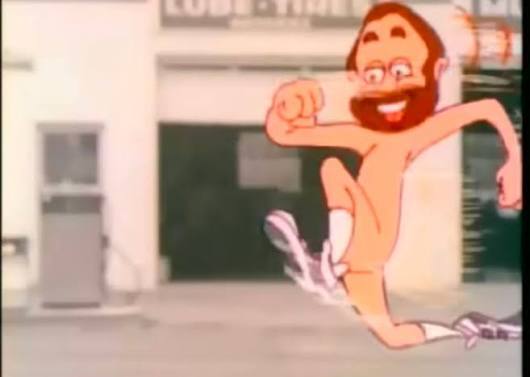
-A prosecution expert who believed the accused streaked through the multi-floor college residence, dodging a beer pong table in the nude waving a knife… or two?
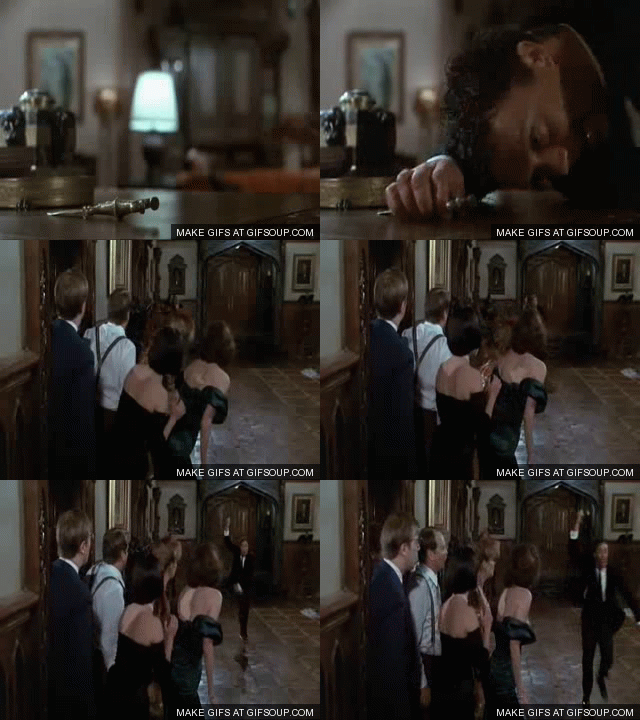
-A police force who took speed reenacting to a new level, madly dashing through the now conveniently torn down house to try to prove a quadruple homicide could be completed in their tight timeline. (Spoiler alert: It can’t be duplicated.)
-Two in-the-house-at-the-time-of-the-murders roommates who heard nothing and everything but saw their unconscious roommate on the floor in her underwear and yet waited 8 hours to call for help while they scrolled social media and played with photos and videos.
This is a must read for not just true crime followers, but anyone who ever caught a snippet of this case on the news. Because what’s largely been reported in the mainstream media has been more fantasy than fact and more biased than accurate.
Thankfully this book doesn't emit any grifter vibes. Instead, it feels more whistleblower, bringing to light things that have been largely buried and ignored that shouldn't have been because they were critical to the integrity of the case.
Did one stranger who seemingly never knew the King Road residents existed brutally attack, stab, beat, and strangle four victims in a multi-story unconventional layout party house on Homecoming night in less than ten minutes or was this the work of multiple perpetrators with multiple weapons and a grudge, grievance, and plan to muddy the crime scene and confuse the investigators?
Those seeking the truth can only hope that someone finally digs deep enough to unearth what really happened November 13, 2022, that a day will come when there’s more answers than questions, when integrity and justice matter more than a university’s reputation. Until that time, this book is the first to help set the story straight, or at least as untangled as any case can be when witnesses with inconsistent and contradictory narratives were never interrogated, where law enforcement made obvious and blatant mistakes, and when reasonable doubt continues to mount.
*Title purchased from B&N. All reviews written by Book-Bosomed Book Blog are honest opinions.
To date, this is really the only reliable book on the Idaho Murders.
Based on unredacted law enforcement reports, court files, (particularly the prosecution’s discovery which was turned over at plea), and unredacted crime scene photos along with interviews of sources named (defense forensic expert Dr. Brett Turvey is interviewed) and anonymous, retired FBI agent Christopher Whitcomb walks readers through the case, the players, the evidence, or lack thereof, with the benefit of his years of law enforcement expertise, explaining investigative concepts and theories along the way. The tone of the book never feels sensational nor does the author approach the subject matter for shock value. That’s not to say there isn’t shocking details to be explored.
-Posed bodies with post-mortem abuse;
-Hair not matching the accused in victims' hands and bed;
-Bloody crime scenes absent of a blood trail;
-A knife sheath with serious chain of custody issues that may or may not belong to the never located murder weapon but changes positions nonetheless;
-A lab that delivered not the accused name after DNA analysis, but the (undisclosed) name of four brothers unrelated to the accused;
-A prosecution expert who believed the accused streaked through the multi-floor college residence, dodging a beer pong table in the nude waving a knife… or two?
-A police force who took speed reenacting to a new level, madly dashing through the now conveniently torn down house to try to prove a quadruple homicide could be completed in their tight timeline. (Spoiler alert: It can’t be duplicated.)
“It did not happen in four minutes. The prosecution’s narrative makes no sense whatsoever….” (199). -Dr. Brett Turvey
-Two in-the-house-at-the-time-of-the-murders roommates who heard nothing and everything but saw their unconscious roommate on the floor in her underwear and yet waited 8 hours to call for help while they scrolled social media and played with photos and videos.
This is a must read for not just true crime followers, but anyone who ever caught a snippet of this case on the news. Because what’s largely been reported in the mainstream media has been more fantasy than fact and more biased than accurate.
Thankfully this book doesn't emit any grifter vibes. Instead, it feels more whistleblower, bringing to light things that have been largely buried and ignored that shouldn't have been because they were critical to the integrity of the case.
“In this era of crowd-sourced inquiry, is it not our obligation to point out gaping holes in the prosecution’s narrative, and in lieu of a trial, look deeper?” (418).
-Christopher Whitcomb
Did one stranger who seemingly never knew the King Road residents existed brutally attack, stab, beat, and strangle four victims in a multi-story unconventional layout party house on Homecoming night in less than ten minutes or was this the work of multiple perpetrators with multiple weapons and a grudge, grievance, and plan to muddy the crime scene and confuse the investigators?
Those seeking the truth can only hope that someone finally digs deep enough to unearth what really happened November 13, 2022, that a day will come when there’s more answers than questions, when integrity and justice matter more than a university’s reputation. Until that time, this book is the first to help set the story straight, or at least as untangled as any case can be when witnesses with inconsistent and contradictory narratives were never interrogated, where law enforcement made obvious and blatant mistakes, and when reasonable doubt continues to mount.
"In this case, there was no Johnnie Cochran" (423).
-Christopher Whitcomb
*Title purchased from B&N. All reviews written by Book-Bosomed Book Blog are honest opinions.
Want to Read
April 22, 2026Based on everything I have reviewed and read so far, along with watching you on Devil’s Advocate, I am truly excited. I work in criminal law and forensics, so this is a topic I have previously discussed and would be very interested in reading and sharing with my True Crime PhD community. Thank You, Trinity R. Moses
May 12, 2026
This rating is NOT based on the murders or facts! This book gets a 5⭐️ rating because it’s time we, as a community, BLOW THAT WHISTLE!
There is a FACTUALLY innocent man in prison for life without parole for a horrendous crime he couldn’t have possibly committed with exculpatory evidence both available and not tested!
*factually innocent does not mean he is legally innocent. He is legally guilty because he took a plea. But as an attorney, he should not have entered that plea, AND since he took a plea, the judge should have required a proffer!
There is a FACTUALLY innocent man in prison for life without parole for a horrendous crime he couldn’t have possibly committed with exculpatory evidence both available and not tested!
*factually innocent does not mean he is legally innocent. He is legally guilty because he took a plea. But as an attorney, he should not have entered that plea, AND since he took a plea, the judge should have required a proffer!
May 6, 2026
I actually enjoyed this book. I feel like at the very least it makes you think and I believe this is the authors main attempt. While I enjoyed hearing the evidence, and even the lack thereof I do wish someone would finally say what they think happened. So many people are talking about this case but an alternative theory is never mentioned. Overall, decent book and if nothing else it should make you think of things differently.
Read
May 2, 2026Shocking revelations
This author did an excellent job at telling the story without adding unnecessary extras. We were given facts, opinions and unknown surprises that had been locked away until now.
This author did an excellent job at telling the story without adding unnecessary extras. We were given facts, opinions and unknown surprises that had been locked away until now.
May 2, 2026
great read
Interesting read. Provided some insight and another opinion to consider and dig into. I would recommend this to others to read to learn about parts of the case we haven’t seen or interpret differently
Interesting read. Provided some insight and another opinion to consider and dig into. I would recommend this to others to read to learn about parts of the case we haven’t seen or interpret differently

May 29, 2026
The second star is only for the section on how aw enforcement develops victimology. Other than that, this is poorly written and has many mistakes in terms of evidence. There is definitely an agenda for this author. I do not recommend.

Read
August 24, 2026Some of the things in this book were absolutely wild.
My god the police and the fucking wall of diluted blood. Ridiculous. Like could the cups not have had liquid in it that splashed the wall ( you can see liquid on the floor &table in the footage) while he more than likely had blood on his shirt he probably swung his arm/hand through the same liquid and created a cast off on the wall. Could that not have leaked down the wall within 8hours?I don’t understand the argument of a clean up happened.
The idea the BK was naked during the crime🙄 wtf.
I think we all have to live with the sad facts that we will never really know what happened at 1122 king rd on Nov. 13/22 except for those that lost their young lives and the assailant.
Rest in peace Kaylee Goncalves, Madison Mogen, Xana Kernodle, and Ethan Chapin
No rating.
My god the police and the fucking wall of diluted blood. Ridiculous. Like could the cups not have had liquid in it that splashed the wall ( you can see liquid on the floor &table in the footage) while he more than likely had blood on his shirt he probably swung his arm/hand through the same liquid and created a cast off on the wall. Could that not have leaked down the wall within 8hours?I don’t understand the argument of a clean up happened.
The idea the BK was naked during the crime🙄 wtf.
I think we all have to live with the sad facts that we will never really know what happened at 1122 king rd on Nov. 13/22 except for those that lost their young lives and the assailant.
Rest in peace Kaylee Goncalves, Madison Mogen, Xana Kernodle, and Ethan Chapin
No rating.
September 15, 2026
WOW!! I am obsessed with the whole new perspective this book gave me.
August 20, 2026
Way too much information presented for a few new facts.
May 14, 2026
Weak. A waste of time if you’ve already read some court documents. The author reads court documents and witness accounts, the end.
This entire review has been hidden because of spoilers.
Displaying 1 - 30 of 246 reviews