

What do you think?

Commissario De Luca #2
Ένα μουντό καλοκαίρι
Μάιος 1945.
Μετά την απελευθέρωση, η αναρχία. Περιοχές ολόκληρες της βόρειας και της κεντρικής Ιταλίας βρίσκονται υπό τον έλεγχο πάνοπλων ανταρτών. Ο επιθεωρητής Ντε Λούκα είναι επικηρυγμένος. Το όνομά του είναι σε μαύρη λίστα με ονόματα φασιστών της Δημοκρατίας του Σαλό.
Ο Ντε Λούκα διαφεύγει έντρομος με πλαστή ταυτότητα και ταξιδεύει με τα πόδια από τη βόρεια Ιταλία προς τη Ρώμη. Λίγο έξω από την Μπολόνια, τον σταματάει ο αρχιφύλακας Λεονάρντι της αντιστασιακής αστυνομίας, ένας παλιός μαθητής του, ο οποίος τον αναγνωρίζει. Τον υποχρεώνει να συνεργαστεί μαζί του στην υπόθεση Γκουέρα, μιας οικογένειας αγροτών αναμεμειγμένης με το λαθρεμπόριο, που έπεσε θύμα άγριας δολοφονίας. Μέσα σ' ένα εχθρικό περιβάλλον με σκληροπυρηνικούς αντιστασιακούς και νέους λαϊκούς ηγέτες, πολιτικές σκοπιμότητες και προσωπικές φιλοδοξίες, ο Ντε Λούκα ακροβατεί μεταξύ ζωής και θανάτου.
Μετά την απελευθέρωση, η αναρχία. Περιοχές ολόκληρες της βόρειας και της κεντρικής Ιταλίας βρίσκονται υπό τον έλεγχο πάνοπλων ανταρτών. Ο επιθεωρητής Ντε Λούκα είναι επικηρυγμένος. Το όνομά του είναι σε μαύρη λίστα με ονόματα φασιστών της Δημοκρατίας του Σαλό.
Ο Ντε Λούκα διαφεύγει έντρομος με πλαστή ταυτότητα και ταξιδεύει με τα πόδια από τη βόρεια Ιταλία προς τη Ρώμη. Λίγο έξω από την Μπολόνια, τον σταματάει ο αρχιφύλακας Λεονάρντι της αντιστασιακής αστυνομίας, ένας παλιός μαθητής του, ο οποίος τον αναγνωρίζει. Τον υποχρεώνει να συνεργαστεί μαζί του στην υπόθεση Γκουέρα, μιας οικογένειας αγροτών αναμεμειγμένης με το λαθρεμπόριο, που έπεσε θύμα άγριας δολοφονίας. Μέσα σ' ένα εχθρικό περιβάλλον με σκληροπυρηνικούς αντιστασιακούς και νέους λαϊκούς ηγέτες, πολιτικές σκοπιμότητες και προσωπικές φιλοδοξίες, ο Ντε Λούκα ακροβατεί μεταξύ ζωής και θανάτου.
157 pages, Paperback
First published July 10, 1991
About the author
Carlo Lucarelli
191 books285 followersCarlo Lucarelli was born at Parma, the son of a physician. He was interested in literature and theatre when he was young, and studied Literature and History. Nowadays he lives in Mordano near Bologna.
Already in his years of study, during his research for his thesis subject he got in touch with the material for his first two books, which take place during the time of fascism and the years immediately after the war. In Italy he became well known quite soon because of these two books, and it was only a matter of time before he quit his academic activities and turned to his career as an author and all other sorts of activities, such as writing plays, film scenarios, radio-plays and, moreover, singing in a Post-Punk-Band called "Progetto K".
He is a frequently invited moderator on an Italian television programme about crime (Blu notte misteri d'Italia). As a journalist he works for several newspapers and magazines, such as il manifesto, Il Messaggero and L'Europeo. He has written more than twenty novels, including Almost Blue, (City Lights, 2001) and numerous short stories. Together with Marcello Fois and Loriano Macchiavelli he founded "Gruppo 13", a collective of crime-writers in the region Emilia-Romagna.
Retrieved from "http://en.wikipedia.org/wiki/Carlo_Lu..."
Series:
* Commissario De Luca
* Inspector Collandro
* Inspector Grazia Negro
Already in his years of study, during his research for his thesis subject he got in touch with the material for his first two books, which take place during the time of fascism and the years immediately after the war. In Italy he became well known quite soon because of these two books, and it was only a matter of time before he quit his academic activities and turned to his career as an author and all other sorts of activities, such as writing plays, film scenarios, radio-plays and, moreover, singing in a Post-Punk-Band called "Progetto K".
He is a frequently invited moderator on an Italian television programme about crime (Blu notte misteri d'Italia). As a journalist he works for several newspapers and magazines, such as il manifesto, Il Messaggero and L'Europeo. He has written more than twenty novels, including Almost Blue, (City Lights, 2001) and numerous short stories. Together with Marcello Fois and Loriano Macchiavelli he founded "Gruppo 13", a collective of crime-writers in the region Emilia-Romagna.
Retrieved from "http://en.wikipedia.org/wiki/Carlo_Lu..."
Series:
* Commissario De Luca
* Inspector Collandro
* Inspector Grazia Negro
Ratings & Reviews
Friends & Following
Create a free account to discover what your friends think of this book!
Community Reviews
Displaying 1 - 30 of 55 reviews

June 4, 2026
L’ESTATE CHE SCIOLSE OGNI COSA
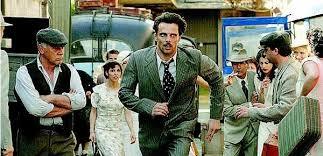
Alessandro Preziosi è stato il commissario De Luca nella serie TV.
La guerra è finita?! Io non me sono accorto, perché in giro io vedo sempre la stessa gente di prima e qui e a Roma ci sono ancora le stesse facce da culo o da prete.
L’estate in questione è quella successiva al 25 aprile 1945, i mesi che seguono la fine della guerra.
È torbida perché le cose non sono chiare: i fascisti hanno perso ma sono ancora in giro, affollano questure, prefetture, caserme, ministeri, Parlamento…
È torbida perché una fetta di italiani, una robusta parte di chi partecipò alla Resistenza, si aspettava che le cose cambiassero davvero, non solo una spolverata e un duce appeso all’ingiù. L’Unione Sovietica è esempio, modello e ispirazione.
Ma invece, rivoluzione tradita! Il PCI sta al gioco politico, moderato, non vuole spingere sull’acceleratore, ha paura di quello che potrebbe succedere, gli alleati sono ancora per le nostre strade: disarma i suoi, collabora con la polizia.
In diverse parti d’Italia la voglia di giustizia si trasforma in linciaggio. Come in Romagna, dove il fascismo è stato particolarmente cattivo, dove è nato il maledetto duce che tradì, da socialista a fascista.
E quindi, i morti ci scappano. I torti si correggono con le proprie mani.
Ma non lo si va a strombazzare, si fanno le cose con la discrezione possibile. Il risultato comunque è lo stesso: i morti continuano, anche se la guerra è stata dichiarata finita.
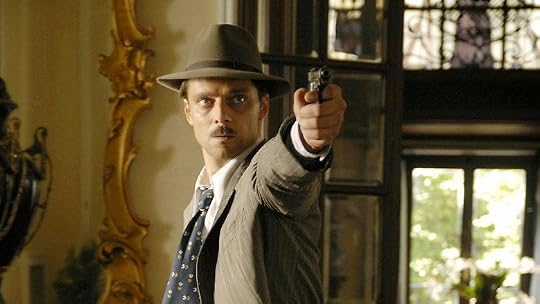
A Lucarelli, che stimo e apprezzo, farei però notare che si sente fosse ai suoi primi passi (non il primo, ma credo il secondo, considerato il più difficile). Per esempio troppe indicazioni di azioni e movimenti, che confondono e vanno a scapito di aperture su pensieri ed emozioni dei personaggi. Che infatti sono abbastanza monodimensionali.
Altro appunto: del perché il commissario De Luca sia così pieno di paura e paure, così fragile e ridotto male, così brusco e scostante, proprio non si capisce. Lucarelli ha dimenticato che una serie come questa del commissario De Luca prevede dei brevi riepiloghi sui casi precedenti, e soprattutto dei momenti sintetici in cui viene ripreso il filo interiore almeno del protagonista.
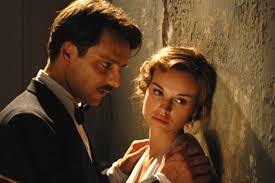
Alessandro Preziosi è stato il commissario De Luca nella serie TV.
La guerra è finita?! Io non me sono accorto, perché in giro io vedo sempre la stessa gente di prima e qui e a Roma ci sono ancora le stesse facce da culo o da prete.
L’estate in questione è quella successiva al 25 aprile 1945, i mesi che seguono la fine della guerra.
È torbida perché le cose non sono chiare: i fascisti hanno perso ma sono ancora in giro, affollano questure, prefetture, caserme, ministeri, Parlamento…
È torbida perché una fetta di italiani, una robusta parte di chi partecipò alla Resistenza, si aspettava che le cose cambiassero davvero, non solo una spolverata e un duce appeso all’ingiù. L’Unione Sovietica è esempio, modello e ispirazione.
Ma invece, rivoluzione tradita! Il PCI sta al gioco politico, moderato, non vuole spingere sull’acceleratore, ha paura di quello che potrebbe succedere, gli alleati sono ancora per le nostre strade: disarma i suoi, collabora con la polizia.
In diverse parti d’Italia la voglia di giustizia si trasforma in linciaggio. Come in Romagna, dove il fascismo è stato particolarmente cattivo, dove è nato il maledetto duce che tradì, da socialista a fascista.
E quindi, i morti ci scappano. I torti si correggono con le proprie mani.
Ma non lo si va a strombazzare, si fanno le cose con la discrezione possibile. Il risultato comunque è lo stesso: i morti continuano, anche se la guerra è stata dichiarata finita.
A Lucarelli, che stimo e apprezzo, farei però notare che si sente fosse ai suoi primi passi (non il primo, ma credo il secondo, considerato il più difficile). Per esempio troppe indicazioni di azioni e movimenti, che confondono e vanno a scapito di aperture su pensieri ed emozioni dei personaggi. Che infatti sono abbastanza monodimensionali.
Altro appunto: del perché il commissario De Luca sia così pieno di paura e paure, così fragile e ridotto male, così brusco e scostante, proprio non si capisce. Lucarelli ha dimenticato che una serie come questa del commissario De Luca prevede dei brevi riepiloghi sui casi precedenti, e soprattutto dei momenti sintetici in cui viene ripreso il filo interiore almeno del protagonista.

Read
August 15, 2019
If crime noir is coffee, than Carlo Lucarelli is espresso.
Other writers take 250 pages to say what Carlo Lucarelli compresses into a mere 100.
As pictured above, The Damned Season is Book Two in his Trilogy featuring tall, skinny De Luca, the most brilliant detective in all of Italy.
The tale is set in a small town some miles from the northern Italian city of Bologna. We’re in 1945, the most turbulent year in Italy’s modern history, Mussolini’s final year, a time when power swings back and forth and up and down like a yo-yo between fascists, communists, national paramilitary police, partisans and various other police. Who's ultimately in charge depends on the city or town in which one happens to be residing. And even that can change from day to day.
The opening chapter finds De Luca sitting on a rock by the side of a dirt road, his trench coat folded over his knees, contemplating ants climbing around a land mine. A young man approaches, one Brigadier Leonardi of the Partisan Police, and asks to see his papers. De Luca hands this twenty-something officer his ID and says his name is Morandi Giovanni. Leonardi looks closely; he recognizes Commissario De Luca back from his police training course but plays along, telling him from now on he will simply call him Engineer.
Leonardi plays this game for good reason – the young Brigadier wants to create something of a name for himself by solving a recent case involving the brutal torture and murder of an entire family living out in a farmhouse. But there’s a problem - he’s never had sufficient training, he needs help, help from someone with more experience, more specifically, he needs help from a detective of the caliber of De Luca.
In his turn, De Luca doesn't have much choice - after all, Leonardi tells him he saw his name on the National Liberation Committee's wanted list. As readers we can infer this is precisely the reason why De Luca was out walking in the hinterlands in the first place.
Thus we have the framework for this Carlo Lucarelli novel: Brigadier Leonardi and Commissario De Luca form an uneasy partnership to crack the case. If they succeed, the young officer makes the headlines in the local paper and he's on his way to a glorious career as a detective. As for De Luca, at least he gets to live to see another day.
As in all three books of the author’s Trilogy, we follow De Luca at every turn. The thirty-five year old master detective is a study in contrast: he has a weak stomach, his hands shake, he shivers, he’s a bundle of nerves and has trouble sleeping at night. But his mind is razor sharp. His parents wanted him to be a lawyer; however, during his university years, he took the entrance exam for the police academy and became the youngest inspector in the history of the Italian police force.
We watch De Luca and Leonardi in action, Leonardi headstrong and bumbling, De Luca picking up clues at every step. Rather than divulging too much of the plot, let me share a few choice snapshots:
De Luca insists they return to the farmhouse with the proper equipment, things like a spade and a crowbar. Conducting their exploration, they discover a small bundle of fabric tied in a knot shoved up the chimney. And what’s inside? A brooch with an enormous stone at its center and a gold clasp. Eureka! So this was the reason for the torture and murder. The plot quickly thickens.
The discovery of the brooch lead the pair to the home of a Count, according to Leonardi, a rich, influential man who was a spy for the Germans and a pervert, someone who offered hospitality to the SS and has now disappeared. Gone to America. However, when De Luca interrogates the Count’s old maid, it appears a number of influential townspeople are involved. Leonardi knows their investigation has quickly led them into hot water, so hot that pressing forward might cost them their lives.
Added to the mix is the presence of beautiful Francesca at the inn where De Luca is staying. If our star detective didn’t have enough troubles, Francesca enters his room where he is resting, bathed in sweat and fatigued. The luscious lovely quickly takes an active, aggressive role. The next morning, Leonardi informs De Luca that their lovemaking is now the talk of the town. The Brigadier adds: “I don’t know about where you come from, Engineer, but here in our neck of the woods, in Romagna, fooling around with someone else’s woman has always been a good way to earn yourself an ounce of lead.”
Again, this Carlo Lucarelli is espresso. And not only will a reader be treated to a detective crime thriller written at a pace that's prestissimo but this is a tale of Italy caught in a power struggle - Black Brigades, Polizia di Stato, Carabinieri, Guardia di Finanza, the military all vie for the final word. De Luca is simply attempting to do his job as a police officer but, no matter which way he turns, he's caught in a vice grip with one organization or the other after his skin. To find out the fate of the Commissario in this small town, I recommend picking up a copy of A Damned Season. An exciting read, for sure.

Italian crime author Carlo Lucarelli, born 1960
"De Luca looked up, brusquely, and only then realized that right in front of him, at the other end of the table, sat the same big man with the thin face and the aquiline nose that he had seen that morning. He was staring at De Luca, the same stare that he had seen reflected in the rearview mirror of the jeep, the same black eyes, insistent and cruel, like Tedeschina's. De Luca shivered." - Carlo Lucarelli, The Damned Season

August 22, 2017
E' il secondo capitolo della trilogia che Lucarelli dedica alle indagini del commissario De Luca, ambiguo e discutibile personaggio che cerca di sopravvivere al passaggio dal Fascismo alla Democrazia, nel tragico scenario dell' Italia distrutta dalla guerra. L'idea è davvero buona e Lucarelli la sviluppa fino in fondo: perchè il periodo ha davvero molto (forse troppo) da raccontare, e magari è giusto farlo proprio a partire dalla struttura di un romanzo poliziesco ben fatto.
Siamo nell'estate del 1946. La guerra è finita da un anno e siamo nel periodo del regolamento di conti, delle vendette sanguinose che danno sfogo agli amari lutti che due anni di guerra civile e di dominazione germanica hanno provocato. L'ex commissario De Luca, fascista convinto in nome di una passione per la legge e l'ordine tale da rasentare l'ossessione ( ciò che peraltro il regime ha sempre promesso e mai ottenuto), è un uomo annichilito dalla sconfitta e pieno di terribili ossessioni e di malattie psicosomatiche; è un uomo che arranca alla ricerca della salvezza dalle vendette partigiane peraltro giustificate su di lui, che ha fatto parte della polizia politica della RSI e che quindi era pienamente consapevole di tanto orrore.
Il solo modo che il fascista De Luca ha di sopravvivere senza cedere alla follia è quella di dare spazio al poliziotto De Luca ed alla sua passione per la giustizia mai sopita, passione che lo porterà a condurre in via ufficiosa un'indagine pericolosissima su un omicidio che sarebbe stato meglio far sparire; una indagine che lo conduce nel torbido mondo delle vendette partigiane, della collusione tra rivoluzione e malaffare, dell'infiltrazione tra le file dei GAP di criminali comuni di tipo sempre peggiore.
Carlo Lucarelli non è un giustificazionista, e ha sempre ben chiaro dove stava la ragione durante la guerra civile. Ma allo stesso tempo, in parallelo con un giallo ben scritto, si assume la responsabilità di aggiustare in parte il tiro restituendo l'immagine di un'Italia più credibile, l'immagine di un movimento partigiano che conservando il merito storico di aver ricostruito le basi della democrazia, esibendo il proprio lato oscuro acquisisce spessore e credibilità.
Non è certo un saggio storico sull'Italia del dopoguerra (argomento che meriterebbe ben altro spessore), ma è un'interessante maniera alternativa per gettare uno sguardo sul quel mondo.
Siamo nell'estate del 1946. La guerra è finita da un anno e siamo nel periodo del regolamento di conti, delle vendette sanguinose che danno sfogo agli amari lutti che due anni di guerra civile e di dominazione germanica hanno provocato. L'ex commissario De Luca, fascista convinto in nome di una passione per la legge e l'ordine tale da rasentare l'ossessione ( ciò che peraltro il regime ha sempre promesso e mai ottenuto), è un uomo annichilito dalla sconfitta e pieno di terribili ossessioni e di malattie psicosomatiche; è un uomo che arranca alla ricerca della salvezza dalle vendette partigiane peraltro giustificate su di lui, che ha fatto parte della polizia politica della RSI e che quindi era pienamente consapevole di tanto orrore.
Il solo modo che il fascista De Luca ha di sopravvivere senza cedere alla follia è quella di dare spazio al poliziotto De Luca ed alla sua passione per la giustizia mai sopita, passione che lo porterà a condurre in via ufficiosa un'indagine pericolosissima su un omicidio che sarebbe stato meglio far sparire; una indagine che lo conduce nel torbido mondo delle vendette partigiane, della collusione tra rivoluzione e malaffare, dell'infiltrazione tra le file dei GAP di criminali comuni di tipo sempre peggiore.
Carlo Lucarelli non è un giustificazionista, e ha sempre ben chiaro dove stava la ragione durante la guerra civile. Ma allo stesso tempo, in parallelo con un giallo ben scritto, si assume la responsabilità di aggiustare in parte il tiro restituendo l'immagine di un'Italia più credibile, l'immagine di un movimento partigiano che conservando il merito storico di aver ricostruito le basi della democrazia, esibendo il proprio lato oscuro acquisisce spessore e credibilità.
Non è certo un saggio storico sull'Italia del dopoguerra (argomento che meriterebbe ben altro spessore), ma è un'interessante maniera alternativa per gettare uno sguardo sul quel mondo.

August 28, 2014
It starts in the sun, watching ants crawl around a land mine in the middle of the road. Then a voice shocks De Luca back into reality and the air is full of the smell and taste of fear.
This one, whilst still short and gripping and easily read in a day, is more slowly paced. You can almost hear the buzzing of the flies and the heat of the sun. The cool of the shade smells musty. This is the countryside. There's something brutal and basic about it. Evidence of brutal beatings and murder, dry blood. Pigs squeal as they are slaughtered... a chicken is plucked in the sun.
And you're there, with De Luca as he helps find a murderer, himself trying to hide, being hunted (if not for real then with suspicious dark glances... People seem over-friendly, over suspicious... Hands shaking, nose bleeds and fear. Fear permeates. De Luca's fear, the amateur policeman, Leonardo's fear.
And then, when there is no more need for fear because they know who you are it becomes clear...
Carlo Lucarelli is a master. He can do, in one small, lightweight book, easily read in a day, what others take page after page to do. He is a master at writing; nothing is embellished, you see and feel as if you are there: you smell the air, the damp cloying earth; feel the heat; taste the blood and the fear.
And it ends with corpses, you in the back of a lorry, handcuffs...
This one, whilst still short and gripping and easily read in a day, is more slowly paced. You can almost hear the buzzing of the flies and the heat of the sun. The cool of the shade smells musty. This is the countryside. There's something brutal and basic about it. Evidence of brutal beatings and murder, dry blood. Pigs squeal as they are slaughtered... a chicken is plucked in the sun.
And you're there, with De Luca as he helps find a murderer, himself trying to hide, being hunted (if not for real then with suspicious dark glances... People seem over-friendly, over suspicious... Hands shaking, nose bleeds and fear. Fear permeates. De Luca's fear, the amateur policeman, Leonardo's fear.
And then, when there is no more need for fear because they know who you are it becomes clear...
Carlo Lucarelli is a master. He can do, in one small, lightweight book, easily read in a day, what others take page after page to do. He is a master at writing; nothing is embellished, you see and feel as if you are there: you smell the air, the damp cloying earth; feel the heat; taste the blood and the fear.
And it ends with corpses, you in the back of a lorry, handcuffs...

July 4, 2016
Πήρα να το διαβάσω σχεδόν κατά τύχη.Προέκυψε ένα μικρό υπέροχο διαμαντάκι,με την ευκαιρία να βάλω στο προγραμμα να διαβάσω και τα αλλα δυο της τριλογίας του φασισμού.Πολύ συμπαθητικός ο επιθεωρητής Ντε Λούκα.

April 22, 2018
2 1/2 stars. I like tight, taut, to-the-point noir fiction, but this one was a little bit too ephemeral and brief even for my tastes - the denouement in particular felt like the author just couldn't wait to get the book finished. It also seemed somehow less substantive than the first in the trilogy, which had an almost surreal elegance about it. This one is grittier, grimier, but much less vivid. Finally, I'm perhaps getting jaded reading detective fiction which is all about the main character's struggles with insomnia/an eating disorder/alcoholism/Parkinson's disease/whatever the author has dreamed up to make him an anti-hero. Hercule Poirot almost feels counter-cultural nowadays.

May 17, 2015
The second part in the wonderful De Luca trilogy. Here De Luca is on the run, trying to escape his past, but still finds himself drawn into the investigation into a multiple murder. Once again the characterisation is wonderful and the story proceeds at a great pace. The Murder is far more complicated than initial signs suggest. I'm now really looking forward to reading the final book in the series, to find out if De Luca will manage to survive the war.
September 19, 2014
What makes this detective story really interesting and special, is that it takes place in Italy in 1945, just after the end of the WWII. Worth a read if you like detective stories or if you are interested in Italy. It is a second book in Carlo Lucarelli's trilogy about inspector De Luca, and the whole trilogy is available on amazon in English translation.

August 27, 2019
La seconda guerra mondiale è finita da più di un anno quando l’ex commissario De Luca tenta di raggiungere il Sud. Spostarsi a piedi affidandosi a false generalità, cercando di evitare le milizie partigiane, però non basta; infatti, tra Lugo e Ravenna viene riconosciuto da un brigadiere della polizia partigiana. De Luca si trova suo malgrado obbligato – conseguenza di un tacito accordo che prevede il silenzio circa la sua vera identità – ad assistere l’inesperto brigadiere Lombardi nell’indagine sul massacro di un’intera famiglia contadina (quattro persone uccise a bastonate).
Gli interrogatori e le ricerche mettono in luce una serie di furti e di vendette, e si svolgono soprattutto negli ambienti dei reduci della Resistenza. De Luca viene perciò a trovarsi faccia a faccia con partigiani e opportunisti che non esiterebbero un istante a farlo appoggiare a un muro con le mani dietro la schiena, se solo venissero a conoscere la sua vera identità; non sono pochi coloro che credono di aver diritto, grazie a meriti acquisiti nel recente passato, a una sorta di immunità per qualsiasi delitto.
Come il precedente “Carta bianca”, anche “L’estate torbida” presenta un’indagine non troppo complessa, senza grandi colpi di scena. Ciò che contribuisce maggiormente a tenere vivo l’interesse è la posizione pericolosa dell’ex commissario, che vive ogni giorno col timore che si presenti qualcuno in grado di riconoscerlo. Lo sfondo è un Paese bombardato e senza legge, dove tutti cercano di sopravvivere in qualsiasi modo, dove il confine tra la vita e la morte può materializzarsi in ogni momento.
Gli interrogatori e le ricerche mettono in luce una serie di furti e di vendette, e si svolgono soprattutto negli ambienti dei reduci della Resistenza. De Luca viene perciò a trovarsi faccia a faccia con partigiani e opportunisti che non esiterebbero un istante a farlo appoggiare a un muro con le mani dietro la schiena, se solo venissero a conoscere la sua vera identità; non sono pochi coloro che credono di aver diritto, grazie a meriti acquisiti nel recente passato, a una sorta di immunità per qualsiasi delitto.
Come il precedente “Carta bianca”, anche “L’estate torbida” presenta un’indagine non troppo complessa, senza grandi colpi di scena. Ciò che contribuisce maggiormente a tenere vivo l’interesse è la posizione pericolosa dell’ex commissario, che vive ogni giorno col timore che si presenti qualcuno in grado di riconoscerlo. Lo sfondo è un Paese bombardato e senza legge, dove tutti cercano di sopravvivere in qualsiasi modo, dove il confine tra la vita e la morte può materializzarsi in ogni momento.

March 28, 2021
Buona la scrittura di Lucarelli, buono il contesto storico, buona la tensione che si respira per quel che riguarda la situazione personale del commissario De Luca, discreta anche la vicenda sulla quale viene costretto suo malgrado ad indagare.
Ma anche questa volta, a caso risolto, la sua fragile copertura salta e lo lasciamo in balia degli eventi, addirittura con le manette ai polsi.
Cosa sarà di lui?
Lo saprò solo leggendo il prossimo libro... presto, spero, perché questo commissario mi piace sempre di più.
# Monopoli 2021
# 3°G20: Emilia Romagna
# Alphabet/AZ Titoli
Ma anche questa volta, a caso risolto, la sua fragile copertura salta e lo lasciamo in balia degli eventi, addirittura con le manette ai polsi.
Cosa sarà di lui?
Lo saprò solo leggendo il prossimo libro... presto, spero, perché questo commissario mi piace sempre di più.
# Monopoli 2021
# 3°G20: Emilia Romagna
# Alphabet/AZ Titoli

March 6, 2024
Nice series. The plot of this one, though, set just in the aftermath of the German defeat — in the summer of 1945, before the Japanese surrender — is a bit too convoluted for its length. Not quite as tight as Carte Blanche. Also, a bit of a cliff-hanger. Will have to see if vol 3 resolves it. (Vols. 4-6 were written much, much later — nearly 20 years later. So the series of 1-3 should be considered complete).
May 15, 2024
Ο επιθεωρητής Ντα Λουκα προσπαθεί να ξεφύγει από το κυνήγι των αστυνομικών ως συνεργατών του καθεστώτος Μουσολίνι αλλά θα κληθεί να ξεδιαλύνει μία δύσκολη υπόθεση δολοφονιών προκειμένου να επιβιώσει. Ωραία ιστορία, ο συγγραφέας σκιαγραφεί παραστατικά τα ιστορικά γεγονότα.

September 12, 2013
I'm curiously conflicted about the De Luca Trilogy, by Carlo Lucarelli. This second book, The Damned Season had numerous gaps in the narrative and logical flaws, but I still really liked it. It featured a reasonably complex mystery and the solution to the murder of a farm family somewhere in the countryside between Bologna and Rome was extremely satisfying. Short on character development -- short, period (117 pages) -- this book still held my interest, partly because I'm intrigued by Commissario De Luca, posting as Giovanni Morandi, "The Engineer," while on the run soon after the end of World War II. Set in late 1945, in this book De Luca is sitting on a rock near a country road outside the village of Sant'Alberto, when he is confronted by a local police officer named Leonardi. It turns out that Leonardi recognizes De Luca whom had met him at a training program and soon De Luca is drawn into a murder investigation. A family of four named Guerra has been beaten to death in their house; Leonardi is convinced that the murder is not politically motivated, but he turns out to be wrong.
The second book in a trilogy, this volume seems slight somehow, but it reminds me of the end of the movie Two Women with Sophia Loren, which similarly illuminated the insanity that occurred at the end of World War II. Who is a partisan? Who is a collaborator? Who's an opportunist? And who happened to be in the wrong place at the wrong time? De Luca seems to fall into investigative mode almost out of habit, but he also seems to realize that his situation is perilous. Maybe people won't ask too many questions about who he is and what he's doing wandering around the countryside without a suitcase, money, or transportation. Books and movies about the war make this sort of occurrence seem almost commonplace.
I've already started Book 3, , set in Bologna in 1948. I think I'll miss De Luca when the trilogy ends.
The second book in a trilogy, this volume seems slight somehow, but it reminds me of the end of the movie Two Women with Sophia Loren, which similarly illuminated the insanity that occurred at the end of World War II. Who is a partisan? Who is a collaborator? Who's an opportunist? And who happened to be in the wrong place at the wrong time? De Luca seems to fall into investigative mode almost out of habit, but he also seems to realize that his situation is perilous. Maybe people won't ask too many questions about who he is and what he's doing wandering around the countryside without a suitcase, money, or transportation. Books and movies about the war make this sort of occurrence seem almost commonplace.
I've already started Book 3, , set in Bologna in 1948. I think I'll miss De Luca when the trilogy ends.

February 7, 2013
The second novella in the De Luca trilogy, The Damned Season picks up where Carte Blanche ends. De Luca is on the run because the Second World War is not going well for Italy and the Fascists, and he has been an agent of their rule as a police officer. He is recognized by a local police officer, who blackmails De Luca to stay and help the local force solve a multiple homicide.
This addition to the De Luca trilogy is stronger and more interesting (though not significantly longer) than the previous installment. Once again a more episodic tone is taken with the mystery, and De Luca's ability to stay alive and out of trouble becomes as fascinating as the crime itself. This is good and honest detective fiction, where the detective becomes just as important as the crimes he or she is solving. Once again, I am excited to read the next in the series because these gems are just too short.
This addition to the De Luca trilogy is stronger and more interesting (though not significantly longer) than the previous installment. Once again a more episodic tone is taken with the mystery, and De Luca's ability to stay alive and out of trouble becomes as fascinating as the crime itself. This is good and honest detective fiction, where the detective becomes just as important as the crimes he or she is solving. Once again, I am excited to read the next in the series because these gems are just too short.

February 20, 2018
De Luca has survived the fascists in Carte Blanche and now must negotiate the resistance who has reached power. He never eats and frequently has stomach pains and faints because of it, so I do miss the food that otherwise is a wonderful feature of Italian writing.
On to the third of the trilogy, Via celle Oche
On to the third of the trilogy, Via celle Oche

March 9, 2020
Molto bello questo libro di Lucarelli, seconda indagine del commissario De Luca che questa volta si ritrove nel caos della fine della guerra.
Si percepisce la paura del futuro di De Luca e lo sconcerto di tutti i personaggi del libro, che sono, nonostante la brevita' del racconto, tutti molto ben delineati e mai superficiali.
Si percepisce la paura del futuro di De Luca e lo sconcerto di tutti i personaggi del libro, che sono, nonostante la brevita' del racconto, tutti molto ben delineati e mai superficiali.

January 27, 2014
De Luca II (o tre se si conta indagine non autorizzata) calano i poteri della polizia, nuove polizie si aggiungono e nel caos della fine della guerra i delitti sono ottime occasioni per dimenticare in anticipo.

January 2, 2024
I feel like I just can't go wrong with Lucarelli.
I read the first short novel in the De Luca series ("Carta bianca") and now I'll have to get my hands on the third ("Via delle oche"). It's amazing how many used copies of Italian novels just happen to turn up here at my local bookstore!
I've read some other of Lucarelli's works as well, but I just can't put my finger on why his books work for me.
Take this book: "L'estate torbida" — the historical setting (the aftermath of WWII) isn't my favorite period. The setting is rural, when I prefer, especially for detective fiction, an urban environment. De Luca isn't even my favorite character (although I've grown fond of him, and wonder how he'll survive the situation he finds himself in at the close of this book).
I guess it just boils down to Lucarelli's writing. The word choices, the rhythm, the sentence structure, the realistic dialogue—all that and more, things I can't quite name—combine to deliver a truly enjoyable read.
It's also a decent (if short) story. A brutal crime. A local lawman who is both inexperienced and less than open-minded about his fellow compatriots who at times almost refuses to contemplate the truth he sees. And De Luca "forced" to act as mentor and professor, helping with the investigation that leads them into dangerous territory.
Carlo Lucarelli is definitely at the top of my list of favorite contemporary Italian giallo / police fiction writers.
I read the first short novel in the De Luca series ("Carta bianca") and now I'll have to get my hands on the third ("Via delle oche"). It's amazing how many used copies of Italian novels just happen to turn up here at my local bookstore!
I've read some other of Lucarelli's works as well, but I just can't put my finger on why his books work for me.
Take this book: "L'estate torbida" — the historical setting (the aftermath of WWII) isn't my favorite period. The setting is rural, when I prefer, especially for detective fiction, an urban environment. De Luca isn't even my favorite character (although I've grown fond of him, and wonder how he'll survive the situation he finds himself in at the close of this book).
I guess it just boils down to Lucarelli's writing. The word choices, the rhythm, the sentence structure, the realistic dialogue—all that and more, things I can't quite name—combine to deliver a truly enjoyable read.
It's also a decent (if short) story. A brutal crime. A local lawman who is both inexperienced and less than open-minded about his fellow compatriots who at times almost refuses to contemplate the truth he sees. And De Luca "forced" to act as mentor and professor, helping with the investigation that leads them into dangerous territory.
Carlo Lucarelli is definitely at the top of my list of favorite contemporary Italian giallo / police fiction writers.
July 1, 2023
Secondo capitolo della saga del commissario De Luca... ambientato nei giorni successivi all'armistizio nei territori emiliani, il protagonista scappa sotto falso nome: il suo passato lo condanna alla fuga e al nascondimento... ma viene fermato, riconosciuto e "costretto" ad aiutare un poliziotto, ex allievo, a risolvere un brutto caso in cambio del silenzio sulla sua identità... un'occasione per descrivere una realtà scomoda, dove i "buoni", gli eroi acclamati dal popolo liberato dall'oppressione fascista, non sempre sono o restano fedeli all'immagine che la gente ha di loro... nelle pagine scritte magistralmente, Lucarelli fa vivere al lettore la tensione e la paura, il coraggio e la passione del suo protagonista.... e se lo scrittore confida di avere scritto "l'estate torbida" per la curiosità di sapere che fine aveva fatto il suo amato De Luca dopo il primo capitolo della saga, il finale fa presagire che la curiosità dell'Autore non sia stata ancora soddisfatta.... Quando si legge Lucarelli ci si fa davvero un regalo!

May 22, 2018
Umori Politici
L'Italia è cambiata. Il Fascismo è caduto e il commissario De Luca, per un certo periodo tra le fila delle camicie nere, tenta la fuga per cercare di non soccombere alle pulizie partigiane.
Ironia della sorte, per un caso (s)fortunato, finisce proprio per indagare su un omicidio dal sapore partigiano, in mezzo a partigiani, restituendo al lettore gli umori di quella memoria storica che ha caratterizzato la rinascita democratica italiana, umori spesso macchiati di sangue.
Come nel primo capitolo dedicato a De Luca, Lucarelli si muove in punta di piedi, calibrando le informazioni quel tanto che serve per solleticare l'interesse, storico e non.
3½
L'Italia è cambiata. Il Fascismo è caduto e il commissario De Luca, per un certo periodo tra le fila delle camicie nere, tenta la fuga per cercare di non soccombere alle pulizie partigiane.
Ironia della sorte, per un caso (s)fortunato, finisce proprio per indagare su un omicidio dal sapore partigiano, in mezzo a partigiani, restituendo al lettore gli umori di quella memoria storica che ha caratterizzato la rinascita democratica italiana, umori spesso macchiati di sangue.
Come nel primo capitolo dedicato a De Luca, Lucarelli si muove in punta di piedi, calibrando le informazioni quel tanto che serve per solleticare l'interesse, storico e non.
3½

March 18, 2022
Short and powerful. Terse and emotional. Lucarelli's second entry in the DeLuca trilogy is a murder mystery within an environment of near panic, mistrust, deceit, shattered loyalties and betrayals. Italy is in shambles at the end of WW2. Our hero Comissario DeLuca is caught up in factional conflicts in a chaotic anarchic atmosphere. Who's in charge? Everyone and no one. Lucarelli evokes so much with so few words; I love that. Well defined characters move the story forward without descriptive padding. The definitive scene of the barber shop is really a universal one; such desires to be normal in an abnormal situation. I look forward to the third entry.

February 13, 2021
A very brief (100 page) read set in Italy in 1945 with Commissario De Luca initially on the run near Bologna because of his Fascist connections during the War. Compelled by a police officer who knows his identity to discover the murderer of a peasant family, his investigation in a highly dangerous and shifting environment points to theft by partisans as the motive. The Commissario is a great character cast adrift by fate and never sure of himself but with his policing instincts kicking in when necessary. Too short really, but very good

January 6, 2021
Un libricino, una storiella che mi lascia il dubbio dell'operazione commerciale. Certo Lucarelli ne esce bene perché sa scrivere bene però la storia è deboluccia e i personaggi decisamente abbozzati e stereotipati. Sembra più che altro il racconto visto dall'interno di uno dei tanti e tristi regolamenti di conti che hanno segnato l'Emilia della liberazione dove tra fascisti e antifascisti è successo davvero di tutto.

July 7, 2022
Après la débâcle de la République de Salò, voici maintenant la période trouble de l’été 1945 comme toile de fond de la seconde enquête du commissaire De Luca. Un village de la plaine du Pô, où les anciens partisans sont la loi, pour le meilleur comme pour le pire. Lucarelli réussit une nouvelle fois à rendre l’atmosphère de cette période incertaine à travers une intrigue bien imbriquée dans la réalité. Son style direct est parfait pour cette approche. Une réussite.

October 11, 2024
Εξίσου συνοπτικό, αλλά αισθητά καλύτερο από το προηγούμενο της τριλογίας. Αποδίδει πολύ καλύτερα το νοσηρό περιβάλλον της μεταφασιστικής -πια- Ιταλίας, την καχυποψία, τις αγριότητες, τις αυθαιρεσίες. Η υπόθεση του φόνου τίποτα το ιδιαίτερο, το αστυνομικό κομμάτι είναι το πιο αδύναμο του βιβλίου, δίνει το έναυσμα για να φωτιστεί η εικόνα της Ιταλικής κοινωνίας μετά τον πόλεμο. Αρκετά ατμοσφαιρικό.
June 28, 2026
Σφιχτοδεμένο αστυνομικό μυθιστόρημα με ήρωα τον επιθεωρητή Ντε Λούκα που προσπαθεί να διαφύγει καθώς είναι επικηρυγμενος σαν φασίστας και βρισκεται στην ύπαιθρο. Ένας αρχιφυλακας τον αναγνωρίζει και τον υποχρεώνει να τον βοηθήσει να λύσει μια υπόθεση μαζί του.
Ο Ντε Λούκα υποφέρει και πονάει, προσπαθεί να ξεφύγει αλλά μετά η περιέργεια του νικάει τον φόβο του και προσπαθεί να βρει την λύση. Το τέλος έρχεται σαν λύτρωση για τον ήρωα.
Ο Ντε Λούκα υποφέρει και πονάει, προσπαθεί να ξεφύγει αλλά μετά η περιέργεια του νικάει τον φόβο του και προσπαθεί να βρει την λύση. Το τέλος έρχεται σαν λύτρωση για τον ήρωα.
August 11, 2022
Hard to be sure, of course, but I suspect the translation may have been largely responsible for the oddly flat tone of this book which is rich in historical context and tightly constructed, but notably diffuse in its characterizations. Language matters and atmosphere is crucial to good crime fiction. Sadly, Damned Season comes up short in both

October 12, 2017
Non è un giallo, è una storia. Carina, racconta un pezzo d'Italia mai raccontato, però non è un giallo.
Quindi le mie due stelle significano "due stelle come trama di giallo", certo non due stelle nel complesso.
Quindi le mie due stelle significano "due stelle come trama di giallo", certo non due stelle nel complesso.

August 18, 2026
Breve libro dall'atmosfera cupa Il protagonista, commissario De Luca, un uomo braccato ma acuto nonostante possa sembrare timido. Siamo nell’immediato dopoguerra nelle campagne romagnole. Si legge davvero velocemente
September 17, 2026
Bello ma all’inizio ci mette un po’ prendermi. Mi piace lo svilito della relazione tra il commissario De Luca e Leonardi. Interessante intreccio tra alleati e fascisti post guerra.
Volevo mettere 3,5 ma non ci resico, amen lol
Volevo mettere 3,5 ma non ci resico, amen lol
Displaying 1 - 30 of 55 reviews