

What do you think?

文学回忆录:1989-1994
文学是可爱的。生活是好玩的。艺术是要有所牺牲的。
八十年代末,木心客居纽约时期,亦自他恢复写作、持续出书以来,纽约地面的大陆和台湾同行在异国谋饭之中,居然促成木心开讲“世界文学史”,忽忽长达五年的一场“文学的远征”——从1989年1月15日开课,到1994年1月9日最后一课,每位听课人轮流提供自家客厅,在座者有画家、舞蹈家、史家、雕刻家等等。
听课学生陈丹青说,“我们当年这样地胡闹一场,回想起来,近于荒谬的境界:没有注册,没有教室,没有课本,没有考试与证书,更没有赞助与课题费,不过是在纽约市皇后区、曼哈顿区、布鲁克林区的不同寓所中,团团坐拢来,听木心神聊。”
菜单开出来,大家选。从古希腊神话、新旧约,到诗经、楚辞,从中世纪欧洲文学,到二十世纪文学世界,东方西方通讲,知识灵感并作。其中听的听,讲的讲,“金句”纷披,兀自燃烧。“讲完后,一部文学史,重要的是我的观点。”木心说。古代,中世纪,近代,每个时代都能找到精神血统,艺术亲人。
他爱先秦典籍,只为诸子的文学才华;他以为今日所有伪君子身上,仍然活着孔丘;他想对他爱敬的尼采说:从哲学跑出来吧;他激赏拜伦、雪莱、海涅,却说他们其实不太会作诗;他说托尔斯泰可惜“头脑不行”,但讲到托翁坟头不设十字架,不设墓碑,忽而语音低弱了,颤声说:“伟大!”而谈及萨特的葬礼,木心脸色一正,引尼采的话:唯有戏子才能唤起群众巨大的兴奋。
木心开讲时六十二岁。多少民国书籍与读者,湮灭了。他的一生,密集伴随愈演愈烈的文化断层。他不肯断,而居然不曾断,这就是纽约世界文学史讲座潜藏的背景:在累累断层之间、之外、之后,木心始终将自己尽可能置于世界性的文学景观,倘若不是出走,这顽强而持久的挣扎,几乎濒于徒劳。
如今,听课学生陈丹青整理那五年那五册听课笔记,共八十五讲,逾四十万字,结集这本大书时,已不再将之仅仅看做“世界文学史讲座”。诚如木心所最早时设想的那样,这是他自己的“文学回忆录”,是一部“荒诞小说”,“在自己的身上,克服这个时代”。
这也是木心留给世界的礼物,文学的福音书。
本书首次披露的木心先生及其亲属的珍贵照片,由陈丹青先生和木心的外甥王韦先生提供。附印民国版本的世界文学书影,是一部民国出版史的私人旁证。
八十年代末,木心客居纽约时期,亦自他恢复写作、持续出书以来,纽约地面的大陆和台湾同行在异国谋饭之中,居然促成木心开讲“世界文学史”,忽忽长达五年的一场“文学的远征”——从1989年1月15日开课,到1994年1月9日最后一课,每位听课人轮流提供自家客厅,在座者有画家、舞蹈家、史家、雕刻家等等。
听课学生陈丹青说,“我们当年这样地胡闹一场,回想起来,近于荒谬的境界:没有注册,没有教室,没有课本,没有考试与证书,更没有赞助与课题费,不过是在纽约市皇后区、曼哈顿区、布鲁克林区的不同寓所中,团团坐拢来,听木心神聊。”
菜单开出来,大家选。从古希腊神话、新旧约,到诗经、楚辞,从中世纪欧洲文学,到二十世纪文学世界,东方西方通讲,知识灵感并作。其中听的听,讲的讲,“金句”纷披,兀自燃烧。“讲完后,一部文学史,重要的是我的观点。”木心说。古代,中世纪,近代,每个时代都能找到精神血统,艺术亲人。
他爱先秦典籍,只为诸子的文学才华;他以为今日所有伪君子身上,仍然活着孔丘;他想对他爱敬的尼采说:从哲学跑出来吧;他激赏拜伦、雪莱、海涅,却说他们其实不太会作诗;他说托尔斯泰可惜“头脑不行”,但讲到托翁坟头不设十字架,不设墓碑,忽而语音低弱了,颤声说:“伟大!”而谈及萨特的葬礼,木心脸色一正,引尼采的话:唯有戏子才能唤起群众巨大的兴奋。
木心开讲时六十二岁。多少民国书籍与读者,湮灭了。他的一生,密集伴随愈演愈烈的文化断层。他不肯断,而居然不曾断,这就是纽约世界文学史讲座潜藏的背景:在累累断层之间、之外、之后,木心始终将自己尽可能置于世界性的文学景观,倘若不是出走,这顽强而持久的挣扎,几乎濒于徒劳。
如今,听课学生陈丹青整理那五年那五册听课笔记,共八十五讲,逾四十万字,结集这本大书时,已不再将之仅仅看做“世界文学史讲座”。诚如木心所最早时设想的那样,这是他自己的“文学回忆录”,是一部“荒诞小说”,“在自己的身上,克服这个时代”。
这也是木心留给世界的礼物,文学的福音书。
本书首次披露的木心先生及其亲属的珍贵照片,由陈丹青先生和木心的外甥王韦先生提供。附印民国版本的世界文学书影,是一部民国出版史的私人旁证。
1102 pages, Hardcover
First published January 1, 2013
About the author
Mu Xin
32 books27 followersMu Xin (1927-2011) was the pen name of a renowned Chinese diasporan writer and artist who once lived in the New York area. Mu Xin was born in Wuzhen, South China, into a wealthy aristocratic family with business interests in Shanghai. He was among the last generation to receive a classical education in the literati tradition, but he was also exposed through voluminous reading to the highest achievements of Western art and culture.
From 1947 to 1949, Mu Xin attended Shanghai Institute of the Arts. From 1949 until 1982, when he came to the United States, MuXin lived in China. Although he wrote profusely in that period, all of his earlier manuscripts were confiscated and destroyed during the Cultural Revolution. Since 1982, MuXin published twelve books of fiction, prose, and poetry (in Chinese) and contributed to literary columns in Chinese journals and newspapers outside the PRC. Among the Chinese diaspora, MuXin’s works have attracted an intense following.
Few Chinese writers in modern history have as firm a mastery of the Chinese cultural and linguistic heritage as MuXin did. Innovatively combining fiction, sanwen (a Chinese genre which blends characteristics of the essay, fiction, and poetry), and philosophical reflections, MuXin’s writing is both profoundly Chinese and reminiscent of the internalization and unconventionality of Western modern masters. In addition to his literary accomplishments, MuXin was also a well recognized artist whose paintings are preserved, among other places, at Yale University and Harvard University Art Galleries.
From 1947 to 1949, Mu Xin attended Shanghai Institute of the Arts. From 1949 until 1982, when he came to the United States, MuXin lived in China. Although he wrote profusely in that period, all of his earlier manuscripts were confiscated and destroyed during the Cultural Revolution. Since 1982, MuXin published twelve books of fiction, prose, and poetry (in Chinese) and contributed to literary columns in Chinese journals and newspapers outside the PRC. Among the Chinese diaspora, MuXin’s works have attracted an intense following.
Few Chinese writers in modern history have as firm a mastery of the Chinese cultural and linguistic heritage as MuXin did. Innovatively combining fiction, sanwen (a Chinese genre which blends characteristics of the essay, fiction, and poetry), and philosophical reflections, MuXin’s writing is both profoundly Chinese and reminiscent of the internalization and unconventionality of Western modern masters. In addition to his literary accomplishments, MuXin was also a well recognized artist whose paintings are preserved, among other places, at Yale University and Harvard University Art Galleries.
Ratings & Reviews
Friends & Following
Create a free account to discover what your friends think of this book!
Community Reviews
Displaying 1 - 23 of 23 reviews

March 24, 2026
工作交给靠谱能干的同事们,开启了近30小时的专心读书时间。
终于读完第二本的“文学回忆录”,由陈丹青等记录六十多岁的木心在纽约画家为主的小圈子上的5年的文学课。就这一份对文学的赤诚,和丹青最真挚的敬爱,毫无疑问的🔟分作品。这是一本混杂了很多木心个人观点的具深厚文学功力和审美修养的文学(含哲学)史评传,读者大可以对他的某些观点持不同意见,但是他的高度和气度傲视群雄。
他和我一样爱陀,“陀氏的粗糙是极高层次的美…如汉家陵闕的石兽”。
木心对中国文学有很深的怨念,也可以理解他远渡重洋的原因了。他说中国近代文学琳琅满目。一片荒凉。
“性格在,风格就在,性格越锋锐,风格就越光彩”
他讲存在主义“所谓社会,就是主观性的森林,人人都是其中的孤独者”。存在主义基本原则,是世界荒谬,人生痛苦。”他人即地狱”,存在主义的力量在于洞察力,加缪我是很喜欢的,贝娄也可。木心却独独对鼻祖萨特洋洋洒洒了4个章节,搞得我回头还得特意找来读读的好。20世纪的存在主义轰轰烈烈,个位数的代表作家,三位就得了诺贝尔文学奖,除了萨特拒奖。
”文学,艺术,一两个人叫好,就可以了。
功夫在戏外,画外,是参禅。看得见的东西是被看不见的东西主宰的。”
值得反复品味的一本。
终于读完第二本的“文学回忆录”,由陈丹青等记录六十多岁的木心在纽约画家为主的小圈子上的5年的文学课。就这一份对文学的赤诚,和丹青最真挚的敬爱,毫无疑问的🔟分作品。这是一本混杂了很多木心个人观点的具深厚文学功力和审美修养的文学(含哲学)史评传,读者大可以对他的某些观点持不同意见,但是他的高度和气度傲视群雄。
他和我一样爱陀,“陀氏的粗糙是极高层次的美…如汉家陵闕的石兽”。
木心对中国文学有很深的怨念,也可以理解他远渡重洋的原因了。他说中国近代文学琳琅满目。一片荒凉。
“性格在,风格就在,性格越锋锐,风格就越光彩”
他讲存在主义“所谓社会,就是主观性的森林,人人都是其中的孤独者”。存在主义基本原则,是世界荒谬,人生痛苦。”他人即地狱”,存在主义的力量在于洞察力,加缪我是很喜欢的,贝娄也可。木心却独独对鼻祖萨特洋洋洒洒了4个章节,搞得我回头还得特意找来读读的好。20世纪的存在主义轰轰烈烈,个位数的代表作家,三位就得了诺贝尔文学奖,除了萨特拒奖。
”文学,艺术,一两个人叫好,就可以了。
功夫在戏外,画外,是参禅。看得见的东西是被看不见的东西主宰的。”
值得反复品味的一本。
March 13, 2024
从来没想过给哪本书写什么评论,这本书值得写两句。木心对艺术广义上的观点与伯恩斯坦如出一辙,二十世纪是艺术瓦解冰消的世纪,尽管对时代悲观,但不乏下一代有艺术上的个人突破。木心建议莫忘传统文化,理解现代艺术行尼采开始。他对艺术、哲学、宗教有独到见解。非常推荐。

March 27, 2023
461-Literary Memoirs-Mu Xin- Essay-1994
Barack
2023/03/26
Literary Memoirs, first published in 1994. At the end of the 1980s, when Mu Xin lived in New York, and since he resumed writing and continued to publish books, his mainland and Taiwanese counterparts in New York were seeking food in a foreign country, which actually led Mu Xin to give a lecture on "History of World Literature". A five-year "literary expedition" - from the beginning of the class on January 15, 1989, to the last class on January 9, 1994, each attendee took turns to provide their own living room, and those present included painters, dancers, historians, sculptors, etc.
Mu Xin was born in Wuzhen, Zhejiang Province in 1927 and passed away in 2011. His real name is Sun Pu, his style name is Yangzhong, and his nickname is Muxin. Painter, writer, poet. He lived in the United States for many years and returned to his hometown Wuzhen in his later years. Mu Xin, who was in his early 20s, was expelled from his studies by the mayor of Shanghai, Wu Guozhen, for leading the student movement. He was also wanted by the Kuomintang and fled to Taiwan. Later, he was imprisoned in an abandoned air-raid shelter for half a year in 1971 because of his speech, and then he was imprisoned for a total of 18 months. All his works were burned and three fingers were broken. Books of literature were also confiscated. From 1977 to 1979, he was under house arrest. This was the third time Mu Xin had his personal freedom restricted in the past 20 years. In 1982, Mu Xin studied abroad at his own expense and went to New York, USA, where he settled down and continued his painting and literary career. In 2005, he was invited by his hometown Wuzhen to return to China and settle down.
Table of Contents
Lecture 1 Greco-Roman Mythology (1)
Lecture 2 Greco-Roman Mythology (2)
Lecture 3 Greek Epic
Lecture 4 Greek Tragedy and Others
The Fifth Lecture: The Stories and Meanings of the Old and New Testaments
Lecture 6 Revisiting the Old and New Testaments
Seventh Gospel
Lecture Eight Continuation of Old and New Testaments
Lecture 9 Eastern Bibles
Lecture 82 Magical Realism (1)
Lecture 83 Magic Realism (2)
last lesson
The gods of ancient Greece possessed remarkable humanity, not so much like gods, but more like human beings with special abilities. They have joys and sorrows, but also anger and jealousy. But the most different thing from human beings is that they are a privileged class. If they make mistakes, they may not receive any punishment, but human beings may suffer, or even lose their lives. And even if you are favored by God, you may not end well. You can see the hierarchy from Greek mythology. Your parents are determined to a certain extent what kind of god you can become. Relatively speaking, I still prefer the idea that in Chinese mythology, no matter where the heroes come from, anyone can cultivate into a god. Probably because of this, Sun Wukong, a stone monkey without a father and mother, is so loved by Chinese people.
It is the Western world that occupies the cultural mainstream in the world today, so we have enough motivation to understand the source of Western thought. To understand the source of Western thought, we must be inseparable from ancient Greece and Rome, so we read the myths of ancient Greece and Rome, and read the expositions of philosophers and thinkers at that time. As human beings as a whole, the development of our thoughts also has a significant path-dependent effect. The early ideas of human civilization, especially the mainstream ideas for various reasons, can have a significant impact on future generations hundreds or even thousands of years later. The tools we use today are much more advanced than those hundreds of years ago and thousands of years ago, but the human soul behind these advanced tools is not actually much more advanced. I always think that people should pursue the knowledge of the ancients and the present, and integrate Chinese and foreign cultures, and both are indispensable. Otherwise, it will be somewhat regrettable that one cannot fully appreciate the essence of human civilization in one's life.
Although Greece is small, many people were born in it. From the perspective of probability, we usually think that the larger the number of people, the greater the possibility of birthing more outstanding talents. However, if we look at human history, it seems that a rich and peaceful environment is more suitable for everyone. The birth of talents needs to look at the environment and various factors. Even if there is potential, people need to be in the right environment to grow into suitable talents. The role of the leader is to create this environment. "Oranges grown in Huainan are tangerines, and oranges grown in Huaibei are oranges." Why is the soil not important?
Mr. Mu Xin spoke highly of Christ. People like me, who have not been influenced by religion since childhood, are relatively less affected by religion at this age. Mr. Mu Xin believes that religion is a minor matter, but faith is a major matter. I hold a similar view. Most people believe in religion, and they have been influenced by this aspect since childhood, which has profoundly affected our lives. When you are an adult, and then read these religious classics, people read them more as philosophical books than religious books. Personally, when I meet religious people, I occasionally offer my opinion, but not an argument. Because in my opinion, this kind of debate is like arguing about the origin of the world, and it is difficult to reach a conclusion. That being the case, discussion for the purpose of enlightenment is beneficial, but trying to persuade the other party is, in my opinion, futile.
There are many people with faith, and there are also many people with high IQs. But there are probably fewer people who are loyal to their beliefs. The first-class talents who left their names in history were probably first loyal to their beliefs and then met the right time, place, and people. Those who fall into the second and third classes are probably loyal to their own beliefs, but they were born at the wrong time, and they did not meet the right time, place, and people. And if you fail to be faithful to your beliefs consistently, perhaps even if the right time and place are in place, it may be difficult for future generations to be classified as first-class.
When Buddhism was born, it was when Hinduism was powerful. Hinduism pays attention to the caste system and has a strict hierarchy. As a resistance, Buddhism emphasizes the equality of all living beings, and there is no superiority or inferiority. Hinduism pays attention to the good and evil of the present world to determine future reincarnation. What Buddhism pursues is no love and no hatred, jumping out of reincarnation. And Sakyamuni, the founder of Buddhism, himself the prince of the Brahmins of the rentier class, is even greater. The education I have received since I was a child has made it impossible for me to firmly believe in the theory of reincarnation, at least for now. I thought that people only have this life, regardless of the afterlife. My belief is that I have no regrets in this life, and there will be darkness before and after death. I just hope that this life will be like a candle, burning from beginning to end, always bright.
The Book of Songs is an ancient Chinese romance. The impulse to write poetry must be caused by emotion, just like singing, it must come from the heart, whether it is joy or sadness. When reading a poem, it is good to feel the author's emotions, and there is no need to forcibly attach them to it, but a moral explanation must be installed. I think this is the respect for "Poetry". To express love is, to be frank, and frank, and there is no need to hide it. Confucius said, "There are three hundred poems in the "Poetry", which can be summed up in one sentence: thinking is innocent." For various reasons, later generations must explain the implication. I always think that there is some suspicion of misinterpretation.
February 28, 2015
有意思的书,我的第一本文学史简介^^
一些我记下的印象深刻的语句:
叔本华说,泛神论即客客气气的无神论。
希腊教育的总纲,格言,是殿堂门楣
所刻:你要认识你自己(也可以说是:尊重你自己)
这是伦理总纲,是认识论
宗教和哲学的起源问题,都是要求知,但在这点上,开始分歧,决定了宗教和哲学要发生战争。
宗教与哲学的分野,一个是信仰,一个是怀疑。宗教,稍有怀疑,就被视为异端。
在智慧层次上,宗教低于哲学;宗教的善有善报,恶有恶报,是低层次的,平民的,乡愿的。善之可爱,即因无报偿。
知与爱永成正比。知得越多,爱得越多。
秩序不可颠倒:必先知。
无知的爱,不是爱。
如果道德高于智慧,就蠢,就不得了。(这点太可爱了^^)
一些我记下的印象深刻的语句:
叔本华说,泛神论即客客气气的无神论。
希腊教育的总纲,格言,是殿堂门楣
所刻:你要认识你自己(也可以说是:尊重你自己)
这是伦理总纲,是认识论
宗教和哲学的起源问题,都是要求知,但在这点上,开始分歧,决定了宗教和哲学要发生战争。
宗教与哲学的分野,一个是信仰,一个是怀疑。宗教,稍有怀疑,就被视为异端。
在智慧层次上,宗教低于哲学;宗教的善有善报,恶有恶报,是低层次的,平民的,乡愿的。善之可爱,即因无报偿。
知与爱永成正比。知得越多,爱得越多。
秩序不可颠倒:必先知。
无知的爱,不是爱。
如果道德高于智慧,就蠢,就不得了。(这点太可爱了^^)

March 1, 2017
A comprehensive introduction and review of world literature
木心所讲述的世界文学史,有满满的私货与真性情。四颗星给书,一颗星给先生闪耀的人格
木心所讲述的世界文学史,有满满的私货与真性情。四颗星给书,一颗星给先生闪耀的人格
July 4, 2018
读完感觉自己很没文化。。

August 7, 2019
雅中之俗,最不可耐。私人文学史是好的,甚至可能是最好的,但恐怕必须要真正伟大的读者来写才行。(还把自己的烂诗塞进去攀比老杜,完全突破底线)

September 12, 2020
木心的文学回忆录,美不胜收。
December 7, 2020
木心先生花了五年讲完,我用了不到一个月看完……浮光掠影,只能说留一点印象,以及更加觉得自己无知。

March 2, 2023
带不走太忧伤了!
April 22, 2023
也是在Alexandria的时候通读细读了的,我记得还在那套书上写写画画了好多东西。的确是有像小珍珠撒落般的智言智语,能感受到他各方面的审美很高,但没有我想象的那般优美。许是因为记录的是授课时用的语言吧。
July 12, 2023
从此书认识木心先生进而了解了木心先生的一生。
让我对文学有了兴致,感谢木心,感谢陈丹青。
拜读了木心作品,诚然觉得
这个世界还有美好,中文还可以这么美
让我对文学有了兴致,感谢木心,感谢陈丹青。
拜读了木心作品,诚然觉得
这个世界还有美好,中文还可以这么美
May 30, 2024
说的是文学,论的是世界,聊的是岁月,三者落于我这一点,文学、世界、岁月、我实现了某种和解。(我过世之后就别拿花了,拿这套书来告别式就好。)
September 29, 2024
太棒了。週日雨天紐約的早晨看完這本,一直喘不過氣回不過神來。他的影子還在,他在紐約聽課人寓所穿梭的聲音還在迴盪。30多年後我來到紐約,在他畢業的地方學習畫畫,錯過了這麼好的老師,又慶幸還好遇到了這本書。太多摘錄不一一發出,一聲嘆息,你就像個文人,雕塑家,藝術家,你又超過了一切。老師走好。

November 26, 2025
夜深忽梦少年事。
高中时期此书上下两册在班内传阅无数,也自然落到我的手里。当年如饥似渴,什么书都读,这种文学批评小品文自然更爱读。很希望还有能一起讨论文学的老师同学。
十年过去,我也流落到纽约,一种冥冥之中的牵绊。
高中时期此书上下两册在班内传阅无数,也自然落到我的手里。当年如饥似渴,什么书都读,这种文学批评小品文自然更爱读。很希望还有能一起讨论文学的老师同学。
十年过去,我也流落到纽约,一种冥冥之中的牵绊。


August 29, 2021
认认真真看完这一套书花了我50个小时,却意犹未尽,平时总爱拿来翻一翻。感觉老先生的字里行间有灵性,读起来毫无时代感和书生腐朽气,彷佛就是老朋友在跟前跟你闲聊。木心对文学是真的爱啊,书里头很多比喻妙透了。另一半赞誉我给陈丹青,感谢他的笔记和编辑,让我有机会认识这么有趣的一个人。
July 10, 2016
木心早早的八十年代就说得好:不要放弃真实。这点仅有的真实没有了,就什么也没有了。 智慧,道德,战战兢兢活在这一点点真实中,我们靠这点仅有的真实活下去。
虽然老头指指点点,对古今中外的“家”们品头论足,这个厉害那个不行的,以哩哇啦讲了若干年。我不甚喜欢。但是,老实说,这样的评古论今,谁又没干过呢。且又是在“课”中。能有雅兴上这么一门课已属不易,还有一众学生能听;听了还有个好事的秃头画家洋洋洒洒写下一千多页的书,再让读者们来对这故人指指点点。这也算是立了一方诸侯。
虽然老头指指点点,对古今中外的“家”们品头论足,这个厉害那个不行的,以哩哇啦讲了若干年。我不甚喜欢。但是,老实说,这样的评古论今,谁又没干过呢。且又是在“课”中。能有雅兴上这么一门课已属不易,还有一众学生能听;听了还有个好事的秃头画家洋洋洒洒写下一千多页的书,再让读者们来对这故人指指点点。这也算是立了一方诸侯。

February 7, 2017
五年的講座 兩年半讀完 還是懵懵懂懂 只能安慰自己還年輕 餘下幾十年 慢慢補吧
================
木心對辛棄疾的看法和鄧廣銘很很很不一樣啊。。。
而且木心對文革乃至五四運動的看法目測都是over throw our history. Which is quite interesting. Before this I've never thought 五四運動會有任何負面影響。
================
木心對辛棄疾的看法和鄧廣銘很很很不一樣啊。。。
而且木心對文革乃至五四運動的看法目測都是over throw our history. Which is quite interesting. Before this I've never thought 五四運動會有任何負面影響。

February 11, 2016
認識木心,此書為最佳入門。

December 27, 2016
带有人味的文学讲义,只有真正热爱,才能做到与文学巨匠和传世著作像朋友一样对话与描述吧。
April 7, 2024
本来想着清明假期趁着出游读(240324-240407),结果没怎么看,准备把后续阅读丢到五一去。一直也没看完,但是书荒了,想读文学名著了,就当个数据库来看是很不错的
March 29, 2017
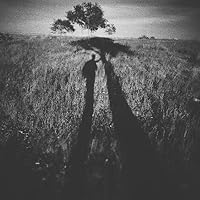
风雪夜,夜读木心
木心说:
“我像寻索仇人一样寻找我的友人。”
“我是一个在夜里大雪纷飞的人啊”
“人应该时时怀有一种死的恳切。”
我多想去你住过的地方--
杰克逊高地82街坐一坐
看一看你看过的风景
回味你说过的那些俏皮话
你说:“不知原谅什么,诚觉世事皆可原谅。”
你还说:“文学是可爱的,生活是好玩的,艺术是要有所牺牲的。”
去见木心
三月,我将离你更近一点
中午,点一根烟
压一压,我内心的激动
人的一生,总想出逃你熟悉的地方
去到,你想去的地方
这陌生之地吸引着你
不安的心才会平静下来
但,这平静总不会太长
木心说:
“我像寻索仇人一样寻找我的友人。”
“我是一个在夜里大雪纷飞的人啊”
“人应该时时怀有一种死的恳切。”
我多想去你住过的地方--
杰克逊高地82街坐一坐
看一看你看过的风景
回味你说过的那些俏皮话
你说:“不知原谅什么,诚觉世事皆可原谅。”
你还说:“文学是可爱的,生活是好玩的,艺术是要有所牺牲的。”
去见木心
三月,我将离你更近一点
中午,点一根烟
压一压,我内心的激动
人的一生,总想出逃你熟悉的地方
去到,你想去的地方
这陌生之地吸引着你
不安的心才会平静下来
但,这平静总不会太长
Displaying 1 - 23 of 23 reviews