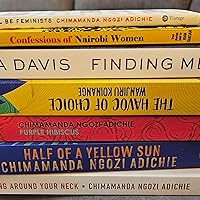
When I first picked up this book, I went into it blindly, the way I often do with books. I rarely read synopsis because I love experiencing a story without expectation, allowing the book to reveal itself to me slowly, honestly and on its own terms.
The novel follows an Italian aristocrat, Amedeo, who joins the Italian invasion of Abyssinia, wrapped in patriotism, ambition and the illusion of glory. There is also a thread of romance woven through the narrative.
For me, the overwhelming presence in this book was colonialism. It was loud, unapologetic and deeply unsettling. This book frustrated me more than it moved me.
What disturbed me most was the way colonialism was constantly justified. Throughout the novel, Italy is portrayed as some grand civilizing force, as though it arrived in Africa carrying light, progress and development. Amedeo speaks about Libya and Tripoli with pride, praising the infrastructure and “improvements” brought by Italians, as if colonization was an act of generosity rather than violence. The narrative often carries this exhausting white savior undertone of we came to make your lives better, therefore, our invasion was justified.
There is something profoundly disturbing about watching colonial violence be reframed as heroism. The invasion of Abyssinia is spoken about almost like an honorable mission, especially because of Italy’s humiliation at the Battle of Adwa in 1896 under Emperor Menelik II. The war felt less like politics and more like revenge, an attempt to reclaim wounded imperial pride after Ethiopians defeated the Italians so decisively.
Ironically, one of my favorite moments in the book was reading about that very defeat.
As I read about the Battle of Adwa, I found myself smiling from ear to ear. It felt triumphant, victorious and powerful. In a history so often written by colonizers, Adwa remains one of the most important reminders that Africans resisted, fought back and won.
Another thing that stood out to me was the brutality that followed the attempted assassination of Governor Graziani. The violence inflicted upon Ethiopians afterward felt genocidal in nature. Entire communities suffered collective punishment, yet this is not something often discussed with the gravity it deserves. Reading those sections left me disturbed by how normalized colonial violence can become within historical narratives.
The book also made me reflect on collaboration during colonialism. Some Ethiopian lords and regional leaders sided with the Italians against Emperor Haile Selassie due to internal political tensions. That aspect of the story was painful because it mirrors a larger truth across African history. The colonial powers often succeeded not only through military strength, but through division and collaboration from within. It raises difficult questions about unity, resistance and what Africa’s history may have looked like if there had been a united front against imperialism.
As for the characters, Khadija was the one who truly stayed with me. She felt layered, intelligent and quietly rebellious in a world determined to limit women. To me, she embodied a kind of feminism before the language of feminism had fully reached her world. Even though her relationship to colonial structures is complicated, I still found her compelling and memorable.
Amedeo himself, however, never earned my sympathy. I did not see him as heroic or admirable. Instead, he came across as a man trying to rationalize colonial violence and convince himself that war in Africa had purpose and nobility.
Would I read this book again? No.
Would I recommend it? Also no.
Not because books about colonialism should never be read, but because this particular narrative felt too invested in romanticizing imperial conquest instead of interrogating it. I am not interested in glorifying colonial fantasies or white savior narratives disguised as historical reflection.
Still, the book did provoke thought, anger and reflection and perhaps that is its greatest value. It reminded me how important it is for Africans to continue reclaiming and retelling our own histories, through our own voices, without colonizers standing at the center of the story.