«La vida ha sido para mí una larga tarea de la que no me arrepiento en absoluto», comenta Balthus en una de las páginas de este magnífico libro de memorias, y esas son quizá las palabras que mejor resumen la trayectoria vital de un hombre consagrado a la pintura con el mismo afán y la misma humildad con que otros se entregan a la religión. Convencido desde muy joven de su condición de artesano y poco dispuesto a dejarse llevar por los reclamos de la vanguardia, Balthus se dedicó a estudiar a los grandes maestros, intentando penetrar los matices de esa luz tan peculiar que desprenden las telas de Masaccio, de Piero della Francesca y Giotto. Ahí, en la atenta contemplación de los primitivos italianos, el joven pintor pudo tejer un hilo que une Oriente con Occidente, y a Fra Angélico con Poussin y Cézanne, hasta llegar a nuestros días. Amigo personal de Modigliani y Picasso, instalado desde hacía muchos años en la mansión de Rossinière, Balthus dictó estas memorias cuando su vida ya se acababa, hablando por fin del auténtico significado de algunos de sus cuadros y de la búsqueda incansable, desesperada a veces, de una perfección que iba más allá de la técnica para instalarse en la ética. Hombre modesto y esquivo, Balthus, que solo habló cuando dejó de utilizar el pincel, nos ha dejado unas páginas hermosas donde se guarda la esencia de un arte que es oficio y es vocación.
If you are interested in reading the words of a man who lives his last moments defining his own legacy and using religion to excuse his perversions - check this out. I will admit to really enjoying the paintings of Balthus - but Balthus the man...much less interesting. When you paint tons of panty shots and pubescent girls and then try to pass yourself off as a modern day Piero della Francesco - it's a tough sell. This book is just a bunch of self-justification and it's only real value is the mocking laughter it will create for any non-cretin.
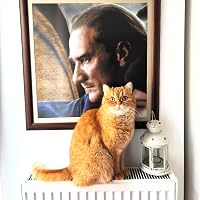
İşte bu yüzden kedilerin haşin zarafetini severim ve sık sık onları tablolarımın başköşesine oturturum. Her zaman çok özel, duygusal bir ilişkim oldu kedilerle. Daha çocukluğumda mahalle arkadaşlarım, “kedili oğlan” derlerdi bana. Hayatımı kediler etkiledi adeta. Mitsou’nun, yitirdiğim ve acısını içimden atamadığım küçük kedimin öyküsünü anlatmak için, çini mürekkebiyle bir dizi resim yaptım altı yaşımda. Yazısız, ama çok anlamlı bir tür resimli roman gibiydi. Kedinin eve alınışını ve yok oluşunu resimleyen küçük bir destan. Mitsou pek asi bir kediydi ve bir fırsatını bulur evden kaçardı. Ama sonunda temelli kaçtı: Bir daha hiç görmedim onu.
Mitsou’nun öyküsünü resimlemek, bu dostluğu ölümsüzleştirmenin, yaşanmış bir anıyı korumanın bir yoluydu sanki. Daha o zamandan sanatın kısa ve özlü bir biçimi değil miydi bu? Hayatımın farklı aşamalarını onunla resimlemiştim: Trende, annemle birlikte, evimizde, merdivende, mutfakta, bahçede, ama hep Mitsou’yla birlikte; yakalamaya çalıştığı bir yumağı ona uzattığım anı saptayan bir resmimi yapmıştım; bir parça ekmek çaldı diye sofradan kovulmuş, yatak örtüsünün altında tortop olmuş ya da ışıklandırılmış Noel ağacını ailenin tüm bireyleri gibi hayran hayran seyreden Mitsou desenleri çizmiştim. Sonra, desenlerin yerini hüzün aldı; Mitsou’yu her yerde, mahzende, ıssız sokaklarda arayan ben vardım artık; sonuncusunda kapkara gözyaşlarıyla hüngür hüngür ağlarken görünüyordum.
Rilke, o dönemde ailemizin can dostuydu ve tasarımı gerçekleştirmem için beni yüreklendirdi ve tüm aşamaları dikkatle izledi. Desenleri yayınlamaya o karar verdi, bir de önsöz yazacaktı. 1920’de bir Alman yayıncı bastı resimli öykümü; kitabın başında Rilke’nin vaat ettiği önsöz yer alıyordu. Kediler âlemine gizli, gizemli bağlılığımı çok erkenden anlamıştım. Onlardaki bağımsızlık kaygısının aynını taşıyor ve Rilke’nin deyişiyle, kedilerin doğasını gerçekten bilmenin mümkün olmadığını içimde hissediyordum. “İnsan onların çağdaşı oldu mu hiç?” diye yazmıştı Rilke.
Onlardan uzakta yaşadığımı hiç anımsamıyorum. Hep çevremdeydiler ve bir gün birisi, onları kendime çeken ağır bir misk kokusu yayıldığını söylemişti benden. Özellikle Frightener, hiç aklımdan çıkmayan bir kedidir; adından da anlaşıldığı gibi, gerçekten çevresine korku salıyordu. O geldiğinde tüm kediler gözden kayboluyordu; nereye gitsem kuzu gibi peşimden gelen olağanüstü ama azgın bir erkek kediydi bu. Birlikte yaptığımız geziler ve bana karşı uysal davranışı da belleğimdedir hâlâ; oysa başka durumlarda kudurganlığının önüne geçilir gibi değildi. 1935’te, adını Kediler Kralı koyduğum tablomda onu resmetmiştim. Frightener bana sürtünüyor, pek sevimli bir hâli var, ama hırçın bir şey yansıyor bakışlarında. Öte yandan sanki benim de çok hırçın bir tavrım var ve biraz ona benziyorum.
50’li yıllarda Moran’da Chassy Şatosu’nda yaşarken otuz kadar kedim oldu. Toprağa sağlam basan, muazzam bir yapıydı bu; ev içinde hayvanlar için birçok yer ve ek bina vardı. Günün birinde Roma’dan, Medici Villası’nın bahçelerinde bulduğum bir kediyi getirdim. Çok uysal görünüyordu, ama Chassy’de inanılmaz bir kargaşa yarattı; zorba ve azgın bir yaratık olduğunu gösterdi. Diğer kedilerin hiçbirine yemek yeme fırsatı vermiyor ve hepsiyle dövüşüyordu.
Evet, kediler tüm çalışmalarımı anımsatıyorlar bana; yaşamda bana rahatsızlık vermeyen, tersine bana eşlik eden, çekingen ve sessiz birer varlık gibidir onlar. Artaud zamanında tanıdığım ve belleğim beni yanıltmıyorsa eğer, Matmazel Sheila adında bir genç kız, bana her zaman “Kediler Kralı” derdi. Portresini yapmıştım onun; adını da Kediler Prensesi koymuştum. Bu adı taşıyan tek tablomdur.
Gerçekten kedilerin kralı olduğuma inanmak hoşuma gidiyor. Aslında, şaşmaz küçük bir işaretim de var: Sol gözümde sabit kırmızı damarcıklar, çok net bir biçimde 13 sayısını oluşturuyor. Bu sayının iki rakamını birbirine yaklaştırdığınızda, “Balthus” diye okuyabilirsiniz… Grand Chalet’de, eski handa yatak odamın numarası da 13. O hâlde, hiç tartışmasız, kendimi kedilerin on üçüncü kralı ilan ediyorum ve bu hanedanın varlığını kesin biçimde ilan ediyorum.
I give it 4 starts mostly because of the descriptions of place and light. I love reading about artists in their own words, and I’m a sucker for any book that leaves me with a ton of art references to look into. Was it well written? Not particularly, but if you’re curious about his work based on all the rumors that swirl about him, this will give you something to compare public timelines to.
“As a young man in 1933, I made sixteen pen-and-ink illustrations of Emily Bronté's Wuthering Heights, which I admire greatly. I was inspired by the romantic passion that breathes through it, and its harsh characters. I'm not sure that I gave my features to the protagonist Heathcliff, but looking at the drawings today, I find traces of my former rebelliousness, now calmed, and the fierce violence that was inside me.” (p.93)
“In 1965, I sent a short telegram to the art critic John Russell, who requested some anecdotal details about my life to fill out his introductory text for my Tate Gallery retrospective exhibit: "Start this way: Balthus is a painter about whom nothing is known. Now we may look at his paintings.” (p.107)
“That is, to go to the root of things with a single line, with a free wrist motion that in its simplicity attains the Nameless, what Chinese painters also call the Universal.” (p.156)
“To paint is to emerge from yourself, forget yourself, and prefer anonymity, sometimes while contradicting your own time and those close to you. Trendiness must be rejected. Cling to what you believe is right for you at all costs, and even develop what I--like nineteenth-century dandies- always called the "aristocratic taste for displeasing." Knowing the subtle pleasure in being different destines you for incredible, amazing tasks.” (p.233)
эстетизированный до предела текст художника-ценителя красоты. постоянная тяга к классике пуссена или итальянскому фресковому примитивизму (хотя какой там примитивизм.., плоскостность, может быть..), любовь к созерцательности и потребность в уединении красочно нарисовали в голове бальтюса в образе старого монаха-цистерианца. я бы не сказала, что книга рисует историю всего искусства xx века, чего собственно она делать не должна и не может, ведь это воспоминания конкретного творца о своих исканиях как человека и как мастера. тем не менее она может пролить свет на какие-то личностные качества некоторых представителей века, с которыми бальтюс был особенно близок: джакометти, пикассо, рильке..
много размышлений о технике, свете, композиции и смыслах или их отсутствии, отличная ретроспекция собственного творчества, того, как оно складывалось, и что (и кто, и как) на него влияло. после стольких слов об итальянских фресках меняется взгляд и отношение к плоскостности на полотнах самого бальтюса, к шершавой текстуре.
всё равно мне показалось, какими бы лиричными и искренними не были изложенные им мысли, что присутствует элемент лукавства или, может быть, невозможность/нежелание быть до конца узнанным или раскрытым.