

What do you think?

Boswell's Journals #1
London Journal, 1762 - 1763
In 1762 James Boswell, then twenty-two years old, left Edinburgh for London. The famous Journal he kept during the next nine months is an intimate account of his encounters with the high-life and the low-life in London. Frank and confessional as a personal portrait of the young Boswell, the Journal is also revealing as a vivid portrayal of life in eighteenth-century London. This new edition includes an introduction by Peter Ackroyd, which discusses Boswell’s life and achievement.
“Boswell was the most charming companion in the world, and London becomes his dining-room and his playground, his club and his confessional. No celebrant of the London world can ignore his book.”—Peter Ackroyd, from the introduction.
“Boswell was the most charming companion in the world, and London becomes his dining-room and his playground, his club and his confessional. No celebrant of the London world can ignore his book.”—Peter Ackroyd, from the Introduction.
Praise for the earlier edition:
"[The journal is] more perceptive and uninhibited and magically alive than one could have hoped. . . . Boswell transforms the most trifling occurrences into adventures, and imparts to the reader his own surpassing lust for experience and his keen sense of the fascination of life."—Austin Wright, Virginia Quarterly Review
"The journal is admirably edited and annotated.”—W. H. Auden, New Yorker
The late Frederick Pottle, Sterling Professor of English Emeritus at Yale University, was editor, bibliographer, and biographer of James Boswell. Peter Ackroyd is the author of London: The Biography, The Life of Thomas More, Albion: The Origins of the English Imagination, and many other books.
“Boswell was the most charming companion in the world, and London becomes his dining-room and his playground, his club and his confessional. No celebrant of the London world can ignore his book.”—Peter Ackroyd, from the introduction.
“Boswell was the most charming companion in the world, and London becomes his dining-room and his playground, his club and his confessional. No celebrant of the London world can ignore his book.”—Peter Ackroyd, from the Introduction.
Praise for the earlier edition:
"[The journal is] more perceptive and uninhibited and magically alive than one could have hoped. . . . Boswell transforms the most trifling occurrences into adventures, and imparts to the reader his own surpassing lust for experience and his keen sense of the fascination of life."—Austin Wright, Virginia Quarterly Review
"The journal is admirably edited and annotated.”—W. H. Auden, New Yorker
The late Frederick Pottle, Sterling Professor of English Emeritus at Yale University, was editor, bibliographer, and biographer of James Boswell. Peter Ackroyd is the author of London: The Biography, The Life of Thomas More, Albion: The Origins of the English Imagination, and many other books.
412 pages, Paperback
First published January 1, 1950
About the author
James Boswell
1,671 books115 followersJames Boswell, 10th Laird of Auchinleck and 1st Baronet was a lawyer, diarist, and author born in Edinburgh, Scotland. He was the eldest son of a judge, Alexander Boswell, 8th Laird of Auchinleck and his wife Euphemia Erskine, Lady Auchinleck. Boswell's mother was a strict Calvinist, and he felt that his father was cold to him. Boswell, who is best known as Samuel Johnson’s biographer, inherited his father’s estate Auchinleck in Ayrshire. His name has passed into the English language as a term (Boswell, Boswellian, Boswellism) for a constant companion and observer.
Boswell is also known for the detailed and frank journals that he wrote for long periods of his life, which remained undiscovered until the 1920s. These included voluminous notes on the grand tour of Europe that he took as a young nobleman and, subsequently, of his tour of Scotland with Johnson. His journals also record meetings and conversations with eminent individuals belonging to The Club, including Lord Monboddo, David Garrick, Edmund Burke, Joshua Reynolds and Oliver Goldsmith. His written works focus chiefly on others, but he was admitted as a good companion and accomplished conversationalist in his own right.
Boswell is also known for the detailed and frank journals that he wrote for long periods of his life, which remained undiscovered until the 1920s. These included voluminous notes on the grand tour of Europe that he took as a young nobleman and, subsequently, of his tour of Scotland with Johnson. His journals also record meetings and conversations with eminent individuals belonging to The Club, including Lord Monboddo, David Garrick, Edmund Burke, Joshua Reynolds and Oliver Goldsmith. His written works focus chiefly on others, but he was admitted as a good companion and accomplished conversationalist in his own right.
Ratings & Reviews
Friends & Following
Create a free account to discover what your friends think of this book!
Community Reviews
Displaying 1 - 30 of 95 reviews

January 1, 2020
Liza Picard said that Boswell's London journal shows a rather dislikable man painting a vivid and accurate picture of himself, and I think that gets it about right. Then again, he was twenty-two at the time – I'm not sure I'd want to take a close look at myself back then. More endearing journals have been written, but mostly by less honest memoirists.
In general, this is a journal of two halves – the first mainly consisting of Boswell trying to get laid and wangle a cushy job as an ornamental soldier, and the second revolving around his meeting and subsequent friendship with Samuel Johnson. The first is the more interesting. Boswell has come to London free, for the first time, from his family, and with a basic allowance to live – frugally – as a gentleman. It's a sort of gap-year journal of perfect freedom, and Boswell sees London as a vast sexual playground, full of magical opportunities:
Boswell's own financial resources pretty much precluded the former option, which means a lot of this journal involves picking up streetwalkers in St James's Park, followed by paragraphs of anguished Calvinist guilt. To try and avoid such temptations by means of a more regular relationship, he begins to court an actress, ‘Louisa’, in a series of encounters which I found completely riveting. When he first chats her up, he's half in love with himself for the whole scene:
After this flirtation, she puts him off a few times, but finally agrees to another meeting one-on-one. Boswell can hardly contain himself:
And you thought dating was a nightmare now! Boswell gives many of these scenes in dialogue like this, which is amazing – you feel that you're eavesdropping on the kind of situations and conversations that polite novelists of the time could never touch on. In any case, after Louisa manages to put him off for a week, they spend the next few meetings talking about whether or not to go all the way.
Eventually, though:
Another reprieve for the valiant Louisa. When the weekend rolls around, she next produces a classic excuse: ‘She informed me that Sunday could not be the hoped-for time to bestow perfect felicity upon me […] In short I understood that Nature's periodical effects on the human or more properly female constitution forbad it.’ Eventually – either giving up, or deciding that Boswell had done enough to prove his devotion to her, it's hard to say exactly what she thought about it all – Louisa consents to go to an inn with Boswell, where they pretend to be a married couple, and finally spend the night together. Boswell, as ever, is rather pleased with himself:
But Boswell comes out of this whole affair extremely badly. The very next time they meet, he records that ‘I felt my passion for Louisa much gone’; a few days later, he is telling himself that ‘Louisa was only in the mean time, till I got into genteel life’. Then he develops gonorrhoea. Never mind that he has fucked half of London's sex workers, the idea that Louisa might have been with someone else outrages him: ‘She is in all probability, a most consummate dissembling Whore,’ he decides.
Just…wow. And all this is just in the first three months of the journal! You will probably not come out of this diary with a very high opinion of its author, but you have to have at least a grudging respect for his brutal honesty. It gives us an incredible record of life in eighteenth-century London, and of the mind of a young man of the time, and definitely allows you to fill in some of the blanks left by contemporary novelists.
In general, this is a journal of two halves – the first mainly consisting of Boswell trying to get laid and wangle a cushy job as an ornamental soldier, and the second revolving around his meeting and subsequent friendship with Samuel Johnson. The first is the more interesting. Boswell has come to London free, for the first time, from his family, and with a basic allowance to live – frugally – as a gentleman. It's a sort of gap-year journal of perfect freedom, and Boswell sees London as a vast sexual playground, full of magical opportunities:
It is very curious to think that I have now been in London, several weeks without ever enjoying the delightfull Sex: Altho' I am surrounded with numbers of free-hearted Ladies of all kinds. From the splendid Madam at fifty guineas a night, down to the civil Nymph with white-thread stockings, who tramps along the Strand, and will resign her engaging person to your honour for a pint of wine and a shilling.
Boswell's own financial resources pretty much precluded the former option, which means a lot of this journal involves picking up streetwalkers in St James's Park, followed by paragraphs of anguished Calvinist guilt. To try and avoid such temptations by means of a more regular relationship, he begins to court an actress, ‘Louisa’, in a series of encounters which I found completely riveting. When he first chats her up, he's half in love with himself for the whole scene:
I acquired confidence by considering my present character in this light. A young fellow of spirit & fashion[,] heir to a good fortune, enjoying the pleasures of London, and now making his addresses in order to have an intrigue with that delicious subject of Gallantry, an Actress. I talked on love very freely. Madam said I, I can never think of having a connection with Women that I don't love. That Sir said she is only having a satisfaction in common with the Brutes. But when there is a union of minds, that is indeed estimable. But dont think Sir that I am a Platonist. I am not indeed. (This hint gave me courage.)
After this flirtation, she puts him off a few times, but finally agrees to another meeting one-on-one. Boswell can hardly contain himself:
I rose, but saluting her with warmth, my powers were excited, I felt myself vigorous, I sat down again[.] I beseeched her. You know, Madam, you said you was not a Platonist. I beg it of you to be so kind. You said you are above the finesse of your Sex. (Be sure allways to make a woman better than her Sex)[.] I adore you. — Nay dear Sir (I pressing her to me & kissing her now and then) pray be quiet. Such a thing requires time to consider of. — Madam own this would be necessary for any man but me. But you must take my character from Myself. I am very good tempered[,] very honest, & have little money. I should have some reward for my particular honesty. — But, Sir, give me time to recollect myself — Well then, Madam, when shall I see you? — On friday, Sir — A thousand thanks —
And you thought dating was a nightmare now! Boswell gives many of these scenes in dialogue like this, which is amazing – you feel that you're eavesdropping on the kind of situations and conversations that polite novelists of the time could never touch on. In any case, after Louisa manages to put him off for a week, they spend the next few meetings talking about whether or not to go all the way.
She mentioned one consequence that in an affair of gallantry might be troublesom. I suppose Madam said I—you mean if a third person should be interested in the affair. Why to be sure, if such a person should appear, he must be taken care of. For my own part, I have the strongest principles of that kind. Well Sir said She, with a sweet complacency. But we wont talk any more on the Subject.
Eventually, though:
The week is now elapsed,—and I hope you will not be so cruel as to keep me in misery. (I then began to take some liberties)[.] Nay Sir — now — but do consider — Ah Madam! — Nay but you are an encroaching creature[!] (Upon this I advanced to the greatest freedom by a sweet elevation of the charming petticoat) — Good heaven Sir! Madam I cannot help it. I adore you. Do you like me. (She answered me with a warm kiss & pressing me to her bosom sighed O! Mr Boswell). But my dear Madam! permit me I beseech you. — Lord, Sir the People may come in. — How then can I be happy? what time; Do tell me. Why Sir on Sunday afternoon…
Another reprieve for the valiant Louisa. When the weekend rolls around, she next produces a classic excuse: ‘She informed me that Sunday could not be the hoped-for time to bestow perfect felicity upon me […] In short I understood that Nature's periodical effects on the human or more properly female constitution forbad it.’ Eventually – either giving up, or deciding that Boswell had done enough to prove his devotion to her, it's hard to say exactly what she thought about it all – Louisa consents to go to an inn with Boswell, where they pretend to be a married couple, and finally spend the night together. Boswell, as ever, is rather pleased with himself:
A more voluptuous night, I never enjoyed. Five times was I fairly lost in supreme rapture. Louisa was madly fond of me; she declared I was a Prodigy, & asked me if this was not extraordinary for human nature. I said twice as much might be, but this was not: Altho' in my own mind I was somewhat proud of my performance.
But Boswell comes out of this whole affair extremely badly. The very next time they meet, he records that ‘I felt my passion for Louisa much gone’; a few days later, he is telling himself that ‘Louisa was only in the mean time, till I got into genteel life’. Then he develops gonorrhoea. Never mind that he has fucked half of London's sex workers, the idea that Louisa might have been with someone else outrages him: ‘She is in all probability, a most consummate dissembling Whore,’ he decides.
Thus ended my intrigue with the fair Louisa, which I flattered myself so much with, and from which I expected at least a Winter's safe copulation.
Just…wow. And all this is just in the first three months of the journal! You will probably not come out of this diary with a very high opinion of its author, but you have to have at least a grudging respect for his brutal honesty. It gives us an incredible record of life in eighteenth-century London, and of the mind of a young man of the time, and definitely allows you to fill in some of the blanks left by contemporary novelists.

August 11, 2008
This journal could furnish incidents enough for several bawdy plays—one might be Louisa; or, Boswell Aflame, Inflam’d:
25 December
The night before I did not rest well. I was really violently in love with Louisa. I thought she did not care for me. I thought that if I did not gain her affections, I would appear despicable to myself.
2 January
I approached Louisa with an uneasy tremor. I sat down. I toyed with her. Yet I was not inspired by Venus. I felt a rather delicate sensation of love than a violent amorous inclination for her. I was miserable. Louisa knew not my powers. She might imagine me impotent. I sweated with anxiety, which made me worse.
7 January
Captain Maxwell and my brother breakfasted with me. I then waited in Louisa. She informed me that Saturday could not be the hoped-for time to bestow perfect felicity upon me. In short, I understood that Nature’s periodical effects on the human, or more properly female, constitution forbade it. I was a little uneasy at this, though it could not be helped. It kept me longer anxious till my ability was known.
12 January
Good heavens, what loose did we give to amorous dalliance! Proud of my godlike vigour, I soon resumed the noble game…I was in full glow of health…A more voluptuous night I never enjoyed. Five times was I fairly lost in supreme rapture. Louisa was madly fond of me; she declared I was a prodigy, and asked me if this was not extraordinary for human nature.
14 January
I strutted up and down, considering myself as a valiant man who could gratify a lady’s loving desires five times in a night; and I satisfied my pride by considering that if this and all my other qualities were known, all the women almost in the room would be making love to me.
18 January
I this day began to feel unaccountable alarm of unexpected evil: a little heat in the members of my body sacred to Cupid, very like a symptom of that distemper with which Venus, when cross, takes it into her head to plague her votaries. But then I had run no risks. I had been with no woman but Louisa; and sure she could not have such a thing.
19 January
When I got home, though, then came sorrow. Too, too plain was Signor Gonorrhoea.
That’s a bummer for Boswell, as he had arrived in London the previous year, 1762, vowing to make certain economies. Though common prostitutes were cheap, medical remedies for venereal “distemper” were not; safer to intrigue with actresses and ladies of fashion whose upkeep might be more costly but whose health, he (wrongly) reckoned, would be better. After Louisa, he made do with various streetwalkers, courtyard lurkers and tavern fixtures, though (almost) always careful to do so in “complete armor”:
At night I strolled into the Park and took the first whore I met, whom I without many words copulated with free from danger, being safely sheathed. She was ugly and lean and her breath smelt of spirits. I never asked her name. When it was done, she slunk off. I had a low opinion of this practice and resolved to do it no more.
His post-coital aversion was as strong as it was ineffectual. Closing the Life of Johnson Boswell reflects that “Man is, in general, made up of contradictory qualities; and these will ever shew themselves in strange succession, where a consistency in appearance at least, if not reality, has not been attained by long habits of philosophical discipline.” The London Journal is such a strange succession, volatile in such a youthful way, and it shows just how Boswell’s awareness of his own variousness and of the difficulty of attaining consistency fitted him for the impossible art of biography. Who better to understand Johnson’s odd mixture of dictionary-making productivity and depressive lethargy, his life-long self-conscious struggle to manage his melancholic agitation--
Talking of constitutional melancholy, he observed, 'A man so afflicted, Sir, must divert distressing thoughts, and not combat with them.' BOSWELL. 'May not he think them down, Sir?' JOHNSON. 'No, Sir. To attempt to think them down is madness. He should have a lamp constantly burning in his bed-chamber during the night, and if wakefully disturbed, take a book, and read, and compose himself to rest. To have the management of the mind is a great art, and it may be attained in a considerable degree by experience and habitual exercise.'
--than the suggestible and high-strung Boswell, always swayed and at the mercy of things, but for all that able to intentionally dose himself with scenic stimulants (services in grand churches, parades of the Guards, the conversation of geniuses) in order to give himself ideas, quiet his humors, animate his noble ambition?
The Johnsonian management of emotion of course has its major expression in his grand style of moralistic pronouncement. Johnson, like Hume and Gibbon in their autobiographies, displays a formal Augustan sang-froid, a distancing description of overwhelming emotion that I find magnificent, thrilling, deeply admirable, and occasionally irritating; I always think I can just taste the self-censorious denial (but then again, every style is necessarily a mask). Boswell’s frequent resort to a version of that tone, particularly his formulaic styling of dejection, made me rate this 3 stars; he’s too much the romantic, too much like Baudelaire (the urbanity, the whoring, the nervous dread) to make his striking of blandly dignified poses in these journaux intimes very interesting, however much those poses signal a sincere, even heartbreaking desire to control his reactions, to be a different person.
In the front endpaper of my copy of the Life of Johnson I wrote “Baudelaire” and listed underneath the numbers of pages on which the melancholic Johnson stoutly denies the power of weather, a mindless incident, to effect the constitution of our morale. What a contrast to Baudelaire’s great dirges of autumnal dread! Johnson did not want the subject to be our nervous self, but the moral mastering of it; for the Romantics nerves were the subject; and I love Baudelaire because he has it both ways, because he seems to think them down, because he confesses and communicates extreme nervous disturbance with the poised self-mastery of an earlier age. Les Paradis artificiels, which combines a lofty-styled Johnsonian condemnation of excess with a sympathetic personal account of how intoxicants seem to free us from an inescapable ennui, prompted Flaubert to write Baudelaire, “You have found the way to be classic, while remaining the transcendent romantic that we love.”
25 December
The night before I did not rest well. I was really violently in love with Louisa. I thought she did not care for me. I thought that if I did not gain her affections, I would appear despicable to myself.
2 January
I approached Louisa with an uneasy tremor. I sat down. I toyed with her. Yet I was not inspired by Venus. I felt a rather delicate sensation of love than a violent amorous inclination for her. I was miserable. Louisa knew not my powers. She might imagine me impotent. I sweated with anxiety, which made me worse.
7 January
Captain Maxwell and my brother breakfasted with me. I then waited in Louisa. She informed me that Saturday could not be the hoped-for time to bestow perfect felicity upon me. In short, I understood that Nature’s periodical effects on the human, or more properly female, constitution forbade it. I was a little uneasy at this, though it could not be helped. It kept me longer anxious till my ability was known.
12 January
Good heavens, what loose did we give to amorous dalliance! Proud of my godlike vigour, I soon resumed the noble game…I was in full glow of health…A more voluptuous night I never enjoyed. Five times was I fairly lost in supreme rapture. Louisa was madly fond of me; she declared I was a prodigy, and asked me if this was not extraordinary for human nature.
14 January
I strutted up and down, considering myself as a valiant man who could gratify a lady’s loving desires five times in a night; and I satisfied my pride by considering that if this and all my other qualities were known, all the women almost in the room would be making love to me.
18 January
I this day began to feel unaccountable alarm of unexpected evil: a little heat in the members of my body sacred to Cupid, very like a symptom of that distemper with which Venus, when cross, takes it into her head to plague her votaries. But then I had run no risks. I had been with no woman but Louisa; and sure she could not have such a thing.
19 January
When I got home, though, then came sorrow. Too, too plain was Signor Gonorrhoea.
That’s a bummer for Boswell, as he had arrived in London the previous year, 1762, vowing to make certain economies. Though common prostitutes were cheap, medical remedies for venereal “distemper” were not; safer to intrigue with actresses and ladies of fashion whose upkeep might be more costly but whose health, he (wrongly) reckoned, would be better. After Louisa, he made do with various streetwalkers, courtyard lurkers and tavern fixtures, though (almost) always careful to do so in “complete armor”:
At night I strolled into the Park and took the first whore I met, whom I without many words copulated with free from danger, being safely sheathed. She was ugly and lean and her breath smelt of spirits. I never asked her name. When it was done, she slunk off. I had a low opinion of this practice and resolved to do it no more.
His post-coital aversion was as strong as it was ineffectual. Closing the Life of Johnson Boswell reflects that “Man is, in general, made up of contradictory qualities; and these will ever shew themselves in strange succession, where a consistency in appearance at least, if not reality, has not been attained by long habits of philosophical discipline.” The London Journal is such a strange succession, volatile in such a youthful way, and it shows just how Boswell’s awareness of his own variousness and of the difficulty of attaining consistency fitted him for the impossible art of biography. Who better to understand Johnson’s odd mixture of dictionary-making productivity and depressive lethargy, his life-long self-conscious struggle to manage his melancholic agitation--
Talking of constitutional melancholy, he observed, 'A man so afflicted, Sir, must divert distressing thoughts, and not combat with them.' BOSWELL. 'May not he think them down, Sir?' JOHNSON. 'No, Sir. To attempt to think them down is madness. He should have a lamp constantly burning in his bed-chamber during the night, and if wakefully disturbed, take a book, and read, and compose himself to rest. To have the management of the mind is a great art, and it may be attained in a considerable degree by experience and habitual exercise.'
--than the suggestible and high-strung Boswell, always swayed and at the mercy of things, but for all that able to intentionally dose himself with scenic stimulants (services in grand churches, parades of the Guards, the conversation of geniuses) in order to give himself ideas, quiet his humors, animate his noble ambition?
The Johnsonian management of emotion of course has its major expression in his grand style of moralistic pronouncement. Johnson, like Hume and Gibbon in their autobiographies, displays a formal Augustan sang-froid, a distancing description of overwhelming emotion that I find magnificent, thrilling, deeply admirable, and occasionally irritating; I always think I can just taste the self-censorious denial (but then again, every style is necessarily a mask). Boswell’s frequent resort to a version of that tone, particularly his formulaic styling of dejection, made me rate this 3 stars; he’s too much the romantic, too much like Baudelaire (the urbanity, the whoring, the nervous dread) to make his striking of blandly dignified poses in these journaux intimes very interesting, however much those poses signal a sincere, even heartbreaking desire to control his reactions, to be a different person.
In the front endpaper of my copy of the Life of Johnson I wrote “Baudelaire” and listed underneath the numbers of pages on which the melancholic Johnson stoutly denies the power of weather, a mindless incident, to effect the constitution of our morale. What a contrast to Baudelaire’s great dirges of autumnal dread! Johnson did not want the subject to be our nervous self, but the moral mastering of it; for the Romantics nerves were the subject; and I love Baudelaire because he has it both ways, because he seems to think them down, because he confesses and communicates extreme nervous disturbance with the poised self-mastery of an earlier age. Les Paradis artificiels, which combines a lofty-styled Johnsonian condemnation of excess with a sympathetic personal account of how intoxicants seem to free us from an inescapable ennui, prompted Flaubert to write Baudelaire, “You have found the way to be classic, while remaining the transcendent romantic that we love.”
February 18, 2015
Glorious stuff if you're into the 18th century, probably quite impenetrable if not, though Boswell is surely one of the greatest characters in literary history. Here we have him in all his youthful folly, living through what Sheridan quotes Fielding calling "a trifling age," (50), and doing a good deal of trifling himself. He flits between deep piety and evenings with prostitutes. He records: "I see too far into the system of things, to be much in earnest. I consider Mankind in general & therefore cannot take a part in their quarrels when divided into particular states and nations. I can see that after a war is over and a great quantity of cold & hunger & want of Sleep and torment endured by mortals, things are upon the whole, just as they were." He inquires into his own personality and realizes that "altho' the judgment may know that all is vanity, yet Passion may ardently pursue." "The pleasure of gratifying whim is very great. It is known only by whose who are whimsical."
He suggests to a friend that the world would be much better is "venereal delight" were permitted only to the virtuous, because priests could then "incite the Audience to Goodness by warmly and lusciously setting before their imaginations the transports of amorous Joy." That is right. Boswell thinks all would be well if only priests were also pornographers.
He fails to go out when his barber is sick, apparently being incapable of shaving himself. He sees another prostitute and describes her. He eats out. His friends are witty. And then he meets Jonson--which gives birth to a great book, of course. But after reading just the first volume of his journal, I'm pretty convinced that Boswell was both a more enjoyable man than Jonson, and, dare I say it, a vastly superior writer.
He suggests to a friend that the world would be much better is "venereal delight" were permitted only to the virtuous, because priests could then "incite the Audience to Goodness by warmly and lusciously setting before their imaginations the transports of amorous Joy." That is right. Boswell thinks all would be well if only priests were also pornographers.
He fails to go out when his barber is sick, apparently being incapable of shaving himself. He sees another prostitute and describes her. He eats out. His friends are witty. And then he meets Jonson--which gives birth to a great book, of course. But after reading just the first volume of his journal, I'm pretty convinced that Boswell was both a more enjoyable man than Jonson, and, dare I say it, a vastly superior writer.

June 4, 2022
Young Boswell is a difficult man to like. I appreciate that he was probably bipolar, and certainly his journal indicates the fluctuations from an almost manic drive and impatience to gain a commission in a Guards regiment to a static state he can only describe as melancholy. His excessive alcohol intake had yet to take hold of him. There are a few days when he is unable to complete his journal due to “dissipation” but nothing more than many single men in their early twenties would do when away from parental influence. No, it's his sex life and his attitude toward women that produce little sympathy.
Having said that, for a young man of twenty-two he is remarkably honest about himself. Even before 1762 he had been treated for a venereal infection, had fathered at least one illegitimate daughter and quite openly welcomed the favours of actresses and prostitutes. In January 1763, after falling in love with another actress, Louisa Lewis, who may well have supplemented her earnings from the stage in another direction, he contracted a further infection. His reaction, especially as the pain and discomfort of his treatment hit home, is to blame the woman rather than his own licentiousness.
It takes him to the beginning of March to properly recover, and what does the reprobate do on 9th April: “[I] then came to the Park, and in armorial guise performed concubinage with a strong, plump, good-humoured girl called Nanny Baker.” After that I counted at least nine other occasions, including once on Westminster Bridge, once boastfully without protection, and once as a part of what would now be called the gang rape with a group of soldiers of “a little profligate wretch.” Mr. Boswell had a side to his character that could plunge from fool to criminal.
At this stage of his life he is rescued by meeting Samuel Johnson and the journal entries become littered with Johnson's opinions and remarks. Two of the best known being, on discussing Scottish scenery: “Sir, I believe the noblest prospect that a Scotsman ever sees is the road which leads him to England,” and on women preachers: “a woman's preaching was like a dog's walking on his hinder legs. It was not done well, but you were surprised to find it done at all.” It is unabashed hero worship and thankfully it led Boswell to listen to his father, give up his dream of the Army, and seek enlightenment in European learning and travel.
The Army would have been no place for Boswell. He was afraid of the dark, believed in ghosts, was fearful of heights, and hated sleeping anywhere other than in his own comfortable bed. Even in the Guards and based in London, his military career would not have lasted long. So, by the end of the journal on 4th August 1763, he is ready to be off to university in Utrecht. As he says in closing, “I shall be the happier for being abroad, as long as I live.” After many adventures, many acquaintances, much writing – including probably the greatest biography ever written in English - he managed to live to fifty-four when a combination of alcohol abuse and syphilis finally caught up with him.
Having said that, for a young man of twenty-two he is remarkably honest about himself. Even before 1762 he had been treated for a venereal infection, had fathered at least one illegitimate daughter and quite openly welcomed the favours of actresses and prostitutes. In January 1763, after falling in love with another actress, Louisa Lewis, who may well have supplemented her earnings from the stage in another direction, he contracted a further infection. His reaction, especially as the pain and discomfort of his treatment hit home, is to blame the woman rather than his own licentiousness.
It takes him to the beginning of March to properly recover, and what does the reprobate do on 9th April: “[I] then came to the Park, and in armorial guise performed concubinage with a strong, plump, good-humoured girl called Nanny Baker.” After that I counted at least nine other occasions, including once on Westminster Bridge, once boastfully without protection, and once as a part of what would now be called the gang rape with a group of soldiers of “a little profligate wretch.” Mr. Boswell had a side to his character that could plunge from fool to criminal.
At this stage of his life he is rescued by meeting Samuel Johnson and the journal entries become littered with Johnson's opinions and remarks. Two of the best known being, on discussing Scottish scenery: “Sir, I believe the noblest prospect that a Scotsman ever sees is the road which leads him to England,” and on women preachers: “a woman's preaching was like a dog's walking on his hinder legs. It was not done well, but you were surprised to find it done at all.” It is unabashed hero worship and thankfully it led Boswell to listen to his father, give up his dream of the Army, and seek enlightenment in European learning and travel.
The Army would have been no place for Boswell. He was afraid of the dark, believed in ghosts, was fearful of heights, and hated sleeping anywhere other than in his own comfortable bed. Even in the Guards and based in London, his military career would not have lasted long. So, by the end of the journal on 4th August 1763, he is ready to be off to university in Utrecht. As he says in closing, “I shall be the happier for being abroad, as long as I live.” After many adventures, many acquaintances, much writing – including probably the greatest biography ever written in English - he managed to live to fifty-four when a combination of alcohol abuse and syphilis finally caught up with him.

Read
November 1, 2025. . .

February 20, 2013
I wanted a print book to take along on a trip, for the plane ride. Something paperback (so not too heavy) and long enough that it would last, even if I ended up with a lot of reading time.
This is the book I pulled from my TBR shelf.
But when I first started reading it, I thought, "I'm not going to be able to finish." It is a journal, after all. And who are all these people? They mean nothing to me . . .
But after I'd finished the first 30 pages or so, I found myself enjoying it -- so much so that I began looking forward to getting back to it every night during my evening reading time. Partly it's because Boswell is a fine writer. Partly it's because I began to care about what would happen to him -- the journal actually follows a narrative arc. Man in his early 20s strikes bargain with his authoritative and controlling father: one year in London to pursue his dream; if he fails, he pursues the law degree as his father wishes . . .
But there's another reason that the book gripped me, which has to do with Life itself -- or more precisely, with Death. Because Journal isn't fiction. And as I began to acclimate to Boswell's world and care about his predicaments, he came alive to me.
What a peculiar thing, to be drawn into a young man's most intimate thought -- his sexual urges; his ambitions; his heartfelt attempts to become a better human being; the deep pleasure he takes in friendship, culture, literature, and conversation -- and to know that it all transpired.
250 years ago.
Makes my heart ache a bit every time I think of it. Life is so short . . .
I own a copy of Boswell's Life of Samuel Johnson. It's over 1000 blinking pages. lol
I'll read it at some point.
I bought it because I'm something of an Anglophile, and I'm a bit smitten by the whole idea of 18th century literary London. Boswell's journal is a bit of a taste of it. But it's also more -- it's an introduction, because the journal's climax is Boswell's introduction to Johnson.
This is where it started . . .
Anyway. Loved the book. Copied down several quotes from the book as I read :-)
Recommend to anyone who loves the classics.
This is the book I pulled from my TBR shelf.
But when I first started reading it, I thought, "I'm not going to be able to finish." It is a journal, after all. And who are all these people? They mean nothing to me . . .
But after I'd finished the first 30 pages or so, I found myself enjoying it -- so much so that I began looking forward to getting back to it every night during my evening reading time. Partly it's because Boswell is a fine writer. Partly it's because I began to care about what would happen to him -- the journal actually follows a narrative arc. Man in his early 20s strikes bargain with his authoritative and controlling father: one year in London to pursue his dream; if he fails, he pursues the law degree as his father wishes . . .
But there's another reason that the book gripped me, which has to do with Life itself -- or more precisely, with Death. Because Journal isn't fiction. And as I began to acclimate to Boswell's world and care about his predicaments, he came alive to me.
What a peculiar thing, to be drawn into a young man's most intimate thought -- his sexual urges; his ambitions; his heartfelt attempts to become a better human being; the deep pleasure he takes in friendship, culture, literature, and conversation -- and to know that it all transpired.
250 years ago.
Makes my heart ache a bit every time I think of it. Life is so short . . .
I own a copy of Boswell's Life of Samuel Johnson. It's over 1000 blinking pages. lol
I'll read it at some point.
I bought it because I'm something of an Anglophile, and I'm a bit smitten by the whole idea of 18th century literary London. Boswell's journal is a bit of a taste of it. But it's also more -- it's an introduction, because the journal's climax is Boswell's introduction to Johnson.
This is where it started . . .
Anyway. Loved the book. Copied down several quotes from the book as I read :-)
Recommend to anyone who loves the classics.

February 16, 2021
A delightful look at life in London during the mid 18th century. James Boswell's London Journal, 1762 - 1763 tells the tale of a young Scot who comes to London to become an officer in a guard's regiment attached to the King. Boswell had no particular desire to serve in the military: He just wanted a good life drinking, eating, and hanging out with the local young women. And this wish went contrary to what his father, Lord Auchinlech, a court justice for Scotland, wanted for his son.
As we know, Boswell never got his appointment to the guards after sucking up to every person of influence at the court. But he did meet Samuel Johnson, who had a profound and steadying influence on the young Scot.
Boswell may not have been officer material, but his journals make for excellent reading.
As we know, Boswell never got his appointment to the guards after sucking up to every person of influence at the court. But he did meet Samuel Johnson, who had a profound and steadying influence on the young Scot.
Boswell may not have been officer material, but his journals make for excellent reading.

October 25, 2013
BOSWELL THE HISTORIAN PLAYBOY
This fabulously bawdy, mischievous, arrogant journal is the pride and joy of its author, James Boswell (future biographer of Samuel Johnson, but for now an immature youth). We enter his life just after his 22nd birthday, on the brink of his move to London. He’s visited before and was intrigued (even after his little bout of VD from a lady of the night under Waterloo Bridge). He moves to London and sets up his life among society’s most elite.
Boswell’s life is the perfect mix of high-society boredom delayers (the Society of Beefsteaks, cheese adventures, and tea – oh so much tea) and hormonally-induced rebellion (seedy bars, prostitutes and moping – oh so much moping). All that in the most fantastic, 18th century language you could hope to find.
MY RECOMMENDATION TO YOU
1. Go get this book now.
2. On November 15th read Bowell’s first entry. Don’t read the preface and don’t read any introduction other than Boswell’s. No one likes spoilers. History people, read all that stuff on August 4th next year.
3. Keep it by your bed and read it every single night, one day at a time, on the day it was written (yes, he actually does manage to write every day) until you are done (August 3rd).
4. Don’t skip ahead! This is one of the best immersive London experiences you can have. Don’t cheat yourself.
It might take a few days to get into his style of writing, and even more time to look past the fact that he’s a spoiled kid who thinks the sun shines out of his own ass.
WHY CARE ABOUT HIM THEN
Boswell is a true lover of London (in every way) and, for all the walkers out there, he paints a fantastic picture of London from the streets. Savour the details of his rambles through Covent Garden, of the Thames frozen over in January, of hackney coaches on Fleet Street. Allow him to bring you into his London (Just be careful not to fall for his wily charms. This guy gets around, if you know what I mean!).
You’ll soon stop getting annoyed with him bemoaning his oh so difficult life, and actually start to have a soft spot for him. You may even be proud of him as he shows signs of growing up. Let’s not get to far ahead of our selves though.
In case I haven’t given you good enough reason to read this journal, let me ask my dear friend James to speak for himself:
I think there is a blossom about me of something more distinguished than the generality of mankind…I have such an opinion of myself as to imagine that nobody can be more agreeable company.
This fabulously bawdy, mischievous, arrogant journal is the pride and joy of its author, James Boswell (future biographer of Samuel Johnson, but for now an immature youth). We enter his life just after his 22nd birthday, on the brink of his move to London. He’s visited before and was intrigued (even after his little bout of VD from a lady of the night under Waterloo Bridge). He moves to London and sets up his life among society’s most elite.
Boswell’s life is the perfect mix of high-society boredom delayers (the Society of Beefsteaks, cheese adventures, and tea – oh so much tea) and hormonally-induced rebellion (seedy bars, prostitutes and moping – oh so much moping). All that in the most fantastic, 18th century language you could hope to find.
MY RECOMMENDATION TO YOU
1. Go get this book now.
2. On November 15th read Bowell’s first entry. Don’t read the preface and don’t read any introduction other than Boswell’s. No one likes spoilers. History people, read all that stuff on August 4th next year.
3. Keep it by your bed and read it every single night, one day at a time, on the day it was written (yes, he actually does manage to write every day) until you are done (August 3rd).
4. Don’t skip ahead! This is one of the best immersive London experiences you can have. Don’t cheat yourself.
It might take a few days to get into his style of writing, and even more time to look past the fact that he’s a spoiled kid who thinks the sun shines out of his own ass.
WHY CARE ABOUT HIM THEN
Boswell is a true lover of London (in every way) and, for all the walkers out there, he paints a fantastic picture of London from the streets. Savour the details of his rambles through Covent Garden, of the Thames frozen over in January, of hackney coaches on Fleet Street. Allow him to bring you into his London (Just be careful not to fall for his wily charms. This guy gets around, if you know what I mean!).
You’ll soon stop getting annoyed with him bemoaning his oh so difficult life, and actually start to have a soft spot for him. You may even be proud of him as he shows signs of growing up. Let’s not get to far ahead of our selves though.
In case I haven’t given you good enough reason to read this journal, let me ask my dear friend James to speak for himself:
I think there is a blossom about me of something more distinguished than the generality of mankind…I have such an opinion of myself as to imagine that nobody can be more agreeable company.

December 5, 2011
I think anyone interested in the great Dr Samuel Johnson, in other words, in reading his biography "Life of Johnson" by James Boswell needs to spare his/her time in reading this unthinkable journal written in 1762-1763. Of course, we sometime find reading his narrative a bit hard to understand but please don't be intimidated, keep going and soon you'd find something amusing, inspiring, informative, etc. in his unique life and London in the 18th century and this journal definitely recorded how he first met Dr Johnson of looming magnanimity he was respectfully aware.
Therefore, I'd like to invite my Goodreads friends to have a go with this insightful journal by selecting some famous passages/episodes for all to view and see.
1) Since I came up, I have begun to acquire a composed genteel character very different from a rattling uncultivated one which for some time past I have been fond of. I have discovered that we may be in some degree whatever character we choose. Besides, practice forms a man to anything. I was now happy to find myself cool, easy, and serene. (p. 53)
2) BOSWELL. 'What do you think of Johnson?' GOLDSMITH. 'He has exceeding great merit. His Rambler is a noble work.' BOSWELL. 'His Idler too is very pretty. It is a lighter performance; and he has thrown off the classical fetters very much.' DAVIES. 'He is a most entertaining companion. And how can it be otherwise, when he has so much imagination, has read so much, and digested it so well?' (p. 105)
3) MONDAY 16 MAY. *Temple and his brother breakfasted with me. I went to Love's to try to recover some of the money which he owes me. But, alas, a single guinea was all I could get. He was going out to dinner, so I stayed and eat a bit, though I was angry at myself afterwards. I drank tea at Davies's in Russell Street, and about seven came in the great Mr Samuel Johnson, whom I have so long wished to see. Mr Davies introduced me to him. As I knew his mortal antipathy at the Scotch, I cried to Davies, 'Don't tell where I come from.' However, he said, 'From Scotland.' 'Mr Johnson,' said I, 'indeed I come from Scotland, but I cannot help it.' 'Sir, ' replied he, 'that, I find, is what a very great many of your countrymen cannot help.' Mr Johnson is a man of a most dreadful appearance. He is a very big man, is troubled with sore eyes, the palsy, and the king's evil. *He is very slovenly in dress and speaks with a most uncouth voice. Yet his great knowledge and strength of expression command vast respect and render him very excellent company. He has great humour and is a worthy man. But his dogmatical roughness of manners is disagreeable. I shall mark what I remember of his conversation.* (p. 237)
etc.
I think one of the problems is that this book is not a bestseller nowadays, therefore, finding a copy to read is naturally an adventure. I'd like to suggest your browsing it in any good university/public/city libraries worldwide, then, you may have some few pages photocopied to read relaxingly at home or at work as you wish. As for those hoping to buy a copy, please contact your favourite bookstore for any edition you prefer and it's quite convenient in the world of internet. Moreover, some readers may prefer its paperback edition, therefore, please visit this Penguin Classics website for more details or how to make an order.
http://www.penguinclassics.co.uk/nf/S... London Journal
Good luck and enjoy!
Therefore, I'd like to invite my Goodreads friends to have a go with this insightful journal by selecting some famous passages/episodes for all to view and see.
1) Since I came up, I have begun to acquire a composed genteel character very different from a rattling uncultivated one which for some time past I have been fond of. I have discovered that we may be in some degree whatever character we choose. Besides, practice forms a man to anything. I was now happy to find myself cool, easy, and serene. (p. 53)
2) BOSWELL. 'What do you think of Johnson?' GOLDSMITH. 'He has exceeding great merit. His Rambler is a noble work.' BOSWELL. 'His Idler too is very pretty. It is a lighter performance; and he has thrown off the classical fetters very much.' DAVIES. 'He is a most entertaining companion. And how can it be otherwise, when he has so much imagination, has read so much, and digested it so well?' (p. 105)
3) MONDAY 16 MAY. *Temple and his brother breakfasted with me. I went to Love's to try to recover some of the money which he owes me. But, alas, a single guinea was all I could get. He was going out to dinner, so I stayed and eat a bit, though I was angry at myself afterwards. I drank tea at Davies's in Russell Street, and about seven came in the great Mr Samuel Johnson, whom I have so long wished to see. Mr Davies introduced me to him. As I knew his mortal antipathy at the Scotch, I cried to Davies, 'Don't tell where I come from.' However, he said, 'From Scotland.' 'Mr Johnson,' said I, 'indeed I come from Scotland, but I cannot help it.' 'Sir, ' replied he, 'that, I find, is what a very great many of your countrymen cannot help.' Mr Johnson is a man of a most dreadful appearance. He is a very big man, is troubled with sore eyes, the palsy, and the king's evil. *He is very slovenly in dress and speaks with a most uncouth voice. Yet his great knowledge and strength of expression command vast respect and render him very excellent company. He has great humour and is a worthy man. But his dogmatical roughness of manners is disagreeable. I shall mark what I remember of his conversation.* (p. 237)
etc.
I think one of the problems is that this book is not a bestseller nowadays, therefore, finding a copy to read is naturally an adventure. I'd like to suggest your browsing it in any good university/public/city libraries worldwide, then, you may have some few pages photocopied to read relaxingly at home or at work as you wish. As for those hoping to buy a copy, please contact your favourite bookstore for any edition you prefer and it's quite convenient in the world of internet. Moreover, some readers may prefer its paperback edition, therefore, please visit this Penguin Classics website for more details or how to make an order.
http://www.penguinclassics.co.uk/nf/S... London Journal
Good luck and enjoy!

June 11, 2011
James Boswell, twenty-two year old Edinburgh gentleman, kept a daily diary of his adventurous stay in London from 1762 to 1763. Unknown for 150 years, the journal is a witty and detailed account of his adventures in the theaters, coffee-houses, and salons of Georgian London. His entries provide endless entertainment, and present a picture of London life that is vibrant and quite frequently shocking. Boswell recounts, among other things, his first meeting with Samuel Johnson, and his many visits to the theater, where he saw and came to know the great David Garrick, and his experiences with whores.
Most will approach the journals from familiarity with Boswell's life of Johnson, and there are many interesting entries regarding Johnson in the journals, including their first meeting. "I drank tea at Davie's in Russell Street and about seven came in the great Mr. Samuel Johnson, whom I have so long wished to see. Mr. Davies introduced me to him. As I knew his mortal antipathy to the Scotch, I cried to Davies 'Don't tell where I come from.' However he said From Scotland. Mr. Johnson [,] said I [,] indeed I come from Scotland, but I cannot help it. 'Sir' replied he [,] 'That I find is what a great many of your countrymen cannot help.' " (Monday 16 May 1763)
Boswell, who came to know the actor, saw David Garrick in King Lear: "I went to Drury Lane & saw Mr. Garrick play King Lear. So very high is his reputation even after playing so long, that the pit was full in ten minutes after four, altho' the play did not begin until half an hour after Six. ... Mr Garrick gave me the most perfect satisfaction. I was fully moved & shed abundance of tears." (Thursday 12 May 1763)
A dirty story: "I toyed with her. Yet I was not inspired by Venus. I felt rather a delicate sensation of love, than a violent amorous inclination for her. Louisa knew not my powers." (Sunday 2 January 1763) Louisa was soon to discover his full powers, multiple times. Mr. Boswell discovered, shortly thereafter, that he knew not Louisa's powers, as he caught the clap from her. Boswell records his many amorous adventures in unblushing and vivid detail, and the editor at Penguin has helpfully glossed his assignations with full details of the places, customs, and characters involved in these escapades.
I don't usually enjoy journals, but Boswell's is greatly entertaining, and worth getting to know.
Most will approach the journals from familiarity with Boswell's life of Johnson, and there are many interesting entries regarding Johnson in the journals, including their first meeting. "I drank tea at Davie's in Russell Street and about seven came in the great Mr. Samuel Johnson, whom I have so long wished to see. Mr. Davies introduced me to him. As I knew his mortal antipathy to the Scotch, I cried to Davies 'Don't tell where I come from.' However he said From Scotland. Mr. Johnson [,] said I [,] indeed I come from Scotland, but I cannot help it. 'Sir' replied he [,] 'That I find is what a great many of your countrymen cannot help.' " (Monday 16 May 1763)
Boswell, who came to know the actor, saw David Garrick in King Lear: "I went to Drury Lane & saw Mr. Garrick play King Lear. So very high is his reputation even after playing so long, that the pit was full in ten minutes after four, altho' the play did not begin until half an hour after Six. ... Mr Garrick gave me the most perfect satisfaction. I was fully moved & shed abundance of tears." (Thursday 12 May 1763)
A dirty story: "I toyed with her. Yet I was not inspired by Venus. I felt rather a delicate sensation of love, than a violent amorous inclination for her. Louisa knew not my powers." (Sunday 2 January 1763) Louisa was soon to discover his full powers, multiple times. Mr. Boswell discovered, shortly thereafter, that he knew not Louisa's powers, as he caught the clap from her. Boswell records his many amorous adventures in unblushing and vivid detail, and the editor at Penguin has helpfully glossed his assignations with full details of the places, customs, and characters involved in these escapades.
I don't usually enjoy journals, but Boswell's is greatly entertaining, and worth getting to know.

January 26, 2026
this was a blast to read! sooo many funny moments, boswell is so relatable and so ridiculous and well written

February 17, 2022
Boswell began, in the autumn, the journal that was to be the central expression of his genius. His great zest for life was not fully savoured until life was all written down, and he had a rare faculty for imaginative verbal reconstruction. His journal is much more dramatic than most because he wrote up each event as though he were still living through it, as if he had no knowledge of anything that had happened later. People in his journal talk and are given their characteristic gestures.
Boswell’s second London visit lasted from November 1762 to August 1763. Soon after his arrival, he was informed of the birth in Scotland of a son, Charles, for whom he arranged Anglican Baptism. The mother (Peggy Doig) was probably a servant. He met Oliver Goldsmith, the novelist, playwright, and poet, as well as John Wilkes, the radical politician and polemicist. And on May 16, 1763, in the back parlour of the actor and bookseller Thomas Davies, he secured an unexpected introduction to Samuel Johnson, whose works he admired and whom he had long been trying to meet.
Boswell’s second London visit lasted from November 1762 to August 1763. Soon after his arrival, he was informed of the birth in Scotland of a son, Charles, for whom he arranged Anglican Baptism. The mother (Peggy Doig) was probably a servant. He met Oliver Goldsmith, the novelist, playwright, and poet, as well as John Wilkes, the radical politician and polemicist. And on May 16, 1763, in the back parlour of the actor and bookseller Thomas Davies, he secured an unexpected introduction to Samuel Johnson, whose works he admired and whom he had long been trying to meet.

December 24, 2013
I guess boswell does know or knew how to write but I hated the person he was in 1762 when he wrote this and I do not believe for a minute that he was true in his writtings. The only good part of the book was the 5 page letter his father wrote him on may 30th 1763. What I did learn was who he ate breakfast with for most mornings of a 8 month period of time. wow. hated it

December 15, 2020
Boswell’s Journal is a study in contradiction. He would delight in worship services but then plan rendezvous with “easy women.” Maybe, though, he didn’t see a contradiction. He acknowledged he had “strong feelings” in worship, and that’s good, right? Indeed, for some it is a necessary (if not sufficient) condition. I’m not nitpicking. Boswell eagerly sought out church attendance, not in any hope of “good works,” but because it “put him in a right frame of mind.” That’s old-timey talk bordering on “religious affections.”
Boswell’s womanizing, however, was far worse than the average person today. Sexual sin is a grievous sin, yet we all understand how someone could fall under the power of lust. That makes sense, I guess. Boswell went beyond that. He would seek out whores. Indeed, he speaks of looking for a “fat whore.” There is no place on the planet where that sentence makes sense.
It might be too simple to say that Boswell’s religious problem was not trusting in the vicarious priesthood of Christ. He was thrown upon his own resources and not upon Christ’s representing him to the Father.
I’m making more of that than Boswell did. He only felt guilty when he “overdid it” or communed with a prostitute who wasn’t clean.
With regard to its technical value, the Journal is something of a literary masterpiece. It gives the context of the London literary community before the public rise of the great Samuel Johnson. (Incidentally, Johnson’s nemesis Macpherson also shared Boswell’s debauching ways). Boswell’s journal (and probably ethics) would have been much better had there been more of Johnson and less of Boswell. Of course, that’s what the biography is for, I guess.
Boswell also struggled with deism and unbelief (strangely enough, he never found the unbelief at odds with the “affections” in worship services). There is nothing wrong with reading David Hume. Any lay philosopher worth his salt has to read Hume. But when you are getting drunk and whoring on a regular basis while reading infidel literature, do not be surprised when your soul is in tatters and your mind flabby.
And communing with whores isn’t necessarily the worst sexual sin he engaged in. Consult Leo Damrosch’s fine work for a full analysis that includes modern medical observations.
CS Lewis noted that the main difference between Johnson and Boswell was that Johnson wrote with a “most manly style.” Lewis didn’t say what that means and I’ve wondered about it for quite a while. Their prose is near identical. I think what he means is that Boswell oscillates like a whiny brat, whereas Johnson was direct (to the degree that subordinate clauses allow one to be direct and forceful).
Boswell’s womanizing, however, was far worse than the average person today. Sexual sin is a grievous sin, yet we all understand how someone could fall under the power of lust. That makes sense, I guess. Boswell went beyond that. He would seek out whores. Indeed, he speaks of looking for a “fat whore.” There is no place on the planet where that sentence makes sense.
It might be too simple to say that Boswell’s religious problem was not trusting in the vicarious priesthood of Christ. He was thrown upon his own resources and not upon Christ’s representing him to the Father.
I’m making more of that than Boswell did. He only felt guilty when he “overdid it” or communed with a prostitute who wasn’t clean.
With regard to its technical value, the Journal is something of a literary masterpiece. It gives the context of the London literary community before the public rise of the great Samuel Johnson. (Incidentally, Johnson’s nemesis Macpherson also shared Boswell’s debauching ways). Boswell’s journal (and probably ethics) would have been much better had there been more of Johnson and less of Boswell. Of course, that’s what the biography is for, I guess.
Boswell also struggled with deism and unbelief (strangely enough, he never found the unbelief at odds with the “affections” in worship services). There is nothing wrong with reading David Hume. Any lay philosopher worth his salt has to read Hume. But when you are getting drunk and whoring on a regular basis while reading infidel literature, do not be surprised when your soul is in tatters and your mind flabby.
And communing with whores isn’t necessarily the worst sexual sin he engaged in. Consult Leo Damrosch’s fine work for a full analysis that includes modern medical observations.
CS Lewis noted that the main difference between Johnson and Boswell was that Johnson wrote with a “most manly style.” Lewis didn’t say what that means and I’ve wondered about it for quite a while. Their prose is near identical. I think what he means is that Boswell oscillates like a whiny brat, whereas Johnson was direct (to the degree that subordinate clauses allow one to be direct and forceful).
January 23, 2024
A fascinating window into the life of a young man of aristocratic connections but limited means in London 1862–3. He candidly writes of his life plans, problems with his father, his daily routines (meeting friends (almost all Scottish, like himself); calling on those who could help him get a commission in the Guards; coffee houses; meetings with literary persons; occasional relapses with prostitutes; doing things, like visiting Oxford and going to a cock-pit, to add a new experience and write about it (like a modern blogger)). The story of his brief love affair with the actress Louisa, much of it related in dialogue, is a fascinating narrative of attractions and hesitations. I was interested in how people could call on someone and be so easily invited to any upcoming meal. There are some interesting revealing touches—such as when Boswell asks the way of a sentry near St James's Palace who is so helpful, that when Boswell gets to an ale-house and thinks of the poor man out in the cold, he takes a pint of beer out to him and stays to hear his story—would anyone do the same today?

January 10, 2026
Despite being a great Who's Who perspective for 1762 and 1763, abounding in mundane minutiae and offering a very bare-bones foil for the flowery prose and poetry of the 18th century, Boswell's London Journal was a pretty boring diary to leaf through. The writing's pretty awful, the people and places require +200 pages of references for you to keep track (and, in spite of the jaw-droppingly impressive scholarship, rest assured I couldn't be A—d) and the witticisms are rather tawdry. It had its amusing points, like seeing the occasional seedy snapshots of London, witnessing how hostile the cultural field was towards its actors, following Boswell's sexual incontinency and reading his robotic courses of action he wrote first thing in the morning (including "act grave in company today" and "don't debauch"). But it's a more or less aimless diary, so there's not much to relish here.
May 26, 2019
This was more interesting and entertaining than I expected! A glimpse into the daily life of a young Scottish man trying to make his way in the big city of London and English society. Boswell seemed to be equally moved by powerful sermons and saucy whores.

September 12, 2020
Review title: Becoming Boswell
Before writing his famous biography of Samuel Johnson, James Boswell was just a young man from Scotland trying to make his way into London society. He began the lifelong habit of keeping a daily journal that was the primary source material for what would become his Johnson, and for himself as he became Boswell.
Who was this callow Scotsman before he became Boswell? He was the son of an imperious father (Lord Auchinleck, no less) who did not approve of his son's progress toward maturity and nobility; up to this point, Boswell had not faired well in college, failed to dedicate himself to any course of study or career, and indulged his artistic dreams while seeming to expect his father to support him financially. His father did not approve of young Boswell's journey to London and his long-shot pursuit of an appointment to a non-combat office in a military regiment that would set him up for life; his father's harsh assessment of his son's folly and his proposed solution (a year studying law on the Continent before joining the bar back home in Edinburgh) are detailed in a letter dated May 30, 1763 published as Appendix 2 (p. 337-342). In the meantime, Boswell lived the life of a gentleman on a small allowance that he had to budget tightly to survive, attending society dinners and teas day after day trying to meet and befriend the "right people" who could assist him in pursuit of his military appointment.
And always, Boswell was keeping his journal. The introduction to this edition, by the Yale University professor curating the Boswell papers, stresses both the uniqueness of such a personal journal at this point in Western history and British culture, and Johnson's skill in writing it. More than just a diary of daily events, it is a literary crafting of a personality and a individuality which were then unexpected, largely unexplored, and certainly undocumented in such frank and introspective prose as Boswell wrote.
Boswell explored his emotions, from depression (during an extended period of isolation recovering from a bout of syphilis) to ennui from the seemingly endless round of social events to the manic excitement of late nights and London walks with his friends. Early on, Boswell provided a brief self assessment; his conclusion: "Upon my soul, not a bad specimen of a man." (p. 79-80). Oliver Goldsmith, then an older established literary light and one of Boswell's occasional companions, praised him for his ability to encourage conversation with his open pleasant personality (p. 288). When a conversation arose about how one distinguishes between a companion and a friend, Boswell said "A companion loves some agreeable qualities which a man may possess, but a friend loves the man himself" (p. 296-297). Boswell was becoming more than a companion, he was becoming Boswell.
What is perhaps most surprising about Boswell's journal is how frequently and casually he had sex with prostitutes, usually in public places, sometimes with "armour" but more often without (hence the syphilis), and openly talked about it with his society friends. The day after his May 16, 1763 introduction to Samuel Johnson that would make his career and establish his position as perhaps the most famous biographer in history, Boswell had sex with a "fresh, agreeable young girl called Alice Gibbs" (p. 262). After finding a "snug place" on a narrow lane, Boswell had a "very agreeable congress" without his armour because as Miss Gibbs said "the sport was much pleasanter without it". Just two days later, on May 19, Boswell picked up two "very pretty little girls" who went with him to a room at a tavern (despite his claim to be broke and unable to pay for them), where he was "quite raised, as the phrase is"; the next day Boswell "highly entertained [Lord Eglinton] with my last night's exploits" (p. 264).
One has to wonder if he would have written so freely if he intended for his journals to be published in his lifetime or those of his contemporaries. As it turned out his papers were shuffled back and forth between the literary executors named in his will and eventually filed away and considered lost until the 20th century when they were discovered in various locations, including Malahide Castle north of Dublin. I first learned of this history in one of the great literary coincidences in my life: while working in Dublin in 2016 I took the DART train to the castle for a weekend afternoon tour with my copy of Boswell's Johnson in my backpack, and was so astonished when the tour guide mentioned the Boswell discoveries made there that I opened my backpack and held up my book! The story of the Boswell literary legacy and its discovery and recovery is told in the preface to this deluxe 1950 hardback edition with slipcase.
This journal covering the dates from November 15, 1762 to August 3, 1763 is one of the primary reference sources for Leo Damrosch's 2019 history The Club, telling the joint biography of Johnson, Boswell, and their conversational companions. Damrosch's history is the best starting point for learning about Boswell and Johnson, before reading the biography, which can be heavy sledding as I noted in my review. And the journal makes a great companion piece to follow how its author became Boswell.
Before writing his famous biography of Samuel Johnson, James Boswell was just a young man from Scotland trying to make his way into London society. He began the lifelong habit of keeping a daily journal that was the primary source material for what would become his Johnson, and for himself as he became Boswell.
Who was this callow Scotsman before he became Boswell? He was the son of an imperious father (Lord Auchinleck, no less) who did not approve of his son's progress toward maturity and nobility; up to this point, Boswell had not faired well in college, failed to dedicate himself to any course of study or career, and indulged his artistic dreams while seeming to expect his father to support him financially. His father did not approve of young Boswell's journey to London and his long-shot pursuit of an appointment to a non-combat office in a military regiment that would set him up for life; his father's harsh assessment of his son's folly and his proposed solution (a year studying law on the Continent before joining the bar back home in Edinburgh) are detailed in a letter dated May 30, 1763 published as Appendix 2 (p. 337-342). In the meantime, Boswell lived the life of a gentleman on a small allowance that he had to budget tightly to survive, attending society dinners and teas day after day trying to meet and befriend the "right people" who could assist him in pursuit of his military appointment.
And always, Boswell was keeping his journal. The introduction to this edition, by the Yale University professor curating the Boswell papers, stresses both the uniqueness of such a personal journal at this point in Western history and British culture, and Johnson's skill in writing it. More than just a diary of daily events, it is a literary crafting of a personality and a individuality which were then unexpected, largely unexplored, and certainly undocumented in such frank and introspective prose as Boswell wrote.
In criticism generally, imagination has meant invention. . . . Boswell in his journal is creating, but as he creates he remembers; that is, he is able to refer every stage of his construction to a whole active mass of organized past reactions or experience. His picture must not merely be lifelike and dramatic; it must also be "true.". . . But if it is lifelike and dramatic, it did not get that way by a mere mechanical process of rote memory. It got that way because Boswell was a great imaginative artist--the peer in imagination of Scott and Dickens. (p. 14)
Boswell explored his emotions, from depression (during an extended period of isolation recovering from a bout of syphilis) to ennui from the seemingly endless round of social events to the manic excitement of late nights and London walks with his friends. Early on, Boswell provided a brief self assessment; his conclusion: "Upon my soul, not a bad specimen of a man." (p. 79-80). Oliver Goldsmith, then an older established literary light and one of Boswell's occasional companions, praised him for his ability to encourage conversation with his open pleasant personality (p. 288). When a conversation arose about how one distinguishes between a companion and a friend, Boswell said "A companion loves some agreeable qualities which a man may possess, but a friend loves the man himself" (p. 296-297). Boswell was becoming more than a companion, he was becoming Boswell.
What is perhaps most surprising about Boswell's journal is how frequently and casually he had sex with prostitutes, usually in public places, sometimes with "armour" but more often without (hence the syphilis), and openly talked about it with his society friends. The day after his May 16, 1763 introduction to Samuel Johnson that would make his career and establish his position as perhaps the most famous biographer in history, Boswell had sex with a "fresh, agreeable young girl called Alice Gibbs" (p. 262). After finding a "snug place" on a narrow lane, Boswell had a "very agreeable congress" without his armour because as Miss Gibbs said "the sport was much pleasanter without it". Just two days later, on May 19, Boswell picked up two "very pretty little girls" who went with him to a room at a tavern (despite his claim to be broke and unable to pay for them), where he was "quite raised, as the phrase is"; the next day Boswell "highly entertained [Lord Eglinton] with my last night's exploits" (p. 264).
One has to wonder if he would have written so freely if he intended for his journals to be published in his lifetime or those of his contemporaries. As it turned out his papers were shuffled back and forth between the literary executors named in his will and eventually filed away and considered lost until the 20th century when they were discovered in various locations, including Malahide Castle north of Dublin. I first learned of this history in one of the great literary coincidences in my life: while working in Dublin in 2016 I took the DART train to the castle for a weekend afternoon tour with my copy of Boswell's Johnson in my backpack, and was so astonished when the tour guide mentioned the Boswell discoveries made there that I opened my backpack and held up my book! The story of the Boswell literary legacy and its discovery and recovery is told in the preface to this deluxe 1950 hardback edition with slipcase.
This journal covering the dates from November 15, 1762 to August 3, 1763 is one of the primary reference sources for Leo Damrosch's 2019 history The Club, telling the joint biography of Johnson, Boswell, and their conversational companions. Damrosch's history is the best starting point for learning about Boswell and Johnson, before reading the biography, which can be heavy sledding as I noted in my review. And the journal makes a great companion piece to follow how its author became Boswell.

March 26, 2009
Young Boswell strikes out to make a life for himself in London. Along the way he discovers some of the painful lessons of life. Such as: sometimes your father really does know best, never try to get a favor out of an "important person," the importance of forging strong friendships, and, ultimately, don't keep hooking up with loose women in the park. Some of the minutia of his life are a little tedious (much like reading most blogs), and the highlights of conversions can be very hard to follow. But his observations about society of the day, and his own desire to make something of himself, are refreshingly candid.
September 14, 2021
"A man cannot know himself better than by attending to the feelings of his heart . . . I shall here put down my thoughts on different subjects at different times, the whims that may seize me and the sallies of my luxuriant imagination. I shall mark the anecdotes and the stories that I hear, the instructive or amusing conversations that I am present at, and the various adventures that I may have." — James Boswell
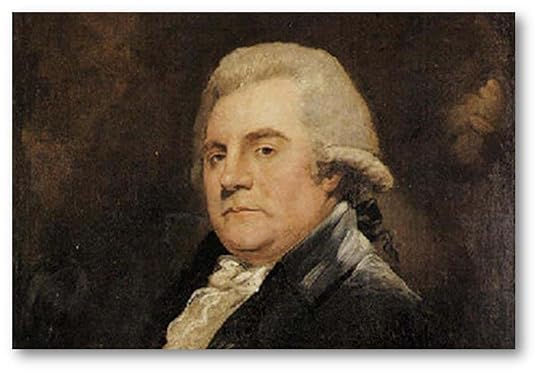
The above quote offers a compelling enticement to engage this singular narrator with his promise for provocative insights and lively encounters.
However, it must be kept in mind that Boswell's London Journal, 1762-1763 is indeed, simply, a pietistic diary, scribed by James Boswell the 18th century Scottish biographer, diarist, and lawyer, and quickly reveals itself to have little drama, a vacuous story arc, nor any trace of humorous intrigue to justify its unbroken narrative tedium. The reader must suffer through much to capture very little. And although the book is classically written and good for a few dozen quotes—both from Boswell and later from those of his friend and older contemporary the English writer Samuel Johnson— I found Boswell himself personally to be a very annoying, self centered, sexist, privileged egoist.
The word insufferable comes quickly to mind.
His daily entries primarily focus on his life in London and his socially manipulating meals; endlessly parading, day after day, through breakfast, tea, lunch, and dinner invitations, and then providing generalized summaries of the hosts and guests in attendance; blunt commentary of the topics of discussion, and his self-serving intentions for making, keeping, or ending these relationships. He professes how he sustains this nine month lifestyle on such an allowance provided from a wealthy family, and yet spends it poorly, and then portrays his heroics for surviving.
The most challenging aspect of this book is the decision to bog it down with so many footnotes, seemingly competing and surpassing the actual text in volume; in some cases continuing to engulf an entire following page. At times one feels as if they are reading two separate books simultaneously. Perhaps this was a decision designed to add more substance to the text, or to at least embellish the tedium and bland nature of most entries. Boswell himself confesses that his entries would be fewer in the last quarter of the book when he felt he had little to write about.

The above quote offers a compelling enticement to engage this singular narrator with his promise for provocative insights and lively encounters.
However, it must be kept in mind that Boswell's London Journal, 1762-1763 is indeed, simply, a pietistic diary, scribed by James Boswell the 18th century Scottish biographer, diarist, and lawyer, and quickly reveals itself to have little drama, a vacuous story arc, nor any trace of humorous intrigue to justify its unbroken narrative tedium. The reader must suffer through much to capture very little. And although the book is classically written and good for a few dozen quotes—both from Boswell and later from those of his friend and older contemporary the English writer Samuel Johnson— I found Boswell himself personally to be a very annoying, self centered, sexist, privileged egoist.
The word insufferable comes quickly to mind.
His daily entries primarily focus on his life in London and his socially manipulating meals; endlessly parading, day after day, through breakfast, tea, lunch, and dinner invitations, and then providing generalized summaries of the hosts and guests in attendance; blunt commentary of the topics of discussion, and his self-serving intentions for making, keeping, or ending these relationships. He professes how he sustains this nine month lifestyle on such an allowance provided from a wealthy family, and yet spends it poorly, and then portrays his heroics for surviving.
"I eat my cold repast today heartily. I have great spirits. I see how little a man can live on, and I find that Fortune cannot get the better of me. I never can come lower than to live on bread and cheese."He also professes an ardent Christian faith and attends church services regularly, despite being distracted by his amorous desires to the young ladies also in attendance. Yet his sexual exploits, viewed from his casual and consequential temperament, finds its first setback while engaging in a relationship with what he believed to be a virtuous, well bred young lady. Instead, it results in a serious infection and curbs all further social activities for 5 weeks, causing him much anxiety, pain, and embarrassment, and forcing him to then recover in the isolation of his leased rooms. He vows to change his practices in the future, but soon succumbs to the local street walkers and prostitutes nonetheless.
The most challenging aspect of this book is the decision to bog it down with so many footnotes, seemingly competing and surpassing the actual text in volume; in some cases continuing to engulf an entire following page. At times one feels as if they are reading two separate books simultaneously. Perhaps this was a decision designed to add more substance to the text, or to at least embellish the tedium and bland nature of most entries. Boswell himself confesses that his entries would be fewer in the last quarter of the book when he felt he had little to write about.
"Nothing worth putting into my journal occurred today. It passed away imperceptibly, like the whole life of many a human existence."In fact, he was so concerned about the quality of his journal, he expressed in its final pages his reasons and emotions regarding and preserving it— including support from his now growing admiration of Samuel Johnson.
"I told Mr. Johnson that I put down all sorts of little incidents in it. "Sir," he said "there is nothing too little for so little creature as man. It is by studying the little things that we attain great knowledge of having as little misery and as much happiness as possible."While understanding James Boswell's historical legacy and popularity may be difficult based on this Journal, his time spent in London does offer a very enriching snapshot of life and conditions during that period; those popular cultural aspects are enlightening, although backward. Enjoying the theater, the plays, operas, and dinner parties; sitting around drawing rooms, clubs, and taverns, debating art, literature, and music until the early morning hours, does have its appeal. It's perhaps this book's best, if not only redeeming characteristic. In that respect, it's a viable ticket for Time Travel and worth completing.
" O my journal! art thou not highly dignified? Shalt thou not flourish tenfold? No former solicitations or censures could tempt me to lay it aside . . . He said indeed I should keep it private, and that I might surely have a friend who would burn it in case of my death. For my own part, I have at present such an affection for this my journal that it shocks me to think of burning it."

June 24, 2008
I have tried to read this book more than once, but Boswell--when he is his normal, unguarded self--comes across as the most excruciating little narcissistic prick you've ever discovered between the pages of a journal.

June 19, 2009
Lots of salubrious details in this little volume (a bestseller upon its release, believe it or not), but I found it pretty dull going on the whole. If you are in love with the hypocritical, theatrical, megalomaniacal, shameless sponge who wrote it, you'll probably like it.
June 18, 2020
Quite an interesting book, especially perhaps, for students of 17th-century manners, or of Boswell. For me, Boswell is a taste not yet acquired. Perhaps there is a charm to such a level of self-focus in one so ingenuous, but it is also a little tedious. (“I think there is a blossom about me of something more distinguished than the generality of mankind.")
One is inclined to support his father in recommending commitment to something rather more productive than his licentious, luxurious, indolent life in London, mixed with his dreams of becoming a man of note without actually doing anything.
To Boswell's credit though, he does include episodes which do not reflect well on him:
“Lord Eglinton and I talked a little privately. He imagined me much in the style that I was three years ago: raw, curious, volatile, credulous. He little knew the experience I had got and the notions and the composure that I had obtained by reflection. ‘My Lord,’ said I, ‘I am now a little wiser.’ ‘Not so much as you think,’ said he. ‘For, as a boy who has just learned the alphabet when he begins to make out words thinks himself a great master of reading, so the little advance you have made in prudence appears very great, as it is so much before what you was formerly.’ I owned that there was some justice in what he said.”
“What a curious, inconsistent thing is the mind of man! In the midst of divine service I was laying plans for having women, and yet I had the most sincere feelings of religion.”
The journal includes accounts of Boswell's first meeting with Johnson and their early conversations. For this reason, it is biographically interesting; and one's irritation with Boswell's self absorption is a little ameliorated by his hero worship of Johnson.
I have to confess that I was amused, much as I probably should not have been, by Boswell's energetic pursuits of sexual encounters, and his euphemisms for these.
The book does provide some interesting pictures of London life for the aristocratic classes in the mid-18th century.
This edition was published in 1950, after extensive searches by America's Yale University for previously unknown Boswell manuscripts, and carries a perceptive portrait of James Boswell, as well as useful biographical details of several of Boswell's main acquaintances during this period, written by the editor, Fredrick A Pottle.
One is inclined to support his father in recommending commitment to something rather more productive than his licentious, luxurious, indolent life in London, mixed with his dreams of becoming a man of note without actually doing anything.
To Boswell's credit though, he does include episodes which do not reflect well on him:
“Lord Eglinton and I talked a little privately. He imagined me much in the style that I was three years ago: raw, curious, volatile, credulous. He little knew the experience I had got and the notions and the composure that I had obtained by reflection. ‘My Lord,’ said I, ‘I am now a little wiser.’ ‘Not so much as you think,’ said he. ‘For, as a boy who has just learned the alphabet when he begins to make out words thinks himself a great master of reading, so the little advance you have made in prudence appears very great, as it is so much before what you was formerly.’ I owned that there was some justice in what he said.”
“What a curious, inconsistent thing is the mind of man! In the midst of divine service I was laying plans for having women, and yet I had the most sincere feelings of religion.”
The journal includes accounts of Boswell's first meeting with Johnson and their early conversations. For this reason, it is biographically interesting; and one's irritation with Boswell's self absorption is a little ameliorated by his hero worship of Johnson.
I have to confess that I was amused, much as I probably should not have been, by Boswell's energetic pursuits of sexual encounters, and his euphemisms for these.
The book does provide some interesting pictures of London life for the aristocratic classes in the mid-18th century.
This edition was published in 1950, after extensive searches by America's Yale University for previously unknown Boswell manuscripts, and carries a perceptive portrait of James Boswell, as well as useful biographical details of several of Boswell's main acquaintances during this period, written by the editor, Fredrick A Pottle.

September 21, 2023
A marvellous record of social customs in the upper reaches of London society in 1762-63, and readable largely on that account. It's almost like watching a vivid documentary. People were basically the same then and there as in most places now, yet they (at least Boswell and his acquaintances) thought and acted in intriguingly different ways. Boswell himself emerges as a human but not altogether admirable character, although allowances might be made for the fact that he is a confused 22-year-old and suffering from what are clearly occasional bouts of depression.
He is mostly open and honest — with the glaring omission that his journal does not once mention he has left an illegitimate son back in Scotland. He must have been affable and charming; all sorts of people immediately took to him and enjoyed his company. He was also: inconstant; an often weak-willed dreamer; foolishly hoping that friendly aristocrats could arrange to get him a commission as an army officer (but only in the Guards because that would involve no real soldiering and leave him free to enjoy London); compulsively in search of sex with both prostitutes and society women (the Wikipedia entry on him says he had venereal diseases 17 times during his relatively short life); somewhat vain; somewhat self-regarding and selfish; not as amusing a writer as he liked to think. But the evidence suggests he was an accurate recorder of what he saw and heard, and he saw and heard a lot.
Two passages in the journal are very informative about him. He reports of his friend Lord Eglinton: "He said I was the only man he ever knew who had a vast deal of vanity and yet was not in the least degree offensive." Then there is this report of an exchange with writer Oliver Goldsmith: "He said I had a method of making people speak. 'Sir,' said I, 'that is next best to speaking myself.' 'Nay,' said he, 'but you do both.' I must say indeed that if I excel in anything, it is in address and making myself easily agreeable."
Christopher Morley's preface to the McGraw-Hill paperback edition, which is the one I picked up in a second-hand bookstore years ago, is a thorough treat of literary quality and intelligent comment.
He is mostly open and honest — with the glaring omission that his journal does not once mention he has left an illegitimate son back in Scotland. He must have been affable and charming; all sorts of people immediately took to him and enjoyed his company. He was also: inconstant; an often weak-willed dreamer; foolishly hoping that friendly aristocrats could arrange to get him a commission as an army officer (but only in the Guards because that would involve no real soldiering and leave him free to enjoy London); compulsively in search of sex with both prostitutes and society women (the Wikipedia entry on him says he had venereal diseases 17 times during his relatively short life); somewhat vain; somewhat self-regarding and selfish; not as amusing a writer as he liked to think. But the evidence suggests he was an accurate recorder of what he saw and heard, and he saw and heard a lot.
Two passages in the journal are very informative about him. He reports of his friend Lord Eglinton: "He said I was the only man he ever knew who had a vast deal of vanity and yet was not in the least degree offensive." Then there is this report of an exchange with writer Oliver Goldsmith: "He said I had a method of making people speak. 'Sir,' said I, 'that is next best to speaking myself.' 'Nay,' said he, 'but you do both.' I must say indeed that if I excel in anything, it is in address and making myself easily agreeable."
Christopher Morley's preface to the McGraw-Hill paperback edition, which is the one I picked up in a second-hand bookstore years ago, is a thorough treat of literary quality and intelligent comment.

November 17, 2023
James Boswell is best known for writing what is often held up as the greatest work of biography: The Life of Samuel Johnson. Boswell's talent for crisp, lively, and telling prose was such that his biography of the great man of letters has long eclipsed any of that man's own works. Johnson is now most famous as a character in his own biography.
This journal, I argue, is an even greater work than the famous Life of Johnson. It was written when Boswell was just 22 and deals with the subject of a young man finding his way in the big city and in the world. By this point Boswell's skills of written expression were already fully developed, and perhaps had always been. His writing has a simplicity and clarity that would take 150 more years to enter the mainstream of the English language. But, in 1762, Boswell was certainly not fully developed as a man. This, and his mostly unrestrained honesty in describing it, makes this work such a fascinating time capsule of a young man's inner thoughts more than 250 years ago. For, at this age, Boswell was rebellious, misguided, gullible, egotistical, and deeply horny.
This volume covers the yearlong period after Boswell came down from Scotland to London, and before he moved on to travel on the continent. It is a pleasure to know that there are 12 more volumes of these journals to be read, constituting the Life of James Boswell.
This journal, I argue, is an even greater work than the famous Life of Johnson. It was written when Boswell was just 22 and deals with the subject of a young man finding his way in the big city and in the world. By this point Boswell's skills of written expression were already fully developed, and perhaps had always been. His writing has a simplicity and clarity that would take 150 more years to enter the mainstream of the English language. But, in 1762, Boswell was certainly not fully developed as a man. This, and his mostly unrestrained honesty in describing it, makes this work such a fascinating time capsule of a young man's inner thoughts more than 250 years ago. For, at this age, Boswell was rebellious, misguided, gullible, egotistical, and deeply horny.
This volume covers the yearlong period after Boswell came down from Scotland to London, and before he moved on to travel on the continent. It is a pleasure to know that there are 12 more volumes of these journals to be read, constituting the Life of James Boswell.
December 18, 2021
Oh, Boswell. I can't help but find him endearing even as I find him vexing at times. His constant refrain of "I'm not going to do the thing, totally not going to do the thing," followed by immediately doing the thing is very familiar to me. He's just very likeable; he wants to be good and be smart and be liked by important people. He wants to control his own life. He wants a cushy job where he doesn't have to do much but dress up fancy and be admired by pretty girls and parade about on horseback. He wants to be a successful writer. He's hobnobbing with greatness and totally starstruck.
Of course, he's also a product of his time and very sexist; when he contracts (or maybe just continues to have from a prior infection? this part is not clear to me from a modern medical standpoint) gonorrhea, he blames the woman he was sleeping with instead of realizing that he could be to blame. He's operating within the accepted understanding of the time which places the onus for sexually transmitted diseases on women and also insists that they know they are infected and are knowingly transmitting them.
But other than that sour note, I thoroughly enjoy Boswell's journal from this period. As someone who spends a lot of time reading material from hundreds of years ago, I am always struck by how much the same people have always been in a lot of ways, and I find that very comforting.
Of course, he's also a product of his time and very sexist; when he contracts (or maybe just continues to have from a prior infection? this part is not clear to me from a modern medical standpoint) gonorrhea, he blames the woman he was sleeping with instead of realizing that he could be to blame. He's operating within the accepted understanding of the time which places the onus for sexually transmitted diseases on women and also insists that they know they are infected and are knowingly transmitting them.
But other than that sour note, I thoroughly enjoy Boswell's journal from this period. As someone who spends a lot of time reading material from hundreds of years ago, I am always struck by how much the same people have always been in a lot of ways, and I find that very comforting.

June 10, 2021
A few interesting bits to give one an idea of the high-ish society of the time (Boswell was a Scottish Laird... eventually), as well as London life, but Boswell himself isn't that interesting. The name-dropping is appreciated, and one gets to hear of key actors (literally and figuratively). It gets good in terms of ideas only when he runs into Samuel Johnson, and that's not til about 75% through the work. Boswell's main virtue is that of honesty, but it does get tiresome to hear of his nth run-in with street whores, after which he pledges not to do it again. (No need for spoilers: he does it again)
I had hoped that when Boswell ran into Johnson that the whoring would stop, due to Johnson's good influence (and Boswell needed that influence)... but nope. Young dumbass continues to do some dumbass thing. There is still plenty of good humor, and Boswell was only about 22 when he wrote this.
But Johnson is definitely the great man and one can tell the gulf in wisdom and great humor, but I can see why Johnson liked having the young man around... always nice to have a disciple. Heh. Going to read Life of Johnson next, as it's Johnson I want to know about, not Bozzy.
I had hoped that when Boswell ran into Johnson that the whoring would stop, due to Johnson's good influence (and Boswell needed that influence)... but nope. Young dumbass continues to do some dumbass thing. There is still plenty of good humor, and Boswell was only about 22 when he wrote this.
But Johnson is definitely the great man and one can tell the gulf in wisdom and great humor, but I can see why Johnson liked having the young man around... always nice to have a disciple. Heh. Going to read Life of Johnson next, as it's Johnson I want to know about, not Bozzy.

November 11, 2020
Very readable and entertaining diary kept during a stay in London of around nine months. Boswell was a young man trying to make his way in the world, at first set on getting a commission in the Guards but in the end giving up this idea and agreeing to his father's wish that he should become a lawyer. A fascinating insight into the world of Georgian London: Boswell met a lot of famous and interesting people in his short stay, including of course Samuel Johnson whom he met towards the end of his visit. The details of daily life are interesting too. His lodgings were in Downing Street and his amorous adventures, of which there were many, sometimes took place in St. James's Park, and once, memorably, actually on Westminster Bridge. His attitude to women is what apologists would call "of his time", no doubt - in other words pretty awful, and there is one nasty episode which sounds more like a rape than an encounter. Apart from that, though, this book is a pleasure to read, not least because of its frankness and self-awareness.
February 4, 2025
A young Scotsman leaves home, resisting his father's request to stay and study law. He's headed for the hustle and bustle of 18th Century London. While there, he meets indolent nobles who promise to help him achieve his dream of a military career but never deliver. He meets prostitutes in Hyde Park who promise to make other dreams come true, even if those dreams are bought with hard earned money and come with a bout of venereal disease. He consorts with dandies, raconteurs, bonvivants, wastrels, and lexicographer Samuel Johnson. All of it captured in a journal spanning a little under two years, a journal which showcases Boswell's keen abilities as a thoughtful observer and active participant in life. His travels take him to some of the worst and best places in London, where one would drink tea as well as coffee and things much stronger, eat chops on china or wooden plates, attend theatre productions which skirted the line between dignified art and raucous mayhem, and find in Johnson's company the guardrails he needed navigate life as a man of the world.
July 14, 2020
It's been awhile since I read Boswell and the ugliness seems more jarring to this old lady (or perhaps I didn't read closely before.) Anyway the things I love remain vivid- the daily life (lots of food & drink,) the Georgian scene, tootling around with Johnson &c. ...
I could live without the sex worker abuse. And they would rather also.
I'm no expert but I think Boswell may've had an addiction. I'm not sure if it was sexual congress itself that did it or the women (sex workers) the "naughty" factor.
I do know he would swear them off then immediately "fall back into sin."
Of course we are taking him at his word here (and he may be embellishing things quite a bit...)
Can't help but compare his wealth to Chatterton's poverty. *Sigh*
Very much worth reading of course, just be prepared.
Trigger Warning: May disturb some readers
racist content, sexist content, animal content
Wishing you many good friends :)
I could live without the sex worker abuse. And they would rather also.
I'm no expert but I think Boswell may've had an addiction. I'm not sure if it was sexual congress itself that did it or the women (sex workers) the "naughty" factor.
I do know he would swear them off then immediately "fall back into sin."
Of course we are taking him at his word here (and he may be embellishing things quite a bit...)
Can't help but compare his wealth to Chatterton's poverty. *Sigh*
Very much worth reading of course, just be prepared.
Trigger Warning: May disturb some readers
racist content, sexist content, animal content
Wishing you many good friends :)
Displaying 1 - 30 of 95 reviews